

Raised garden bed kits make gardening feel more doable for beginners, renters, and anyone who wants a cleaner setup without a long building project. Instead of cutting boards, measuring corners, and guessing on depth, a kit gives a faster path from box to planting day. That is why modular panels, snap-lock parts, self-watering bases, and compact shapes keep getting attention from small-yard and patio gardeners. The best raised garden bed kits save time, fit tight spaces, and hold up through weather without a lot of upkeep. Some are better for herbs on balconies. Some work well for vegetables in backyards. Some focus on comfort with raised legs or wheels. This list breaks down easy raised garden bed kits that keep setup simple while helping gardeners choose a style that fits the space, budget, and daily routine.
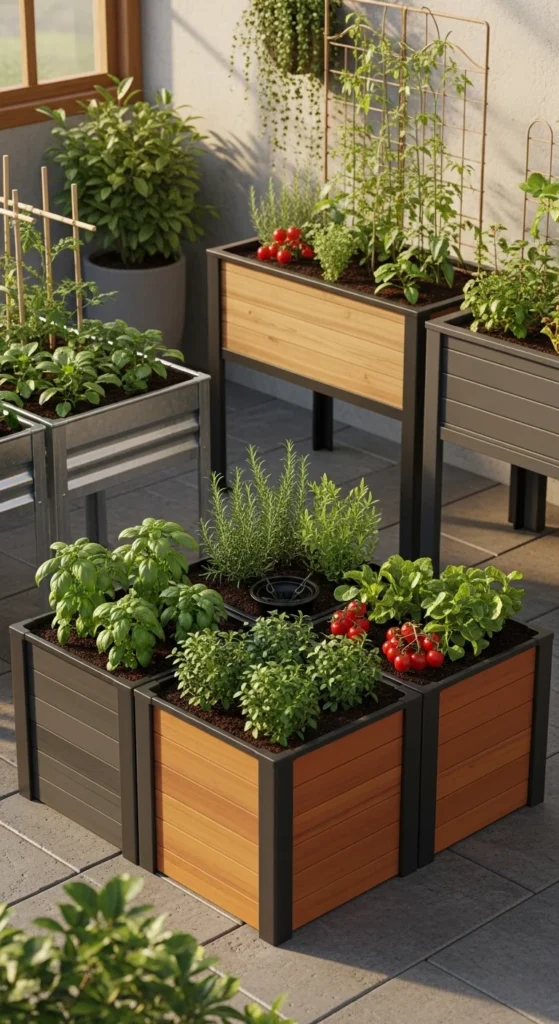
1. Modular Steel Kits for Flexible Layouts
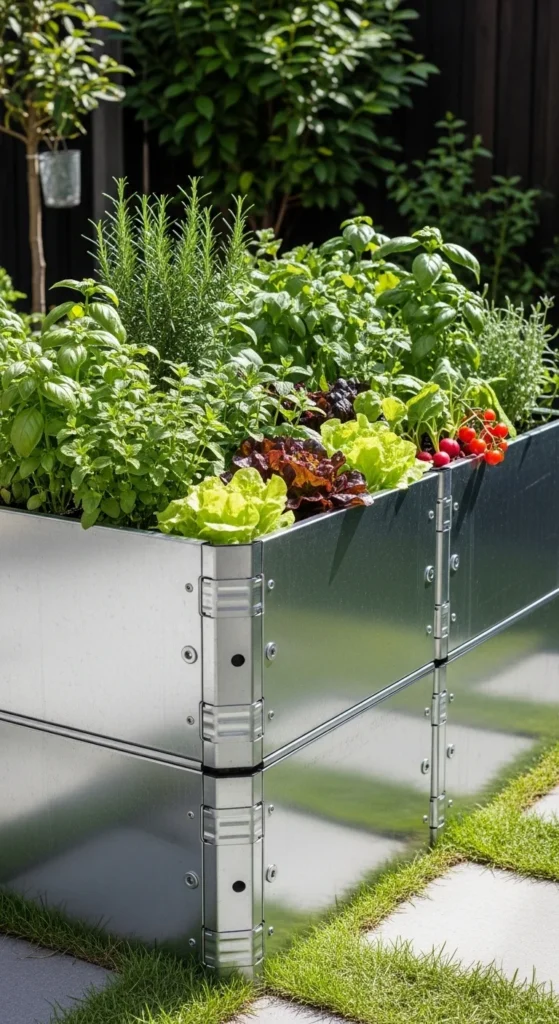
Modular steel kits are popular because they solve two problems at once. They last a long time, and they can be arranged in more than one shape. That makes them a strong pick for gardeners who do not want to rebuild later. A kit with interchangeable panels can fit a narrow side yard now and a wider backyard later. That flexibility is a big reason many beginners start here.
Galvanized steel handles weather better than basic wood in many outdoor spaces. It does not rot, and it usually stays looking tidy with very little work. Many kits come with pre-drilled panels, bolts, and corner pieces that make setup feel more like assembly than construction. That is helpful for people who want a fast weekend project.
For a lower-cost setup, start with one smaller configuration instead of buying the biggest version right away. Fill it with herbs, lettuce, bush beans, or peppers, then expand later if the layout works well. A simple gravel edge around the bed can make the whole area feel more finished without much extra spending.
If the yard has awkward corners or the space may change over time, a modular steel kit gives room to adjust without starting from scratch.
2. Self-Watering Kits for Low-Fuss Gardening
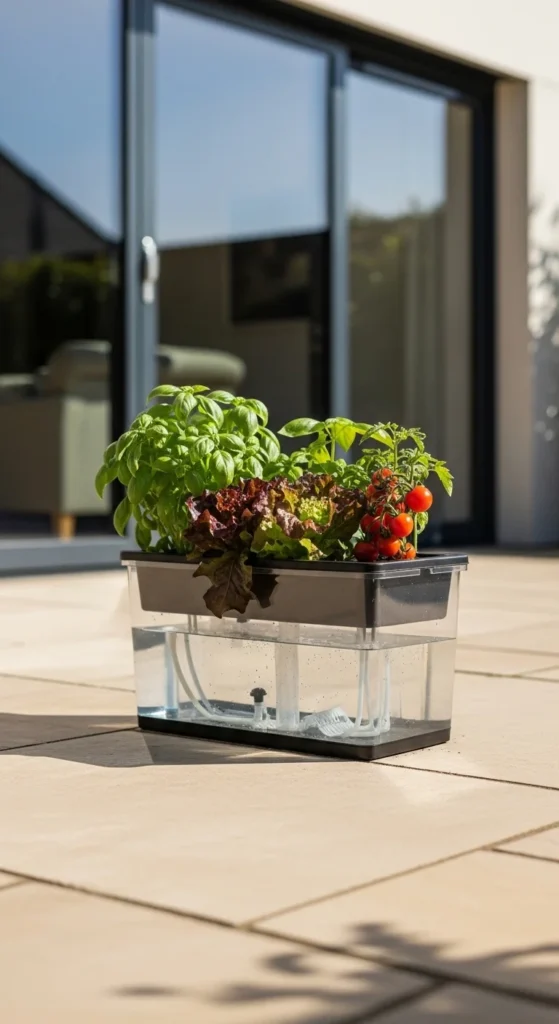
Self-watering raised bed kits are made for gardeners who want less daily guesswork. The water sits in a lower reservoir and moves upward over time, which helps the soil stay more even between watering sessions. This is a useful feature in hot climates, on sunny patios, or for people who miss a day here and there.
These kits work especially well for herbs, greens, peppers, and compact tomatoes. They are also helpful for balcony gardeners because watering can be messy in tight spaces. A self-watering bed helps reduce runoff and cuts down on how often the soil dries out. That can make the garden easier to manage during busy weeks.
Many ready-made kits cost more than plain beds, so a smart way to save money is to buy just one self-watering unit for the crops that dry out fastest. Another route is using a basic kit and adding a simple reservoir insert later. That gives some of the same benefit without buying an entire premium setup.
For gardeners who want setup to stay simple after planting too, this type of kit makes a lot of sense. It reduces daily work and helps small-space gardening feel more forgiving.
3. Snap-Lock Composite Kits for Quick Starts
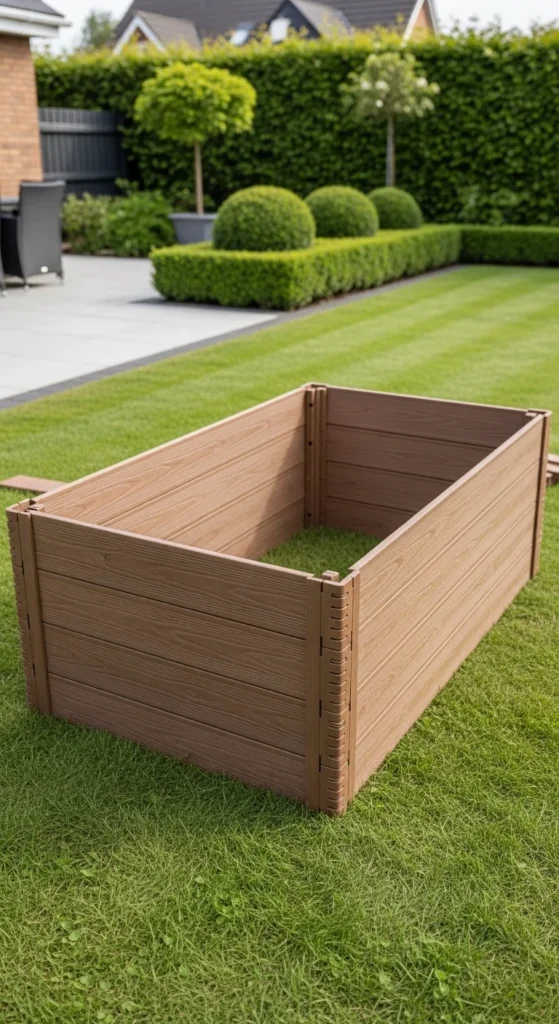
Snap-lock composite kits appeal to people who want the easiest possible setup. Instead of drilling, sawing, or sorting a pile of hardware, the boards slide or lock into place with a much simpler system. That makes these kits a good fit for first-time gardeners who want to spend more time planting and less time building.
Composite material also helps with upkeep. It will not rot like plain untreated wood, and it usually holds up well in wet weather. That is useful for gardeners who do not want to stain, seal, or replace boards every few seasons. The clean, even look also suits patios and small urban yards where the garden sits close to the home.
To keep the cost down, choose a compact shape rather than a large multi-section design. One smaller snap-lock bed can still grow plenty of herbs, lettuce, onions, and flowers. If the brand offers extension pieces, buy those later instead of paying for the full setup from day one.
For renters or new homeowners, this type of kit removes a lot of the usual stress that comes with garden projects. The parts are simple, the assembly is faster, and the final bed feels neat and easy to live with.
4. Pre-Cut Cedar Kits for a Classic Look
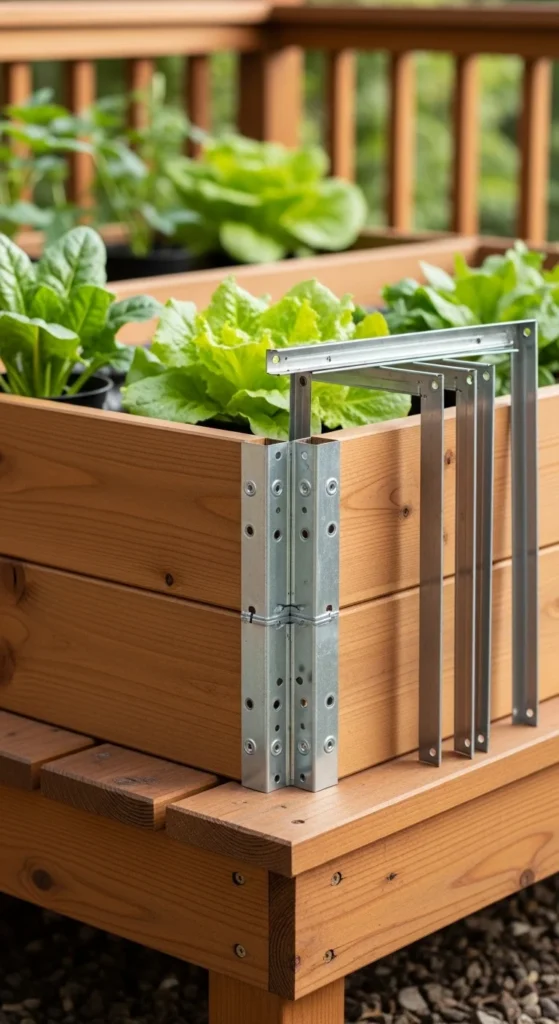
Pre-cut cedar kits are a smart option for gardeners who like the warm look of wood but do not want to build a bed from raw lumber. The boards are already sized, the corners are planned, and the hardware is usually included. That takes away a lot of the measuring mistakes that slow down DIY builds.
Cedar is popular because it handles outdoor weather better than many cheaper woods. It also fits nicely into patios, backyards, and cottage-style gardens. For many people, a cedar kit feels more natural and homey than metal or resin. That makes it a good choice when the bed is going to sit close to a deck, seating area, or walkway.
To stay on budget, choose one medium bed instead of several small ones. A single cedar kit near the kitchen can grow herbs, lettuce, radishes, and flowers without filling the whole yard. If the kit has optional extras like caps or decorative trim, skip those at first and spend the money on soil and seeds instead.
This type of bed is a nice middle ground. It offers the look of a traditional raised garden without asking the gardener to cut boards or start with a blank plan.
5. Raised-Leg Kits for Easier Access
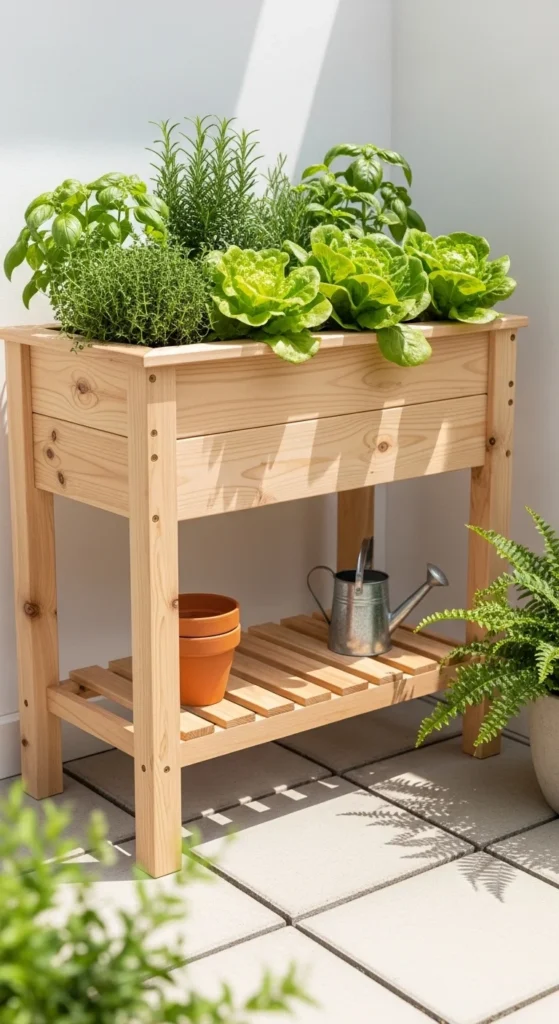
Raised-leg kits are useful for gardeners who want less bending and kneeling. The bed sits higher off the ground, so planting, watering, and harvesting feel easier on the back. This style works well on patios, decks, balconies, and compact backyards where comfort matters just as much as yield.
Many raised-leg kits come in table-style shapes with built-in drainage. Some even include a lower shelf for tools or small pots. That extra storage can make a big difference in a tiny space. Herbs, lettuce, spinach, radishes, and flowers are especially good fits because they do not need extremely deep soil.
A budget-friendly approach is starting with one raised-leg kit for the crops that get picked often, such as basil, parsley, and salad greens. Put it near the kitchen door or the sunniest part of the patio. That one useful bed can do more than several scattered containers. If the kit feels too expensive, look for simple wood or resin models before moving up to larger branded versions.
For gardeners who want setup to stay simple and body strain to stay lower, a raised-leg kit is one of the most practical choices on the list.
6. Round Steel Kits for Fast Backyard Setup
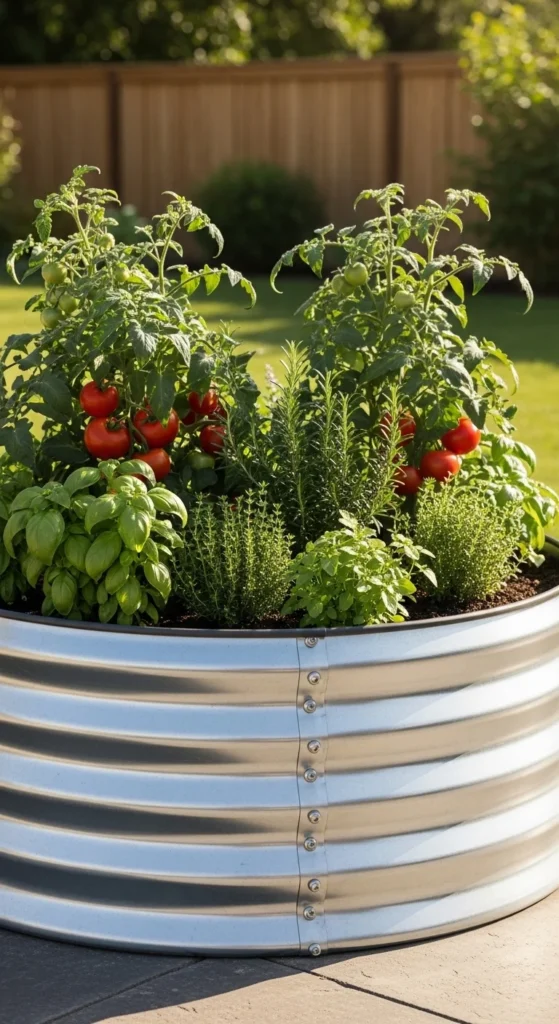
Round steel raised bed kits stand out because they go together quickly and soften the look of a backyard. Instead of long rectangular lines, the curved shape gives the garden a more relaxed feel. This can work well in open lawn areas, small corners, or places where a square bed would feel too stiff.
Many round kits come with curved panels and a short hardware list, which keeps assembly simple. Once built, they usually offer enough depth for tomatoes, peppers, beans, herbs, and flowers. The round shape also creates a central growing zone that can become a strong visual feature in the yard without taking up too much space.
To save money, use one round bed as a focal point rather than buying a matching group right away. Add mulch around it or a simple gravel ring to make the space feel planned. A smaller round bed can also work well for mixed herbs and edible flowers if the yard is very tight.
This kind of kit is a good match for beginners who want a bed that feels easy to build and attractive once planted. It offers durability, simple setup, and a shape that works in many outdoor layouts.
7. Resin Kits for Balconies and Small Patios
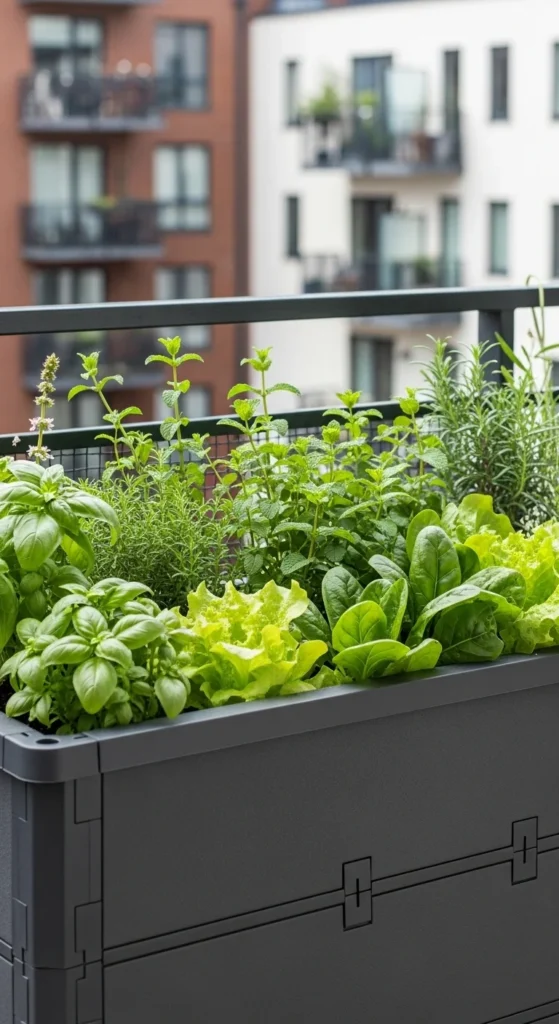
Resin raised bed kits are popular in small-space gardening because they are light, tidy, and low on upkeep. They do not rot like wood, and many are easier to move into place than heavier metal kits. That makes them useful for balconies, patios, and rooftop corners where weight and mess both matter.
Most resin kits come with simple panels or molded sides that lock together without much trouble. They often suit herbs, greens, and flowers more than large heavy crops, though deeper versions can handle peppers and compact tomatoes. The clean finish works well in modern homes where the garden sits close to doors, windows, or seating.
To keep costs lower, use resin kits where their strengths really matter. A balcony herb garden or a neat patio edge is often a better use than buying several large resin units for a whole backyard. Pair one resin bed with a few cheap pots if you want more planting space without overspending.
For people who want a kit that looks neat and asks for very little upkeep, resin is a practical material. It keeps setup simple and works especially well in urban spaces where a lighter, cleaner bed feels easier to manage.
8. Bottomless Kits for Better Drainage
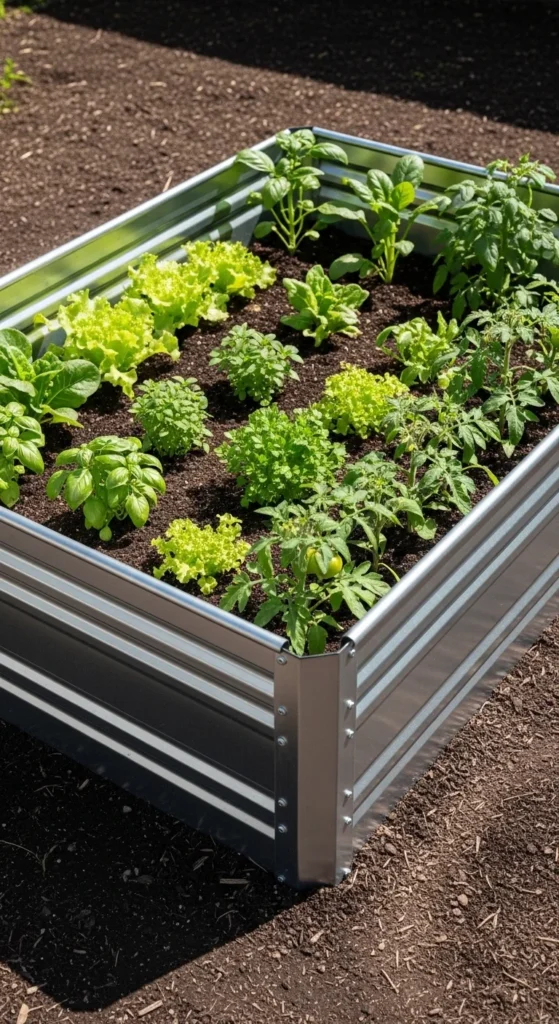
Bottomless raised garden bed kits are a strong choice for backyard gardeners who want good drainage and deeper root growth. Since the bed sits directly on the ground, water can move through more naturally and roots can reach lower if the soil beneath is prepared well. That makes this type of kit useful for vegetables that like deeper growing space.
These kits are often simpler than raised-leg or self-watering models. They usually include side panels, corner parts, and hardware, but no base section. That keeps the design straightforward and often lowers the price too. Tomatoes, peppers, carrots, onions, beans, and flowers can all do well in this format.
To get the best result, place the bed on level ground and loosen the soil underneath before filling it. That part costs nothing but helps the kit work better. If weeds are a problem, use cardboard under the soil mix as a cheap barrier. A gravel or mulch path around the bed can also help keep the area tidy.
For gardeners with even a small backyard patch, a bottomless kit is one of the easiest ways to start. The setup is simple, the drainage is better, and the bed stays useful for many kinds of crops.
9. Wheeled Kits for Moving with the Sun
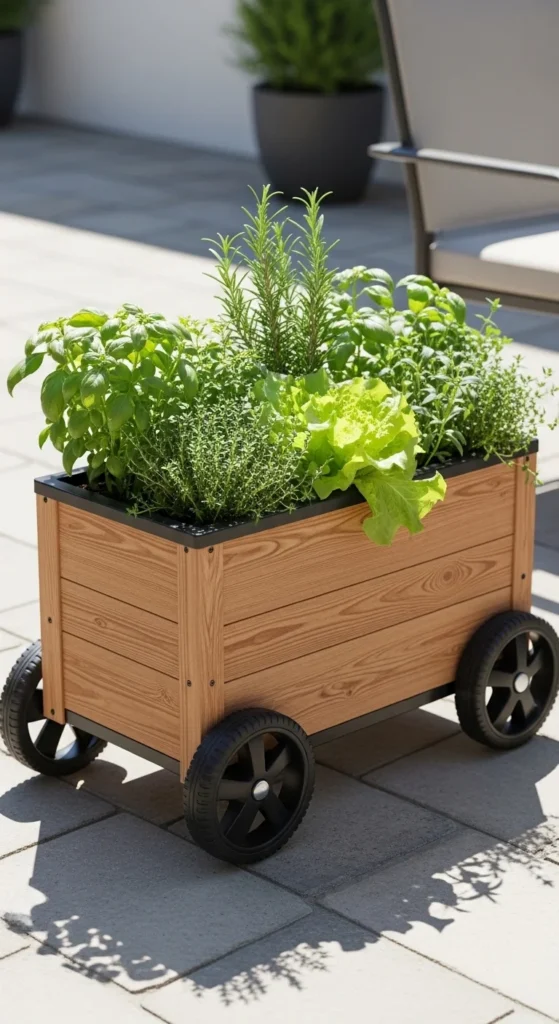
Wheeled raised bed kits are helpful in outdoor spaces where sunlight changes during the year. A bed on wheels can be shifted into better light or moved aside when the patio needs clearing. That flexibility is useful for renters, balcony gardeners, and anyone working with changing shade patterns.
These kits are usually smaller than standard ground beds, which makes them best for herbs, salad greens, flowers, and compact vegetables. Locking wheels matter a lot. Without them, the bed can roll when the soil gets heavy or when the surface slopes slightly. Many ready-made wheeled kits keep the size modest for that reason.
To save money, buy one mobile bed for the crops that benefit most from better light, then use cheaper stationary pots for the rest. Another idea is placing a lightweight kit on a sturdy rolling plant base instead of buying a premium wheeled model. That can work well for smaller beds and keeps the setup more affordable.
For gardeners who want a bed kit that can adapt to the space instead of staying fixed in one spot, a wheeled design offers convenience without adding much building effort.
10. L-Shaped Kits for Awkward Corners
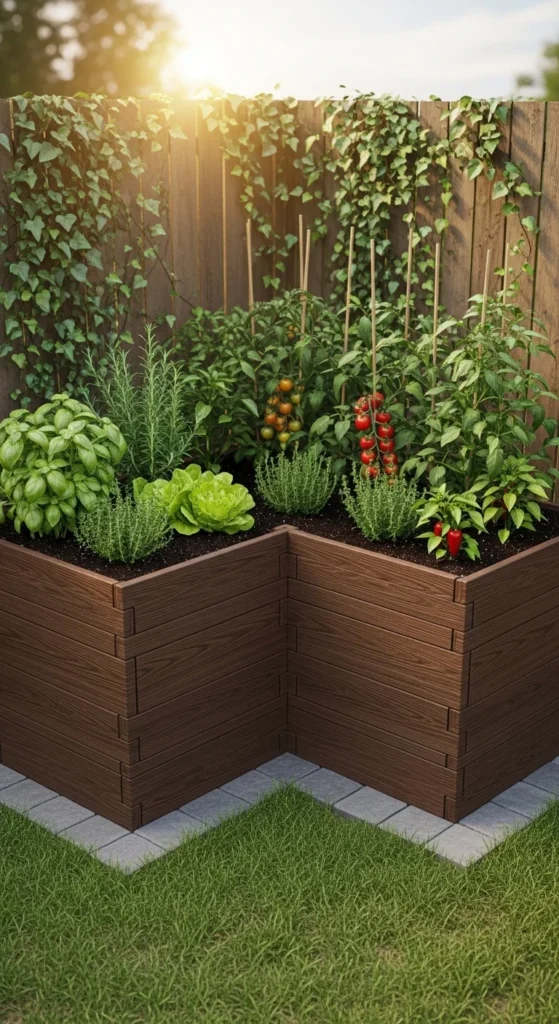
L-shaped raised garden bed kits are a smart answer for corners that feel hard to use. Instead of dropping one plain box in the middle of the yard, this style follows the edge of the space and leaves more of the center open. That makes the layout feel tidier and more useful in small backyards or along patio walls.
Many modular brands offer L-shaped configurations through shared panels and corner joints. That makes assembly easier than trying to build a custom corner bed from scratch. The shape works well for herbs, lettuce, onions, peppers, and flowers. One arm can hold edible crops while the other carries pollinator plants or decorative herbs.
To keep the project affordable, start with a smaller corner layout instead of the largest possible footprint. A short L-shape can still turn an unused spot into a productive garden. Add mulch or gravel around it so the corner feels like part of the yard plan instead of an afterthought.
For gardeners with awkward edges, fences, or wall corners, this kind of kit saves time and space. It turns a difficult layout into something practical without asking for custom woodworking or heavy design work.
11. U-Shaped Kits for High-Access Growing
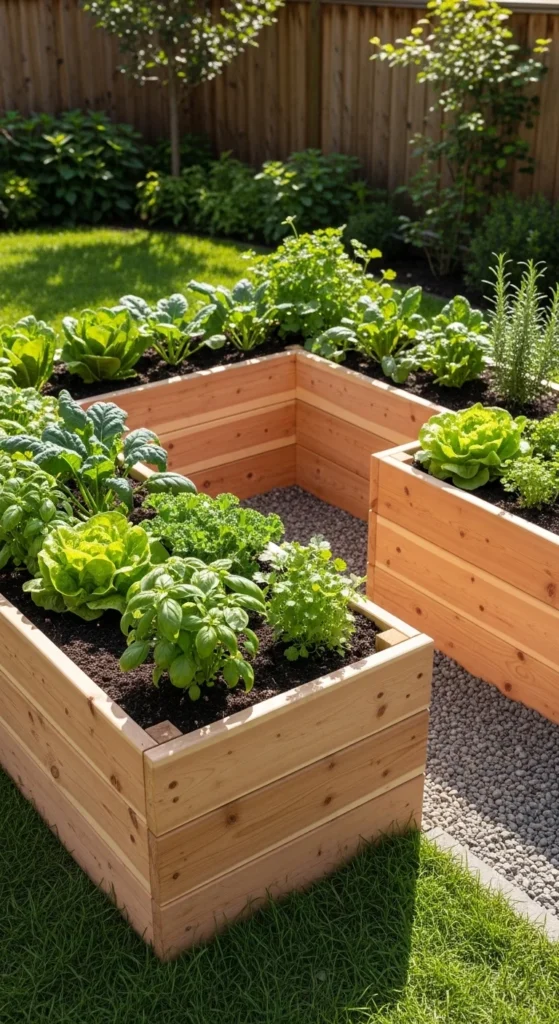
A U-shaped raised bed kit gives a lot of planting room while keeping most of the soil easy to reach. That is why this shape works well for people who want more harvest without needing several separate beds. The open center creates a simple working area, and the wraparound design keeps tools and plants close at hand.
This type of kit fits best in small backyards or wider patio zones where there is room for a standing or stepping area in the middle. It works well for mixed vegetable planting, with herbs and greens in one section and peppers or beans in another. Many modular steel or composite systems can be arranged into this shape using standard panels.
To stay within budget, choose a simple U with fewer sections rather than a huge oversized version. Fill only one or two parts at first if cost is an issue, then expand later. A gravel path in the center keeps shoes cleaner and helps the layout feel more finished without much extra work.
For gardeners who want a raised bed kit that feels organized and productive, the U-shape is a strong option. It makes the space easy to work in and helps keep every section within reach.
12. Trellis Kits for Vertical Growing
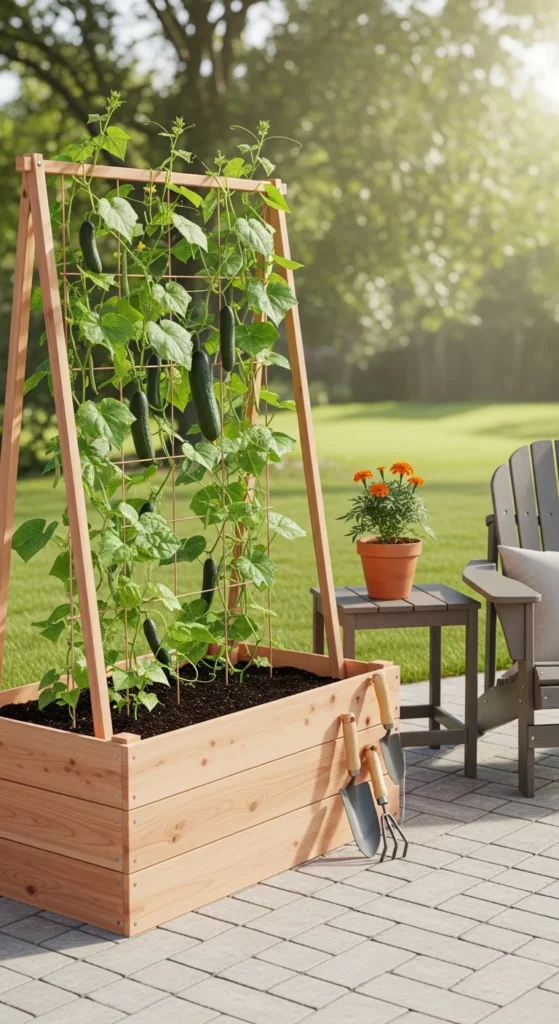
Raised garden bed kits with built-in trellises help gardeners grow upward instead of outward. That is a big advantage in patios, side yards, and tight backyards where floor space is limited. The bed holds the roots, while the trellis gives climbing crops a place to rise. This keeps the setup tidy and makes harvesting easier too.
These kits are ideal for beans, cucumbers, peas, and some compact tomatoes. Lower-growing herbs or lettuce can fill the front of the bed while taller vines use the vertical support behind them. Some kits come with the trellis included, while others sell it as an add-on. That makes it easy to start simple and add the support later if needed.
A budget-friendly approach is buying a plain kit and attaching a basic wire panel or lattice frame rather than paying for a premium trellis version right away. That can give a very similar result for less money. Just make sure the bed is sturdy enough to handle the extra height and plant weight.
For gardeners who want more yield from a small space without adding more beds, a trellis kit makes a lot of sense. It keeps setup straightforward while helping the garden do more.
13. Stackable Kits for Multi-Level Planting
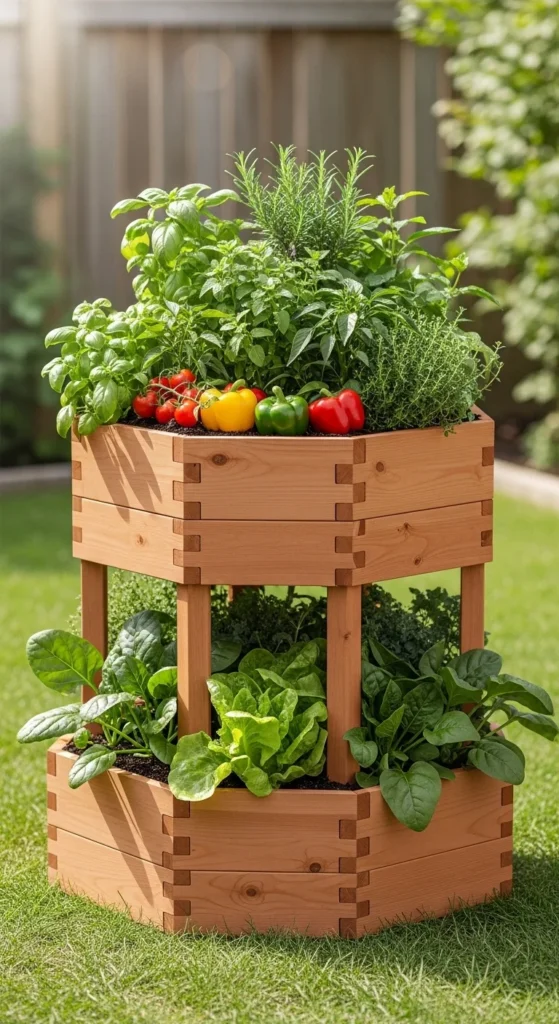
Stackable raised bed kits are useful for gardeners who want more depth or a layered look without building from scratch. The kit pieces sit one level above another, which allows the bed to grow taller over time. This can help with root crops, mixed plant heights, or simply making the bed more visible in a crowded yard.
A two-tier setup works well for carrots, onions, peppers, tomatoes, and flowers, depending on the final depth. It can also give the garden a more structured look. In small yards, that matters because a clear layout often feels less cluttered. Some stackable systems use wood boards and corner brackets, while others rely on modular composite or metal pieces.
To save money, start with a single layer and add the second level later only if the extra depth is useful. There is no need to pay for height before knowing how the space and crops behave. A cheap mulch ring or gravel strip around the bed can also help the taller structure feel stable in the landscape.
For gardeners who like flexible projects, stackable kits offer an easy path to expansion. They keep the first setup simple and make later changes much easier.
14. Composite Kits for Rot-Free Gardening
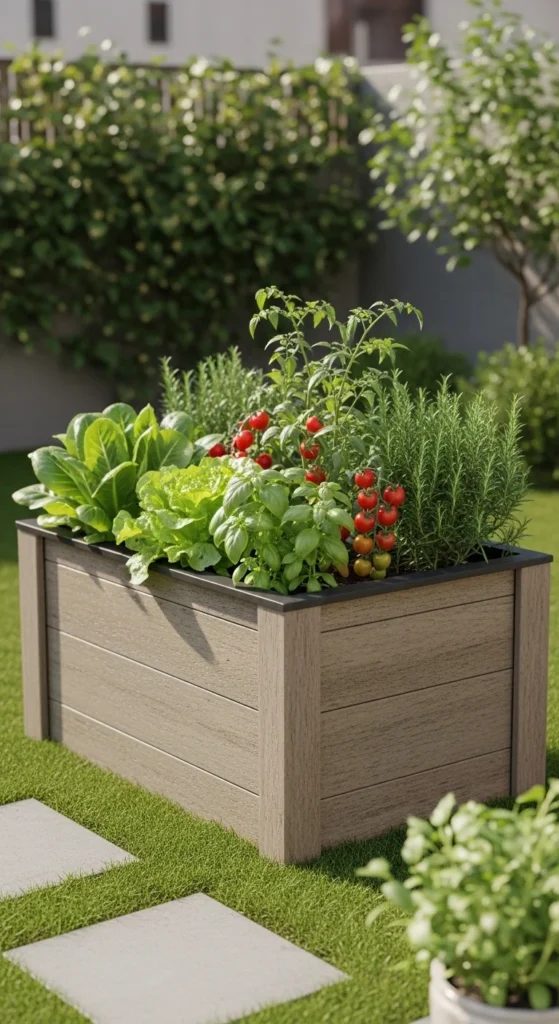
Composite raised garden bed kits are built for gardeners who want wood-like looks without wood-like upkeep. The material usually combines recycled fibers and plastic, which helps it resist rot, splintering, and weather damage better than plain boards. That can make it a smart choice for people who want a tidy bed that lasts with very little work.
These kits often come with modular parts or snap-together systems that simplify setup. The overall look works well in both urban and suburban settings. Composite beds are great for herbs, greens, flowers, onions, and peppers. Deeper versions can also support larger vegetables, but they tend to cost more.
A practical way to keep the budget in check is using composite for the bed closest to the house, where appearance matters most, and cheaper containers for extra planting. Another option is buying a smaller composite kit now and expanding later if the brand offers matching sections.
For beginners, this type of kit removes a lot of common garden worries. There is less concern about boards wearing out quickly, and the setup usually feels straightforward. If long-term ease matters more than the lowest price, a composite kit is a sensible path.
15. Compact Herb Kits for Apartment Gardeners
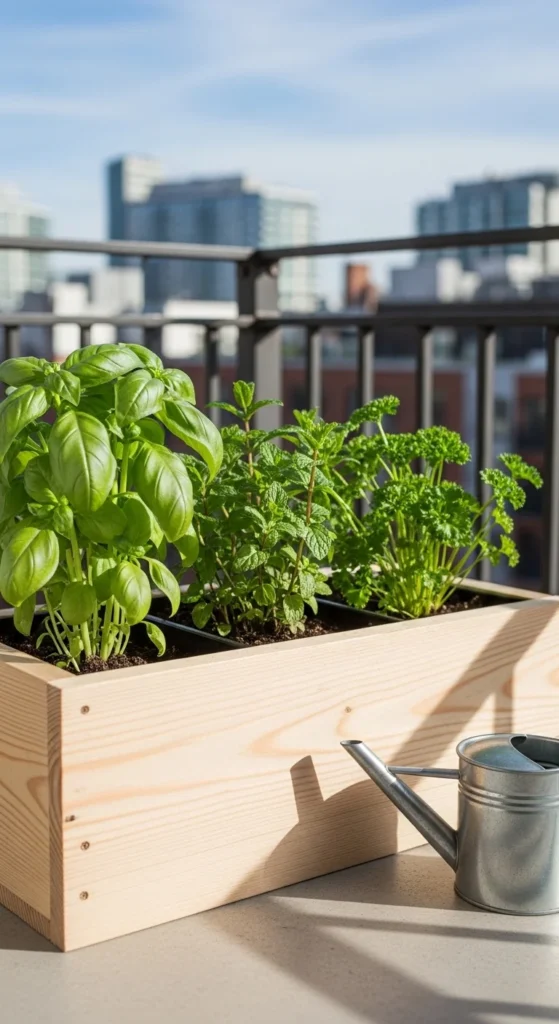
Compact herb bed kits are made for gardeners who do not have room for full vegetable plots but still want a useful growing setup. They fit nicely on balconies, porch corners, and small patios, and they usually go together with very little effort. For new gardeners, that makes them a low-risk place to begin.
These kits are best for basil, mint, thyme, parsley, oregano, cilantro, chives, and small salad greens. Since the planting depth is often limited, focusing on shallow-rooted crops makes the most sense. A narrow rectangular shape can sit along a railing or wall without blocking movement, which is very helpful in apartment settings.
To keep things affordable, buy one herb kit instead of a group of mixed containers. A single organized bed often looks better and is easier to water than several random pots. You can also reuse kitchen containers or cheap terracotta pots nearby for overflow herbs rather than buying more matching kits.
For people who cook often, a compact herb bed near the door is one of the most useful garden projects possible. It keeps setup simple, fits small spaces well, and brings the garden into daily life.
16. Starter Kits for Family Garden Projects
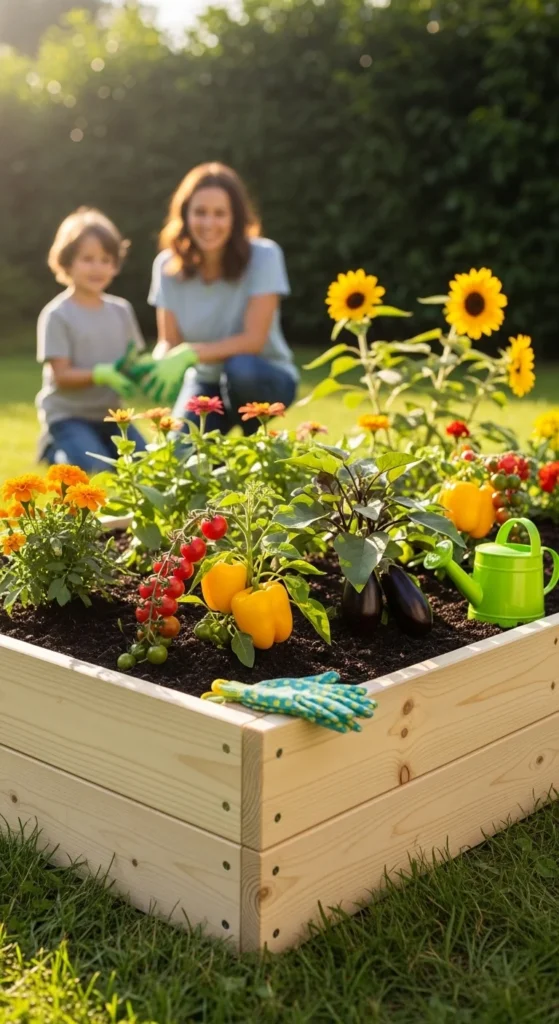
Starter raised garden bed kits are a good match for households that want a simple weekend project with kids or first-time gardeners. The parts are easier to understand than a full DIY build, and the finished bed gives a clear place to plant without taking over the whole yard. That makes the gardening process feel more manageable from the start.
A family-friendly kit usually works best in a modest size. It should be big enough for a few vegetables and flowers but small enough that filling it does not become expensive or exhausting. Lettuce, radishes, basil, beans, marigolds, and sunflowers are fun crops for this type of bed. They grow quickly and keep interest high.
To save money, choose a basic frame without a lot of add-ons. Spend more on good soil and a few easy seeds instead. If the kit sits on grass, use cardboard underneath as a cheap weed barrier. Painted plant markers and a small watering can can also turn the project into a more engaging activity without much extra cost.
For families who want setup to stay simple and the garden to feel approachable, a starter kit is a practical way to begin.
17. Dovetail-Style Kits for Simpler Corners
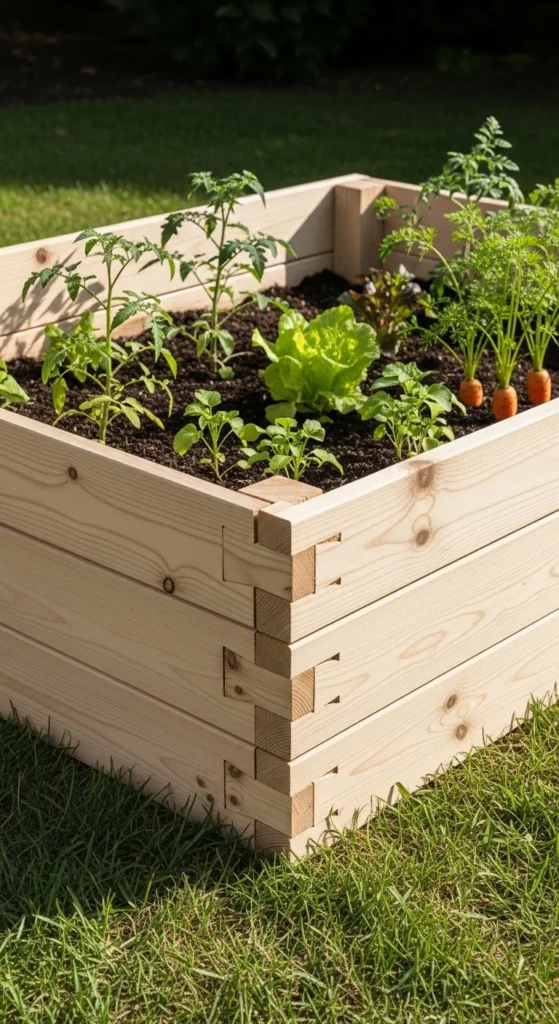
Raised bed kits with dovetail-style corner systems help remove one of the most annoying parts of building: tricky joints. Instead of measuring angles and trying to keep boards straight by hand, the corners guide the assembly. This makes setup faster and lowers the chance of a wobbly final bed.
These kits are often made from wood or composite boards that slide into shaped corner posts. The result looks neat and feels more controlled than a loose DIY frame. They work well for backyard vegetables, herb gardens, salad beds, and even decorative flower plots. For beginners, that guided assembly can make the whole project feel much more doable.
To stay on budget, keep the bed size moderate and skip fancy extras like decorative caps or matching covers at first. The main value here is the easier build, not the accessories. If the brand sells expansion boards later, start small and add more only if the first bed proves useful.
For gardeners who like the look of a classic wood bed but do not want a complicated project, a dovetail-style kit offers a practical balance. It keeps the assembly controlled and helps the finished bed feel sturdy from day one.
18. 9-in-1 Kits for Shape Customization
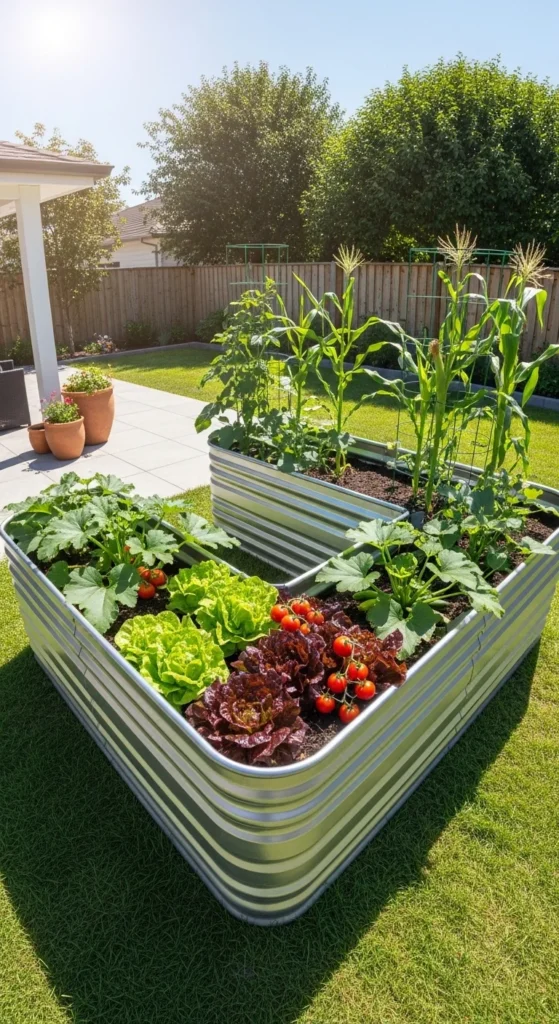
A 9-in-1 raised garden bed kit is designed for gardeners who want one purchase to offer several layout options. The same set of panels can often be arranged into different shapes depending on the space. That makes these kits useful in yards where the plan may change or where the exact fit is hard to judge before setup day.
These kits are usually made from galvanized steel and tend to hold up well through weather. They are a strong choice for vegetables, flowers, and mixed planting. The big appeal is being able to test a shape that fits the yard rather than being stuck with one preset rectangle. A narrow form might work along a fence, while a wider form might suit the center of a small backyard.
To avoid overspending, pick a kit size that fits the current space instead of buying the biggest available shape just because it offers more options. Start with the simplest configuration and see how it feels once filled and planted. If the bed crowds the yard, rework the shape before buying anything else.
For gardeners who want room to adjust without starting over, this kind of kit offers freedom with a very manageable setup process.
19. Cover-Ready Kits for Early Season Planting
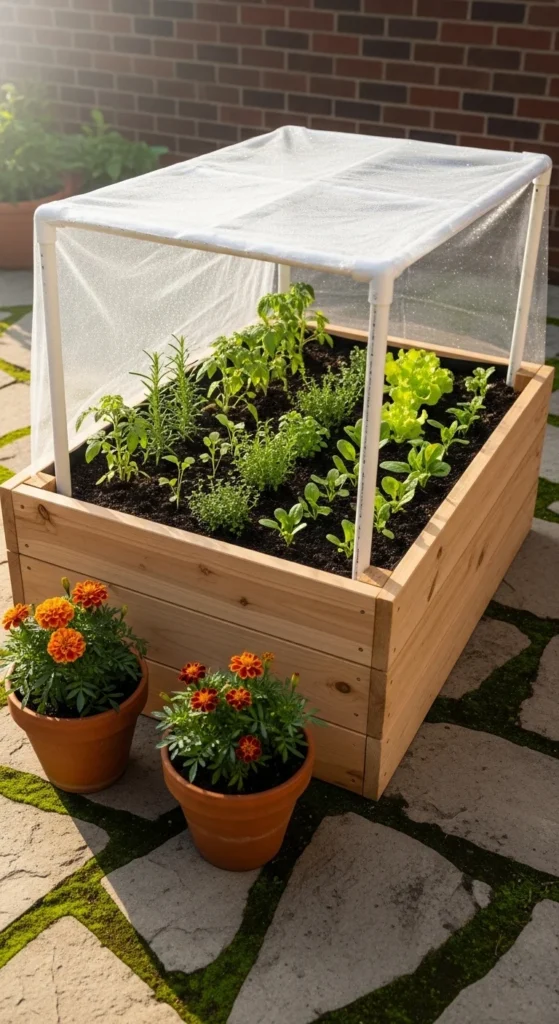
Some raised garden bed kits are built to work with hoops, netting, or simple cover frames. That makes them useful for gardeners who want a cleaner way to protect seedlings, extend the growing season a little, or keep pests off tender crops. In small gardens, getting more use from one bed matters a lot.
These kits often have corner points or side walls that make it easier to attach arches or fabric later. Salad greens, herbs, brassicas, and young vegetable starts benefit most from this setup. The bed itself may look like a standard rectangular kit, but the real value comes from how easily it accepts extra protection when needed.
A budget-friendly path is buying a basic kit that already has enough structure for a homemade cover frame. Cheap PVC hoops, wire supports, or even reused materials can do the job. There is no need to buy a premium branded cover unless the fit really matters to you. A few clips and fabric can go a long way.
For gardeners dealing with pests, cool nights, or unpredictable weather, a cover-ready bed kit offers more flexibility without turning setup into a complicated project.
20. Grid Kits for Organized Small Harvests
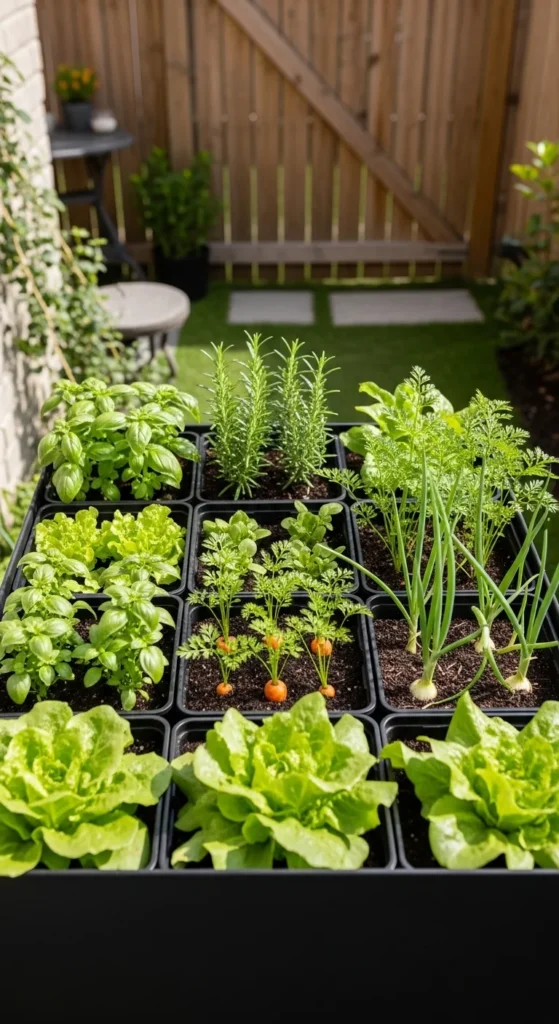
Grid-style raised bed kits make planting feel easier by dividing the space into smaller sections. This works well for beginners because it removes a lot of guesswork about spacing and crop planning. Instead of one big open box, the bed becomes a set of clear planting zones. That can help reduce overcrowding and wasted space.
These kits are especially useful for lettuce, carrots, onions, herbs, radishes, beets, and bush beans. They fit nicely in small backyards and sunny patio spots where every inch matters. Some kits include the dividing grid, while others sell it separately as an insert. Either way, the setup stays straightforward and practical.
To save money, start with a single square or rectangular grid bed rather than building a whole group. Use the sections for crops you harvest often, then replant empty squares as the season moves on. A simple wood or composite kit with a homemade string grid can also work if you want the same effect for less money.
For gardeners who like order, planning, and easy crop rotation, a grid-style kit makes setup and planting much more manageable without asking for advanced gardening experience.
21. Fence-Line Kits for Narrow Spaces
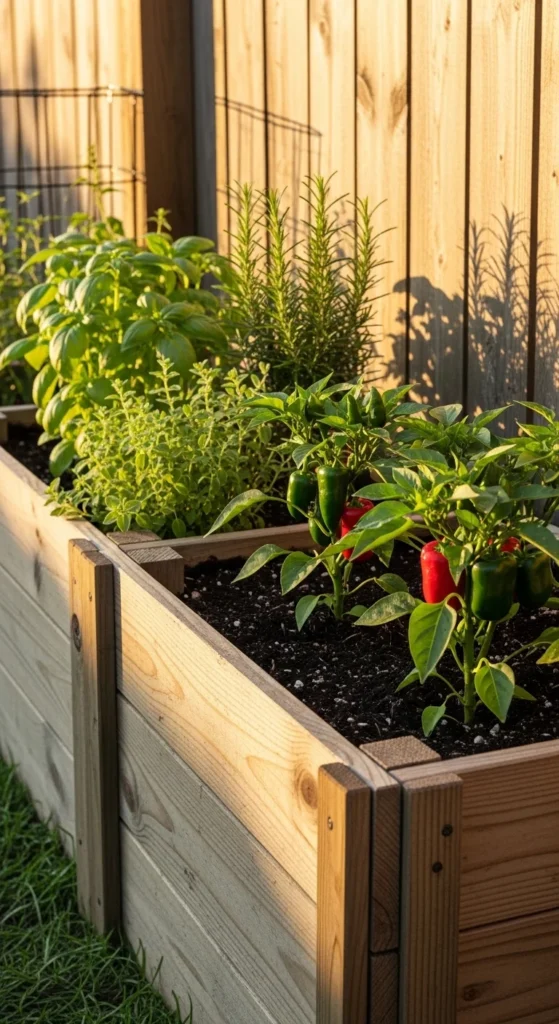
Long narrow raised garden bed kits are a good answer for side yards, fence edges, and tight strips of sun that would otherwise go unused. Instead of placing a bulky bed in the middle of the yard, this type follows the border and keeps the center open. That makes the whole space feel more practical.
These kits work especially well for herbs, lettuce, onions, peppers, marigolds, and even small tomatoes if the depth is decent. Many narrow kits are easier to assemble than large square ones because the parts are simpler and the soil volume is lower. That can also help with cost, since less filling material is needed.
A smart budget move is using one fence-line kit as the main growing zone and adding a trellis or a few loose containers only where extra crops are needed. Keep the bed width easy to reach so no one has to step into the soil. A mulch or gravel strip in front can make the whole area easier to walk and maintain.
For gardeners with awkward narrow spaces, a fence-line kit turns a forgotten edge into a productive part of the yard with very little assembly trouble.
22. Overflow-Control Kits for Hot Climates
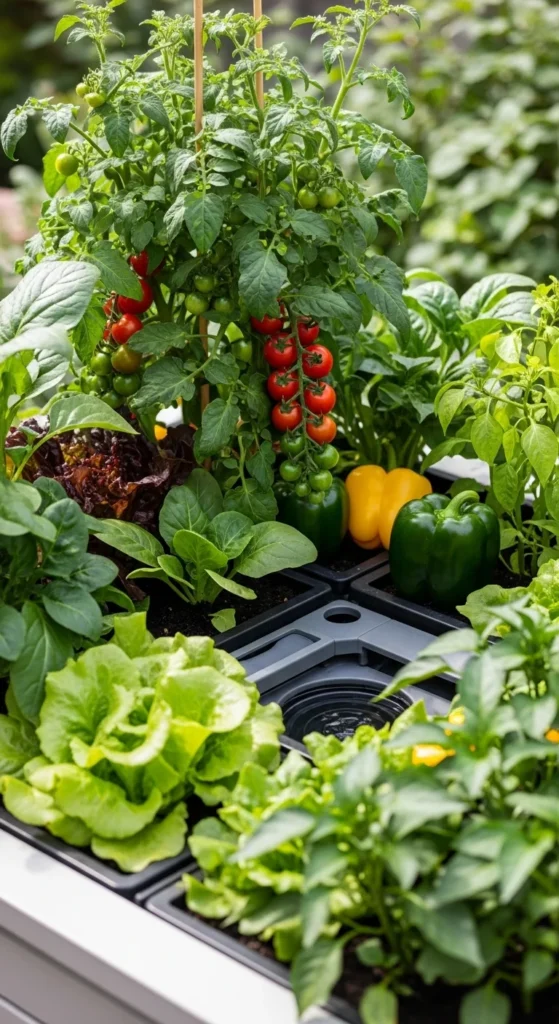
Raised bed kits with built-in overflow control are especially useful in places where gardeners use self-watering systems or face sudden heavy rain. The overflow outlet helps stop the lower water section from flooding the roots. That makes the bed easier to manage in hot weather and more forgiving when watering habits are not perfect.
These kits work well for patios, balconies, and sunny backyard zones where watering can swing between too little and too much. Herbs, peppers, greens, and compact tomatoes can all benefit. The setup often looks similar to a standard self-watering bed, but the added water control feature gives more peace of mind during summer.
If budget is tight, buy one overflow-control bed for the thirstiest crops instead of making the whole garden premium. Another low-cost route is using a simple kit and adding a basic overflow fitting later if the design allows it. That can mimic some of the same function for less money.
For gardeners in dry or unpredictable weather, this kind of kit keeps the setup simple while helping avoid one of the most common planting problems: uneven watering and soggy roots.
23. Matching Multi-Bed Kits for Urban Courtyards
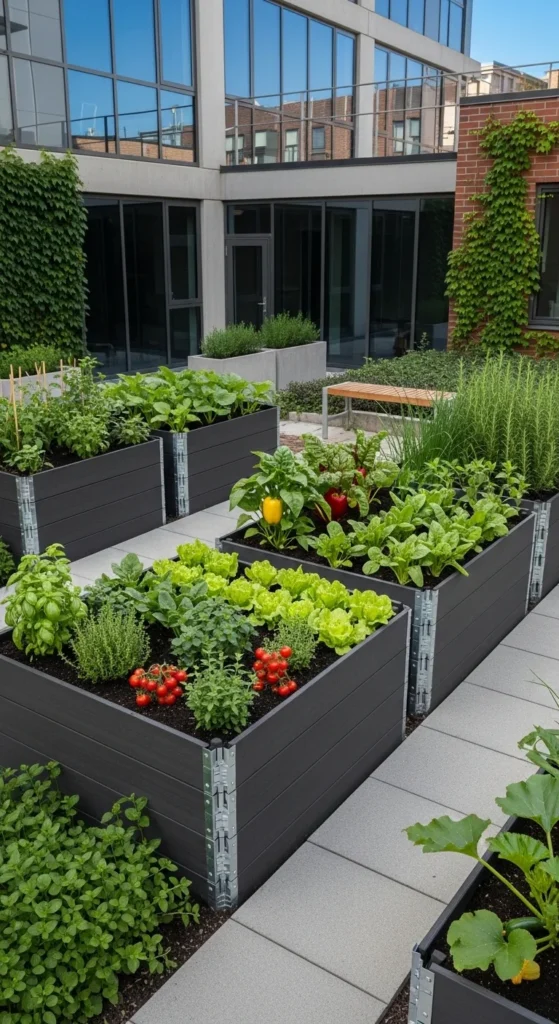
Some gardeners do better with several smaller beds instead of one very large one. Matching multi-bed kits help create that look without turning the yard into a random mix of shapes and materials. In an urban courtyard or compact backyard, that kind of visual order can make the garden feel calmer and easier to use.
These kits usually come as repeatable modular units in the same material and style. One bed can hold herbs, another can hold greens, and another can be used for flowers or seasonal vegetables. This makes crop rotation easier too. If one bed has soil trouble or a finished crop, the others keep going without disruption.
To keep spending sensible, buy two matching kits first rather than the full set. Once those are in place, it becomes easier to judge whether the courtyard has room for more. Using the same brand later will help the layout stay tidy. Add cheap gravel, mulch, or stepping stones between the beds instead of paying for decorative hardscaping right away.
For gardeners who want a compact space to feel organized and easy to manage, matching multi-bed kits offer a clean and practical solution.
24. Budget Panel Kits for First Gardens
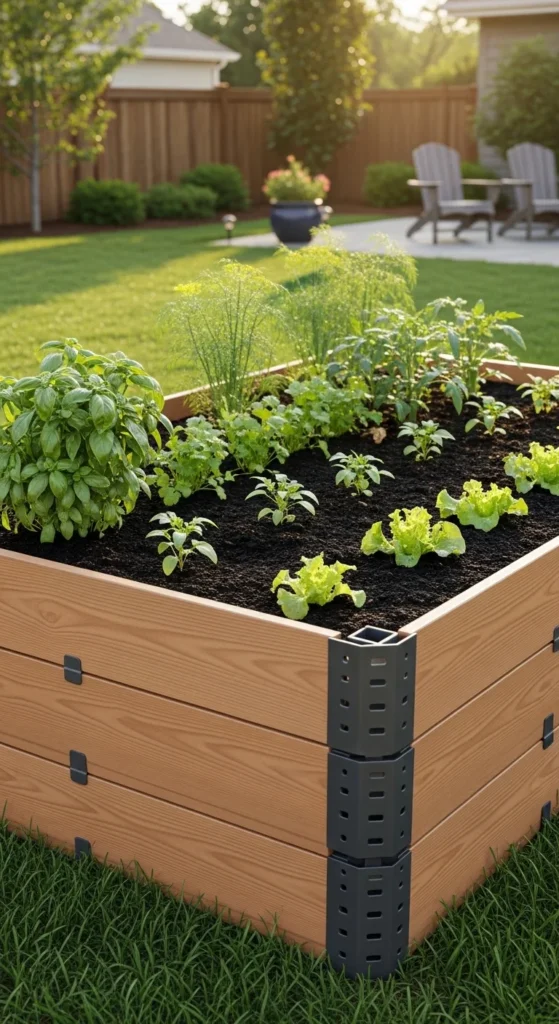
Budget panel kits are ideal for gardeners who want a raised bed without spending a lot upfront. These kits usually focus on the basics: side panels, corner supports, and just enough hardware to get the bed standing quickly. They may not have fancy finishes or expansion systems, but they can still work very well for a first garden.
This type of kit is a good fit for herbs, lettuce, onions, radishes, marigolds, and other easy crops. It is often smarter to start with a simple affordable bed and good soil than to buy an expensive premium system and skimp on filling it. A plain bed that gets planted well will usually do more than a beautiful bed left half-finished.
To get the most from a budget kit, place it in the best sunny spot and keep the layout simple. Use cardboard under the soil if weeds are a concern. Skip costly extras at first and build experience with one bed. If the project goes well, you can always upgrade later or add a second kit.
For beginners, a budget panel kit keeps the learning curve lower and the risk smaller. That makes it easier to start gardening without overthinking every detail.
25. Hybrid Material Kits for Style and Function
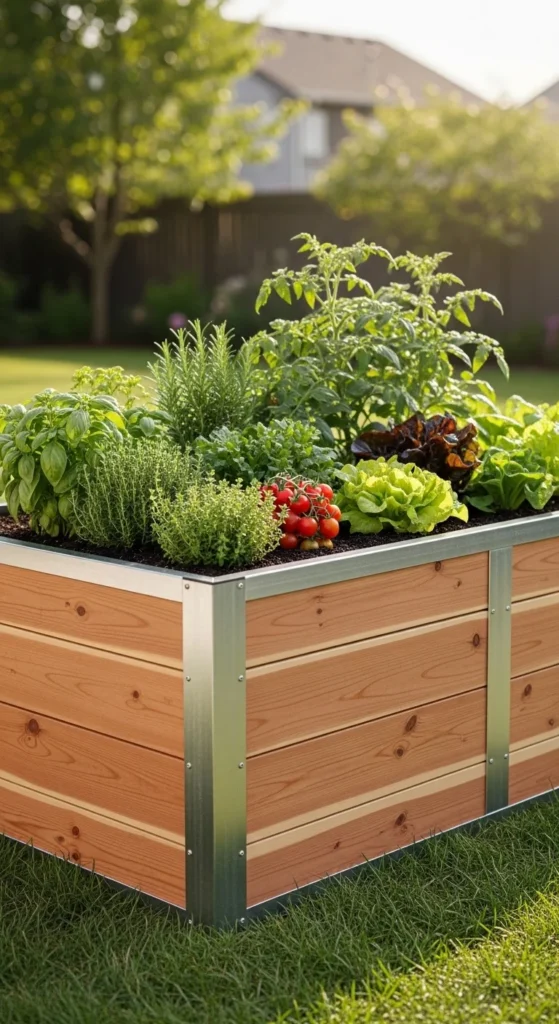
Hybrid raised bed kits combine materials like metal, wood, or resin to get the best parts of each. A metal body may offer durability, while wood trim softens the look. In small yards and patios, this can be a good way to keep the bed practical without making it feel too industrial or too plain.
These kits often suit gardeners who want the bed to act as part of the outdoor design as well as a place to grow food. Herbs, flowers, peppers, greens, and tomatoes all work well depending on the final depth. The main value here is balance. The kit can look polished while still handling weather well.
To keep costs from climbing too high, buy one hybrid bed as the feature piece near the seating area or entry, then use cheaper pots or a simpler bed elsewhere. That gives the garden a stronger look without requiring every planting space to be premium. A mulch top layer and a clean border around the bed can also make it feel even more finished.
For gardeners who care about appearance but still want setup to stay easy, a hybrid kit offers a practical mix of function and visual appeal.
26. Patio Box Kits for Small-Space Vegetable Growing
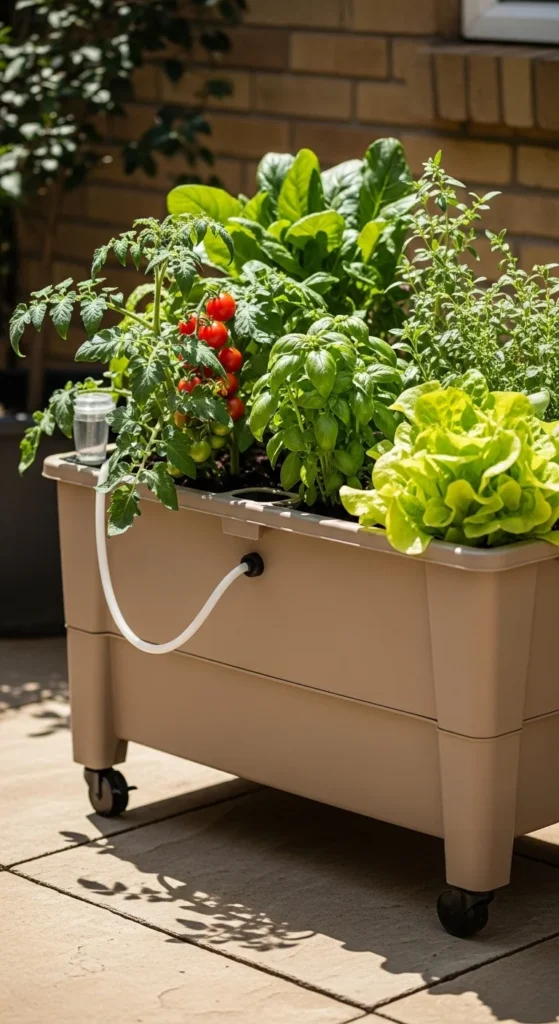
Patio box kits are built for people who want real vegetable growing in a space too small for a full backyard bed. These kits often include compact dimensions, built-in watering support, and a shape that fits decks, balconies, or narrow patios. They are a strong pick for people who want a contained system with very little setup work.
This type of kit works well for tomatoes, peppers, herbs, lettuce, and other high-use crops. Because the soil space is controlled, planting tends to feel more organized. Many patio box kits also keep water use more efficient than open containers, which matters in small hardscape spaces where runoff can be annoying.
A smart budget move is picking one good patio box for the crops that matter most, then adding cheaper containers for flowers or backup herbs. Keep the bed near the best sun, and use the manufacturer’s spacing guide rather than crowding in extra plants. That helps the kit perform as intended.
For gardeners with limited space but serious interest in growing food, patio box kits make the process simple. They offer structure, convenience, and a manageable size from the start.
27. Expandable Kits You Can Grow Over Time
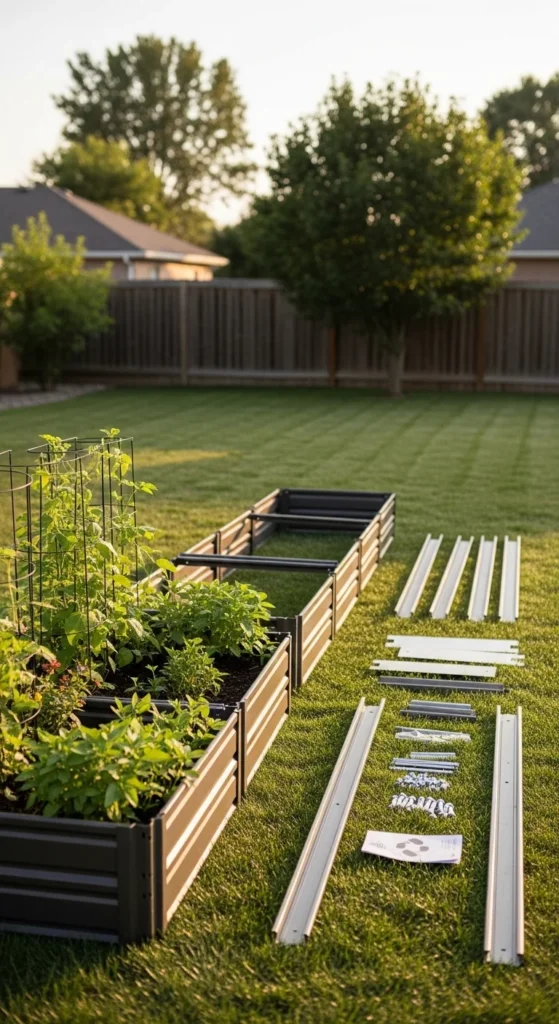
Expandable raised garden bed kits are ideal for gardeners who want to start small and build later. Instead of committing to a full garden all at once, one base kit can be assembled, planted, and tested before more pieces are added. That helps keep the first project simpler and makes the spending easier to manage.
These kits are often modular, which means future sections can match the original bed instead of looking like random add-ons. That matters in small spaces where visual clutter shows up fast. One bed might hold herbs this year, then a second bed can be added for peppers or beans next season. The result feels more planned and less rushed.
To save money, choose a brand that clearly sells extension pieces rather than making you buy full duplicate kits every time. Start with the sunniest spot and leave path room around the first bed so expansion stays possible later. There is no need to fill the whole yard at once. One well-placed bed often teaches more than three rushed ones.
For beginners and budget-focused gardeners, an expandable kit offers one of the easiest paths forward. It keeps setup simple now and leaves room for the garden to grow later.
Conclusion
Raised garden bed kits make setup easier by removing much of the cutting, measuring, and guesswork that slows down traditional builds. Some focus on fast assembly with snap-lock parts. Others lean on galvanized steel for long wear, self-watering sections for less daily work, or modular panels that fit awkward spaces. The best choice depends on where the bed will sit, how much planting room is really useful, and how much upkeep feels realistic. For many gardeners, one simple kit in the right sunny spot is a better starting point than a large complicated setup. Start with a bed that matches the space and routine, plant a few reliable crops, and let the garden grow from there.
Leave a Reply