

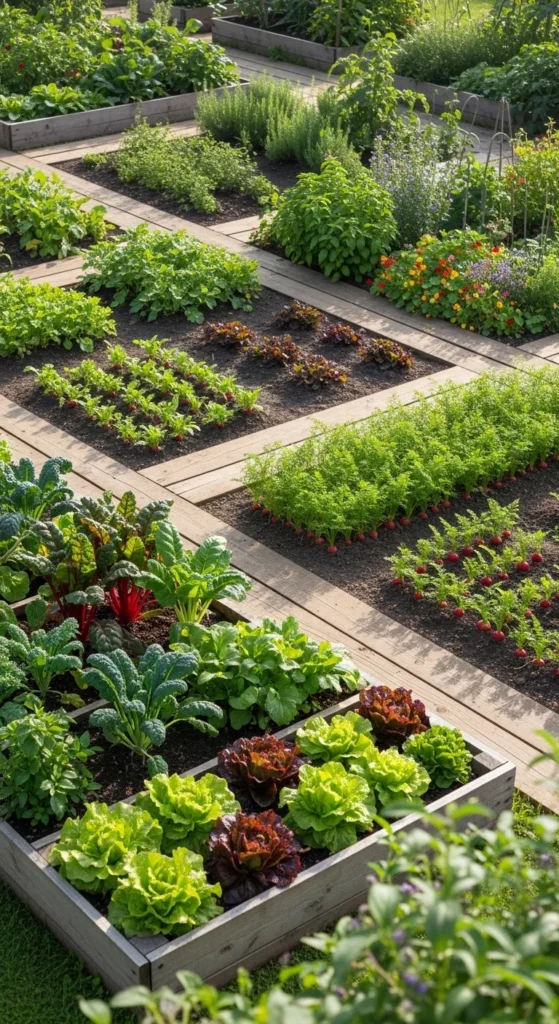
Growing your own food becomes much easier when your layout actually works with nature instead of against it. A smart organic vegetable garden layout helps you use sunlight better, manage water simply, and grow more food in less space without chemicals. Whether you have a backyard, courtyard, or small plot, the way you arrange your beds, paths, and plant groups makes a huge difference in how your garden performs day to day.
Below are practical, space-smart, and budget-friendly organic vegetable garden layouts you can start using right away.
1. Classic 3-Bed Organic Layout
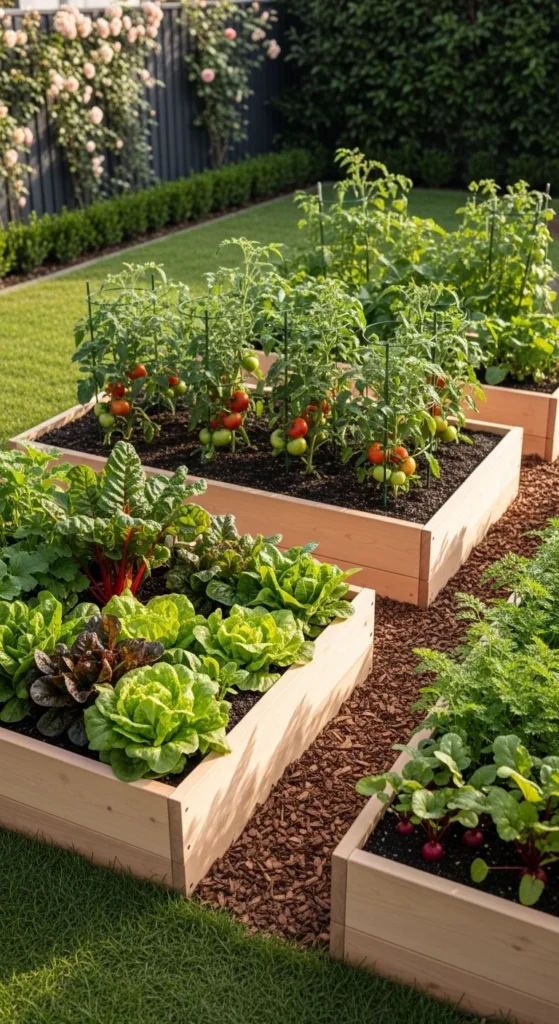
This layout is simple and very beginner-friendly. You divide your space into three beds.
Each bed has a role. One for leafy greens. One for fruiting crops like tomatoes. One for roots like carrots.
Rotate them each season. That keeps your soil healthier.
Keep beds about 3–4 feet wide. That way you can reach the center easily without stepping inside.
Use basic wood or even bricks for borders. No need to spend much.
Add compost before planting. Then mulch lightly to hold moisture.
This layout works well in small Pakistani homes where space is limited.
It also makes watering easier because each bed can be managed separately.
If you’re just starting, this is one of the easiest ways to stay organized without confusion.
2. Square Foot Grid Garden
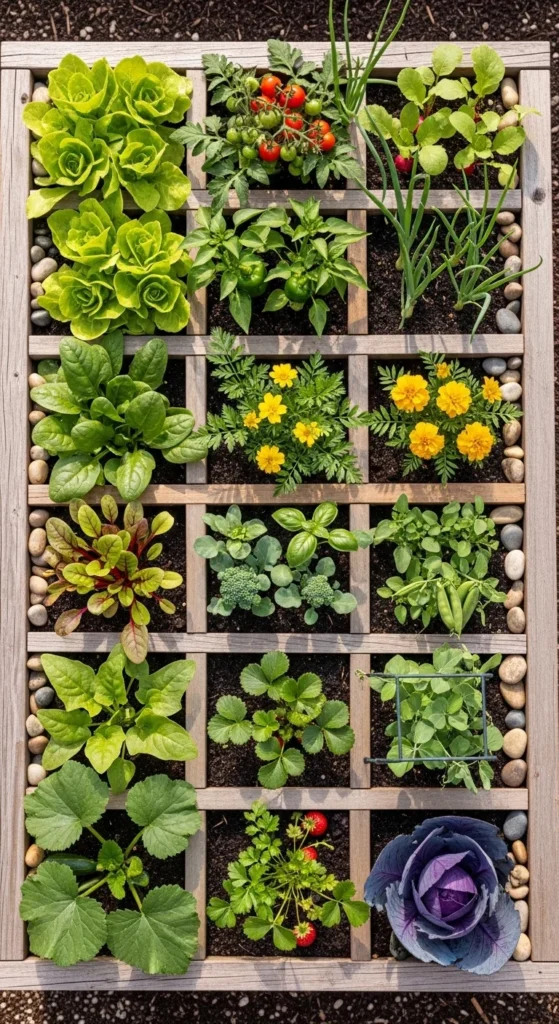
This layout divides one bed into small squares. Each square grows a different crop.
It saves space and keeps everything tidy.
Use a wooden frame and add strings or thin sticks to create a grid.
Plant densely but not overcrowded. Each square has its own spacing rule.
For example:
- 1 tomato per square
- 4 lettuce plants
- 9 spinach plants
It’s perfect for small spaces and beginners.
You can grow many varieties in one bed without mixing things up.
Watering is simple. Just focus on each square.
This layout also reduces weeds because soil stays covered.
If your garden area is tiny, this method helps you grow more food in less space.
3. Long Narrow Bed Layout
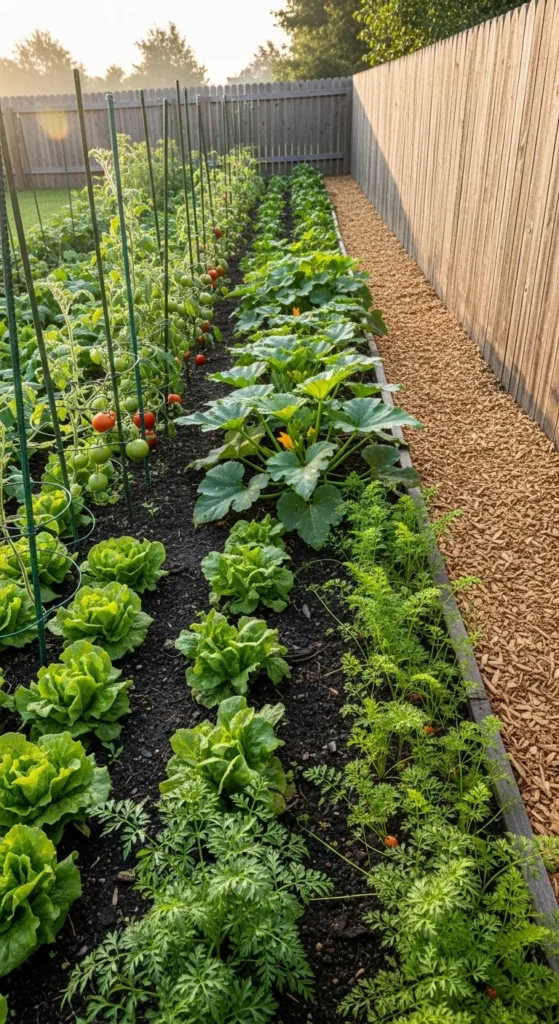
Instead of multiple small beds, use one long bed.
Keep it about 2–3 feet wide and extend it lengthwise.
This reduces wasted walking space.
Place paths only on one side if space is tight.
Plant taller crops at the back. Short ones at the front.
This keeps sunlight evenly distributed.
It works well along walls or fences.
Use compost across the whole bed for even fertility.
You’ll spend less time walking and more time harvesting.
Great option for narrow yards or side spaces.
4. Raised Bed Grid Layout
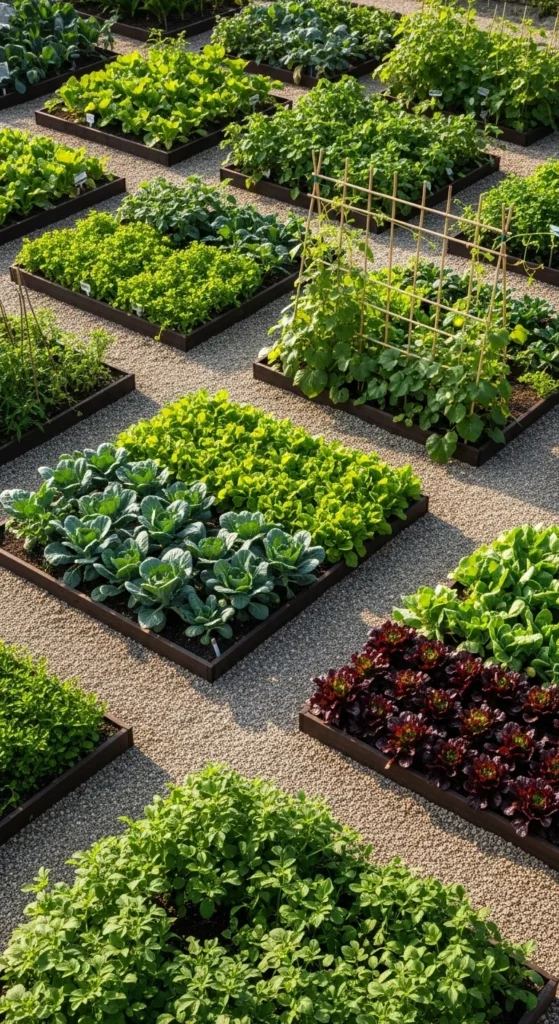
This layout uses several raised beds arranged like a grid.
Leave clear walking paths between each bed.
It looks organized and is easy to maintain.
Each bed can grow a different group of vegetables.
You can rotate crops each season without confusion.
Use mulch or gravel for paths to reduce mud.
Raised beds also help with drainage and soil control.
Perfect for medium-sized gardens.
5. Wild Cluster Organic Layout
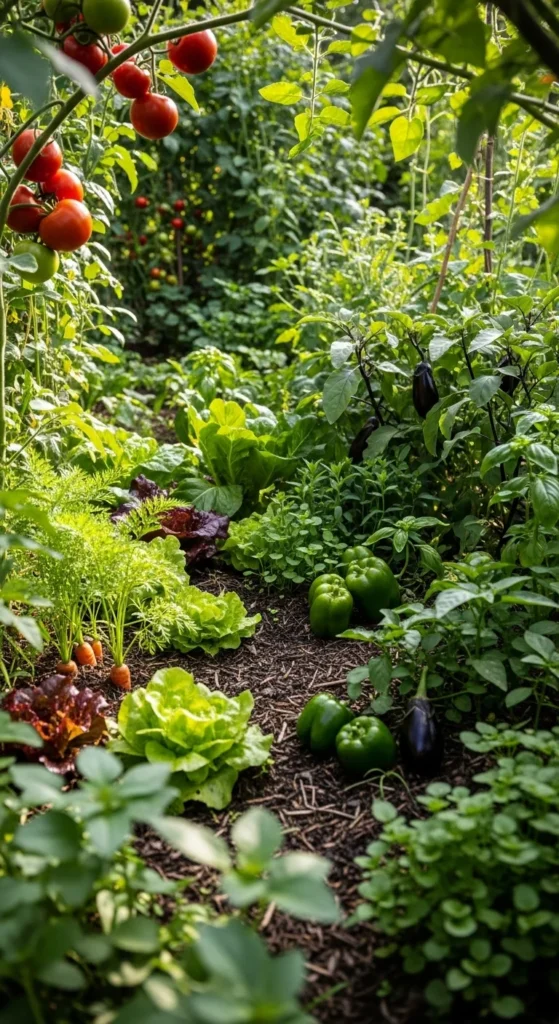
This layout avoids straight lines.
Instead, plant crops in mixed clusters.
Tomatoes next to basil. Carrots near onions.
It mimics natural ecosystems.
Weeds struggle because soil stays covered.
It also reduces pest issues naturally.
You don’t need perfect spacing. Just avoid crowding.
Great for a relaxed, natural look.
6. Block Planting Layout
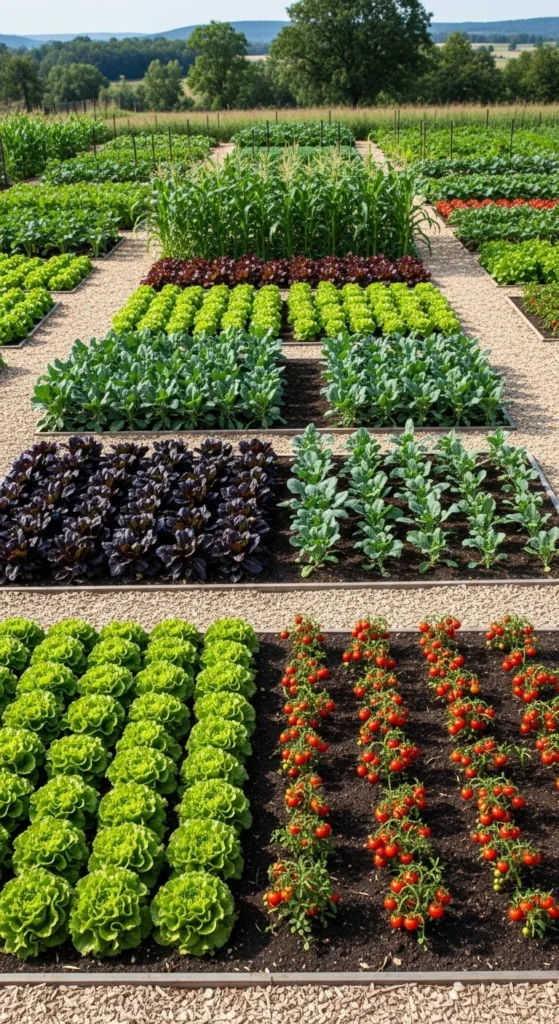
Instead of rows, plant in blocks.
Each block grows one crop.
This improves yield and makes watering easier.
Blocks also retain moisture better than rows.
Use this for crops like spinach, onions, or beans.
Keep clear borders between blocks.
Simple and effective for medium spaces.
7. Path-Centered Garden Layout
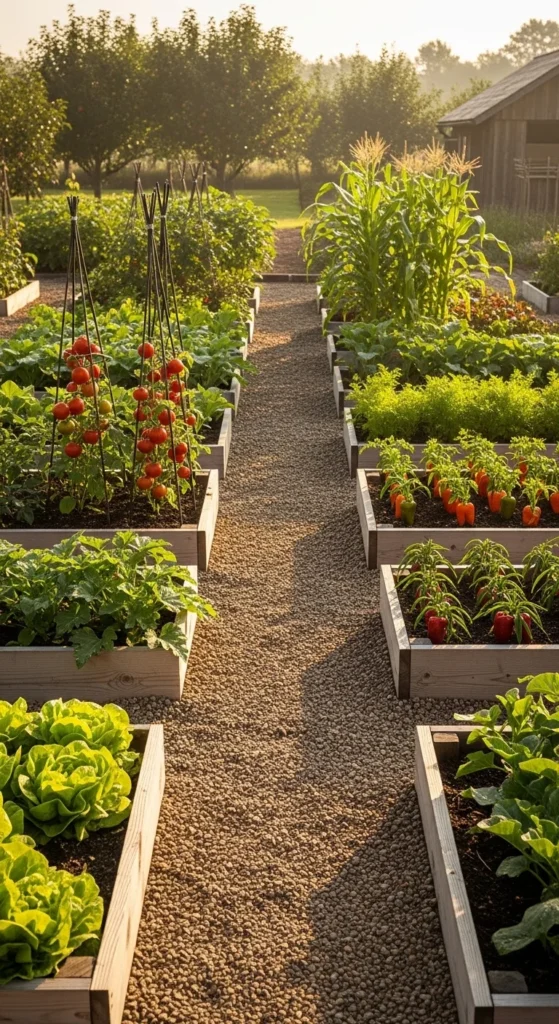
Create a main path through your garden.
Beds sit on both sides.
This makes access easy.
No stepping on soil.
Use bricks, gravel, or wood chips for the path.
Helps keep the garden clean and organized.
8. U-Shaped Kitchen Garden Layout
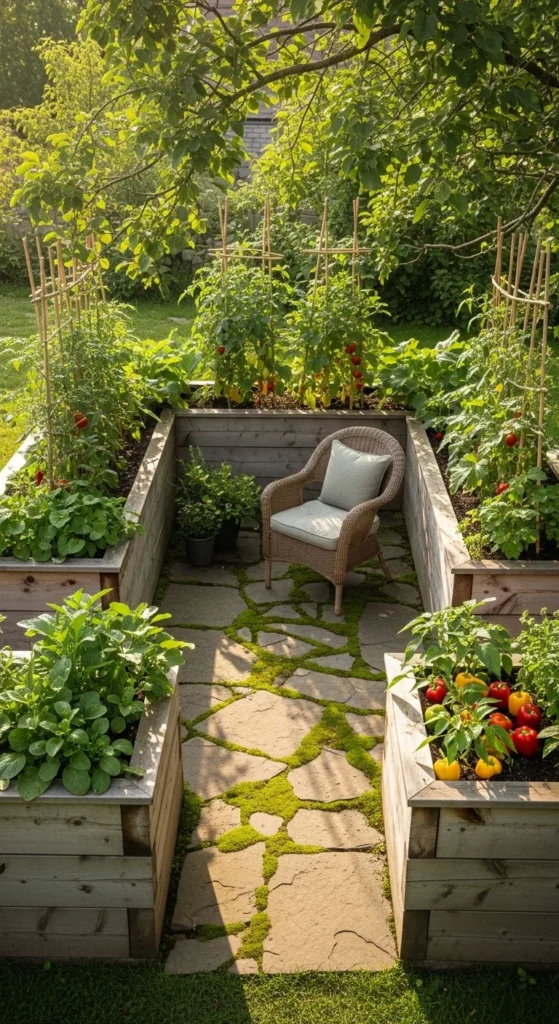
Beds form a U shape around you.
You stand in the middle and reach all sides.
Great for quick harvesting while cooking.
Works well near kitchens.
Compact and practical.
9. Vertical + Ground Hybrid Layout
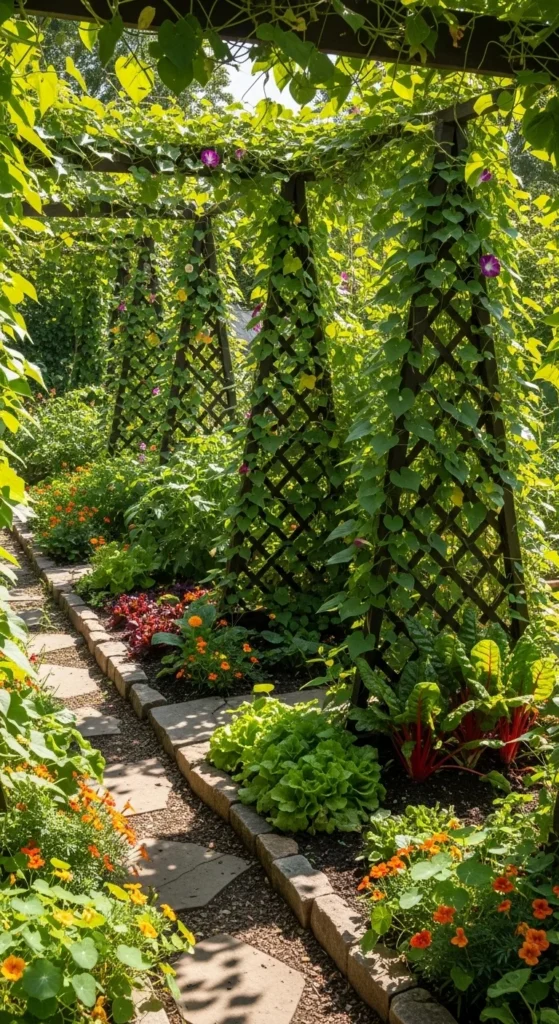
Use vertical space for climbers.
Ground space for low crops.
Grow cucumbers or beans upward.
Use walls or trellises.
Maximizes small spaces.
10. Crop Rotation Layout Plan
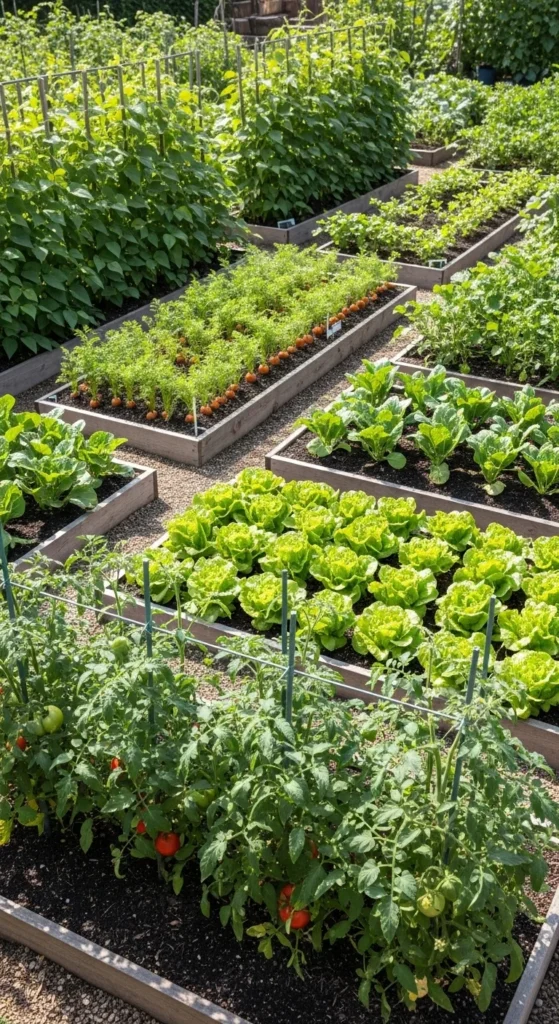
Divide garden by plant families.
Rotate each year.
Prevents soil exhaustion.
Keeps pests lower.
Simple system with big long-term benefits.
11. Raised Bed + Container Mix Layout
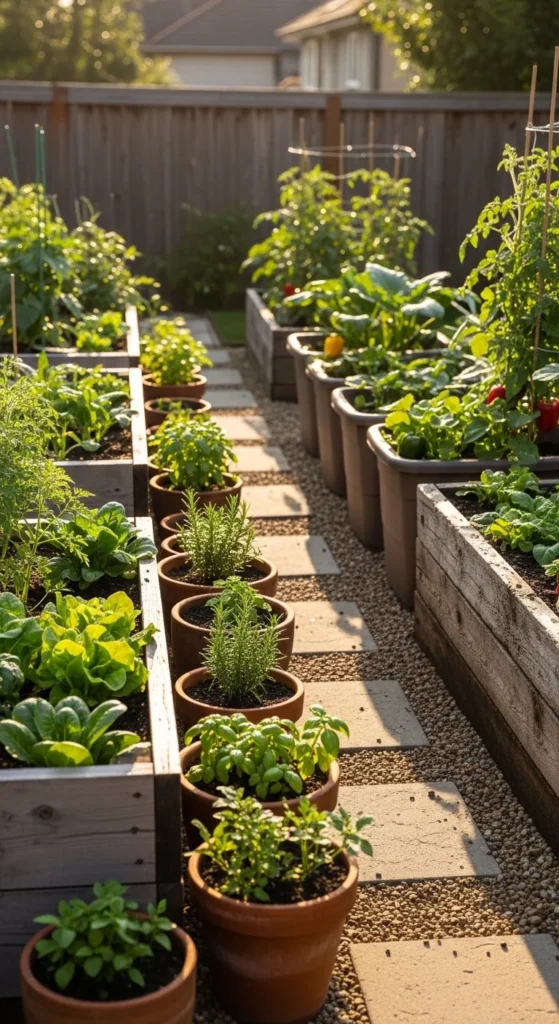
This layout mixes raised beds with containers.
Use beds for larger crops like tomatoes or cabbage.
Use containers for herbs or quick-growing greens.
It’s flexible and works well in small homes.
Place containers near the beds for easy watering.
You can move pots based on sunlight.
This helps if some areas get more shade.
Use recycled buckets or old tubs to save money.
Drill drainage holes at the bottom.
This layout is perfect if your space is uneven or limited.
You don’t need everything in one format.
It also lets you test different crops without changing your main bed.
12. Perimeter Bed Layout
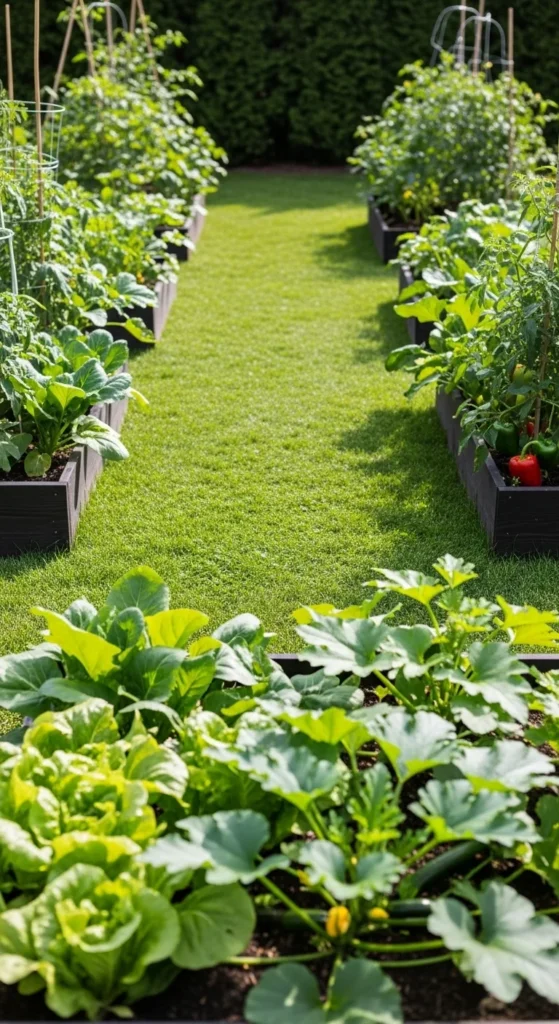
Grow your vegetables around the edges of your space.
Keep the center open for movement.
This layout feels less crowded.
It works well in square or rectangular yards.
Plant taller crops along walls.
Shorter ones toward the inner edge.
This keeps sunlight balanced.
You can even add a small sitting area in the middle.
Use bricks, wood, or soil mounds for the beds.
Great for both looks and function.
13. Keyhole Garden Layout
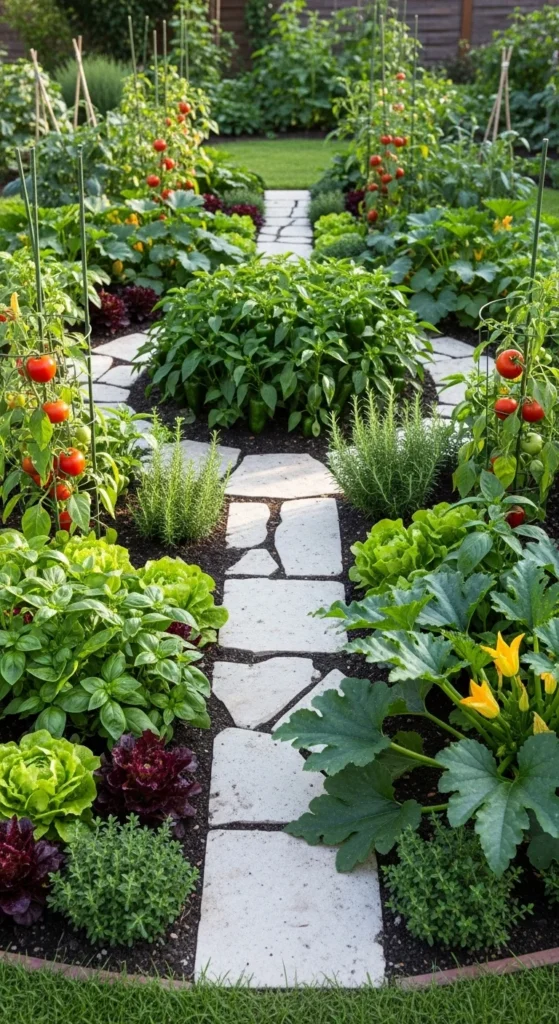
This layout forms a circle with a small entry path.
You can reach every part without stepping on soil.
The center often holds compost.
Nutrients spread naturally across the bed.
It saves space and improves soil health.
Use stones or bricks to shape the circle.
Great for organic gardening.
14. Four-Quadrant Layout
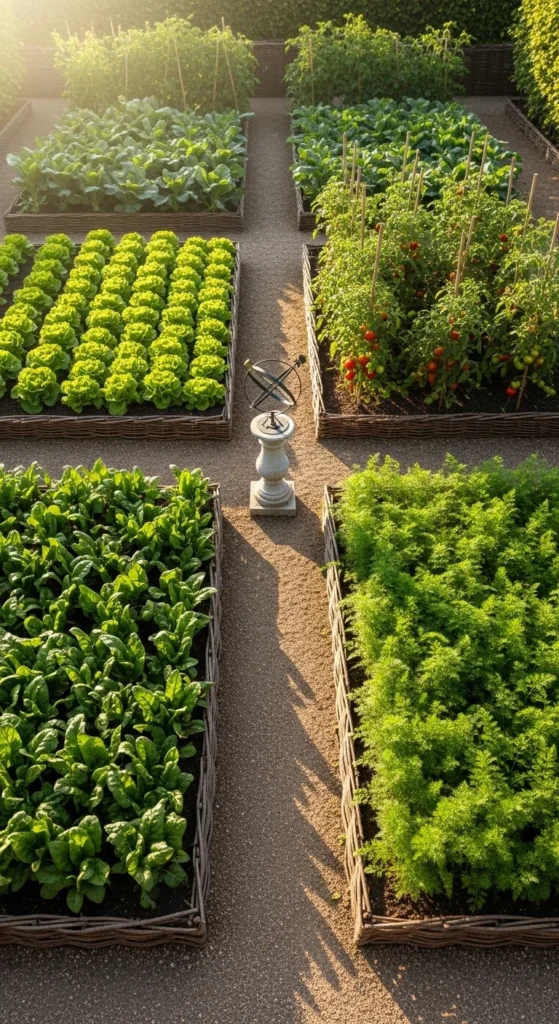
Divide your garden into four equal parts.
Each section grows a different crop group.
Rotate crops each season.
This keeps soil balanced.
It also makes planning easier.
You always know where things go.
Use simple markers or sticks for labeling.
Works well for medium spaces.
15. No-Dig Organic Layout
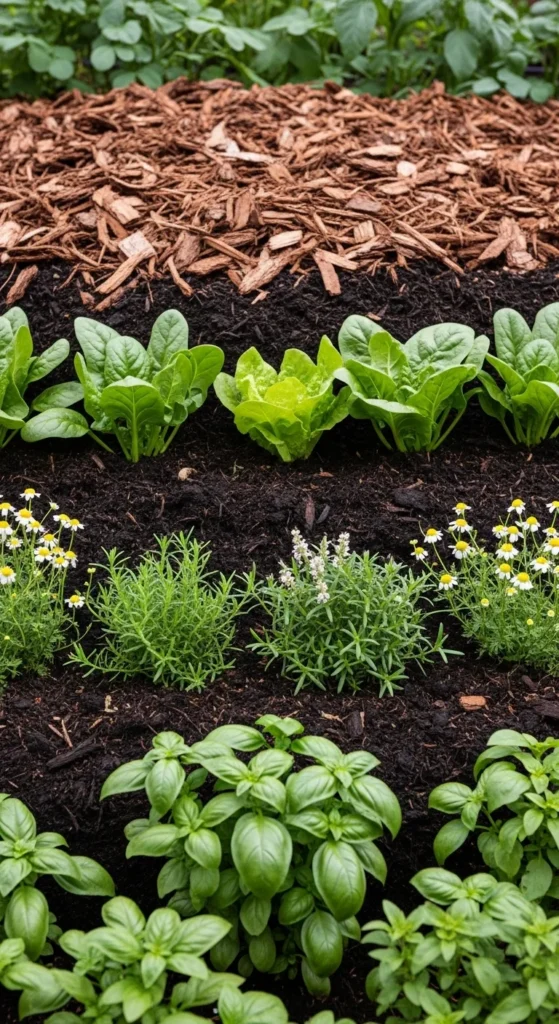
This layout avoids digging.
Add compost on top of soil.
Cover with mulch.
Plant directly into it.
Soil structure stays intact.
Less effort over time.
Weeds reduce naturally.
Use dry leaves, straw, or grass clippings as mulch.
Very budget-friendly.
16. Companion Planting Grid Layout
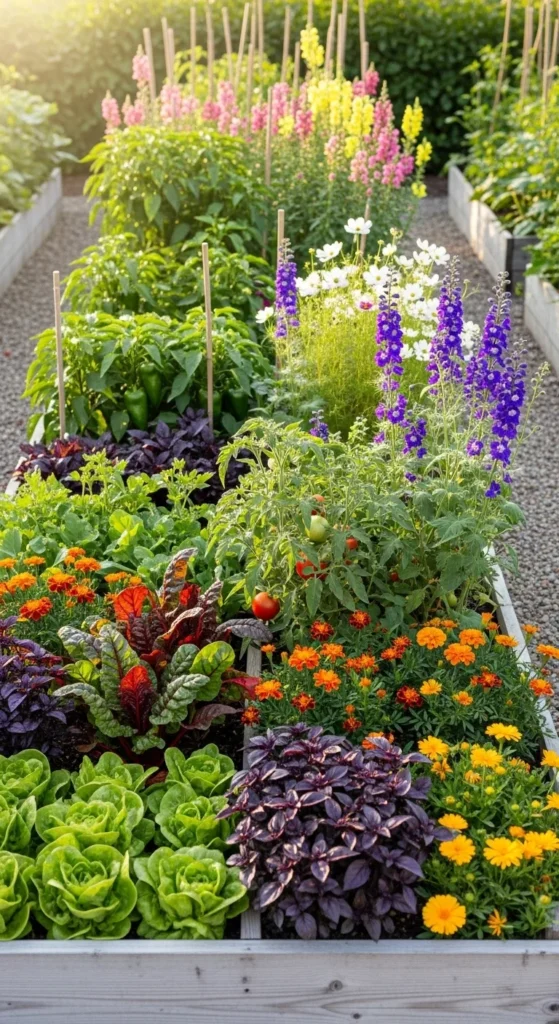
Combine grid layout with companion planting.
Mix herbs, flowers, and vegetables.
For example:
Tomatoes with basil.
Carrots with onions.
This helps with pest control.
Also improves plant health.
Keep spacing clear.
Label each section.
Great for learning plant pairings.
17. Spiral Herb + Veg Layout
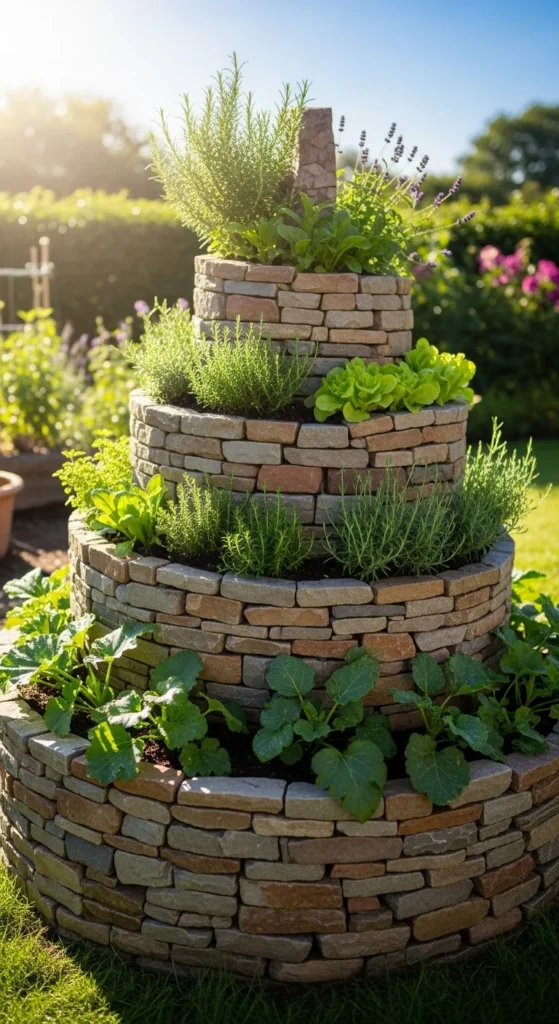
Create a spiral-shaped bed.
Plant herbs at the top.
Vegetables lower down.
Water flows naturally from top to bottom.
Different levels suit different plants.
It looks beautiful and saves space.
Use stones or bricks to build the spiral.
18. Fence-Line Vertical Layout
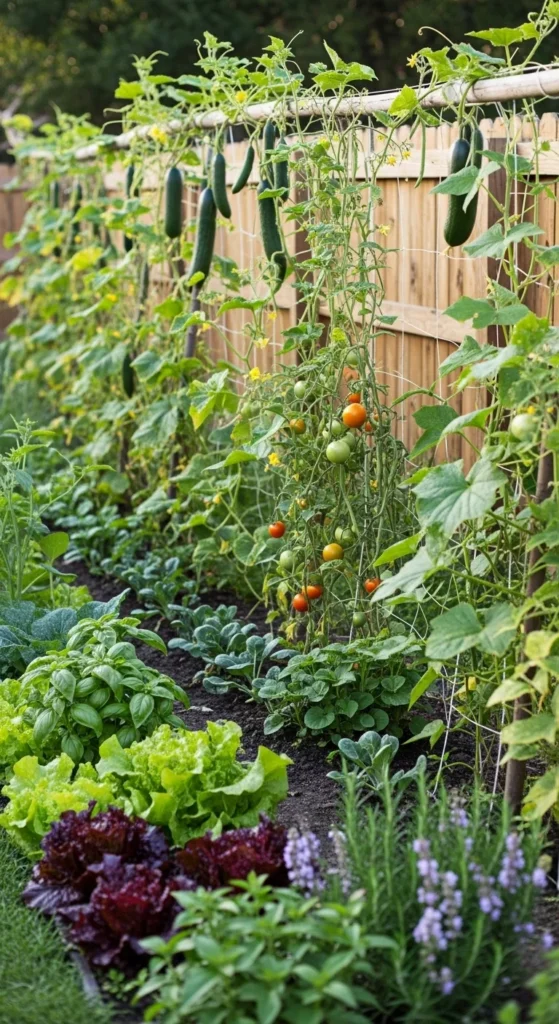
Use your fence as growing space.
Add wires or nets for climbing plants.
Grow beans, cucumbers, or peas.
Plant smaller crops below.
This doubles your space.
Perfect for narrow gardens.
19. Balcony Organic Layout
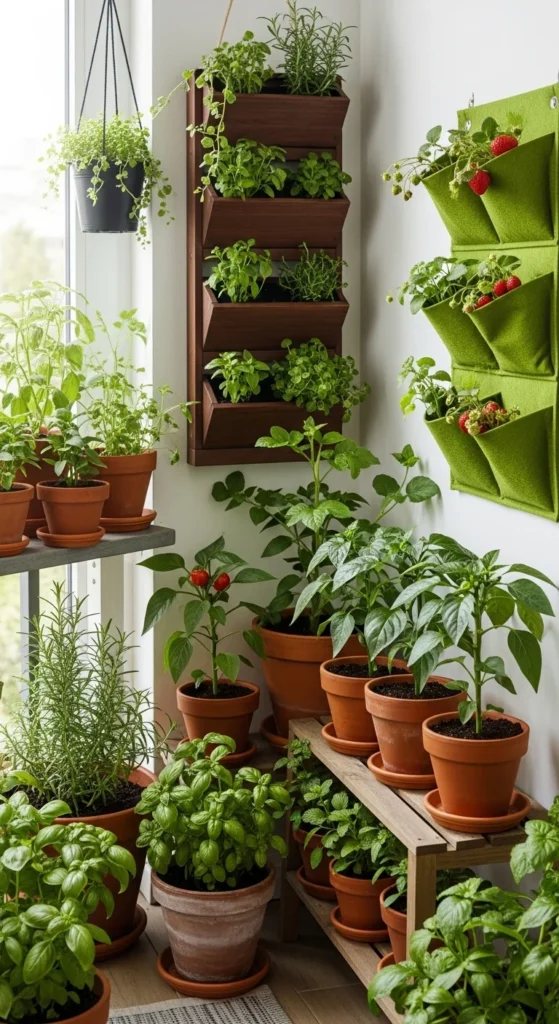
No yard? Use your balcony.
Arrange pots in rows or tiers.
Use railings for hanging planters.
Grow herbs, chilies, and leafy greens.
Choose lightweight containers.
Water carefully to avoid mess.
Simple and effective for small homes.
20. Mixed Crop Strip Layout
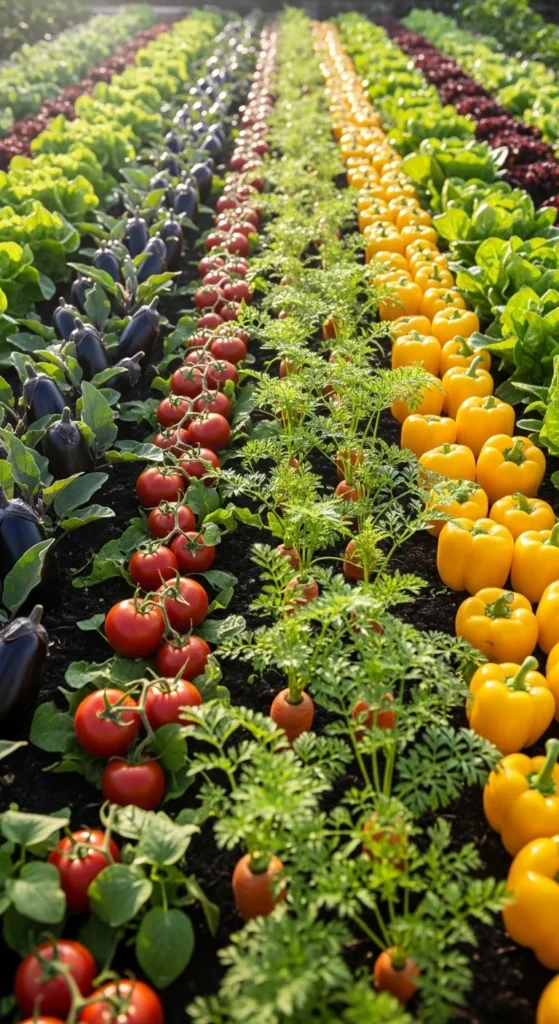
Divide your garden into long strips.
Each strip grows a different crop.
Alternate crops for better balance.
This helps reduce pests.
Also makes watering simple.
Keep strips narrow for easy reach.
21. Sun-Zone Layout
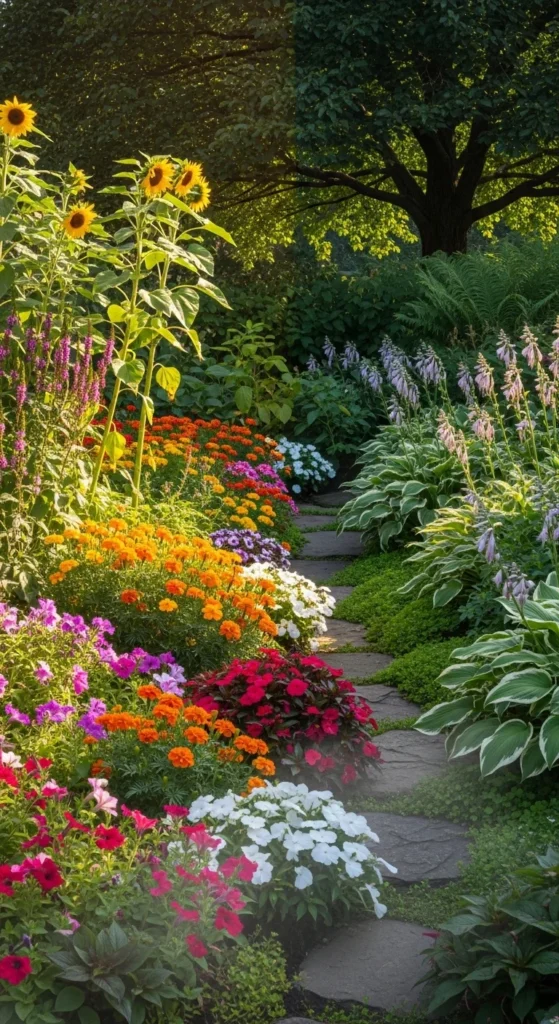
Observe sunlight in your space.
Divide areas based on sun exposure.
Plant sun-loving crops in bright spots.
Shade-tolerant ones in low-light areas.
This improves growth naturally.
No extra effort required.
22. Compost-Zone Layout
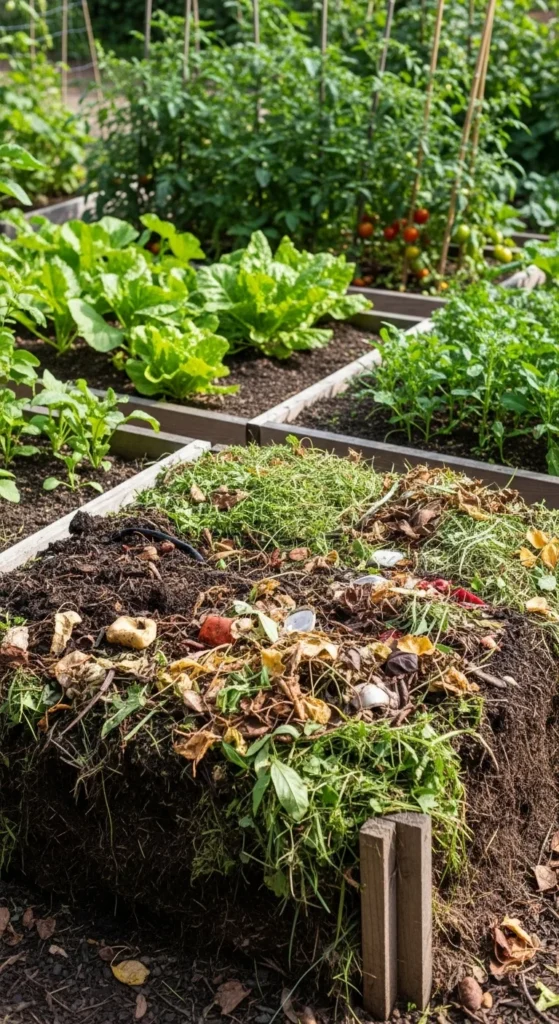
Add a compost zone inside your garden.
Place it near beds.
Easy to add waste and use compost.
Improves soil regularly.
Use a simple bin or pit.
Saves money on fertilizers.
23. Curved Bed Organic Layout
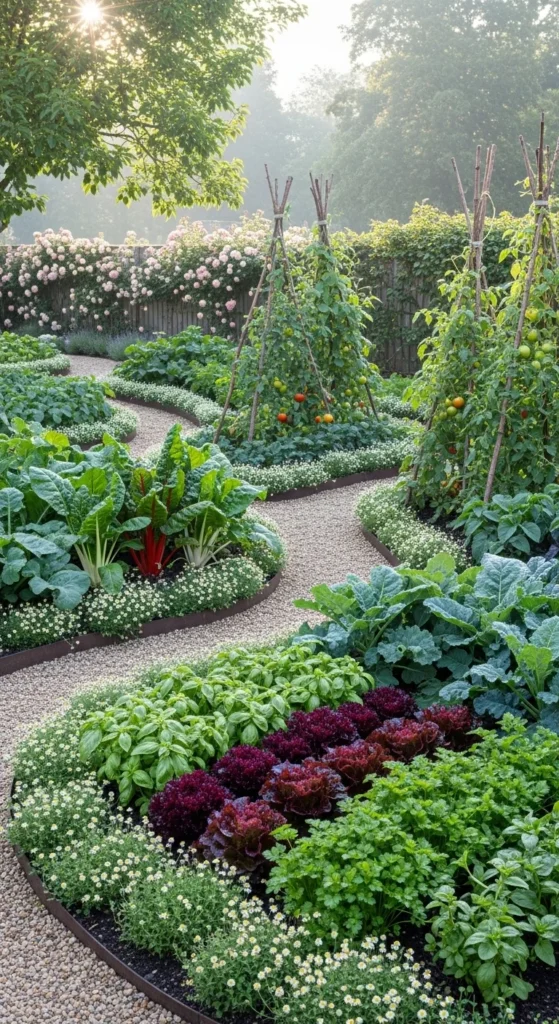
Instead of straight lines, use curves.
It looks more natural.
Also improves movement flow.
Beds can follow your space shape.
No strict rules.
Great for creative gardeners.
24. Multi-Level Terrace Layout
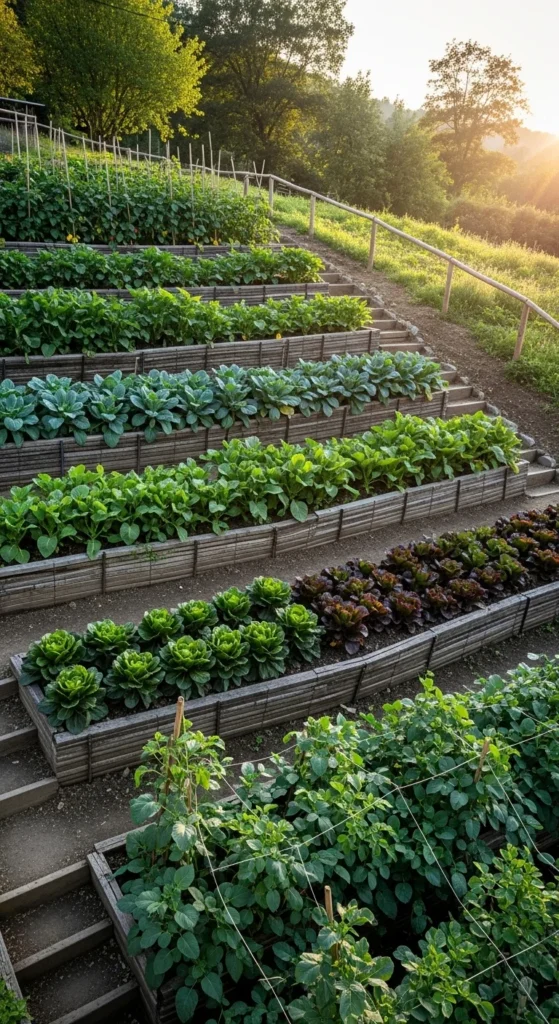
If your land is uneven, use levels.
Create step-like beds.
Each level holds different crops.
Prevents soil erosion.
Improves water control.
25. Dense Biointensive Layout
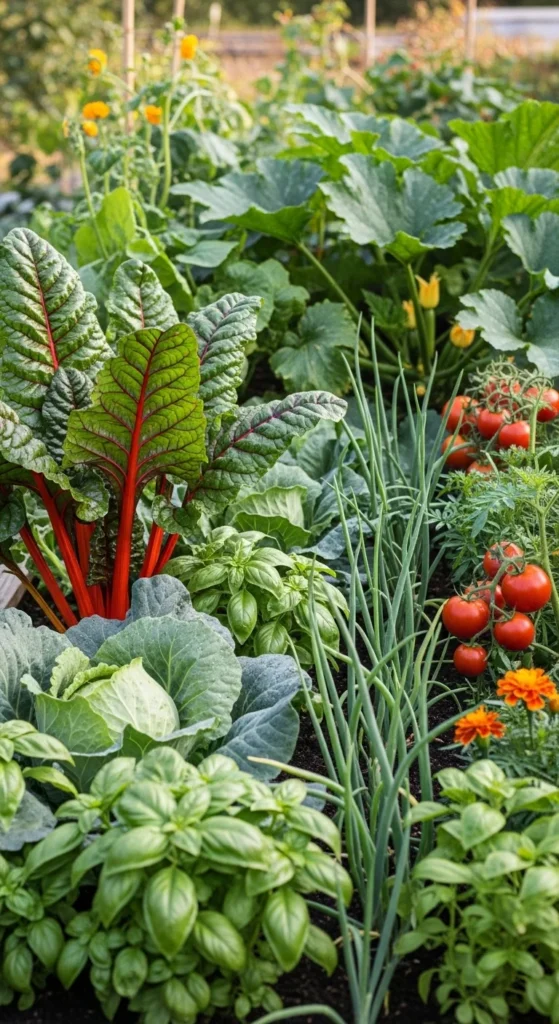
Plant crops close together.
But not overcrowded.
This reduces weeds.
Soil stays covered.
Yields increase in small spaces.
Use compost-rich soil.
Water regularly.
26. Kitchen Door Layout
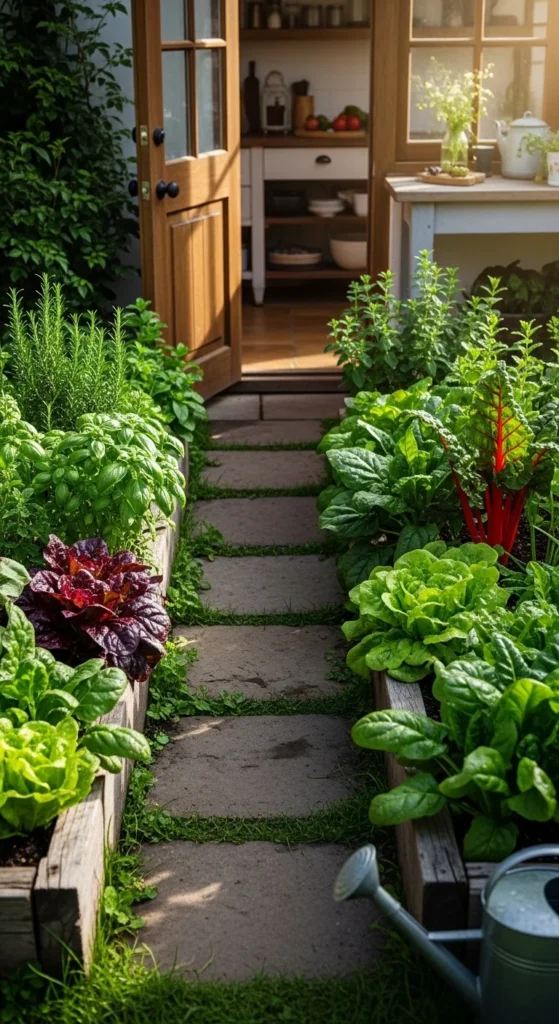
Place your garden near your kitchen door.
Quick access while cooking.
Grow daily-use vegetables.
Like coriander, mint, chilies.
Saves time.
Encourages regular harvesting.
27. Mixed Seasonal Rotation Layout
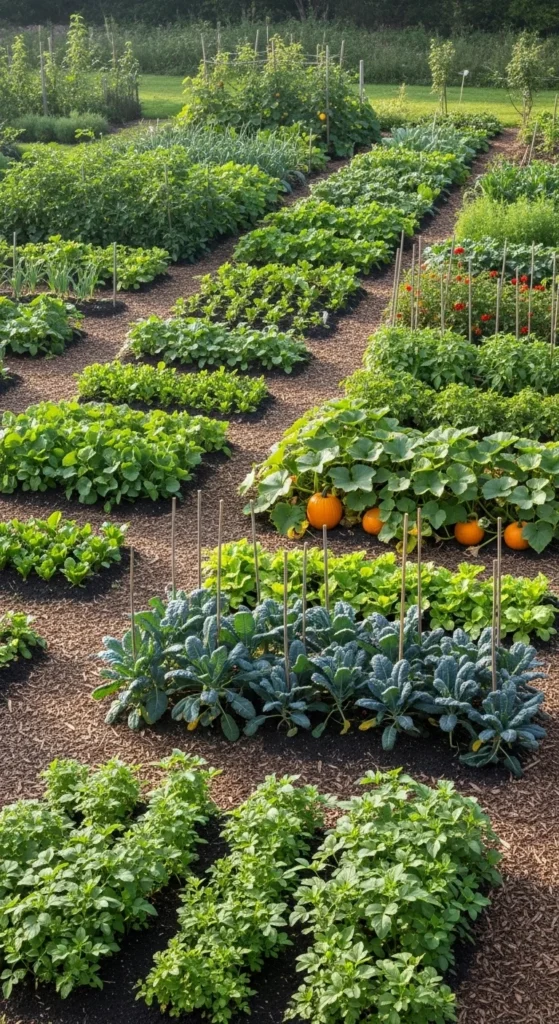
Divide your garden by season.
Some areas for summer crops.
Others for winter crops.
Rotate them yearly.
Keeps soil active year-round.
Avoids empty beds.
28. Minimal Path Layout
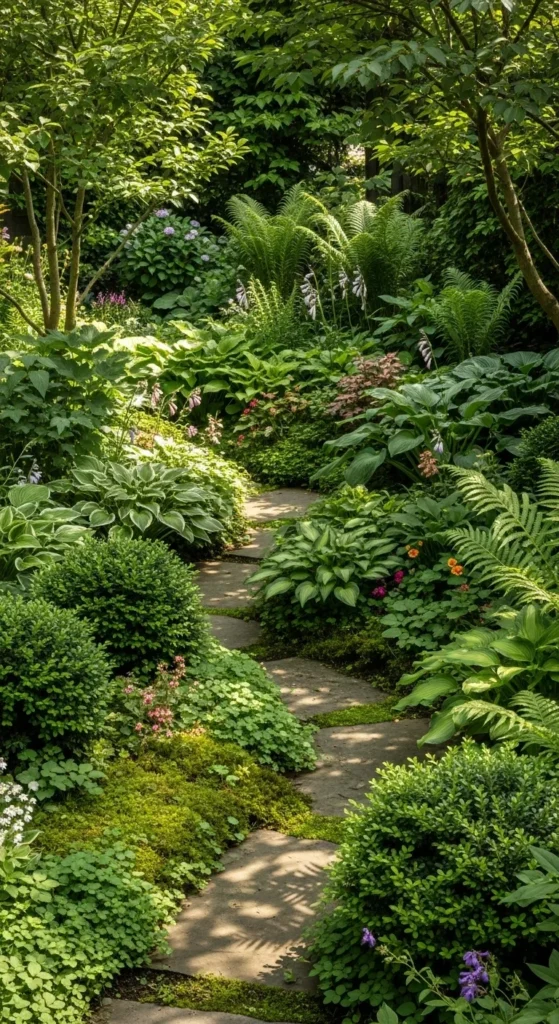
Reduce walking paths.
Use stepping stones instead.
More space for plants.
Works well in small areas.
Plan carefully to avoid stepping on soil.
29. Flower Border Organic Layout
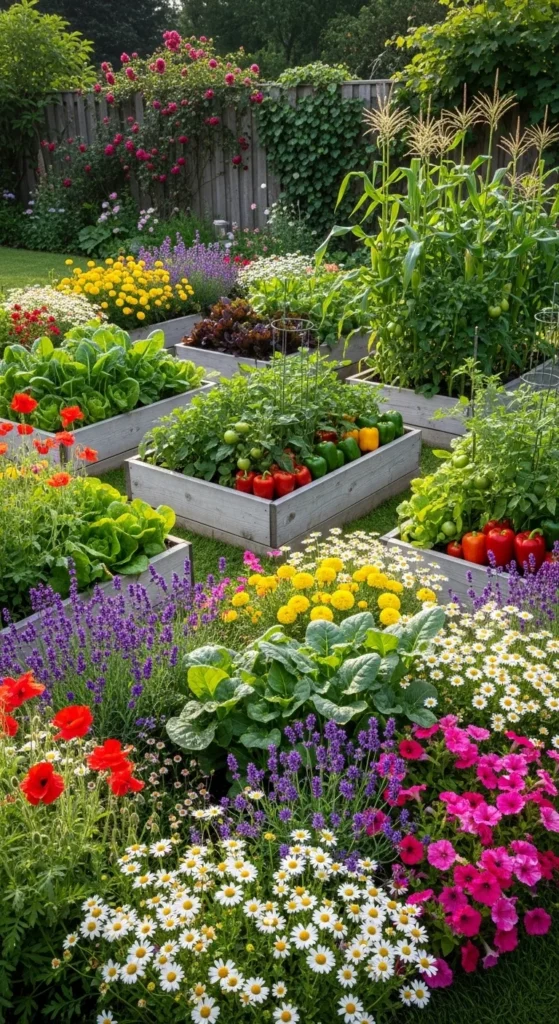
Add flowers around your beds.
They attract helpful insects.
Also make the garden look better.
Use marigolds or calendula.
Simple and effective.
30. All-in-One Compact Layout
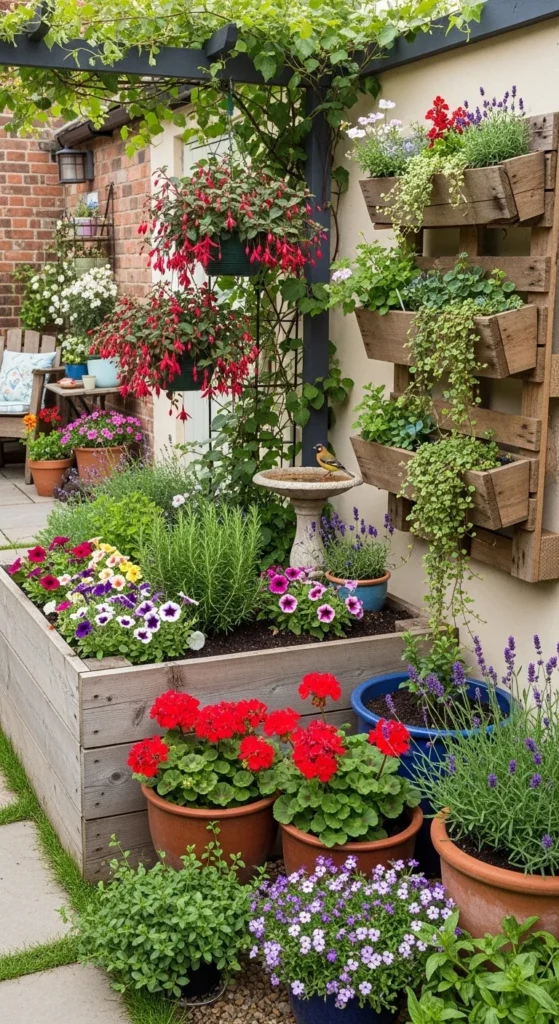
Combine multiple ideas in one space.
Raised beds, pots, vertical supports.
Use every corner wisely.
Perfect for very small homes.
Start small and adjust over time.
You don’t need a big garden to grow your own food.
Conclusion
A well-planned organic vegetable garden layout makes everything easier. Watering feels quicker. Harvesting becomes faster. Plants grow stronger with fewer problems. You don’t need expensive tools or a huge space. Start small, test one layout, and adjust as you learn. Even a simple three-bed setup or a square grid can change how your garden performs. The key is to keep things practical, organized, and easy to manage day by day.
Leave a Reply