

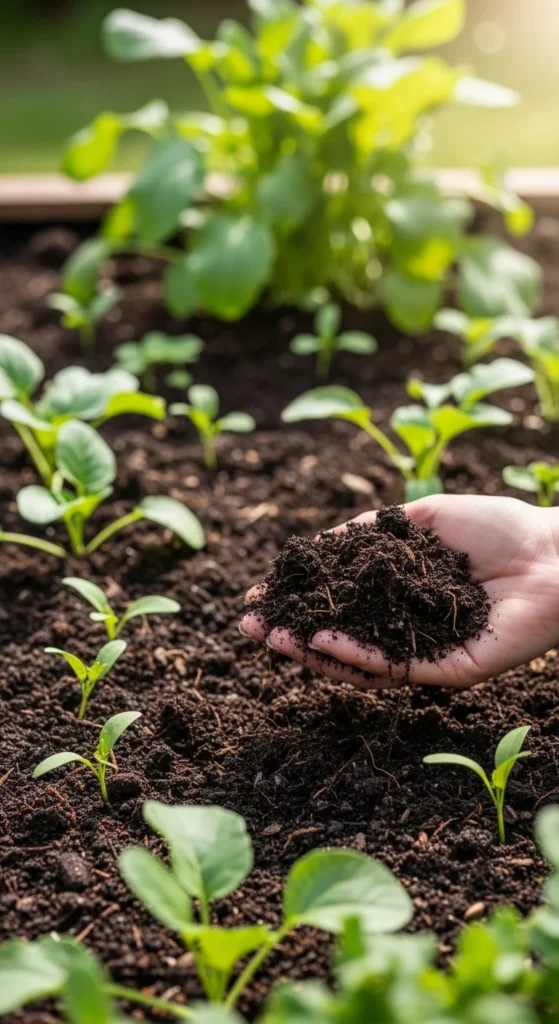
Organic garden soil is the foundation of a thriving garden. Healthy soil feeds plants naturally, keeps roots strong, and reduces the need for synthetic fertilizers. But not all “organic” soils are created equal. From raised beds to in-ground gardens, understanding what makes soil rich and alive can transform your gardening results. Here are 30 practical, hands-on secrets to help your plants grow healthier, yield better, and thrive using organic garden soil.
1. Choose Soil with High Organic Matter
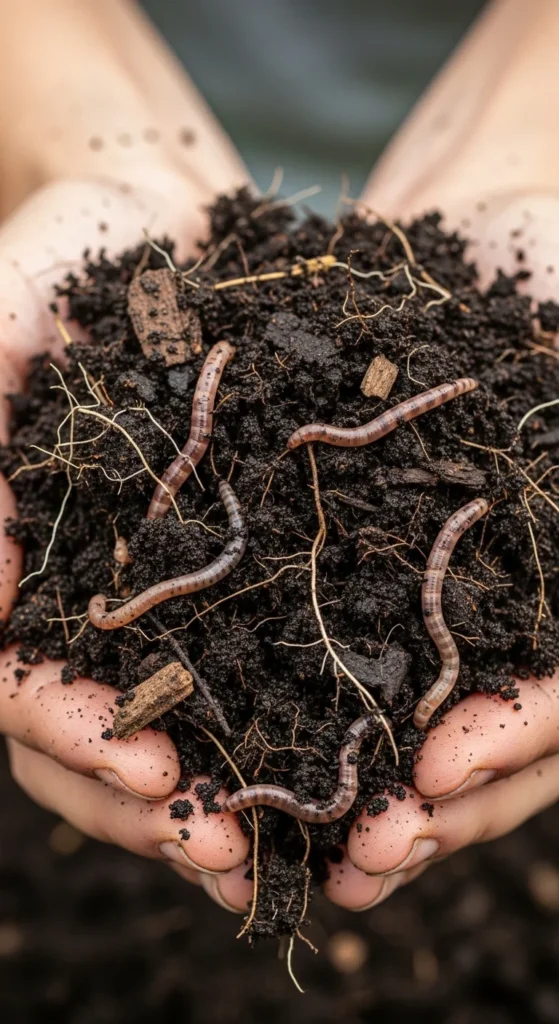
Look for soil that’s rich in organic matter—compost, leaf mold, and aged manure. This keeps the soil nutrient-dense and alive with microorganisms. Check the label for percentages or descriptions like “compost-enriched” or “organic blend.” Even small additions of homemade compost can raise your soil’s organic content. For budget-friendly gardening, mix garden clippings and kitchen scraps into a top layer. Over time, this encourages strong root systems and better water retention without extra chemical fertilizers.
2. Avoid Synthetic Chemicals
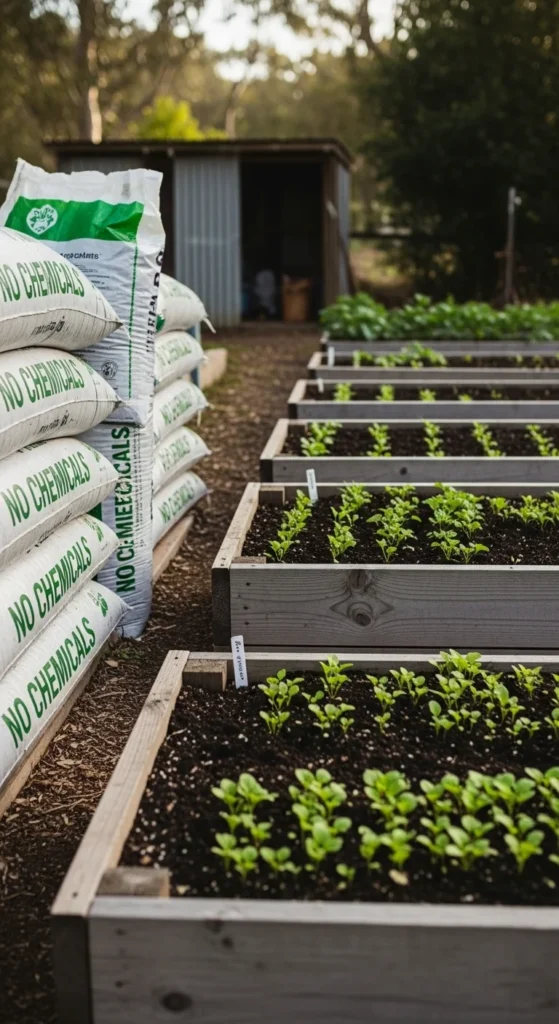
True organic garden soil avoids synthetic fertilizers, pesticides, and herbicides. Look for OMRI-listed or USDA Organic labels. If your budget is tight, start with chemical-free bulk soil and add your own compost. Your plants won’t just grow—they’ll be safer for consumption if you’re growing vegetables or herbs. Simple checks: ask sellers, read labels, or buy from trusted brands.
3. Use Soil for Raised Beds
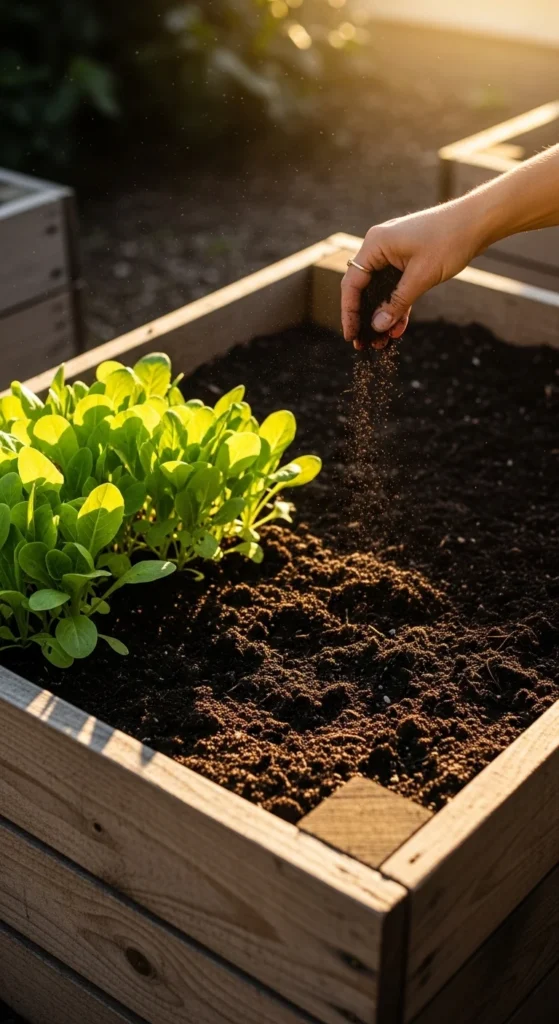
Raised beds need well-draining, nutrient-rich organic soil. Mix garden soil with compost and a bit of coarse sand or perlite for air circulation. Budget tip: repurpose old kitchen compost or shredded leaves. Raised beds also warm faster in spring and allow roots to develop evenly, giving your plants a better start. Layering topsoil and compost in 2-3 inch increments keeps it light yet fertile.
4. Balance Drainage and Moisture Retention
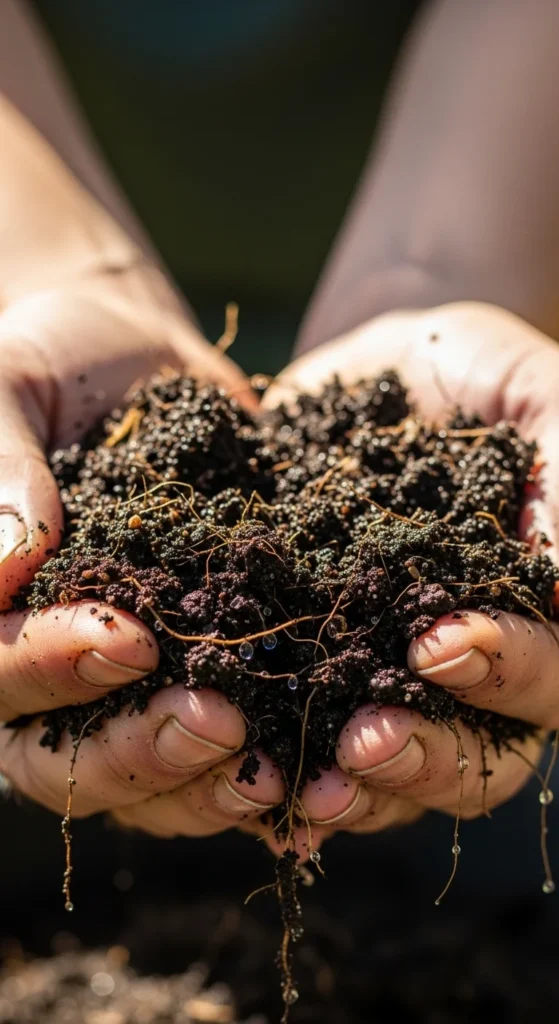
Good soil retains water but drains excess to prevent root rot. Blend compost with sand, coconut coir, or peat-free materials. Test your soil by squeezing a handful; it should clump slightly but crumble easily. DIY tip: add shredded cardboard or straw to sandy soil. This balance helps vegetables like tomatoes, peppers, and root crops thrive without overwatering.
5. Include Microbial Life
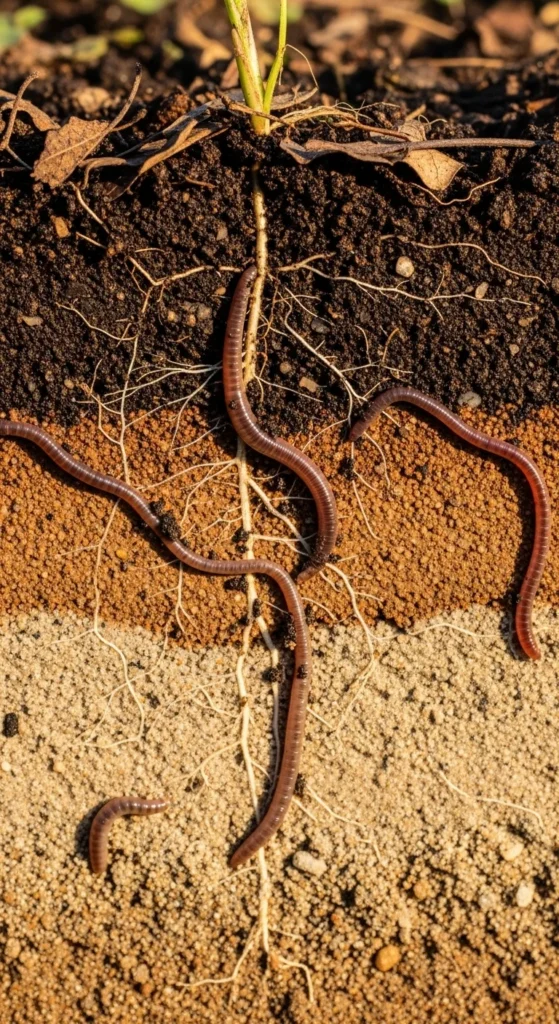
Healthy soil is alive. Beneficial microbes break down organic matter into nutrients for plants. Add compost tea or worm castings to boost microbial activity. Even a handful of aged compost per plant can jumpstart biological activity. These microbes help protect plants against diseases and improve nutrient uptake, making your garden more resilient naturally.
6. Compost Heavily
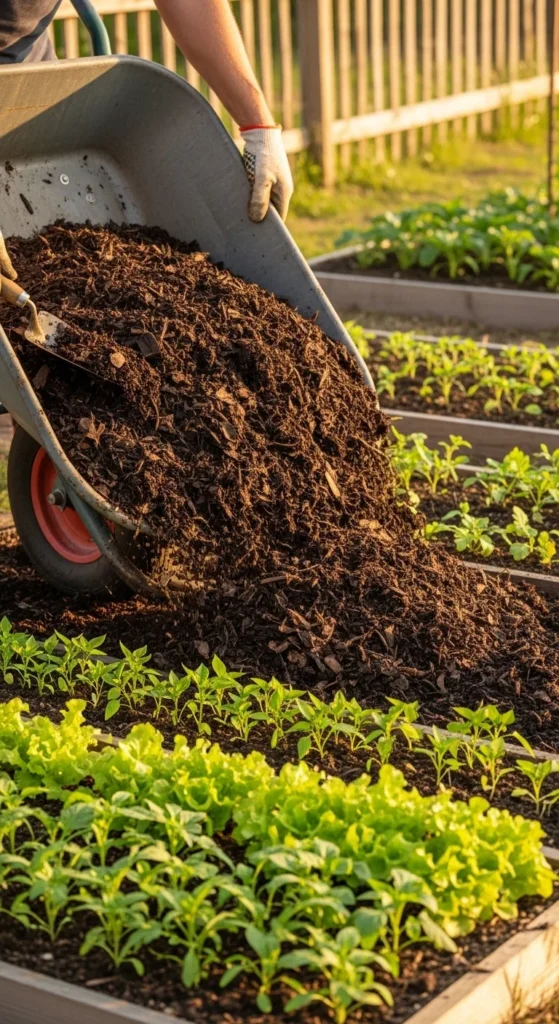
Compost is the heart of organic soil. Aim for at least 20–40% compost in your mix. Kitchen scraps, garden trimmings, and leaf litter can fill this role. Layer compost on top of soil, mix lightly, and water. This feeds plants steadily over the growing season. Even low-cost compost bins in backyards or balconies can supply enough for a small raised bed.
7. Know Your Soil pH
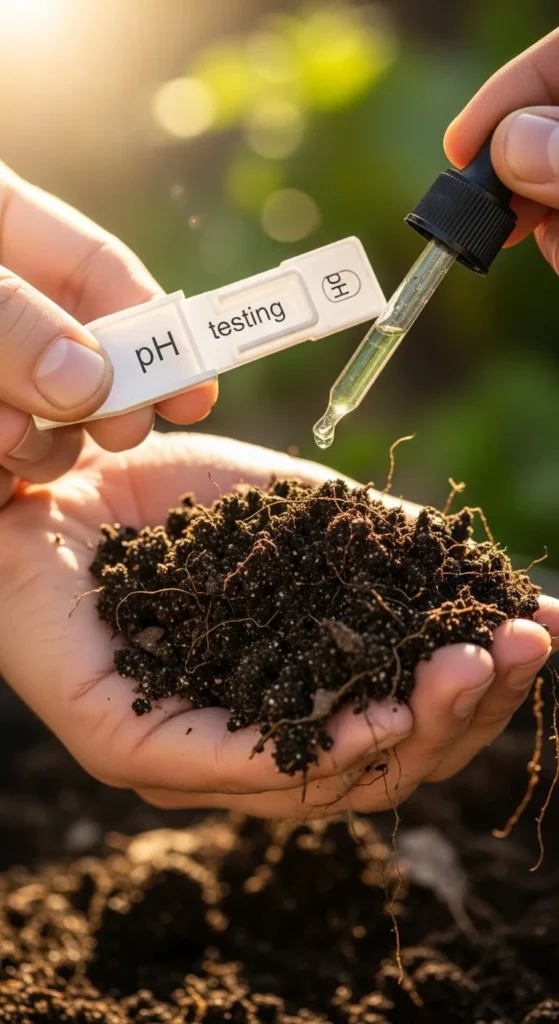
Most vegetables thrive in slightly acidic to neutral soil (pH 6–7). Test your soil with a simple kit from local garden centers. If too acidic, add lime; if too alkaline, use organic sulfur. Adjust gradually. Maintaining correct pH ensures nutrients in organic soil are available to plants. Tip: retest every season to track changes naturally.
8. Mix Add-ons Wisely
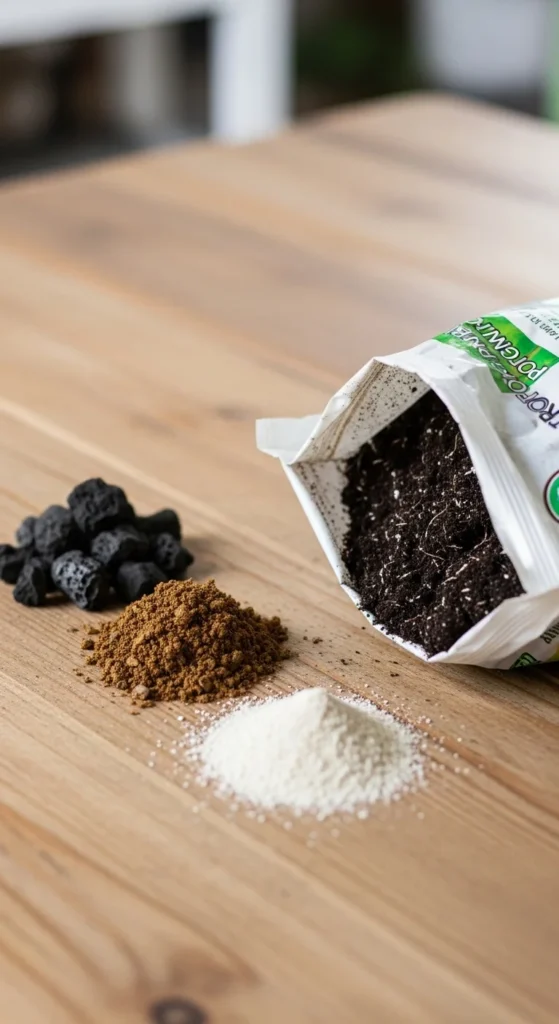
Premium soils often include biochar, humic acid, and mycorrhizae. You don’t need them all. Worm castings and biochar are cheap DIY options. Mix in small amounts to enrich soil structure and nutrient availability. Too much can overwhelm young plants. A simple ratio: 10% additive to 90% soil blend works for most small gardens.
9. Use Peat-Free Materials
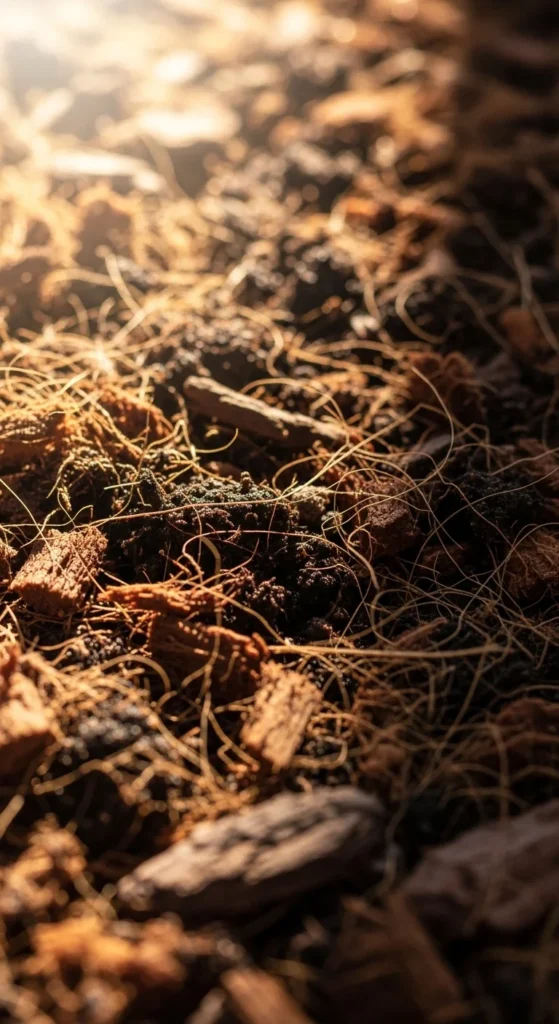
Peat-free organic soil is eco-friendly and affordable. Coconut coir and leaf mold replace peat, retaining moisture without harming wetlands. You can even shred cardboard or newspaper at home as partial substitutes. This keeps soil light and fluffy while maintaining nutrients. Bonus: your garden becomes more sustainable without expensive peat-based bags.
10. Layer Top-Dressing Correctly
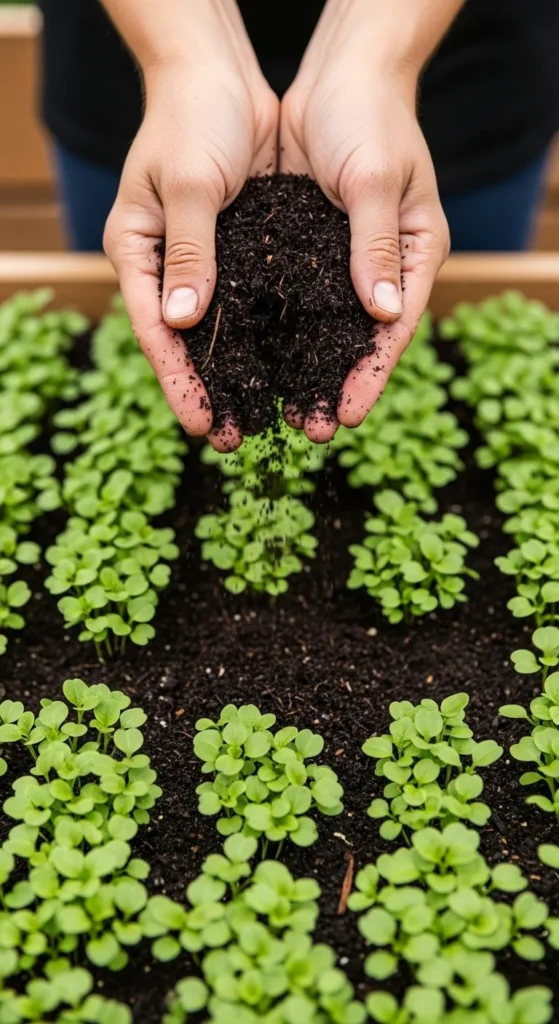
A simple top-dressing nourishes existing beds. Spread 1–2 inches of organic soil mix over existing soil and water lightly. Avoid burying seedlings. This method works on a budget: layer kitchen compost, shredded leaves, or purchased organic soil. Over months, this replenishes nutrients naturally and improves soil texture for better root growth.
11. Start With Local Soil
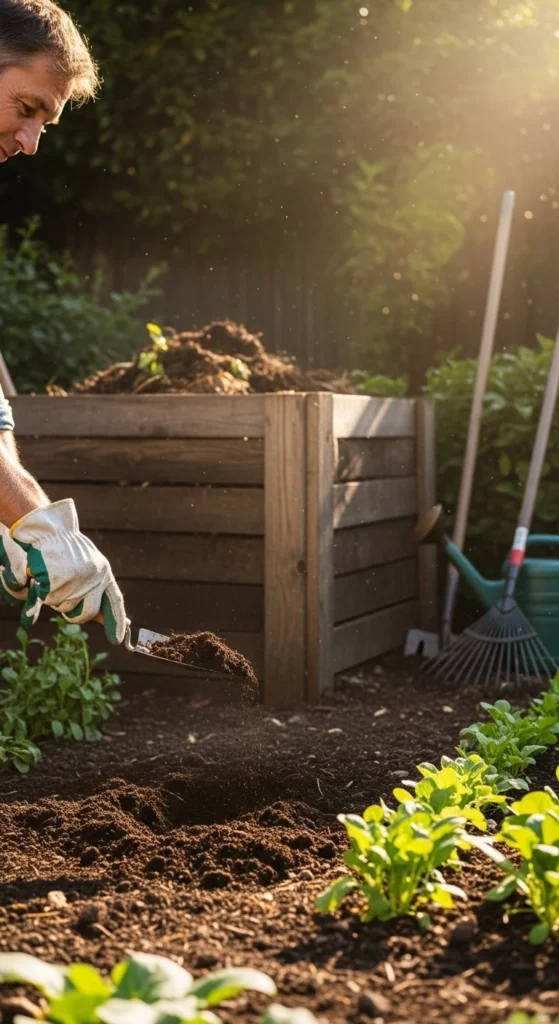
Using local soil as a base saves money. Mix in homemade compost and aged manure to enrich it. Even sandy or clay-heavy soil can improve with small amendments. Testing your soil first helps identify whether it needs extra compost or sand. Local soil often contains native microbes beneficial to your plants.
12. Use Organic Soil for Container Gardens
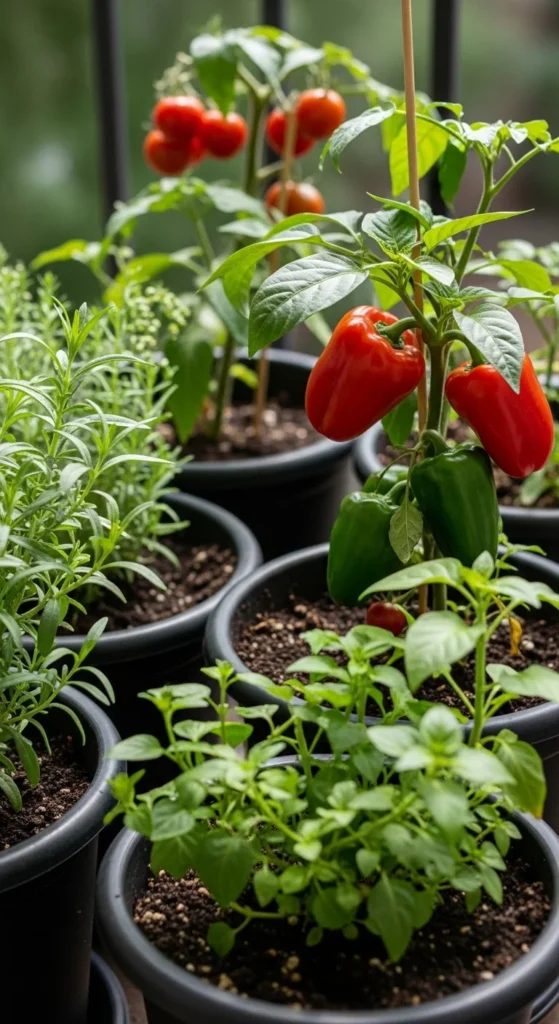
Organic soil works in containers when blended with organic potting mix for lighter texture. Add perlite or coconut coir to prevent compaction. Reuse old containers and top off soil with fresh compost annually. This keeps cost low while maintaining a healthy root environment for potted plants.
13. Rotate Crops and Soil Use
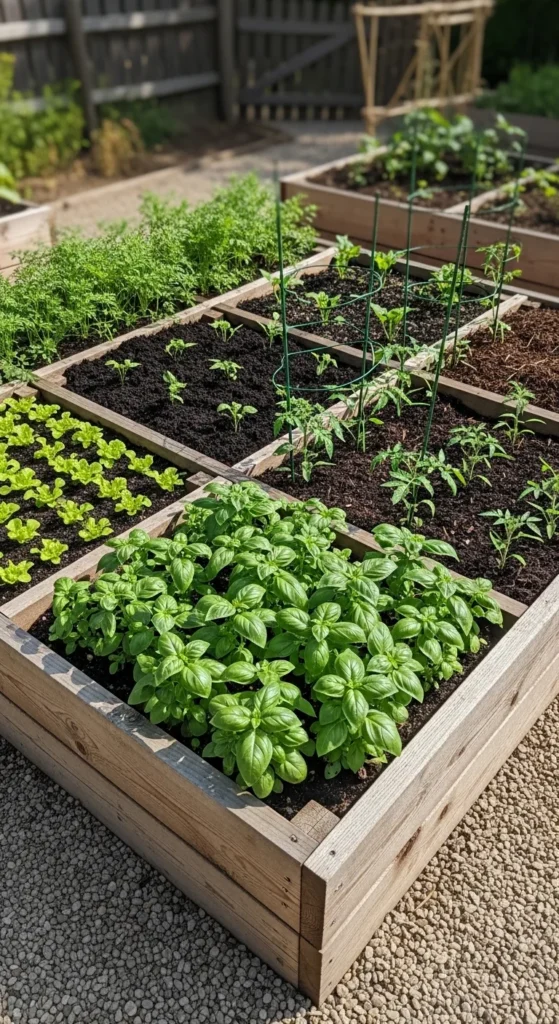
Rotating crops prevents nutrient depletion. After harvesting, add compost and switch plant types. Legumes replenish nitrogen naturally, reducing need for extra fertilizer. Even small beds benefit from this rotation. It maintains organic matter levels and keeps soil biologically active for future crops.
14. Monitor Soil Moisture
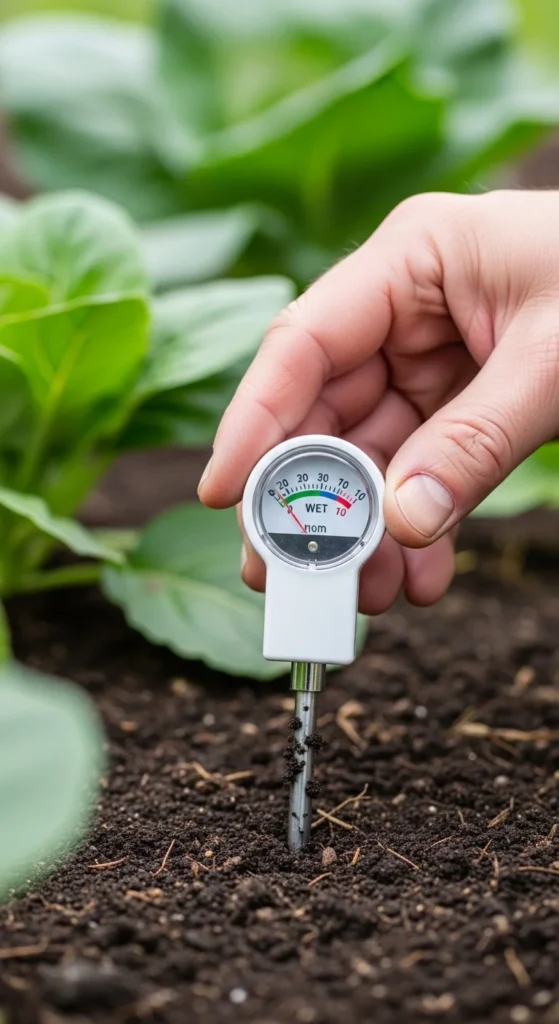
Check soil regularly. Moisture meters are inexpensive and prevent overwatering. Organic soil retains water, but excessive moisture can suffocate roots. Hand-squeeze tests work too: soil should feel damp but not soggy. Adjust watering and mulch as needed. Simple monitoring ensures strong plant growth without waste.
15. Mulch to Protect Soil
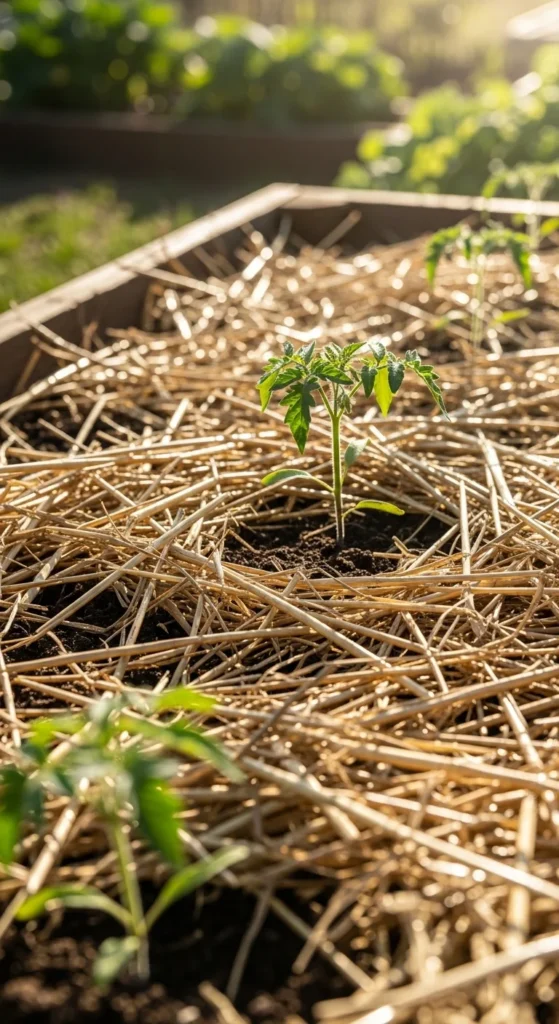
Mulch prevents moisture loss, reduces weeds, and adds organic matter as it decomposes. Use straw, leaves, or grass clippings from your yard. Spread 2–3 inches thick around plants. Budget tip: free yard waste works perfectly. Over time, this enriches organic garden soil naturally while keeping roots cool.
16. Combine Soil Types Smartly
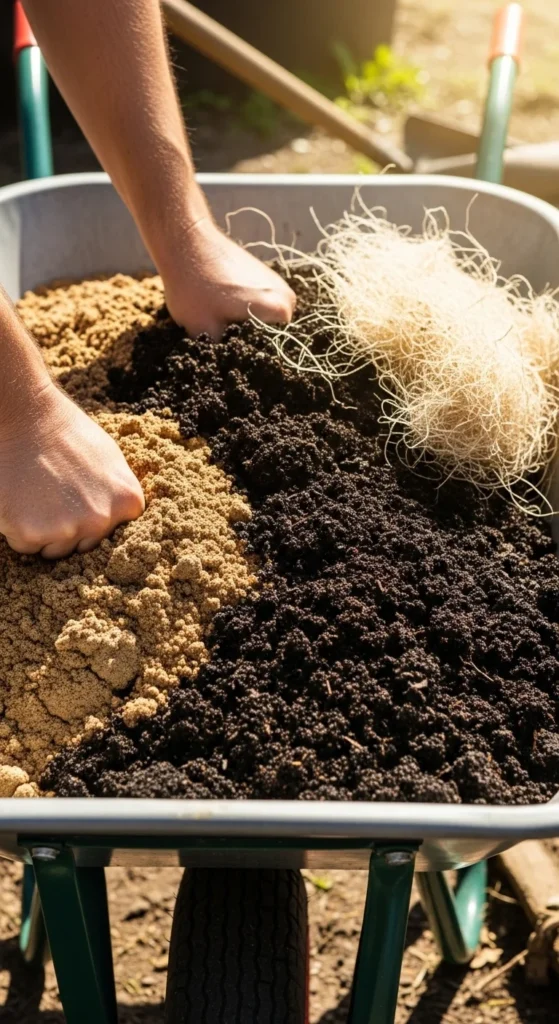
Mix clay, sandy, and loamy soils to achieve balance. Clay retains nutrients but drains slowly. Sand improves drainage but dries fast. Add compost to both to improve texture. Even small raised beds benefit from this DIY approach. Blend thoroughly to create soil that’s nutrient-rich, airy, and moisture-retentive for all plants.
17. Check Soil Temperature
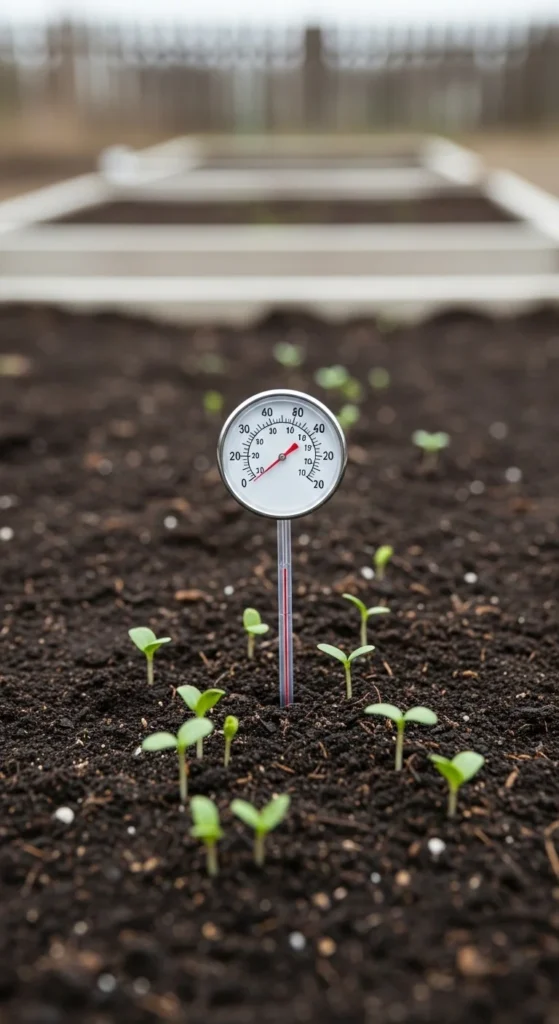
Warm soil encourages seed germination. Use a soil thermometer to monitor. Organic matter warms faster in spring. Cold soils slow growth. Amend with dark compost or mulch to regulate temperature. This simple step ensures plants establish roots quickly without needing extra chemical heat packs.
18. Reuse Organic Waste
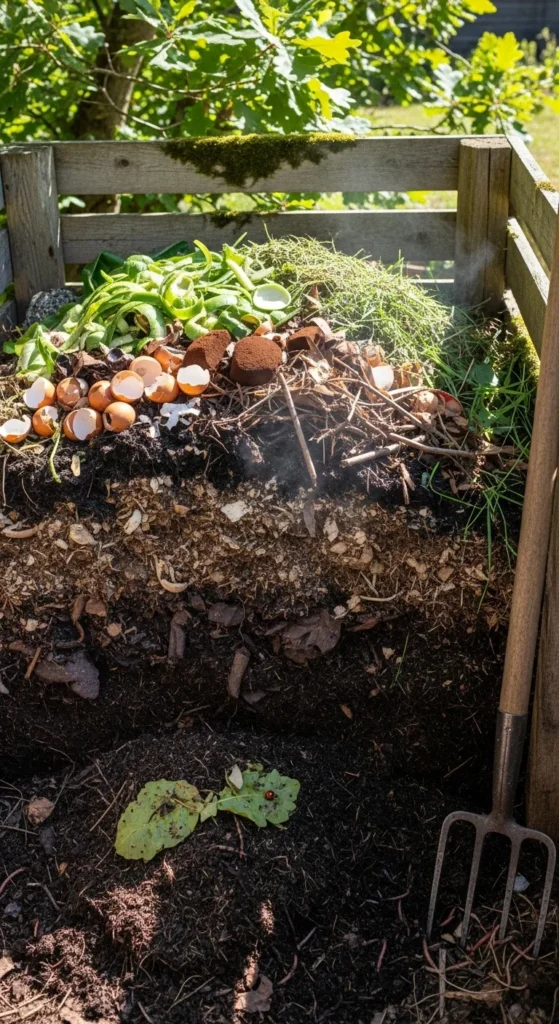
Turn kitchen scraps into homemade compost. Vegetable peelings, coffee grounds, and leaves enrich soil affordably. Layer in compost bins or small pits. Over time, this saves money and keeps soil alive. Even small apartments can use a vermicompost bin to feed potted plants. It’s a sustainable loop for organic gardening.
19. Watch for Soil Compaction
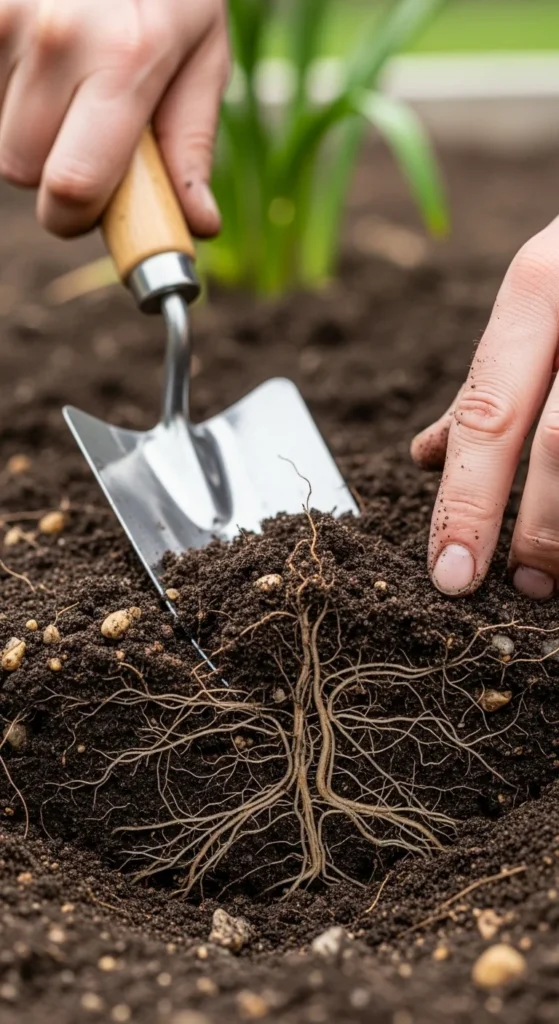
Compacted soil limits root growth. Aerate with a fork or spade before planting. Adding coarse organic matter like straw or bark chips prevents future compaction. Even small interventions improve oxygen flow and water infiltration. Avoid walking on garden beds; create pathways to keep soil loose.
20. Label Soil Additions
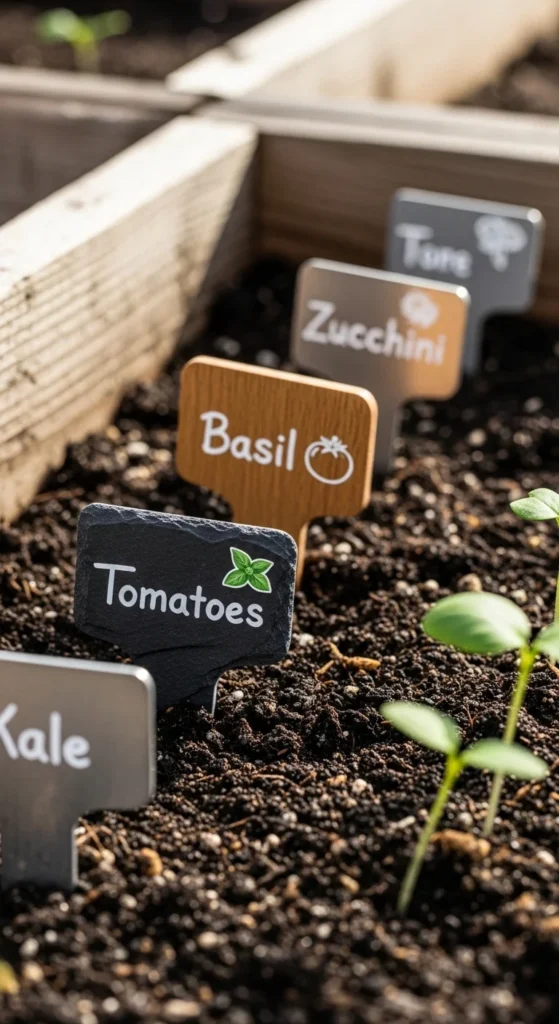
Keep track of what you add. Labels prevent overuse of compost or fertilizers. Mark dates and type of soil blend. Even in shared garden spaces, this helps maintain organic soil health and avoid mistakes. Budget tip: use old popsicle sticks or plastic scraps as simple markers.
21. Integrate Worms
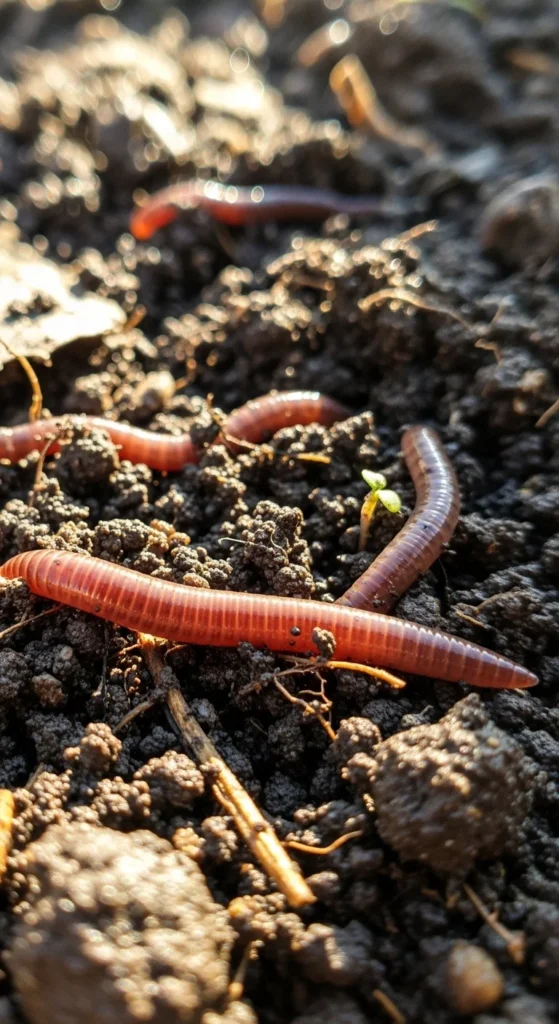
Worms improve aeration and nutrient cycling. Encourage them by adding compost and shredded leaves. They create tunnels that water and roots move through easily. Affordable and natural, worms are the gardeners’ allies in keeping organic soil rich and biologically active.
22. Avoid Over-Fertilizing
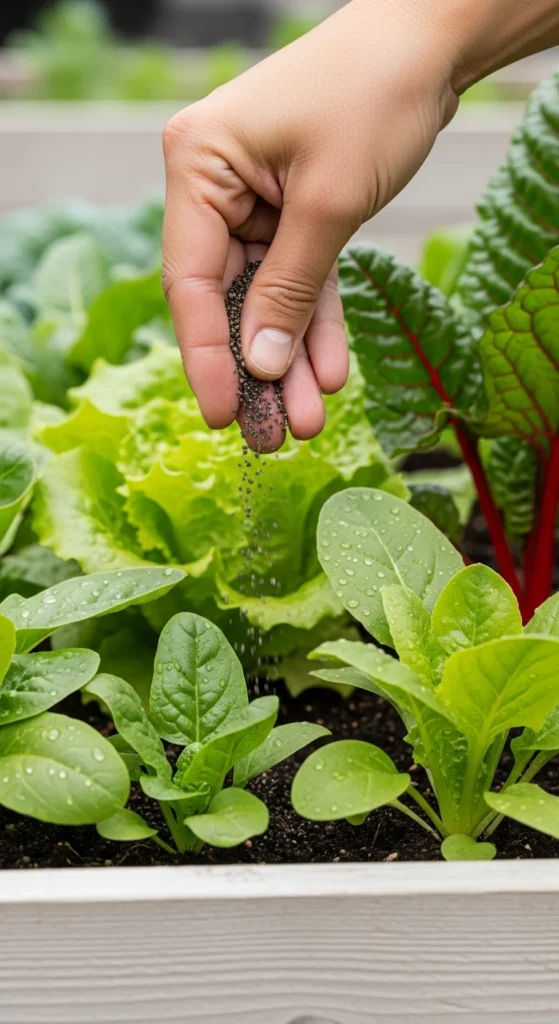
Even organic fertilizers can overwhelm plants. Follow recommended top-dressing schedules. Over-fertilizing can burn roots or encourage leafy growth at the expense of fruits. Use compost and natural amendments gradually. Observe plants and adjust. Simple observation saves money and maintains soil balance.
23. Encourage Local Microbial Diversity
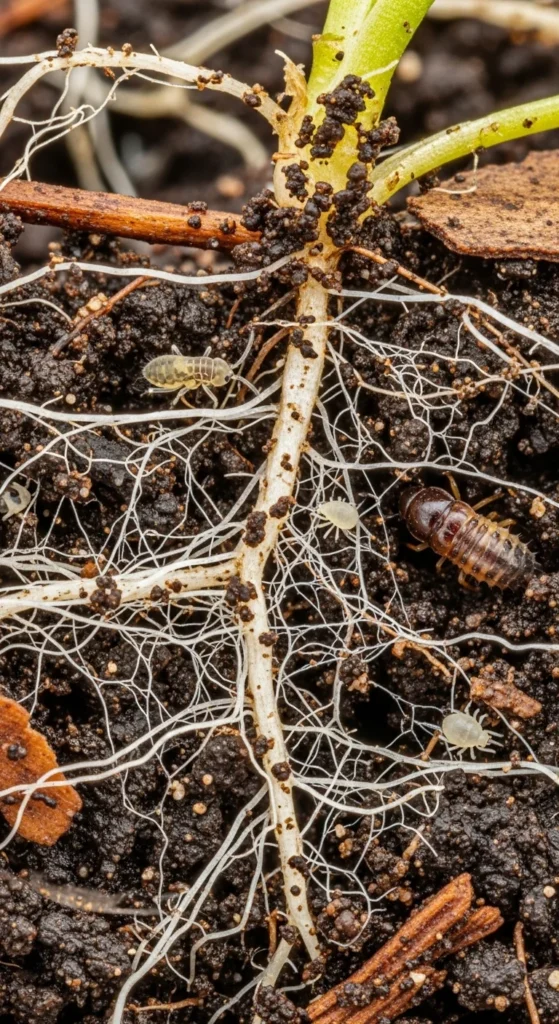
Different microbes thrive in different soils. Avoid sterilized mixes if possible. Add local compost or leaf litter. Microbial diversity improves plant resistance and nutrient availability. DIY tip: collect soil from healthy nearby gardens to introduce beneficial microbes to your beds.
24. Top-Dress Annually
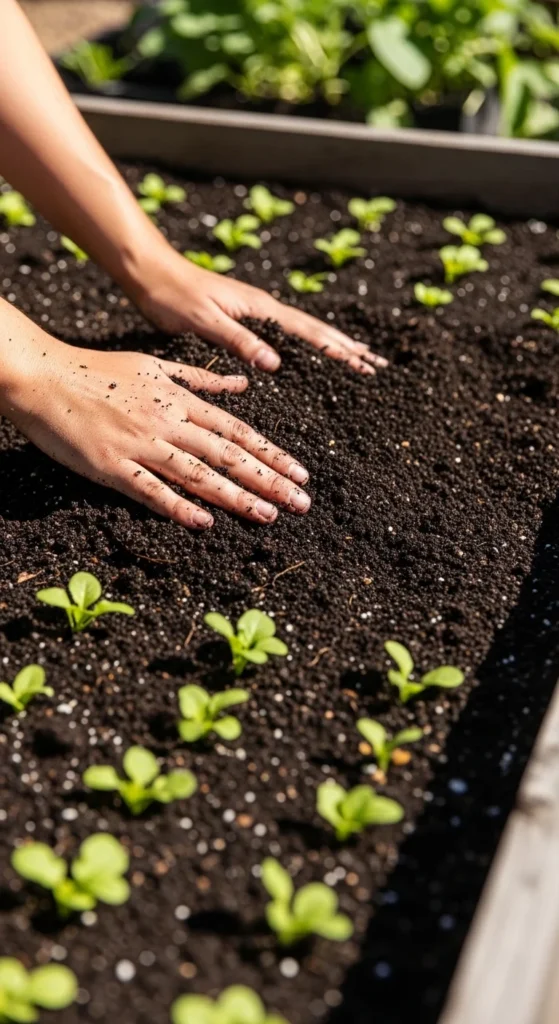
Add 1–2 inches of organic soil every year to replenish nutrients. Use homemade compost or purchased organic soil. This keeps beds productive and ensures living soil remains fertile. Simple rotation of materials is enough to maintain balance and reduce erosion over time.
25. Compare Brands Before Buying
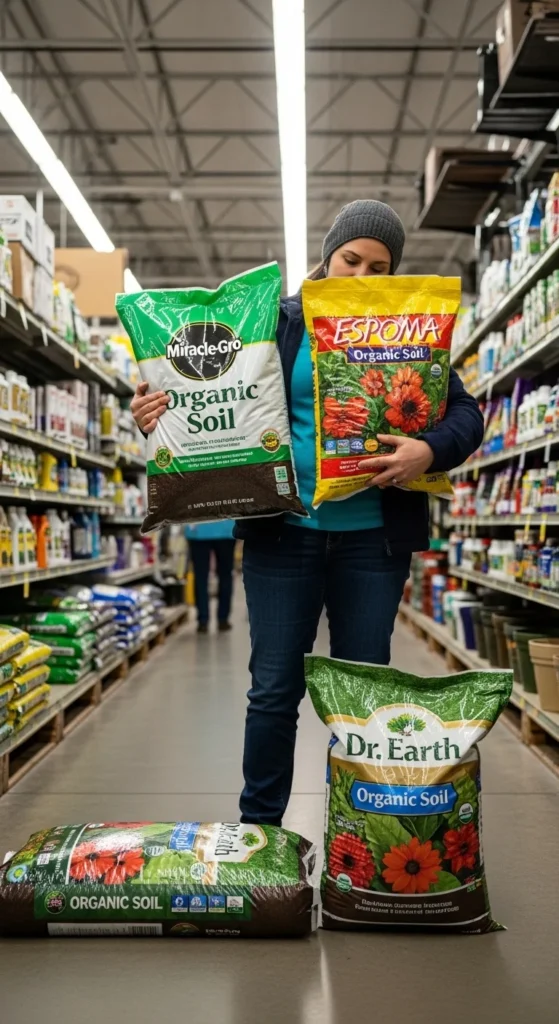
Big-box stores stock multiple brands. Compare organic matter content, peat-free claims, and certifications. Budget tip: buy in bulk when possible. Look for OMRI or USDA organic seals. Comparing bags helps you select soil suited to your climate, plants, and garden type.
26. Mix Soil for Vegetables Specifically
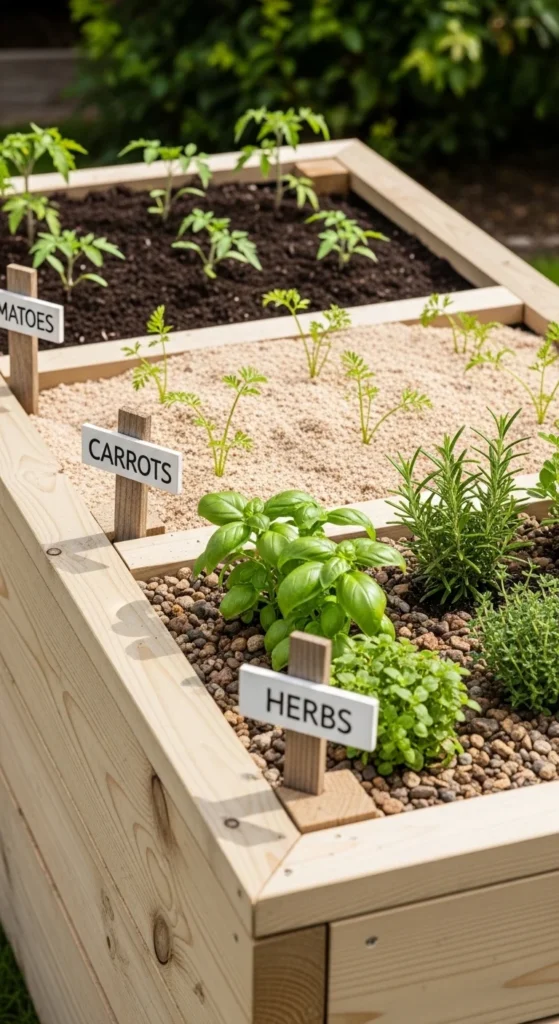
Vegetables like root crops prefer loose, sandy soil with compost. Leafy greens do well in nutrient-rich loam. Tailor organic soil to plant needs. DIY tip: blend garden soil, compost, and coir in ratios specific to crop type. Small adjustments dramatically improve growth and harvests.
27. Observe Soil Changes Over Time
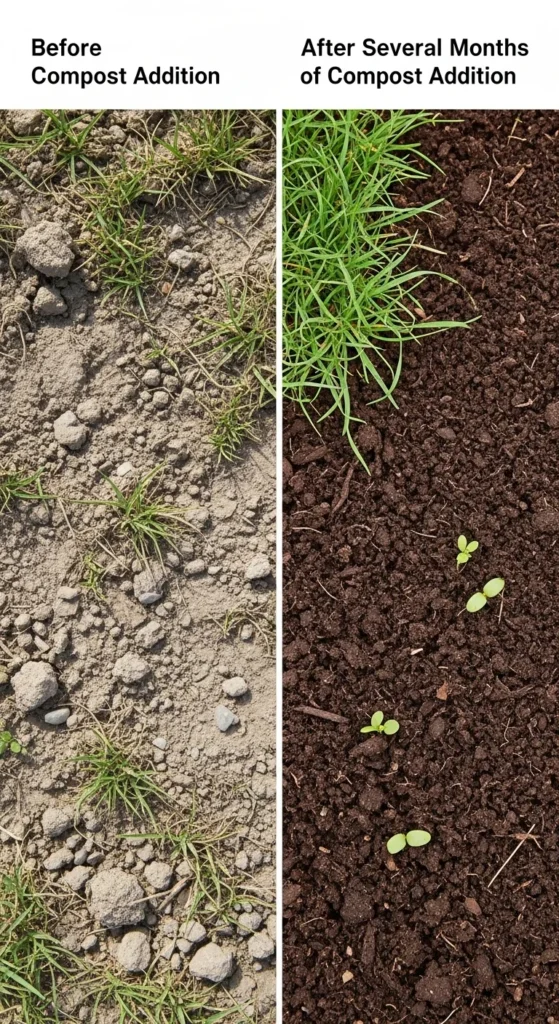
Track soil texture, moisture, and plant health. Adding compost and mulch changes soil structure gradually. Note what works. Budget-friendly tip: maintain a small notebook or photos for reference. Observing helps you refine DIY organic soil recipes for next season.
28. Protect Soil From Heavy Rain
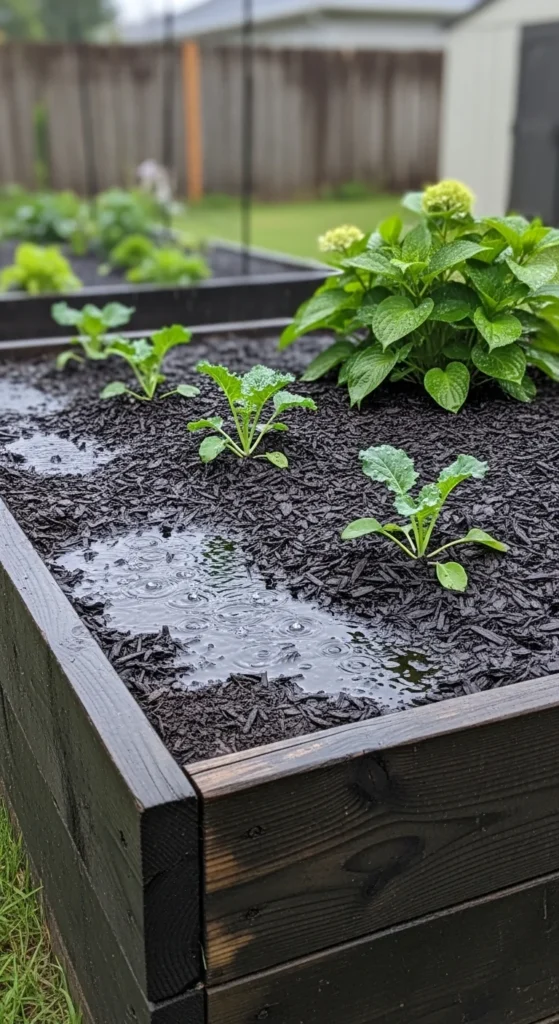
Heavy rainfall can wash away nutrients. Mulch or temporary covers prevent erosion. Raised beds naturally reduce runoff. Adding organic matter also increases water infiltration. Affordable options: straw, shredded leaves, or cardboard layers. This keeps your organic soil intact for healthy plant roots.
29. Use Soil Mix for Herbs
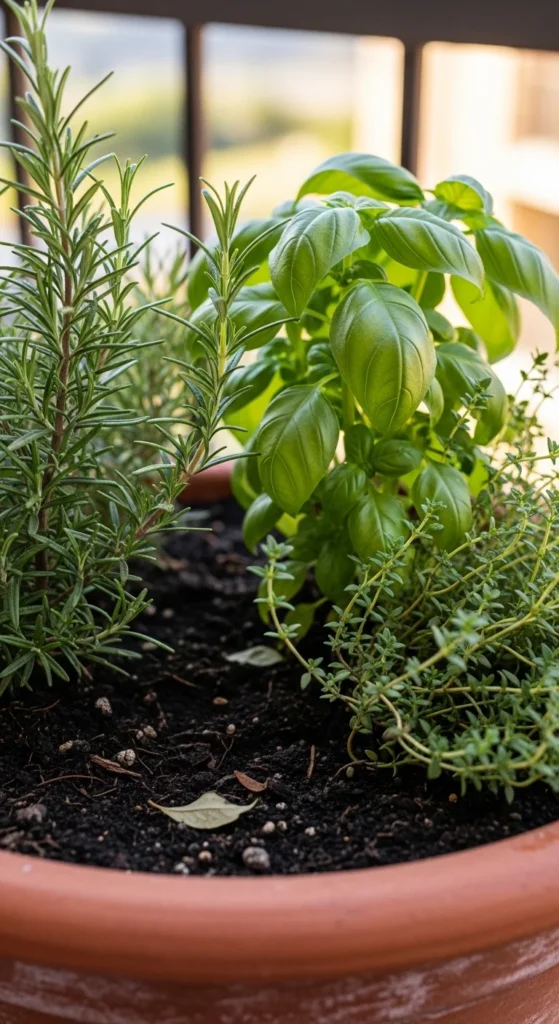
Herbs need well-draining yet nutrient-rich soil. Mix garden soil with compost and coir. Avoid compacting soil in pots. DIY tip: repurpose small buckets or containers. Herbs respond quickly to proper organic soil and can even tolerate less frequent watering.
30. Start a Soil Journal
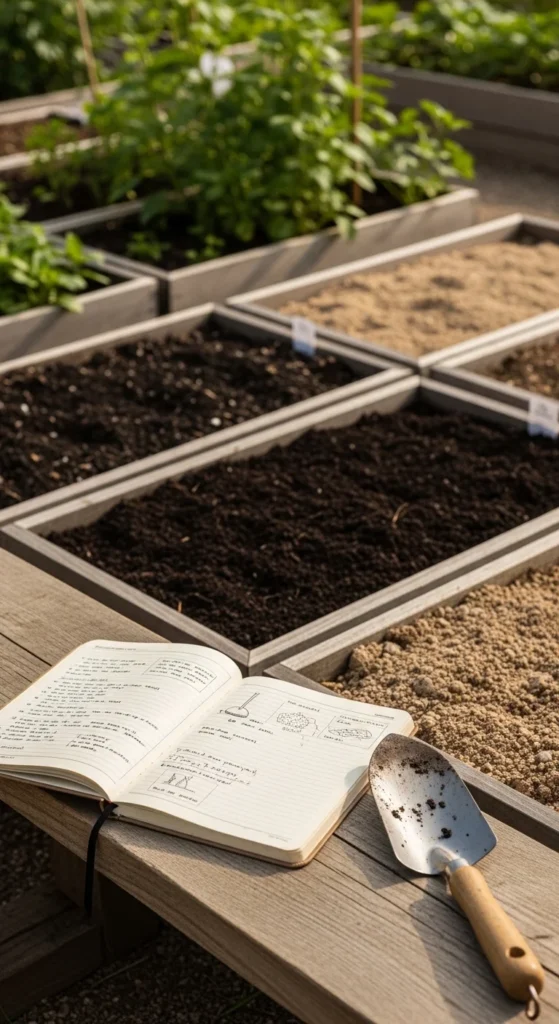
Track amendments, harvests, and observations. Note what soil mix produced the best yields. Over time, this creates a reference for budget-friendly adjustments and DIY experiments. A simple journal helps gardeners replicate successes and troubleshoot challenges efficiently.
Conclusion
Healthy plants begin with healthy soil. Using these 30 secrets, you can create rich organic garden soil that feeds roots, retains moisture, supports microbes, and grows vegetables, herbs, and flowers with minimal cost. Start small, observe changes, and layer in organic matter. With attention and simple techniques, your garden will flourish, yielding vibrant, productive plants season after season.
Leave a Reply