

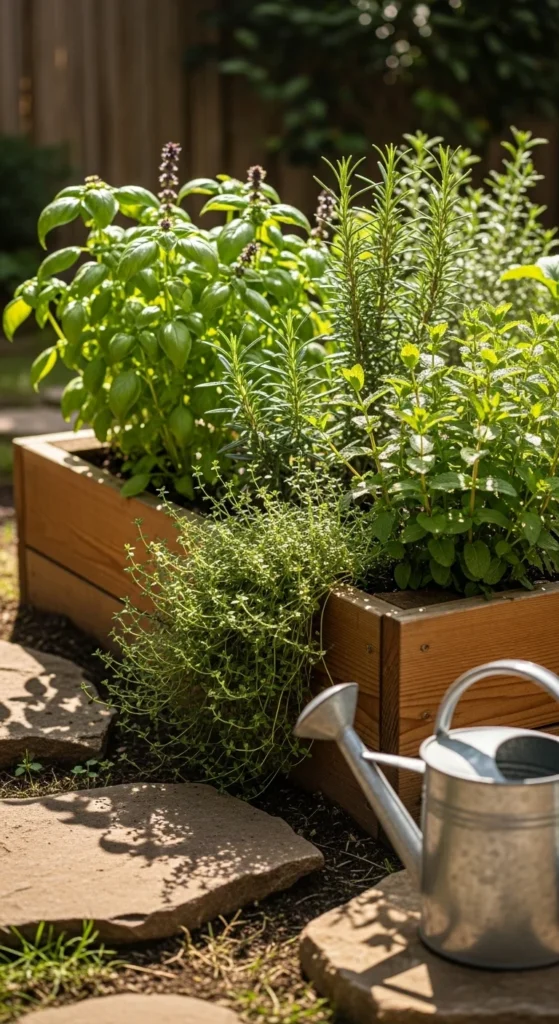
Imagine stepping outside your door and plucking fresh basil for pizza, snipping rosemary for roasted veggies, or grabbing mint for an iced tea—all from your own beautifully designed herb garden. Whether you have a sprawling yard or just a sunny balcony, a well-planned herb garden can be both practical and gorgeous.
The best part? Designing it is easy and fun. With a little planning, creativity, and love for green things, you can create a space that smells amazing, looks stunning, and keeps your kitchen stocked with fresh herbs year-round.
Here’s how to design a herb garden you’ll fall in love with—from layout ideas to companion planting tips!
Step 1: Choose the Perfect Spot
Before you start sketching layouts or buying plants, find the right location. Herbs are sun-lovers—most need at least 6 hours of sunlight daily.
Best places for a herb garden:
- A sunny kitchen window or balcony box (for apartment dwellers)
- A patio corner or raised bed near your kitchen door
- Along garden pathways for easy harvesting
If you live in a hot climate, give your herbs morning sun and afternoon shade to prevent leaf burn.
Pro Tip: Keep your herb garden close to your kitchen—it’ll make you more likely to use them often!
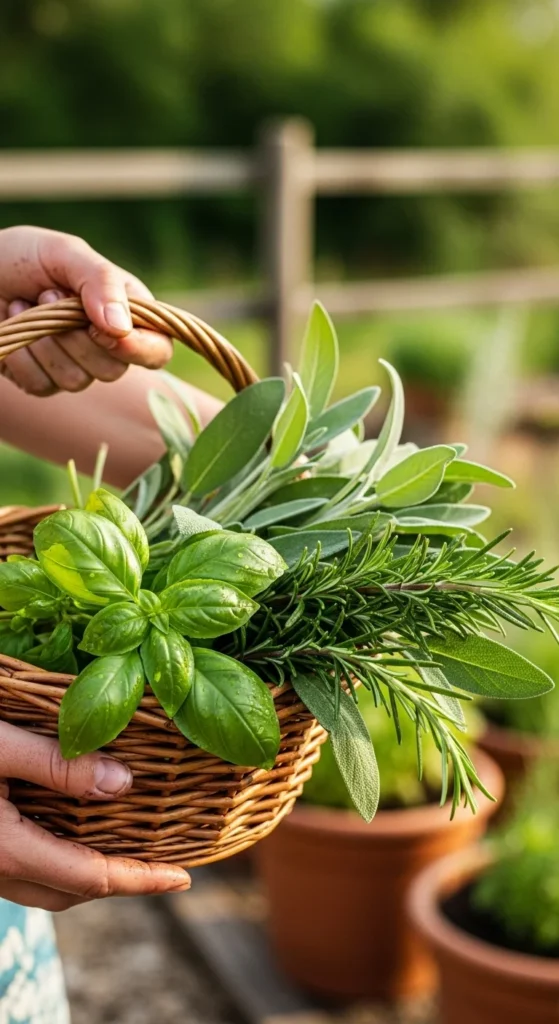
Step 2: Pick Your Favorite Herbs
This is where the fun begins! Choose herbs based on your taste, cooking style, and fragrance preferences.
For everyday cooking:
- Basil, parsley, thyme, oregano, and rosemary
For refreshing drinks:
- Mint, lemon balm, or lavender
For beauty and scent:
- Sage, chamomile, and lemon verbena
Try mixing annuals (like basil and cilantro) with perennials (like rosemary and thyme) for a garden that looks lively all year.
Pro Tip: Start with 5–7 herbs so your garden feels abundant but not overwhelming.
Step 3: Plan Your Layout
Now that you know what you’re growing, it’s time to design your space. The goal is to combine beauty and functionality.
A Few Layout Ideas:
- Raised Beds: Perfect for outdoor gardens—easy to maintain and harvest.
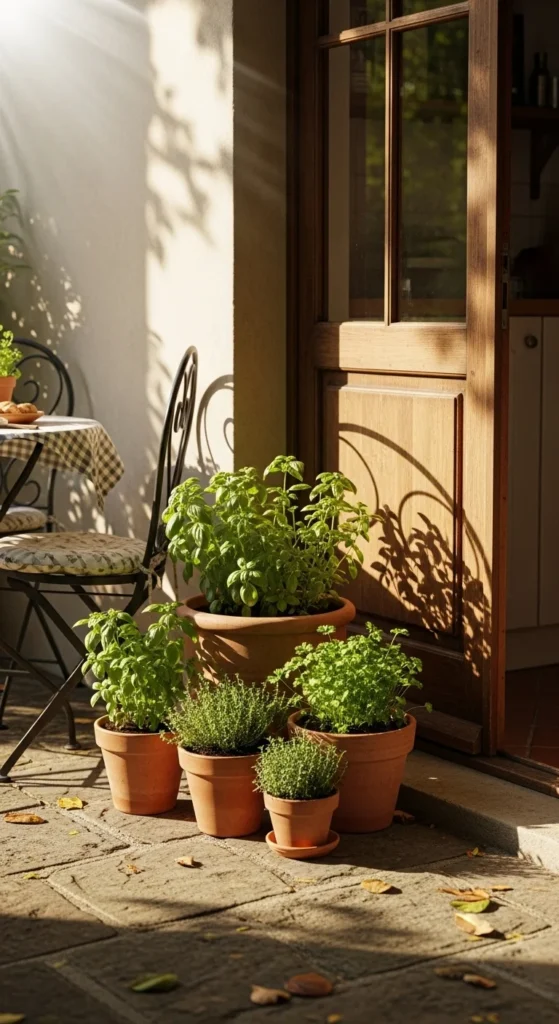
- Container Garden: Great for patios, balconies, or renters who move often.
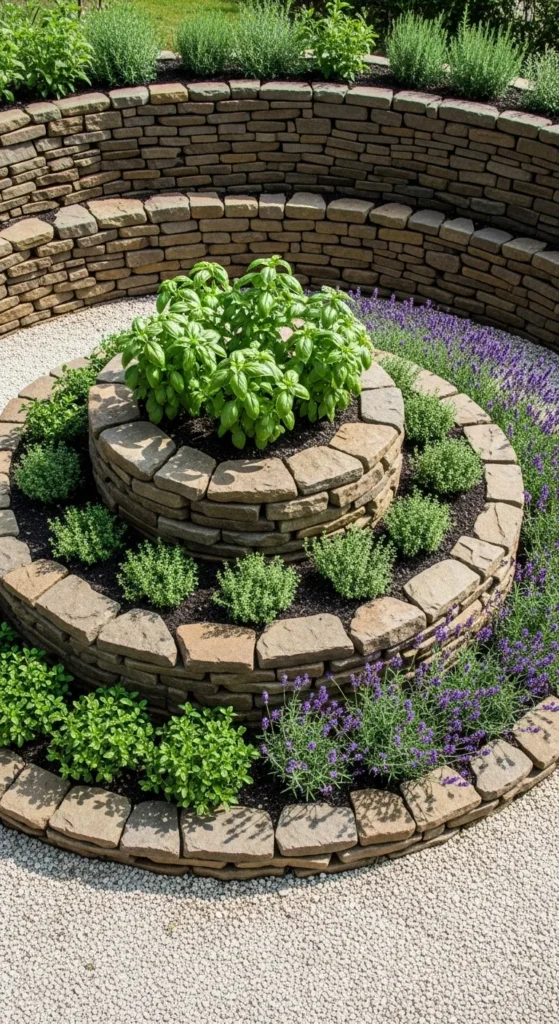
- Spiral Herb Garden: A stunning focal point made from stacked stones or bricks that create tiers for different herbs.
Design Tips:
- Place taller herbs like rosemary or sage at the back or center.
- Let spreading herbs like oregano or thyme cascade along the edges.
- Use color and texture to create visual variety—mix fine-leaved herbs like dill with broad-leaved basil.
Step 4: Prepare the Soil
Healthy herbs start with healthy soil. Most herbs prefer well-drained soil with a slightly sandy texture.
How to prepare:
- Loosen the top 8–10 inches of soil.
- Mix in compost or aged manure for nutrients.
- Add sand or perlite for better drainage if your soil is heavy.
For container gardens, use a high-quality potting mix labeled for herbs or vegetables.
Pro Tip: Mediterranean herbs like rosemary, lavender, and oregano prefer slightly dry soil—don’t overwater them.
Step 5: Add Personality with Containers and Decor
A herb garden should reflect you—your style, your home, your vibe. The right containers and accessories can make it uniquely beautiful.
Ideas for creative flair:
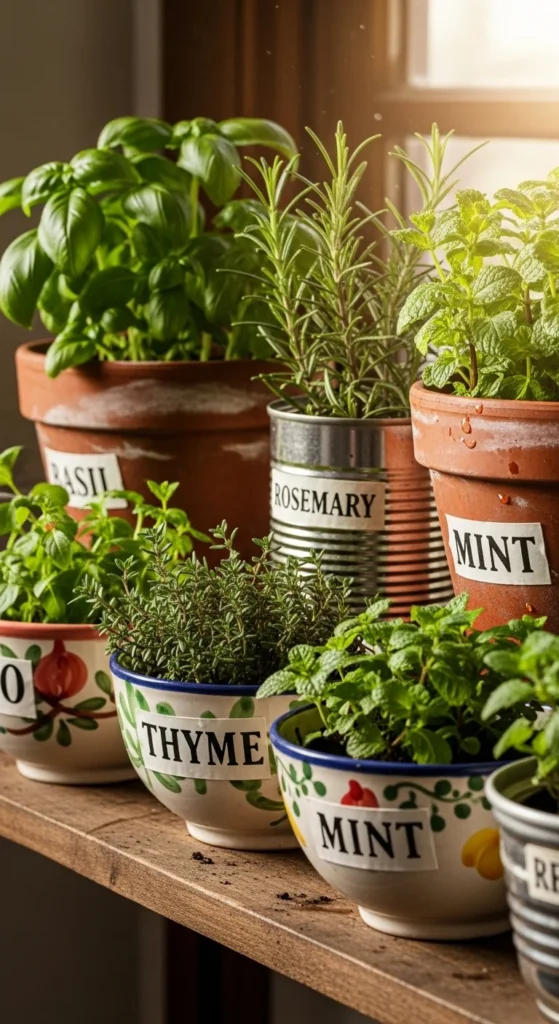
- Repurpose vintage teacups, baskets, or wooden crates as planters.
- Label herbs with chalkboard tags or painted stones.
- Add a small garden bench, lantern, or stepping stones for charm.
Group plants by watering needs in matching pots or create a whimsical mix of colors and materials.
Step 6: Water, Feed, and Harvest
Once your garden is planted, it’s all about care and consistency.
Watering:
- Water deeply once or twice a week.
- Morning watering is best—it helps prevent leaf diseases.
Feeding:
- Herbs don’t need heavy fertilizing—feed lightly with compost tea every few weeks.
Harvesting:
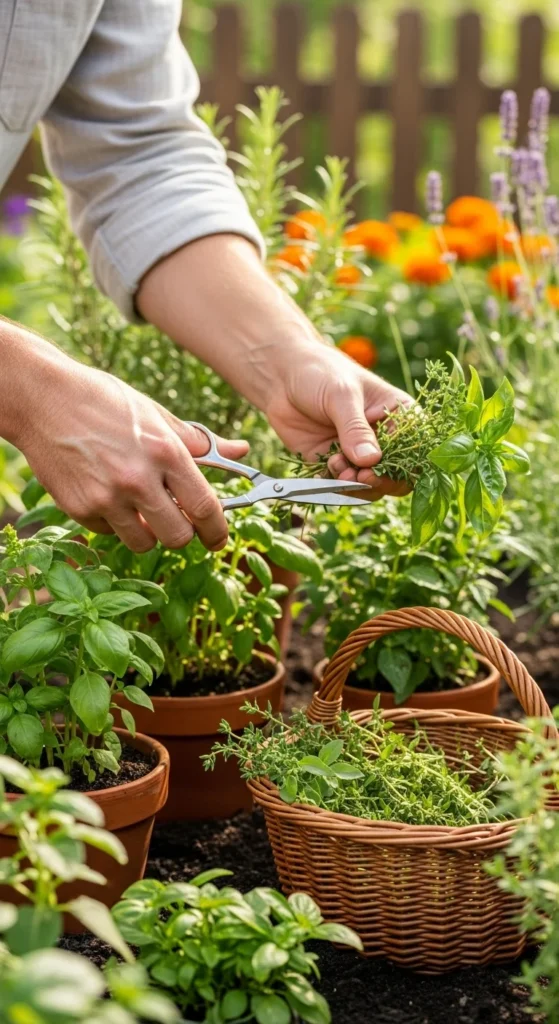
- Pinch herbs often to encourage bushy growth.
- Never take more than one-third of the plant at once.
- Regular harvesting keeps herbs healthy and flavorful.
Pro Tip: For maximum flavor, harvest herbs in the morning after the dew dries but before the sun gets too hot.
Step 7: Keep It Thriving Year-Round
Even if you live in a cooler climate, your herb garden doesn’t have to end when summer does.
Seasonal tips:
- Bring potted herbs indoors before frost hits.
- Grow cold-tolerant herbs like parsley, thyme, and chives outdoors through fall.
- Try an indoor hydroponic herb setup for fresh greens all winter.
Final Thoughts
Designing a herb garden you’ll love is about more than just growing plants—it’s about creating a space that inspires you daily. From morning coffee surrounded by mint to evening dinners seasoned with homegrown herbs, your little garden will bring life, flavor, and calm to your home.
Leave a Reply