

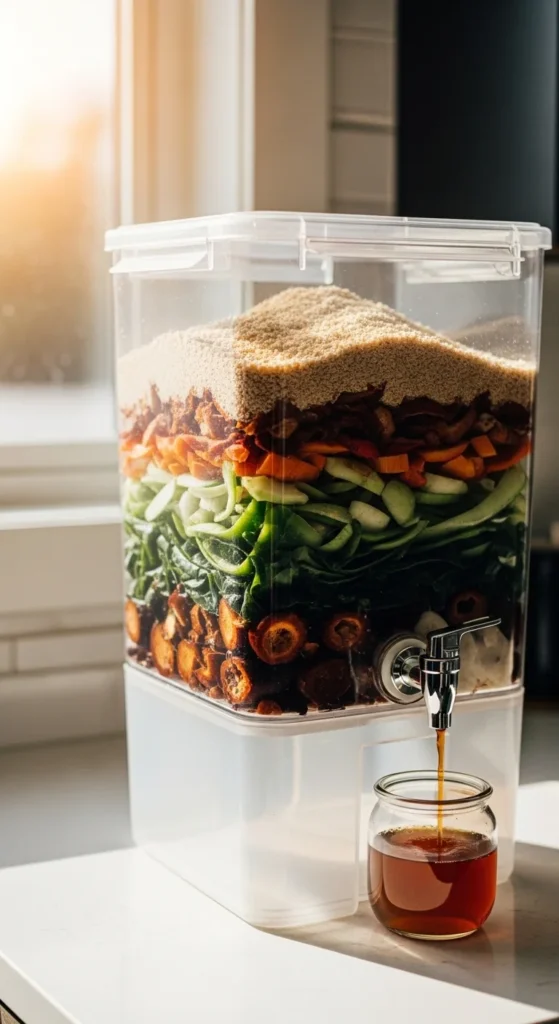
Bokashi composting offers a quick, indoor-friendly way to turn kitchen waste into nutrient-rich pre-compost. Unlike traditional composting, it handles cooked foods, meat, and dairy without odors. Using an airtight bin and bokashi bran, scraps ferment in 8–14 days. This listicle breaks down 27 fast, practical methods to get your bokashi system running efficiently, whether you live in a small apartment or have a backyard. Each tip is simple, affordable, and designed to make bokashi composting part of your daily routine.
1. Start With the Right Bin
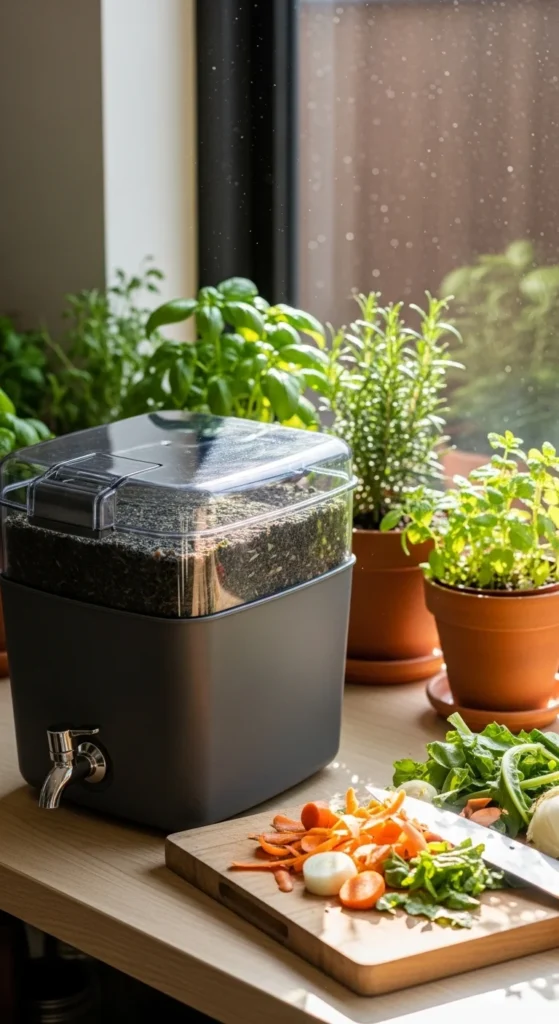
Choose a bin that fits your space. For small kitchens, a single 1–2 gallon bin works. Larger households might prefer a 5-gallon bucket with a spigot. Ensure the lid seals tightly to keep odors contained. DIY enthusiasts can repurpose a standard 5-gallon bucket with a spigot and drill tiny holes in the bottom for drainage. Keep it on a tray to catch any liquid and make cleaning easier. Remember, the bin’s airtight feature is key to anaerobic fermentation.
2. Use Quality Bokashi Bran
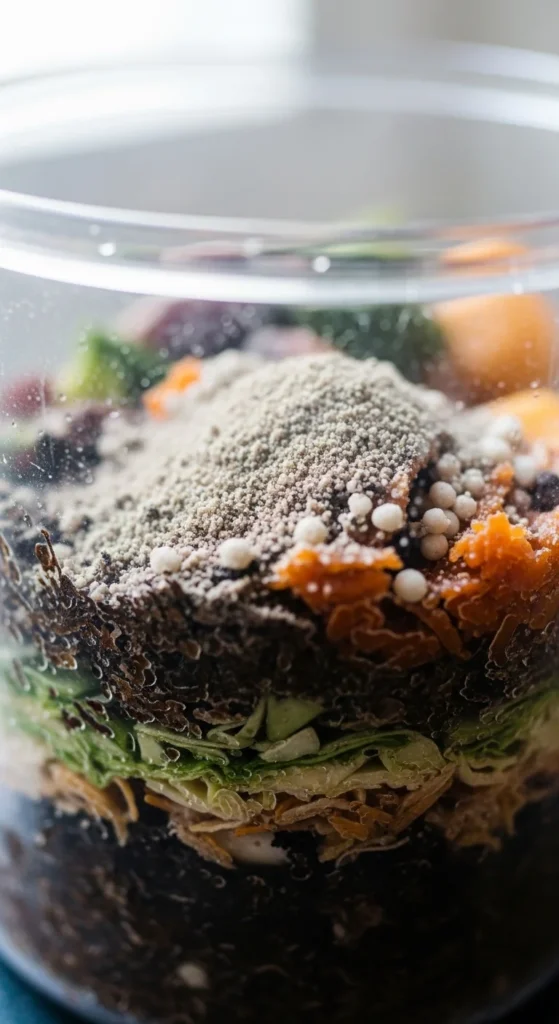
Bokashi bran contains beneficial microbes that kickstart fermentation. Sprinkle a thin, even layer over each batch of kitchen scraps. Don’t overload; a little bran goes a long way. You can buy pre-packaged bran or try small DIY versions with wheat bran and molasses, though store-bought ensures consistent results. Using the right amount prevents smell and promotes faster breakdown.
3. Layer Your Food Scraps
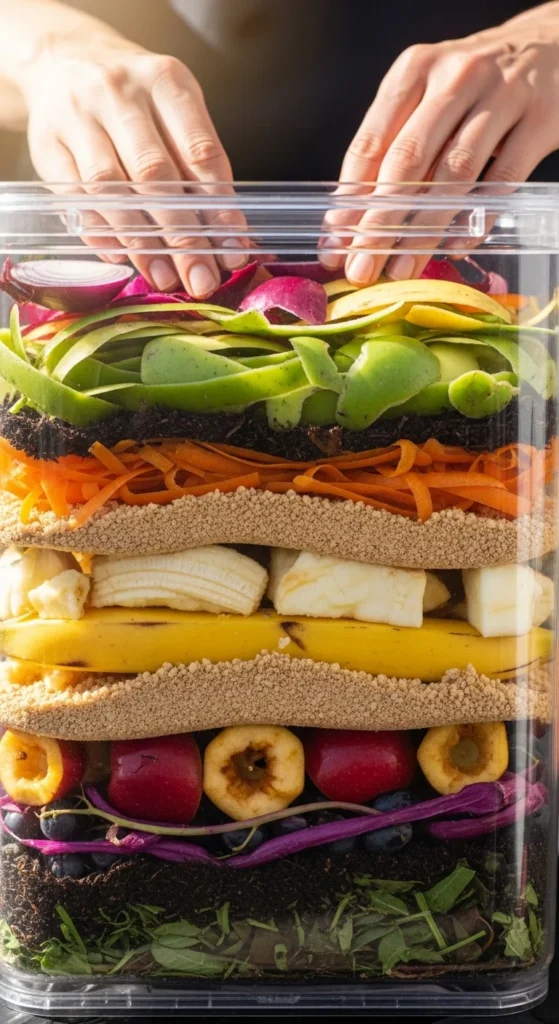
Layering helps microbes work efficiently. Start with a layer of scraps, then a thin sprinkle of bran. Press lightly to remove air pockets. Repeat until the bin is nearly full. This press-cover-repeat method keeps the bin airtight and prevents excess moisture. Avoid compacting too hard—scraps need slight airflow within the anaerobic environment.
4. Chop Scraps Small
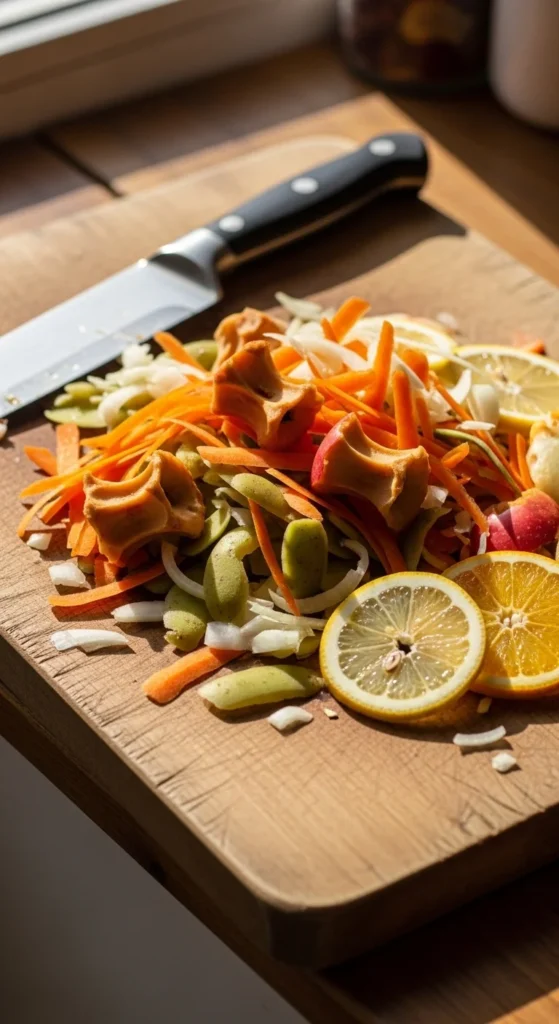
Smaller pieces ferment faster. Chop fruit, vegetables, and even cooked food into bite-sized pieces. This increases surface area for microbes. It also reduces space in your bin, allowing you to store more scraps between emptying. Keep a small knife or kitchen scissors handy for daily prep.
5. Keep It Airtight
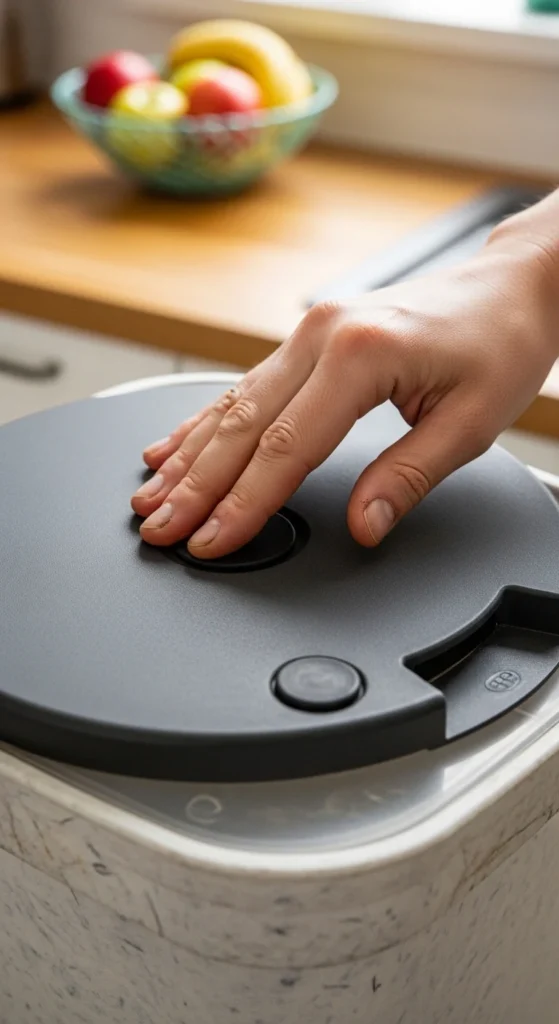
Seal your bin after every addition. Oxygen slows fermentation and can cause odors. Always press down scraps and cover with bran before closing. If liquid leaks, catch it with a tray or bowl under the spigot. Maintaining a tight seal ensures your 8–14 day fermentation cycle stays on track.
6. Drain Bokashi Tea Regularly
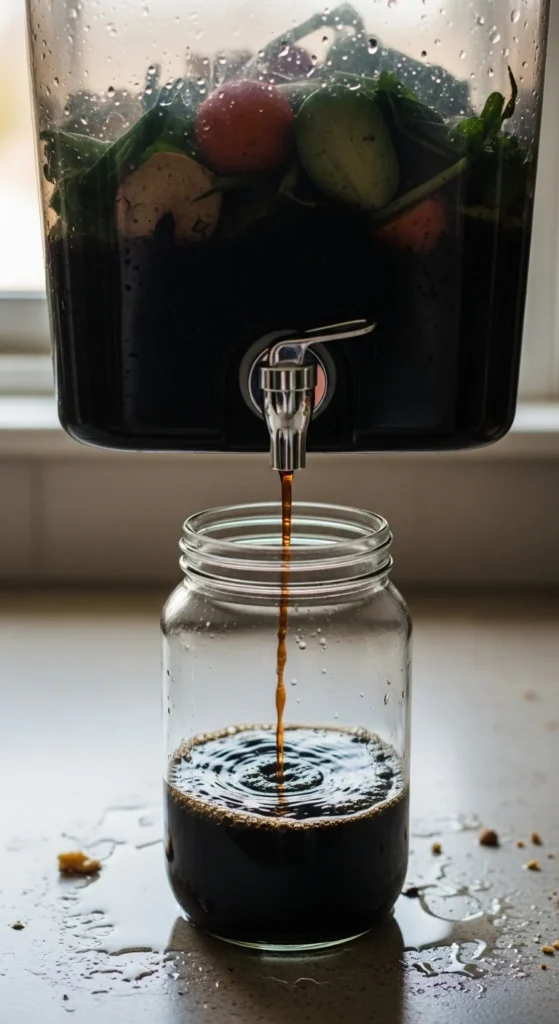
Bokashi tea is a nutrient-rich by-product. Drain every 2–3 days to prevent overflow. Dilute 1:100 with water before using on plants. Avoid pouring undiluted tea directly on leaves—it can burn them. Store tea in a closed jar in the fridge for up to a week if you don’t use it immediately.
7. Use Two Bins for Continuous Composting
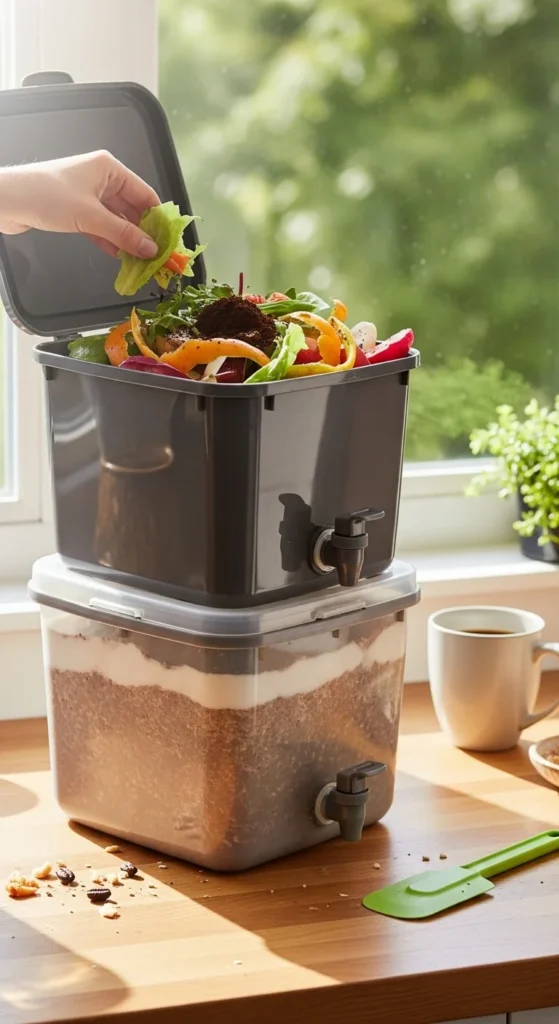
A two-bin system allows daily use without interruption. While one bin ferments, the other collects scraps. This is ideal for families or offices. Rotate bins every 8–14 days. Label them to track timing. This setup keeps your workflow smooth and prevents backlogs.
8. Include Meat and Dairy
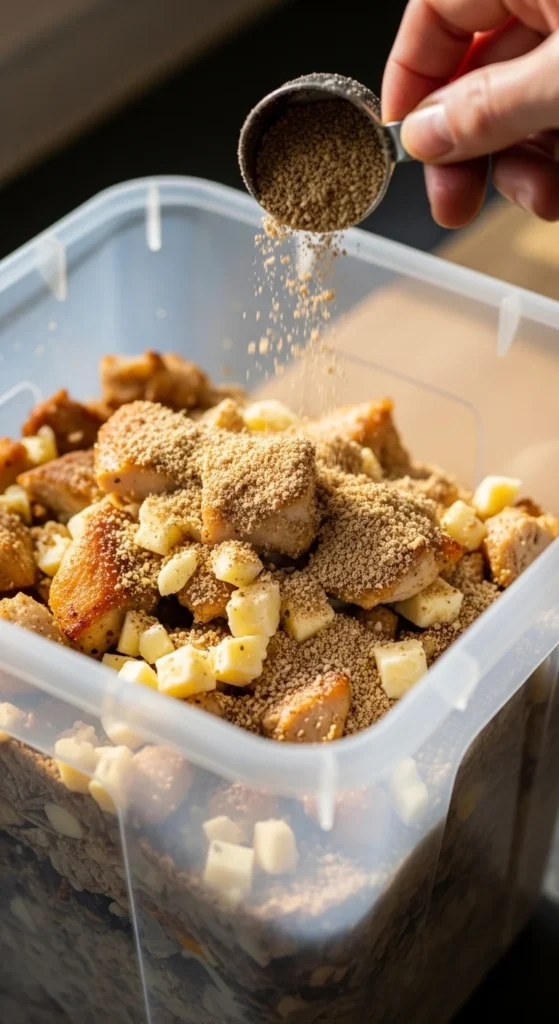
Unlike traditional compost, bokashi handles meat, cheese, and cooked foods. Slice into small pieces, sprinkle with bran, and press down. This prevents odors and speeds fermentation. Ideal for kitchens producing leftovers that would otherwise go to the trash.
9. Avoid Excess Moisture
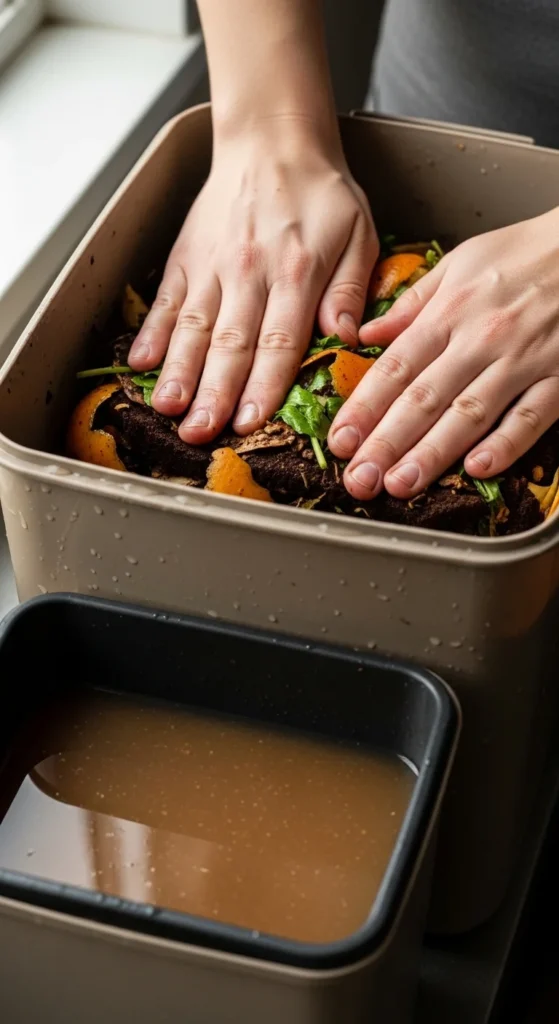
Too much moisture slows fermentation and produces bad smells. Sprinkle bran generously to absorb extra liquid. Keep scraps slightly dry before adding, especially juicy fruits. The spigot lets you drain excess tea. Proper moisture ensures quick, odor-free pre-composting.
10. Place Bin on a Tray
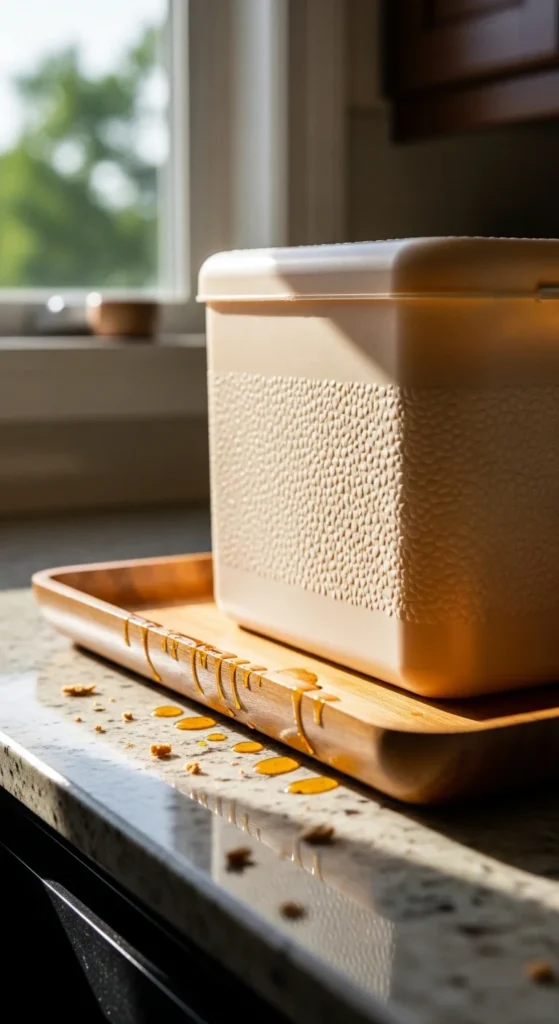
A tray protects counters from leaks and makes cleaning simple. It also catches bokashi tea, which you can reuse as liquid fertilizer. Choose a tray slightly larger than your bin. Budget-friendly trays from thrift stores or dollar shops work well. This small step keeps your kitchen tidy and prevents staining.
11. Layer Citrus Peels Carefully
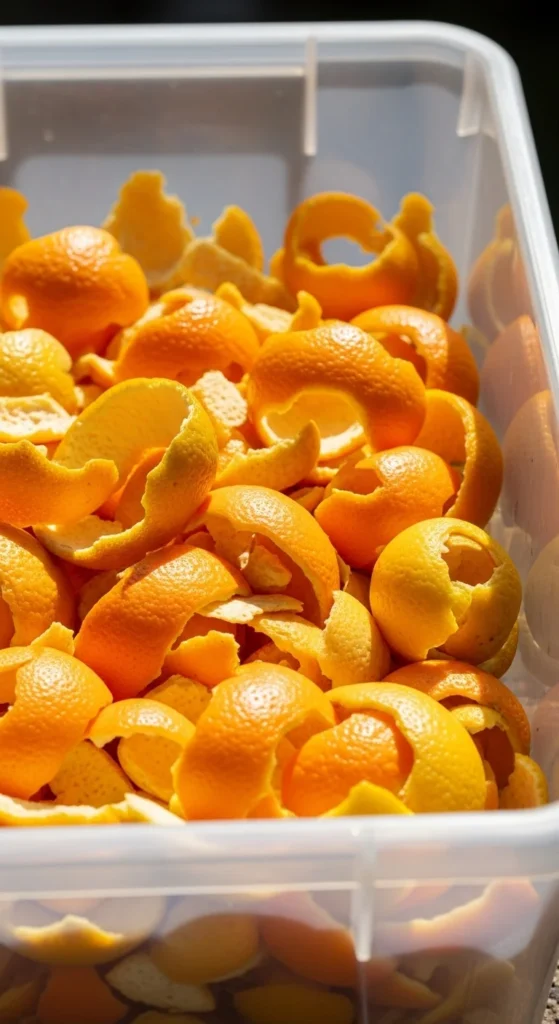
Citrus peels are acidic and can slow microbial activity. Add them in moderation. Cover each layer with bran to buffer acidity. Alternating with vegetable scraps balances pH. Small pieces work best. Proper layering ensures steady fermentation without smell issues.
12. Keep the Bin Indoors
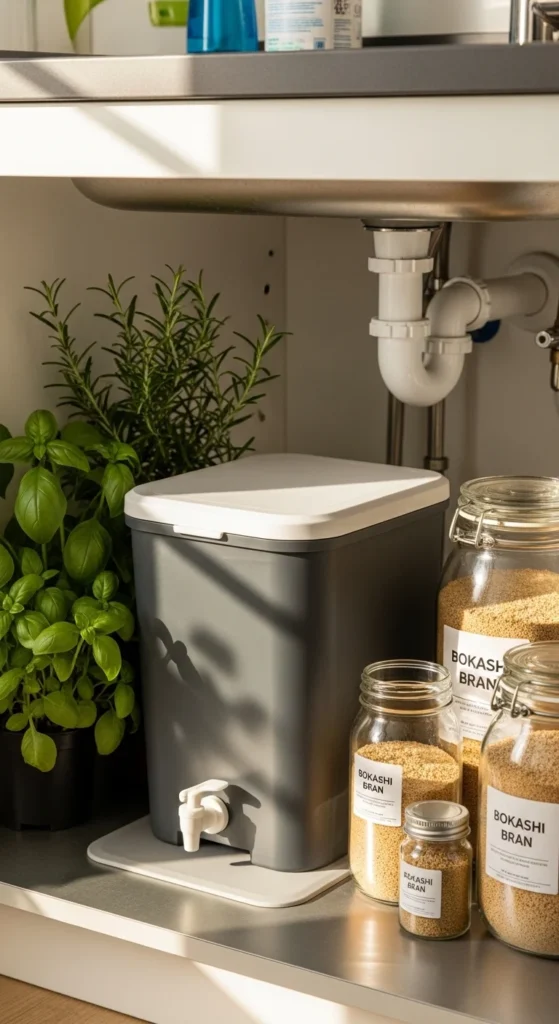
Bokashi thrives indoors. Kitchens, balconies, or small apartments work fine. Indoor placement keeps temperature stable and pests away. Avoid direct sunlight that can overheat contents. Indoor bins make it easy to add scraps daily without trips outside.
13. Use Leftover Coffee Grounds
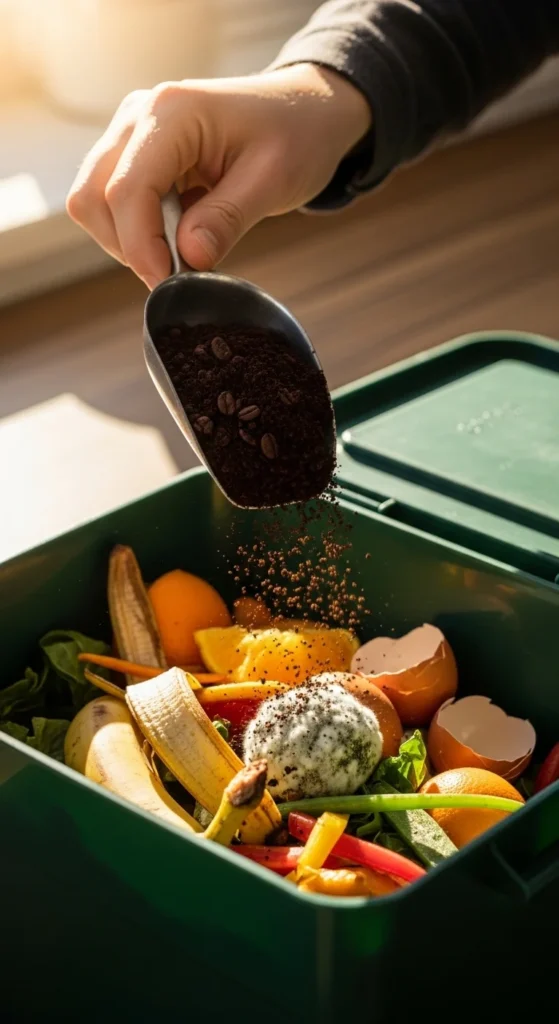
Coffee grounds are perfect for bokashi. They ferment quickly and absorb moisture. Sprinkle over layers of food scraps with bran. They add nitrogen, helping the final compost. Coffee grounds also reduce odor, making indoor composting cleaner.
14. Rotate Scraps Weekly
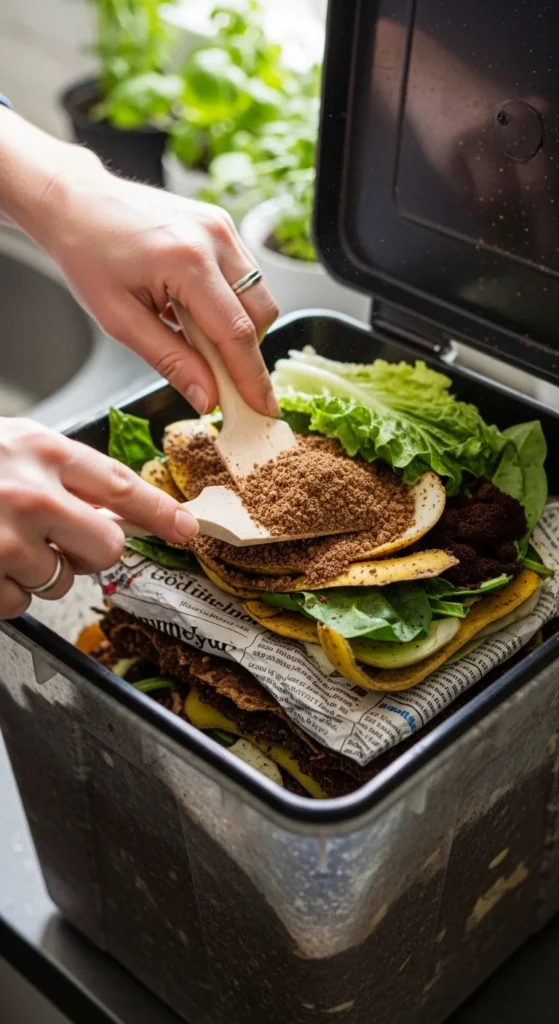
Stirring lightly once a week distributes microbes evenly. Avoid heavy mixing—it’s anaerobic, so too much air slows fermentation. Gentle rotation prevents pockets of wet spots or dry areas. Consistent weekly rotation keeps fermentation efficient.
15. Store Finished Bokashi Underground
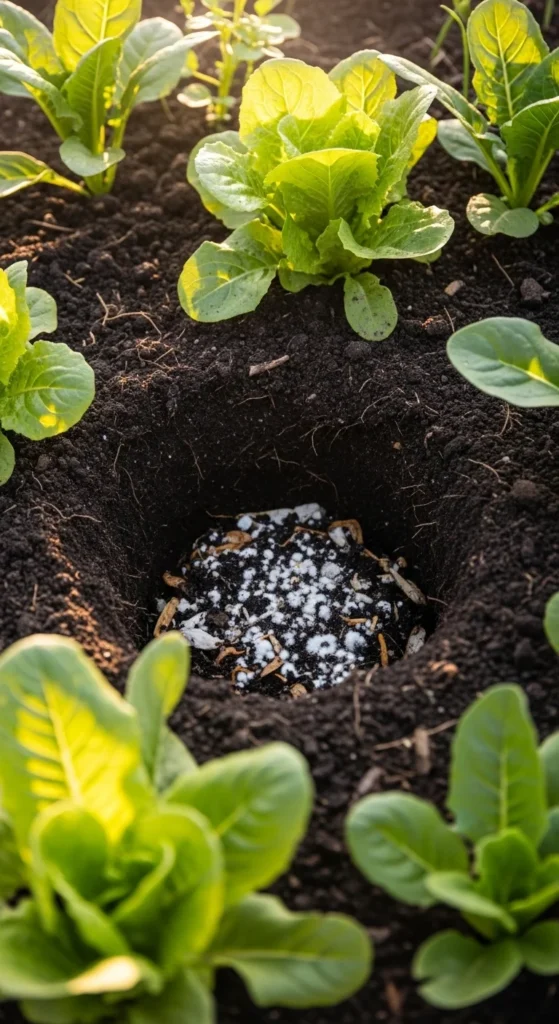
After fermentation, bury pre-compost in soil for 2–4 weeks to complete breakdown. This turns scraps into usable compost for plants. Cover lightly with soil and mark the spot. If you lack a yard, community gardens or planter boxes work. This is the final step in bokashi composting success.
16. Layer Greens and Browns Smartly
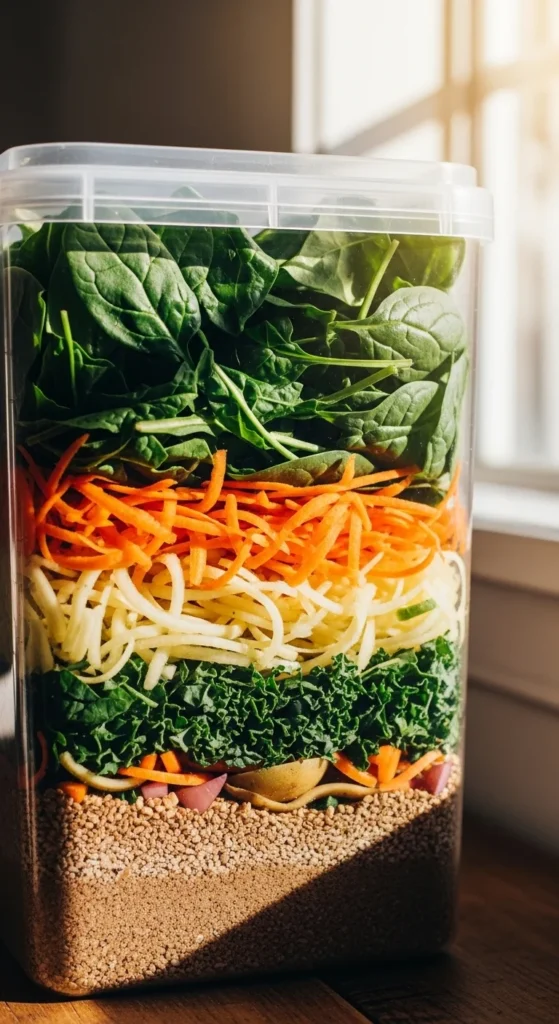
Mix wet greens and drier scraps for balance. Greens provide moisture and nitrogen; browns add structure and prevent compacting. Sprinkle bran on each layer. Balanced layers ferment evenly and reduce odor.
17. Avoid Bones and Shells
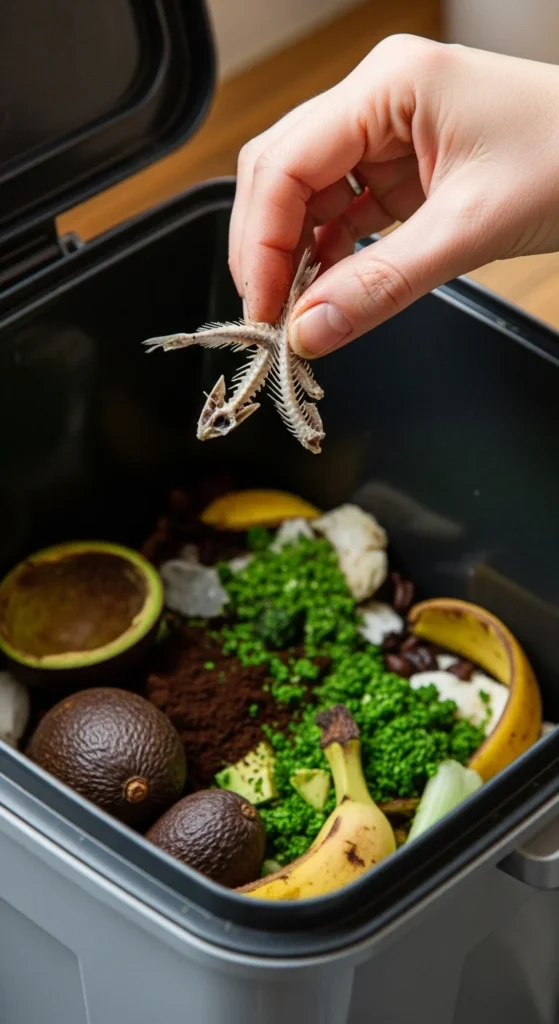
Large bones and shells take longer to break down. Cut small bones or skip them. Shells of eggs and seafood can go in, but crush first. This ensures faster, smoother fermentation and prevents bin crowding.
18. Track Your 10-Day Timeline
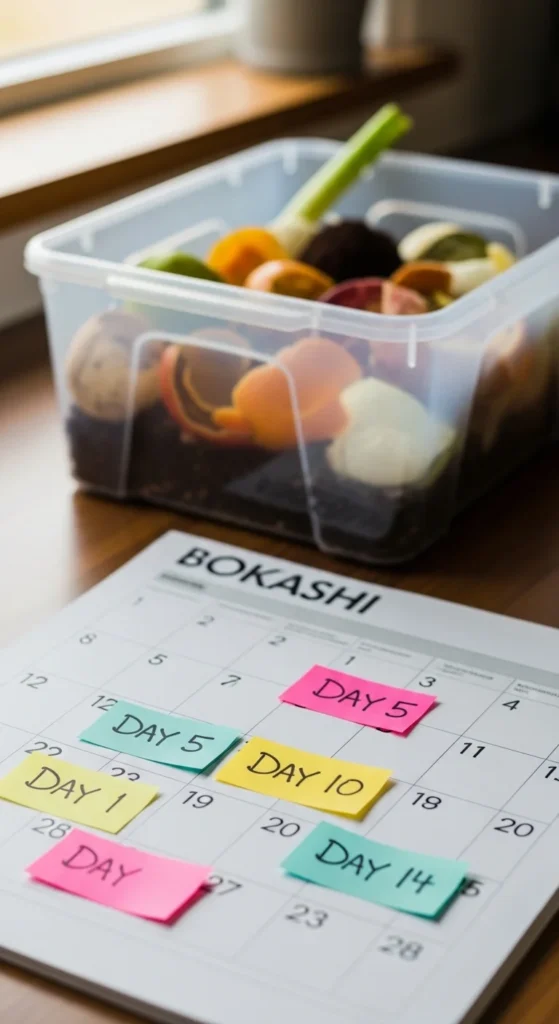
Label bins with start dates. Fermentation usually takes 8–14 days. Tracking helps you know when to bury or drain tea. Use stickers, a dry-erase marker, or a simple calendar. Keeping track keeps your compost system predictable and stress-free.
19. Use Bran Generously
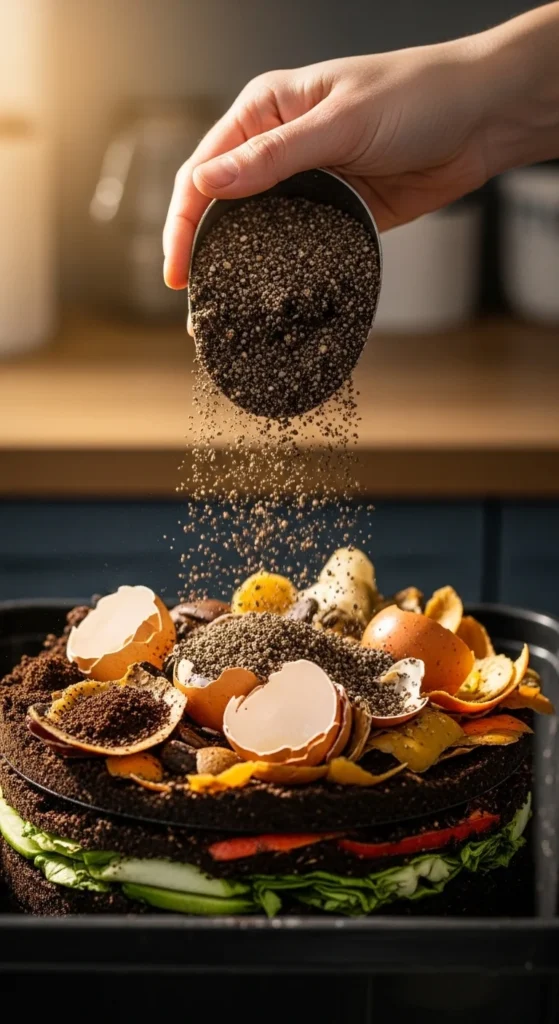
Don’t skimp on bran—it feeds microbes and prevents odors. A thin layer over each batch ensures every scrap contacts beneficial bacteria. Budget tip: buy in bulk or reuse partially used bran by drying and storing. Correct usage leads to faster, cleaner fermentation.
20. Keep Bins in Warm Areas
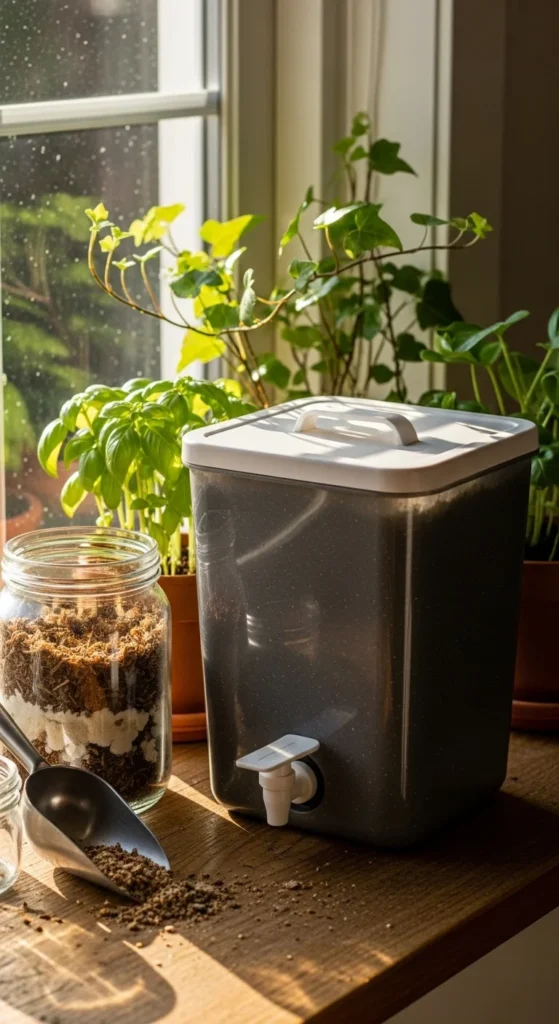
Microbes thrive in warmth. Keep your bin at room temperature. Avoid cold basements or direct heat sources. A stable 18–25°C environment accelerates fermentation. This simple placement tweak can shorten your composting cycle.
21. Mix In Rice or Pasta Scraps
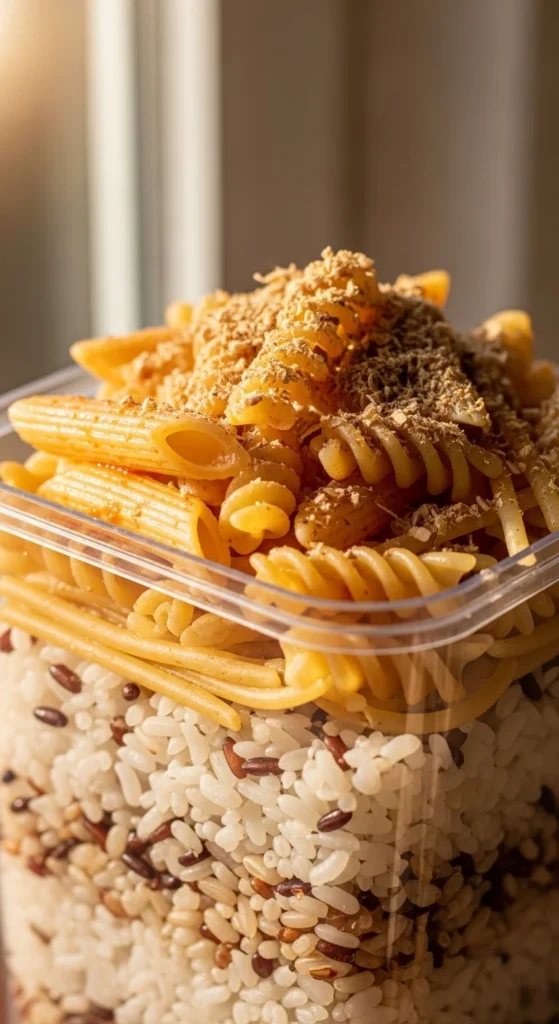
Leftover rice and pasta ferment quickly. Chop large clumps into small portions. Sprinkle bran on top and press lightly. These staples add bulk and carbon without odor, making indoor composting easier for busy households.
22. Monitor for Mold
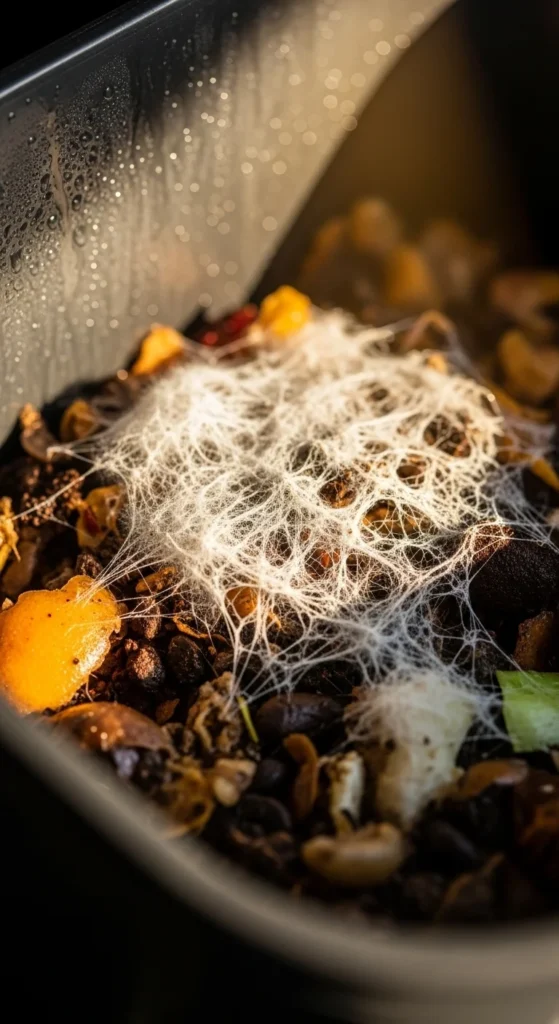
White mold is normal and healthy. Green or black mold indicates excess moisture. Adjust bran layers or drain liquid. Monitoring prevents foul smells and keeps your pre-compost safe for final soil use.
23. Combine With Outdoor Compost
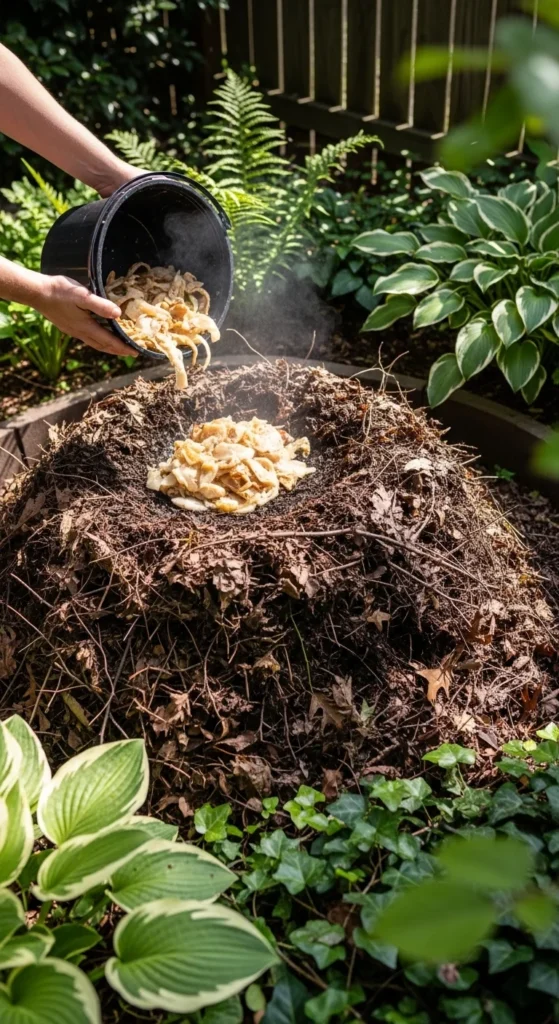
Bokashi is a pre-compost step. Mix fermented material into a traditional compost pile or soil. This primes the pile, boosting speed and nutrient content. Perfect for gardeners wanting rich, quick compost.
24. Use for Small-Volume Kitchens
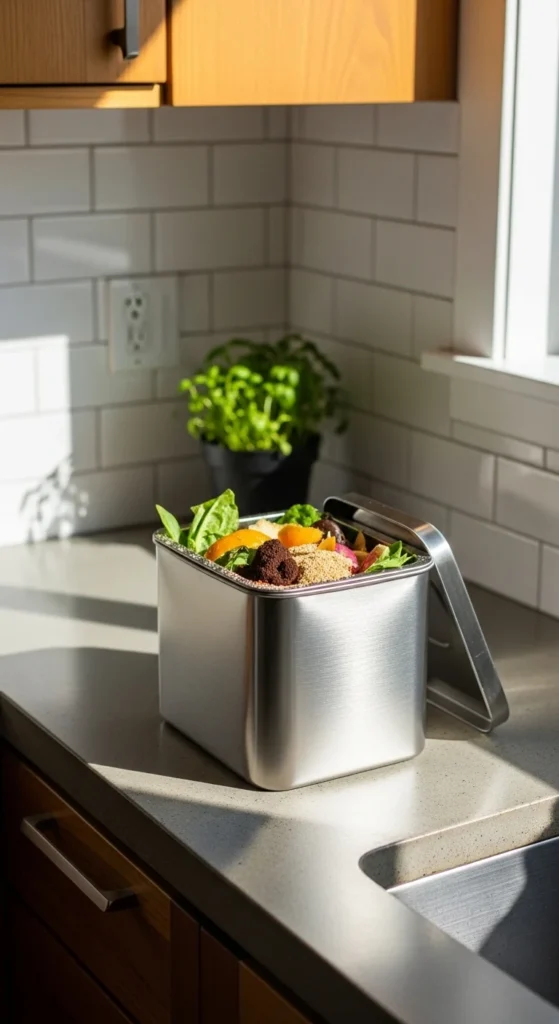
Single-person households can still compost efficiently. Use small bins and empty more frequently. Layer scraps with bran carefully. Even small kitchens benefit from daily bokashi use.
25. Try Holiday-Heavy Fermentation
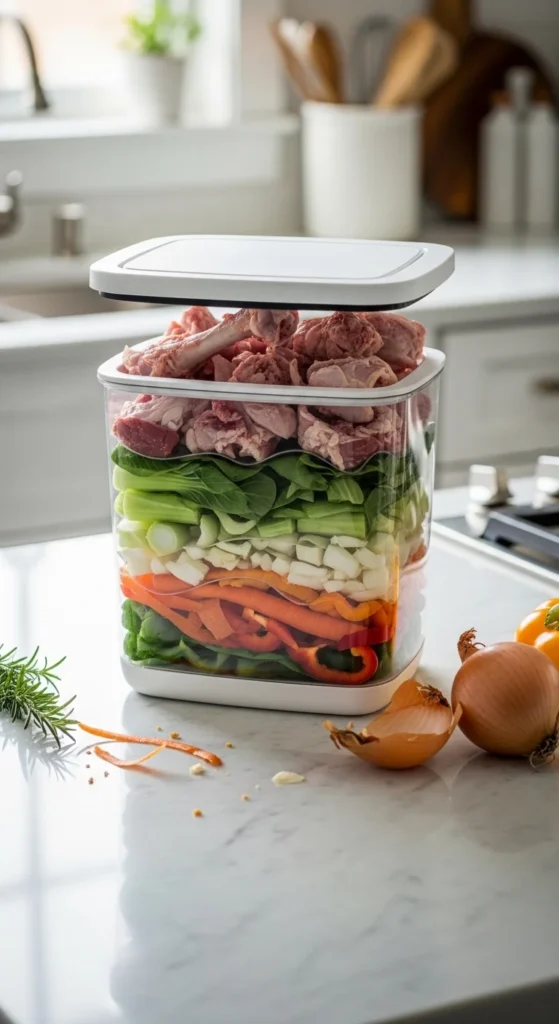
During holidays, food waste spikes. Add scraps gradually and sprinkle extra bran. Consider half-bokashi systems, fermenting heavier waste while composting the rest traditionally. This keeps your bin functional without odor.
26. Use in Community Kitchens
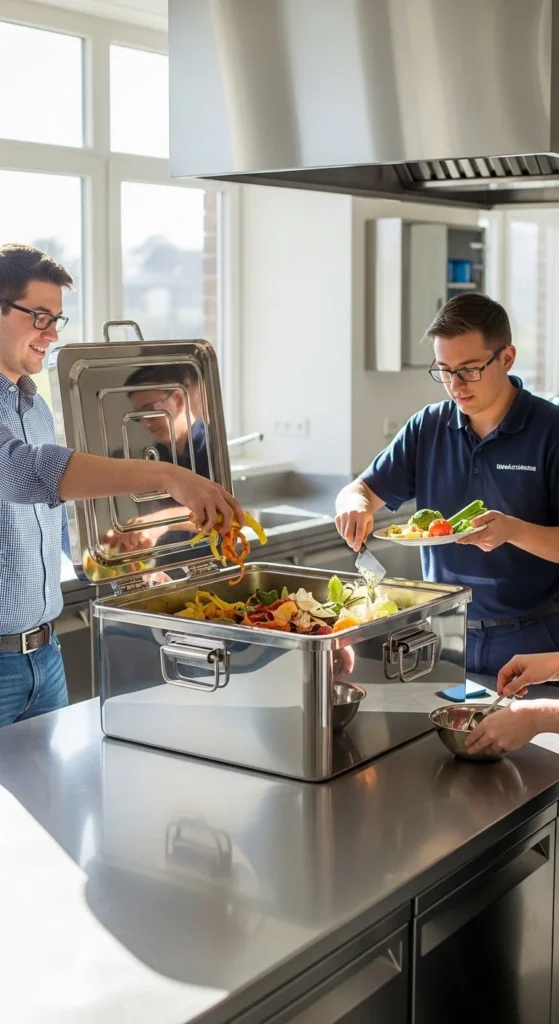
Bokashi works well in shared kitchens. Use a larger bin or multiple bins. Label each for tracking. Drained tea can fertilize community gardens or planters, reducing waste collectively. Easy routines prevent smells in high-traffic areas.
27. Keep a Troubleshooting Checklist
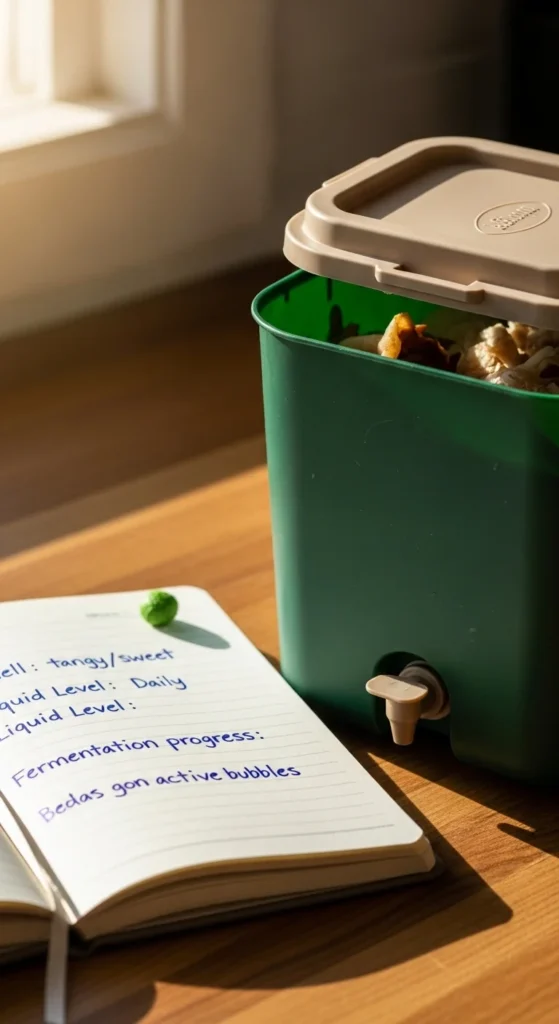
Track common issues: smell, mold color, moisture, bran usage. Quick fixes: add bran, drain liquid, press scraps. A checklist saves time, prevents waste, and improves consistency. Over time, you’ll master indoor bokashi with minimal effort.
Conclusion
Bokashi composting makes indoor food waste management simple, fast, and smell-free. By using airtight bins, layering with bran, and tracking fermentation cycles, even small kitchens or apartments can turn scraps into nutrient-rich pre-compost. Following these 27 practical methods ensures efficiency, reduces landfill waste, and produces fertilizer-ready compost in weeks, not months. Start today, and watch your kitchen scraps transform into healthy soil for your plants and garden.

Leave a Reply