

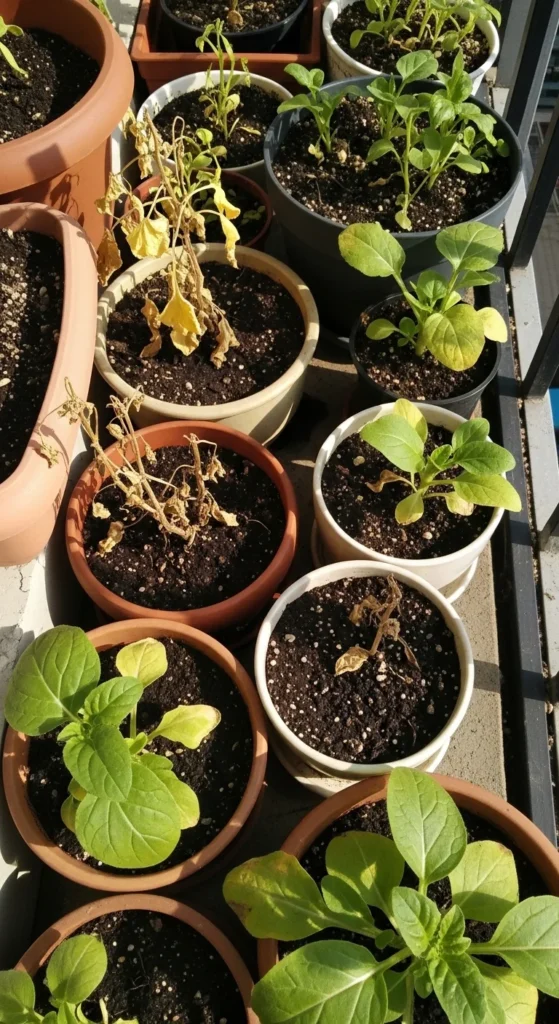
Container gardening looks simple at first. Put soil in a pot, add a plant, and water it. But small mistakes can quickly ruin your plants. Most failures come from a few common issues like poor drainage, wrong soil, bad watering habits, and incorrect pot size. The good news is that each mistake has a simple fix. This guide breaks down the most common container gardening mistakes so you can avoid them and grow healthy plants without wasting time or money.
1. Using Pots Without Drainage Holes
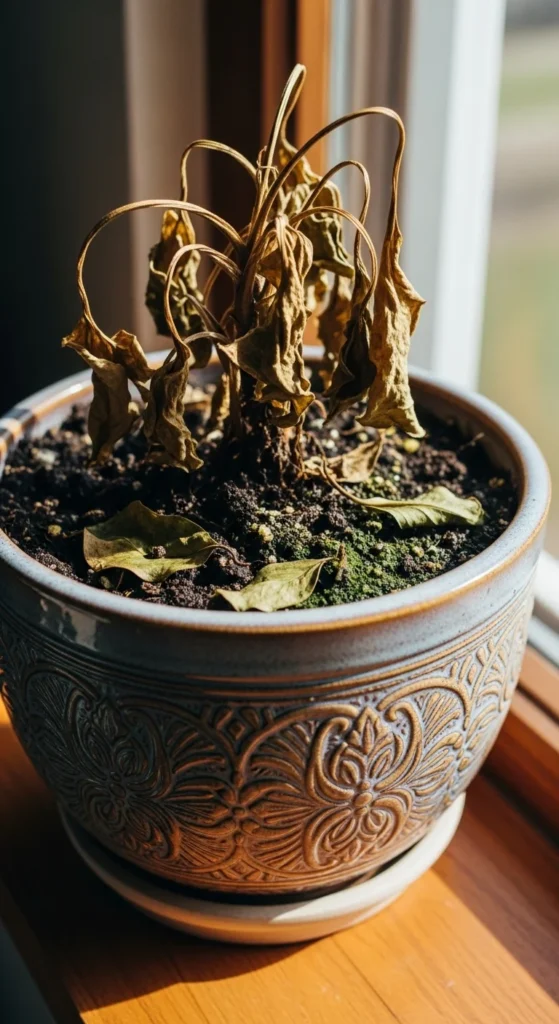
One of the fastest ways to kill a plant is using a pot without drainage holes.
Water has nowhere to go. Roots sit in wet soil and start to rot.
If you already have decorative pots, don’t throw them away. Just place a smaller plastic pot inside.
This keeps excess water from staying trapped.
You can also drill holes at the bottom if the material allows.
Always check before planting. No hole means trouble later.
2. Using Garden Soil Instead of Potting Mix
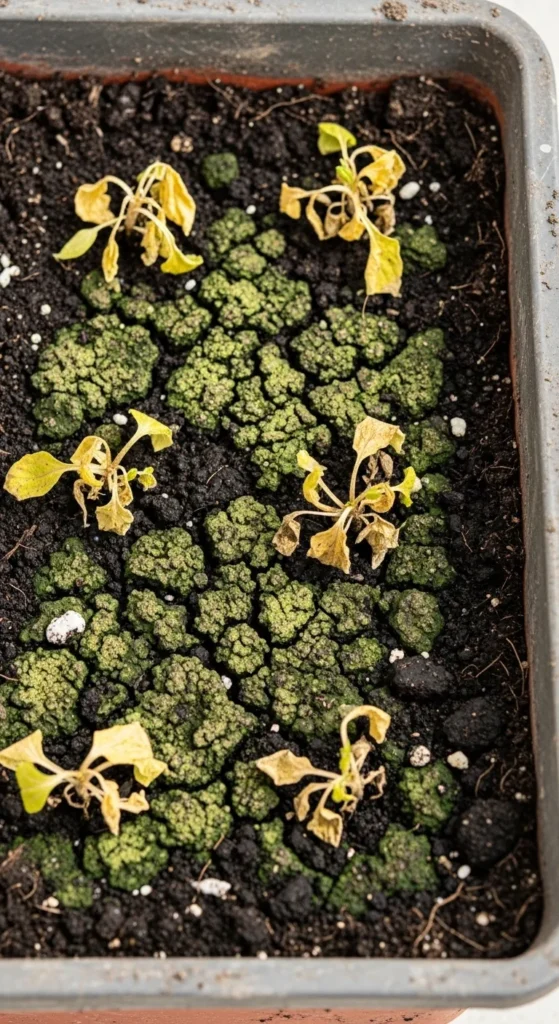
Garden soil may look fine, but it becomes heavy in pots.
It blocks airflow and holds too much water.
Use a light potting mix instead. It drains better and keeps roots healthy.
You can make your own by mixing compost, coco peat, and sand.
This simple change improves plant growth quickly.
3. Overwatering Your Plants
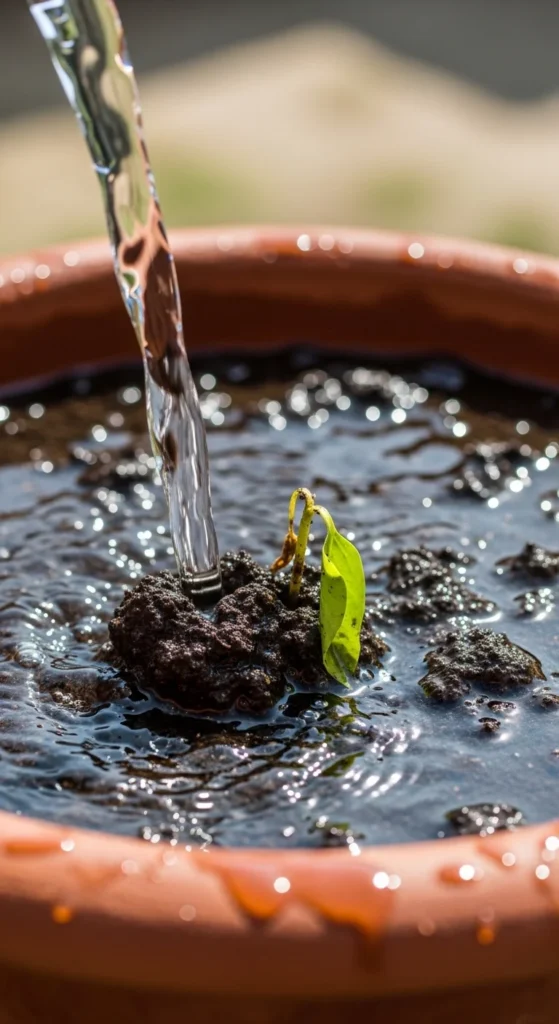
Too much water is a common mistake.
Leaves turn yellow. Soil stays wet for days.
Stick your finger into the soil before watering. If it’s still moist, wait.
Use pots with drainage holes and avoid daily watering without checking.
4. Underwatering and Forgetting to Water
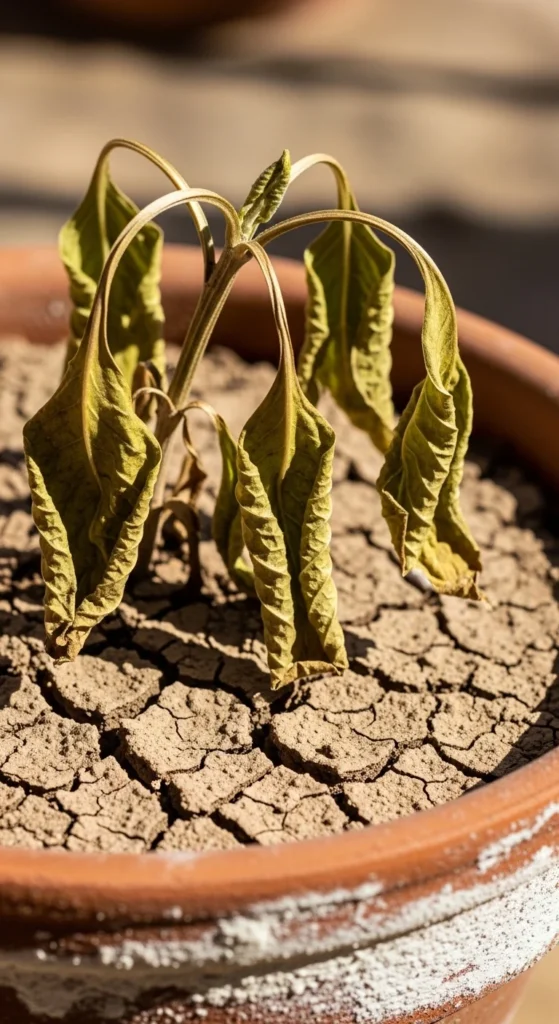
Dry soil is just as harmful.
Plants wilt and stop growing.
Set a simple routine. Check soil every morning.
In hot weather, containers dry out fast.
Use mulch like dry leaves to slow water loss.
5. Choosing Containers That Are Too Small
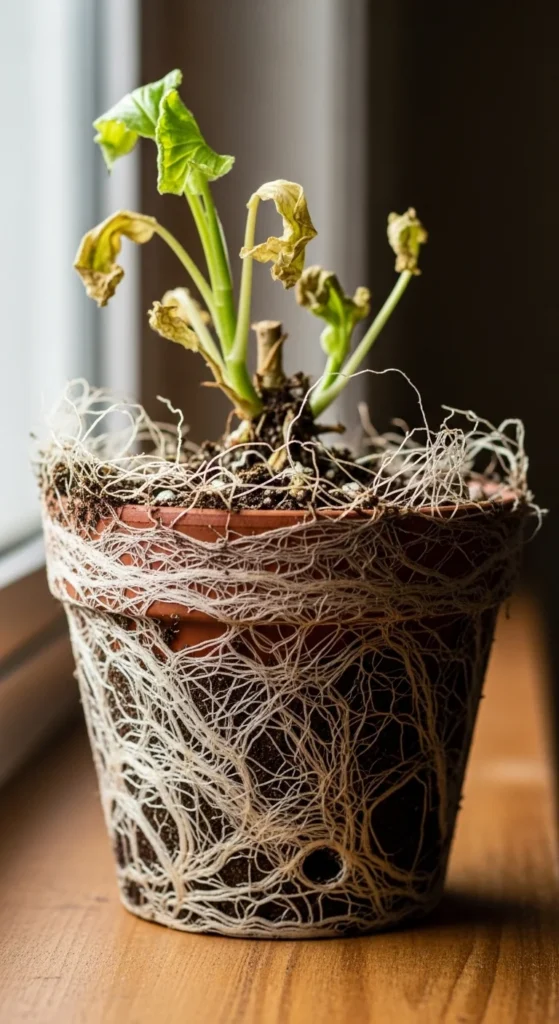
Small pots limit root growth.
Plants dry out faster and struggle to grow.
Use bigger containers when possible.
If space is limited, grow fewer plants but give them room.
6. Adding Rocks at the Bottom of Pots
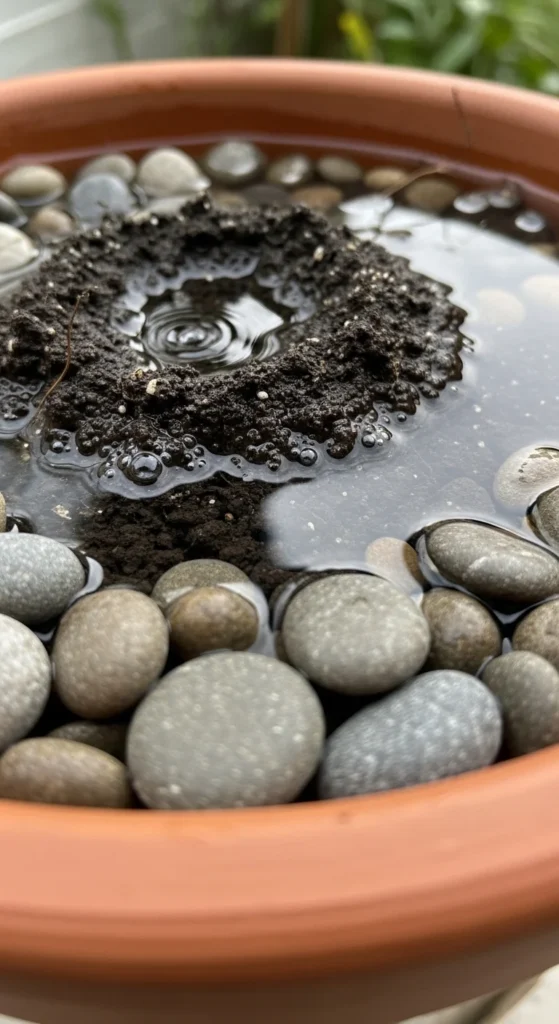
Many people think rocks help drainage. They don’t.
Water still collects above the rock layer.
This can lead to root rot.
Skip the rocks and use proper potting mix instead.
7. Crowding Too Many Plants Together
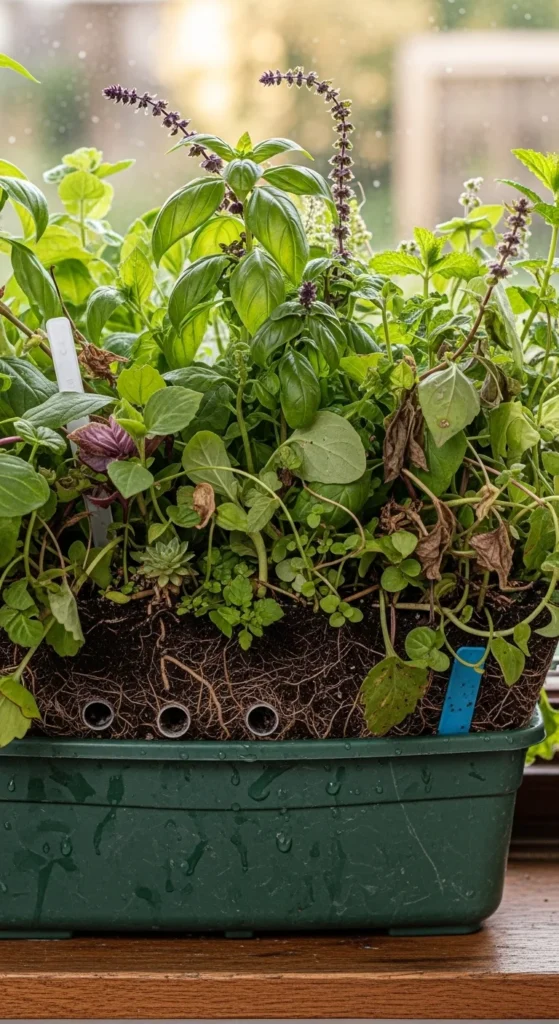
Too many plants in one pot leads to weak growth.
They compete for water, nutrients, and light.
Give each plant enough space.
Follow spacing guidelines or keep it simple—less is better.
8. Ignoring Sunlight Requirements
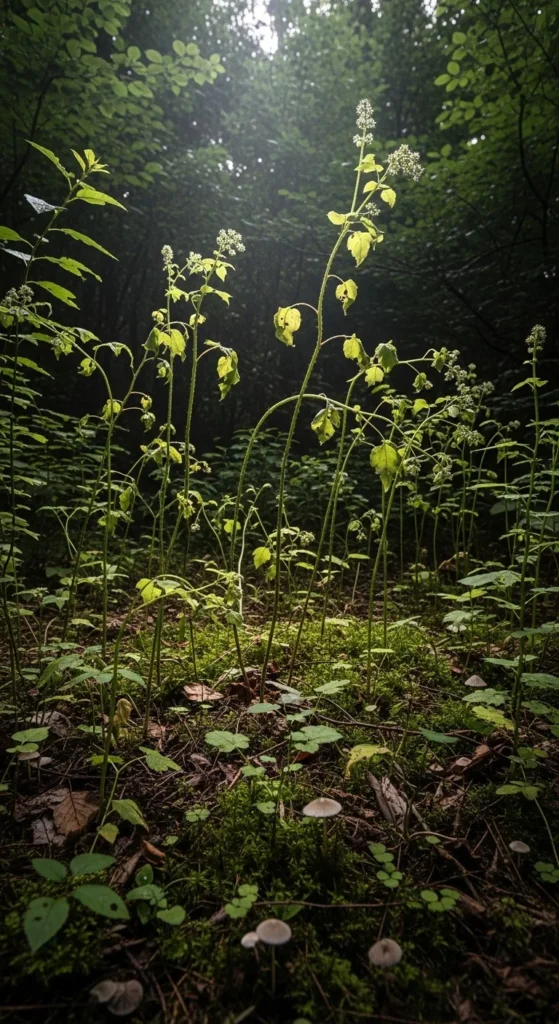
Some plants need full sun. Others prefer shade.
Placing them in the wrong spot slows growth.
Observe sunlight in your space.
Move pots around if needed.
9. Skipping Fertilizer
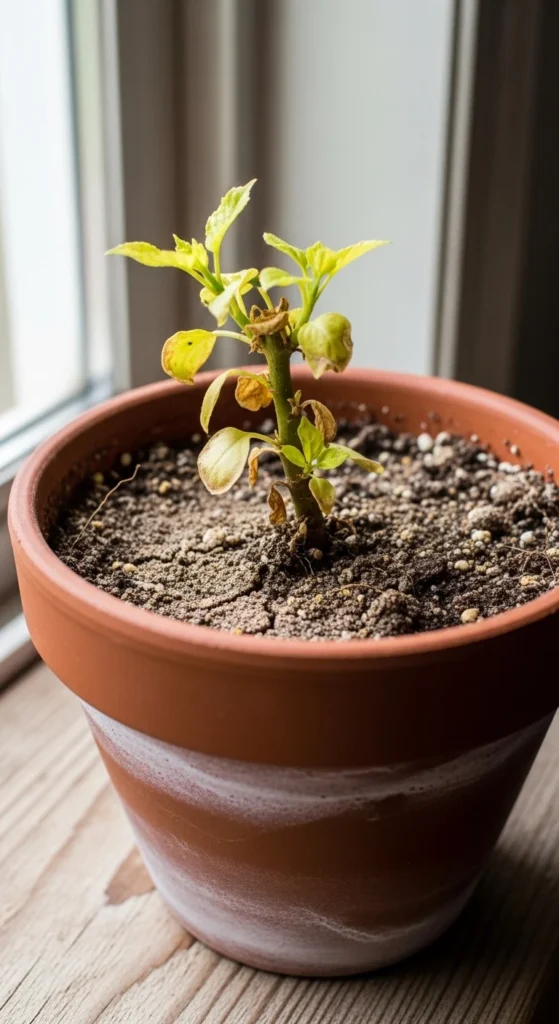
Container soil loses nutrients quickly.
Plants can’t grow well without feeding.
Use compost or liquid fertilizer every few weeks.
Keep it light and regular.
10. Using the Wrong Type of Container
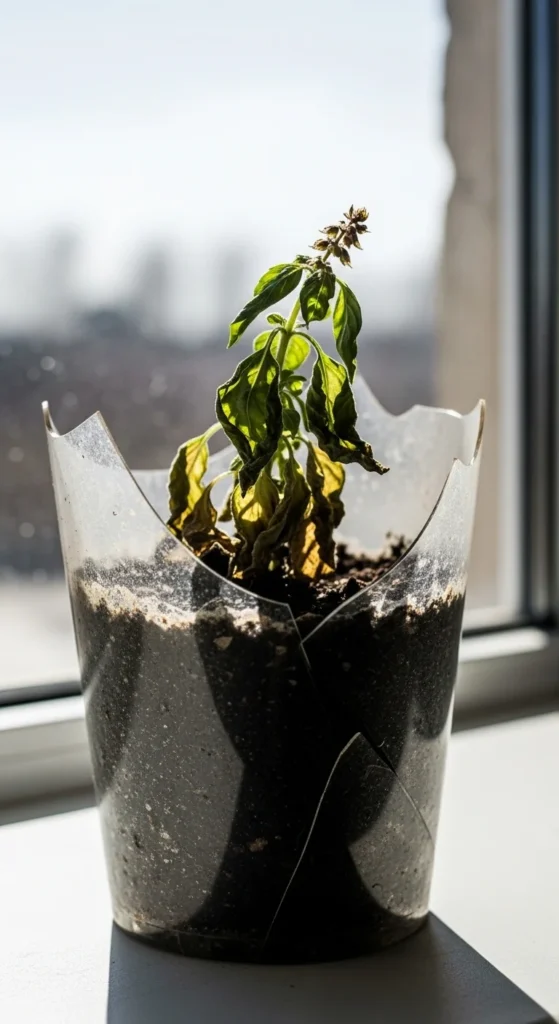
Not all containers are suitable.
Thin plastic cracks. Metal overheats.
Choose sturdy materials like thick plastic, clay, or wood.
11. Planting in the Wrong Season
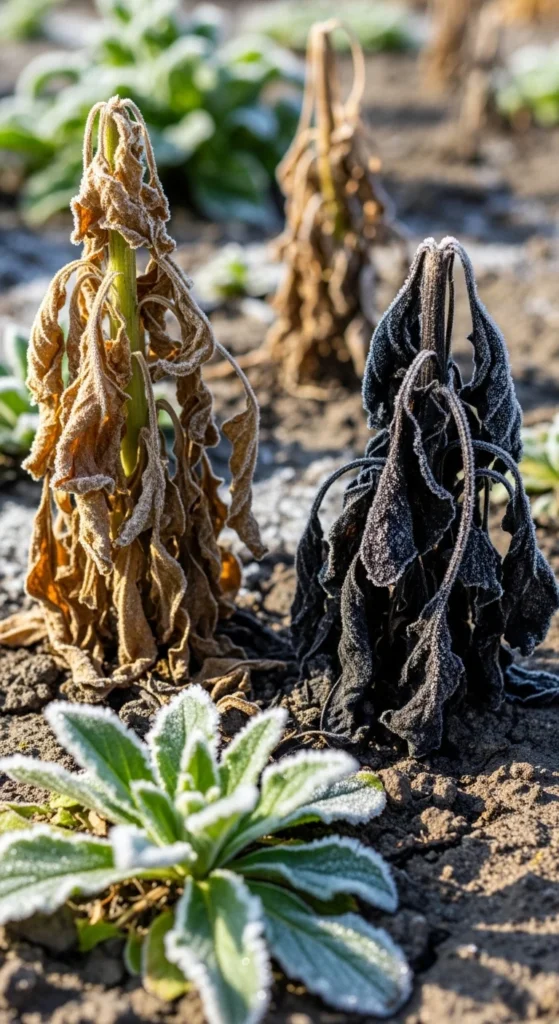
Plants follow seasons.
Growing winter crops in summer leads to failure.
Check local planting times before starting.
12. Not Cleaning Old Pots
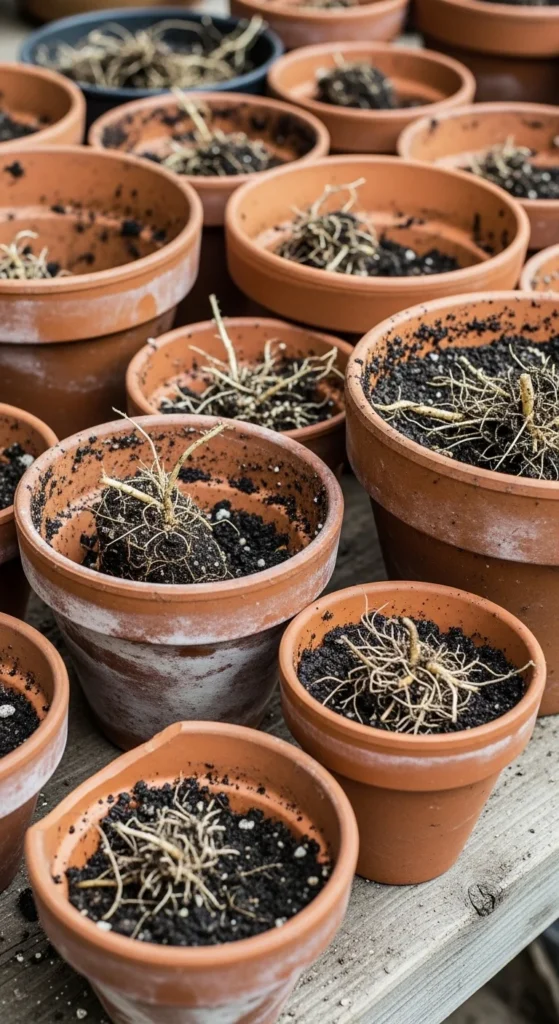
Old pots can carry disease.
Wash them before reuse.
Use mild soap and water.
13. Ignoring Root-Bound Plants
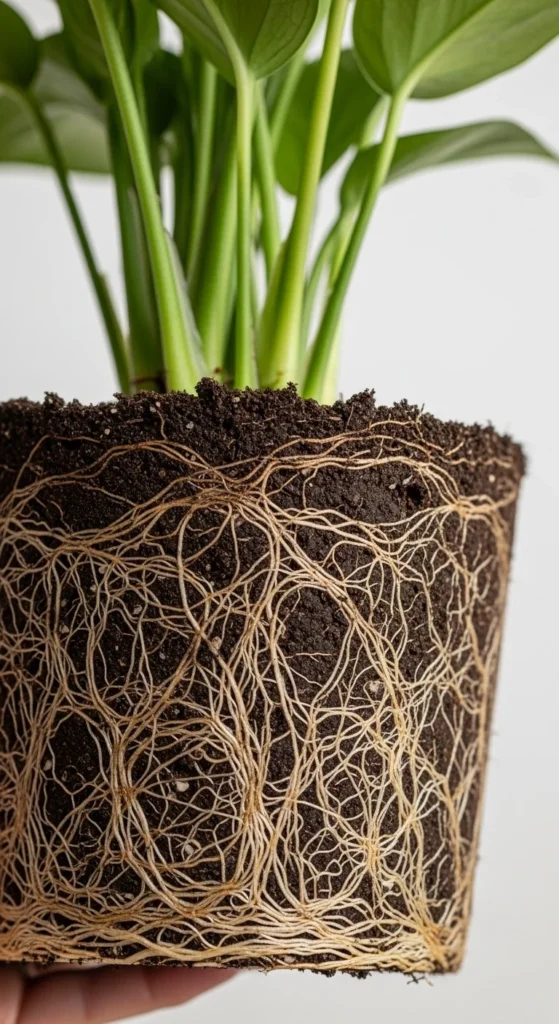
Roots circling the pot means trouble.
Loosen them before planting.
This helps roots spread and grow.
14. Using Shallow Pots for Deep Plants
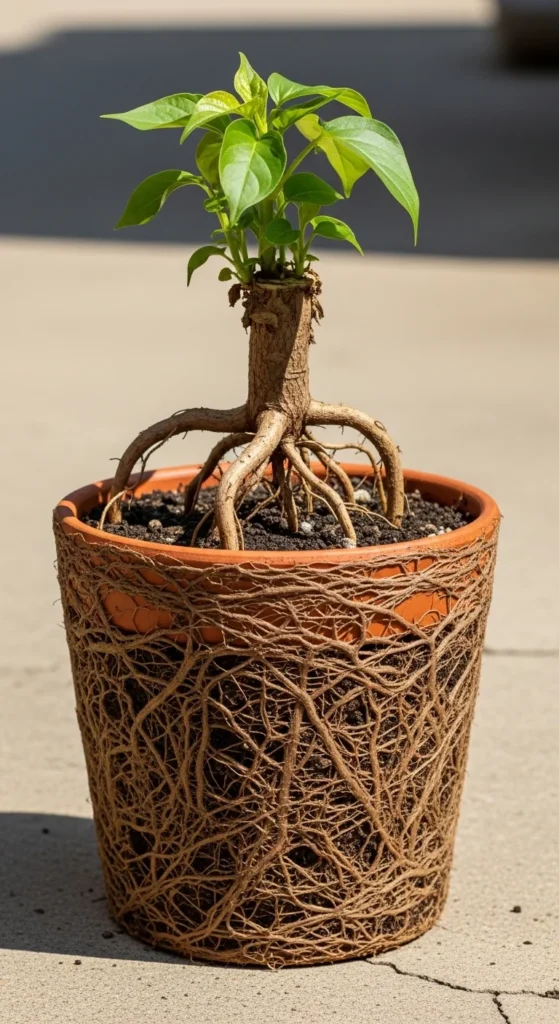
Some plants need depth.
Tomatoes and carrots won’t grow well in shallow pots.
Choose the right depth.
15. No Watering Plan
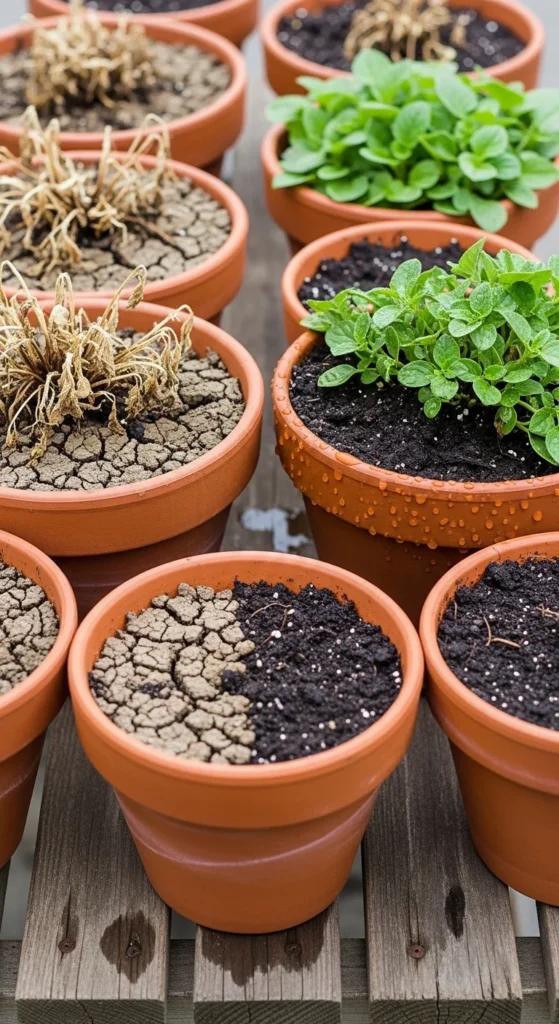
Watering randomly causes stress.
Create a simple schedule.
Adjust based on weather.
16. Over-Fertilizing
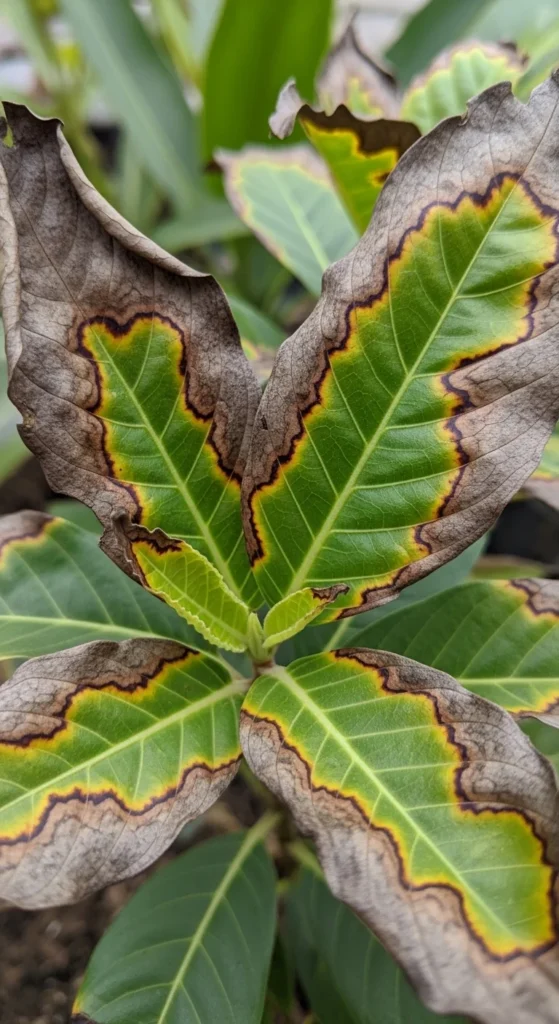
Too much fertilizer burns roots.
Use small amounts.
Follow simple feeding intervals.
17. Mixing Incompatible Plants
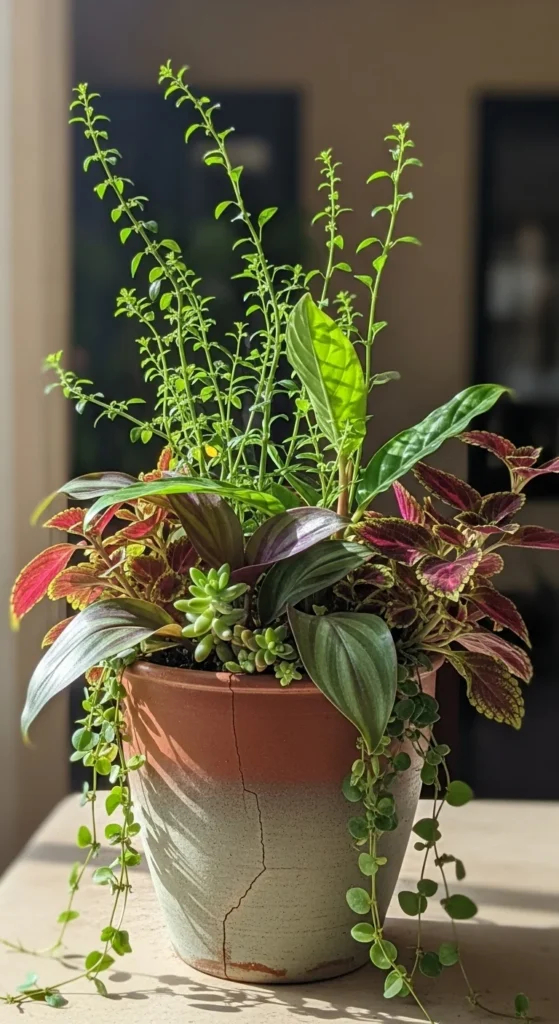
Some plants need more water. Others need less.
Group similar plants together.
This keeps care simple.
18. Ignoring Temperature Changes
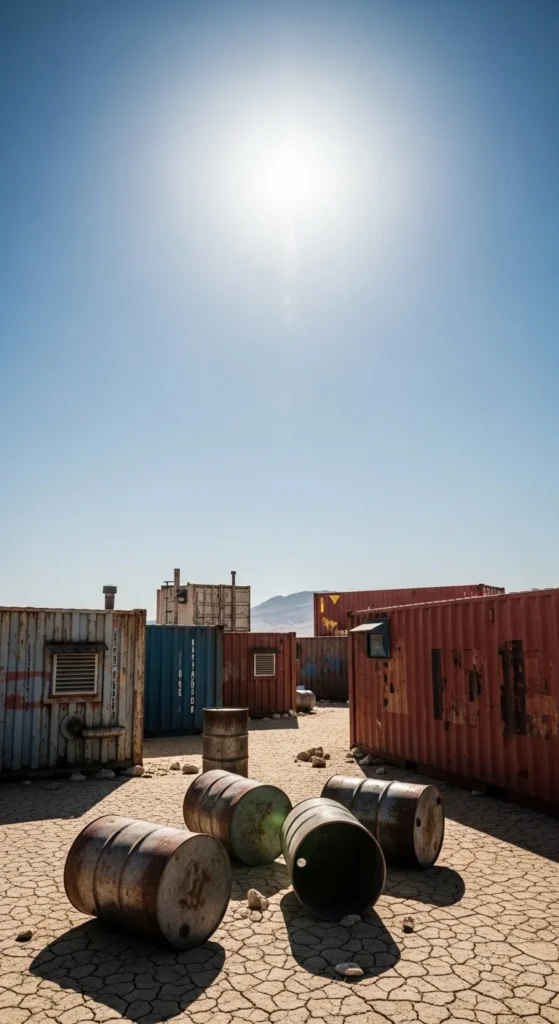
Pots heat up fast.
Move them during extreme heat.
Use shade if needed.
19. Not Using Mulch
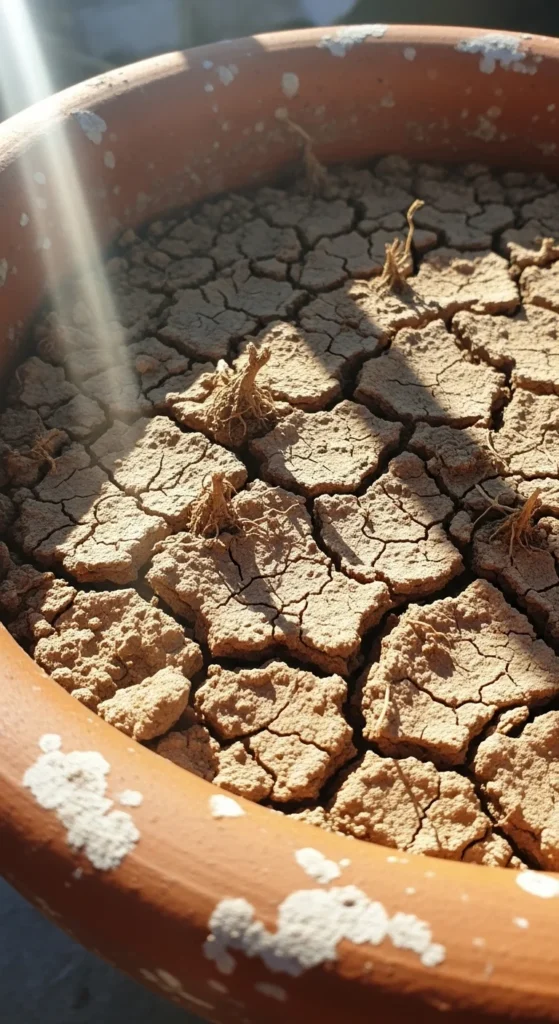
Mulch helps keep moisture.
Use dry leaves or straw.
It also reduces watering frequency.
20. Using Decorative Pots Without Liners
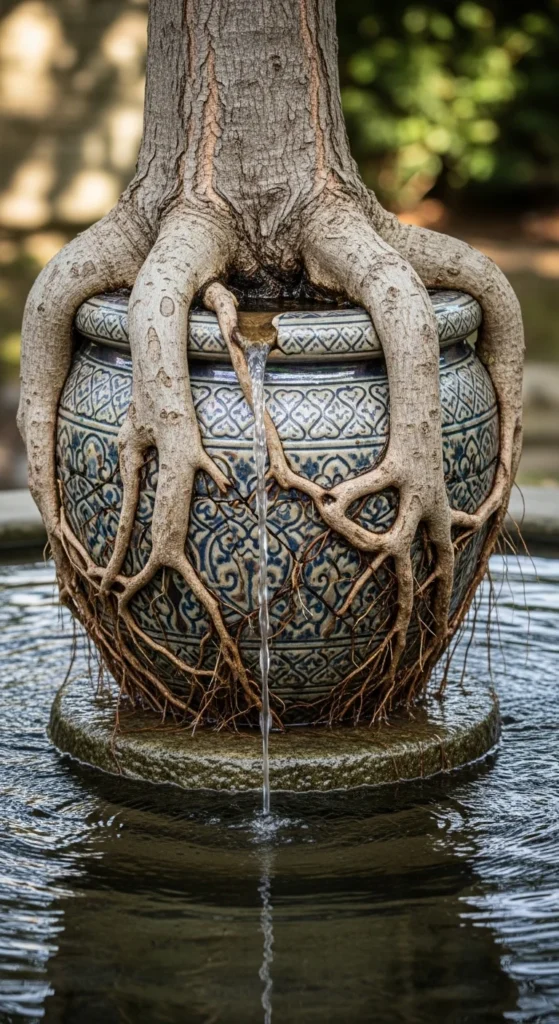
Pretty pots often lack drainage.
Use a liner pot inside.
This prevents water buildup.
21. Not Pruning Plants
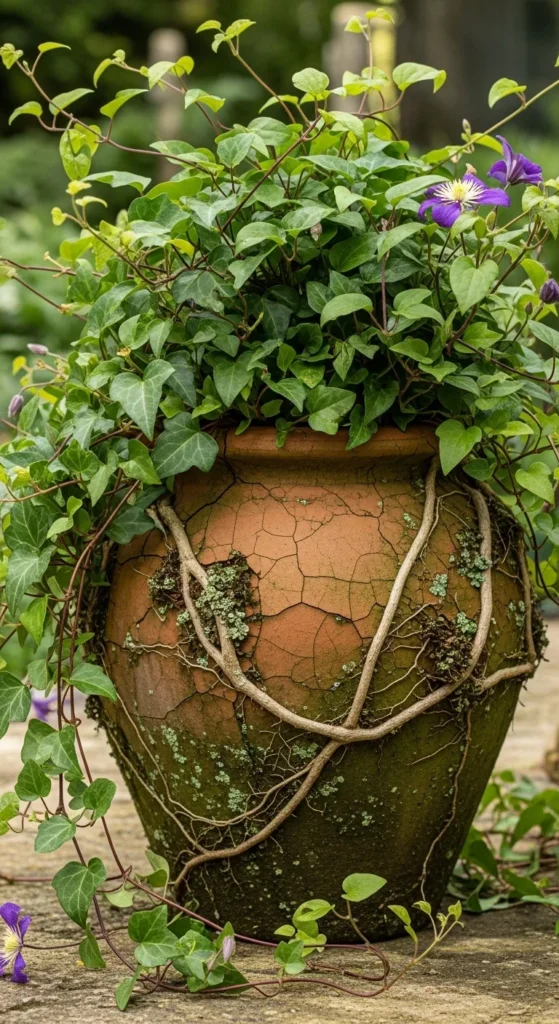
Overgrown plants compete for space.
Trim regularly.
This keeps plants healthy.
22. Forgetting About Wind Exposure
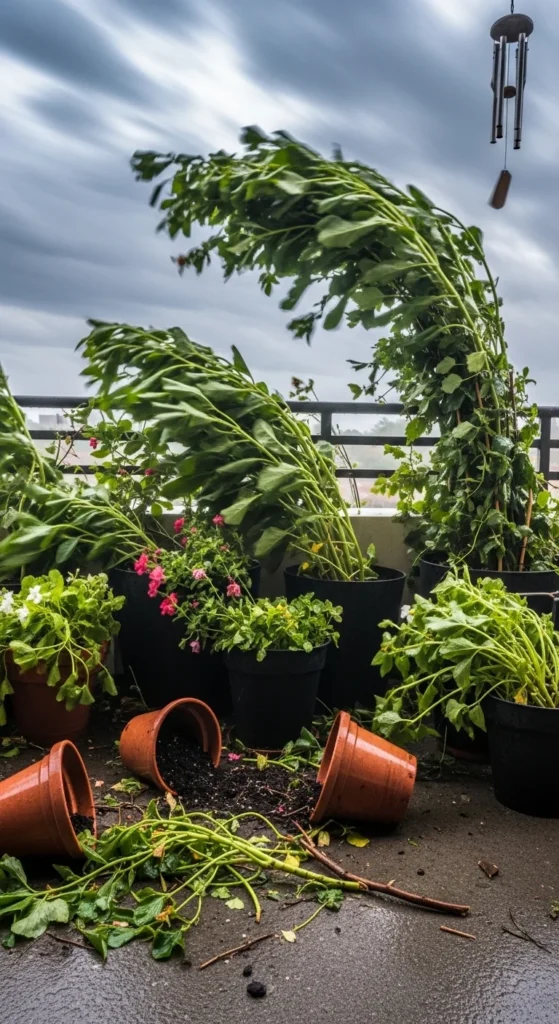
Wind dries soil quickly.
Place pots in sheltered areas.
Use heavier containers if needed.
23. Using Poor Quality Seeds or Plants
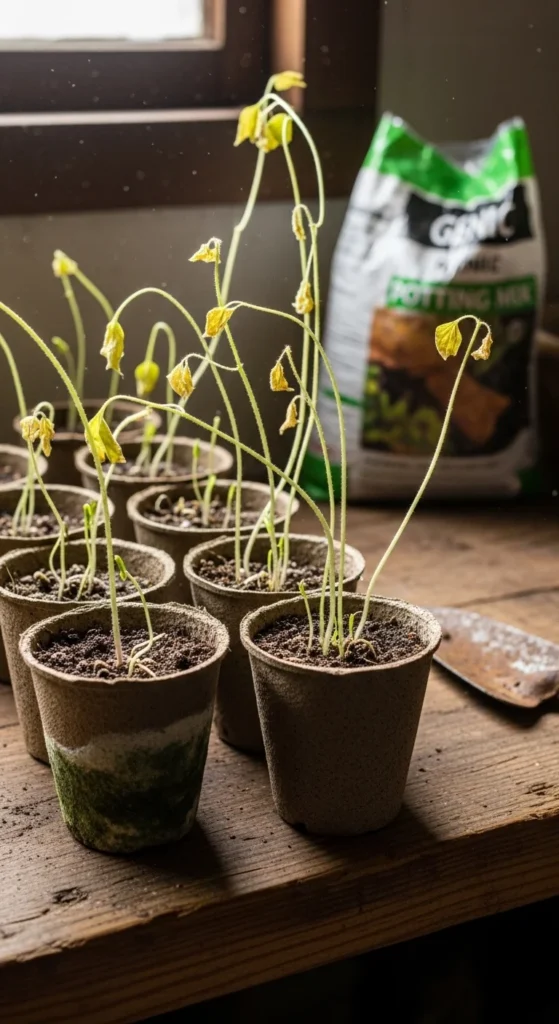
Start with healthy plants.
Avoid weak or damaged seedlings.
They rarely recover well.
24. No Support for Climbing Plants
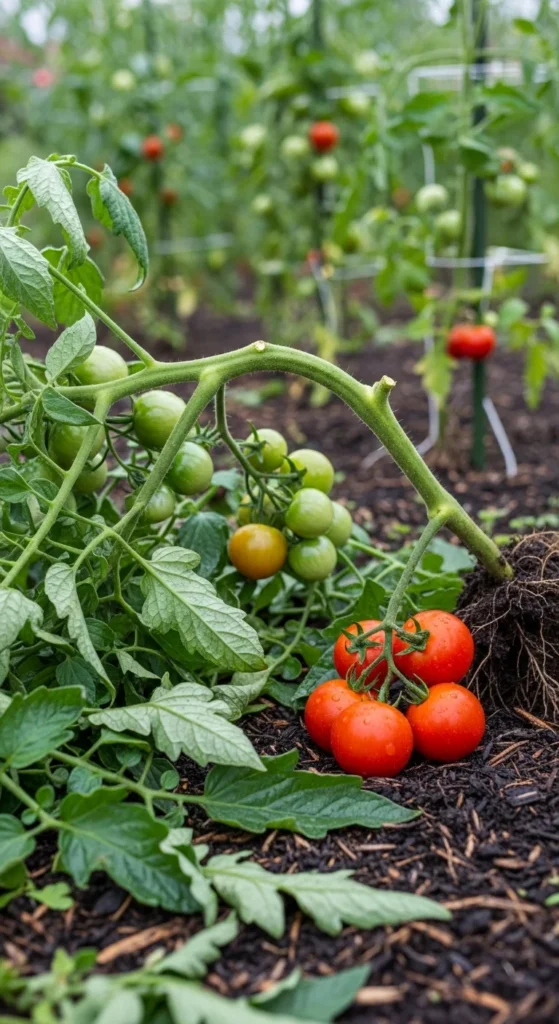
Climbing plants need support.
Use sticks or small trellises.
This saves space and improves growth.
25. Letting Water Sit in Saucers
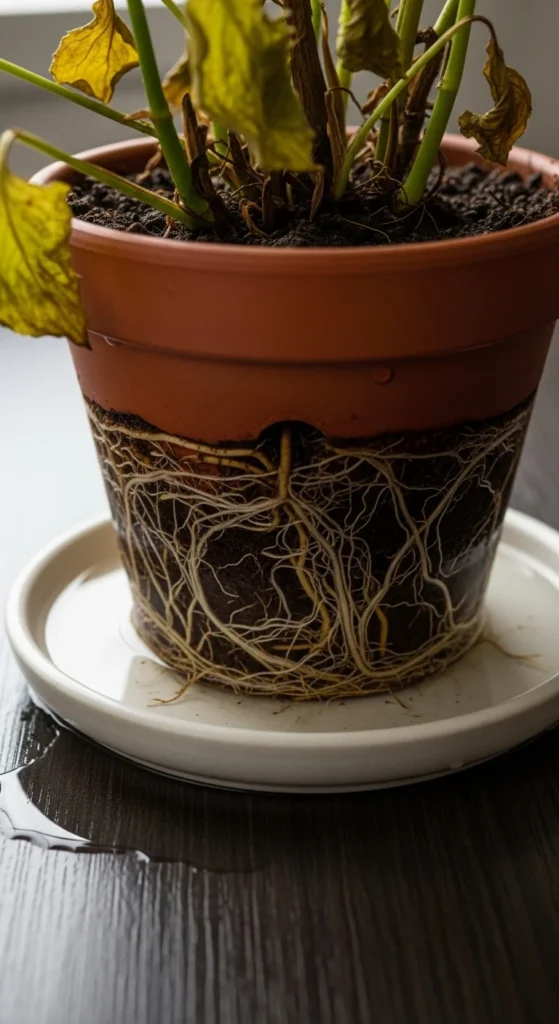
Standing water harms roots.
Empty saucers after watering.
Keep roots dry and healthy.
26. Ignoring Plant Labels
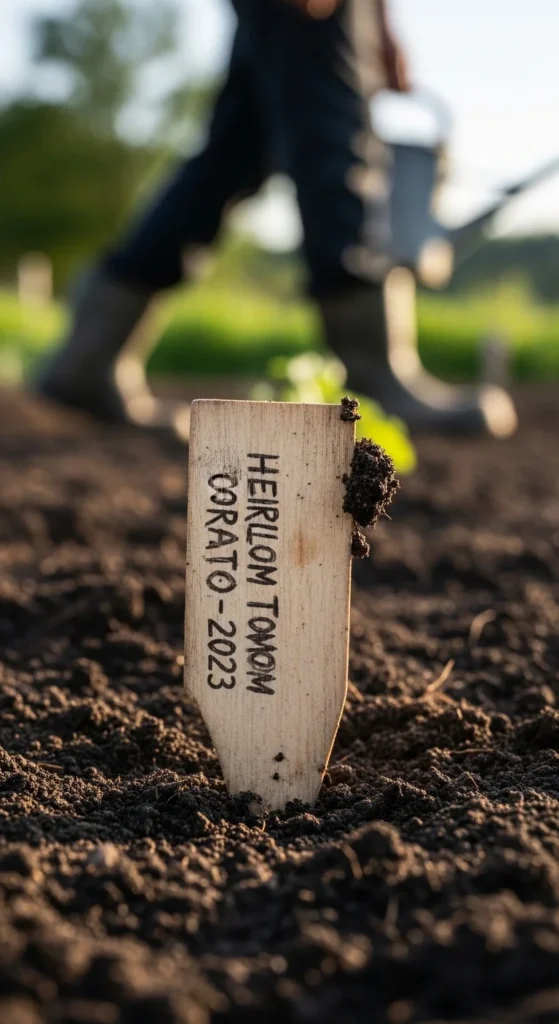
Plant labels have useful info.
They guide watering, light, and spacing.
Don’t ignore them.
27. Using Too Much or Too Little Mulch
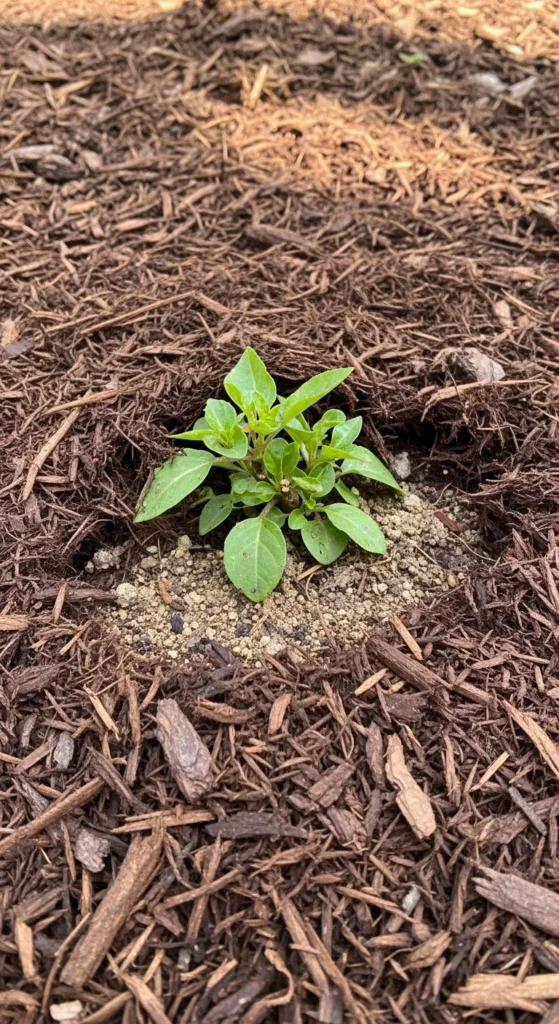
Too much mulch blocks airflow.
Too little dries soil quickly.
Keep a thin, even layer.
28. Expecting Zero Maintenance
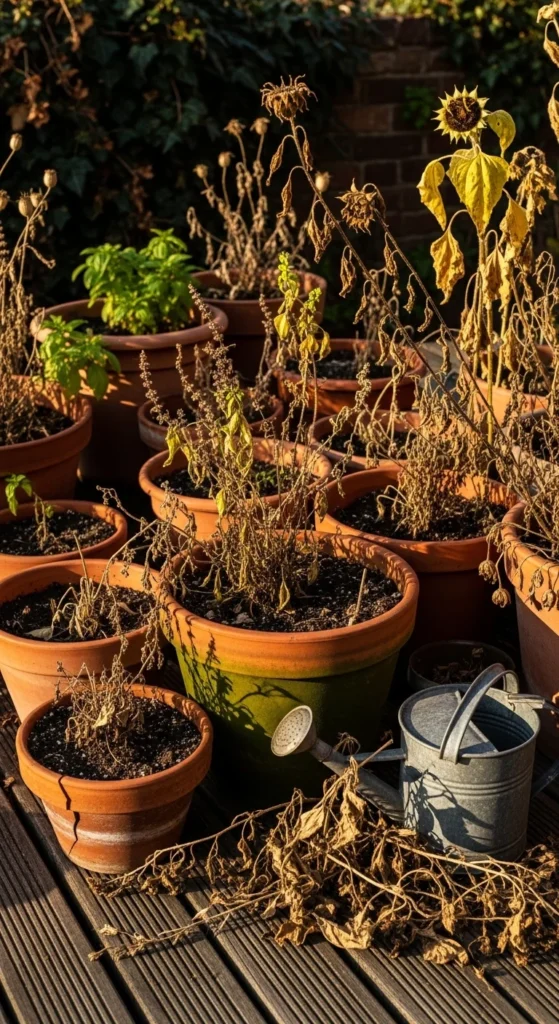
Containers need regular care.
Check plants daily.
Small effort keeps them healthy.
29. Not Rotating Pots for Sunlight
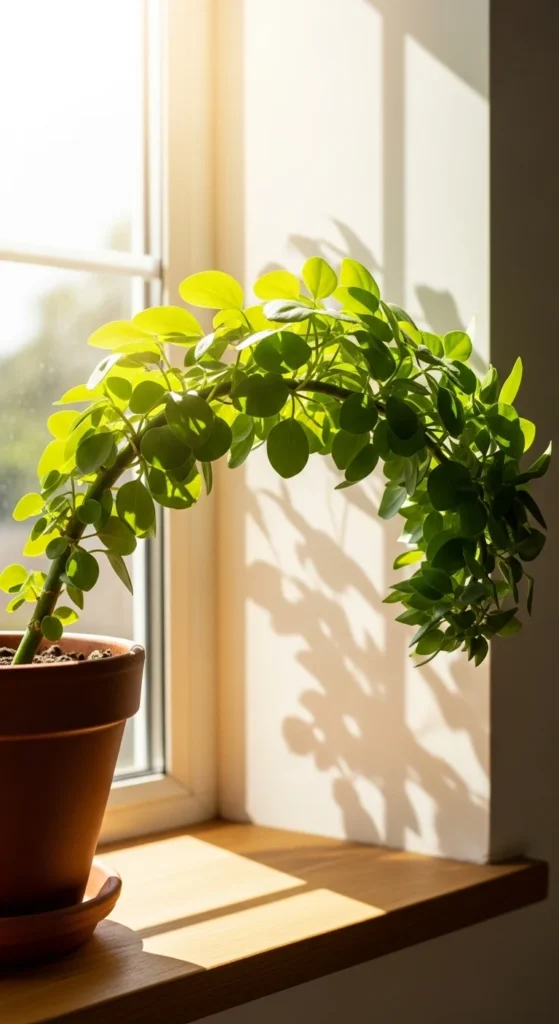
Plants lean toward light.
Rotate pots every few days.
This keeps growth even.
30. Giving Up Too Early
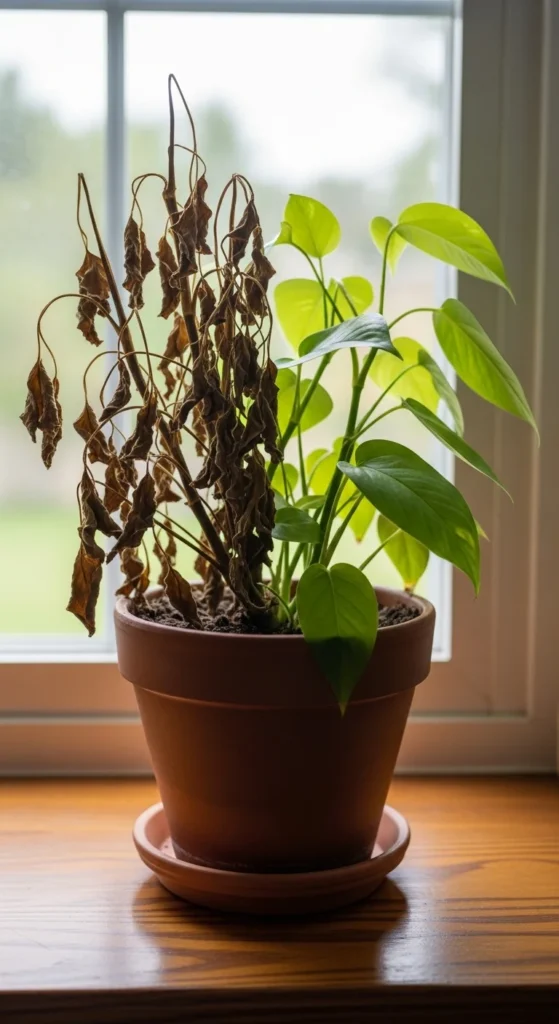
Plants can recover.
Fix the mistake and give time.
Don’t quit after one failure.
Gardening improves with practice.
Conclusion
Container gardening works well when you avoid simple mistakes. Focus on drainage, soil, watering, and spacing. Start small and learn as you go. Even small changes can turn weak plants into healthy ones. Stick to the basics, stay consistent, and your container garden will thrive season after season.
Leave a Reply