

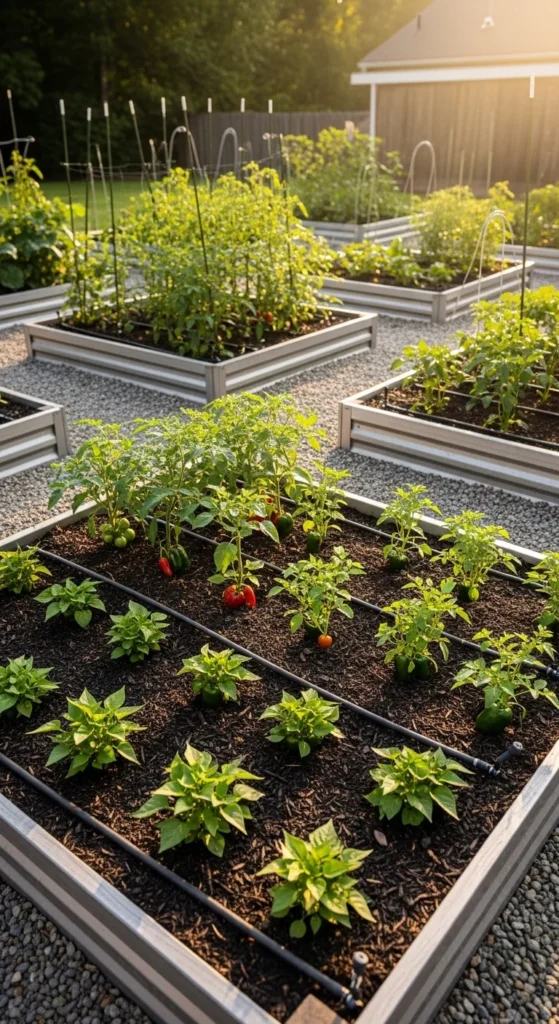
Raised garden beds give you control. Better soil. Better drainage. Warmer ground in spring. That means stronger roots and earlier harvests. Vegetables grow faster in loose, compost-rich soil that doesn’t get compacted by foot traffic. You can plant intensively. You can rotate crops easily. You can harvest more food from a small space. Below are 22 productive vegetables that thrive in raised beds and simple ways to grow them successfully without wasting money or space.
1. Tomatoes for Early Warm-Soil Harvests
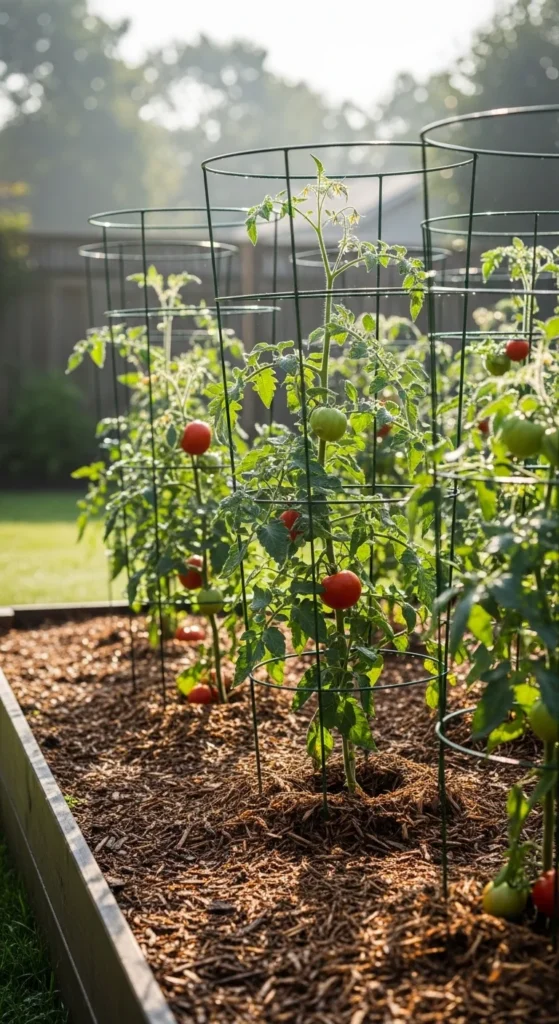
Tomatoes love warm soil. Raised beds heat up faster in spring, giving you a two to three week head start.
Plant one tomato per square foot if staking vertically. Use cages or simple DIY wooden stakes.
Mix compost into the top 8–10 inches. Tomatoes feed heavily.
Mulch around the base to prevent soil splash.
Add basil nearby for simple companion planting.
Water deeply once or twice weekly.
If space is tight, choose determinate varieties. They stay compact.
Raised beds prevent root rot during heavy rain.
You’ll see stronger growth and earlier fruit.
2. Carrots in Loose Deep Soil
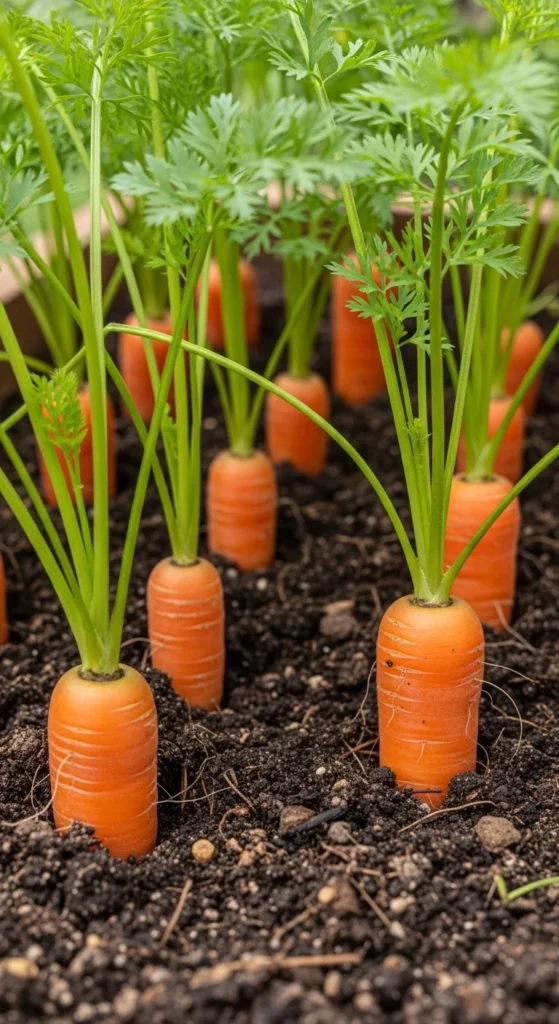
Carrots thrive in loose soil. Raised beds prevent compaction.
Loosen soil 10–12 inches deep.
Avoid rocks and clumps.
Space seeds 2–3 inches apart.
Thin early for straight roots.
Interplant radishes to break soil crust.
Keep soil moist until germination.
Loose beds grow longer, straighter carrots.
3. Kale for Cut-and-Come-Again Harvests
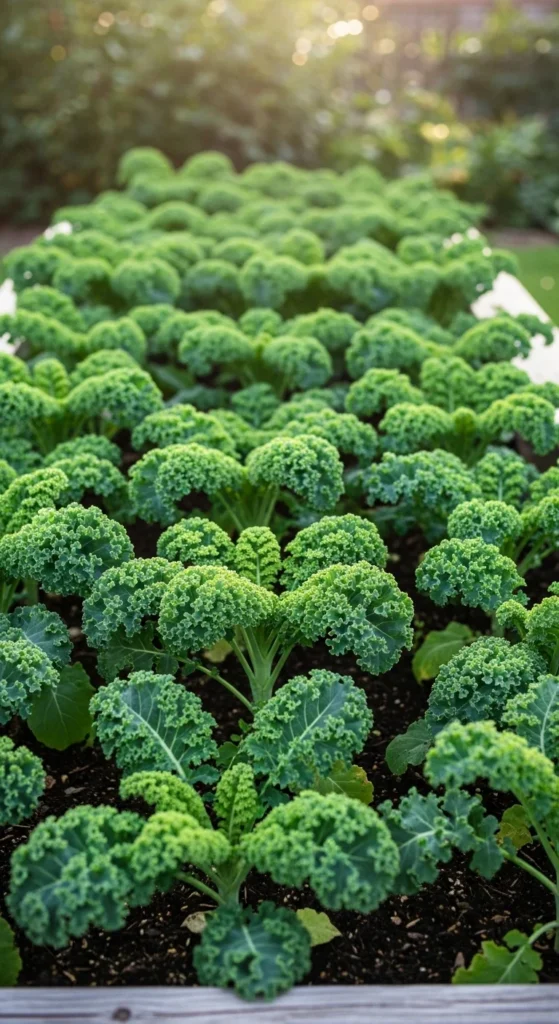
Kale handles cool weather well.
Harvest outer leaves first.
Plants keep producing for months.
Space 12 inches apart.
Add compost mid-season for steady growth.
Great for small spaces and succession planting.
4. Radishes for Quick Soil Aeration
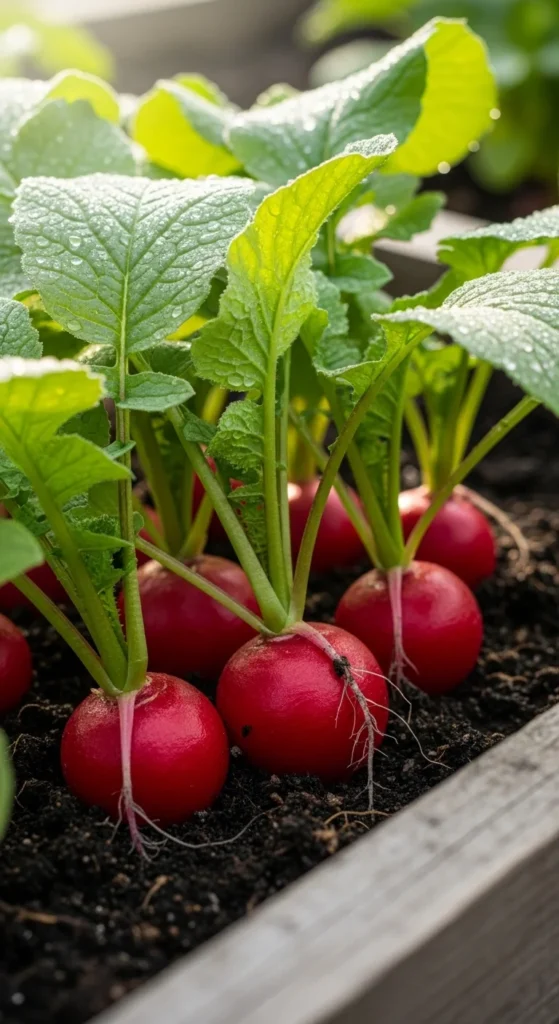
Radishes grow in 25–30 days.
Plant between slower crops.
They loosen soil for carrots.
Harvest fast and replant quickly.
Perfect for succession cycles.
5. Peppers in Warm Raised Beds
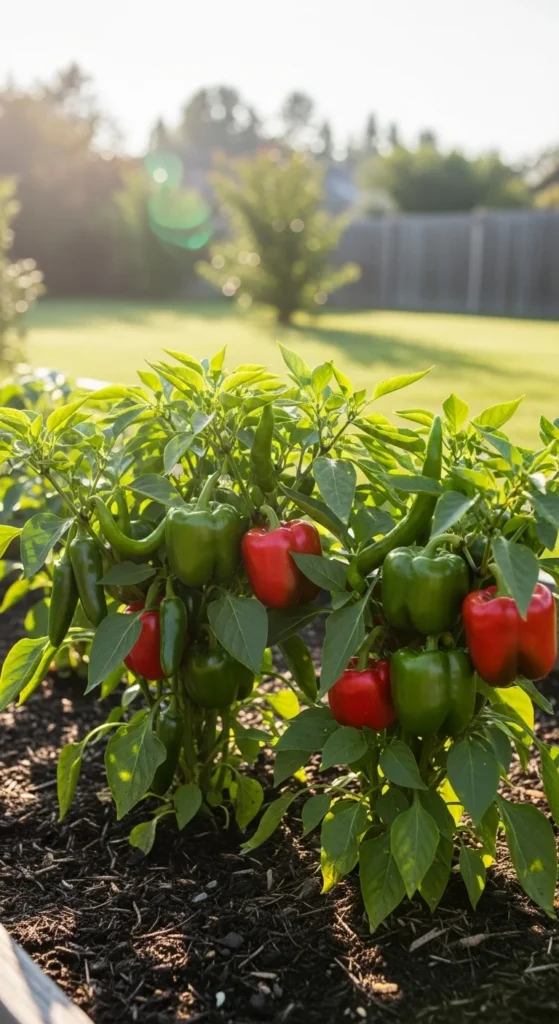
Peppers prefer heat.
Raised beds warm earlier.
Space 12–16 inches apart.
Stake lightly if needed.
Add mulch for consistent moisture.
Expect earlier fruit than in-ground plots.
6. Onions in Well-Drained Soil
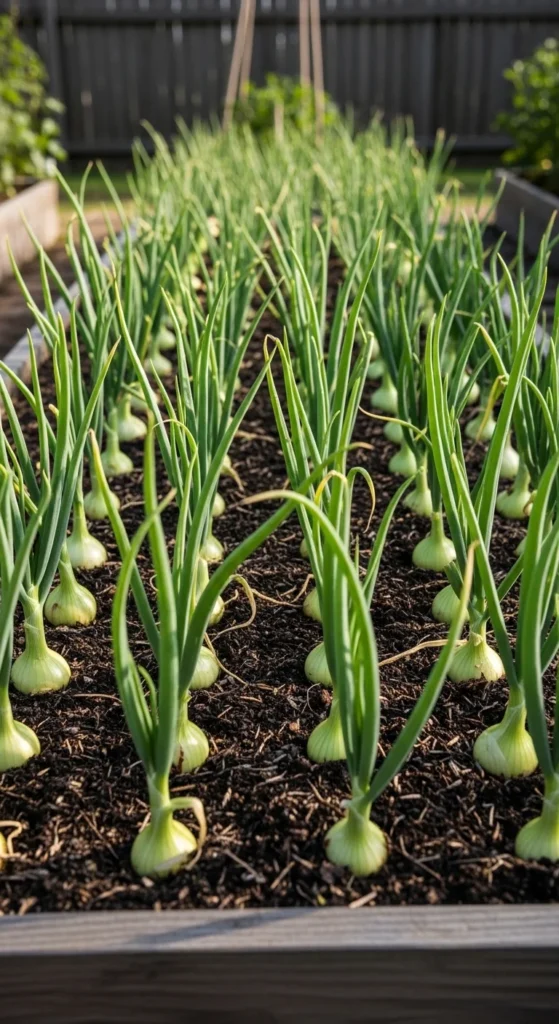
Onions dislike compacted soil.
Raised beds drain well.
Plant 4 inches apart.
Keep weeds controlled.
Loose soil grows larger bulbs.
7. Beets for Fast Rotation
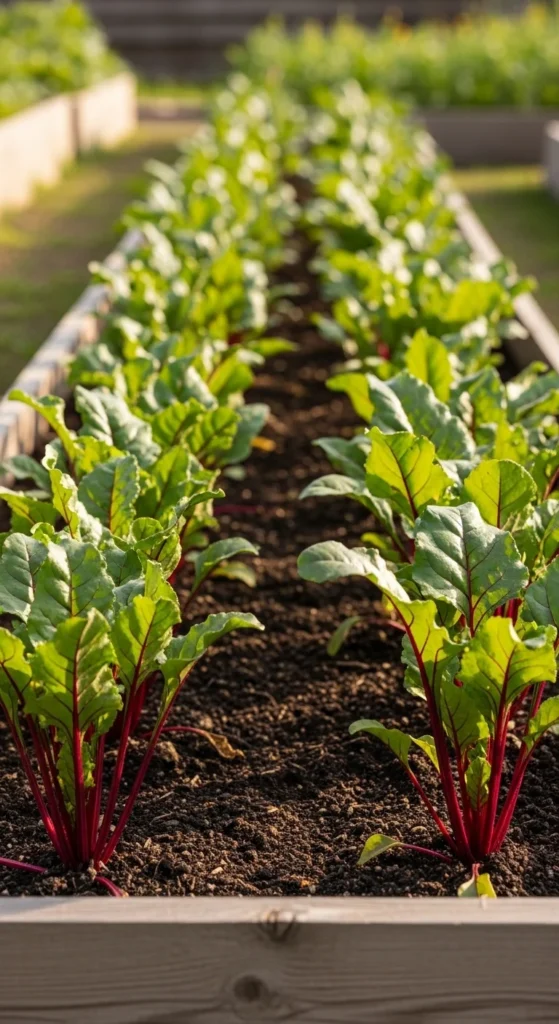
Beets mature quickly.
Plant 3 inches apart.
Harvest greens early if desired.
Replant after pulling bulbs.
Great for rotation plans.
8. Lettuce for Small-Space Density
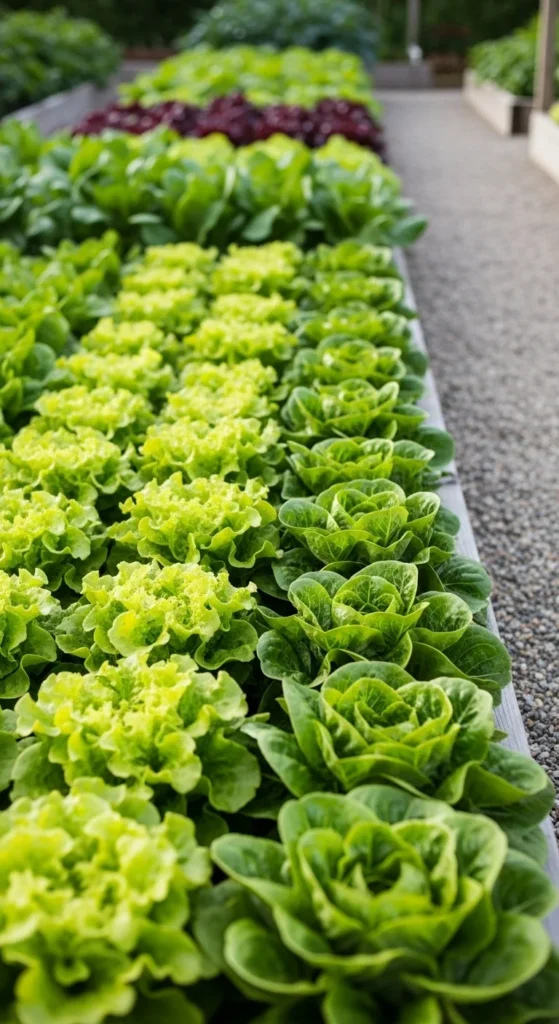
Lettuce grows well in cooler soil.
Plant close in square foot sections.
Harvest outer leaves.
Replant every few weeks.
Shallow roots thrive in raised beds.
9. Swiss Chard for Multi-Harvest Use
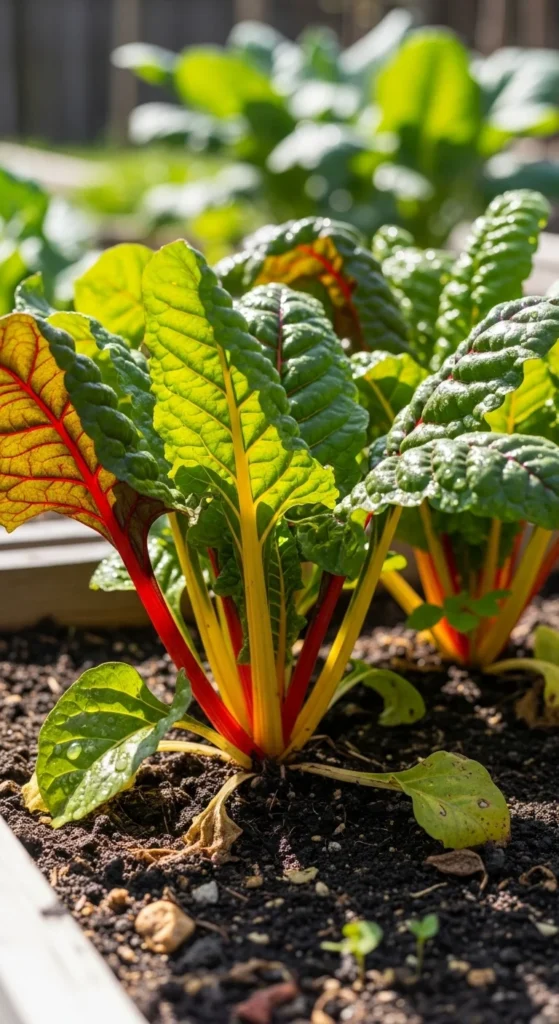
Swiss chard handles heat better than lettuce.
Cut outer stalks regularly.
Plants continue producing.
Space 10–12 inches apart.
Excellent for long seasons.
10. Bush Beans for Nitrogen Support
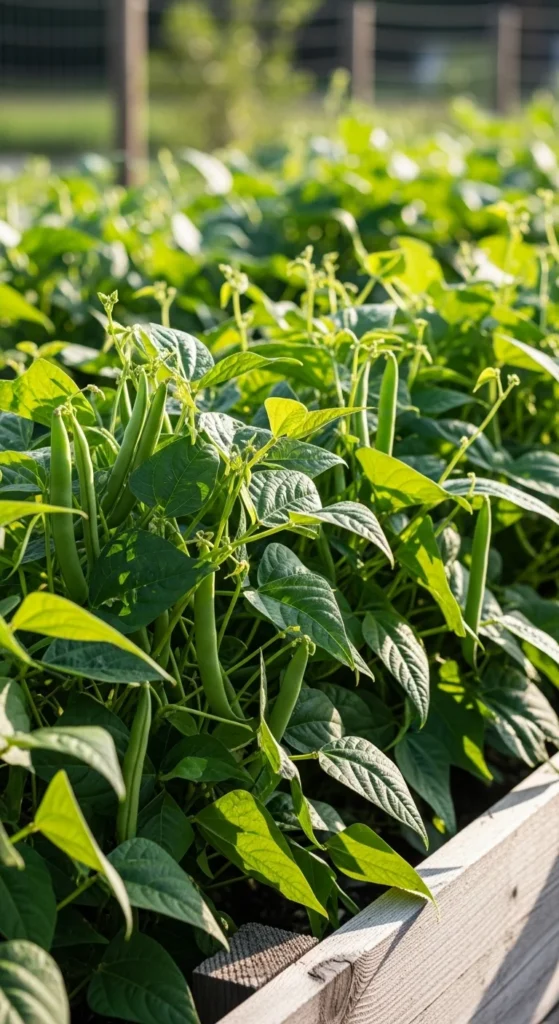
Beans add nitrogen to soil.
Plant 4 inches apart.
Harvest often to increase production.
Pair with zucchini for shade and soil fertility.
11. Zucchini as a Productive Space Filler
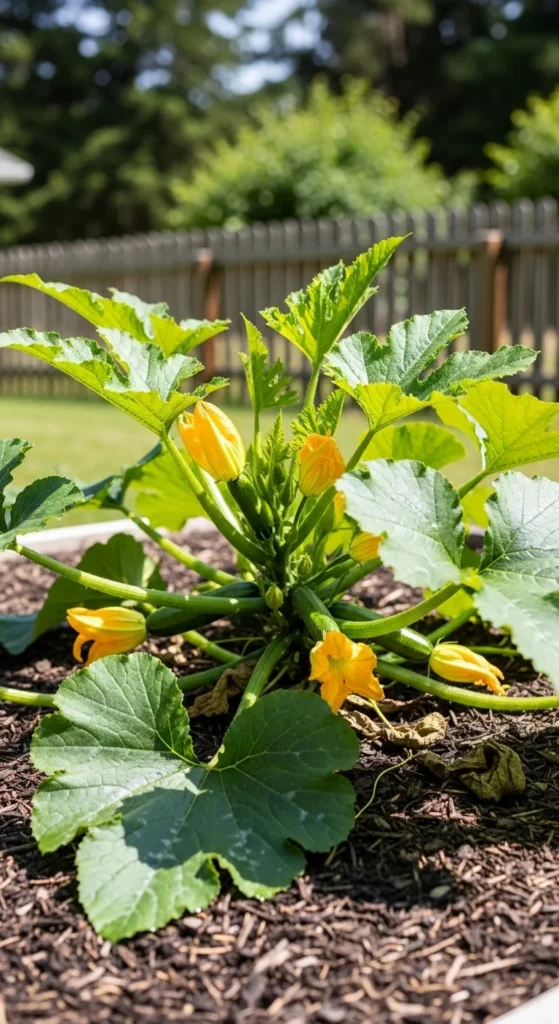
One zucchini plant produces heavily.
Give it one square yard.
Mulch deeply.
Harvest young for best flavor.
Avoid overcrowding.
12. Potatoes in Deep Raised Beds
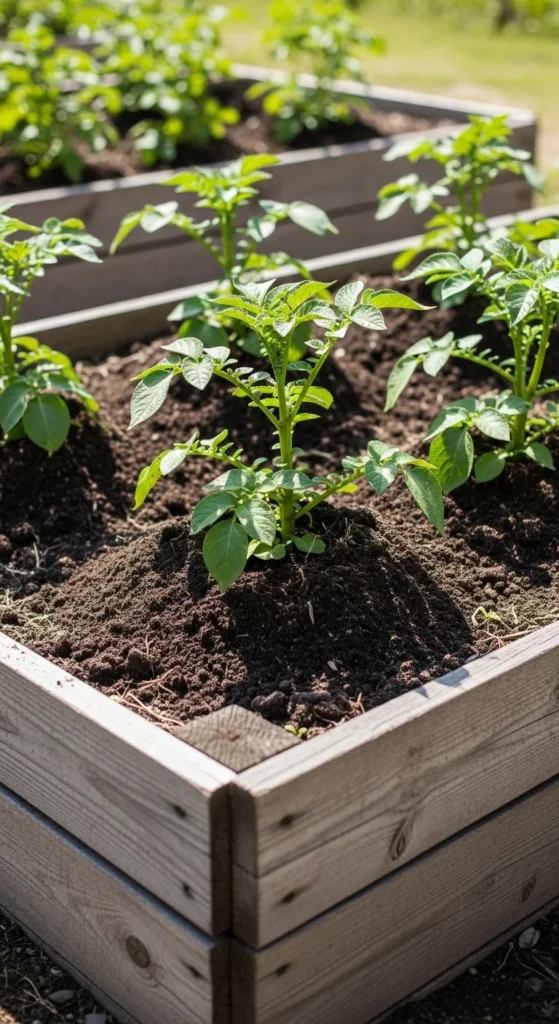
Raised beds simplify hilling.
Plant 8–12 inches apart.
Add soil as stems grow.
Harvest easily without digging hard ground.
13. Spinach for Cool Seasons
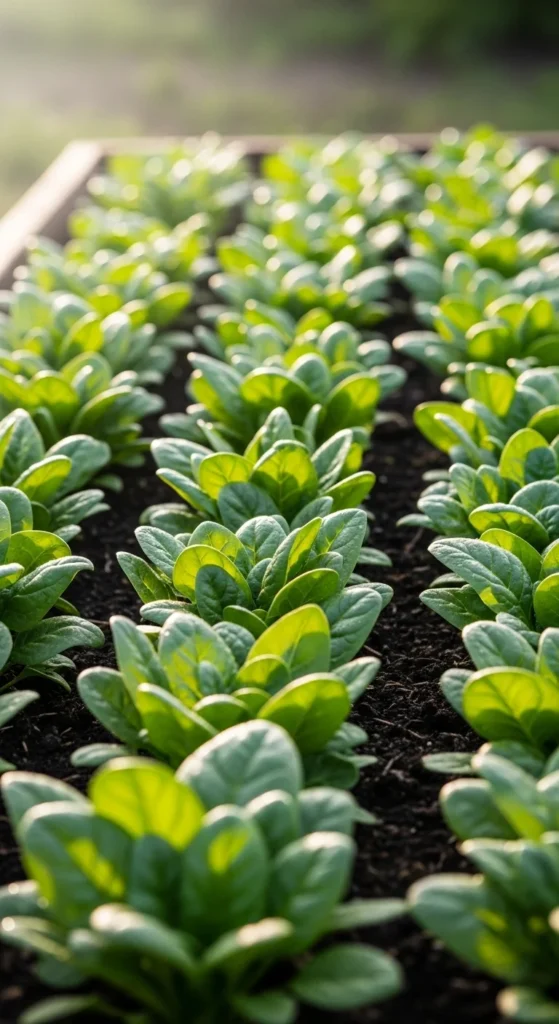
Spinach loves cooler temperatures.
Plant densely.
Harvest young leaves.
Succession plant every few weeks.
14. Cucumbers on Vertical Trellises
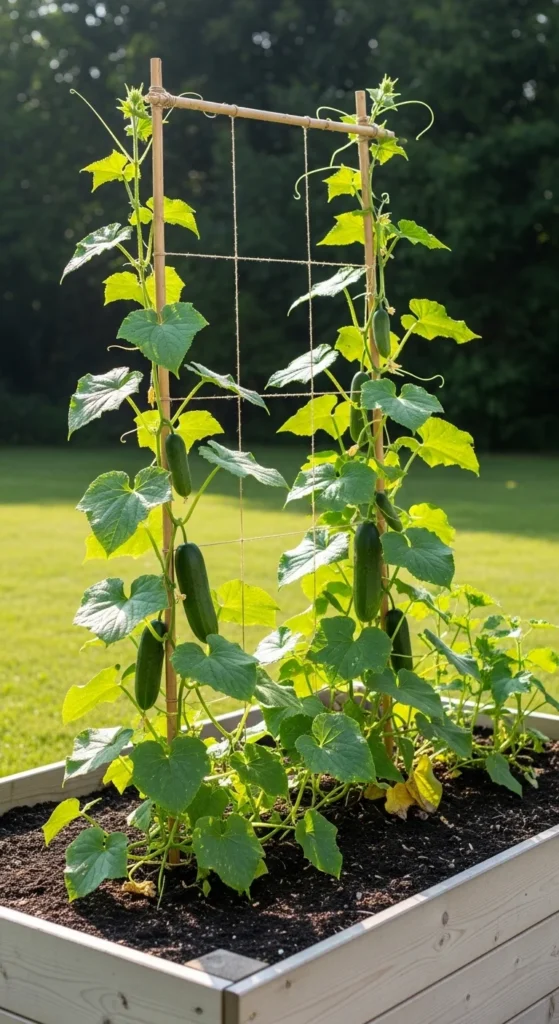
Train vines upward.
Saves bed space.
Improves airflow.
Pick regularly to maintain production.
15. Garlic in Fall-Planted Beds
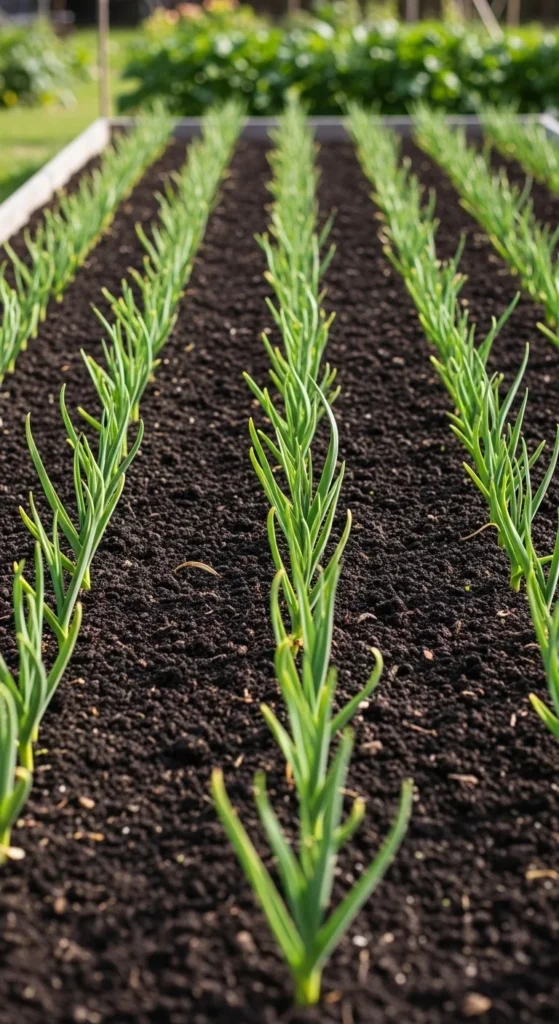
Plant cloves in fall.
Mulch heavily.
Harvest in early summer.
Raised beds improve drainage during winter.
16. Turnips for Fast Dual Harvest
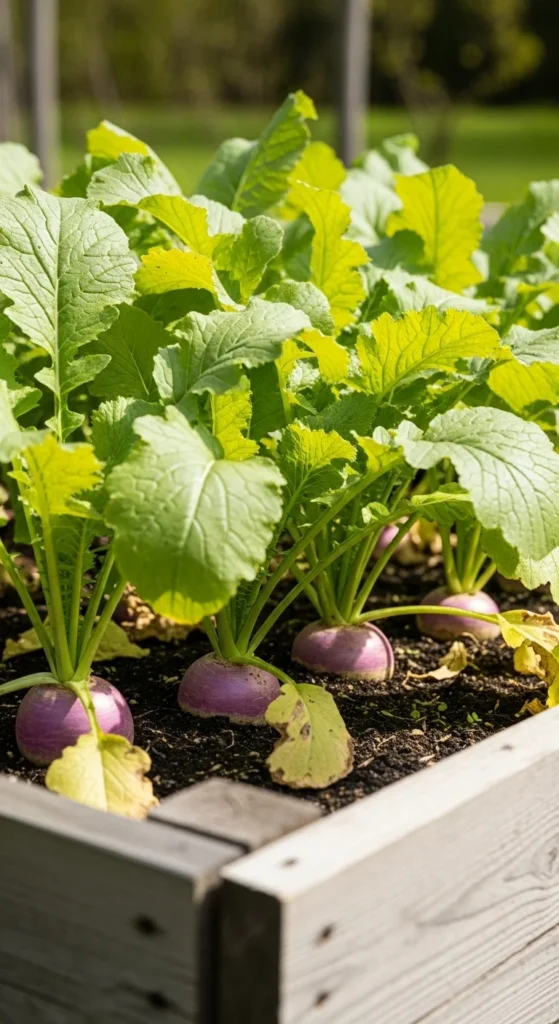
Turnips provide greens and roots.
Grow quickly.
Rotate after harvest.
Loose soil prevents misshapen bulbs.
17. Arugula for Rapid Greens
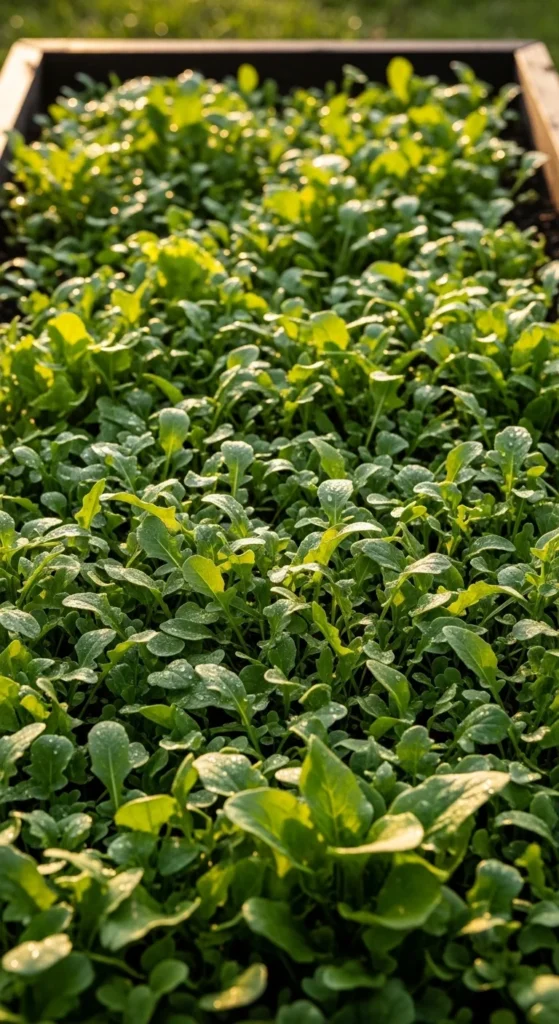
Arugula grows in weeks.
Harvest repeatedly.
Plant between larger crops.
Handles cool soil well.
18. Parsnips for Deep Root Growth
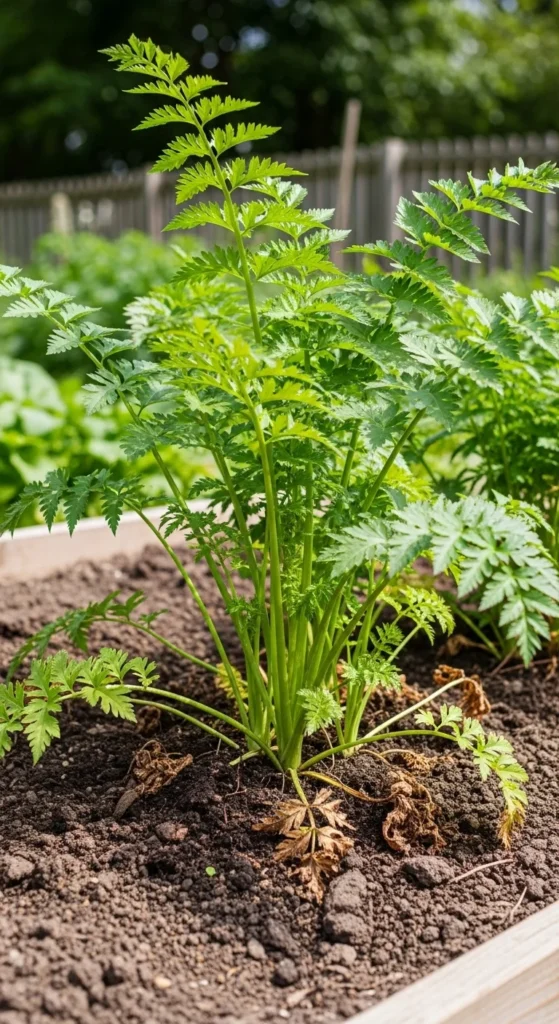
Parsnips require deep loose soil.
Raised beds prevent forked roots.
Harvest after frost for sweeter flavor.
Space 3 inches apart.
19. Cabbage in Controlled Soil
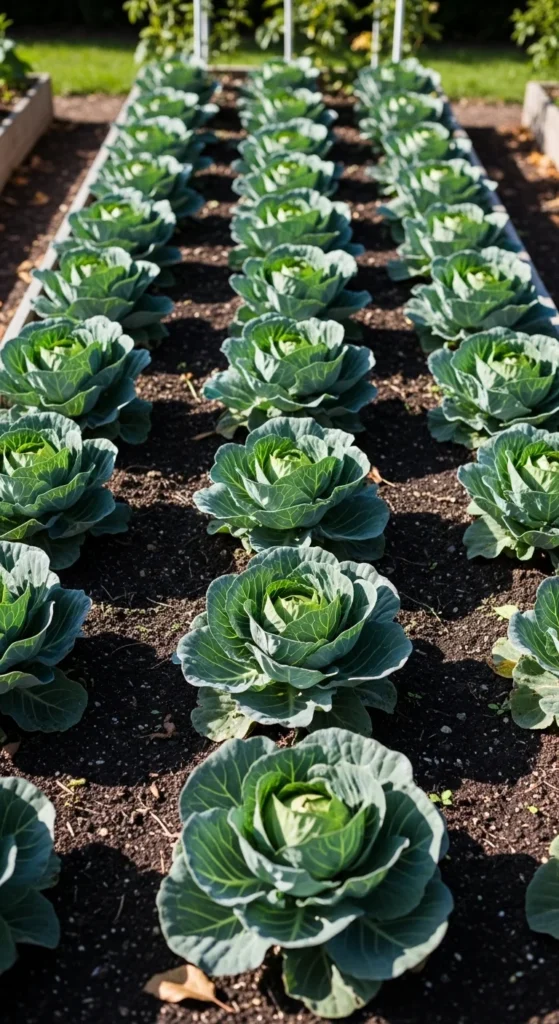
Cabbage benefits from rich compost.
Space 12–18 inches apart.
Watch for pests.
Raised beds improve airflow.
20. Basil for Companion Benefits
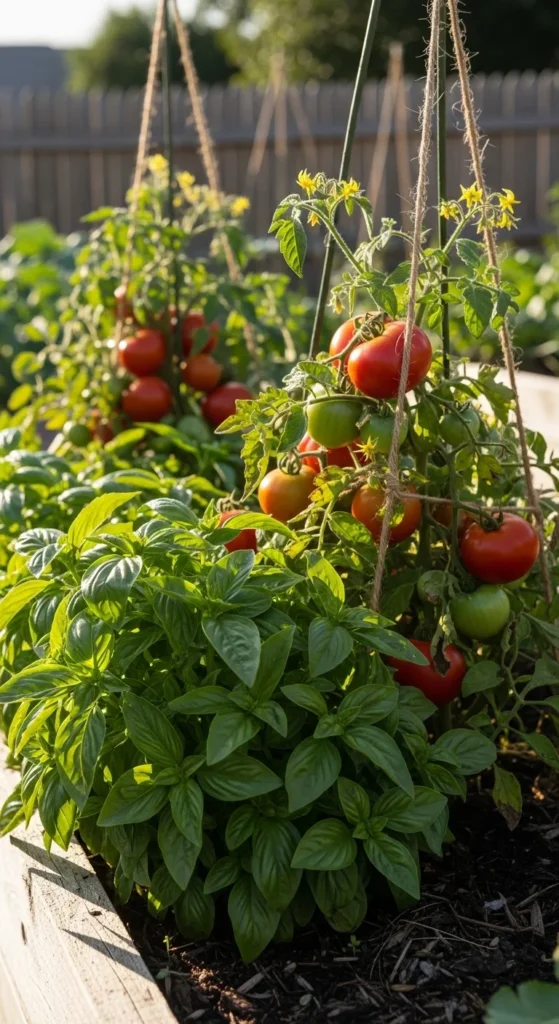
Plant basil near tomatoes.
Helps reduce pest pressure.
Harvest often.
Thrives in warm raised soil.
21. Melons on Trellised Frames
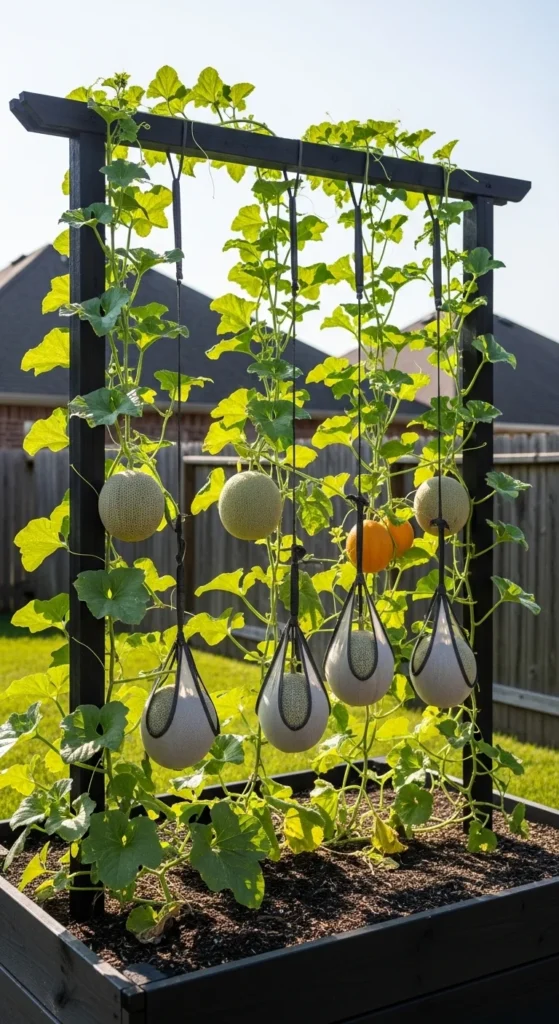
Choose compact varieties.
Train upward.
Support fruit with fabric slings.
Great for small yards.
22. Rhubarb for Long-Term Planning
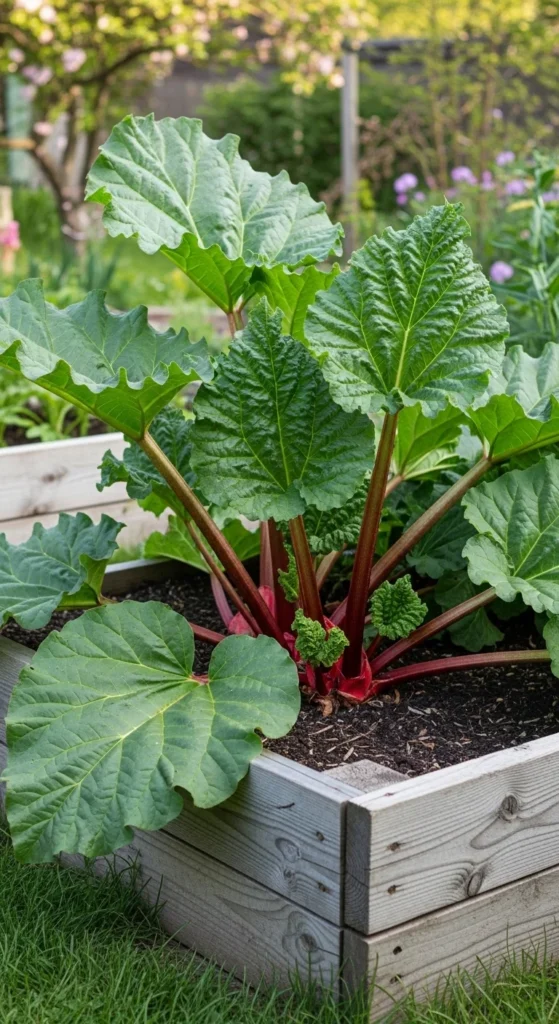
Rhubarb grows for years.
Plant in one corner.
Give deep compost-rich soil.
Harvest stalks lightly the first year.
Raised beds keep roots healthy and well-drained.
Conclusion
Raised garden beds create the right environment for productive vegetables. Loose soil encourages deep roots. Warm ground extends your season. Good drainage protects crops from rot. With smart spacing, companion planting, and steady succession cycles, you can harvest more food from a small area. Start with a few reliable crops like tomatoes, carrots, and lettuce. Add new varieties each season. Over time, your raised beds can become a steady source of fresh vegetables for years to come.
Leave a Reply