

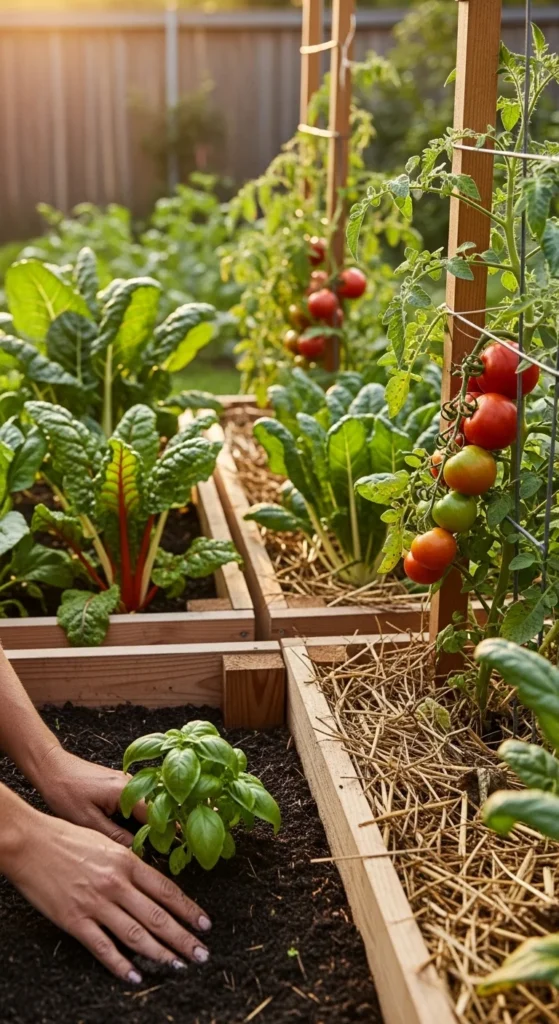
Growing your own organic vegetables is one of the smartest ways to enjoy healthier food while saving money. More gardeners in 2026 are choosing natural methods that focus on healthy soil, smart watering, and chemical-free pest control. The good news? You don’t need fancy tools or a huge yard. With a few simple habits and budget-friendly tricks, even beginners can grow strong, productive plants. Use these practical tips to build a thriving organic garden that keeps producing season after season.
1. Start With Rich, Living Soil
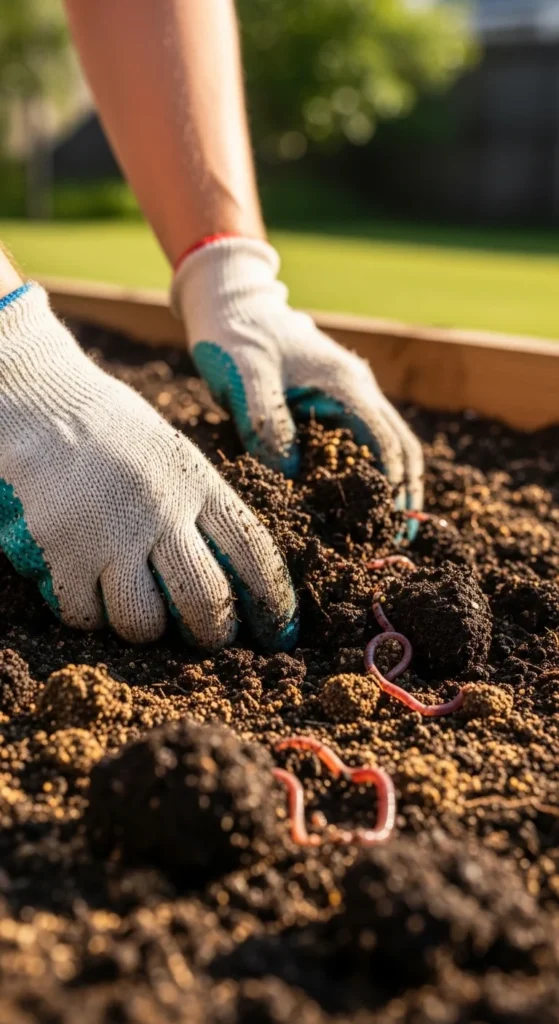
Healthy soil is the foundation of every productive organic garden. Poor soil leads to weak plants and small harvests. Start by mixing homemade compost or well-rotted manure into your beds. This adds nutrients and improves texture at the same time.
If you are on a budget, collect kitchen scraps like vegetable peels and coffee grounds. Turn them into compost instead of buying expensive fertilizers. Even a simple bucket compost system works in small spaces.
Check your soil by grabbing a handful. It should feel crumbly and slightly moist. If it feels like hard clay or loose sand, add organic matter to improve it.
Aim to refresh your beds with compost at least once per season. Over time, your soil becomes darker and easier to work. Plants respond quickly to this change.
Strong soil means fewer problems later. Put most of your effort here first.
2. Test Your Soil pH Early
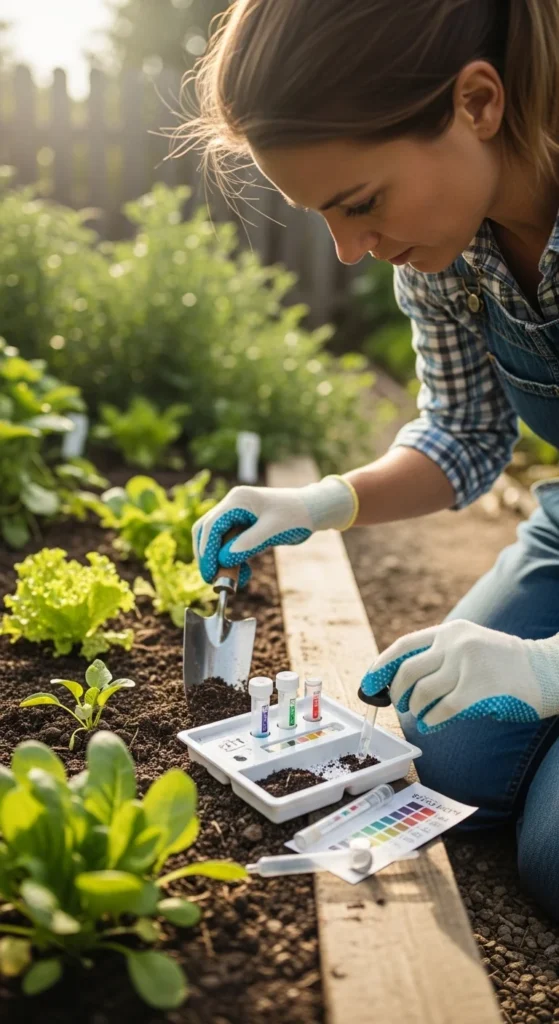
Most vegetables grow best when soil pH sits between 6.0 and 7.0. Outside this range, plants struggle to absorb nutrients even if the soil looks rich.
You don’t need expensive lab tests. Buy an affordable home pH kit or use a simple soil meter. Many garden centers sell them cheaply. Test different spots in your garden because pH can vary.
If soil is too acidic, add garden lime slowly. If it’s too alkaline, mix in compost or sulfur-based amendments. Make small adjustments and retest after a few weeks.
This quick step saves months of frustration. Many beginners skip it and wonder why plants stay pale.
Keep a small notebook with your readings. Over time, you’ll understand how your soil behaves through the seasons.
3. Use the No-Dig Bed Method
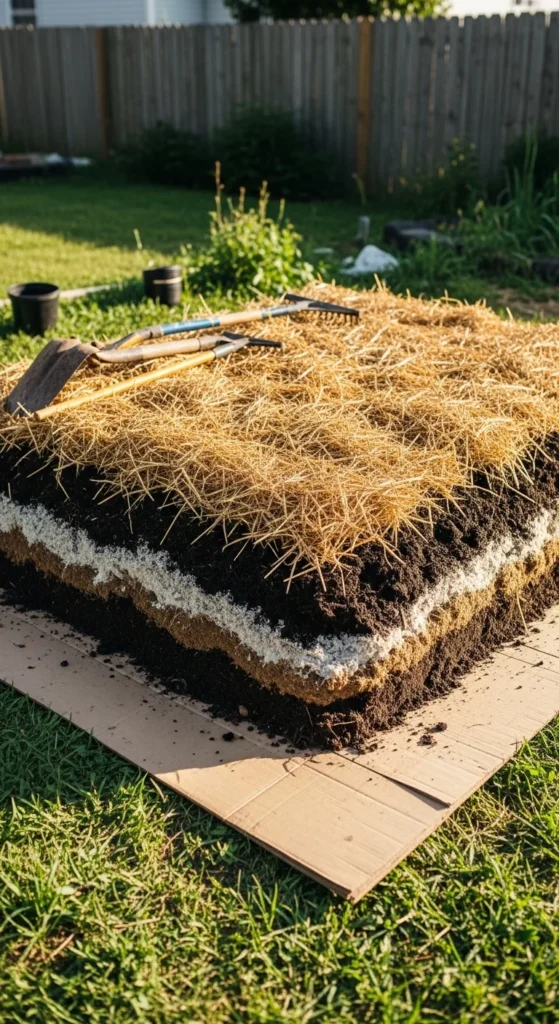
The no-dig method saves time and protects soil life. Instead of turning the soil, you build layers right on top of the ground.
Start with plain cardboard to block weeds. Wet it well. Add thick compost on top, then finish with straw or leaf mulch. That’s it.
This approach keeps beneficial microbes and worms active. It also reduces weeds dramatically. Many gardeners notice better moisture retention too.
It works great for new beds, especially if your soil is poor. You avoid heavy digging and still create a productive space.
Refresh the top compost layer each season. Over time, the bed becomes rich and fluffy with very little effort.
For busy gardeners, this is one of the easiest organic methods to maintain.
4. Pick Easy Crops for Fast Wins
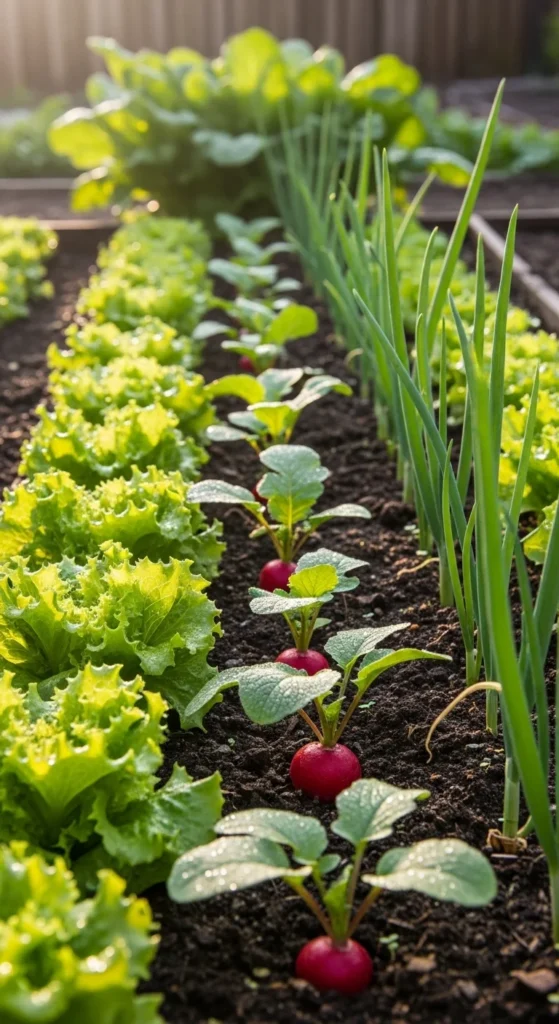
Starting with difficult crops can feel discouraging. Choose vegetables that grow quickly and reliably.
Great beginner options include lettuce, radishes, spinach, green onions, and bush beans. Many of these mature in about 30 days.
Fast harvests build confidence. They also help you learn watering and spacing without long waits.
Plant small batches every two weeks. This keeps fresh food coming instead of one large harvest all at once.
Avoid starting with crops like cauliflower or celery if you are new. They require tighter control and more patience.
Once you see early success, expand slowly. Gardening becomes much more enjoyable when you start with easy wins.
5. Follow Companion Planting Basics
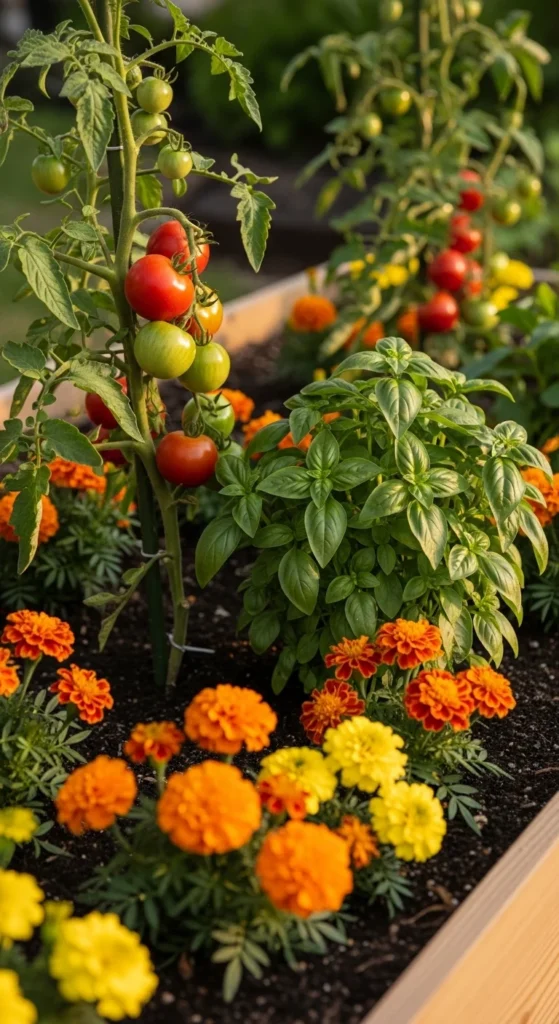
Companion planting helps plants support each other naturally. It can reduce pests and improve growth without chemicals.
A classic pair is basil with tomatoes. Basil may help repel certain insects and makes great use of nearby space. Marigolds are another helpful partner for many vegetables.
Keep combinations simple at first. Focus on a few proven pairs instead of complex charts.
Avoid crowding plants too tightly. Companions still need airflow and sunlight.
You can sketch your garden layout on paper before planting. This helps prevent mistakes and wasted space.
Over time, you’ll learn which pairings work best in your climate. Companion planting is a low-cost trick that pays off quickly.
6. Rotate Crops Each Season
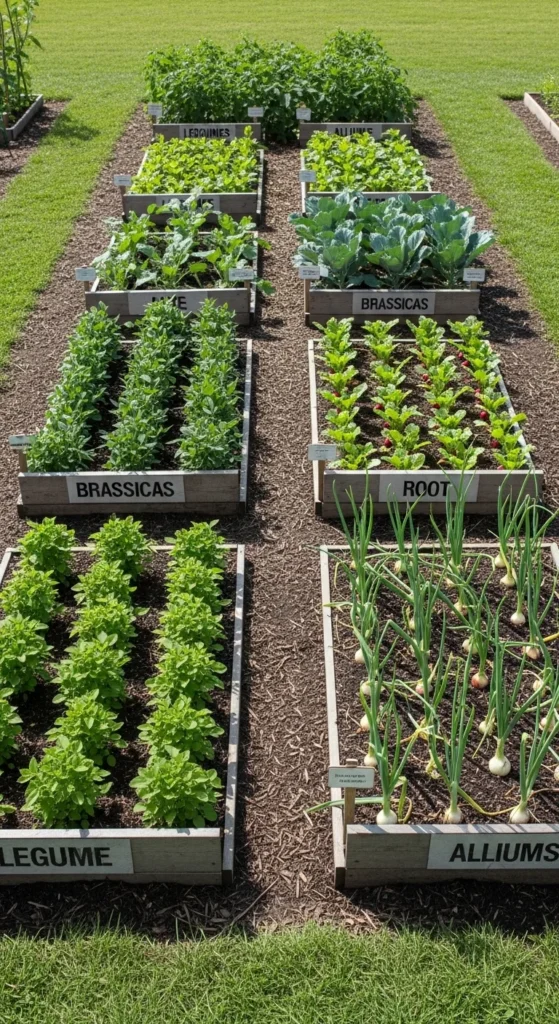
Planting the same crop in the same spot every year invites pests and soil problems. Crop rotation breaks that cycle.
Group vegetables by family. For example, tomatoes, peppers, and potatoes belong to the nightshade group. Move them to a new bed each season.
A simple four-bed rotation works well for home gardens. Keep a small sketch or journal to track where each crop grows.
This habit reduces disease buildup and keeps soil nutrients more balanced.
Even small gardens benefit from rotation. Containers can be rotated too by changing the soil or location.
It takes only a few minutes of planning but prevents many common headaches later.
7. Mulch Generously to Save Water
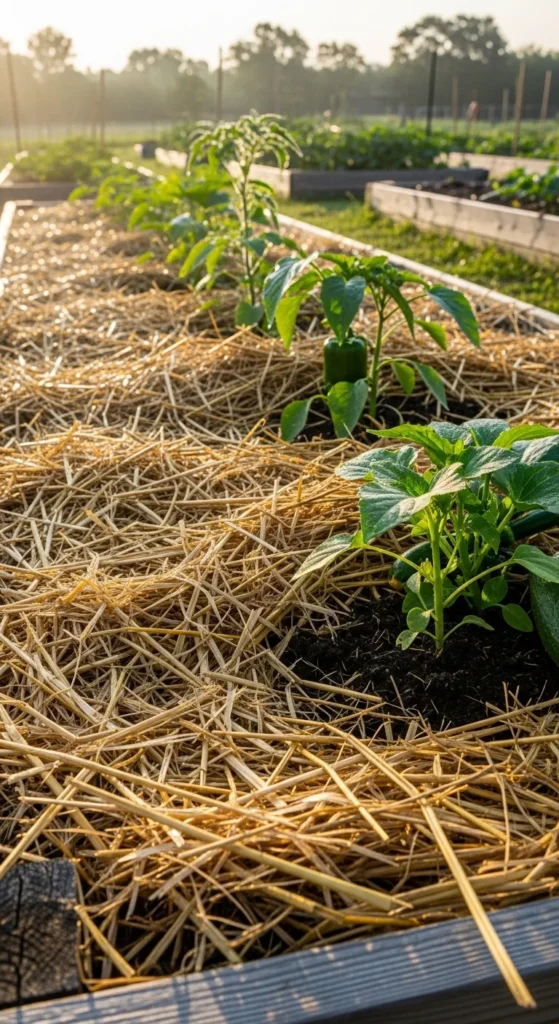
Mulch is one of the easiest ways to cut watering time and reduce weeds.
Spread straw, dry leaves, or grass clippings around your plants. Aim for a layer about 2–3 inches thick. Keep mulch slightly away from stems to prevent rot.
Mulch helps soil stay cool and moist. It also blocks sunlight from reaching weed seeds.
If you’re on a tight budget, collect fallen leaves in autumn and store them for spring use. Shredded cardboard also works in a pinch.
Check mulch levels every few weeks and top up as it breaks down.
This simple step saves water, time, and effort all season long.
8. Water Deeply, Not Frequently
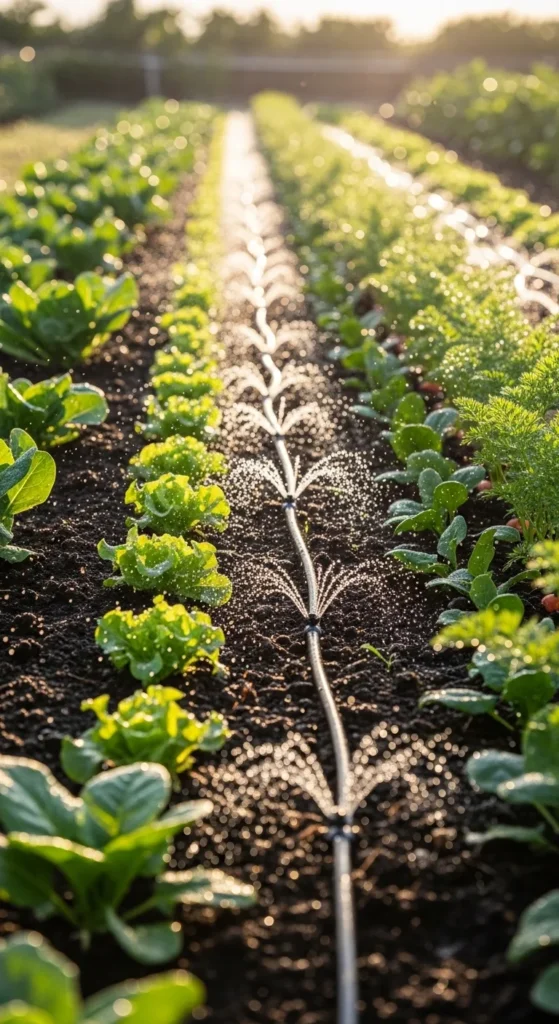
Frequent shallow watering creates weak roots. Instead, water deeply and less often.
Aim to soak the soil so moisture reaches several inches down. Then allow the top layer to dry slightly before watering again.
Early morning is the best time to water. Less moisture is lost to evaporation, and leaves dry quickly.
If possible, use drip irrigation or a soaker hose. These deliver water directly to the roots and reduce waste.
You can also push a finger into the soil to check moisture. If it feels dry two inches down, it’s time to water.
Strong roots develop when plants search deeper for moisture.
9. Feed Plants With Organic Fertilizers
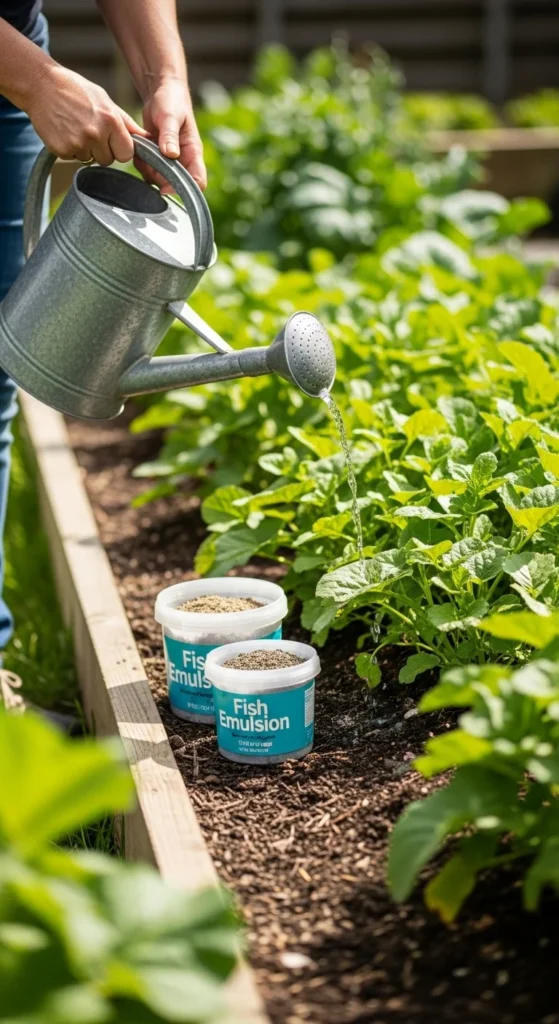
Organic fertilizers feed the soil gradually and support steady plant growth.
Good low-cost options include fish emulsion, compost tea, and kelp meal. These release nutrients slowly and are gentle on plants.
Liquid feeds work well every two to three weeks during active growth. Always dilute according to instructions.
Watch your plants. Pale leaves or slow growth often signal hunger.
Avoid overfeeding. Too much fertilizer can cause leafy growth with fewer fruits.
Many gardeners rotate between compost and liquid feeds for balanced nutrition.
Simple, steady feeding keeps plants productive without harsh chemicals.
10. Control Pests the Natural Way
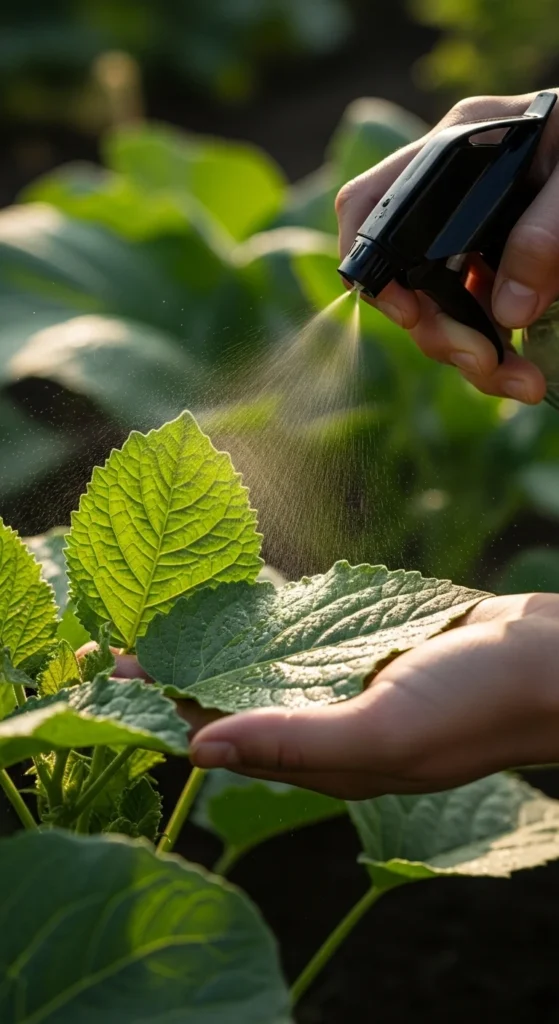
Organic gardening does not mean ignoring pests. It means managing them wisely.
Start by checking plants a few times per week. Early action prevents major outbreaks.
Neem oil spray works well for many soft-bodied insects. Apply in the evening to protect beneficial insects.
Hand-picking larger pests like caterpillars is surprisingly effective in small gardens.
Encourage helpful insects such as ladybugs by planting flowers nearby.
Avoid spraying unless necessary. A few bugs are normal in a healthy garden.
Consistent observation is your best defense.
11. Build a Simple Bug Hotel
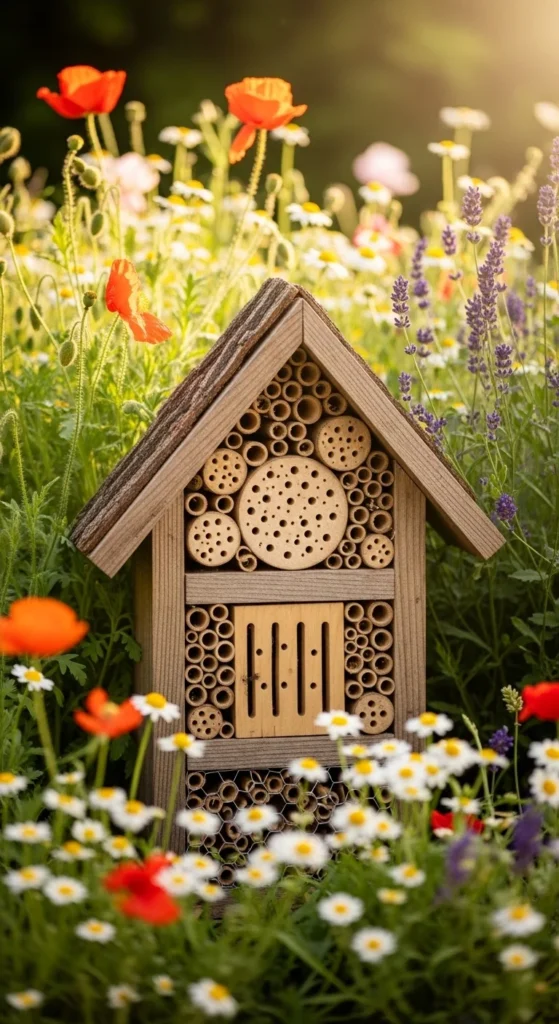
Beneficial insects help keep pest populations under control.
A bug hotel is easy and cheap to build. Use scrap wood, hollow bamboo, or drilled blocks of wood. Stack them in a small wooden frame.
Place the hotel near flowering plants but away from heavy rain. Within weeks, helpful insects may move in.
This small structure supports pollination and natural pest balance.
You can even involve kids in building it. It’s a great weekend project.
Encouraging helpful insects reduces the need for sprays later.
12. Grow Upward With Vertical Supports
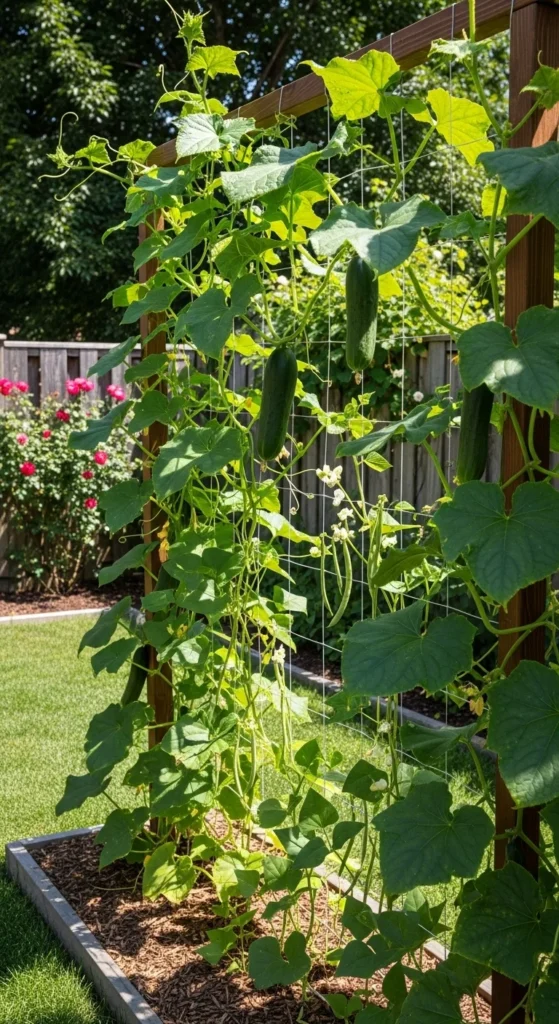
Vertical gardening saves space and improves airflow around plants.
Use simple trellises for cucumbers, pole beans, peas, and tomatoes. Even a basic string trellis works well.
Growing upward keeps fruits cleaner and easier to harvest. It also reduces some disease issues.
For budget builds, repurpose old ladders, wooden frames, or sturdy netting.
Place tall crops on the north side of beds so they don’t shade smaller plants.
Vertical growing is especially helpful for balcony and small-yard gardeners.
13. Harden Off Seedlings Properly
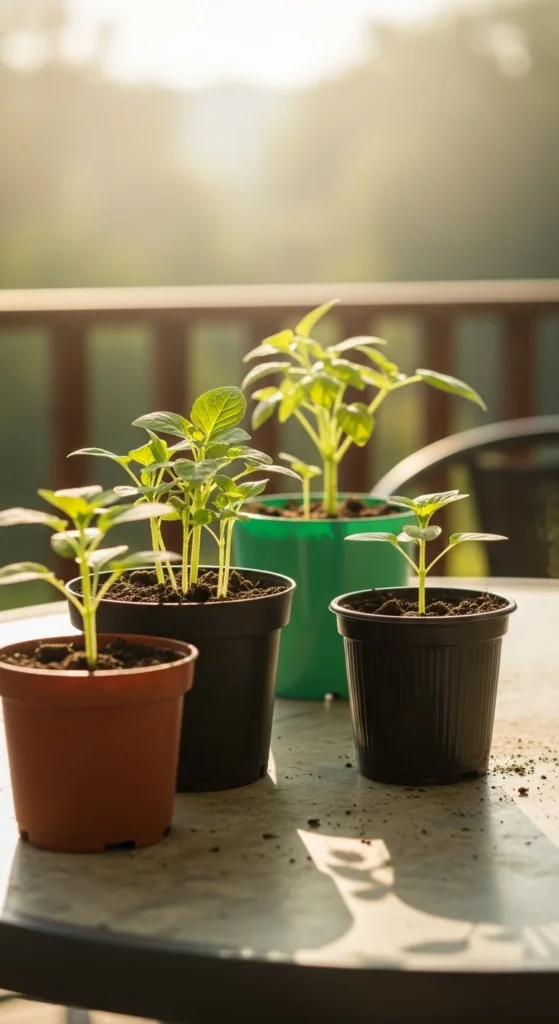
Seedlings raised indoors must adjust slowly to outdoor conditions.
Start by placing them outside in shade for a few hours daily. Increase sun exposure gradually over 7–10 days.
This process prevents shock and leaf burn.
Bring plants inside at night during the first few days if temperatures drop.
Watch for wilting or pale leaves. Slow down the schedule if needed.
Many beginners skip this step and lose young plants quickly.
A short adjustment period leads to stronger transplants and faster growth later.
14. Use Raised Beds for Better Control
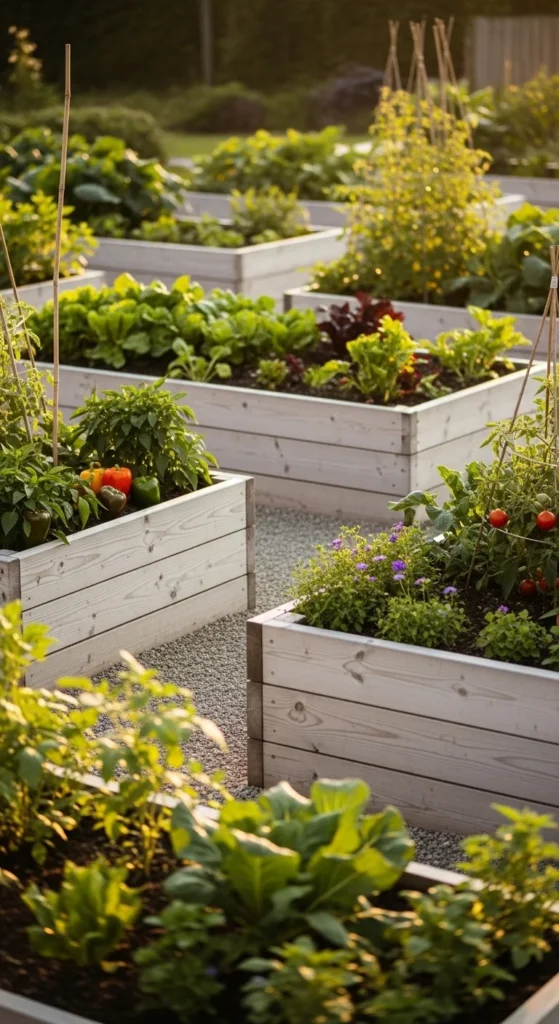
Raised beds give you more control over soil quality and drainage.
They also reduce bending and make weeding easier.
You don’t need expensive kits. Simple wooden frames built from untreated lumber work well.
Fill beds with a mix of compost, topsoil, and organic matter.
Raised beds warm faster in spring, which helps early planting.
They are especially helpful in areas with heavy clay or poor native soil.
Even one small raised bed can produce a surprising amount of food.
15. Keep a Simple Garden Journal
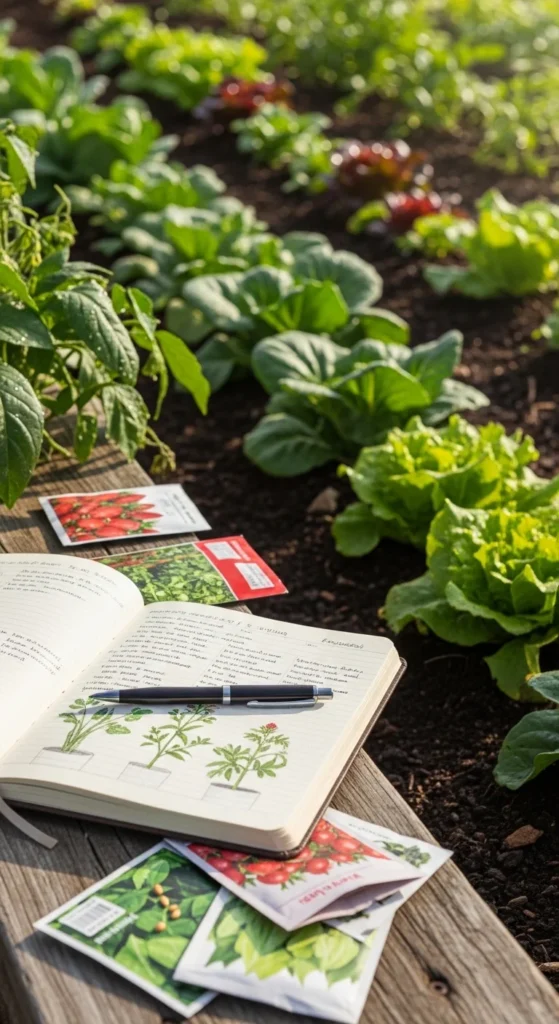
A garden journal helps you learn faster each season.
Write down planting dates, weather notes, and what worked well.
You don’t need anything fancy. A simple notebook or phone note works.
Track pest problems and harvest times too. Patterns become clear over time.
This habit prevents repeating mistakes year after year.
Many experienced gardeners credit their success to good record keeping.
Spend just two minutes after each garden visit writing notes.
16. Choose Heirloom Seeds for Flavor
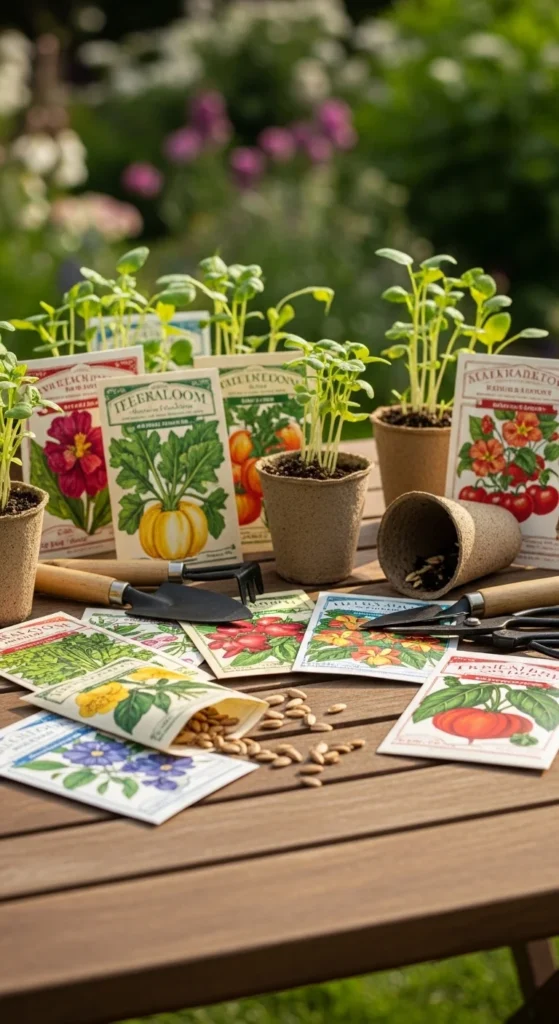
Heirloom varieties are open-pollinated and often prized for taste.
They also allow seed saving for future seasons.
Look for reputable seed suppliers and start with a few varieties.
Heirlooms sometimes produce slightly lower yields, but many gardeners prefer the flavor.
Saving seeds from healthy plants can reduce your costs over time.
Label plants clearly if you plan to save seeds.
It’s a rewarding way to build a self-sustaining garden.
17. Try Cover Crops in the Off-Season
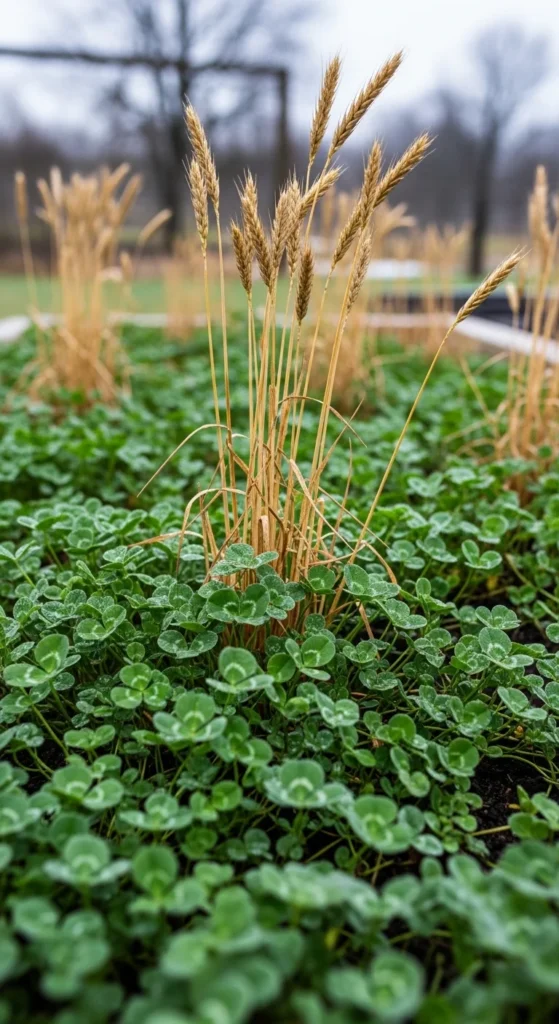
Cover crops protect and enrich soil when beds would otherwise sit empty.
Common choices include clover, rye, and vetch.
They add organic matter and help reduce erosion.
Sow them after your main harvest. Cut and leave them on the surface before the next planting.
This method gradually improves soil structure.
Even small beds benefit from seasonal cover crops.
It’s a low-cost habit that pays off in future harvests.
18. Harvest Frequently for More Production
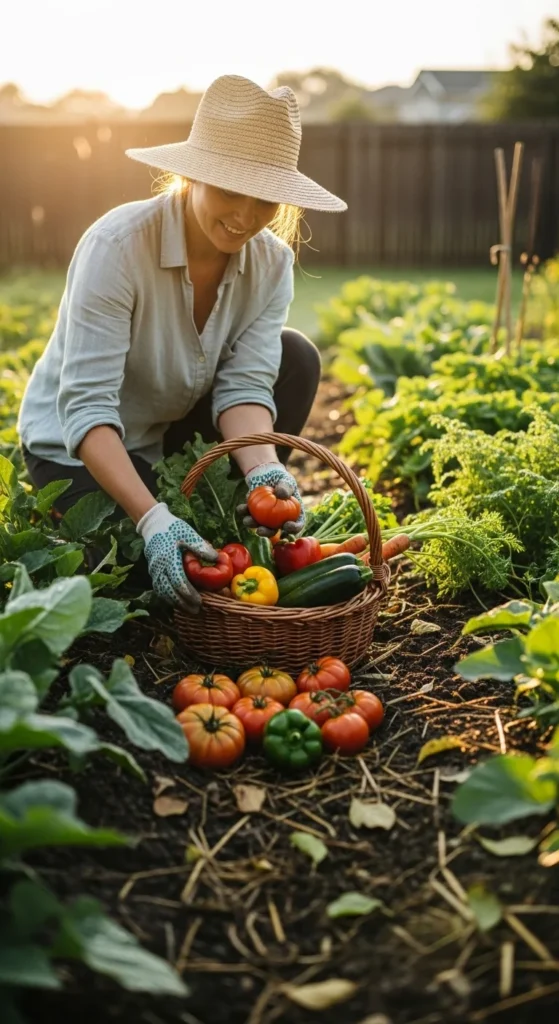
Regular harvesting tells plants to keep producing.
Check your garden every few days during peak season.
Pick leafy greens when young and tender. Harvest beans and cucumbers before they grow oversized.
Use clean scissors or pruners to avoid plant damage.
Frequent picking often leads to longer harvest periods.
Don’t leave overripe produce on plants. It can slow future growth.
Small, steady harvests add up quickly over the season.
19. Save Kitchen Scraps for Compost
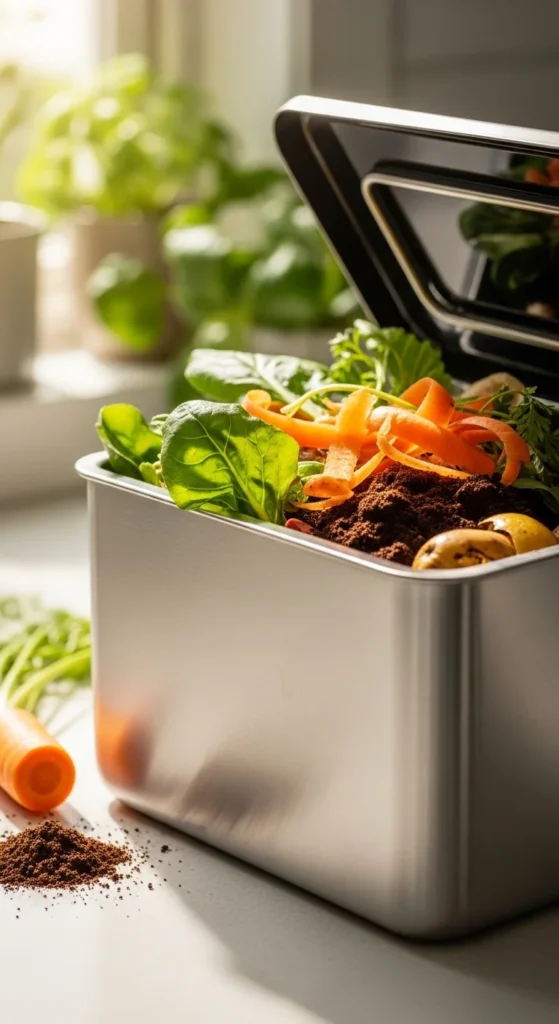
Your kitchen produces valuable garden material every day.
Collect vegetable peels, eggshells, and coffee grounds in a small container.
Avoid meat, dairy, and oily foods in basic compost systems.
Empty scraps into your outdoor compost pile regularly.
This simple habit reduces waste and improves soil at the same time.
Even apartment gardeners can use small compost bins or worm systems.
Turning waste into soil is one of the most satisfying parts of organic gardening.
20. Map Sunlight Before Planting
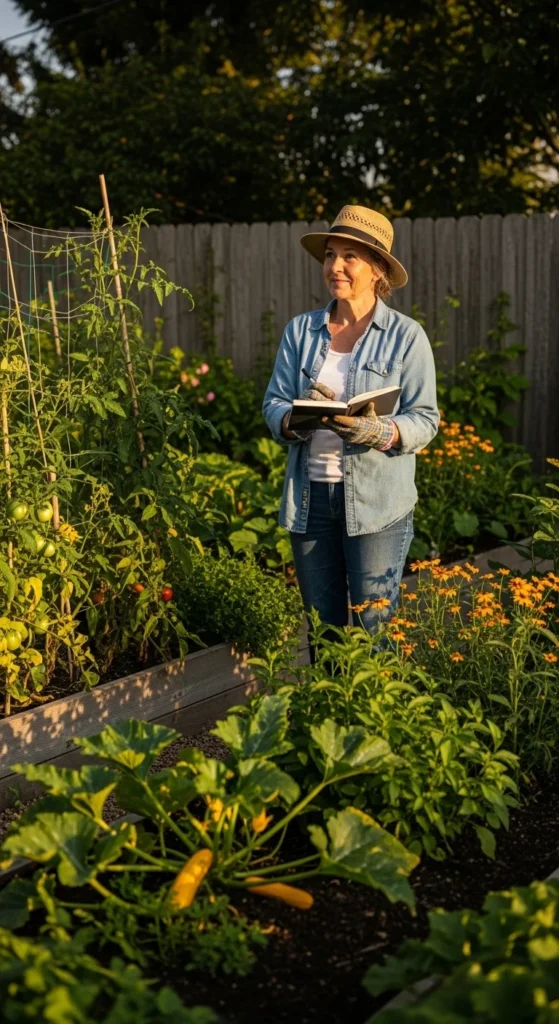
Most vegetables need 6–8 hours of direct sun daily.
Spend a day watching how sunlight moves across your space.
Mark sunny and shady spots in your journal.
Place fruiting crops like tomatoes and peppers in the brightest areas.
Leafy greens tolerate partial shade better.
Good sun placement improves yields without extra cost.
This simple observation step prevents many beginner mistakes.
21. Try Container Gardening for Small Spaces
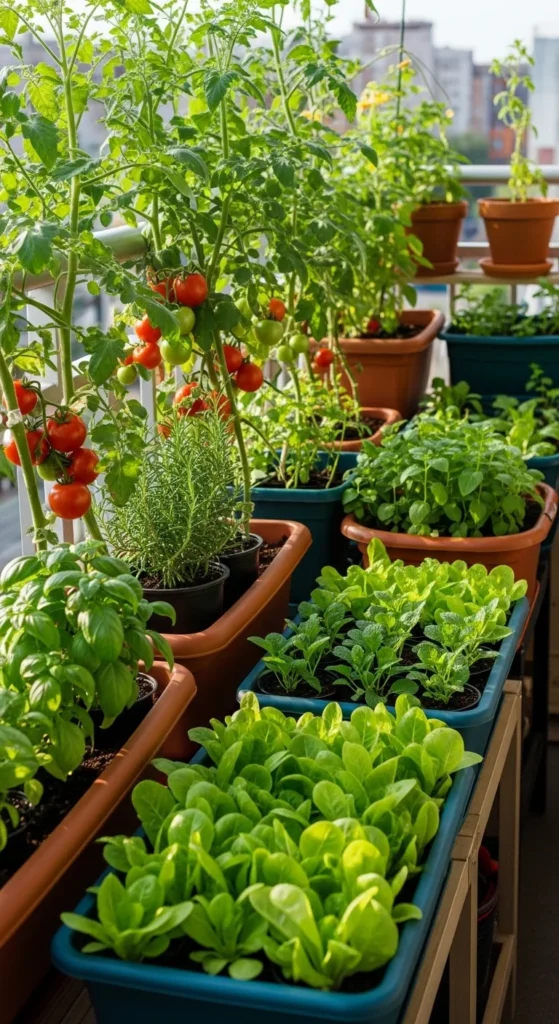
You don’t need a large yard to grow food.
Containers work well for herbs, lettuce, peppers, and dwarf tomatoes.
Use pots with drainage holes and quality potting mix.
Water containers more often since they dry faster.
Group pots together to help retain moisture.
Even a small balcony can produce a steady supply of fresh vegetables.
Start small and expand as you gain confidence.
22. Stay Updated With Urban Gardening Trends
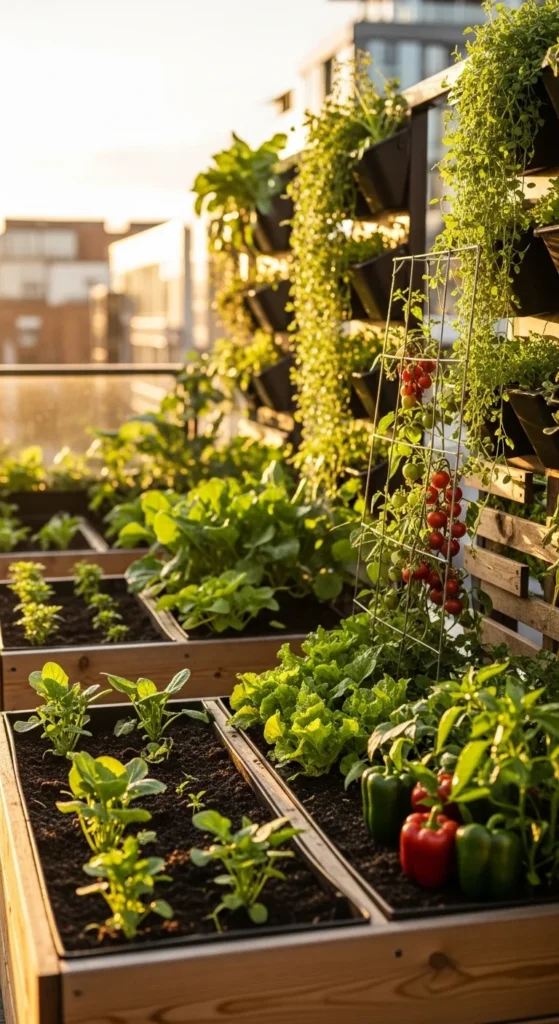
Home food growing keeps evolving each year.
Urban gardeners are using vertical systems, worm composting, and small hydro setups.
You don’t have to adopt every new idea. Try one improvement each season.
Follow experienced gardeners online and watch what works in climates similar to yours.
Experiment in small sections of your garden first.
Gardening is a long-term learning process.
Stay curious, keep notes, and your harvests will improve year after year.
Conclusion
Organic vegetable gardening becomes much easier when you focus on soil health, smart watering, and simple natural methods. Start small, apply these practical tips, and build experience one season at a time. Even a few raised beds or containers can produce impressive harvests when cared for consistently. Grab your compost, plan your layout, and begin growing your own clean, flavorful food today.
Leave a Reply