

If you’ve ever grown cucumbers or beans in a small space, you know the struggle: the vines sprawl, the leaves smother everything, and suddenly your “tiny garden” looks like a jungle.
A trellis vertical garden fixes all of that.
It lifts vining plants off the ground, boosts airflow, makes harvesting easier, and helps you grow more food in less space—perfect for raised beds, patios, or even narrow side yards.
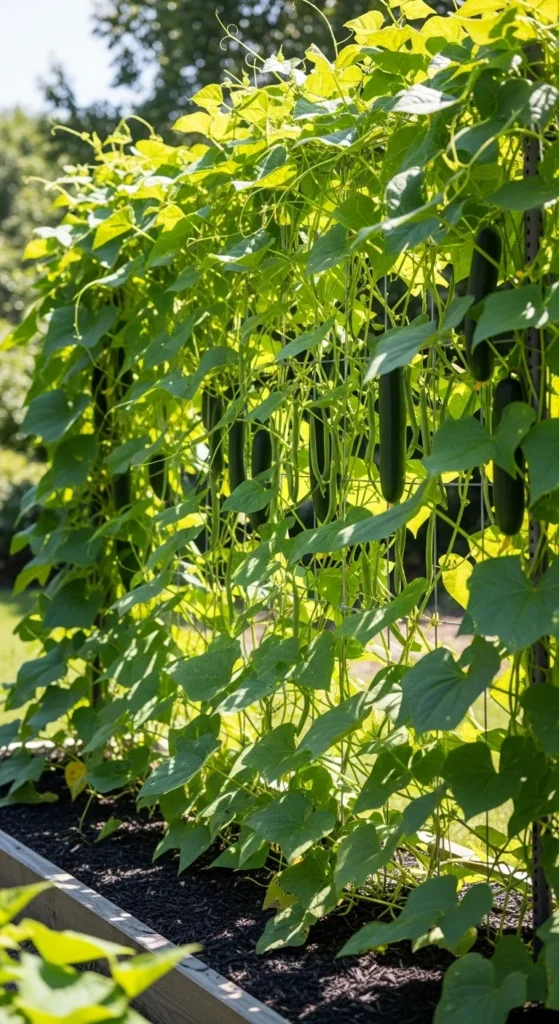
Let’s build a sturdy trellis that can handle real weight (and real wind).
Why a Trellis Vertical Garden Is Worth It
Climbing plants want to go up. Give them a structure and they’ll reward you.
Benefits you’ll notice fast:
- Bigger yields in small spaces (vertical = more room at the base)
- Cleaner fruit (less contact with soil = fewer rot issues)
- Better airflow (helps reduce mildew on cucumbers/squash)
- Easy harvesting (no more digging under leaves)
- Less pest pressure (slugs and soil pests have a harder time)
If you grow any of these, a trellis is a game-changer:
- Beans, peas
- Cucumbers
- Indeterminate tomatoes (with proper support)
- Small melons (with slings)
Pick Your Trellis Style
You’ve got a few strong, beginner-friendly options. Choose based on your space and tools.
Option 1: Cattle panel trellis (heavy-duty + long-lasting)
- Great for strong vines and big yields
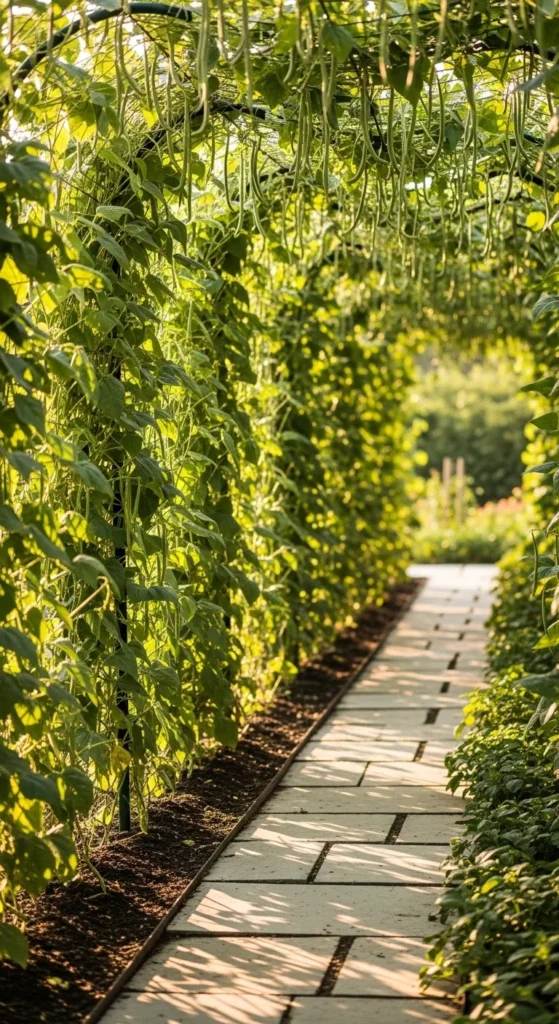
- Can be flat or arched (arched looks amazing over paths)
Option 2: T-post + mesh trellis (budget-friendly + fast)
- Strong in wind
- Easy to expand or move later
Option 3: Raised-bed attached wood frame + netting (clean + tidy)
- Looks “built-in” and polished
- Perfect for patios and small garden beds
What You’ll Need
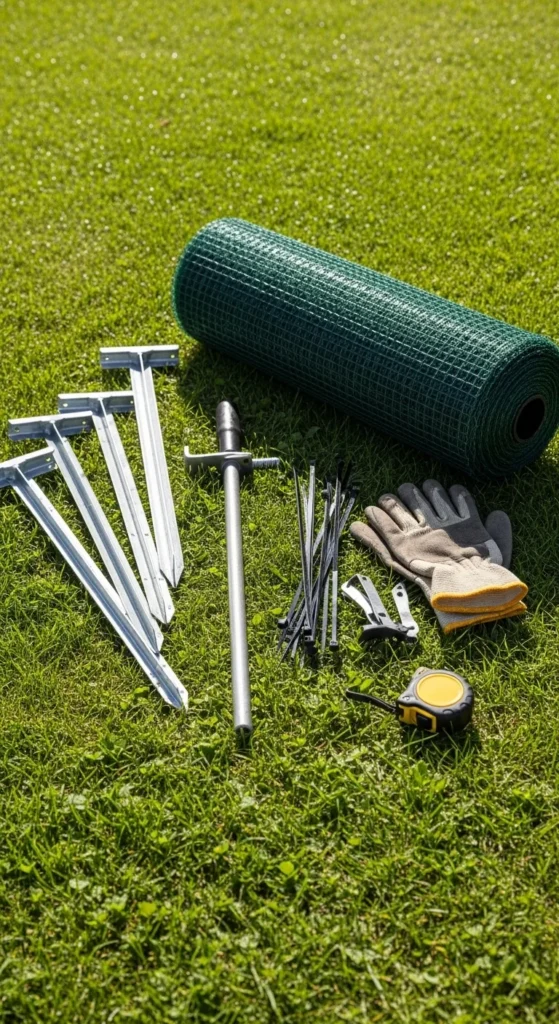
Here’s a simple “strong-but-easy” materials list (mix and match):
- Cattle panel or heavy-duty mesh/netting
- T-posts (or 4×4 posts / bed-mounted boards)
- Zip ties or galvanized wire
- Screws + washers (great for holding netting taut)
- Post driver or heavy hammer
- Bolt cutters (only if cutting cattle panels)
- Mulch (seriously—don’t skip it)
Optional but helpful:
- EMT conduit + PVC fittings for a super rigid top bar
- Plant tape / soft ties for training vines
Step 1: Set Strong Anchors (This Prevents Trellis Disaster)
Most trellis failures happen because the posts aren’t deep or stable enough.
For T-posts:
- Space posts about 6–8 feet apart
- Drive them at least 2–3 feet deep (deeper in windy areas)
Tips that make a huge difference:
- Put the trellis where it won’t act like a sail (avoid open wind tunnels)
- Keep posts aligned before tightening anything
- If your ground is uneven, use a level and adjust before locking the mesh
If you’re attaching to a raised bed:
- Use sturdy boards (like tall 2x4s or 2x6s)
- Add L-brackets for extra strength
Step 2: Attach Your Panel or Netting Tight
This is where your trellis goes from “meh” to “rock solid.”
If using cattle panels:
- Slide the panel onto the posts
- Secure with wire or heavy-duty zip ties
- For an arch, bend and anchor both sides evenly
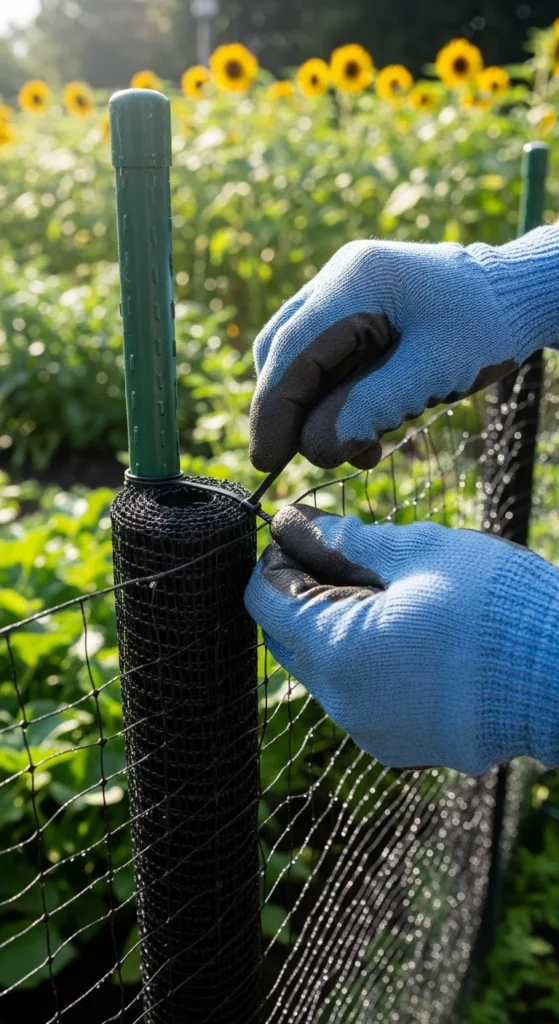
If using mesh/netting:
- Pull it tight like a drum
- Secure top first, then sides, then bottom
- Use washers with screws if attaching to wood (washers prevent tearing)
Quick tension trick:
- Add zip ties every 6–10 inches on the edges
- Add a few across the middle so it doesn’t belly out under weight
Step 3: Prep the Planting Zone for Fast Growth
Climbers grow best when the base stays evenly moist.
Do this at the bottom of your trellis:
- Add compost or rich soil
- Plant seeds/starts 4–8 inches from the trellis line
- Mulch the entire base (straw, leaf mulch, or bark)
Mulch helps:
- Keep roots cool
- Reduce watering stress
- Prevent splash-up (which can spread disease)
Step 4: Plant the Right Climbers (And Don’t Overcrowd)
This is the “more isn’t always better” moment.
Good spacing rules:
- Beans/peas: plant closer (they’re lighter vines)
- Cucumbers: give them more space (they get thick fast)
- Tomatoes: only indeterminate types, and use strong ties/support
Easy starter picks:
- Pole beans
- Sugar snap peas
- Cucumbers (trellis-friendly varieties)
- Cherry tomatoes (indeterminate)
If you’re growing heavier fruit (melons/pumpkins):
- Use a cattle panel or very strong frame
- Add fabric slings under fruit as it grows
Step 5: Train Vines Early (So They Don’t Tangle)
The first 2–3 weeks matter most.
Training routine:
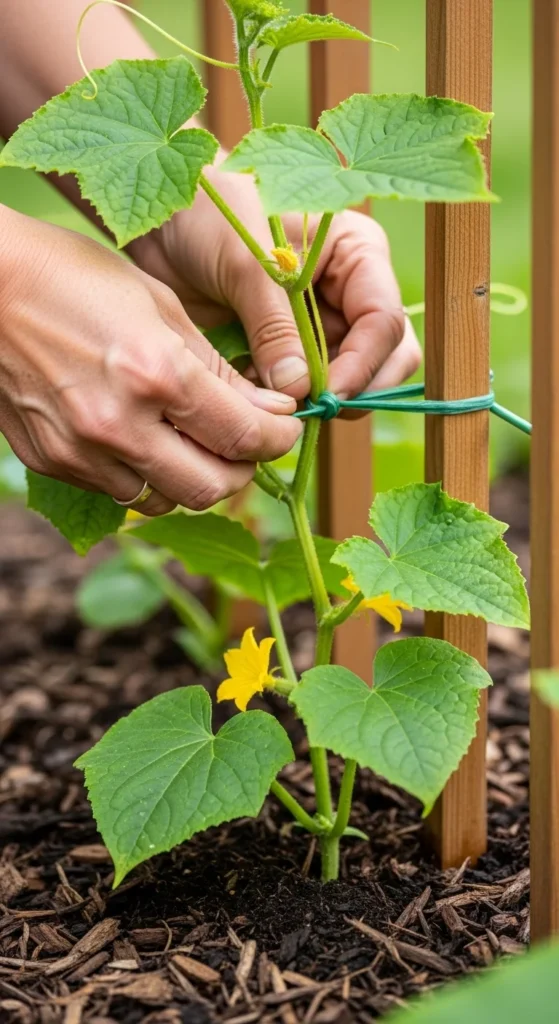
- When vines reach 6–10 inches, guide them to the trellis
- Tie loosely with soft plant tape (don’t choke stems)
- Check weekly and redirect runaway tendrils
If plants start tangling:
- Don’t rip—gently unwind
- Tie in a few spots so they “learn” the path
Keep It Strong All Season
A trellis gets heavier as plants load up with fruit.
Mid-season quick checks:
- Tighten zip ties/wire if mesh loosens
- Add extra ties in the middle if it bows
- Reinforce the top bar if vines get thick and heavy
- Prune overcrowded growth for airflow
Final Thoughts
A trellis vertical garden is one of the smartest upgrades you can make—especially if you’re short on space but want big harvests.
Build it sturdy once, and you’ll use it season after season for beans, peas, cucumbers, and more.
Save this for later, grab your posts and mesh, and build your trellis this weekend—your future harvest will thank you. 🌿
Leave a Reply