

A beautiful flower bed can completely change the way your home feels. It draws the eye, adds personality, and makes your outdoor space feel intentional—not accidental. The good news? You don’t need to be a landscape designer to create a flower bed that truly stands out. With a little planning and a few smart choices, you can build something eye-catching and easy to maintain.
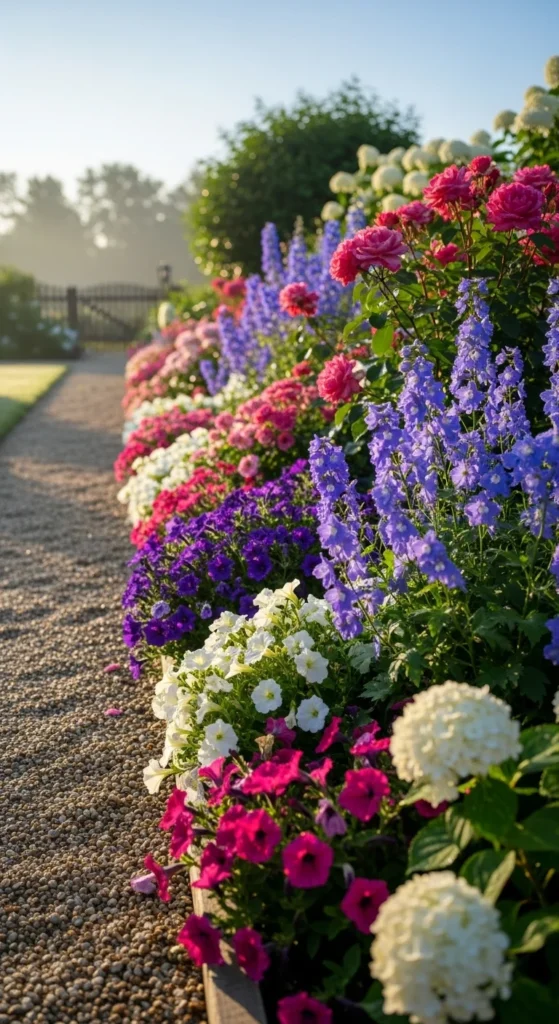
Start With a Clear Vision
Before you dig a single hole, take a moment to imagine the final result. A standout flower bed isn’t random—it has a purpose.
Ask yourself:
- Do I want a bold and colorful look or something soft and elegant?
- Is this bed meant to frame a walkway, highlight an entry, or fill a corner?
- How much time do I want to spend maintaining it?
Choosing a simple theme—like cottage garden, modern minimal, or pollinator-friendly—will guide every decision that follows.
Pick the Perfect Spot
Location matters more than most people realize. The best plants won’t thrive in the wrong place.
Key things to check:
- Sunlight: Most flowering plants need 6–8 hours of sun.
- Soil drainage: Avoid low spots where water pools.
- Visibility: Place beds where they can actually be seen and appreciated.
If your yard has mixed light, that’s okay—just choose plants that match the conditions.
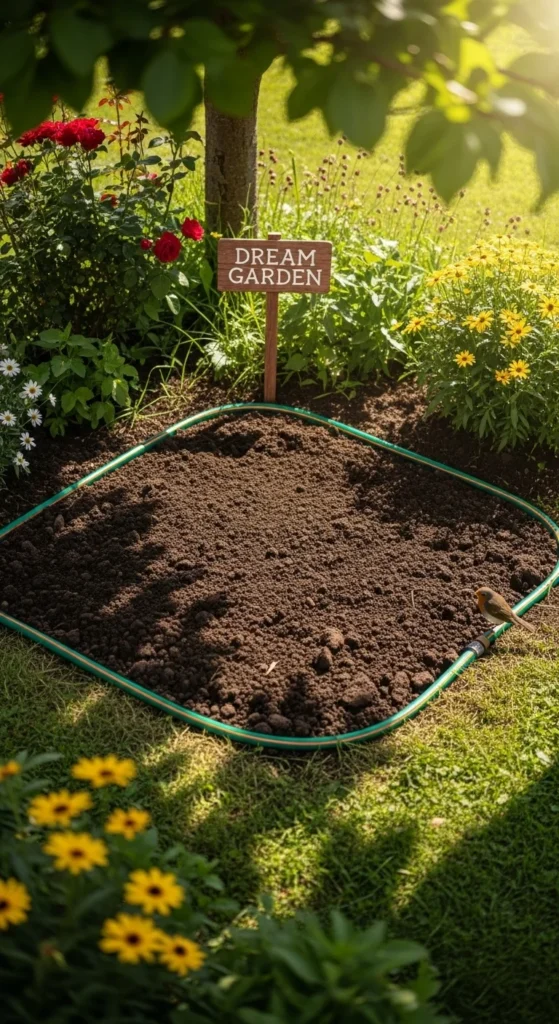
Design With Layers for Maximum Impact
The secret to a flower bed that stands out? Layers. Flat beds look dull, no matter how colorful the flowers are.
Use this simple structure:
- Back: Tall plants (ornamental grasses, tall flowers)
- Middle: Medium-height bloomers
- Front: Low-growing or edging plants
This creates depth and ensures every plant gets its moment to shine.
Choose a Strong Color Palette
Too many colors can feel chaotic. A limited palette looks intentional and polished.
Easy color strategies:
- Stick to 2–3 main colors with one accent
- Try monochrome (all whites or all purples)
- Mix warm colors for energy or cool tones for calm
Green foliage also counts as a color—different leaf shapes and shades add texture even when flowers aren’t blooming.
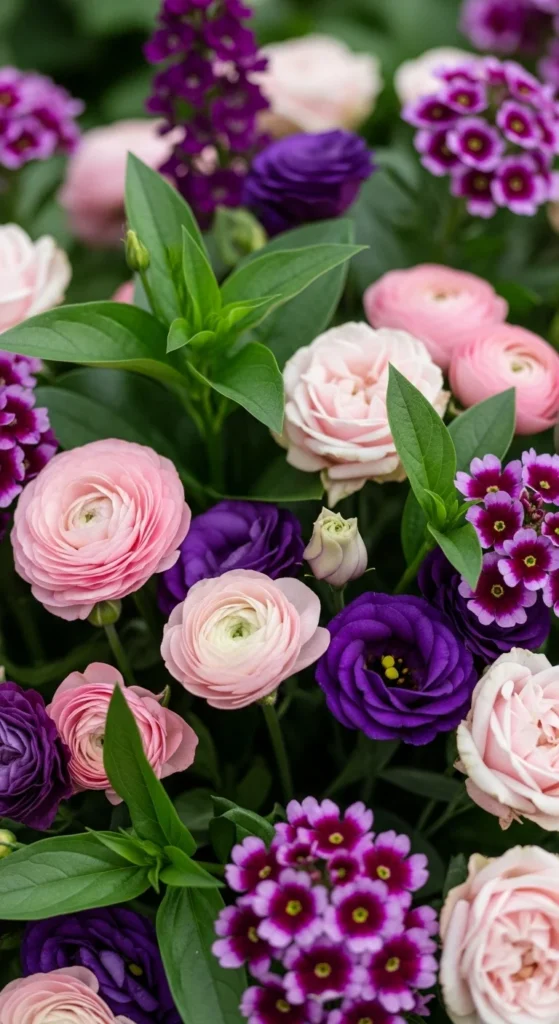
Mix Flower Types for Interest All Season
A standout bed looks good beyond just one moment in spring or summer.
Include a mix of:
- Annuals for long-lasting color
- Perennials for structure year after year
- Foliage plants for texture and contrast
Check bloom times so something is always flowering. When one plant fades, another should take over.
Prepare the Soil Like a Pro
Healthy soil is the foundation of a great flower bed. Skipping this step often leads to disappointing results.
Before planting:
- Loosen the soil 8–12 inches deep
- Mix in compost or organic matter
- Remove weeds and roots completely
Good soil means stronger plants, brighter blooms, and less work later.
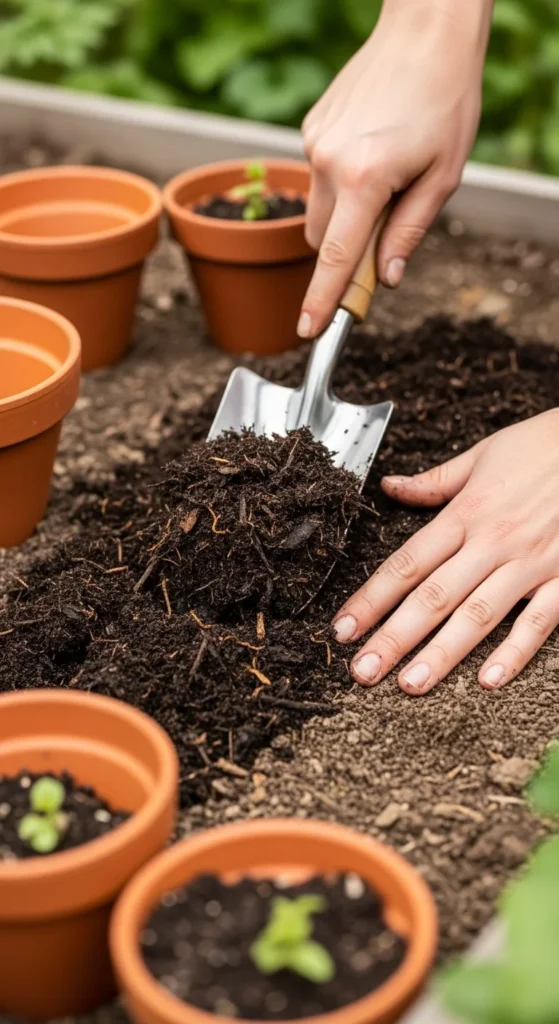
Plant With Confidence (Not Guesswork)
Spacing matters. Crowded plants compete for nutrients and airflow, leading to disease.
Planting tips:
- Follow spacing guidelines on plant tags
- Group plants in odd numbers for a natural look
- Step back often to check balance and spacing
Water thoroughly after planting to help roots settle.
Add a Finishing Touch With Edging and Mulch
This is where your flower bed truly levels up.
Why edging matters:
- Creates clean, defined lines
- Keeps grass out of beds
- Makes everything look intentional
Add mulch to:
- Lock in moisture
- Prevent weeds
- Make colors pop
Natural wood mulch or dark bark often looks best with flowers.
Keep It Looking Amazing With Simple Care
A standout flower bed doesn’t need constant attention—just consistency.
Easy upkeep habits:
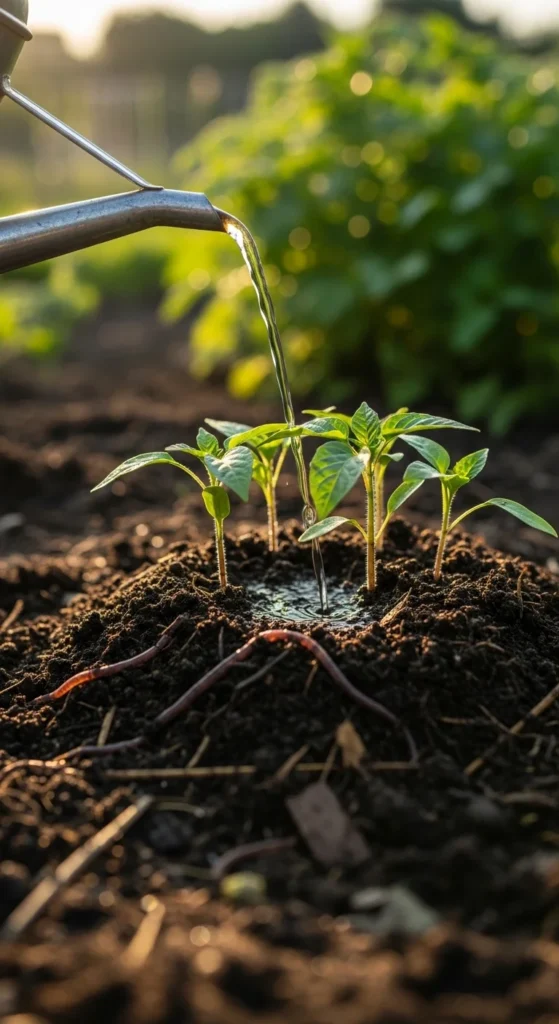
- Water deeply once or twice a week
- Deadhead spent blooms to encourage new flowers
- Remove weeds while they’re small
Five minutes here and there makes a huge difference.
Final Takeaway
Creating a flower bed that stands out is all about intention—clear design, thoughtful plant choices, and a little care. Start small, trust the process, and don’t be afraid to experiment.
🌸 Save this guide for later and start designing your dream flower bed today!
Leave a Reply