

Watering seems simple—until your plants start wilting, yellowing, or refusing to grow. Too much water can be just as harmful as too little, and the way you water matters more than most people realize. The good news? Once you understand a few core principles, watering plants properly becomes second nature.
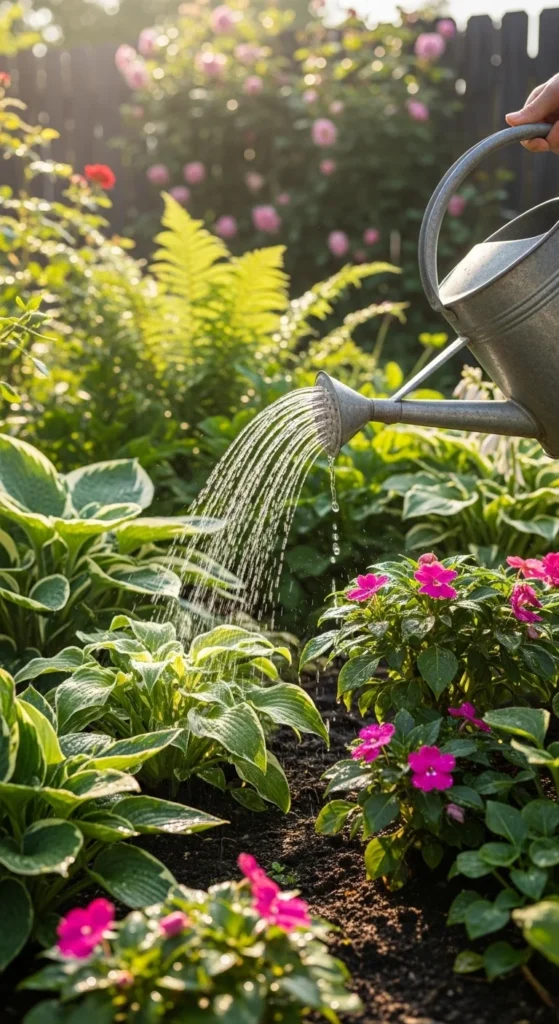
Whether you’re caring for houseplants, container plants, or a backyard garden, this guide will walk you through how to water plants the right way—so they grow stronger, healthier, and happier.
Understand What Plants Really Need From Water
Water does more than just “keep plants alive.” It plays a role in almost every growth process.
Plants use water to:
- Transport nutrients from soil to roots and leaves
- Maintain structure and firmness in stems and leaves
- Regulate temperature during hot weather
- Support photosynthesis and new growth
The key is consistent moisture, not constant wetness. Roots need access to oxygen too, and soggy soil can suffocate them.
Check the Soil Before You Water
One of the most common mistakes is watering on a schedule instead of watering based on need.
Before you reach for the hose or watering can:
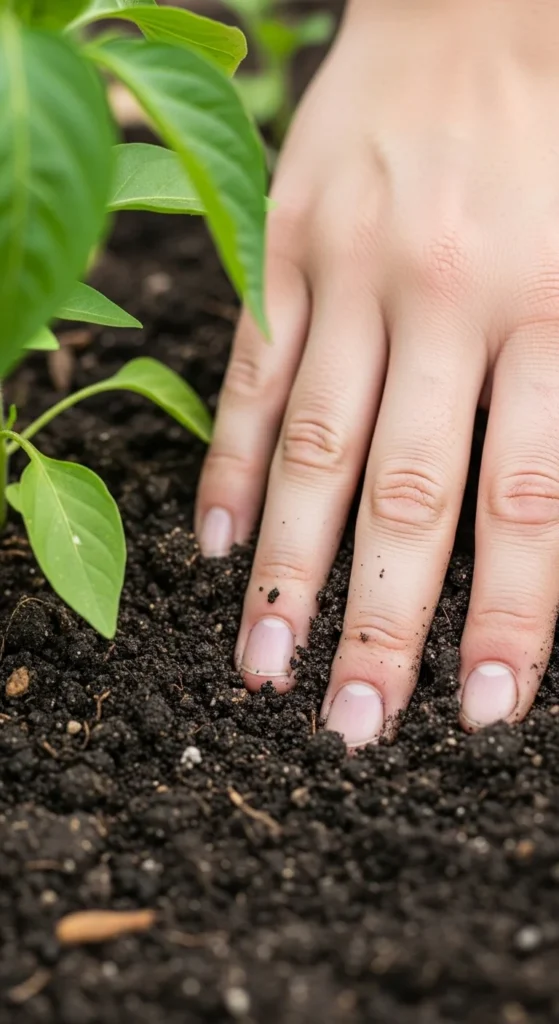
- Stick your finger 1–2 inches into the soil
- If it feels dry, it’s time to water
- If it feels moist, wait another day
For deeper-rooted plants, dryness at the surface doesn’t always mean the roots are thirsty.
Pro tip: Different plants have different moisture preferences. Succulents prefer drying out completely, while leafy vegetables like more consistent moisture.
Water Deeply, Not Frequently
Light, shallow watering only wets the surface and encourages weak, shallow roots. Strong plants grow strong roots—and that requires deep watering.
When you water:
- Water slowly so moisture soaks deep into the soil
- Stop when water begins to drain from the bottom (for pots)
- Allow soil to partially dry before watering again
Deep watering helps plants:
- Develop stronger root systems
- Handle heat and drought better
- Grow more evenly
Water at the Right Time of Day
Timing matters more than many gardeners think.
Best time to water:
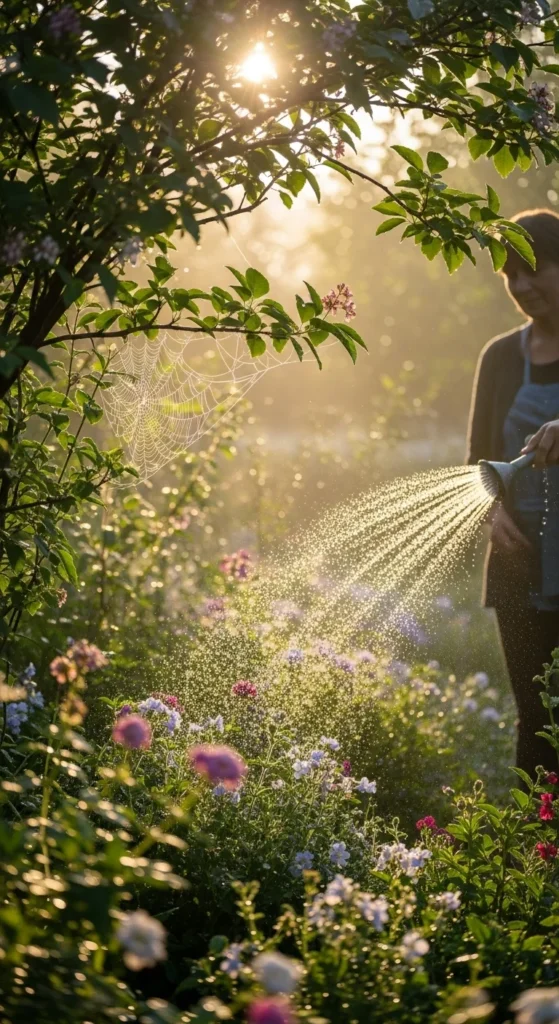
- Early morning
Why morning works best:
- Less water is lost to evaporation
- Leaves dry quickly, reducing disease risk
- Plants are hydrated before midday heat
Avoid watering:
- Midday (water evaporates too fast)
- Late evening (wet leaves overnight can lead to fungus)
Aim for the Soil, Not the Leaves
Watering leaves instead of soil can lead to problems.
Focus your watering:
- Directly at the base of the plant
- Around the root zone
- Slowly and evenly
Why this matters:
- Wet leaves can invite fungal diseases
- Water on soil reaches roots more efficiently
- Plants stay cleaner and healthier
For gardens, soaker hoses or drip irrigation systems are excellent tools for this reason.
Adjust Watering for Pots vs. Ground Plants
Container plants dry out faster than plants in the ground.
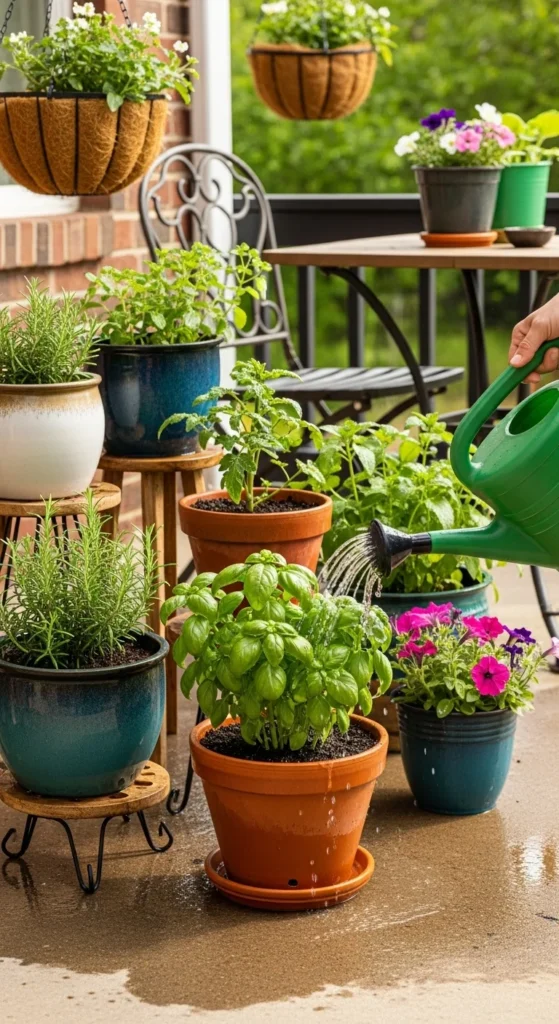
For potted plants:
- Check soil more frequently
- Ensure pots have drainage holes
- Water until excess drains out the bottom
For in-ground plants:
- Water less often but more deeply
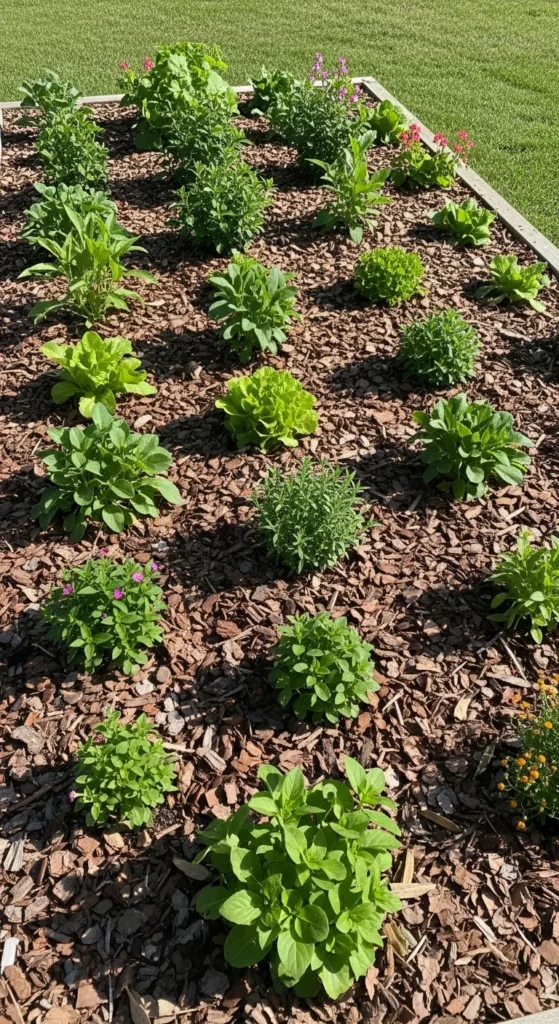
- Mulch to retain moisture
- Monitor weather conditions
Watch for Signs of Overwatering and Underwatering
Plants often tell you when something is wrong—you just need to know what to look for.
Signs of underwatering:
- Wilting or drooping leaves
- Dry, cracked soil
- Slow growth
Signs of overwatering:
- Yellowing leaves
- Mushy stems
- Mold or fungus on soil surface
If you’re unsure, always check the soil before adjusting your routine.
Use Mulch to Keep Moisture Where It Belongs
Mulch is one of the most underrated watering helpers.
Benefits of mulching:
- Reduces evaporation
- Keeps soil temperature stable
- Prevents weeds from stealing water
Organic mulches like bark, straw, or compost also improve soil over time.
Tailor Watering to the Season
Plants don’t need the same amount of water year-round.
- Spring: Moderate, consistent watering for new growth
- Summer: Deeper, more frequent watering during heat
- Fall: Gradually reduce as growth slows
- Winter: Minimal watering for dormant plants
Always adjust based on rainfall, temperature, and plant type.
Final Takeaway: Water Smarter, Not More
Watering plants properly isn’t about doing more—it’s about doing it right. By checking soil moisture, watering deeply, timing it well, and paying attention to your plants, you’ll set them up for long-term success.
Healthy watering habits lead to:
- Stronger roots
- Better growth
- Fewer plant problems
🌱 Save this guide for later and come back whenever your plants need a refresh!
Leave a Reply