

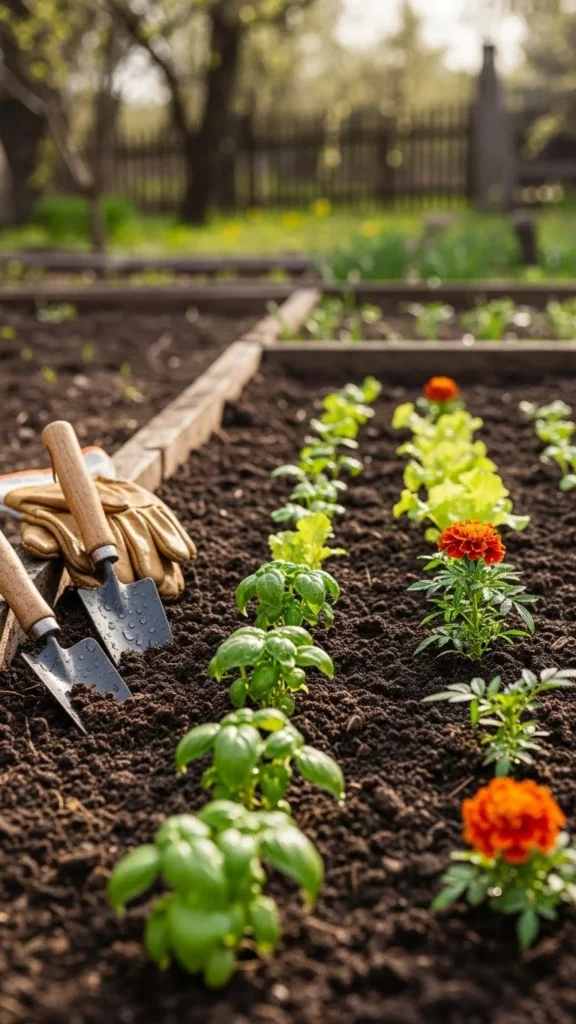
Spring planting sets the tone for everything that follows. Small choices made at planting time shape root strength, growth pace, and long-term health. This guide focuses on simple, repeatable actions that work for everyday gardeners using basic tools and modest budgets. Each tip is grounded in hands-on practice and designed to help plants settle in comfortably from day one.
1. Match Planting Time to Soil Feel
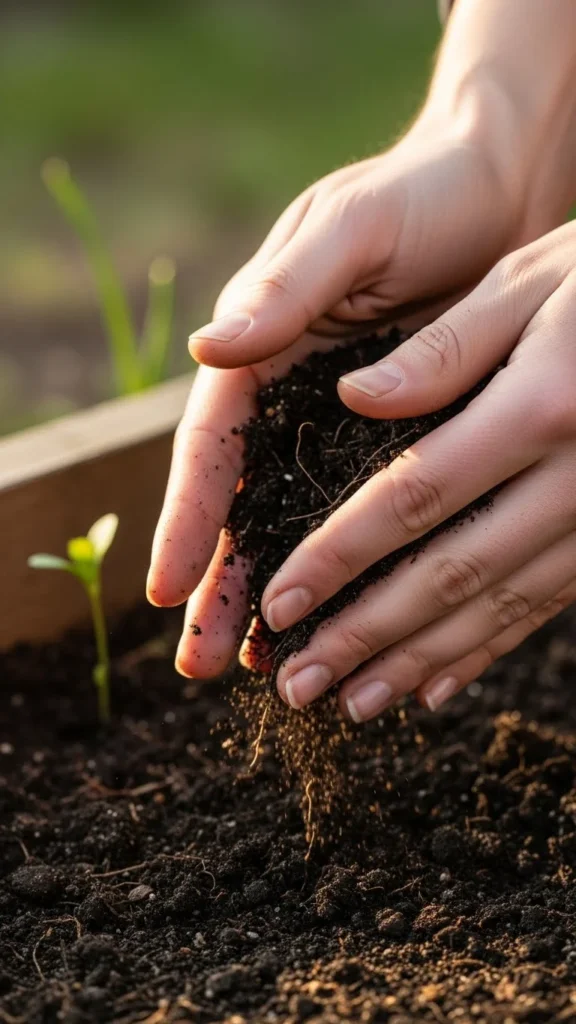
Calendars give rough guidance, but soil condition tells the real story. Pick up a handful of soil and squeeze it lightly. If it sticks together in a wet clump, wait. If it falls apart easily, planting can begin.
Working soil too early compresses air pockets. Roots struggle later even if plants survive the start. This step protects structure without tools or products.
For gardeners in cooler areas, raised beds warm faster than ground beds. Containers warm fastest of all. Use those spaces first while waiting on the rest.
Patience during this stage saves replanting later. Plants placed into workable soil settle faster and develop stronger roots from the start.
2. Prepare Holes Wider Than Roots
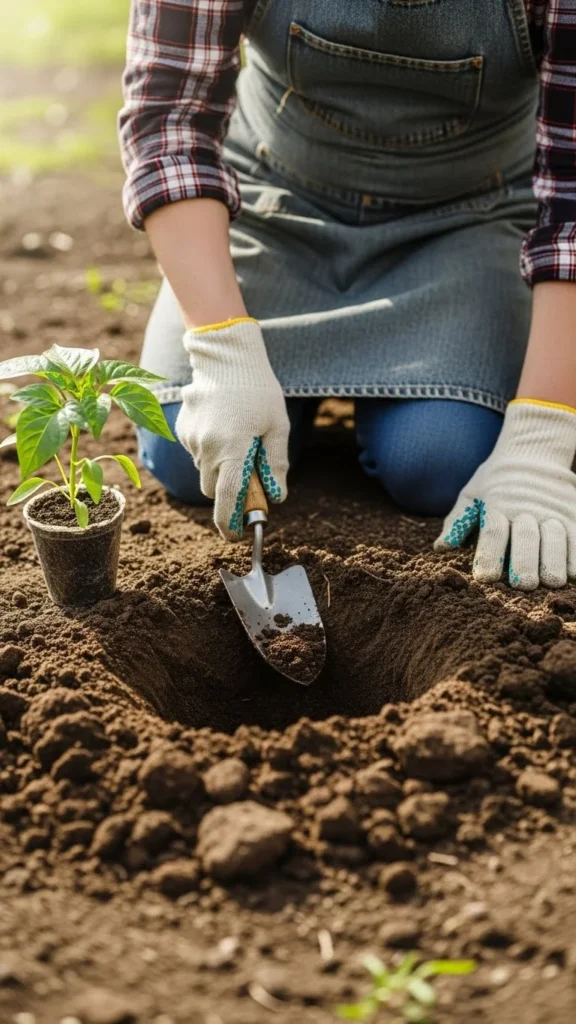
Depth matters less than width. Dig planting holes wider than the root ball but no deeper than the plant originally grew. Wide holes loosen surrounding soil and help roots spread outward.
If holes are narrow, roots circle instead of expanding. That limits water and nutrient access later.
Use your hands to rough up the sides of the hole. Smooth walls act like barriers in compact soil.
This approach works for vegetables, flowers, and shrubs alike. It costs nothing and improves early root growth.
3. Plant at the Same Depth as the Container
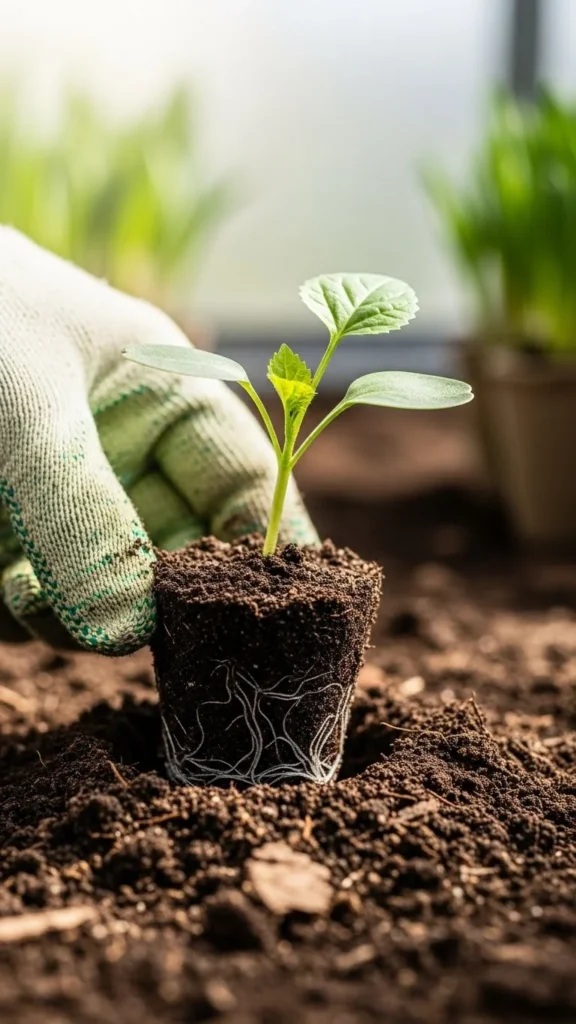
Planting too deep stresses stems. Planting too high dries roots. Keep the soil line level with the original container mark.
For seedlings, gently remove excess soil from the top if roots sit too deep. For transplants, avoid burying stems unless the plant type benefits from it.
This simple habit prevents rot and weak growth.
Consistency across plantings reduces early loss and confusion.
4. Loosen Roots Before Planting
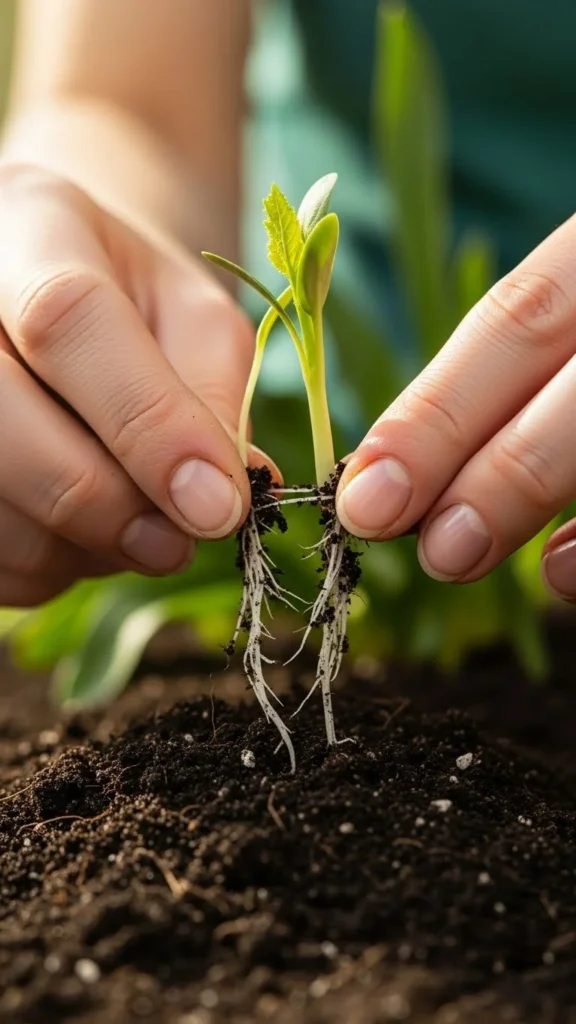
Roots grown in pots often circle tightly. If left alone, they keep that pattern in the ground.
Gently tease roots apart with your fingers. For dense roots, make small vertical cuts with clean scissors.
This encourages roots to grow outward instead of inward.
Plants anchor faster and absorb water more evenly.
5. Water the Hole Before Planting
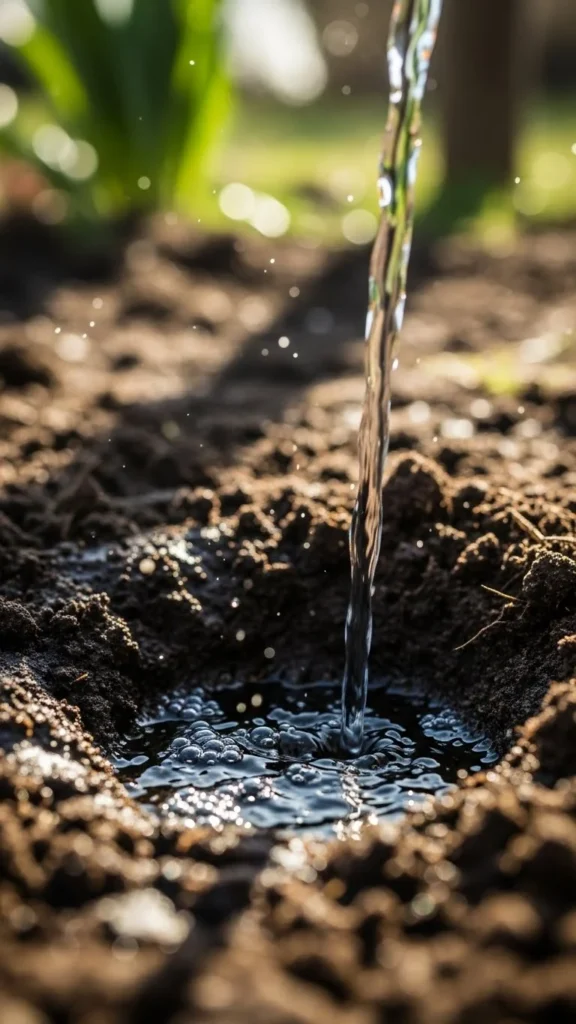
Dry soil pulls moisture away from roots. Watering the hole first creates a moist zone where roots settle.
Let water soak in fully before placing the plant. Then backfill with soil.
This method reduces air pockets and supports steady hydration early on.
It also limits surface runoff after planting.
6. Use Native Soil for Backfill
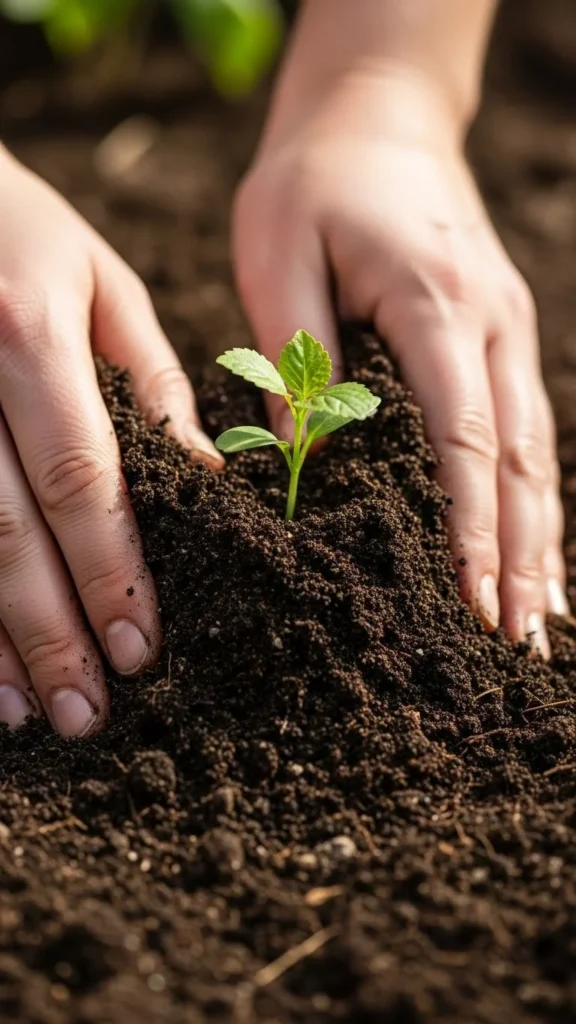
Avoid filling holes with rich potting mixes alone. Roots may stay trapped in that pocket.
Use the same soil removed from the hole. Mix in small amounts of compost if available.
Uniform soil encourages roots to explore beyond the planting spot.
This habit leads to stronger, more stable plants.
7. Press Soil Firmly, Not Hard
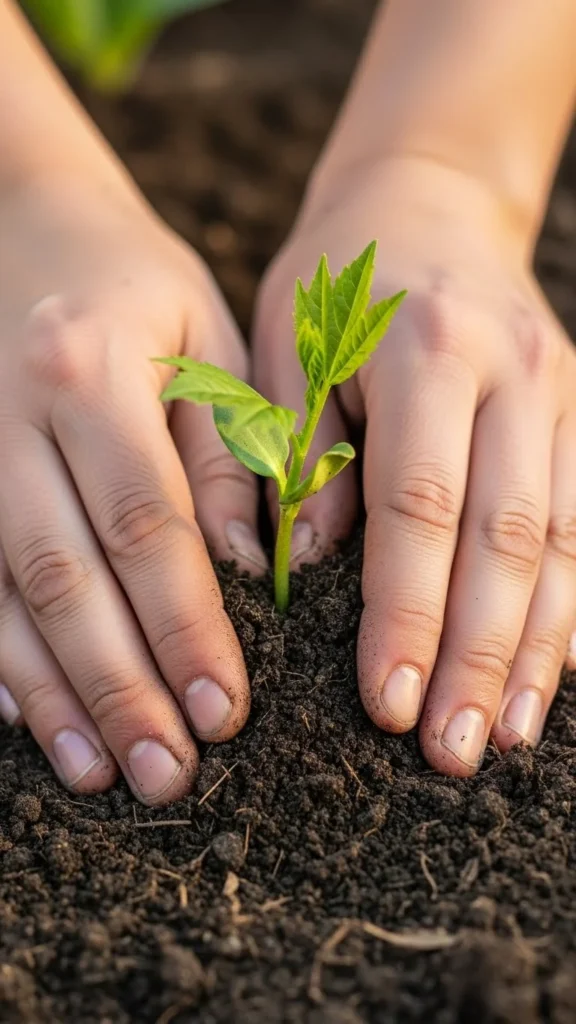
After planting, press soil gently around roots. This removes large air gaps while keeping texture loose.
Avoid stomping or packing soil tightly. Compaction limits airflow and water movement.
Think of firm contact, not force.
Plants settle better when soil hugs roots without squeezing them.
8. Water Slowly After Planting
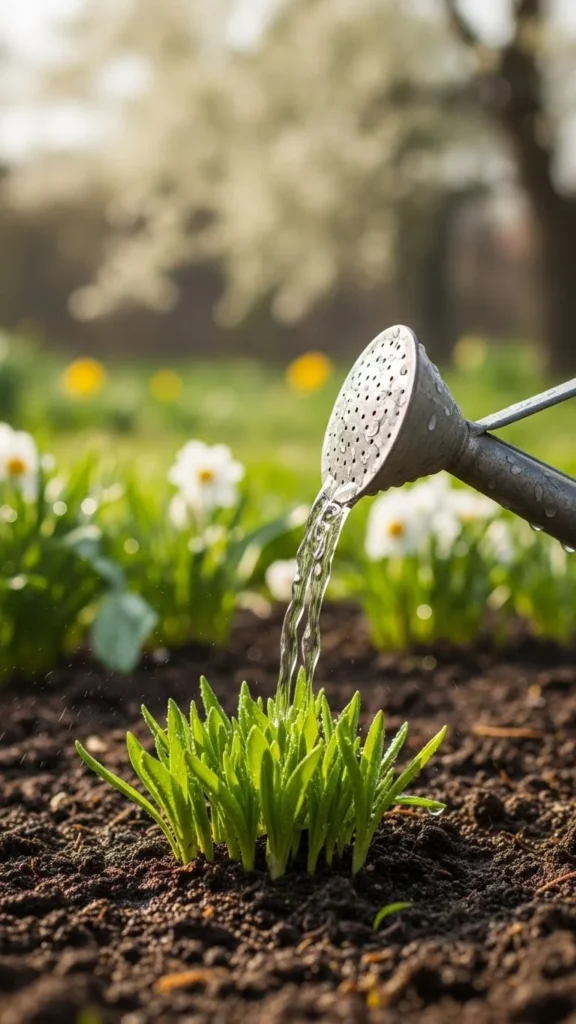
Slow watering allows soil to settle naturally. Fast sprays wash soil away from roots.
Use a watering can or low hose flow. Let water soak deeply.
This reduces stress and keeps roots hydrated during adjustment.
9. Label Plants Immediately
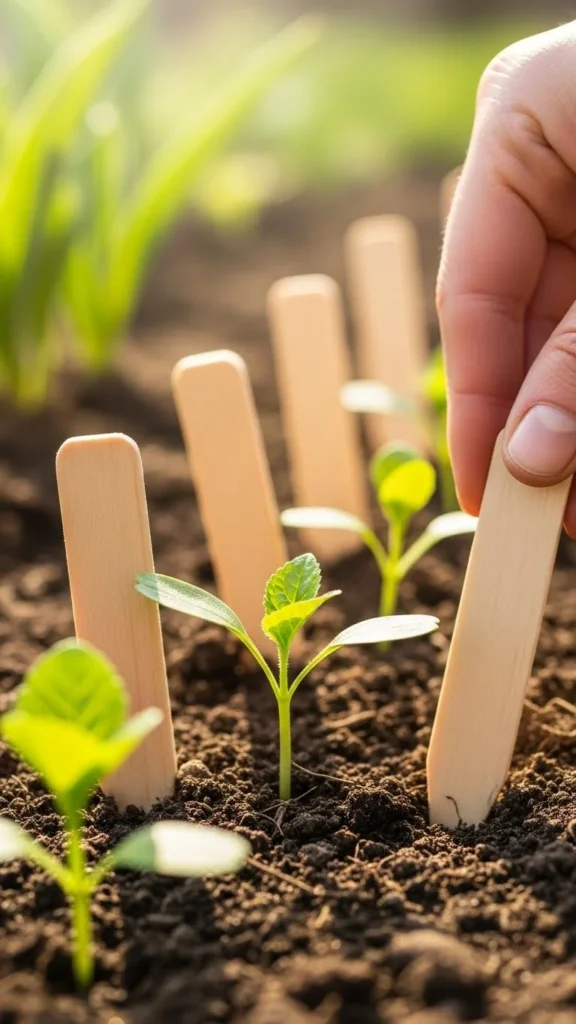
Spring gardens change quickly. Label plants as soon as they go in.
Use sticks, stones, or recycled tags. Permanent marker lasts longest.
Clear labels guide spacing, watering, and harvest timing later.
This habit prevents guesswork.
10. Group Plants by Water Habits
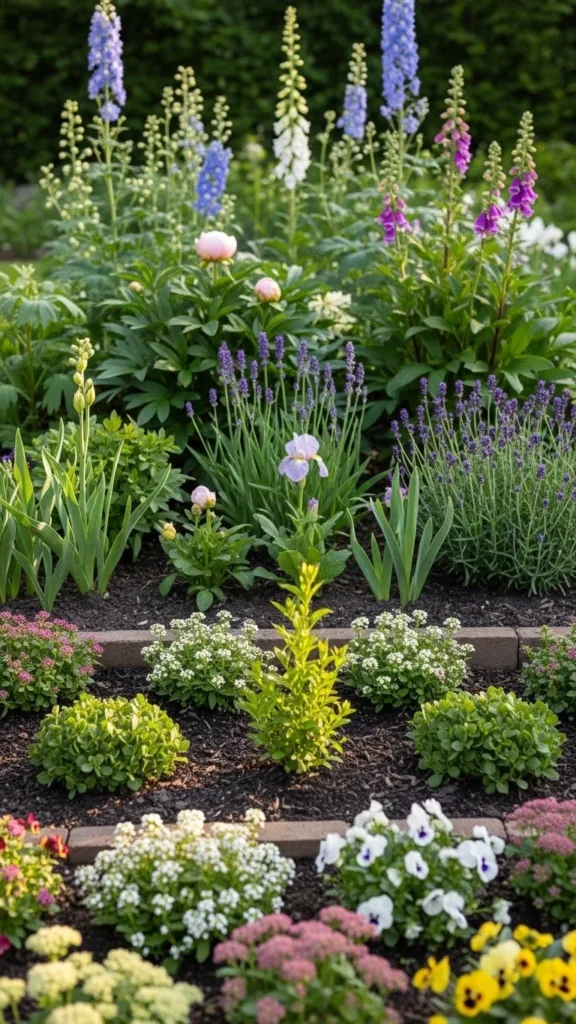
Plants with similar watering patterns work better together. Mixing dry-tolerant and water-loving plants causes imbalance.
Group vegetables, herbs, and flowers with similar habits.
This simplifies care and reduces waste.
11. Leave Space for Growth
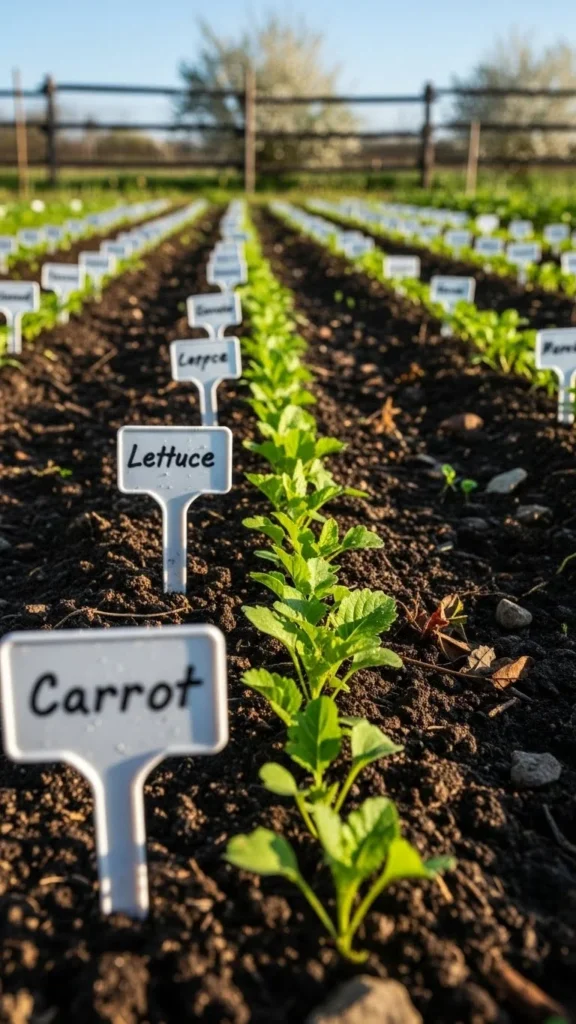
Small plants look lonely at first. Resist filling gaps.
Spacing supports airflow and reduces disease later.
Follow seed packet spacing for mature size, not seedling size.
Crowding early creates problems later.
12. Mulch After Plants Settle
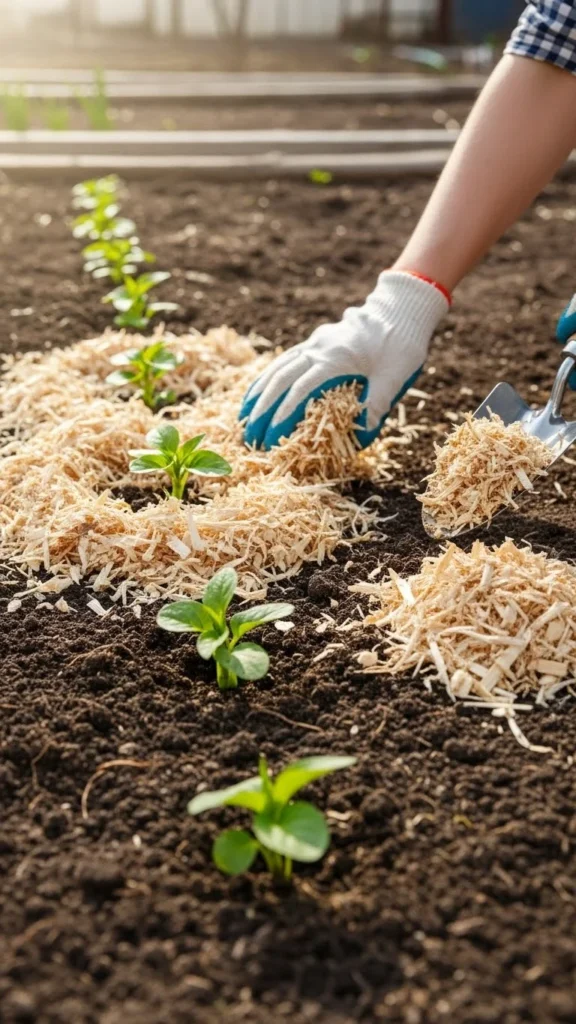
Wait a few days before mulching. Let soil warm and settle.
Apply a thin layer to retain moisture and reduce weeds.
Keep mulch away from stems.
Simple materials like shredded leaves work well.
13. Protect New Plants From Wind
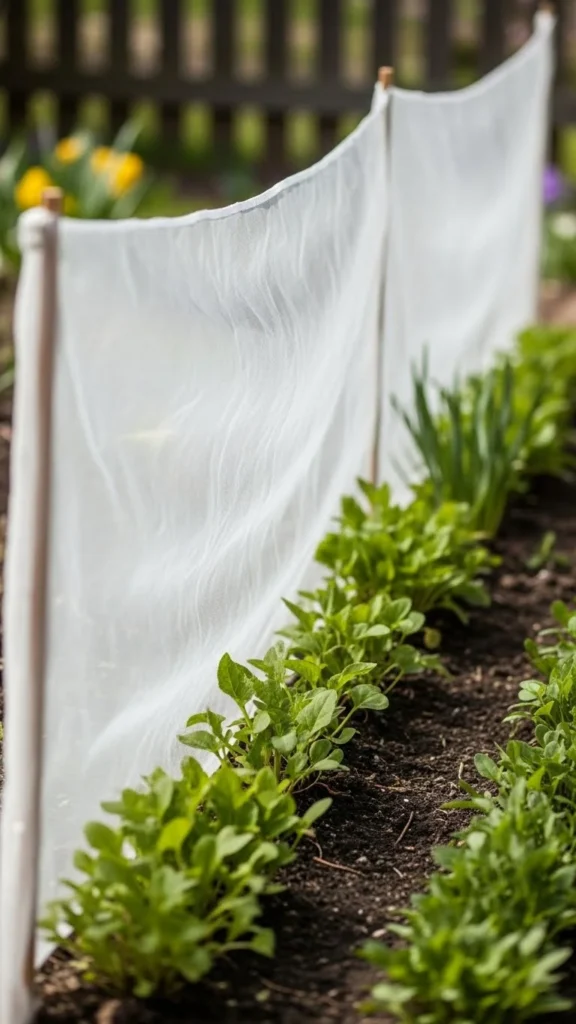
Spring winds dry soil and stress stems. Use temporary shields if needed.
Buckets, fabric, or cardboard blocks work short-term.
Remove once plants strengthen.
This step prevents snapped stems and slow growth.
14. Avoid Fertilizer at Planting Time
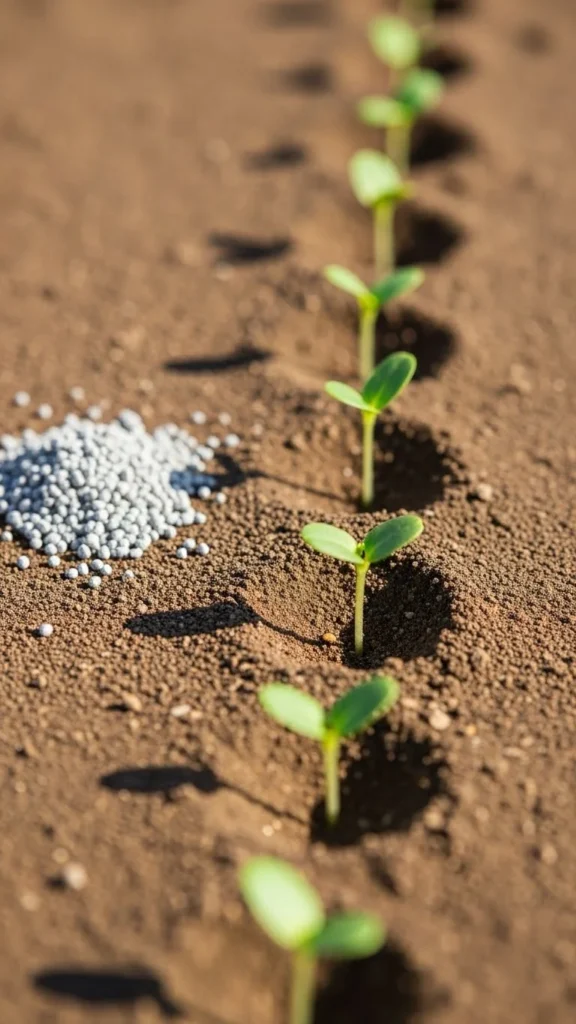
Strong feeds stress new roots. Let plants settle before feeding.
Compost mixed lightly into soil offers gentle support.
Wait until active growth begins before adding nutrients.
Roots establish better without pressure.
15. Check Drainage Right Away
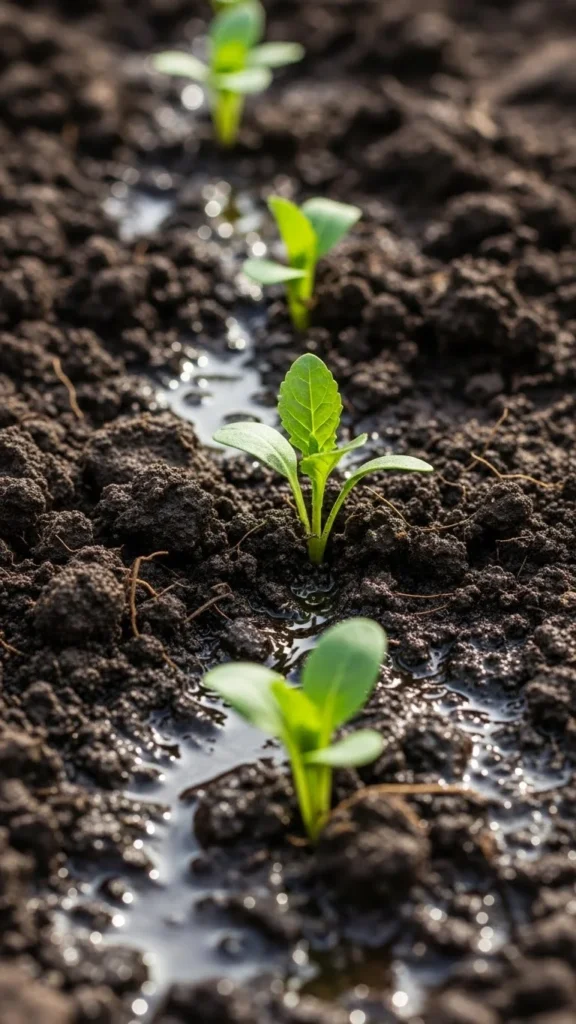
After watering, watch how soil drains. Standing water signals trouble.
Adjust soil or raise planting areas if needed.
Roots require air as much as moisture.
Fixing this early prevents losses.
16. Use Containers for Early Starts
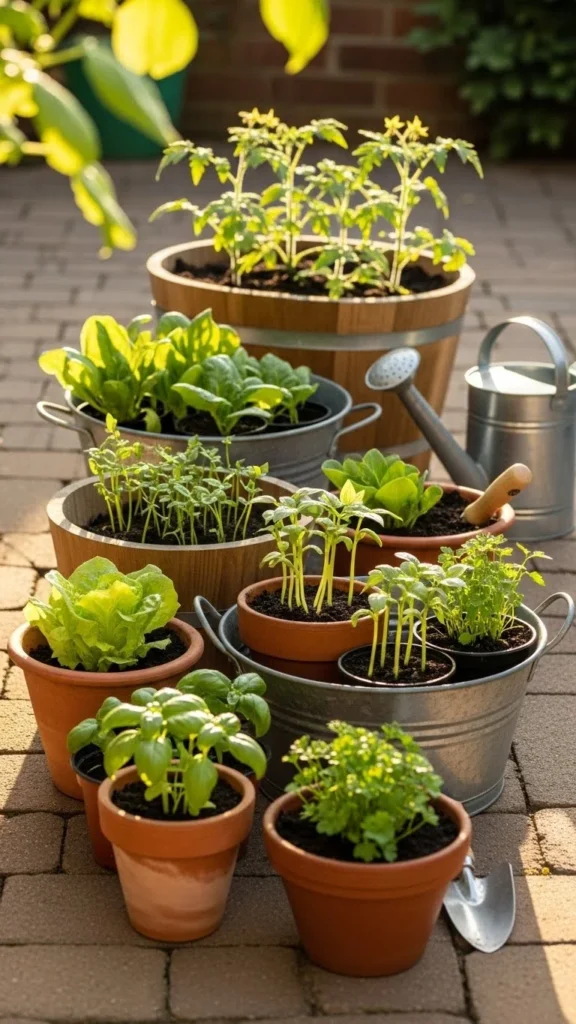
Containers warm faster than ground soil.
They allow earlier planting in cool areas.
Use buckets or tubs with holes.
Move containers during cold snaps.
17. Plant in Stages
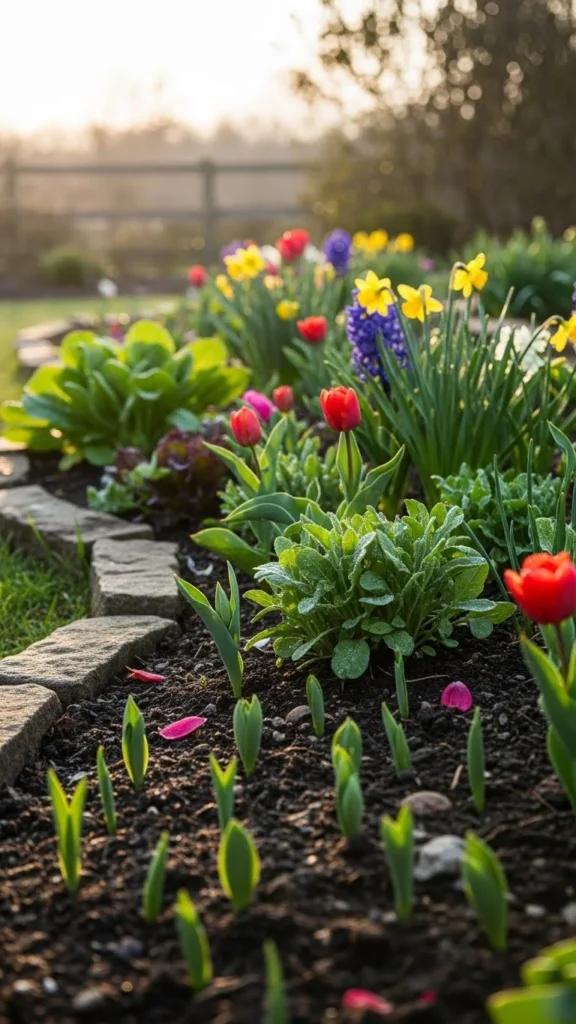
Planting everything at once overwhelms care routines.
Stagger plantings over weeks.
This spreads harvests and maintenance.
Smaller steps feel manageable.
18. Water Based on Soil Feel
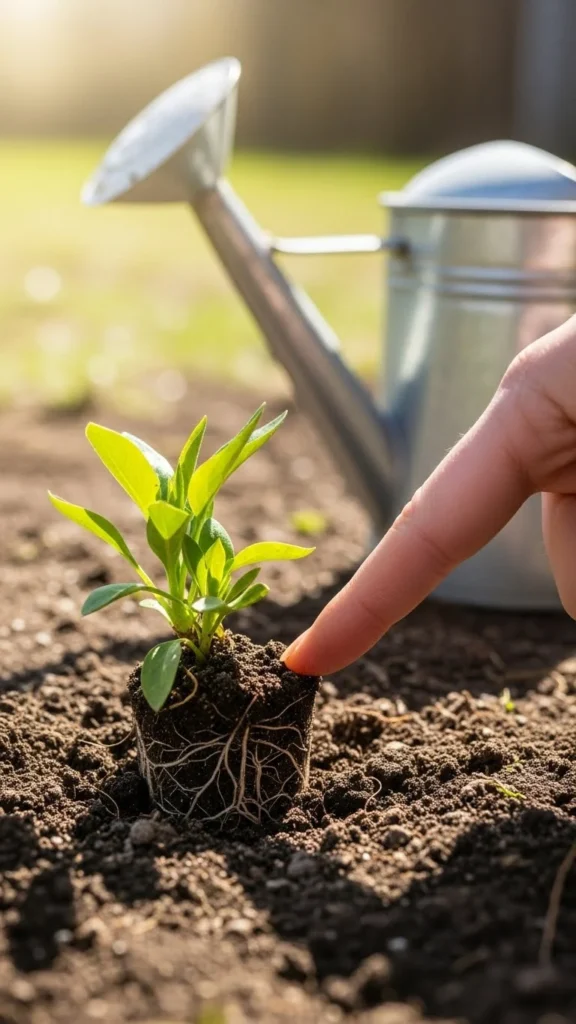
Check soil moisture before watering.
Dry below the surface means it is time.
Wet soil means wait.
This habit prevents root problems.
19. Keep Paths Clear

Paths protect soil from compaction.
They make care easier.
Even narrow paths help.
Access supports consistency.
20. Watch Plants Daily at First

Early signs of stress appear quickly.
Wilting, leaning, or yellowing signal adjustment issues.
Small fixes work best early.
Observation builds confidence.
21. Accept Some Loss
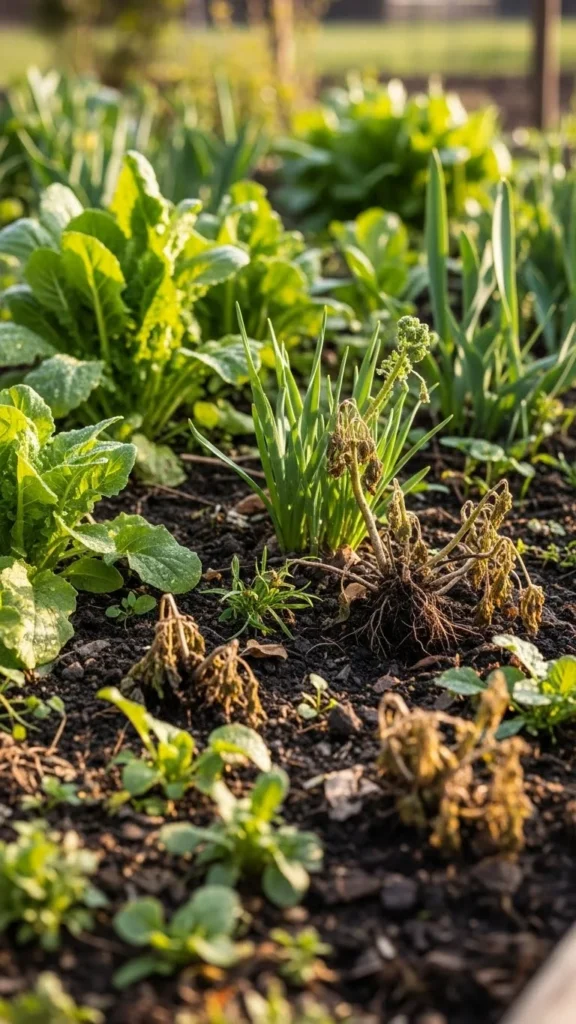
Not every plant survives.
Weather and timing influence outcomes.
Learn and replant where needed.
Progress matters more than perfection.
22. Keep Simple Notes
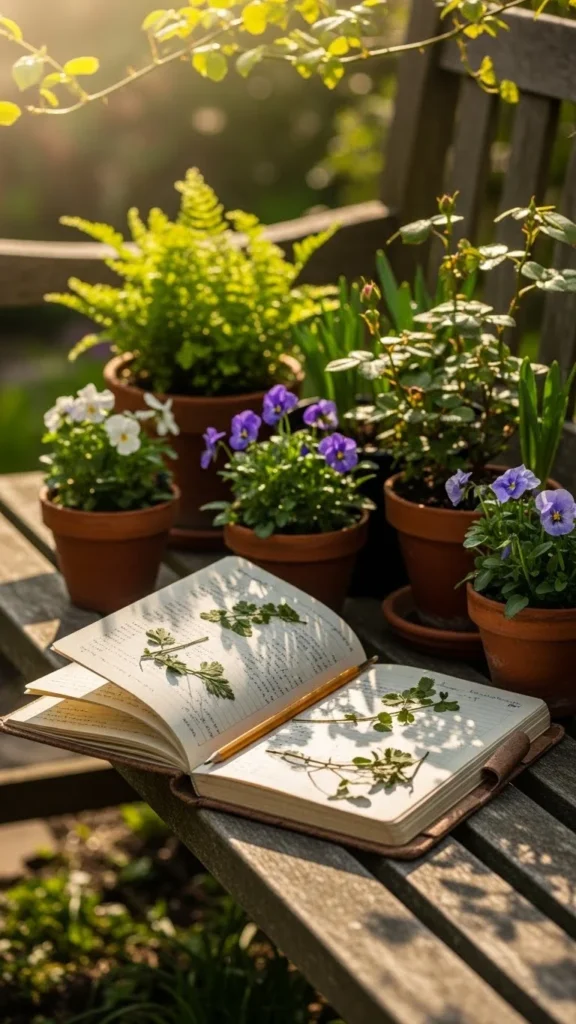
Write planting dates and results.
Notes guide future timing.
Memory fades faster than paper.
Experience grows through records.
23. End Each Session With a Check

Before leaving, scan plants briefly.
Look for dry soil or damage.
Short checks prevent setbacks.
Consistency builds success.
Conclusion
Spring planting succeeds when guided by timing, observation, and restraint. Simple habits repeated across the season shape stronger roots and steadier growth. Start small, stay attentive, and let plants show you what works. These tips turn planting from guesswork into a calm, repeatable process that rewards patience and care.
Leave a Reply