

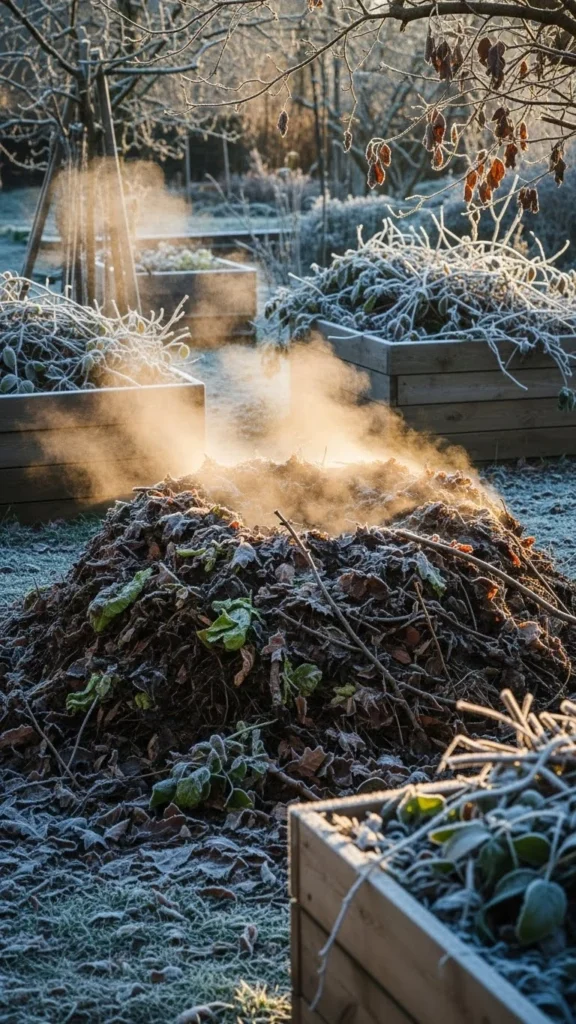
Winter composting keeps your garden supplied with rich material long before planting season arrives. Cold weather slows decomposition, but smart techniques keep organic matter breaking down at a steady pace. Kitchen scraps, yard waste, cardboard, leaves, and pruning debris all turn into valuable material when managed well through winter months. These ideas help you maintain active compost even through frost, snow, or shorter days. Each method works for small yards, large plots, or patio setups, offering simple steps that feed soil without heavy labor.
1. Insulated Compost Bin for Steadier Heat
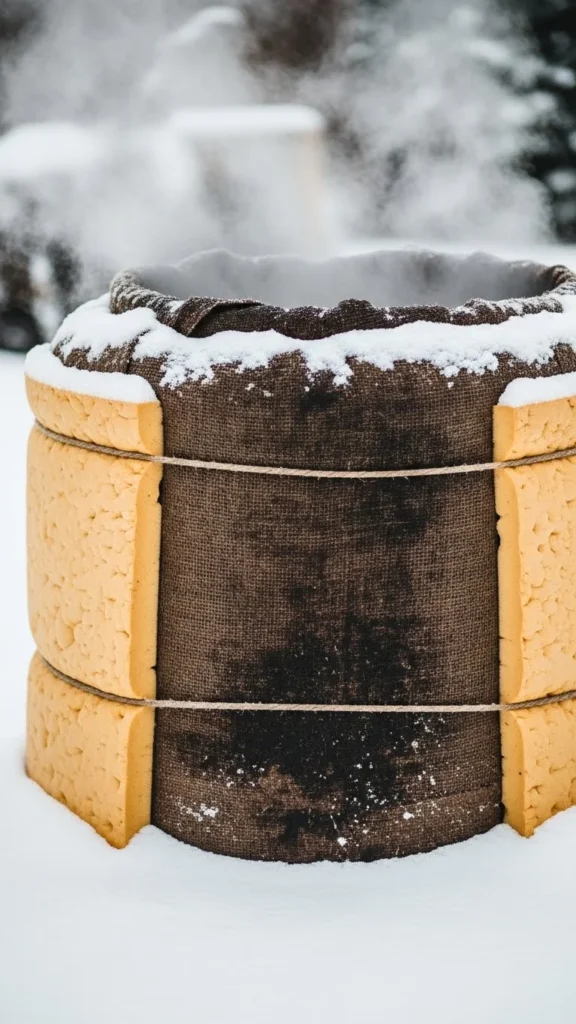
An insulated compost bin helps keep internal warmth stable through freezing nights. Wrap the bin with burlap, cardboard, old blankets, or rigid foam panels. This keeps microorganisms active even when outside temperatures drop sharply. Add layers of kitchen scraps, shredded cardboard, and dry leaves to maintain a balanced mix. Water lightly every couple of weeks to keep the pile damp, not soggy. Cover the top with a thick lid so heat stays inside. If your setup sits outdoors in wind, place bricks around the base for stability. This idea works well for beginners because insulation reduces effort and helps compost stay active naturally.
2. Leaf Mold Cage for Winter Breakdown
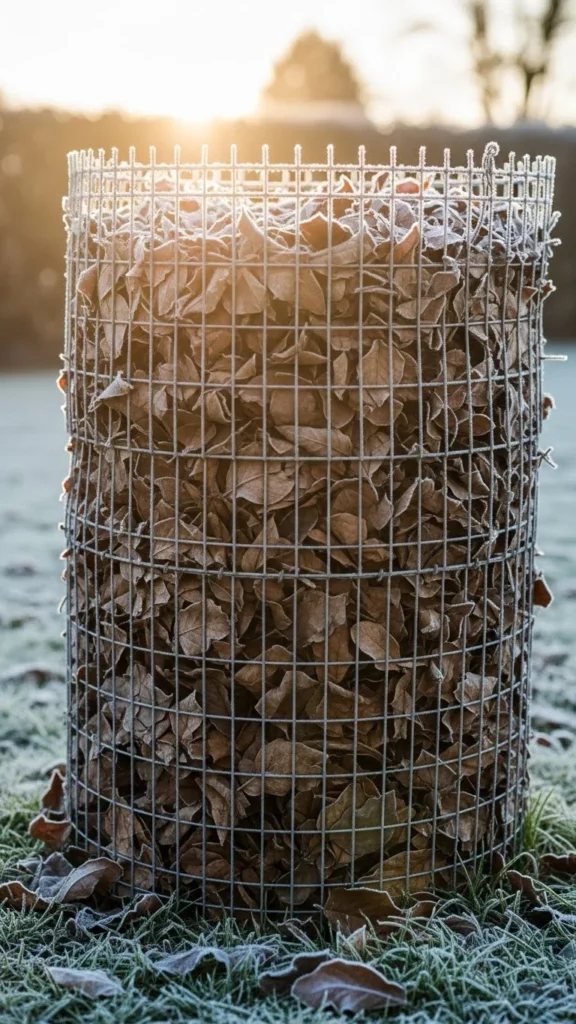
Creating a leaf mold cage gives leaves a dedicated space to break down slowly through the winter. Fill a wire cylinder with whole or shredded leaves. Snow and rain moisten the pile naturally, which keeps the process moving. Leaf mold becomes soft, crumbly material perfect for improving garden soil. This method costs almost nothing and fits small yards easily. If you have many trees, use multiple cages. Add a layer of cardboard on top to trap extra warmth. By early spring, the lower layers start to soften, giving you material for beds, containers, and pathways.
3. Trench Composting Under Winter Soil
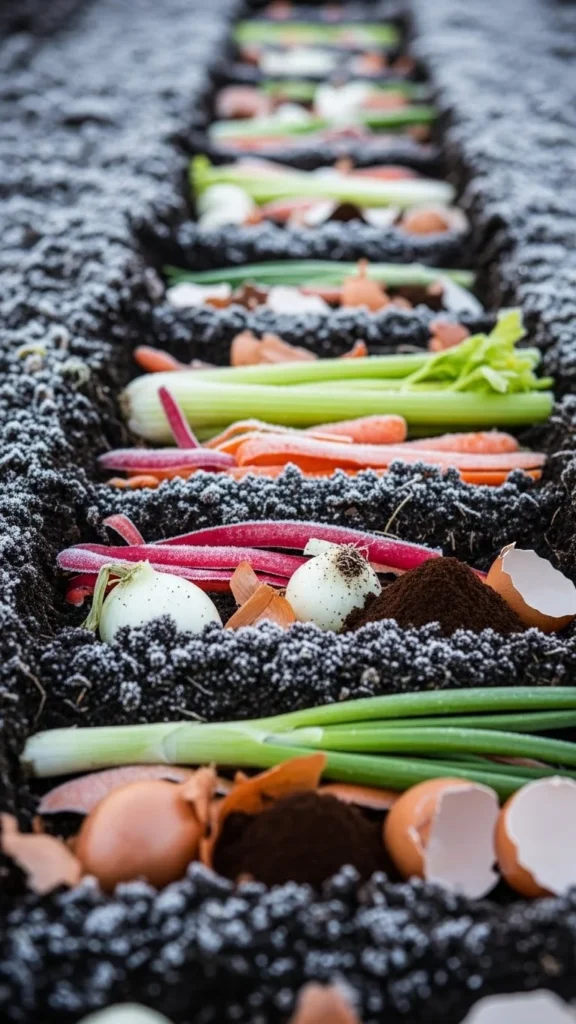
Trench composting skips the bin entirely. Dig a narrow trench, add kitchen scraps, then cover them with soil. Winter soil acts as a natural shield, allowing slow decomposition underground. This method works well in raised beds or empty garden rows. Scraps break down quietly while the soil above stays tidy. Add small amounts at a time so trenches don’t attract animals. Cover deeply enough to stop smells. By spring, the area becomes rich and ready for planting. This idea reduces surface clutter and keeps winter composting simple.
4. Bokashi Bucket Indoors for Cold Months
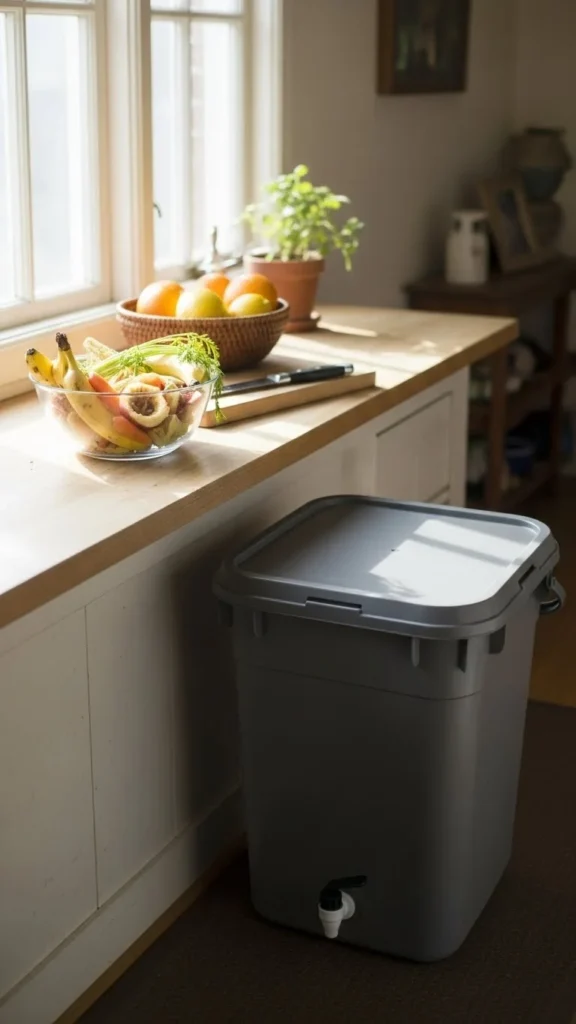
Bokashi fermentation offers a tidy indoor composting solution during winter. Add scraps to the bucket and sprinkle Bokashi bran to help fermentation. Keep the lid tightly closed. This system works quickly and produces less odor than traditional bins. Drain the liquid every few days and use it as diluted fertilizer. After the bucket fills, bury the fermented material in a garden bed or container when the ground softens. This method suits apartments or homes with limited outdoor space. It keeps composting active even during freezing weeks.
5. Worm Composting in an Indoor Tote
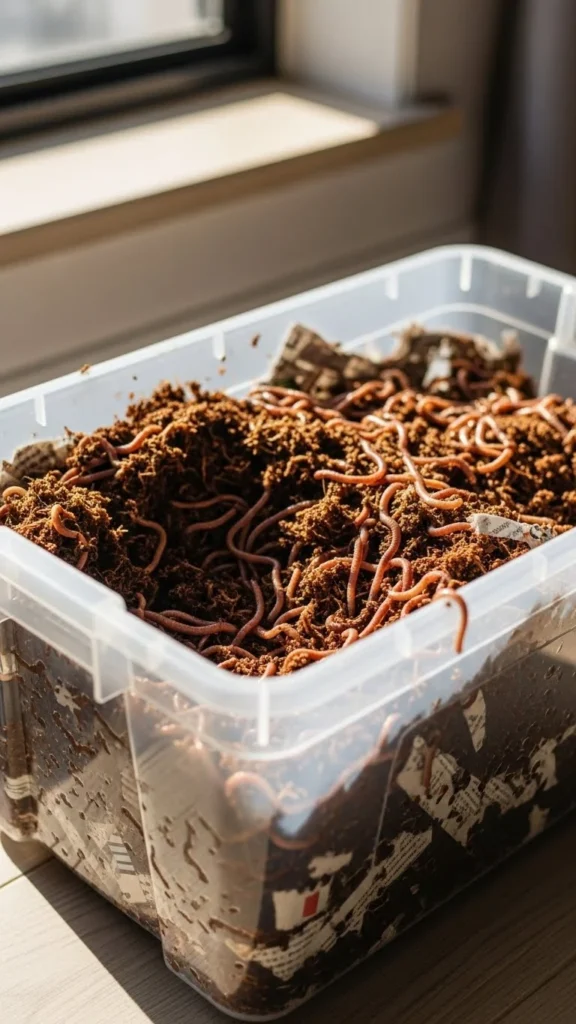
Worm composting is effective year-round, especially indoors during winter. Set up a small tote with shredded paper, coconut coir, or cardboard bedding. Add red worms and small amounts of kitchen scraps. Keep the tote in a cool but not freezing location such as a pantry or basement. Stir lightly every week to maintain airflow. Worms turn scraps into soft castings ideal for spring planting. This method produces compost quietly and without strong smells when managed well. It also helps keep food waste out of outdoor bins during freezing days.
6. Black Plastic Bin for Heat Absorption
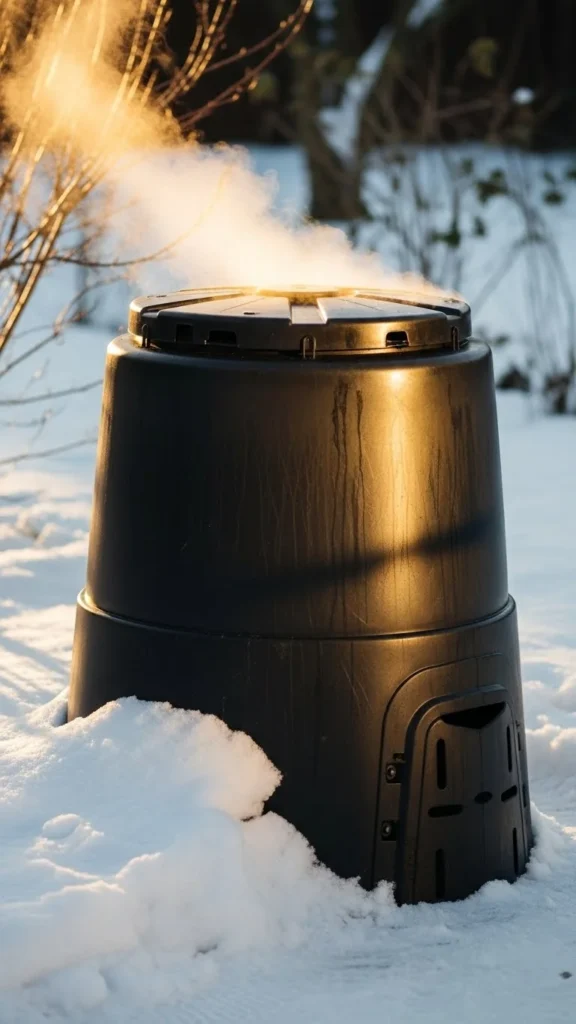
Black bins absorb sunlight better than lighter containers. Place one in a sunny winter spot so it gathers warmth during the day. Add alternating layers of brown and green materials. Keep the lid closed to trap heat. Black plastic helps compost stay active longer, especially when paired with shredded leaves. Water occasionally so the pile doesn’t dry out. This simple design works for small yards and offers an affordable way to maintain winter breakdown.
7. Layering Kitchen Scraps with Wood Ash
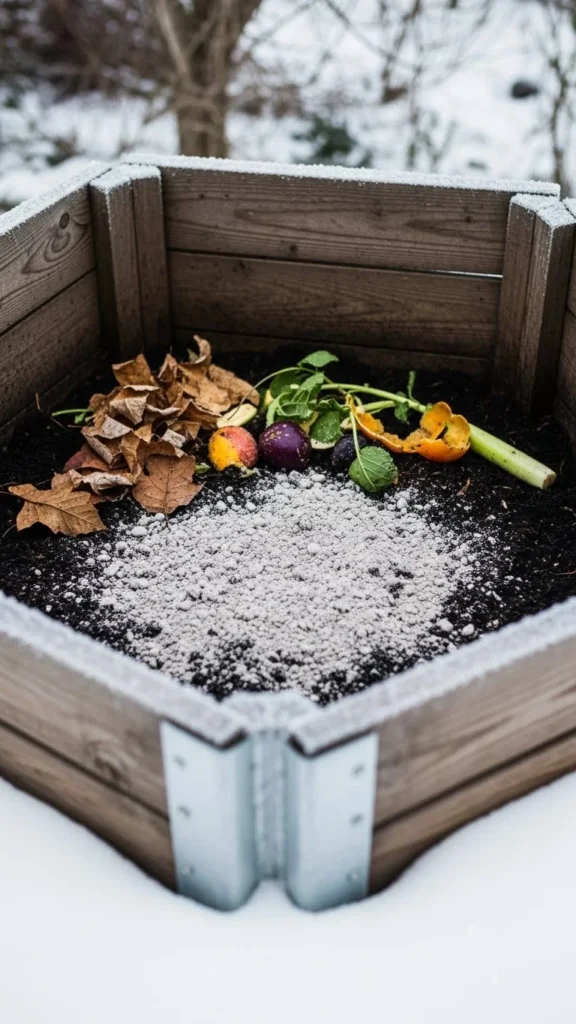
Wood ash from clean, untreated firewood helps balance compost during winter. Sprinkle a small amount between layers of scraps. It helps reduce odors and improves structure. Too much ash can dry the pile, so add lightly. Combine it with leaves or cardboard for best results. This technique suits homes that burn wood in winter. Keep the bin covered to prevent ash from blowing away. Your compost becomes more mineral-rich by spring.
8. Hot Compost Core Inside a Larger Pile
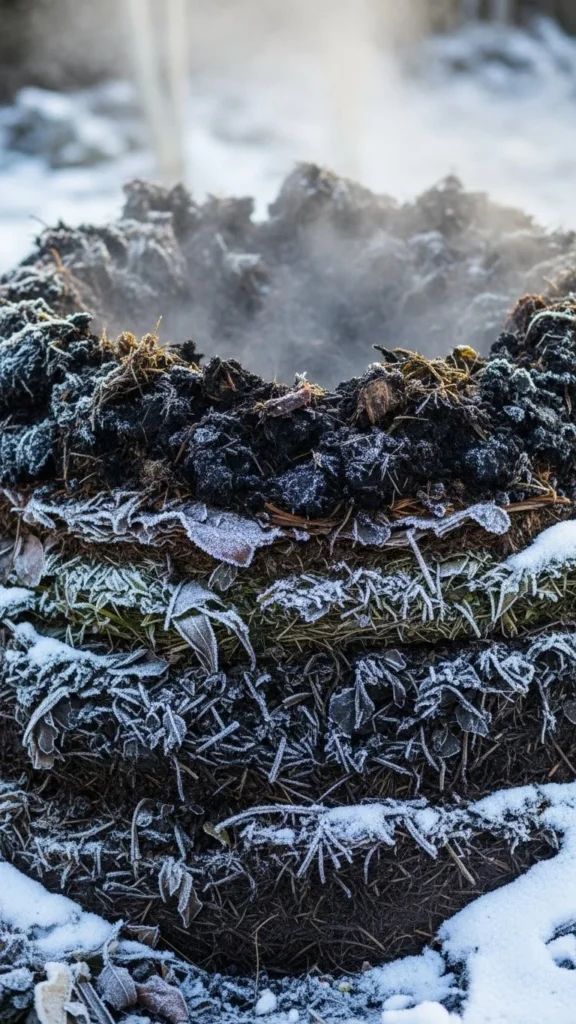
Building a hot core inside your compost pile helps maintain activity. Add nitrogen-rich scraps to the center and surround them with dry leaves or straw. The inner portion stays warm even during cold nights. Turn the pile every few weeks to maintain airflow. If snow covers the pile, it acts as insulation rather than a barrier. This method supports faster decomposition and creates rich compost for spring beds.
9. Using Compost Tumblers for Easier Winter Turning
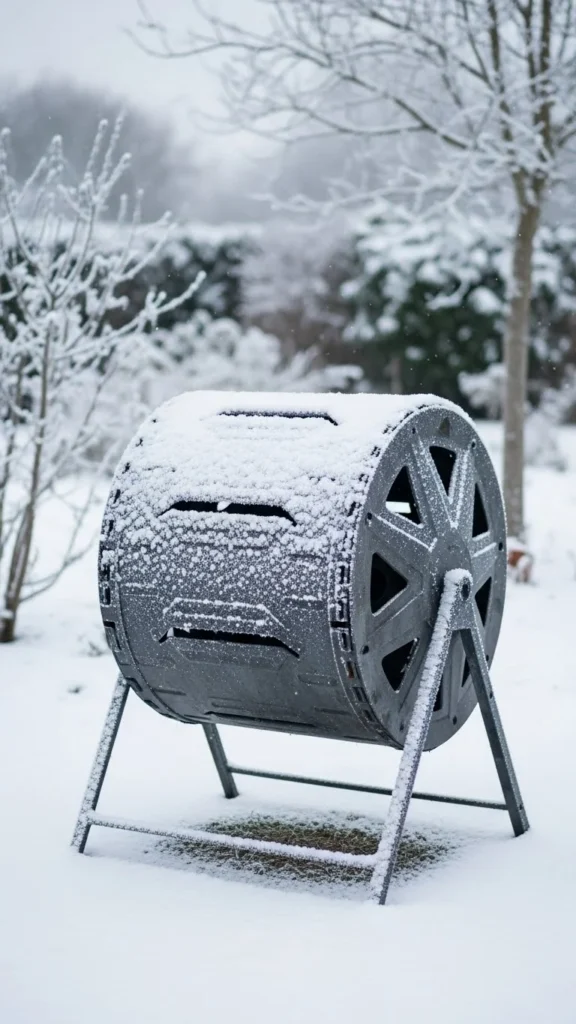
A compost tumbler makes winter composting easier because it keeps the material off the ground. Turning is simple—just rotate the drum. This improves airflow and keeps decomposition steady. Tumblers also block animals from reaching scraps. Add shredded newspaper, cardboard, or dry leaves to balance moisture. Check the mix every week so it doesn’t dry out. Tumblers fit patios, small yards, and compact garden spaces well.
10. Slow-Churning Pile with Heavy Leaf Cover
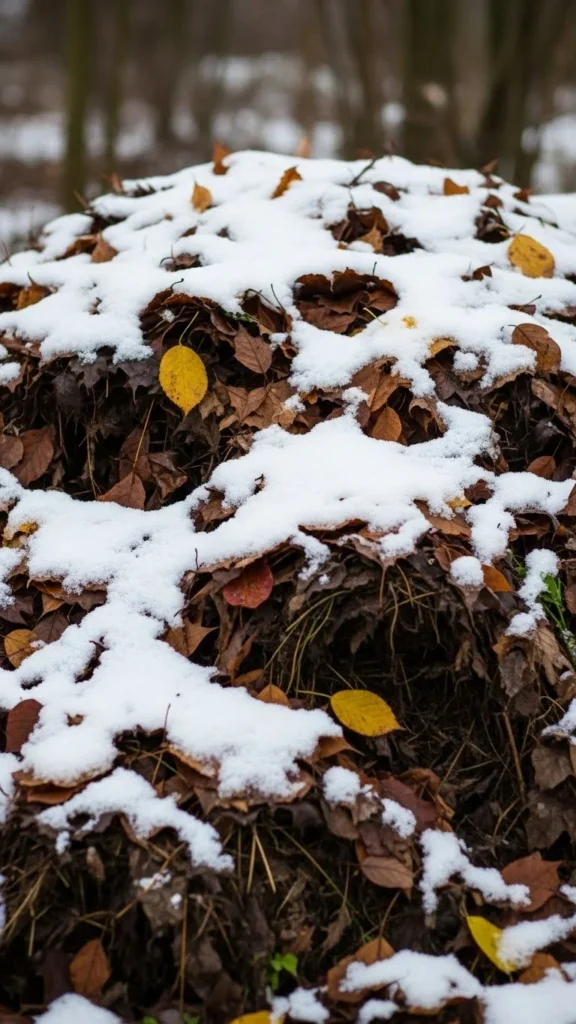
Covering a compost pile with a deep layer of leaves helps trap warmth. This works well for slow winter breakdown. Leaves insulate the center while allowing moisture to reach the pile. Add kitchen scraps beneath the leaf layer and recover immediately. The leaf cap also prevents animals from digging. By spring, the lower layers turn soft and earthy. This idea suits large yards with plenty of autumn leaf waste.
11. Composting in Soil Bags Through Winter
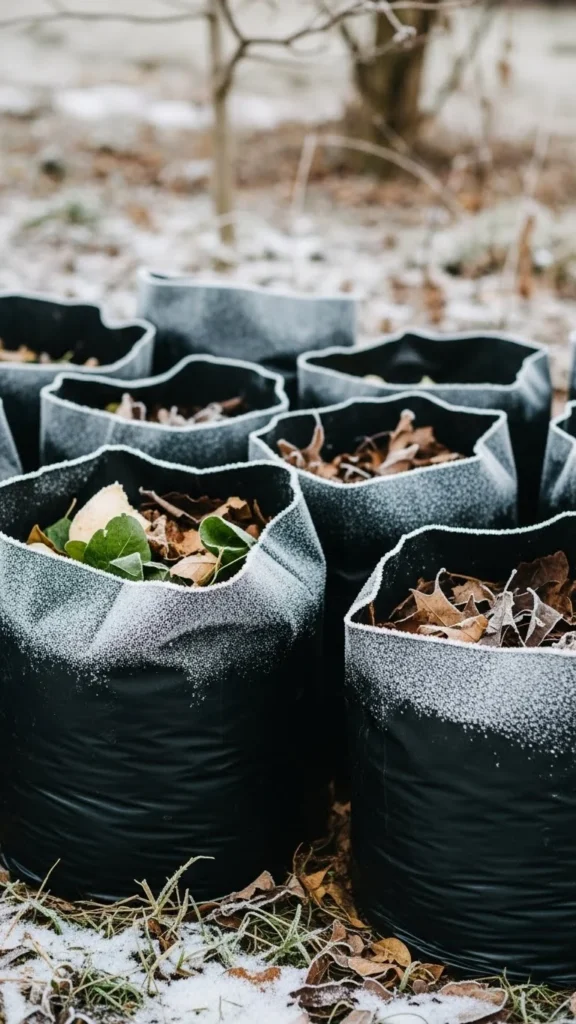
Soil bags make simple winter compost containers. Cut small holes for airflow. Add kitchen scraps, shredded cardboard, and leaves. Shake occasionally to mix the materials. Bags retain warmth fairly well and block animals. Place them in a sunny corner so sunlight warms the dark surface. In early spring, cut open the bags and spread the contents onto beds. This method is low-cost and works in tight spaces.
12. Using Coffee Grounds as Winter Heat
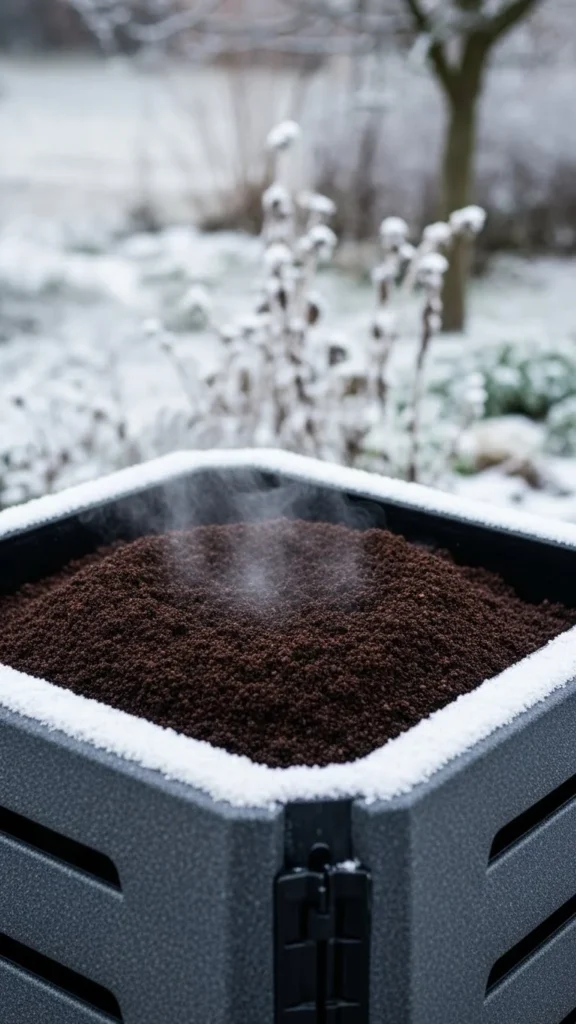
Coffee grounds create gentle warmth when added to compost. Collect them in a kitchen container and layer them into the pile every few days. Mix with leaves or straw to avoid compacting. Coffee grounds also add nitrogen, which helps the pile stay active. This technique is handy for households that brew coffee daily. Combine with cardboard pieces for better airflow. Your compost becomes rich and crumbly as winter progresses.
13. Cardboard Blanket for Heat Retention
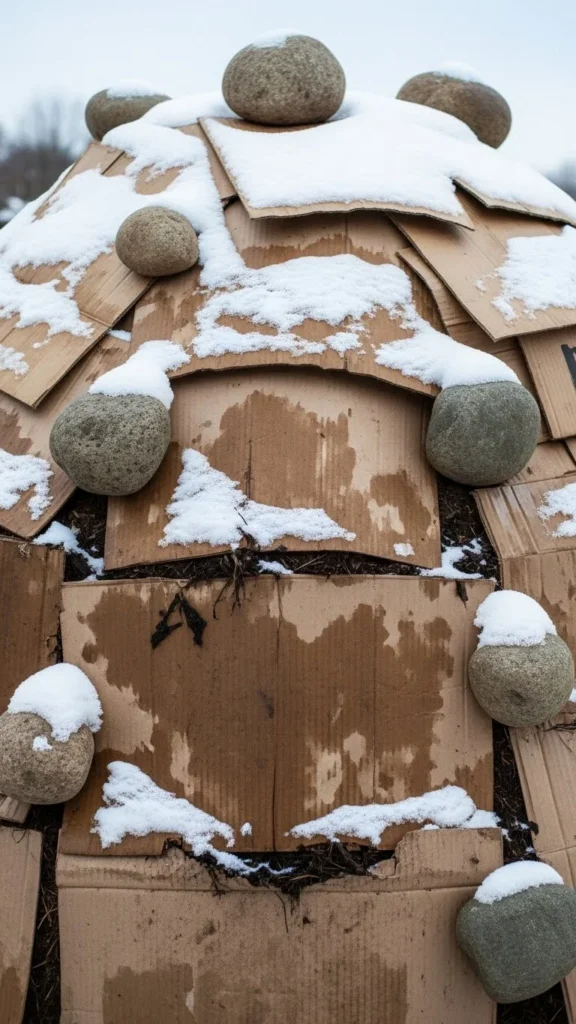
Cardboard traps heat well and protects the pile from cold winds. Lay sheets across the top of your compost and weigh them down with rocks. Add scraps beneath the cardboard by lifting one side at a time. This method reduces evaporation and supports slow winter activity. Use shredded cardboard inside the pile as well to improve structure. By spring, the cardboard softens and becomes part of the compost.
14. Using Snow as Moisture for Winter Piles
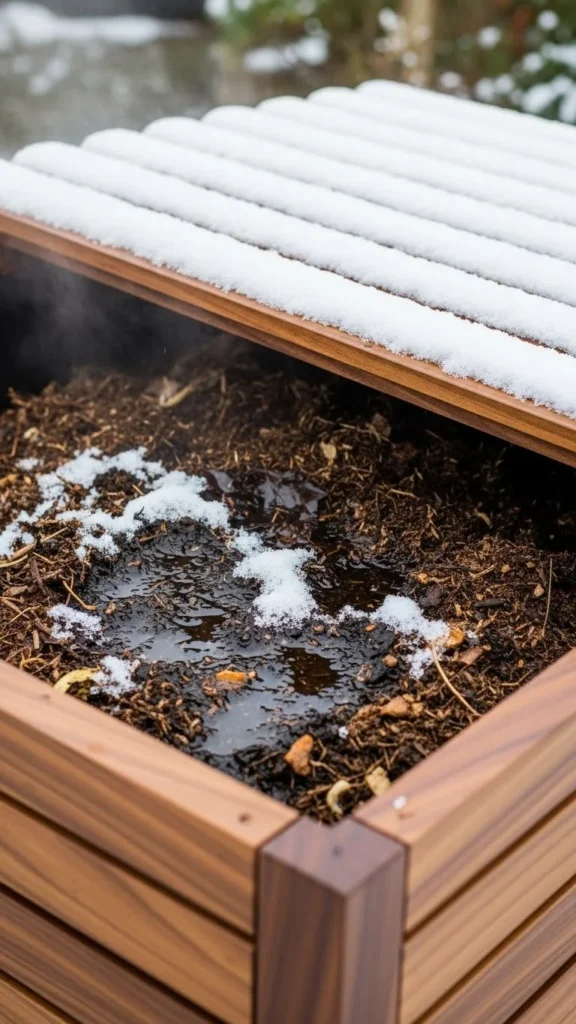
Snow acts as a natural moisture source. Sprinkle snow lightly into the pile during dry winter days. As it melts, it spreads water evenly through the compost. This helps keep decomposition active without overwatering. Add dry leaves if the pile becomes too wet. Snow also covers scraps quickly, reducing odors. This technique is helpful when outdoor hoses are frozen or disconnected.
15. Turning the Pile Before Major Cold Spells
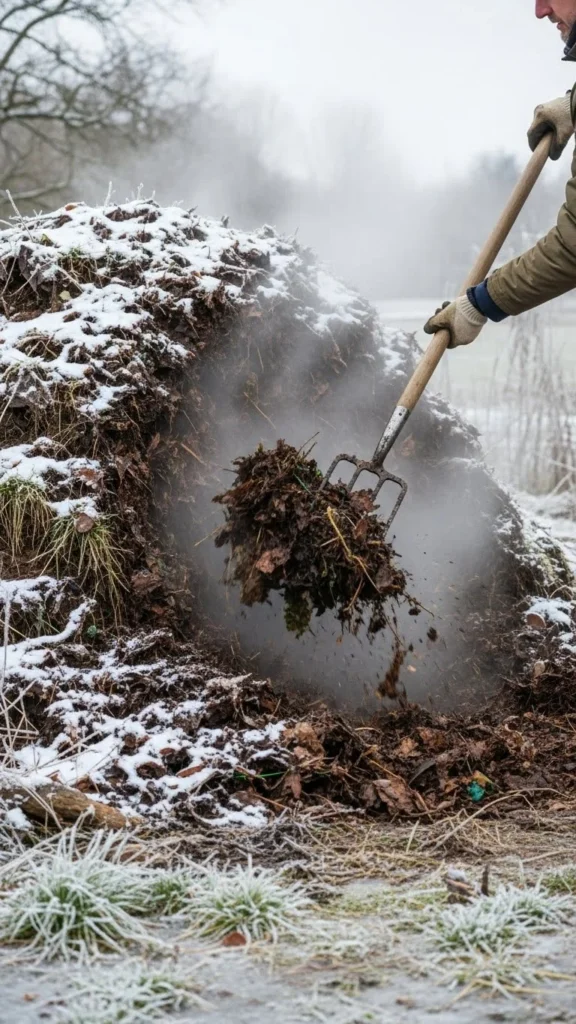
Turning the pile before extremely cold weeks helps build heat. Mix the outer layers into the center so fresh oxygen reaches microorganisms. Add nitrogen-rich scraps such as vegetable peels. Cover the pile afterward with leaves or straw. This creates a warm pocket that lasts through winter nights. Turn the pile only occasionally afterward so the heat doesn’t escape too often. This method is simple yet effective for gardeners who want active compost without heavy adjustments.
16. Adding Small Branches for Winter Aeration
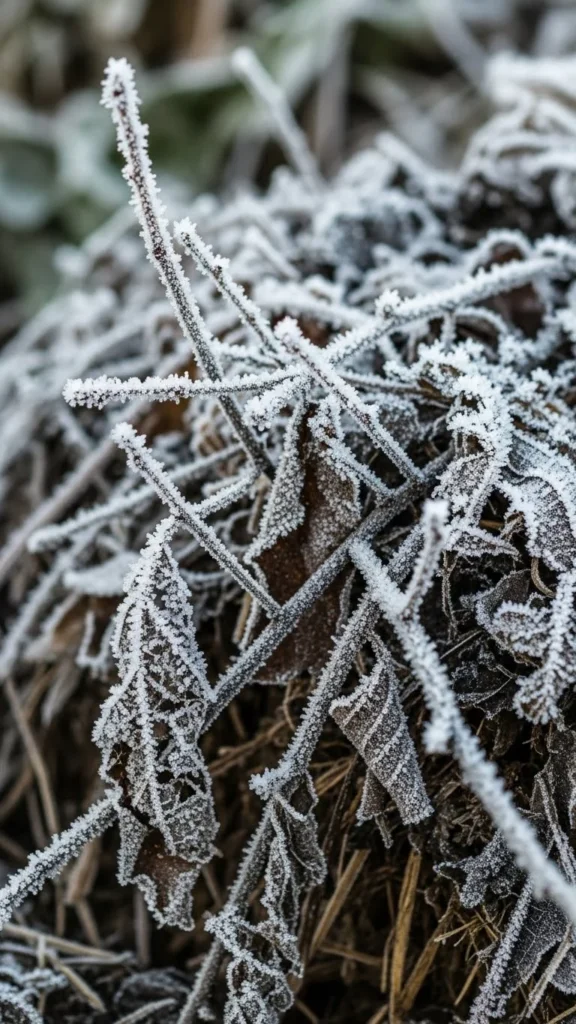
Small branches improve airflow inside compost piles. Break them into short pieces and layer them throughout the material. They create tunnels that carry oxygen to the center. This supports steady breakdown even in cold weather when piles compact easily. Combine branches with leaves for better structure. Add kitchen scraps in small amounts to avoid clogging the airflow spaces. This idea is helpful for yards with regular pruning debris.
17. Using Garden Soil Layers for Insulation
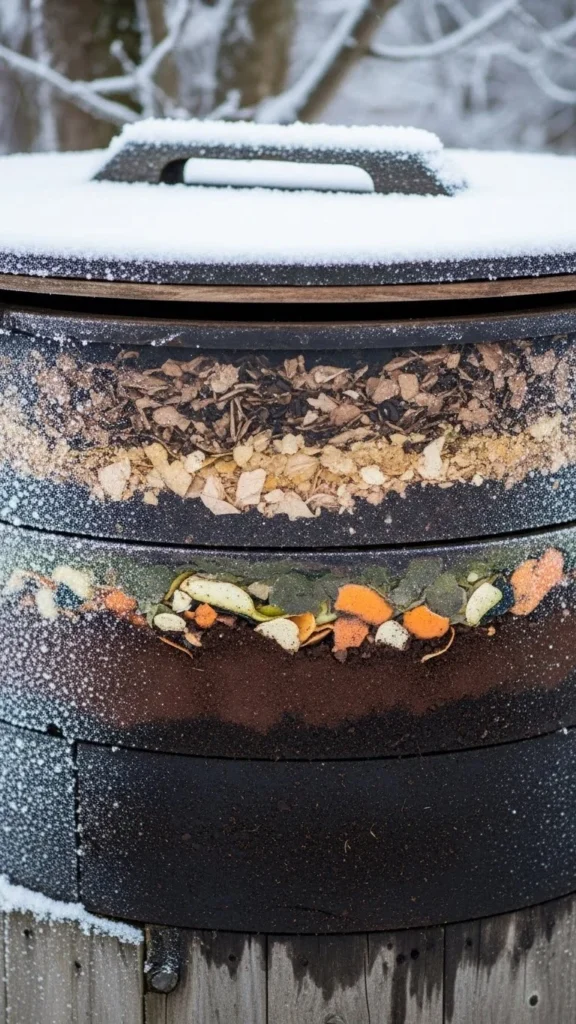
Adding thin layers of garden soil between compost layers helps trap warmth. Soil introduces helpful microorganisms and gives the pile more weight. This prevents scraps from blowing away during windy days. Every time you add kitchen scraps, sprinkle a scoop of soil on top. Soil also reduces odor and keeps surfaces tidy. By spring, the soil becomes mixed with compost, creating a nutrient-rich material ready for planting.
18. Winter Composting in Covered Wooden Boxes
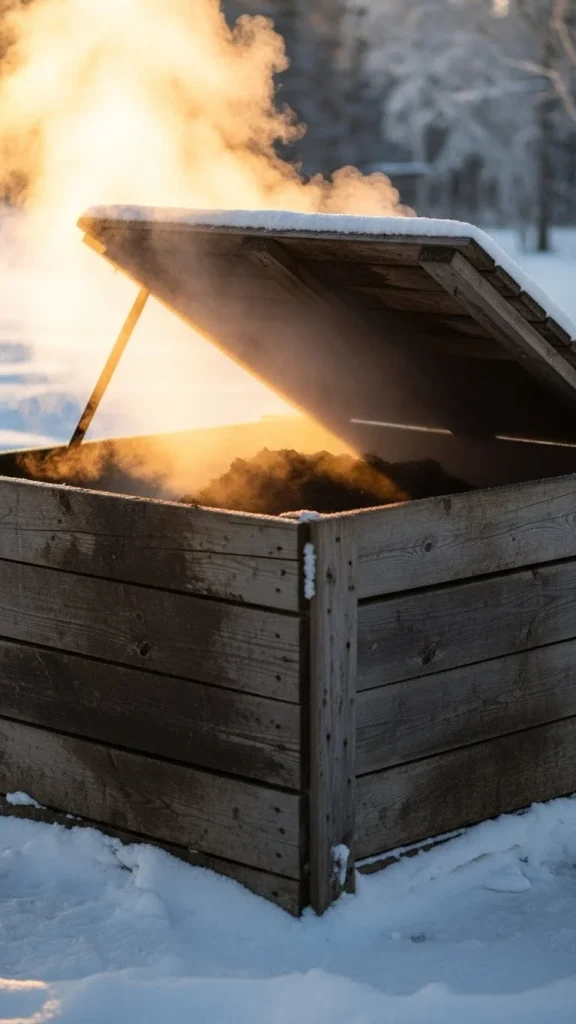
Covered wooden boxes protect compost from rain, snow, and wind. Build a simple square container with a hinged lid so you can add scraps easily. The wood acts as insulation and helps retain warmth. Add layers of leaves, kitchen scraps, and cardboard regularly. Keep the mix loose so oxygen moves freely. Wooden boxes blend well into gardens and last for years with basic maintenance.
19. Using Pruned Evergreen Branches as a Top Layer
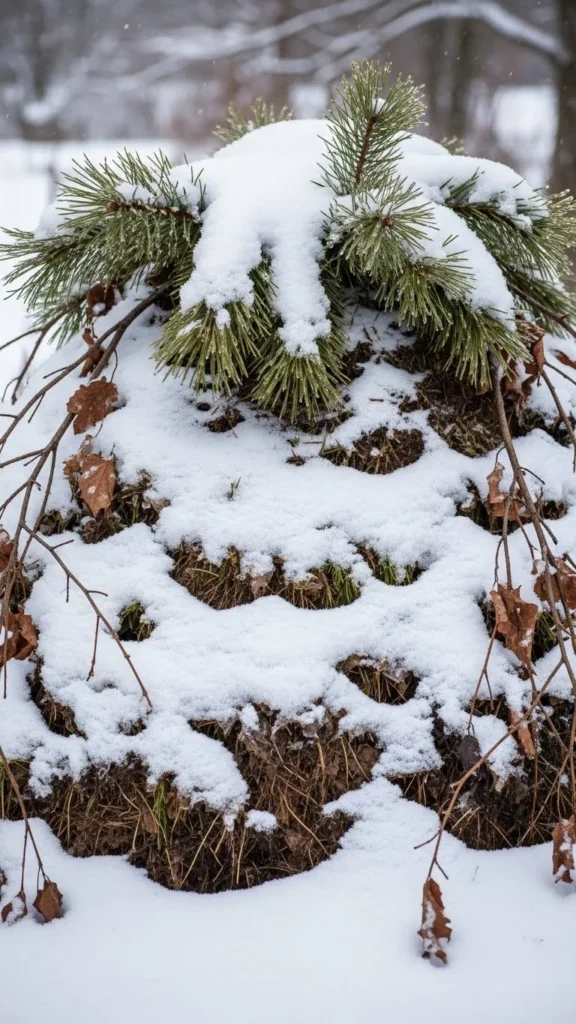
Evergreen branches make a helpful winter cover. Place trimmed branches over your pile to block wind and hide food scraps from animals. The branches trap some warmth while allowing airflow. As they break down, they add texture to your compost. Replace older branches as needed. This method works well for homes that prune holiday greenery or landscape shrubs.
20. Collecting Extra Browns for Winter Balance
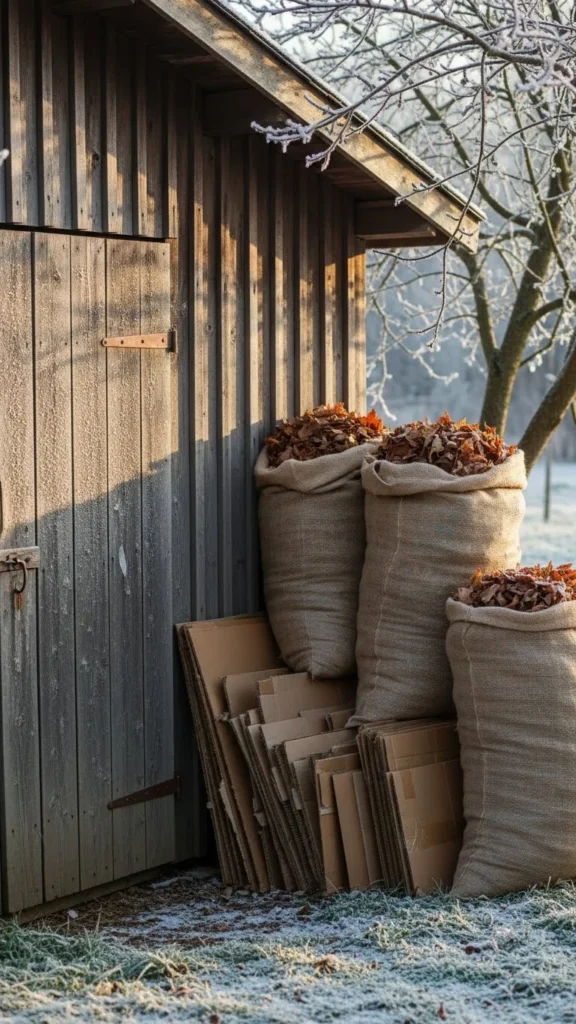
Winter composting works best when you have plenty of brown materials. Save fall leaves, shredded cardboard, and paper bags in storage bins or sacks. Add them throughout winter to balance kitchen scraps. Browns help absorb extra moisture and keep the pile structured. Without them, compost often becomes soggy and slow. This idea prevents waste and supports steady breakdown all winter long.
21. Composting in Large Fabric Grow Bags
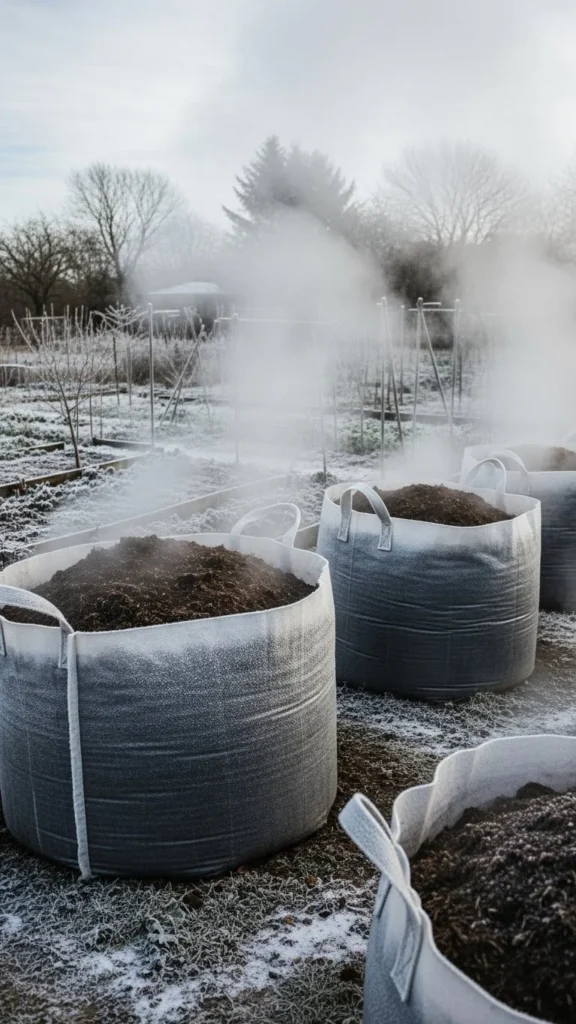
Fabric grow bags allow compost to breathe from all sides. Fill them with brown and green materials, then tighten the top slightly. The breathable fabric prevents sogginess and encourages airflow. Place bags in a sunny corner so they absorb warmth during winter days. Shake them occasionally to distribute moisture. In spring, the material becomes useful for improving garden beds or filling containers. This method suits small spaces and urban gardens well.
22. Using a Two-Bin System for Winter Rotation
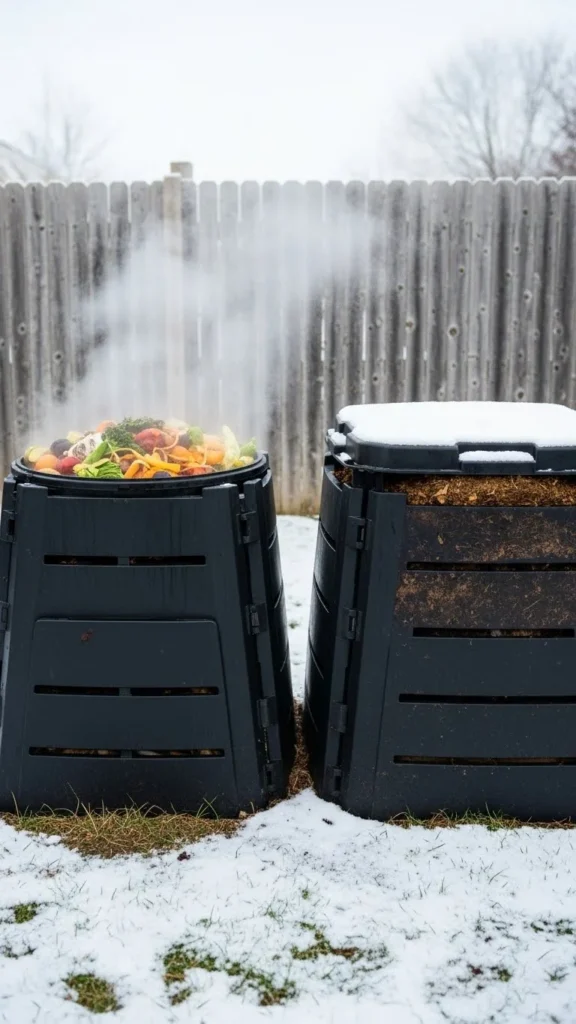
A two-bin system keeps winter composting organized. Use one bin for adding new scraps and the other for resting material. This separation helps you maintain airflow and prevents overloading a single pile. Add dry leaves or shredded cardboard regularly to the active bin. Turn it occasionally to keep the center warm. Let the older bin sit quietly until spring. By rotating between the two, you gain a steady supply of compost without managing one oversized pile.
Conclusion
Winter composting doesn’t need complex tools or warm weather. Each idea here helps you maintain steady decomposition during cold months using simple steps and everyday materials. Whether you compost in bins, trenches, bags, or boxes, these techniques help you build rich spring soil while reducing waste. Try a few approaches this season and enjoy ready-to-use compost when planting time arrives.

Leave a Reply