

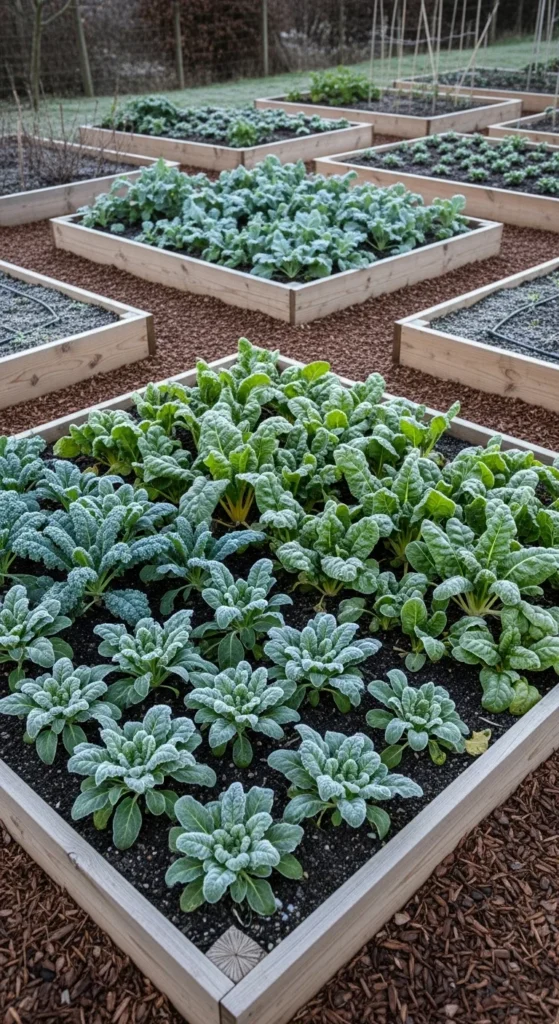
Winter is the perfect time to reset raised beds for the New Year. Crop rotation helps your soil stay balanced and ready for strong growth when warmer days return. Simple steps—like rearranging plant families, adding small amendments, or shifting layouts—can help create calmer, healthier beds without large expenses. These ideas keep the process approachable and action-focused, so you can apply them easily in small gardens, backyard beds, rooftops, or compact patios.
1. Leafy Greens After Heavy Feeders
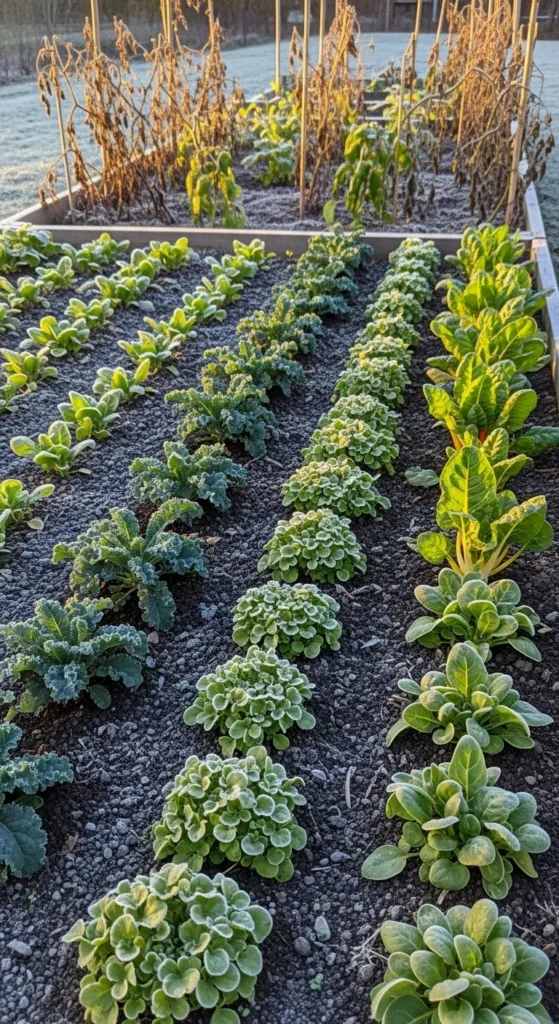
Leafy greens, such as lettuce, spinach, and chard, work well after summer heavy feeders like tomatoes or peppers. They draw far less from the soil, giving the bed time to settle during cold months. Add a thin compost layer before planting to support steady growth. Keep rows tight for warmth and simplicity. Water lightly through winter, adjusting only when rain is scarce. This rotation keeps your soil calmer and allows spring amendments to work more evenly later.
2. Root Crops Following Beans
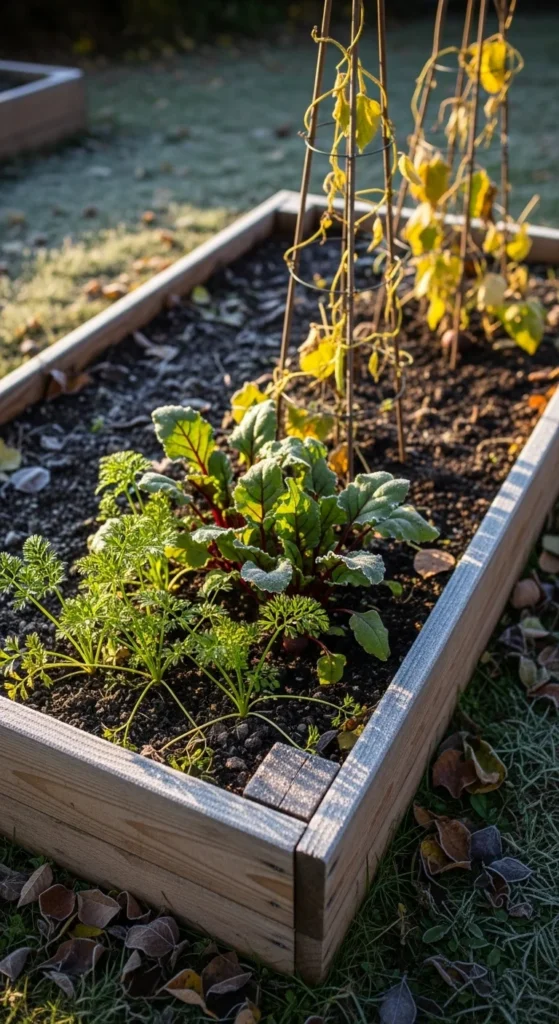
Beans leave behind nitrogen that root crops appreciate. Carrots, beets, and turnips grow well in the cooler months and make use of the soil without heavy demands. Loosen the top few inches of soil before sowing. Add sand if the texture feels tight. Keep rows spaced enough for root expansion. This rotation keeps the soil structure lighter and supports clean root shapes.
3. Brassicas After Squash Beds
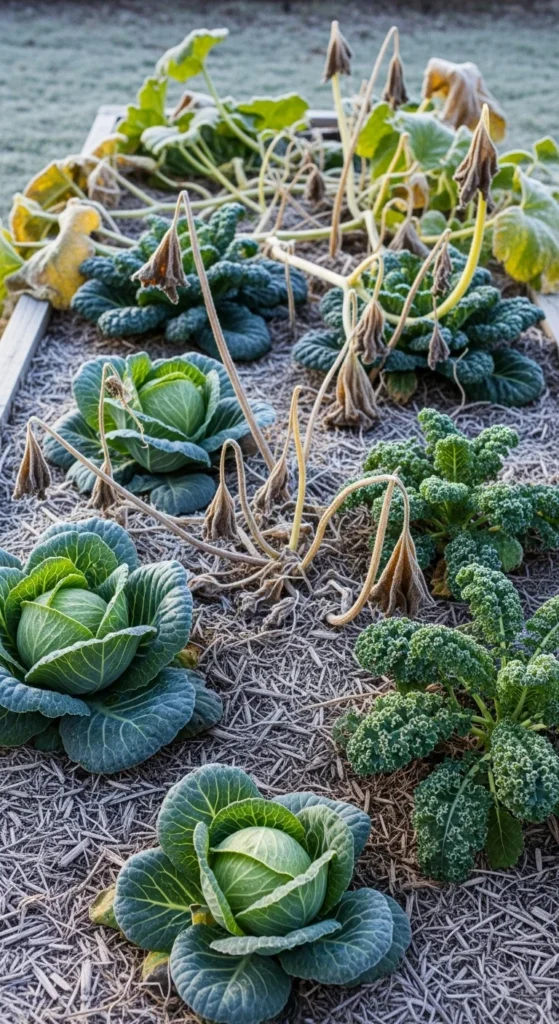
Brassicas such as cabbage, kale, and broccoli grow well in beds once used by squash. Squash roots draw heavily from the soil, so a compost layer helps before planting. Plant brassicas in tidy rows to maximize leftover space. Stake taller ones if winds are strong. This rotation keeps your winter beds productive and organized.
4. Garlic in Former Tomato Beds
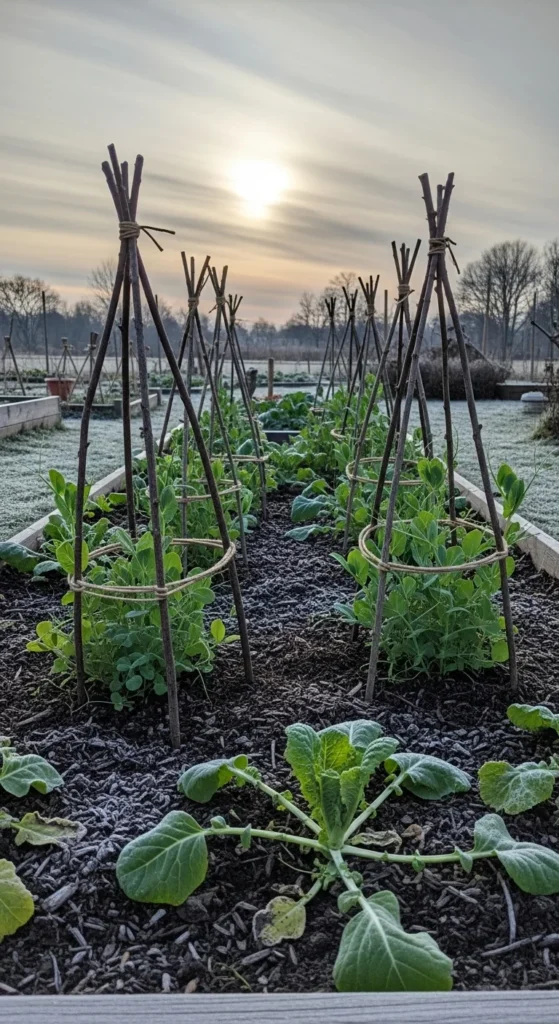
Garlic is simple to grow in winter and works well after tomatoes. Break cloves apart and plant them a few inches deep. Cover with straw for warmth. Water lightly until temperatures drop, then let rain handle the rest. Garlic takes months to mature, giving the soil time to relax while still offering a productive crop.
5. Peas After Brassicas
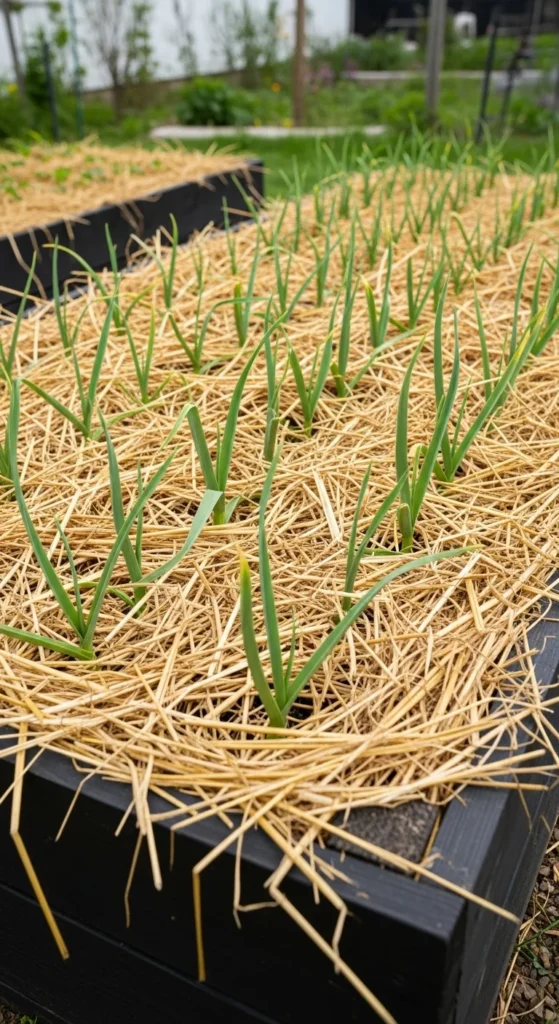
Peas add nitrogen back into the soil after cabbage or kale. Winter peas grow well with minimal attention. Add small trellises or sticks for support. Sow seeds in clusters to help them stay warm. This rotation gently rebuilds soil richness while keeping the bed visually clean and structured.
6. Spinach in Lightly Used Beds
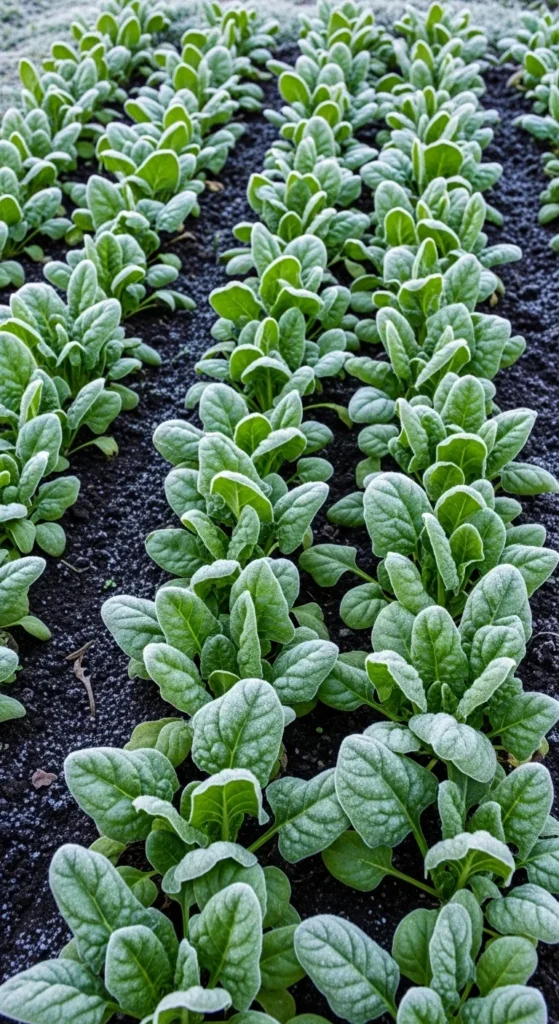
If a bed wasn’t heavily planted last season, winter spinach can fill the gap easily. Sow seeds close together so the leaves protect each other from cold. Add a thin compost layer every few weeks. Water sparingly. This is a simple choice for winter when you want productivity without much effort.
7. Cover Crops Where Soil Feels Tired
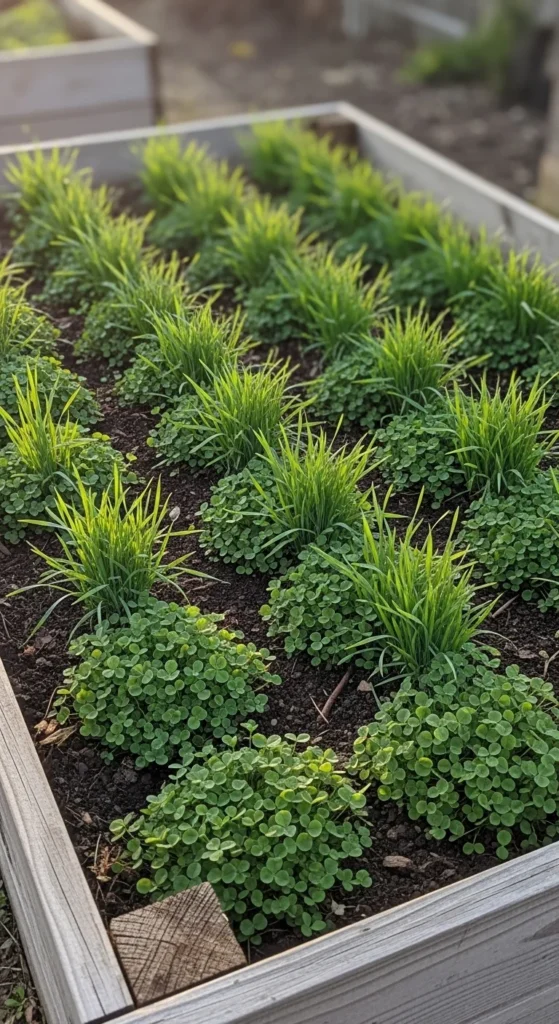
When soil feels sluggish, plant a light winter cover crop like rye or clover. These grow steadily through cold months and help soften the texture. Scatter seeds over the surface and rake gently. Let them grow until spring, then cut them back and lay the cuttings on top of the bed. This approach resets the soil with minimal cost.
8. Onions After Leafy Greens
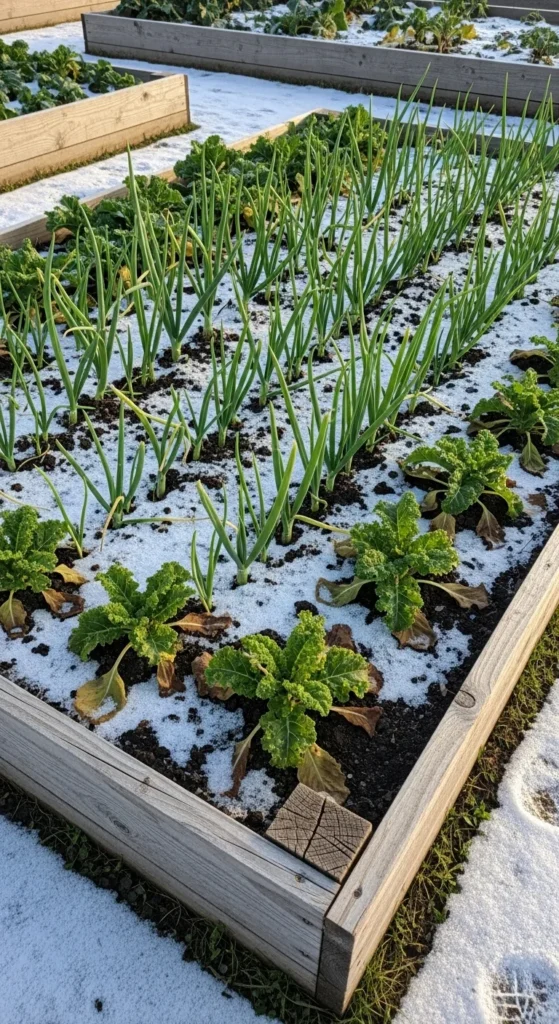
Leafy greens draw lightly from the soil, making the bed ready for onions next. Plant sets a few inches apart. Keep soil loose and slightly moist. Add straw around the rows for insulation. This rotation keeps the bed orderly and supports a steady winter crop that grows slowly through the season.
9. Mixed Radish Rows in Former Pea Beds

Pea beds hold nitrogen, making them a good spot for radishes. Sow radial rows with short spacing. Radishes grow quickly even in cold weather. Keep the soil slightly damp and harvest regularly. This rotation is simple and fits small raised beds that get light winter sun.
10. Kale After Corn
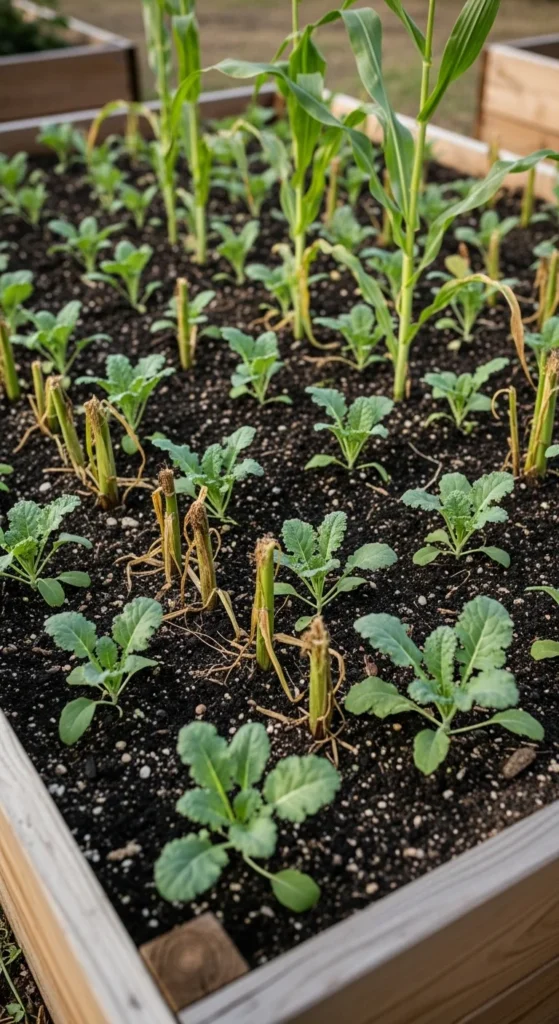
Corn pulls heavily from soil, so adding compost after harvest is important. Once mixed, plant kale in tight rows to help shield each plant from cold wind. Kale handles winter well and adds steady greenery to the garden. This rotation gives the soil time to regain balance during the quiet season.
11. Carrots After Potatoes

Potatoes loosen soil naturally, creating a nice environment for carrots. Rake the bed lightly and remove leftover debris. Sow carrot seeds thinly and cover lightly. Keep moisture low but steady. This rotation helps reduce soil compaction and supports cleaner carrot growth.
12. Winter Lettuce After Radishes
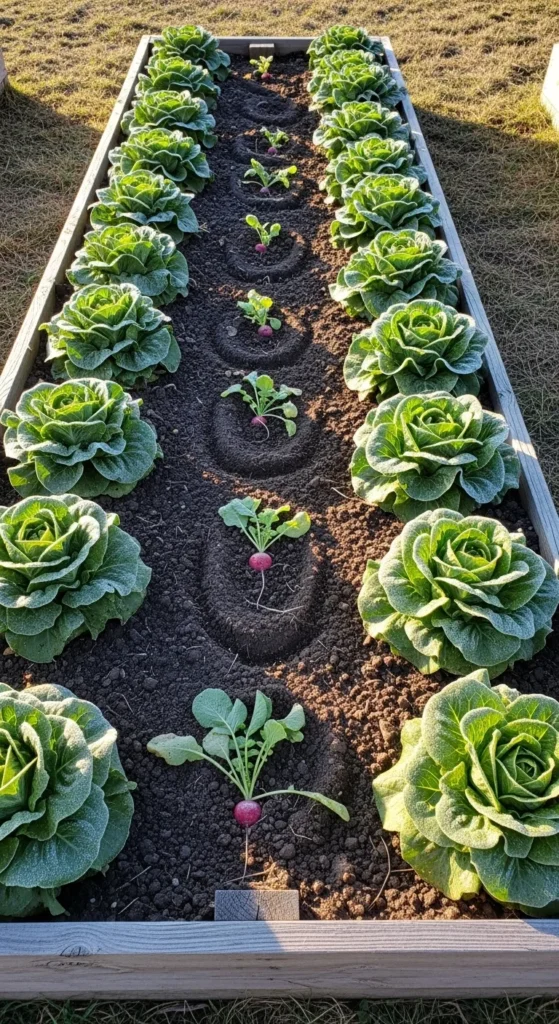
Radishes leave space behind quickly, making room for lettuce. Plant small plugs or sow seeds lightly. Add a compost dusting to help young plants settle. Winter lettuce grows slowly but stays reliable. This simple switch helps keep beds active even through cold months.
13. Parsnips in Long, Clear Rows
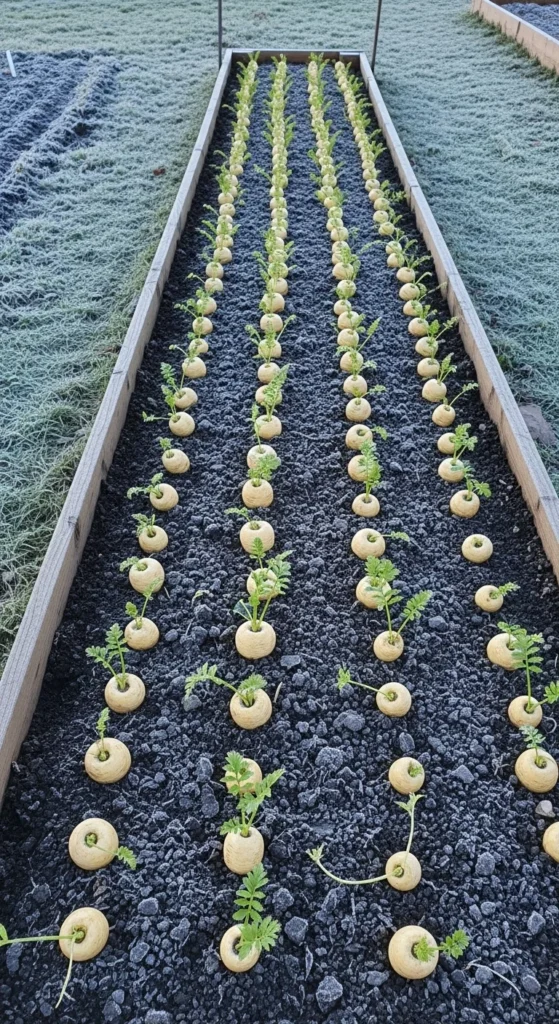
After removing summer crops, parsnips can take over with ease. They handle cold weather and grow deep into loose soil. Add a small amount of sand if the texture feels heavy. Keep rows open so the roots have space. This slow, steady crop helps keep the bed stable through winter.
14. Mustard Greens as a Soil Cleanser
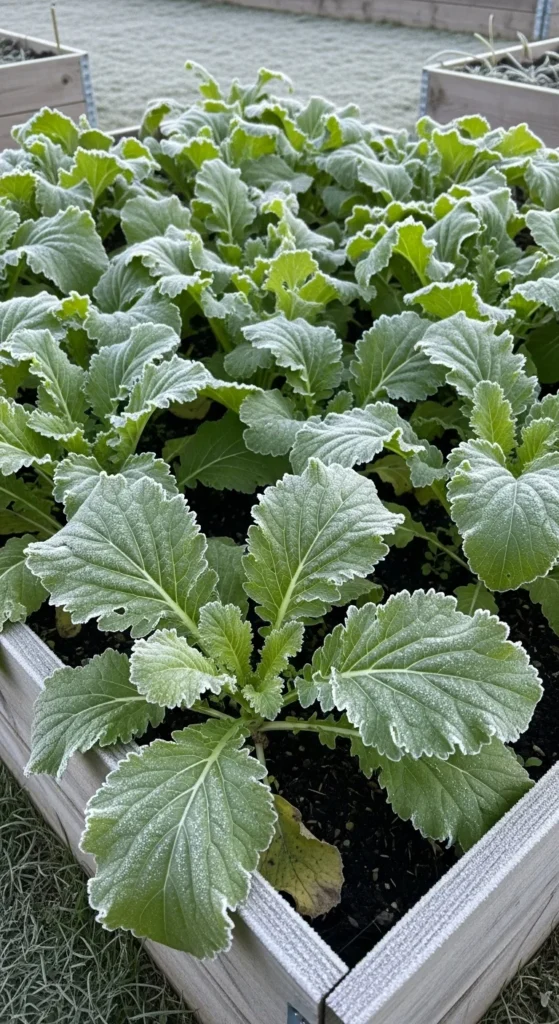
Mustard greens help refresh soil after pest-heavy crops. Scatter seeds across the soil and rake gently. These greens grow quickly and can be cut back later. Add kitchen compost to maintain soil softness. This rotation supports cleaner soil before spring planting.
15. Beets After Cucumbers
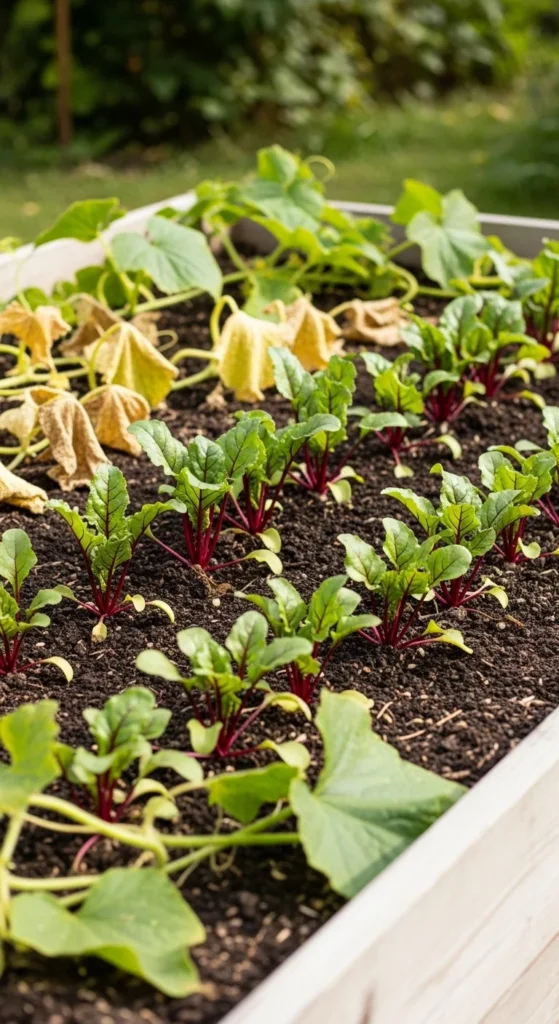
Beets grow well in winter after lighter feeders like cucumbers. Smooth the topsoil and add compost for steady growth. Keep spacing moderate so each beet forms clean roots. This rotation helps keep the soil active without heavy demand.
16. Turnips After Lettuce
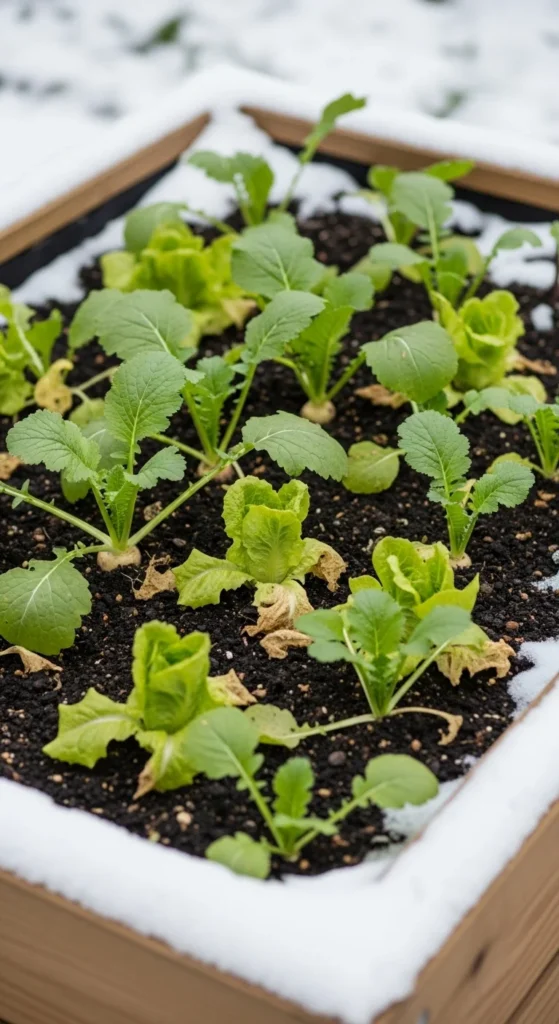
Lettuce beds are easy to convert into winter turnip sections. Sow seeds in wide bands. Cover lightly with soil. Water gently until seedlings settle. Turnips grow through chills and make good use of leftover nutrients from leafy greens.
17. Peas After Garlic
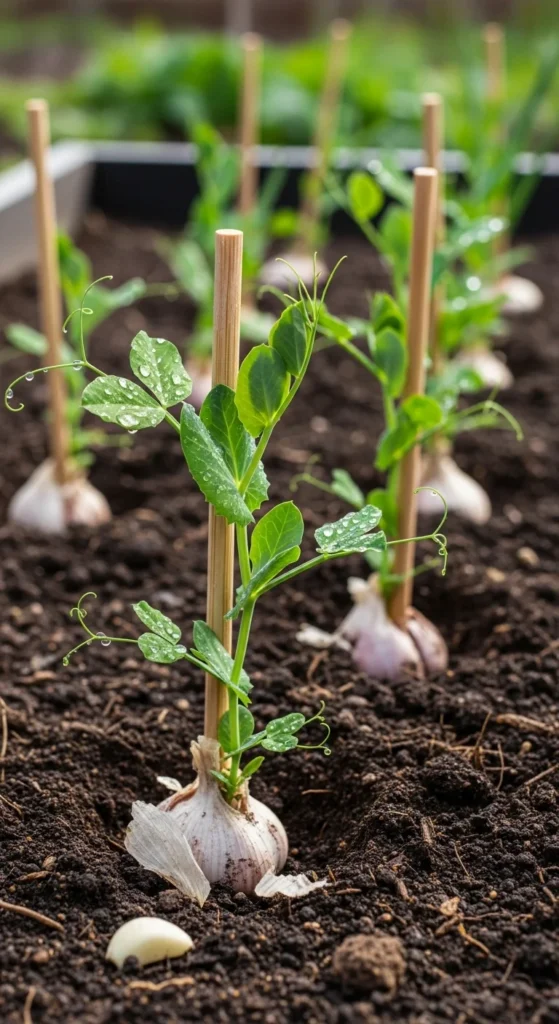
Garlic leaves soil fairly clean, making it a good home for peas. Add compost and set small support structures. Sow peas in clumps so they warm each other. This rotation supports balanced growth with little care.
18. Chard in Beds Cleared of Roots
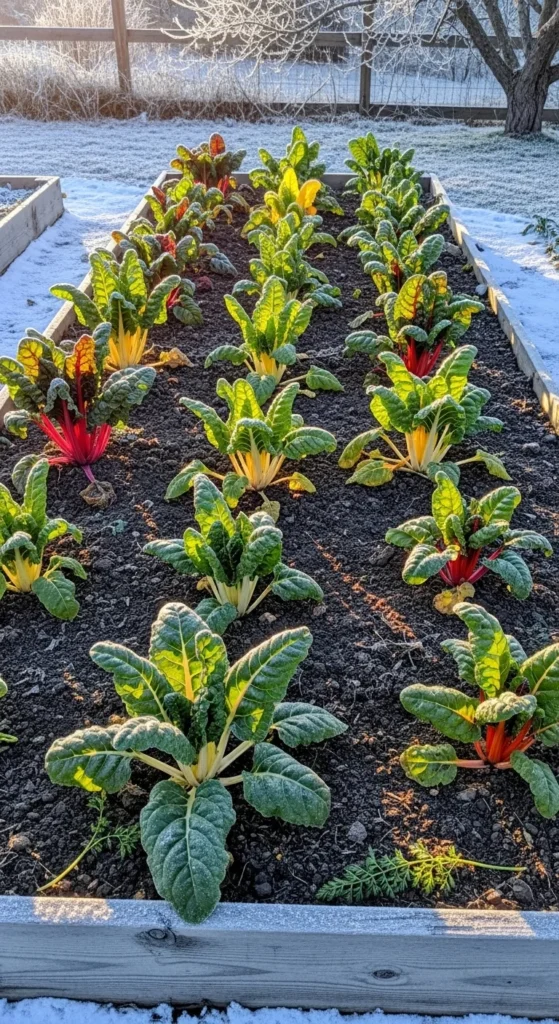
After harvesting carrots or beets, the soil is loose—perfect for chard. Plant young chard starts or sow seeds in rows. Add mulch to maintain soil texture. Chard handles winter temperatures steadily and offers color to the garden during the colder months.
19. Fava Beans in Open Beds
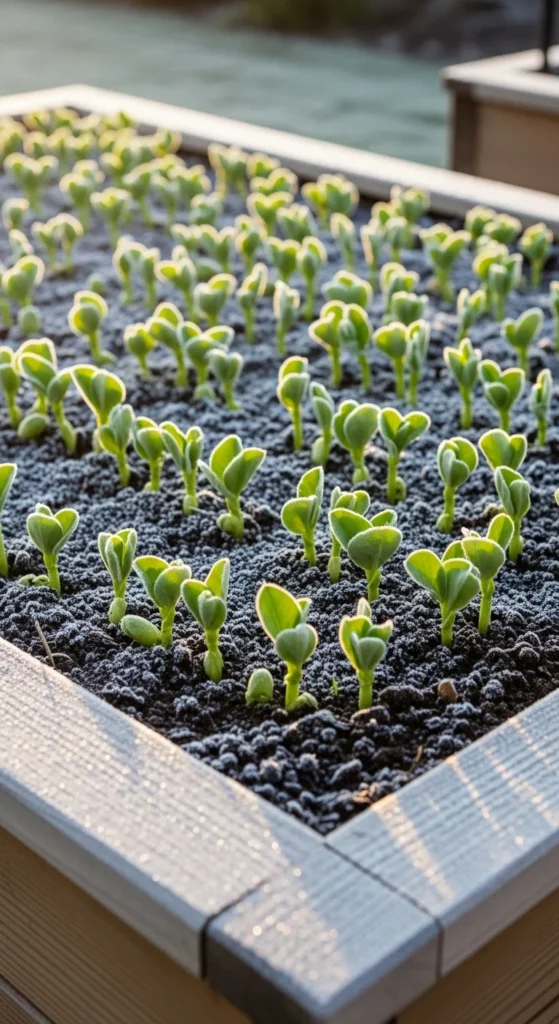
Fava beans grow well in winter and help introduce nitrogen to the soil. Plant seeds a few inches deep. Add a thin straw layer to keep warmth. These beans grow slowly but stay steady through cold months. This rotation helps set up the bed for stronger spring planting.
20. Mixed Asian Greens After Onions
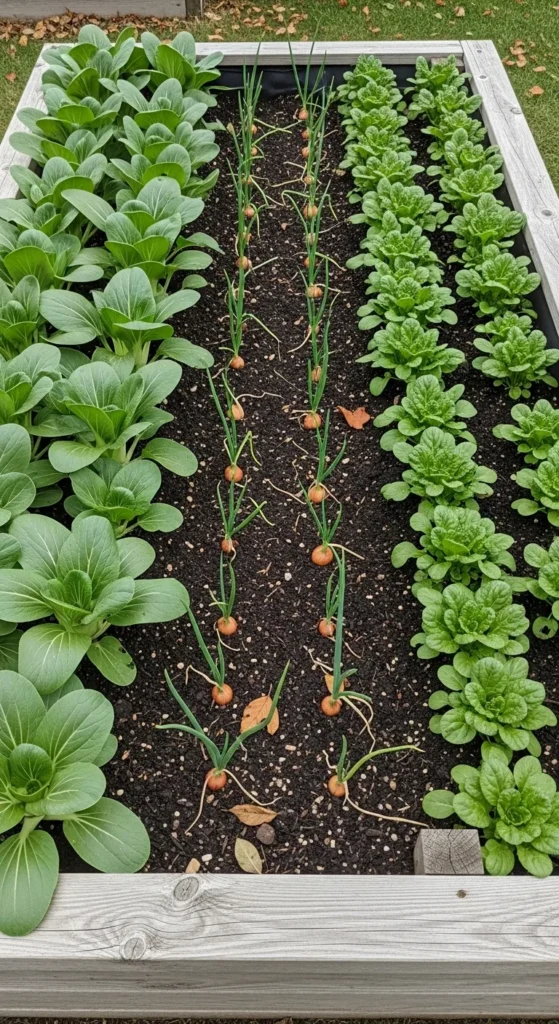
Onions draw lightly from the soil, leaving space for Asian greens. Sow a mix of tatsoi, bok choy, and mizuna. Keep spacing light and even. Add a compost dusting every few weeks. These greens handle cold weather and fill gaps quickly.
21. Winter Rye in Resting Beds
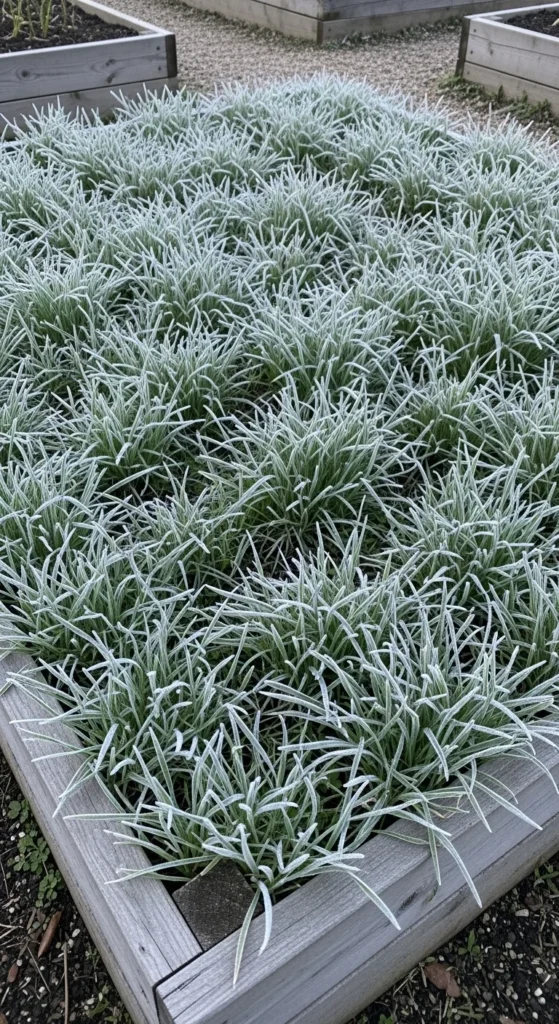
When a bed needs a break, winter rye is a simple filler. Scatter seeds over the surface and water lightly. The rye grows steadily and protects the soil from erosion. In spring, cut it back and lay the trimmings on top. This gives your soil a calmer reset before planting warm-season crops.
Conclusion
Winter rotation helps your raised beds stay balanced, organized, and ready for the New Year. By shifting crop families, adding small compost layers, and preparing soil with gentle winter crops, you create a smoother start for spring planting. Pick the rotations that match your space, try a few simple adjustments, and enjoy raised beds that feel clear, structured, and prepared for months ahead.

Leave a Reply