

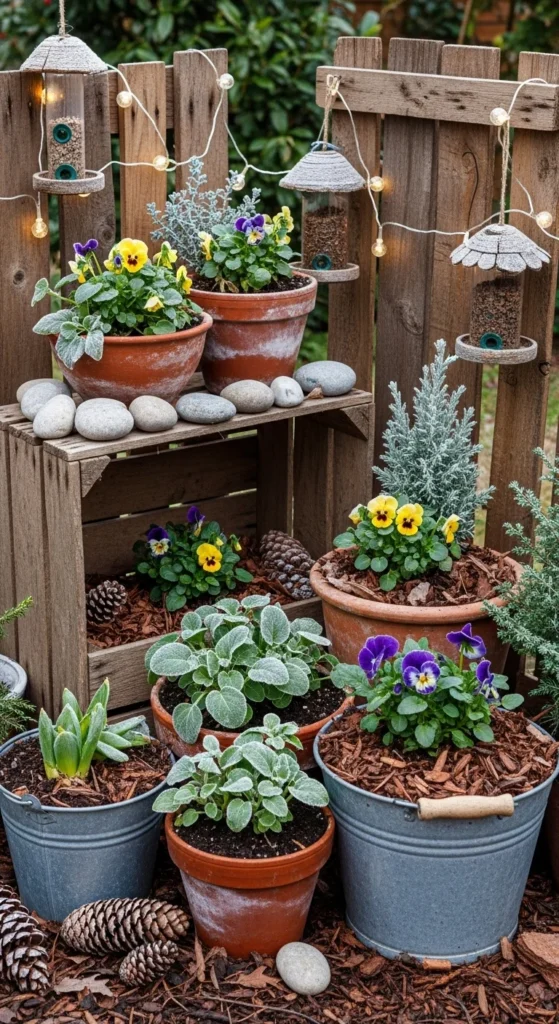
A winter garden doesn’t have to be expensive. Simple updates can reshape your space for the New Year using everyday items, recycled materials, and small DIY touches. You can create warmth, color, and structure even on a tight wallet plan. These ideas focus on easy actions, light materials, and approachable steps that help you refresh your yard, balcony, or patio with purpose and charm. Pick the ideas that feel manageable and enjoy a calm seasonal makeover.
1. DIY Mulch Blanket for Winter Beds
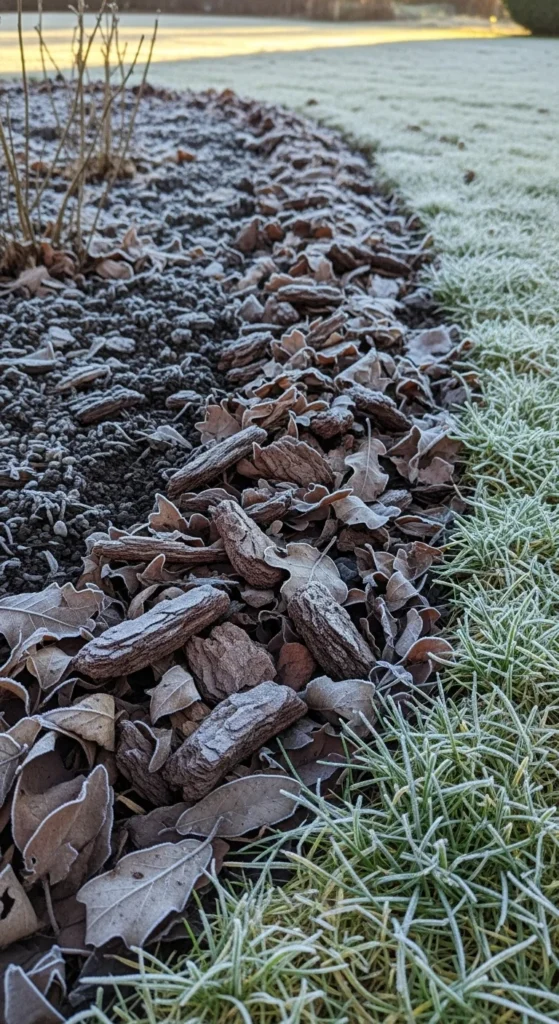
A mulch blanket is one of the simplest ways to update winter beds without spending much. Use dried leaves, shredded cardboard, or chipped branches gathered from your own yard. Spread a two-inch layer across soil to keep roots calmer during cold spells. The layered look also gives beds a tidy appearance. Add a few stones around the edges so the materials stay in place during wind. This small step makes winter beds look more organized while keeping soil covered.
2. Repurposed Containers from Old Buckets
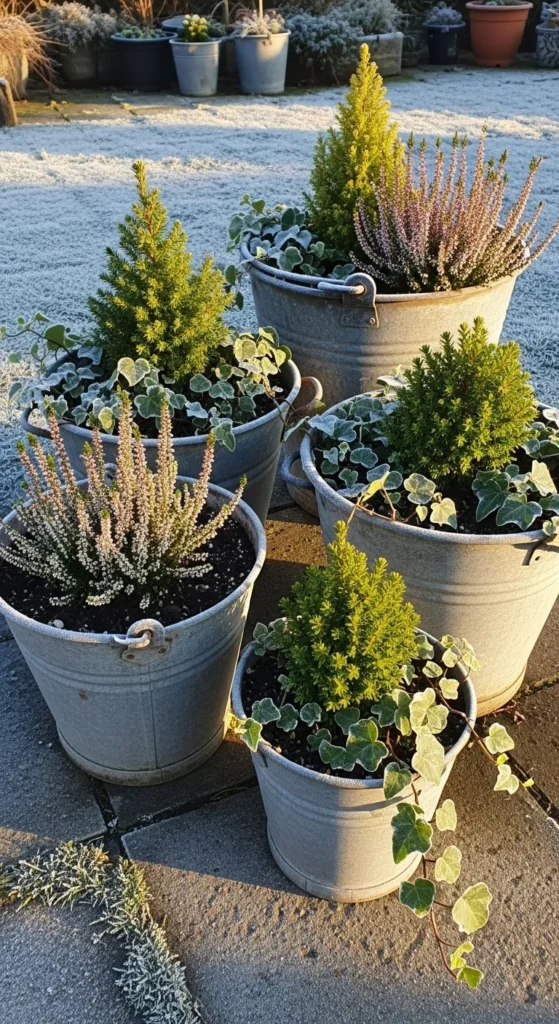
Old buckets make sturdy winter containers with almost no cost. Drill drainage holes in the bottom, add gravel, and fill with soil. These buckets hold small evergreens, pansies, or winter herbs easily. Arrange them in small groups to shape a corner with character. A light coat of spray paint can help match the buckets to your winter setup. This simple reuse method helps you create an organized, cold-season plant cluster without buying new pots.
3. Simple Brick Edging for Beds
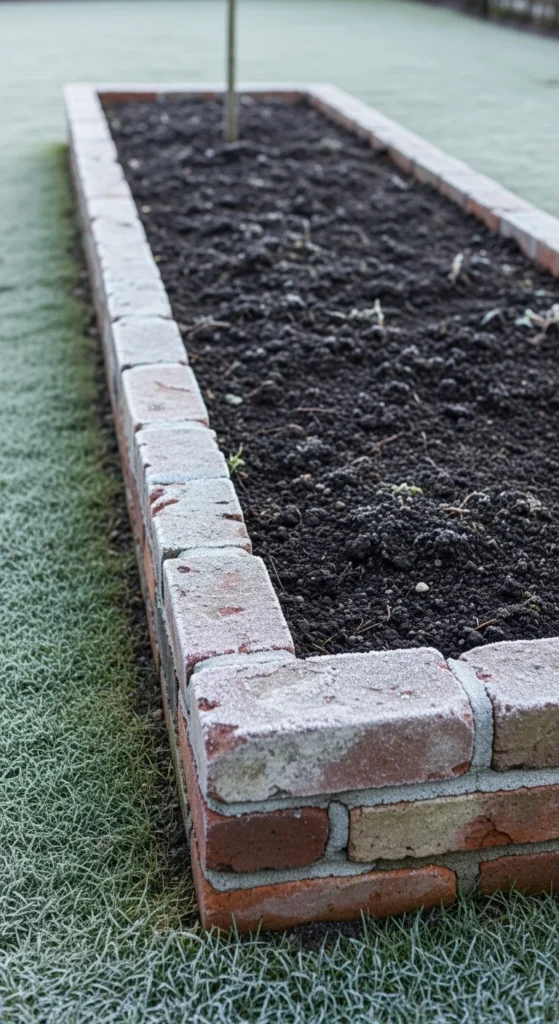
If you have leftover bricks from past projects, turn them into edging for winter beds. Lay them tightly side by side to form a clean border. This helps define your space and gives it gentle structure. Keep the bricks slightly tilted inward so they stay firm after rain. Even a short row beside a walkway can create a polished look. This update works well for renters because it can be rearranged any time.
4. Homemade Seed Trays from Cardboard
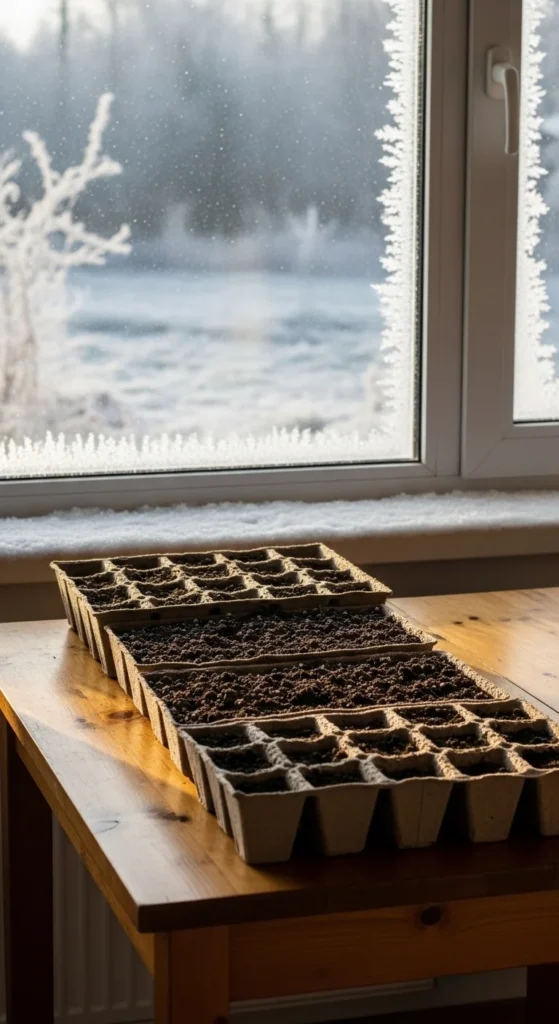
Cardboard works nicely for seed trays during winter prep. Cut small rectangles, fold up the edges, and secure with tape. Fill with soil and plant winter greens like spinach or mustard. Place the trays near a sunny window. Since cardboard breaks down, you can plant the entire section into the ground later. This simple project lets you prepare early winter seedlings without buying plastic trays.
5. Pinecone Pathway Accents
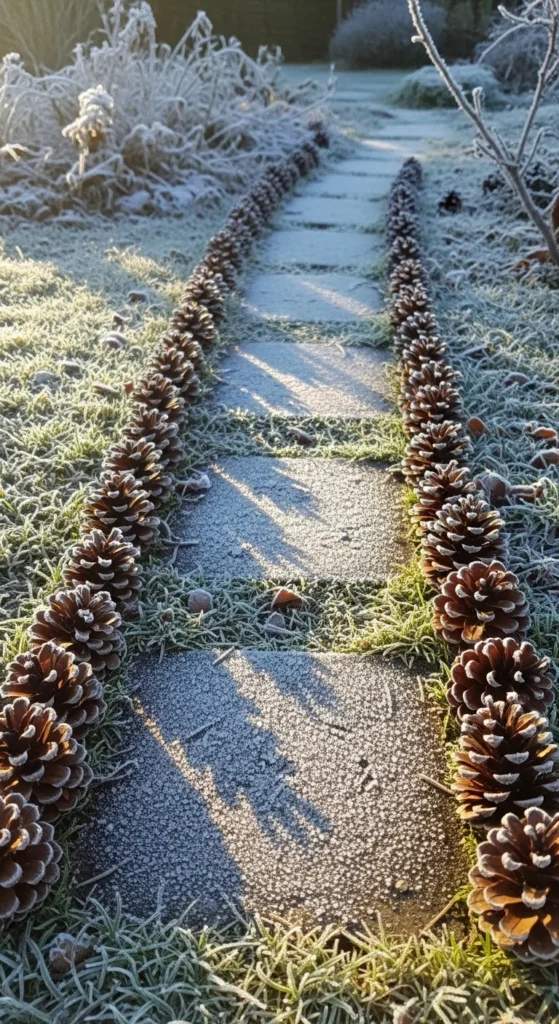
Collect pinecones and use them to line pathways or outline container groups. The rough texture contrasts nicely with winter leaves and adds a rustic feel. Place them closely together so the line looks intentional. This idea costs nothing if you gather pinecones from local parks. Rotate the cones occasionally to keep them dry and tidy. The pathway gains simple charm without complex work.
6. Winter Herb Jars on a Balcony Rail

Glass jars make charming mini planters for hardy herbs like thyme or rosemary. Attach them safely to balcony rails using metal clamps or old belts. Add a few stones at the bottom for drainage, then fill with soil. These jars offer color and fragrance even during cold months. Replace plants easily as the season changes. This setup suits very small balconies and costs almost nothing.
7. Recycled Wood Sign for Garden Corners
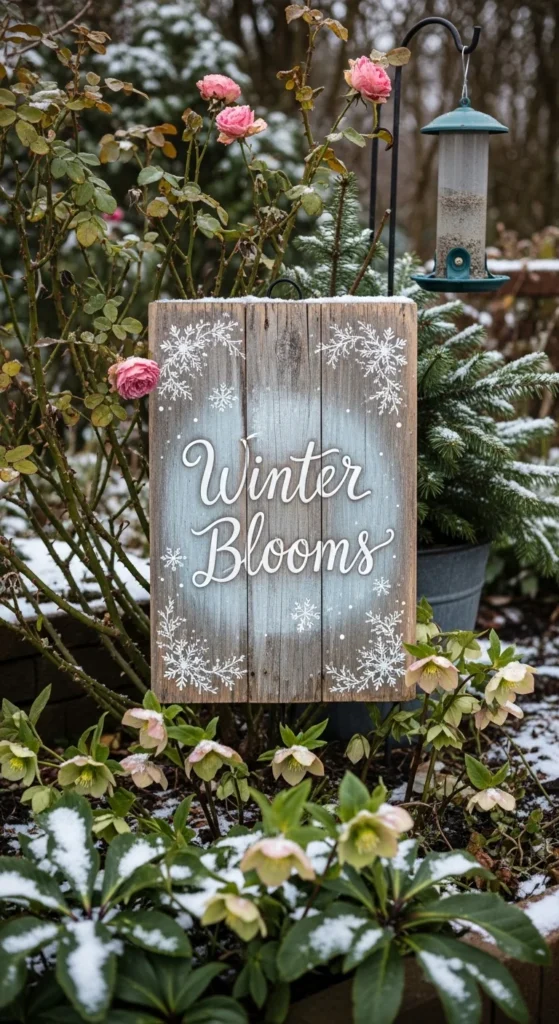
Use an old wooden board to make a simple garden sign. Sand the surface, paint it with calming winter colors, and lean it against a pot or bed. It adds personality without overwhelming the space. You can change the theme each season by repainting the board. This small detail helps your winter garden feel more arranged and expressive.
8. Mini Rock Garden With Leftover Stones
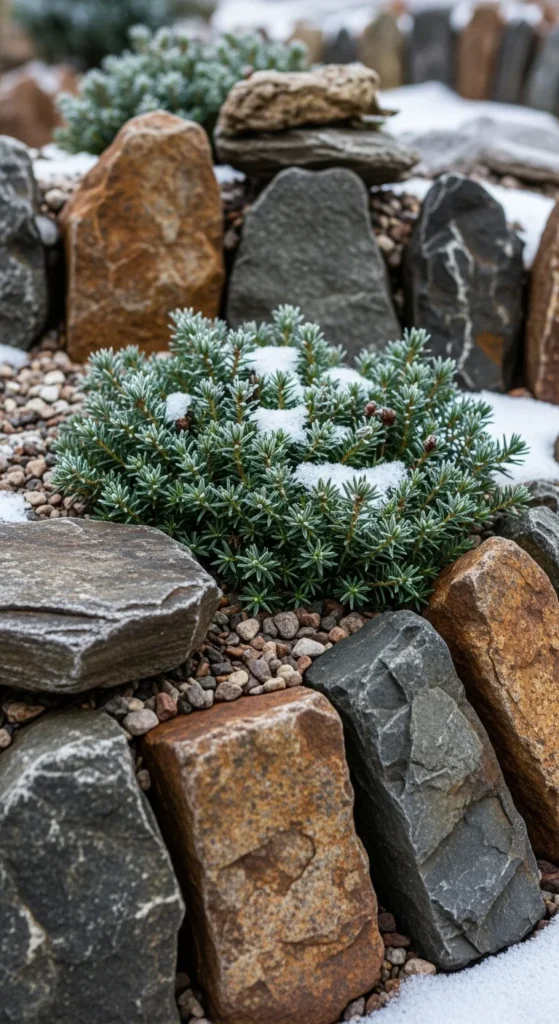
Leftover stones from past projects can form a small rock feature. Place a few evergreens or succulents in the center and surround them with stones in a circular layout. The stone layer helps soil stay stable during winter rains. This setup works well on patios or beside entries. The simple pattern looks tidy and requires little upkeep.
9. Upcycled Tin-Can Lanterns
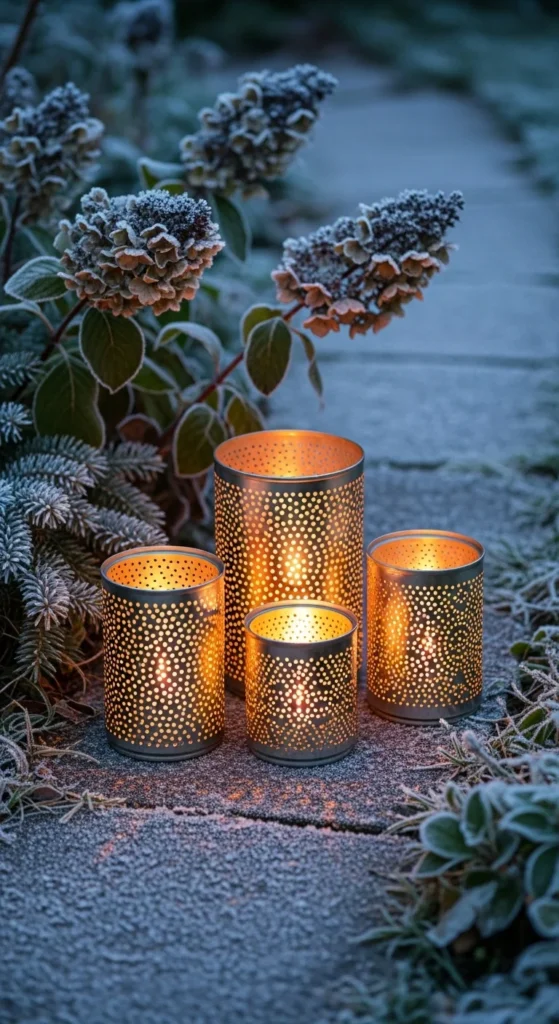
Tin cans make great lanterns for winter evenings. Punch small patterns into the metal using a hammer and nail. Place LED candles inside for safety. Line them along steps or near containers. This creates a soft glow without large expenses. Save cans from your kitchen and create several lanterns in one afternoon. They bring gentle atmosphere to winter spaces.
10. DIY Insulation Using Old Towels
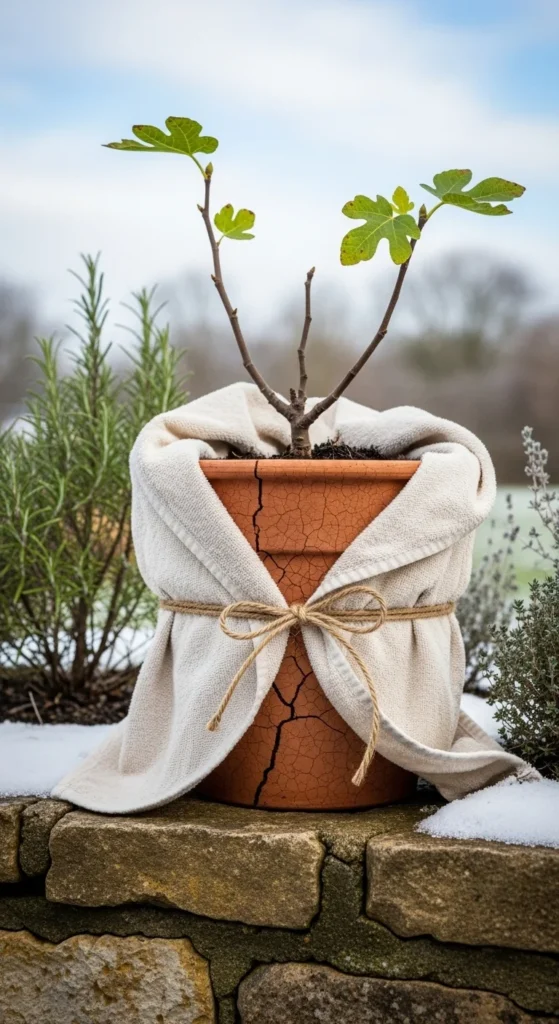
Old towels can act as insulation wraps for containers. Wrap the towel around the pot and secure it with twine. This helps roots stay calmer during cold nights. Choose muted colors so the wrap blends with the garden scene. This trick works well for clay pots, which lose warmth faster. It’s a quick, nearly free way to support potted plants during winter cold snaps.
11. Layered Soil Top-Up Using Compost Scraps
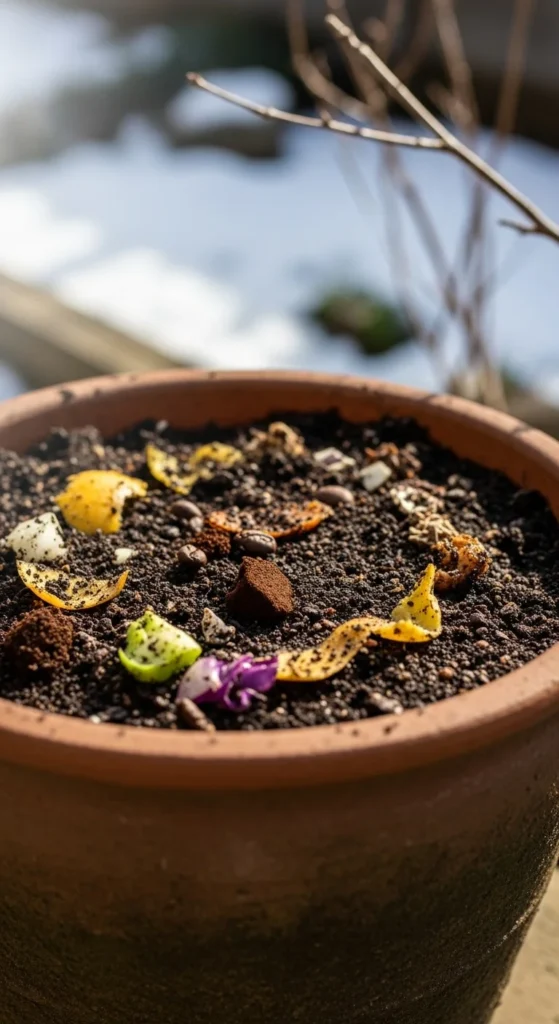
Kitchen scraps can enrich soil when used carefully. Dry them first, crush into small pieces, and sprinkle a light layer over the soil. Cover with mulch to help the materials settle. This step adds softness to winter beds and pots. Repeat every few weeks. It’s a simple habit that helps keep soil active without buying store compost.
12. Broken-Pot Edging Art
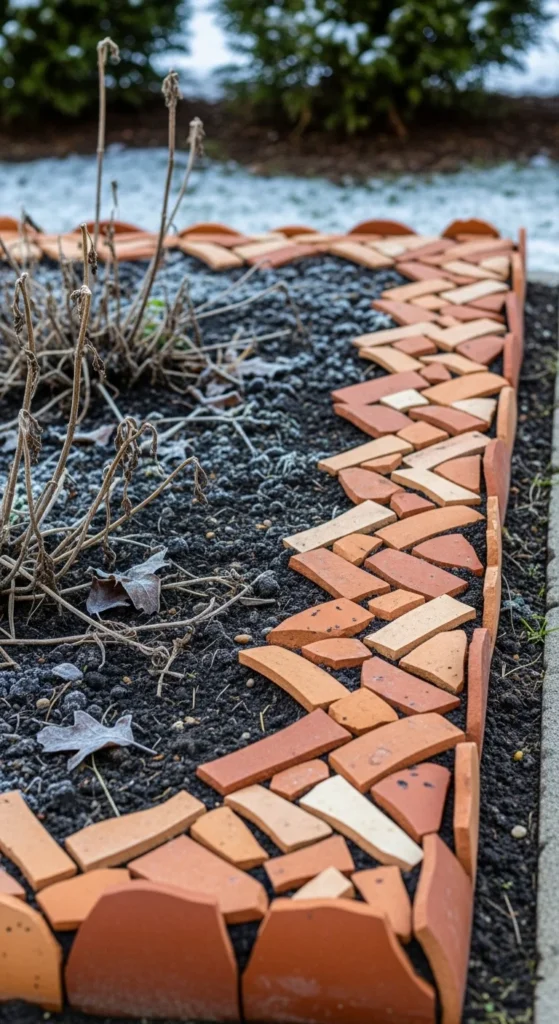
If a pot cracks during cold weather, turn the pieces into edging art. Position them upright along the edge of a bed to form an earthy border. The varied shapes make the border interesting. Combine with pine bark mulch for extra texture. This reuse method reduces waste and adds personality to plain winter beds.
13. Hanging Milk-Jug Planters
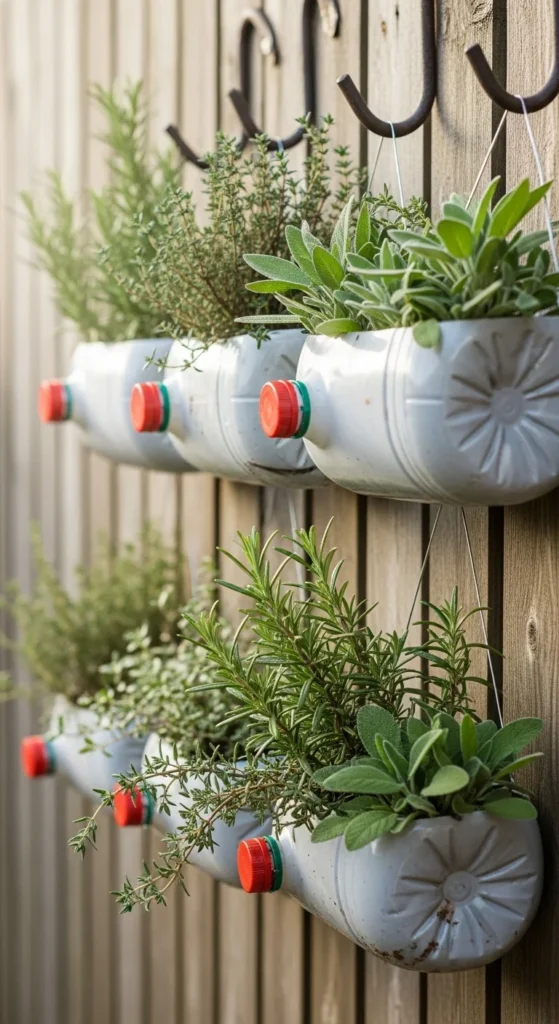
Cut old milk jugs into hanging planters by creating an opening at the front and punching two holes at the top for rope. Fill with soil and plant winter herbs or small greens. Hang them along fences or porch beams. This gives height to your garden without buying hanging pots. Replace plants easily and adjust the layout anytime.
14. Small Evergreen Trio in Reused Crates
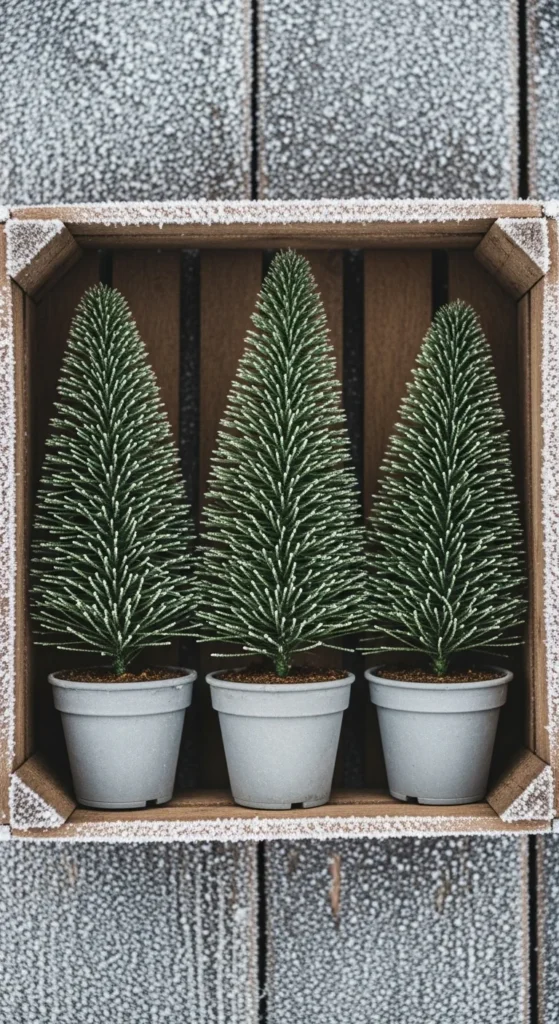
Old crates make excellent winter plant frames. Place three small evergreens inside, spacing them evenly. Line the crate with landscape fabric or cardboard to prevent soil spills. This creates a compact display that fits well near entries or patios. The crate gives structure while the evergreens add greenery through winter.
15. DIY Frost Guard From Bubble Wrap

Bubble wrap helps protect plants in containers during freezing nights. Wrap the container tightly, but leave the top open for airflow. Secure with twine. This trick works well for delicate plants that stay outdoors. The wrap adds insulation and keeps the pot protected from sudden cold drops. Use clear wrap so the pot’s color still shows through.
16. Winter Window Shelf for Propagation
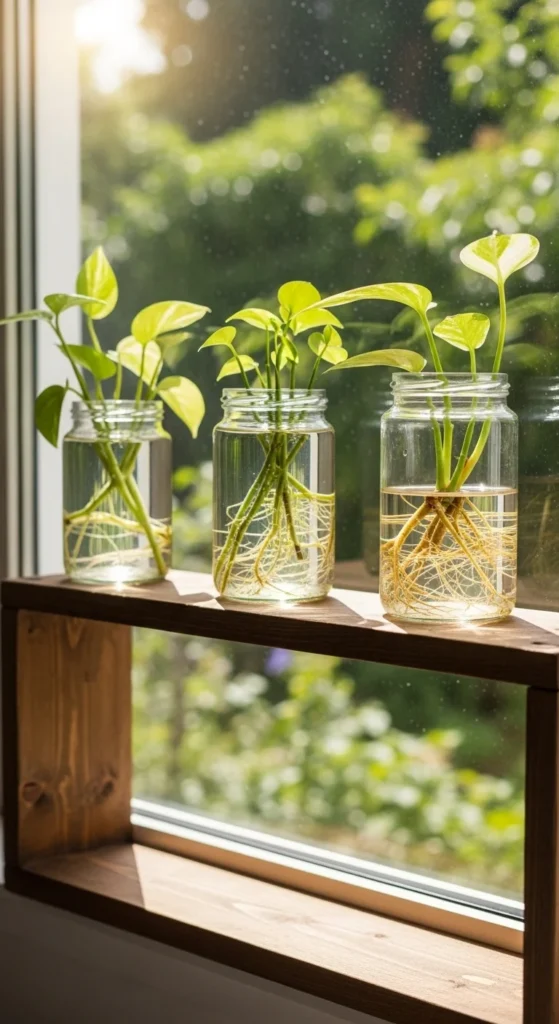
Use a narrow plank to create a temporary propagation shelf on a sunny window. Fill jars with water and place cuttings of rosemary, pothos, or mint. The shelf uses vertical space without any drilling. Change water every few days. This idea works well for apartments and adds gentle greenery indoors during the cold season.
17. Low-Cost Gravel Ground Cover
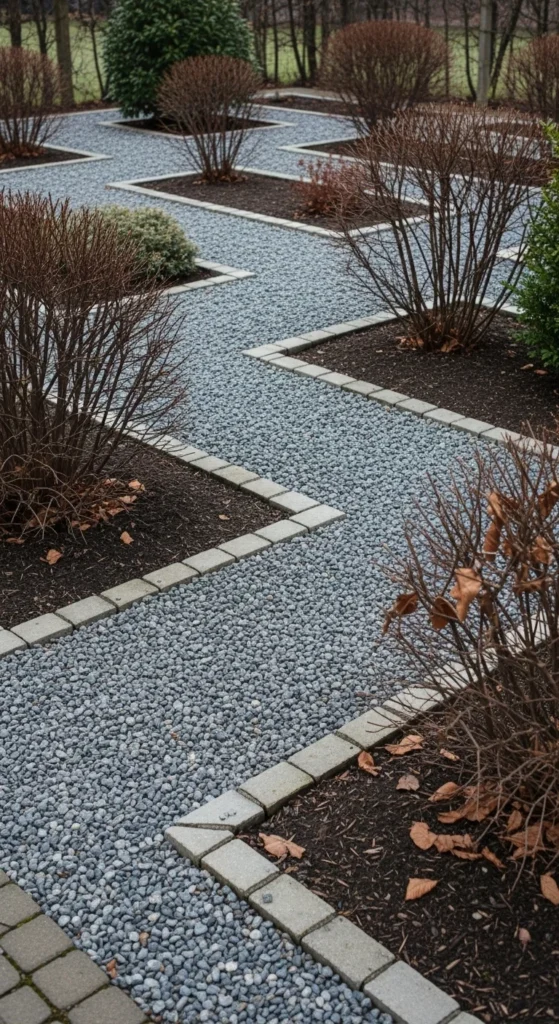
Gravel is a budget-friendly way to tidy unused patches. Spread a thin layer over weed fabric for a simple ground cover. This helps define walking areas and reduces muddiness after rain. Light-colored gravel reflects winter light, making the space brighter. Add a single container or lantern on top for a focal point.
18. DIY Vertical Pallet Wall
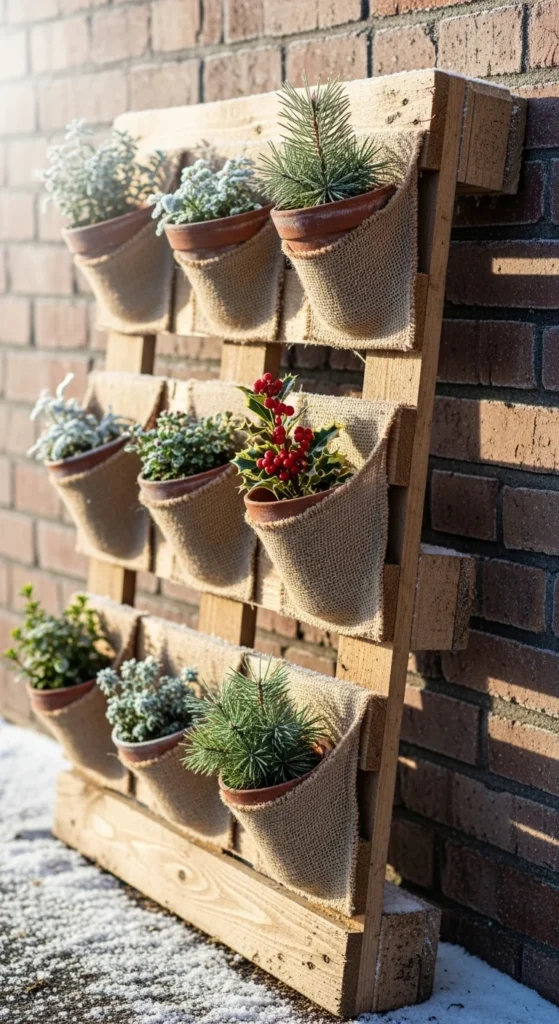
A pallet can become a vertical wall for pots. Clean it, sand lightly, and attach small containers using metal brackets. Plant hardy winter plants like pansies or ivy. Lean the pallet against a fence or shed. This setup offers height, character, and a low-cost upgrade for bare walls.
19. Simple Branch Trellis
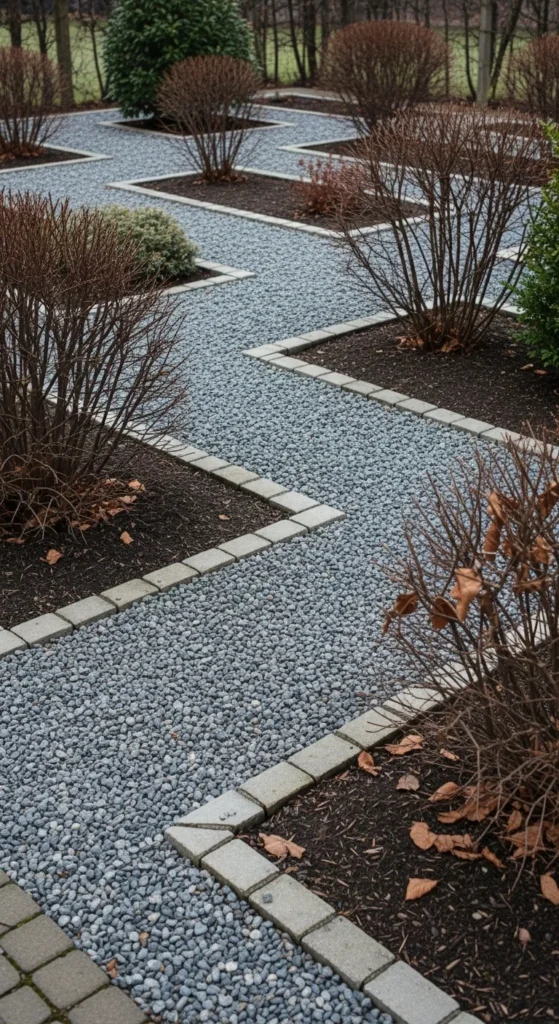
Collect fallen branches and weave them into a trellis. Insert the ends into the soil of a container or bed. Use twine to secure intersections. This trellis supports climbing plants in early spring and adds structure during winter. The rustic style pairs well with winter foliage.
20. Upcycled Mug Planters for Indoors

Old mugs can become indoor winter planters. Add stones at the bottom, fill with soil, and plant herbs or succulents. Place them on kitchen shelves or window sills. This keeps greenery close without buying new containers. Rotate plants occasionally for balanced light. It’s a simple way to add seasonal charm indoors.
21. DIY Stone Mosaic Stepping Square
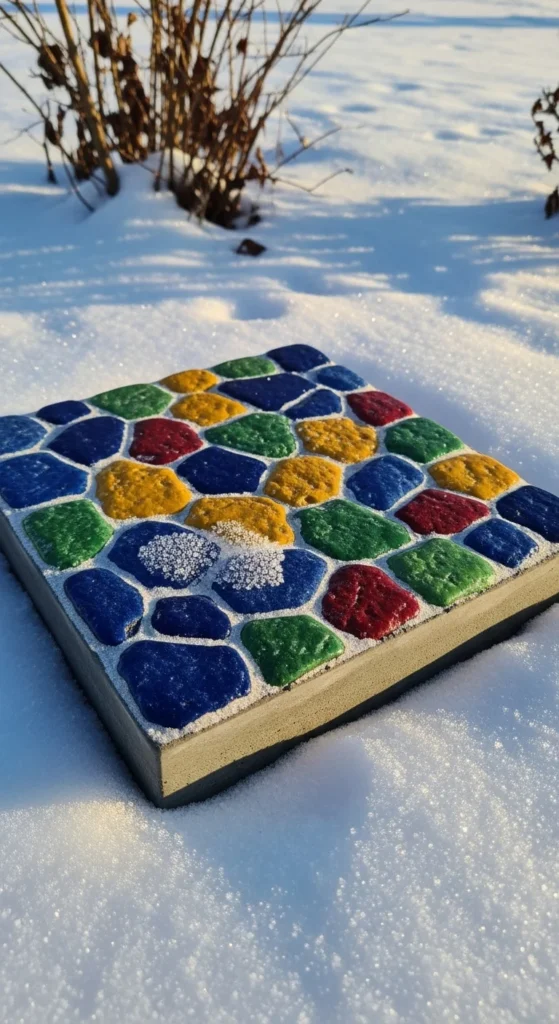
Make a stepping square using leftover stones and a shallow tray of concrete. Press stones into the wet surface to create your own pattern. Once dry, place it in the garden as a walkway accent. This small square helps connect areas of the yard while adding handmade charm.
22. Woven Twig Border
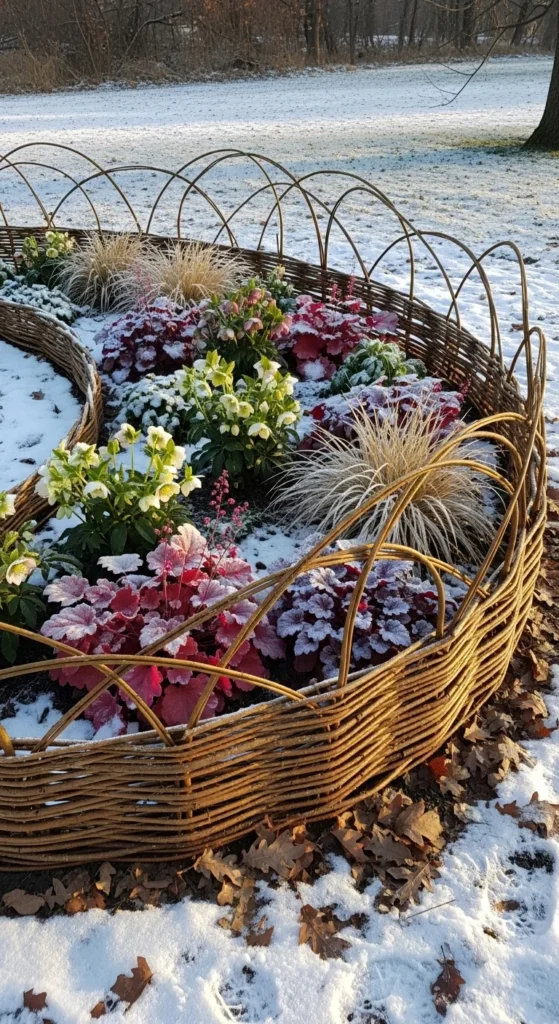
Collect thin twigs and weave them into a flexible border. Push thicker sticks into the soil as stakes and wrap the thin twigs around them. This border keeps mulch in place and adds a natural winter texture. It works especially well around curved beds.
23. Painted Rock Markers
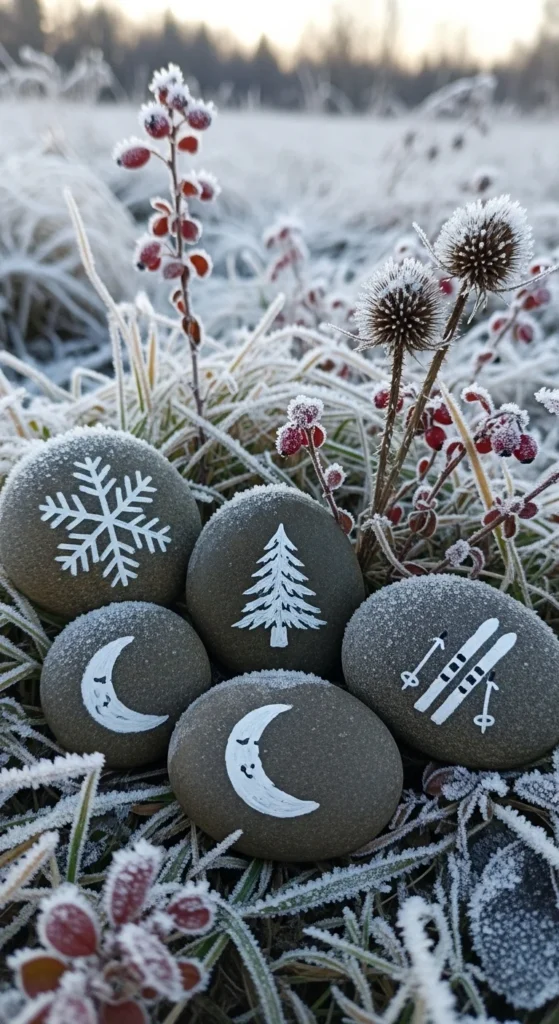
Paint simple icons or colors on smooth stones to mark winter plants. Keep the designs minimal. Place stones at the base of each plant to help identify varieties through the season. This avoids the cost of plastic labels and adds soft detail to winter beds.
24. Reused Jar Cloches
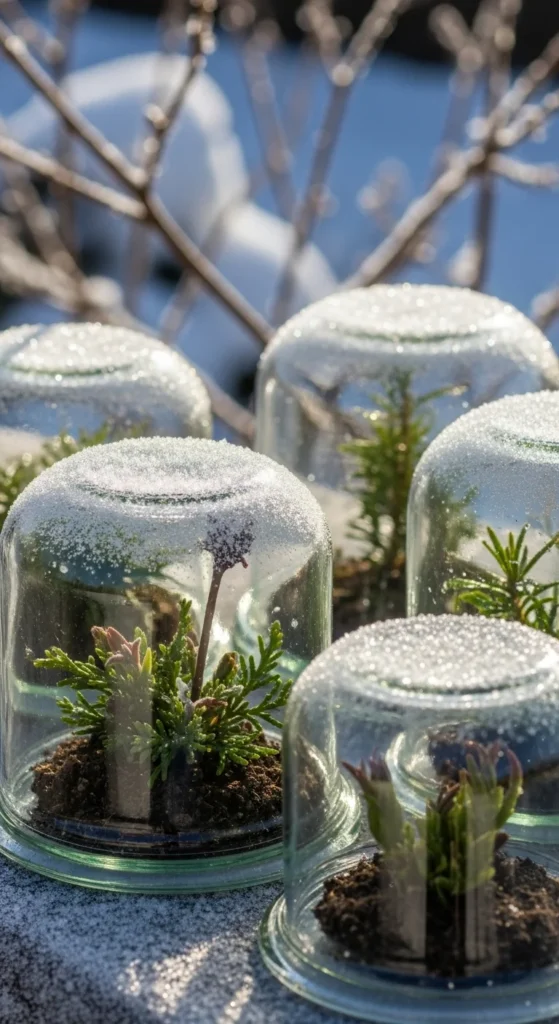
Turn glass jars into protective cloches for small plants. Place the jar over seedlings or herbs during cold spells. The glass traps warmth during the day and shields from frost at night. Lift the jar during warmer afternoons to let air circulate. This simple method protects delicate plants without buying specialized covers.
Conclusion
Winter gardening doesn’t have to stretch your wallet. Small adjustments, recycled materials, and quick DIY projects can reshape your space with clarity and warmth. Each idea offers a simple path toward a cleaner, more welcoming winter garden. Choose a few that match your space, build them slowly, and enjoy the calm, seasonal character they bring into the New Year.

Leave a Reply