

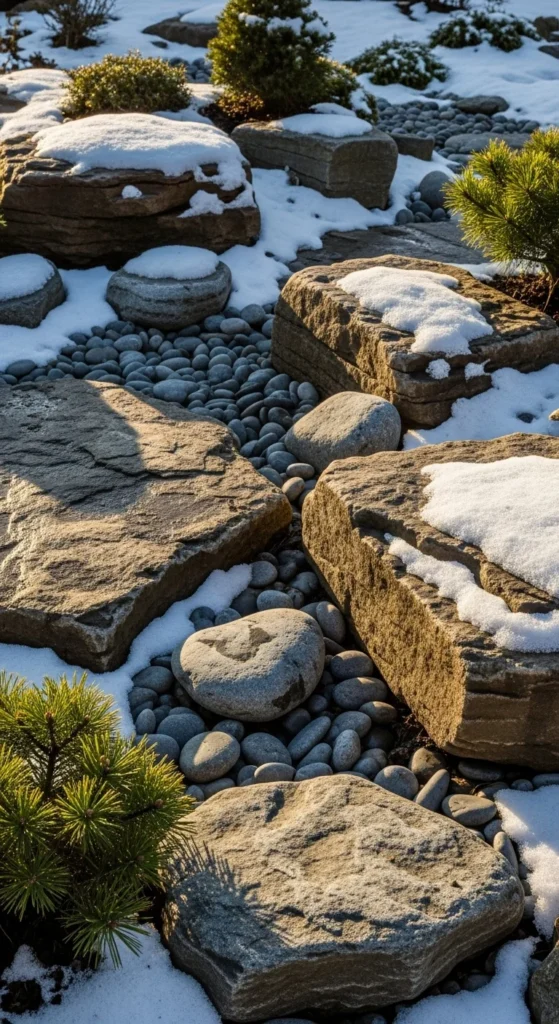
Rock features bring structure and calm to winter gardens. Their weight anchors empty spaces, frames walkways, and adds character when most plants slow down. Cold-season landscapes benefit from the steady texture and strong silhouettes that stones provide. Even small yards or patios can carry a rock feature that feels settled and connected. The ideas below show approachable ways to use rocks—from simple clusters to sculptural accents—all designed to ground your garden during New Year’s quiet months.
1. Corner Boulder Anchor
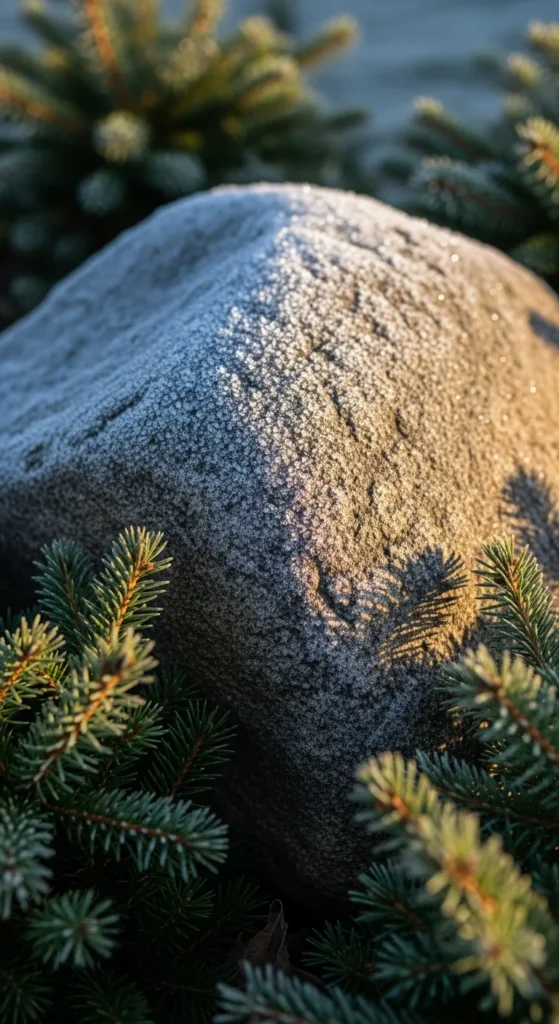
A single corner boulder adds weight and stability to a section of the yard that feels empty. Choose a stone that’s at least knee-high. Place it slightly off-center instead of pushing it tight against a fence or wall. Dig a shallow pocket so part of the boulder sits below soil level; this makes it look naturally placed. Add gravel or pine needles around the base for a simple finish. If you want plants nearby, choose hardy evergreens or moss that stay green in winter. This boulder becomes a visual anchor even when the rest of the garden is bare.
2. Mini Rock Meadow
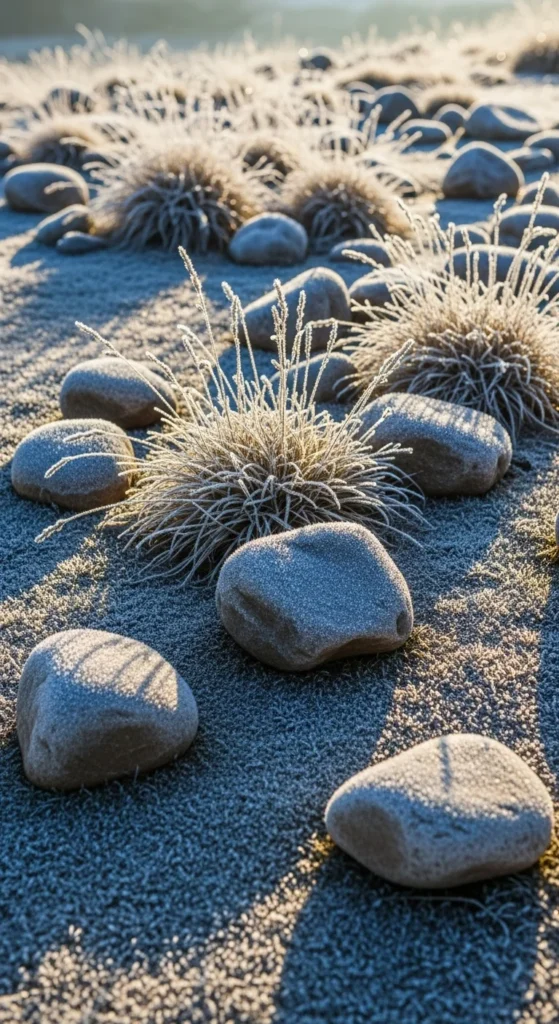
A rock meadow uses several stones sprinkled across one section of the yard. Mix shapes and sizes for a natural look. Leave open space between rocks so the layout feels airy. Add cold-season grasses or small groundcovers around the edges. Use three to seven rocks for a balanced cluster. Place stones at slight angles instead of perfectly upright. This approach turns a plain area into a textured winter display with minimal work.
3. Raised Rock Island
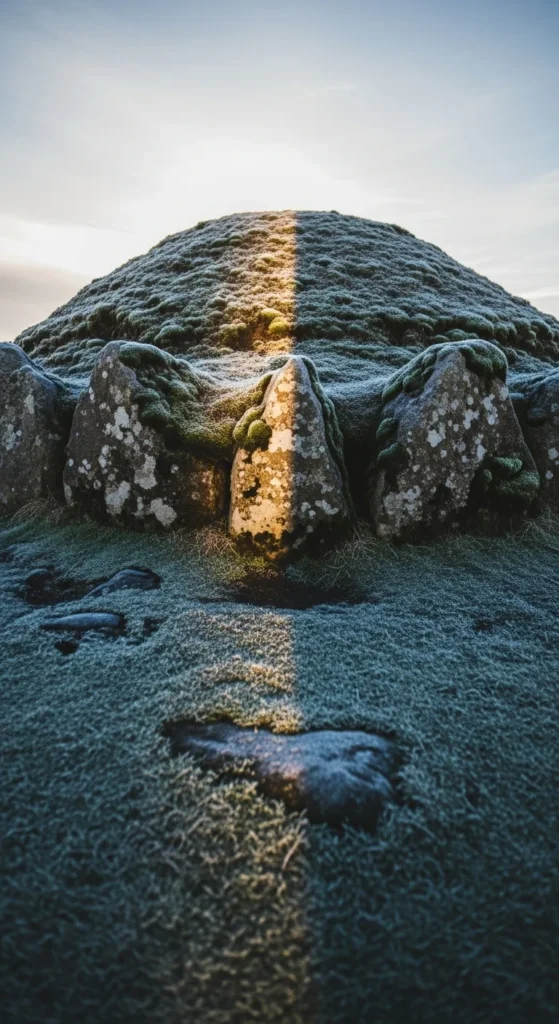
A rock island creates height and presence in winter. Build a small mound of soil and place stones around the top. Add one feature rock as the focal point. Surround it with smaller stones for depth. Keep the edges loose so the mound blends into the garden. Top the soil with moss, gravel, or pine mulch. This island stands out during snowy spells and adds contour to flat yards.
4. Rock-Framed Winter Path
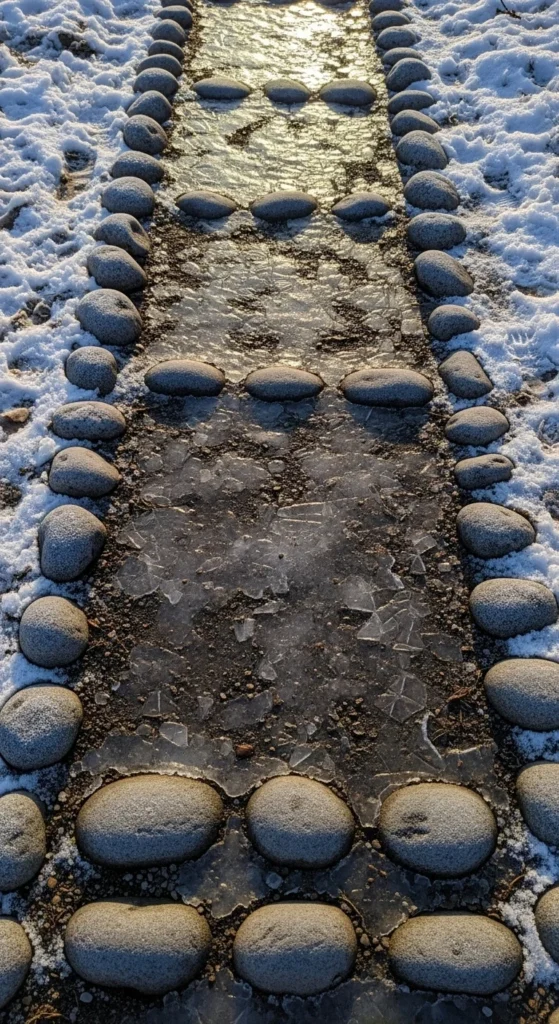
A path becomes more grounded when stones frame both sides. Choose rocks roughly the same height for a tidy look. Space them evenly along the walkway. Add gravel between stones to prevent shifting. During winter, these edges help guide movement even when plants rest. A rock-framed path also pairs well with lanterns or low solar lights for small evening walks.
5. Stone Stack Accent

A stone stack brings sculptural calm to winter spaces. Choose stones with flat or stable surfaces. Keep the stack to three, four, or five stones. Place it where the ground is level so the structure stays steady. Mist lightly after placing to wash off loose dirt for a clean look. You can set a small moss patch at the base to soften the bottom stone. This minimal accent works on patios, garden beds, or doorstep corners.
6. Large Rock + Small Pebble Ring

Create contrast by surrounding one large stone with a pebble circle. Use pebbles in similar tones for a calm design or mixed sizes for texture. Keep the ring about 10–15 cm wide. Press pebbles into the soil so they stay in place during wind or melt cycles. This simple pattern draws attention to the feature rock without heavy effort.
7. Rock Bench Base
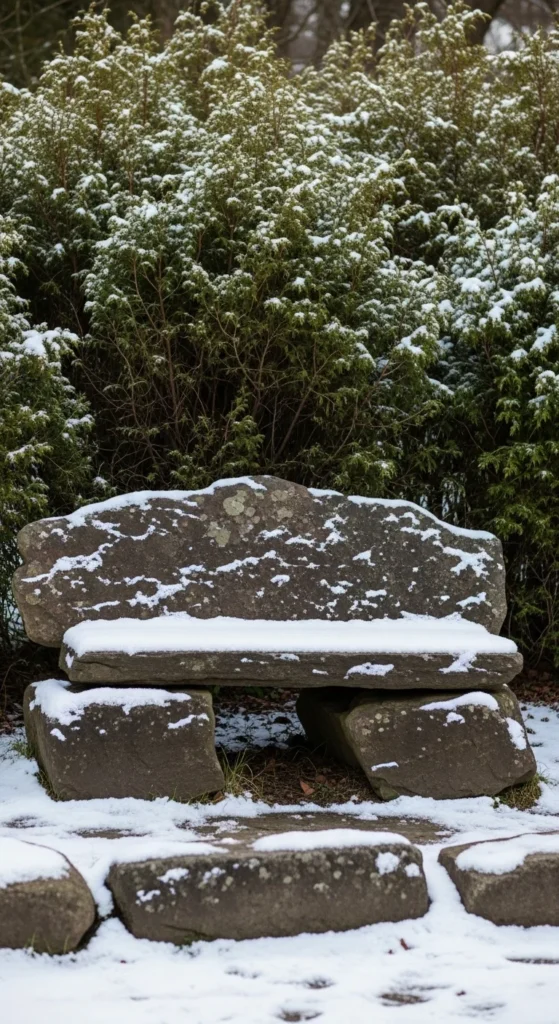
A rock bench adds function and presence. Use two flat stones as supports and a thicker stone or wooden plank as the seat. Set the supports partly underground for stability. Keep the seat low so it feels grounded. Surround the bench with small shrubs or moss patches for softness. Even in winter, the bench becomes a peaceful resting point.
8. Frost-Lined Stone Wall Accent
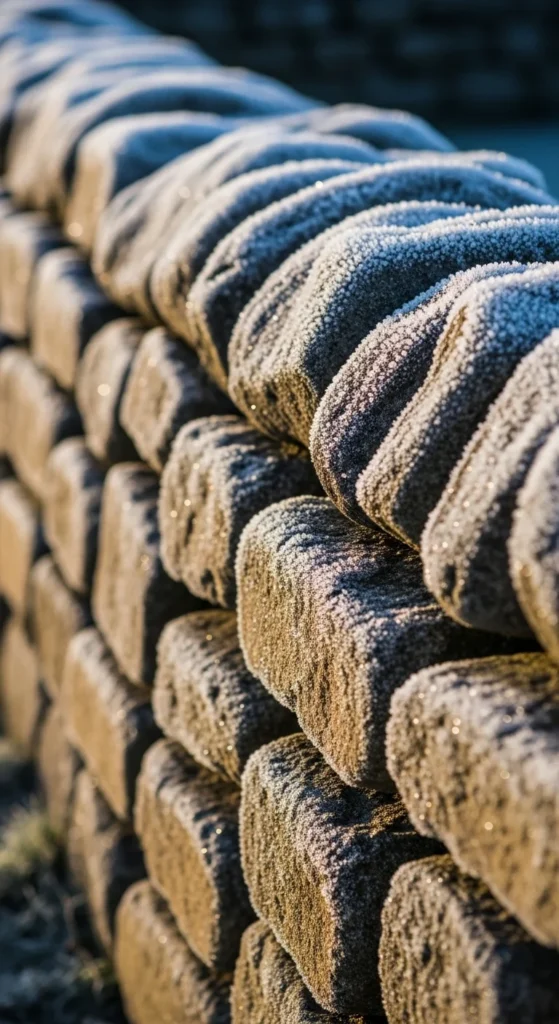
A low stone wall brings structure to winter gardens. Use rocks with flat edges so the wall remains steady. Keep height below knee-level to maintain stability without mortar. Fill gaps with gravel for a tidy finish. This wall can outline a bed, divide garden zones, or act as a boundary. The rough texture becomes more dramatic as frost gathers along edges.
9. Rock Circle Meditation Spot
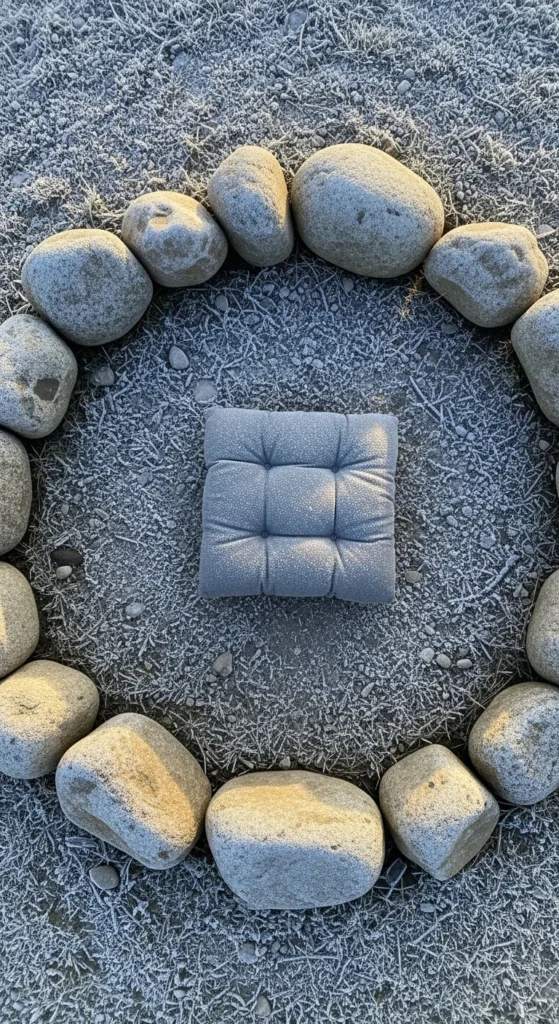
A rock circle forms a quiet corner for morning stillness. Arrange stones in a simple ring with enough space to sit inside. Keep everything informal—irregular stones look natural. Add a small mat or stepping stone in the center. This space feels grounded even without plants or decorations. It’s especially calming during winter’s low light hours.
10. Moss-Coated Boulder Duo
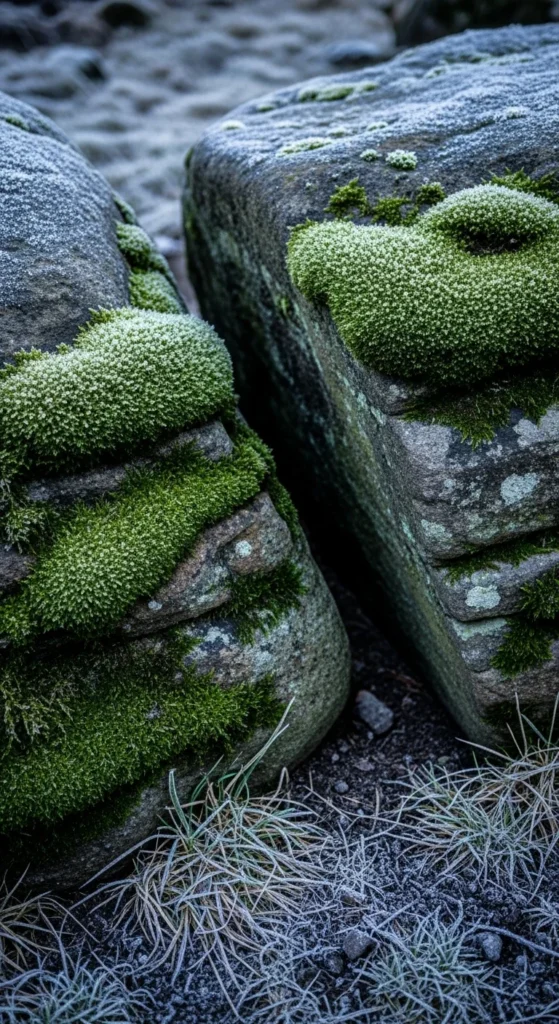
Pairing two boulders creates a simple but powerful focal point. Place them close enough that they feel connected but not touching. Choose stones with different heights for visual contrast. If your climate supports moss, press small clumps into shady spots on the stones. Over time, the moss softens the edges and gives the duo an ancient, settled feel.
11. Rock-Lined Winter Pond Edge
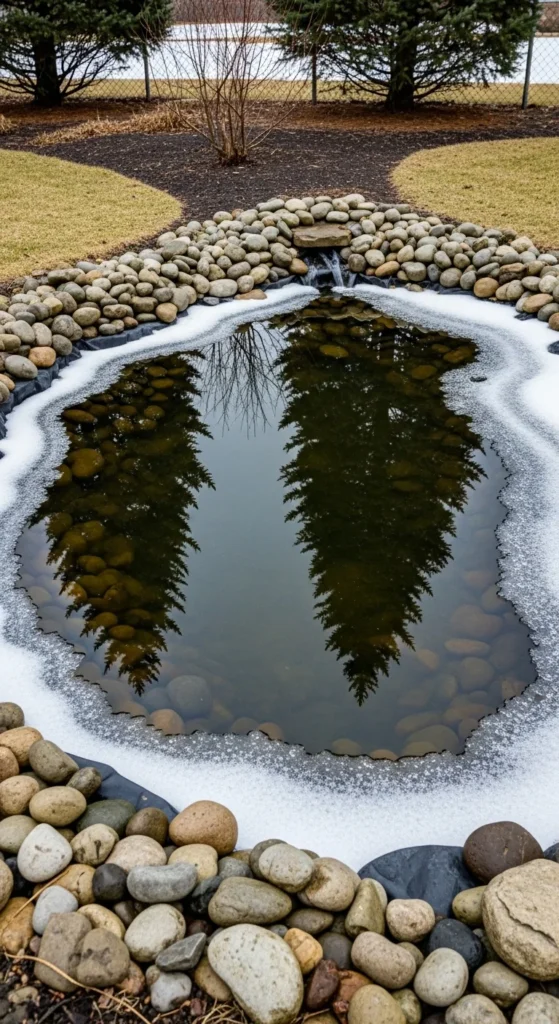
A pond looks more natural when rocks frame the edge. Use large stones to anchor corners and smaller rocks to fill gaps. Keep stone tops above water level so the edge remains visible in winter. Add gravel between stones to secure them. The stones provide texture even when water partially freezes.
12. Patio Rock Cluster Near Seating
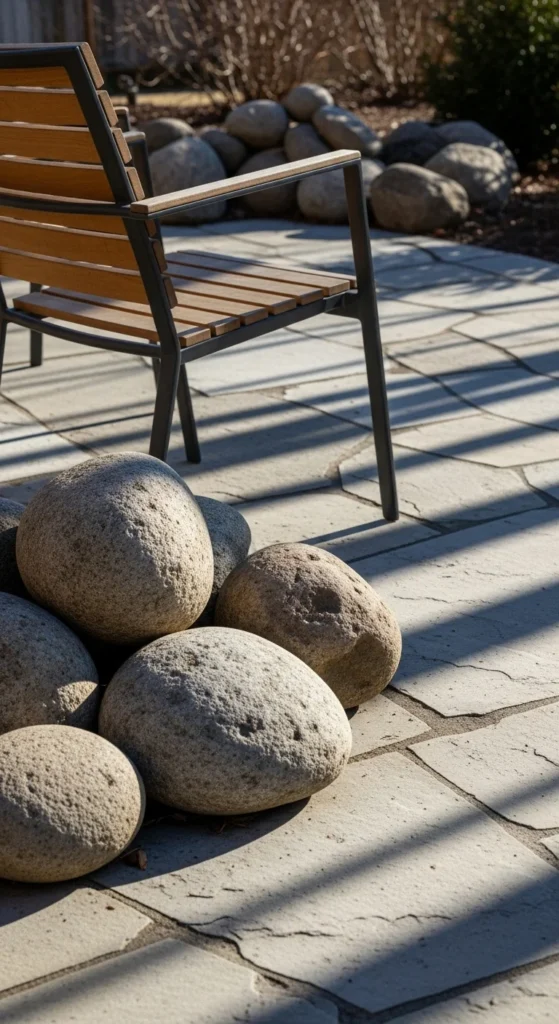
A rock cluster beside a chair adds calm structure to patios. Combine three to five stones of varied sizes. Place the largest stone at the back and smaller ones in front. Leave negative space between stones so the grouping doesn’t feel heavy. A winter lantern placed nearby completes the look. This works well in small outdoor seating corners.
13. Stone Pillar Trio
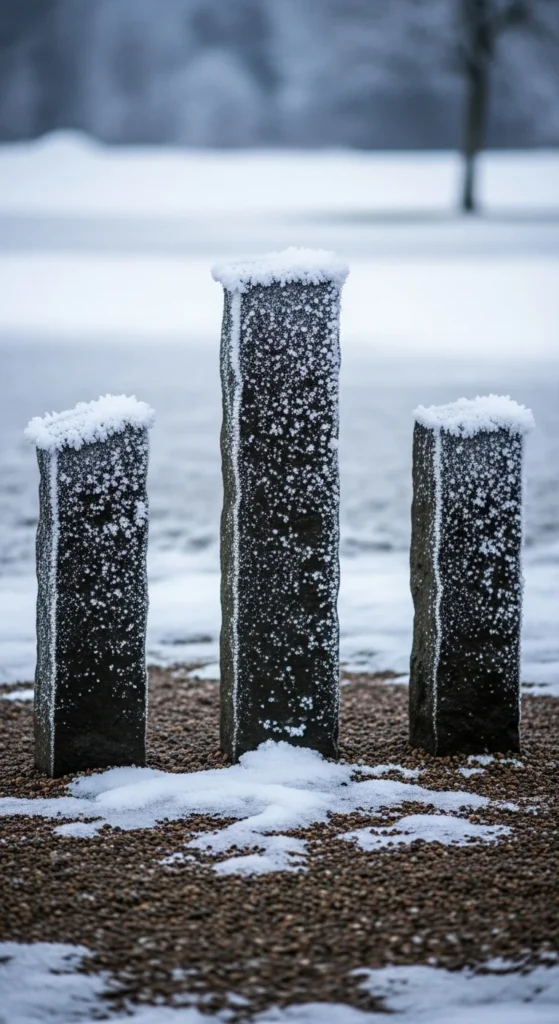
Vertical stone pillars create a strong architectural accent. Choose stones that stand securely on their own. Bury the bottoms slightly for stability. Keep the trio arranged by height—tall, medium, and short—for a natural rhythm. Surround them with gravel or low groundcover. Their shadows change throughout the winter day, adding movement to the garden.
14. Rock Border for Evergreen Bed
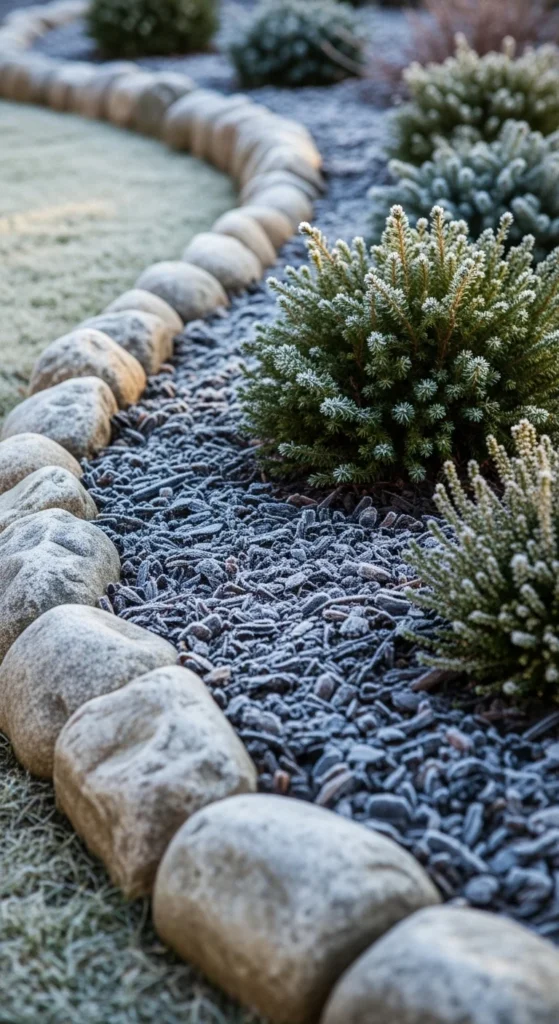
A rock border helps define an evergreen bed. Use mid-size stones and follow a gentle curve. Avoid perfect symmetry; small irregularities look more natural. Tuck a bit of mulch around the rocks to blend them into the soil. This border stays visible even when snow covers the garden.
15. Flat Stone Stepping Platform
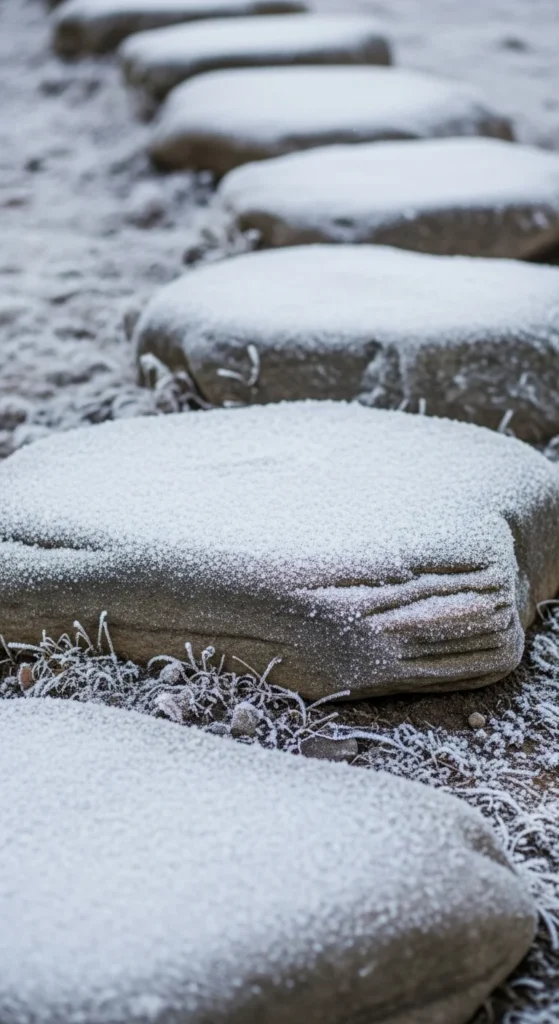
Flat stones make a stable stepping platform in winter. Place two or three large flat stones where you often walk to prevent muddy patches. Bed them into the soil so they sit level. Fill gaps with gravel. This small feature also works well at the base of stairs or near a storage shed.
16. Boulder Beside a Bare Winter Tree
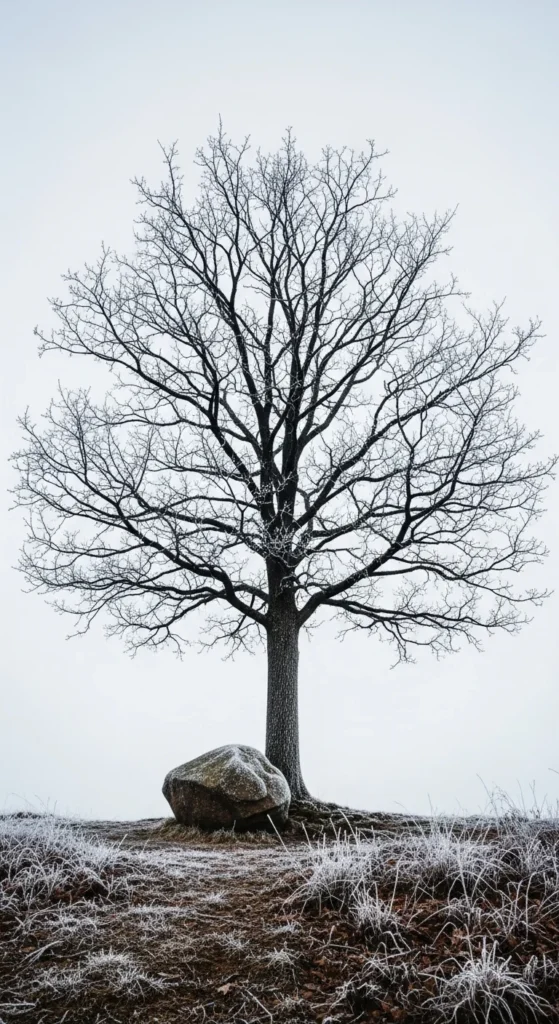
A boulder placed beside a tree adds grounding during winter dormancy. Choose a rock that balances the tree’s height—medium to large works best. Angle the boulder slightly toward the trunk for connection. Add a thin ring of mulch around the base. This pairing becomes a strong winter silhouette.
17. Rock-Lined Drainage Swale
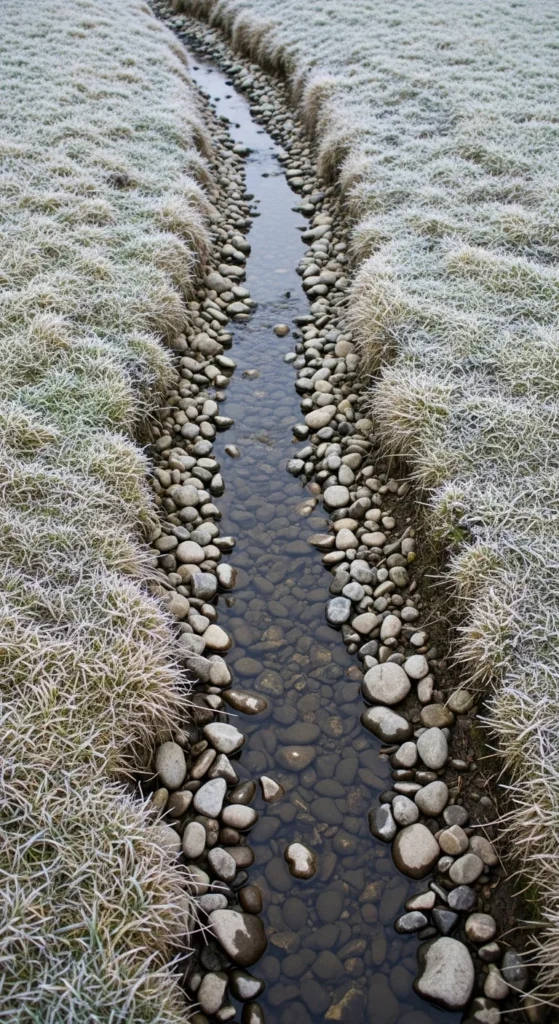
A rock-lined swale directs water runoff and looks intentional even in winter. Dig a shallow channel where water flows naturally. Fill with smooth river stones. Add a few larger rocks at bends for structure. This feature prevents erosion and doubles as a subtle winter accent.
18. Low Boulder With Lantern Topper
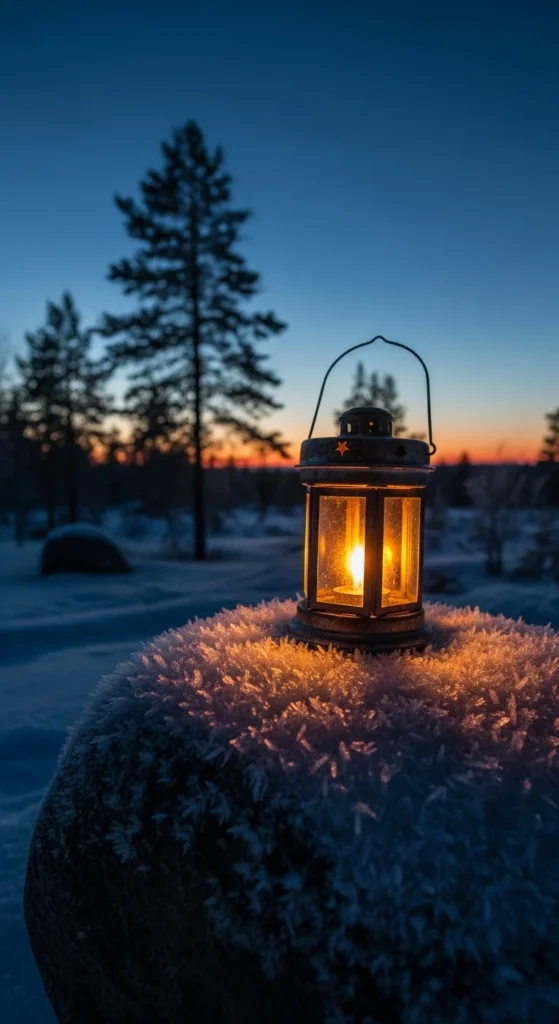
A lantern-topped boulder adds evening presence. Choose a boulder with a stable, flat surface. Place a simple solar lantern or candle-style lantern on top. Secure the lantern with a small adhesive pad if wind is strong. The warm glow against the cold stone creates a calm winter mood.
19. Rock duo framing a walkway start
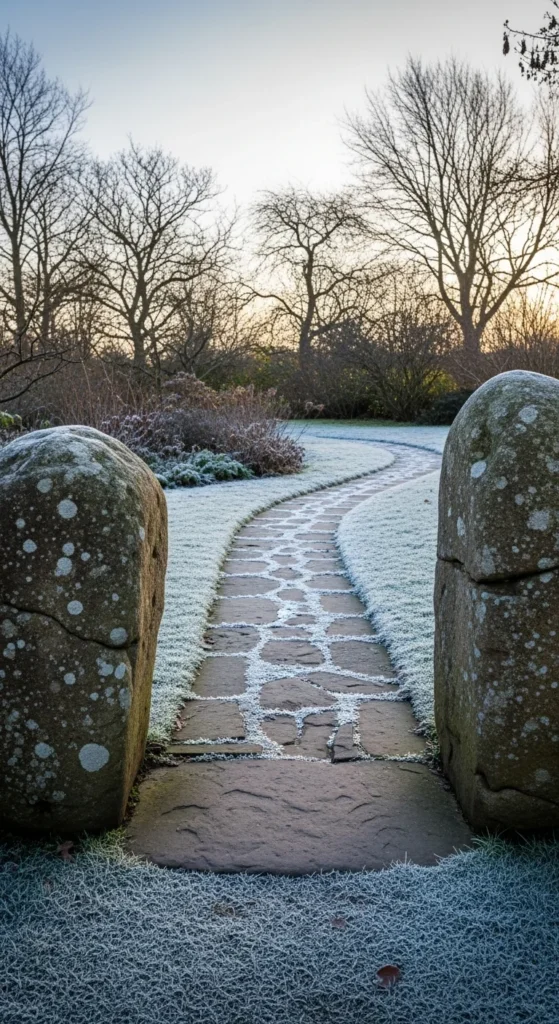
Two stones at the start of a walkway act as visual markers. Place them a few steps apart so people naturally enter between them. Keep heights similar for balance. Add gravel between each stone and the first footstep. This design helps visitors feel guided without relying on signage.
20. Rock-and-Grass Winter Micro-Field
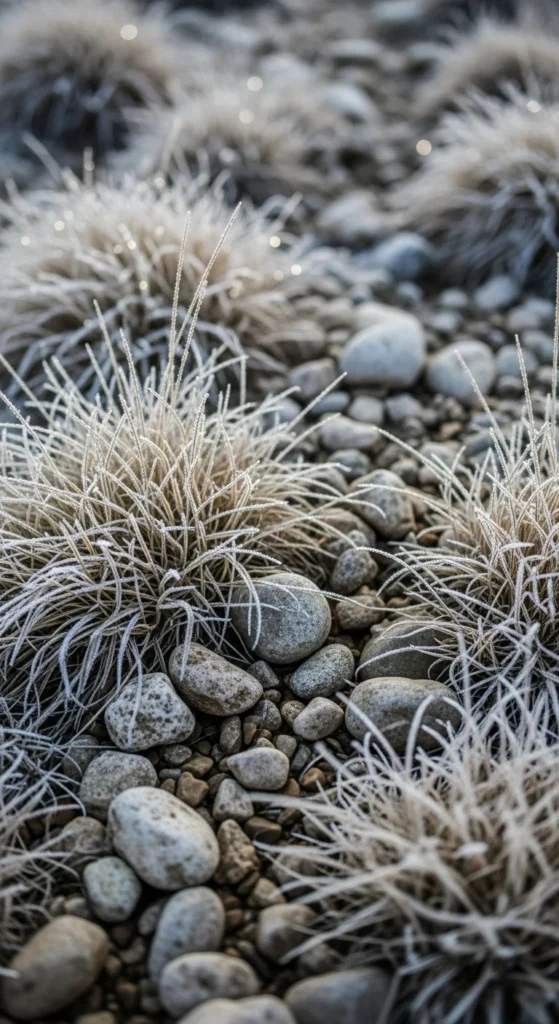
A small rock-and-grass micro-field adds a naturalistic look. Use scattered rocks with low grasses like blue fescue or carex. Plant grasses in groups of three for simple repetition. Place rocks where the soil dips slightly for a settled feel. This layout brings soft movement to winter gardens as grasses sway gently in cold breezes.
21. Boulder Seat Beside Garden Bed
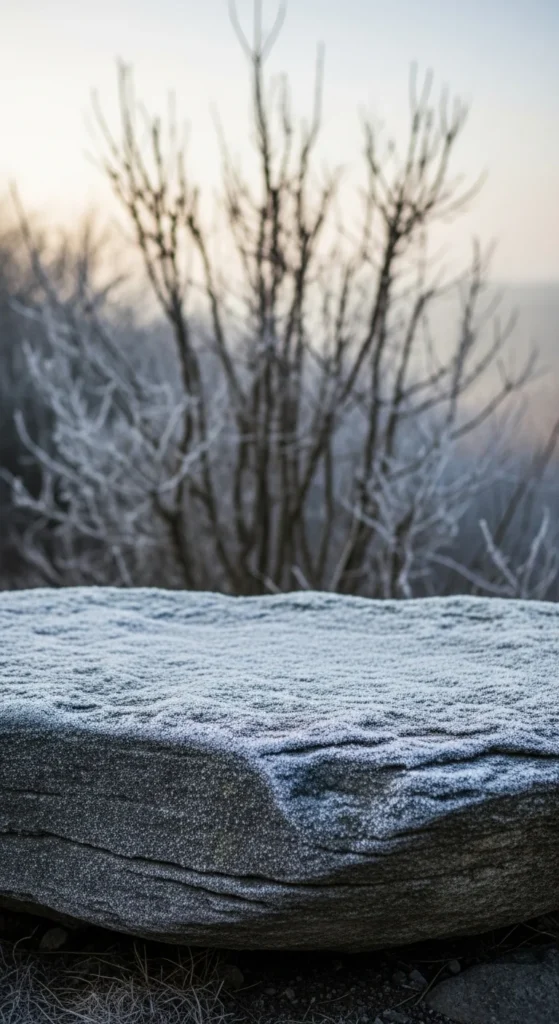
A boulder can double as a natural seat. Look for one with a flat upper surface. Place it beside a raised bed or walkway. Set part of the boulder into the ground so it sits firmly. Add gravel at the base for drainage. Even in winter, this stone seat offers a quiet resting point.
22. Stone Ribbon Through Winter Mulch
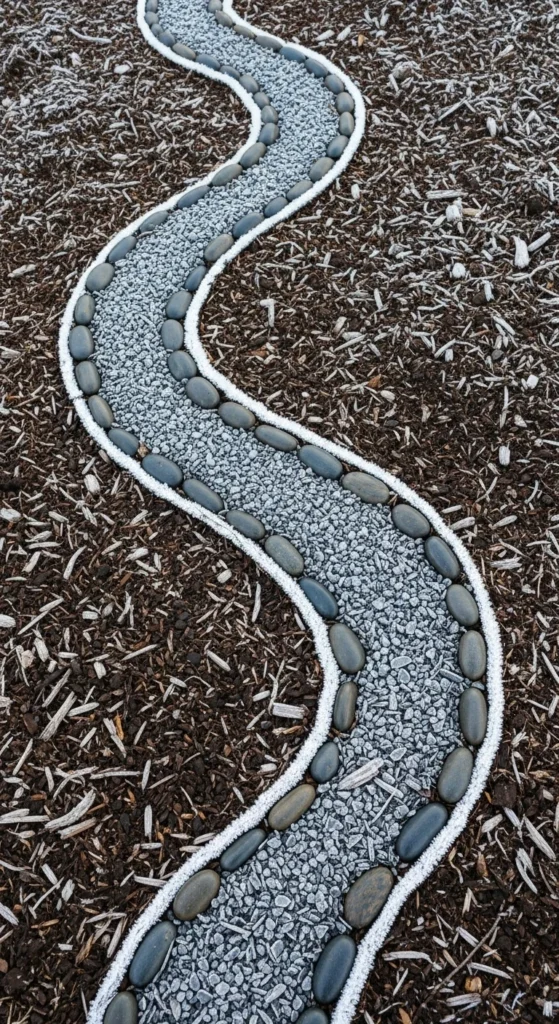
A stone ribbon adds flow across bare winter beds. Arrange medium rocks in a gentle curve. Space them slightly apart so the pattern breathes. Keep heights similar so the line stays smooth. As snow comes and goes, the ribbon remains visible and grounds the space visually.
Conclusion
Rock features bring structure, calm, and balance to winter gardens. Each idea creates a steady presence when plants pull back for the season. Whether you choose a simple stone stack, a boulder beside a tree, or a full rock island, these accents anchor the landscape and give your space quiet strength. Start with one feature, place it intentionally, and let it shape your New Year garden with grounded texture.
Leave a Reply