

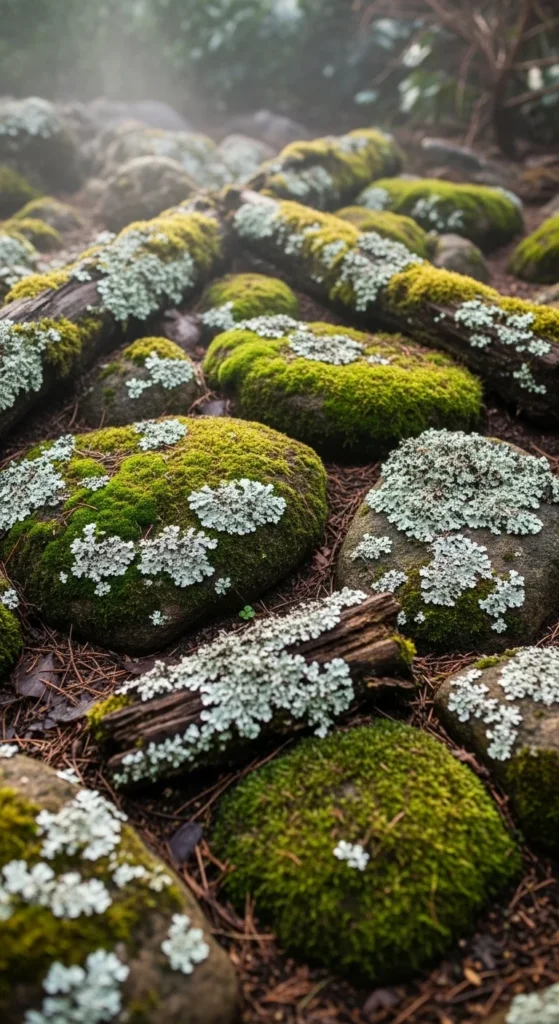
Moss and lichen create quiet, ancient-looking garden accents that soften winter corners and add a grounded, earthy feel. Their textures make any space feel calm, steady, and deeply natural. You don’t need large landscapes to enjoy them—small pockets on pots, steps, and stones work just as well. Many growers enjoy the slow, steady way moss spreads across surfaces, giving the garden a story-rich look that feels older than it is. These ideas help you build peaceful green textures without heavy work or high cost.
1. Moss-Covered Stepping Stones
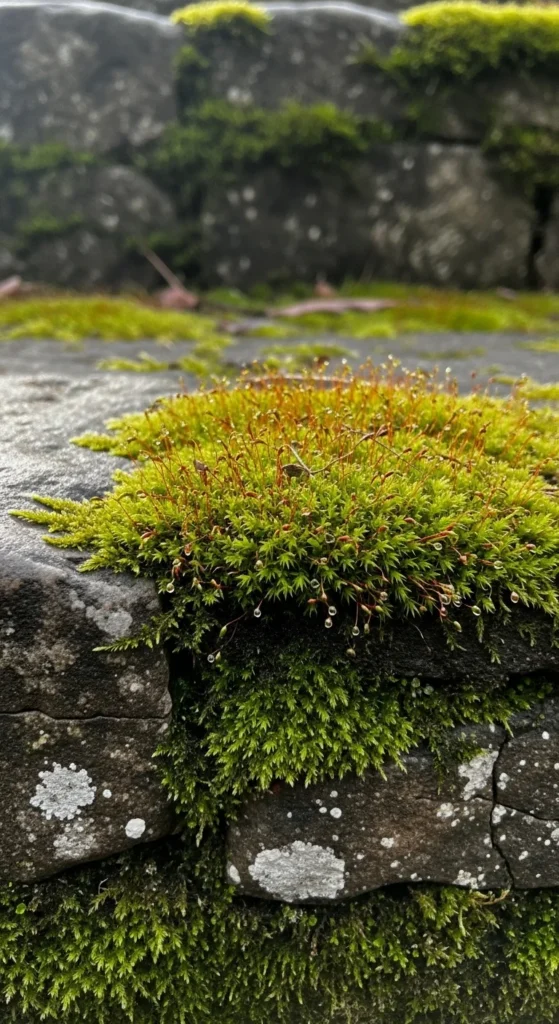
Moss on stepping stones creates a grounding path through any winter garden. Start with slightly rough stones because moss grips better on uneven surfaces. Keep the area lightly shaded so moisture stays longer. If your garden is dry, mist the stones lightly once or twice a week. You can speed things up by pressing small moss clumps into tiny crevices. Use a soft brush to avoid removing new growth. Place stones close together for a continuous green line. This accent works well along narrow pathways or near entry corners where the stones stay cool throughout the day. If frost hits, moss usually recovers on its own. Avoid stepping directly on the moss if you want it to spread faster. Over time, the stones gain an aged look that feels calm and timeless.
2. Lichen-Streaked Garden Pots
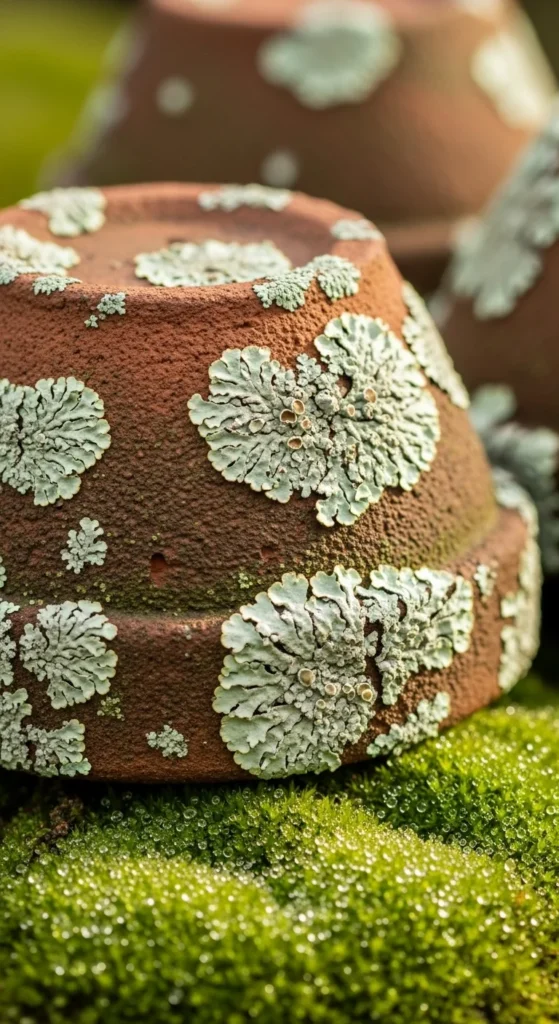
Terracotta pots gain character when lichen forms across the surface. The pale patterns add quiet beauty and help the pot take on an aged, natural look. Place pots in a partially shaded corner so moisture lingers. Avoid scrubbing the outside, as gentle moss and lichen cling better to slightly dirty surfaces. Use a clay pot—plastic won’t work. Add a little moss around the base and mist lightly to create a humid micro-zone. Over winter, the pot slowly develops soft textures that look like they’ve been sitting in a forest for years. Try grouping several pots together to form a small cluster. Let them sit without frequent handling to encourage steady growth.
3. Mossy Log Accent
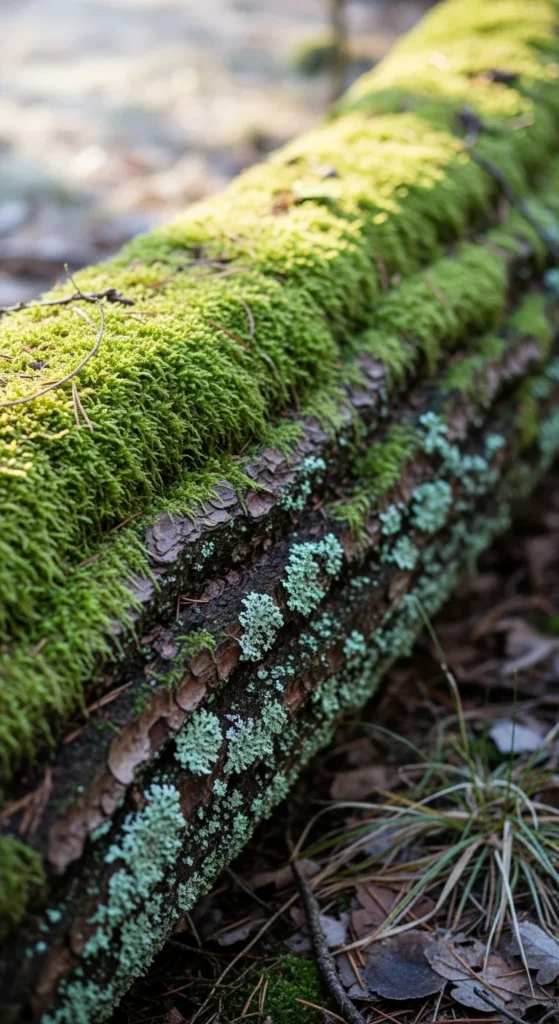
A moss-covered log adds woodland energy to your garden. Place a log in a shaded corner or under a tree where moisture stays longer. Mist it lightly if your winter is dry. Choose wood with textured bark for better moss grip. You can press clumps of moss into the grooves for faster coverage. Pair the log with ferns or low shade-loving herbs to build a natural-looking vignette. The log slowly breaks down over time, but that’s part of its charm. Replace it when needed or keep adding new moss patches. This accent works well near paths, ponds, or quiet sitting areas.
4. Stone Wall Moss Veils
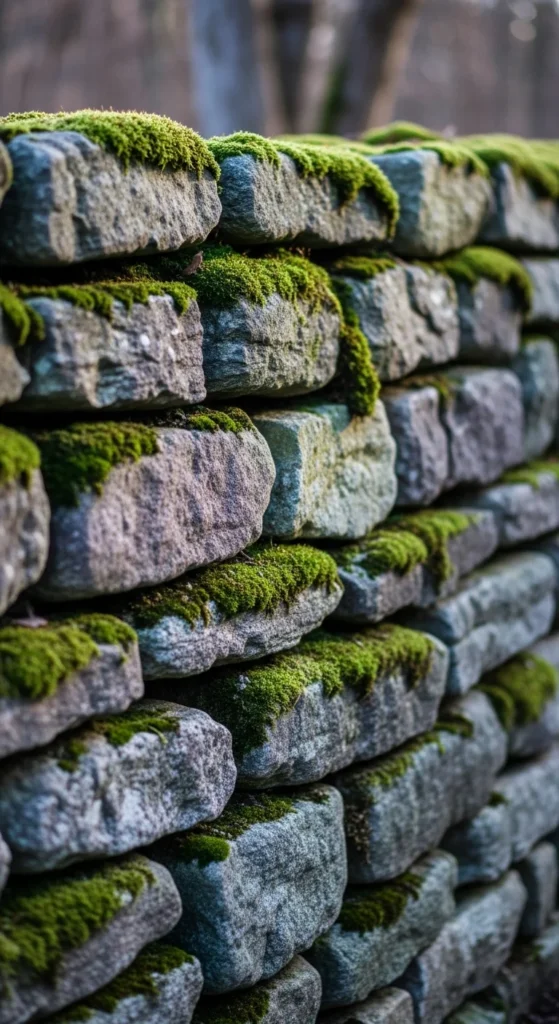
A mossy wall adds depth and softness to a winter garden. Look for stone or concrete surfaces with rough texture. Moss attaches more easily when the wall retains moisture. Mist the section lightly a few times each week. Press small moss patches into cracks for quicker spread. Keep tall plants nearby to create partial shade, which helps moss settle. Over time, the green softens sharp edges and makes the wall look older. This idea works well for courtyard walls and retaining edges.
5. Ground-Level Moss Carpet

A moss carpet turns a bare patch into a calm green floor. Choose an area with dappled shade. Clear away debris and lightly dampen the soil. Place moss sheets across the surface and press gently. Mist regularly during early stages. Avoid walking on the carpet to help it settle faster. If the spot receives afternoon sun, add a small shrub or fern for light filtration. Over winter, the moss spreads slowly and creates a soothing foundation for nearby plants.
6. Moss-Framed Birdbath

A mossy birdbath adds quiet charm and pairs nicely with winter stillness. Choose a stone bath with rough edges. Keep it in partial shade so moss stays moist. Let fallen leaves break down around the base to feed nearby patches. Remove only large debris; let small particles stay. You can press moss into crevices along the rim for faster growth. Clean the inside bowl gently without disturbing the moss on the outer surface.
7. Lichen-Softened Garden Bench
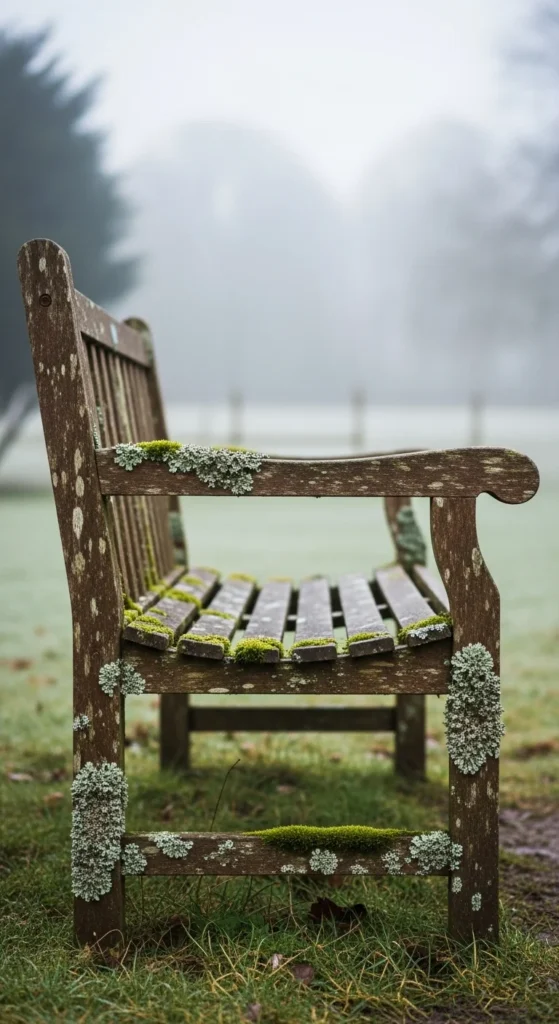
A lichen-touched bench adds age and calm to a sitting area. Use a wooden or stone bench, as both accept lichen slowly over time. Keep it in a shaded corner where moisture collects. Avoid moving it often. A simple misting every few days helps during dry weeks. Let leaves fall naturally around the bench—this creates the perfect humidity zone. Over winter, texture builds across the surface, adding depth and quiet character.
8. Moss-Edged Water Basin
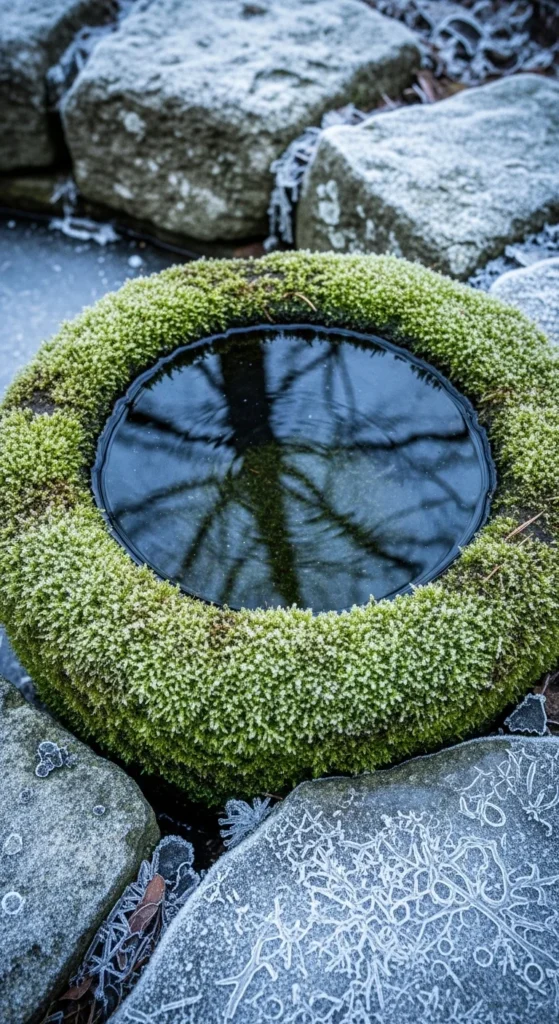
Moss thrives around water sources where moisture stays steady. Place a basin where it receives indirect light. Let water splash gently during rain to moisten nearby patches. Add moss along the rim and light stones around the base to create a natural frame. Avoid scrubbing the outside unless large debris collects. This accent blends easily into any winter garden corner.
9. Lichen-Patched Flagstones
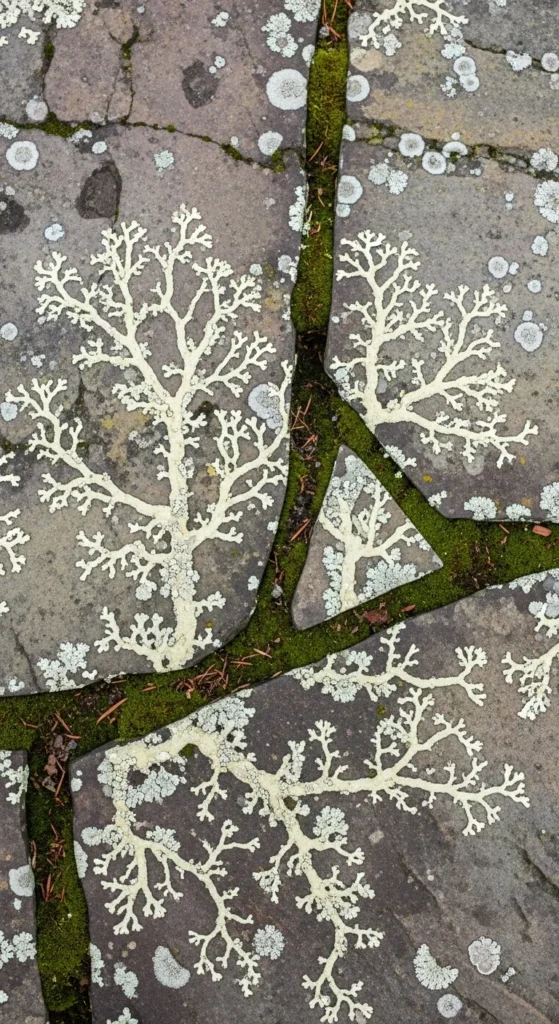
Flagstones with lichen patterns look timeless. Choose stones with rough surfaces and place them in slightly shaded locations. Avoid power-washing; gentle cleaning is enough. Rain and humidity encourage growth. You can also place stones near moss patches to create a shared environment. Over winter, lichen spreads in delicate circles that add visual interest to walkways or patio edges.
10. Mossy Terracotta Path Markers
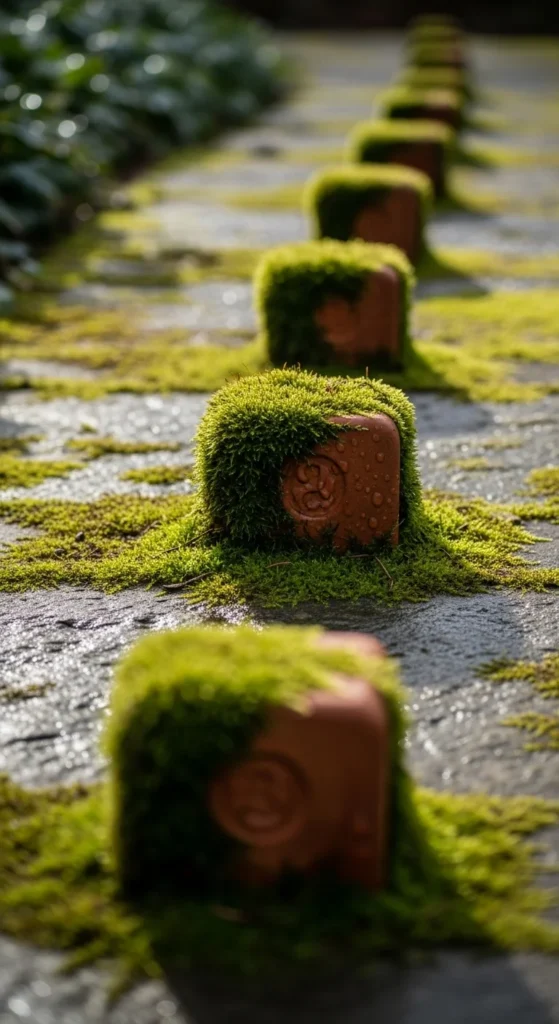
Terracotta markers gain character when moss settles along their bases. Sink them slightly into soil along a path. Mist lightly during dry spells. Group several markers to build a small texture-focused accent zone. Choose shapes with grooves or carved text so moss can collect easily. As winter moisture rises, the moss spreads and softens the edges.
11. Moss-Topped Garden Lantern Base

A mossy lantern base adds a peaceful feel to small pathways. Use stone lanterns or sturdy concrete lanterns. Keep them in low-light spots. Press moss into the top grooves and mist regularly. Allow leaves to rest around the base for humidity. This accent works especially well in Japanese-style or woodland gardens.
12. Lichen-Dusted Tree Trunk Feature
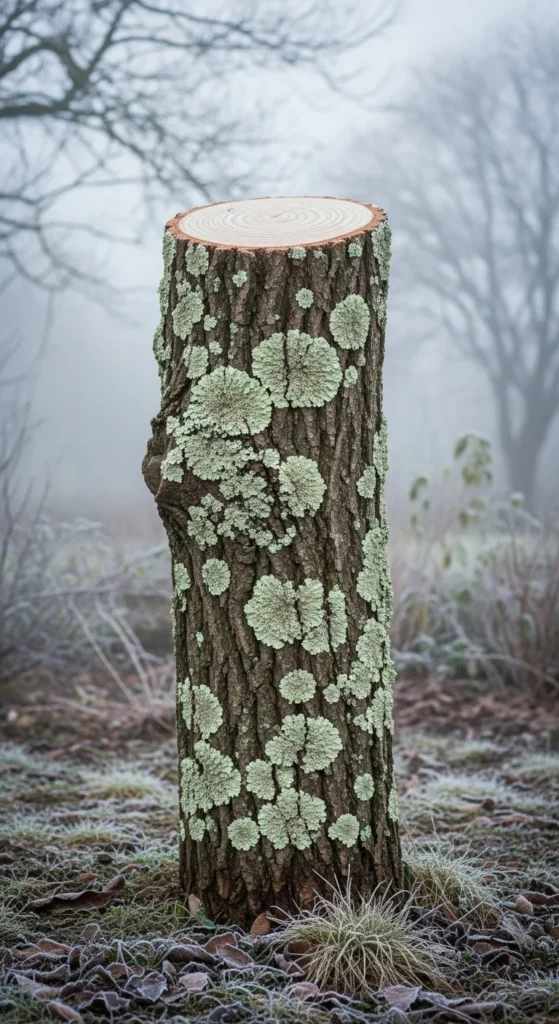
A tree trunk placed upright can become a textured garden sculpture. Choose a trunk with rough bark. Set it slightly into the ground so it stays stable. The trunk attracts lichen over time, especially in shaded corners. Mist lightly if the air turns too dry. Surround it with small stones or moss patches to integrate it visually.
13. Moss-Filled Rock Pocket

A natural depression in a stone makes a perfect moss cradle. Place the stone where moisture collects. Add a thin soil layer inside the pocket, then press moss gently on top. Mist often during the first weeks. The moss forms a soft cushion that adds depth to the stone surface. This accent fits well near ponds or water features.
14. Lichen Trails on Old Clay Bricks
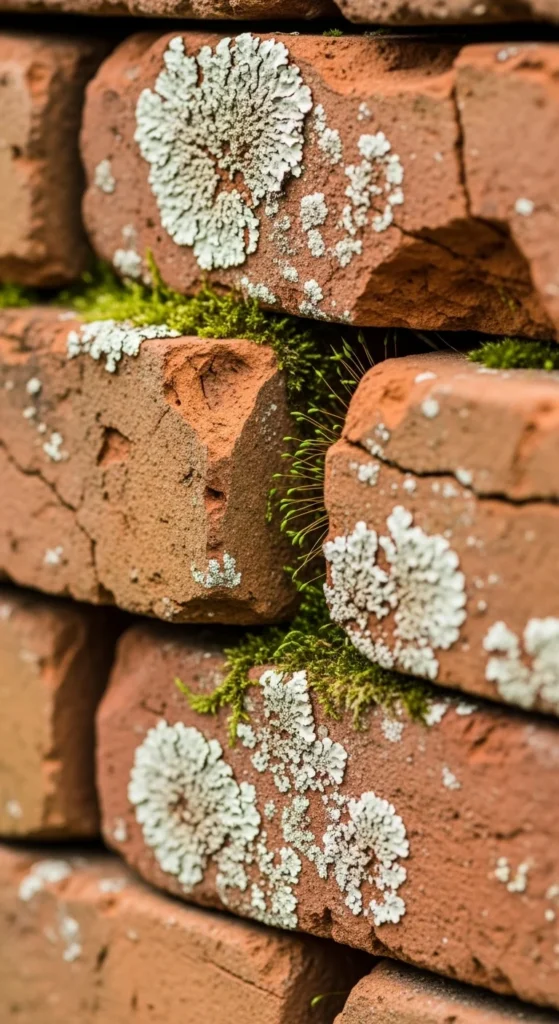
Old clay bricks gain charm when pale lichen gathers on the surface. Stack them to form a low wall or edging. Place them in shaded sections where moisture lingers. Let rain do most of the work. Avoid cleaning too often. Over time, subtle textures appear across the bricks, giving your garden a grounded, ancient look.
15. Moss-Lined Garden Steps

Steps gain softness when moss grows along their sides. Keep the steps slightly shaded. Mist them lightly during dry stretches. Avoid scrubbing edges; light cleaning keeps moss safe. Press small clumps into corners for quicker spread. The subtle green frames each step and helps connect different garden levels visually.
16. Moss Bowl Centerpiece

A moss bowl brings green texture to patios and entry tables. Use a wide, shallow bowl made of stone or terracotta. Add a thin soil layer, then place a moss sheet on top. Keep the bowl in indirect light. Mist lightly when dry. The bowl stays low maintenance and looks calm throughout winter. You can add a few small stones for visual contrast.
17. Moss-Hugged Tree Base

Tree bases often hold moisture, which helps moss cling naturally. Avoid pulling away small patches; let them spread. If you want to speed things up, press moss pieces along the trunk flare. Keep the area clear of heavy debris. This simple accent adds forest-like energy to even a small yard.
18. Lichen-Kissed Stone Fountain
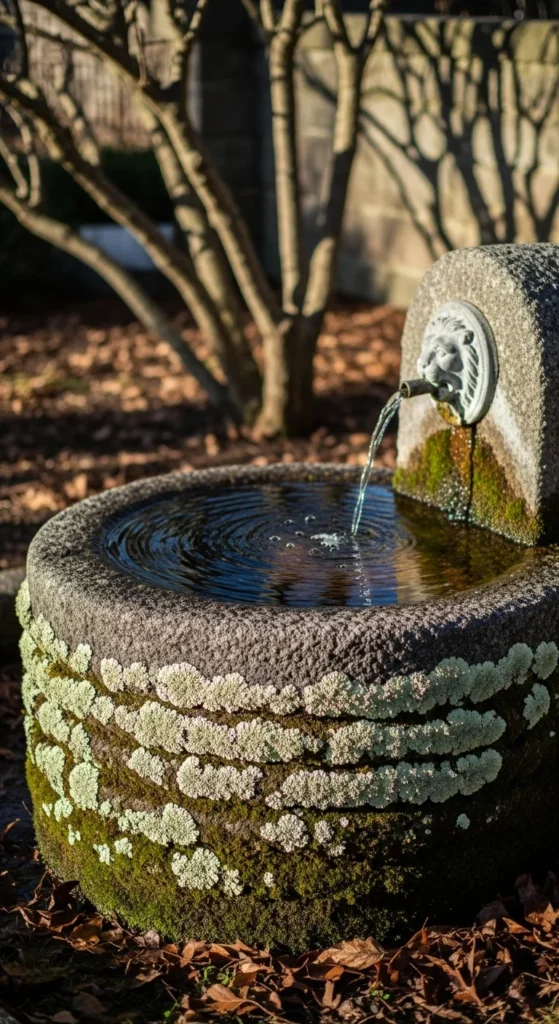
Lichen gathers easily on stone fountains that stay damp. Place yours where it receives partial shade. Let water splash gently over the surface. Avoid harsh cleaning methods—use a soft cloth instead. Over time, pale patterns appear, adding depth and character. This feature works especially well in quiet corners.
19. Moss Around Potted Tree Roots

A moss layer around the base of a potted tree adds color and texture. Use a shallow soil layer and place moss across the top. Mist gently. This helps keep soil moisture steady and adds structure to the pot. Choose trees like Japanese maple or camellia for a balanced winter display.
20. Lichen-Adorned Garden Orbs

Garden spheres gain charm when lichen forms across their surfaces. Place them in shaded or semi-shaded areas. Let rain and humidity work slowly. Avoid cleaning unless dirt builds up too heavily. Group several orbs together for a structured display. Over months, subtle patterns create an ancient garden feel.
21. Moss-Lined Waterfall Rock

Moss thrives near water features. Add small moss strips along the waterfall’s top edge. Keep the area shaded. Let natural splashes moisten the moss daily. Once settled, the moss softens the rock and adds calm movement to the feature. This accent suits both large and small water setups.
22. Moss on Old Wooden Crates
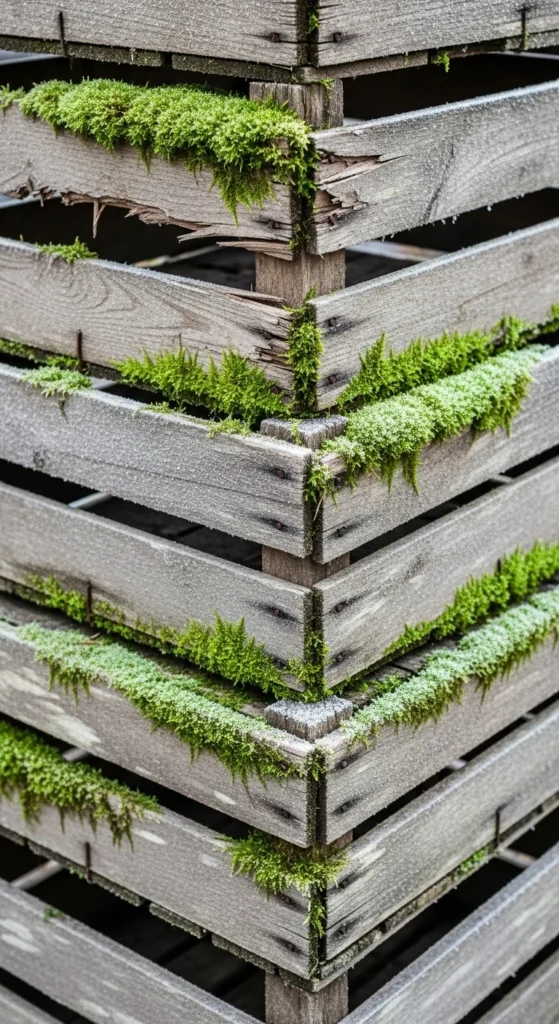
Old wooden crates become charming accents when moss gathers on corners. Keep them in shaded sections. Mist occasionally. Add potted herbs or small plants on top to build a layered scene. The aging wood works well with the softness of moss and helps your garden feel grounded.
23. Lichen-Speckled Stone Pillars

Stone pillars placed at path entries or corners can develop beautiful lichen markings. Use textured stone. Keep pillars in shaded or semi-shaded areas. Let moisture gather naturally. These subtle patterns form slowly but add remarkable texture once established.
24. Mossy Mini Rock Garden

A mini rock garden lets you create a compact moss world in just a few feet. Choose rocks with cracks and roughness. Arrange them close together to create pockets. Press moss into the gaps and mist regularly until it settles. Add a low fern or woodland herb for extra dimension. This small vignette becomes a peaceful focal point in winter.
Conclusion
Moss and lichen accents bring quiet strength and ancient texture to winter gardens. Each idea works on a small scale and doesn’t require heavy upkeep. By adding these calm green touches across stones, wood, and water features, you create a garden that feels steady through cold months. Pick a few ideas that match your space, place them thoughtfully, and let time shape the textures naturally.

Leave a Reply