


A winter greenhouse doesn’t have to slow production. With small tweaks, simple gear, and smart layouts, hydroponic systems can keep vegetables and herbs growing even when the weather turns harsh. Many growers want ideas they can apply right away without expensive equipment. The setups below offer practical ways to add structure, stability, and steady yield through the cold months. Each idea focuses on simple actions that make a noticeable difference in everyday growing. You can mix and match the concepts or start with just one to upgrade your winter flow.
Below are 22 hands-on, high-tech hydroponic greenhouse ideas you can set up this New Year for stronger winter harvests.
1. Vertical LED-Tiered Greens Rack

A vertical LED-tiered rack helps you grow more leafy greens without expanding your footprint. The stacked layout creates extra planting layers while keeping the nutrient reservoir at the base. Short-root plants respond well to this design because they stay compact and tidy. Use cool-running LEDs to maintain stable water temperature and avoid heat stress. You can construct the rack with metal shelving, PVC channels, and plug-in LED bars. Keep each tier shallow to maintain easy access when trimming or harvesting. Use a simple timer to automate lighting and avoid manual switching. Add a small fan to move air across all shelves evenly. If you’re on a tight budget, start with only two tiers and expand each season. This system makes winter greens grow predictably even with limited sunlight.
2. DWC Tub with Insulated Reservoir

An insulated DWC reservoir keeps nutrient temperature stable during cold spells. Wrap the tub with reflective insulation or foam boards to retain warmth. Floating raft boards let you grow lettuces, basil, or pak choi comfortably through winter. Keep the air pump elevated to avoid cold-floor temperatures. If your greenhouse gets very cold at night, place a small aquarium heater inside the reservoir. Monitor it carefully and use the lowest safe wattage. Make sure every raft has enough spacing so roots don’t tangle. This setup works well for new growers because it requires only a tub, an air stone, and basic insulation.
3. NFT Winter Rail System
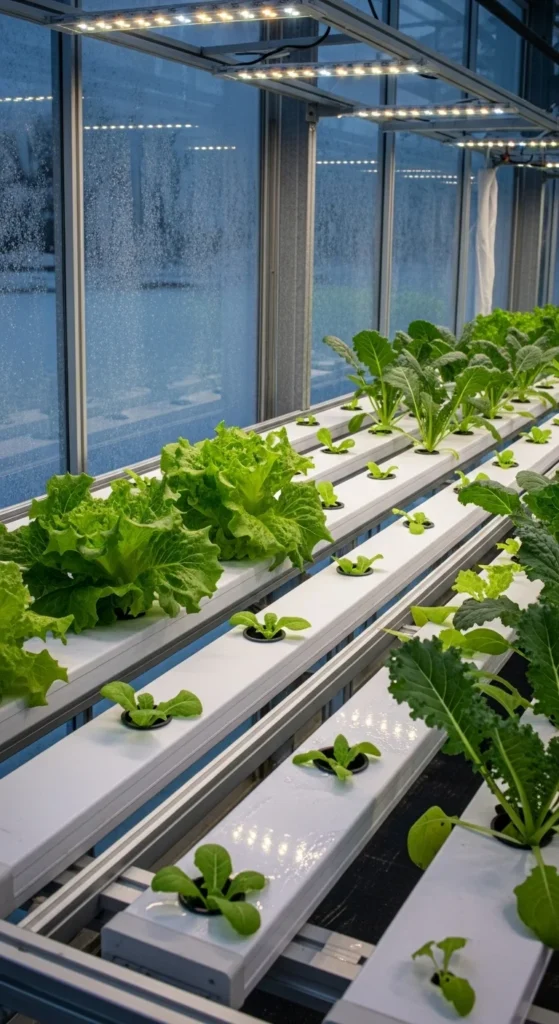
NFT rails are easy to run along greenhouse walls without taking up floor space. Keep the channels slightly tilted for steady nutrient flow. Place the pump on a raised platform so cold floors don’t chill the water. Use a small plastic barrier to protect the reservoir from drafts. Short-root greens thrive in this layout because they receive constant, thin nutrient flow. Add a strip of LED above each rail if natural winter light is weak. The rails can be hung with simple metal brackets, making this a budget-friendly setup for tight greenhouses.
4. Compact Hydroponic Dutch Bucket Row
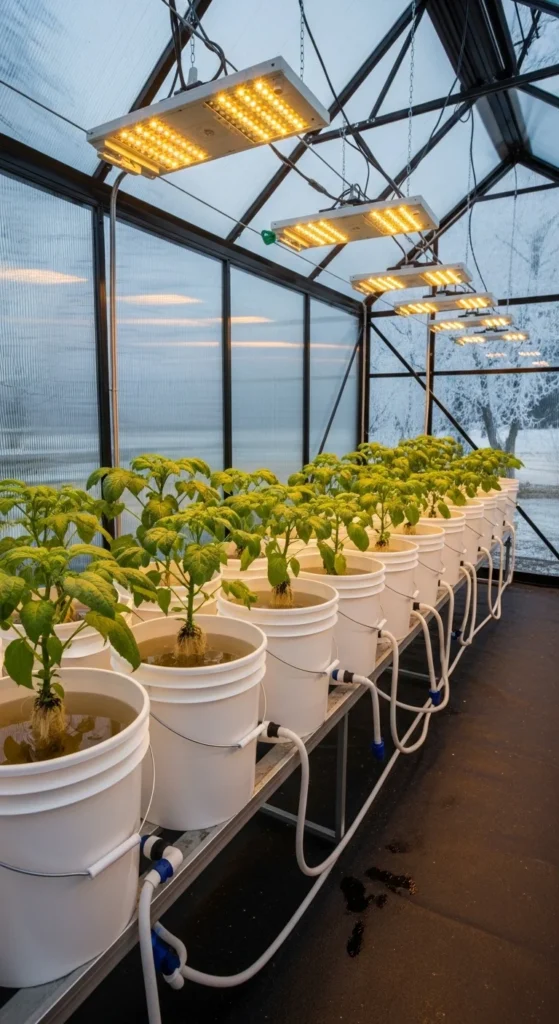
Dutch buckets handle larger plants like tomatoes or peppers during winter when fed warm nutrient solution. Line up the buckets on a raised platform to avoid cold-floor exposure. A small aquarium heater in the main reservoir can help maintain steady warmth. Keep tubing insulated with foam sleeves. Prune plants lightly during winter to reduce stress. Add sticky traps nearby because pests sometimes hide during cold periods. This setup gives you strong fruiting growth even when daylight hours drop.
5. Hydroponic Tower Beside South-Facing Glass

A hydroponic tower uses vertical slots to grow dozens of small plants with minimal space. Place it near a south-facing wall for natural winter rays. Rotate the tower a little each day for equal light exposure. Many towers come with built-in pumps, so setup is simple. If your tower is DIY, use stacked PVC sections and net cup openings. Make sure the top of the tower stays warm enough—sometimes the highest section receives colder drafts. Wrap a small insulation collar around the upper feed line to keep water from cooling too quickly.
6. Heated Root-Zone Seedling Shelf

A heated seedling shelf helps young plants thrive through winter. Instead of soil trays, use hydroponic starter cubes. Heating mats give just enough root-zone warmth to encourage smooth germination. Keep humidity domes handy but avoid overuse; excess moisture can slow growth. Use gentle LED panels placed close to the seedlings. Once roots appear, move cubes into your main hydroponic systems. This approach gives you a steady stream of winter-ready transplants without crowding larger systems.
7. Compact Aeroponic Tube Line
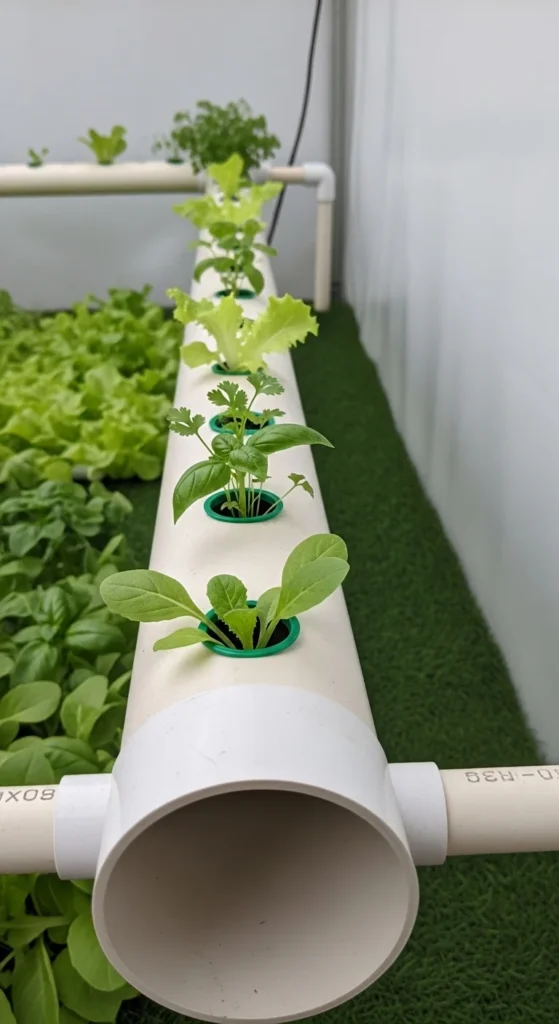
Aeroponic tubes create fast root development because roots hang freely and receive periodic mist. During winter, insulate the tube lightly to avoid cold shock. Keep the misting pump on a timer rather than continuous operation to protect pump life. Grow quick crops like lettuce, shiso, or herbs for rapid cycles. A simple fogger attachment can also help but keep it clean to avoid clogging. This layout is great for growers who want faster output without expanding floor space.
8. Insulated Reservoir Cabinet

Building a small reservoir cabinet helps maintain winter nutrient temperature. Use plywood, insulation boards, and a hinged lid for easy access. Place the pump and air stone inside the cabinet to protect them from drafts. If your greenhouse gets extremely cold, add a small ceramic reptile heater near the cabinet—not inside the reservoir. Cut neat holes for the lines so they fit without letting cold air in. This small project makes a noticeable improvement in winter stability.
9. Dual-Zone Hydroponic Bed

A dual-zone bed gives you two different nutrient strengths in one container. Build a divider inside a long basin to create two sections. Use simple submersible pumps for each zone. Grow light feeders in one zone and light eaters in the other. This keeps both groups happy without maintaining separate systems. Keep the reservoir slightly elevated from the cold floor. Winter lettuce, cilantro, and chives respond well to this layout.
10. Drip-Irrigated Vine Channel

A drip-fed vine channel supports winter cucumbers, tomatoes, or beans. Use lightweight trellis strings attached to a top greenhouse beam. Place drip emitters directly near each plant’s base to maintain steady hydration. Add a wrap of thin foam around the channel to reduce heat loss. Use worm clamps to secure tubing so cold drafts don’t knock lines loose. Trim vines regularly for airflow. This design stays efficient even in low-light months when fruiting plants can struggle.
11. Mini Hydroponic Bato Buckets for Herbs

Mini Bato buckets are perfect for compact winter herbs like oregano, mint, or sage. They need less growing medium than standard buckets and keep roots well-drained. Use small drippers that run on a slow cycle. Place all buckets in a tidy row to simplify cleanup. Add a reflective sheet behind the row to direct extra light to the plants. This small arrangement works even in narrow greenhouses or balcony-style winter setups.
12. Fog-Assisted Propagation Box
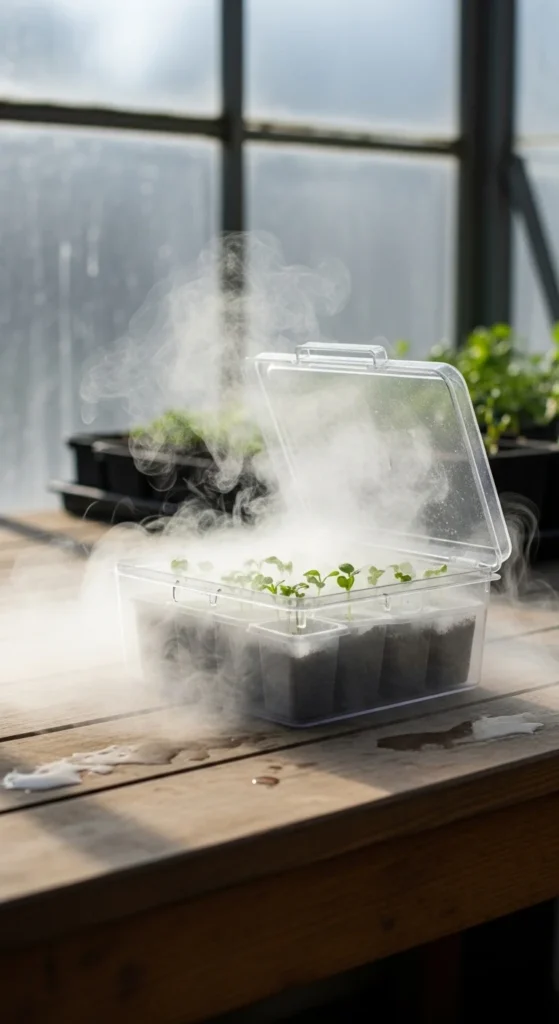
A fog-assisted propagation box helps cuttings develop strong roots during cold months. Use a clear tote or acrylic box. Install a simple fogger inside a shallow water tray. Keep vents slightly open so condensation doesn’t pool. Starter cubes stay evenly moist without soaking. Once roots appear, move cuttings to your larger systems. This is ideal for basil, mint, and leafy herbs that root quickly even when winter light is weak.
13. Wall-Mounted Microgreen Rail

Microgreens grow quickly and don’t demand large systems. A wall-mounted rail lets you use empty vertical space effectively. Attach simple brackets, slide trays on, and run a tiny pump to moisten the lower tray, letting moisture wick upward. Add a small LED strip per shelf. Grow radish, sunflower, or pea shoots for fast winter harvests. This design works nicely for small-scale sellers who want steady production without heavy hardware.
14. Heated NFT Starter Lane

Adding a heating cable underneath an NFT rail helps winter seedlings transition smoothly into full systems. Secure the cable under the rail and adjust to low warmth. Keep net cups shallow for good airflow. Once roots extend, move plants into your main NFT runs. This technique prevents cold-root slowdown and encourages consistent early growth.
15. Compact Ebb-and-Flow Winter Table
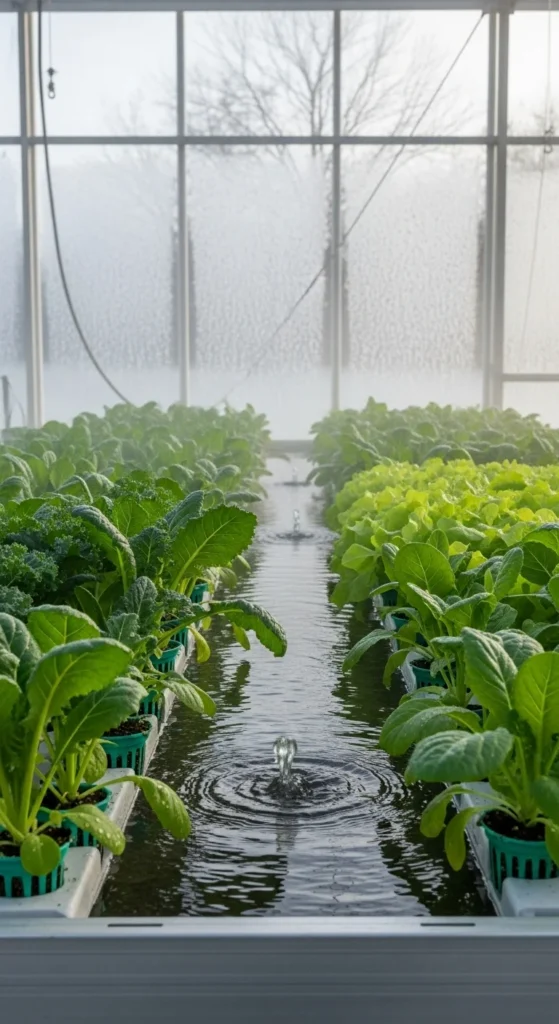
A small ebb-and-flow table handles many plant sizes without complicated equipment. The tray floods on a timer and drains back into a reservoir. Add a thin insulation layer beneath the tray so it doesn’t cool rapidly. Keep flood cycles shorter during winter. This system shines when you want steady hydration with minimal oversight. Lettuce, mizuna, and Asian greens do especially well.
16. Overhead LED Canopy for Fruit Crops
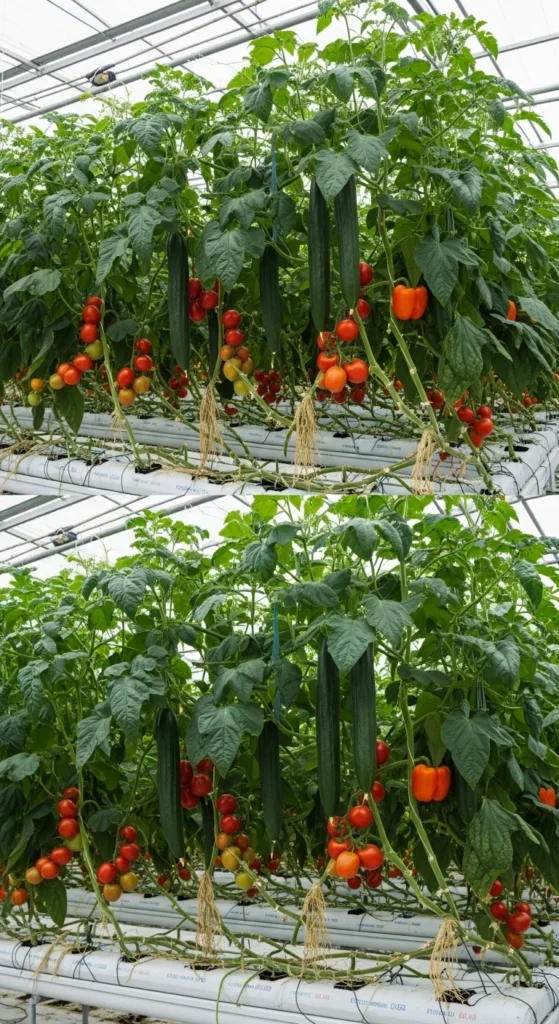
An LED canopy delivers consistent light across tall crops. Use wide panels so light spreads evenly from top to bottom. Keep panels slightly angled so excess heat doesn’t trap near the ceiling. Run them on timers to avoid long manual sessions. Use soft pruning to keep branches open so the canopy light reaches more leaves. This setup gives fruit crops stronger winter performance without complicated installations.
17. Insulated Hydroponic Barrel System

A hydroponic barrel holds plenty of nutrient solution and retains heat well when wrapped in insulation. Install a sturdy top so debris doesn’t fall in. Keep the pump inside the barrel to reduce external noise and line exposure. This larger reservoir changes temperature slowly, which is ideal for winter. It’s a good choice for growers who run multiple systems at once.
18. Sliding Tray Greens Cart

A sliding tray cart helps you move plants closer to light during winter. You can wheel it to the warmest corner of your greenhouse when temperatures drop. Install LED bars above each tray. Use shallow trays for fast greens. Keep the reservoir on a lower shelf, insulated with a blanket or foam board. This flexible cart works well in greenhouses with shifting winter light.
19. Hanging Hydroponic Bucket Line
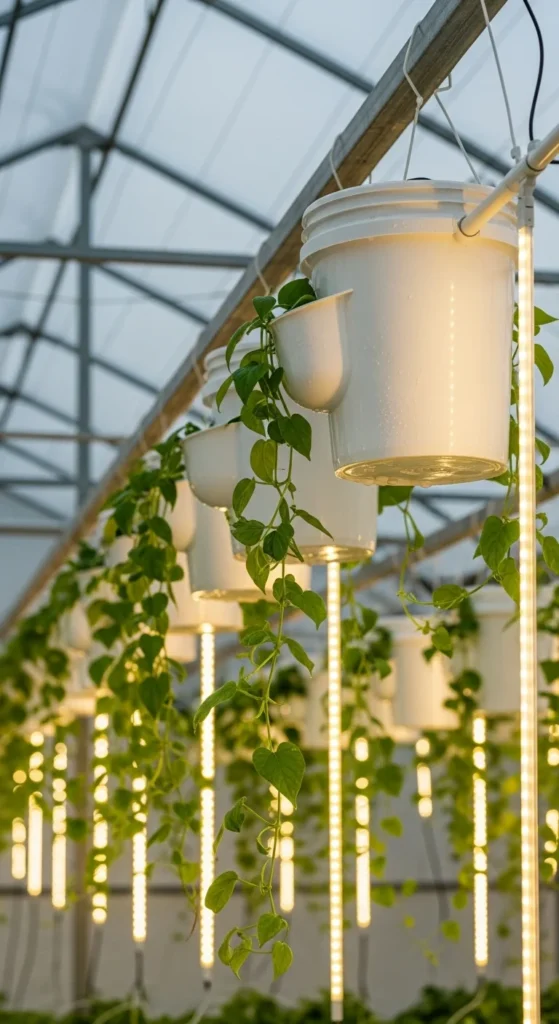
Hanging buckets save floor space while giving roots plenty of room. Drill side pockets for herbs or leafy crops. A small pump pushes nutrient solution up through the central tube, letting it drip downward. Place LED strips along the same beam for consistent winter light. Add a drip tray under each bucket to catch extra solution. This style keeps plants accessible and tidy.
20. Portable Hydroponic Tote Garden

A simple tote garden lets you grow winter greens without building permanent systems. Drill holes for net cups, add an air stone, and fill with nutrient solution. Place the tote on foam insulation to reduce cold exposure. LEDs help if sunlight is weak. When winter ends, you can move the tote outdoors or reuse it for seedlings. It’s one of the easiest ways to test hydroponics in winter.
21. Multi-Tier Aerated Shelf Rack

A multi-tier aerated rack multiplies growing space while keeping things organized. Each shelf holds a small tub with an air stone. Use lightweight LEDs over each tier. Keep tubing bundled so it stays tidy. Herbs and greens thrive here because each shelf has its own airflow and watering rhythm. This is an approachable build, even for beginners.
22. Hydroponic Window-Ledge Channel
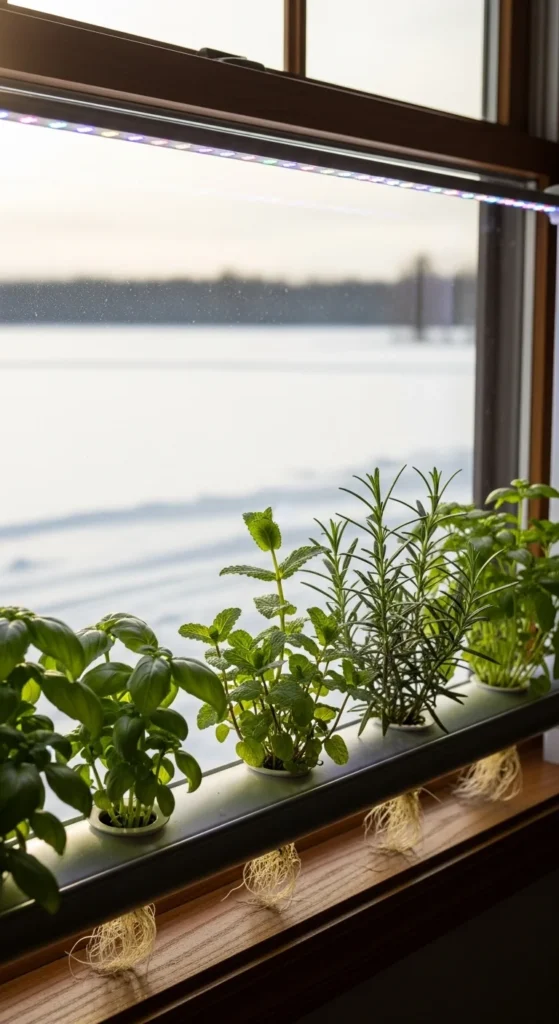
A narrow channel on the window ledge captures winter sunlight well. Use a slim reservoir at one end and a small pump to circulate water. Add net cups for herbs or small greens. Because the ledge often stays warmer than the floor, growth remains steady through the cold months. This idea is perfect for growers who only want a small winter station without major hardware.
Conclusion
These greenhouse hydroponic winter setups help you create a stronger, more consistent cold-season harvest without complicated installs. Start with the ideas that match your space—whether it’s a simple tote, a vertical rack, or a heated seedling shelf. Each small upgrade supports steady growth the whole season. Experiment with a few methods, adapt them to your greenhouse, and enjoy productive, reliable winter crops.
Leave a Reply