

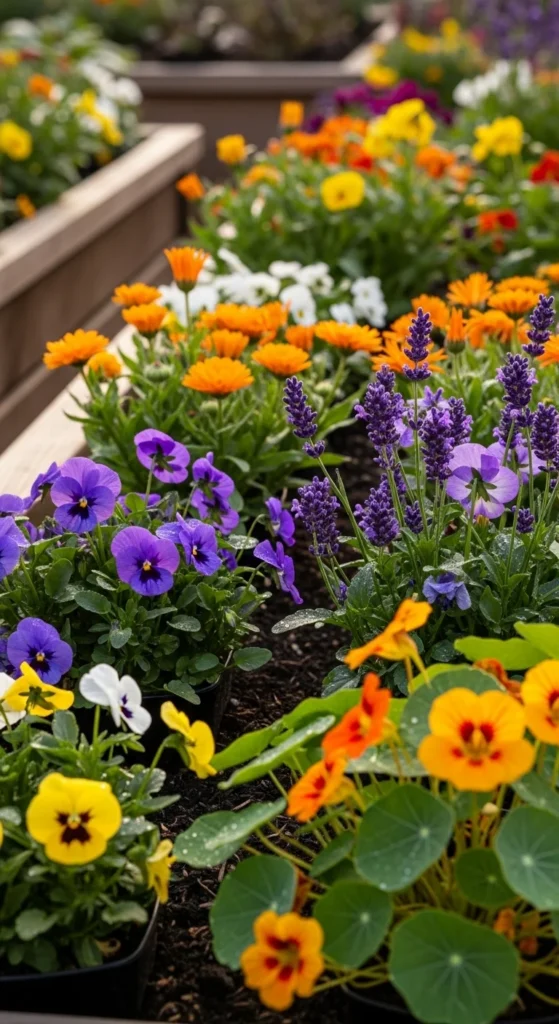
Edible flowers add color, fragrance, and practical harvests to a New Year garden. Many grow quickly, thrive in small spaces, and deliver petals perfect for teas, desserts, salads, and garnishes. These ideas focus on simple layouts, container options, color placement, and easy-care tips. You’ll find weekend-friendly setups that decorate your space while giving you petals you can pick anytime. Start with one variety, add a few companions, and watch your winter garden come alive.
1. Viola Bowl for Constant Petal Picks
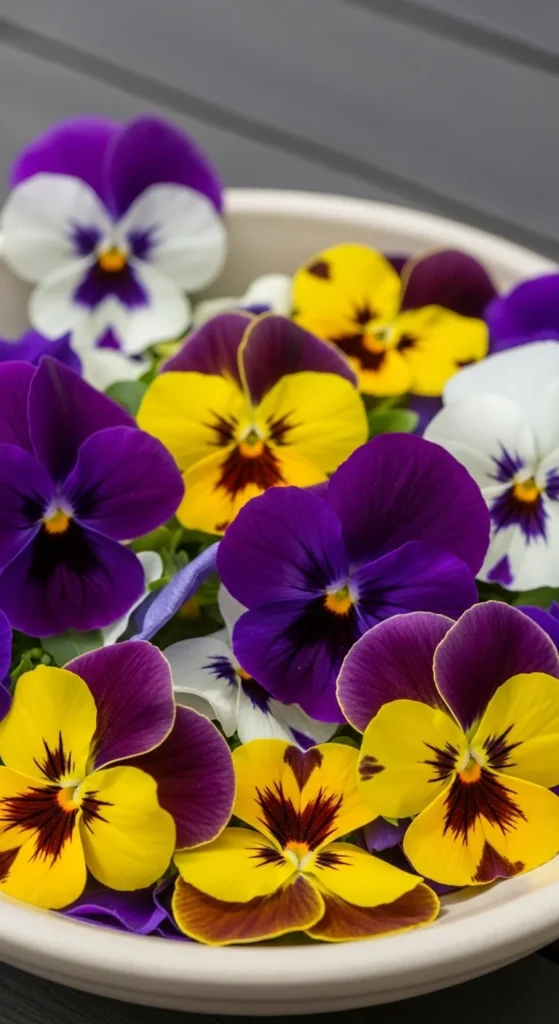
Violas bring steady color through colder months. A shallow bowl works well because their roots stay compact. Pick a mix of purple, white, and yellow for a lively display. Keep soil moist but not soggy. Snip individual petals for salads or desserts. Place the bowl in a bright spot where light is gentle during winter. To save costs, divide older violas and replant sections. Add a thin mulch layer of fine bark to keep soil cozy. Rotate the bowl weekly so all sides bloom evenly. If frost arrives, shift the bowl closer to a wall for protection. These flowers grow happily even on small patios or balcony corners.
2. Nasturtium Trailing Rail Planter
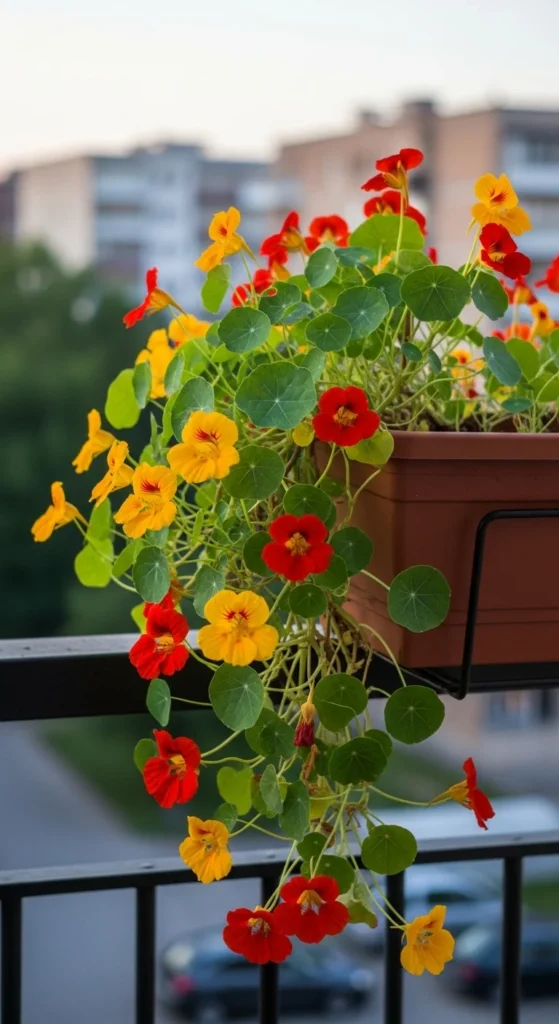
Nasturtiums love to spill over edges, making them perfect for rail planters. Sow seeds along the outer edge so vines trail naturally. Their peppery petals enhance salads and cold dishes. Water lightly because they handle mild dryness well. If the vines grow long, wrap them loosely around the rail for support. Pick petals often to encourage more blooms. Save seeds at the end of the season for next year. Their large round leaves also add character to small spaces.
3. Calendula Patch Near the Kitchen
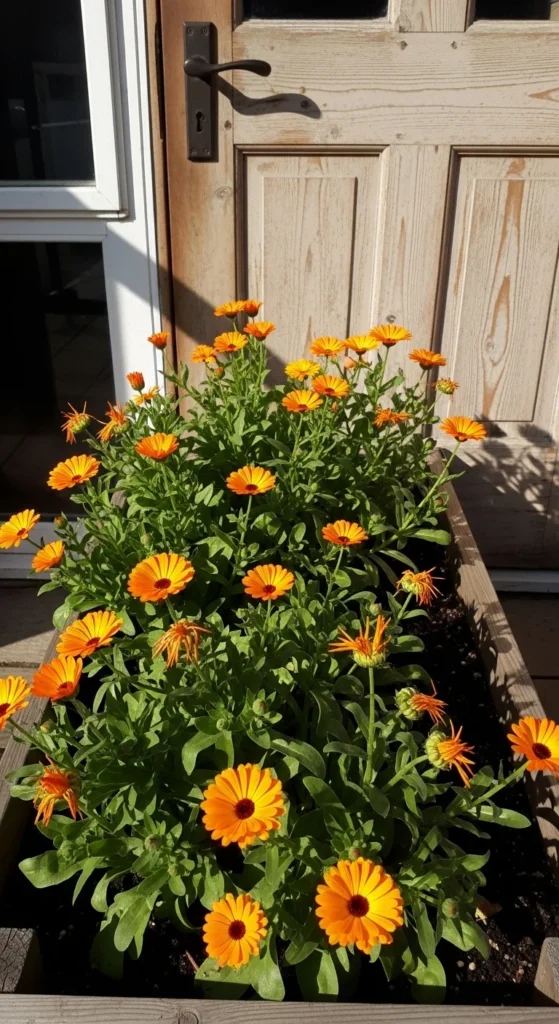
Calendula brings bold orange and yellow petals that work well in teas and baked goods. Plant a small cluster near the kitchen door for quick picking. Calendula tolerates cool weather and regrows after trimming. Deadhead older blooms to keep flowers coming. If soil stays damp, loosen the top layer between waterings. Add a few stones around the base to warm the soil during cold mornings. This little patch becomes a daily stop for both decoration and harvest.
4. Chamomile Tea Corner
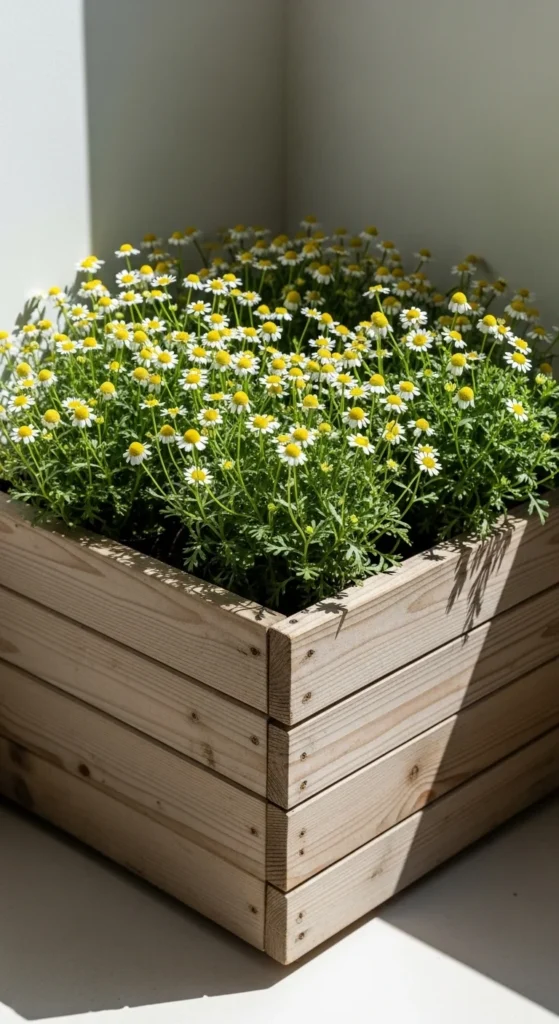
Chamomile thrives when planted together in a cozy corner. Choose a medium container and sow seeds thickly. The small daisy-like blooms are great for tea. Allow soil to dry slightly between waterings. Pick flowers early in the day for the best scent. Dry them on a clean tray indoors. If stems grow leggy, pinch the tips to keep plants low and tidy. This peaceful corner fills the air with a light aroma as you walk by.
5. Lavender Strip Along a Path
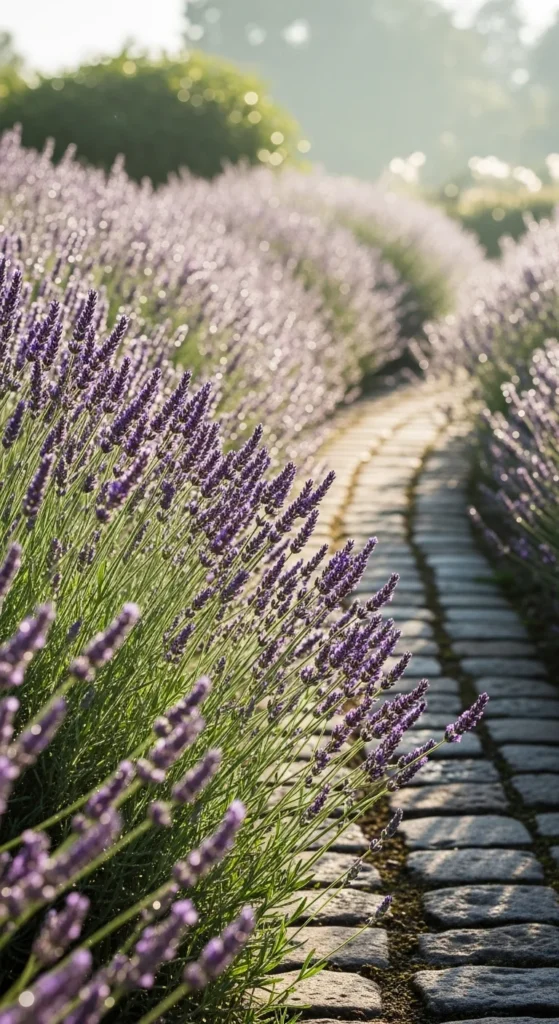
Lavender works beautifully along paths because it stays structured. Choose dwarf varieties for tighter spaces. Their petals and buds add aroma to desserts and syrups. Plant them in well-draining soil and avoid overwatering. Trim lightly after flowering to maintain shape. Add gravel around each plant to reflect warmth during sunny hours. This strip creates both fragrance and harvestable blooms without needing much upkeep.
6. Pansy Window Box Mix
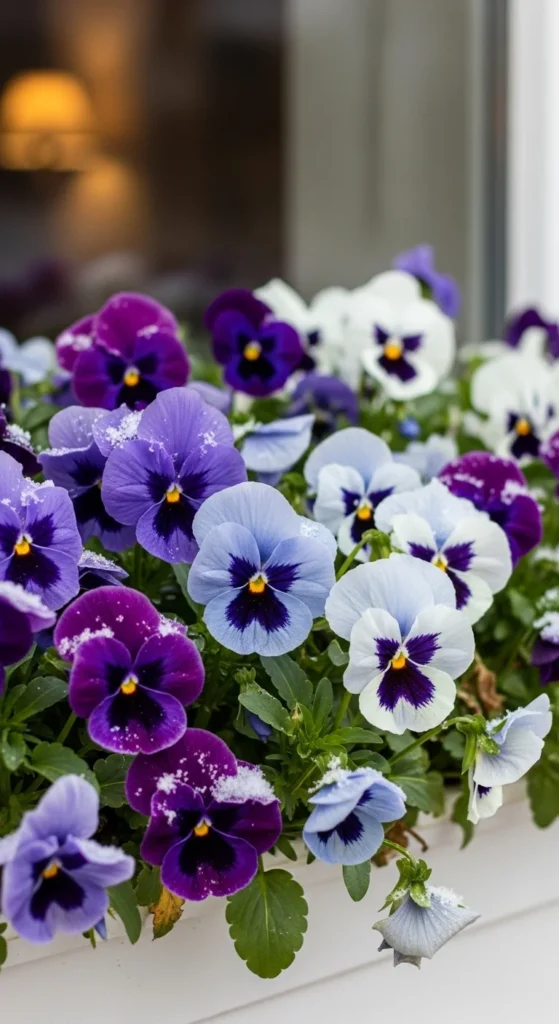
Pansies bring bold color to window boxes. Their petals decorate cakes, cookies, and salads with ease. Use a long, narrow box and plant clusters close together. Keep the mix moist and add compost every few weeks. Snip petals individually to keep the blooms tidy. Rotate the box every few days if sunlight hits unevenly. This idea suits homes with limited ground space.
7. Dianthus Pot for Decorative Desserts
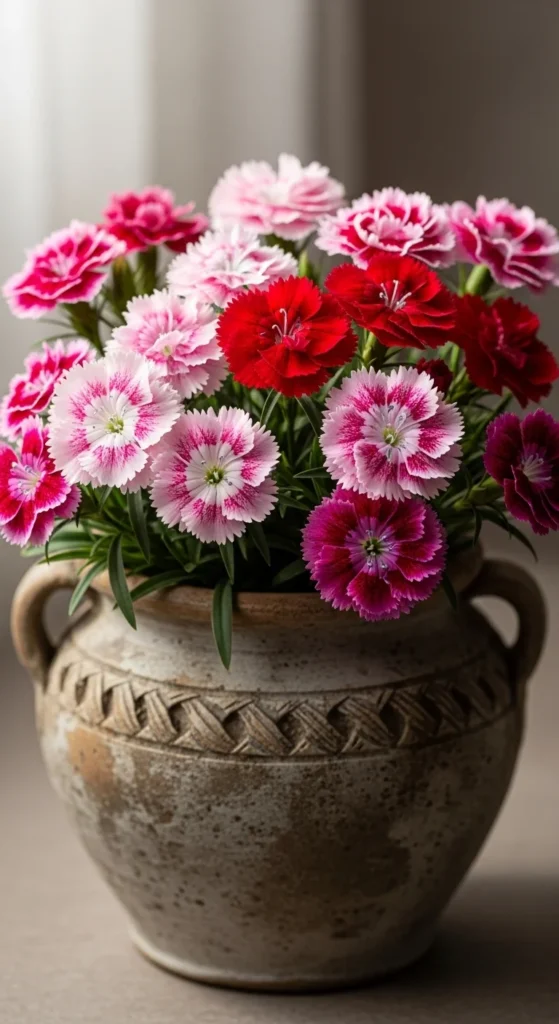
Dianthus petals have a sweet, clove-like note that works well in desserts. Plant them in a clay pot to help regulate moisture. Choose compact varieties for steady blooms. Trim older flowers to keep new ones coming. Add small stakes if stems lean. Pick petals gently and avoid the white base, as it tastes slightly bitter. The pot looks charming on a patio table or doorstep.
8. Chive Blossoms in a Deep Container
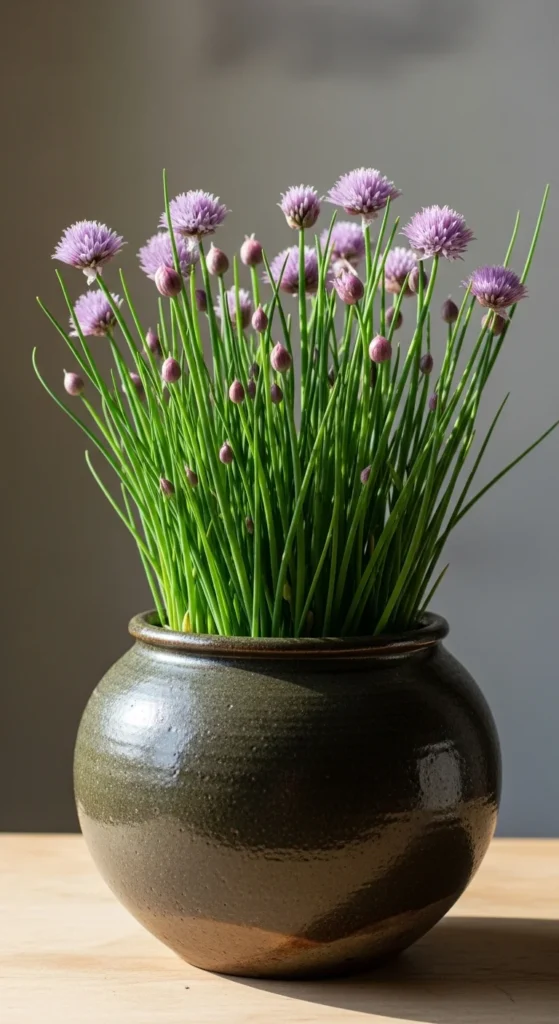
Chive flowers give salads a mild onion flavor. Use a deeper pot because chive roots like space. Keep soil moist and trim leaves often to encourage fresh growth. Let a few stalks mature to produce blossoms. Harvest the round flowers gently and separate petals before serving. This container fits well near cooking areas where you can cut herbs and blooms quickly.
9. Borage for Blue Star Petals
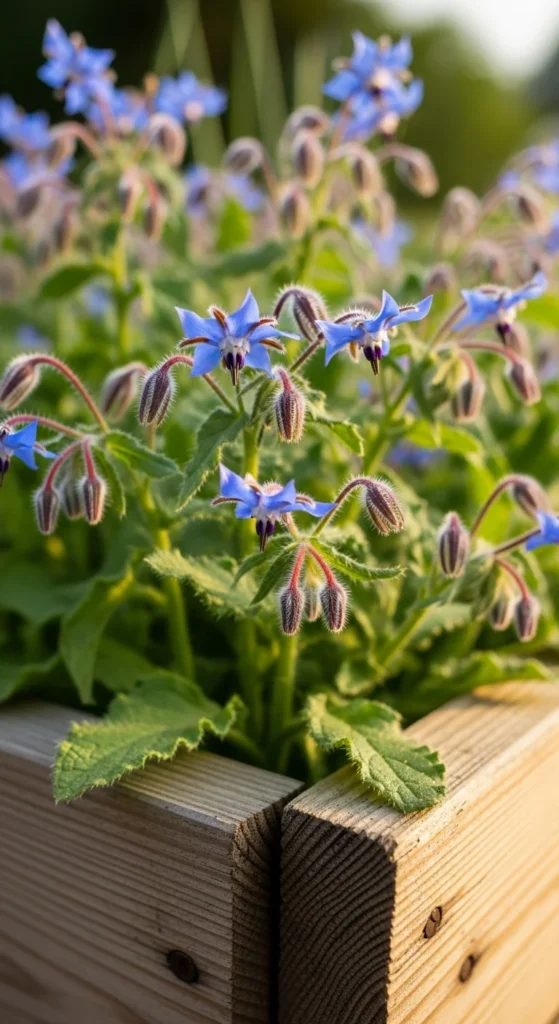
Borage offers stunning blue petals that pair well with fruit dishes and drinks. Sow seeds directly into a raised bed or large pot. Water moderately and let the plant grow full. Bees love borage, so place it near crops needing pollination. Pick petals individually for garnishes. The plant grows tall, so stake it if wind is frequent. Its color adds strong visual interest across the garden.
10. Marigold Petal Line for Yellow Pop
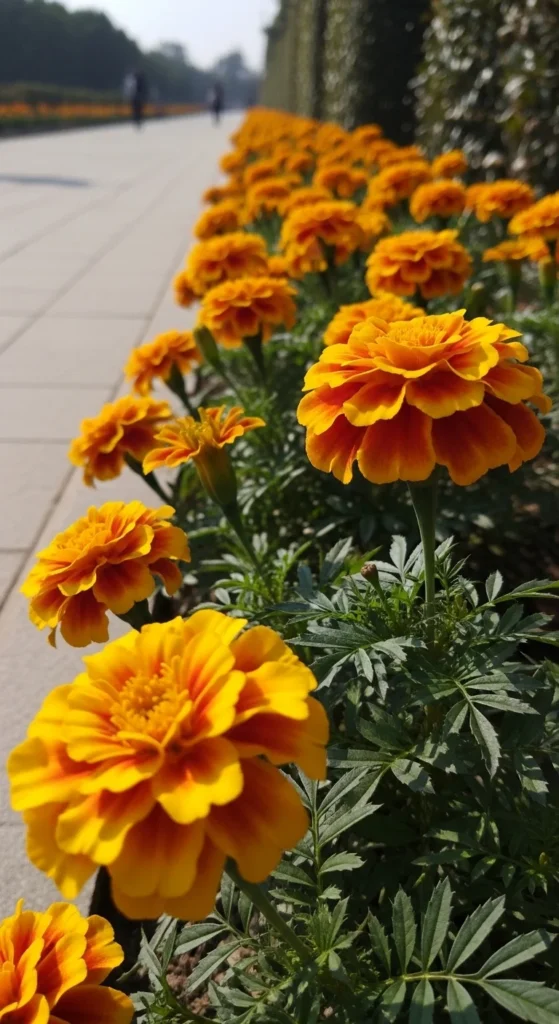
Marigold petals work in teas, rice dishes, and garnishes. Plant them in a clean line along a walkway. They love sun and handle dry soil easily. Remove older blooms often to keep the line tidy. Pick petals carefully to avoid crushing. For extra brightness, mix two or three varieties. This simple row adds color while giving you steady edible petals.
11. Edible Rose Corner Bed
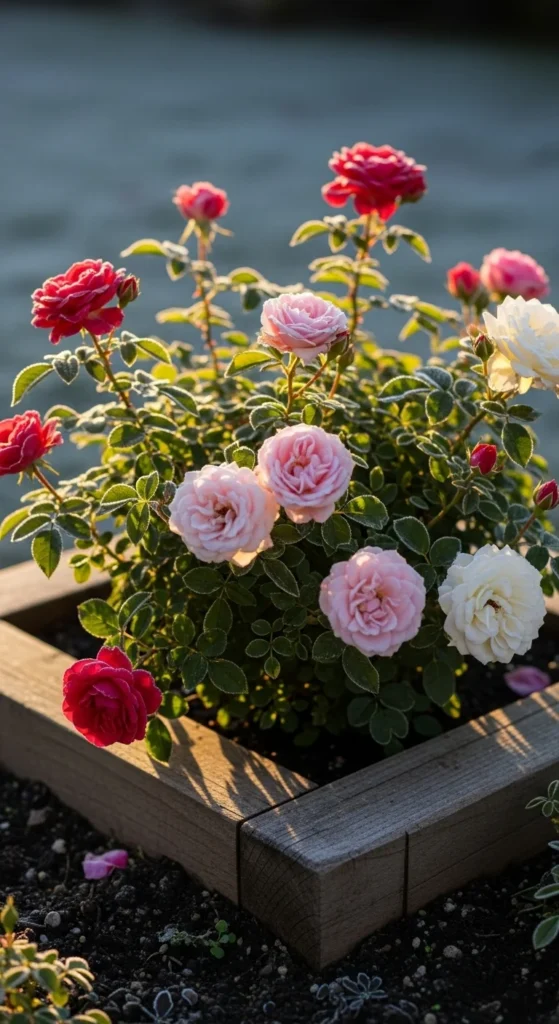
Edible roses offer fragrant petals perfect for syrups, jams, and desserts. Choose small varieties that suit tight spaces. Plant them in rich soil and water regularly. Prune lightly to keep shape. Harvest petals early in the morning for the best scent. Spread them on a tray to air-dry. Add a low border of thyme to complement the roses and control soil moisture.
12. Cornflower Rhythm Bed
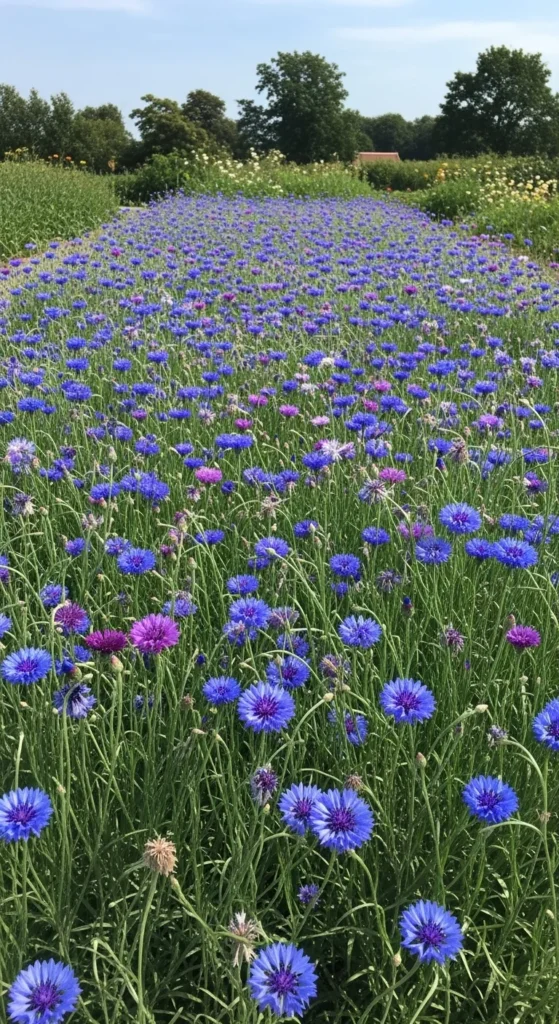
Cornflowers thrive in beds with good sunlight. Sow seeds thickly and thin once they sprout. Pick flowers when they open fully. Separate the petals for decorating cakes or salads. The colors stay vibrant even after drying. Keep the soil lightly moist and add mulch around the base to reduce weeds. This bed brings striking color to winter gardens.
13. Hibiscus Pot for Tea Lovers
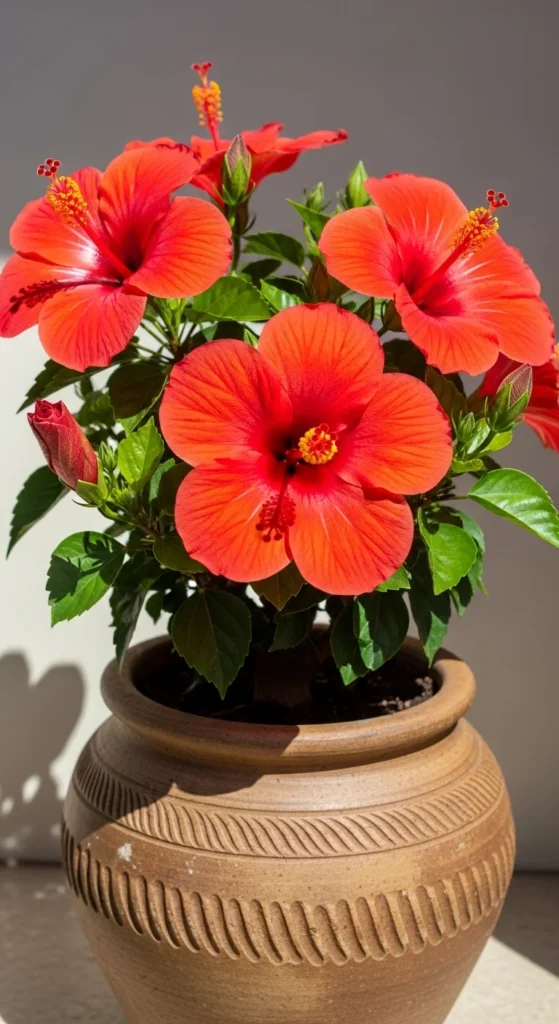
Hibiscus petals create rich, tangy tea. Plant a compact variety in a medium pot. Keep soil evenly moist and place the pot in bright light. Pick blooms once fully open and remove the central column before drying the petals. If leaves grow large, trim lightly to keep the pot tidy. Bring the pot indoors during colder nights. Hibiscus adds bold color and flavor to your edible collection.
14. Sunflower Petal Harvest Patch
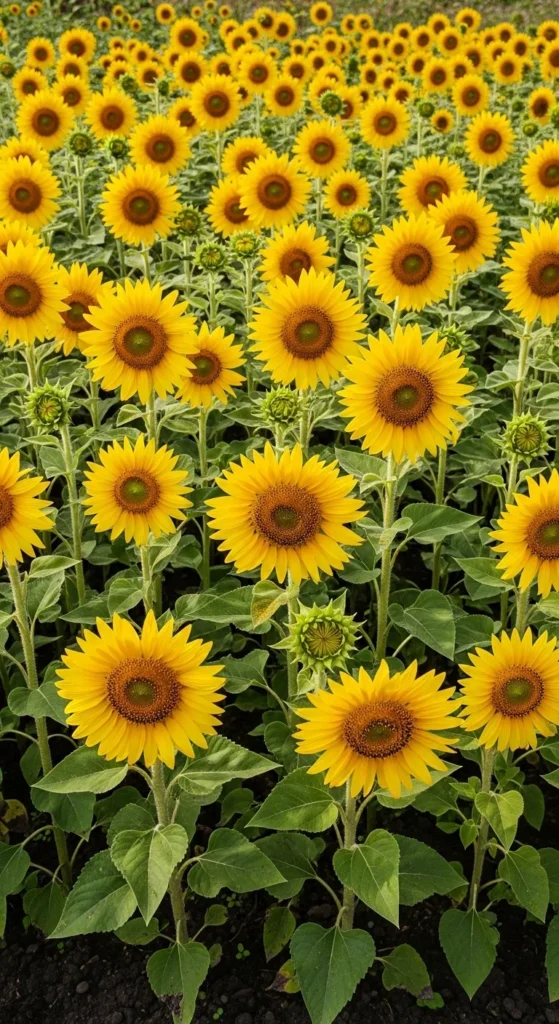
Mini sunflowers offer edible petals that add cheerful color to salads. Choose dwarf varieties so they fit small beds. Plant seeds a few inches apart. Keep soil moist until stems thicken. Harvest petals gently and avoid the bitter central area. Stake taller stems to keep them upright. This patch draws attention and produces a steady supply of edible yellow petals.
15. Sage Blossoms in a Square Pot
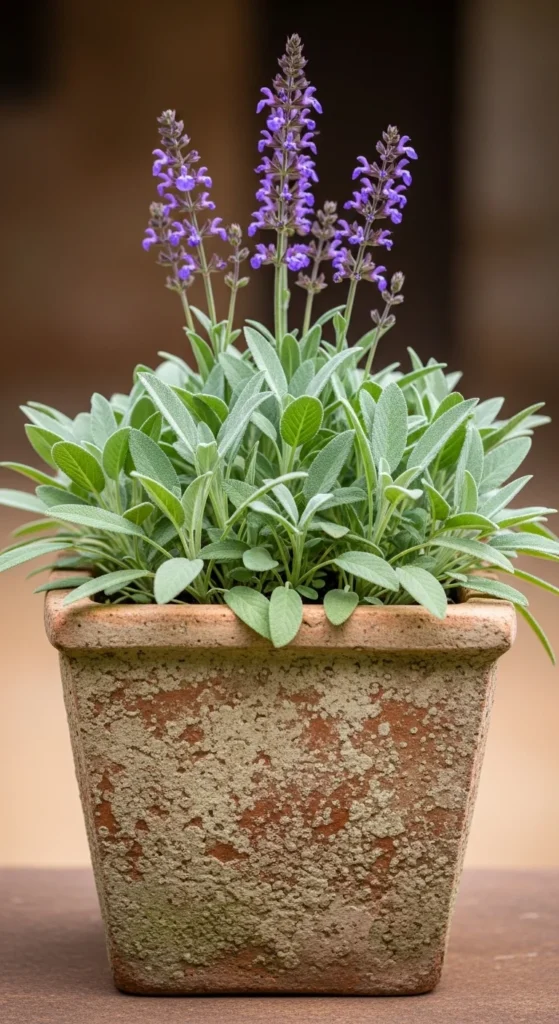
Sage blossoms bring a soft herbal note to salads and drinks. Use a square pot to maximize space. Place it where sunlight is steady. Water lightly and let the soil dry slightly between sessions. Trim stems to encourage branching. Pick blossoms when fully opened. The petals work beautifully as garnish. This container grows well even against warm walls or fence posts.
16. Squash Blossom Arch
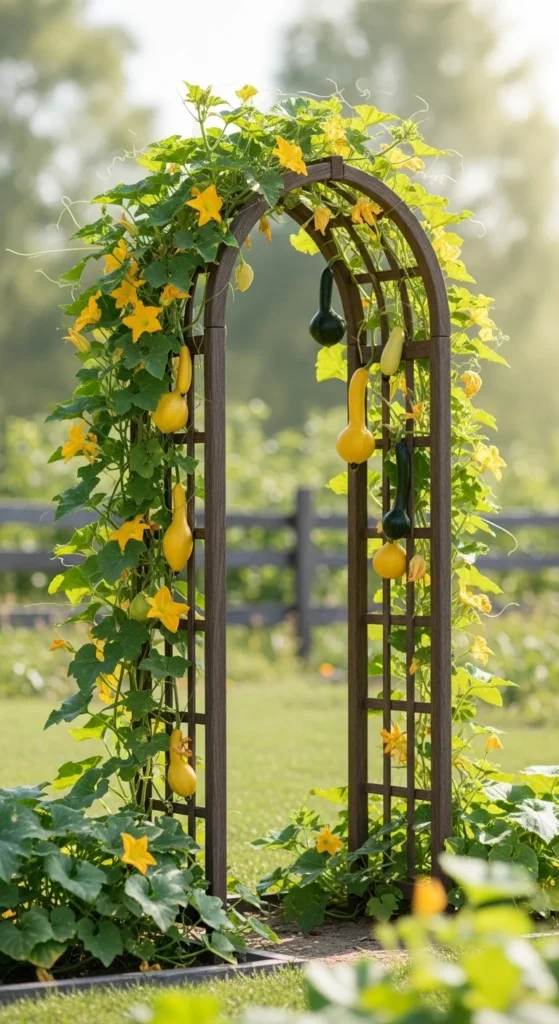
Squash blossoms taste mild and tender. Train vines over a small arch trellis to keep blooms reachable. Plant two vines at each side. Water regularly and add compost monthly. Pick male flowers in the morning when they open wide. Remove the center stamen before cooking. This arch creates both shade and edible blooms, giving your garden structure and flavor.
17. Lemon Verbena Flower Pot
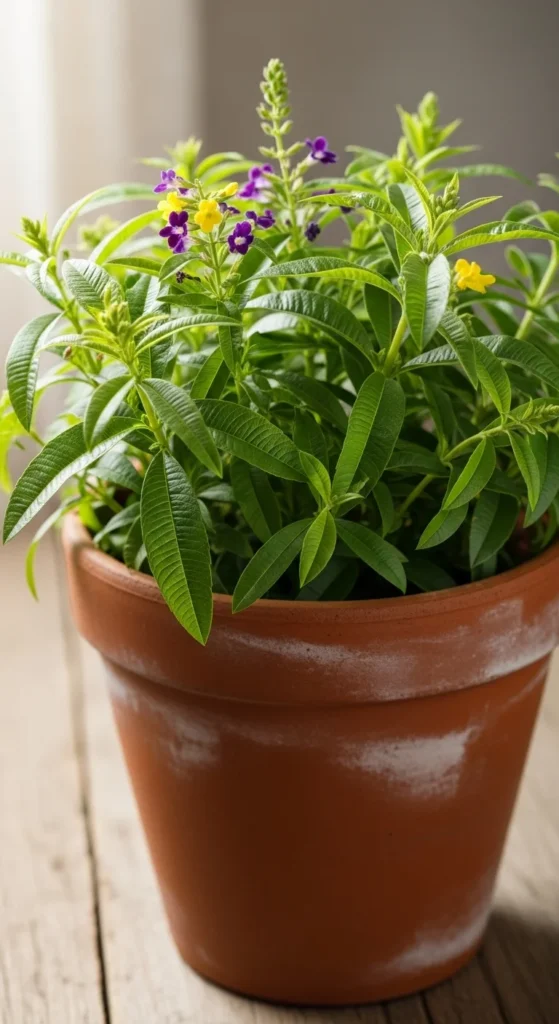
Lemon verbena adds citrus-scented flowers perfect for teas and desserts. Plant it in a terracotta pot and place it where light stays warm. Water lightly and avoid overfilling the pot. Trim stems often to keep them branching. Harvest blossoms early and dry them gently. Pair this pot with mint for a small tea-garden corner.
18. Primrose Border for Colorful Edibles
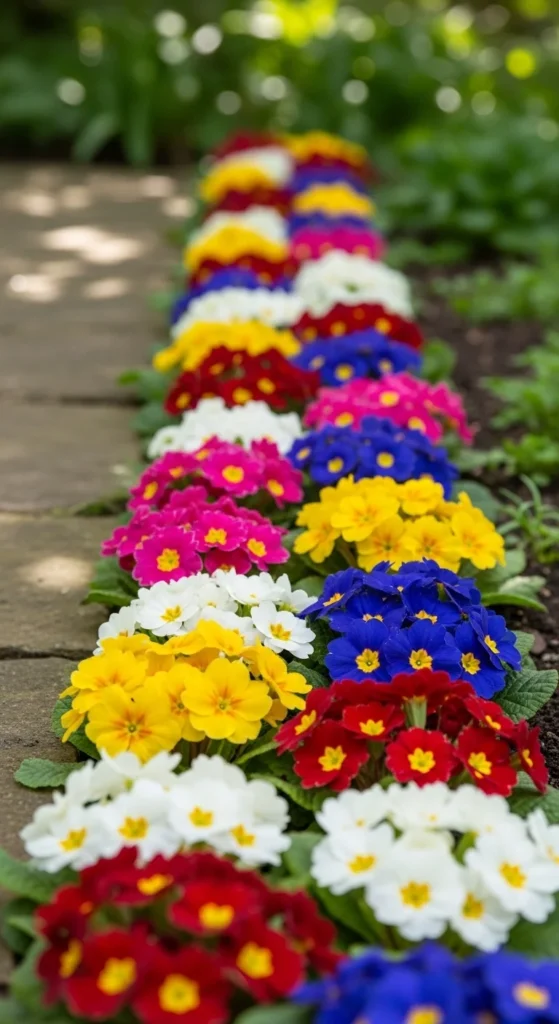
Primrose petals add soft texture and color to plates. Line a border with mixed varieties. They tolerate cooler temperatures and bloom often. Keep soil moist but not heavy. Pick petals gently to maintain bloom cycles. Combine primrose beds with low herbs for contrast. This border brightens pathways while giving you easy harvests.
19. Elderflower Mini Grove
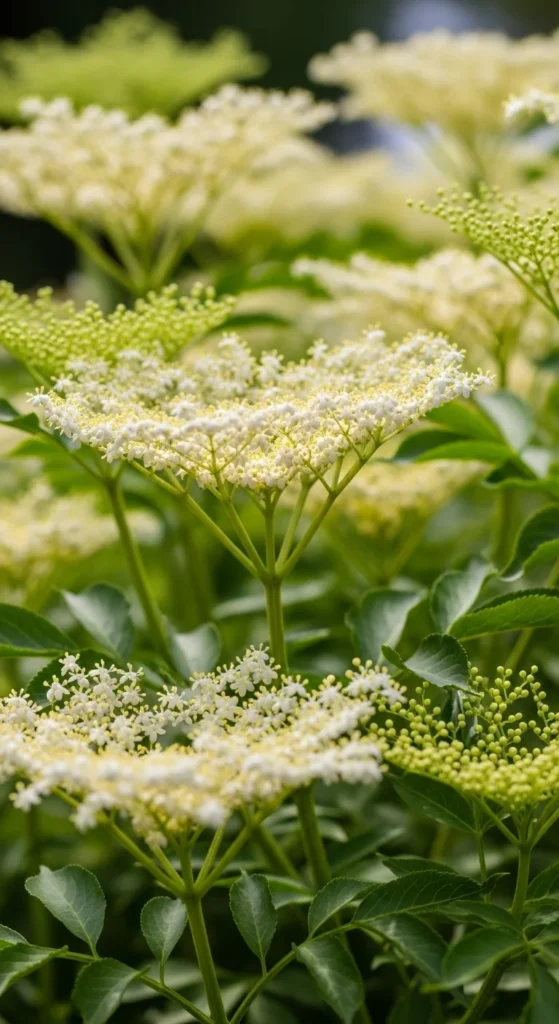
Elderflowers are wonderful for syrups, drinks, and baked goods. Plant two or three shrubs in a corner grove. Give them space to grow tall. Water deeply once a week. Harvest clusters when they smell sweet. Shake them lightly to remove insects before using. Dry or freeze petals for later. This grove becomes a long-term addition to your edible-flower garden.
20. Mint Blossom Box
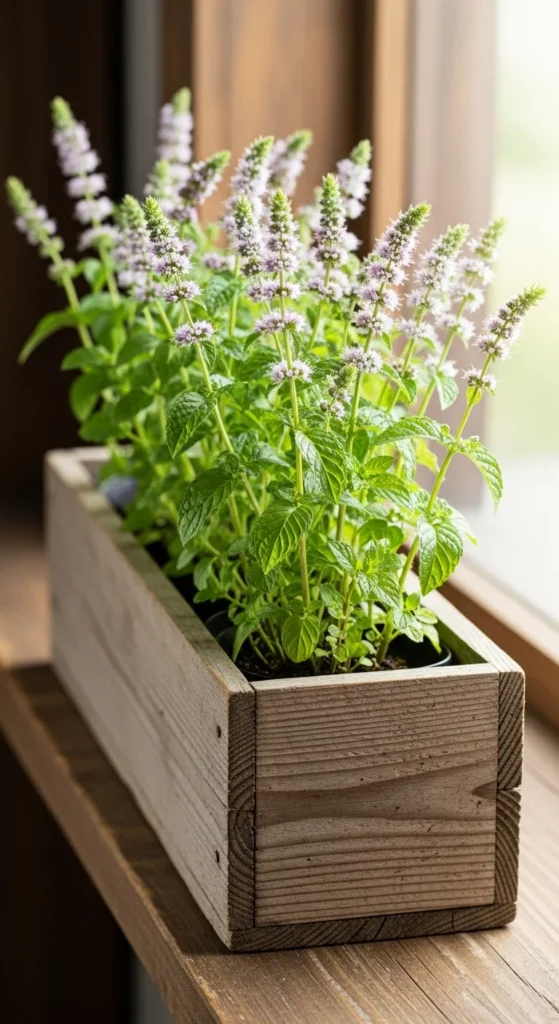
Mint blossoms carry the plant’s familiar flavor but with a gentler profile. Grow several mint types in one container for variety. Keep the soil moist and trim stems frequently. Let a few tops bloom at once for harvesting. The flowers work nicely in drinks and fruit dishes. Keep the box in partial sun to control growth.
21. Dill Flower Pot for Soft Yellow Blooms
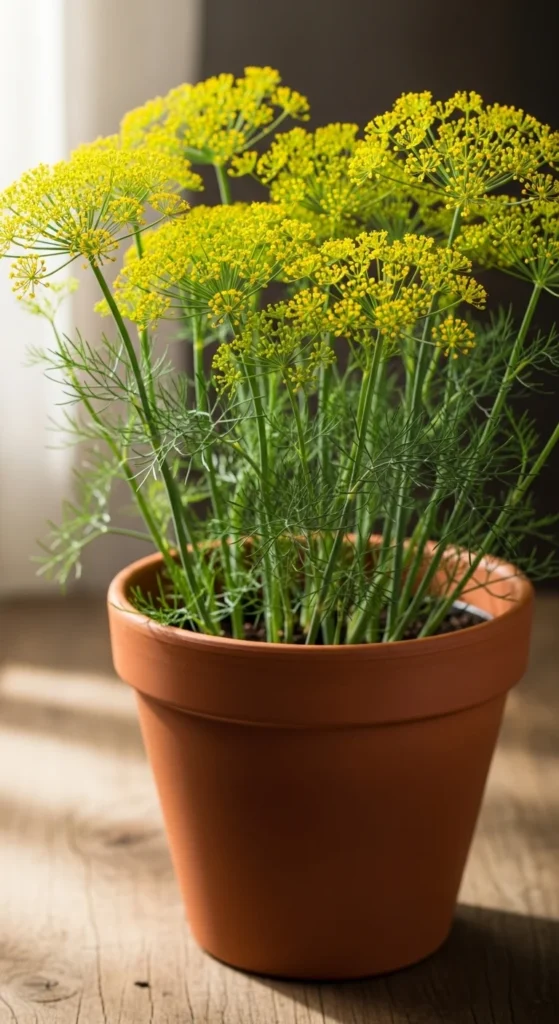
Dill blossoms add a light herbal tone to salads. Plant dill thickly in a medium pot. Water regularly and trim stems to encourage bloom production. The yellow umbels look delicate and taste mild. Pick them young before seeds form. Pair this pot near cucumbers or tomatoes, as flavors work well together. This container grows fast and rewards frequent picking.
22. Thyme-Blossom Carpet Patch
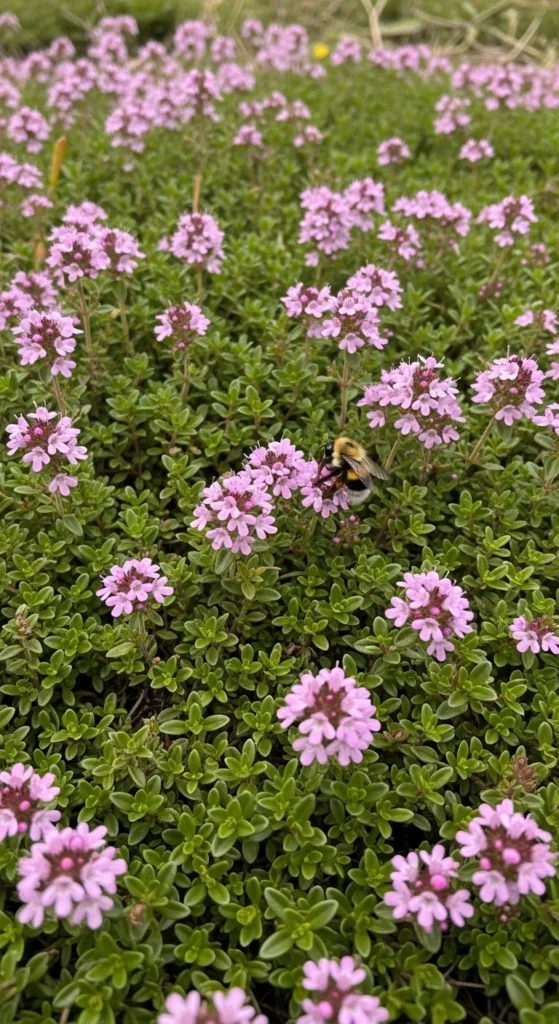
Thyme forms a low carpet dotted with tiny blossoms. Plant a dense group in a sunny bed. Water lightly and let the soil dry between sessions. The small flowers bring gentle herbal notes to dishes. Pick them with a quick pinch and scatter over meals. Add stepping stones so you can reach blooms easily. This patch thrives in warm corners and handles winter well.
23. Shiso-Bloom Container Garden
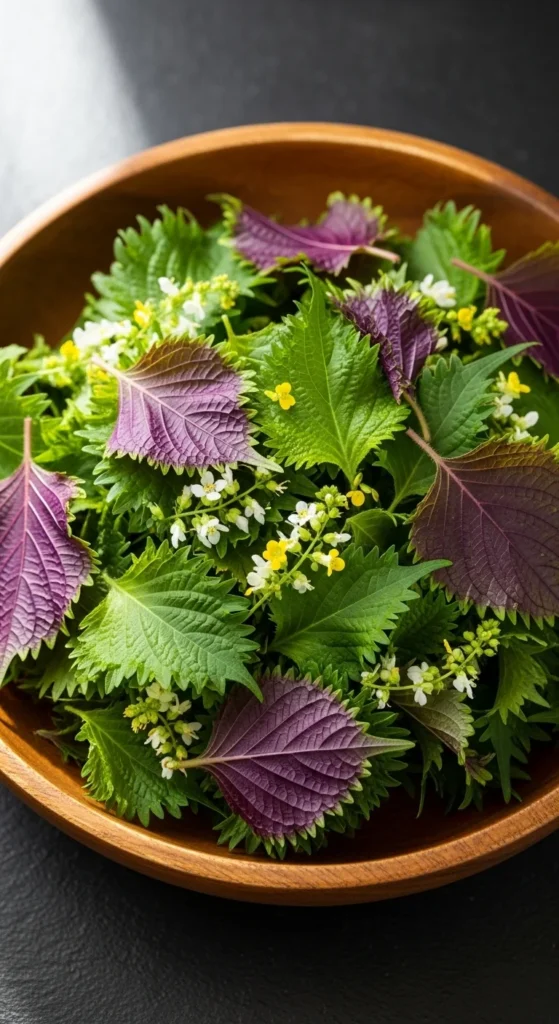
Shiso produces small flowers with a light aromatic taste. Plant green and purple varieties together for a striking contrast. Keep soil evenly moist. Trim leaves often while letting a few stems flower. Pick blossoms for garnishes and dressings. This container grows quickly and fills space with vivid colors, making it useful for both decoration and cooking.
24. Bee Balm Blossom Bed
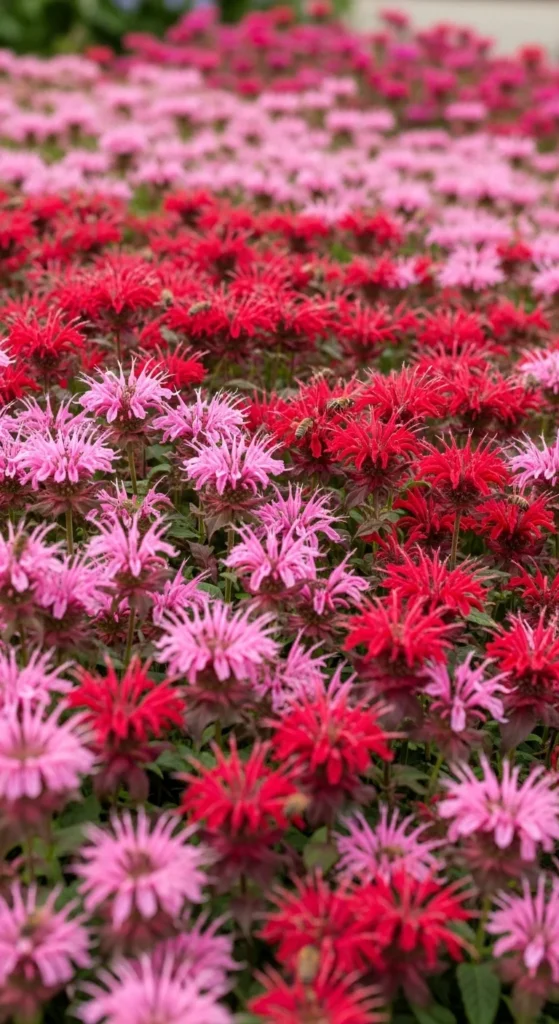
Bee balm offers bright blossoms with a mild mint-like flavor. Plant them in a sunny bed with room to spread. Water consistently but avoid soggy soil. Clip older flowers to encourage new ones. Harvest petals gently and use them in salads or teas. This bed attracts pollinators and stays colorful across the season.
Conclusion
Edible flowers bring color, fragrance, and practical harvests to any New Year garden. With compact pots, raised patches, hanging rail planters, and corner beds, you can grow petals for teas, salads, baking, and garnishes without needing much space. Pick a few varieties that match your climate, place them where light stays steady, and enjoy a garden that both decorates and serves your table.
Leave a Reply