

Indoor plants can completely transform a space—bringing life, freshness, and a touch of nature right into your home. But getting indoor plants to thrive (not just survive) takes a bit of strategy. The good news? With the right care routine and a few smart tricks, you can turn any room into a lush indoor oasis.
Let’s walk through the easiest and most effective ways to grow indoor plants that truly flourish.
Choose the Right Plants for Your Space
Not every plant works in every home. Lighting, temperature, and humidity all play a role.
✅ Best Plants for Beginners
- Snake Plant
- Pothos
- ZZ Plant
- Spider Plant
- Peace Lily
These are low-maintenance and forgiving—perfect if you’re new to indoor gardening.
✅ Check Your Light Levels
- Bright direct light: Succulents, fiddle leaf figs
- Bright indirect light: Monsteras, pothos, philodendrons
- Low light: ZZ plants, snake plants
Choosing plants suited to your conditions is half the battle.
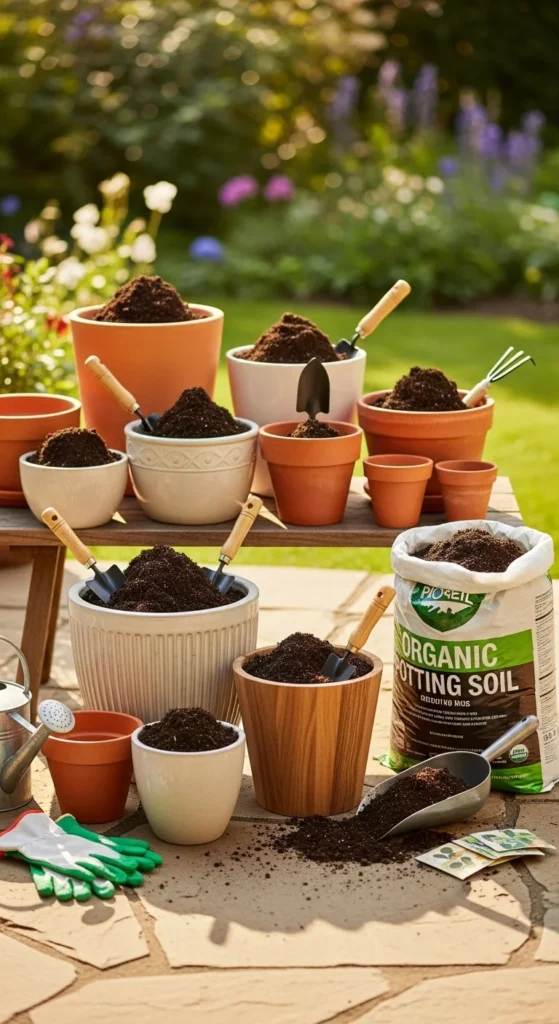
Use the Right Soil and Pot for Success
Soil and pots matter more than people realize—especially indoors.
✅ Use High-Quality Potting Mix
Regular garden soil is too heavy. Use:
- Indoor potting mix
- Orchid bark mix (for tropicals)
- Cactus mix (for succulents)
✅ Drainage Is Everything
Pick pots with drainage holes. If your favorite decorative pot doesn’t have one:
- Use it as a cachepot
- Keep the plant in a nursery pot inside it
This prevents root rot, the #1 killer of indoor plants.
Water Smart, Not More
Most indoor plants die not from neglect—but from overwatering.
✅ How to Water Properly
- Check soil with your finger. If the top inch is dry, it’s time.
- Water deeply until it drains from the bottom.
- Empty any water sitting in the saucer.
✅ Signs of Overwatering:
- Yellowing leaves
- Mushy stems
- Fungus gnats
✅ Signs of Underwatering:
- Crisp brown leaf edges
- Droopy leaves
Stick to a consistent routine, and your plants will stay healthy.
Give Your Plants Enough Light to Thrive
Light is the fuel for plant growth. Without enough of it, plants stretch, fade, and weaken.
✅ Easy Lighting Tips:
- Place light-hungry plants near south- or east-facing windows.
- Rotate plants weekly for even growth.
- Use grow lights if your home is dim.
✅ Bonus Tip:
Clean leaves with a damp cloth monthly to help them absorb more light.
Feed Plants Regularly for Vibrant Growth
Indoor plants rely on you for nutrients—they can’t get them from rain or insects like outdoor plants do.
✅ Fertilizer Routine:
- Use a balanced liquid fertilizer (like 10-10-10).
- Feed every 2–4 weeks during spring and summer.
- Reduce feeding in fall and stop in winter.
✅ For Flowering Plants:
Use a bloom booster with higher phosphorus.
Prune, Rotate, and Refresh for Long-Term Health
Routine maintenance keeps indoor plants strong and beautiful.
✅ Smart Maintenance Habits:
- Trim dead or yellow leaves.
- Pinch back leggy vines to encourage fullness.
- Repot every 1–2 years to refresh soil.
- Dust leaves for better light absorption.
✅ Never Skip Rotation
Plants naturally lean toward the light—rotating keeps them growing evenly.
Boost Humidity for Tropical Beauties
Some indoor plants love humidity—especially monsteras, calatheas, and ferns.
Easy Humidity Boosters:
- Pebble trays
- Grouping plants together
- Small room humidifier
- Misting (lightly, and only in morning)
Room temperature should stay consistently between 18°C–25°C for most houseplants.
Watch for Pests Early
Indoor plants can get pests, but catching them early makes treatment easy.
✅ Common Pests:
- Spider mites
- Mealybugs
- Fungus gnats
✅ Simple Solutions:
- Wipe leaves with soapy water
- Use neem oil spray
- Remove damaged leaves promptly
Regular inspections keep your indoor jungle pest-free.
✅ Final Takeaway
Growing indoor plants that thrive isn’t complicated—just give them the right light, proper watering, good soil, and a little regular care. Soon your home will feel greener, fresher, and more alive.
Leave a Reply