

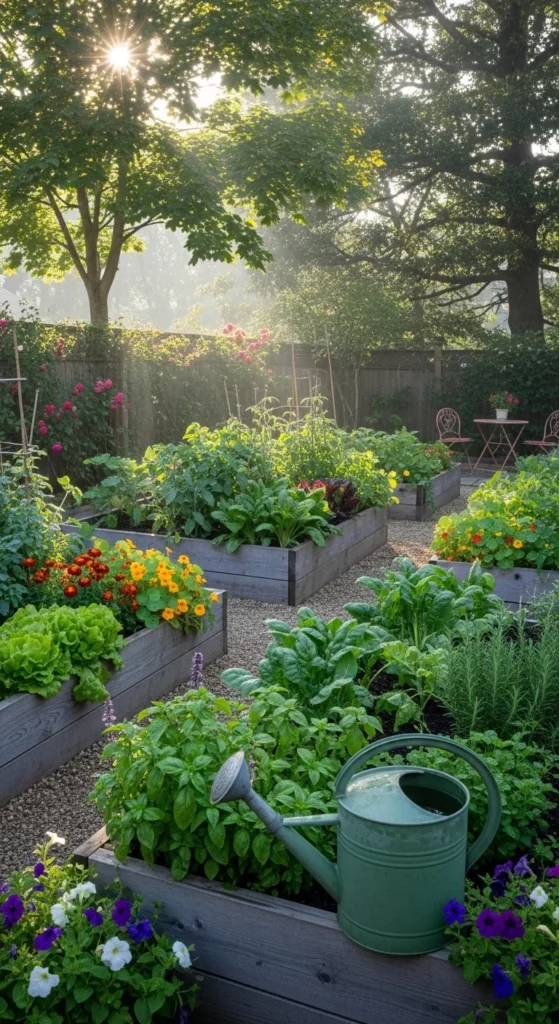
Dreaming of growing your own veggies, herbs, and flowers—without harsh chemicals or endless frustration? You’re not alone. Organic gardening sounds intimidating at first, but it’s really just about working with nature, not against it.
Whether you have a sprawling backyard or a few pots on a balcony, you can start an organic garden that’s productive, eco-friendly, and (most importantly) stress-free.
Here’s your step-by-step guide to building a thriving garden that feels more like therapy than a chore.
Step 1: Start Small and Keep It Simple
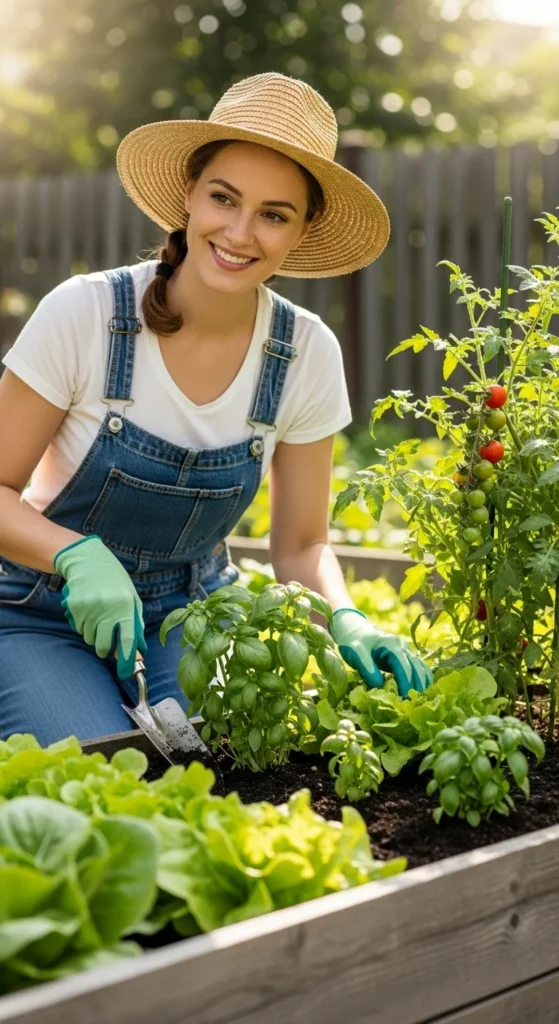
The number one mistake new gardeners make is trying to do too much at once. Begin with a small plot or a few containers so you can focus on learning the basics and enjoying the process.
Easy plants for beginners:
- Leafy greens like lettuce and spinach
- Herbs such as basil, parsley, and mint
- Tomatoes or cherry tomatoes
- Radishes or green onions
Start with 3–5 plants that you’ll actually use in the kitchen—it’s more rewarding and easier to manage.
Pro Tip: Choose a sunny spot that gets at least 6 hours of light per day. Most vegetables love warmth and sunshine.
Step 2: Build Healthy Soil—the Heart of Organic Gardening
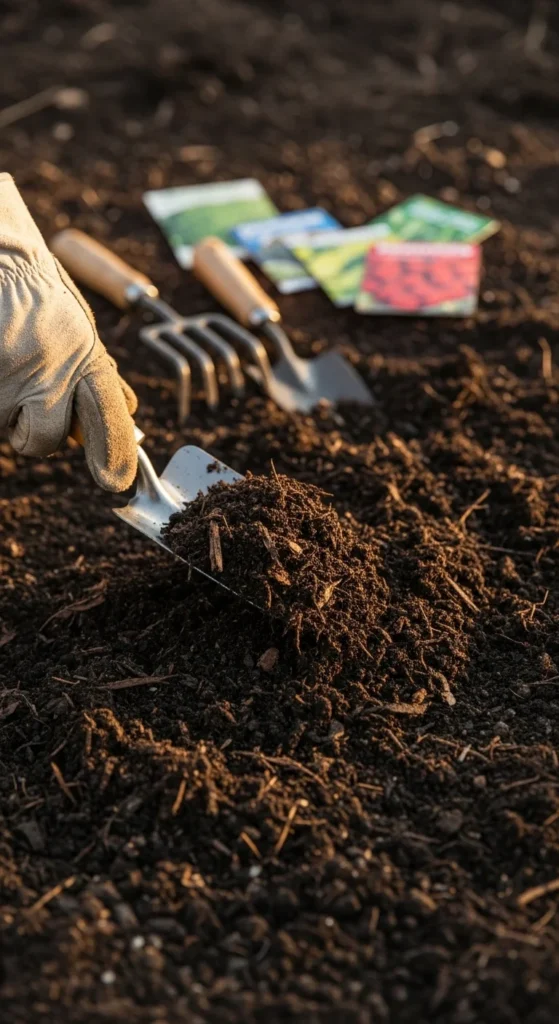
Healthy soil equals healthy plants. Skip chemical fertilizers and focus on feeding your soil naturally.
Here’s how:
- Add compost: Homemade or store-bought compost enriches your soil with nutrients and good microbes.
- Use organic matter: Mix in shredded leaves, grass clippings, or aged manure for structure and moisture retention.
- Avoid synthetic chemicals: They kill beneficial organisms that keep your soil alive and balanced.
If you’re starting from scratch, a raised bed filled with a mix of topsoil, compost, and coconut coir gives you an instant healthy base.
Step 3: Choose the Right Plants for Your Climate
The secret to stress-free gardening? Grow what actually thrives where you live.
Check your local growing zone or visit a nearby nursery to learn which plants do best in your region.
Warm-weather favorites:
- Tomatoes, peppers, zucchini, basil
Cool-weather picks:
- Spinach, kale, carrots, peas
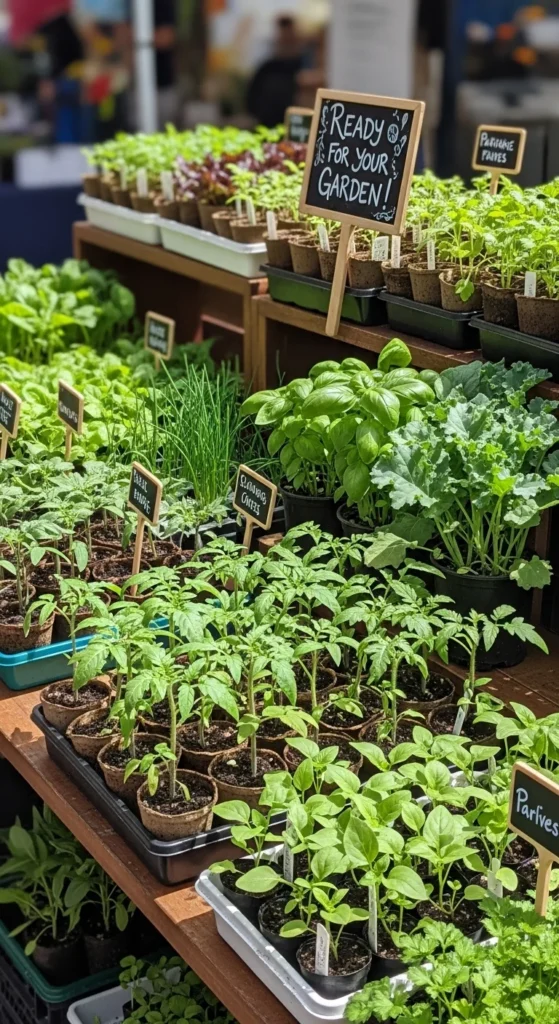
Choose disease-resistant, organic seeds or seedlings for an easy start. Native plants and herbs also require less water and maintenance—perfect for beginners.
Pro Tip: Don’t plant too early! Wait until the danger of frost is gone and the soil has warmed up.
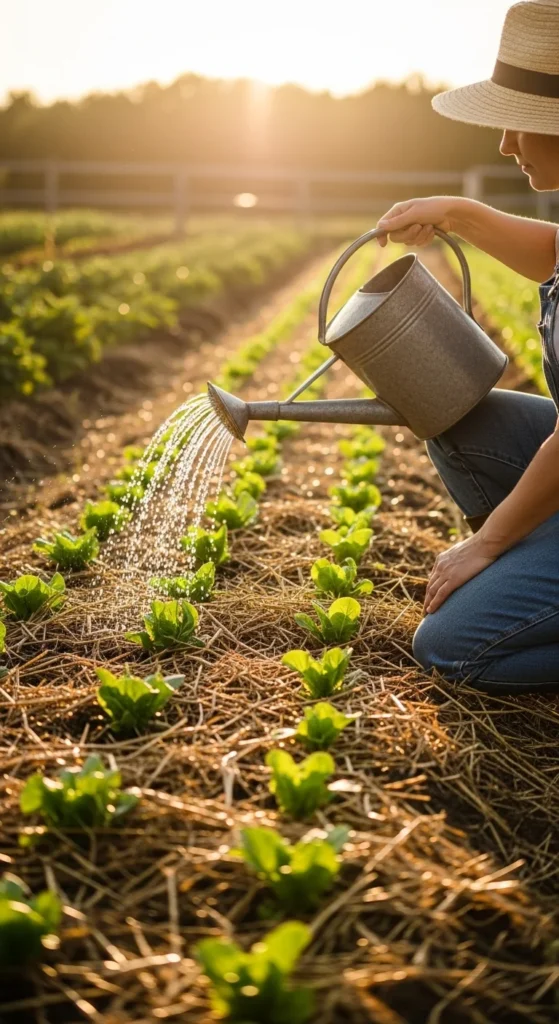
Step 4: Water Smart, Not Hard
Watering can make or break your garden—but it doesn’t need to be complicated.
Simple watering tips:
- Water deeply: Aim for longer, less frequent sessions so roots grow strong.
- Morning is best: Early watering helps plants absorb moisture before the heat of the day.
- Avoid overhead watering: Use a watering can or drip hose to keep leaves dry and prevent disease.
Mulch matters!
Spread a 2–3 inch layer of straw, wood chips, or shredded leaves around your plants to:
- Retain moisture
- Suppress weeds
- Keep soil temperature stable
Step 5: Prevent Pests the Natural Way
Organic gardening doesn’t mean letting bugs run wild—it means keeping balance.
Here’s how to protect your plants naturally:
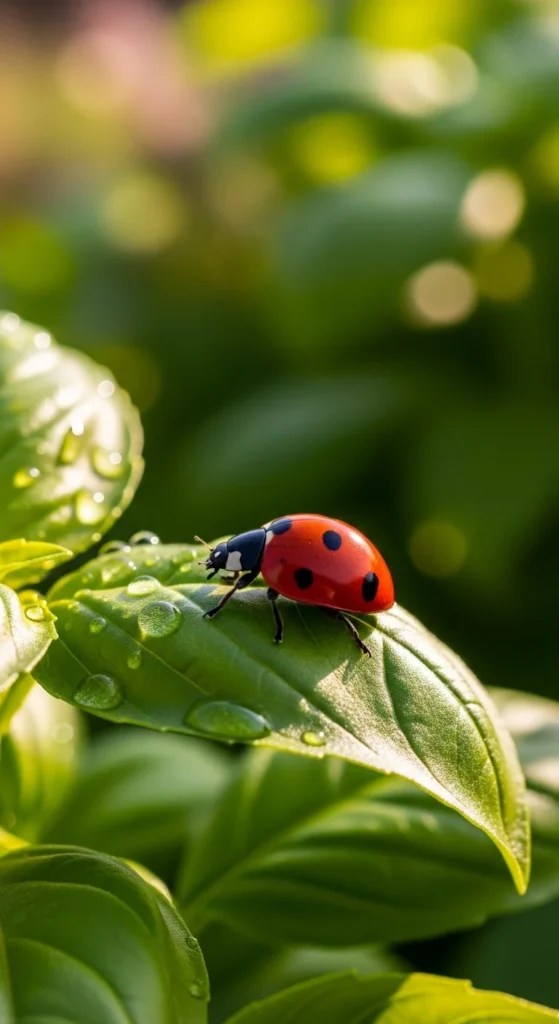
- Attract beneficial insects: Ladybugs, lacewings, and bees are your allies. Plant flowers like marigolds, dill, or lavender nearby.
- Use companion planting: Pair basil with tomatoes, or carrots with onions, to repel pests naturally.
- Inspect regularly: Catching issues early prevents infestations.
- DIY sprays: Mix water with mild soap or neem oil for an easy organic pest control solution.
Remember, a few bugs are fine—it’s nature’s way of maintaining harmony.
Step 6: Feed Your Garden Naturally
Once plants start growing, they’ll need consistent nutrition. Instead of chemical fertilizers, try organic feeding methods:
- Compost tea or worm castings for nutrient boosts
- Liquid seaweed or fish emulsion for balanced growth
- Regular additions of compost throughout the season
Healthy soil organisms will handle most of the work—you just need to keep them nourished.
Pro Tip: Rotate crops each year to prevent soil depletion and reduce disease buildup.
Step 7: Enjoy the Process
Organic gardening isn’t about perfection—it’s about progress. You’ll make mistakes (every gardener does), but that’s part of the journey.
Celebrate small wins: your first sprouting seed, your first ripe tomato, or the bees visiting your flowers. The more you connect with your plants, the easier and more rewarding it becomes.
Final Thoughts
Starting an organic garden doesn’t have to be complicated or stressful. By keeping things simple—healthy soil, natural care, and the right plants—you’ll build a thriving little ecosystem right in your backyard.
So grab your gloves, plant a few seeds, and get ready to enjoy fresh, chemical-free produce that tastes better than anything from the store.
Leave a Reply