

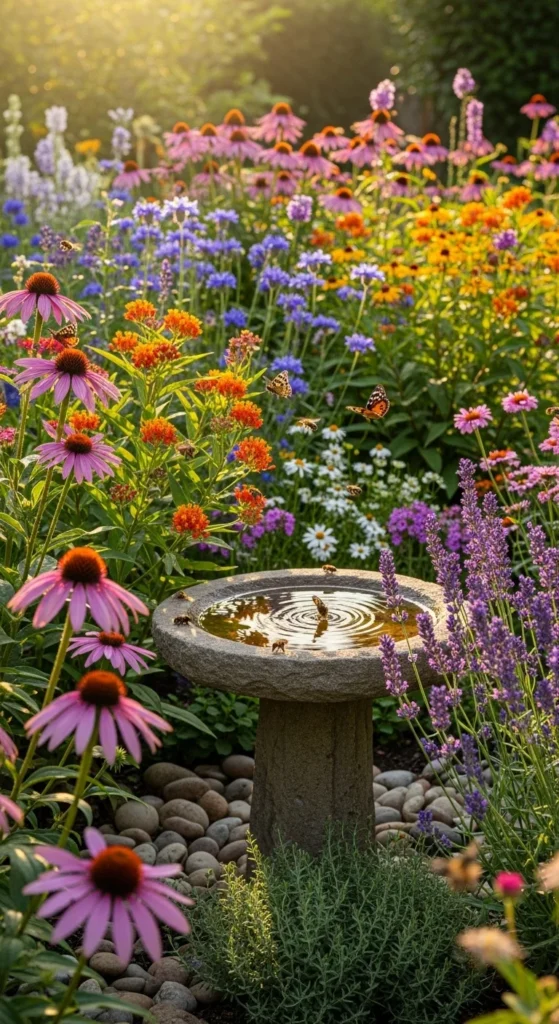
Pollinators make our gardens thrive—and our planet healthier. Bees, butterflies, hummingbirds, and even beetles all play a role in helping plants reproduce. Yet, many face habitat loss and pesticide exposure. By turning your yard, balcony, or even a few pots into a pollinator haven, you can support wildlife and enjoy a garden full of life and movement. These simple, affordable ideas make your outdoor space a safe and nourishing stop for pollinators all year long.
1. Choose Native Flowers First
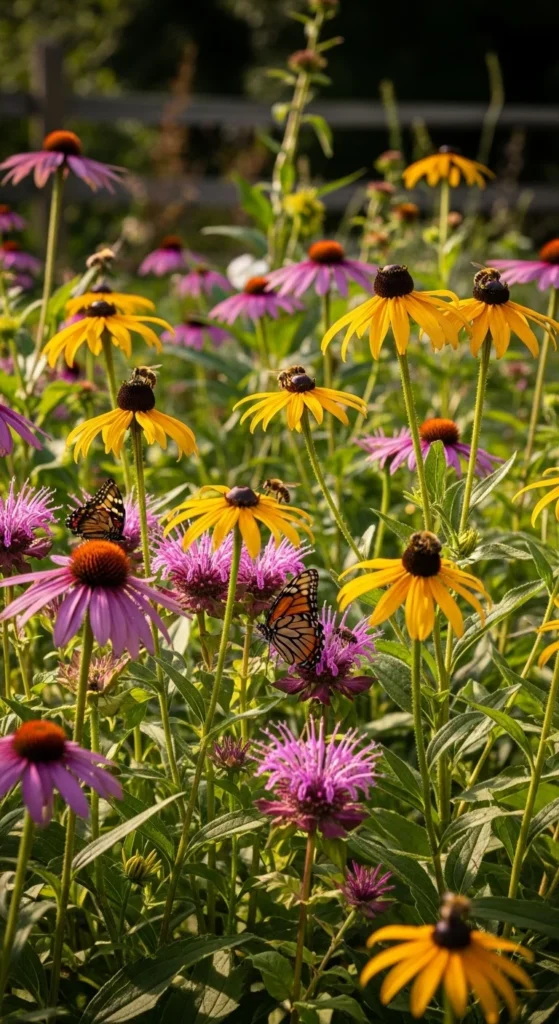
Native plants grow naturally in your region and attract the pollinators that evolved with them. They’re hardy, easy to maintain, and provide the best nectar. Visit local nurseries or community plant swaps to find native species. Plant in clusters—pollinators prefer large patches over scattered blooms. You’ll spend less on fertilizers and watering while creating a thriving ecosystem.
2. Grow Flowers That Bloom All Season
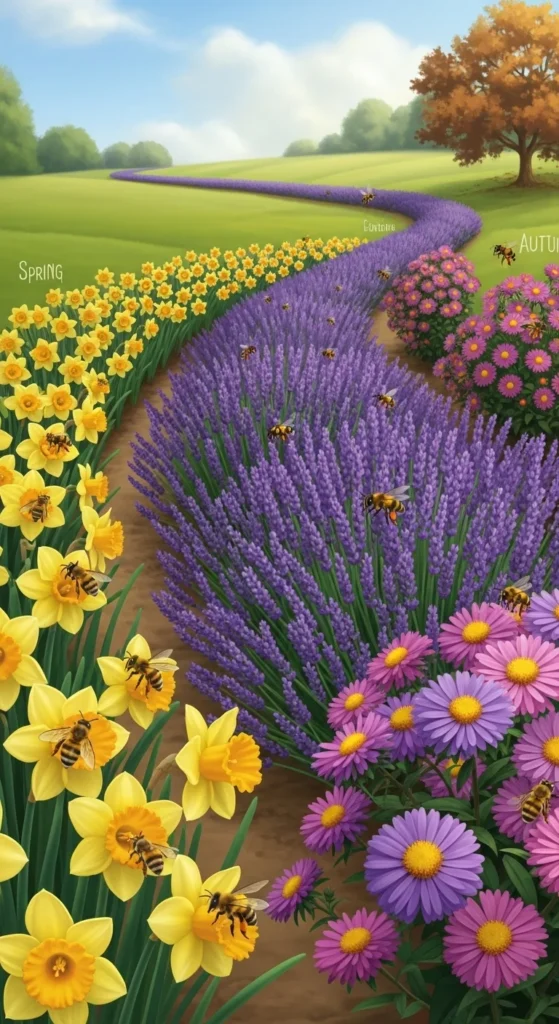
Pollinators need consistent food sources. Plant flowers that bloom at different times—spring bulbs, mid-summer perennials, and late-season asters. This keeps bees, butterflies, and hummingbirds fed for months. A mix of early crocus, mid-summer coneflower, and autumn goldenrod keeps the buffet open all year.
3. Skip the Pesticides
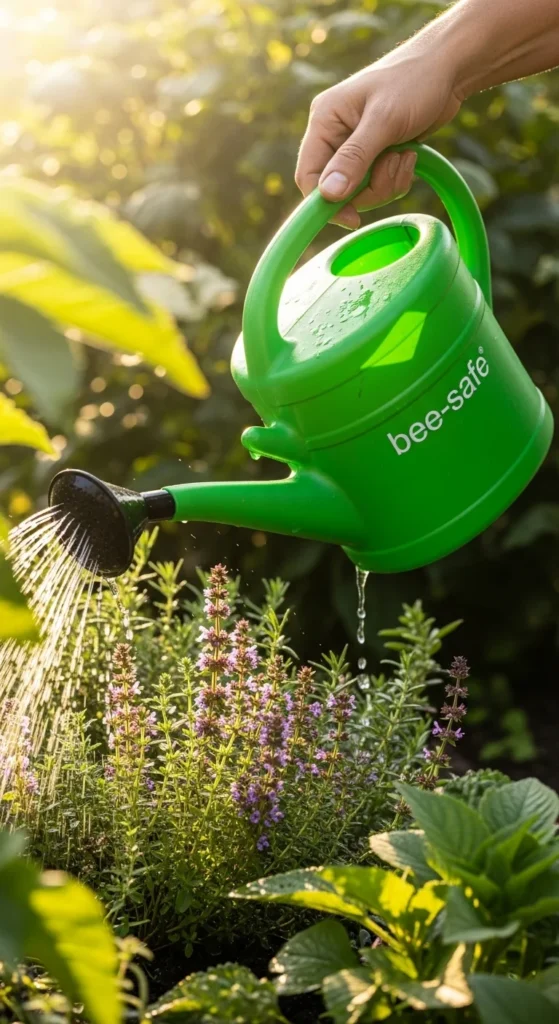
Pesticides harm pollinators directly and contaminate their food. Instead, try natural pest control—ladybugs, neem oil, or soap sprays. Encourage beneficial insects by letting a small area grow wild. You’ll create balance without harming bees or butterflies.
4. Create a Bee Bath
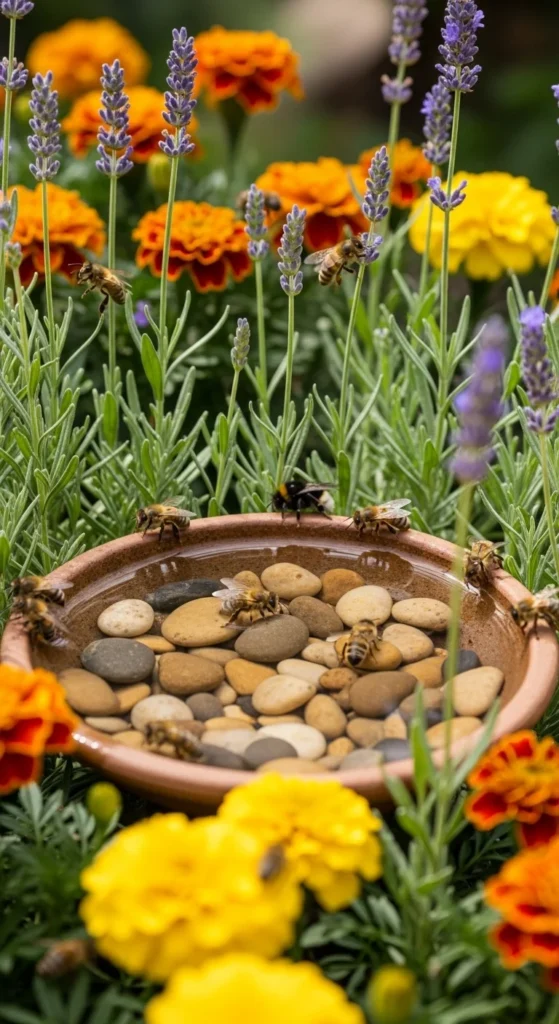
Bees get thirsty too. A simple bee bath can be made with a shallow dish, small stones, and water. Place it in a sunny spot and refill often. It’s inexpensive, takes minutes to make, and helps bees safely drink without drowning.
5. Add Host Plants for Caterpillars
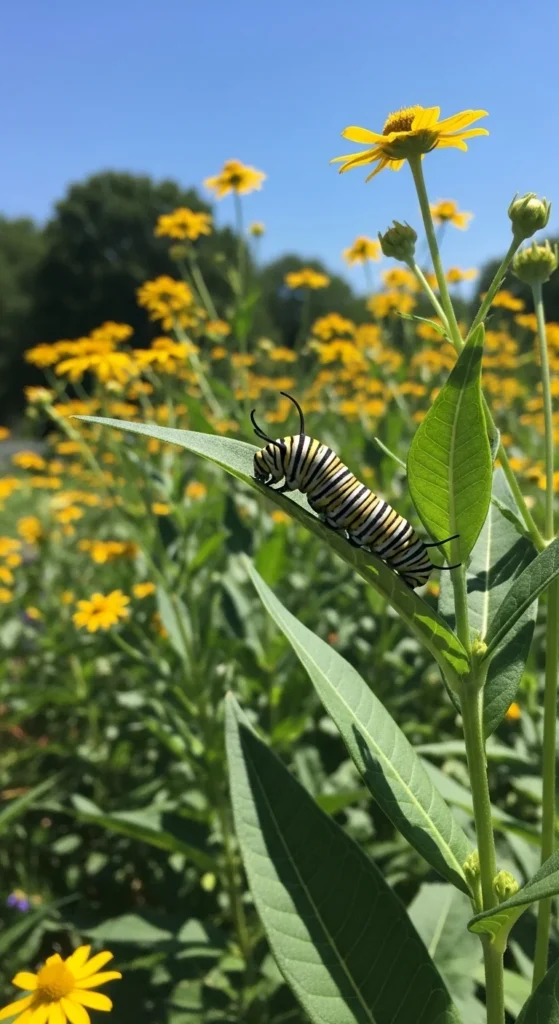
Butterflies rely on specific plants for their larvae. For instance, monarch caterpillars feed only on milkweed. Research what host plants attract butterflies in your area—like dill for swallowtails or violets for fritillaries—and add a few to your garden.
6. Leave Some Wild Corners
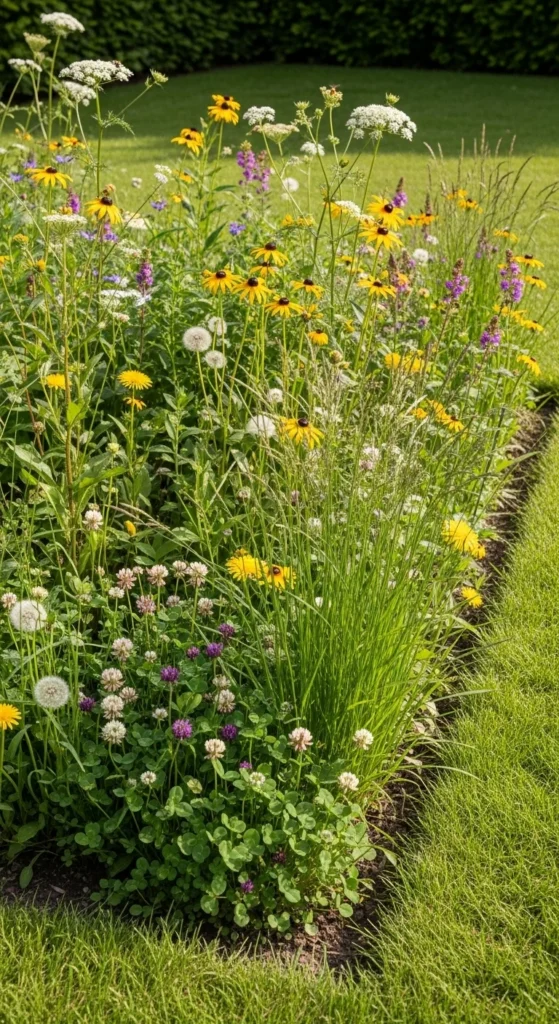
Not every space needs to be tidy. Let a corner grow naturally to give pollinators shelter. Overwintering bees often hide in hollow stems or under leaves. These “messy” areas are free, natural refuges for insects through colder months.
7. Plant in Layers
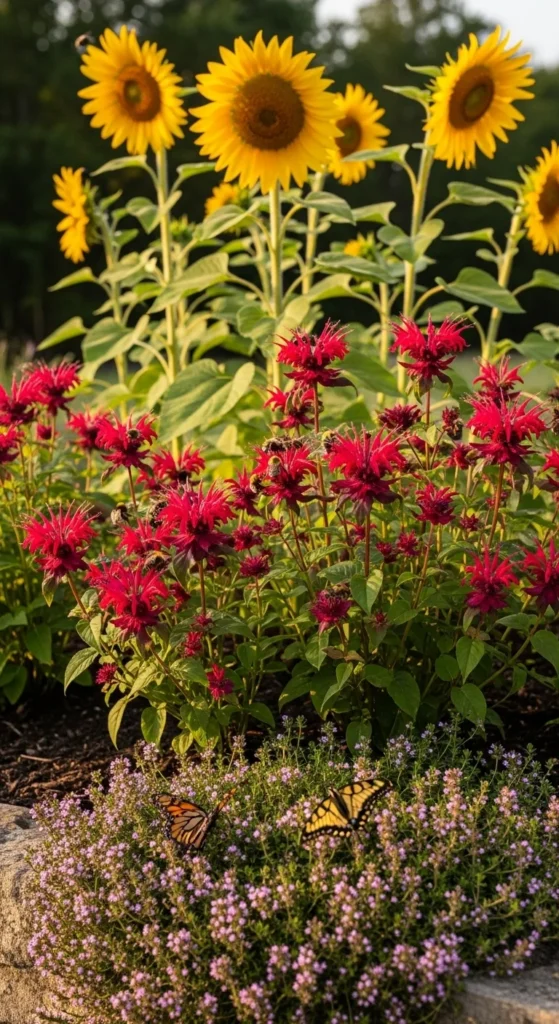
Mix heights and textures to attract diverse pollinators. Tall flowers like sunflowers draw bees, while ground covers like thyme feed smaller insects. Layering also makes gardens fuller and reduces bare soil evaporation.
8. Grow Herbs That Flower
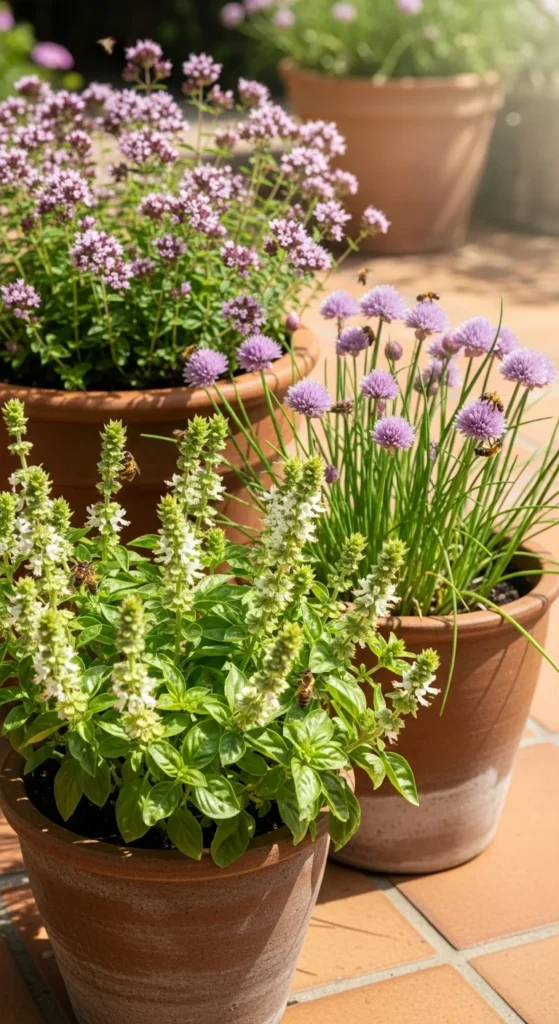
Flowering herbs are magnets for pollinators. Let some of your basil, mint, chives, and oregano bloom instead of trimming early. You’ll get delicious kitchen herbs and nectar-rich flowers. Even a few pots on a balcony can help.
9. Use Clusters of the Same Flower
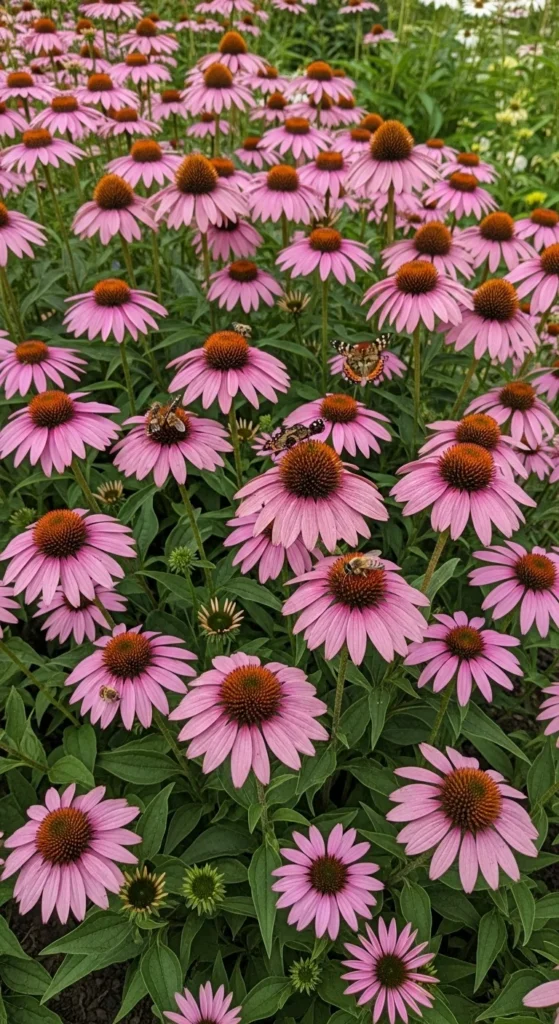
Pollinators prefer large groupings of the same flower species. It’s easier for them to find and feed efficiently. Plant several of each kind together for a more productive and beautiful display.
10. Add a Butterfly Puddle
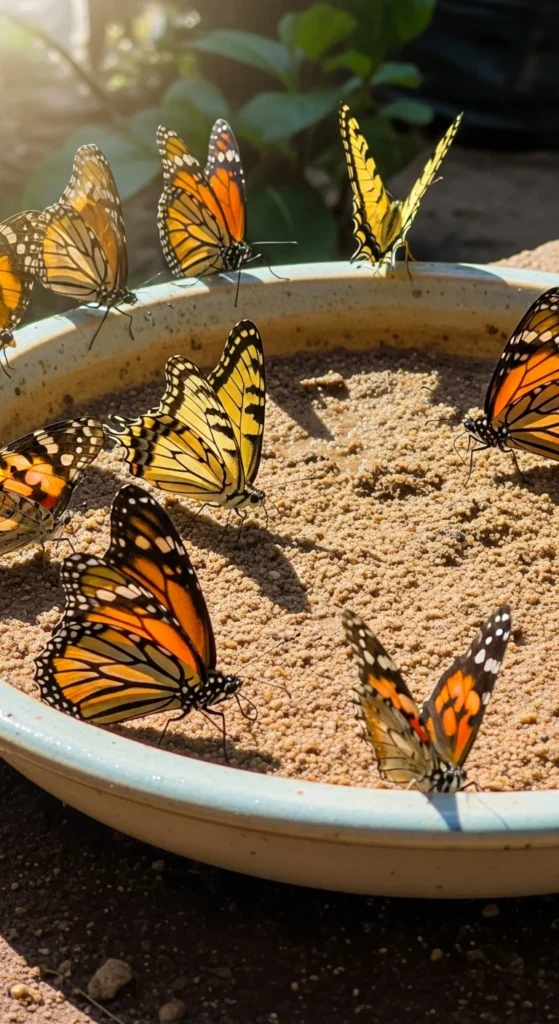
Butterflies drink and absorb minerals from damp soil—a behavior called puddling. Create a shallow sandy area that stays moist. You’ll see butterflies land, drink, and stay longer in your garden.
11. Choose Flat and Tubular Flowers
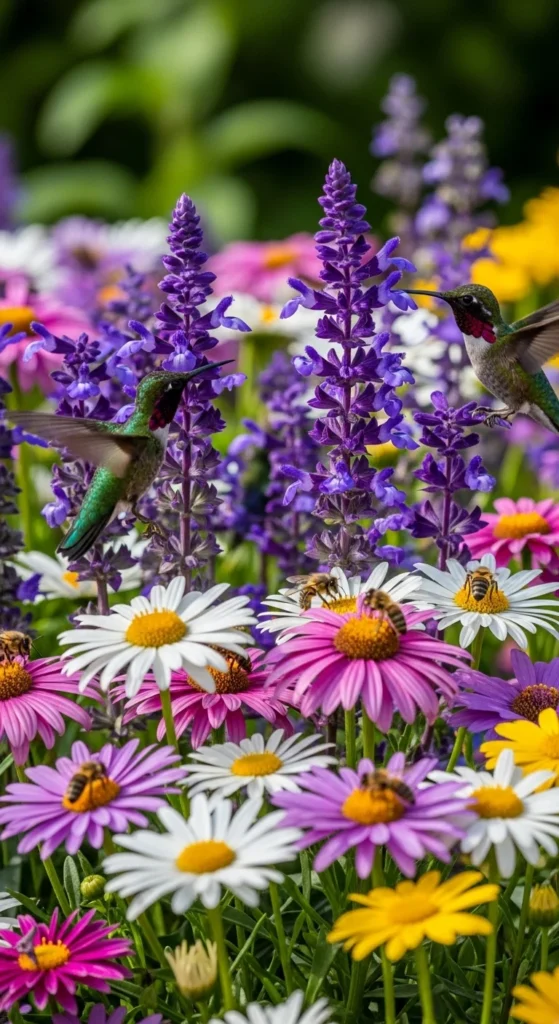
Different pollinators prefer different shapes. Bees love flat, open flowers like daisies, while hummingbirds and butterflies go for tubular blooms like salvia. A mix invites a wider range of visitors to your garden.
12. Avoid Hybridized Flowers
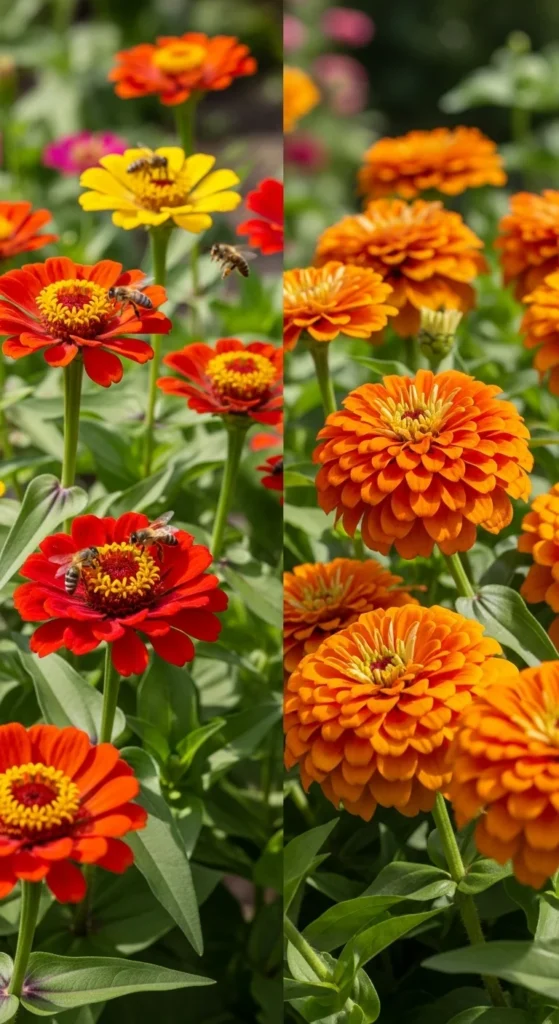
Many hybrid flowers are bred for color, not nectar. Stick to single-petal varieties that keep nectar accessible. Check labels or ask garden centers for pollinator-friendly options before buying.
13. Install Bee Houses
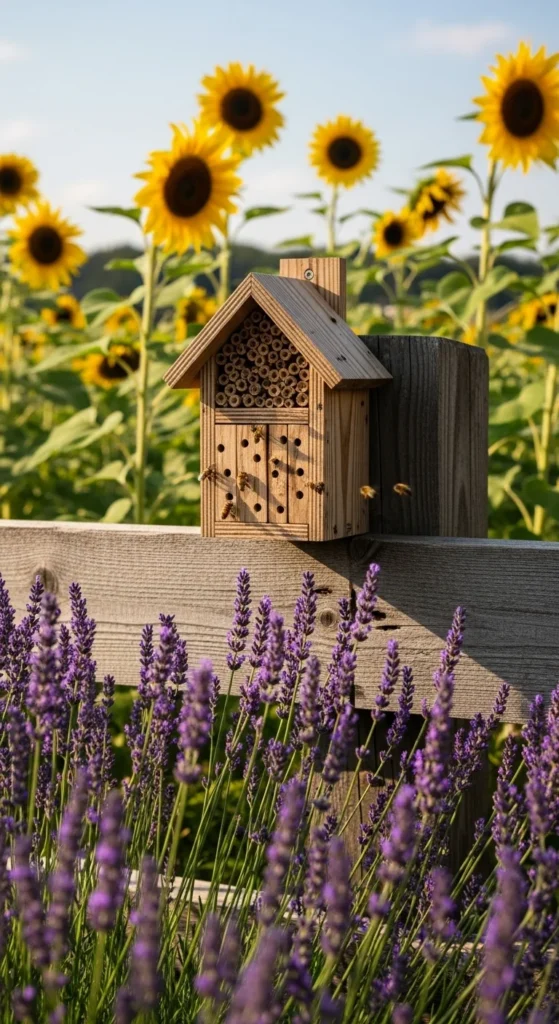
Solitary bees need nesting spaces. You can buy or build a bee house using bamboo tubes or drilled wood blocks. Hang it in a dry, sunny spot facing south or east. It’s a fun weekend DIY and helps local bee populations thrive.
14. Choose Fragrant Flowers
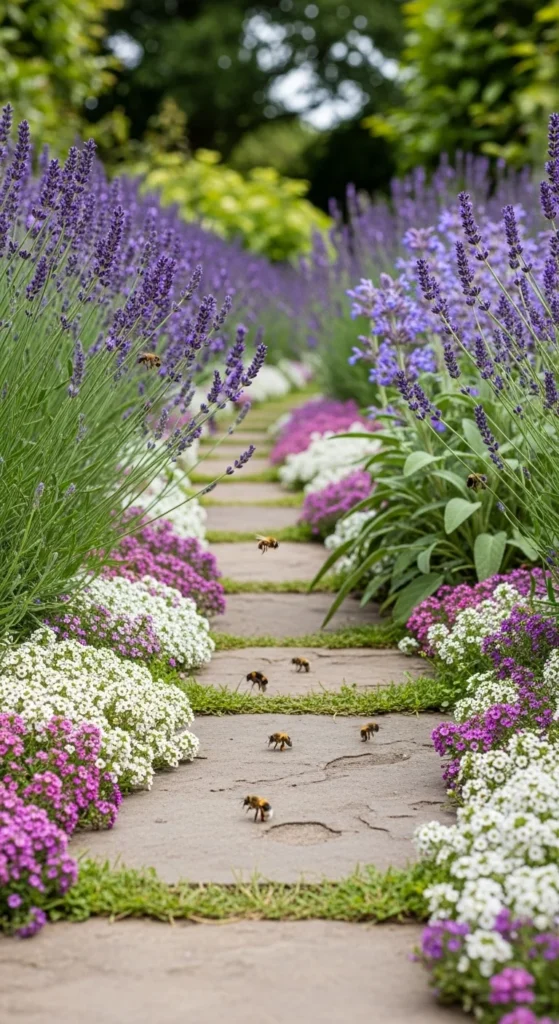
Fragrance draws pollinators in. Lavender, sweet alyssum, and sage are both beautiful and highly scented. These flowers make your garden smell wonderful while inviting more bees and butterflies.
15. Keep Flowers Close to Vegetables
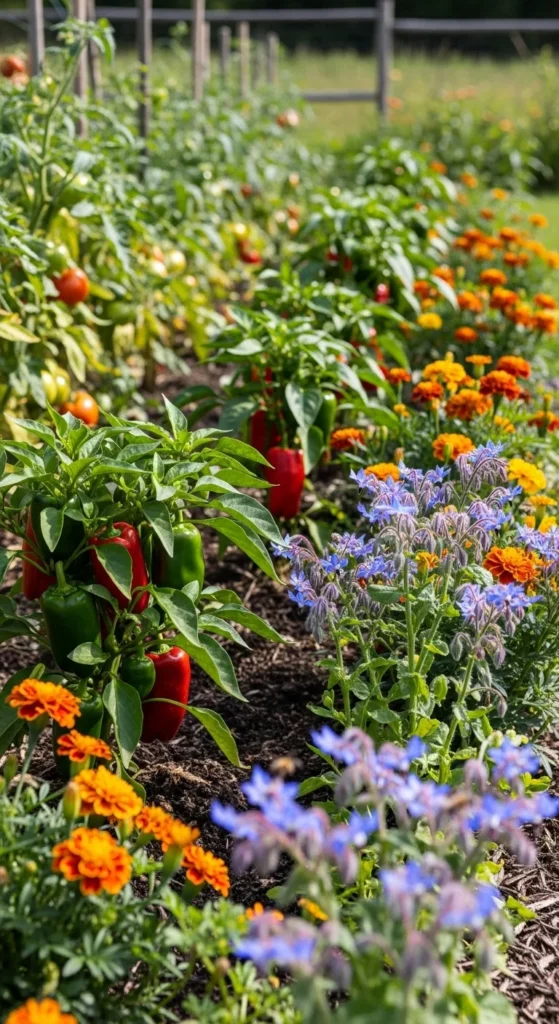
Interplanting flowers with vegetables attracts pollinators that improve fruit set. Marigolds, zinnias, and borage are perfect partners for tomatoes, squash, and cucumbers. It’s a simple, natural way to increase your harvest.
16. Grow Pollinator-Friendly Trees and Shrubs
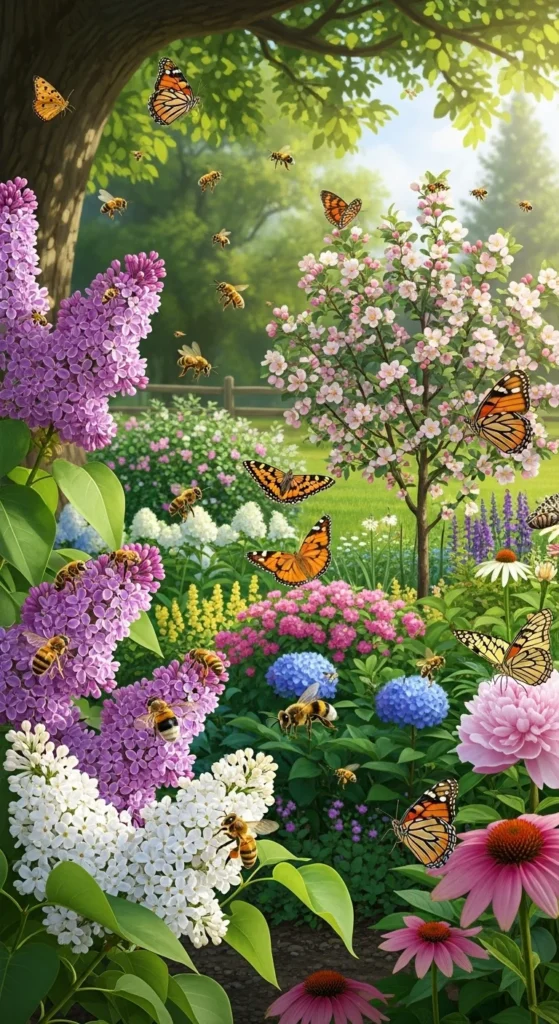
Large plants offer shelter and nectar too. Trees like willow or fruit trees provide early pollen, while shrubs such as lilac and viburnum bloom in spring. They add structure to your garden and feed more wildlife.
17. Provide Shelter with Logs or Rocks
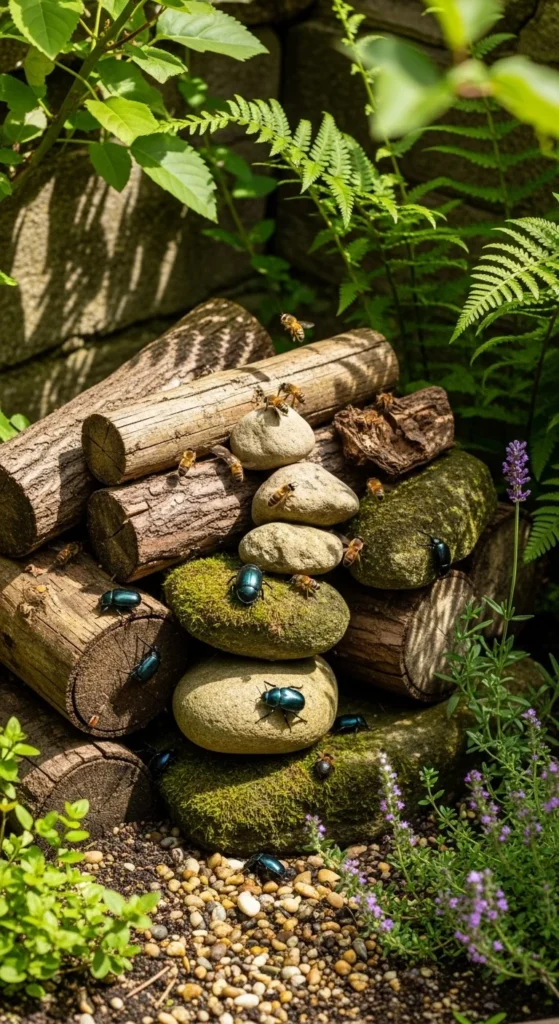
Logs, branches, and rock piles create safe hiding places. These spots give ground-nesting bees and beetles protection from weather and predators. Use fallen wood or stones from your own yard—free and effective.
18. Plant Night-Blooming Flowers
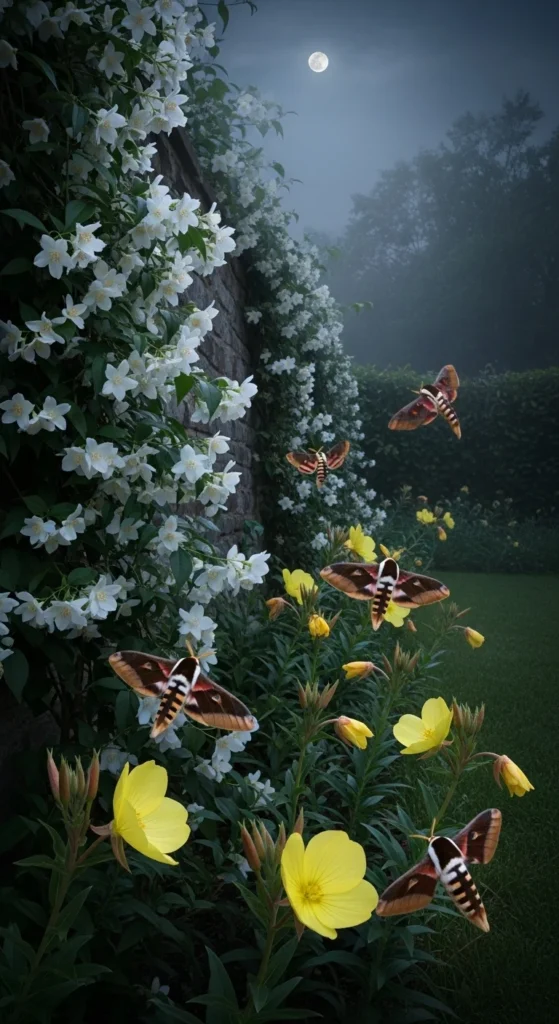
Not all pollinators are active by day. Night-blooming plants like evening primrose or jasmine attract moths and bats. Their pale colors glow under moonlight, adding beauty while supporting nocturnal wildlife.
19. Add Hummingbird Feeders
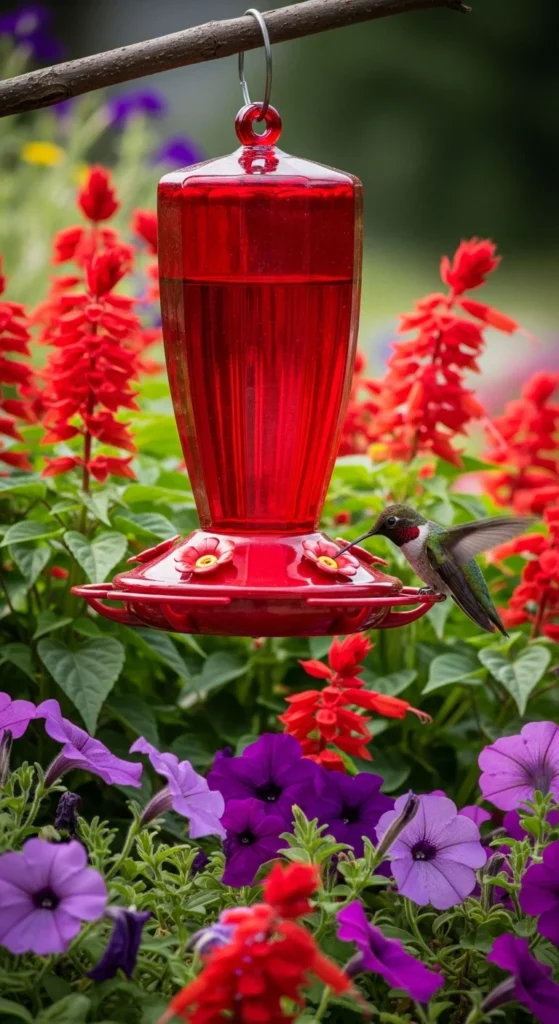
Hummingbirds love tubular flowers but also benefit from feeders. Fill them with homemade nectar (1 part sugar to 4 parts water). Keep them clean every few days to prevent mold or harm.
20. Leave Seed Heads for Winter
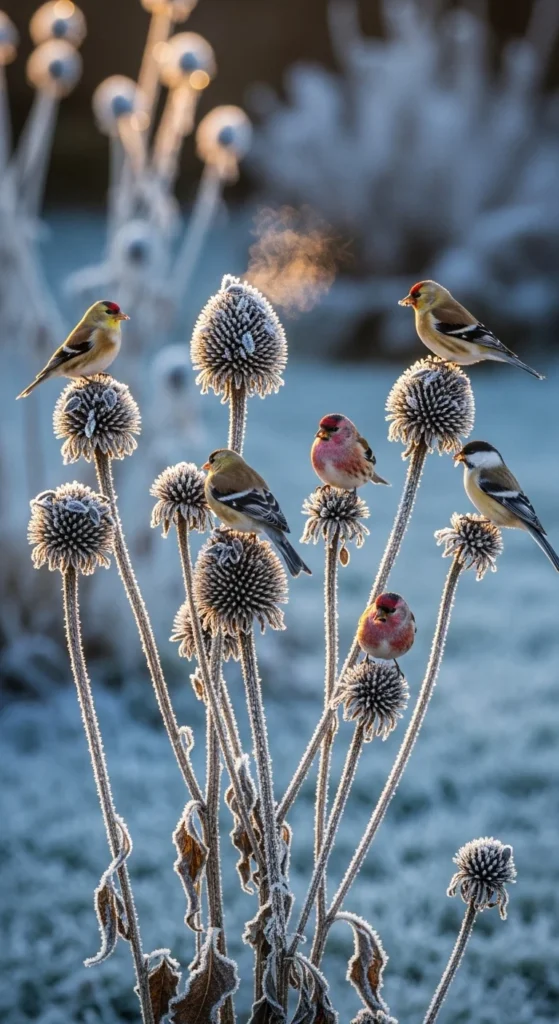
After flowers fade, let seed heads stay through winter. They feed birds and shelter insects. It’s less cleanup work and keeps your garden alive with activity even in the cold months.
21. Mix Colors and Shapes
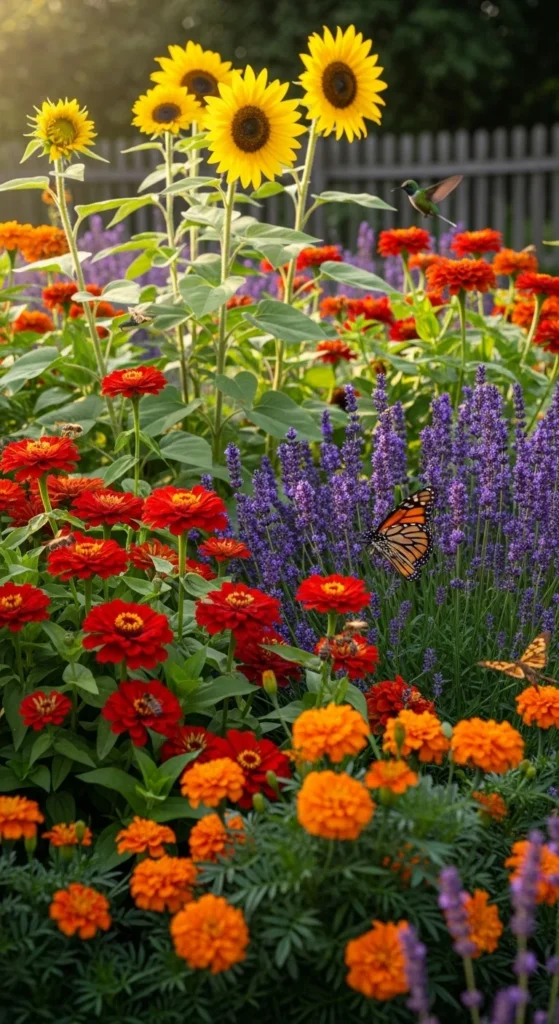
Pollinators see colors differently—bees love blue and yellow, while hummingbirds go for red. A mix of shapes and hues brings diversity to your garden and attracts many species.
22. Reduce Lawn Space
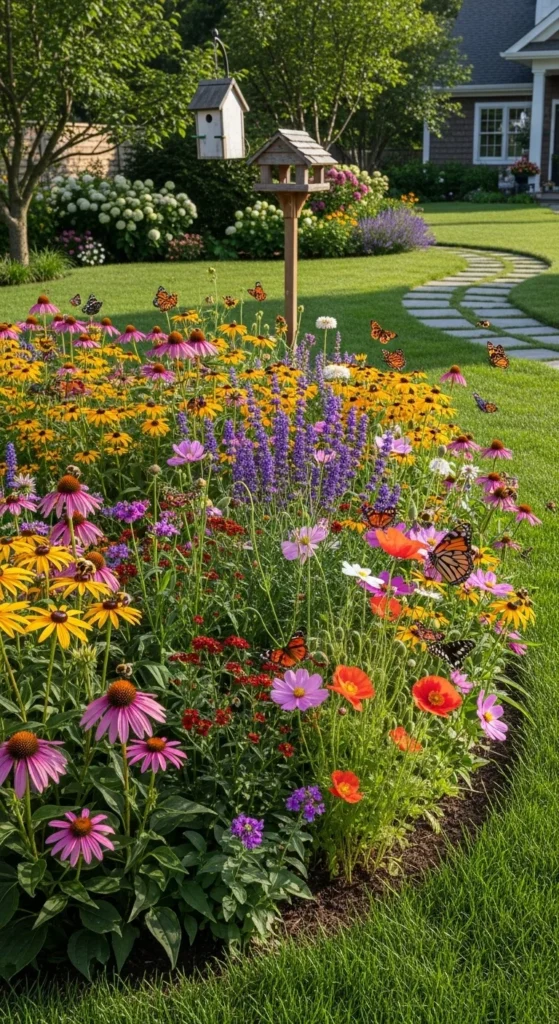
Traditional lawns offer little food or shelter. Replace a patch with wildflowers or clover. It’s low-maintenance, drought-tolerant, and instantly more wildlife-friendly.
23. Join a Local Pollinator Project
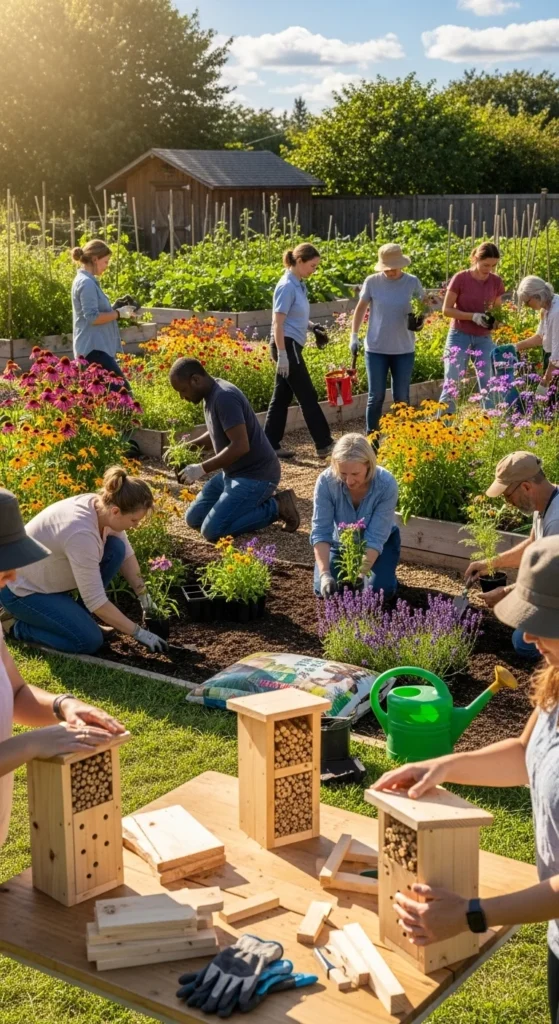
Many communities host pollinator programs where you can learn, share plants, and track species. Joining helps you connect with others who care about the environment and makes your impact larger than one garden.
Conclusion
Creating a pollinator-friendly garden is one of the simplest ways to support wildlife right where you live. Every native flower, bee house, and water dish adds up. You don’t need a big budget—just thoughtful planting and care. Start small, keep experimenting, and enjoy watching your garden turn into a thriving, buzzing ecosystem filled with life.
Leave a Reply