

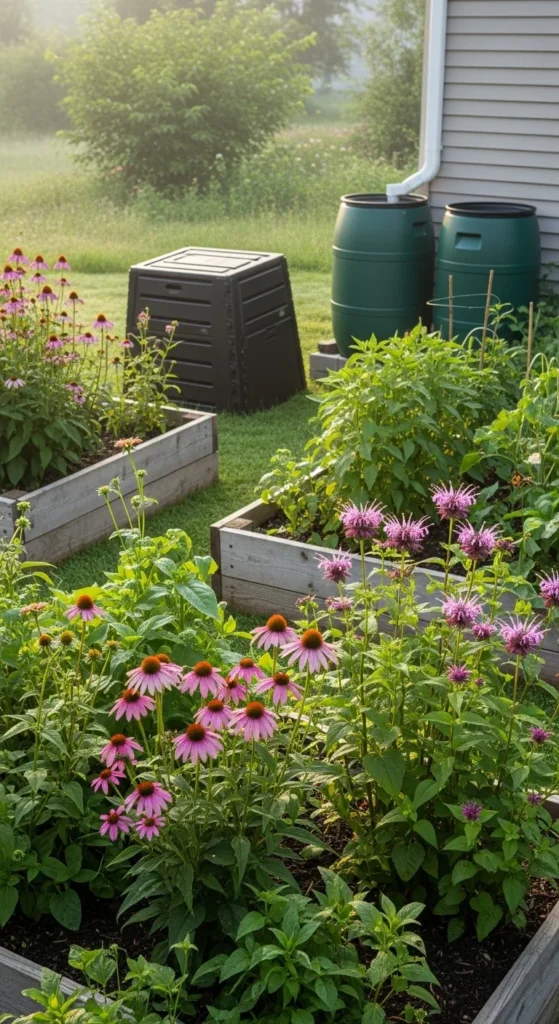
Caring for the planet starts right in your backyard. Eco-friendly gardening isn’t just about growing plants—it’s about creating a space that saves water, reduces waste, and supports nature. Small changes like reusing materials, collecting rainwater, or planting native species can make a big difference. These ideas are easy to start, gentle on your wallet, and designed for long-term sustainability. Let’s explore 22 practical ways to garden smarter while giving back to the earth.
1. Collect Rainwater for Irrigation
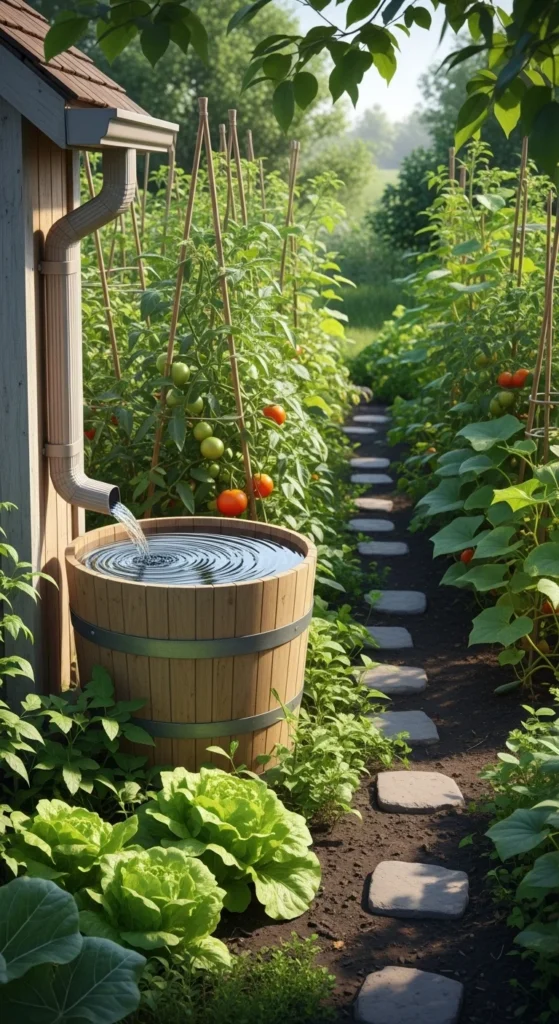
A rain barrel is a simple way to reuse nature’s free resource. Set one under your gutter to collect rainwater for your plants. It cuts down on tap water use and keeps your garden hydrated during dry spells. You can even connect a hose directly to it. Paint or decorate your barrel to make it blend beautifully into your garden corner.
2. Compost Kitchen Scraps
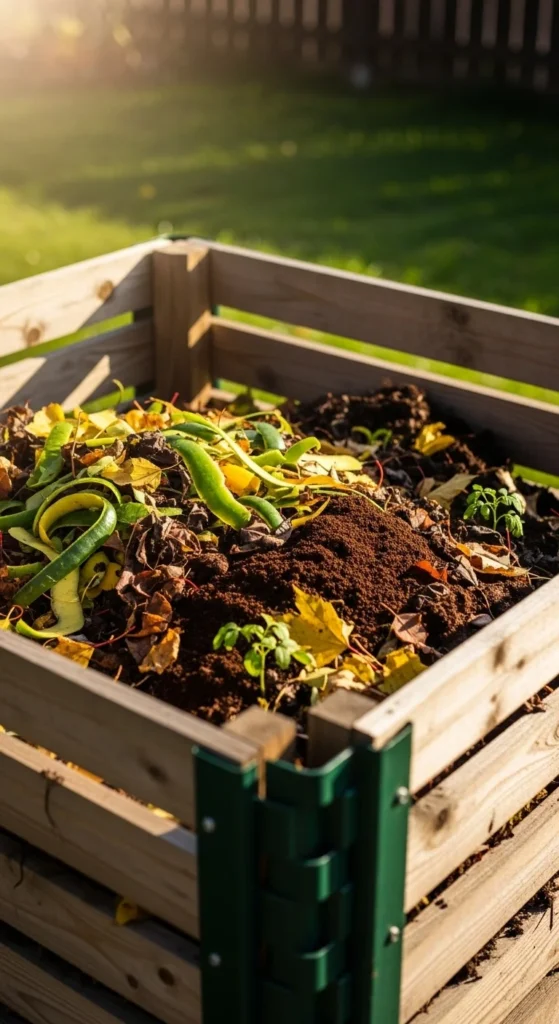
Turn kitchen waste into black gold. Save fruit peels, coffee grounds, and eggshells for your compost bin. Mix them with dry leaves and twigs to balance moisture and air. Over time, it breaks down into nutrient-rich soil that replaces chemical fertilizers. Composting is free, sustainable, and helps reduce landfill waste.
3. Grow Native Plants
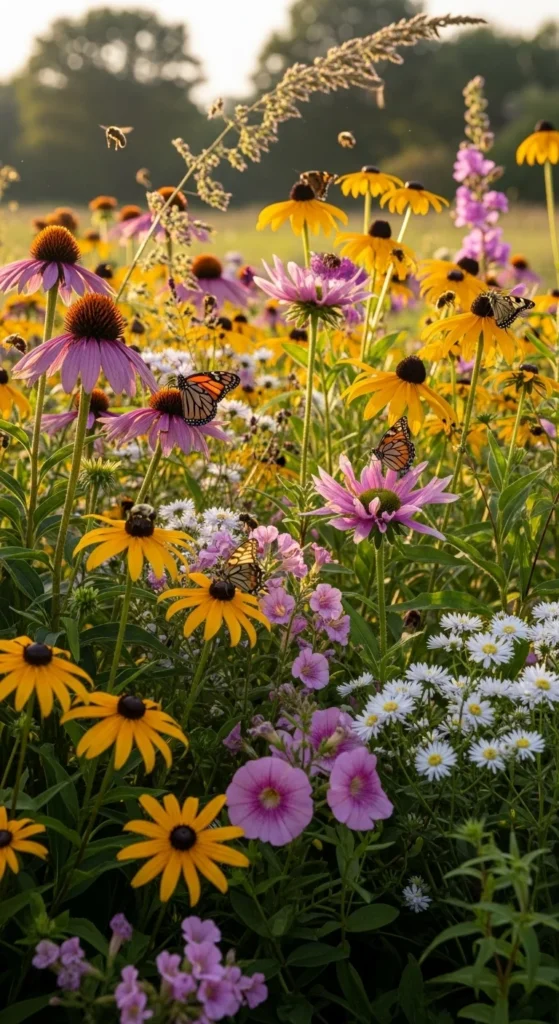
Native plants are naturally suited to your region’s weather. They require less water, fewer fertilizers, and attract local pollinators. Visit a nearby nursery or extension center for native species that thrive in your area. Once established, they practically care for themselves—saving effort and resources all year.
4. Reuse Household Containers
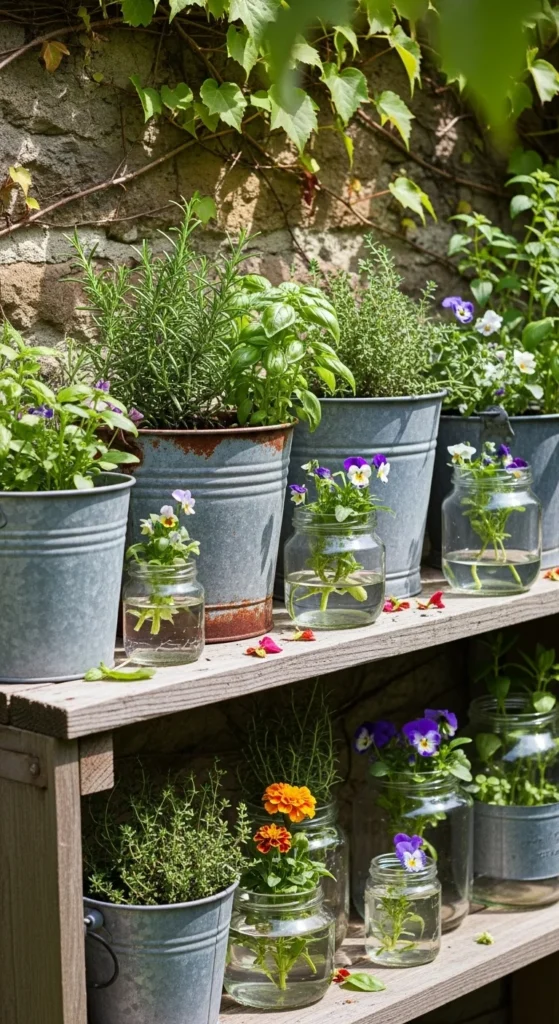
Skip buying new pots. Use old jars, cans, and buckets as planters instead. Just drill drainage holes and fill them with soil. It’s a creative, low-cost way to add charm and reduce waste. You can even paint them to match your garden theme.
5. Use Mulch to Conserve Water
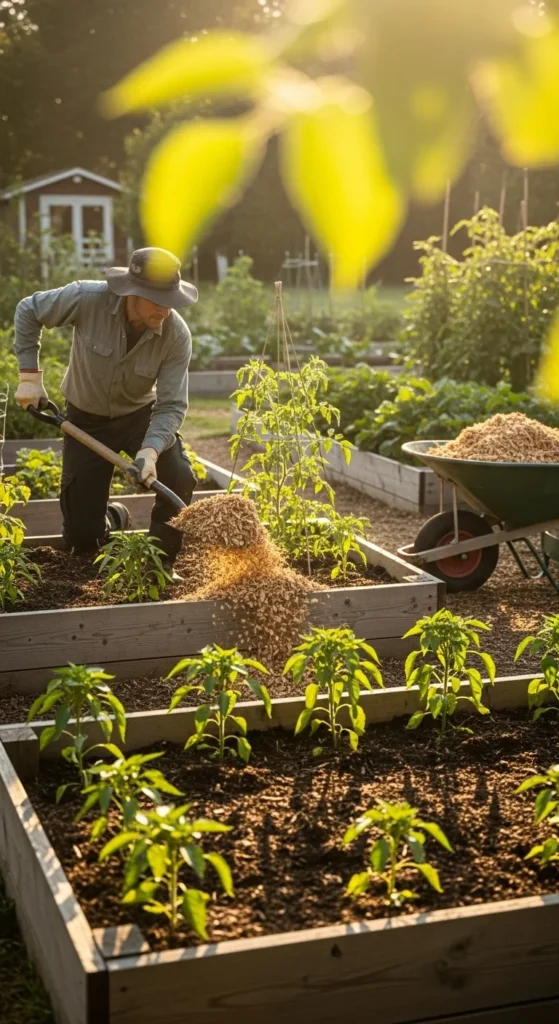
Mulching keeps soil cool, moist, and weed-free. Use straw, shredded leaves, or bark chips around plants. It reduces the need for watering and prevents soil erosion. Plus, it looks tidy and natural in any garden setup.
6. Install a Drip Irrigation System
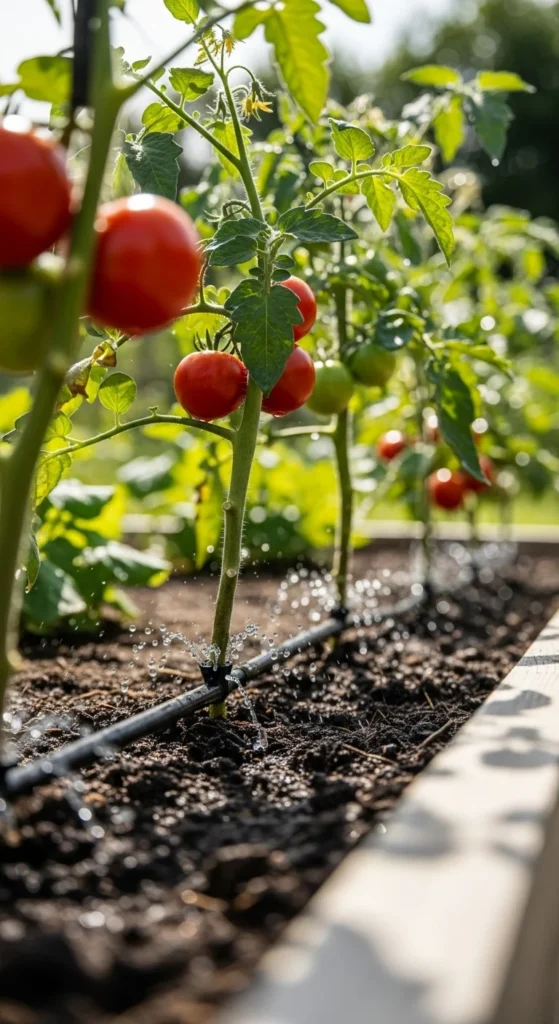
Drip irrigation delivers water directly to roots, reducing waste. You can buy a simple kit or build one using old hoses and connectors. It’s perfect for busy gardeners and saves gallons of water compared to overhead sprinklers.
7. Repurpose Old Wood for Raised Beds
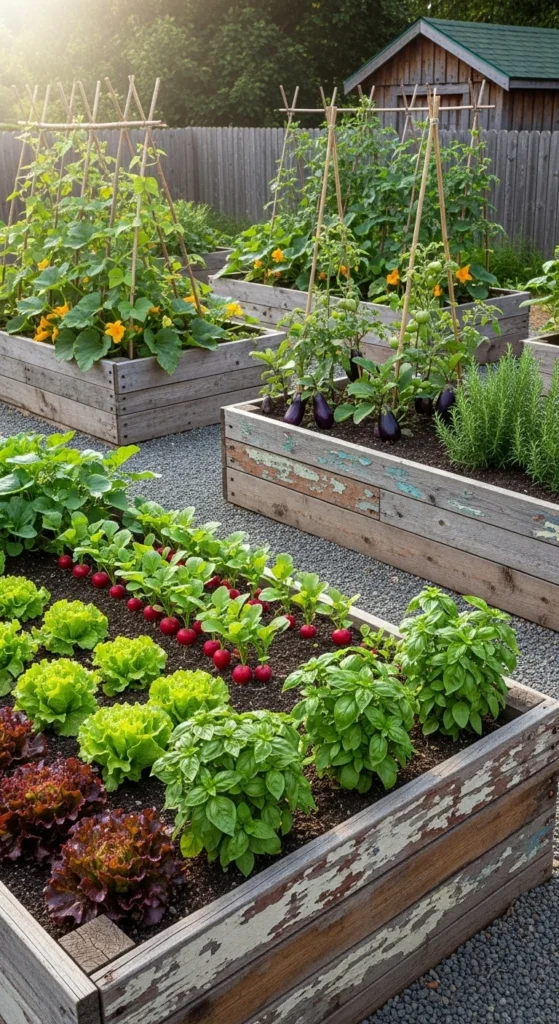
Instead of buying new lumber, use reclaimed wood or pallets for raised beds. Sand and seal them to make them last longer. This not only saves money but also keeps materials out of landfills.
8. Attract Pollinators Naturally
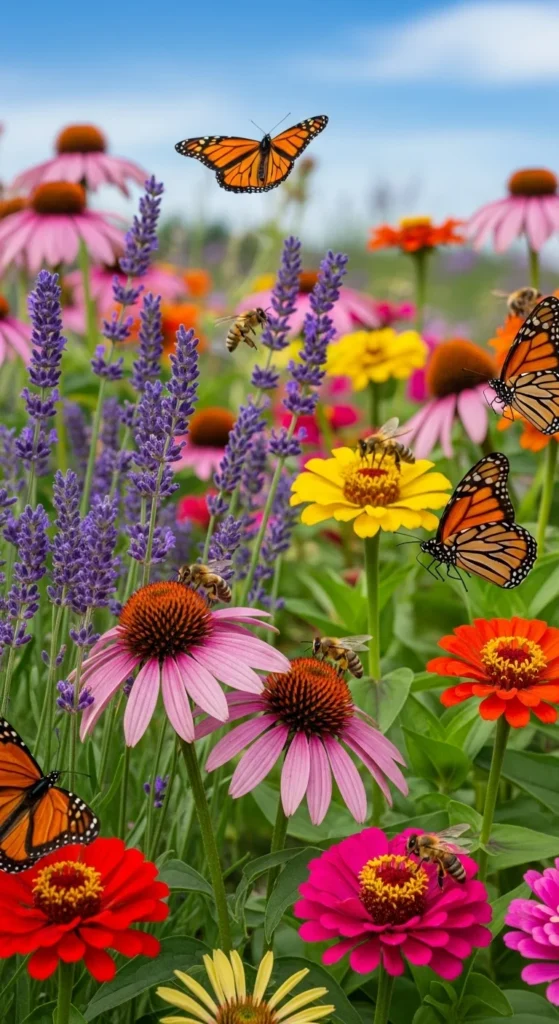
Pollinators keep your garden thriving. Plant flowers that attract bees, butterflies, and hummingbirds. Choose a mix of colors and shapes for variety. Skip pesticides—they harm the very insects that help your plants grow.
9. Create a DIY Compost Tea
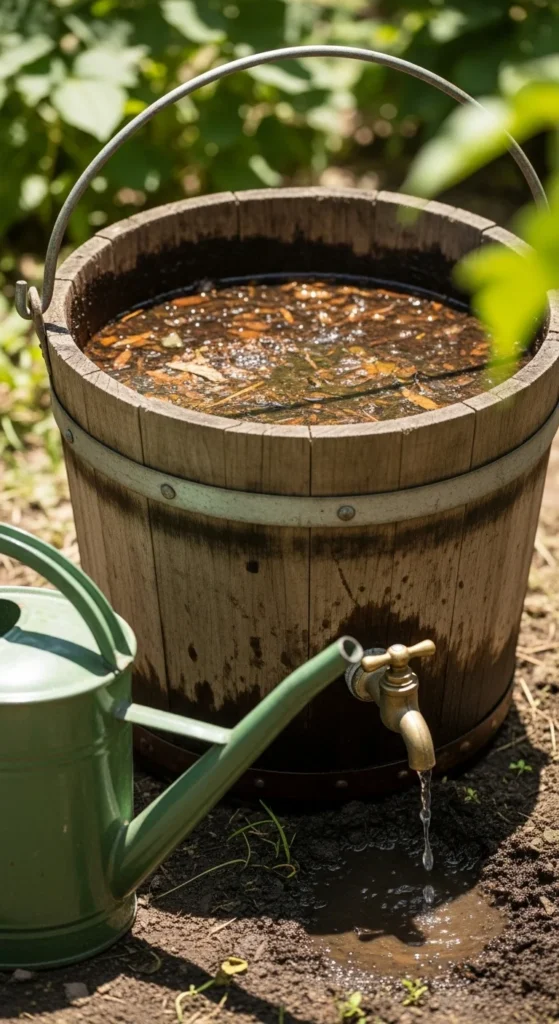
Compost tea is an easy homemade fertilizer. Soak compost in water for a few days, then strain and use the liquid to feed plants. It gives them a gentle nutrient boost and improves soil health naturally.
10. Grow Food Vertically
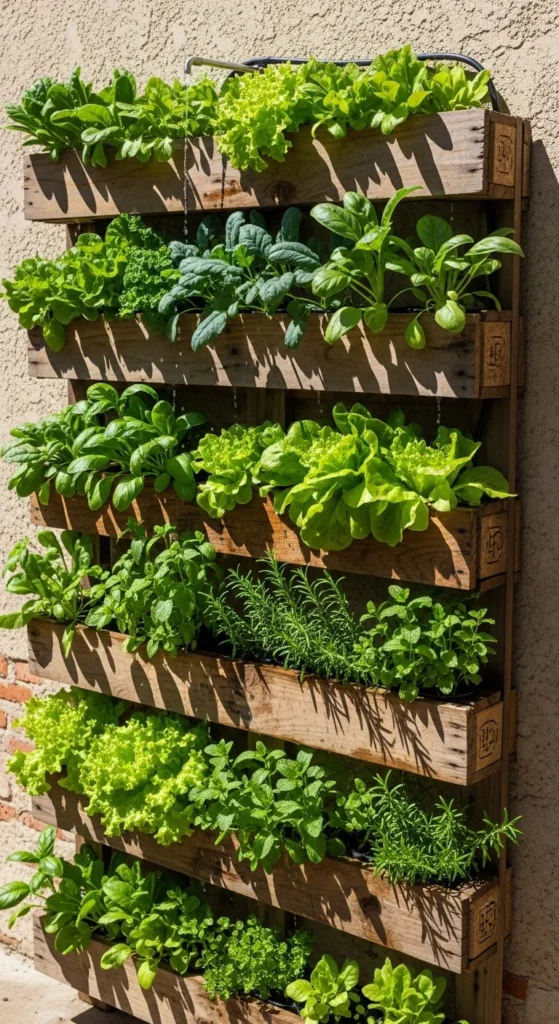
If space is tight, go vertical. Use old pallets, shelves, or hanging pots to grow herbs and greens upward instead of outward. Vertical gardening saves space, reduces water loss, and looks beautiful on patios or balconies.
11. Recycle Gray Water
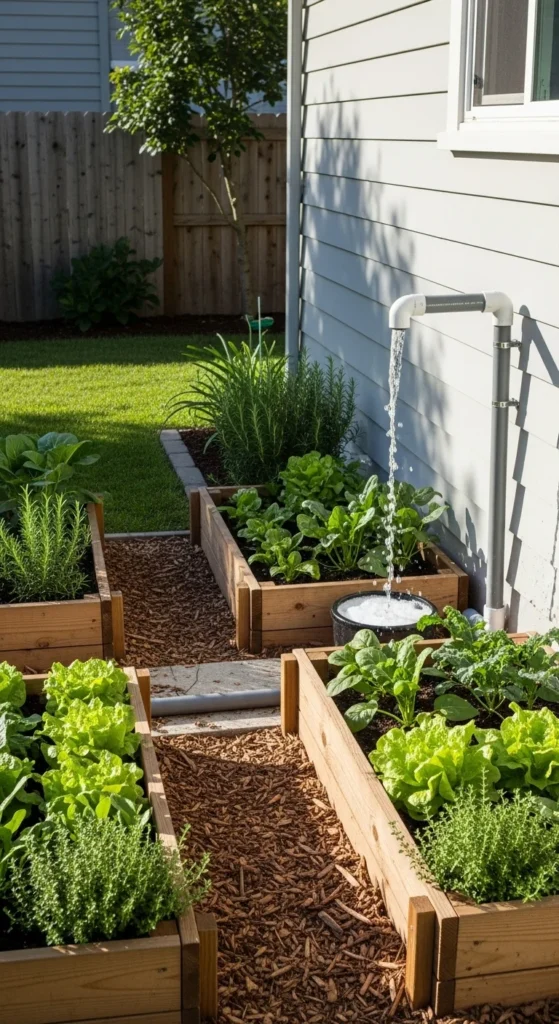
Reuse lightly used household water for plants. Water from rinsing veggies or leftover cooking water can feed your garden. Just avoid using anything with soap or grease. It’s a smart way to save gallons every week.
12. Choose Organic Fertilizers
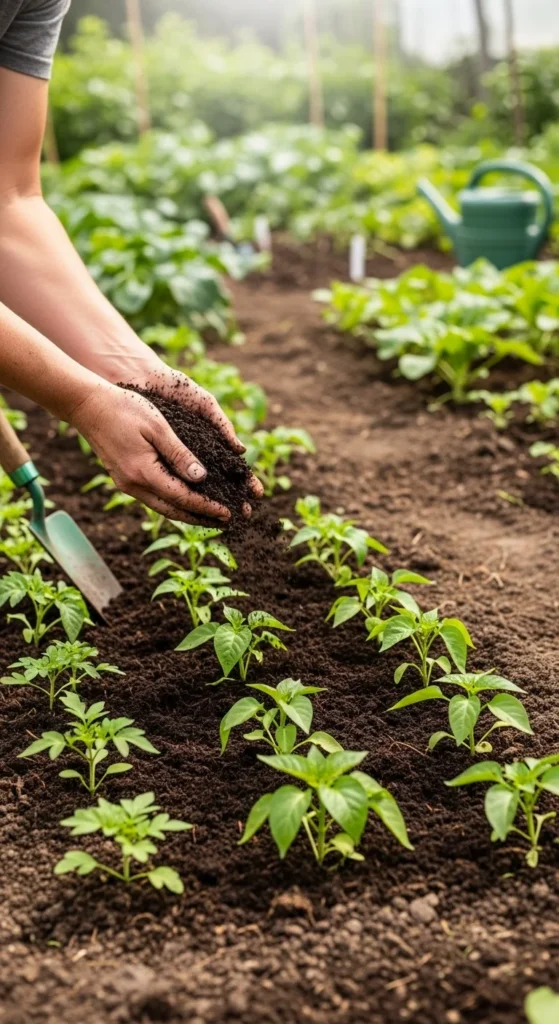
Chemical fertilizers can harm soil over time. Go organic by using compost, worm castings, or seaweed fertilizer. They feed your plants while keeping your soil alive and balanced. Most can be made or bought affordably.
13. Grow Drought-Tolerant Plants
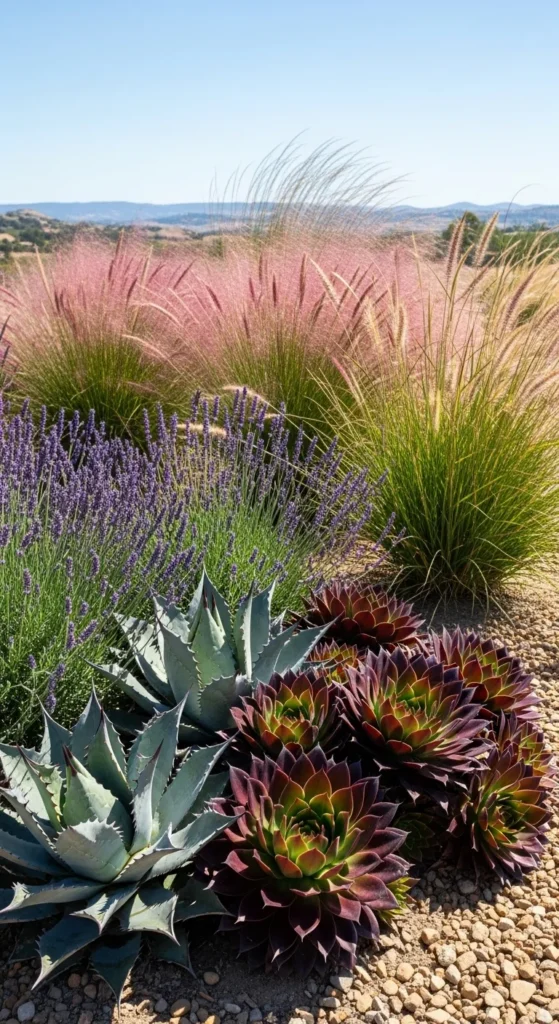
If you live in a dry area, pick plants that handle heat well. Succulents, lavender, and native grasses thrive with little water. Group them together for efficient watering and easy maintenance.
14. Reuse Leaves as Soil Enrichment
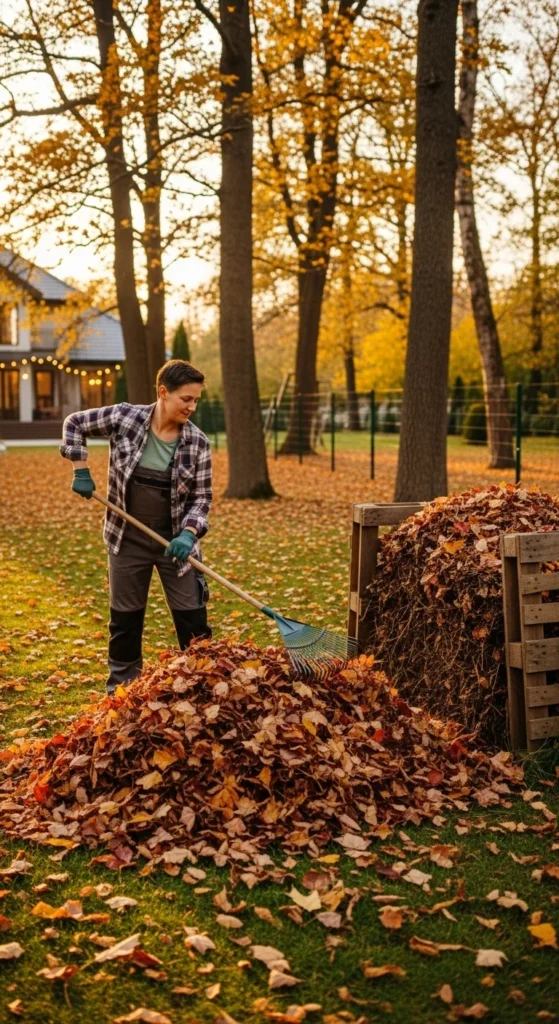
Don’t bag up those autumn leaves. Shred them and use them as mulch or add them to your compost. They break down into nutrient-rich material that improves soil structure. It’s free fertilizer straight from your yard.
15. Plant Cover Crops
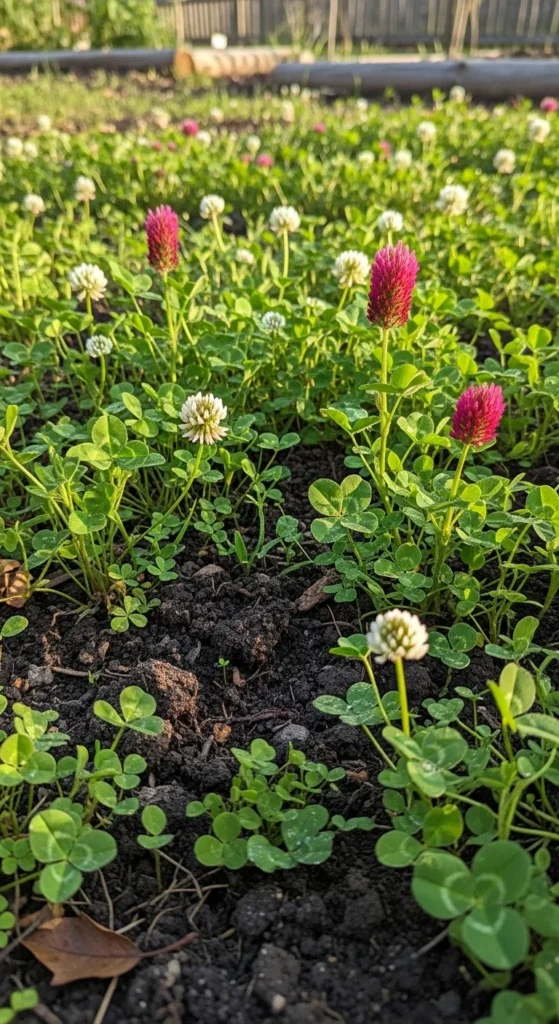
Cover crops like clover or rye protect soil in winter. They prevent erosion and restore nutrients. Simply mow them down and mix into the soil before spring planting. It’s a sustainable cycle that improves your garden naturally.
16. Recycle Garden Waste
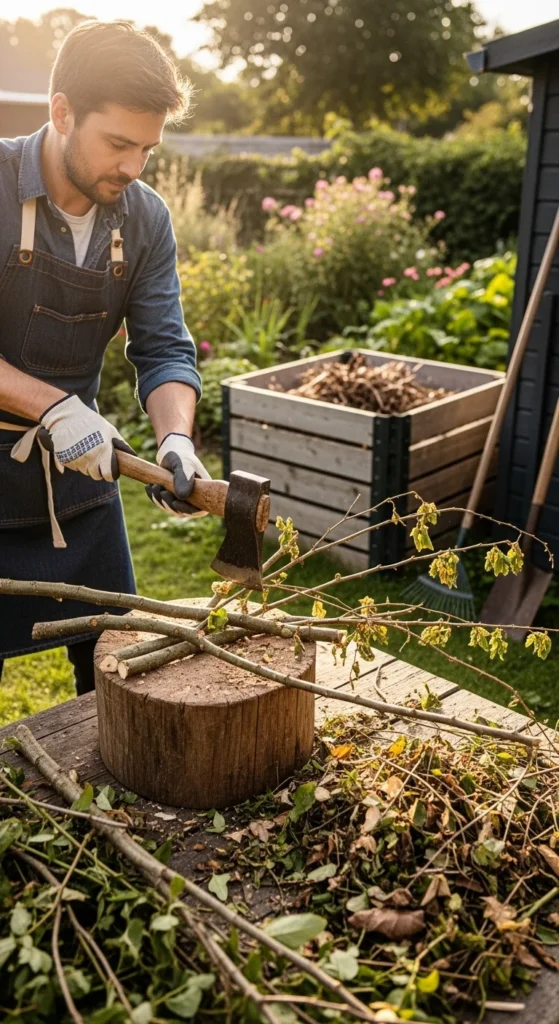
Instead of throwing away garden trimmings, reuse them. Shred branches for mulch or add them to compost. Even dried flowers can become natural decorations or pot fillers. Waste nothing—everything has a second life in the garden.
17. Collect Seeds for Next Year
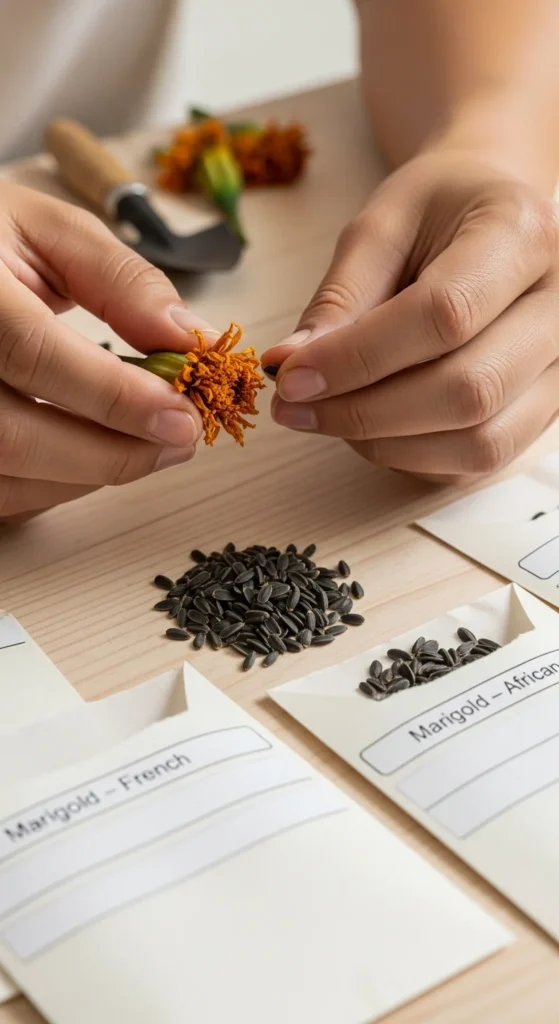
Save seeds from your favorite plants to regrow next season. Let flowers or veggies go to seed, then dry and store them in labeled envelopes. It saves money and keeps your garden naturally adapted to your environment.
18. Use Solar Garden Lights
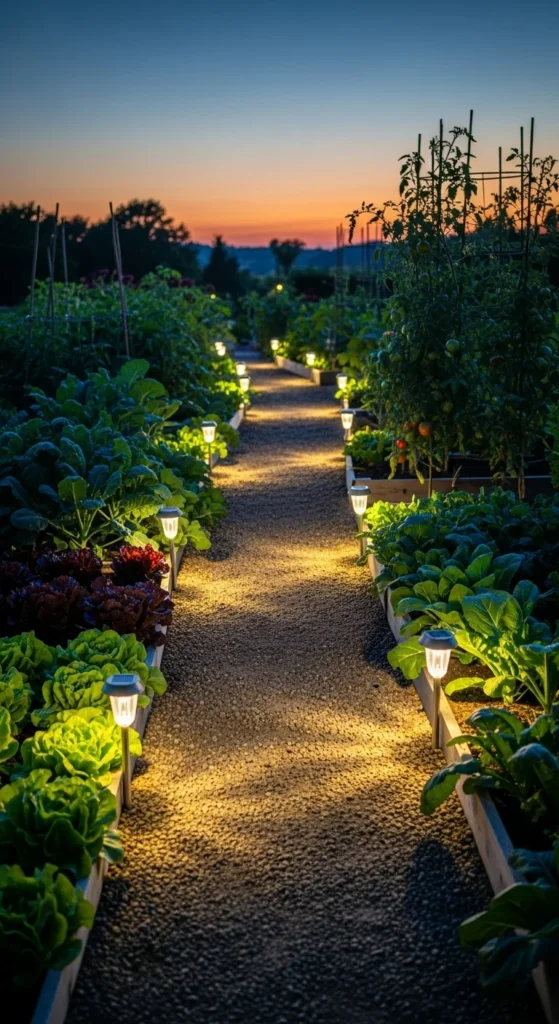
Solar lights brighten paths and garden beds without extra electricity. They charge during the day and glow all night. They’re energy-efficient, safe, and easy to install anywhere sunlight hits.
19. Build a Wildlife Corner
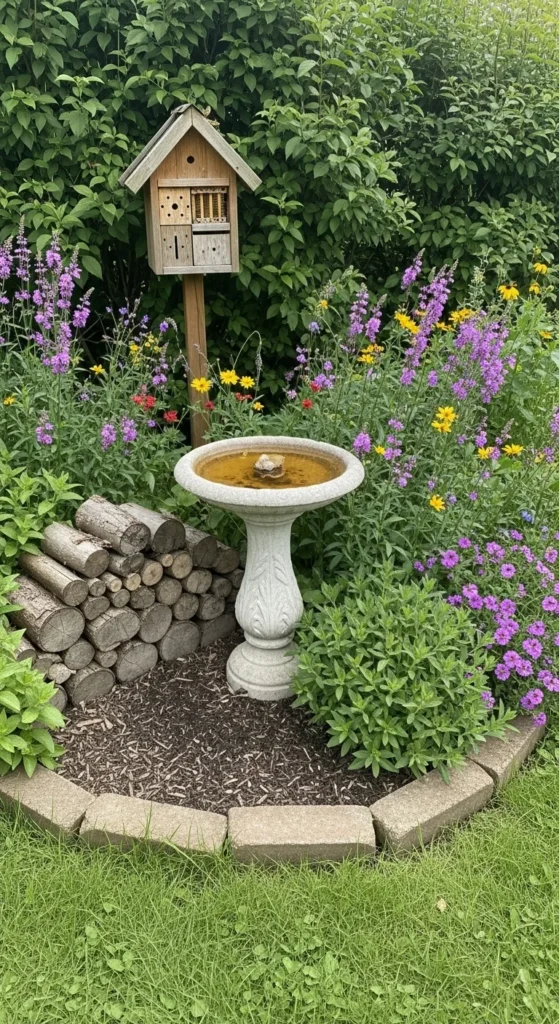
Dedicate a small area for local wildlife. Add a birdbath, bee house, or log pile for insects. It creates a small ecosystem that helps pollination and keeps pests in balance.
20. Repurpose Old Furniture
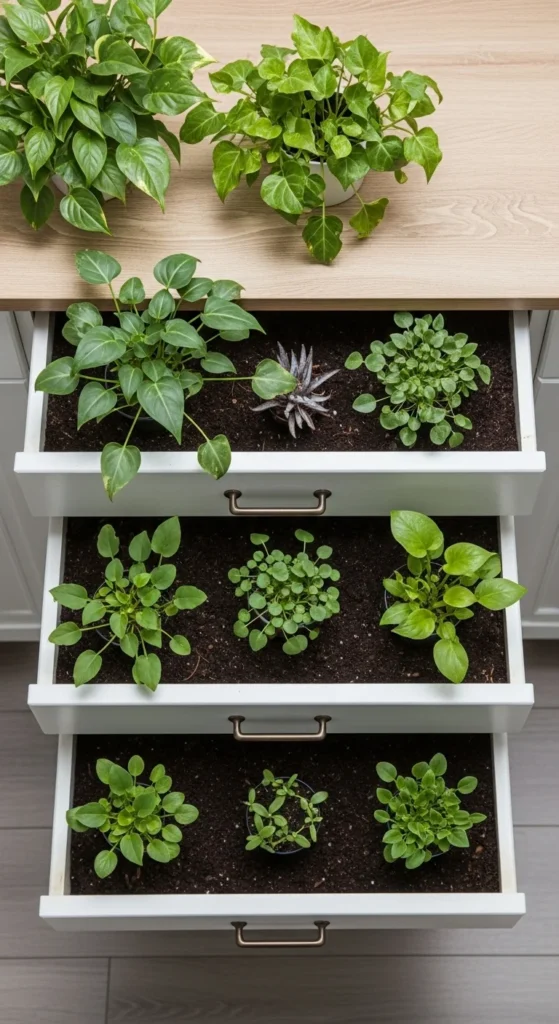
Old furniture can become quirky garden planters. Drawers, ladders, and chairs make fun planting spaces. Just drill drainage holes and paint them weatherproof. It’s a creative way to recycle with personality.
21. Grow Your Own Compost Worms
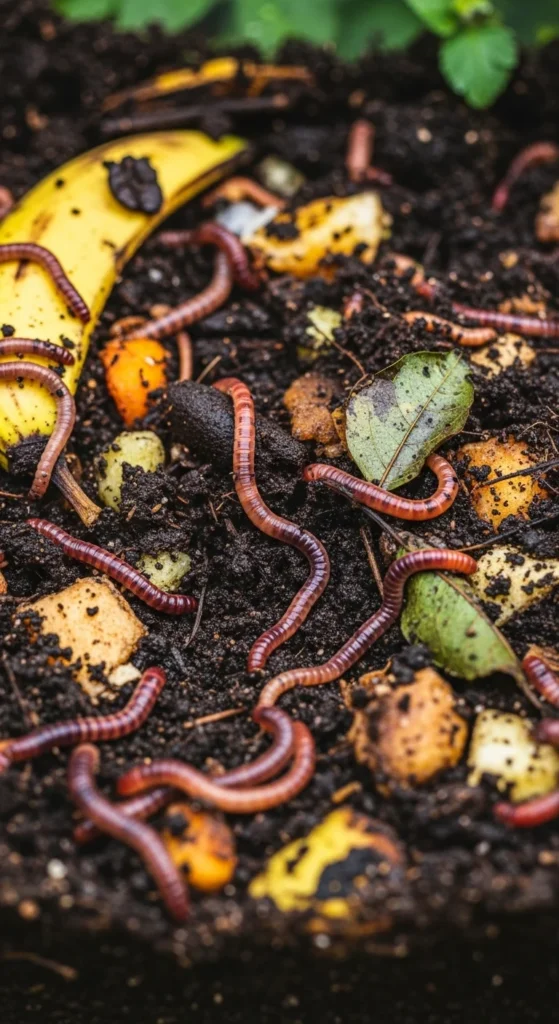
Worm composting turns waste into powerful fertilizer. Use a small bin and fill it with shredded paper, soil, and red worms. Feed them food scraps—they’ll produce nutrient-rich compost called “worm castings.”
22. Harvest Rain with a Mini Gutter Garden
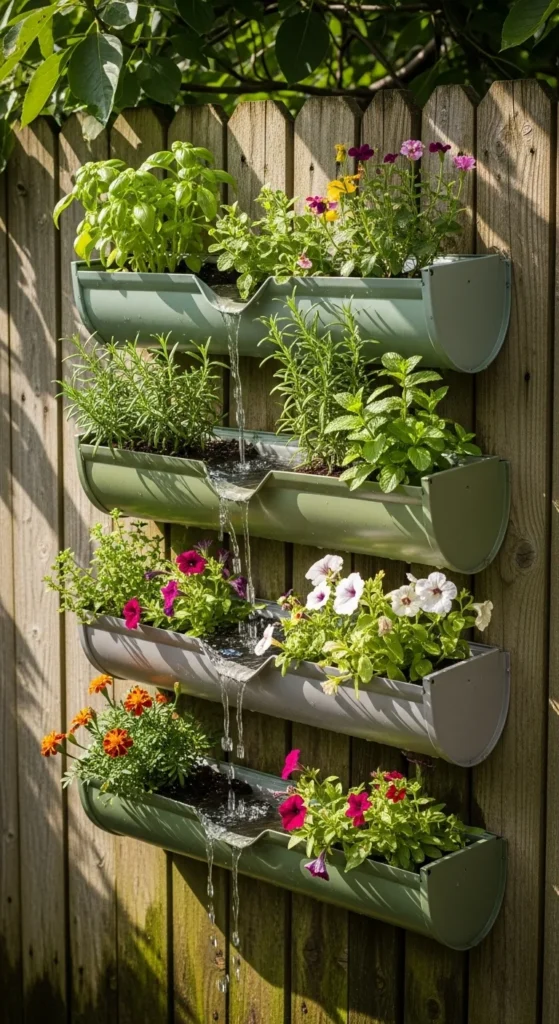
Attach old gutters to a wall or fence for an eco-smart mini garden. Drill drainage holes and fill with soil. It’s perfect for herbs or lettuce and collects natural rainwater to keep plants healthy.
Conclusion
Eco-friendly gardening is about small, steady changes that add up. Whether you start composting, collecting rainwater, or growing native plants, every effort saves resources and supports nature. These ideas work for any garden size and budget. Start with one or two today, and soon your garden will become a thriving, sustainable space that gives back to both you and the planet.
Leave a Reply