

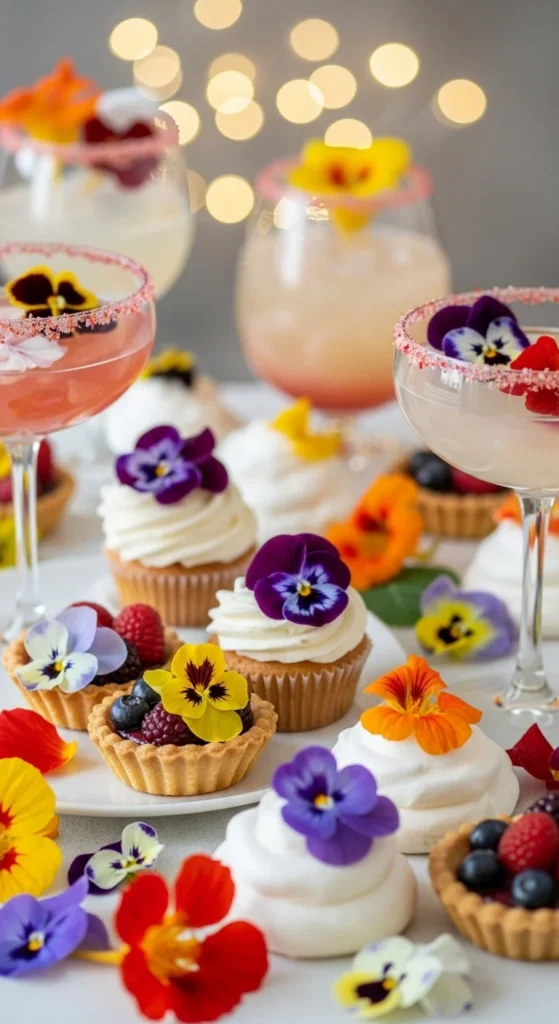
Adding edible flowers to your holiday recipes turns ordinary dishes into something truly special. These blooms bring natural color, fragrance, and subtle flavor — perfect for garnishing salads, desserts, and cocktails. Whether you grow them in your garden or pick them up from a local market, edible flowers add beauty and taste in equal measure. Here are 24 delicious edible flowers that can make your holiday table sparkle with color and creativity.
1. Pansies
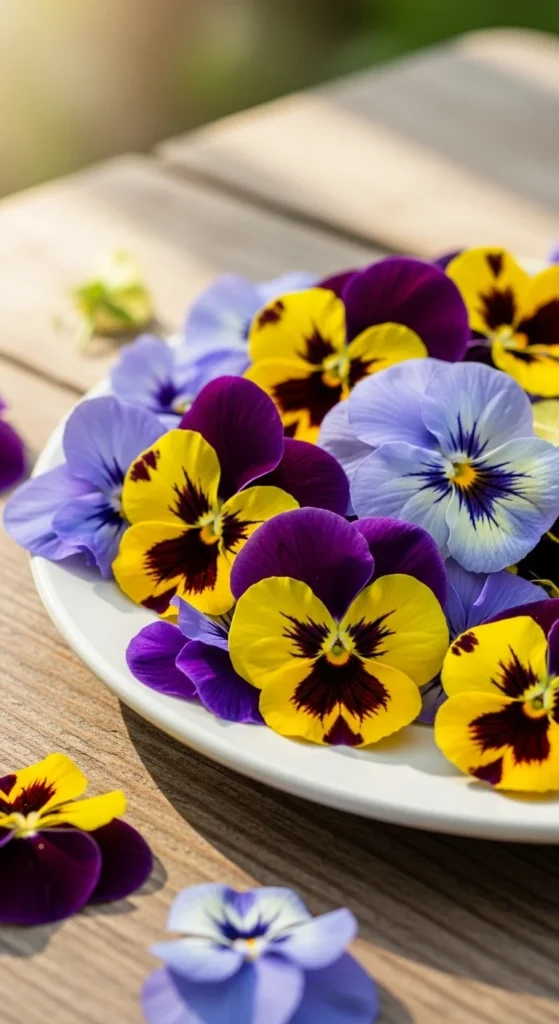
Pansies are mild, slightly sweet, and perfect for decorating holiday desserts or cheese platters. Their wide color range makes them a favorite for winter garnishes.
Use whole blooms to top cakes or freeze petals into ice cubes for festive drinks. Grow them in cool weather and harvest in the morning for best flavor. Rinse gently before serving — their delicate texture adds a painterly touch to any dish.
2. Nasturtiums
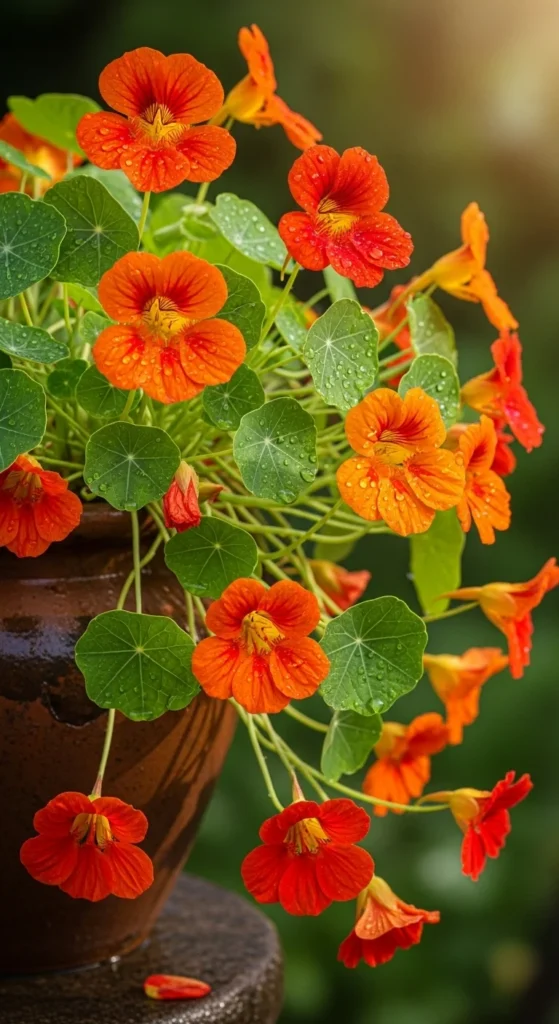
Nasturtiums bring a peppery kick similar to watercress. Their bold colors brighten savory dishes like salads, canapés, and pasta.
Both leaves and flowers are edible. Fill them with cream cheese or hummus for quick holiday appetizers. Grow easily in pots or hanging baskets — they thrive even in poor soil. Their spiciness balances rich festive meals beautifully.
3. Violets
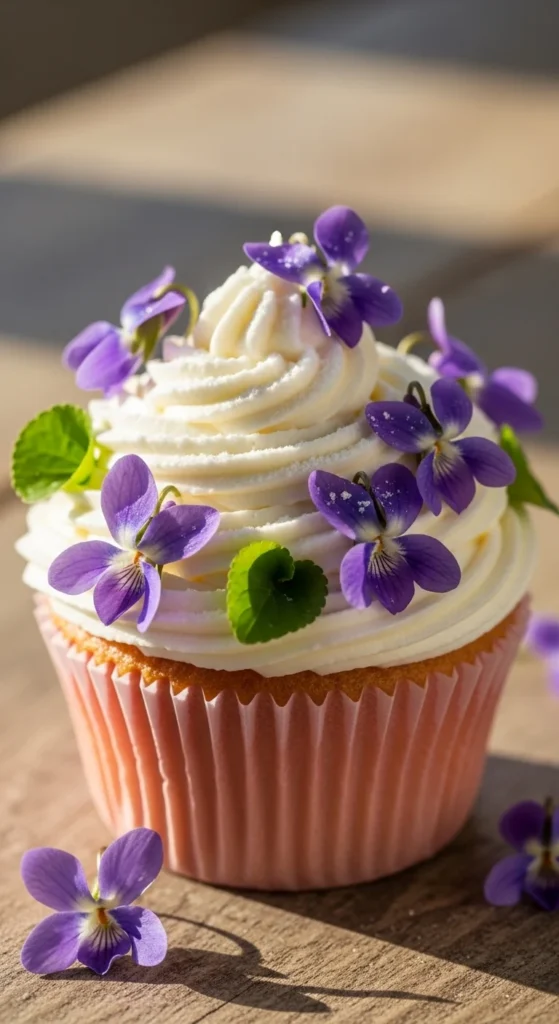
Violets taste sweet and floral — ideal for desserts and drinks. They can be crystallized with sugar to top cakes or cookies.
Harvest fresh flowers and remove stems. Dip in egg white, sprinkle with sugar, and let dry overnight. They store well and look like tiny jewels on holiday treats.
4. Calendula
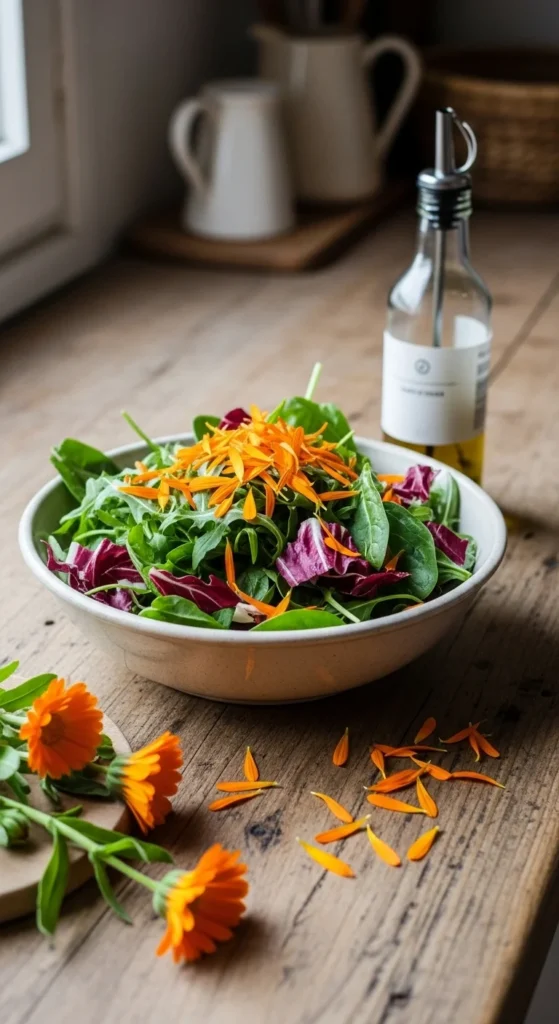
Calendula petals have a tangy, peppery flavor and act as a colorful substitute for saffron. Sprinkle them on soups, risottos, or roasted vegetables.
They’re easy to grow even in cooler months. Dry petals for later use in herbal tea or seasoning blends. Their bold color brings warmth to winter dishes.
5. Rose Petals
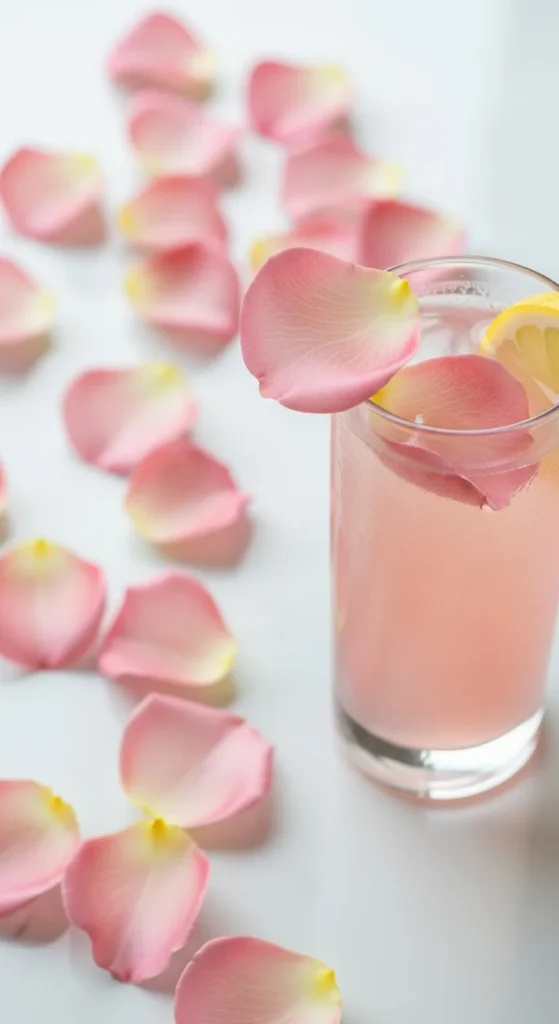
Roses add romance and aroma to desserts, syrups, and drinks. Use organic petals free of chemicals.
Mix into sugar for floral baking or steep in cream for custards. Try rosewater whipped cream for a festive twist. Pair with berries, honey, or pistachios for an elegant holiday dessert.
6. Chamomile
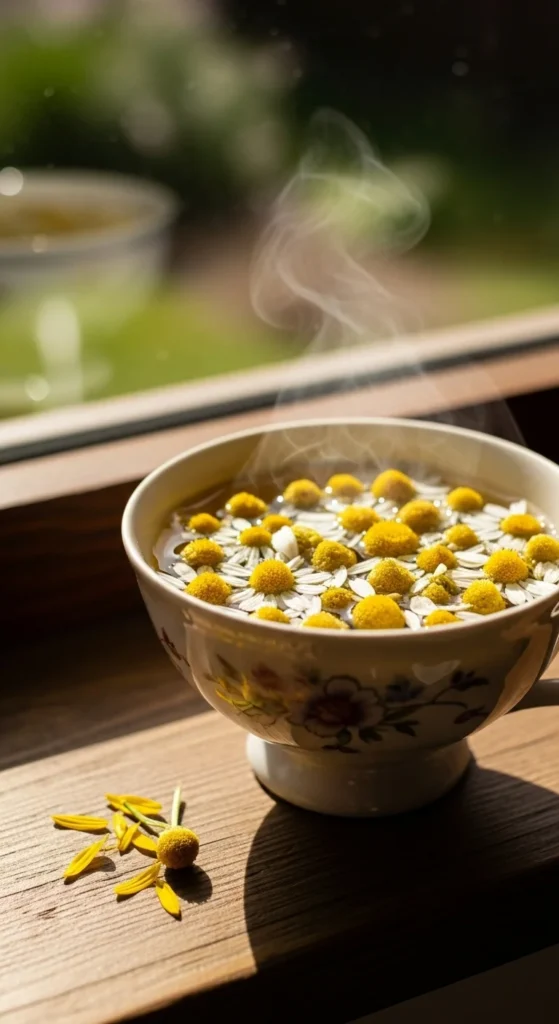
Chamomile tastes mildly sweet with apple-like notes. It’s lovely in teas, cookies, or syrups.
Dry flowers for winter tea blends or infuse into honey for gifts. A few blooms also decorate cakes beautifully. This calming herb adds both flavor and aroma to cozy holiday evenings.
7. Lavender
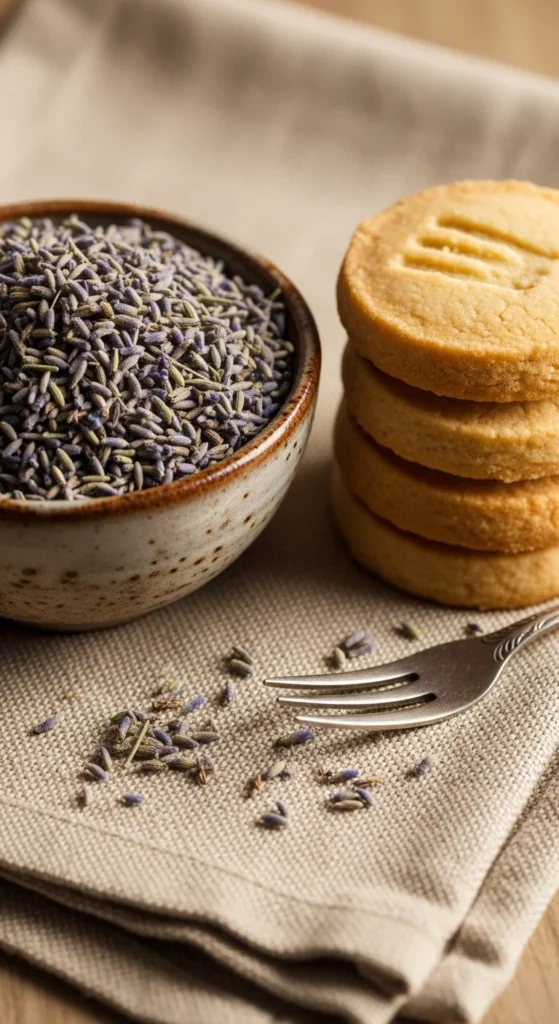
Lavender adds a soft floral taste with a hint of citrus. Use sparingly — too much can taste soapy.
Mix into sugar for baked goods, or infuse cream for ice cream or frosting. Pair with lemon or vanilla for balance. A pinch of dried lavender also works beautifully in hot chocolate.
8. Borage
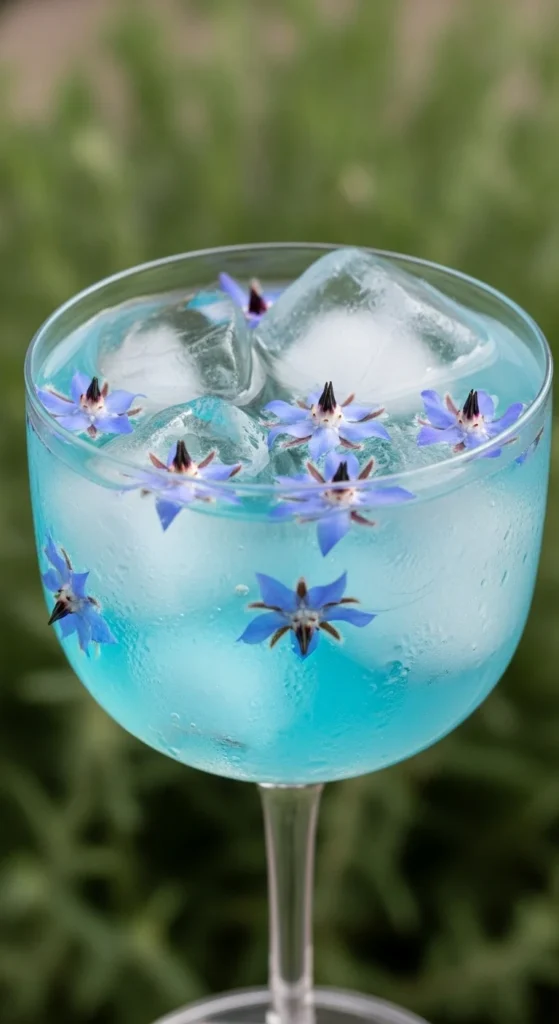
Borage blooms taste like cucumber — crisp and refreshing. They pair beautifully with drinks and salads.
Freeze them in ice cubes for festive cocktails or sprinkle over smoked salmon platters. These sky-blue flowers add cool tones to your holiday color palette.
9. Dianthus (Carnations)
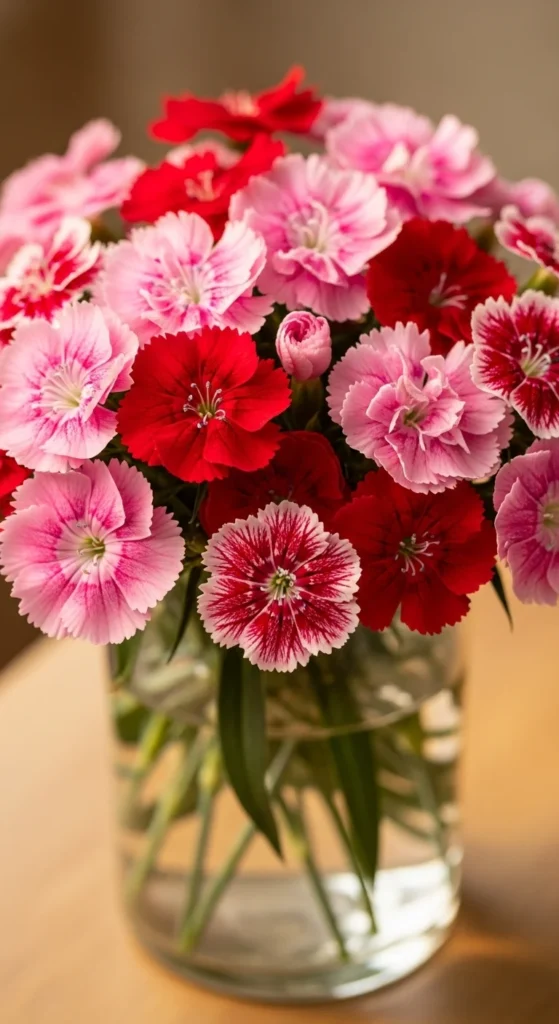
Dianthus petals have a clove-like sweetness perfect for cakes or jellies.
Remove the white base of each petal to avoid bitterness. Sprinkle over frosted desserts or use in infused syrups. They last long after cutting, making them ideal for decorative centerpieces too.
10. Chive Blossoms
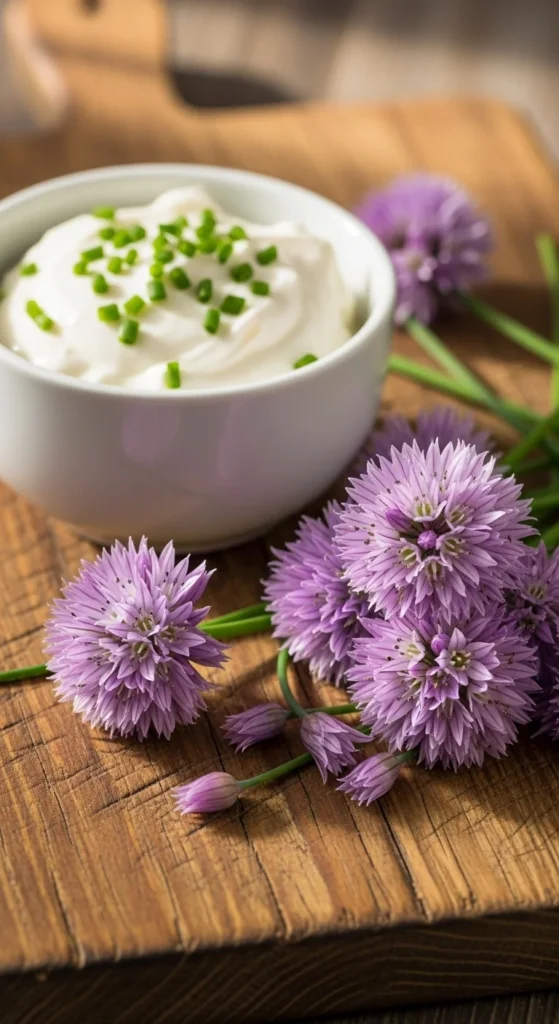
Chive blossoms taste mildly oniony, giving savory dishes a gentle kick.
Use them to garnish mashed potatoes, cheese spreads, or omelets. The petals separate easily — sprinkle them like confetti. A few blossoms also look lovely atop deviled eggs or festive quiches.
11. Squash Blossoms
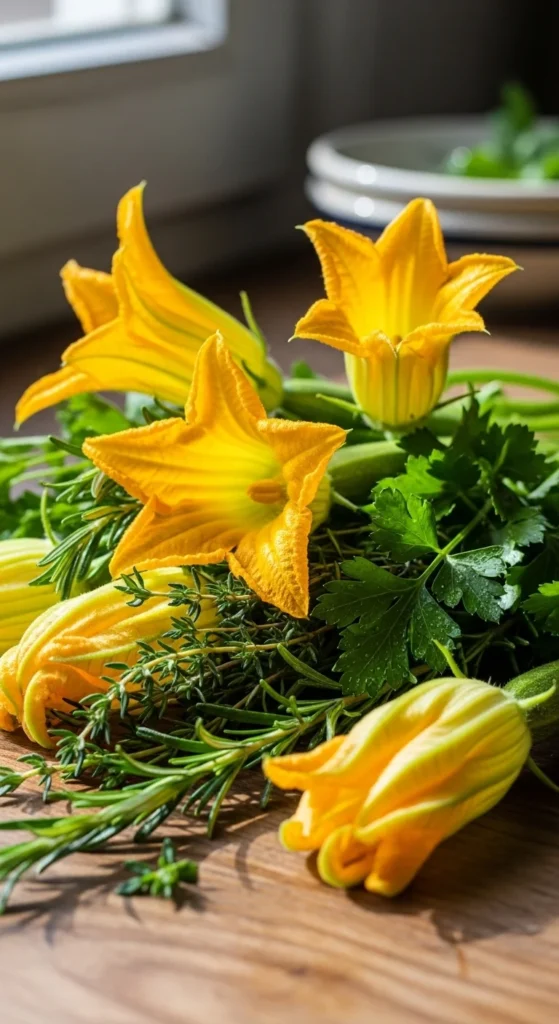
These large, trumpet-shaped flowers are perfect for stuffing and frying. Fill them with ricotta, herbs, or crab meat.
Harvest early in the morning while they’re open. Handle gently and cook fresh. They make beautiful appetizers and pair well with light holiday wines.
12. Marigold (Tagetes)
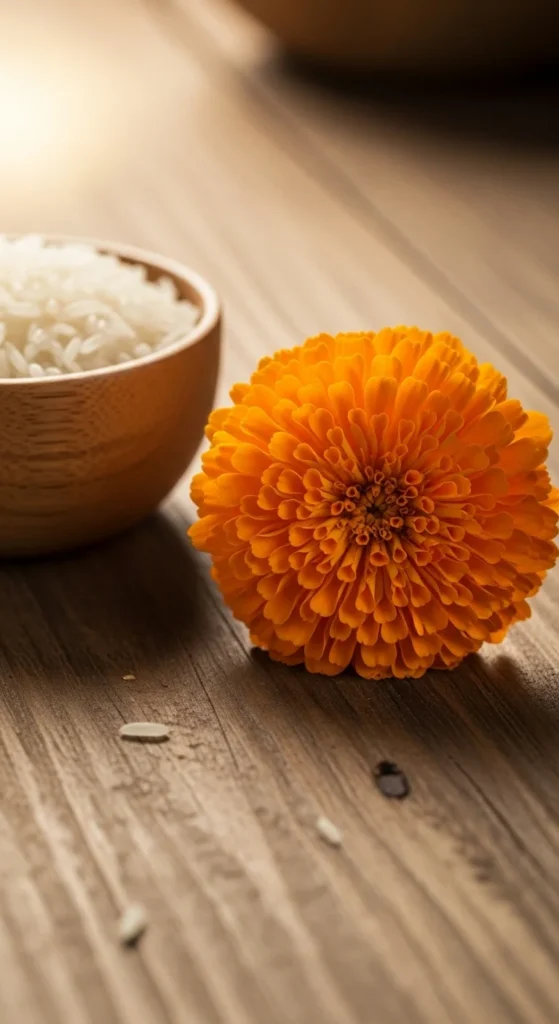
Marigold petals taste citrusy and slightly bitter — great for adding contrast to rich dishes.
Use petals to color rice or infuse oils. The vivid hue also makes them ideal for salad toppings or festive platters. Grow easily indoors in small pots through winter.
13. Hibiscus
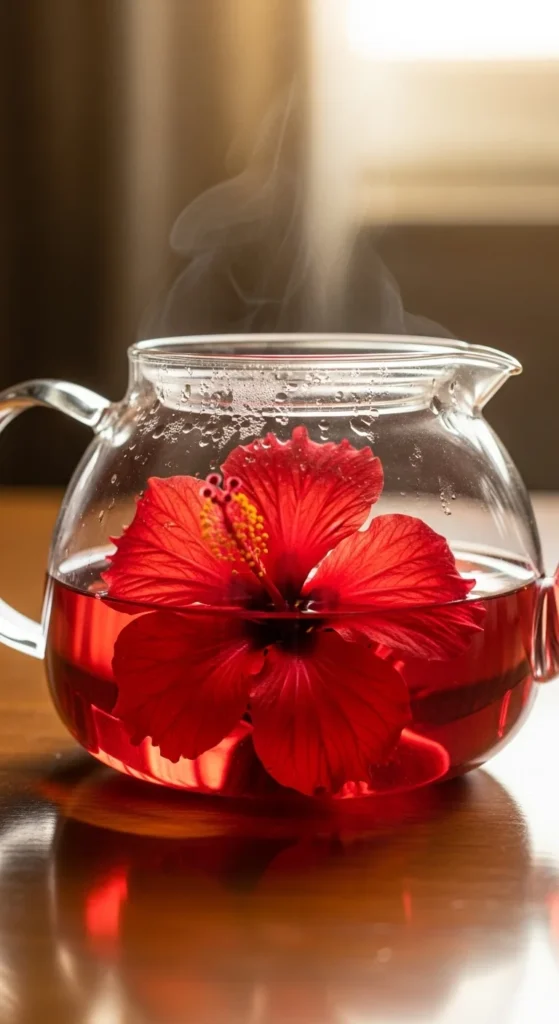
Hibiscus flowers have a tart, cranberry-like flavor — perfect for syrups, teas, and sauces.
Steep dried petals in hot water for ruby-red drinks or add to cocktails. Mix with sugar and lemon juice for a stunning glaze on cakes or poultry.
14. Mint Blossoms
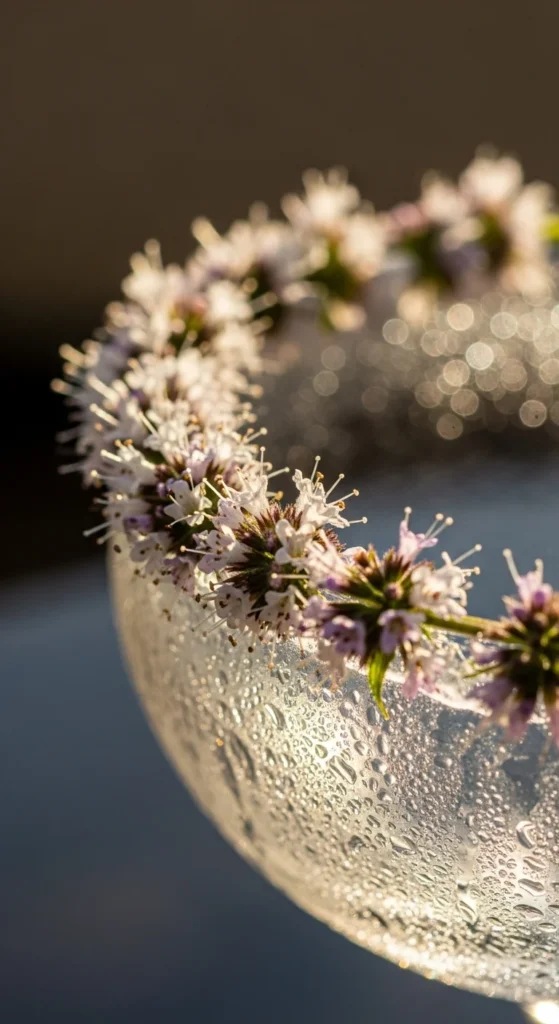
Mint flowers carry the same cool flavor as the leaves but softer.
Use them to garnish desserts or stir into holiday drinks. They look delicate on top of whipped cream or ice cream sundaes. Growing mint indoors keeps these tiny blooms within reach all winter.
15. Sunflower Petals
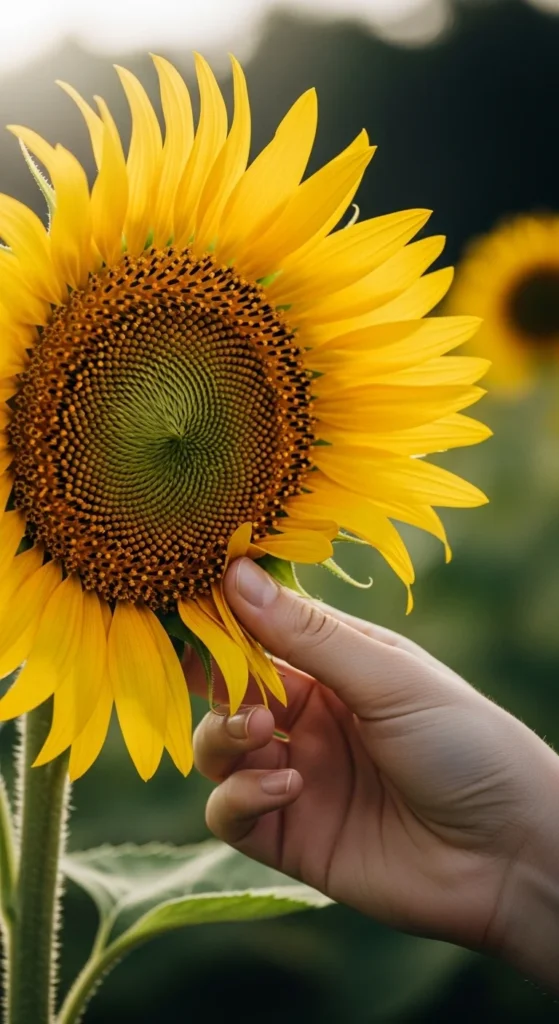
Sunflower petals are mildly bitter but add striking color. Use sparingly in salads or as decoration on cheese boards.
Petals can also be candied for a unique dessert garnish. Grow dwarf varieties indoors for smaller, manageable blooms during winter celebrations.
16. Dandelions
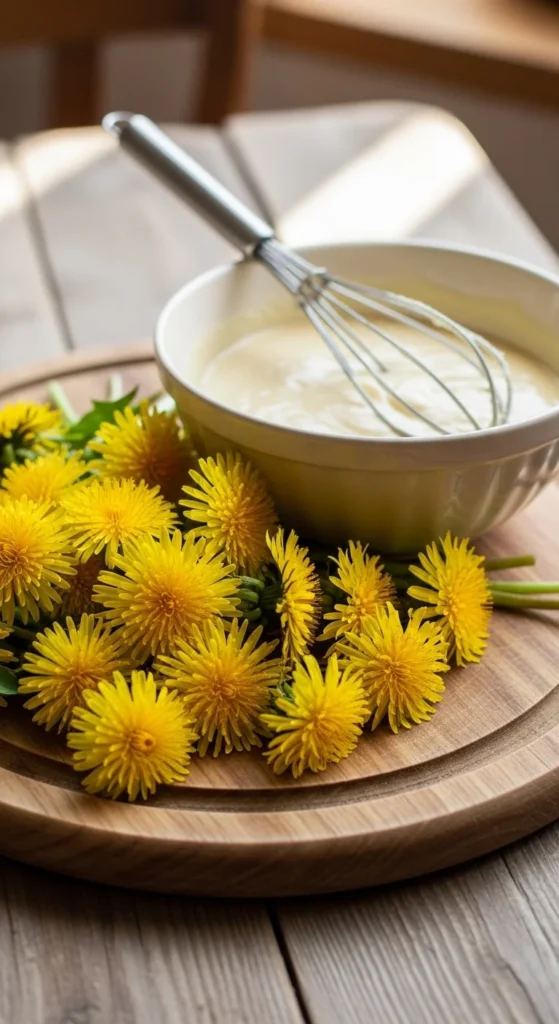
Every part of the dandelion is edible. Flowers taste slightly sweet and pair well with honey-based recipes.
Fry blossoms in light batter or steep for tea. They add rustic charm to seasonal dishes and are easy to find in pesticide-free lawns.
17. Basil Flowers
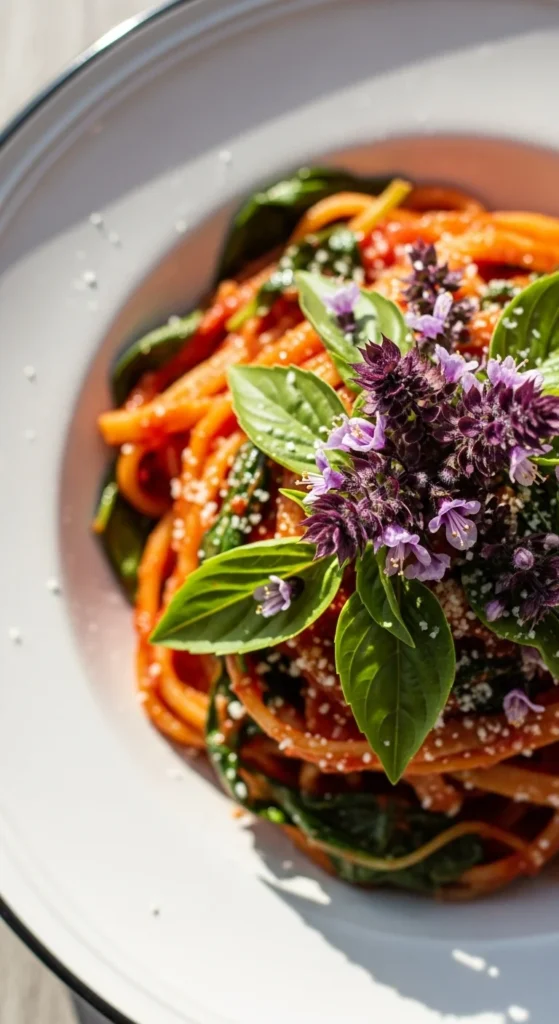
Basil blooms taste similar to the leaves but milder.
Add them to salads, sauces, or roasted vegetables. They’re also great in infused oils. Let your basil plant flower — it rewards you with delicate blossoms perfect for garnishing holiday dishes.
18. Rosemary Blossoms
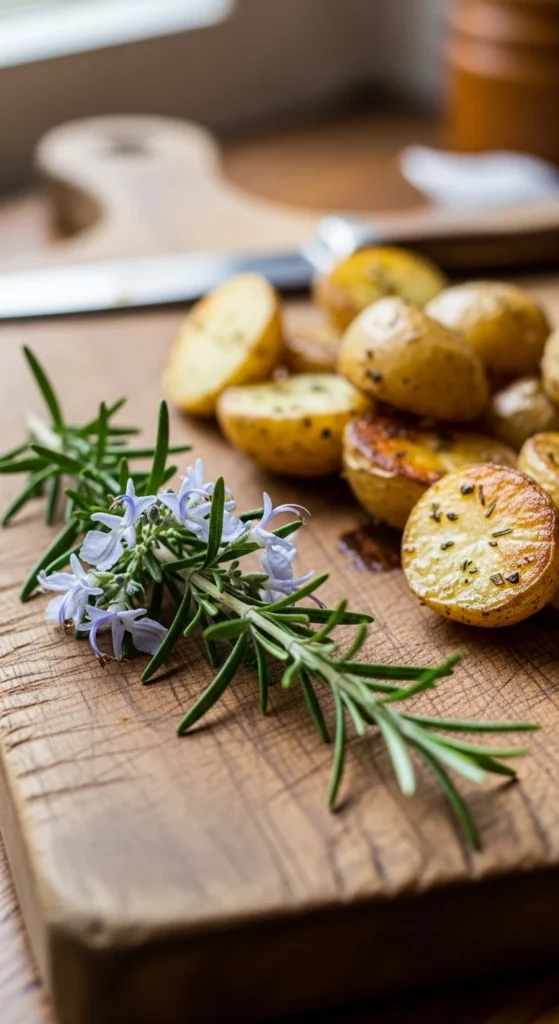
Rosemary flowers offer the same earthy flavor as the herb, only gentler.
Sprinkle over roasted meats or bread for color. Their tiny petals look lovely in herb butter or olive oil. They complement savory holiday recipes beautifully.
19. Cilantro Flowers
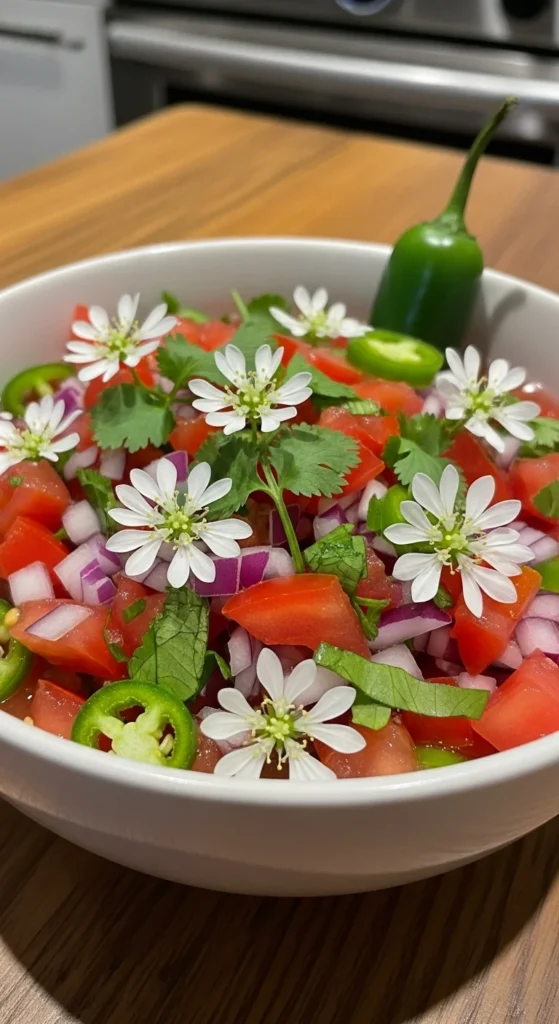
Cilantro blooms are crisp and citrusy. Add them to tacos, salsas, or curries for brightness.
Grow cilantro indoors to enjoy fresh flowers year-round. Use them whole for garnishing or chopped into sauces for a light herbal note.
20. Thyme Blossoms
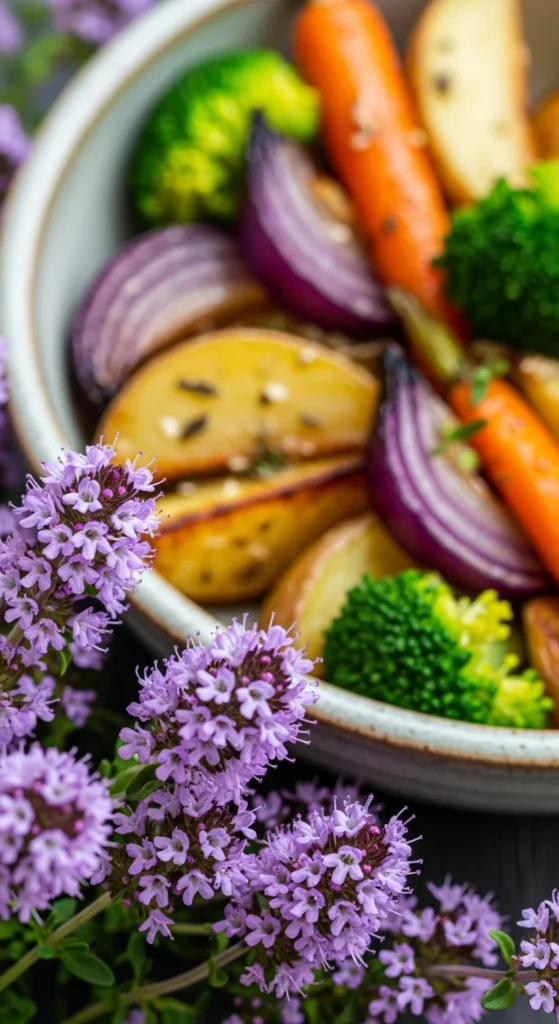
Thyme flowers add a delicate touch to savory winter meals.
Use them as a garnish on soups, poultry, or potatoes. Mix into compound butter for holiday spreads. These tiny blossoms provide flavor and decoration all in one.
21. Cornflowers
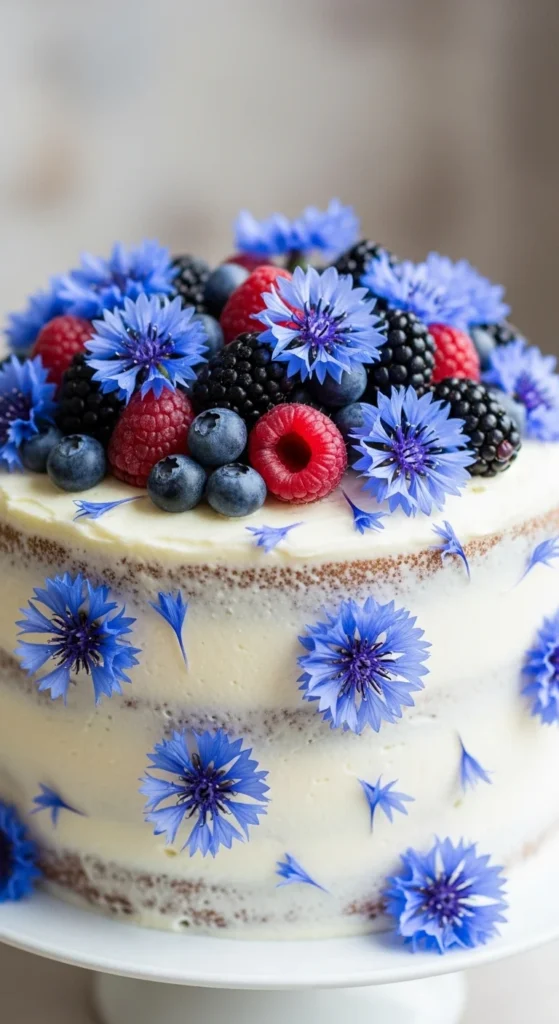
Cornflowers bring a mild clove flavor and striking blue color.
Use them to top cakes, cocktails, or salads. Dried petals can be mixed into sugar or tea blends. Their vivid hue adds instant elegance to any dish.
22. Sage Blossoms
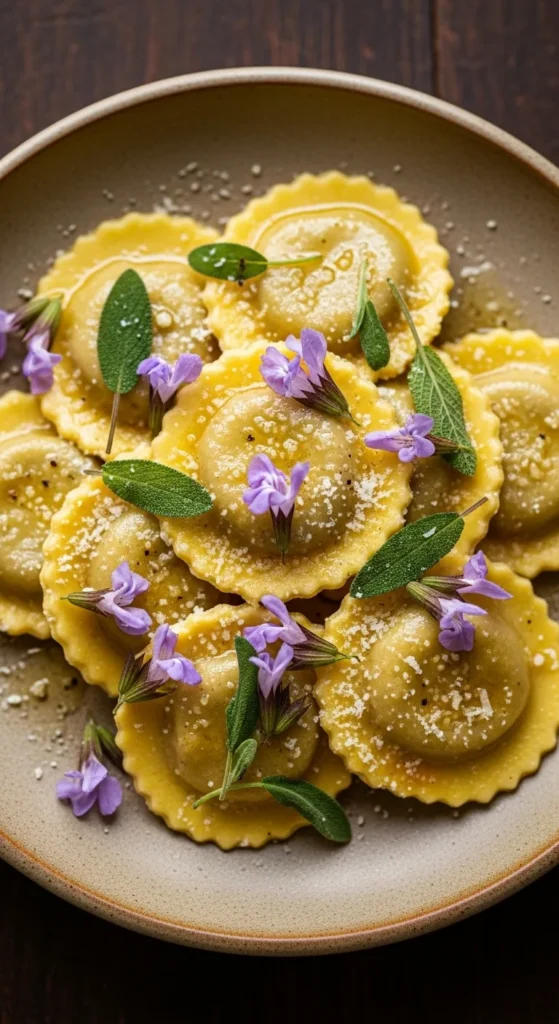
Sage flowers offer a lighter version of the herb’s signature flavor.
Use them in pasta, gnocchi, or creamy sauces. They pair beautifully with butter-based dishes and roasted vegetables. Add a few petals to cocktails for an aromatic twist.
23. Apple Blossoms
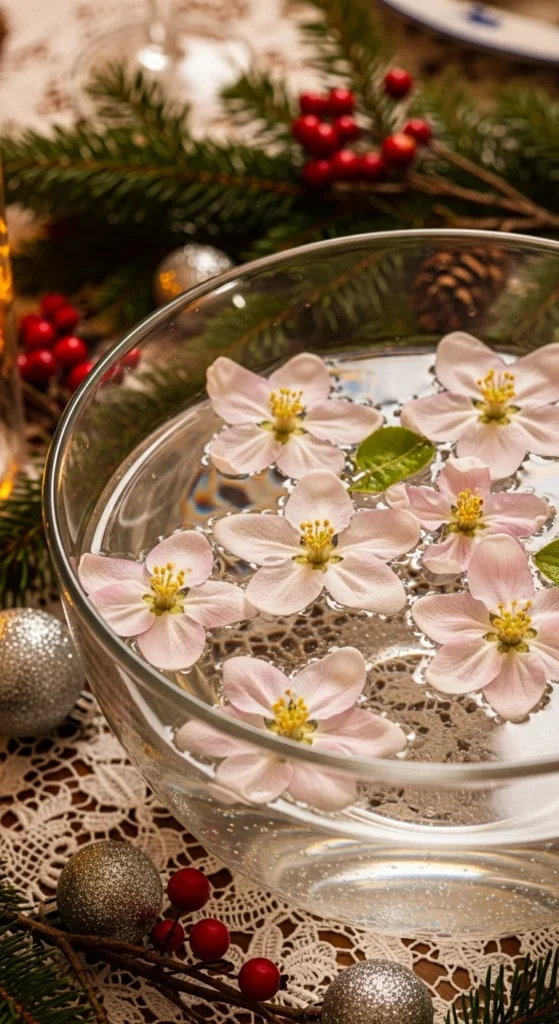
Apple blossoms are mildly floral with a hint of fruitiness.
Use sparingly as they can be slightly bitter. Float them on drinks, desserts, or fruit platters. They’re perfect for spring-to-holiday transition menus and add soft fragrance to your presentation.
24. Clover Flowers
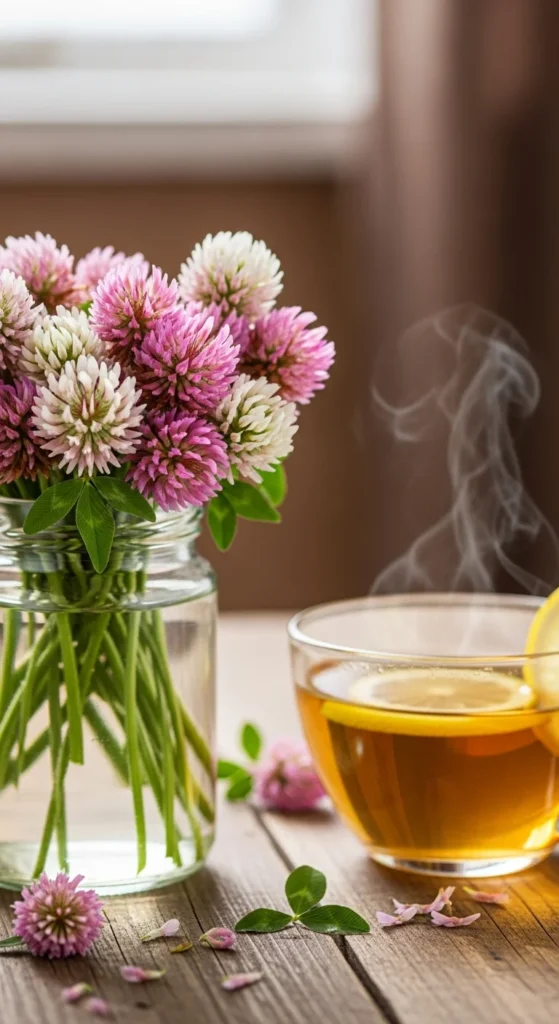
Clover flowers have a honeyed taste that works beautifully in desserts.
Dry and crumble them into cookies, cakes, or teas. Use fresh blooms to garnish honey drizzles or fruit salads. Their subtle sweetness ties perfectly into holiday flavor themes.
Conclusion
Edible flowers aren’t just beautiful — they’re delicious, easy to use, and seasonally delightful. Each bloom brings its own personality to the table, from peppery nasturtiums to fragrant roses. Whether decorating desserts or enhancing drinks, these 24 edible flowers let you craft meals that look as stunning as they taste. Grow a few, dry some for later, and make every holiday recipe feel like art straight from the garden.
Leave a Reply