

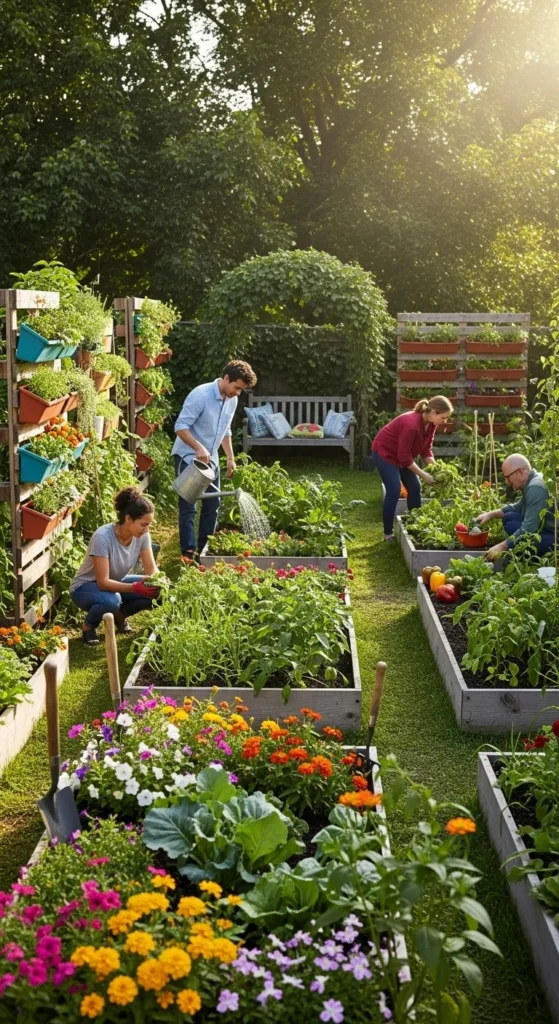
Gardening is no longer just about growing plants — it’s become a lifestyle, a creative outlet, and even a wellness practice. From edible landscaping to smart watering systems, today’s gardeners are turning their outdoor spaces into stylish, functional, and sustainable retreats. Let’s explore 24 hot gardening trends that everyone’s trying right now — all simple enough to start at home and beautiful enough to inspire your next project.
1. Vertical Gardens
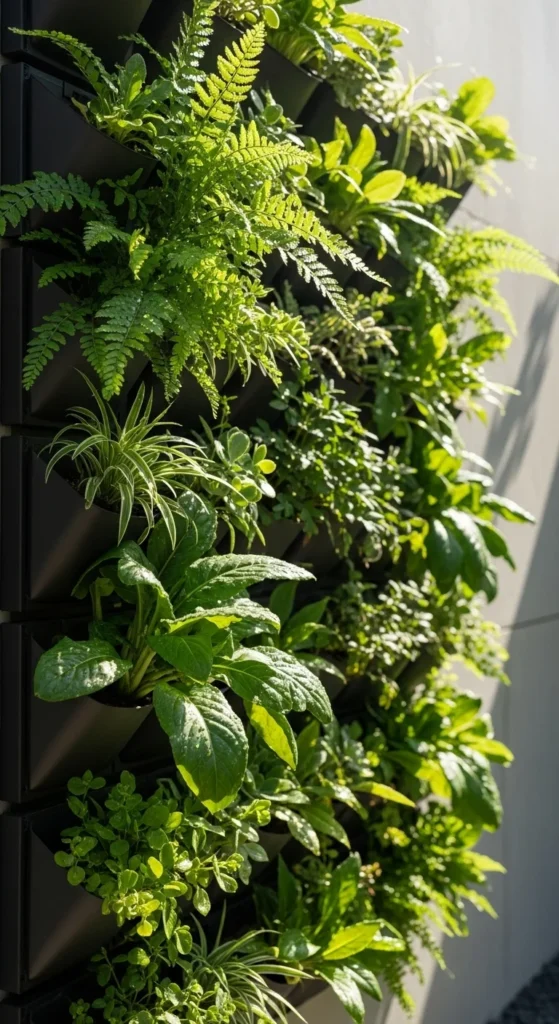
Vertical gardening turns even the smallest space into a plant paradise. Whether you live in an apartment or have a narrow backyard, this idea helps you grow more without needing extra ground. Use wall planters, pallet boards, or hanging pockets to grow herbs, flowers, or leafy greens.
Choose lightweight soil mixes and add drip irrigation for easy care. Try mixing textures — like ferns with trailing ivy — for a fuller look. It’s an eye-catching, space-saving trend that’s great for renters and small-space dwellers.
2. Smart Irrigation Systems
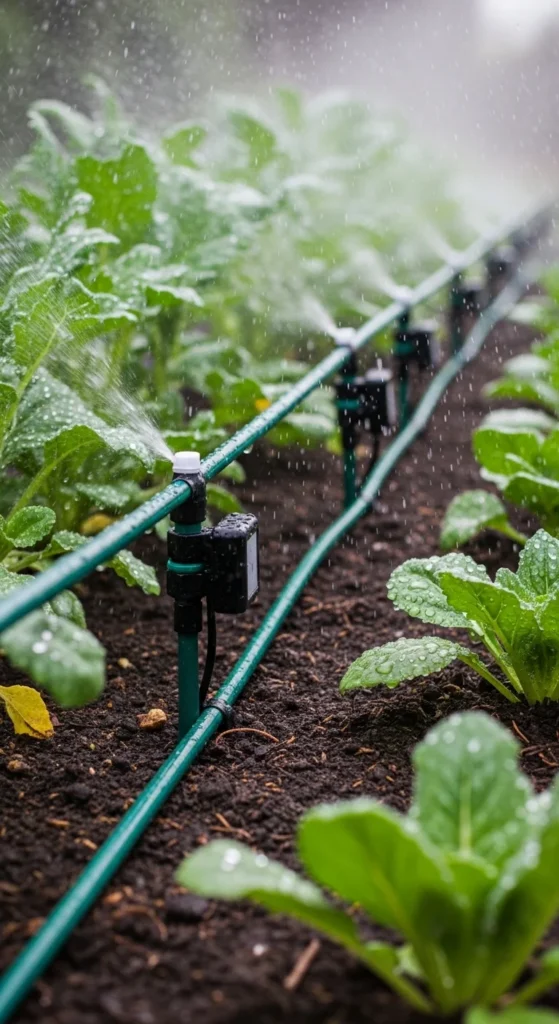
Gardeners are embracing smart watering systems to save time and resources. Wi-Fi timers and soil sensors help keep your plants perfectly hydrated, even when you’re away.
Install a drip system connected to an app, and let technology do the rest. It’s cost-effective and ensures consistent watering — especially in hot climates. For a DIY approach, repurpose old bottles as slow-drip devices for potted plants.
3. Wildlife-Friendly Gardens
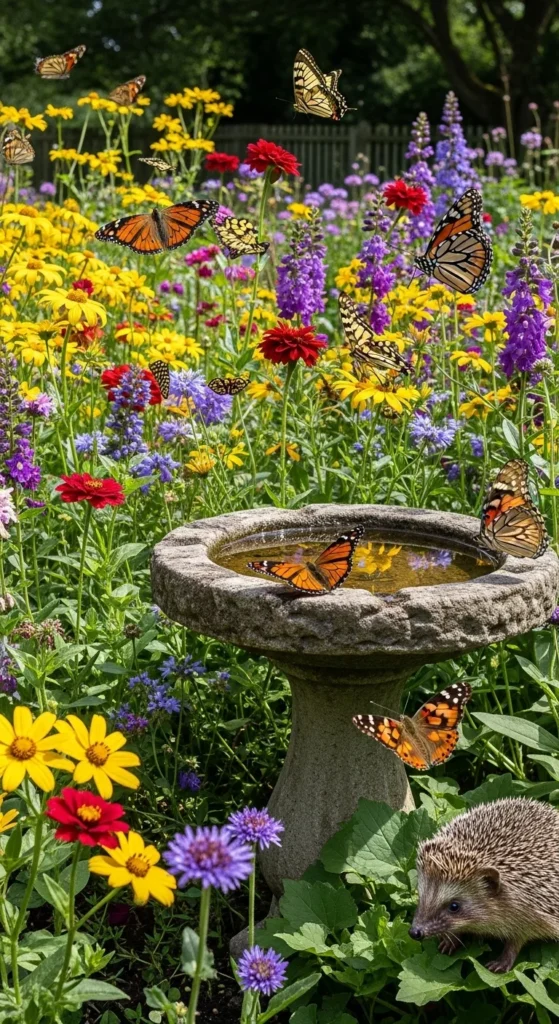
Many gardeners now focus on attracting birds, bees, and butterflies. Native plants, birdbaths, and small water sources make your space a haven for wildlife.
Plant flowers like lavender, coneflowers, or milkweed to draw pollinators. Skip chemicals — natural habitats thrive on balance. Watching bees at work or hearing morning birdsong adds joy to any garden.
4. Edible Landscaping
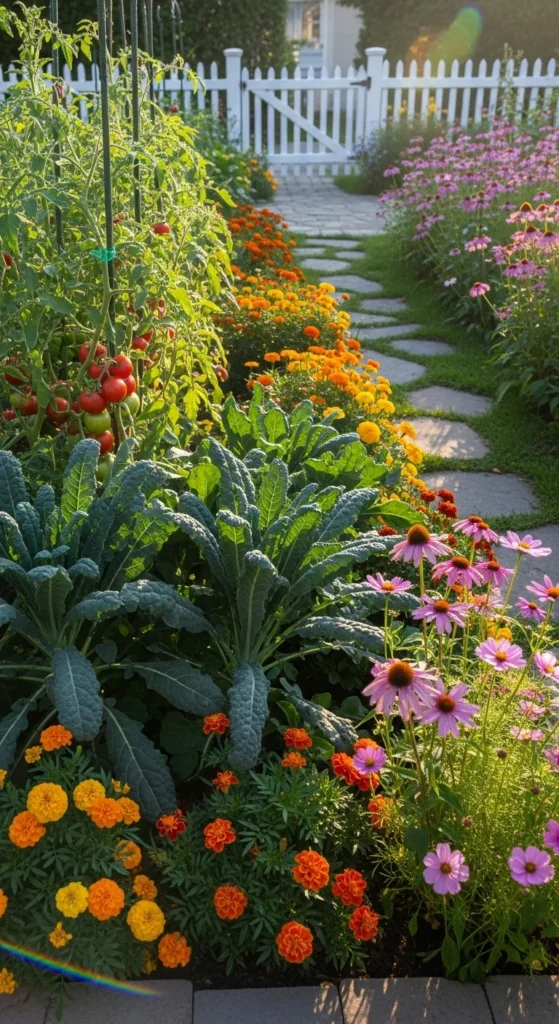
Who says beauty can’t be functional? Edible landscaping mixes fruits, vegetables, and herbs into traditional garden beds. Imagine rosemary hedges, tomato vines by your fence, and blueberry bushes replacing ornamentals.
This approach makes every inch of your space productive. Plus, homegrown produce tastes better and cuts grocery costs. Start small with herbs along a walkway or strawberries in planters.
5. Recycled and Upcycled Planters
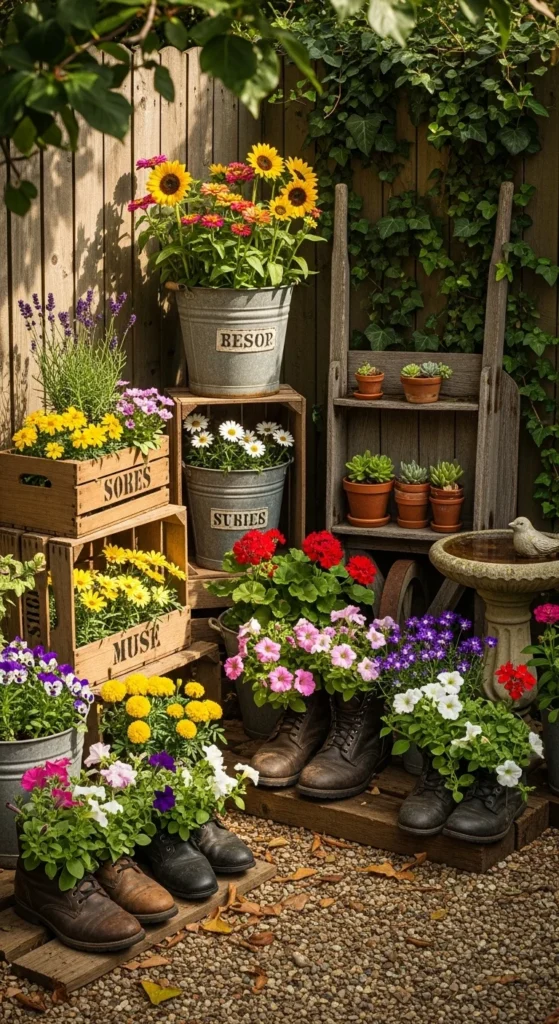
Sustainability meets creativity with recycled planters. Old furniture, metal cans, or even teapots can become charming homes for plants.
Paint or decorate them to match your garden’s style. This trend adds character, reduces waste, and sparks conversation. It’s affordable and eco-friendly — a win-win for modern gardeners.
6. Container Vegetable Gardens
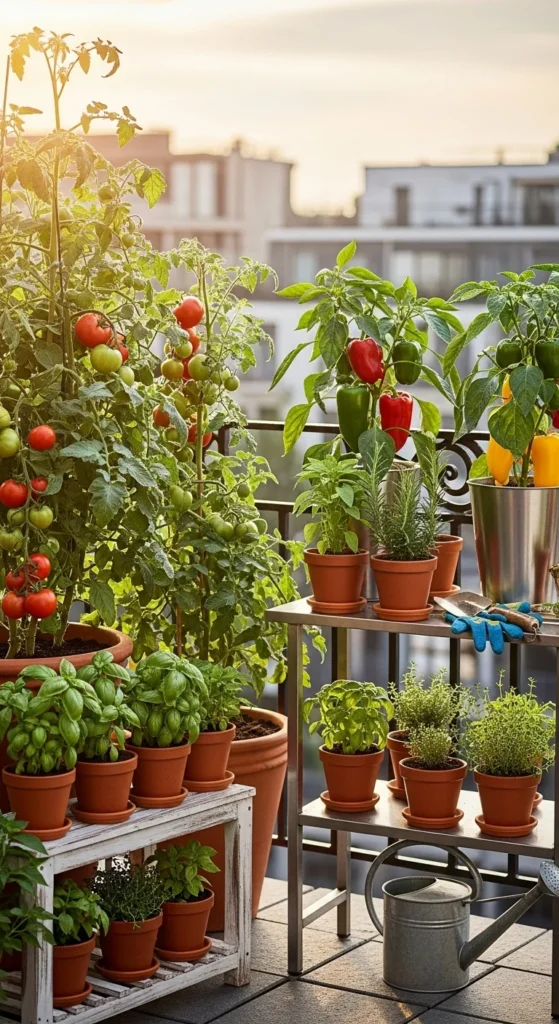
Container gardening is perfect for anyone short on yard space. Grow lettuce, peppers, or cherry tomatoes right on your balcony or patio.
Use deep pots with drainage holes and nutrient-rich soil. Rotate crops each season and add compost tea for healthy growth. It’s an easy way to enjoy fresh produce steps from your kitchen.
7. Native Plant Gardens
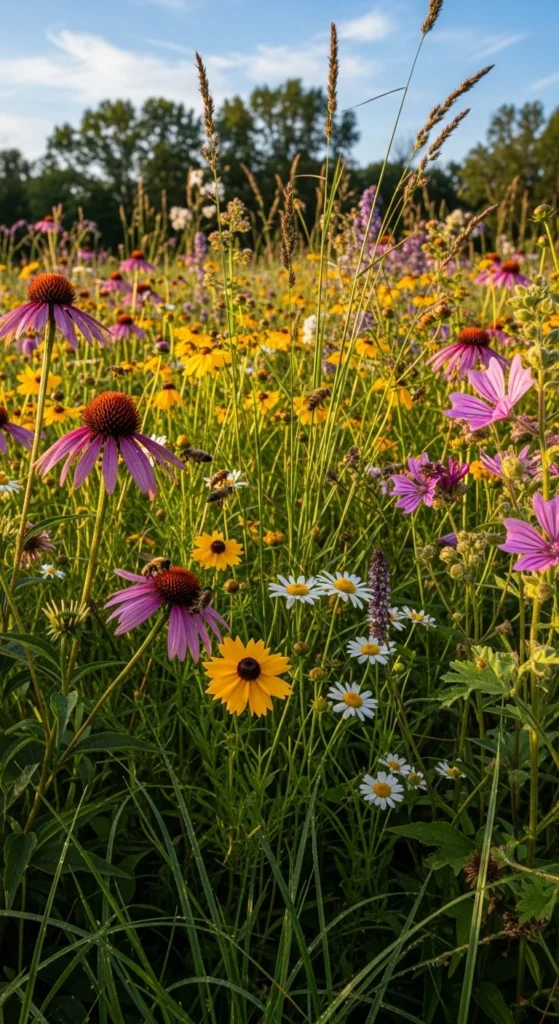
Native plants require less water, fewer fertilizers, and attract local pollinators. They thrive naturally in your region’s conditions.
Research which species grow best locally — like prairie flowers or native grasses — and mix them for texture. It’s low-maintenance and environmentally friendly, offering beauty all year long.
8. Raised Bed Gardening
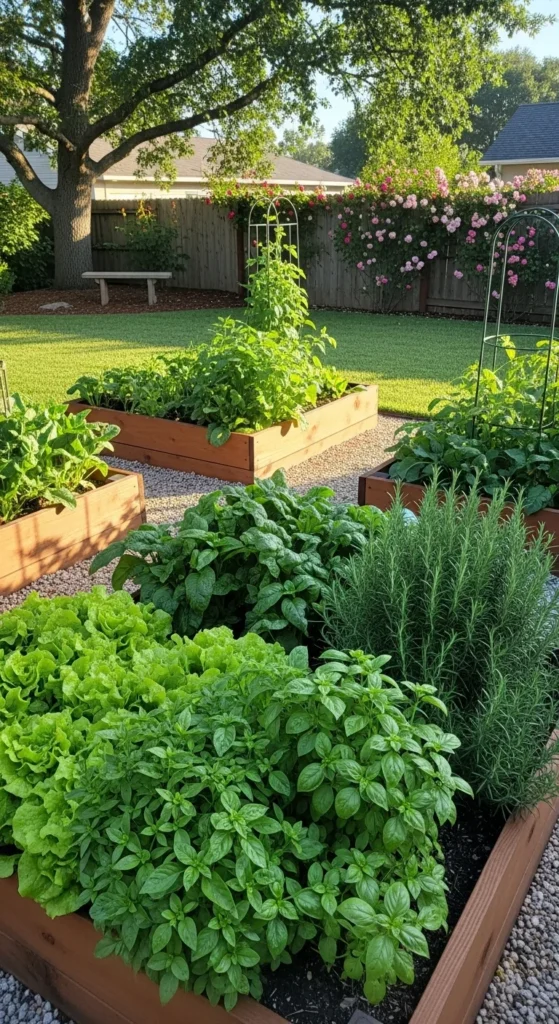
Raised beds improve soil quality and make gardening easier on your back. They also keep pests and weeds in check.
Use untreated wood or stone for a natural look. Fill with compost-rich soil and add mulch to retain moisture. You’ll enjoy higher yields and cleaner harvests — especially in compact spaces.
9. Cut Flower Gardens
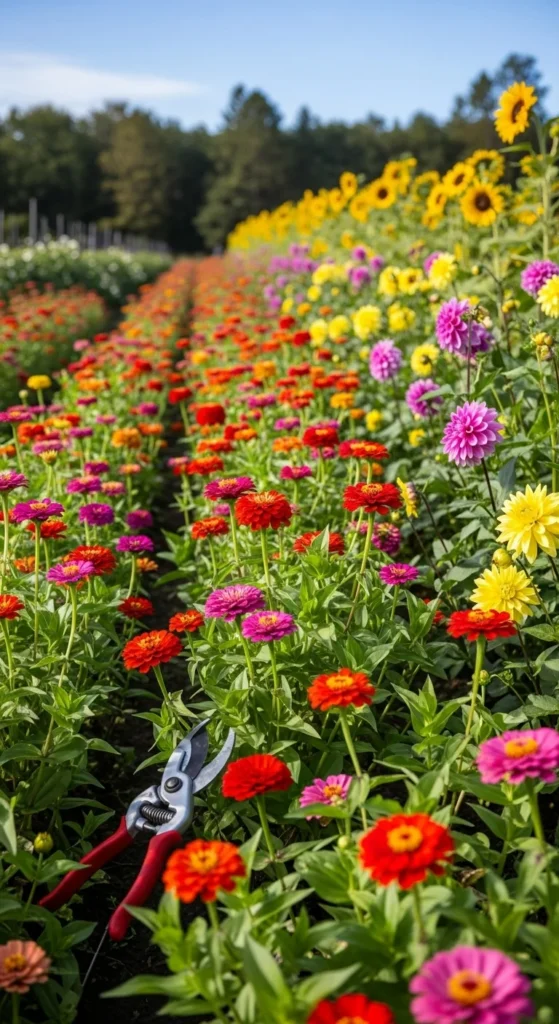
Fresh bouquets right from your backyard? Yes, please. Cut flower gardens are trending for both beauty and practicality.
Grow easy bloomers like cosmos, dahlias, or zinnias for long-lasting color. Stagger planting times for continuous blooms. It’s a fun way to decorate your home naturally without store-bought flowers.
10. Indoor Jungle Aesthetic
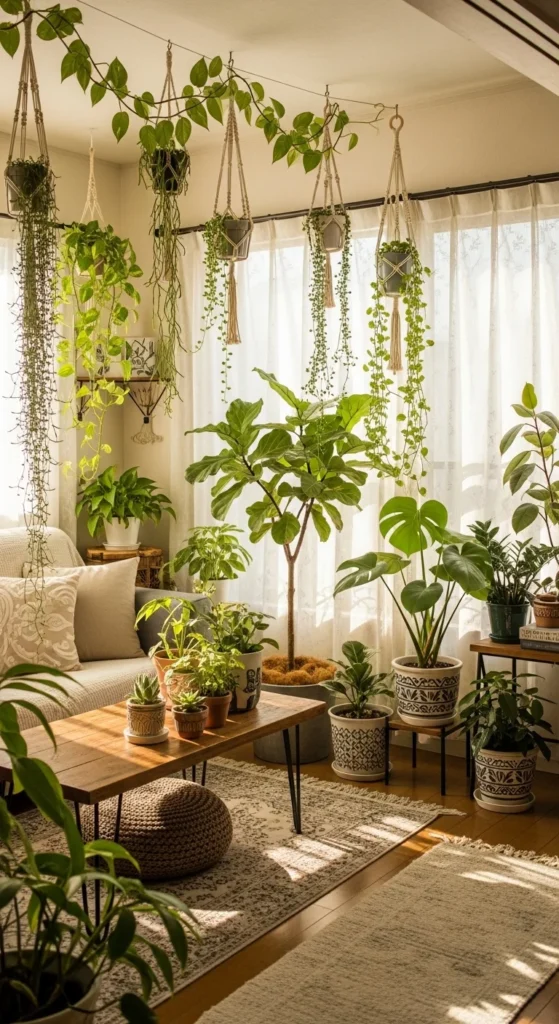
Houseplants have gone from simple decor to full-blown obsession. Large-leafed species like monstera and fiddle-leaf fig dominate social feeds.
Mix plant sizes and textures for visual interest. Use plant stands or shelves for layering. This trend turns indoor spaces into relaxing, oxygen-rich retreats.
11. Composting Corners
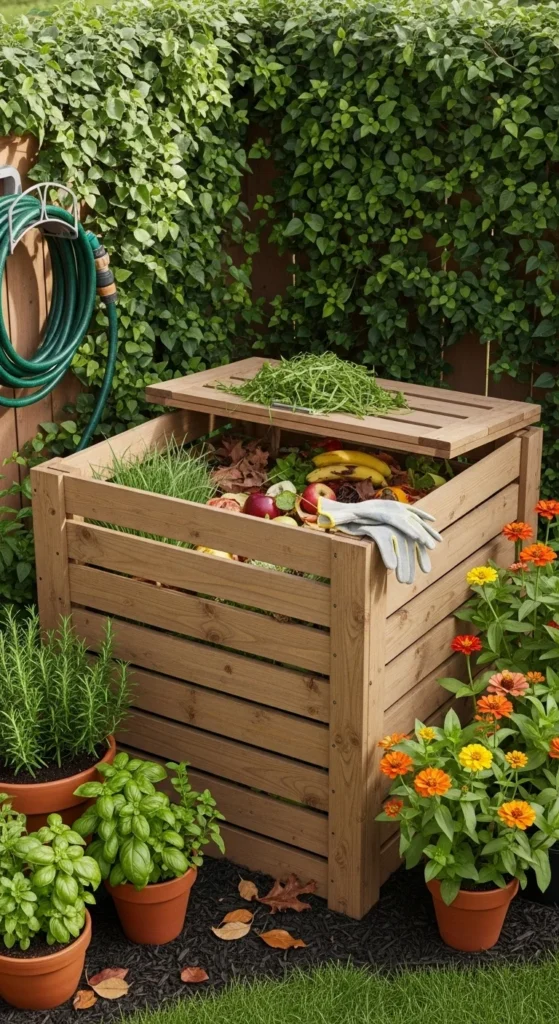
Composting is becoming a must for eco-conscious gardeners. It reduces waste and creates nutrient-rich soil.
Start with kitchen scraps, leaves, and yard trimmings. Avoid meat or dairy to prevent odor. In a few months, you’ll have black gold for your garden beds — and fewer garbage bags at home.
12. Garden Lighting
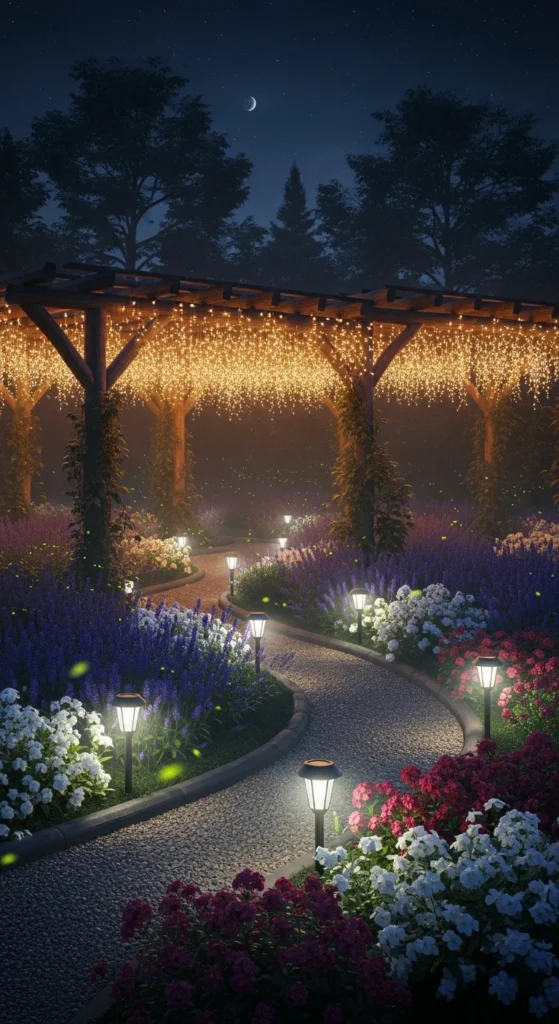
Evenings feel magical with the right garden lighting. Solar lanterns, string lights, or LED path lights set the mood beautifully.
They also highlight focal points like trees or fountains. Choose warm tones for cozy ambiance and timers for efficiency. It’s an easy, affordable way to make your garden usable after dark.
13. Pollinator Paths
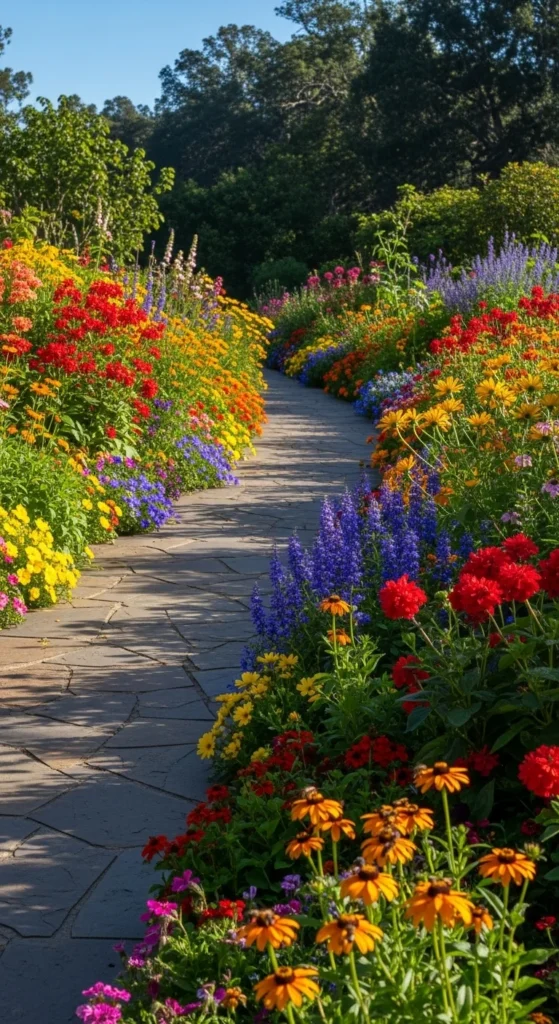
Creating pollinator paths helps support ecosystems. Plant nectar-rich flowers along walkways and garden edges.
Choose native varieties and avoid pesticides. Add small water dishes with stones for bees to rest. It’s simple to set up and supports biodiversity right outside your door.
14. Gravel Gardens
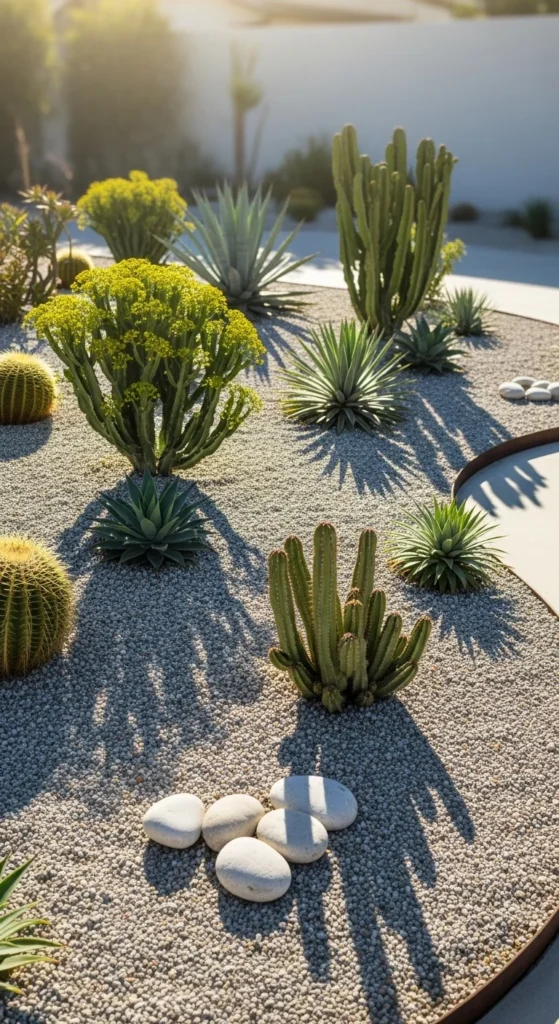
Gravel gardens are popular in dry areas. They’re low-maintenance, stylish, and water-wise.
Use hardy plants like sedum or lavender. Mix gravel sizes for texture and contrast. It’s perfect for busy gardeners or those in drought-prone regions.
15. Fairy Gardens
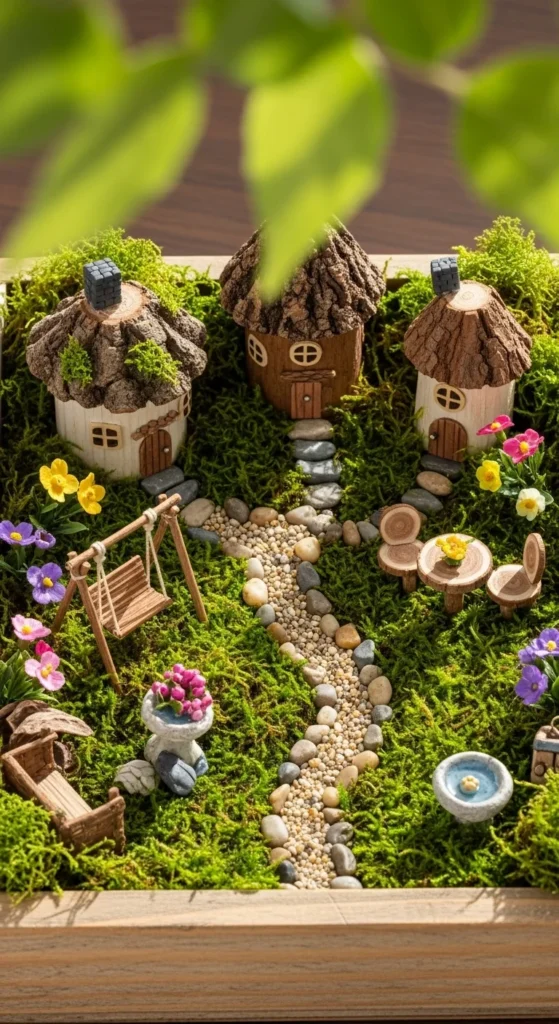
Fairy gardens bring creativity and fun into gardening. Kids love helping design them, and adults enjoy the charm.
Use small containers, moss, pebbles, and mini figurines. They’re perfect for balconies or shaded corners. Change decorations with the seasons to keep it interesting.
16. Sensory Gardens
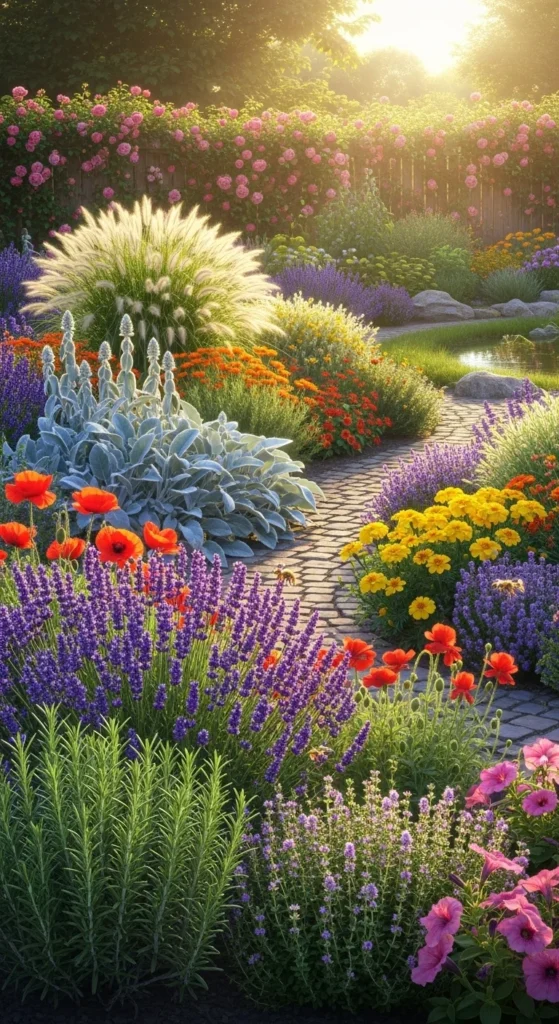
Sensory gardens engage touch, smell, and sight. Lavender, lamb’s ear, and mint are great choices.
Arrange plants with varying textures and colors. Add wind chimes or small fountains for sound. It’s therapeutic, especially for children or seniors.
17. Drought-Tolerant Landscaping
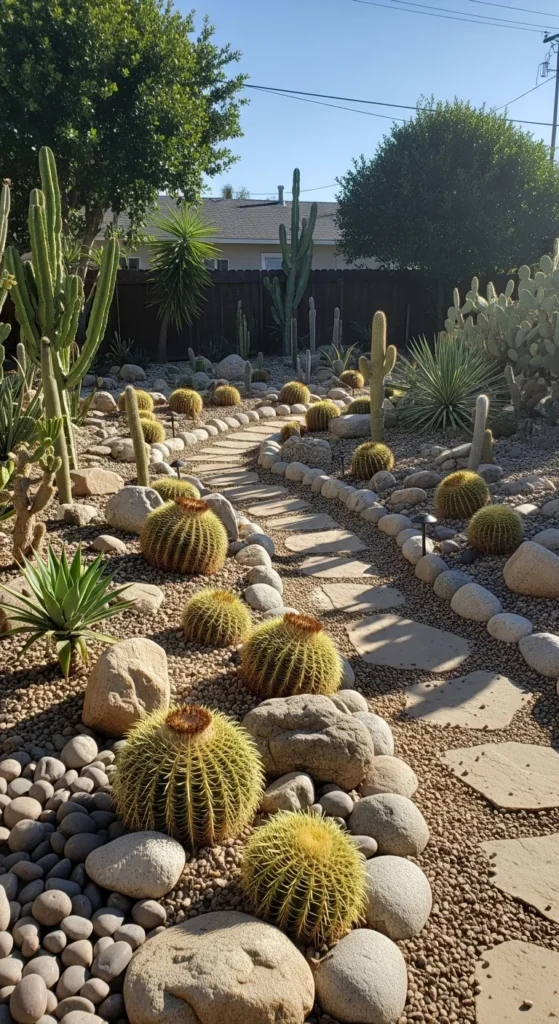
With changing weather, many gardeners replace lawns with drought-tolerant plants. These gardens stay lush with minimal watering.
Choose succulents, yucca, or ornamental grasses. Use mulch to lock in moisture. It saves water bills while keeping your yard beautiful.
18. DIY Greenhouses
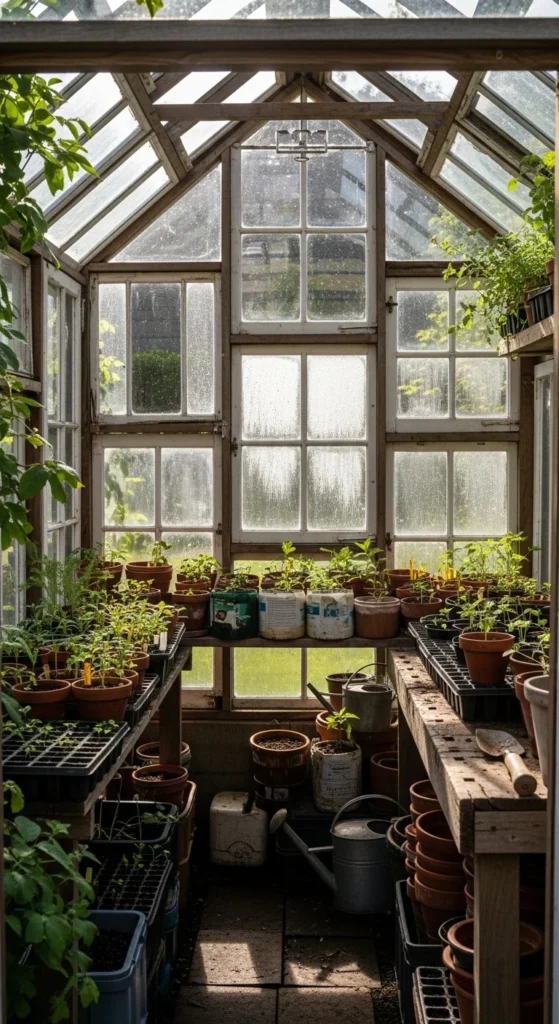
DIY greenhouses let gardeners extend growing seasons. They don’t have to be expensive — old windows or PVC frames work fine.
Use them to start seedlings early or protect delicate plants. Ventilate on sunny days and insulate in winter. It’s a satisfying weekend project for year-round gardening.
19. Kitchen Herb Walls

Fresh herbs at arm’s reach are trending in home design. Mount pots or racks on sunny kitchen walls.
Grow basil, mint, or chives for daily cooking. It saves space, smells amazing, and makes every meal feel fresh. Rotate plants every few months for best results.
20. Garden Water Features
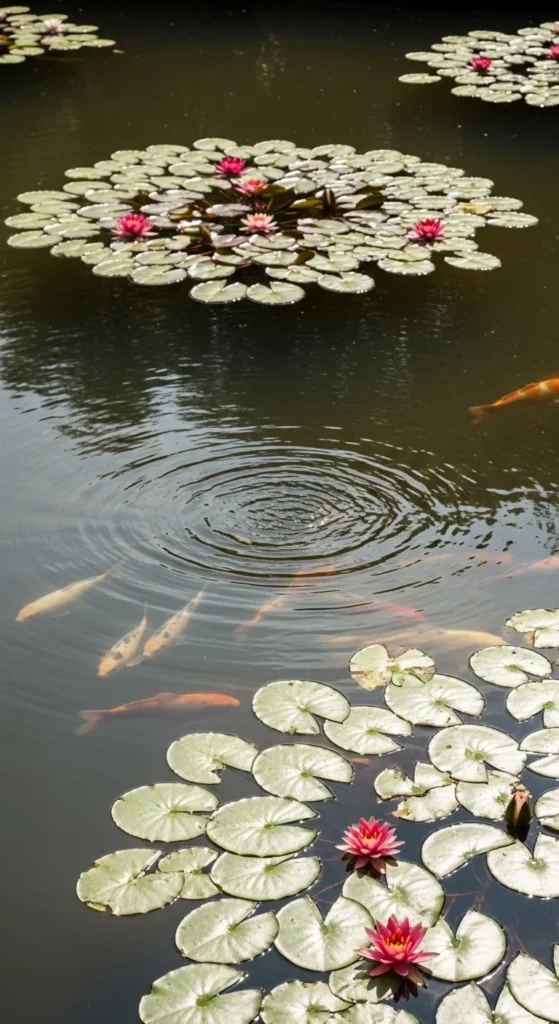
Small ponds or fountains bring relaxation and wildlife. Even a tabletop water bowl adds tranquility.
Use solar pumps for easy maintenance. Add aquatic plants like lilies or reeds. The gentle sound of water turns any yard into a calm escape.
21. Balcony Gardening
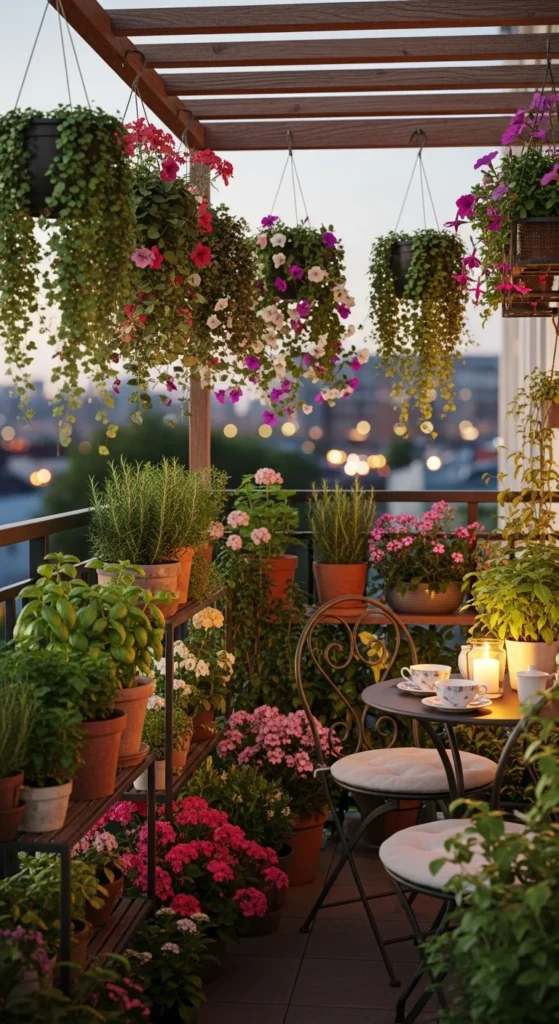
Urban gardeners are maximizing balconies like never before. Hanging pots, railing planters, and tiered shelves make use of every inch.
Grow edible greens or decorative flowers. Use lightweight soil and drip trays to avoid mess. It’s a refreshing hobby for city living.
22. Raised Herb Towers
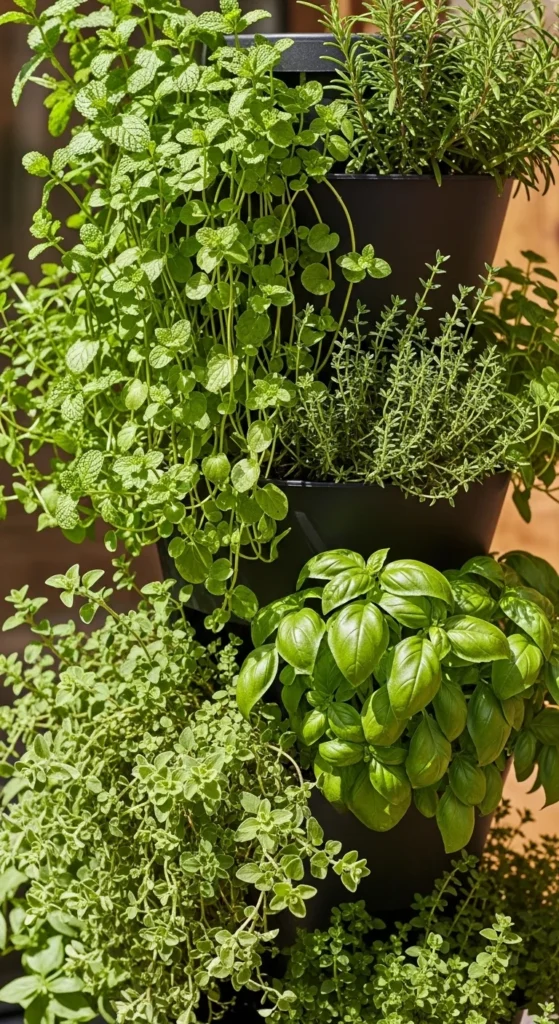
Herb towers are compact and functional. They provide layers for multiple plants in one spot.
Build one from stacked pots or buy pre-made versions. Keep them near your kitchen door for easy harvesting. It’s a clever way to add flavor to your cooking.
23. Sustainable Lawn Alternatives
Traditional lawns are giving way to eco-friendly options. Clover, moss, and groundcovers require less mowing and watering.
They stay green naturally and attract pollinators. Add stepping stones for easy movement. It’s practical, low-cost, and environmentally smart.
24. Raised Pollinator Hotels
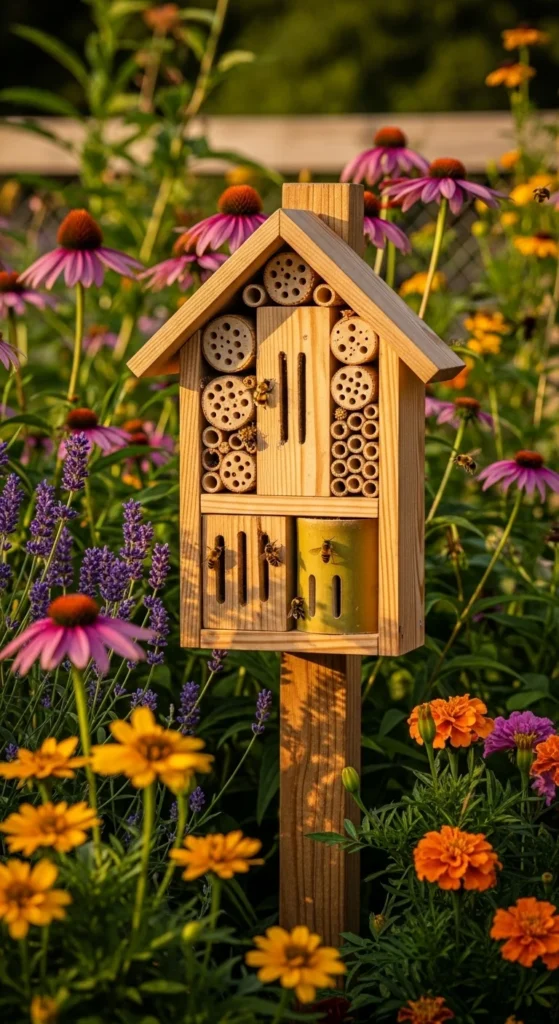
Pollinator hotels are small shelters for beneficial insects. They help maintain healthy ecosystems.
Drill holes into wooden blocks or fill bamboo tubes for bees. Place in sunny spots near flowers. It’s a simple way to support biodiversity at home.
Conclusion
Gardening trends in 2025 are all about creativity, sustainability, and simplicity. Whether you have a small balcony or a sprawling backyard, there’s always room to try something new. From vertical gardens to pollinator paths, each idea helps you grow greener, live smarter, and reconnect with nature — one beautiful plant at a time.
Leave a Reply