

Growing beautiful, straight, and split-free carrots isn’t just luck — it’s a mix of good soil, consistent care, and knowing what carrots love most. If you’ve ever pulled a cracked or twisted carrot from your garden, don’t worry — this guide will show you how to grow those perfect, picture-worthy roots that taste as good as they look.
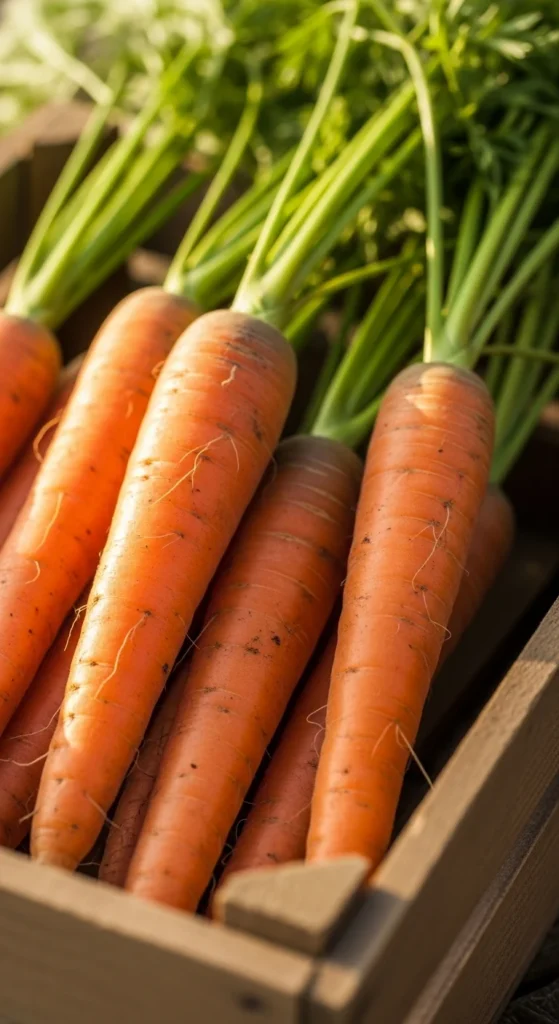
Start with the Right Soil
Carrots are root crops, which means their success starts underground. The texture and structure of your soil directly shape how your carrots grow.
- Go loose and deep: Carrots need light, fluffy, well-drained soil. Heavy clay or rocky ground causes deformities and splits.
- Aim for sandy loam: If your soil is dense, mix in sand or compost to improve aeration.
- Avoid fresh manure: It releases nitrogen that makes roots fork or crack. Use well-aged compost instead.
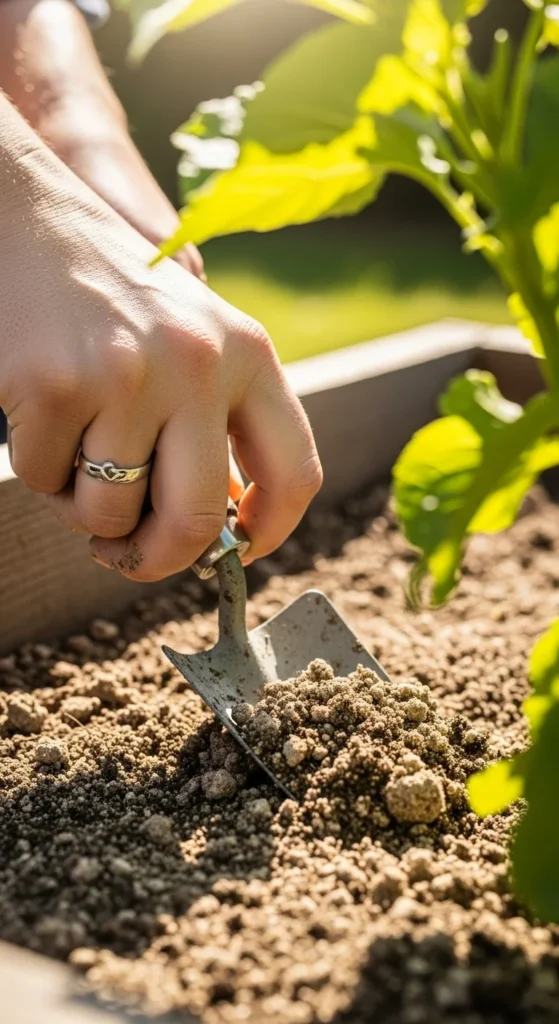
Before planting, loosen the soil at least 12 inches deep. Carrots don’t like resistance — even small clumps or stones can cause them to split or twist.
Choose the Best Carrot Varieties
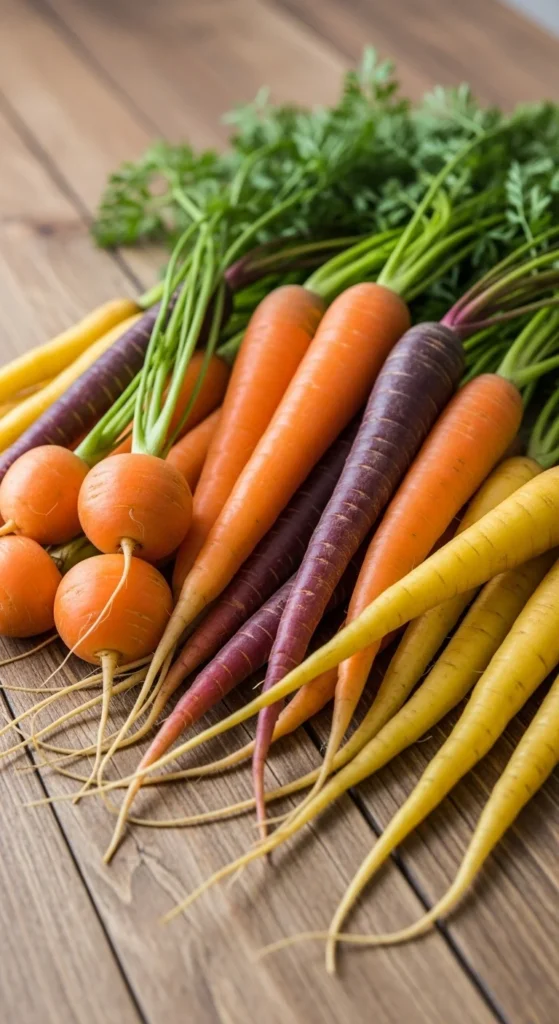
Some carrot types handle imperfections better than others. If your soil is less than perfect, go for shorter or rounder varieties.
- Short and sweet: Varieties like ‘Paris Market’ or ‘Thumbelina’ are great for shallow soils.
- Classic long types: Try ‘Nantes’ or ‘Danvers’ for deep, loose beds.
- Resistant hybrids: Look for newer cultivars labeled as “crack-resistant.”
This small adjustment can make a big difference in preventing splits right from the start.
Water Consistently — Not Too Much, Not Too Little
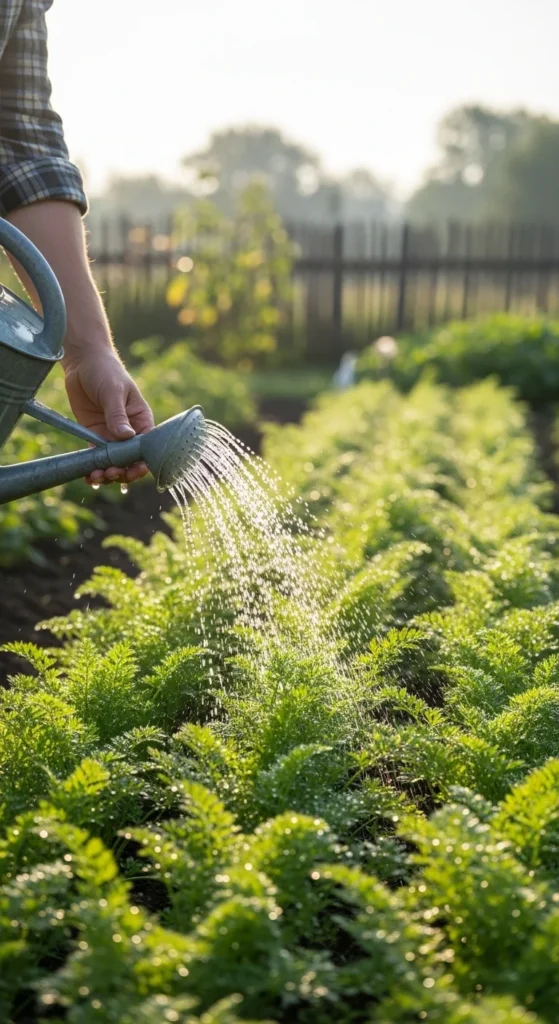
Uneven watering is the number one cause of carrot splits. When carrots go dry and then suddenly receive a flood of water, their inner tissue expands faster than their outer skin can handle — leading to cracks.
Here’s how to keep them happy:
- Keep soil evenly moist: Water deeply 1–2 times per week, rather than light sprinkles every day.
- Mulch is your friend: A thin layer of straw or compost keeps moisture steady.
- Avoid drought stress: Don’t let the soil dry out completely, especially when roots are forming.
If you expect heavy rain, you can even skip your next watering to maintain balance.
Thin Seedlings Early and Gently
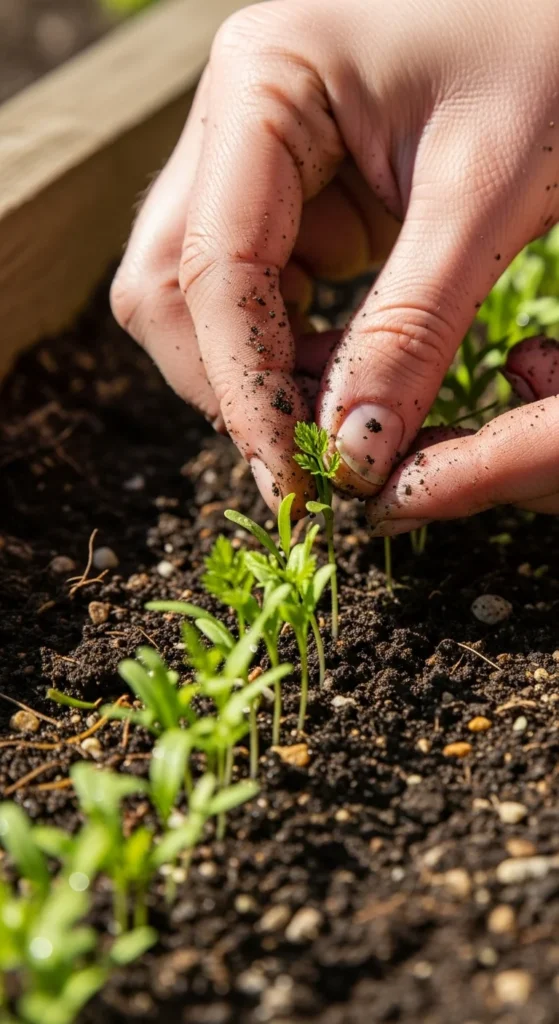
Carrots hate crowding. When seedlings grow too close, they compete for space and nutrients — and that stress often leads to splitting or stunted growth.
- Thin when they’re 2 inches tall: Leave about 2 inches of space between plants.
- Don’t pull; snip: Instead of yanking unwanted seedlings, snip them at soil level to avoid disturbing neighboring roots.
- Re-mulch after thinning: It keeps the soil cool and minimizes stress.
This simple step improves air circulation and root shape dramatically.
Feed Carrots Lightly
Over-fertilizing — especially with nitrogen — makes carrots grow fast on the outside but unevenly inside, which encourages splitting.
- Use a balanced fertilizer: Something like 5-10-10 (low nitrogen, higher phosphorus and potassium) is ideal.
- Apply compost tea monthly: It supports steady growth without stress.
- Avoid animal manure mid-season: It’s too strong for delicate root development.
Remember: carrots prefer consistent, slow nutrition rather than growth spurts.
Harvest at the Right Time
Carrots left too long in the ground can over-mature and crack. Check their shoulders — once they’re about ¾ to 1 inch thick, they’re ready.
- Gently loosen soil before pulling: Use a garden fork to avoid snapping.
- Harvest in cool hours: Morning or evening is best to keep roots crisp.
- Store properly: Remove tops and refrigerate in damp sand or cloth to retain moisture.
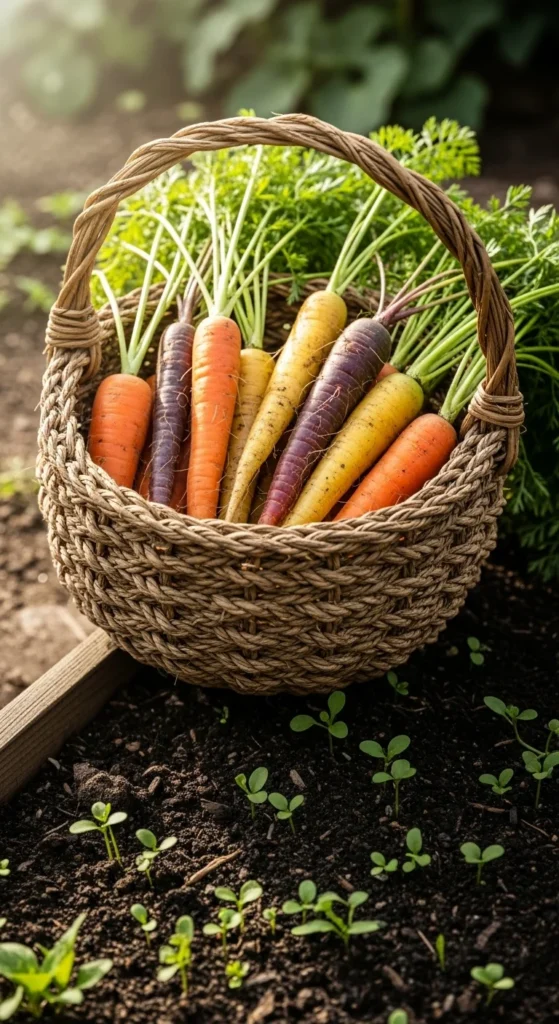
Fresh, young carrots taste sweeter — and they’ll look flawless in your harvest basket.
Final Takeaway
Perfect carrots don’t need perfect gardeners — just consistent care and attention to the little things that matter underground. Focus on loose soil, steady watering, and patience, and you’ll be rewarded with straight, crisp, and split-free carrots every time.

Leave a Reply