

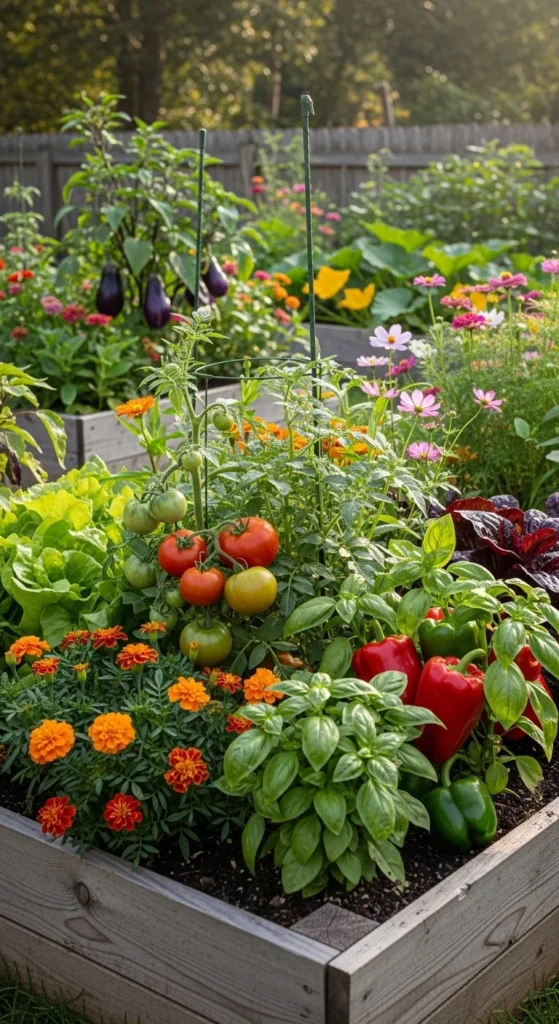
Growing vegetables isn’t just about spacing rows and watering on time. The way you arrange plants next to each other can change how well they grow, how many pests show up, and how much you harvest. That’s where companion planting vegetable layouts come in. By pairing the right crops, herbs, and flowers, you can create a garden that works together naturally—saving effort while improving results. Below are smart, space-friendly layouts you can copy or adapt, even in small backyards or raised beds.
1. Classic Tomato + Basil Border Layout
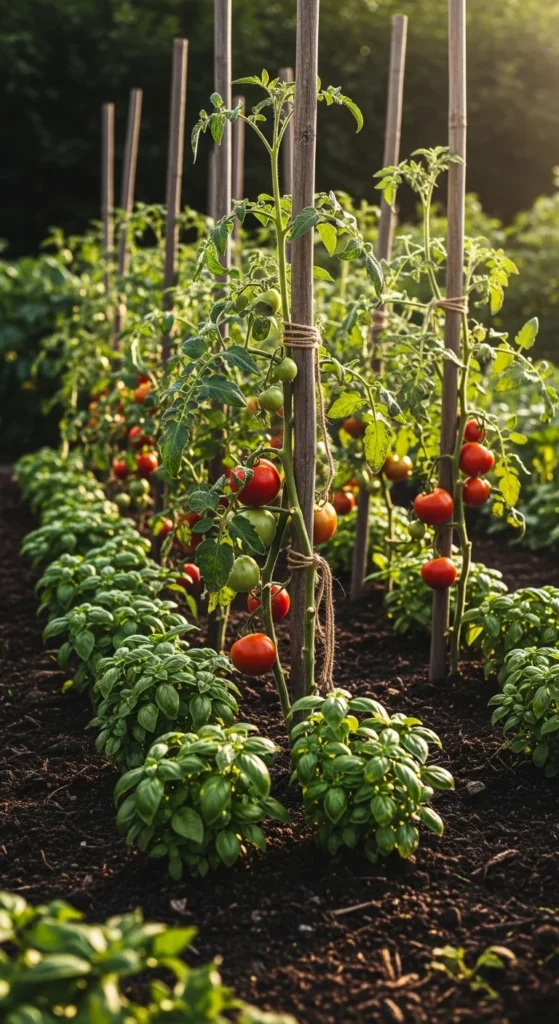
Plant tomatoes in the center of a bed.
Then line the edges with basil.
This layout is simple but very effective. Basil sits low, so it doesn’t block light. Tomatoes grow tall and get full sun.
Keep about 12–18 inches between tomato plants.
Add basil in between gaps or along edges.
Why it works:
- Basil helps reduce pests like aphids
- Strong scent confuses insects
- Makes harvesting easy in one spot
Budget tip:
Grow basil from cuttings instead of seeds. Just place a stem in water until roots form.
Water both plants together. Their needs are similar.
Avoid overcrowding. Airflow keeps leaves healthy.
This layout fits well in:
- Raised beds
- Narrow backyard strips
- Even large containers
2. Three Sisters Layout (Corn + Beans + Squash)
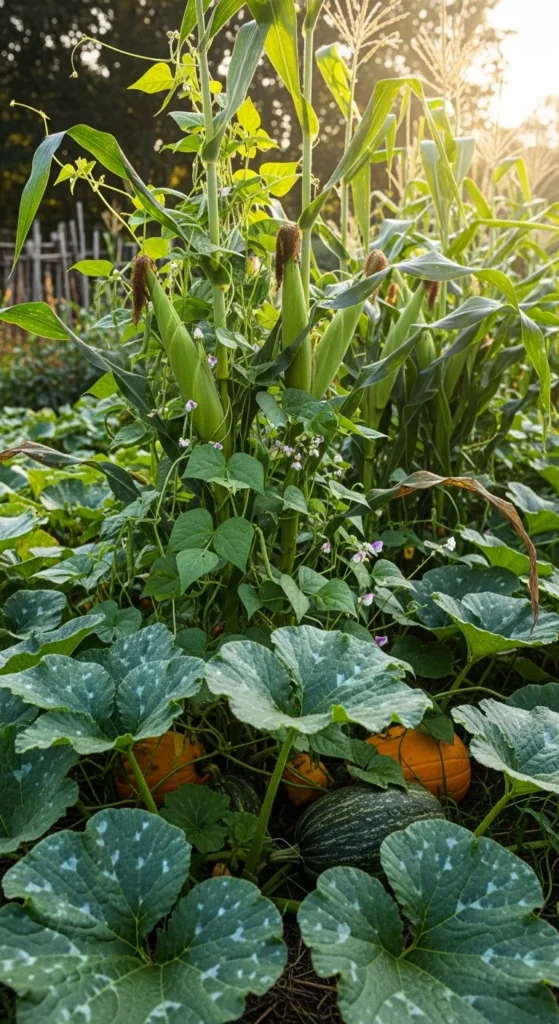
This is a classic natural system.
Plant corn first in small clusters.
Once it grows a few inches, add beans around it.
Then plant squash at the base.
How it works:
- Corn acts as a natural pole
- Beans add nitrogen to soil
- Squash covers ground and blocks weeds
Spacing matters.
Keep each cluster about 2–3 feet apart.
Budget tip:
Use saved seeds from kitchen squash or dried beans.
Water deeply but less often.
The ground cover helps keep moisture in.
This layout works best in:
- Open garden plots
- Sunny areas with good airflow
3. Carrot + Onion Row Pairing
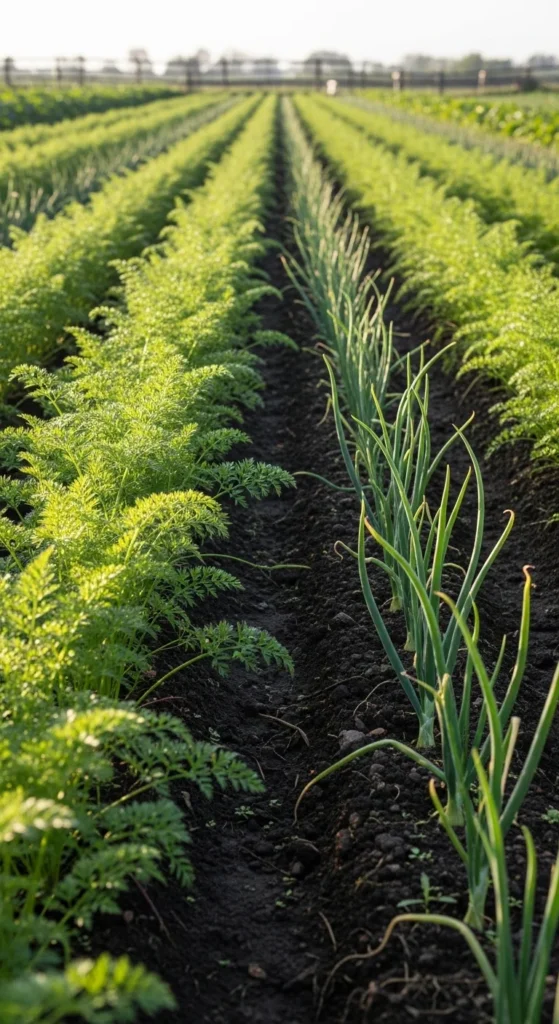
Alternate rows of carrots and onions.
Keep rows about 8–10 inches apart.
Sow carrots thinly. Plant onions evenly spaced.
Why this pairing helps:
- Onion smell repels carrot flies
- Carrots don’t compete much for space
Use loose soil. Carrots grow straight this way.
Budget tip:
Use kitchen onion bottoms to regrow green onions.
Water lightly but often.
Avoid heavy soil packing.
Great for:
- Raised beds
- Small garden strips
4. Pepper + Marigold Protection Layout

Plant peppers in rows or clusters.
Add marigolds around them like a border.
Benefits:
- Marigolds help deter soil pests
- Flowers attract helpful insects
Keep peppers about 12–15 inches apart.
Place marigolds every 1–2 feet.
Budget tip:
Grow marigolds from saved seeds each season.
Water at the base.
Avoid wet leaves to reduce disease.
Works well in:
- Raised beds
- Container gardens
5. Lettuce + Radish Quick-Grow Layout

Mix lettuce and radish in the same bed.
Radishes grow fast.
Lettuce takes longer.
Smart timing:
- Harvest radishes first
- Lettuce fills the space later
Space lettuce about 6–8 inches apart.
Scatter radish seeds in between.
Budget tip:
Use leftover seeds from previous seasons.
Water lightly but consistently.
Perfect for:
- Small spaces
- Beginners
6. Cabbage + Dill + Nasturtium Layout
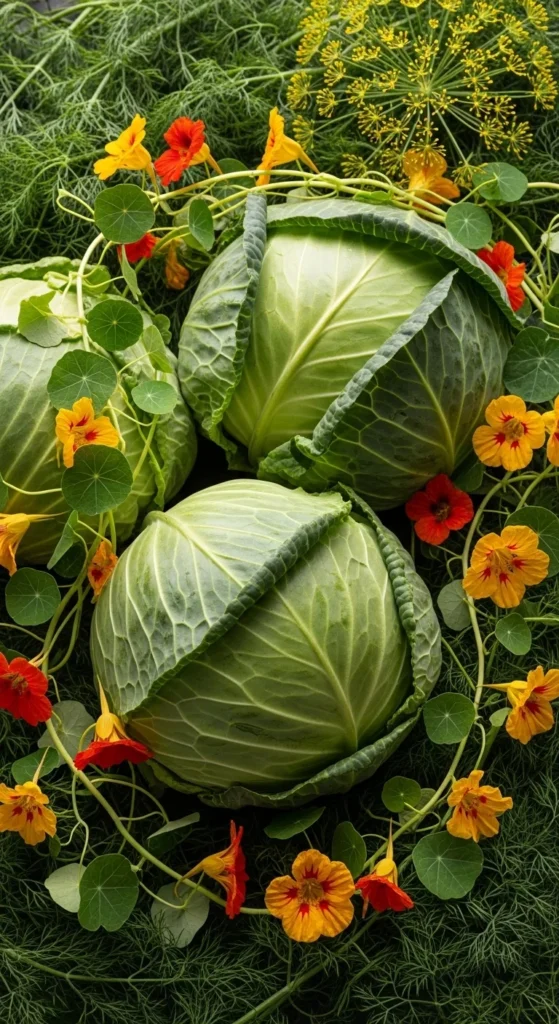
Plant cabbage in rows.
Add dill and nasturtium around them.
Why it works:
- Dill attracts helpful insects
- Nasturtium acts as a trap plant
Keep cabbage spaced 12–18 inches apart.
Budget tip:
Nasturtium grows easily from seed with little care.
Water deeply once or twice a week.
Great for:
- Pest-prone gardens
- Organic setups
7. Vertical Bean + Spinach Shade Layout

Grow beans on a trellis.
Plant spinach underneath.
Benefits:
- Beans provide shade
- Spinach stays cool longer
Space beans every 4–6 inches along trellis.
Budget tip:
Use bamboo sticks or old wood for support.
Water both crops together.
Ideal for:
- Hot climates
- Small gardens
8. Tomato + Garlic Companion Rows
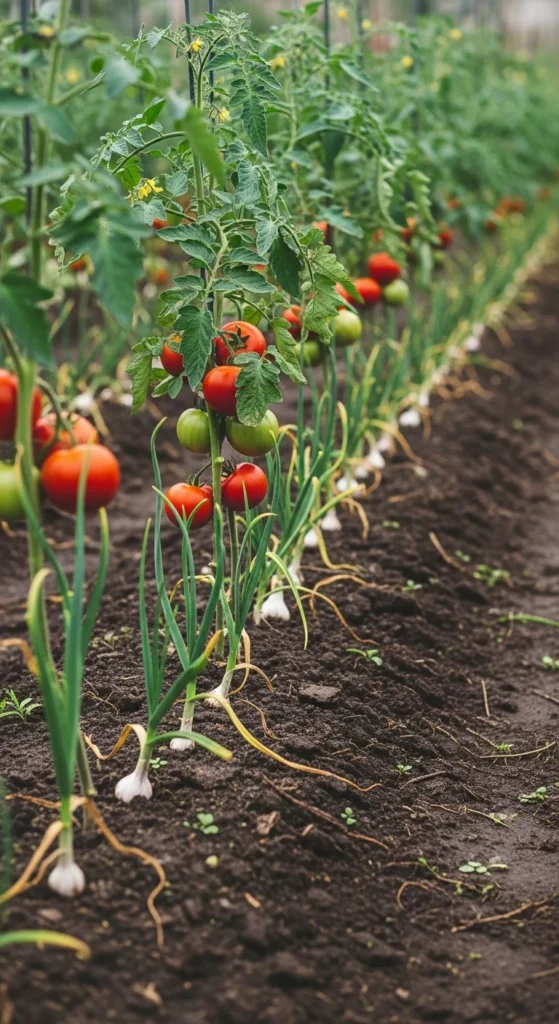
Plant garlic between tomato plants.
Why it helps:
- Garlic smell repels pests
- Takes little space
Keep garlic near edges or gaps.
Budget tip:
Plant leftover garlic cloves from kitchen.
Water moderately.
Works in:
- Raised beds
- Backyard rows
9. Mixed Herb Border Layout
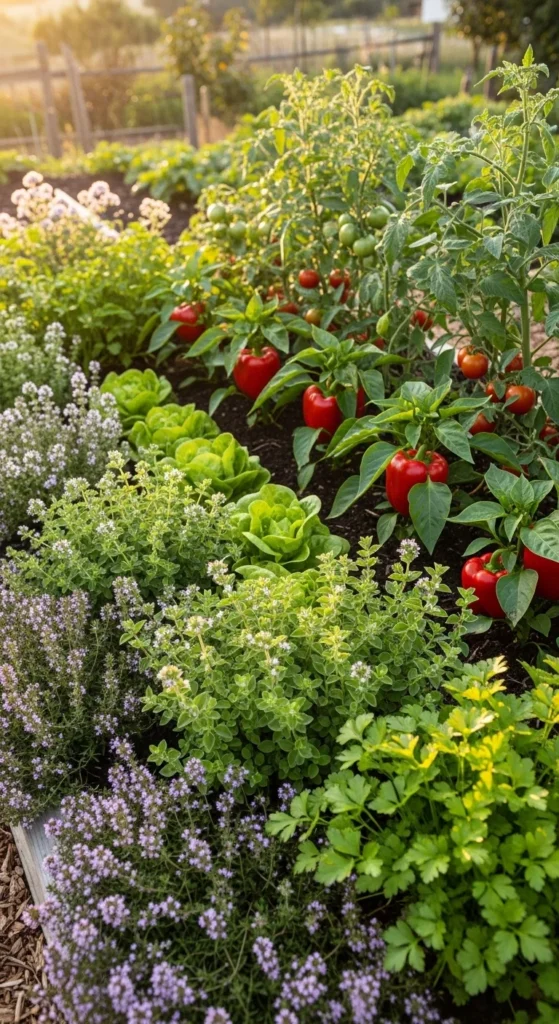
Create a border using herbs.
Use:
- Thyme
- Oregano
- Parsley
Benefits:
- Natural pest control
- Easy harvest access
Keep herbs low and trimmed.
Budget tip:
Divide existing herb plants to multiply them.
Water lightly.
Perfect for:
- Decorative + functional gardens
10. Zucchini + Borage Pairing Layout

Plant zucchini with borage nearby.
Why it works:
- Borage attracts pollinators
- Helps zucchini produce more
Keep spacing wide. Zucchini spreads a lot.
Budget tip:
Borage self-seeds easily.
Water deeply.
Best for:
- Open garden beds
11. Raised Bed Trio Layout (Tomato + Lettuce + Basil)
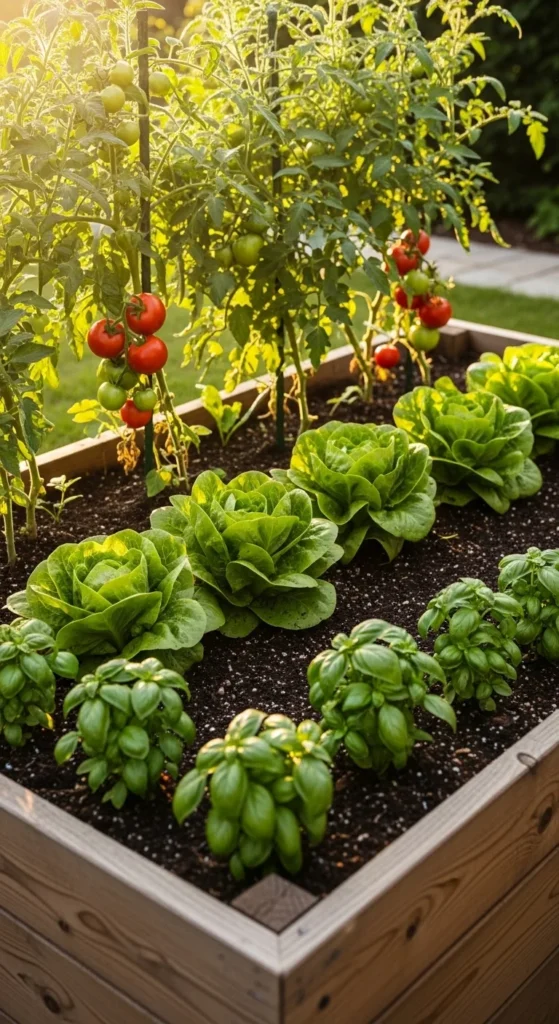
Use a simple back-to-front layering style.
Place tomatoes at the back.
Lettuce in the middle.
Basil at the front.
This keeps all plants visible and easy to reach.
Why it works:
- Taller plants don’t block smaller ones
- Efficient use of space
- Easy harvesting without stepping into the bed
Keep spacing balanced. Don’t crowd the lettuce.
Budget tip:
Build a raised bed using old wooden planks or pallets.
Water evenly across the bed.
Check soil moisture regularly.
This layout fits perfectly in:
- Small backyards
- Organized kitchen gardens
12. Potato + Horseradish Corner Layout
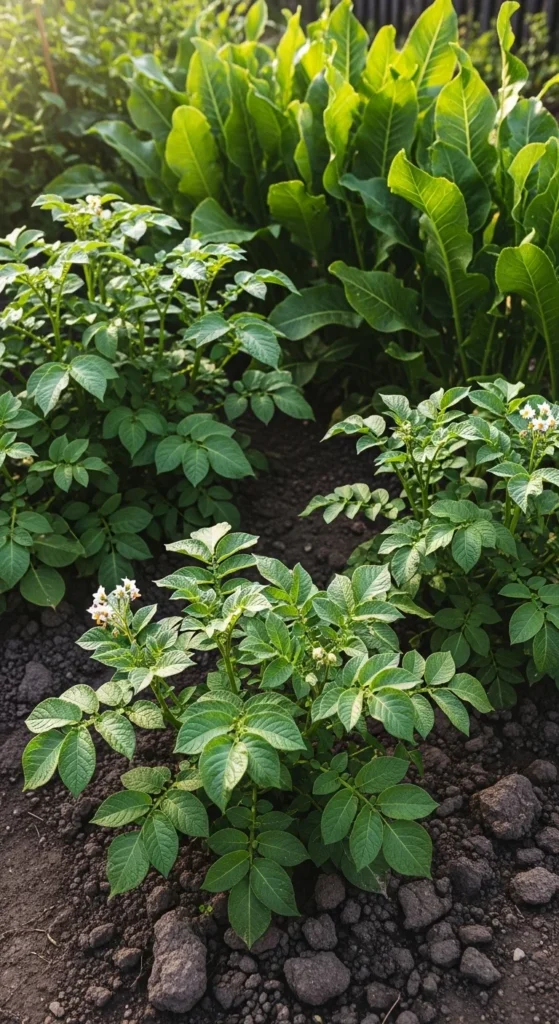
Plant potatoes in rows or mounds.
Add horseradish at the corners.
Benefits:
- Helps reduce underground pests
- Uses corner space efficiently
Keep potatoes spaced well for root growth.
Budget tip:
Use leftover potato pieces with eyes for planting.
Water deeply but not too often.
Best for:
- Larger beds
- Ground planting setups
13. Cucumber + Sunflower Vertical Layout

Grow sunflowers as natural supports.
Let cucumbers climb up them.
Why it works:
- Saves space with vertical growth
- Reduces need for trellis
Plant sunflowers first.
Add cucumbers once stems are strong.
Budget tip:
Save sunflower seeds for next season.
Water regularly.
Perfect for:
- Outdoor sunny spots
- Natural-style gardens
14. Eggplant + Bean Companion Layout
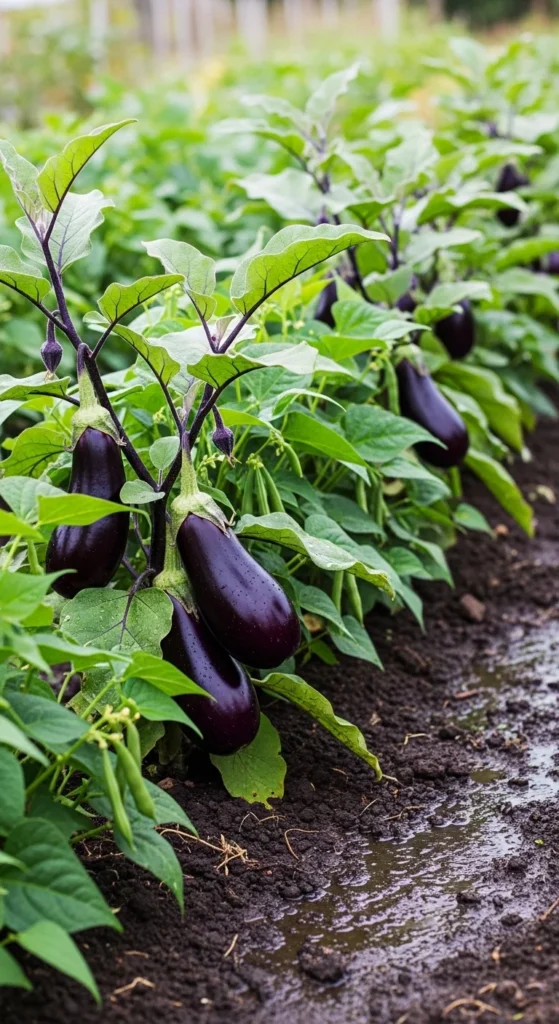
Plant eggplants in rows.
Add beans around them.
Benefits:
- Beans support soil health
- Light ground coverage reduces weeds
Keep enough spacing for airflow.
Budget tip:
Use dried beans from kitchen for planting.
Water consistently.
Great for:
- Medium-sized beds
- Warm climates
15. Spinach + Strawberry Ground Cover Layout
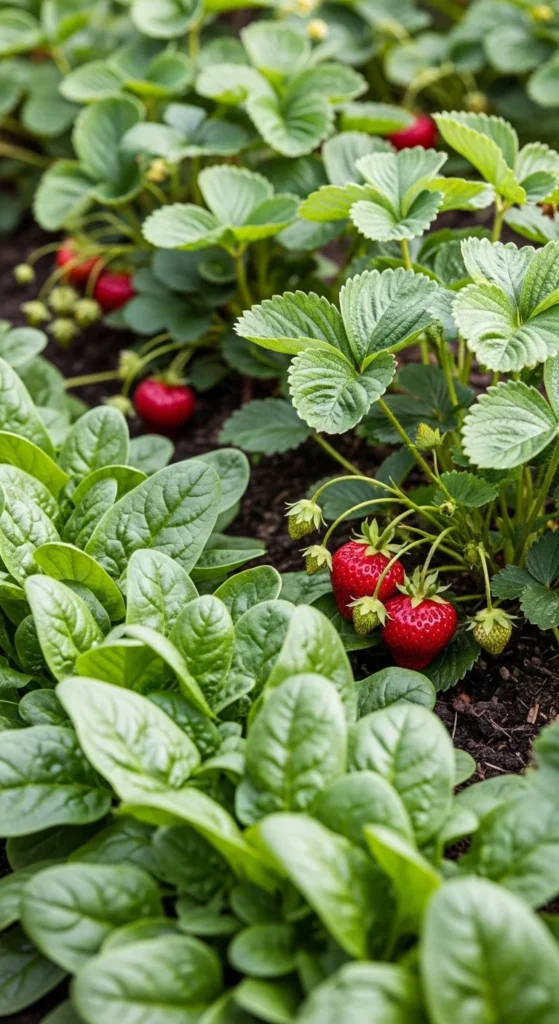
Mix spinach between strawberry plants.
Why it works:
- Covers soil
- Keeps moisture longer
- Uses empty gaps
Harvest spinach early.
Strawberries continue growing.
Budget tip:
Propagate strawberries using runners.
Water lightly but often.
Ideal for:
- Raised beds
- Small garden patches
16. Okra + Pepper Heat-Loving Layout

Plant okra in rows.
Add peppers nearby.
Benefits:
- Both thrive in warm conditions
- Similar watering patterns
Keep space between plants for airflow.
Budget tip:
Save seeds from dried okra pods.
Water deeply but less often.
Best for:
- Hot regions
- Sunny gardens
17. Kale + Garlic Pest Barrier Layout
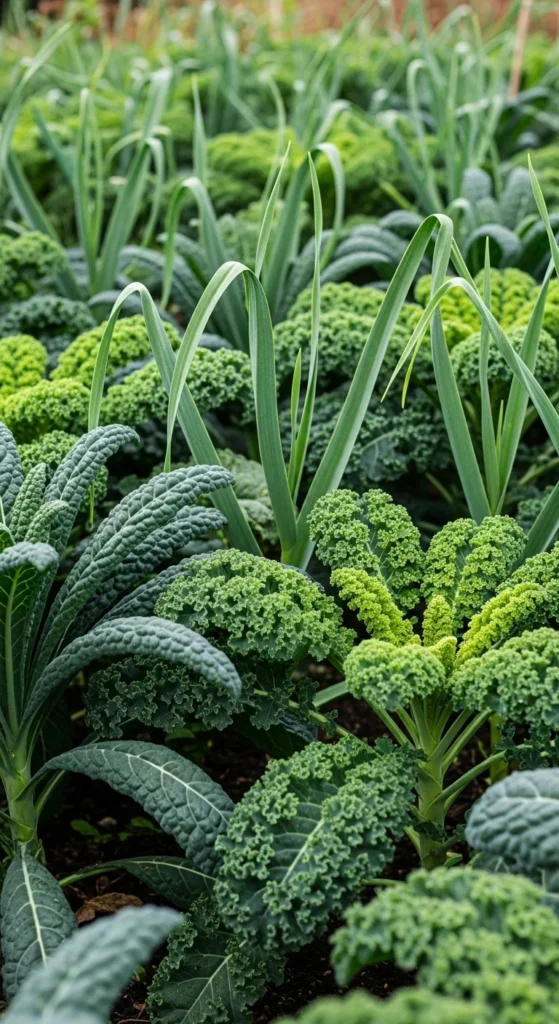
Plant kale in the center.
Surround with garlic.
Why it helps:
- Garlic repels insects
- Protects leafy greens
Keep garlic evenly spaced.
Budget tip:
Use kitchen garlic cloves.
Water regularly.
Great for:
- Organic gardens
- Leafy crop sections
18. Mixed Salad Grid Layout
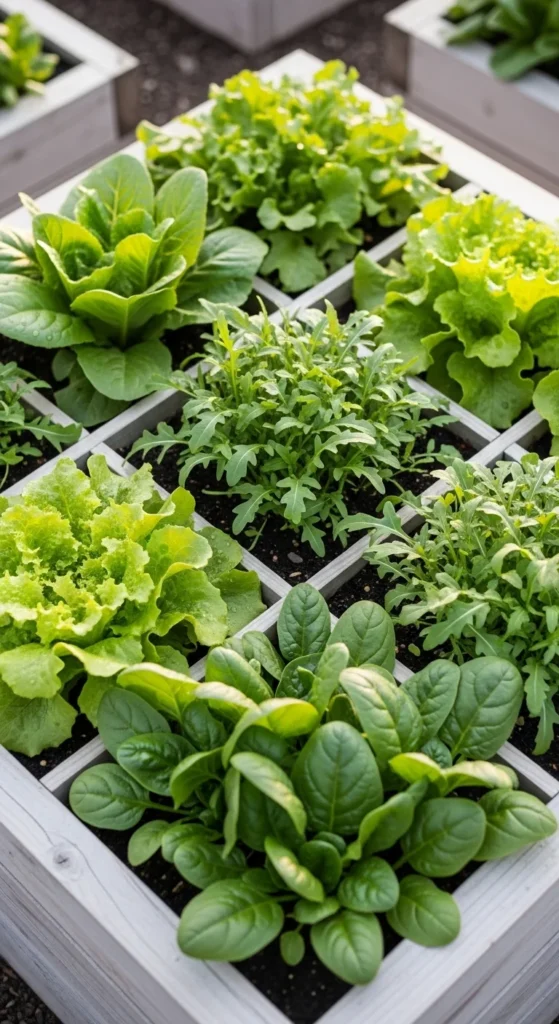
Divide a bed into small squares.
Plant different greens in each.
Benefits:
- Easy to manage
- Continuous harvest
Use a simple grid pattern.
Budget tip:
Use sticks or string to mark squares.
Water evenly.
Perfect for:
- Beginners
- Small spaces
19. Carrot + Lettuce Interplant Layout
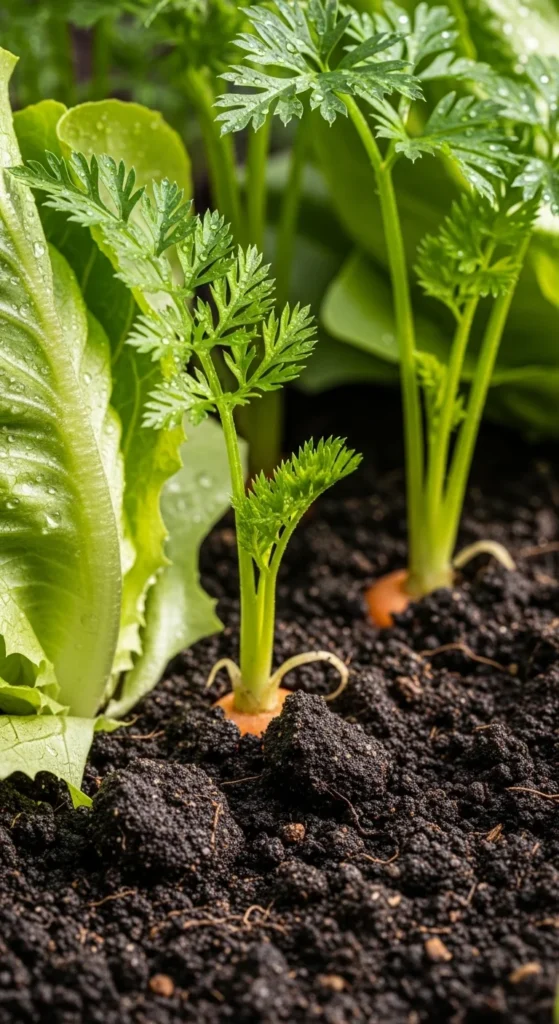
Plant carrots first.
Add lettuce between rows.
Why it works:
- Lettuce shades soil
- Carrots grow undisturbed
Harvest lettuce early.
Budget tip:
Thin carrots and eat baby greens.
Water gently.
Best for:
- Raised beds
- Compact layouts
20. Bean Archway Layout

Build a simple arch.
Grow beans on both sides.
Benefits:
- Vertical growth
- Creates shaded walkway
Use wood, metal, or bamboo.
Budget tip:
Reuse old frames or pipes.
Water at the base.
Great for:
- Decorative gardens
- Functional shade
21. Tomato + Carrot Deep Root Layout

Plant tomatoes and carrots together.
Why it works:
- Different root depths
- No strong competition
Keep carrots between tomato plants.
Budget tip:
Use loose soil mix for better roots.
Water evenly.
Ideal for:
- Space-saving beds
22. Zucchini + Corn Wide Bed Layout
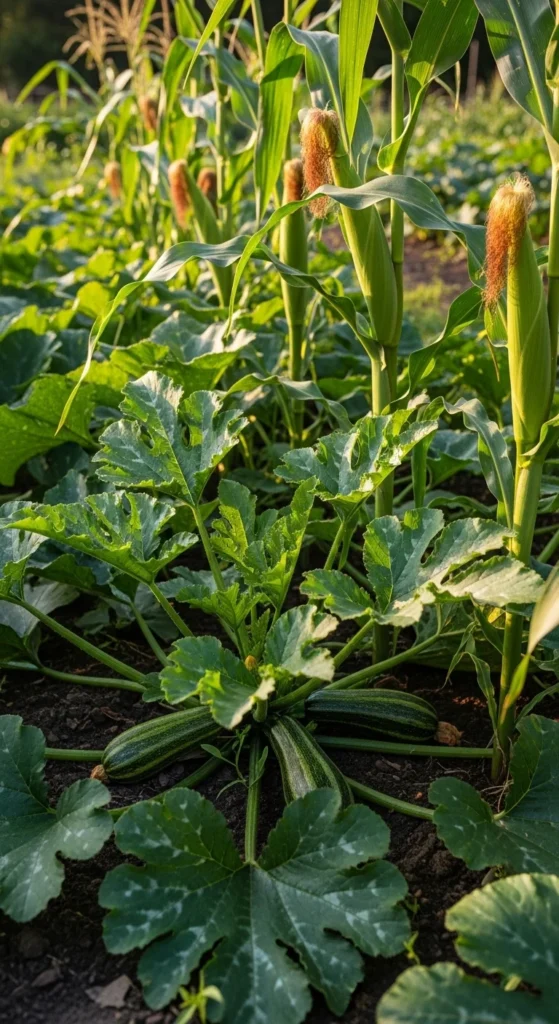
Plant corn in rows.
Let zucchini spread between them.
Benefits:
- Ground coverage
- Weed control
Give zucchini space to grow.
Budget tip:
Use compost from kitchen scraps.
Water deeply.
Best for:
- Larger plots
23. Herb Spiral Companion Layout
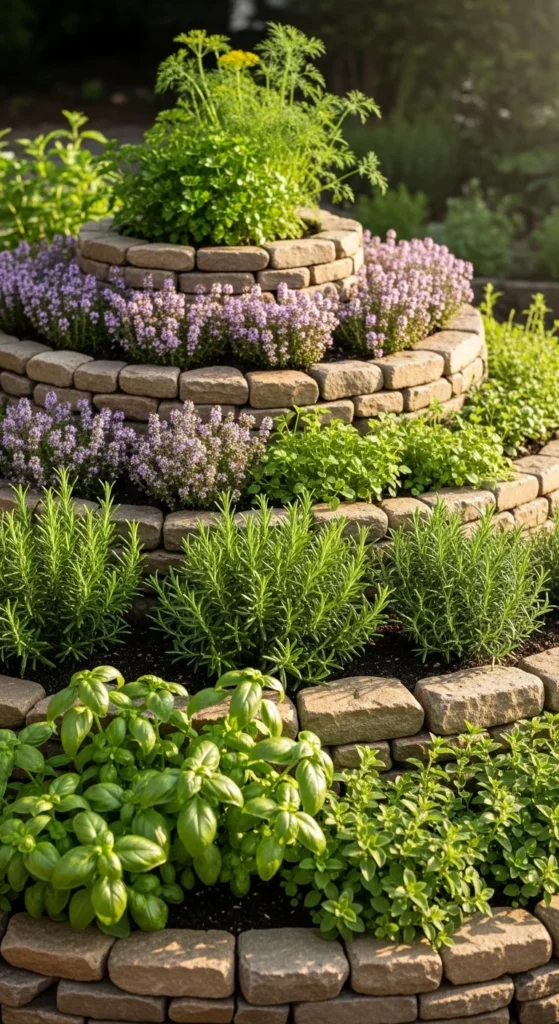
Create a spiral mound.
Plant herbs based on height.
Why it works:
- Good drainage
- Easy access
Top: dry-loving herbs
Bottom: moisture-loving herbs
Budget tip:
Use stones or bricks from home.
Water lightly.
Perfect for:
- Small decorative gardens
24. Onion + Beet Root Pairing Layout
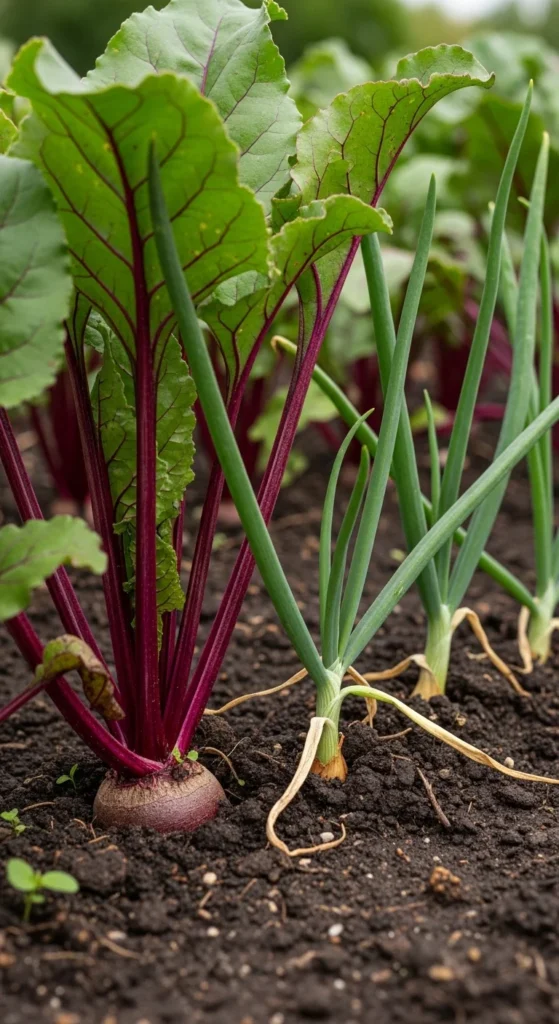
Plant onions and beets together.
Benefits:
- Different growth patterns
- Efficient spacing
Keep rows neat.
Budget tip:
Use beet tops in cooking.
Water moderately.
Great for:
- Raised beds
25. Cabbage + Mint Barrier Layout
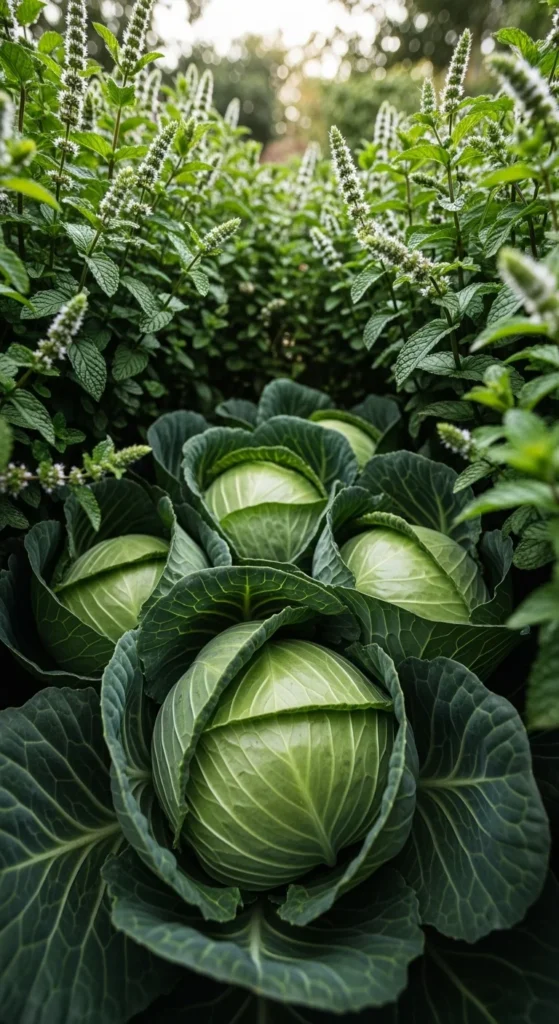
Plant cabbage inside.
Add mint around edges.
Why it works:
- Mint helps deter pests
- Strong scent barrier
Control mint spread.
Budget tip:
Grow mint in small containers inside soil.
Water regularly.
Best for:
- Pest-prone areas
26. Pepper + Basil Flavor Pair Layout
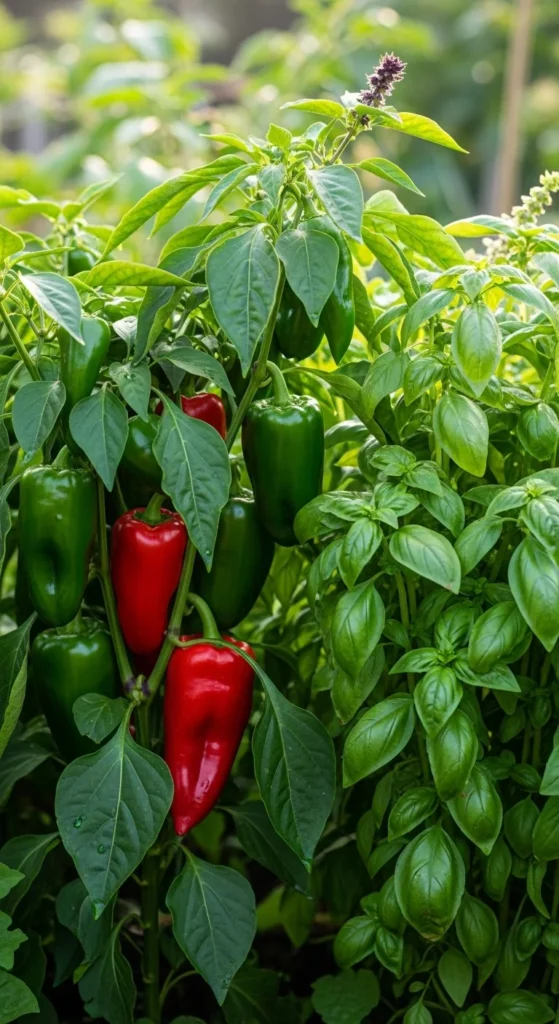
Plant peppers with basil.
Benefits:
- Similar care needs
- Easy kitchen harvest
Keep spacing balanced.
Budget tip:
Grow basil from cuttings.
Water consistently.
Perfect for:
- Kitchen gardens
27. Pollinator Strip Layout (Flowers + Veg Mix)
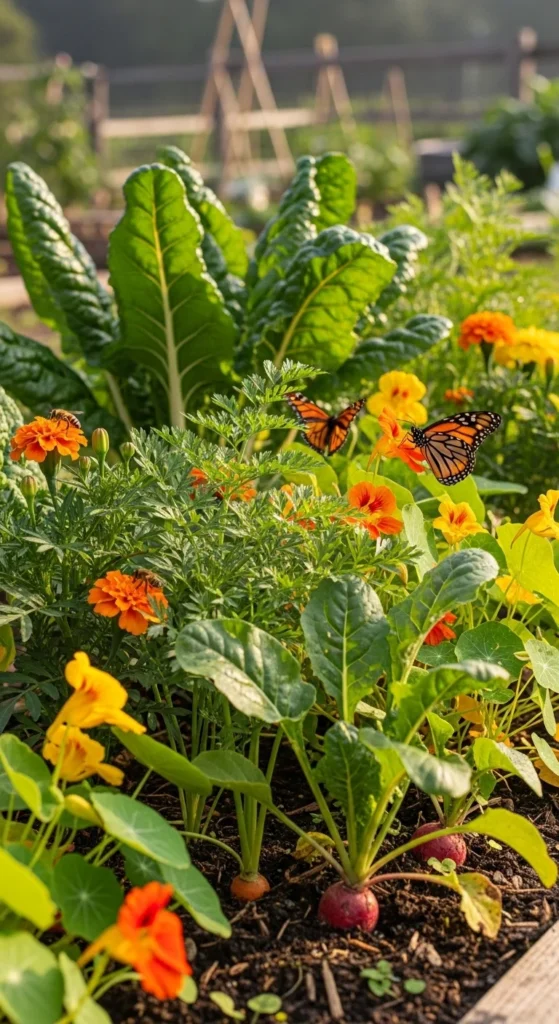
Add a strip of flowers between vegetables.
Use:
- Marigolds
- Nasturtiums
- Dill
Why it works:
- Attracts helpful insects
- Supports pollination
Place flowers every few feet.
Budget tip:
Save seeds from flowers yearly.
Water normally.
Ideal for:
- Mixed gardens
Conclusion
These layouts show how simple plant pairings can turn any garden into a more balanced system. You don’t need a big space or expensive setup. Start with one layout, observe how plants grow together, and adjust over time. Small changes in placement can lead to healthier plants, fewer pest problems, and a more enjoyable gardening routine.

Leave a Reply