

Small space container gardening works because it turns tiny patios, balconies, stoops, and sunny indoor corners into productive growing areas without asking for a yard. A few smart choices can change everything. Use vertical layers, pick compact edible plants, match pots to root depth, and make watering easier with reservoirs or simple routines. Renters like it because the setup can move. Beginners like it because one or two pots can start the whole project. Busy growers like it because good containers, strong drainage, and grouped plants cut down on fuss. These ideas focus on simple ways to grow more food, herbs, and color in less room while keeping the garden easy to manage and pleasant to look at.
1. Vertical Shelves Turn One Corner Into a Garden Wall
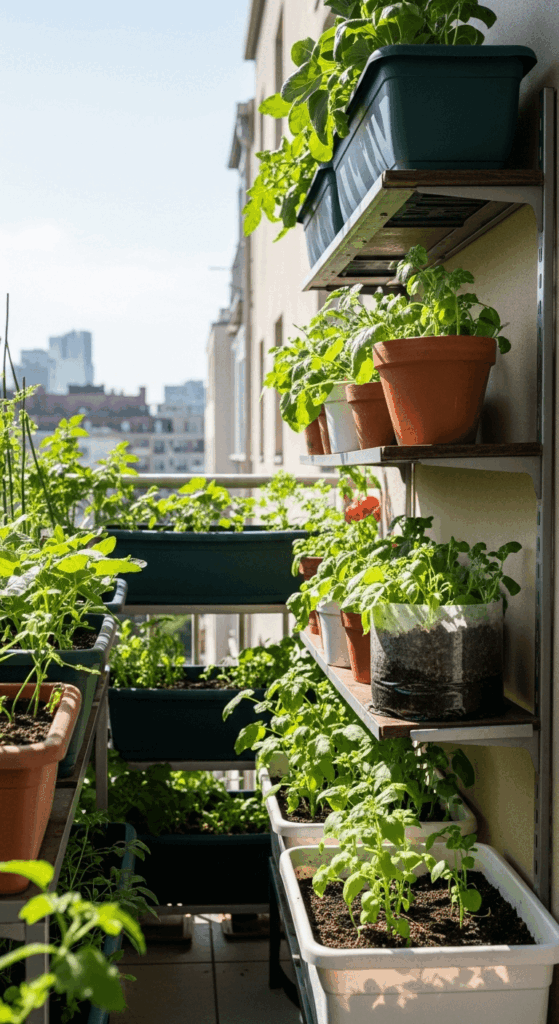
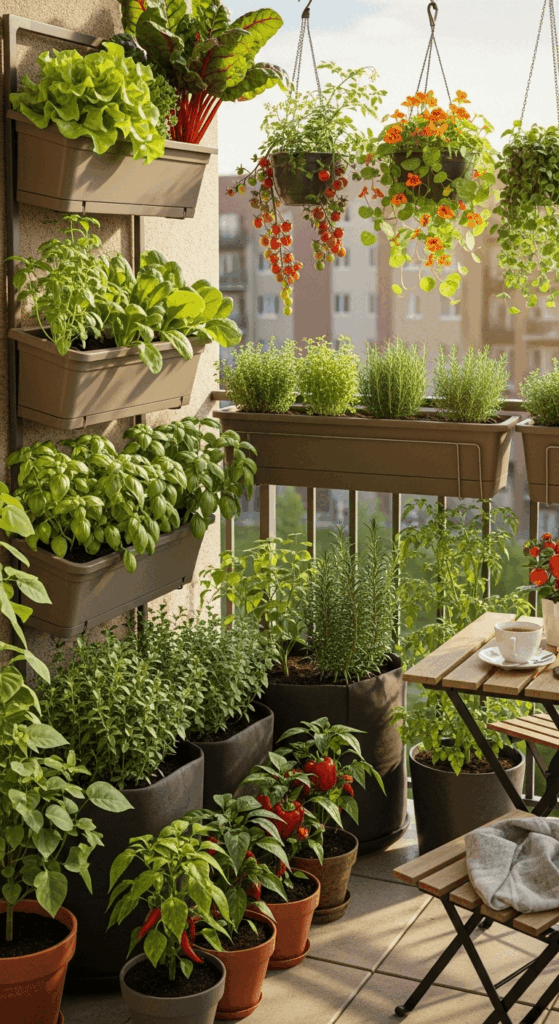
Vertical shelves are one of the easiest ways to multiply growing space in a tiny area. Instead of spreading pots across the floor, the garden rises upward. That leaves more walking room and keeps the balcony or patio from feeling crowded. A simple shelf can hold herbs on top, leafy greens in the middle, and trailing plants below.
This setup works well for basil, parsley, lettuce, spinach, strawberries, and compact flowers. Place sun-loving plants on the brightest shelf and keep heavier pots near the bottom for safety. A wall behind the shelf can also help block wind, which is useful on upper balconies.
A low-cost version can come from a folding shelf, step ladder, or reused bookcase sealed for outdoor use. Add saucers or trays if water dripping through the levels could be a problem. Turn pots every few days so all sides get decent light.
The biggest win here is how much cleaner the space feels. Instead of random containers everywhere, the garden becomes one organized zone. For renters and apartment growers, a tiered shelf is one of the simplest ways to grow more without taking over the whole space.
2. Self-Watering Planters Cut Daily Work
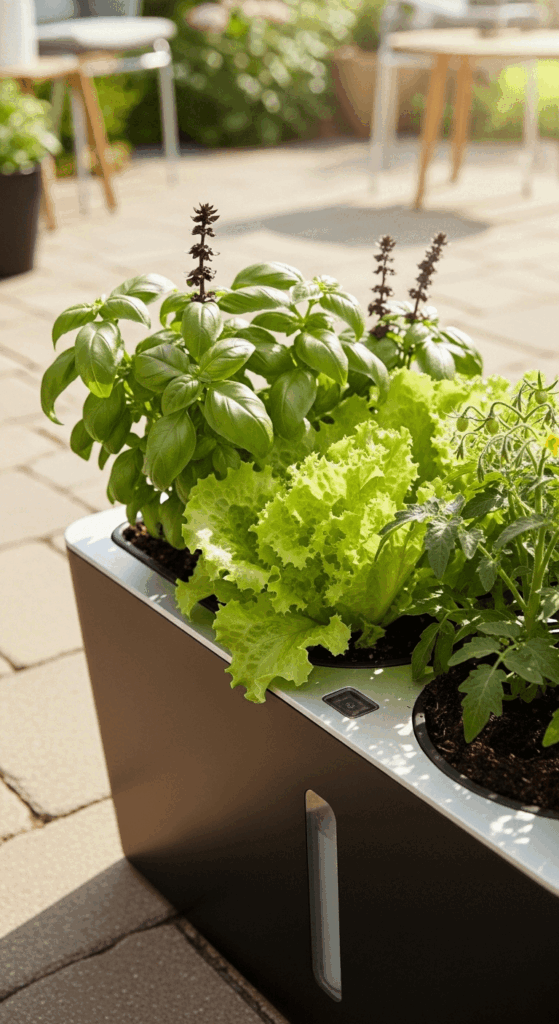
Self-watering planters help small-space gardeners keep soil moisture more even. The lower reservoir holds water, and the roots draw it up over time. This is especially useful for balconies and patios where containers dry out quickly, or for people who miss a day of watering now and then.
These planters work very well for basil, parsley, lettuce, peppers, and dwarf tomatoes. They can also reduce mess on balconies because less water runs out the bottom after every soak. That matters in apartments where runoff can drip below.
To save money, use self-watering pots only for thirstier crops and keep dry-loving herbs like rosemary or thyme in regular containers. A DIY version can also work. Two plastic tubs, a simple wick, and drainage placed at the right level can create a basic reservoir planter without a big budget.
Even with a reservoir, keep an eye on the soil. A planter still needs occasional checking, especially during hot spells. Add mulch on top to slow drying even more. For people who want less guesswork and steadier plant growth, self-watering containers can make a small garden much easier to manage.
3. Grow Bags Make Root Health Easier
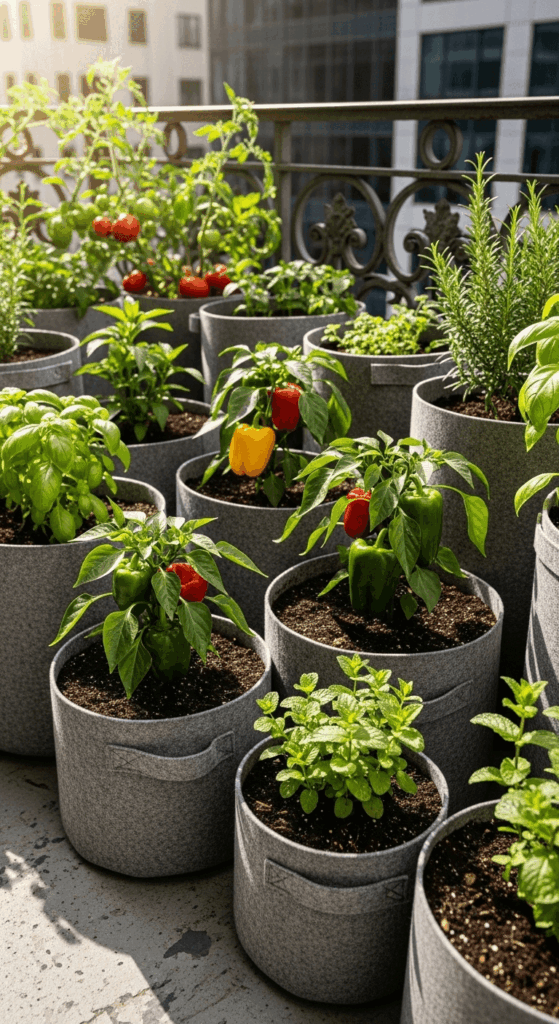
Grow bags are popular for a reason. They are light, foldable, easy to move, and they let extra moisture escape better than many hard pots. The fabric also helps roots avoid circling too tightly, which can happen in regular containers over time. That makes grow bags a strong choice for beginners.
They work well for tomatoes, peppers, eggplant, potatoes, beans, herbs, and even dwarf fruiting plants. A patio or balcony can hold several grow bags without the weight and cost of many large ceramic pots. They also store flat when the season ends, which helps in small homes.
A budget-friendly setup can start with just two or three grow bags in different sizes. Use the larger ones for heavy feeders like tomatoes and smaller ones for herbs or greens. Put trays or mats underneath if the surface below needs protection. Because fabric dries faster, check moisture more often during very warm weather.
Grow bags are practical, forgiving, and easy to rearrange. For renters and first-time gardeners, they make it simple to test crops and change the layout without committing to heavy permanent containers.
4. Dwarf Edibles Give Bigger Results in Small Pots
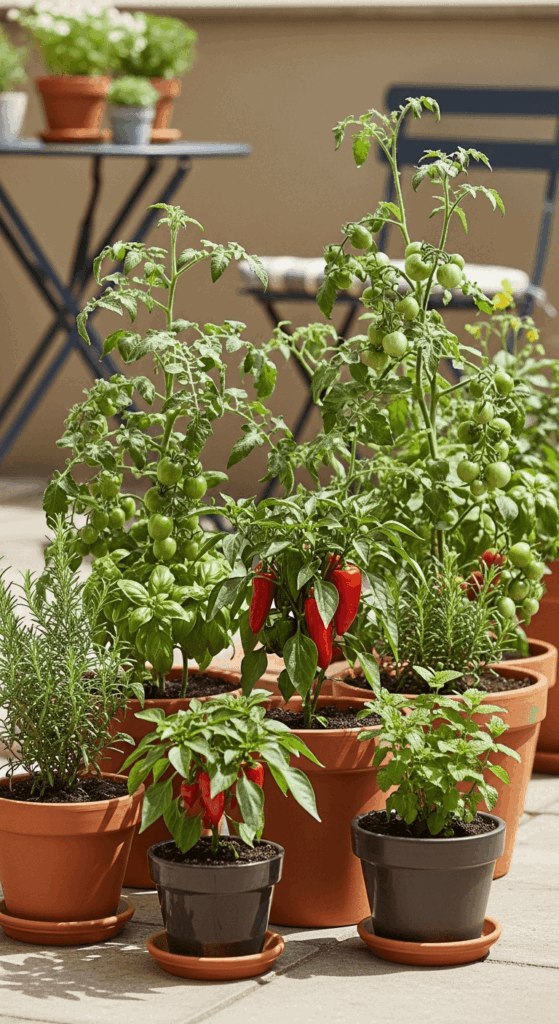
Small spaces work better when the plants match the containers. Dwarf edibles are bred or selected to stay compact while still producing well. That makes them ideal for balconies, patios, and small porches where one oversized plant can swallow the whole setup.
Dwarf tomatoes, compact peppers, patio cucumbers, baby eggplants, and small bush beans are all smart options. They fit better in containers, stay easier to manage, and often do not need the heavy support that full-size varieties demand. That cuts down on clutter and makes the garden look tidier.
A good rule is to buy plants labeled for patios, containers, or compact growth. One healthy dwarf tomato in a 12-inch pot is usually a better use of space than several crowded seedlings in a box that is too small. Add a simple stake early so the plant stays upright as it grows.
This approach saves space, water, and frustration. It also helps new gardeners get actual harvests instead of a container full of leaves and disappointment. Matching crop size to pot size is one of the smartest ways to make a tiny garden pay off.
5. Rotate Pots to Follow the Best Light
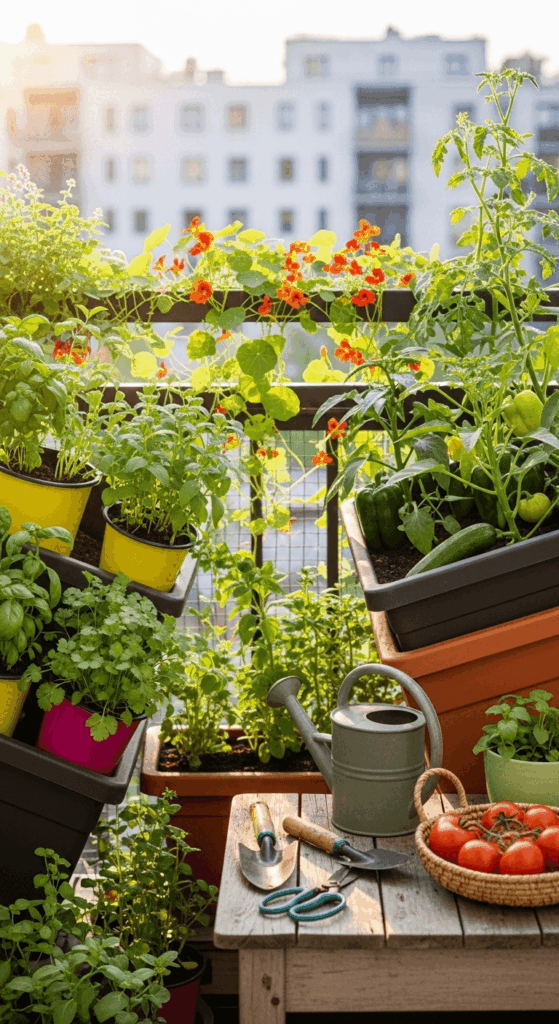
In small spaces, sunlight is rarely even. A balcony rail casts shadows. A nearby wall blocks part of the morning. Indoor windows light one side better than the other. Rotating pots helps plants grow more evenly and makes the most of the sun that does reach the space.
This trick works especially well for herbs, leafy greens, and fruiting plants like peppers and tomatoes. Rotate containers every few days so plants do not lean too hard in one direction. If one corner of the balcony gets six hours and another gets three, move the most light-hungry plants into the better spot and shift shade-tolerant herbs elsewhere.
A low-cost system is as simple as keeping plants in light enough containers to move by hand. Plastic pots, resin planters, and medium grow bags are useful here. Rolling trays also help with larger containers. Watch how the light changes through the day before locking the layout in place.
Many people think they need a new planter when the real issue is just poor placement. A little rotation can fix uneven growth, improve yields, and help each pot use the light that is already there.
6. Companion Planting Makes Containers Work Harder
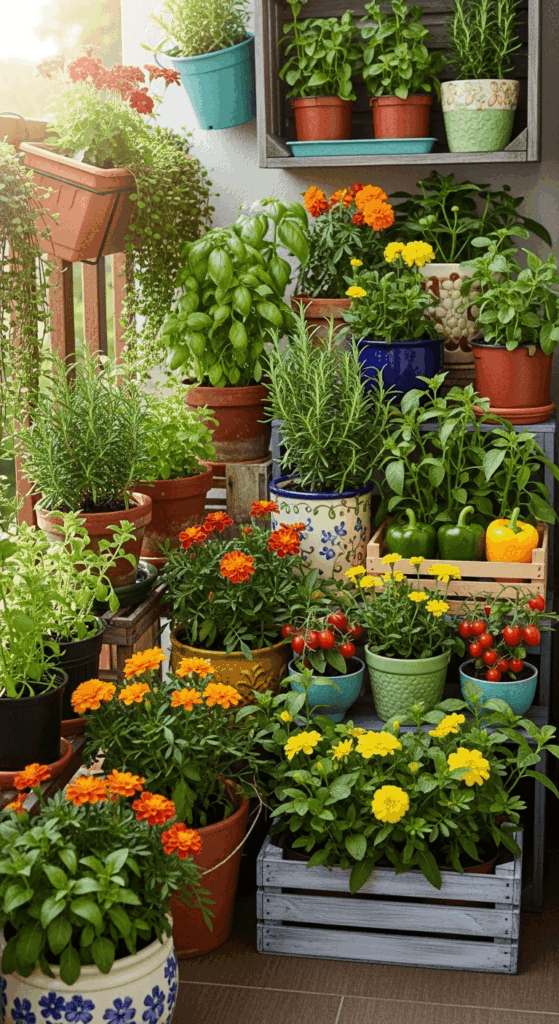
Companion planting is not just for large garden beds. It can work in containers too when the plants share similar light and water habits. Pairing herbs, flowers, and vegetables in smart combinations helps use every inch better and can make the garden look fuller and more lively.
A simple combo might be basil with tomatoes, parsley with marigolds, or chives near leafy greens. Marigolds add color and may help distract some pests. Herbs also bring strong scent and practical kitchen use, which makes mixed containers feel more rewarding than a pot with one crop alone.
Keep the container size in mind. A tiny pot should not hold three plants fighting for room. Use larger troughs or wider containers for mixed planting. A low-cost method is to start with one main crop, then tuck one helpful herb or flower at the edge rather than crowding the whole pot.
The main goal is balance. Mix plants that enjoy similar care and leave enough room for airflow. Done well, companion planting turns one container into a mini garden scene that looks good and works hard at the same time.
7. One Big Focal Pot Keeps the Space from Feeling Messy
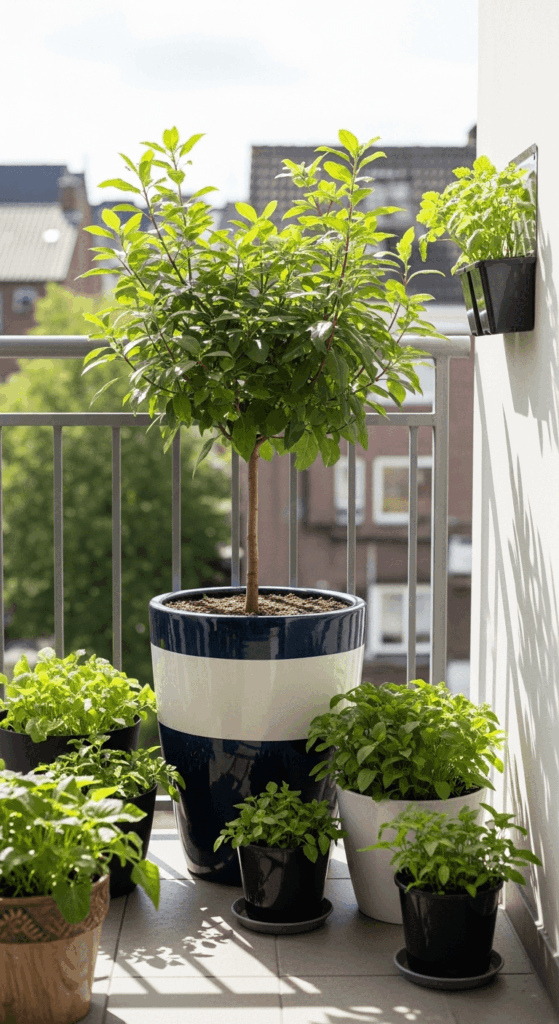
A small garden does not need dozens of tiny containers to feel complete. One large focal pot can anchor the whole space and make the layout look calmer. This works well on patios and balconies where too many small items can quickly feel cluttered.
The focal pot might hold a dwarf tomato, a small evergreen, a large basil plant, or a dramatic herb cluster. Around it, smaller pots can carry greens, flowers, or secondary herbs. This creates a stronger visual structure and helps the garden feel planned instead of accidental.
A budget-friendly route is buying one nicer large pot and using cheaper smaller pots around it. That gives the setup a polished center without driving up the total cost. If the main pot is heavy, put it in the best place first so it does not have to move often.
This hack helps with both style and function. The larger container holds moisture longer and often supports stronger growth. The smaller surrounding pots handle flexible crops. For growers who want a neat, attractive small garden, one strong focal planter can make the whole space feel better designed.
8. Window Boxes Turn Rails and Ledges Into Growing Space
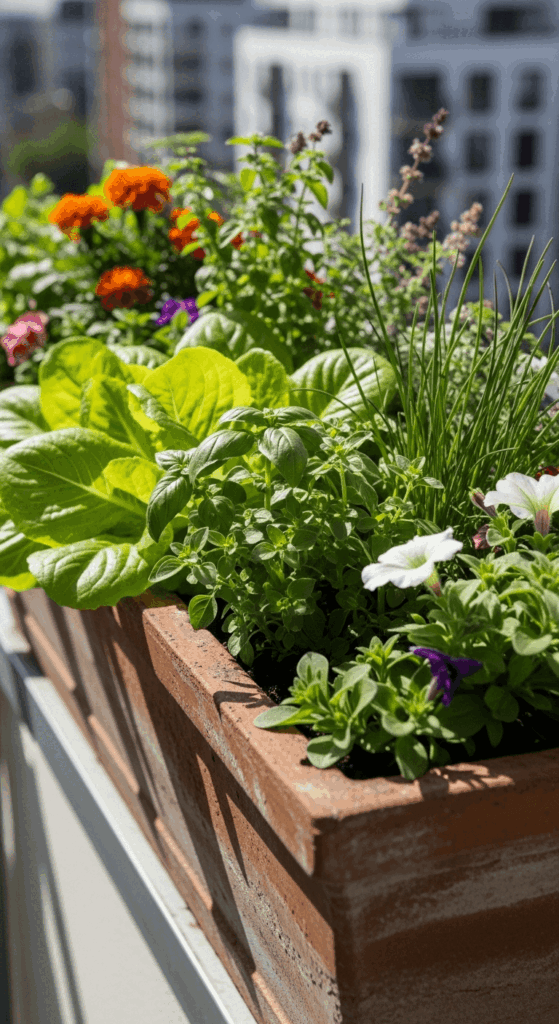
Window boxes are one of the best tools in small space container gardening because they use edges instead of floor area. Balcony rails, porch ledges, and sunny windows can all support a long narrow planter that adds real growing room without blocking movement.
These boxes are perfect for herbs, lettuce, spinach, green onions, trailing strawberries, and edible flowers. They can also soften a hard urban space and make it feel more alive. A rail-mounted box is especially useful in apartments where every step matters.
Choose lightweight materials if the box will hang. Resin and plastic are often safer and easier than heavy ceramic. Make sure the box has proper drainage and is attached securely. A cheap setup can start with one long planter instead of several small pots. That often costs less and looks more organized.
This hack works best when crops are kept simple. Use one box for herbs, another for greens, rather than mixing too many plant types together. Window boxes make a narrow space far more productive and help small balconies feel like real gardens instead of a row of random containers.
9. Hanging Baskets Add a Second Layer of Harvest
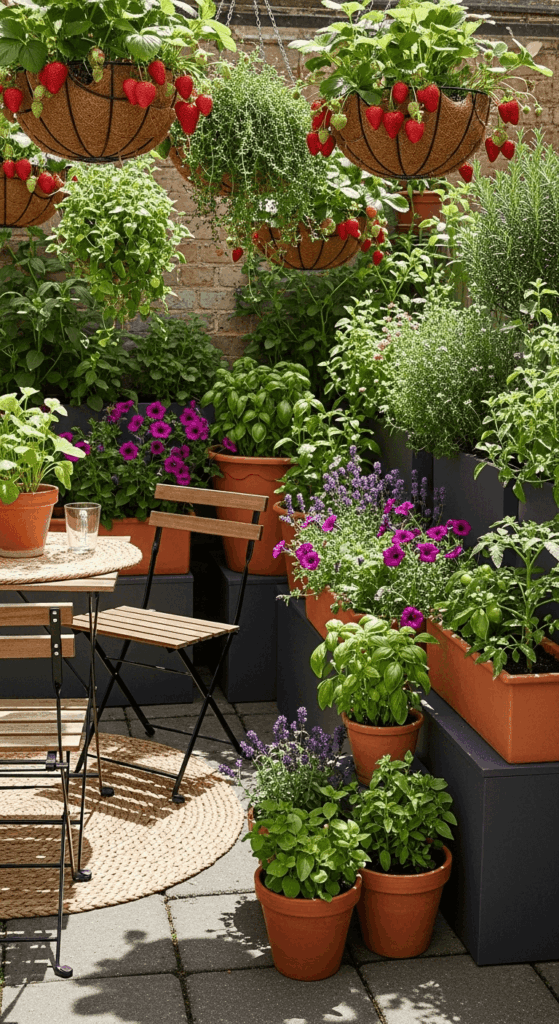
Hanging baskets let gardeners use overhead space that usually stays empty. This is useful in tiny patios, porches, and balconies where the floor is already full of chairs, pots, or storage. Instead of spreading outward, the garden gains a second level.
Trailing strawberries, oregano, thyme, cherry tomatoes in small varieties, and compact flowers can all work in baskets. The hanging position also makes harvests easy if the basket is placed at reachable height. Do not hang it so high that watering and trimming become a chore.
A budget-friendly option is reusing old hanging flower baskets and refreshing them with new liner material if needed. Make sure drainage is good and that the support hook is strong. Hanging baskets dry out faster than ground pots, so they need more frequent checks during hot weather or windy conditions.
Used well, this hack creates a fuller garden without giving up any walking room. It also adds visual depth, which makes a small outdoor space feel more layered and lush. For gardeners working with very tight square footage, overhead growing space is too useful to ignore.
10. Match Pot Depth to the Crop Instead of Guessing
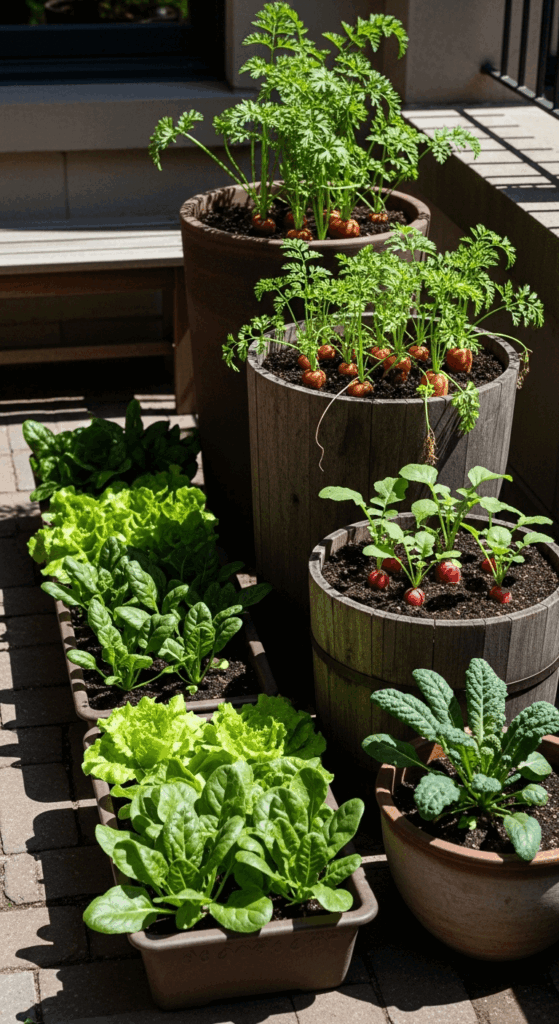
One common small-space gardening mistake is putting the wrong crop in the wrong container. Some plants can manage in shallow boxes. Others need more depth to produce well. Matching pot depth to the crop helps avoid weak harvests and wasted space.
Leafy greens, herbs, and radishes often manage in shallower containers. Carrots, peppers, tomatoes, and many fruiting crops usually do better with deeper pots. A container around 12 inches deep works for many small vegetables, but not every crop has the same root habits. Knowing this helps you use each planter more wisely.
A practical budget move is reusing deeper containers for bigger crops and saving shallow trays for greens or herbs. This keeps you from overspending on oversized pots where they are not needed. If a container is deep enough but too narrow, choose a plant that stays compact rather than forcing a large crop into it.
This hack sounds simple, but it changes everything. The right depth supports healthier roots, more stable watering, and better yields. In small spaces, every container has to do its job well.
11. Mulch the Top of Pots to Hold Moisture Longer
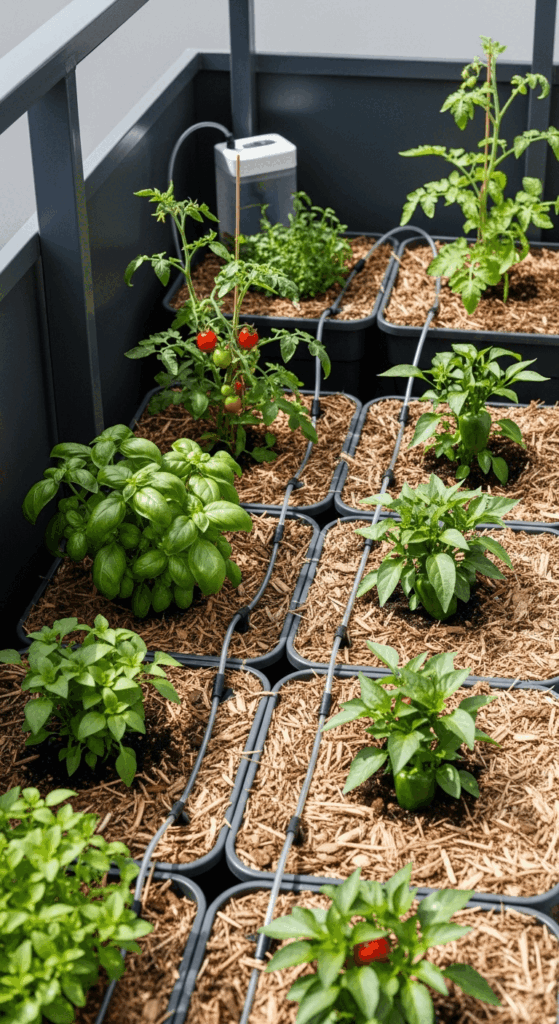
Mulch is not just for large garden beds. A thin top layer in containers can slow water loss, keep soil cooler, and help reduce the hard crust that sometimes forms on the surface. This is especially helpful on sunny balconies and patios where pots dry out fast.
Use bark chips, coco material, straw, leaf mold, or even decorative pebbles depending on the crop and look you want. Vegetable pots often do well with a light organic mulch, while decorative focal pots may suit a cleaner top layer. Keep the mulch a little away from plant stems so moisture does not sit right against them.
A low-cost approach is using a small leftover bag of mulch across several containers rather than buying separate products for each pot. Even a little goes a long way in small containers. Mulch also helps when birds or squirrels scratch at exposed soil, which is a common problem in urban gardens.
For people who are tired of watering twice as often as expected, this small change can help a lot. It makes moisture last longer and keeps pots looking neater too.
12. Repurpose Buckets and Tubs Into Productive Planters
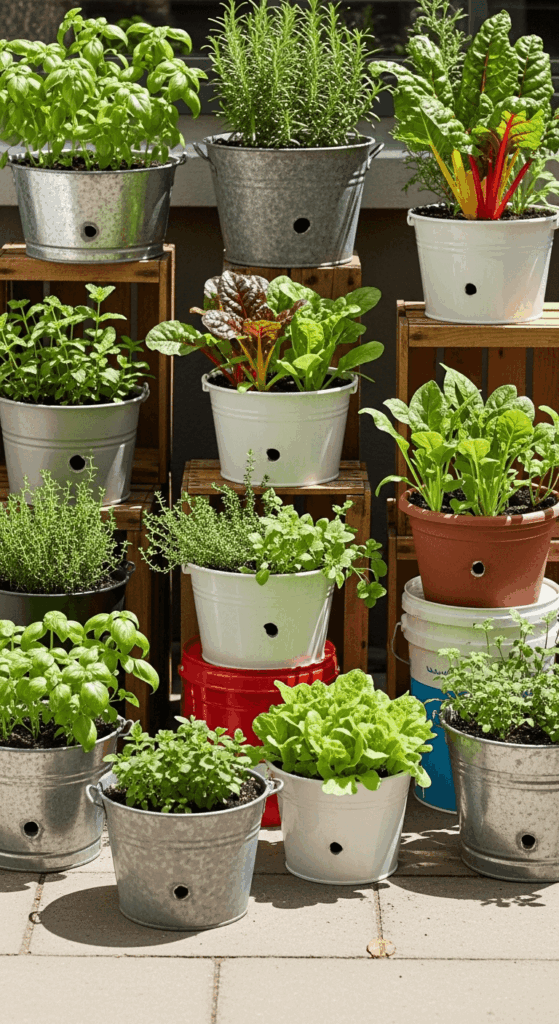
Fancy pots are not required for good container gardening. Repurposed buckets, tubs, storage bins, and crates can all become productive planters when prepared properly. This is one of the easiest ways to garden on a budget, especially when you want to try several crops without buying a whole set of containers.
The main rule is drainage. Add enough holes so extra water can escape. After that, match the container size to the crop. A bucket can hold a tomato or pepper well. A shallow tub might suit lettuce or herbs. Storage totes can even work for mixed greens if the depth is decent.
To make the setup look more intentional, group similar containers together or paint them in one color. A simple tray under indoor or balcony planters keeps surfaces cleaner. For larger bins, use a lightweight potting mix so the filled container does not become impossible to move.
Repurposed containers help new gardeners experiment without feeling locked into expensive choices. They also let renters build a flexible garden with items that can be replaced or changed later. When done neatly, budget containers can still create a very attractive small-space setup.
13. Simple Drip Kits Keep Small Gardens More Consistent
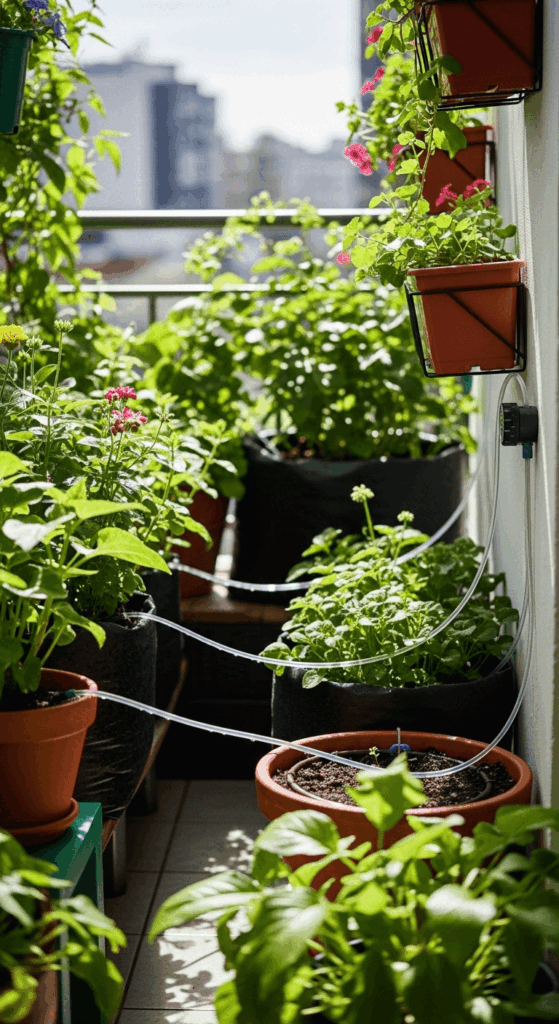
A basic drip watering kit can make a container garden much easier to maintain, especially when several pots sit in one zone. Instead of watering each one by hand every day, a small line system delivers water more evenly and saves time. This is useful for balconies, patios, and grouped container gardens.
Drip systems work well for tomatoes, peppers, grow bags, herbs, and mixed planters. A timer can make the setup even simpler. But even a manual drip system can help more than carrying a watering can back and forth several times. Consistency often matters more than the amount of water itself.
A budget-friendly starter kit can water a small group of pots without a complex installation. Keep the most moisture-loving plants on one line and dry-loving pots on another if possible. Check the soil now and then instead of assuming every pot receives the same amount.
For people who travel, work long hours, or simply get tired of daily hand watering, a drip setup can keep the garden alive and steadier. In small spaces, it also keeps the layout tidier because hoses and watering tools do not need to stay out all the time.
14. Cut-and-Come-Again Crops Keep One Pot Productive Longer
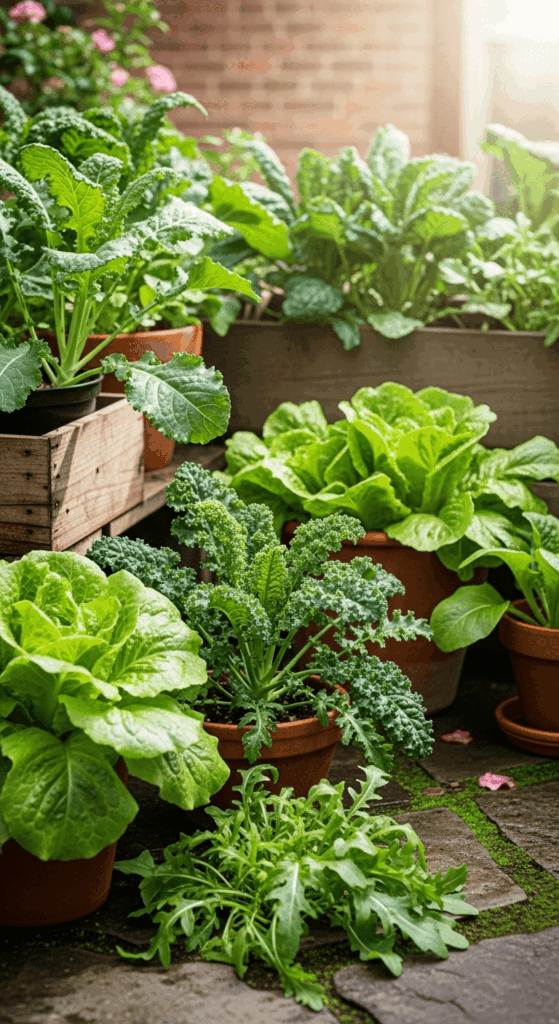
Small spaces reward crops that keep giving instead of producing once and stopping. Cut-and-come-again greens like lettuce, arugula, kale, spinach, and some herbs let gardeners harvest a little at a time while the plant keeps growing back. That makes one container far more useful over the season.
This approach works best in broad containers, troughs, and medium pots with enough room for repeated leaf growth. Instead of pulling whole plants, snip outer leaves and let the center keep growing. That simple habit stretches the harvest and keeps the container active longer.
A budget-friendly setup is one shallow box of greens near the kitchen. Sow a few seeds every week or two in open spots so the container always has fresh growth coming on. This works better than planting one huge batch and losing it all at once. Use light feeding now and then if the greens are harvested often.
For beginners, these crops feel rewarding because results come quickly. For small-space growers, they make one pot act bigger than it is. If the goal is steady harvest from limited room, cut-and-come-again planting is one of the smartest container hacks around.
15. Put Heavy Pots Low and Light Pots High
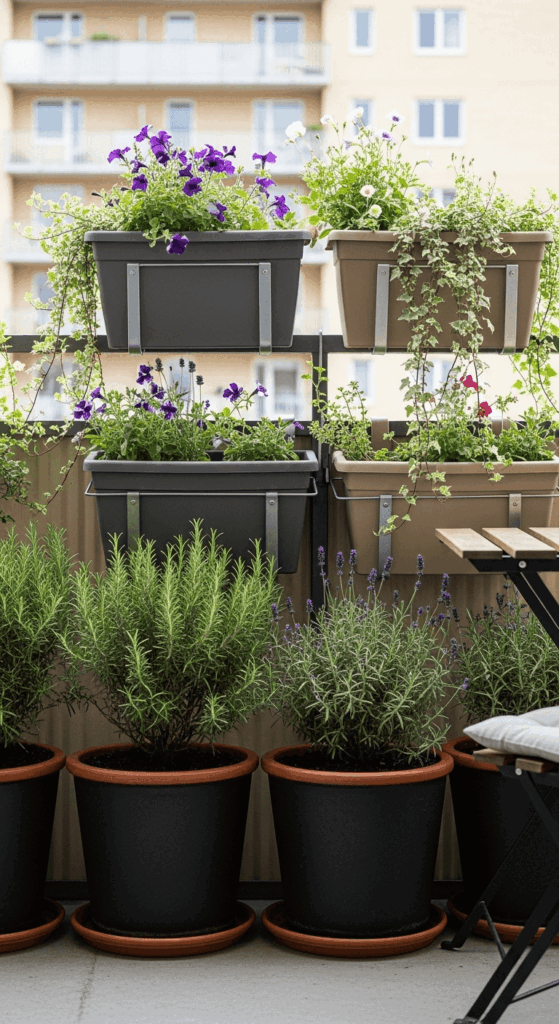
Balconies and patios often deal with wind, narrow space, and safety concerns. One simple way to make the garden more stable is to place heavy pots low and keep light containers on shelves, rails, or higher positions. This reduces tipping risk and makes the whole setup feel more secure.
Large ceramic pots, grow bags full of moist soil, and big vegetable containers belong near the ground or against a wall. Lighter herbs and smaller flowers can go on higher shelves or rail planters. This arrangement also makes it easier to move the small pots around for light without disturbing the heavy ones.
A practical budget move is buying only a few strong large containers for anchor crops and using cheaper lightweight pots for the rest. This gives stability without making the full garden too heavy or too expensive. If the balcony is very exposed, cluster containers so they block wind for each other a bit.
This layout is not just about safety. It also improves the look of the garden by giving it a clear structure. The result is a small-space setup that feels more balanced, less chaotic, and easier to care for.
16. Group Containers by Water Habits
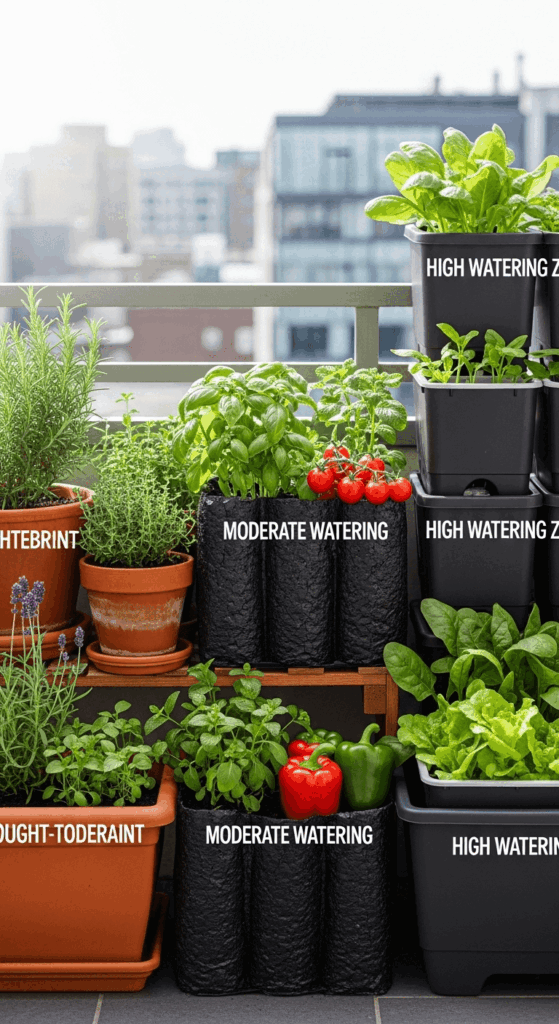
One of the easiest ways to reduce mistakes in a container garden is to group pots by how often they need water. Basil, lettuce, and parsley usually like more even moisture. Rosemary, thyme, and oregano often prefer to dry more between waterings. Keeping these plants in separate zones makes care much simpler.
Use one side of the balcony or one tray for thirstier crops and another for drier herbs. Self-watering planters can hold the first group, while terracotta or standard pots work well for the second. This avoids the common problem of overwatering one plant while trying not to underwater another.
A low-cost way to organize this is by using pot type as a visual reminder. For example, plastic for moisture-loving crops and clay for drier ones. Even simple labels under the pots can help if many herbs are involved. Once the grouping is set, daily care becomes far easier.
This hack matters because watering is where many container gardens fail. When similar plants share a routine, fewer mistakes happen. That leads to healthier growth and a less stressful garden experience.
17. Add Pollinator-Friendly Flowers to Edible Pots
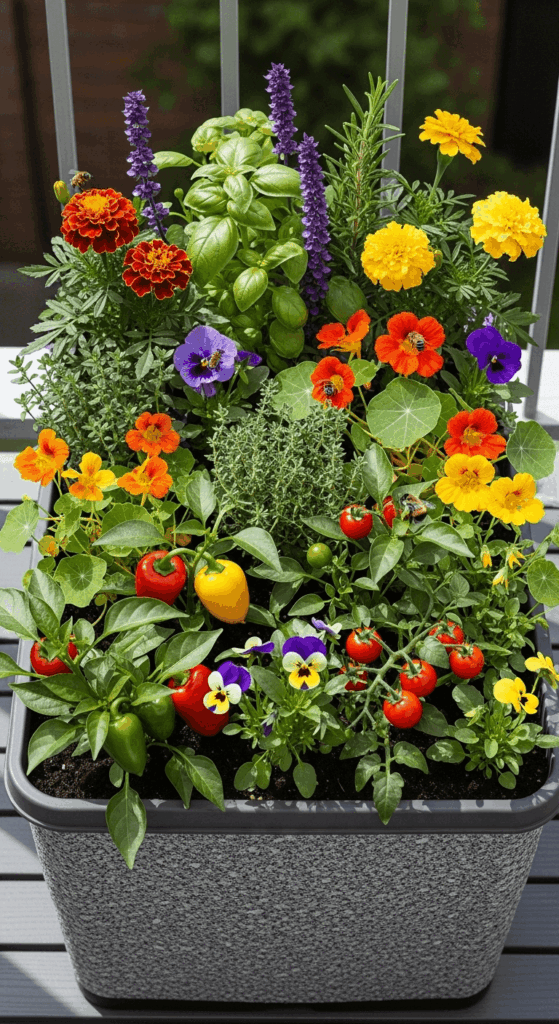
A small container garden can still support pollinators and look more attractive with the right flowers mixed in. Marigolds, nasturtiums, calendula, and other small blooms pair well with herbs and vegetables in many setups. They bring color, movement, and more life to a small balcony or patio.
This works especially well in larger containers or troughs where one main edible crop has room for a supporting flower at the edge. The flowers can soften the look of the pot and make the area feel more like a real garden. They may also help draw in helpful insects when the outdoor location allows.
A budget-friendly method is buying a low-cost multipack of flowers and tucking one plant into several existing containers. There is no need to rebuild the whole garden. Just avoid crowding the main crop. If the pot is already tight, keep the flower in its own nearby container instead.
For small-space growers, this hack adds beauty without asking for much extra room. It also makes the garden more enjoyable to sit beside, which is half the point of having a patio or balcony garden in the first place.
18. Replant Fast So Empty Pots Do Not Sit Wasted
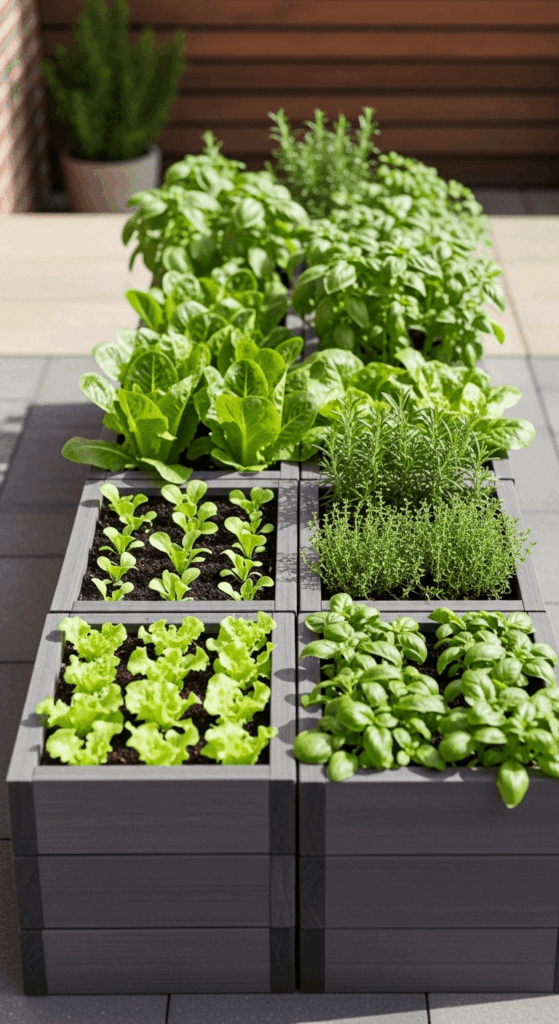
In a small garden, every empty container is a missed chance. Once a crop finishes, replant the pot quickly with something suited to the season. This keeps the garden productive instead of letting containers sit half-used for weeks.
Greens, herbs, radishes, and quick flowers are great follow-up crops. When one lettuce batch fades, sow another. When cilantro bolts, replace it with basil if the weather has warmed. A tomato pot that finishes late in the season can shift to greens or herbs after cleanup if the climate allows.
A practical budget habit is keeping a small packet box of quick crops on hand. That way replacement planting can happen right away. Even nursery starts work if seeds feel too slow. The main thing is not to leave good soil and good space doing nothing. Refresh with a little compost or potting mix if the old crop used up a lot of the nutrients.
Fast replanting is one of the simplest ways to raise output from a tiny garden. The same pot can work through several rounds if you stay a step ahead.
19. Good Airflow Helps Prevent Small-Space Plant Problems
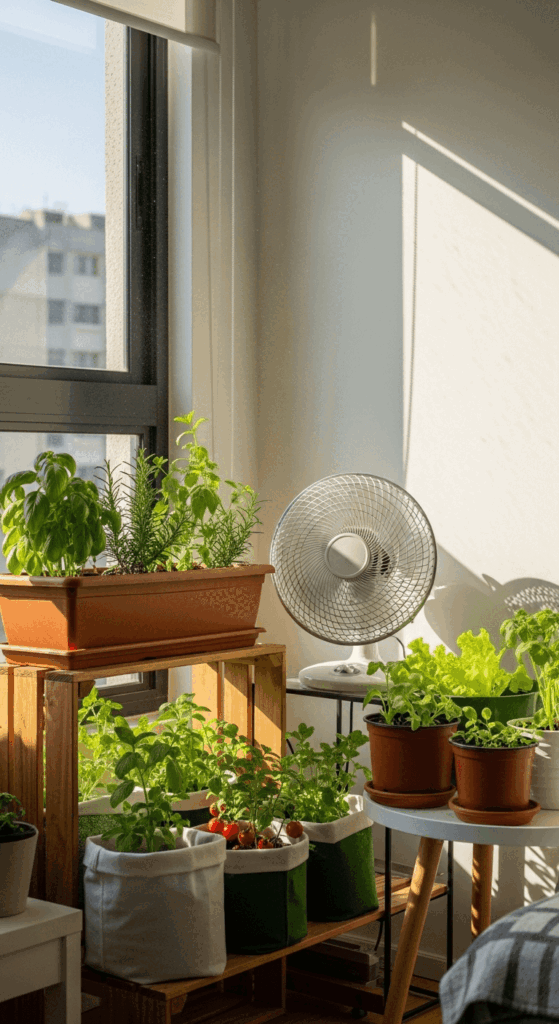
Tiny gardens often get crowded. Pots sit close together. Walls and railings block breeze. Indoor corners stay still and damp. That can lead to mildew, weak stems, and pest trouble if airflow is poor. Good spacing and air movement help containers stay healthier.
Outdoors, avoid packing pots so tightly that leaves are always pressed together. Indoors, a gentle fan can help herbs and greens stay stronger. On balconies, raising some pots slightly or placing them where air can move through the group also helps. This does not need to be dramatic. Small changes in spacing can make a big difference.
A budget-friendly fix is simply removing one extra pot from an overcrowded group or trimming plants more often so they stay open. Herbs like basil benefit from regular pinching anyway. Tomatoes and peppers in tight corners also do better when leaves are not always sitting in damp still air.
For small-space gardening, airflow is easy to ignore because the focus goes to pots, soil, and sun. But healthier air movement can mean fewer plant issues and better growth with no special equipment at all.
20. Rolling Bases Make Big Containers More Useful
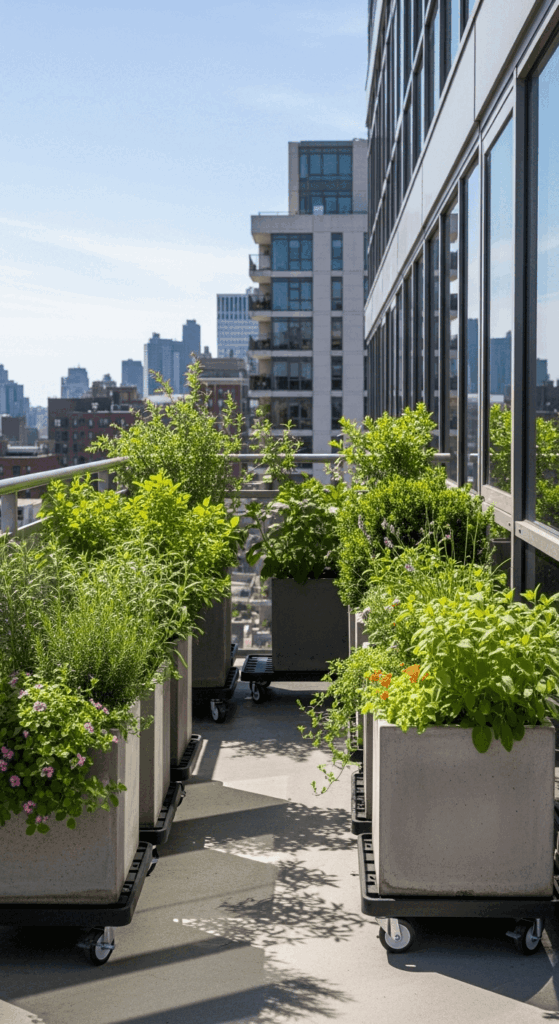
Large containers are great for yields, but once they are filled with soil and water, they become hard to move. Rolling bases solve that problem. They let a gardener shift big pots for better light, easier cleaning, storm protection, or simple layout changes without dragging heavy containers across the floor.
This hack is especially useful for dwarf fruiting plants, large basil pots, peppers, and focal containers that sit on balconies or patios. A rolling base also makes it easier to rotate the plant or move it aside when guests come over. That flexibility helps small outdoor spaces do double duty.
A budget-friendly version can come from a basic plant dolly rather than a premium wheeled stand. Just make sure the base can handle the full wet weight of the pot. Locking wheels are helpful if the surface slopes at all. Keep the container balanced so it does not wobble when moved.
For people who avoid larger pots because they feel too permanent, rolling bases change the whole experience. Big containers become manageable, and the garden becomes easier to adjust through the season.
21. Simple Moisture Tools Stop Guesswork
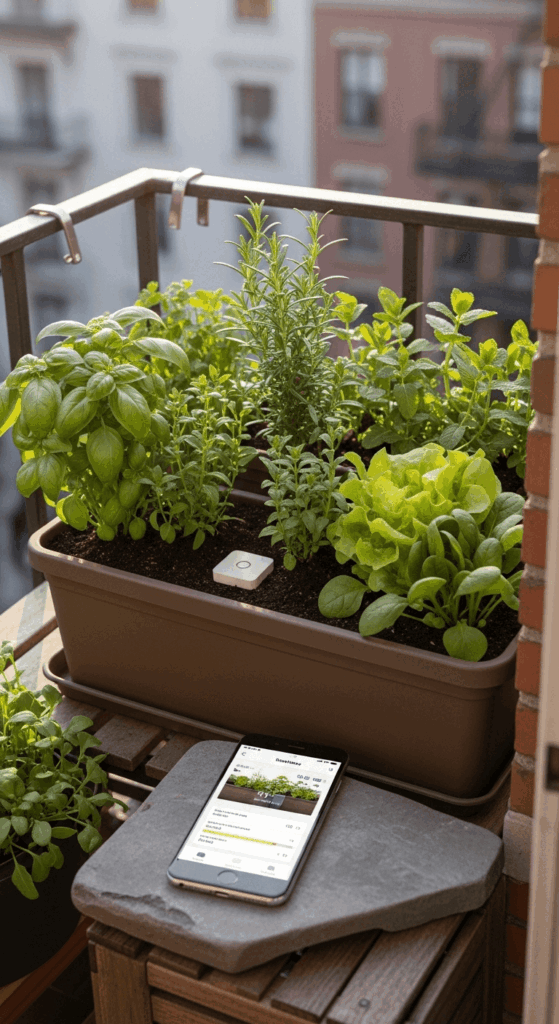
Container gardening often goes wrong because watering becomes a guessing game. A small moisture meter, simple sensor, or even a consistent finger-check habit can prevent both overwatering and dry-outs. In tiny spaces where every pot matters, that kind of accuracy helps a lot.
A basic moisture tool is especially helpful for beginners using many pot types at once. Plastic holds moisture longer. Terracotta dries faster. Grow bags behave differently from both. A quick check tells you what is actually happening below the surface instead of what you assume is happening.
A low-cost option is a simple handheld moisture meter used across all pots. Another is keeping a routine notebook or phone note about which containers dry fastest in your space. High-tech sensors can be interesting, but even a cheap tool or regular manual check works if you stay consistent.
This hack is less about gadgets and more about avoiding mistakes. Good watering decisions lead to better growth, stronger roots, and less plant loss. In a small garden, that matters because every container counts.
22. Keep a Few Backup Seedlings Ready to Fill Gaps
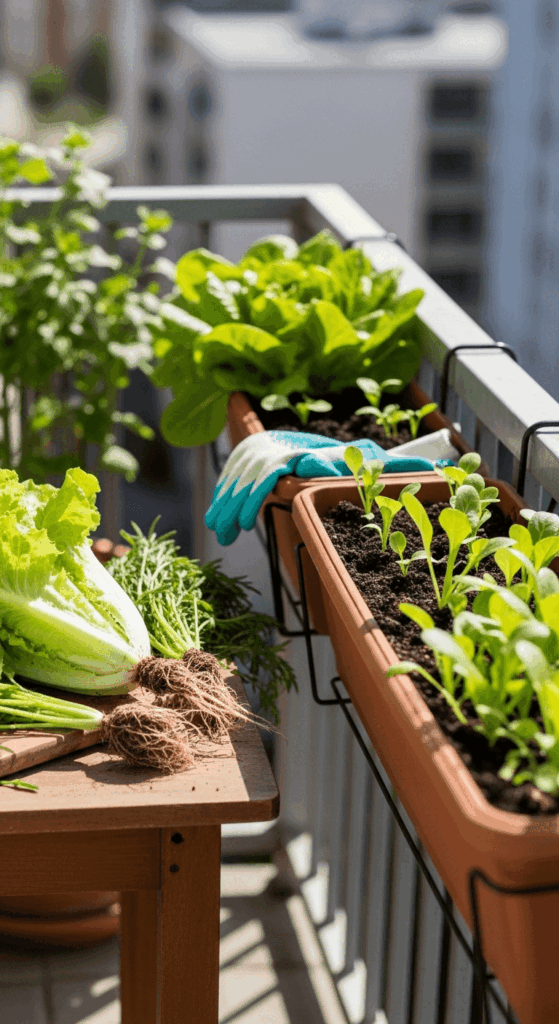
A small tray of backup seedlings can keep a container garden full and productive. When one crop fades, bolts, or fails, a replacement is already waiting. This helps avoid bare containers and keeps the garden moving through the season without long pauses.
Backup seedlings are especially useful for basil, lettuce, kale, parsley, cilantro, and small flowers. Keep them in a bright window, on a shelf, or in one protected corner of the balcony. They do not need to be large. They just need to be ready when a pot opens up.
A budget-friendly system starts with one seed tray or a few recycled starter containers. Sow only a small amount at a time. This keeps the process manageable and avoids a pile of overgrown seedlings with nowhere to go. Once a main pot slows down, the backup plant slips in quickly.
This hack is helpful for people who want the garden to stay looking full and active. It also makes crop turnover less stressful. Instead of reacting after a pot goes empty, you already have the next step waiting.
23. Design the Garden to Look Good So You Keep Using It
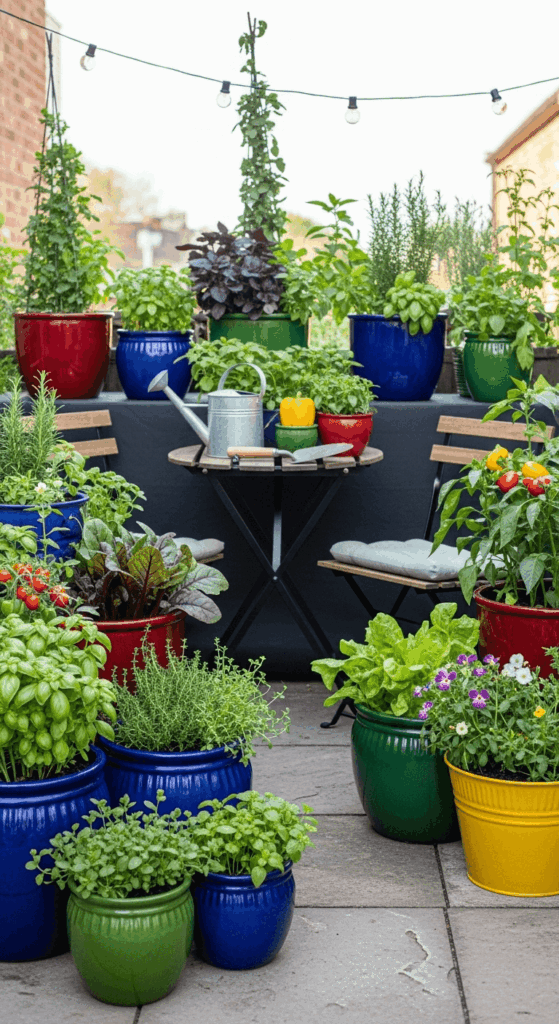
A small container garden should not just produce well. It should also feel pleasant enough that you want to sit near it, water it, and keep it going. Good-looking layouts often get better care simply because people enjoy being around them. That matters more than many gardeners realize.
Choose a simple color direction for pots, even if the containers are inexpensive. Group similar materials together. Use one focal planter, one shelf, or one clear row instead of scattering everything. Add one or two flowers or decorative herbs for softness. Keep tools tucked away in a basket or on a lower shelf so the area stays neat.
A budget-friendly garden can still look polished when the arrangement is thoughtful. Matching saucers, repeated pot colors, or a tidy gravel mat can make cheap containers feel intentional. This is especially useful for renters who want the garden to improve the feel of a balcony or patio, not just fill it with plants.
When a small garden looks inviting, it becomes part of daily life. That leads to more attention, better harvests, and a space that feels useful as well as productive.
Conclusion
Small space container gardening works best when every pot has a clear job. Use vertical layers, choose compact crops, match pot size to the plant, and make watering easier with simple systems that fit your routine. A balcony rail can grow herbs. A shelf can hold greens. A grow bag can carry a tomato. Even one or two smart changes can raise output without making the space harder to manage. Start with a few containers in the best light, keep the layout tidy, and build from there. In a tiny garden, simple choices usually make the biggest difference.
Leave a Reply