

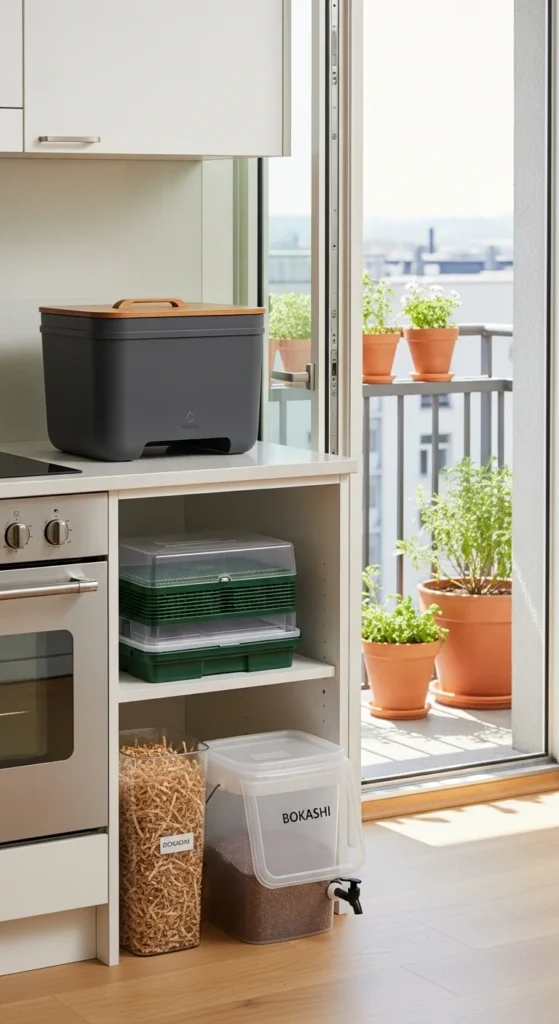
Apartment composting makes it possible to turn everyday kitchen scraps into useful plant food without a backyard, big tools, or a messy setup. For beginners, the best systems are compact, low-smell, and easy to repeat week after week. That is why countertop scrap bins, worm bins, and bokashi buckets work so well in apartments. They fit under sinks, on balconies, or in a laundry corner, and they help cut food waste while feeding herbs, flowers, and houseplants. With the right balance of scraps, paper, airflow, and moisture, even a tiny apartment can support a clean compost routine that feels simple instead of stressful.
1. Countertop Compost Bins Make Scrap Collection Easy
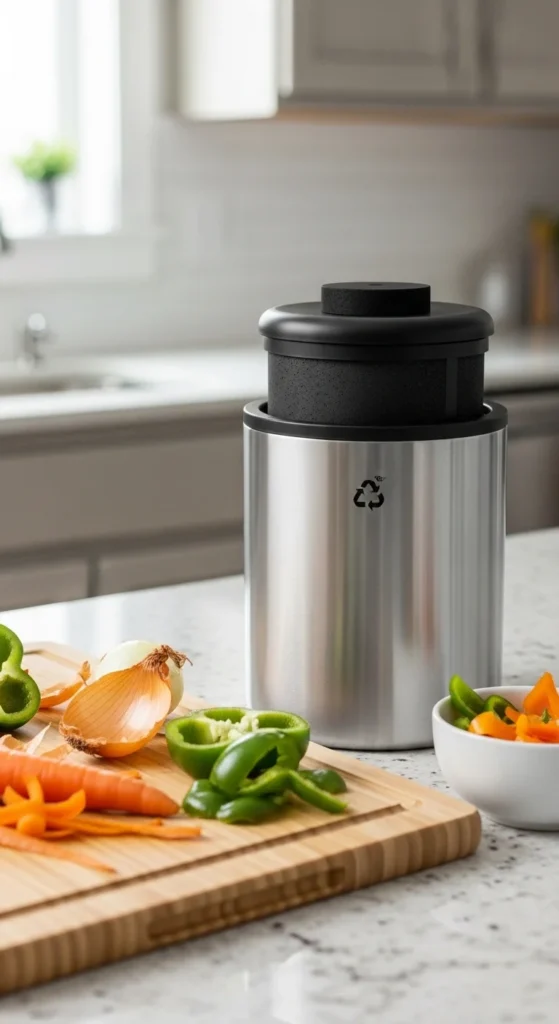
A countertop compost bin is often the best first step because it keeps food scraps in one spot instead of scattered in bowls, bags, or random containers. That one change makes apartment composting easier right away. A small bin with a lid and filter can sit near the cutting board, which means peels and coffee grounds go straight in without extra effort.
For beginners, this works well because the system stays simple. Collect scraps during the day, empty the bin into a larger method later, and rinse it out when needed. A compact size is usually better than a large one. Smaller bins fill faster, which means scraps do not sit too long.
A budget setup can be as simple as a food-safe container with a vented lid and replaceable charcoal filter. If buying a compost bin feels unnecessary at first, even a reused container can work for short-term collection as long as it closes well.
This is not the full compost system by itself. It is the habit-builder. And in a small apartment, good habits matter more than fancy equipment.
2. Under-Sink Pails Keep Composting Out of Sight
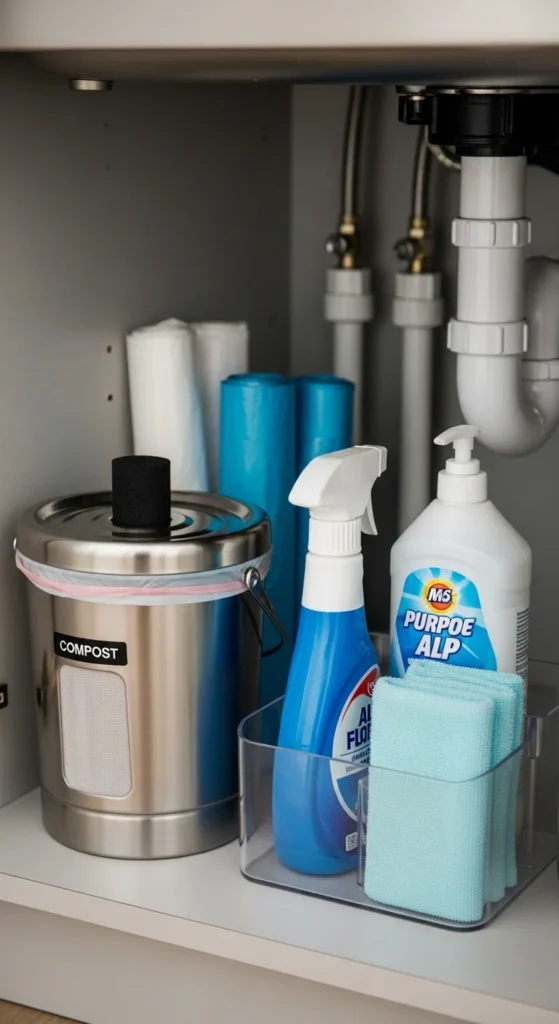
Some people want composting to stay invisible. An under-sink pail solves that problem. It hides the scraps, keeps the kitchen counters clear, and still makes the system easy enough to use every day. In apartments where visual clutter builds fast, this is a smart move.
A one- to two-gallon pail is usually enough for a small household. It fits well under most sinks and does not get so large that scraps stay there too long. A lid matters. So does easy cleaning. Smooth interior surfaces help a lot because sticky scraps wash out faster.
This setup works especially well if the apartment composting method lives somewhere else, like a worm bin on a balcony or a community drop-off container in the freezer. The under-sink pail becomes the short-term holding zone.
A cheap version can use a sturdy lidded bucket with a washable liner bag. Add a small carbon filter if smell is a concern. Empty it often and rinse it before buildup starts.
For people who want composting without staring at scraps all day, the under-sink pail is a very practical answer.
3. Vermicomposting Is One of the Best Indoor Methods
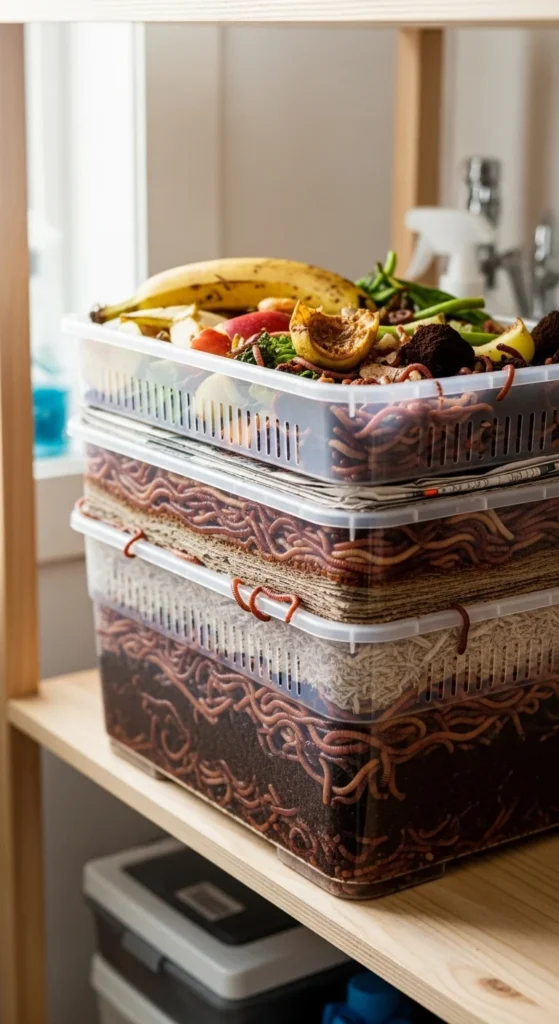
Vermicomposting works so well in apartments because it is compact, quiet, and surprisingly low-smell when the bin is balanced correctly. Red wigglers eat kitchen scraps, paper bedding, and other soft material, then turn it into rich worm castings that gardeners love.
This is a strong beginner choice because the system stays small and the results are useful. A worm bin can fit under a table, in a laundry corner, or on a balcony that stays within a comfortable temperature range. The worms do best in moderate indoor conditions, not extreme heat or cold.
To start, use shredded cardboard or newspaper as bedding, moisten it lightly, and add scraps in small amounts. Do not dump in everything at once. That is where many people go wrong. Feed a little, cover it with bedding, and watch how fast it disappears.
A budget worm bin can be made from stacked storage totes with air holes. No fancy setup is required. For apartment gardeners who want actual compost rather than just dried food waste, vermicomposting is one of the most useful and beginner-friendly paths.
4. Red Wigglers Are the Worms That Actually Work Indoors
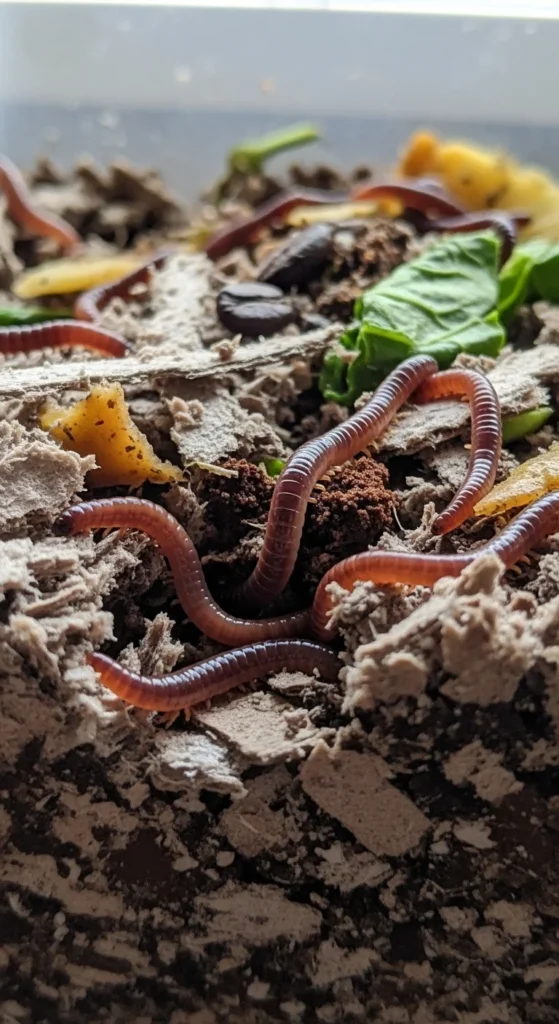
Not all worms are good compost worms. Red wigglers are the standard for indoor bins because they live near the surface, handle dense food waste well, and reproduce quickly in the right environment. That makes them far more useful than ordinary garden earthworms for apartment systems.
For beginners, picking the right worm from the start avoids confusion and wasted time. Red wigglers thrive in bedding-rich bins with regular food scraps and steady moisture. They do not want compacted soil. They want layers of paper, air, and food.
A small starter amount is usually enough. Once the bin settles in, the worms adjust and begin processing scraps steadily. The trick is not overfeeding. Let them catch up before adding more. Covering each food addition with shredded paper also helps keep the surface cleaner and less attractive to flies.
A cheap and simple worm setup with the right worms often works better than an expensive system stocked badly. For apartment composters, the worm choice matters. Red wigglers make the process manageable, predictable, and much more successful.
5. Bokashi Buckets Handle Scraps Worms Cannot
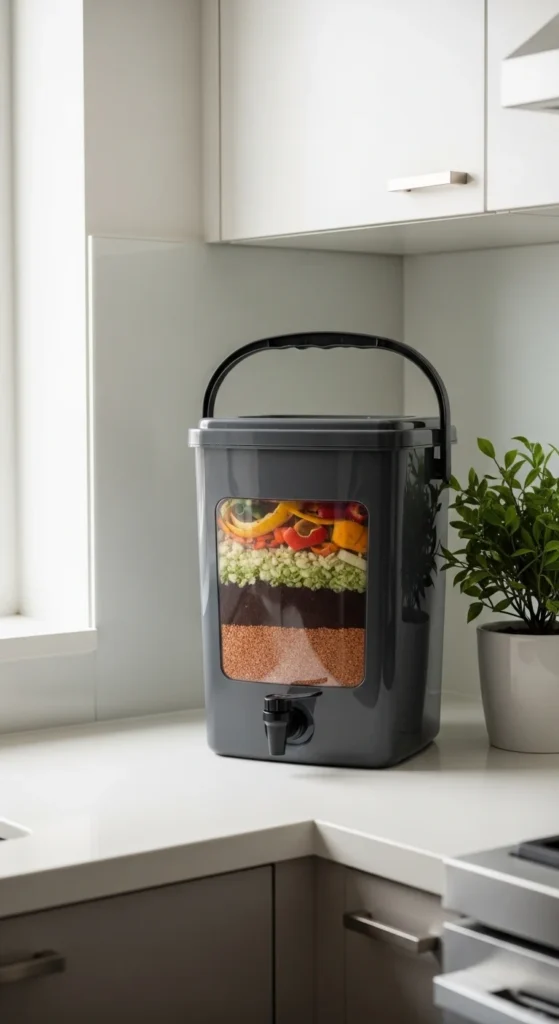
Bokashi is a strong option for apartment composters who want to handle a wider range of scraps, including cooked food, dairy, and small amounts of meat. Instead of rotting in the usual way, the scraps ferment in a sealed bucket with bokashi bran. That makes the process much more apartment-friendly than many people expect.
This method suits people who want less sorting. Worm bins are wonderful, but they work best with fruit, vegetables, paper, and other soft plant waste. Bokashi can take more. The sealed bucket also helps with smell control when used properly.
The process is simple. Add food scraps, sprinkle bokashi bran, press the layer down, and keep the lid sealed. In a couple of weeks, the material is pre-composted and ready for the next stage. That might mean burying it in balcony soil, finishing it in another compost setup, or taking it to a community compost location.
A beginner can start with one compact bokashi bucket and bran. That is enough to test the method without building a larger system. For apartment dwellers who cook a lot and want flexibility, bokashi is one of the most practical composting choices.
6. Charcoal Filters Help Keep Kitchen Smells Under Control
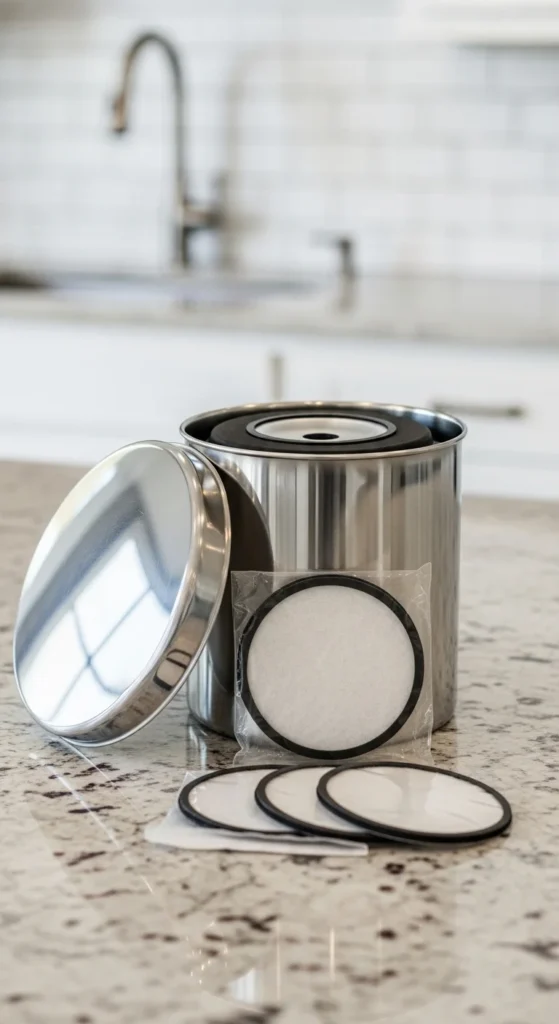
Odor control matters more in apartments because there is less distance between the compost setup and daily living space. A simple charcoal filter inside a countertop bin lid can help trap smells before they spread through the kitchen.
This is helpful for beginners who worry that composting will make the apartment unpleasant. A filter is not magic. It does not fix a bin full of old wet scraps left too long. But when paired with regular emptying and clean habits, it makes the whole setup much easier to live with.
Replace the filter on a regular schedule instead of waiting until it fully stops working. Many people forget this part, then assume composting itself is the problem. It is often just a worn-out filter and a dirty lid.
A low-cost setup can use a simple filtered bin instead of a decorative premium one. What matters is function, not branding. If scraps are emptied often and the filter gets swapped when it should, the kitchen stays far more comfortable.
For apartment composters who want the least noticeable setup possible, filtered lids are worth using.
7. Chopping Scraps Smaller Speeds Everything Up
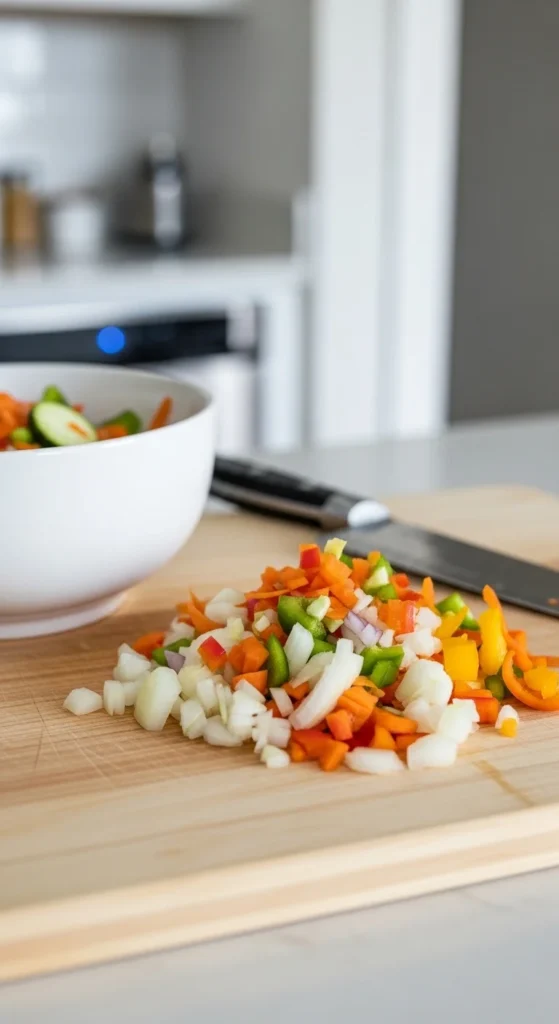
One of the easiest ways to make apartment composting work faster is to chop scraps into smaller pieces before adding them. Smaller bits break down more quickly, mix better with paper or bedding, and reduce the chance of large soggy clumps sitting in the bin.
This is especially useful for vermicomposting and small indoor bins where space is limited. A whole vegetable end or thick peel takes longer to disappear than a few chopped pieces. The same goes for bokashi. Smaller scraps pack more tightly and ferment more evenly.
This does not mean turning food prep into a science project. Just cut large scraps down while cooking, or give them a quick second pass before tossing them in the bin. Even a rough chop helps. Many people already do this without thinking once the routine settles in.
For a budget method, just use the kitchen knife and board already in use. No special equipment is required. This is one of the simplest composting habits with the biggest payoff, especially in small bins where every inch of space matters.
8. Freezing Scraps Helps Stop Fruit Fly Problems
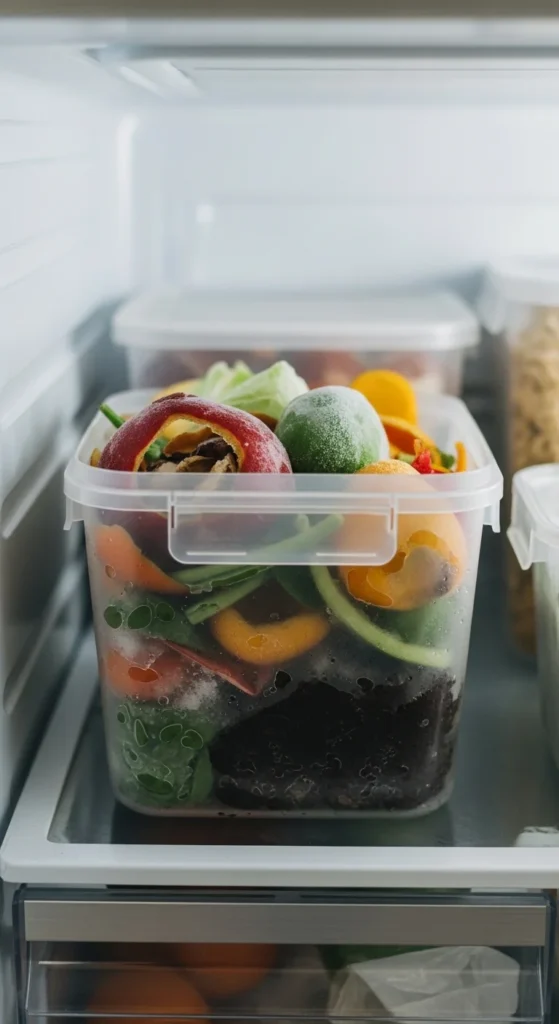
Fruit flies are one of the biggest reasons people quit apartment composting early. Freezing scraps before composting can prevent that problem before it starts. The freezer keeps scraps from rotting on the counter, stops tiny pests from multiplying, and gives more flexibility if the main compost system is not emptied every day.
This works especially well for people who collect scraps for a worm bin, bokashi bucket, or weekly drop-off. A simple freezer-safe container or bag is enough. Once it fills, transfer the frozen scraps to the compost method of choice. The scraps thaw and break down as usual later.
This approach is very beginner-friendly because it removes pressure. You do not have to manage the compost every single day. You collect, freeze, and empty on a schedule that fits apartment life.
A cheap reused food container works well here. Label it clearly so it does not get mixed in with regular kitchen storage. For people worried about bugs, odor, or inconsistent routines, freezing is one of the smartest apartment composting hacks available.
9. Shredded Cardboard Is One of the Best Free Browns
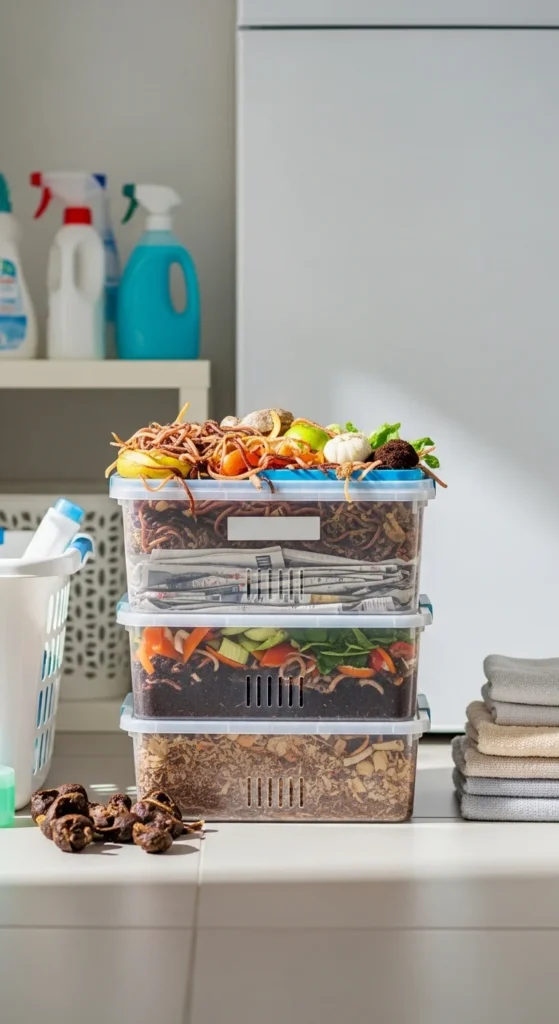
Apartment composting works best when wet scraps are balanced with dry material. Shredded cardboard is one of the easiest free sources of browns for that job. It absorbs moisture, adds air pockets, and helps stop the bin from turning into a soggy mess.
This is especially helpful in worm bins and indoor compost setups where fruit scraps pile up quickly. Corrugated cardboard, brown paper bags, plain shipping boxes, and uncoated paper all work well once shredded. Avoid glossy printed material where possible. Keep a stash nearby so each food addition can be covered right away.
A cheap routine is to break down delivery boxes as they come in, shred or tear them by hand, and store them in a dry bag or basket. That turns everyday apartment waste into compost support material. It also cuts down on recycling pileup.
For beginners, this one habit solves several problems at once. It helps with smell, moisture, texture, and flies. In a small apartment compost setup, shredded cardboard is not just useful. It is often what keeps the whole system working smoothly.
10. The 1-to-2 Green and Brown Balance Keeps Bins Stable
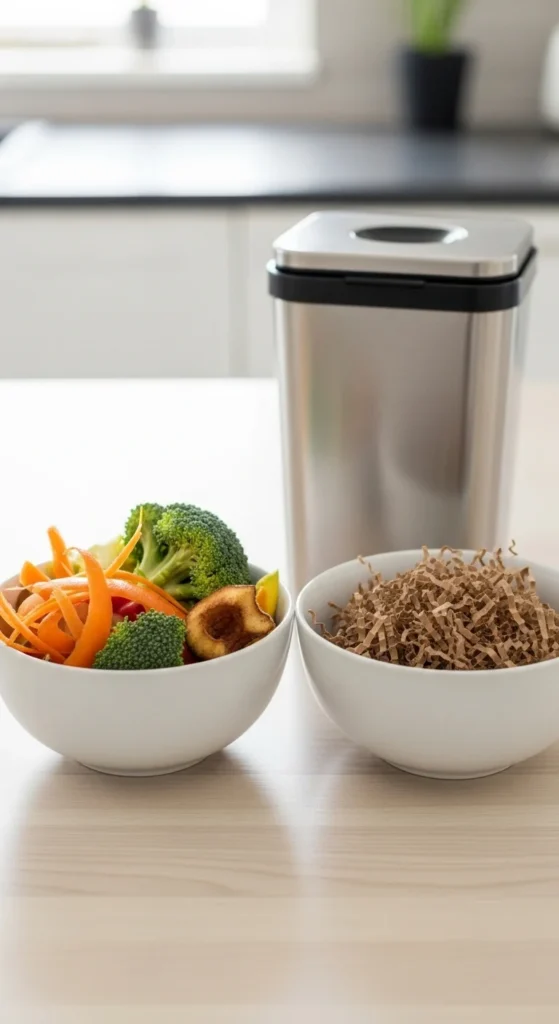
A simple compost balance rule makes a big difference in apartments: for every part of wet food scraps, add about two parts dry brown material by volume. This helps stop odor, sogginess, and compacted layers that make indoor bins unpleasant.
Greens include fruit peels, vegetable scraps, coffee grounds, and other moist kitchen waste. Browns include shredded cardboard, newspaper, plain paper, and dry plant matter. Apartment bins tend to get overloaded with greens because kitchen waste is plentiful and paper feels boring. But the dry layer is what keeps the system breathable.
For beginners, the easiest approach is visual. Add scraps, then add enough shredded paper to cover and bulk them up. If the bin smells strong or feels mushy, more browns are usually the answer. If the bin looks too dry and inactive, reduce the paper a bit and check moisture.
This is a practical fix, not a strict math test. The point is balance. In a small indoor setup, good balance usually matters more than container size or cost. It is one of the main habits that makes apartment composting stay clean and manageable.
11. Balconies Are Great Composting Zones When Set Up Well
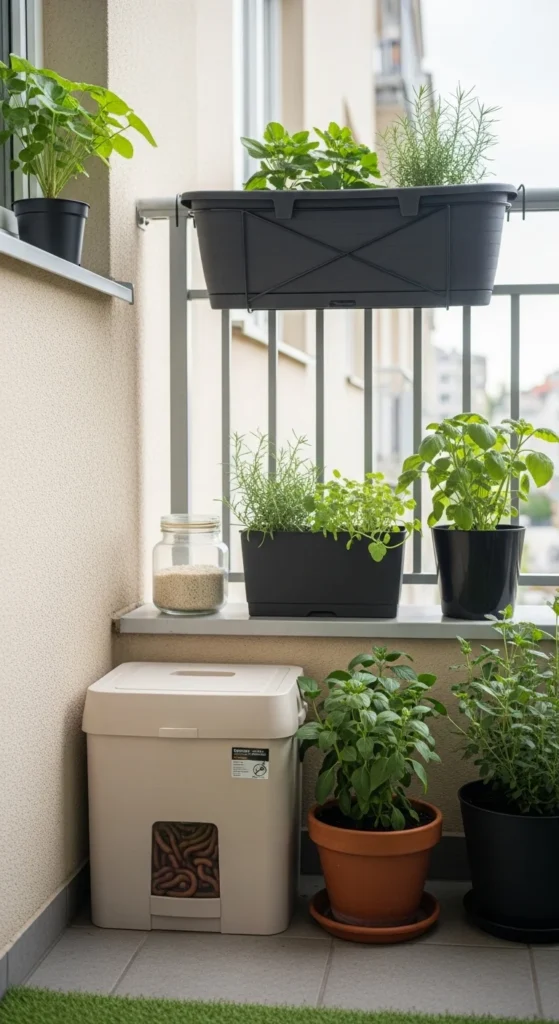
A balcony gives apartment composters extra breathing room. It keeps the system close enough to manage daily, but far enough from the kitchen that smells and mess feel easier to handle. For many people, that makes balcony composting the perfect middle ground.
Worm bins, bokashi finish containers, and even small soil-based compost systems can work on a balcony if the space stays within a usable temperature range. Shade matters in hot weather. Shelter matters during heavy rain. The compost does not need a huge footprint. It just needs a stable spot.
A good beginner balcony setup might be one worm bin against the wall and one plant pot nearby ready to use the compost later. This makes the cycle visible and rewarding. The scraps turn into castings, and the castings feed the plants right there.
A low-cost balcony compost station can be made from storage totes, recycled containers, and a dry paper stash. For apartment dwellers lucky enough to have even a small outdoor edge, the balcony can turn composting from an awkward idea into a practical habit.
12. Electric Composters Fit Fast-Paced Apartment Routines
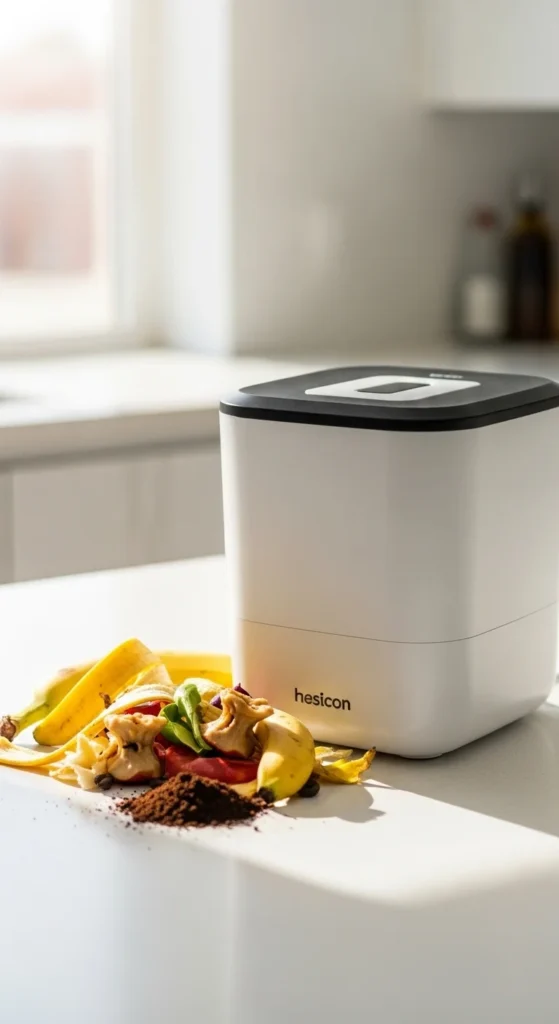
Electric composters are popular because they process scraps quickly and fit into modern kitchens without much hands-on work. They do not create finished backyard-style compost, but they do dry and break down food waste into a material that can be used more easily or added to other systems later.
For apartment dwellers with money to spend and very little patience for managing worms or fermentation, this can be a workable option. The appeal is speed and simplicity. Add scraps, run the cycle, and reduce the volume quickly.
The downside is cost. These units are much more expensive than a worm bin or bokashi bucket. They also use electricity, which not everyone wants. For some people, that trade-off is worth it. For others, a simpler low-cost compost method makes more sense.
This is best treated as a convenience system, not a replacement for learning compost basics. It still helps to know what scraps go in and how the output will be used. For busy apartment residents who want the least hands-on setup possible, electric units can be a realistic solution.
13. Timers and Reminders Make Composting Easier to Keep Up
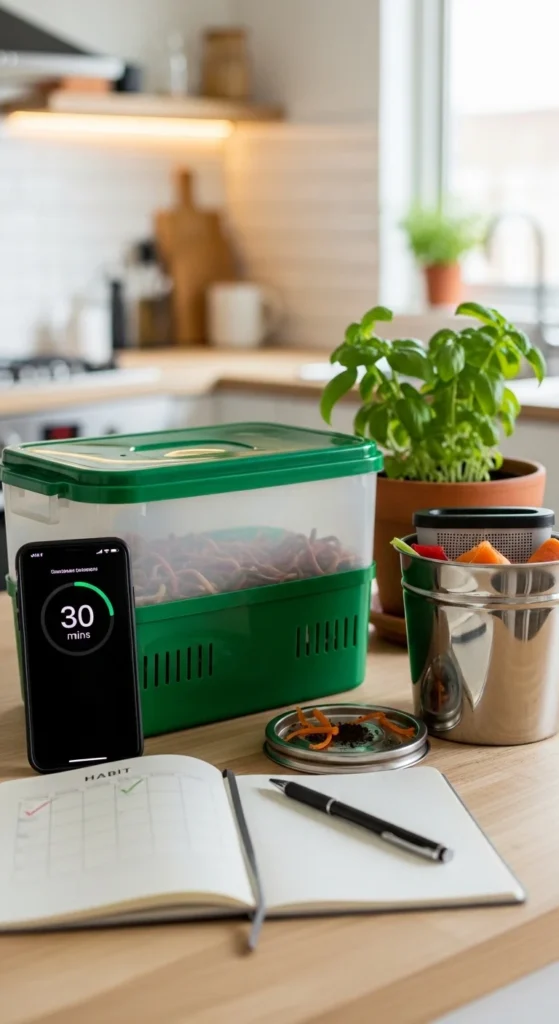
A lot of apartment composting problems come from forgetting. Scraps sit too long. Filters do not get changed. Bins are not checked for moisture. A simple reminder system can solve much of that without adding much effort.
Phone reminders work well. One reminder might prompt a weekly worm bin check. Another could remind you to drain bokashi liquid or replace a charcoal filter on schedule. These small nudges help apartment composting stay clean because the routine stays consistent.
This is especially useful for beginners who are still building the habit. Composting sounds simple, but in a small living space, missed steps show up quickly. A reminder keeps the system from drifting into neglect.
A free phone timer or calendar app is usually enough. There is no need for special software. For people who like paper systems, even a small note on the fridge works. The goal is not to over-manage the compost. It is to keep the easy tasks from slipping past until they become bigger issues.
Apartment composting works much better when it becomes part of normal home rhythm. Reminders help make that happen.
14. Worm Bins Work Best in Normal Indoor Temperatures
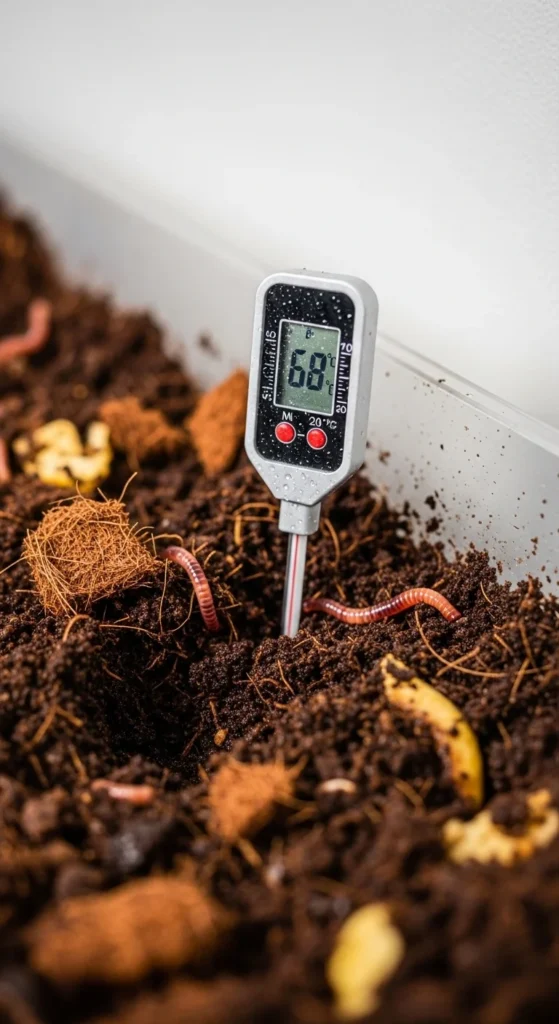
One reason vermicomposting suits apartments so well is that red wigglers usually thrive in the same temperature range people find comfortable. A worm bin kept in a moderate indoor space often does just fine without special heating or cooling.
The best spot is somewhere out of direct sun and away from heaters or freezing drafts. A laundry corner, utility shelf, or shaded balcony can work depending on the season. If the apartment stays extremely hot or cold, the worms will struggle. Most normal room-temperature spaces are far more suitable.
For beginners, this means the worm bin does not need a complicated climate plan. What matters more is avoiding extremes. If the bedding feels right and the worms stay active, the temperature is likely acceptable. If they bunch up, slow down, or try to escape, check the environment first.
A cheap indoor thermometer near the bin can help if the apartment changes a lot by season. For most people, though, the biggest win is simply keeping the worm system in a stable, calm spot. That keeps the worms productive and the whole compost routine much easier to manage.
15. Bokashi Bran Makes Apartment Composting More Flexible
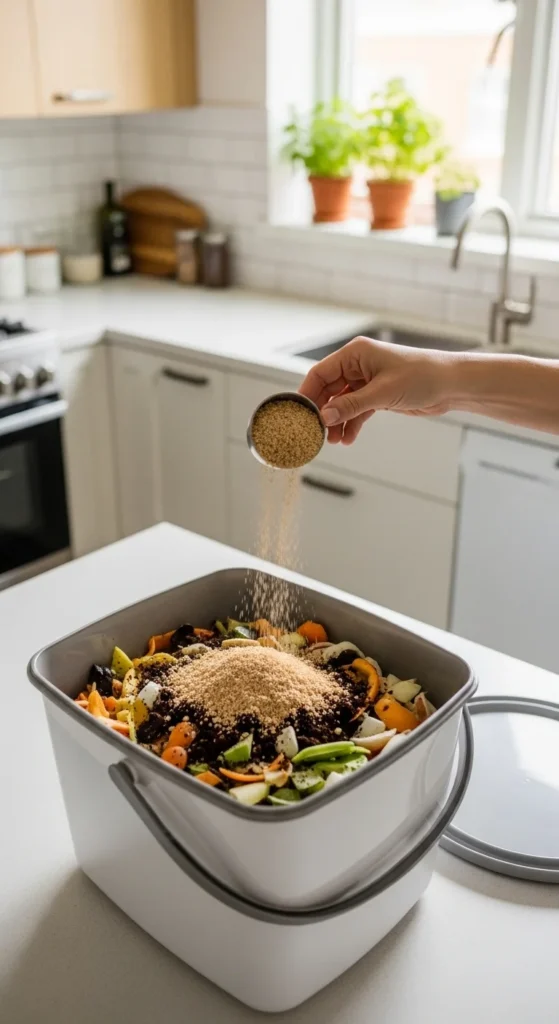
Bokashi bran is the ingredient that makes bokashi composting work. It carries the microbes that help ferment scraps quickly in a sealed bucket. Without it, the system is just a bucket of food waste. With it, the bucket becomes one of the most apartment-friendly composting methods available.
This matters because bokashi can take many scraps that other indoor systems avoid. Citrus, cooked leftovers, dairy, and meat in small amounts can all go in. For apartment dwellers who do not want to sort as strictly, that flexibility is a huge advantage.
The process stays simple. Each layer of scraps gets a sprinkle of bran. Press the material down, keep air out as much as possible, and close the lid tight. That is the routine. A second bucket can be helpful if one is fermenting while the other is filling.
For beginners, bokashi bran may feel like an extra thing to buy, but it solves a very real problem. It turns a wider range of kitchen waste into something manageable. In small apartments where convenience matters, that can make composting much easier to stick with.
16. Compost Tea Can Feed Houseplants and Balcony Pots
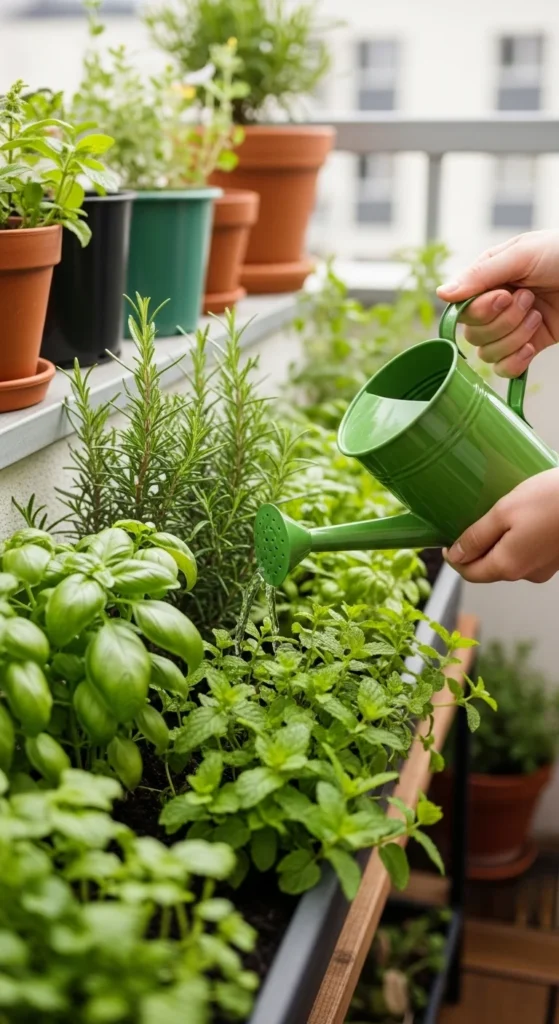
One of the most rewarding parts of apartment composting is using the output on plants right away. In worm systems, liquid collected properly or a castings-based tea can be diluted and used to feed houseplants or balcony containers. This makes the compost feel useful much faster.
The key is dilution. Strong compost liquid should not be poured straight onto plants without care. A diluted mix is much safer for roots and easier to use regularly. The result is a gentle feeding method that supports herbs, flowers, and leafy indoor plants.
For beginners, the easiest version is steeping a small amount of finished worm castings in water and using that diluted liquid on houseplants. Start mild rather than strong. Watch how the plants respond. A little goes a long way in apartment gardening.
This part of composting helps close the loop in a very satisfying way. Kitchen scraps become worm castings, and the castings help the plants grow. In a small apartment where every process should earn its place, that kind of direct usefulness matters a lot.
17. Junk Mail and Paperboard Can Become Free Browns
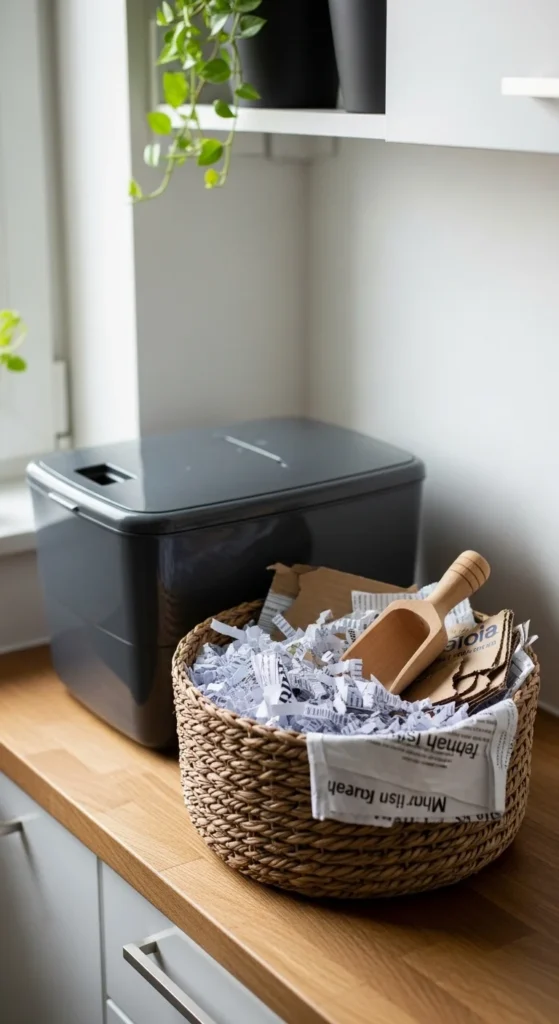
Apartment composters often struggle to find enough brown material, but the answer is usually already piling up at home. Junk mail, brown packing paper, plain cardboard, and uncoated paperboard can all be turned into useful bedding or balancing material when handled correctly.
This works especially well in worm bins and compact indoor compost systems that receive lots of fruit and vegetable scraps. Tear or shred the paper into smaller pieces and store it dry until needed. The goal is to create a ready supply so every wet food addition can be balanced quickly.
Avoid glossy heavily coated inserts and anything with plastic windows unless you remove those parts first. Plain fiber material is the best fit. A basket, tote, or paper bag near the compost station makes this much easier. When mail comes in, sort useful brown material immediately instead of letting it pile up elsewhere.
For beginners, this method turns everyday paper waste into compost support at no extra cost. It reduces trash, improves bin balance, and keeps the whole apartment composting system more self-sufficient.
18. Small Hot Compost Batches Can Work in Tight Spaces
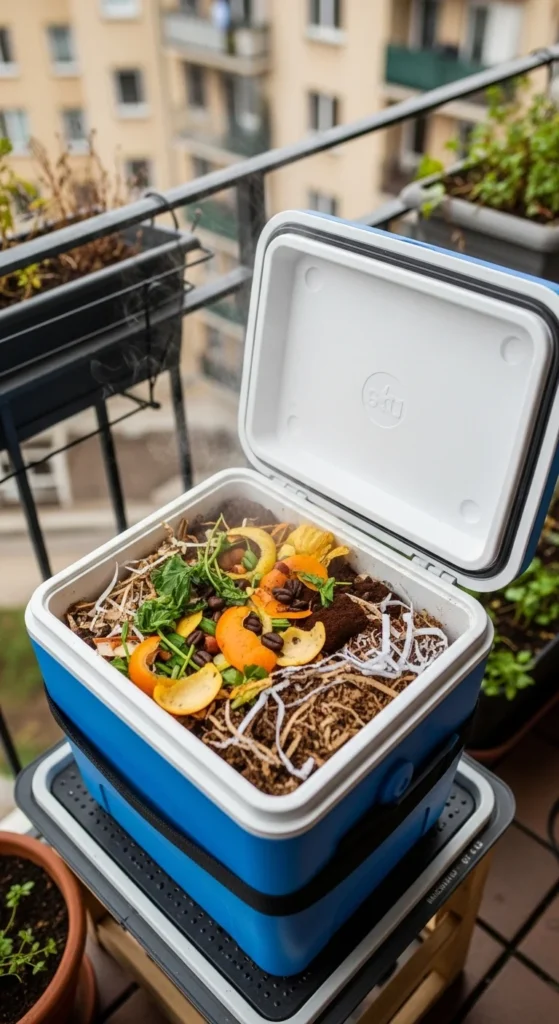
Hot composting is usually linked with backyards, but very small insulated batch systems can work in restricted spaces if expectations stay realistic. The main idea is to create a compact, managed mix that heats up enough to break down faster than a cold pile.
This is not the easiest beginner apartment method, but it can work for people who like experimenting. An insulated cooler or sturdy lidded bin can hold small chopped batches of balanced greens and browns. Regular mixing and careful moisture control matter here. Without that, it just becomes another slow pile.
The benefit is speed and the possibility of more active breakdown in less space. The challenge is consistency. In an apartment, a worm bin or bokashi bucket is often easier. Still, for people with a protected balcony and some patience, micro hot composting can be a useful side project.
A cheap DIY cooler setup makes more sense than buying specialized gear. Start small, watch how the material behaves, and do not expect perfection right away. This is a more hands-on path, but it can work.
19. Balcony Soil Can Finish Bokashi Beautifully
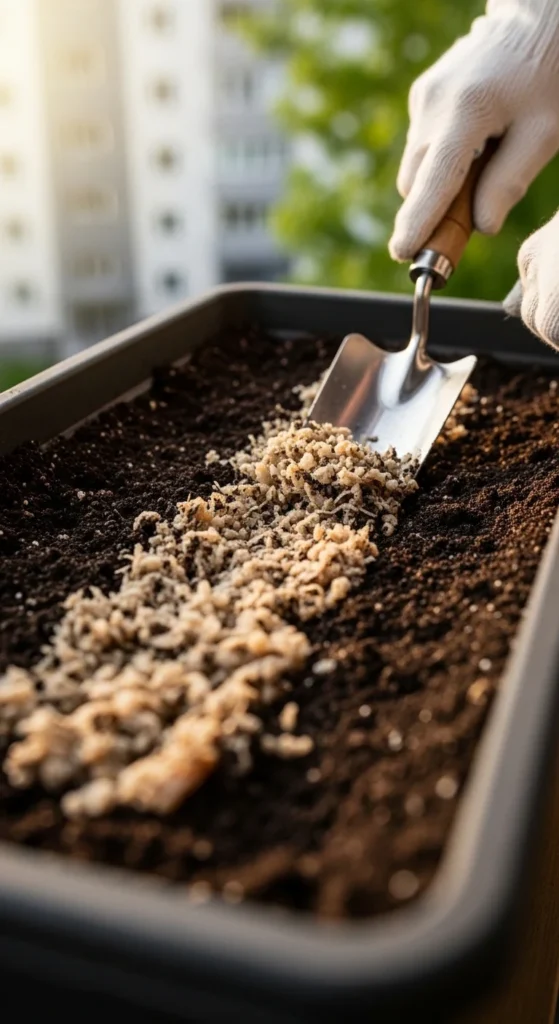
Bokashi does not end with the bucket. The fermented material usually needs a finishing stage, and balcony soil containers can provide that in apartment life. Mix the pre-composted scraps into a large planter, cover them well, and let the soil life take over.
This is a very practical method for people who already grow plants outdoors in pots or raised balcony boxes. Instead of searching for a backyard, the balcony planter becomes the finishing zone. After some time, the material breaks down further and enriches the soil.
The trick is burying it deeply enough and leaving a little time before planting directly into that spot. Freshly buried bokashi can be too active for roots right away. A large container with established soil works better than a tiny decorative pot. This method also helps keep the bucket cycle moving because the fermented batch has somewhere to go.
For apartment gardeners who want a full kitchen-to-planter loop, this is one of the most satisfying composting solutions. The scraps stay local, and the balcony becomes both garden and soil builder.
20. A Bokashi and Worm Bin Hybrid Handles More Waste
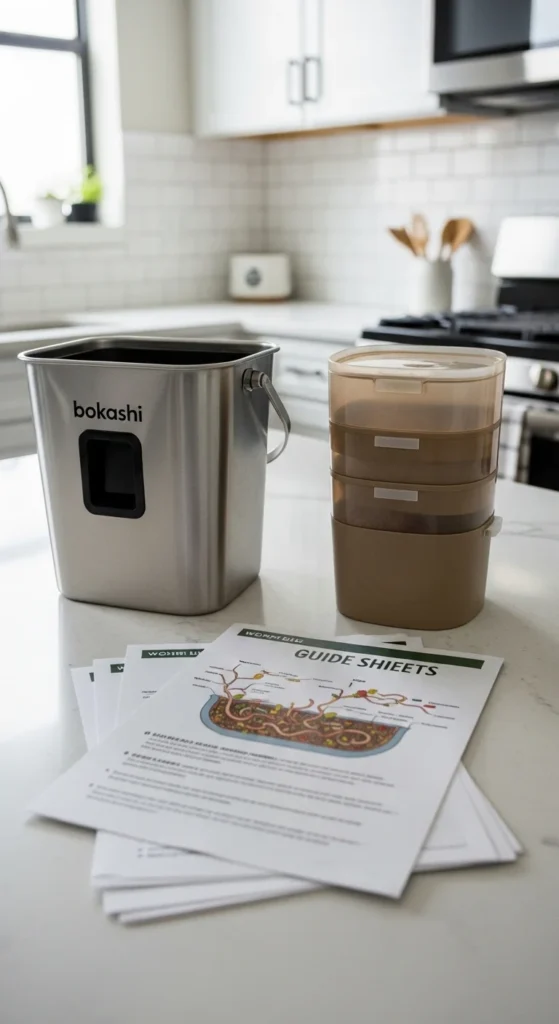
A hybrid system can solve many apartment composting limits. Bokashi handles the broader food waste, including items worms do not love. The worm bin handles gentler scraps and produces beautiful castings. Together, the two systems make apartment composting much more flexible.
This works well for households that cook often and generate many different kinds of scraps. Fruit peels, vegetables, and paper go to the worms. Meat, dairy, citrus-heavy leftovers, and cooked foods go into bokashi. Later, the fermented bokashi can be finished in soil or in another compost step.
For beginners, this sounds more complex than it really is. It is just a matter of sorting scraps into two simple streams. A countertop bin can still collect everything first, then the sorting happens once a day. That keeps the kitchen routine easy.
A hybrid setup usually costs less than a premium electric system and gives more actual compost value over time. For apartment dwellers serious about cutting food waste without giving up convenience, this combined method often works better than forcing one bin to handle everything.
21. Community Drop-Off Programs Can Work with Home Collection
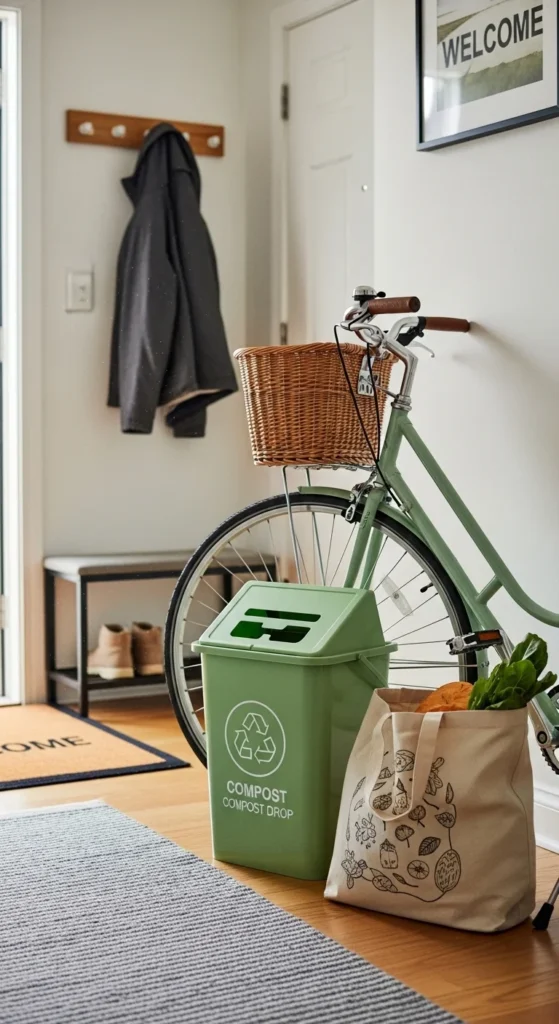
Not every apartment resident wants to finish compost indoors. Community drop-off programs offer a useful middle path. You collect scraps at home, keep them tidy and low-smell, then take them to a neighborhood compost site, market, or pickup service on a regular schedule.
This is excellent for beginners who want the waste reduction habit without worms, fermentation, or home compost management. A countertop bin plus freezer storage often makes this method very easy. The apartment stays clean, and the scraps still avoid the trash.
It can also work as part of a hybrid system. For example, easy plant scraps may go to a home worm bin, while bulkier leftovers go to a community compost site. This reduces pressure on the indoor system and still keeps the overall routine sustainable.
A reused freezer-safe container and a weekly reminder are often enough to make this work. For apartment dwellers in cities with compost access, drop-off programs may be the simplest solution of all.
22. Covering Food Scraps Right Away Prevents Most Pests
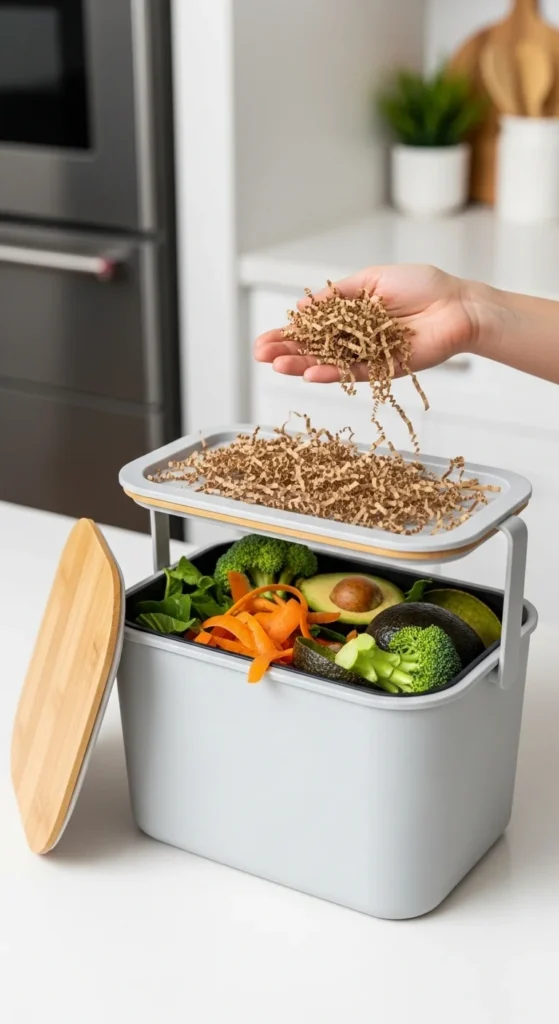
One of the easiest apartment composting habits is also one of the most effective: cover every new layer of food scraps right away. A handful of shredded cardboard, paper, or bedding over the top hides the food, absorbs moisture, and makes the surface far less inviting to flies.
This works especially well in worm bins and small indoor compost systems. Fruit flies and gnats are drawn to exposed wet scraps. Once that surface gets covered, the bin stays calmer. The worms also prefer a more protected feeding zone.
For beginners, this is one of those small routines that solves a surprisingly large number of problems. If a bin starts to smell stronger or attract bugs, exposed food is often part of the issue. Covering it properly usually helps.
A cheap dry paper stash next to the compost bin makes the habit easier. If the brown material is already nearby, the cover step happens naturally. In apartments, where pests feel more personal and immediate, simple habits like this make composting far more livable.
23. A Small Compost Station Keeps Everything Easier to Manage
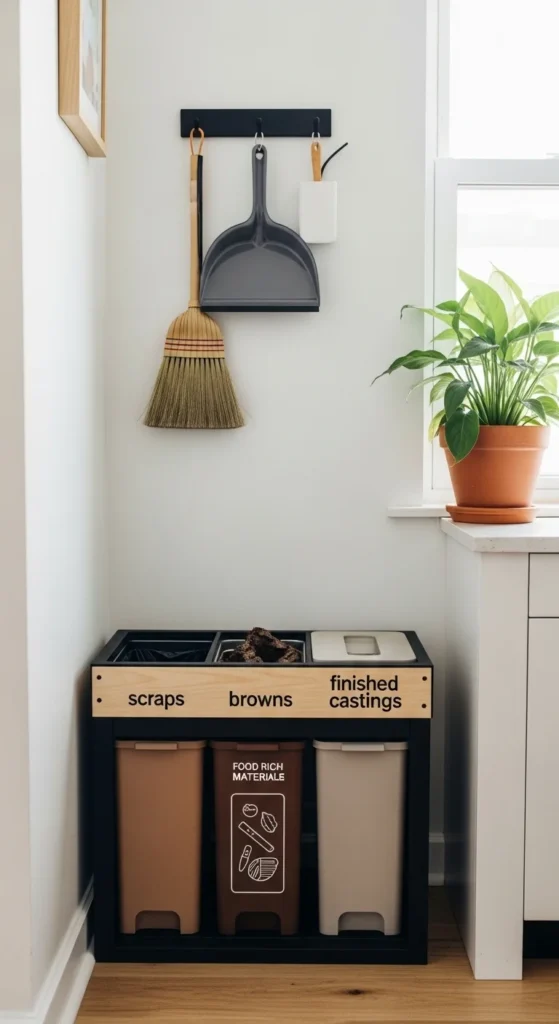
Apartment composting gets easier when the supplies live together. A small station with a scrap bin, a dry paper container, gloves or scoop, and a simple cleaning cloth makes the process more organized and less annoying. This matters in small homes where scattered gear quickly becomes clutter.
The station does not need much room. A utility shelf, one cabinet zone, or a balcony corner is enough. The point is to stop composting from becoming a string of separate tasks. When the dry browns, liners, and main bin are all in different places, the routine breaks down faster.
A low-cost compost station can use reused jars, small baskets, and labeled containers instead of matching storage products. One basket for shredded paper, one bin for the countertop collector, and one place for finished compost tools is enough.
For beginners, organization often matters more than composting theory. A tidy station makes it easier to stick with the habit and easier to spot when something is off. In apartment life, that convenience can be the difference between a system that lasts and one that gets abandoned.
24. Harvesting the Bottom Layer First Makes Worm Bins Simpler
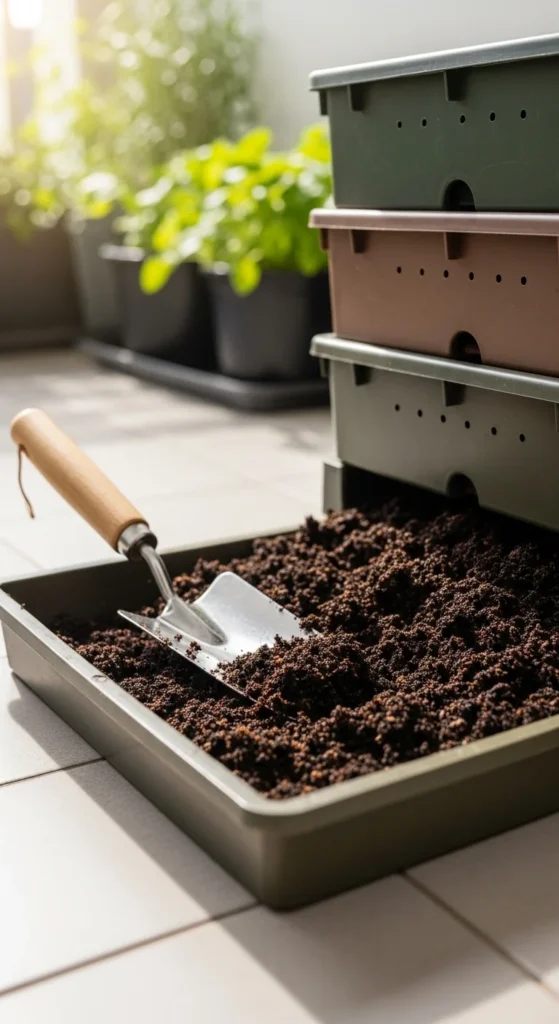
Many worm bins are designed so the lower layer or bottom tray contains the most finished material. Harvesting from that area first makes the process much easier because the worms tend to stay near newer food above. That means less sorting by hand and less stress for beginners.
This method works best when the system is fed in a consistent way and given enough time to form a darker finished layer. The finished castings should look crumbly and earthy, not like obvious recent scraps. Once that happens, the lower section can usually be removed or scraped out for use on plants.
A beginner does not need to rush this part. Waiting until the material is clearly mature makes harvesting easier. A small scoop and tray are usually enough. The castings can then be stored briefly or used in potting mixes, houseplant top-dressing, or diluted tea.
For apartment composters, easy harvesting matters because fiddly tasks get postponed. A bin design that lets the finished material come out from below keeps the whole process more manageable and more likely to continue.
25. A Chop, Freeze, Cover Routine Solves Most Beginner Problems
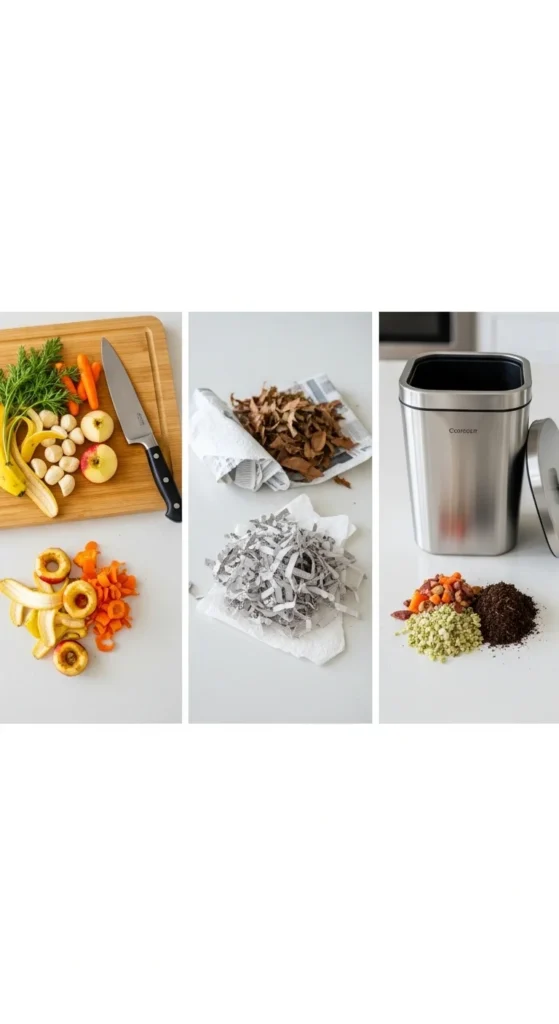
If apartment composting had one simple beginner formula, it would be this: chop, freeze, cover. Chop scraps smaller so they break down faster. Freeze them if they are not being composted right away. Cover them with browns once they enter the main system. Those three habits prevent many of the common problems.
This routine works across methods. Worm bins benefit from smaller scraps and covered feedings. Bokashi works better with chopped material packed tightly. Countertop collection stays cleaner when scraps go to the freezer before they have time to rot and attract flies.
The beauty of this routine is that it is cheap. It uses the knife, freezer, and paper waste already found in most apartments. No special gear is required. And yet it has a huge effect on smell, pests, and speed.
For beginners feeling overwhelmed by too much compost advice, this is a very practical starting point. Focus on those three habits first. Once they become normal, the rest of apartment composting starts to feel much easier.
26. Composting Works Better When It Fits Daily Kitchen Habits
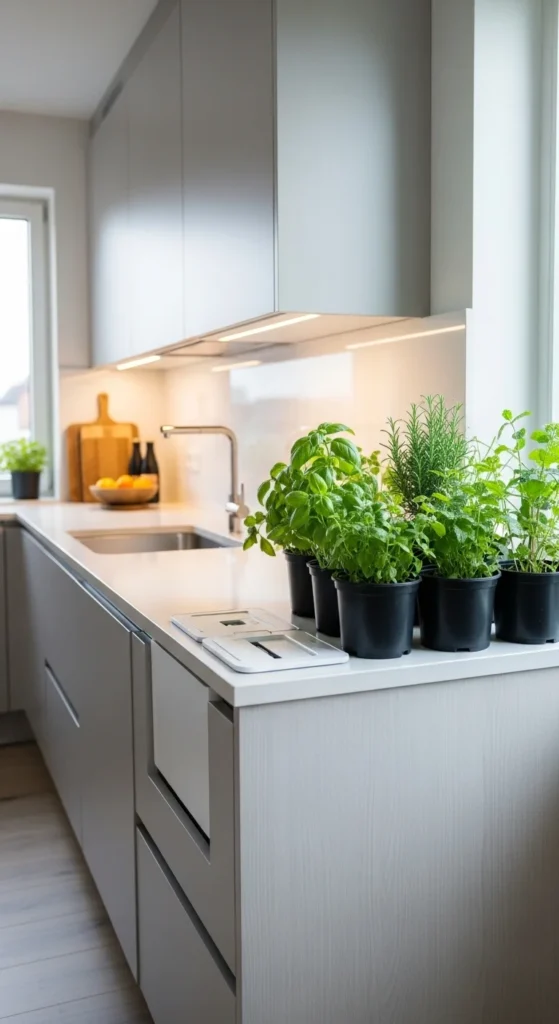
The best apartment composting setup is not always the most advanced one. It is the one that fits how the kitchen already works. If someone cooks daily, a countertop collector near the cutting board makes sense. If the apartment is tiny, freezer collection may work better. If herbs grow on the balcony, a worm bin nearby may feel rewarding.
This matters because convenience drives consistency. A system that requires extra steps every time quickly gets ignored. A system that fits the normal kitchen flow becomes automatic. That is why location matters so much. The compost setup should feel easy to reach, easy to empty, and easy to clean.
A beginner should build the method around real habits instead of copying a perfect-looking setup online. One simple bin in the right place often works better than a more expensive system used awkwardly. Composting is most successful when it disappears into the rhythm of normal cooking and cleanup.
For apartment dwellers, small changes to location and workflow usually matter more than buying more gear.
27. Use Finished Compost Quickly So the Cycle Feels Worth It
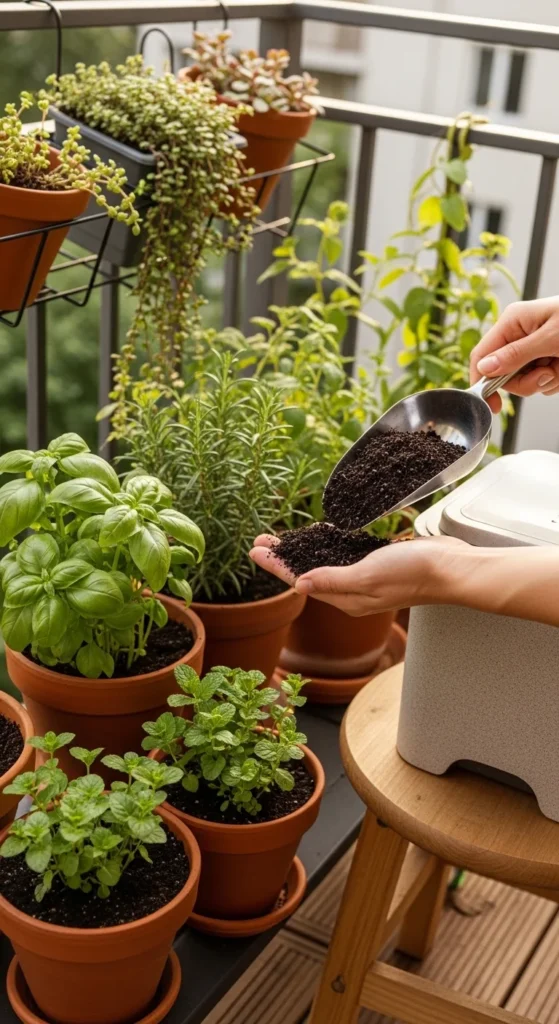
Apartment composting becomes much more satisfying when the finished material gets used soon after harvest. Worm castings, finished compost, or compost tea can go straight into herb pots, balcony planters, or houseplant soil. That closes the loop and makes the whole effort feel worthwhile.
For beginners, this is important because visible reward builds motivation. If compost just sits in another container, it starts to feel like one more storage problem. But if it feeds basil, pothos, flowers, or balcony vegetables, the system suddenly has a clear purpose.
Use small amounts at first. A light top-dressing around plants or a diluted tea is enough. Watch how the plants respond. Apartment gardens usually do not need huge amounts, which is good because apartment composting usually produces smaller harvests anyway.
This is one of the best parts of the process. Kitchen waste becomes plant food in the same home. In a small apartment, that kind of direct usefulness is what makes composting feel real and sustainable instead of just theoretical.
28. Start Small and Let the System Grow Only if It Earns It
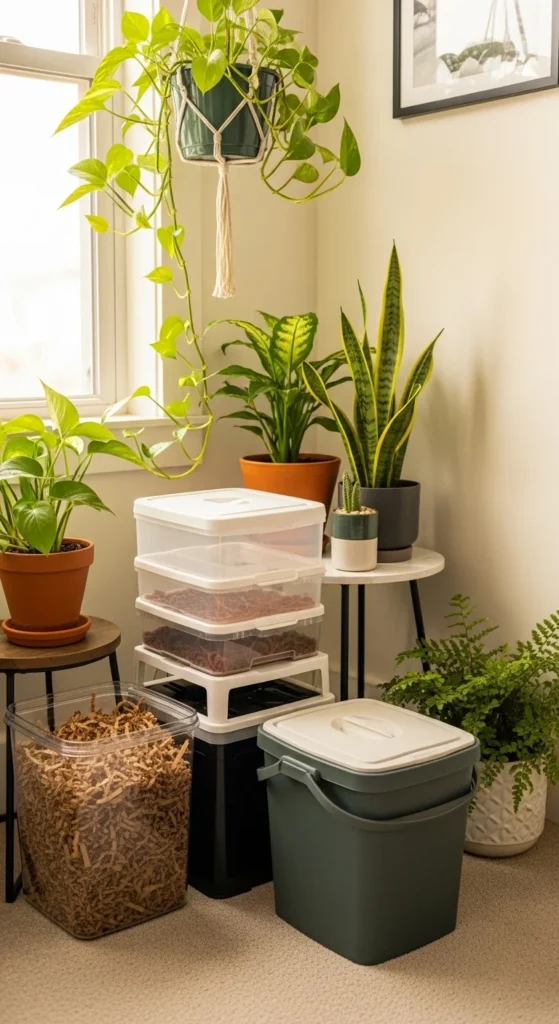
A lot of apartment composting frustration comes from starting too big. Too many bins, too many scraps, too many rules, and the routine breaks before it settles. Starting small gives the method a chance to prove itself before it takes over precious space.
One countertop bin and a weekly drop-off is enough to begin. Or one worm bin and a paper stash. Or one bokashi bucket tucked into a corner. That small start teaches what the apartment can handle, what scraps are most common, and which habits feel natural.
Once the routine works, expansion is easier. A second bucket, a better filter lid, or a balcony finishing planter can come later. But those additions should solve a real need, not just satisfy the urge to buy more compost gear.
For beginners in apartments, composting works best when it stays simple, repeatable, and useful. Starting small gives the best chance of long-term success.
Conclusion
Apartment composting works when it stays compact, low-smell, and easy to repeat. A small countertop bin, a stash of shredded paper, a worm bin, a bokashi bucket, or a freezer container can all solve different parts of the problem. The most successful setups are usually the simplest ones: collect scraps cleanly, balance wet waste with dry material, stop flies before they start, and use the finished compost on plants as soon as it is ready. Start with one method that matches your kitchen routine, then build only if it still feels easy.
Leave a Reply