

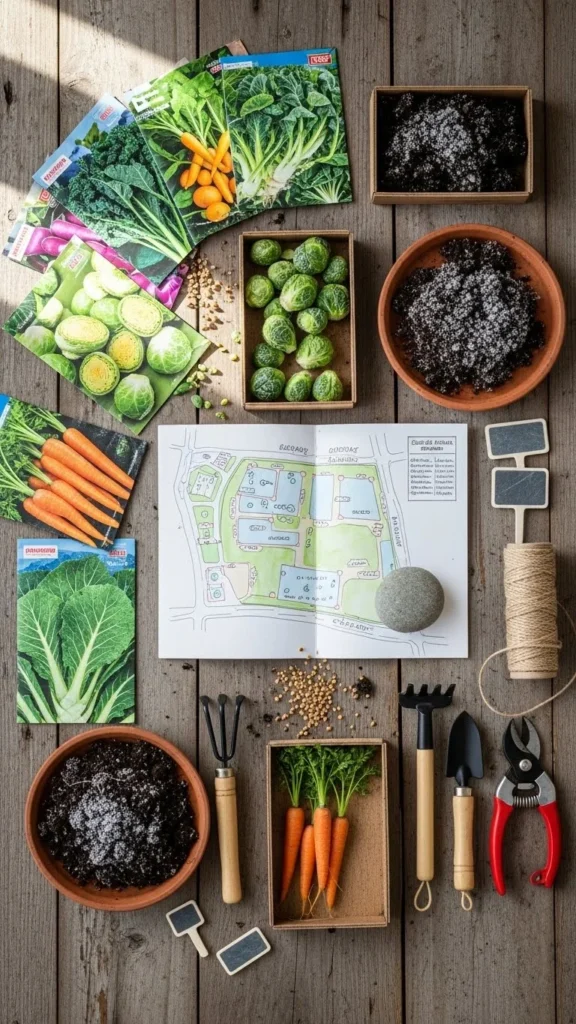
Winter planning helps gardeners grow earlier and smarter. Cold months offer time to map out beds, choose hardy crops, and prepare soil before spring rush arrives. Many people use this season to stretch their harvest window and get healthier vegetables sooner. With simple steps, you can organize your space, reuse materials, and set up systems that save time. These practical ideas make early yields easier, even in frosty regions.
1. Plan Your Beds on Paper First
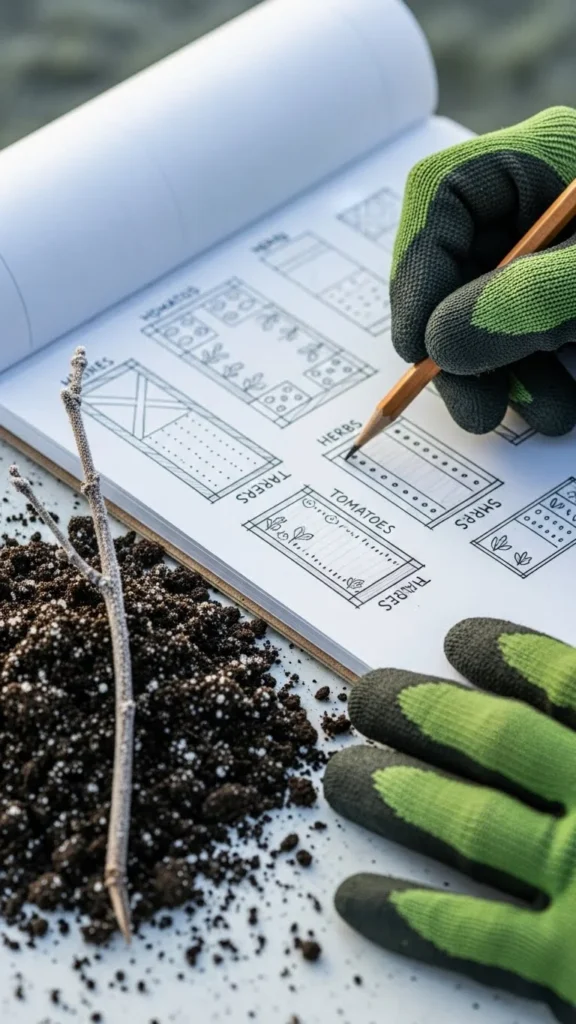
Drawing your garden layout on paper helps you see what fits and what doesn’t. Keep lines simple and mark where sunlight hits longest. Use pencil so changes feel easy. If buying tools feels expensive, reuse old notebooks or scrap paper. Add rough outlines of pathways so moving through the beds stays comfortable. This step cuts guesswork once warm weather returns. You can also mark which beds thaw fastest. Those spots are perfect for planting early crops. If your yard is small, focus on one or two beds. Planning ahead makes space feel bigger because you’re using it wisely. Keep your sketch in a safe place so you can add updates through winter. This is a calm way to map ideas without rushing.
2. Pick Early Varieties for Faster Harvest
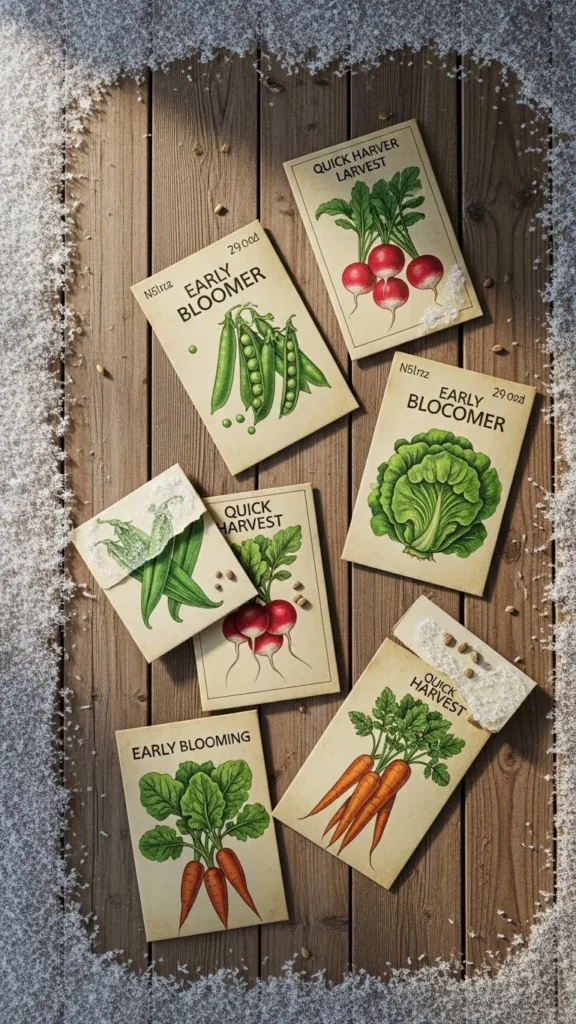
Some vegetables sprout faster than others, even in cool weather. Choose varieties marked for short maturity. These give you quicker results in early spring. Look for lettuce, radishes, peas, and spinach. You can find budget-friendly seeds online or from local gardeners willing to trade. Early varieties also help you plant in waves. This keeps your harvest steady instead of everything coming at once. Keep seeds stored in a dry spot until planting season begins. This small step helps avoid wasted packets. Early crops are great for raised beds because the soil warms sooner. Try mixing early seeds with mid-season ones so you enjoy longer harvests. Picking the right varieties now gives you a head start when warm days arrive.
3. Build or Repair Raised Beds in Winter
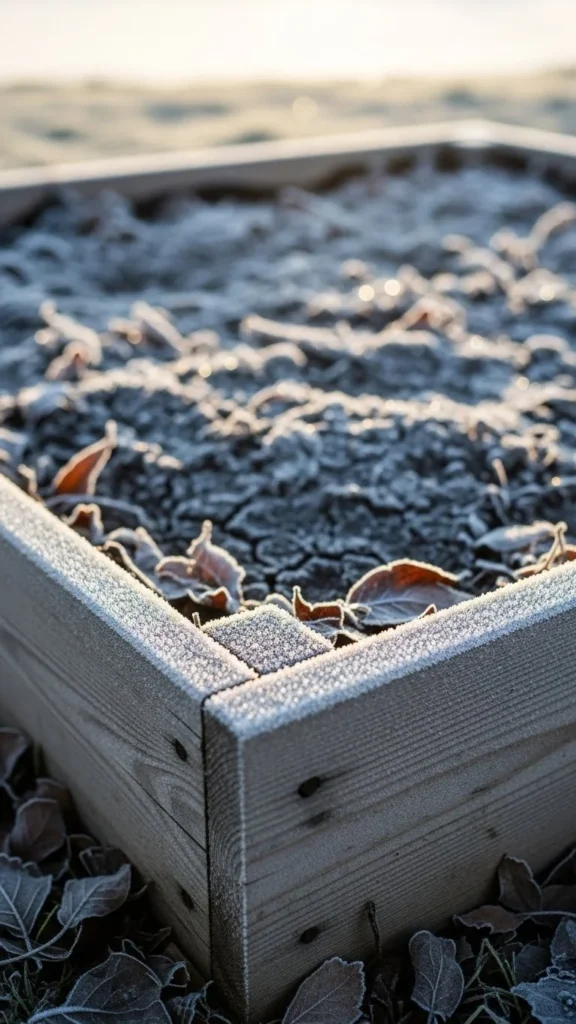
Winter is a calm time to build new raised beds or fix older ones. Wood prices shift during the year, but you can usually find budget lumber or reclaimed boards in colder months. Raised beds warm faster in spring. This means you plant earlier and get quicker harvests. If your current beds wobble, tighten screws or replace weak boards. Keeping beds sturdy makes gardening easier. Lay cardboard inside the frame to keep weeds down later. If snow covers your yard, work on smaller parts indoors, then assemble outside in short sessions. Taking time now helps you avoid spring rush. Simple repairs can add years to your garden setup.
4. Improve Soil with Winter Compost
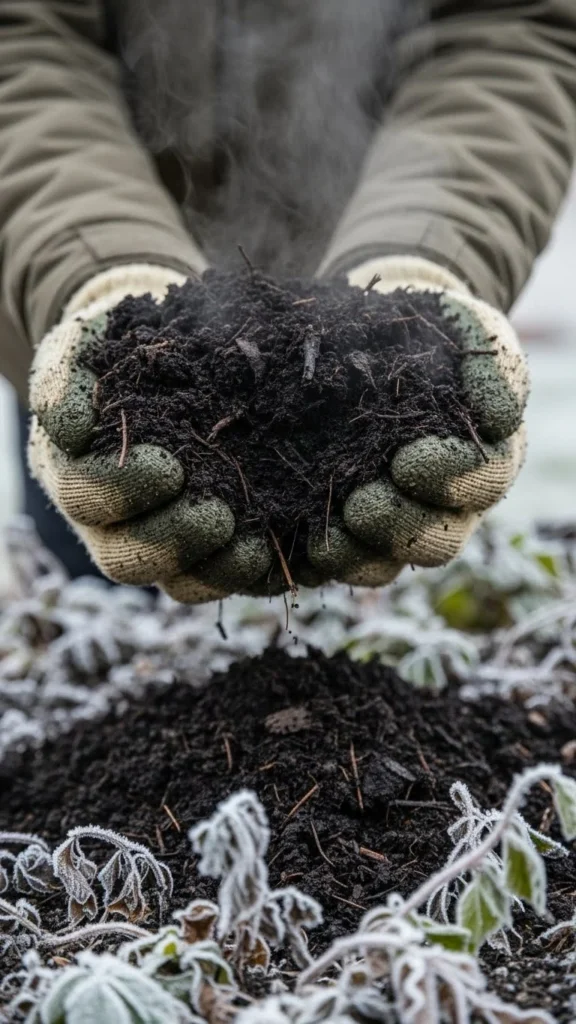
Soil breaks down compost slowly during cold months. Adding compost now lets nutrients settle by spring. You don’t need much—just a thin layer across each bed. If compost is expensive, start your own with kitchen scraps and fall leaves. Even small amounts help soil stay loose. Spread it gently over frozen beds. The freeze-thaw cycle will mix it naturally. This step improves drainage so early crops sprout easier. You can also cover beds with cardboard to hold moisture. By the time spring comes, your soil feels softer and easier to work with. Winter composting saves time and money later.
5. Use Mulch to Protect Soil Structure
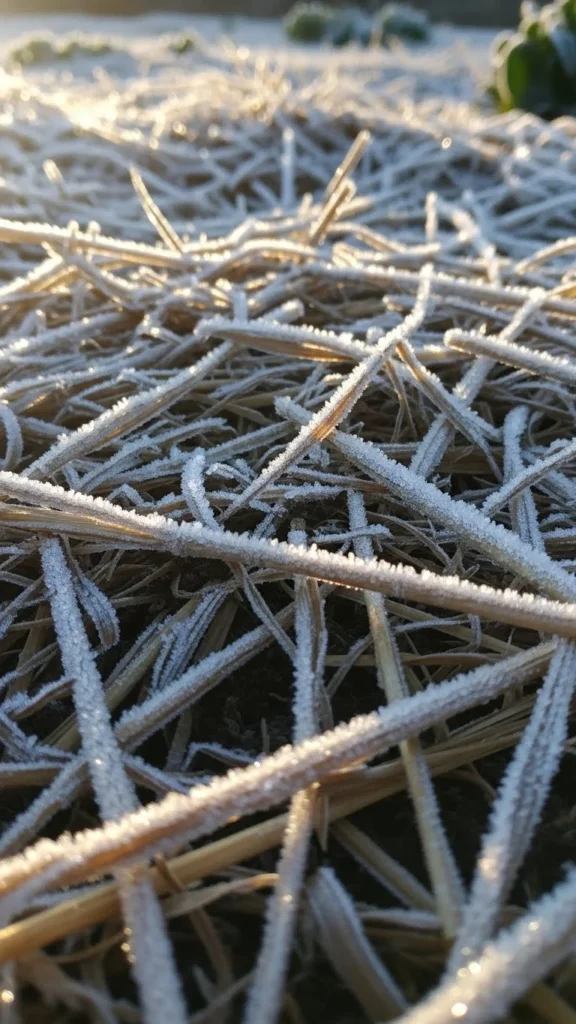
Mulch shields soil from harsh winter air. Straw and leaves are simple options when budgets are tight. Spread a thin layer over each bed. This helps soil keep its shape and prevents weeds from waking early. When spring arrives, pull mulch back so seeds can sprout. If you used leaves, crumble them lightly for a tidy look. Mulch also keeps early plant roots warmer. This helps seedlings grow steady once planted. Having beds protected now means less work when planting season begins.
6. Start Indoors with Cold-Tolerant Seedlings
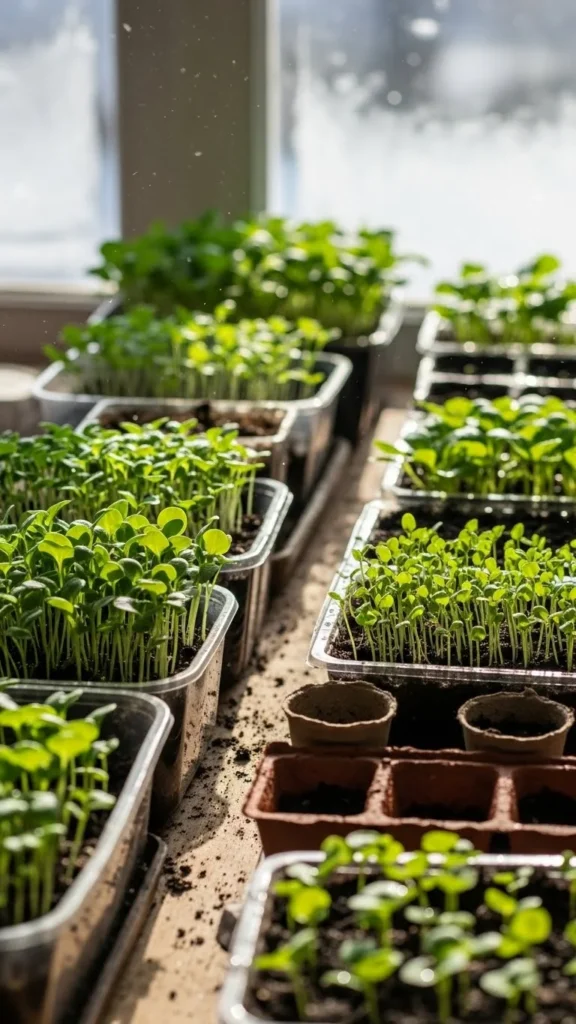
Starting seedlings inside gives you a jump on spring. Pick crops that handle cool weather like kale, cabbage, or lettuce. Use simple containers like yogurt cups or reusable pots to save money. Keep them near a sunny window. Water lightly so soil stays damp but not soggy. When days warm, move seedlings outside for short periods. This helps them adjust to outdoor air. Early seedlings grow strong and ready for planting as soon as soil thaws. This brings food to your table sooner.
7. Check Sun Patterns During Winter
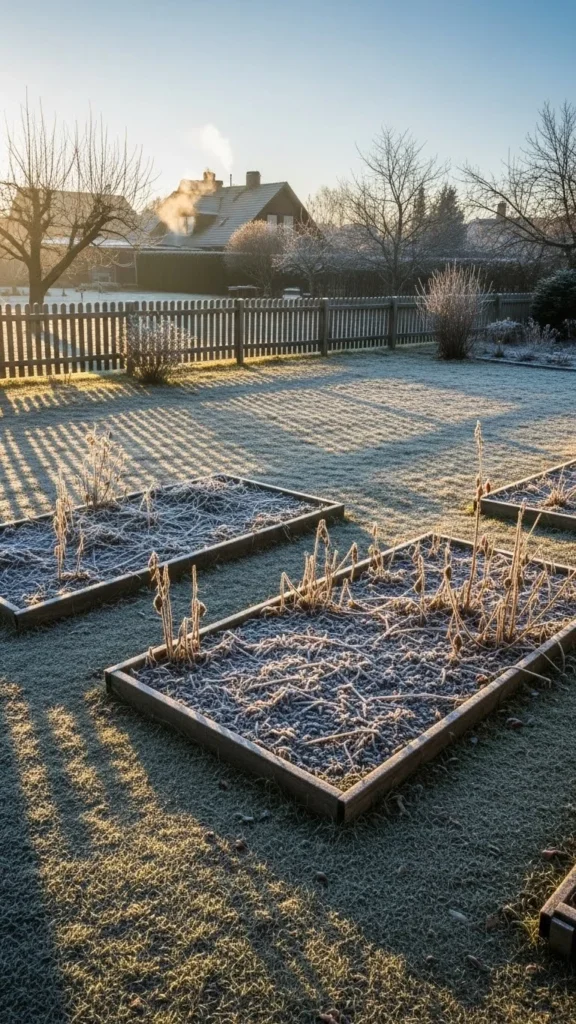
Winter sunlight tells you exactly where shadows fall. Watch your yard at different times of day. Beds that get the most winter light often warm first in spring. These spots are perfect for early crops. You don’t need tools for this—just look outside when the sun moves. If tall trees block sun, shift your beds a bit. Even small changes help vegetables grow faster later. Tracking sunlight now makes planning easier and prevents wasted space.
8. Map Out Succession Planting
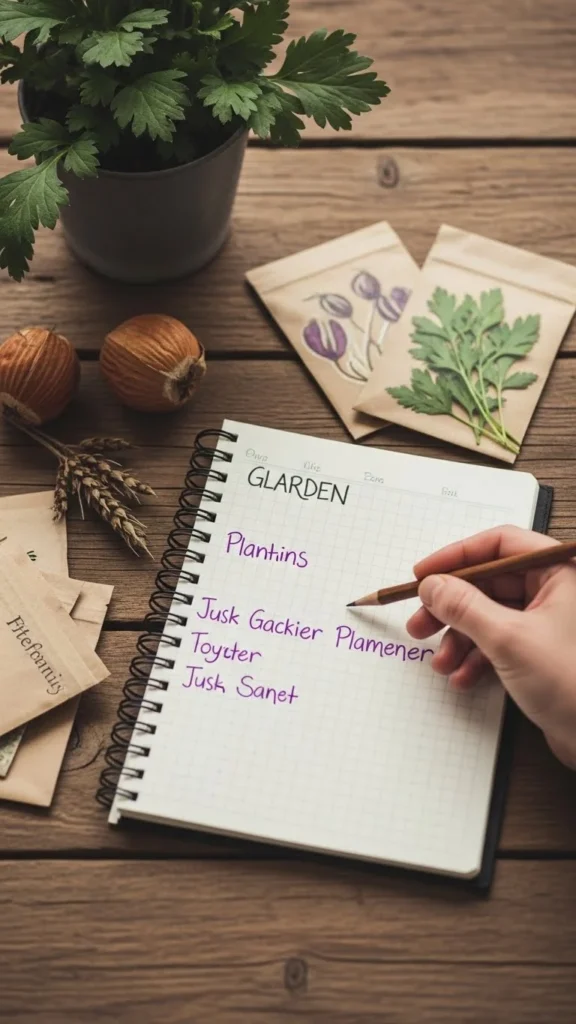
Succession planting means sowing new seeds as soon as older crops finish. Winter is ideal for writing planting dates ahead of time. Use a notebook or a phone reminder. Small steps keep your harvest steady. If your space is small, this method helps you grow more food. Plant fast crops like radishes first. Once they finish, switch to greens or peas. Planning these cycles early keeps your season productive. This also helps you avoid gaps in your garden beds.
9. Clean and Sharpen Garden Tools
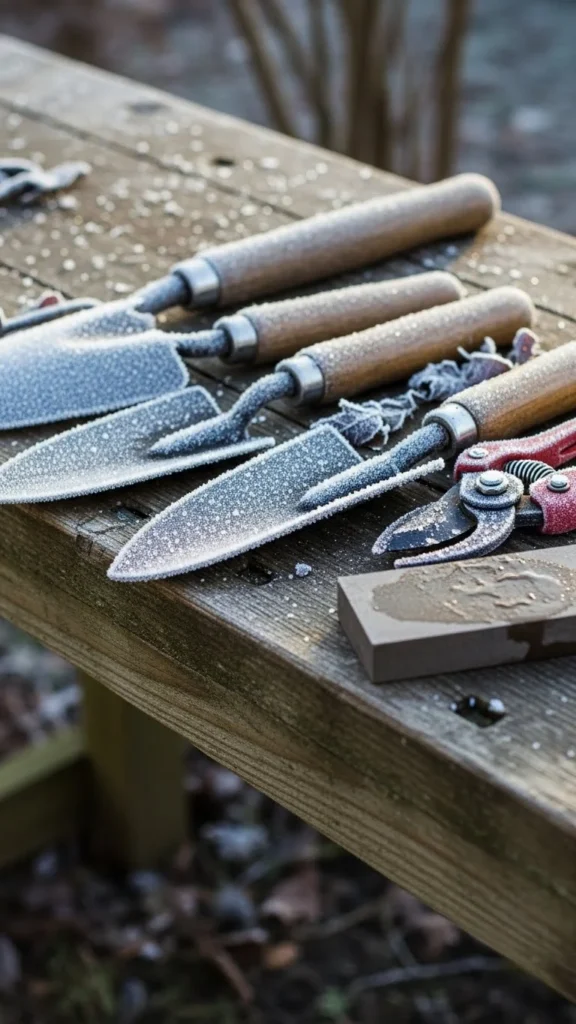
Sharp tools make gardening easier. Winter gives you time to clean, sharpen, and oil them. Wipe off old dirt and rust. Use simple sandpaper if you don’t own a file. A bit of vegetable oil keeps metal from rusting. Store tools indoors so they stay dry. This small care routine helps tools last longer. When spring starts, everything feels ready. Working with good tools saves effort and makes planting smooth.
10. Protect Seed Stock in Airtight Containers
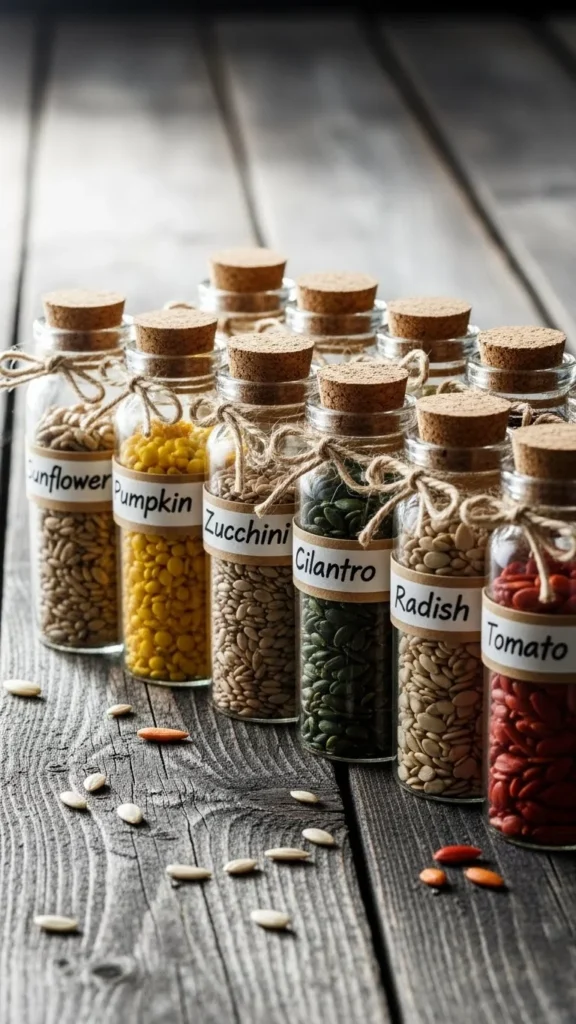
Seeds last longer when stored well. Use jars, food containers, or zip bags. Keep them dry and cool. A closet or pantry works fine. Write dates on each packet so you use older seeds first. Sharing seeds with friends helps cut cost. Winter air is dry, so it’s the perfect time for storage. Good seed care means stronger plants later. Start with small amounts so you don’t waste seeds that expire.
11. Plan a Simple Watering System
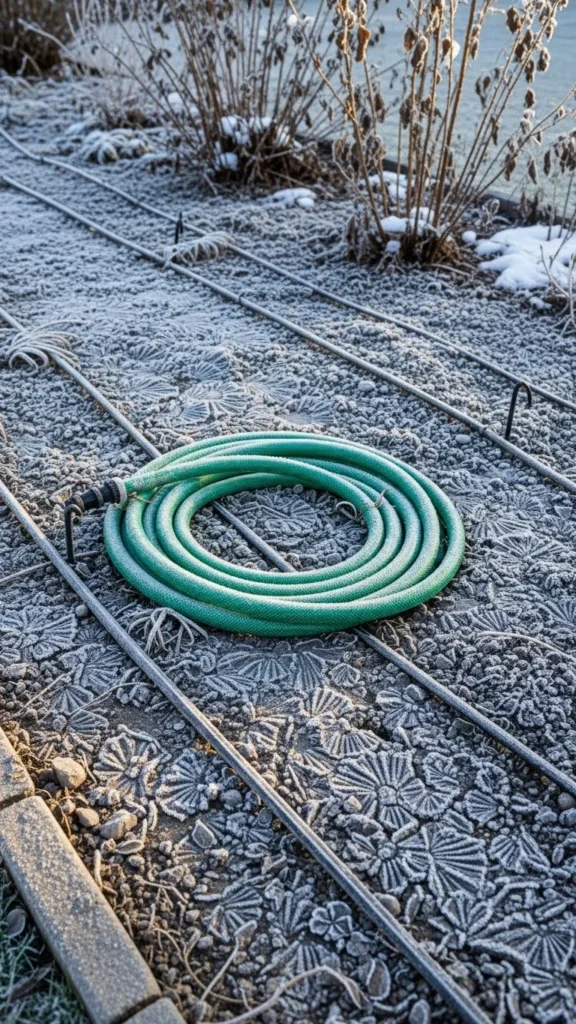
A basic watering setup saves you effort in spring. Lay out hoses or drip lines now while beds are empty. You can build a simple drip system using low-cost tubing. Cold weather keeps lines flexible. When planting time arrives, water reaches roots without hassle. This helps plants grow steady. You don’t need fancy supplies. Even a reused hose can work if placed well. Planning this now makes gardening easier later.
12. Test Your Soil pH in Winter
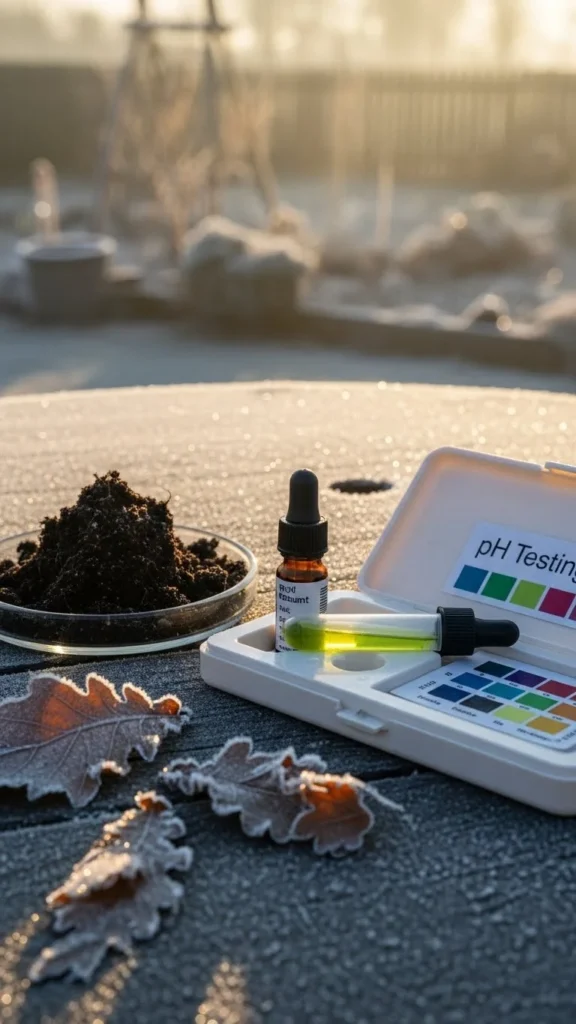
Soil pH affects how vegetables grow. Winter gives you time to test it calmly. Kits are budget-friendly and simple to use. Scoop soil from different parts of the garden. Mix results together for a clear reading. If your soil leans acidic, add lime once the snow melts. If it’s too alkaline, use compost. Adjusting now helps vegetables grow stronger in spring. Soil testing in winter avoids spring rush.
13. Add Row Covers to Your Planning List
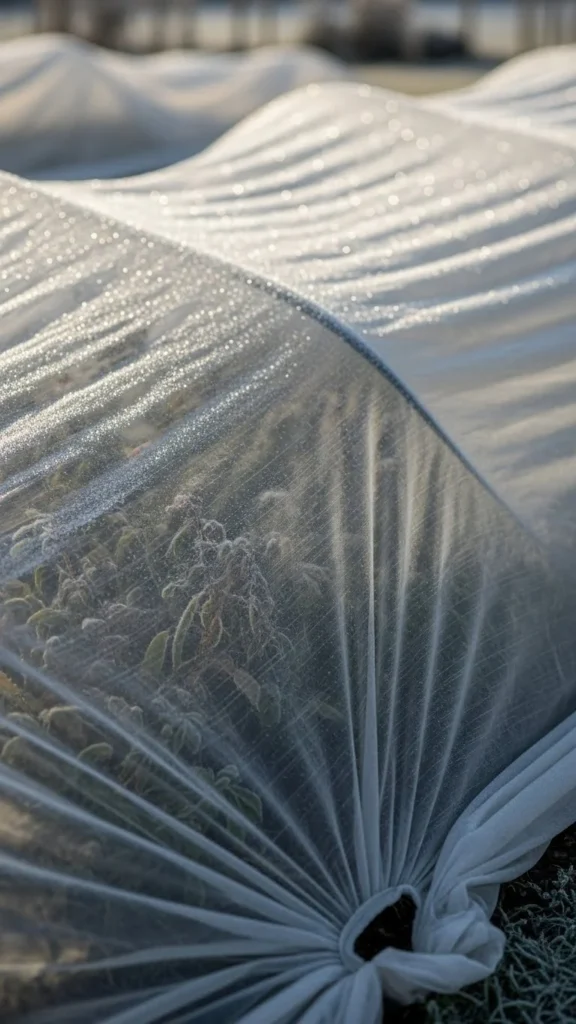
Row covers protect seedlings from cold early in the season. Add them to your plan so you have them ready. They’re affordable and easy to reuse. Cut pieces in winter so you’re prepared later. These covers trap a bit of warmth around plants. This lets you plant earlier than usual. If money is tight, use old bedsheets. They work too. Planning covers now helps crops stay healthy once planted.
14. Decide Where to Plant Cold Frames
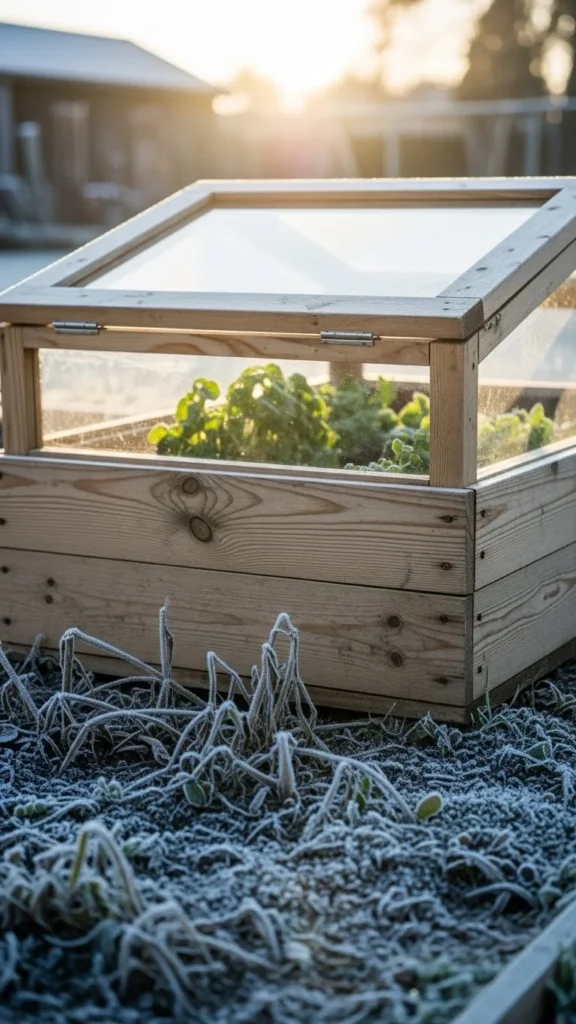
Cold frames warm soil faster. Decide where to place them during winter. Choose a sunny spot with good drainage. Build one using old windows or clear plastic lids to save money. Cold frames help seedlings grow earlier. You can also start greens inside them. Planning the placement now saves effort. When early spring arrives, your cold frame is ready for action.
15. Gather Recyclable Containers for Seed Starting
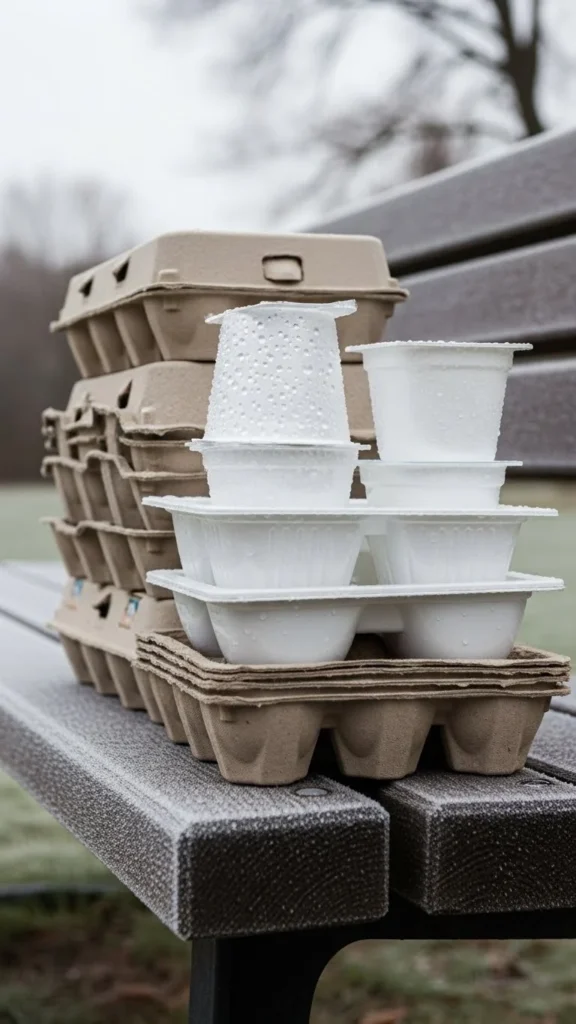
Seed starting containers don’t need to be fancy. Collect yogurt cups, egg cartons, and small food containers. Clean them and poke drainage holes. These free supplies help you start many plants without extra cost. Keep them stacked in a dry place until needed. When planting season begins, fill them with soil and sow seeds. This simple habit saves money and reduces waste.
16. Use Winter to Plan Crop Rotation
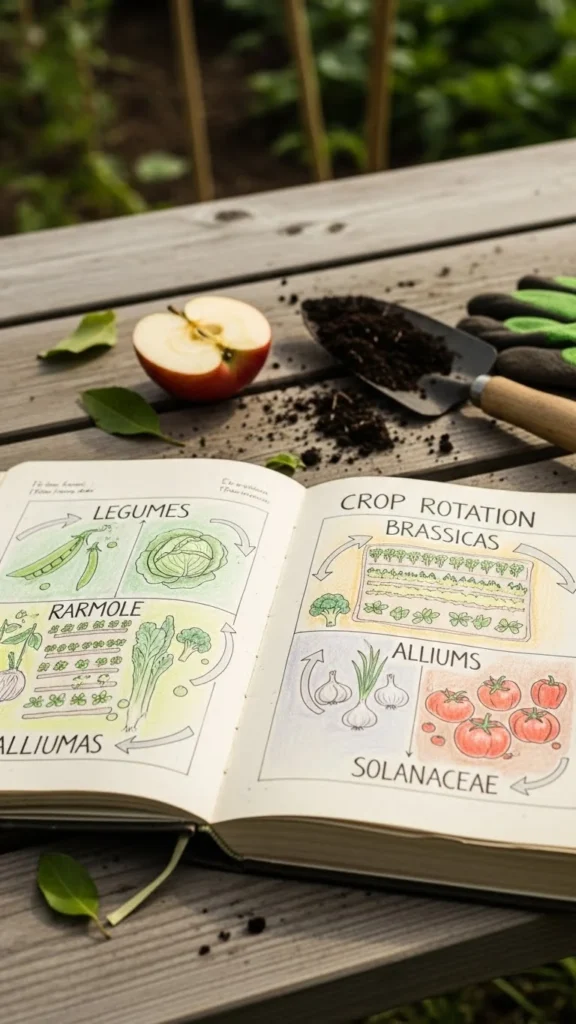
Crop rotation helps soil stay healthy. Winter is the perfect time to map out where each crop family will go. Keep plants like tomatoes away from where they grew last year. Switch leafy greens, root vegetables, and legumes around. This pattern reduces pest pressure and keeps soil balanced. A notebook or sketch works fine. Planning rotation now makes planting smoother.
17. Look for Sales on Garden Supplies
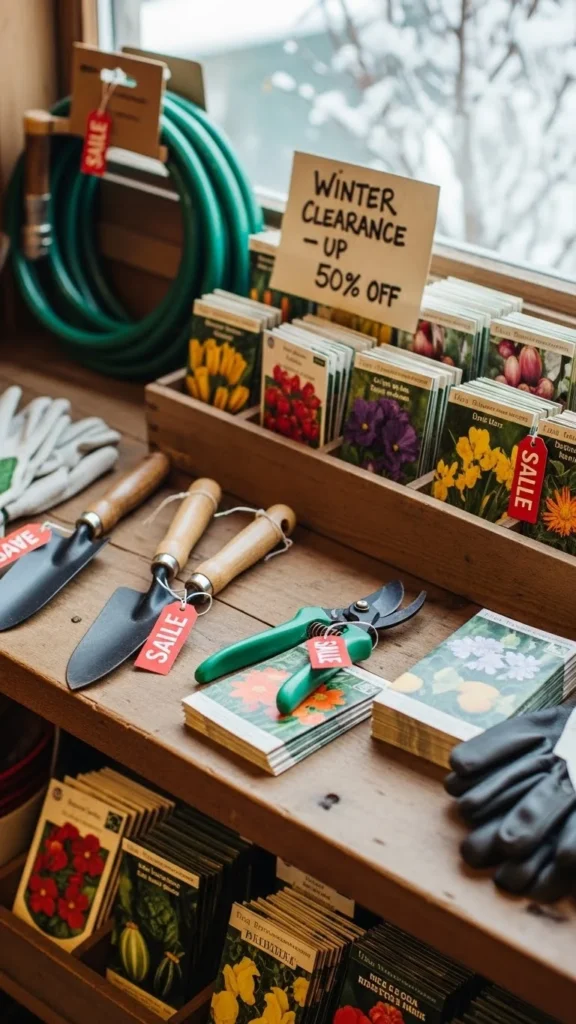
Winter often brings lower prices on soil, tools, and seeds. Check local shops or online marketplaces. Gardeners sometimes sell extra supplies cheaply. Buying in winter saves money. You don’t need everything at once—just basics like soil or trays. Stocking up slowly helps you stay organized. When spring arrives, you already have what you need.
18. Build Simple Trellises Indoors
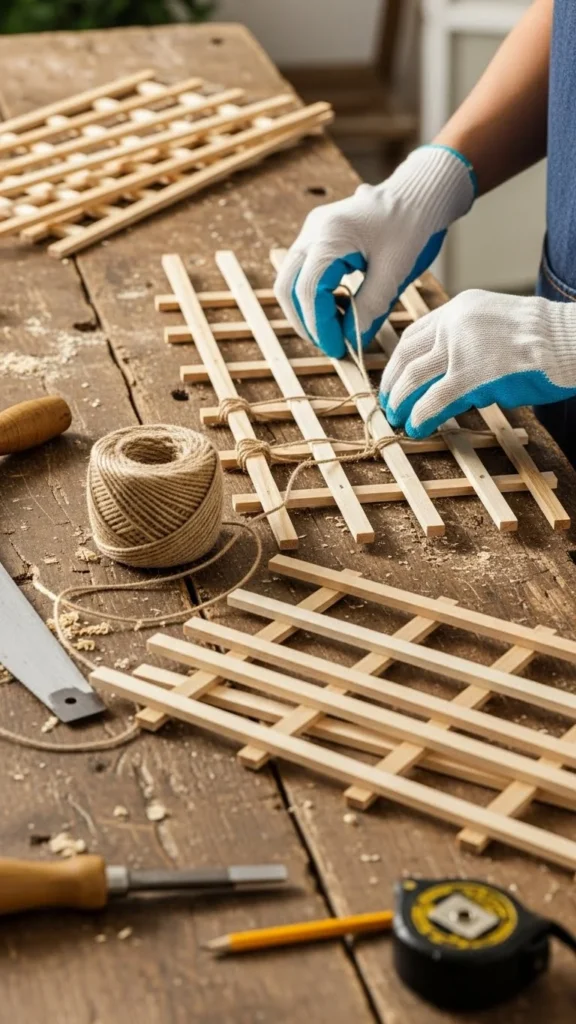
Trellises guide climbing crops like peas and beans. Build them indoors from sticks or leftover wood. Winter gives you quiet time to assemble pieces without rush. Use twine or string to hold parts together. These trellises cost almost nothing. Once spring arrives, place them in your beds early. This helps plants grow straight and healthy.
19. Plan Companion Planting Groups
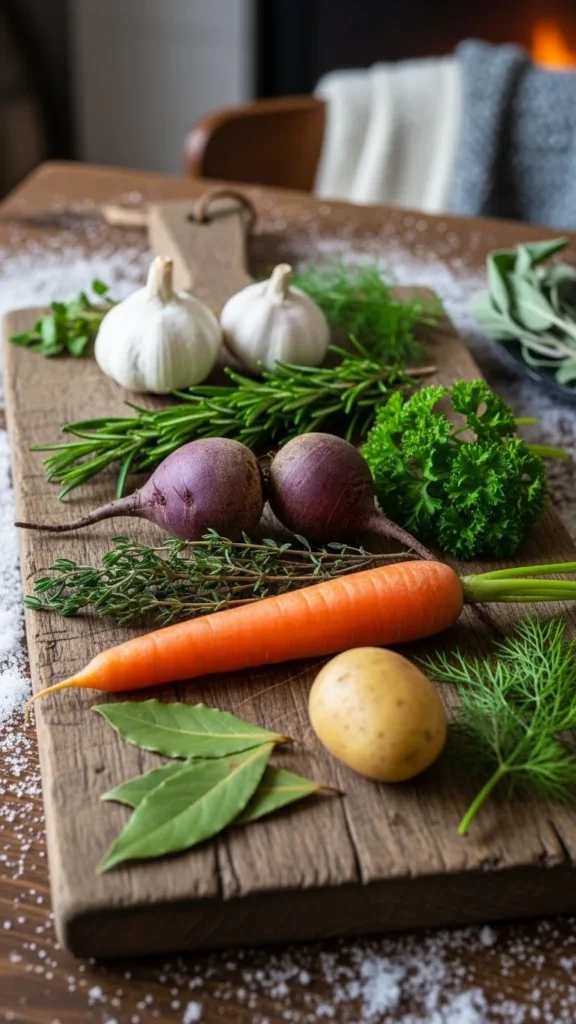
Some plants help each other grow. Winter planning lets you pair them wisely. Tomatoes enjoy basil nearby. Carrots grow well with onions. Keep a simple chart to track pairs. This helps you avoid bad combinations later. Companion planting saves space and supports healthy growth. Planning now gives you a clear guide for spring.
20. Clear Old Plants Before Snow Hardens
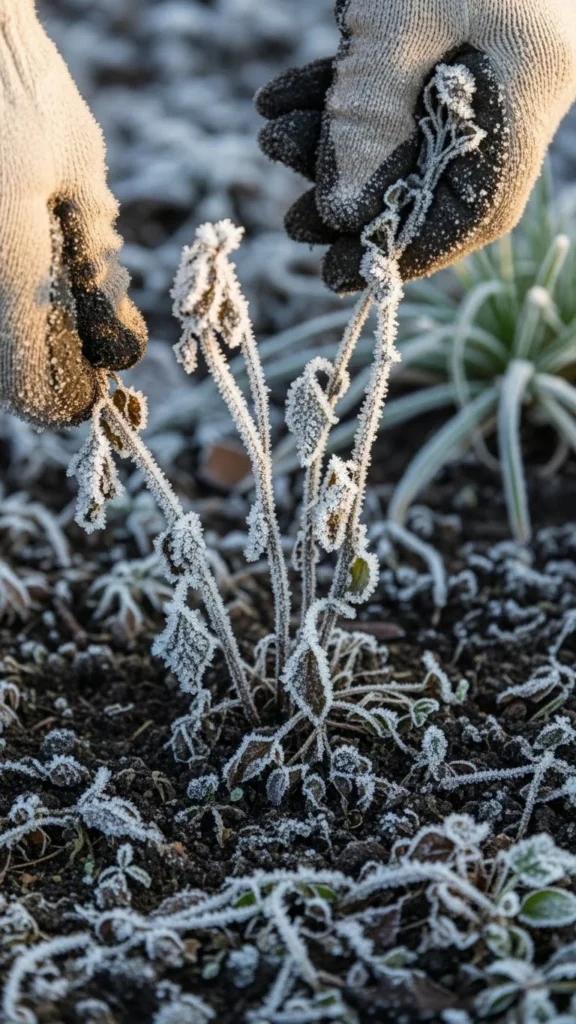
Remove leftover stems before heavy snow sets in. This prevents pests from hiding in dead plants. Pull them gently and add them to compost if disease-free. Clearing beds now gives you a clean start. It also makes soil thaw faster in spring. This small step helps early planting go smoothly. Keep tools nearby so cleanup stays simple.
21. Check Your Stored Produce
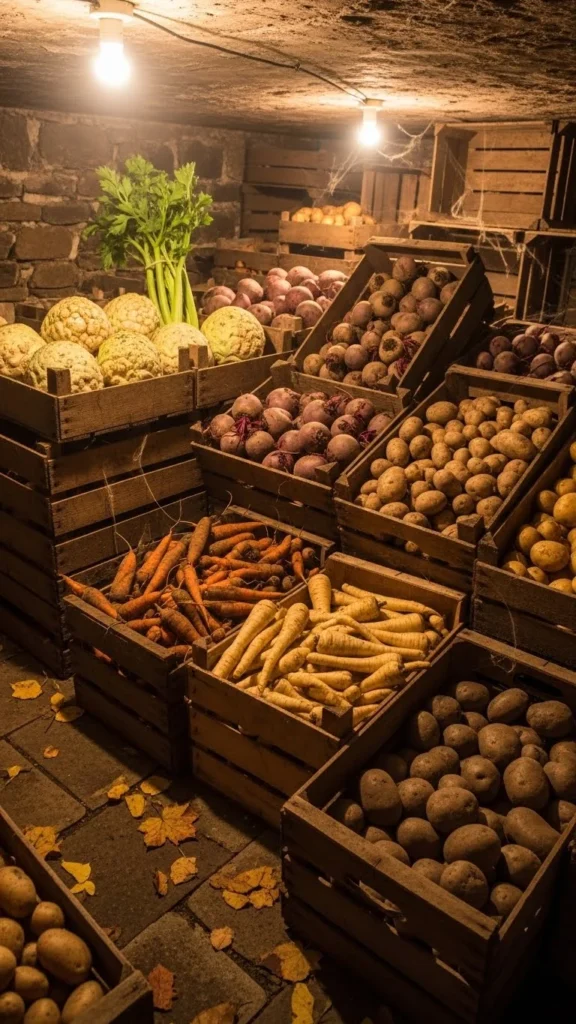
Winter storage crops like potatoes, carrots, and squash last longer when checked often. Remove any spoiled pieces so they don’t spread mold. This habit helps prevent waste. Keeping track of what’s left helps you decide what to grow more of next season. Stored produce also inspires what you plant first in spring.
22. Make a Simple Winter Garden Journal
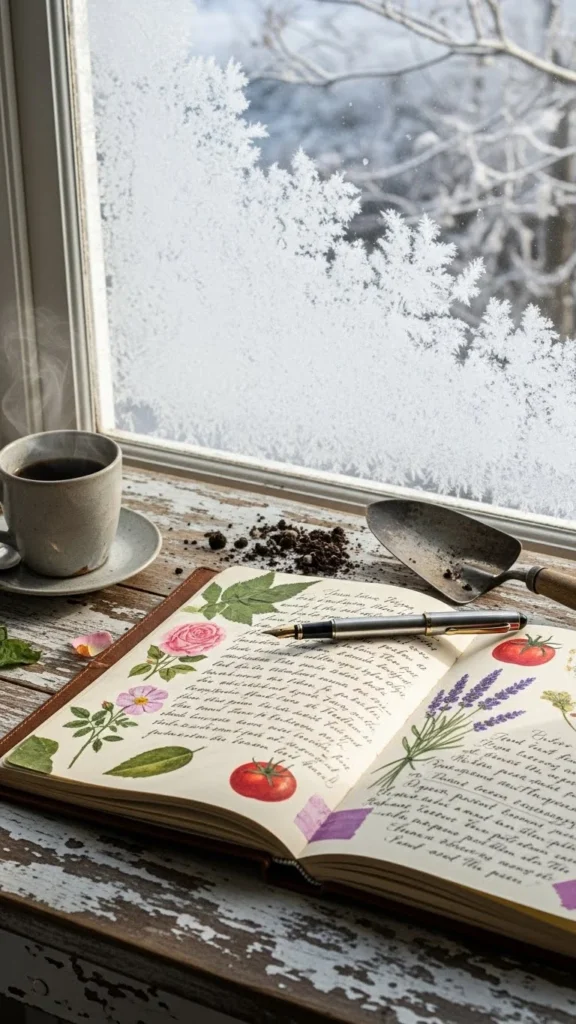
A winter journal helps you track ideas, planting dates, and crop notes. Use any notebook. Write small observations through the season. This keeps all your thoughts in one place. Add sketches or quick reminders. When spring arrives, your journal guides your choices. It’s a simple tool that supports easier gardening.
Conclusion
Winter planning makes early harvesting possible. These ideas help you prepare beds, organize seeds, and create simple systems that save effort later. You don’t need expensive tools or big spaces. Small winter steps shape a smoother spring and faster yields. Pick a few tips that fit your style and start today. Your garden will reward you with earlier, stronger growth when warm weather arrives.
Leave a Reply