

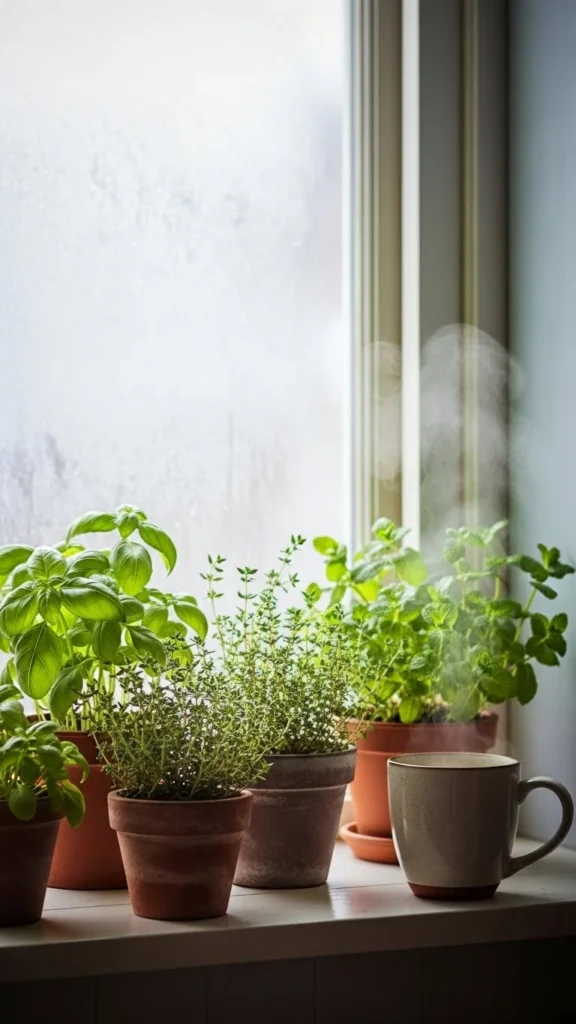
Winter doesn’t stop herb lovers from growing flavor indoors. Many home cooks want simple ways to keep basil, rosemary, mint, and parsley thriving when outdoor gardens rest. Indoor herbs stay productive with the right light, water routine, and soil setup. These ideas help you grow strong herbs without expensive gear or complicated steps. Each section offers clear, practical tips you can use right away to make winter cooking brighter and more fun.
1. Choose South-Facing Windows for Better Light
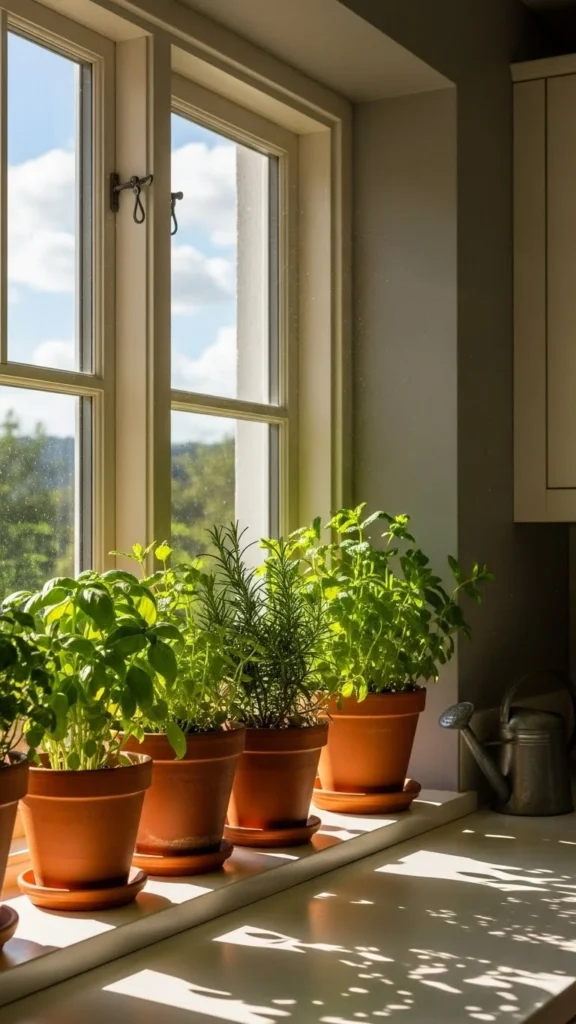
Herbs love sun, even indoors, so placing them in a south-facing window helps them stay healthy through winter. The angle lets in bright light most of the day. If your kitchen doesn’t have this type of window, pick the brightest spot you can find. Even a small patch of sunlight is helpful. Rotate your pots every few days so all sides stay even. This simple habit keeps herbs from leaning or growing thin. If sunlight is limited in your home, add a low-cost clip-on lamp. Many budget lamps work fine when placed close to the plants. Keep your herbs away from cold drafts near doors. They handle warmth better than chill. Choosing the right window early helps your indoor garden thrive without extra effort.
2. Use Smaller Pots to Control Water Easily
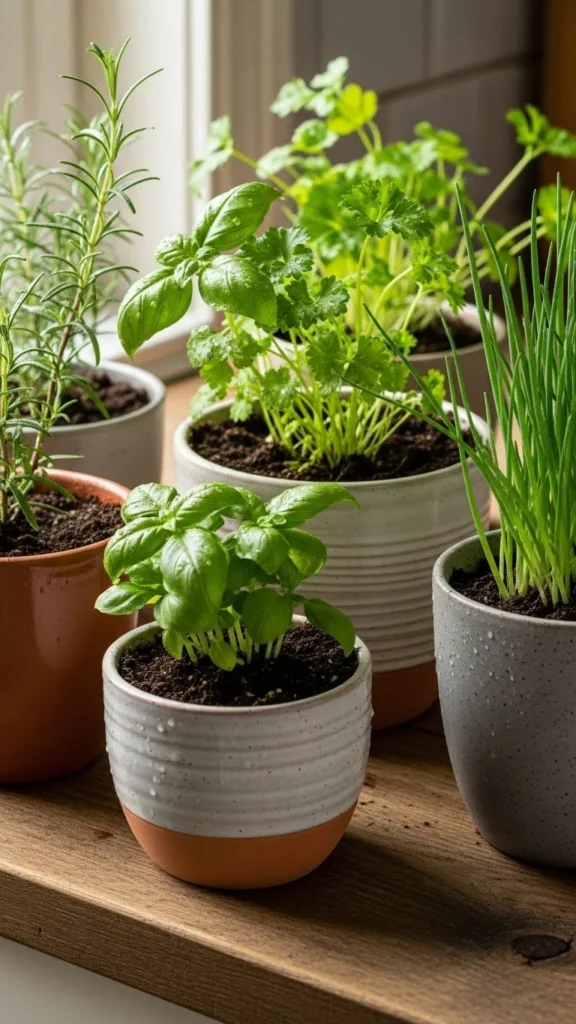
Small pots help control how much water your herbs get. Big pots hold extra soil that stays wet too long during winter. This can cause drooping or yellow leaves. Smaller containers dry more evenly. They reduce the risk of soggy soil. You can reuse mugs, jars, or old food containers to save money. Just poke holes in the bottom for drainage. Place a small tray underneath to catch extra water. This keeps your counters tidy. Using small pots encourages quick adjustments because you can see issues early. Herbs like basil and cilantro respond well to this setup. If a pot cracks, swap it quickly without disturbing other plants. Keeping your collection simple makes care easier, especially when days feel rushed.
3. Add Pebbles Under Pots for Better Humidity
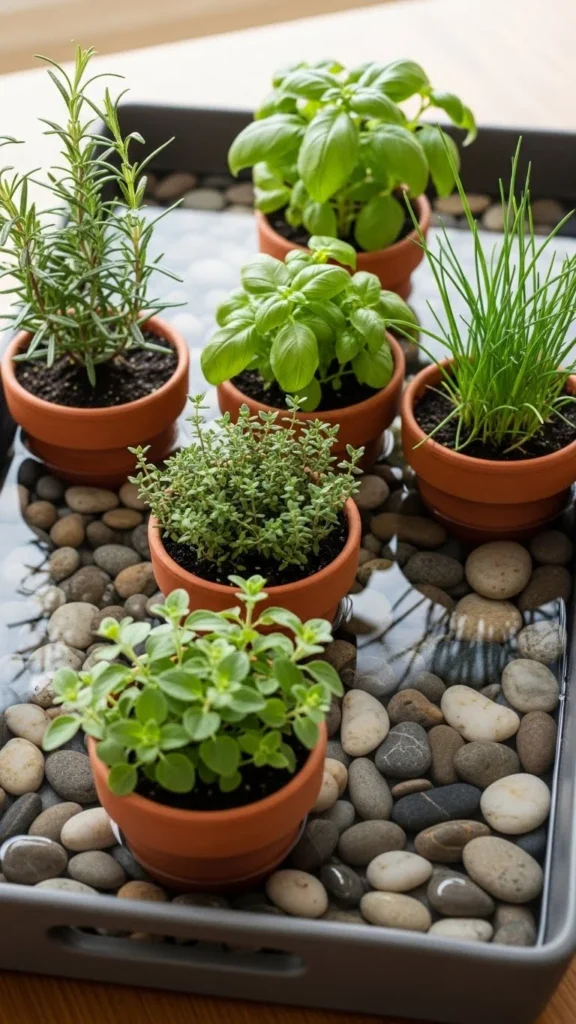
Winter air gets dry indoors, especially with heaters running. Placing herb pots on a tray filled with pebbles and a little water helps them stay comfortable. The water evaporates slowly and increases humidity around the plants. This trick costs very little and works for most herbs. Make sure the pot sits on the stones, not in the water. Constant soaking harms roots. This setup also keeps pots steady. If you don’t have pebbles, use marbles or small rocks you already own. Check the tray every few days and refill as needed. This simple system helps leaves stay soft and green. It also helps prevent crispy edges that appear during cold months. A bit of extra moisture goes a long way for winter herbs.
4. Use LED Desk Lamps as Grow Lights
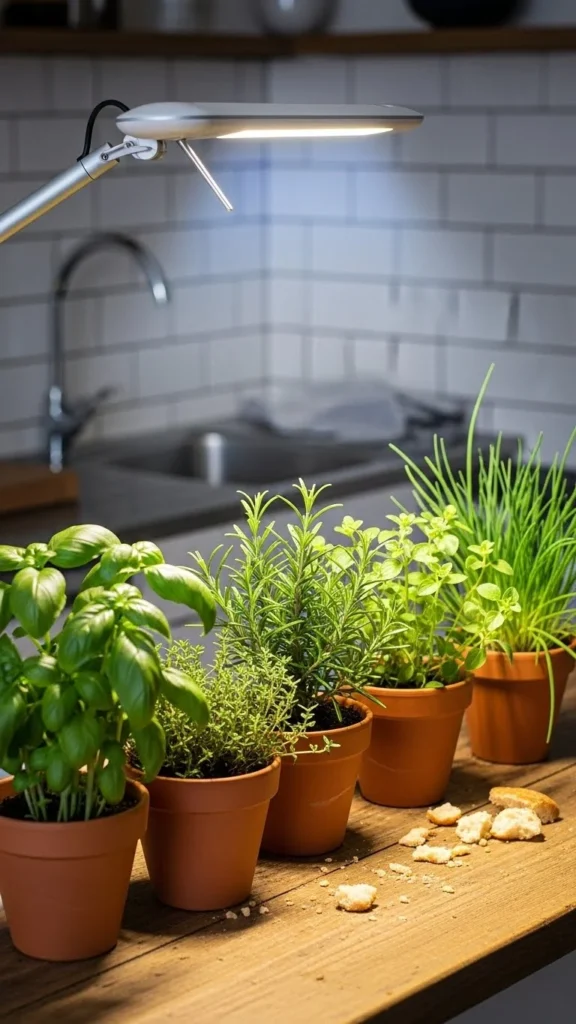
Not everyone has bright winter light. A simple LED desk lamp works well as a grow light. Aim it close to your plants for several hours a day. Many lamps have adjustable arms, making it easy to position the light exactly where you want it. This is more affordable than buying specialty grow lights. Herbs like basil, parsley, and thyme respond quickly to extra light. Keep the lamp on a timer to avoid forgetting. You can use a phone reminder too. Start with six hours of light and adjust if the plants look weak. Avoid placing the lamp too far away or the stems may stretch. This small change helps keep herbs sturdy and flavorful.
5. Keep Herbs Away from Stove Steam
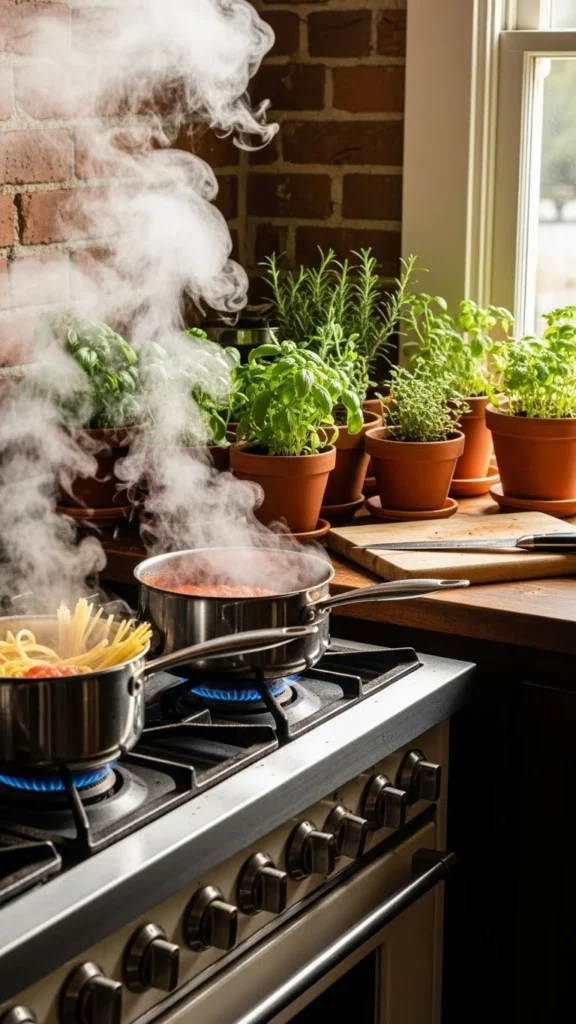
Cooking steam feels warm but harms indoor herbs. Heat from boiling pots shocks leaves and makes them limp. Keep herb containers on a counter away from the stove. Choose a corner that gets steady light instead. If your kitchen is small, place herbs on a shelf above eye level. This keeps them out of the way but still close enough for cooking. You can also move the herbs temporarily while cooking if you notice leaves drooping. If steam exposure becomes a habit, herbs decline quickly. Making thoughtful placements helps your plants stay strong all winter.
6. Trim Herbs Lightly to Encourage New Growth
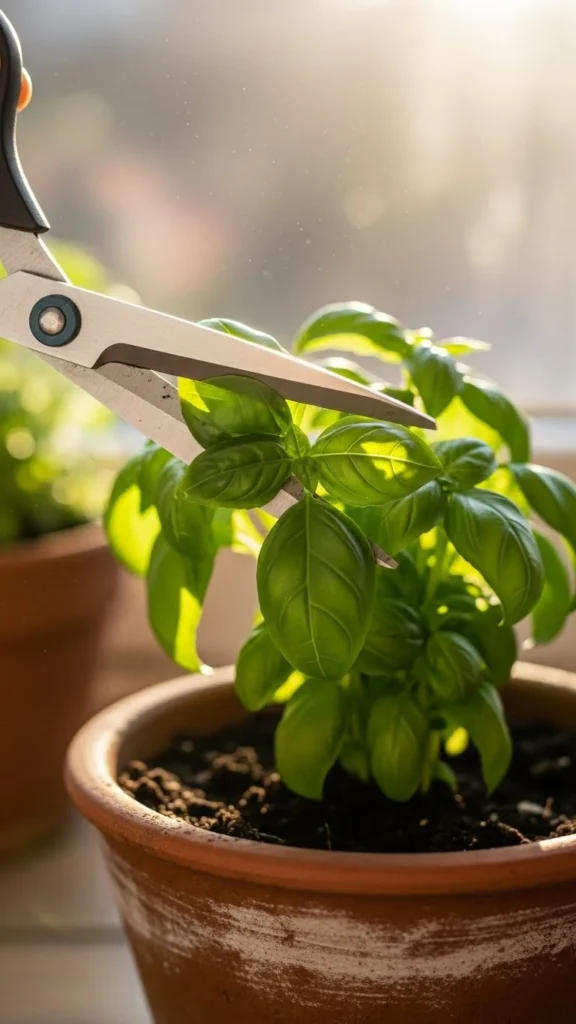
Regular trimming keeps herbs growing. If stems get tall and thin, pinch off the top few inches. This encourages fuller growth. You don’t need to cut much—just enough to shape the plant. Use kitchen scissors for clean cuts. Add the trimmings to soups or teas. This reduces waste. Light pruning keeps herbs compact and prevents them from leaning toward windows. If you forget for a week or two, just start again. Herbs adapt quickly. This practice creates stronger plants that handle winter light better.
7. Feed Herbs Using Weak Fertilizer Once a Month
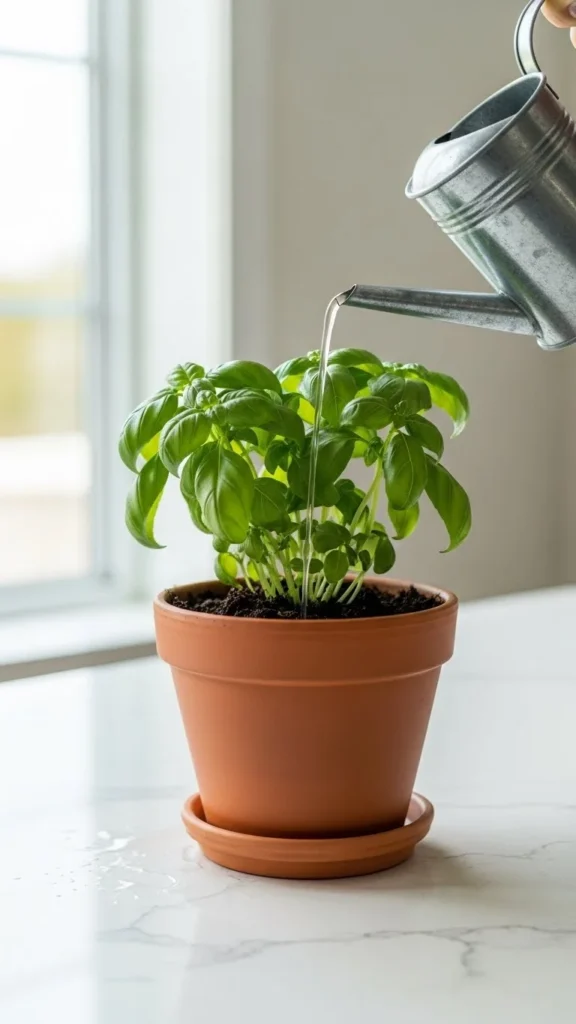
Indoor herbs slow down during cold months, so they don’t need heavy feeding. A weak fertilizer solution once a month gives them just enough support. Mix half the usual strength. Water until the soil feels slightly moist. Overfeeding leads to leggy stems. If buying fertilizer feels expensive, use homemade options like cooled vegetable boiling water. This contains light nutrients. Make sure pots have drainage holes so salt doesn’t build up. This slow approach helps herbs stay steady through winter without overwhelming them.
8. Give Mint Its Own Pot
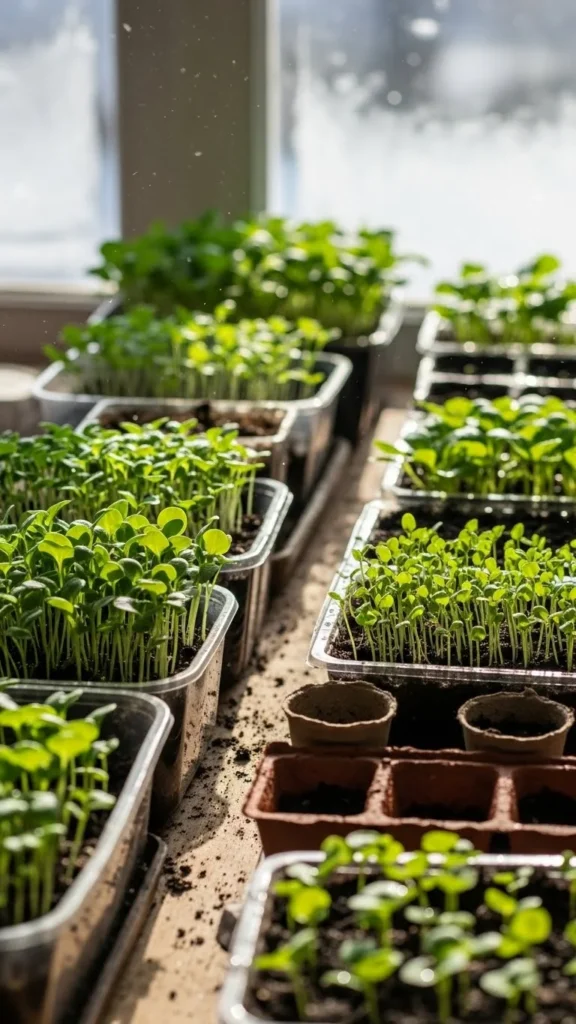
Mint grows quickly and takes over containers. Giving it its own pot keeps it from crowding other herbs. A small to medium pot is enough. Place mint in a bright spot and water regularly. It enjoys slightly moist soil. If you plant mint with other herbs, it spreads roots fast and makes them struggle. Keeping mint separate also helps you monitor growth. This makes trimming easier. Mint leaves stay fragrant when grown indoors. This setup keeps your kitchen flavors balanced.
9. Rotate Pots Every Few Days
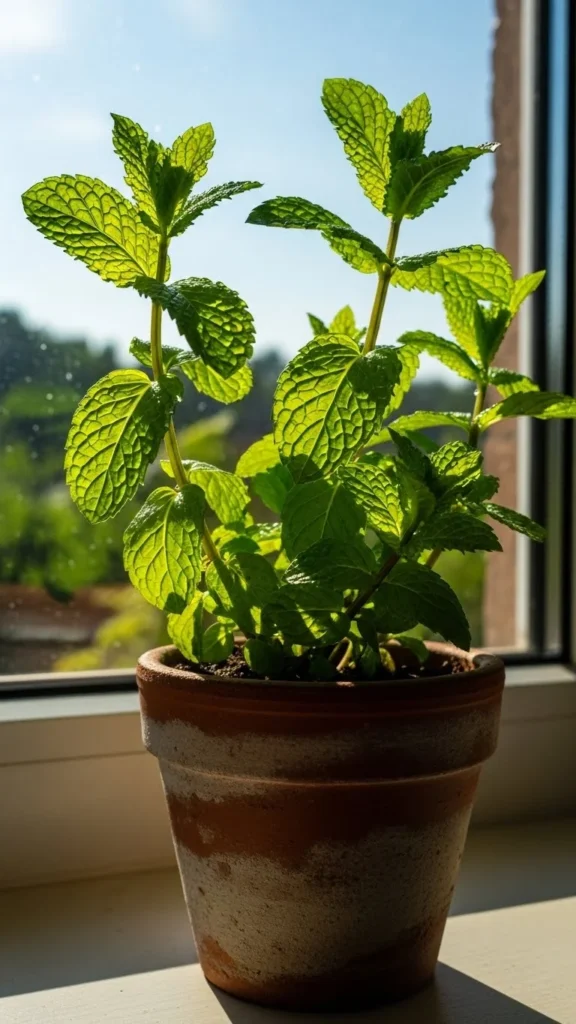
Herbs grow toward the light. Rotating pots keeps growth even. Every few days, turn each pot a quarter turn. This helps stems stay upright and prevents leaning. It also keeps leaves full and green. You don’t need to mark the pots—just turn them when you walk by. This small habit takes seconds but makes a clear difference. If you forget, rotate whenever you remember. Indoor herbs respond quickly. Balanced growth makes plants easier to trim later.
10. Use Coffee Grounds Sparingly for Soil Texture
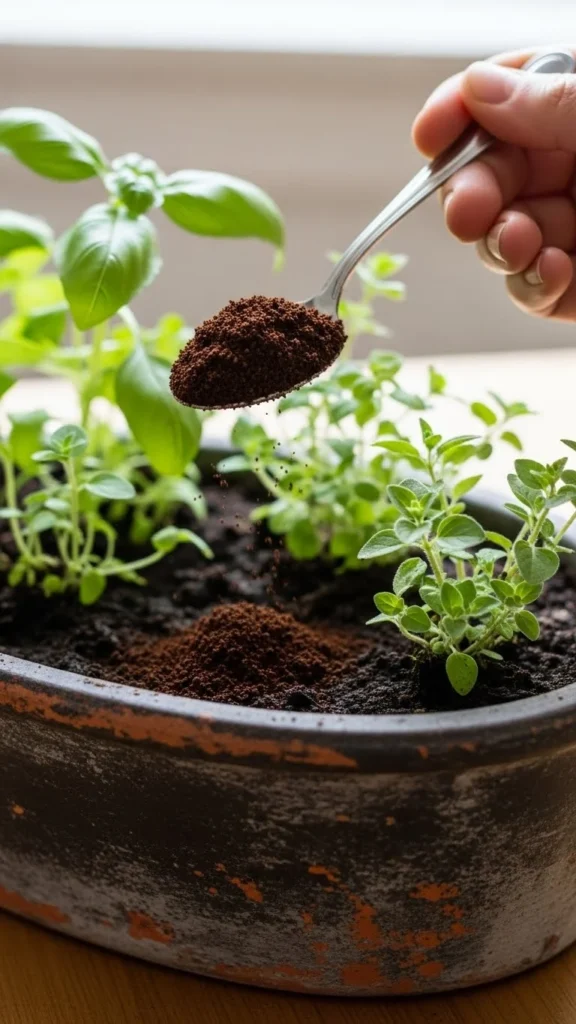
Coffee grounds can help soil texture but only in small amounts. Sprinkle a tiny pinch on top once every few weeks. Mix lightly into the top layer. This helps soil stay loose. Too much makes soil dense. If you drink coffee daily, use only a small amount and compost the rest. Herbs like basil and parsley respond well to this trick. It costs nothing and reduces kitchen waste. Always keep soil airy to help roots breathe.
11. Choose Clay Pots for Better Breathability
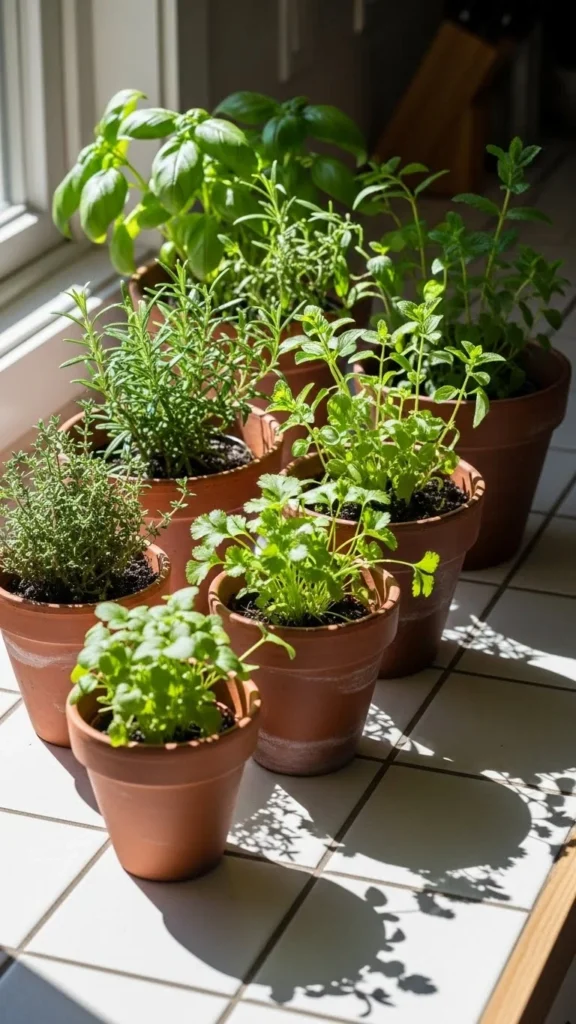
Clay pots allow air to pass through the sides. This keeps soil from staying wet too long. Herbs like rosemary and thyme prefer this setup. If you already have plastic pots, switch only the herbs that seem weak. Clay pots are inexpensive and last years. They also look nice in a kitchen. You can decorate them with paint if you like. This container choice helps prevent soggy roots during winter.
12. Mist Herbs Lightly for Leaf Freshness
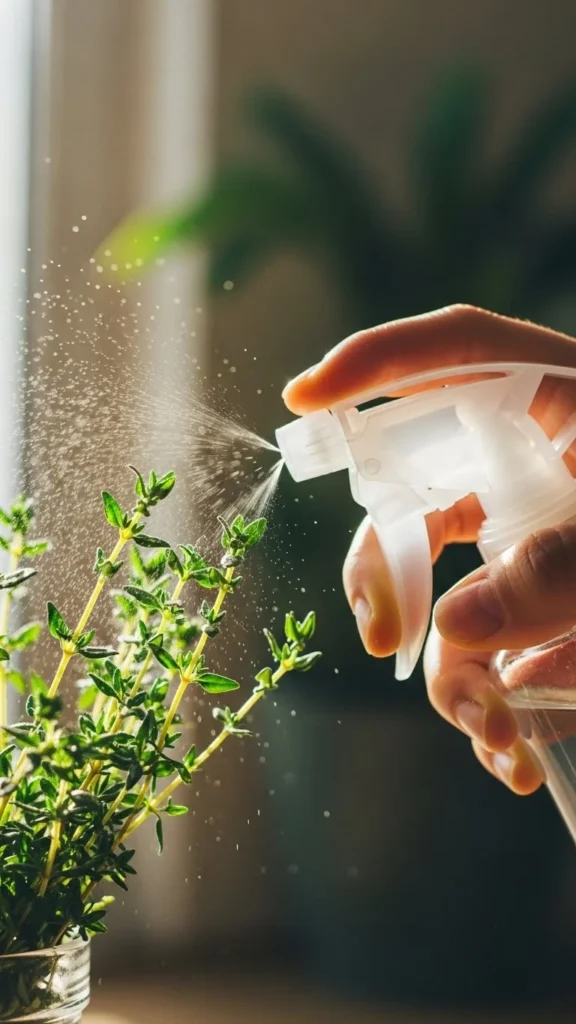
A light mist once in a while keeps leaves soft. Winter heat dries them quickly. Use a fine spray bottle. Mist early in the day so leaves dry before night. Never soak them. Just a quick spritz is enough. Herbs like basil and cilantro enjoy a bit of humidity. This simple step stops edges from getting crispy. If you forget, mist when the leaves look dull. This adds a bit of life to your indoor garden without extra work.
13. Use a Simple Tray to Catch Soil Spills
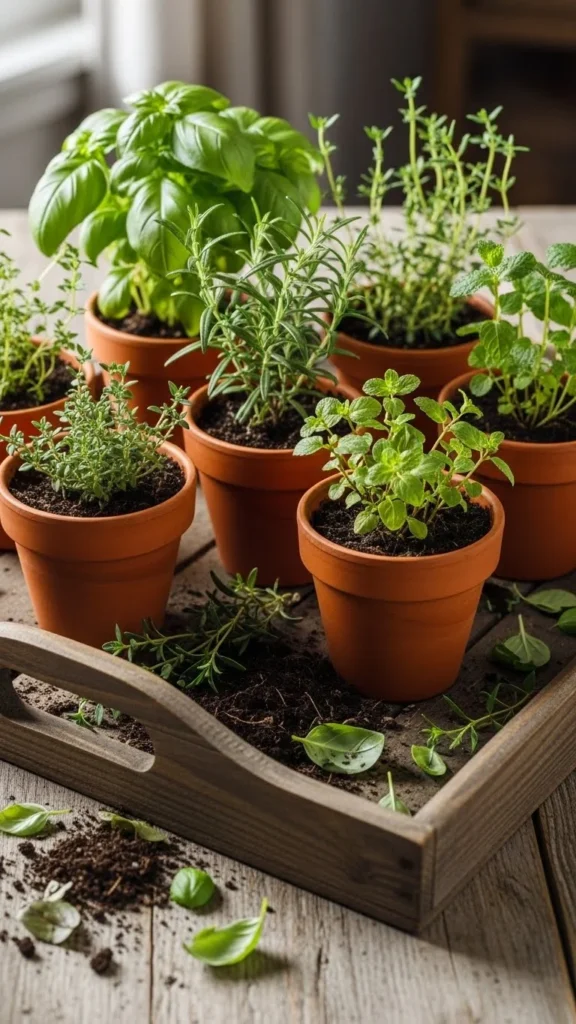
Herb pots shed soil when watered. Using a tray keeps cleanup easy. Place pots together so the tray collects loose soil and drips. You can use any flat dish, baking sheet, or repurposed kitchen tray. This setup also keeps herbs organized. It makes watering faster because you move only one item. If you have a small kitchen, trays help save counter space. It’s a low-cost way to keep things tidy.
14. Group Herbs with Similar Watering Habits
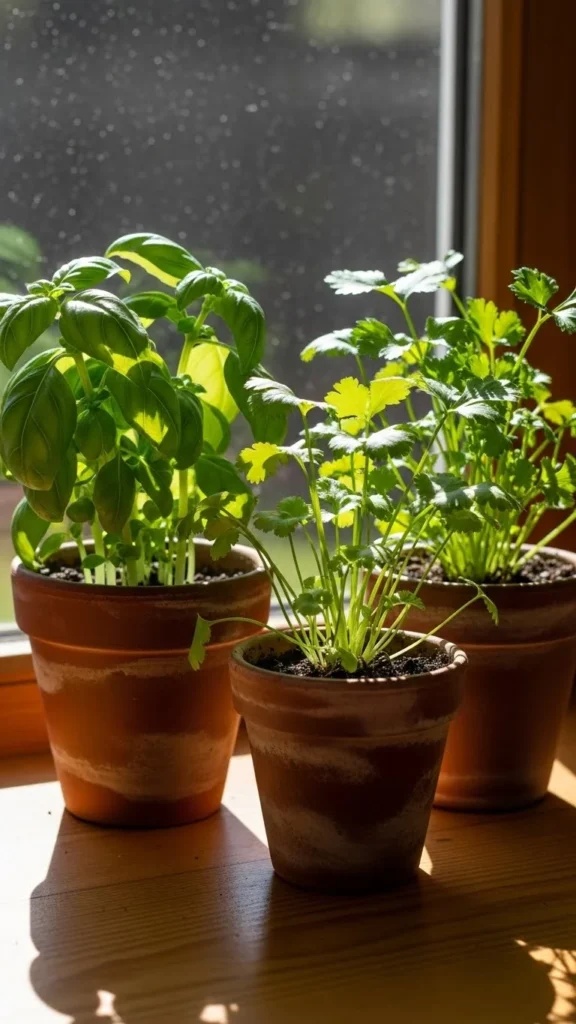
Some herbs drink more water than others. Basil, cilantro, and parsley like moist soil. Rosemary and thyme like it drier. Grouping herbs with similar habits helps prevent mistakes. You water one group lightly and the other deeply. This keeps each type comfortable. It also helps you see patterns in growth. Use two small trays so you don’t mix up watering schedules. This method keeps herbs from getting overwatered or ignored.
15. Replant Grocery-Store Herbs into Real Pots
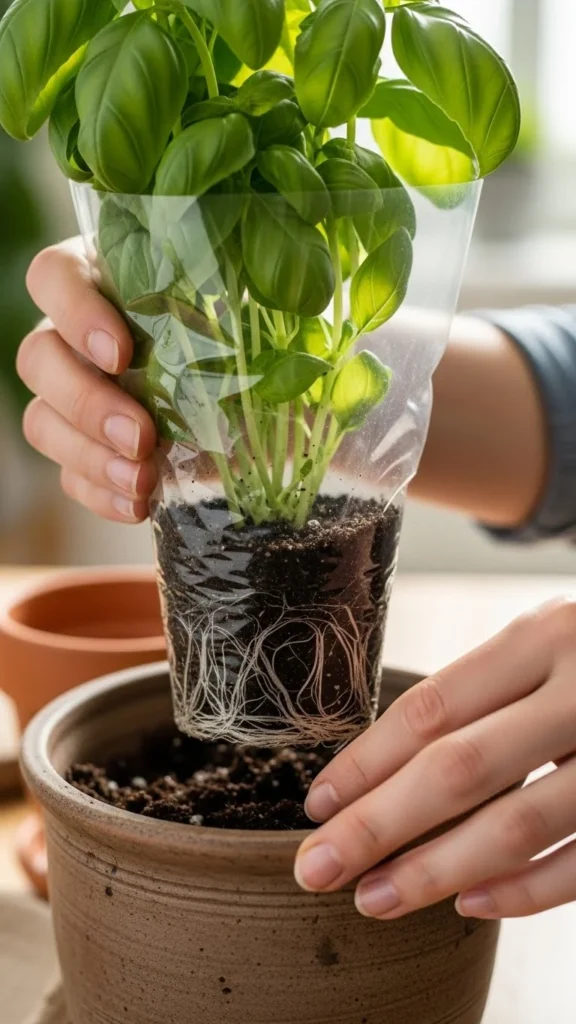
Many grocery-store herbs arrive in tight plastic sleeves with overcrowded roots. Replant them into real pots with good soil. This gives them room to grow. Divide dense plants into two or three small pots to stretch your supply. This trick saves money and gives you more herbs for cooking. Water lightly after repotting. Place them in a bright spot for recovery. Grocery-store herbs adapt well indoors. A proper pot helps them survive winter much longer.
16. Try Regrowing Herb Scraps in Water
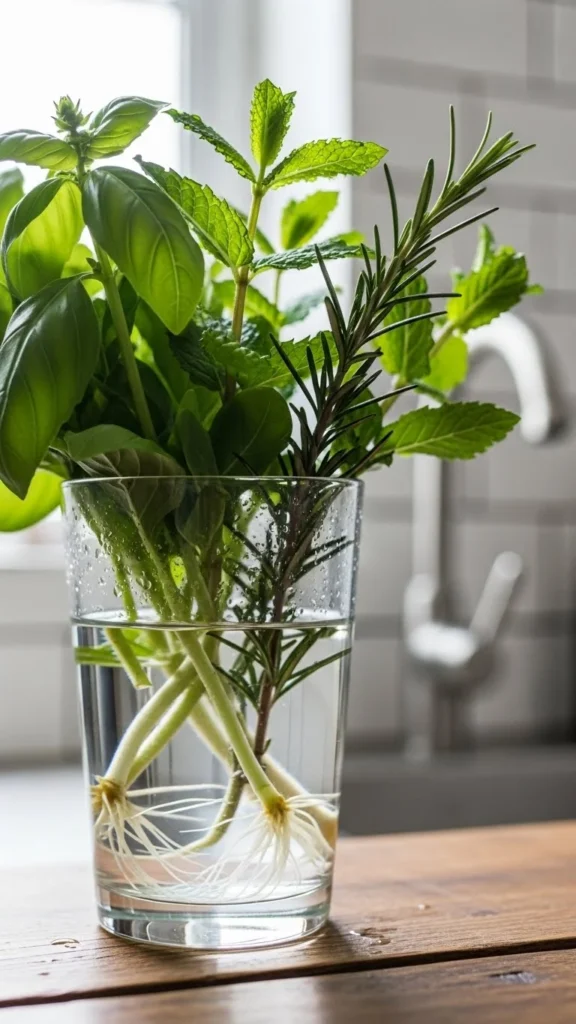
Some herbs regrow easily from scraps. Place green onion or mint stems in a glass of water. Change the water every few days. Soon roots begin to form. Once you see enough roots, plant them in soil. This method costs almost nothing. It’s great for kids or beginners. Keep the glass near a window for faster growth. This trick extends the life of store-bought herbs.
17. Keep Rosemary Dry Between Waterings
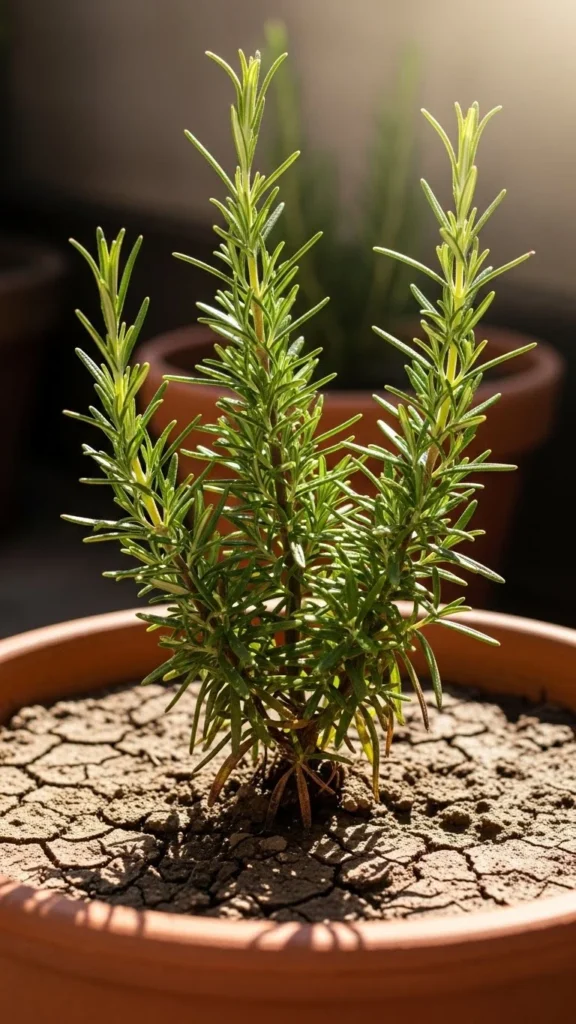
Rosemary prefers dry conditions. Overwatering makes it struggle. Let the soil dry almost completely before watering again. Use a clay pot for better airflow. Place rosemary near a sunny window. This herb handles winter light better than others. Trim lightly to keep the shape tidy. If leaves brown at the base, you’re watering too much. Adjust slowly. Rosemary grows well indoors with careful watering and strong light.
18. Use Warm Water for Winter Watering
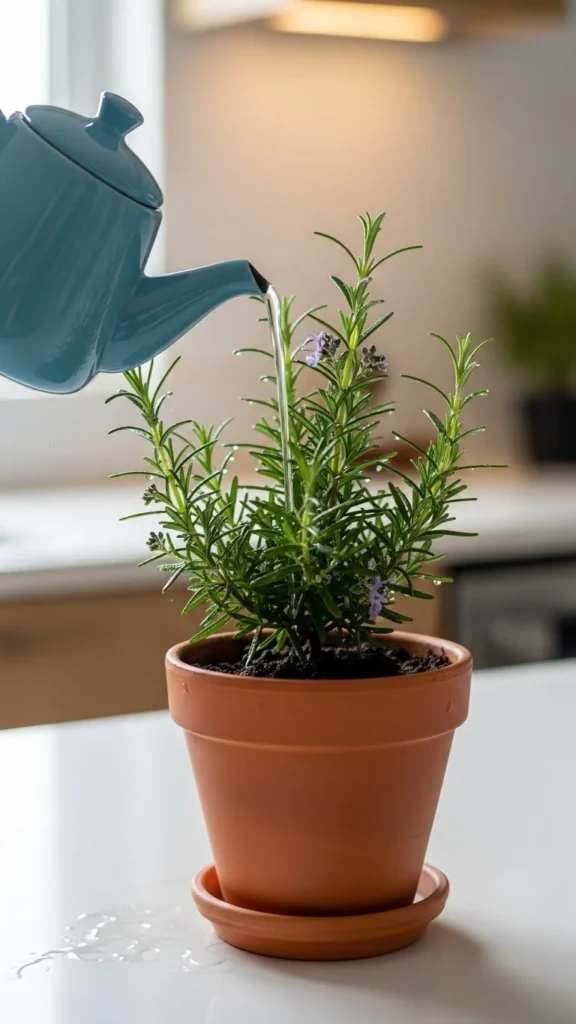
Cold water shocks herb roots in winter. Use slightly warm water instead. Not hot—just comfortable to the touch. This helps soil absorb moisture gently. Herbs stay calmer and recover quickly. Keep a small container of water on the counter so it reaches room temperature. This simple trick prevents leaf stress. It works well for basil, parsley, cilantro, and mint. It’s an easy habit with clear benefits.
19. Move Weak Herbs Closer to Light
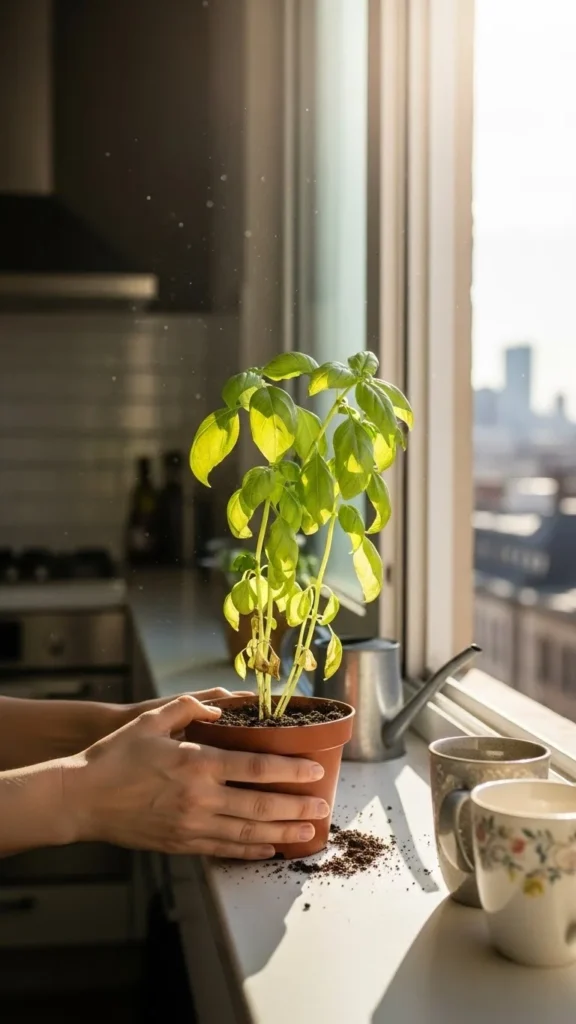
If a herb looks pale or droopy, move it closer to bright light. Even small adjustments help. Place weak plants directly on the sill. Keep stronger ones slightly behind. Watch for changes over the next week. If growth improves, keep the plant there. If not, add a small lamp. Light is often the reason herbs decline indoors. Small tweaks make a big difference.
20. Use Foil to Reflect Light Back to Plants
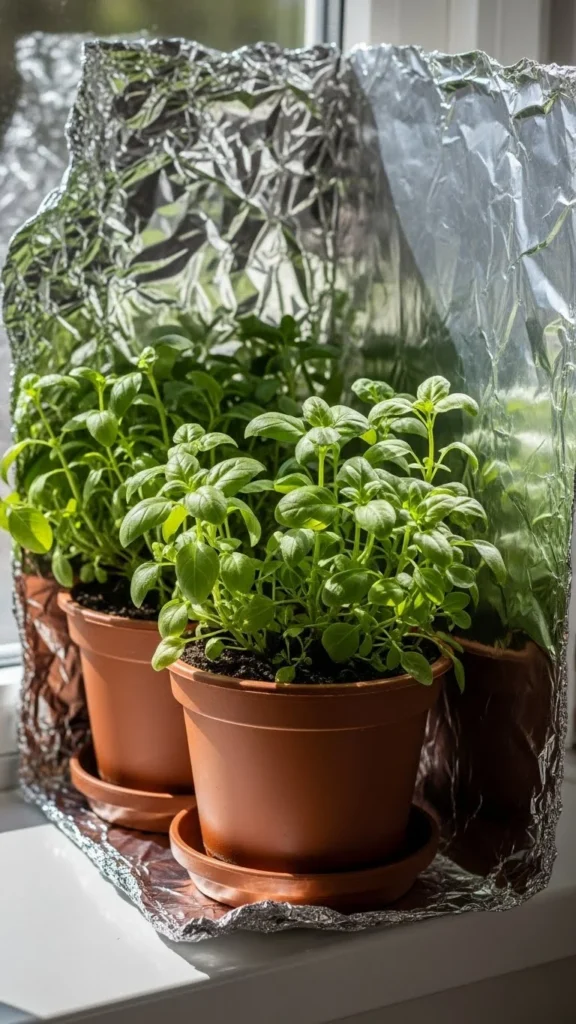
Foil reflects extra light, helping herbs grow better. Place a small piece behind your pots so sunlight bounces back. This trick costs almost nothing. It works well in dim kitchens. Keep the foil smooth for a clear reflection. Place it at an angle so the light spreads. This method gives plants a small energy boost without buying new equipment. It’s simple and very effective.
21. Keep Herbs Away from Heat Vents
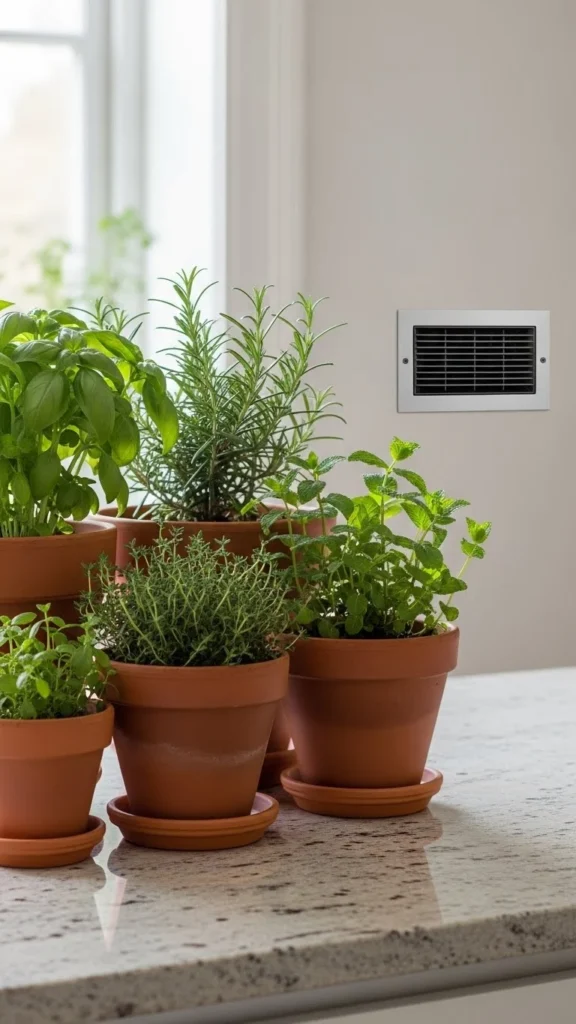
Heat vents dry soil quickly and weaken herbs. Keep pots away from warm airflow. Choose a cooler counter or shelf. If your kitchen has limited space, place a barrier between the vent and pots. You can use a cutting board or tray. Heat causes herbs to wilt or lose flavor. Giving them a calmer environment keeps them steady during winter.
22. Repot Herbs When They Become Root-Bound
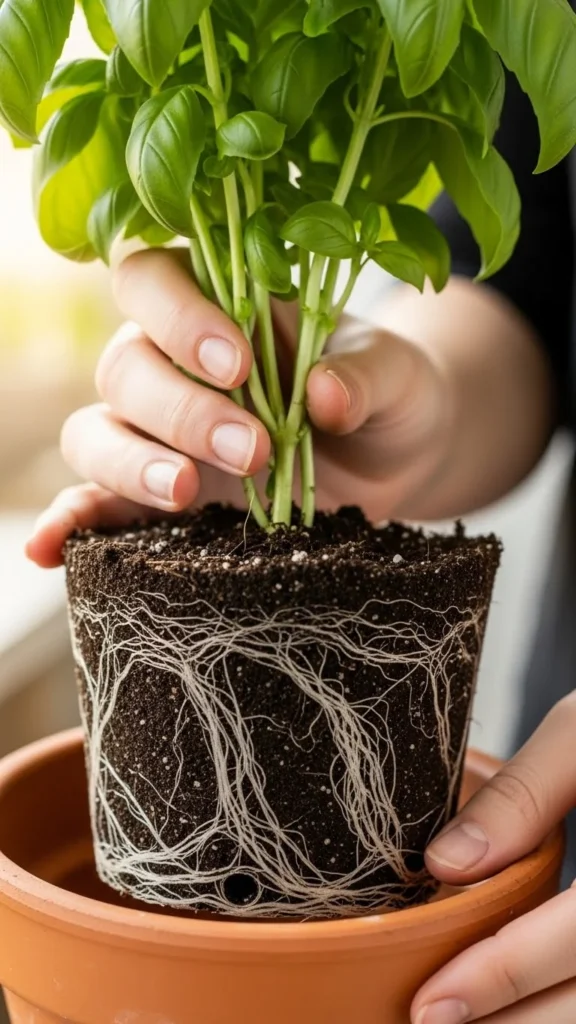
Root-bound herbs stop growing well. If roots circle tightly inside the pot, it’s time to repot. Choose a container only slightly bigger. Fill with light soil. Gently loosen the roots with your fingers. Water lightly and place in good light. Repotting refreshes herbs quickly. This helps them grow stronger through winter. Don’t choose pots too large—they hold extra water. Small steps keep herbs healthy.
23. Snip Often for Steady Growth
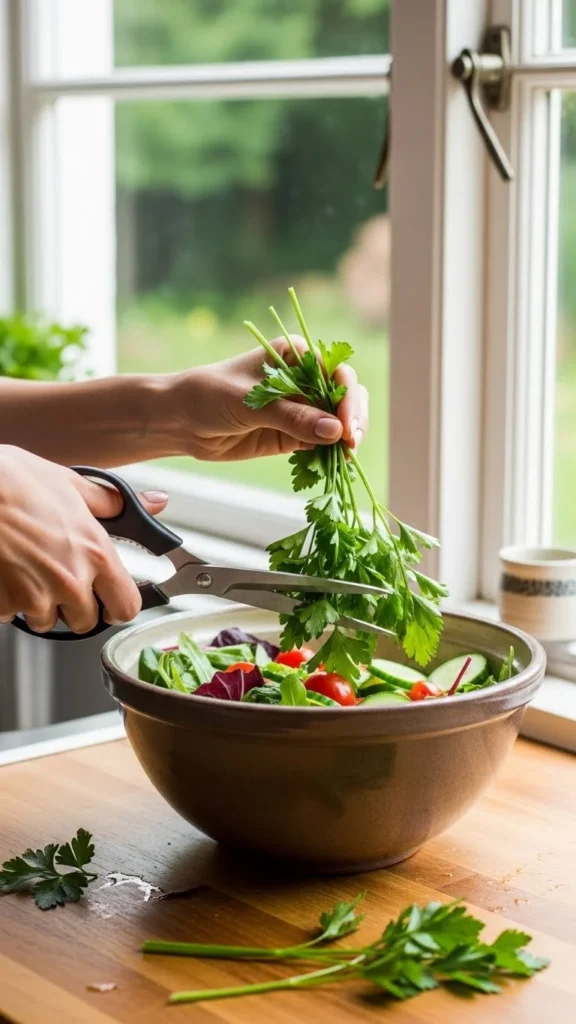
Regular snipping encourages steady growth. Herbs enjoy frequent trims. Take a few leaves when cooking. Avoid cutting too deep. Gentle harvesting helps plants spread and become fuller. If you skip trimming, herbs grow tall and thin. This practice keeps them flavorful and manageable. Snip in the morning for best texture. Use scissors or fingers. This habit keeps your indoor garden lively.
Conclusion
Indoor herbs bring color, aroma, and flavor to winter kitchens. Simple habits—good light, steady watering, and thoughtful placement—help each plant stay strong through cold months. You don’t need expensive tools or complicated methods. Just small, daily actions that keep your herbs comfortable. Try a few hacks from this list and enjoy fresh ingredients even when outdoor gardens rest. Your kitchen will feel brighter, greener, and more inviting all winter.
Leave a Reply