

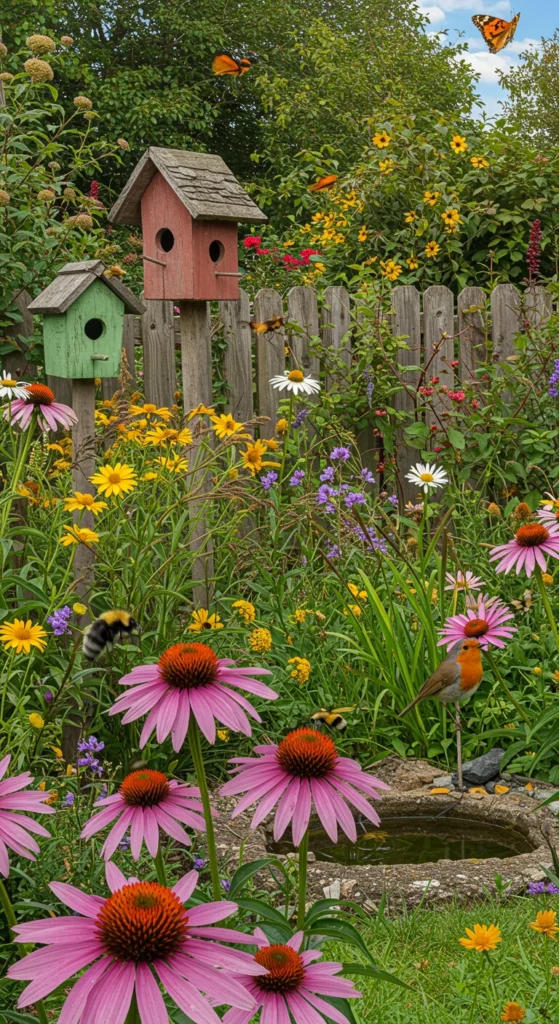
Wildlife-friendly gardens invite life into yards in ways that feel natural and rewarding. Birds, bees, butterflies, frogs, and even hedgehogs can all find safe havens in thoughtfully planned spaces. The secret is variety—mixing plants, water sources, and small shelters creates balance. Whether you have a sprawling yard or just a balcony, there are practical ways to welcome wildlife. Here are 24 wildlife-friendly gardening ideas to make your outdoor space a thriving sanctuary.
1. Plant Native Flowers
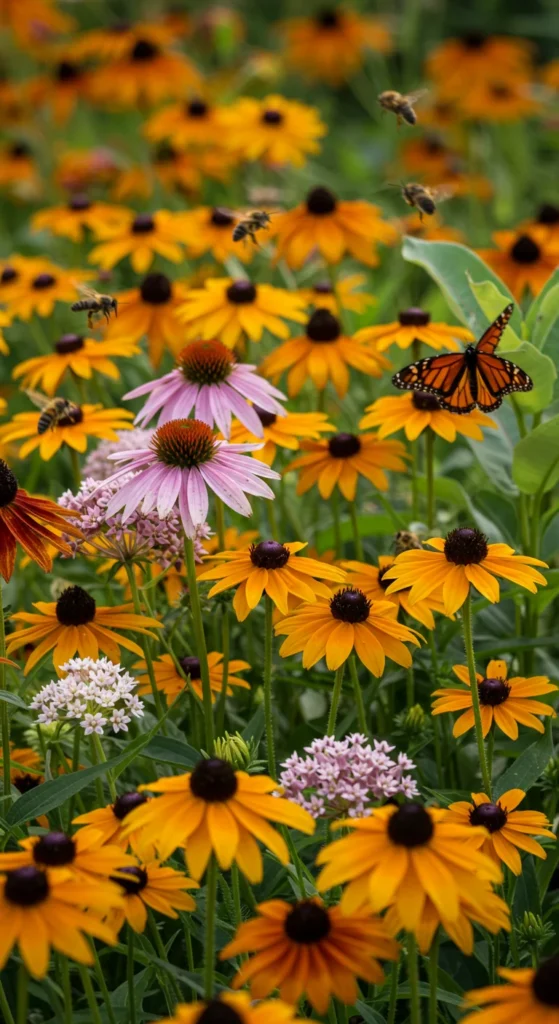
Native flowers attract local pollinators better than imported species. They’re already adapted to your climate, which means less upkeep. Bees and butterflies flock to their nectar-rich blooms. To save money, buy seed mixes designed for your region. Scatter them in a corner of your yard, and you’ll have a low-maintenance pollinator patch within months.
2. Add a Bird Bath
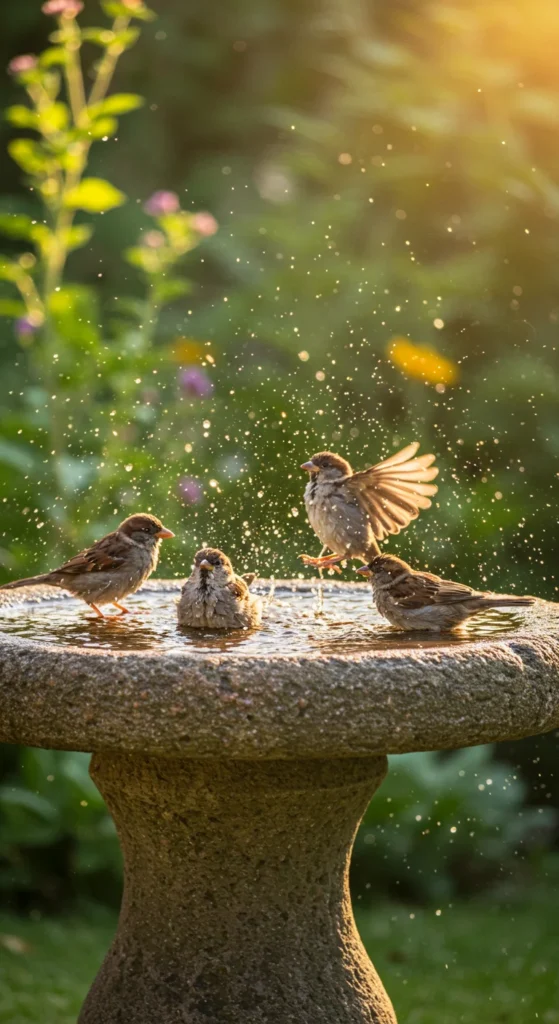
Bird baths are simple yet effective. They provide birds with a safe place to drink and bathe. Use a shallow dish or a repurposed bowl, placing it in a shady spot. Add a few pebbles for smaller birds to perch on. Refill daily, especially in hot weather.
3. Build a Bee Hotel
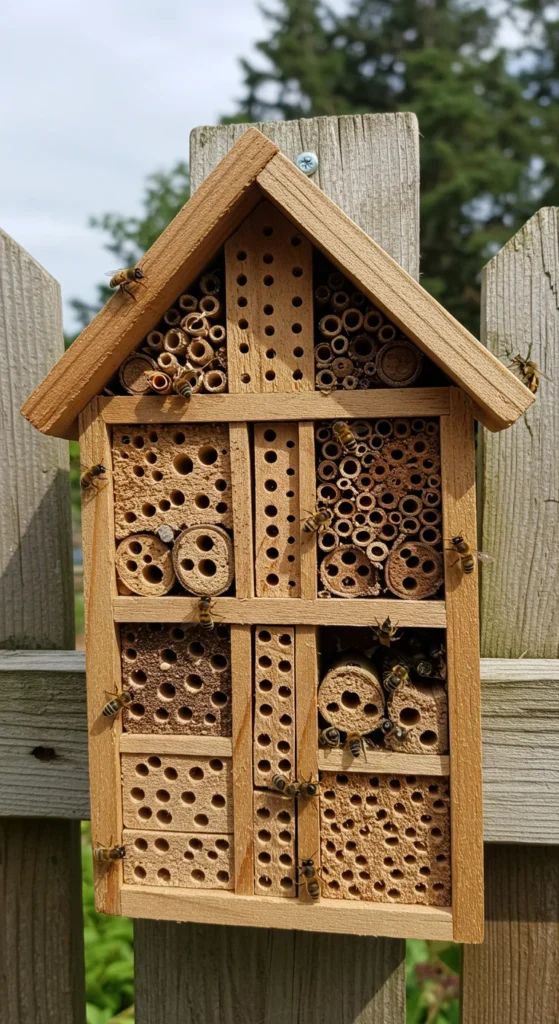
Solitary bees, like mason bees, benefit from small shelters. Drill holes in untreated wood or bundle bamboo canes together. Place the bee hotel in a sunny, sheltered spot. These simple structures give pollinators a place to nest while helping your plants thrive.
4. Install Birdhouses
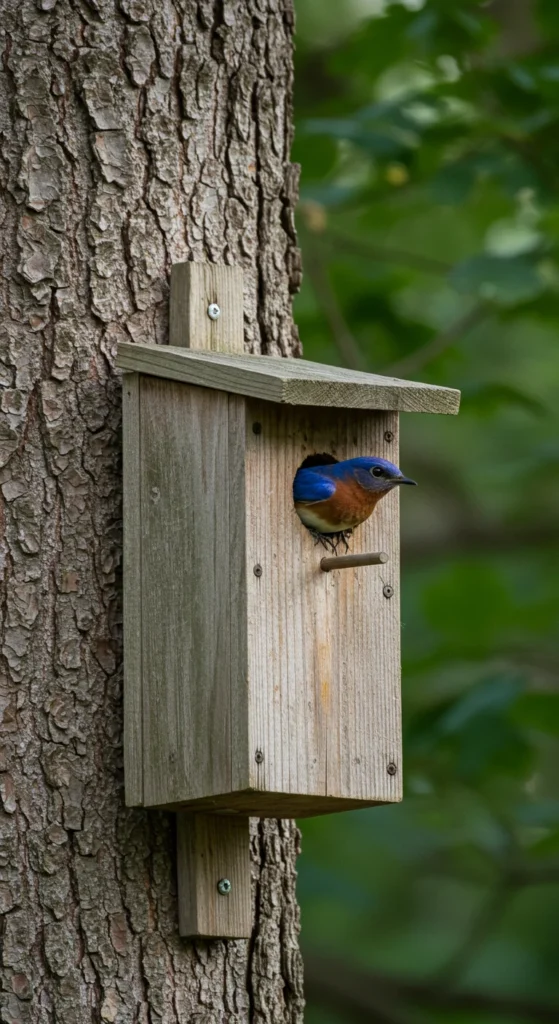
Birdhouses provide safe nesting spaces. Different species prefer different entrance hole sizes, so research what works for your local birds. Paint the outside for fun, but leave the inside untreated. Mount them high enough to keep cats away.
5. Grow Fruit-Bearing Shrubs
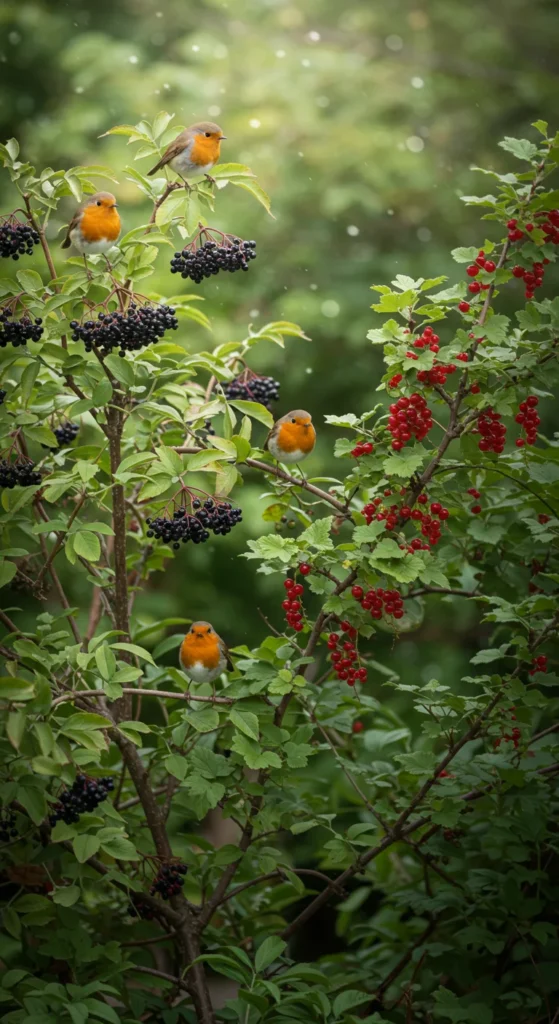
Shrubs like elderberry, currants, or serviceberry provide both food and shelter. Birds feed on the berries, while the branches give cover from predators. Plant a few in borders or along fences for seasonal interest and wildlife support.
6. Create a Small Pond
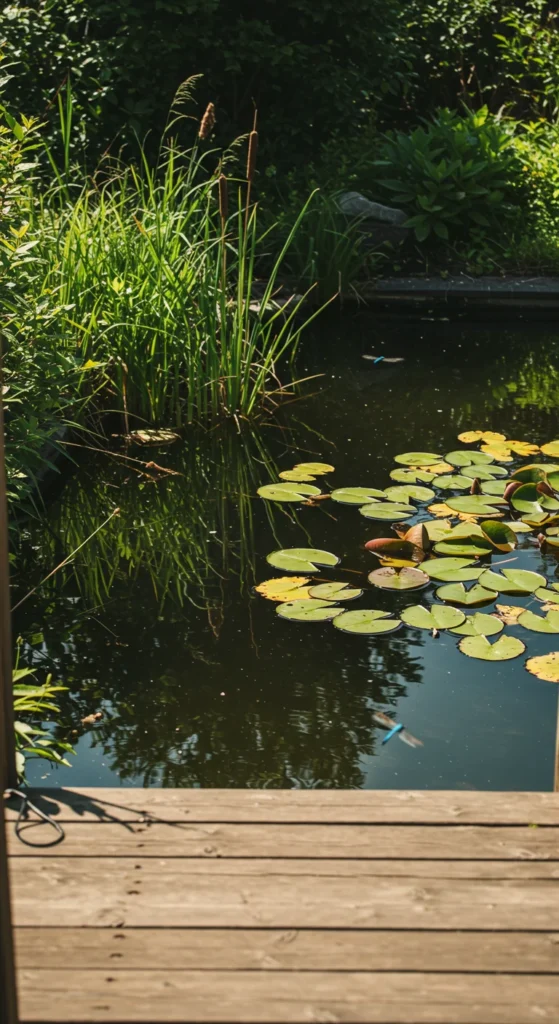
Water attracts frogs, insects, and birds. A pond doesn’t have to be big—even a large container works. Add stones at the edges so small animals can climb in and out safely. Skip fish if you want to attract frogs and newts.
7. Leave a Log Pile

Deadwood shelters beetles, hedgehogs, and frogs. Create a log pile in a shady corner and let it decay naturally. It doubles as a home for fungi, boosting biodiversity. No cost, just gather fallen branches from your yard.
8. Plant Sunflowers
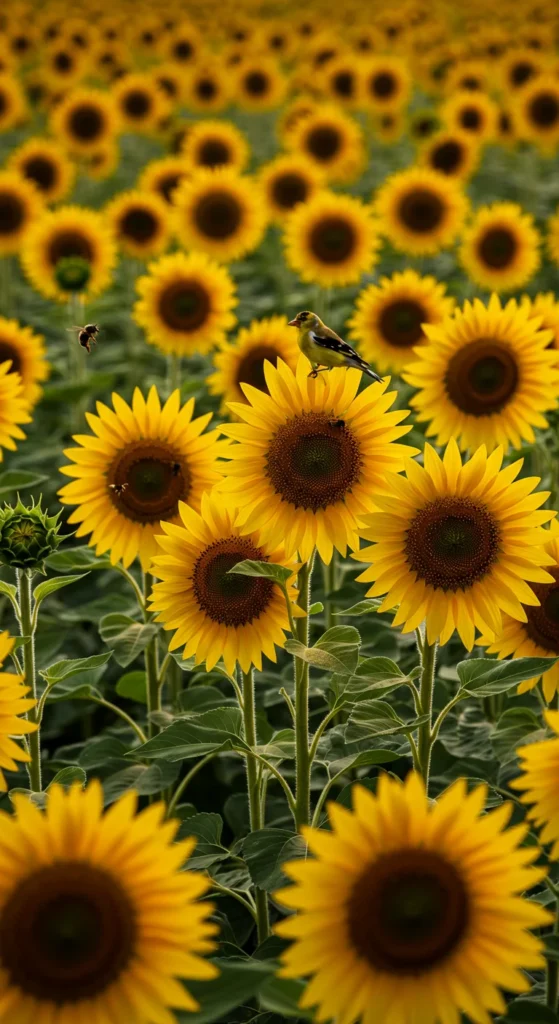
Sunflowers bring height and color while feeding pollinators. Bees gather pollen from the blooms, and later birds feast on the seeds. Plant them directly from seed in spring. Taller varieties also provide shade for smaller plants.
9. Install a Hedge Instead of a Fence
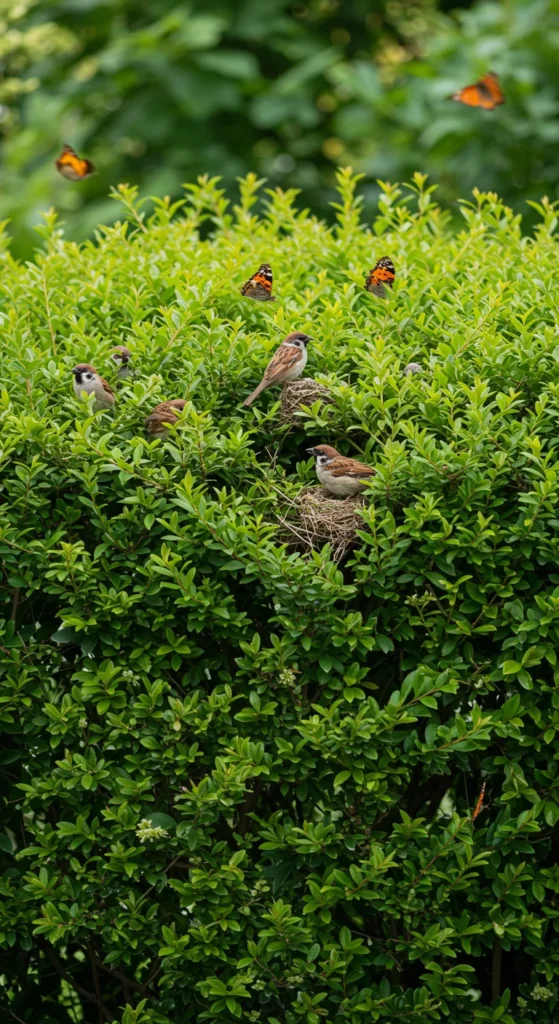
Hedges offer shelter, food, and nesting space. Native shrubs like hawthorn or hazel are especially valuable. Unlike wooden fences, hedges allow wildlife to move freely. Over time, they create safe corridors for birds and insects.
10. Add Compost Piles
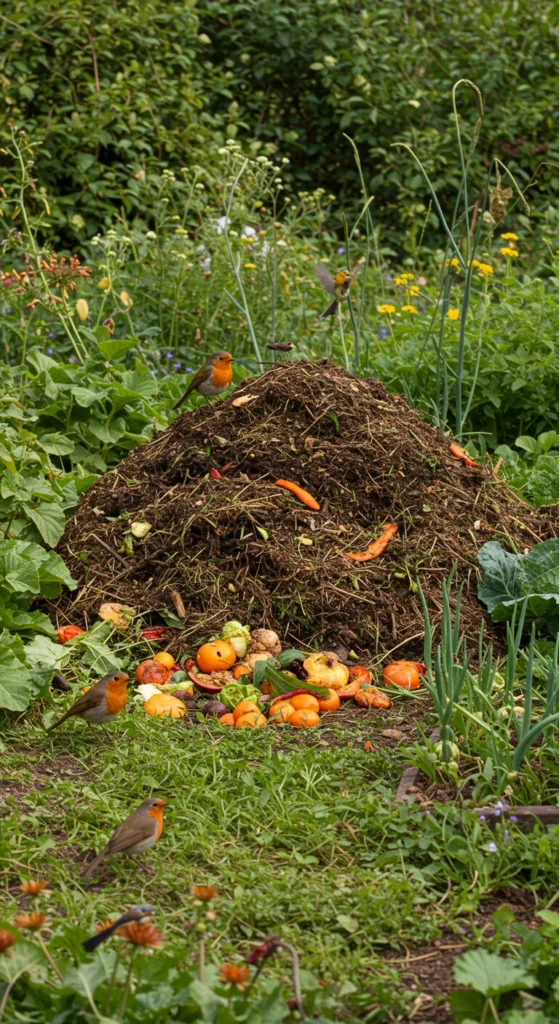
Compost piles recycle waste while supporting wildlife. Worms, beetles, and small mammals thrive in the rich habitat. Keep compost in a bin or open heap. It’s budget-friendly and reduces household waste.
11. Plant Herbs and Let Them Flower
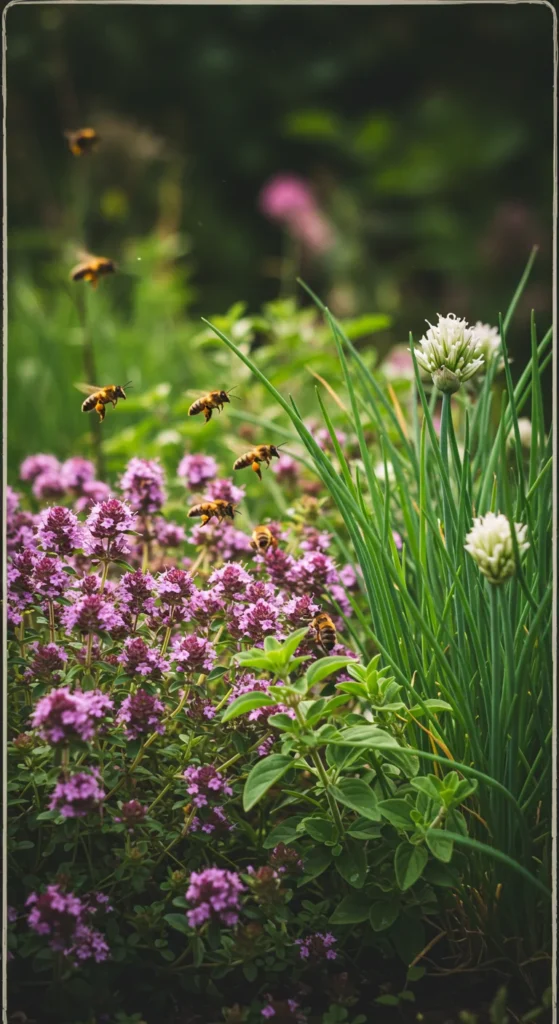
Herbs like thyme, mint, and chives provide nectar when they flower. Plant them near patios for dual use—cooking and pollinators. Let some stems bloom each year to keep bees visiting.
12. Grow Climbing Vines
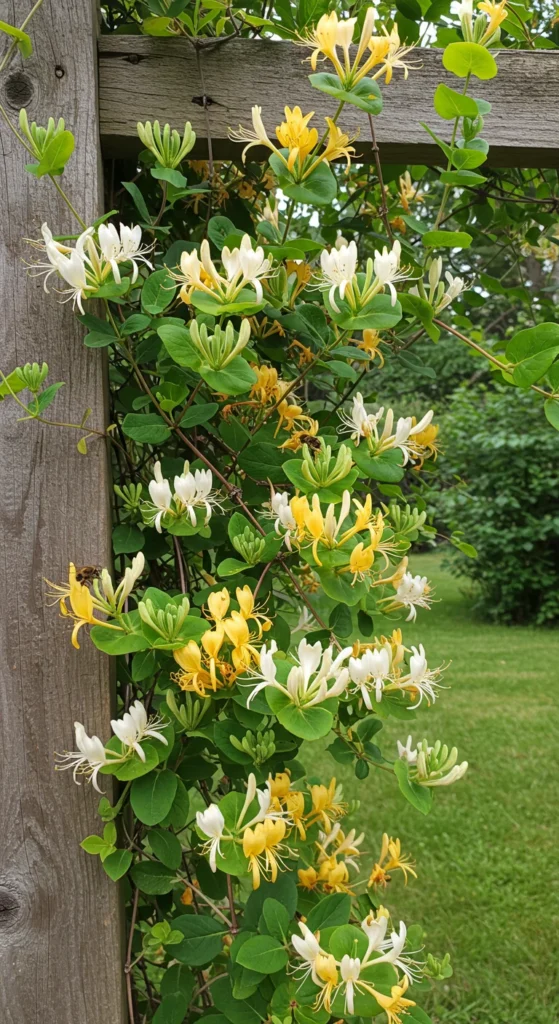
Climbers like honeysuckle or clematis add vertical interest while attracting pollinators. A simple trellis or fence is all they need. Birds and insects enjoy the flowers, while dense foliage offers nesting spots.
13. Provide Shallow Water Dishes
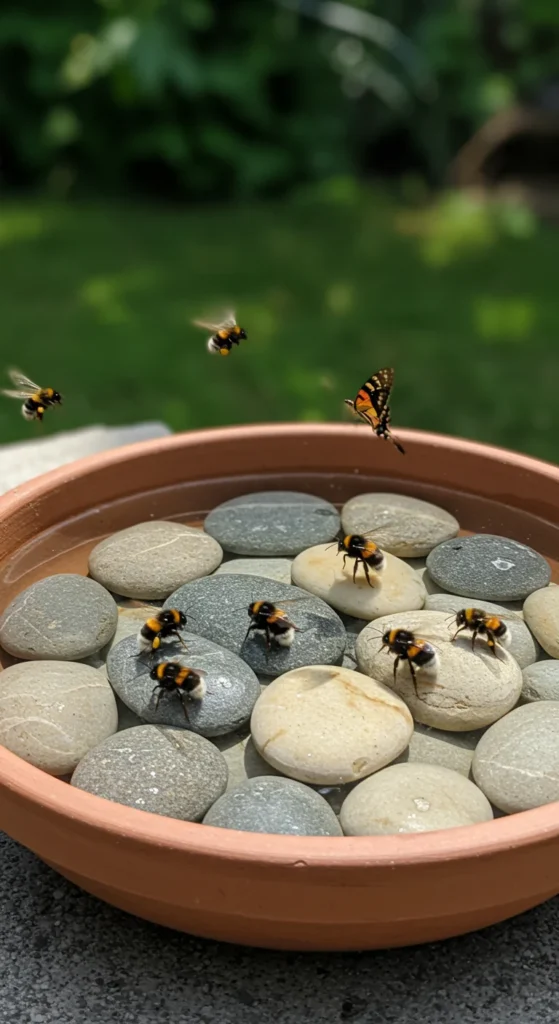
Not all wildlife can use deep ponds. Shallow dishes with pebbles help bees and butterflies drink safely. Place them among flower beds for easy access. Refill regularly to keep the water fresh.
14. Add Night-Blooming Flowers

Moths are important nighttime pollinators. Flowers like evening primrose and moonflower release fragrance after sunset. Plant them near patios where you can enjoy both the scent and visiting wildlife.
15. Grow Clover Lawns
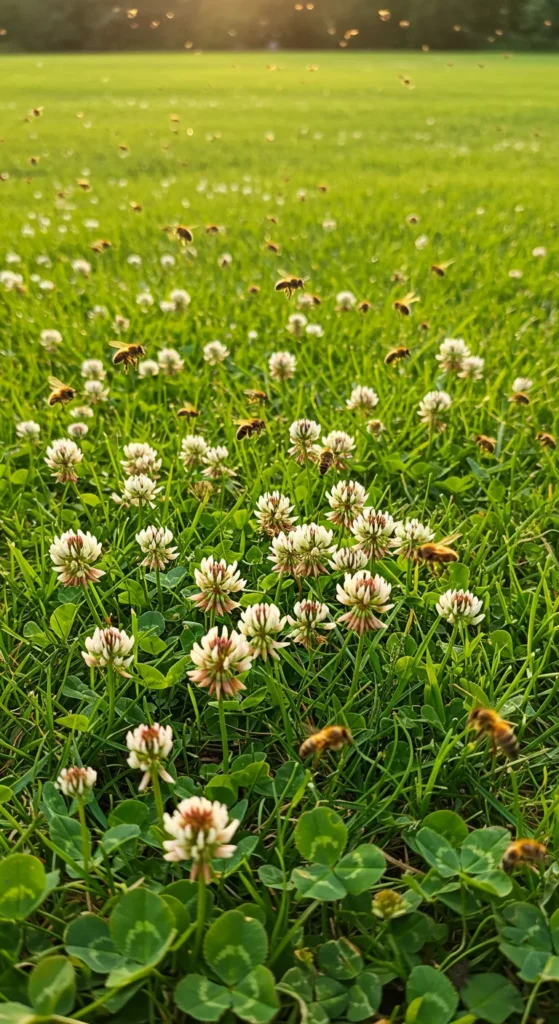
Clover lawns provide nectar and improve soil health. Instead of mowing everything to grass, mix in clover seeds. They stay green with less water and attract pollinators all summer.
16. Install Bat Boxes
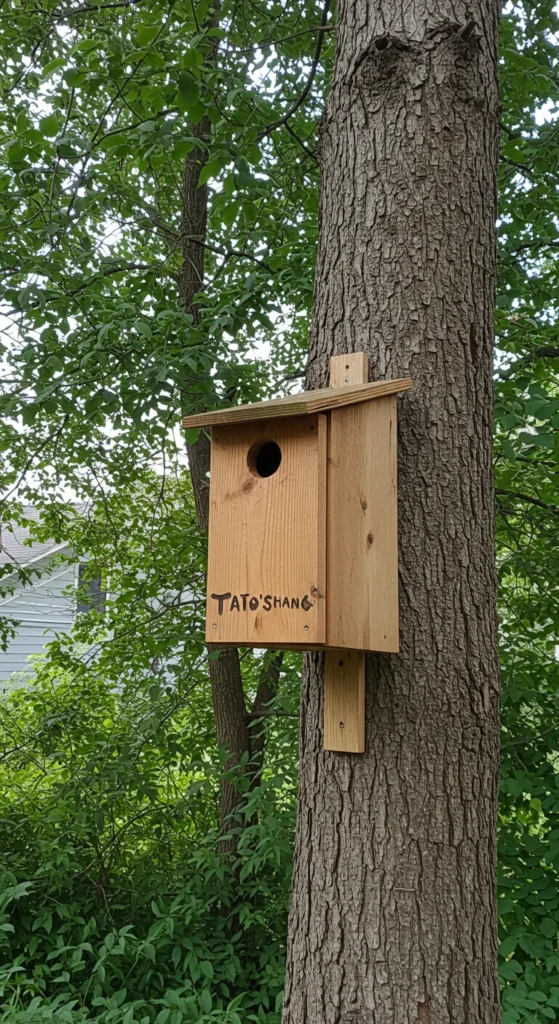
Bats help control insect populations. A bat box gives them a safe roosting site. Mount boxes high on trees or buildings in sunny spots. They require little upkeep and support local ecosystems.
17. Grow Native Trees
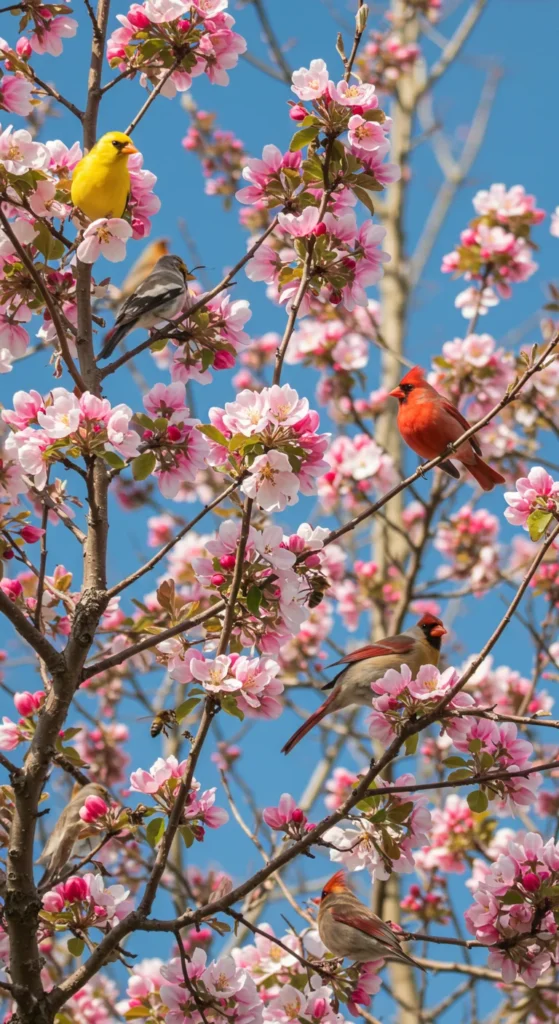
Trees like oak, willow, and maple provide year-round benefits. Birds nest in their branches, while bees feast on spring blossoms. Plant one or two if space allows—they anchor your garden for decades.
18. Leave Wild Corners
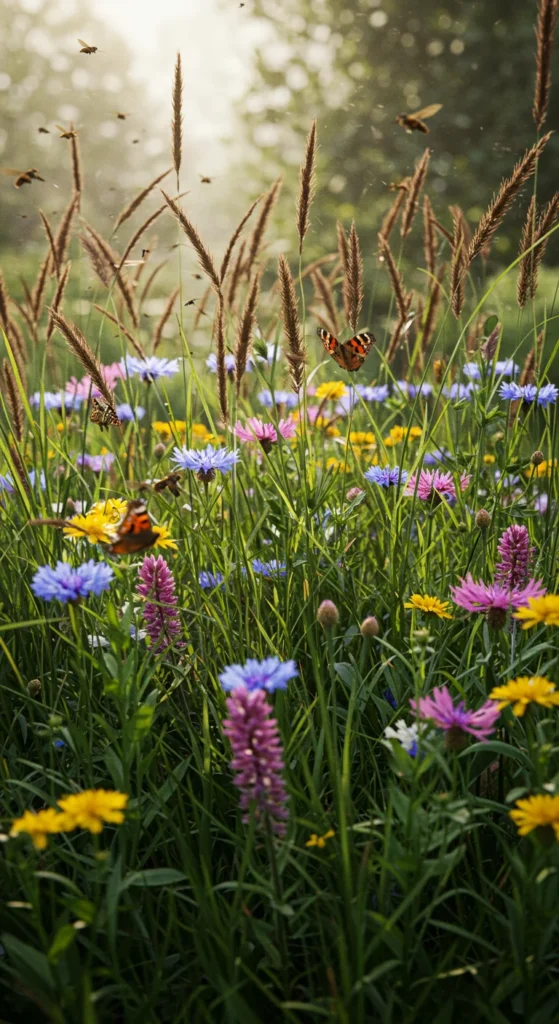
Not every patch must be manicured. Allowing areas to grow wild creates habitat for insects and small mammals. This approach saves time and money while supporting biodiversity.
19. Grow Berry Plants in Containers
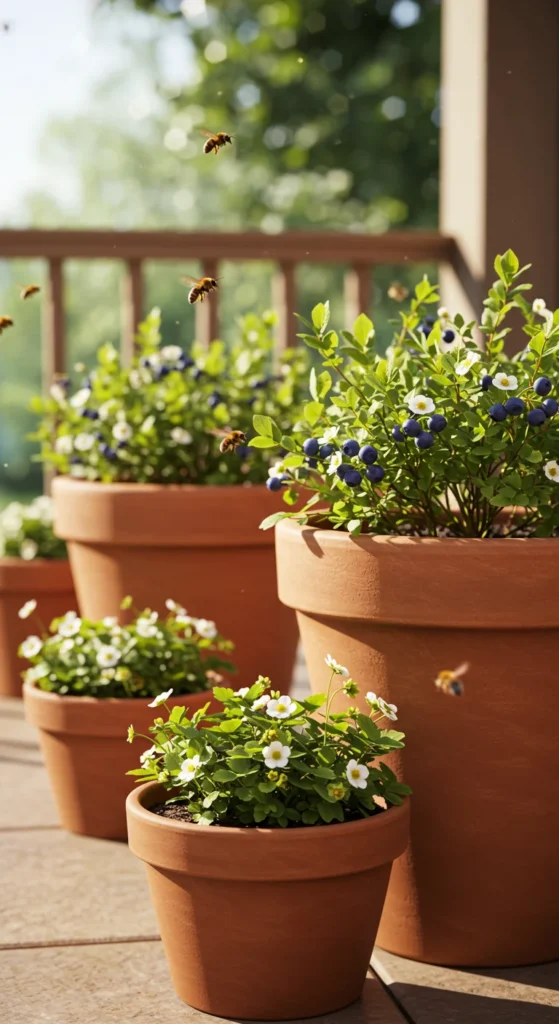
Even small patios can support wildlife. Berry plants in pots attract pollinators and later provide fruit for birds. Blueberries and strawberries do especially well in containers with regular watering.
20. Add Rock Piles
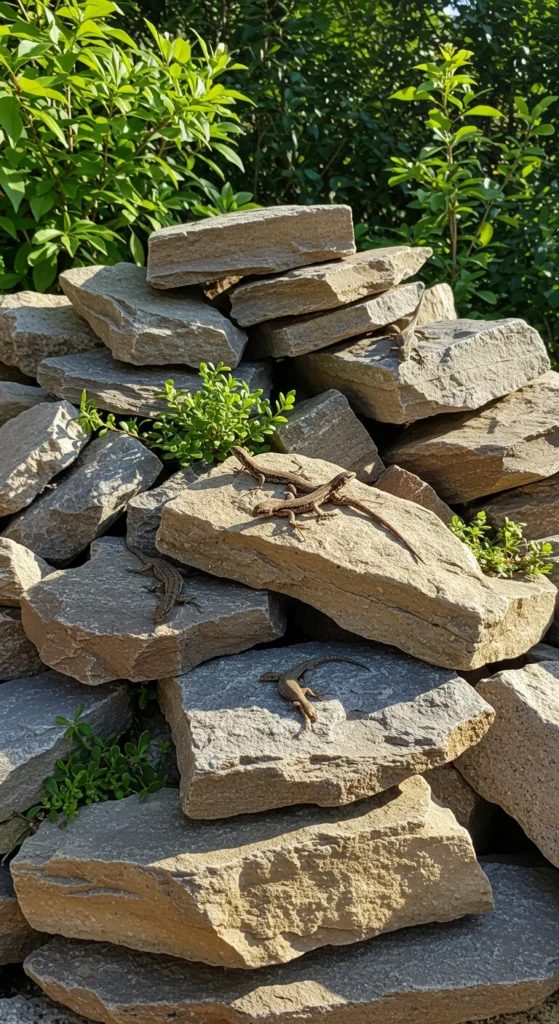
Rocks absorb warmth, making them ideal basking spots for reptiles and insects. A simple pile in a sunny location attracts lizards, spiders, and beetles. It costs nothing if you reuse stones already on hand.
21. Plant Wild Grasses
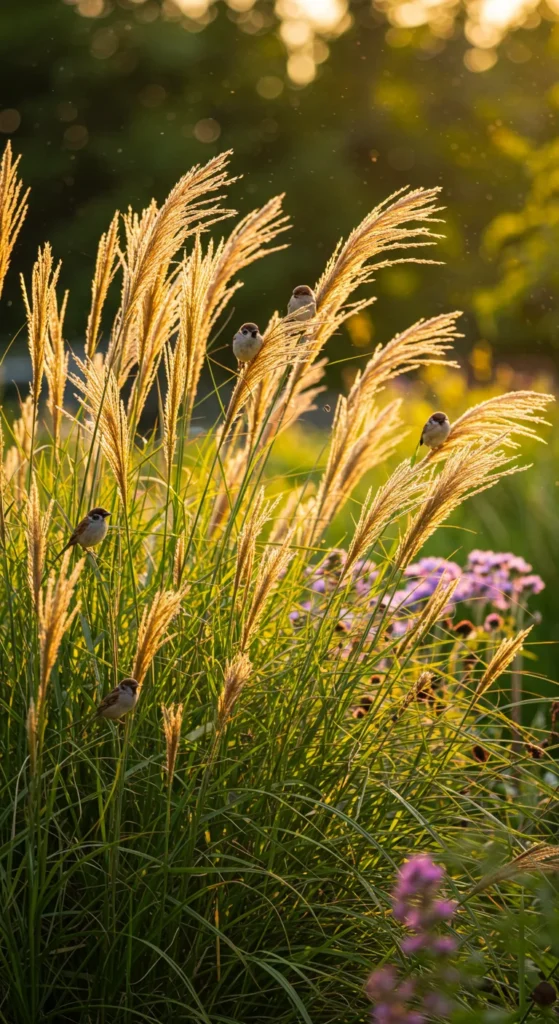
Wild and ornamental grasses provide cover for birds and insects. They also add texture to gardens. Plant in clumps for a natural look. Leave them standing in winter to shelter wildlife.
22. Create Leaf Piles in Autumn
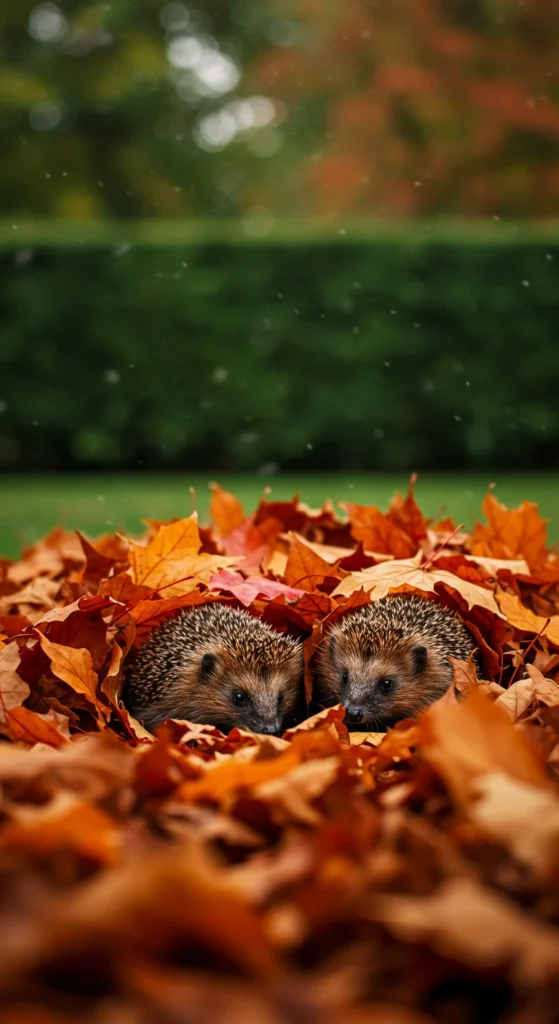
Instead of bagging leaves, pile them in a quiet corner. Hedgehogs, insects, and frogs use them for shelter. This simple act supports wildlife while reducing garden waste.
23. Add Pollinator-Friendly Shrubs
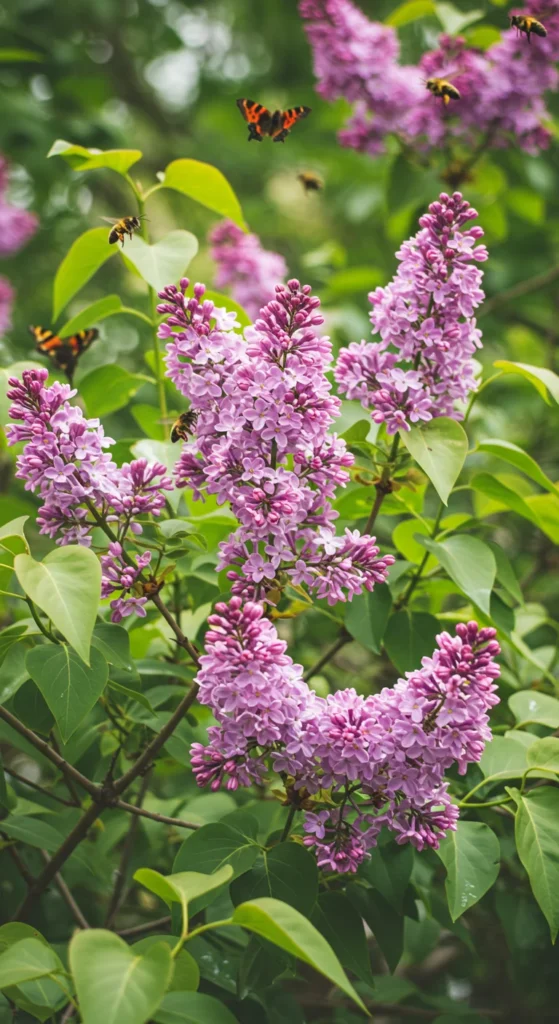
Shrubs like lilac, viburnum, and spirea bloom heavily, offering nectar-rich flowers. They also provide shelter for nesting birds. Plant them along fences or in mixed borders for structure and wildlife appeal.
24. Install Insect Shelters
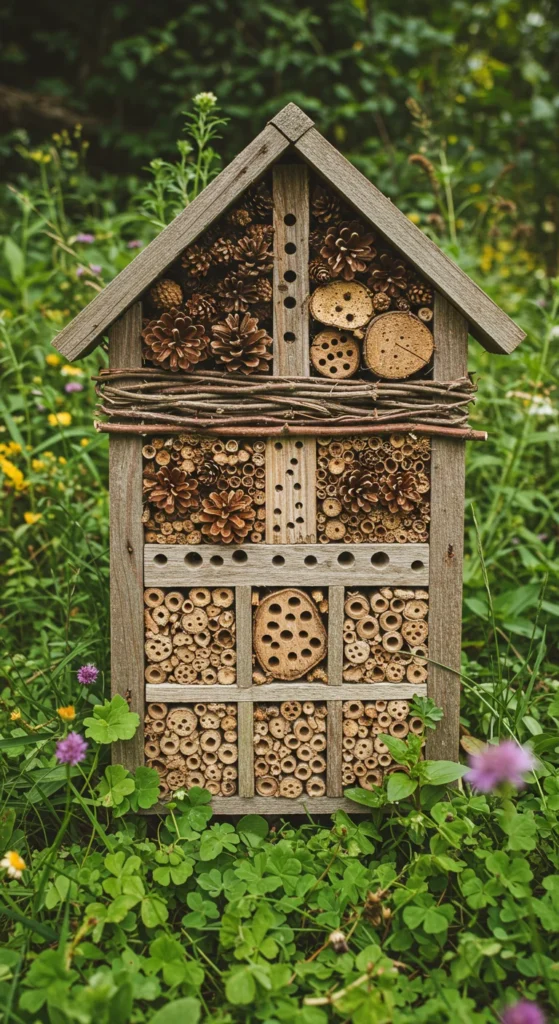
Insect shelters support ladybugs, lacewings, and other beneficial bugs. These creatures help control pests naturally. Build one using scrap wood, pinecones, and twigs. Position it in a sunny, sheltered corner near flowers.
Conclusion
A wildlife-friendly garden is more than decoration—it’s a living ecosystem. From native flowers and shrubs to water sources and shelters, every small effort supports bees, birds, and other creatures. Start with one or two of these 24 simple ideas, and over time, your yard will become a thriving refuge full of movement, color, and life. 🌿🐦🦋
Leave a Reply