

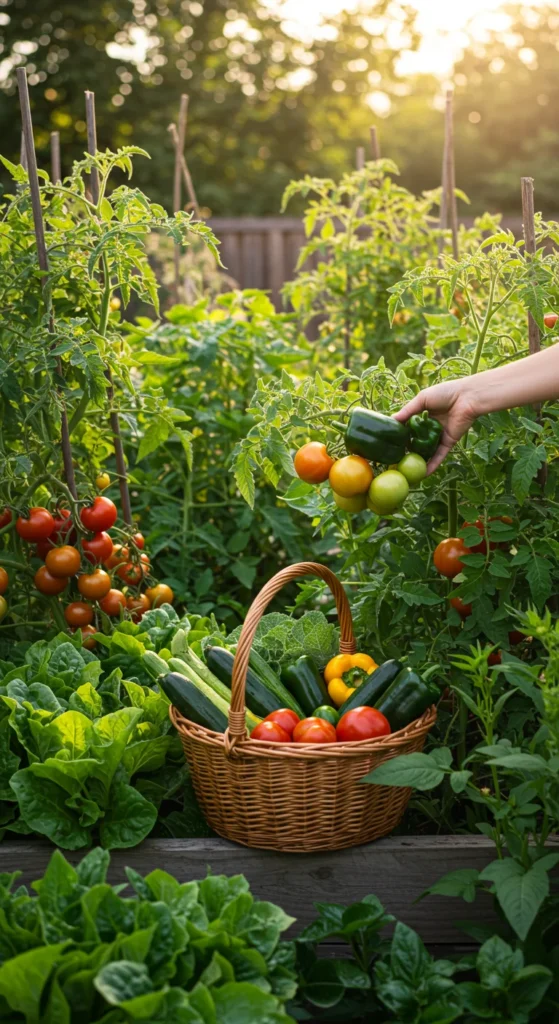
Growing vegetables is more than just planting seeds—it’s about smart tricks that help you get bigger harvests with less effort. Even if you’re new to gardening, small changes can make a big difference. These hacks are simple, budget-friendly, and practical enough to try right away. Let’s explore 25 genius vegetable gardening hacks that will help you grow healthier plants and enjoy more food from your backyard or balcony.
1. Use Eggshells for Calcium
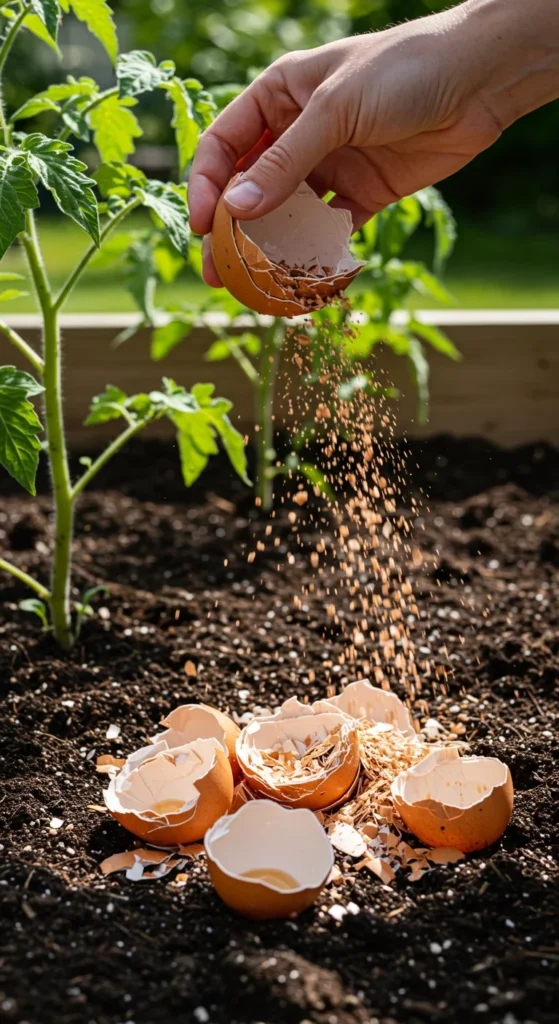
Save your eggshells instead of tossing them. Crush and scatter them into the soil around vegetables like tomatoes and peppers. Eggshells break down slowly, feeding calcium back into the soil. This helps prevent blossom end rot, which is common in fruiting plants. It’s a free and natural way to recycle kitchen waste while strengthening your crop.
2. Plant Marigolds to Deter Pests
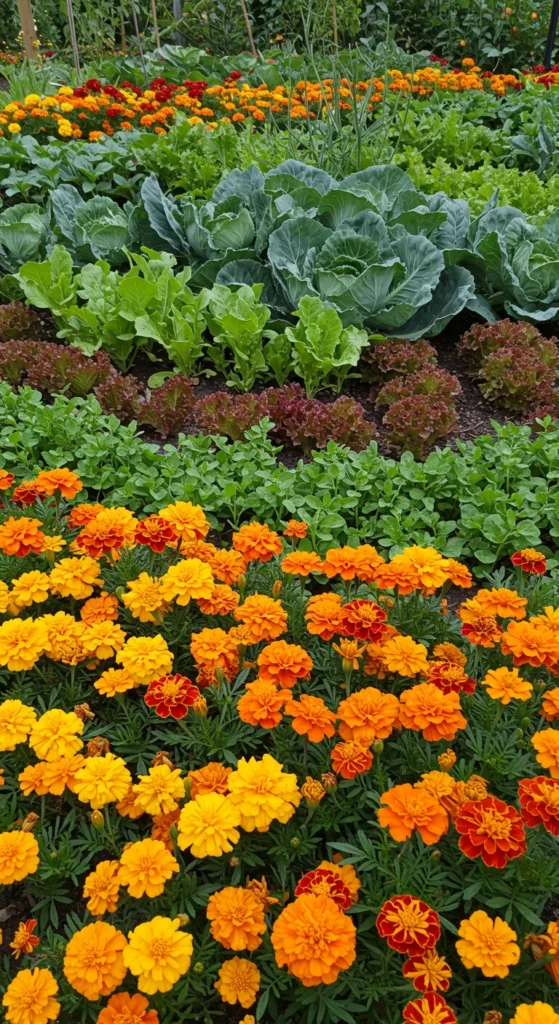
Marigolds are more than pretty flowers. They act as natural pest control by deterring harmful insects. Plant them along the edges of your vegetable beds. They’re especially useful against nematodes and aphids. As a bonus, they add vibrant color to your garden while helping keep pests under control without chemicals.
3. Water with a Soaker Hose
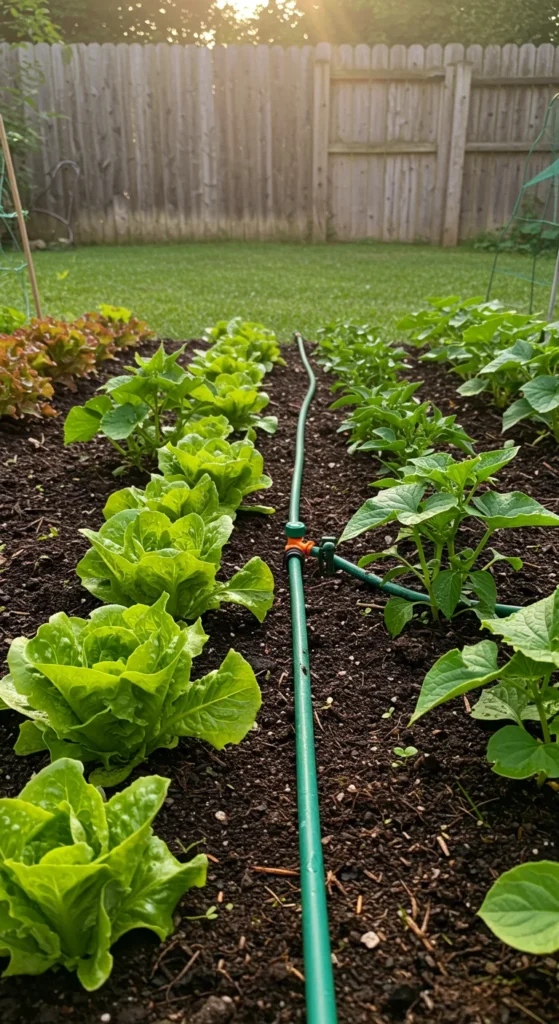
Instead of spraying from above, lay a soaker hose along your rows. This delivers water right to the roots, where it matters most. It reduces evaporation and keeps leaves dry, which helps prevent disease. Hook it to a timer for effortless watering.
4. Try Vertical Gardening
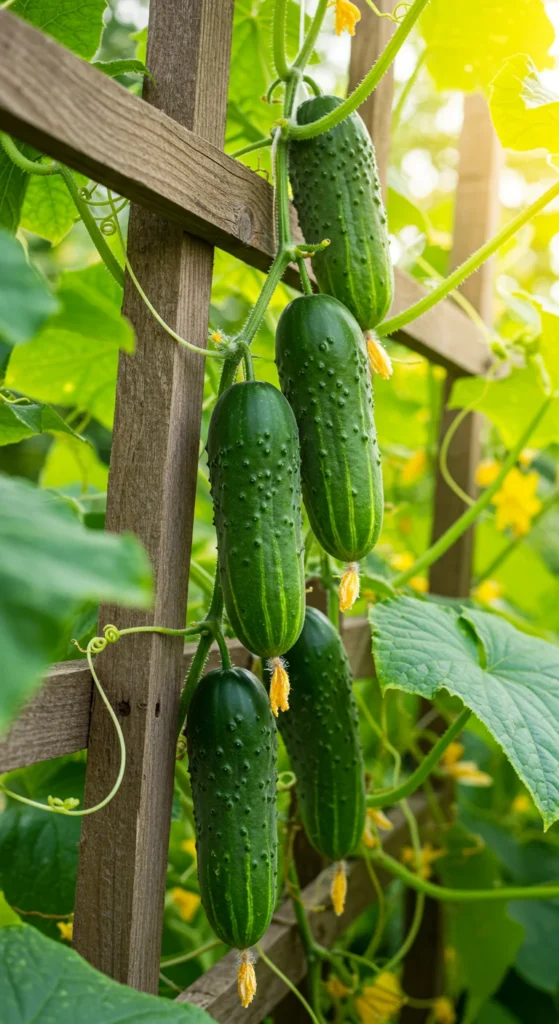
If space is tight, go vertical. Grow cucumbers, beans, or peas on trellises. This saves ground space and keeps produce clean. Building a trellis from scrap wood or wire mesh is easy and inexpensive. Plus, it makes harvesting less of a hassle.
5. Use Mulch to Retain Moisture
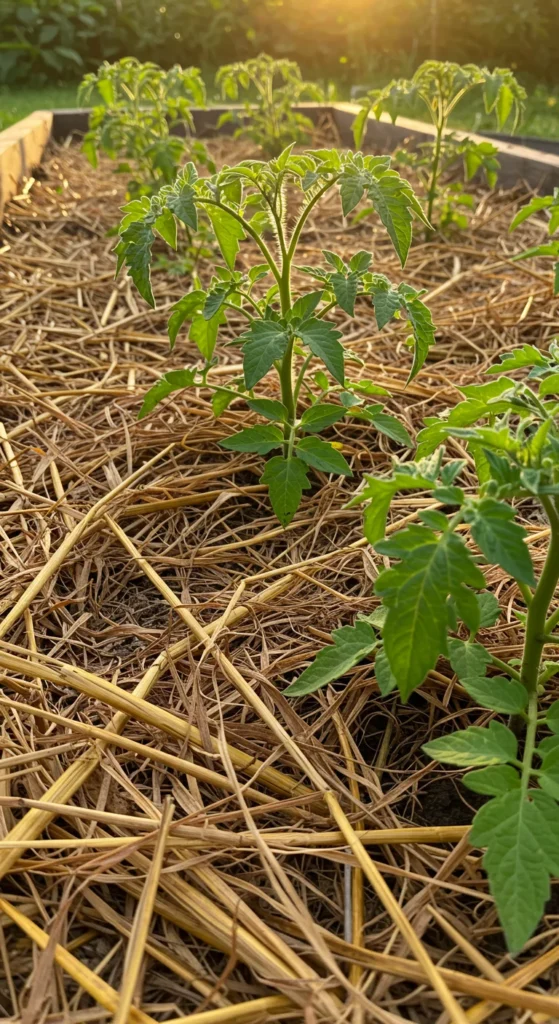
Mulch is a gardener’s best friend. Spread straw, shredded leaves, or wood chips around your plants. It locks in soil moisture, keeps roots cool, and reduces weeds. Using mulch also cuts down on how often you’ll need to water.
6. Grow Herbs Among Vegetables
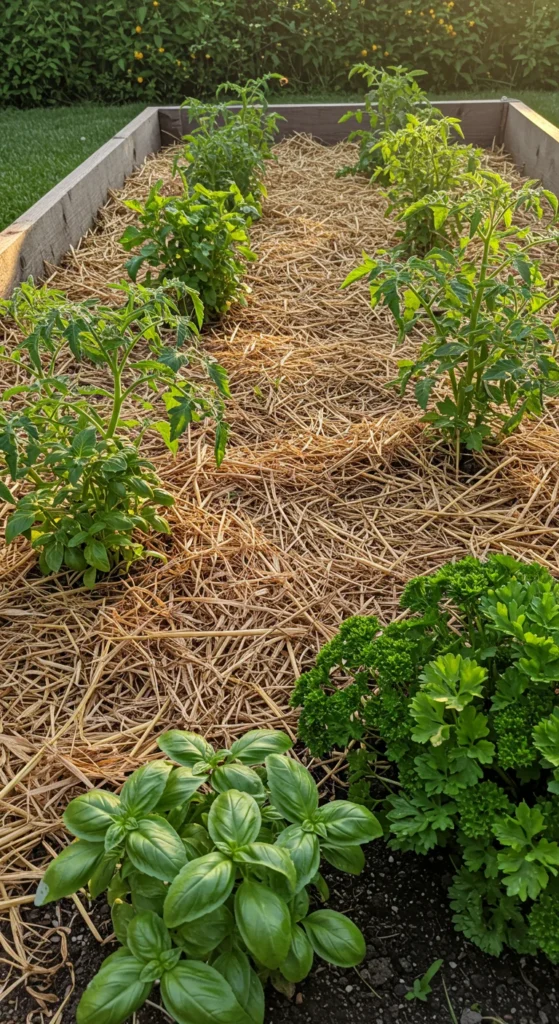
Companion planting works wonders. Herbs like basil, oregano, and parsley can repel pests and improve flavor in crops like tomatoes. Plant them nearby for a natural partnership that helps both your herbs and vegetables thrive.
7. Save Seeds for Next Year
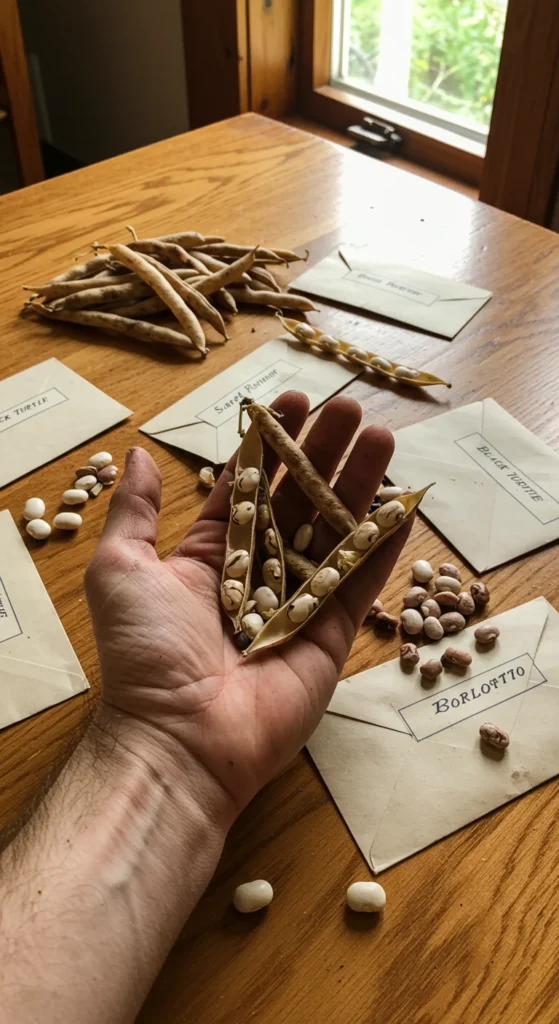
When harvesting, let a few plants go to seed. Collect and dry seeds from beans, peppers, or cucumbers. Store them in envelopes for the next season. This saves money and lets you adapt plants to your local conditions year after year.
8. Rotate Crops Each Season
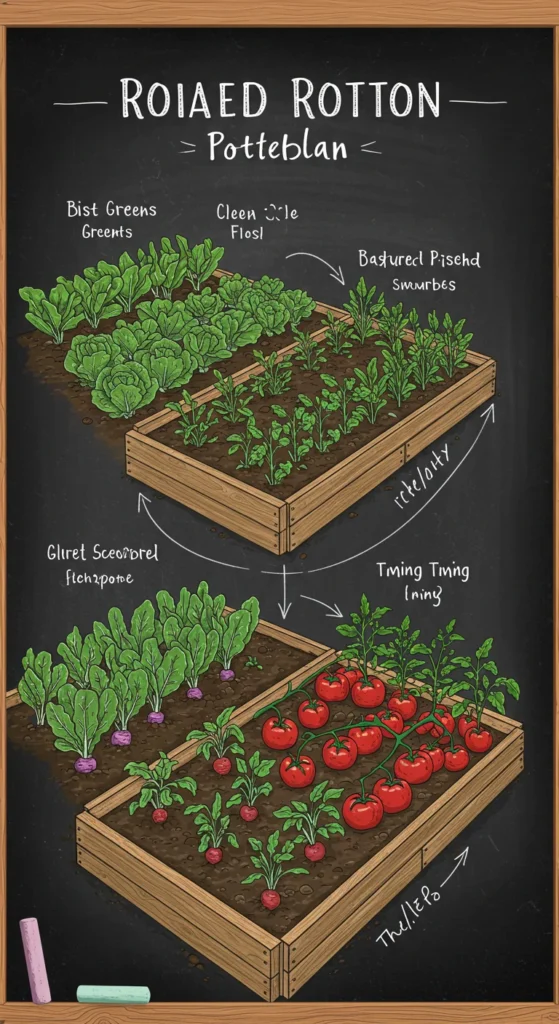
Planting the same crop in the same spot drains soil nutrients and encourages pests. Rotate families of crops each season. For example, follow tomatoes with beans, since beans fix nitrogen back into the soil.
9. Use Coffee Grounds as Fertilizer
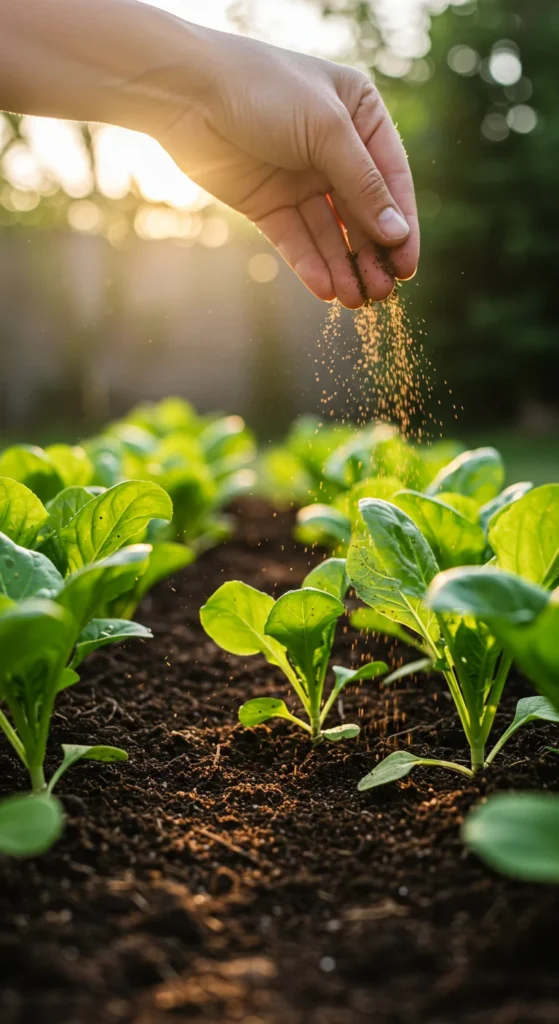
Don’t throw away coffee grounds. Spread them lightly around plants. They improve soil texture and add nitrogen. Worms love coffee grounds too, which means better aeration for your soil.
10. Build a DIY Rain Barrel
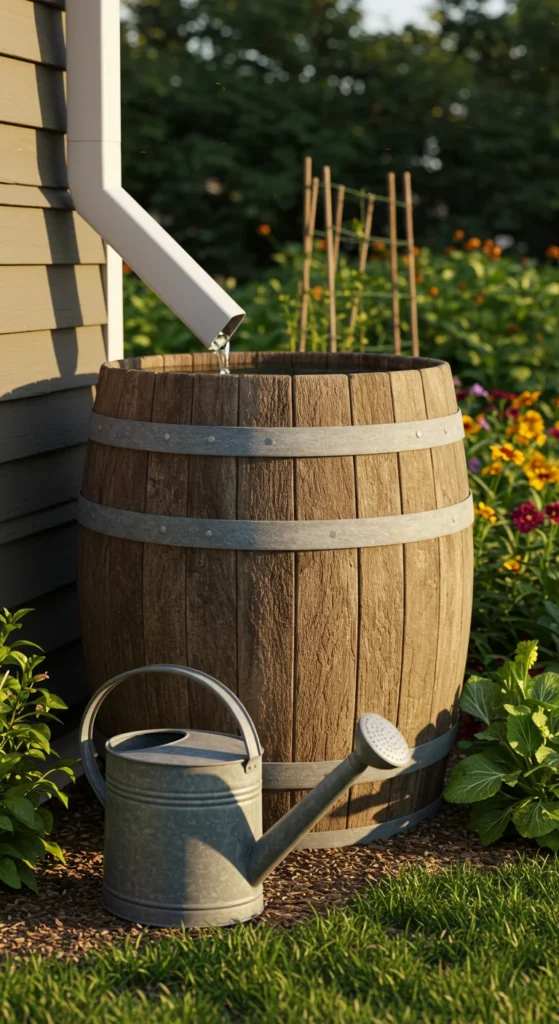
Collecting rainwater saves money and provides chlorine-free water for your plants. A simple barrel under your roof gutter is all it takes. Use the stored water during dry spells for healthier crops.
11. Stagger Planting Times
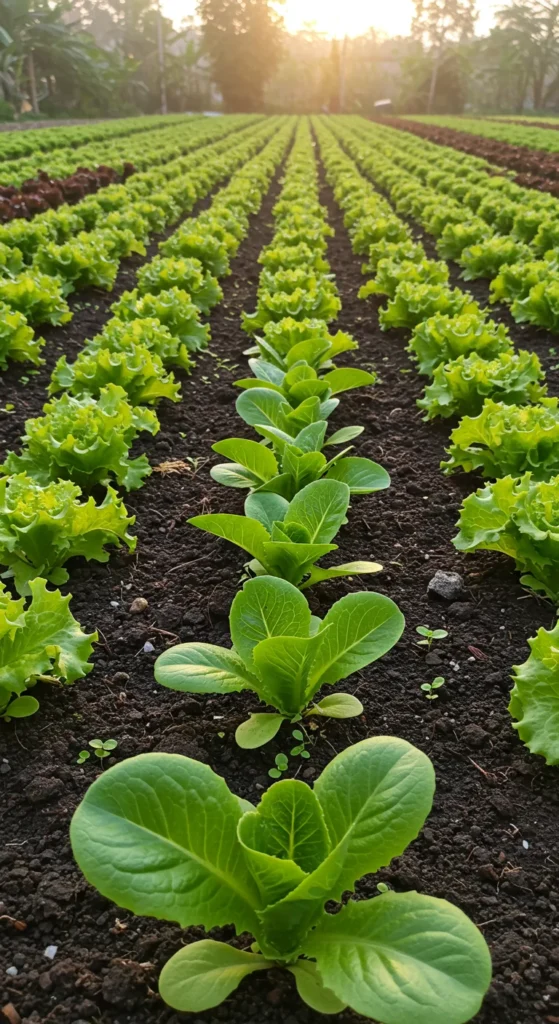
Instead of planting everything at once, stagger your sowing every two weeks. This gives you a steady harvest instead of a single overwhelming one. It’s especially handy for fast growers like lettuce and radishes.
12. Add Worms to Your Soil
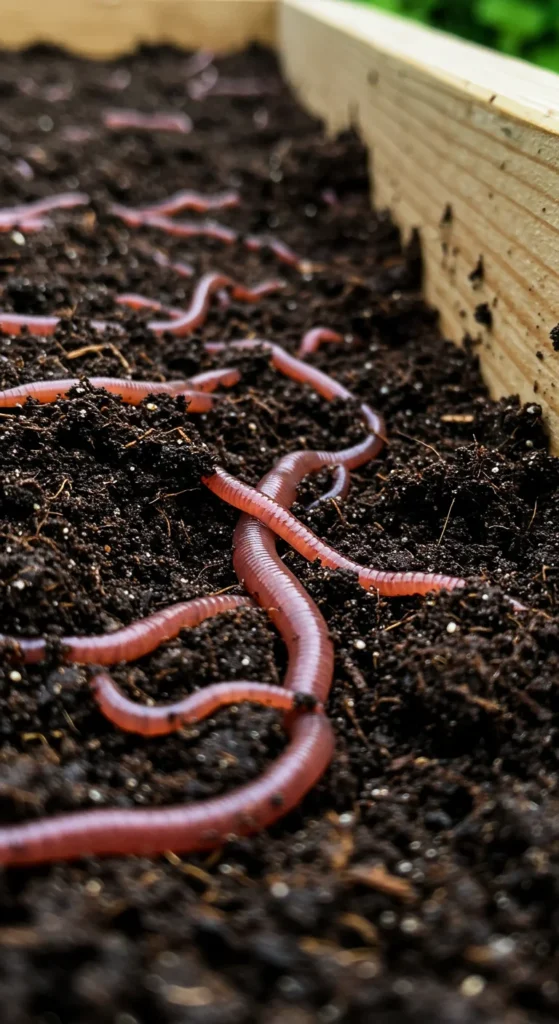
Worms aerate soil and leave behind nutrient-rich castings. Add a handful from a compost bin or buy some online. They’ll keep your garden soil alive and fertile.
13. Use Vinegar for Weed Control
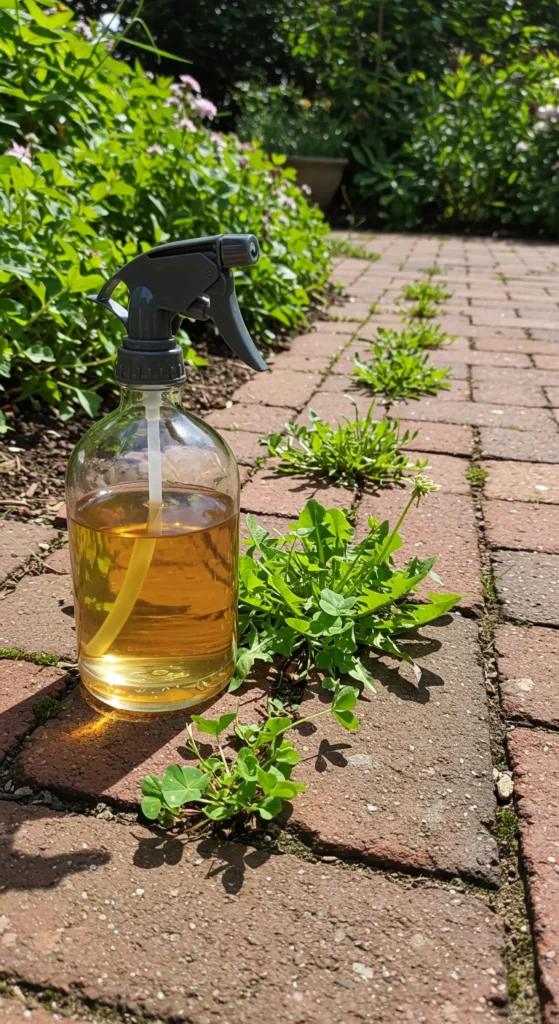
Skip chemical sprays. Use plain vinegar in a spray bottle to kill young weeds in paths or between garden rows. It’s affordable, safe, and eco-friendly. Just avoid spraying near your vegetable plants.
14. Shade Cloth for Hot Days
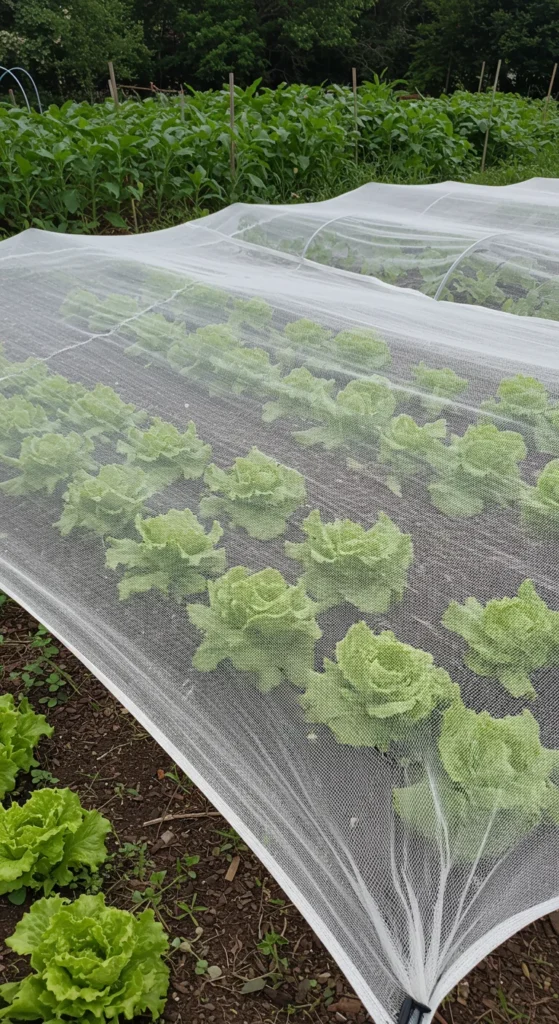
During extreme heat, vegetables like lettuce bolt quickly. Hanging shade cloth above them helps reduce stress. Use old sheets or purchase garden fabric—it doesn’t need to be fancy.
15. Plant Garlic as a Pest Barrier
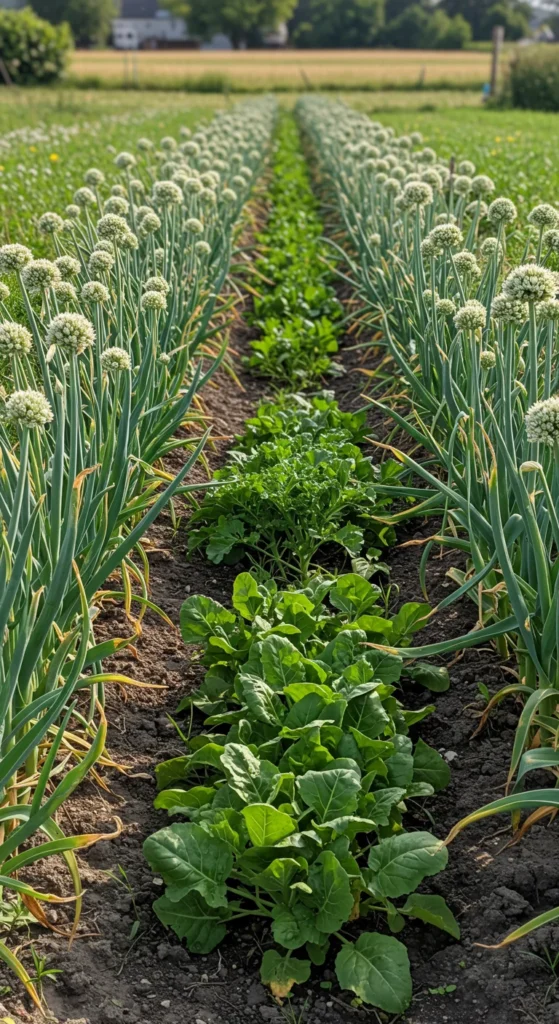
Garlic acts as a natural insect repellent. Plant it around your garden edges to protect other crops. Plus, you get a garlic harvest at the end of the season.
16. Harvest in the Morning
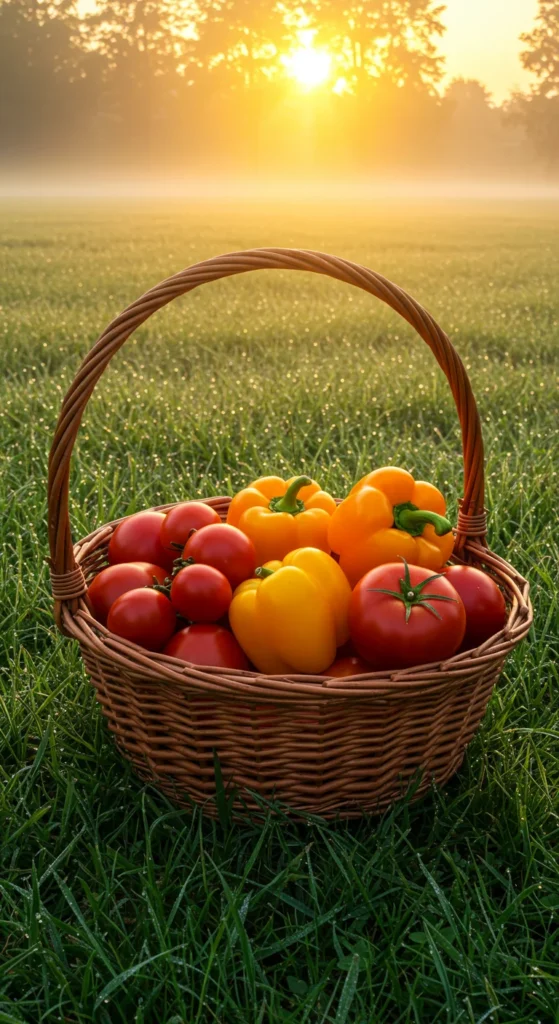
Harvesting early in the morning gives vegetables the best flavor and shelf life. The cooler temperature keeps them firm and crisp. It’s also easier to spot pests during early light.
17. Attract Pollinators
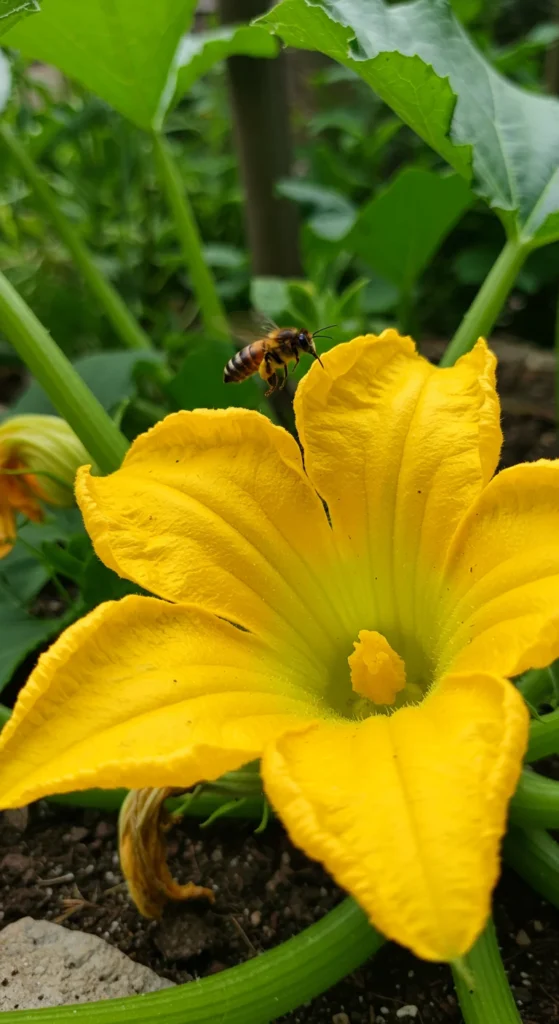
Encourage bees and butterflies by planting flowers like lavender, sunflowers, or zinnias nearby. Pollinators improve fruit set in tomatoes, cucumbers, and squash. A pollinator-friendly garden means bigger yields.
18. Use Epsom Salt for Magnesium
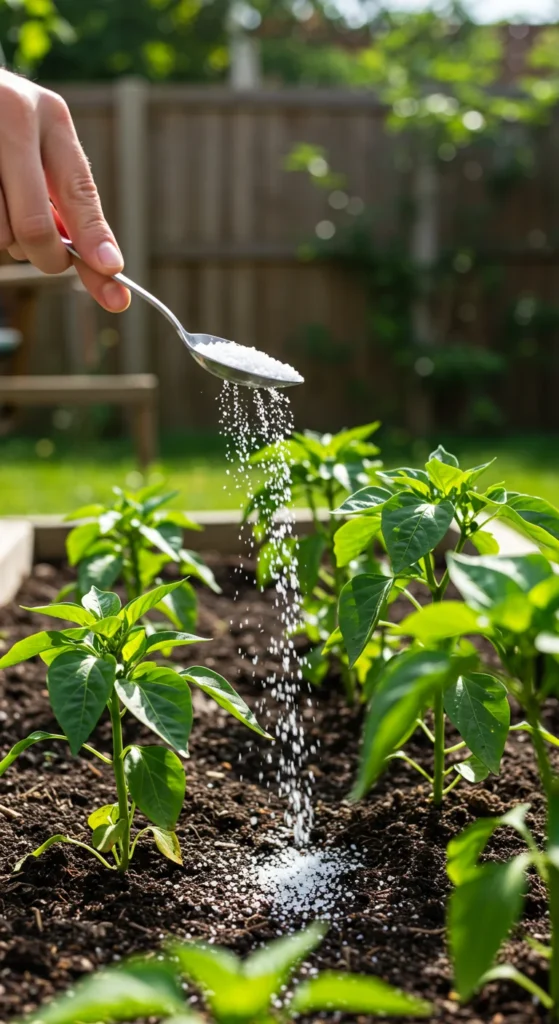
Epsom salt adds magnesium, which improves plant growth and fruiting. Mix a tablespoon into a gallon of water and use it monthly on tomatoes and peppers. It’s a simple pantry hack for healthier plants.
19. Reuse Plastic Bottles as Mini Greenhouses
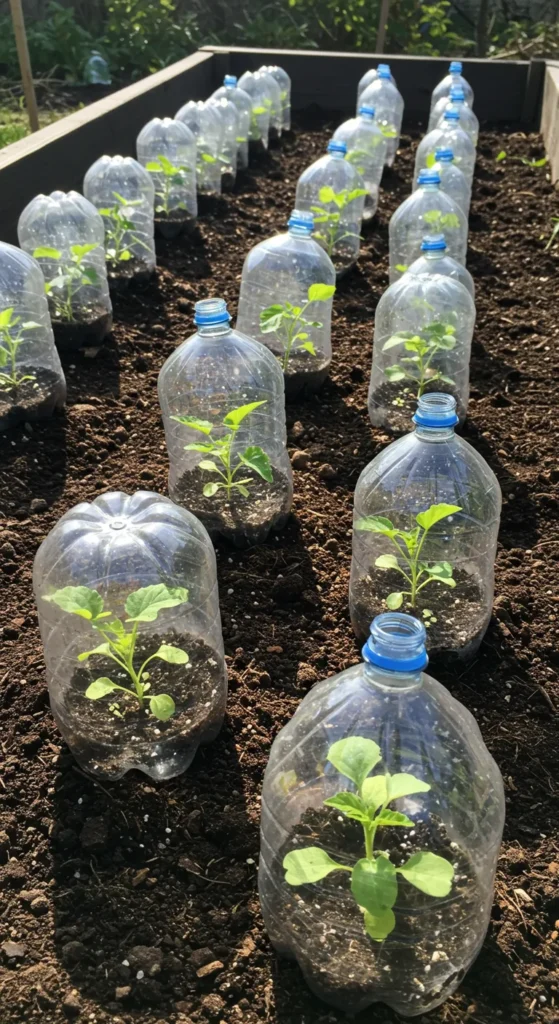
Cut the bottom off a plastic bottle and place it over small seedlings. This creates a mini greenhouse that traps heat and moisture. Perfect for early spring planting.
20. Grow in Raised Beds
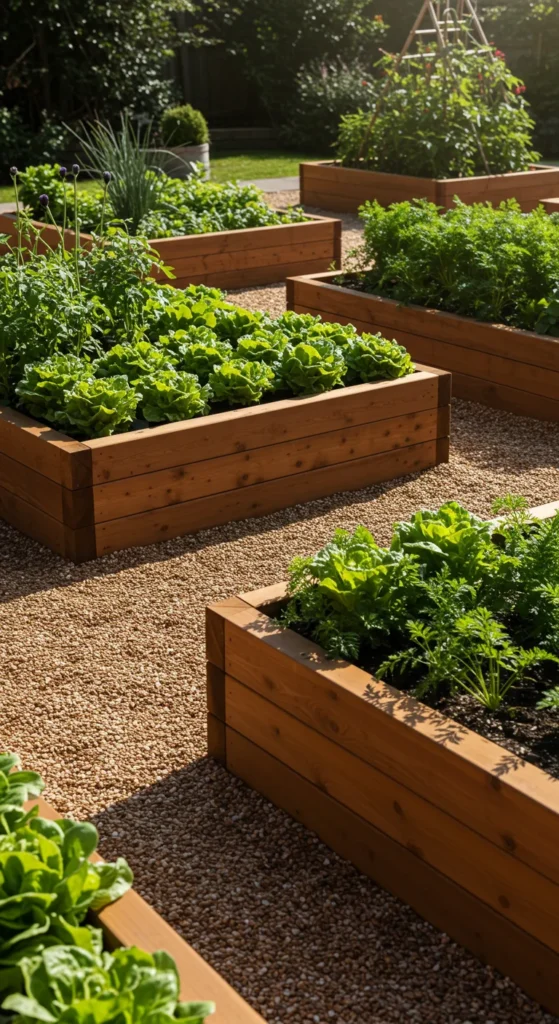
Raised beds warm up faster in spring and drain better than ground soil. They also keep weeds in check. Building a simple box with untreated wood or recycled materials is an easy DIY project.
21. Use Banana Peels for Potassium
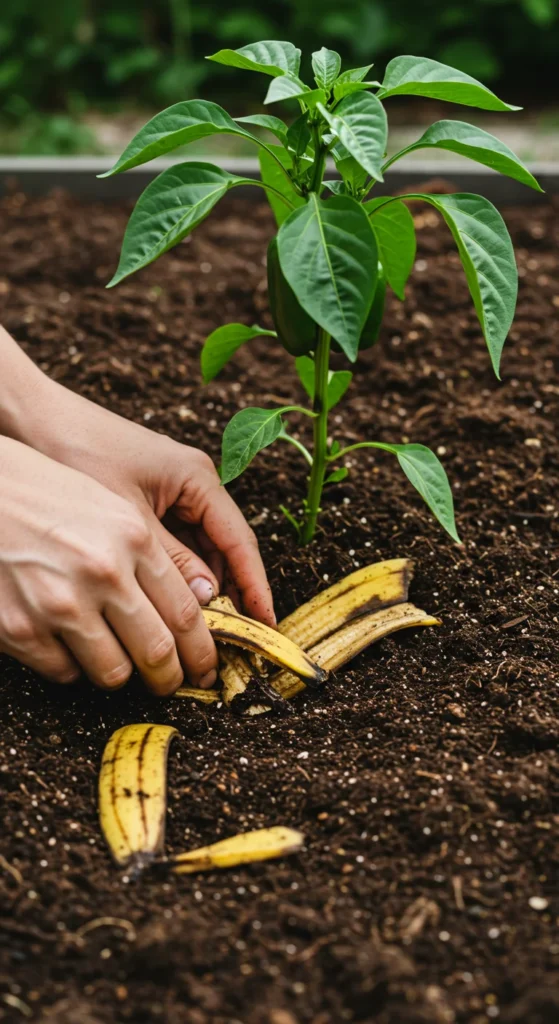
Banana peels are rich in potassium, which encourages strong roots and better fruiting. Chop them up and bury them under plants. It’s a zero-cost fertilizer straight from your kitchen.
22. Space Plants Properly
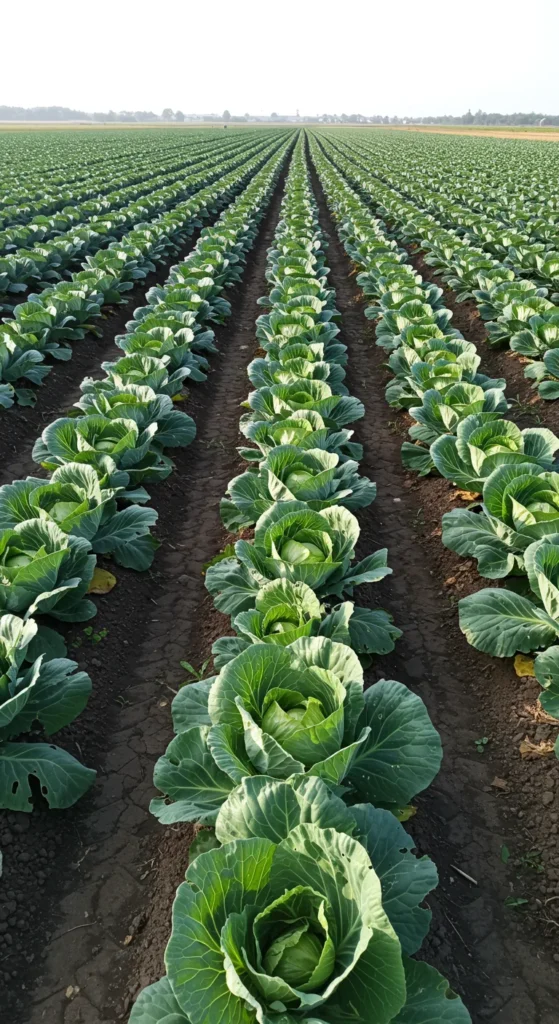
Crowded plants compete for light, water, and nutrients. Follow spacing guidelines on seed packets. A little extra room makes your plants healthier and easier to harvest.
23. Install a Simple Compost Bin
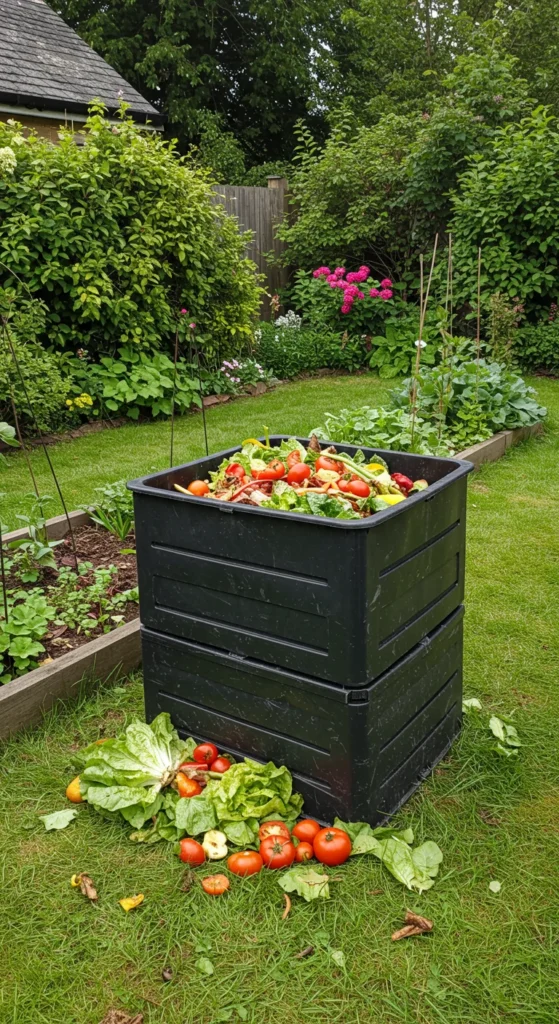
Feed your garden by recycling kitchen and yard waste. Compost enriches soil with organic matter and nutrients. Even a simple plastic bin or DIY wooden box works.
24. Keep a Garden Journal
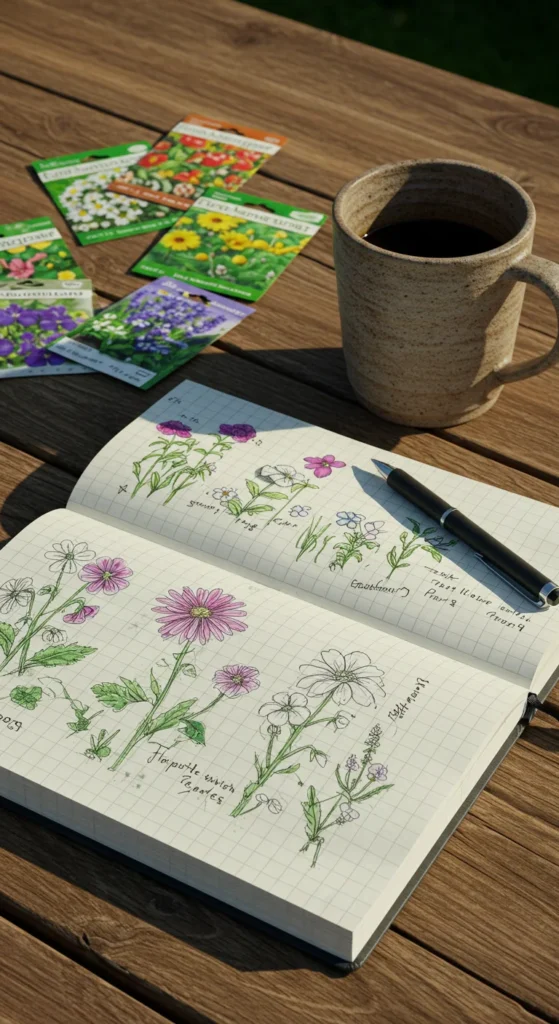
Track planting dates, varieties, and results each season. A journal helps you remember what worked and what didn’t. Over time, it becomes your personal gardening guide.
25. Harvest Rainwater with Gutter Extensions
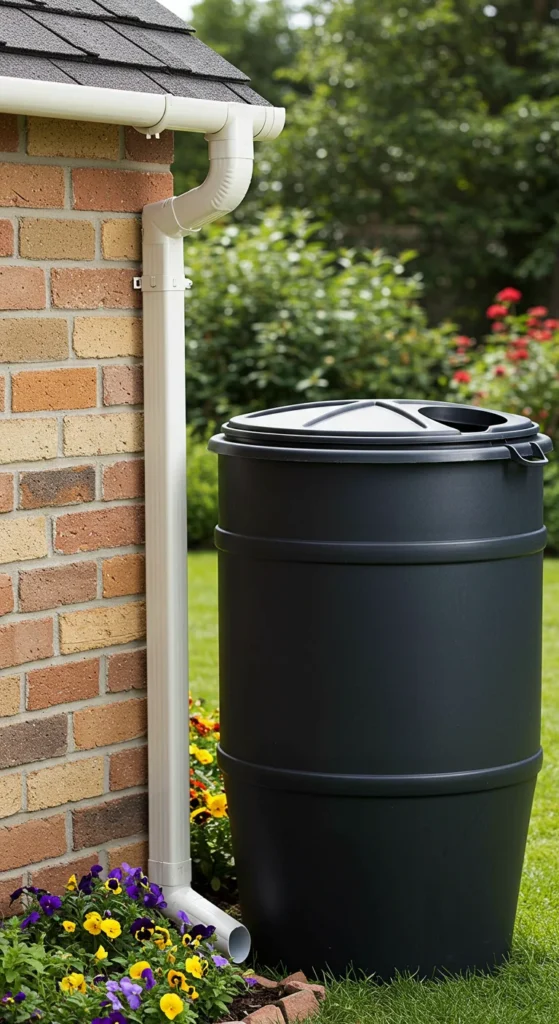
Direct roof runoff into barrels or buckets using gutter extensions. It’s free water for your plants and a great way to conserve resources.
Conclusion
Vegetable gardening doesn’t have to be complicated. These 25 hacks show that simple tricks—like recycling kitchen scraps, planting companions, or using shade cloth—can make your harvest larger and healthier. Try one or two ideas this week and see the difference in your garden. Before long, you’ll be enjoying baskets full of produce grown right at home.
Leave a Reply