

There’s something magical about climbing plants — the way they wrap, reach, and transform plain spaces into lush, living walls. Whether it’s roses cascading over an arch, ivy hugging a fence, or morning glories twining up a trellis, climbing plants bring a natural touch of romance to any garden. The trick? Training them properly. Once you learn how to guide their growth, they’ll reward you with a show-stopping display that looks like a gardener’s best-kept secret.
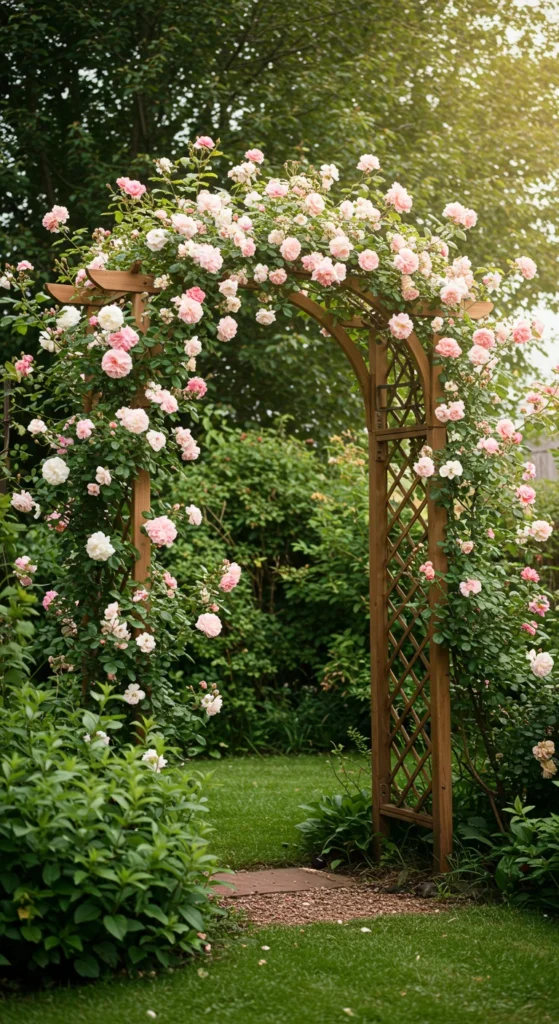
Step 1: Choose the Right Climber for the Right Spot
Before you start training, make sure you’ve picked the right plant for your space. Each climber has its own personality — some twine, some cling, and others need a helping hand.
Popular types of climbers:
- Twining vines (like morning glories or wisteria): They wrap around supports on their own.
- Tendrils (like peas or clematis): Use little curling stems to grab thin supports.
- Clinging roots (like ivy): Stick directly to walls or fences.
- Ramblers and climbers (like climbing roses): Need to be tied or woven for support.
💡 Pro Tip: Match your plant’s growth habit with its structure — thin tendrils prefer wire or mesh, while heavier vines need sturdy trellises or pergolas.
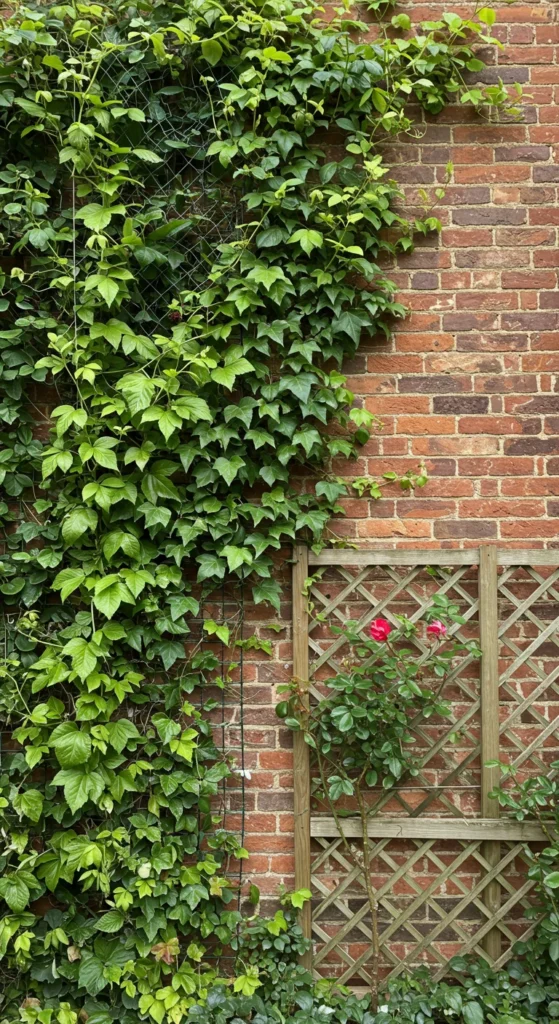
Step 2: Set Up a Strong Support System
Your climbers will only be as beautiful as the support they grow on. Think ahead — mature plants can get heavy!
Choose your structure:
- Trellis: Perfect for light vines and vegetables like peas or beans.
- Arches or arbors: Great for showy climbers like roses and jasmine.
- Fences and walls: Ideal for ivy, creeping fig, or climbing hydrangeas.
- Obelisks and cages: Great for small gardens or pots.
Make sure your supports are installed before planting, so roots and stems won’t be disturbed later.
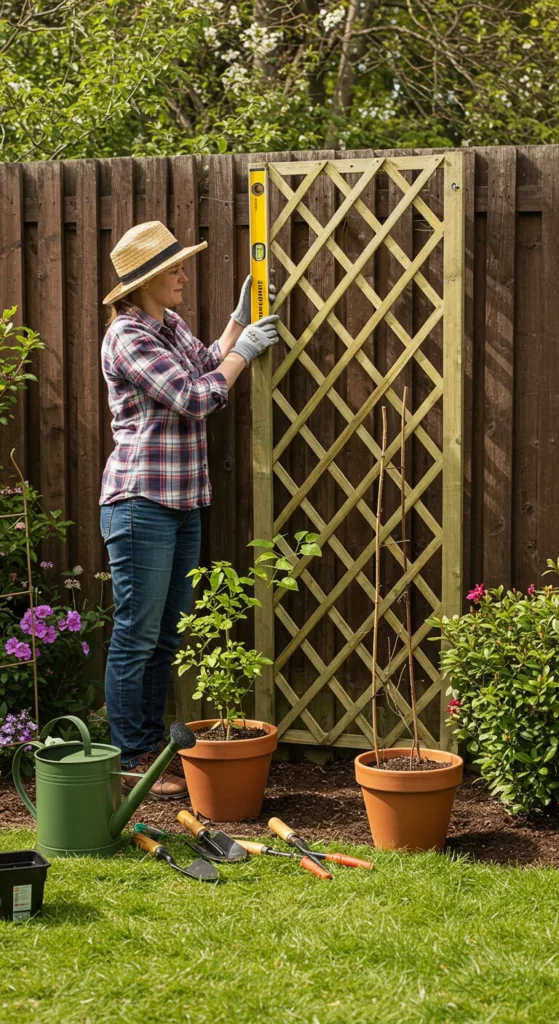
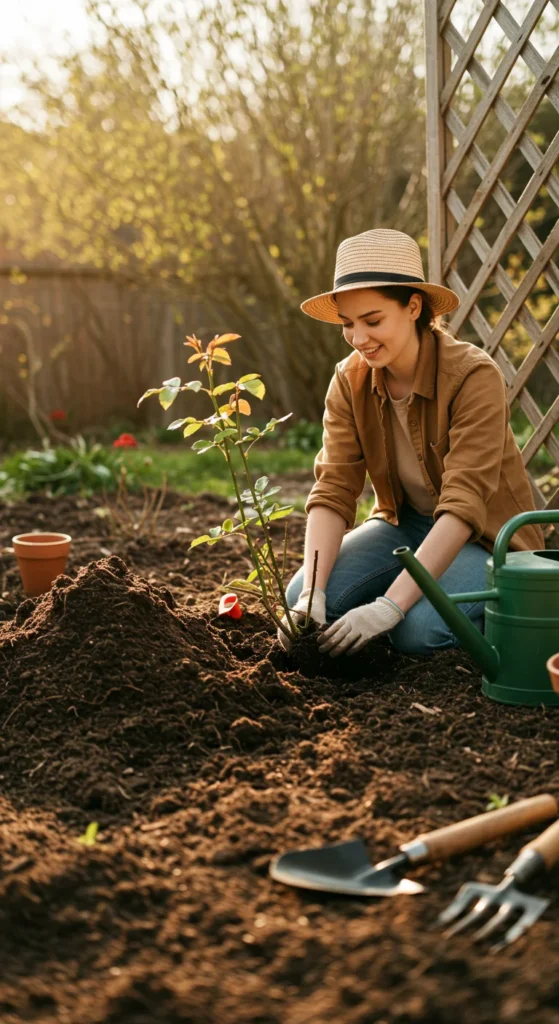
Step 3: Plant and Position Properly
Climbing plants need a good start to grow strong and steady. When planting, follow these steps:
- Dig a hole about twice as wide as the root ball and just as deep.
- Place the plant 6–12 inches away from the support — this gives the roots space to spread and prevents crowding.
- Angle the stem slightly toward the structure so it knows where to grow.
- Backfill with compost-rich soil and water well.
💧 Tip: Add a thick layer of mulch around the base to retain moisture and prevent weeds.
Step 4: Train Your Vines with Gentle Guidance
Here’s where the magic happens! Training a climber is all about encouraging growth in the direction you want.
For twining or tendril climbers:
- Wrap young stems loosely around the trellis or wire.
- Guide new growth every few days until the plant learns to climb on its own.
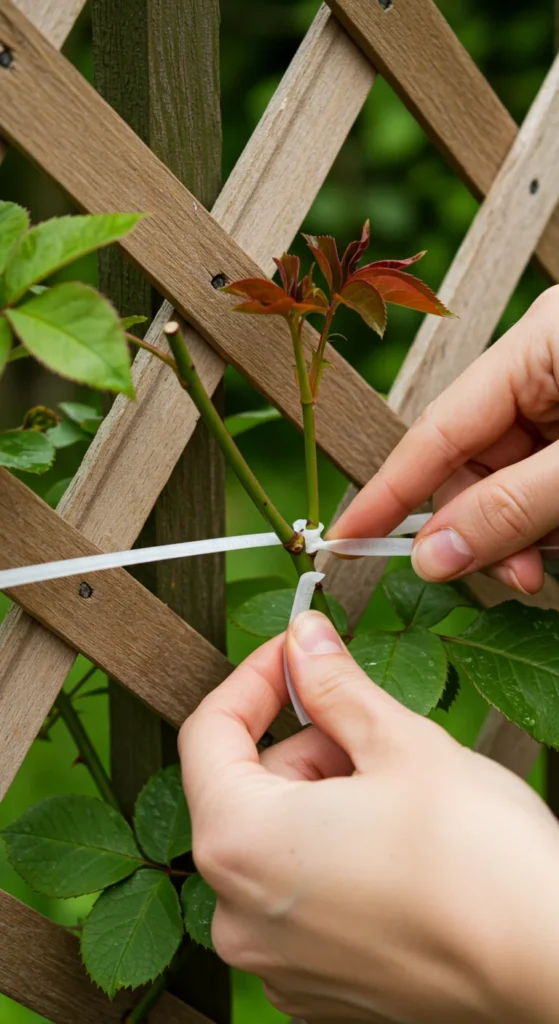
For climbers that need help (like roses or bougainvillea):
- Use soft ties, garden twine, or Velcro straps to secure stems.
- Spread branches horizontally instead of straight up — this encourages more blooms along the stem.
- Trim any shoots growing away from the structure to focus energy where you want coverage.
💡 Pro Tip: Train early and often! A few minutes a week prevents tangled chaos later.
Step 5: Prune and Maintain Regularly
Training doesn’t stop once the plant climbs — ongoing care keeps it beautiful and balanced.
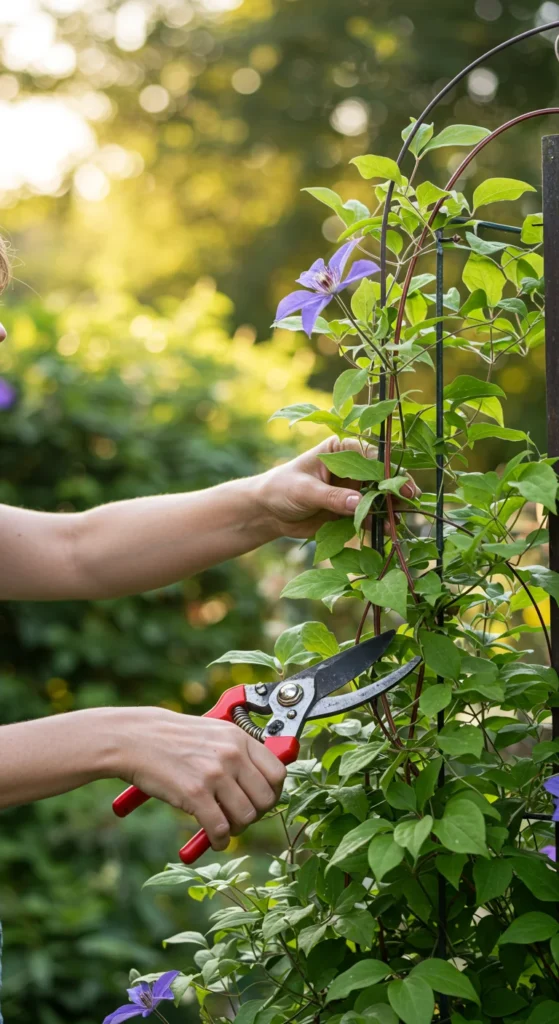
- Prune in early spring before growth takes off. Remove dead, weak, or crossing stems.
- Trim side shoots lightly during the growing season to keep the shape tidy.
- Feed monthly with compost tea or an organic fertilizer to boost flowering and leaf growth.
- Check ties and supports every few weeks to make sure they aren’t too tight.
Pruning might feel intimidating, but it’s key to a healthy climber — it stimulates new growth and helps sunlight reach all parts of the plant.
Step 6: Enjoy and Experiment
Once your climbers take off, the possibilities are endless! Try mixing textures and colors — pair soft jasmine with bold bougainvillea or combine flowering vines with evergreen climbers for year-round interest.
You can even let climbers spill over pergolas, trail along fences, or frame entryways for a cottage-garden feel. The key is patience — within a season or two, your trained plants will create a lush, layered garden that feels alive and full of movement.
Final Takeaway
Training climbing plants is more art than science — a gentle balance between guidance and letting nature do her thing. With a little attention and creativity, you can turn bare walls or dull fences into living works of art. 🌿
Leave a Reply