

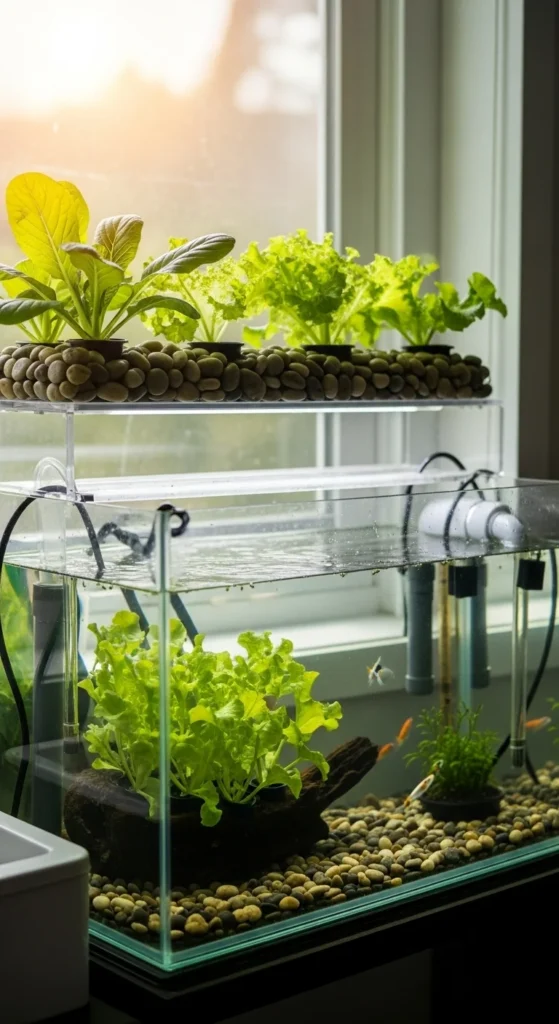
Imagine growing fresh herbs, vegetables, and fish—all in one self-sustaining ecosystem that fits right in your home. Sounds futuristic? It’s not. It’s called aquaponics, and you can set it up with just a little creativity, some basic materials, and patience.
Aquaponics combines aquaculture (raising fish) and hydroponics (growing plants without soil). The fish waste provides nutrients for the plants, while the plants clean the water for the fish. It’s nature’s perfect recycling system—and it can thrive right in your kitchen, balcony, or backyard.
Let’s break down how to start your very own home aquaponics system—step by step!
Step 1: Understand How Aquaponics Works
Before diving in, it helps to understand the beautiful balance behind aquaponics.
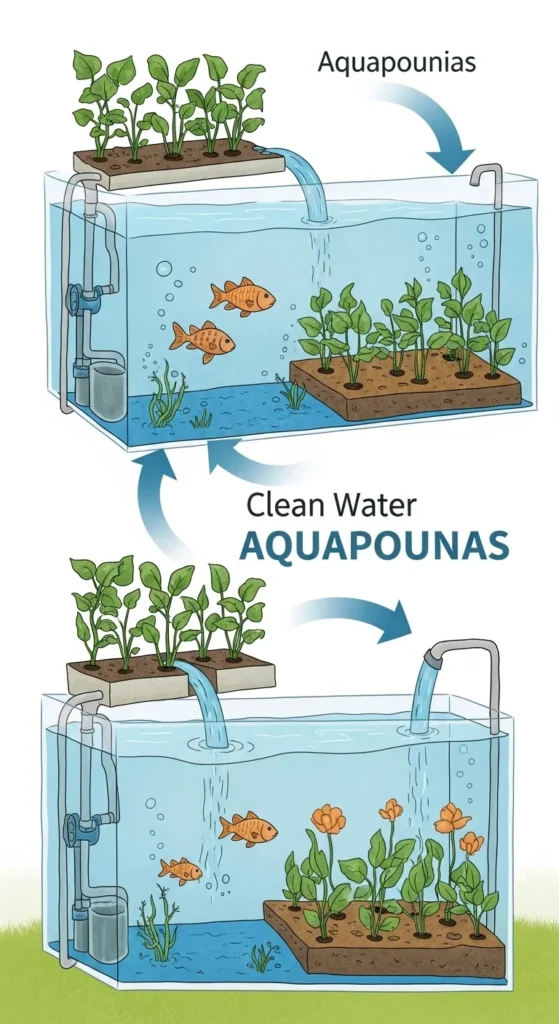
Here’s the simple cycle:
- Fish produce waste (mainly ammonia).
- Beneficial bacteria convert that waste into nitrates.
- Plants absorb those nitrates as nutrients.
- Clean water flows back to the fish tank.
It’s a closed-loop system that mimics a natural ecosystem. The goal is to keep fish, plants, and bacteria in harmony.
Step 2: Choose Your Aquaponics Setup
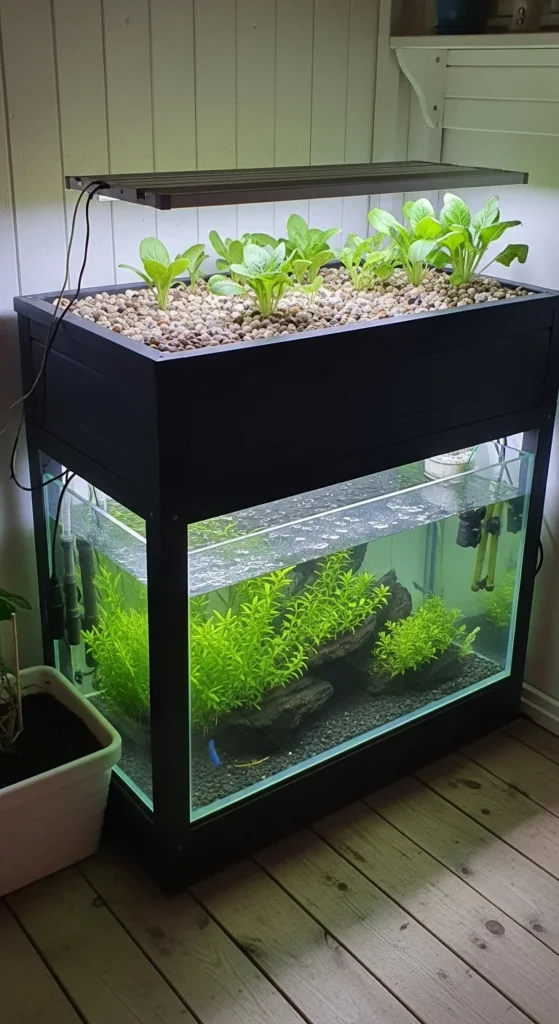
There are a few types of systems, but beginners should start with a simple media bed system. It’s easy to maintain and works perfectly for home use.
Popular setup types:
- Media Bed System: Plants grow in gravel or clay pebbles above a fish tank. Great for small spaces.
- Nutrient Film Technique (NFT): Water flows through narrow channels feeding plant roots. Better for leafy greens.
- Deep Water Culture (DWC): Plants float on rafts above nutrient-rich water—ideal for larger setups.
For most beginners, a media bed system is the best starting point.
Step 3: Gather the Materials
You don’t need fancy equipment—just a few essentials.
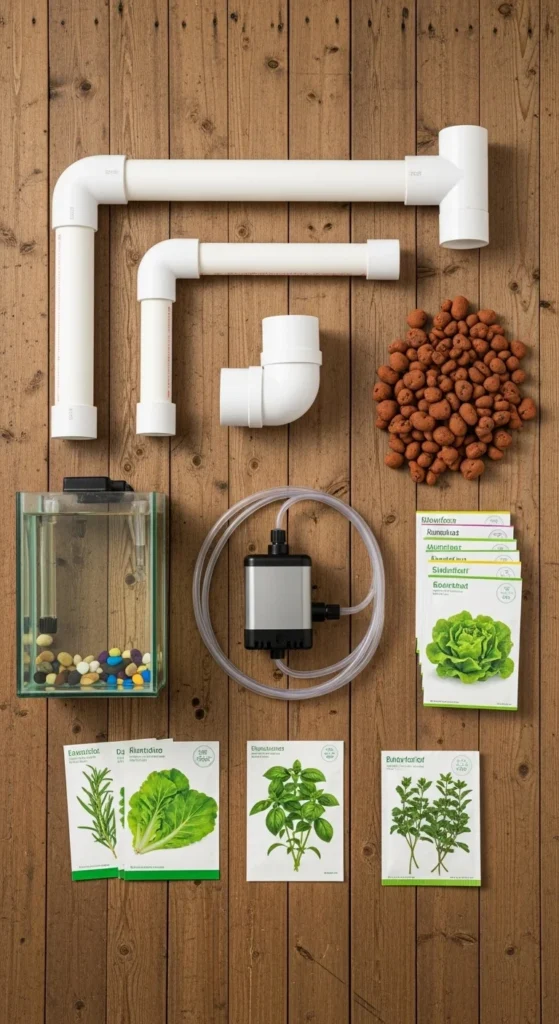
Here’s your starter list:
- Fish tank: 20–50 gallons (depending on space)
- Grow bed: Tray or container that sits above the tank
- Grow media: Clay pebbles, lava rocks, or gravel
- Water pump: To circulate water between the tank and grow bed
- Air pump: Keeps oxygen levels stable for fish
- Tubing: For connecting your pump and water flow
- Fish and seeds: Choose beginner-friendly options (more on that next!)
Tip: Recycled containers, aquariums, or even food-grade barrels make excellent tanks for small home systems.
Step 4: Pick the Right Fish and Plants
Your choice of fish and plants determines how well your system runs. Start simple!
Best fish for beginners:
- Tilapia
- Goldfish
- Guppies
- Catfish
These fish are hardy and adapt easily to changing water conditions.
Great plants for aquaponics:
- Lettuce
- Basil
- Kale
- Spinach
- Mint
- Green onions
Pro Tip: Avoid fruiting plants like tomatoes or peppers at first—they need more nutrients and space than beginner systems provide.
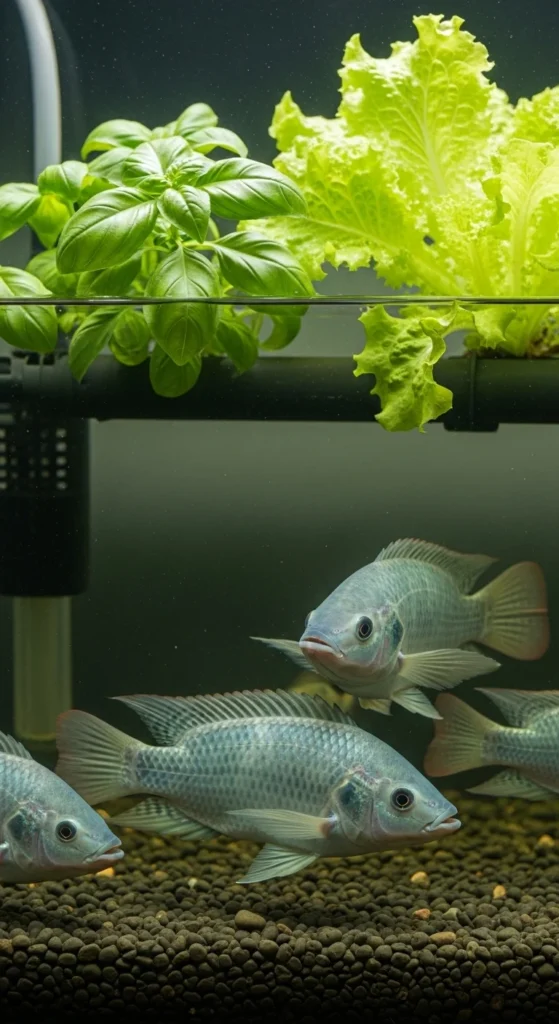
Step 5: Assemble and Cycle the System
Now for the fun part—building and balancing your setup!
Basic steps:
- Place your fish tank on a sturdy, level surface.
- Install your water pump to move water to the grow bed.
- Fill the grow bed with media and set up your drainage back into the tank.
- Add dechlorinated water and start your pump to test the flow.
- Introduce beneficial bacteria (or let them develop naturally) to start the nitrogen cycle.
Cycling takes 3–4 weeks, during which you’ll test water pH and ammonia levels to ensure balance before adding too many fish.
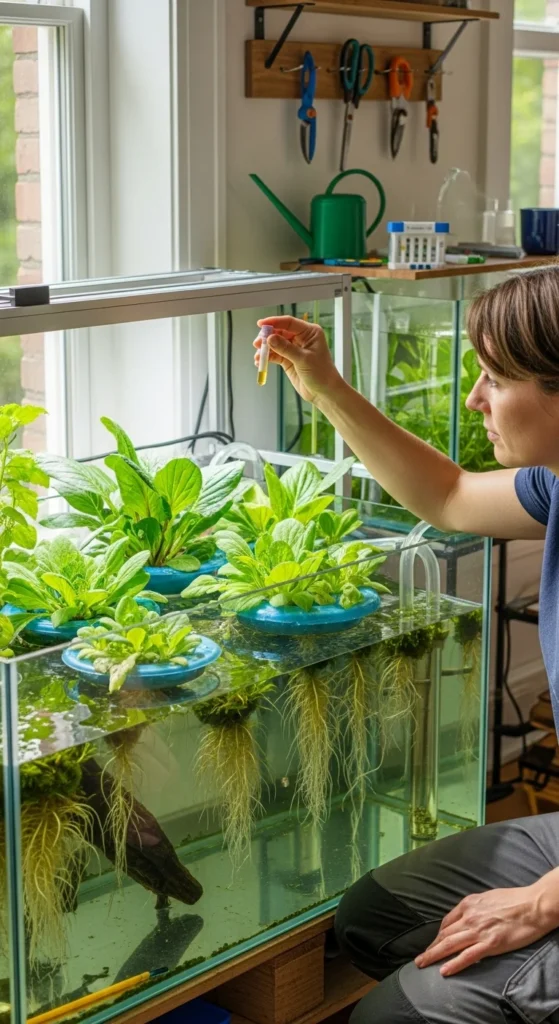
Step 6: Maintain and Monitor
A healthy aquaponics system practically runs itself—but it still needs a little love.
Weekly checks:
- pH: Keep it between 6.8–7.2.
- Ammonia & nitrate levels: Use an aquarium test kit.
- Fish feeding: Feed lightly once or twice daily—uneaten food can clog the system.
- Temperature: Most systems thrive between 68°F–78°F (20°C–25°C).
Harvest your plants regularly to encourage new growth and maintain balance between the plant load and fish waste production.
Step 7: Enjoy the Rewards
Within a few weeks, you’ll notice how fast your greens grow—and how clear your water stays. It’s a living, breathing ecosystem that offers:
- Fresh herbs and vegetables
- A relaxing indoor environment
- Cleaner, naturally filtered water for your fish
Plus, it’s an incredible conversation starter!
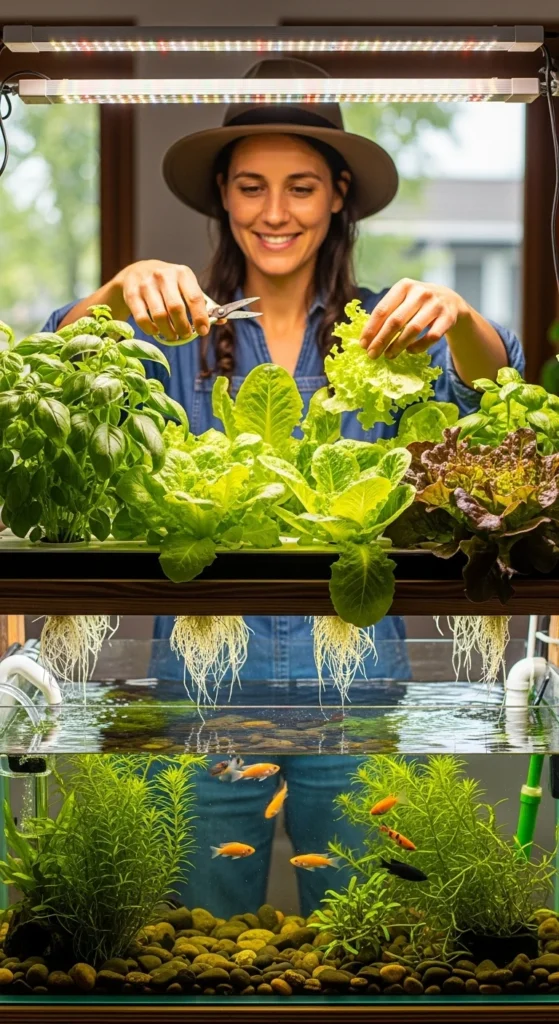
Final Thoughts
Starting aquaponics at home is more than a gardening project—it’s a small step toward sustainable living. You’re creating a living cycle where every part supports another, from the fish to the plants to the water.
So grab a few supplies, find a sunny corner, and start your aquaponic adventure this week. You’ll be amazed at how easy it is to grow food and nurture life—all in your own home.
Leave a Reply