

Starting a vegetable garden can feel overwhelming at first, but it doesn’t have to be. With the right steps, you can turn even a small patch of soil—or a few containers—into a thriving source of fresh, healthy produce. Whether you dream of growing juicy tomatoes, crisp cucumbers, or leafy greens, this beginner’s guide will walk you through everything you need to know.
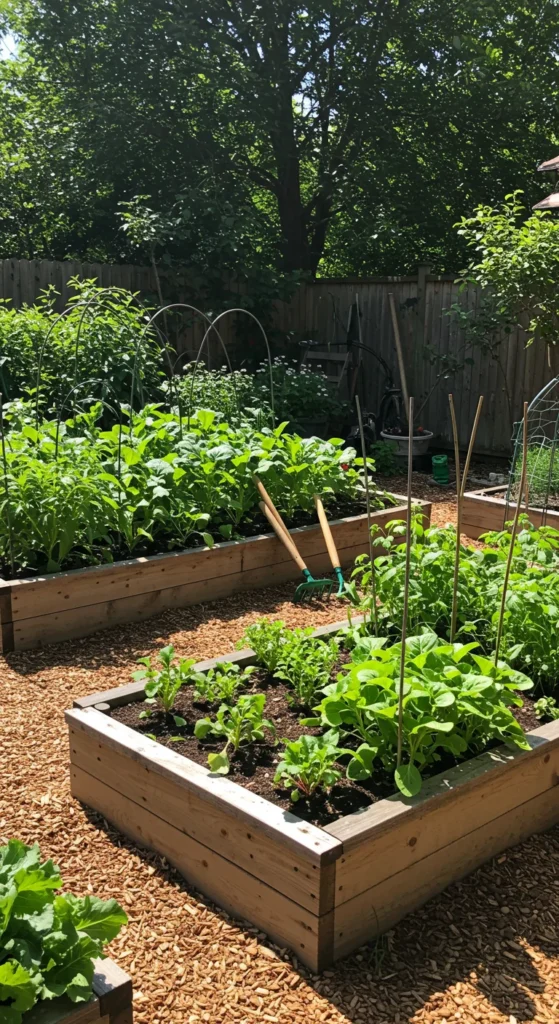
Step 1: Choose the Right Spot
Your garden’s success starts with location. Most vegetables need 6–8 hours of sunlight daily, so find a spot that gets plenty of light.
- Look for a flat area that’s easy to water.
- Avoid spots under large trees or shaded fences.
- If you don’t have a yard, consider containers on a sunny balcony.
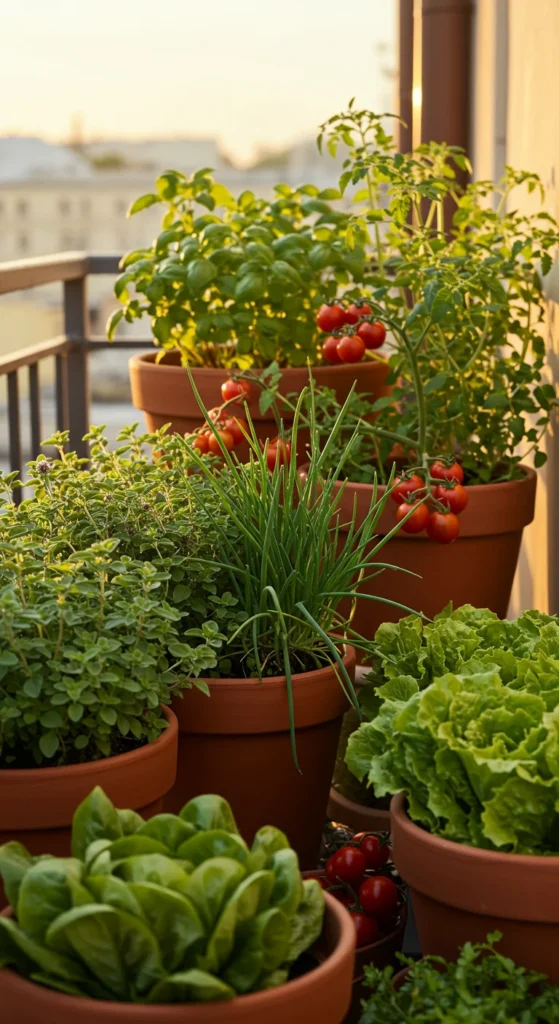
Step 2: Pick Easy Vegetables to Start With
Not all veggies are created equal when it comes to beginner success. Some plants are low-maintenance and highly rewarding.
Great beginner choices:
- Tomatoes
- Lettuce and spinach
- Radishes
- Green beans
- Zucchini
These grow quickly, don’t require much fuss, and deliver satisfying harvests.
Step 3: Prepare Your Soil
Healthy soil means healthy plants. If you’re working with a backyard patch:
- Remove grass, weeds, and rocks.
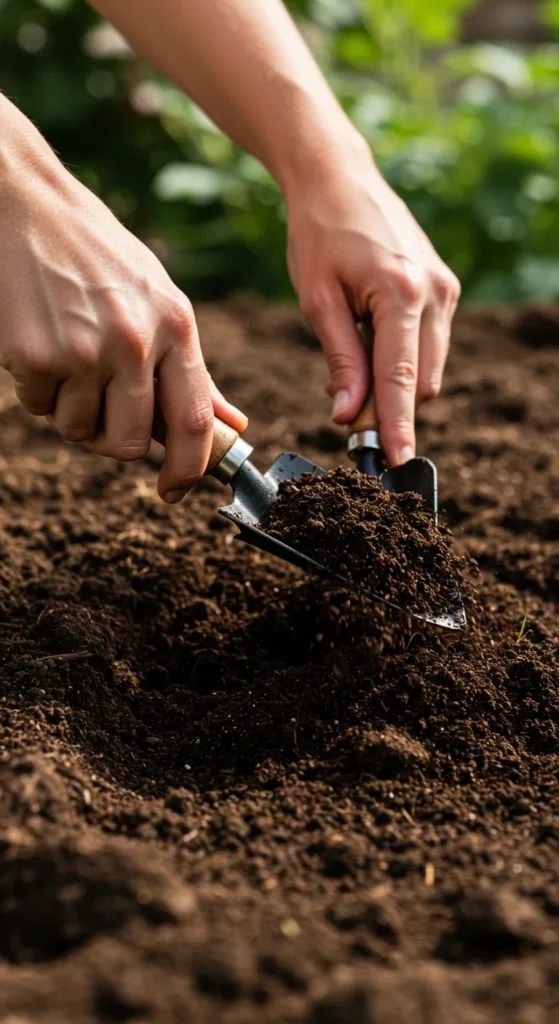
- Mix in compost or aged manure to add nutrients.
- Loosen the soil with a garden fork for good drainage.
For containers, choose high-quality potting mix instead of garden soil—it’s lighter and helps roots thrive.
Step 4: Plant Your Seeds or Seedlings
Read the instructions on your seed packet—it tells you exactly how deep and far apart to plant. If you want quicker results, pick up seedlings from a nursery.
Tips:
- Don’t overcrowd plants. They need room to grow.
- Water gently right after planting.
- Label rows or pots so you don’t forget what’s growing where.
Step 5: Water the Smart Way
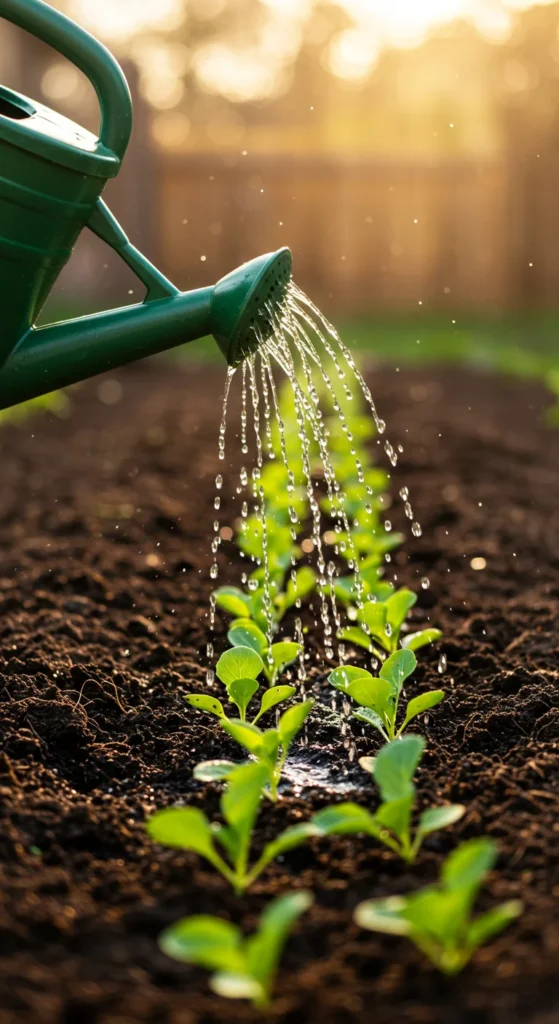
Plants don’t like soggy roots, but they also can’t grow without water. Aim for deep, consistent watering.
- Water in the morning so leaves dry during the day.
- Use a watering can or drip hose for even moisture.
- Stick your finger in the soil—if it feels dry an inch down, it’s time to water.
Step 6: Keep Weeds and Pests Under Control
Weeds steal nutrients, and pests can ruin your hard work. Stay proactive:
- Pull weeds by hand while they’re small.
- Lay down mulch (like straw or shredded leaves) to block weeds and hold moisture.
- Watch for pests—hand-pick bugs or use natural solutions like neem oil.
Step 7: Harvest at the Right Time
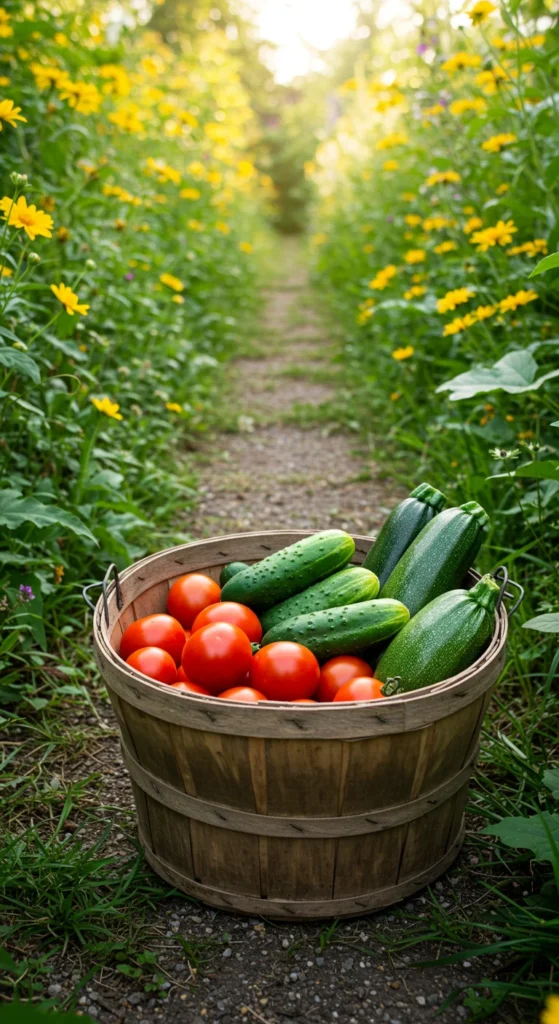
The best part of gardening? Eating what you grew! Pick vegetables when they’re ripe to enjoy their peak flavor.
- Harvest lettuce and spinach by snipping outer leaves.
- Pick tomatoes when they’re fully colored and slightly soft.
- Don’t let zucchini get too big—they taste best when small.
Bonus Tips for Beginners
- Start small. A 4×4-foot bed or 3–5 pots is plenty for your first try.
- Keep a journal. Note planting dates and what works best in your area.
- Be patient. Some veggies take weeks before showing real progress.
Final Takeaway
Starting a vegetable garden from scratch isn’t complicated—you just need sunlight, healthy soil, and a little consistency. Before you know it, you’ll be snipping fresh greens for a salad or grabbing a tomato straight from the vine.
Leave a Reply