

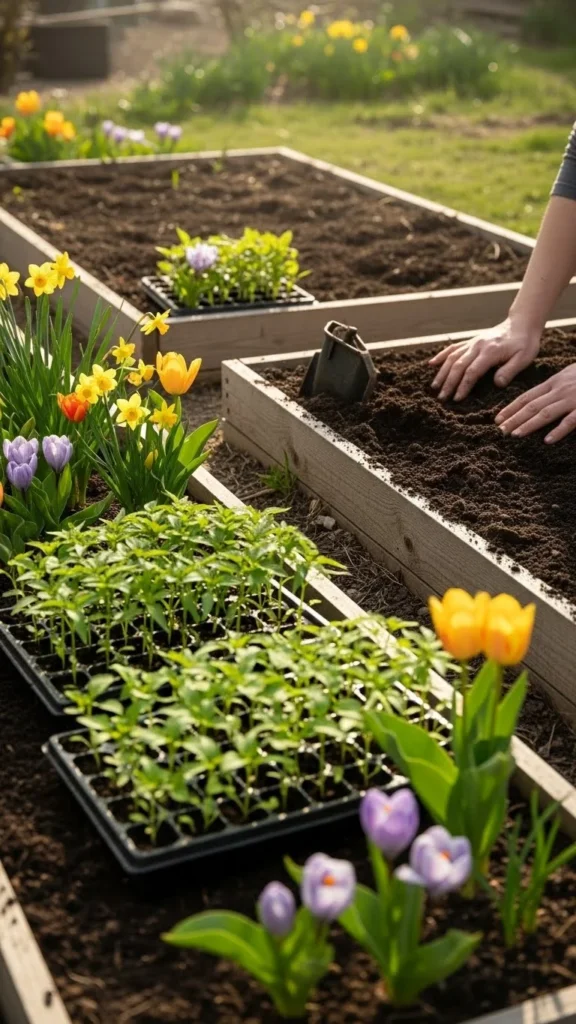
Spring is when gardeners reset routines and fix problems before they grow bigger. The smartest spring habits come from years of trial, not fancy tools or complicated systems. These tips focus on actions that real gardeners repeat every season because they work. They save time, limit wasted effort, and help plants settle in smoothly. Each idea below stays practical, budget-aware, and easy to follow, even if space or time is limited.
1. Work Soil Only When It Crumbles
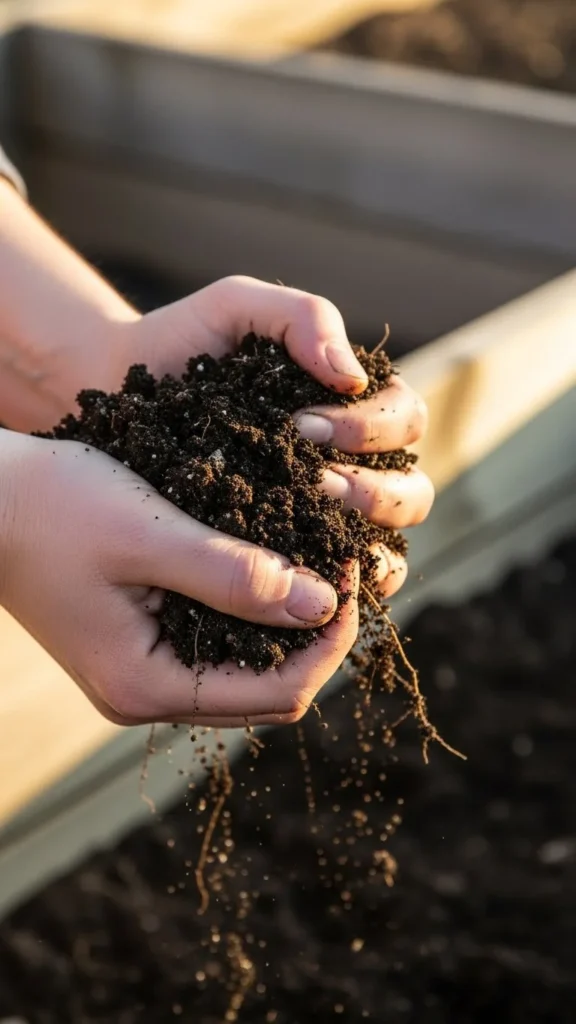
Soil tells you when it is ready. Grab a handful and squeeze it. If it forms a tight ball, wait. If it breaks apart, you can work it. This simple test prevents compaction that lasts all season.
Wet soil compresses easily. Roots struggle later. Patience here avoids problems that no fertilizer can fix.
Use a fork instead of a shovel. Lift and loosen instead of flipping layers. That keeps soil life closer to the surface.
If beds stay wet longer, focus on paths or containers first. Let ground beds dry naturally.
This habit costs nothing and protects soil structure for months ahead.
2. Feed the Soil Before Planting Anything

Plants grow better when soil does the work. Start with compost, not bottled feeds. A thin layer mixed into the top few inches improves texture and moisture control.
Homemade compost works well. Bagged compost also fits tight budgets when used sparingly.
Avoid adding random fertilizers without knowing soil condition. Compost supports steady growth without sharp swings.
This approach reduces watering later and limits runoff.
Healthy soil supports plants quietly, day after day.
3. Delay Mulch Until Soil Warms
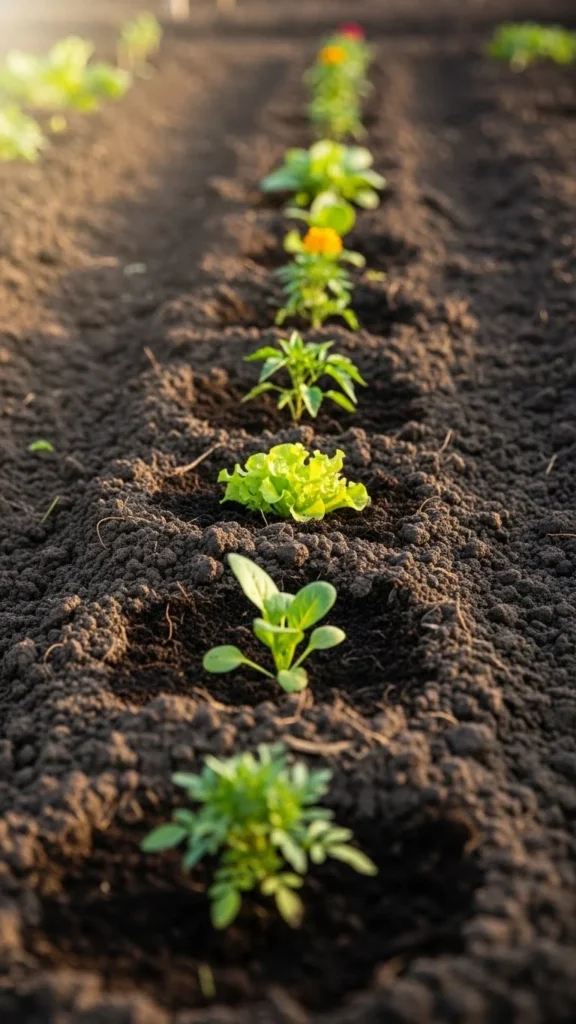
Mulch applied too early keeps soil cold. That slows growth. Wait until soil feels warmer to the touch.
Once plants settle, add mulch to hold moisture and reduce weeds.
Use straw, shredded leaves, or bark. Expensive options are unnecessary.
Apply a thin layer. Thick mulch traps excess moisture.
Timing matters more than material.
4. Harden Off Seedlings Gradually
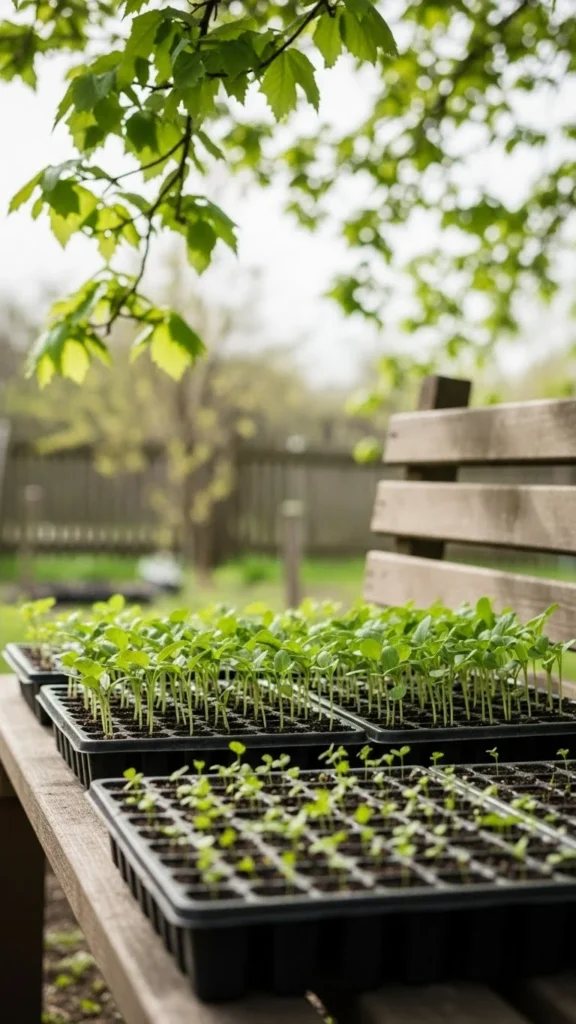
Indoor seedlings face shock outdoors. Start with short exposure. One hour in shade works well.
Increase time daily over a week. Avoid windy or cold days early on.
This slow process strengthens stems and leaves.
Skipping this step often leads to stalled growth or loss.
Patience here protects weeks of effort.
5. Space Plants Based on Adult Size
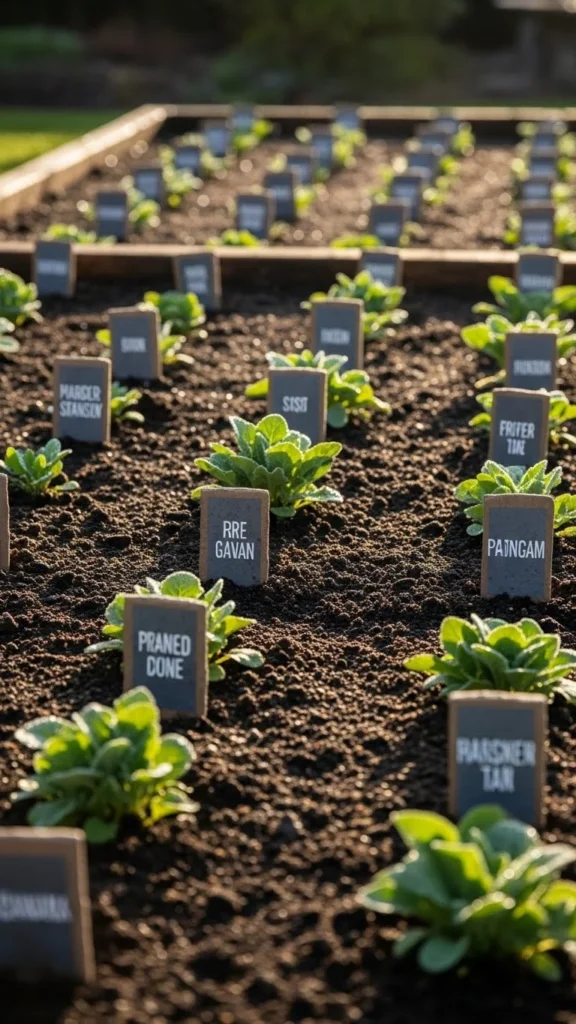
Crowding feels efficient but causes trouble later. Airflow drops. Disease spreads faster.
Follow spacing guides on seed packets. They reflect adult size, not seedling stage.
Extra space reduces pruning and watering stress.
Healthy spacing supports steady growth.
Plants grow stronger when given room.
6. Install Supports Before Plants Grow
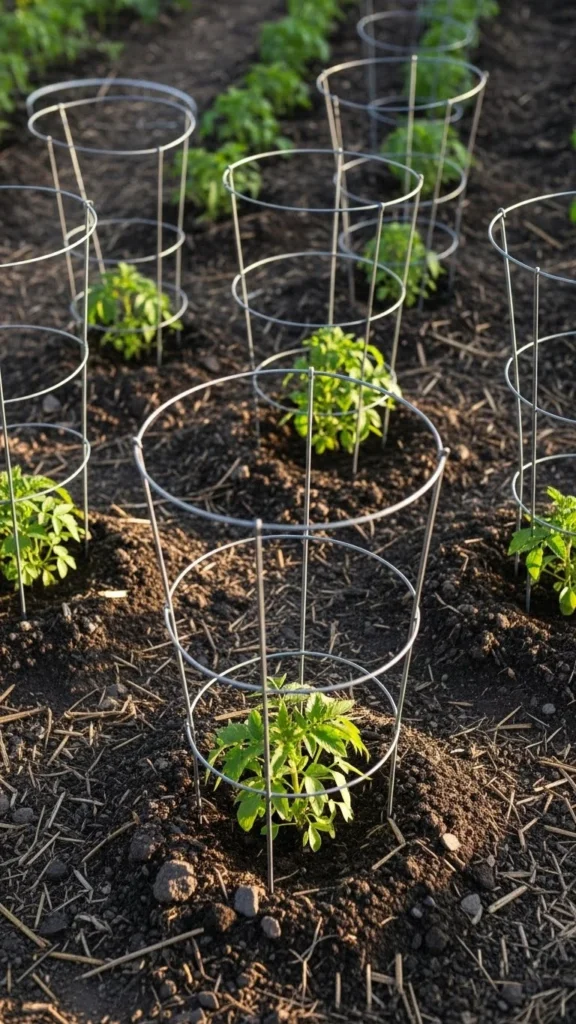
Waiting to stake plants damages roots. Install cages and trellises early.
Plants grow into supports naturally.
This avoids breakage and tangled stems later.
Simple materials work fine. Rebar, bamboo, or branches cost little.
Early setup saves repairs later.
7. Prune With Restraint
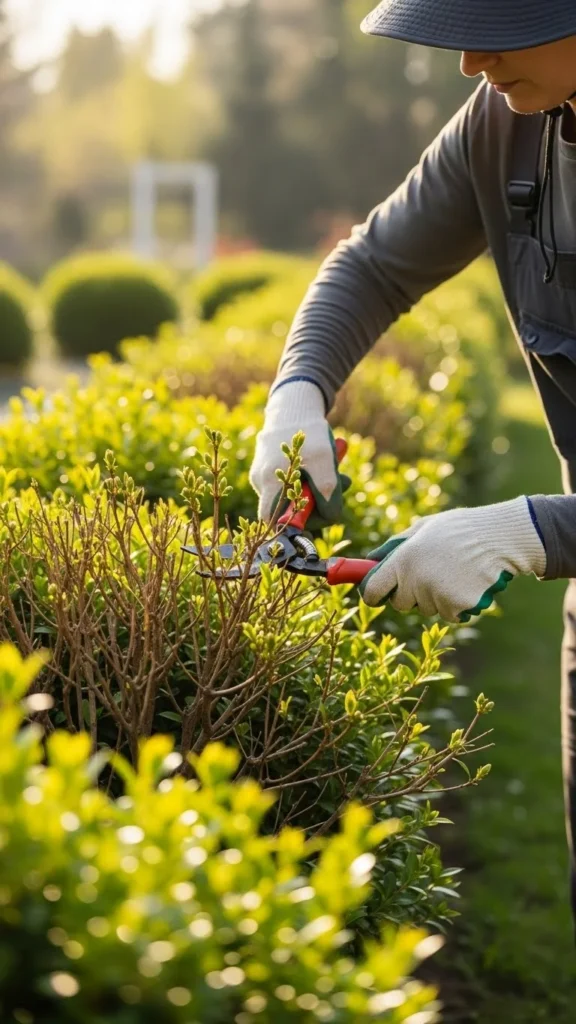
Spring pruning works best when focused. Remove dead or damaged wood first.
Avoid cutting flowering shrubs without checking bloom timing.
When unsure, wait. You can always cut later.
Light pruning shapes growth without stressing plants.
Less cutting often leads to better results.
8. Water Based on Soil, Not Schedule
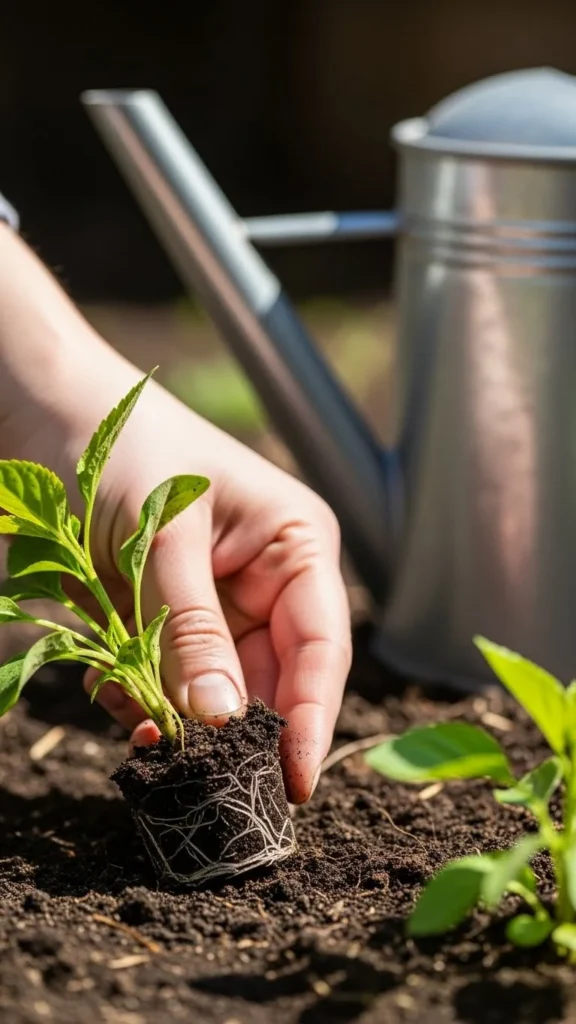
Calendars do not reflect soil conditions. Check moisture with your finger.
Water deeply when soil feels dry below the surface.
Shallow watering encourages weak roots.
Morning watering reduces leaf issues.
Observation beats routine.
9. Label Everything Early
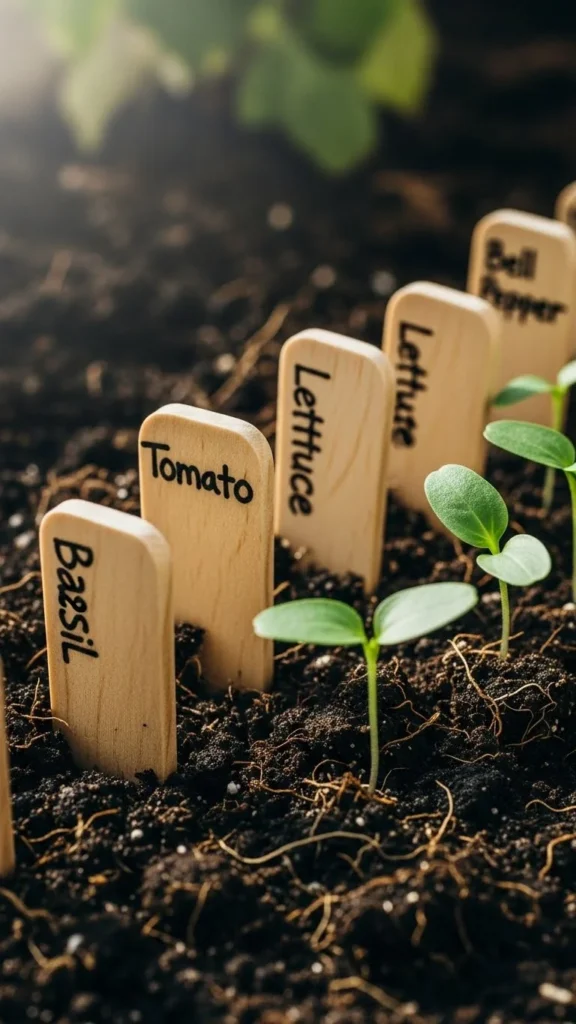
Memory fades fast in spring. Label seeds and transplants right away.
Use sticks, stones, or recycled tags.
Permanent marker lasts longer than pencil.
Clear labels guide care and harvesting later.
This habit prevents confusion and replanting.
10. Fix Drainage Problems Before Planting
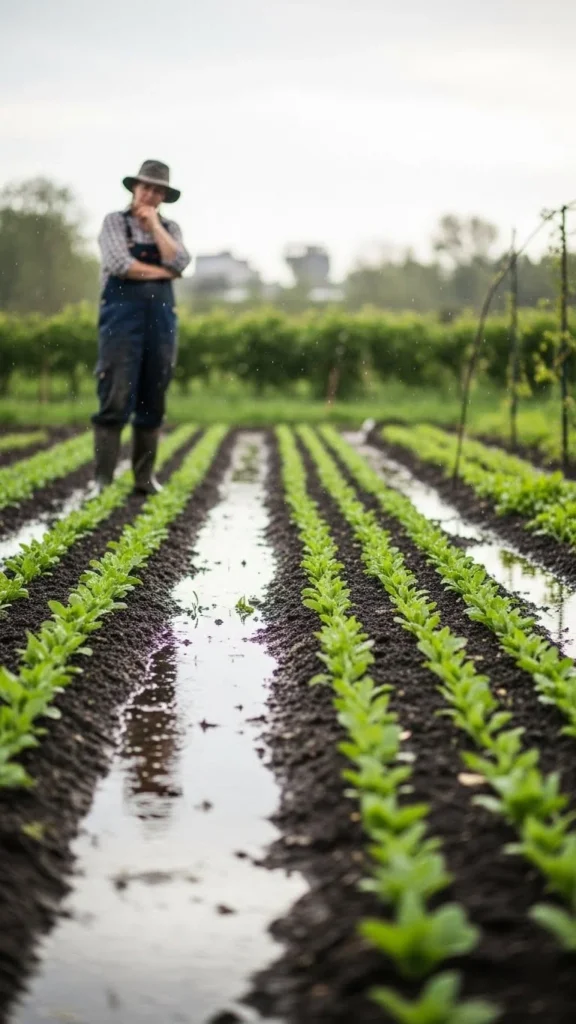
Standing water suffocates roots. Identify trouble spots early.
Raised beds, compost, or shallow channels redirect water.
Containers also need drainage holes checked.
Addressing this now avoids losses later.
Roots require air as much as water.
11. Start Seeds Only When Light Matches Growth
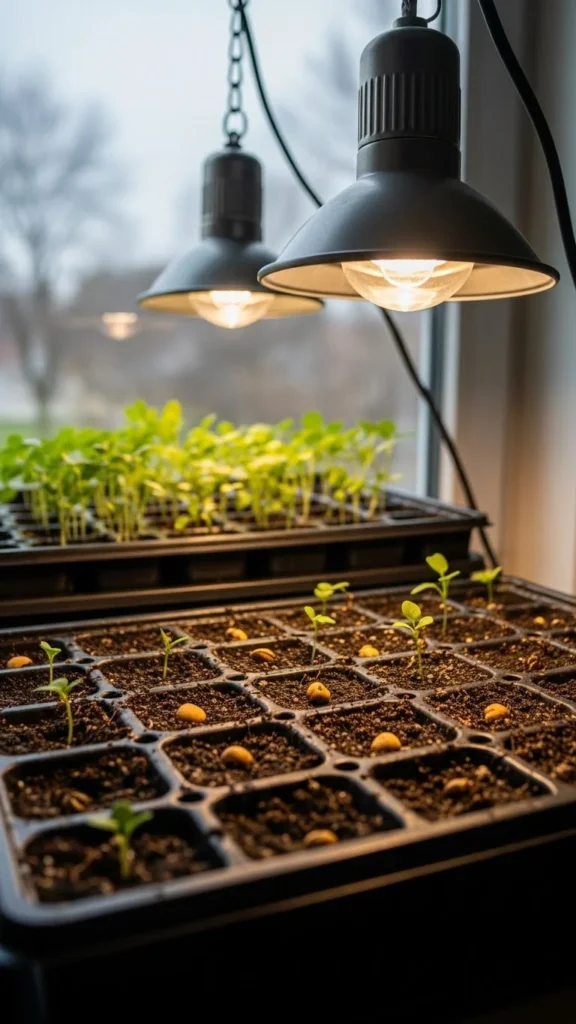
Weak light creates leggy plants. Match seed timing with available light.
Shop lights placed close work well and cost little.
Starting too early causes stress later.
Strong light builds sturdy stems.
Timing shapes success.
12. Thin Seedlings Without Hesitation
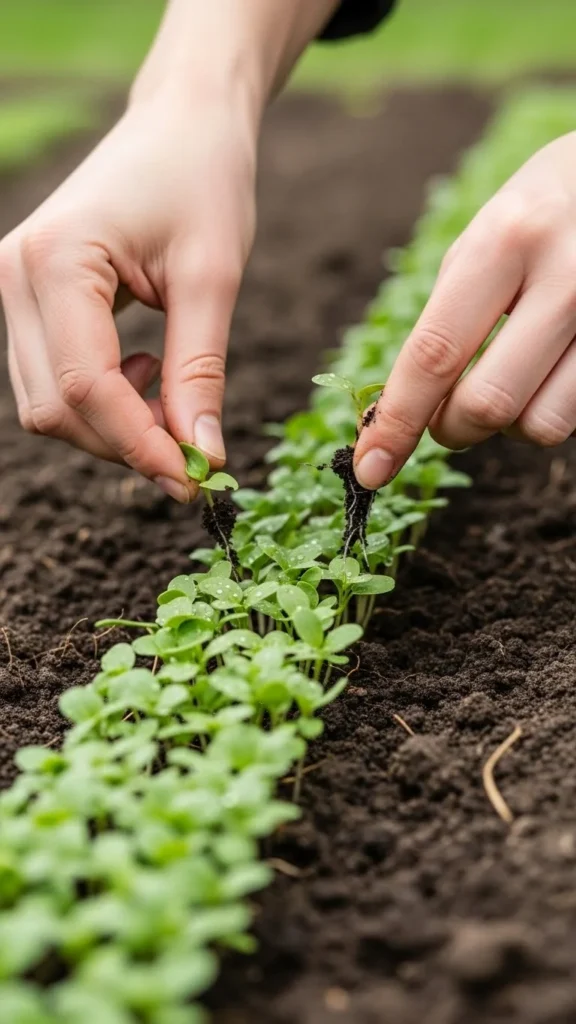
Crowded seedlings compete for space and water.
Remove extras early to help remaining plants thrive.
It feels wasteful, but results improve.
Use scissors to avoid root disturbance.
Thinning supports stronger harvests.
13. Rotate Crops Each Season
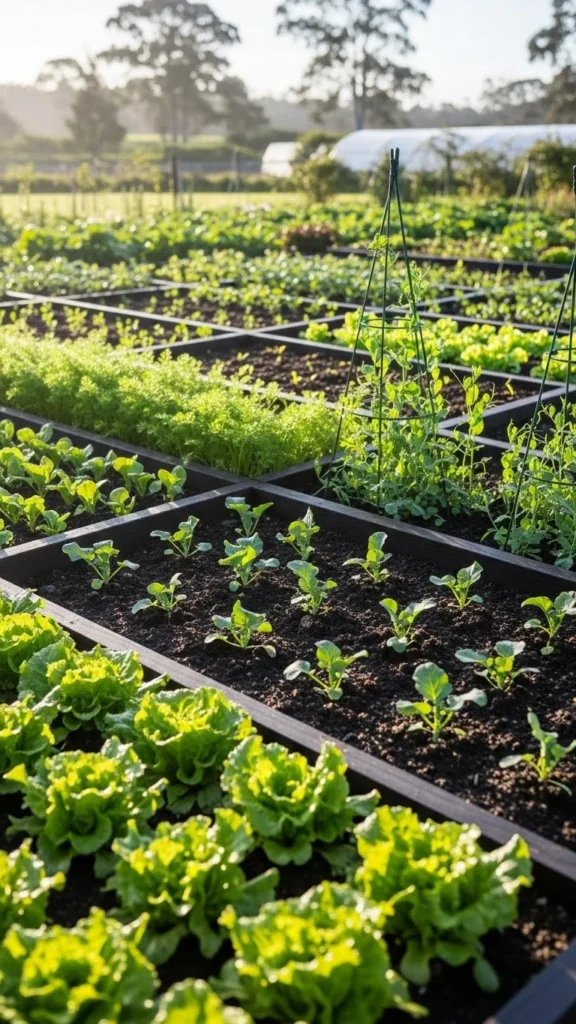
Planting the same crops in the same spot invites disease.
Rotate plant families yearly, even in small gardens.
This habit reduces pest buildup naturally.
Simple rotation notes help planning.
Variety supports soil balance.
14. Use Containers for Flexibility
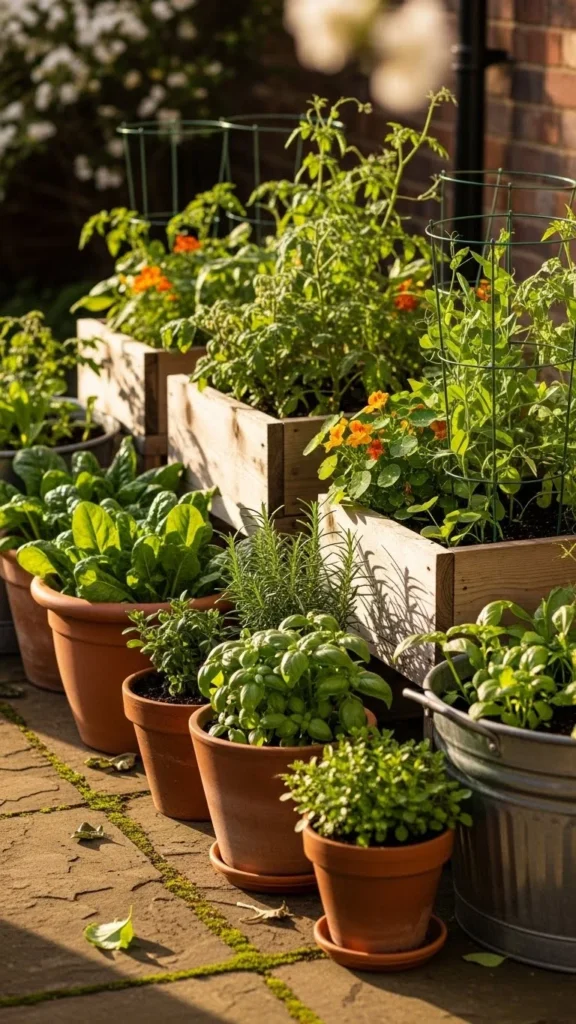
Containers move easily with weather changes.
They suit renters and small spaces.
Use buckets or tubs with drainage holes.
Containers allow control over soil and water.
Flexibility reduces stress.
15. Clean Beds Gently
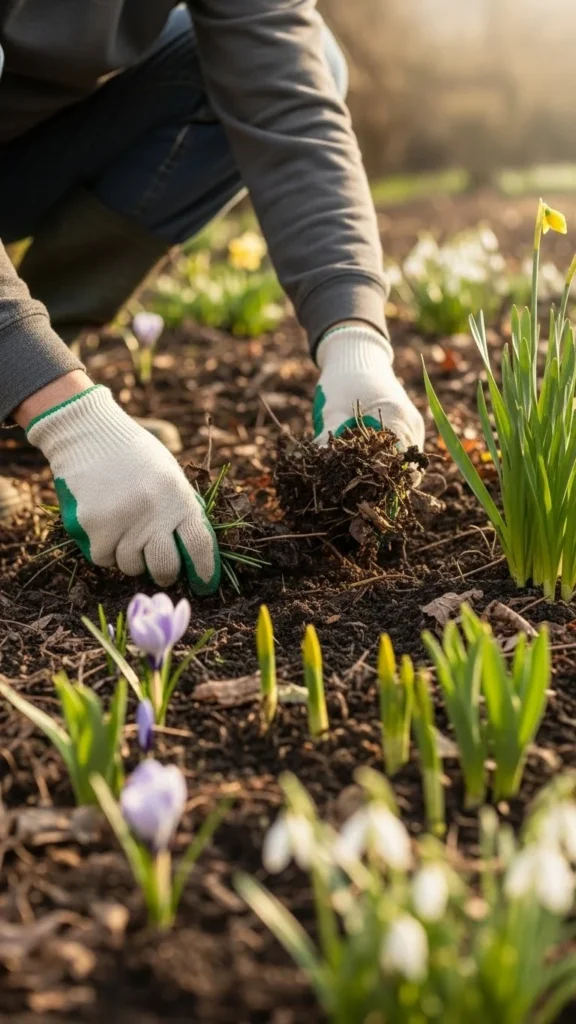
Spring cleanup does not require stripping beds bare.
Remove matted debris but leave some cover for insects.
Use hand tools to protect soil.
Gentle cleanup balances order and life.
Nature benefits from restraint.
16. Watch for Pests Before Acting

Not every insect causes harm.
Identify pests before reacting.
Hand removal or water sprays often solve issues.
Avoid spraying without cause.
Observation saves plants and money.
17. Keep Notes Throughout the Season

Write down planting dates and results.
Simple notes guide better choices next year.
Memory fades faster than paper.
Patterns become clear over time.
Experience grows when recorded.
18. Use Edging to Define Beds
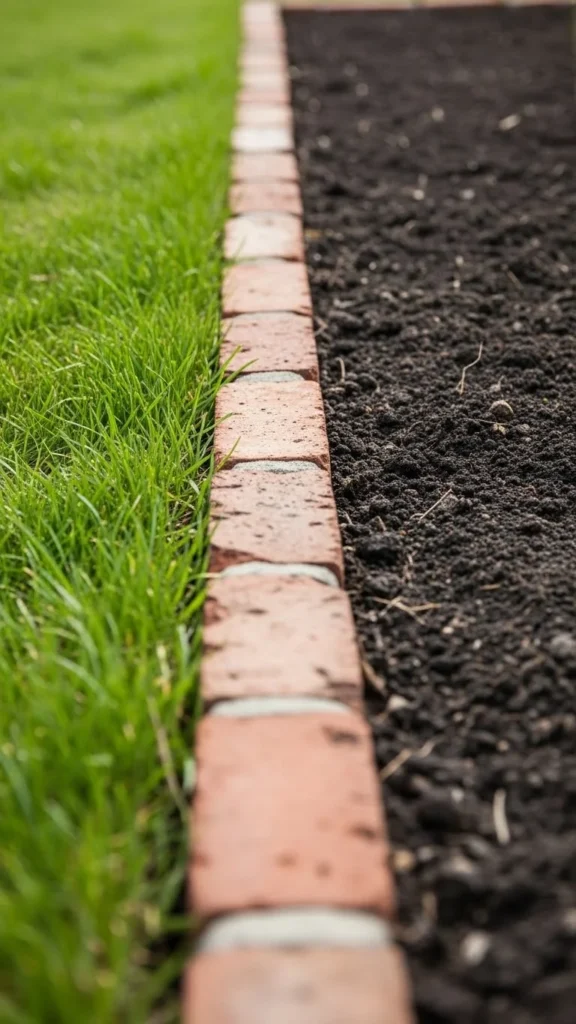
Clear edges control spread and simplify mowing.
Bricks, metal, or clean spade cuts work well.
Defined beds feel organized.
Maintenance becomes easier.
Structure shapes space.
19. Plant Cool-Season Crops Early
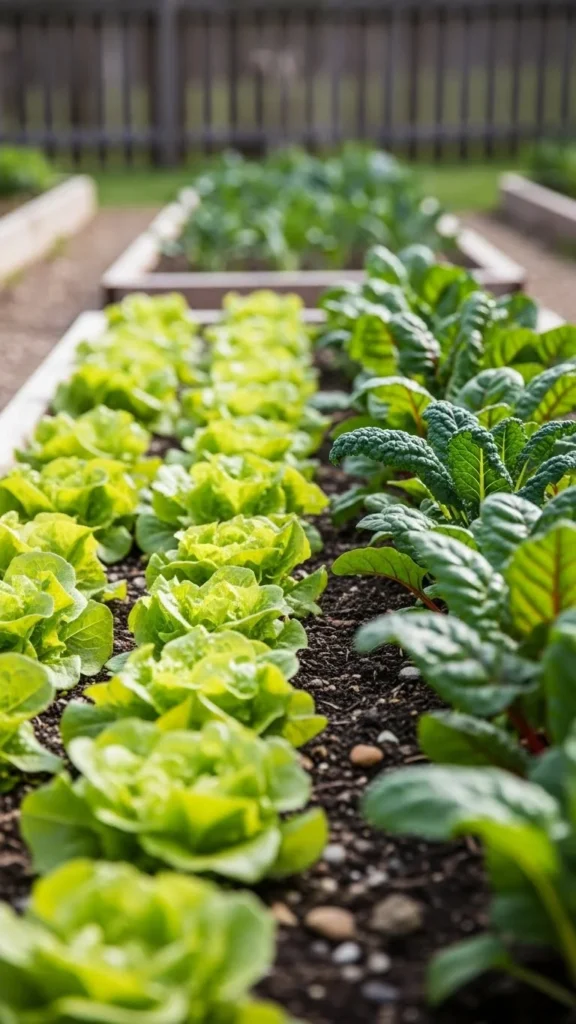
Greens and roots enjoy cool weather.
Plant them before heat arrives.
They mature quickly and free space later.
Early planting extends harvest windows.
Timing supports success.
20. Group Plants With Similar Water Habits
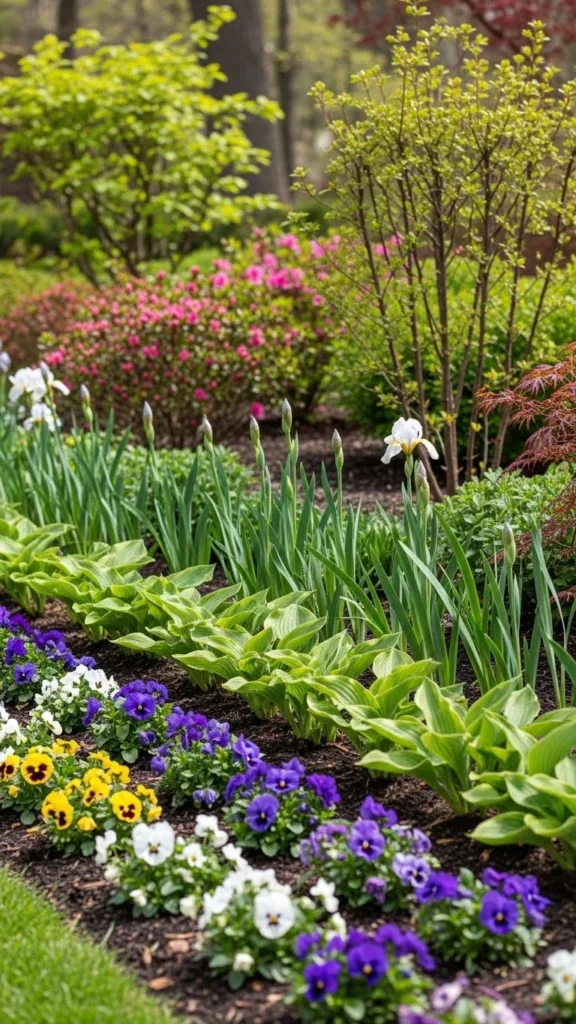
Grouping simplifies watering routines.
Plants with similar habits thrive together.
This reduces waste and effort.
Planning groups saves time weekly.
Smart grouping supports consistency.
21. Leave Paths Clear for Access

Paths protect soil from compaction.
They make care easier and quicker.
Even narrow paths help.
Access shapes habits.
Convenience encourages follow-through.
22. Use What You Already Own
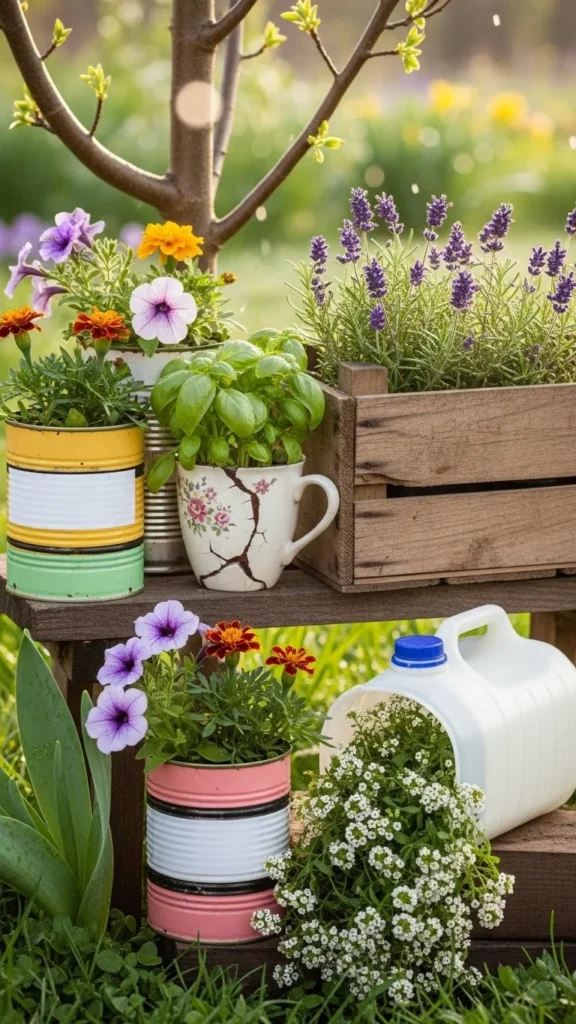
Old containers, jars, and tools find new roles.
Reuse reduces costs.
Creativity outperforms buying new.
Personal setups feel more rewarding.
Resourcefulness adds character.
23. End Each Session With a Visual Check

Before leaving, scan plants briefly.
Look for wilt, pests, or damage.
Early signs stand out.
Short checks prevent larger problems.
Consistency builds awareness.
24. Accept Imperfect Results
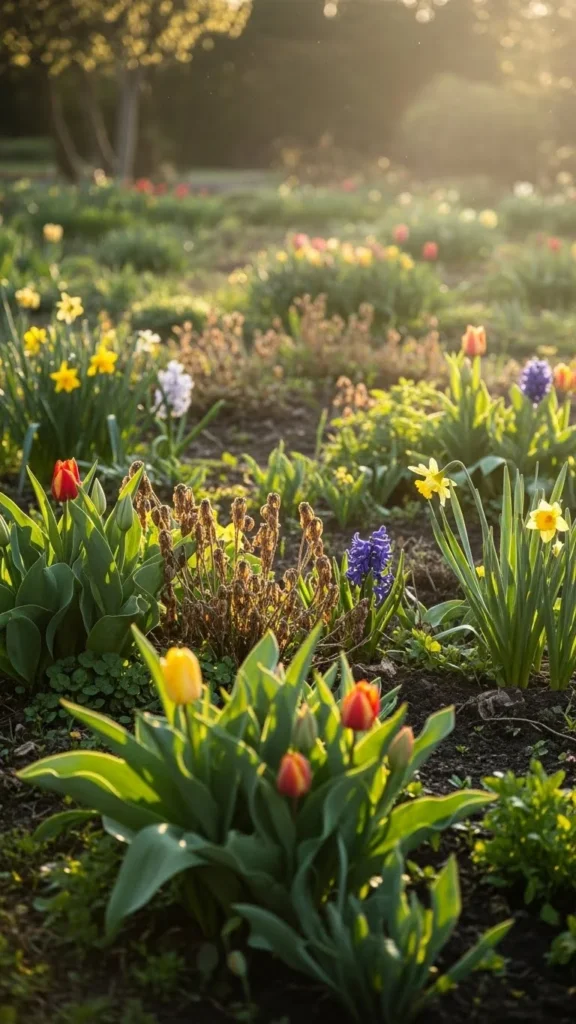
Weather and timing affect outcomes.
Not every plant succeeds.
Learn from failures and adjust.
Progress matters more than perfection.
Gardening rewards patience.
Conclusion
Spring gardening works best when guided by habits proven over time. Simple actions repeated consistently lead to healthier plants and easier maintenance. Focus on observation, timing, and realistic choices that fit daily life. Save this guide, revisit it often, and let these tips shape a season that feels manageable, productive, and rewarding.

Leave a Reply