

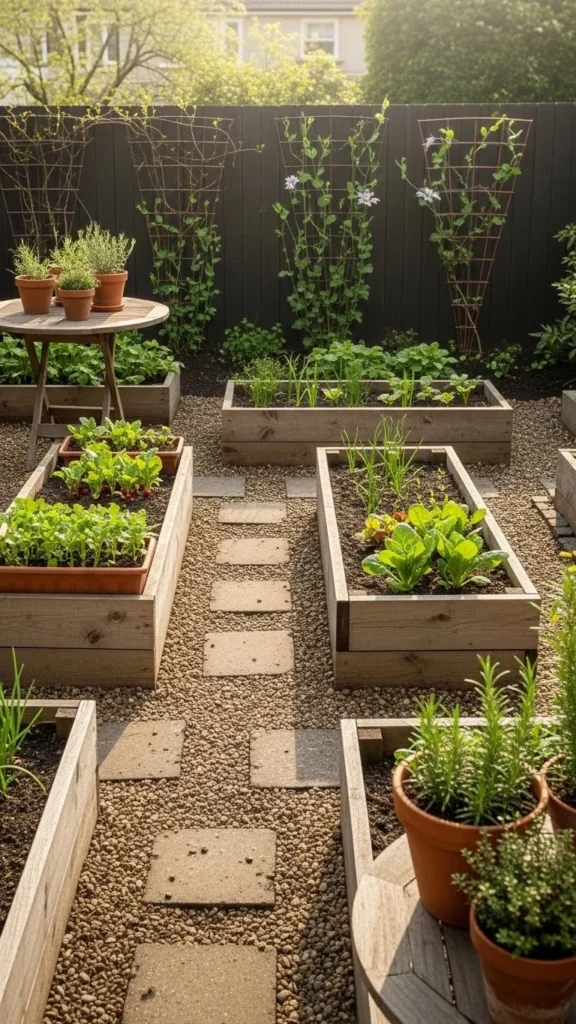
Limited space does not limit what a spring garden can produce. The way beds, containers, and pathways are arranged plays a big role in how much you can grow and how easy the garden feels to manage. Thoughtful layouts reduce wasted ground, improve access, and help plants grow without crowding. The ideas below focus on simple layout choices that work for small yards, patios, and shared spaces while keeping costs low and routines simple.
1. Use Raised Beds Instead of In-Ground Rows
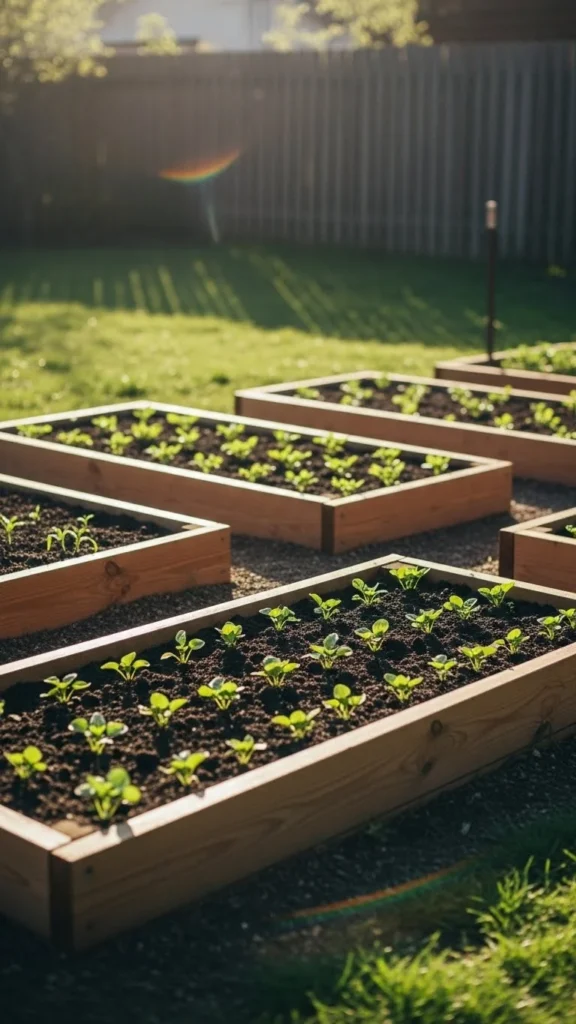
Raised beds make better use of limited ground. They define growing areas clearly and reduce wasted space between rows. Beds can be sized to fit your yard rather than following long row patterns. This allows tighter spacing without stepping on soil.
Build beds from reclaimed wood or concrete blocks to keep costs low. Even shallow beds work well for greens and herbs. Keep bed widths narrow so you can reach the center without walking on soil. Clear edges make planting faster and help you see exactly where crops belong.
2. Grow Upward With Simple Trellises
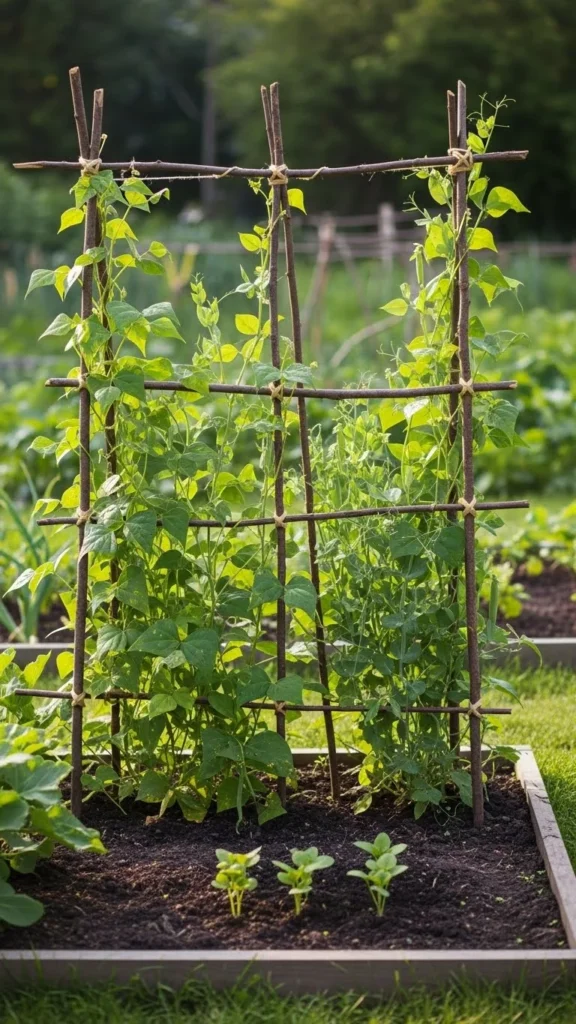
Vertical growing saves ground space. Crops like beans, peas, and cucumbers climb easily when given support. A basic trellis made from sticks, bamboo, or old fencing works well.
Place climbers along fences or bed edges. This frees room below for smaller plants. Vertical growth also improves airflow and makes harvesting easier. One upright structure can replace several feet of ground planting.
3. Combine Containers With Beds
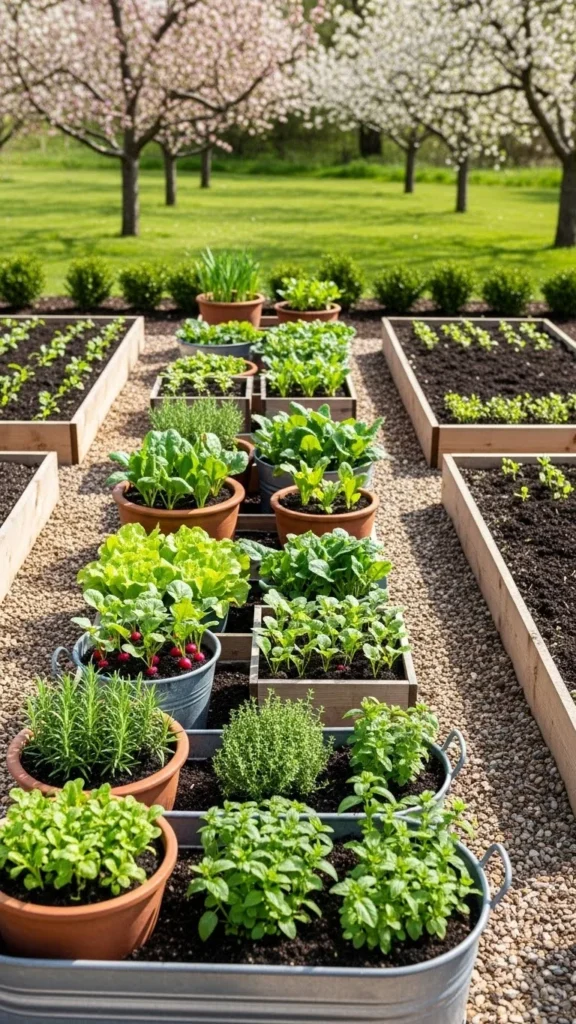
Containers fill gaps where beds won’t fit. Place pots along edges, corners, or patios. Herbs, peppers, and greens grow well in containers.
Reuse buckets or storage bins with drainage holes. Moving containers lets you adjust spacing as plants grow. This flexible setup stretches usable space without permanent changes.
4. Narrow Garden Paths Intentionally
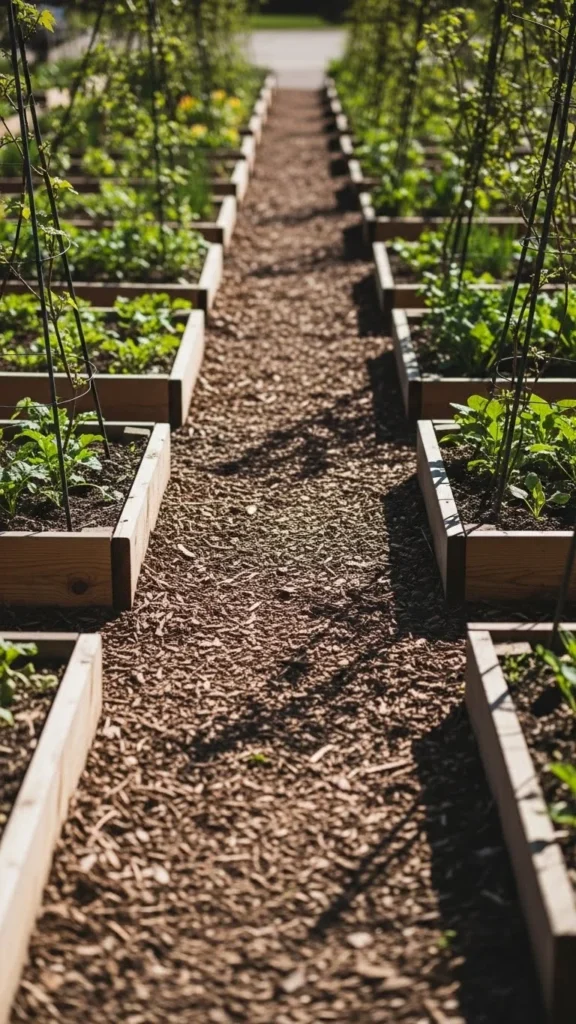
Wide paths waste growing space. Narrow paths just wide enough to walk save room for plants. Use mulch, cardboard, or stepping stones.
Defined paths keep feet off soil and improve access. Clear edges make beds easier to manage while using less ground overall.
5. Plant in Blocks Instead of Rows
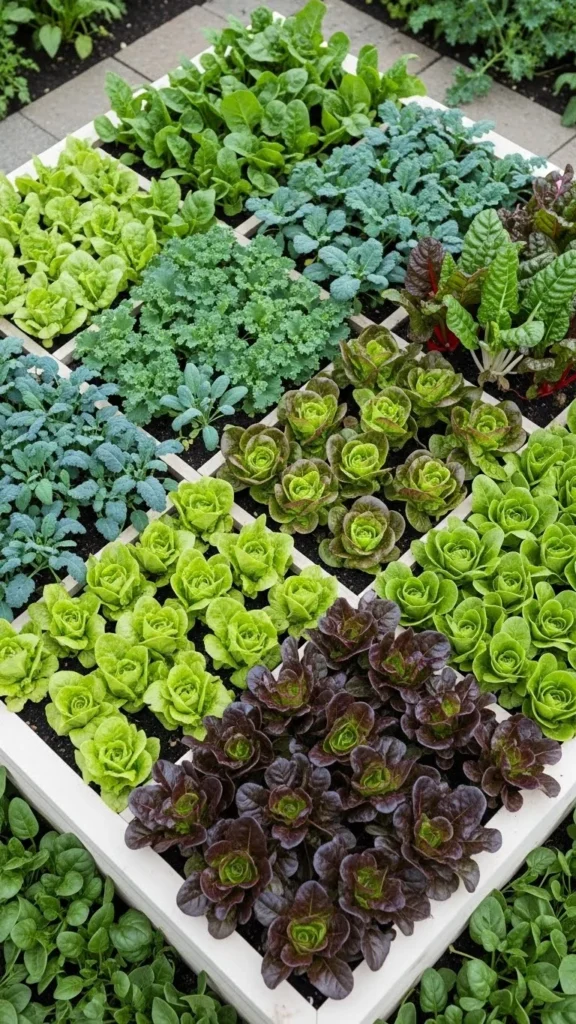
Block planting fits more plants into less space. Instead of long rows, group crops in squares or rectangles. This reduces unused soil between rows.
Leafy greens and root crops work well in blocks. This layout shortens watering time and keeps beds looking tidy.
6. Use Edges for Small Crops
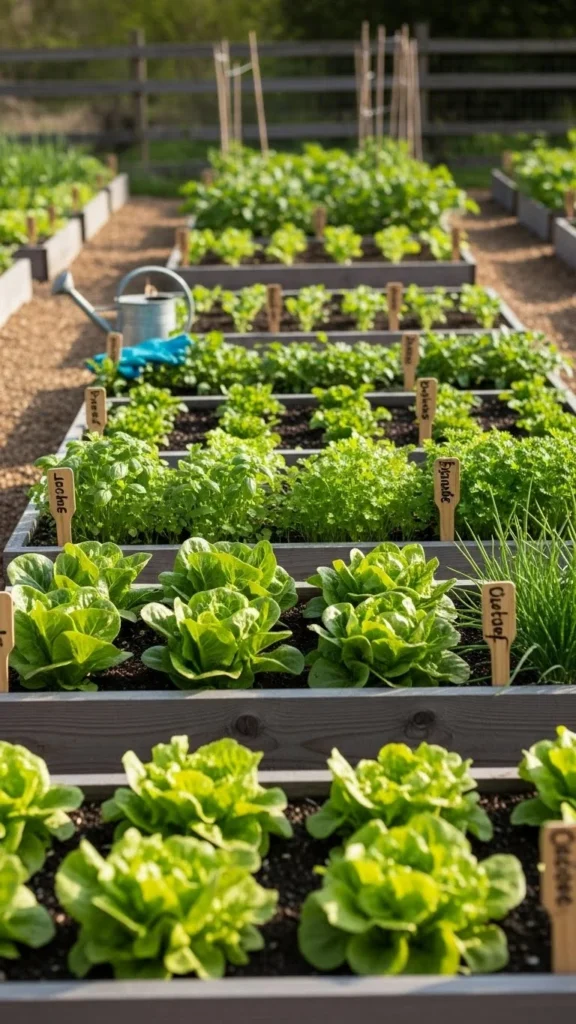
Edges often go unused. Plant shallow-rooted crops like lettuce or herbs along borders. These areas receive light without crowding larger plants.
Using edges adds extra harvests without changing the main layout.
7. Add Vertical Shelves for Containers
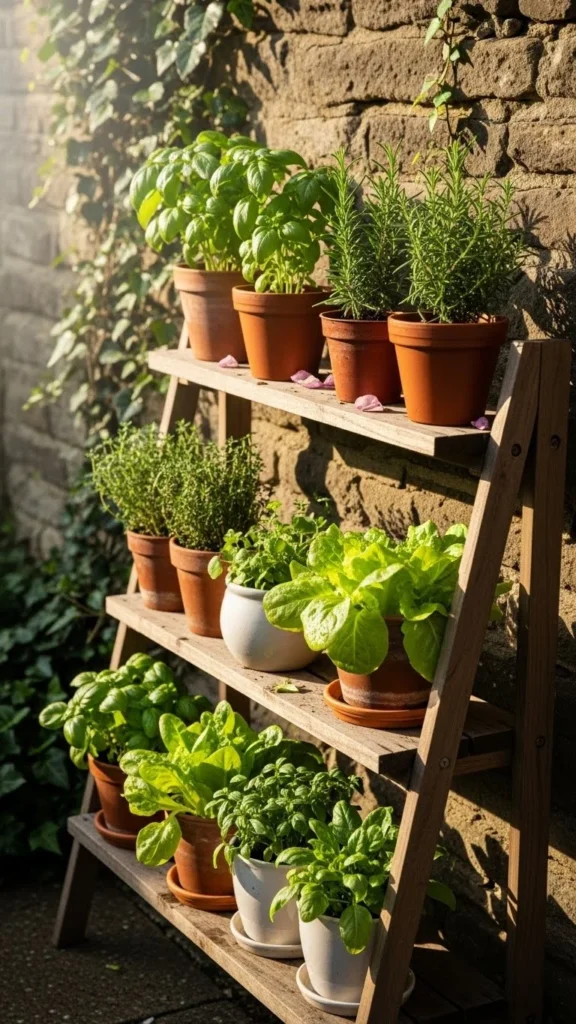
Shelving turns vertical space into growing space. Place shelves near walls or fences. Grow herbs or seedlings in lightweight pots.
Repurpose old ladders or crates. Vertical shelving keeps plants accessible while freeing ground below.
8. Group Crops by Size
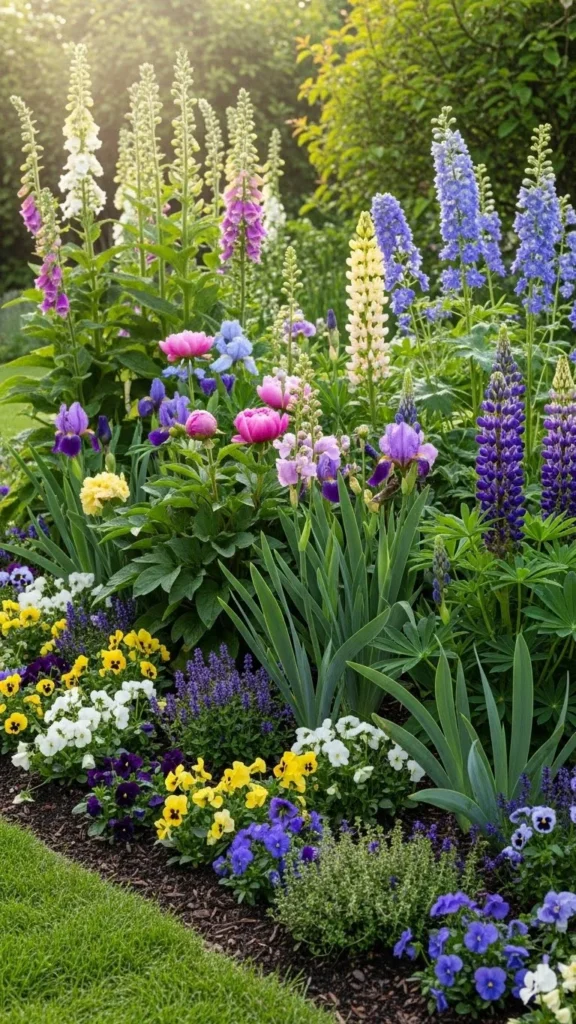
Arrange plants from tall to short. Place larger crops toward the back or center. Smaller plants fit around them.
This layout prevents shading issues and uses space evenly. Every plant gets light without wasted gaps.
9. Use Corner Beds Creatively
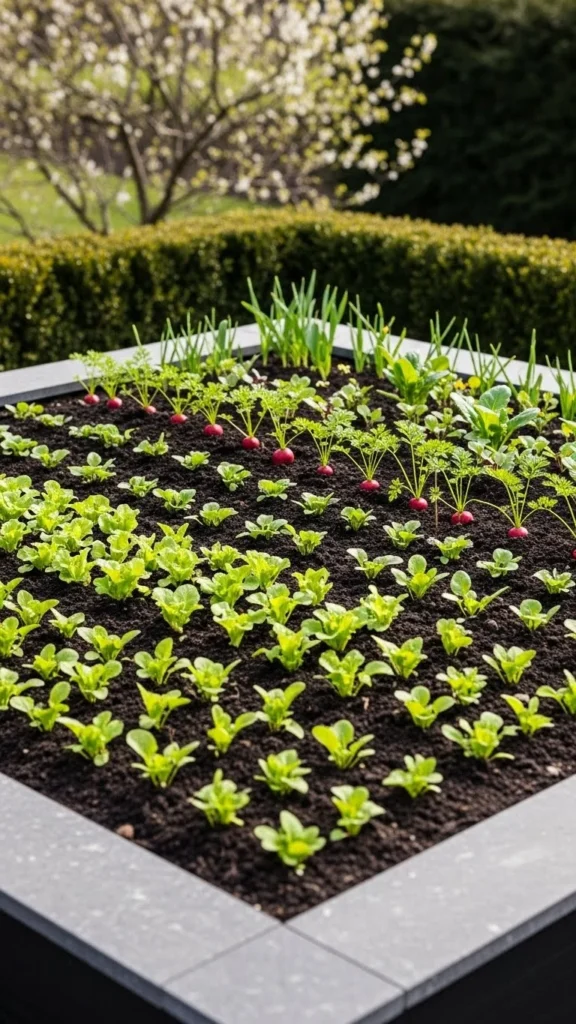
Corners often sit unused. Triangular or curved beds fit neatly into these areas. Grow herbs or compact vegetables here.
Custom-shaped beds turn awkward spaces into productive ones.
10. Grow Along Fences
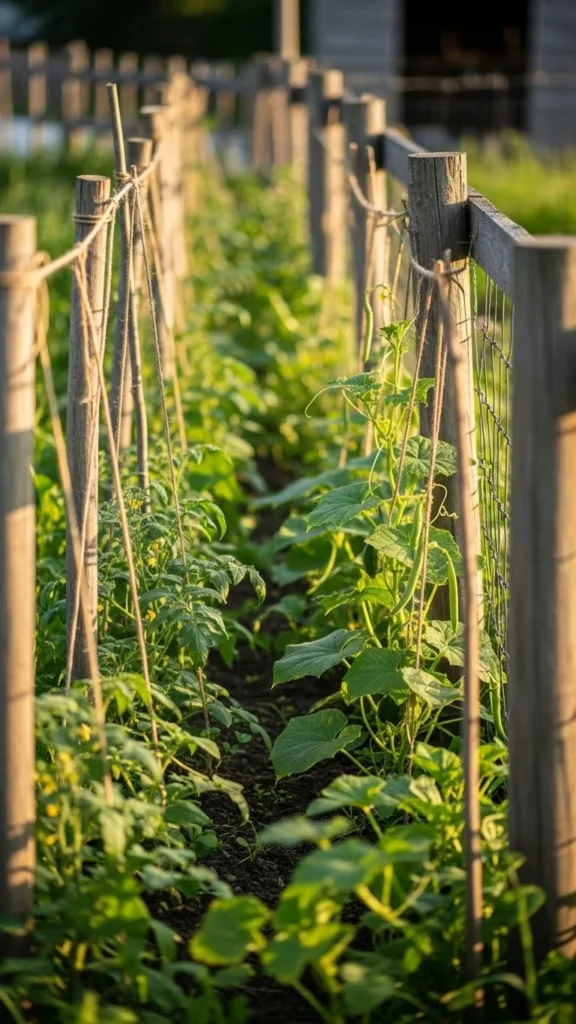
Fence lines provide structure and support. Grow climbers or tall plants along them. This uses space that would otherwise remain empty.
Fence growing also keeps plants upright and organized.
11. Stack Planters Vertically
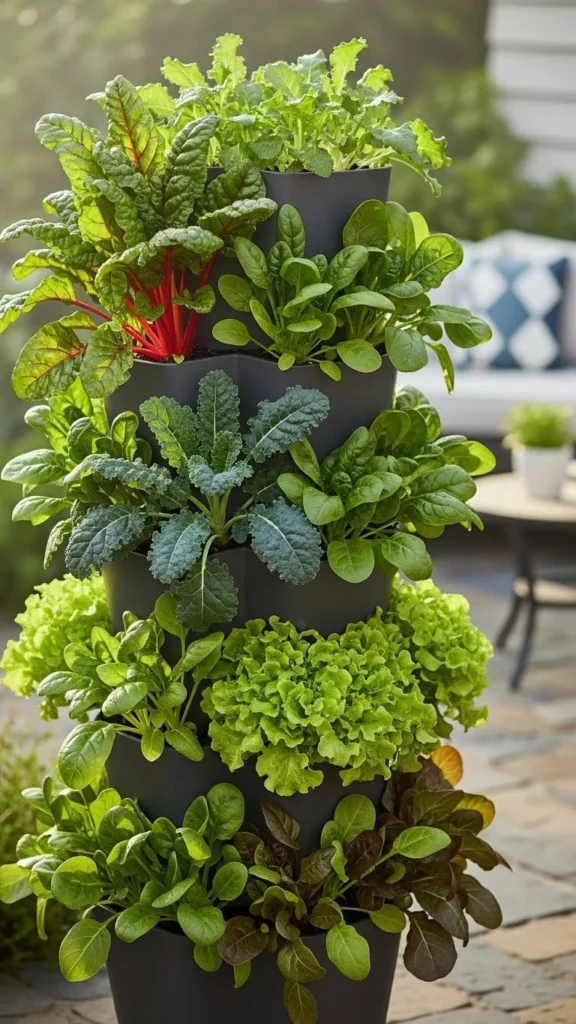
Tiered planters allow multiple crops in one footprint. Stack containers securely using bricks or shelves.
This works well on patios and balconies where ground space is limited.
12. Mix Flowers and Vegetables
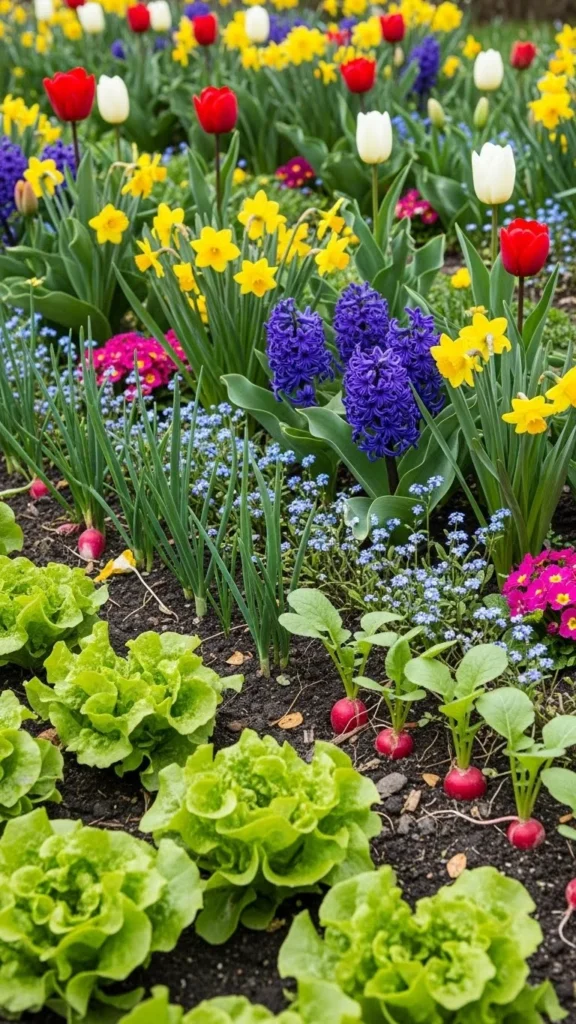
Combining crops saves space. Flowers fit between vegetables without taking extra room. Use borders or gaps between rows.
This keeps beds full and visually balanced.
13. Use Hanging Baskets
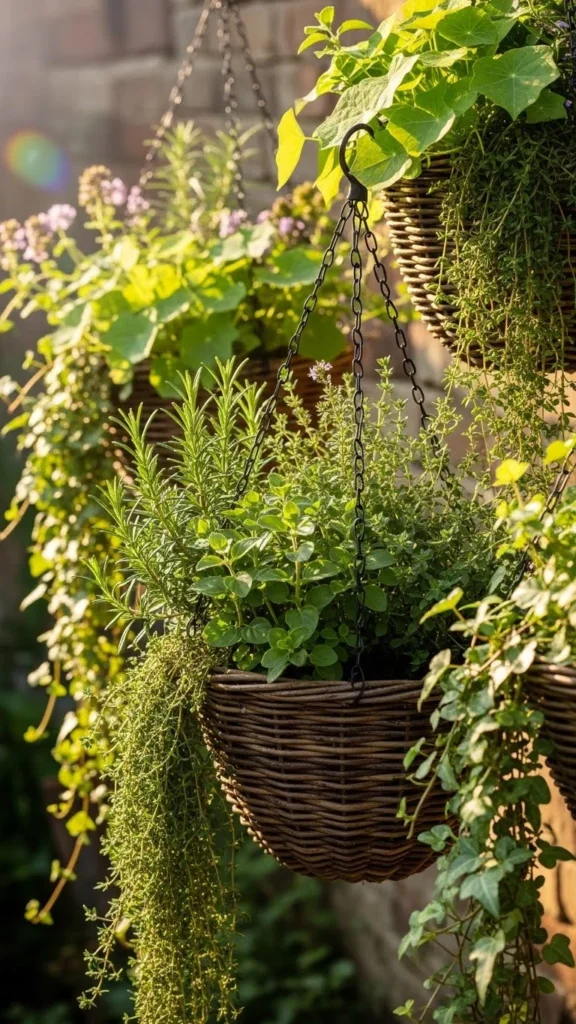
Hanging baskets add growing space above ground. Grow herbs or strawberries. Hooks on fences or walls work well.
This setup uses air space instead of soil.
14. Choose Compact Varieties
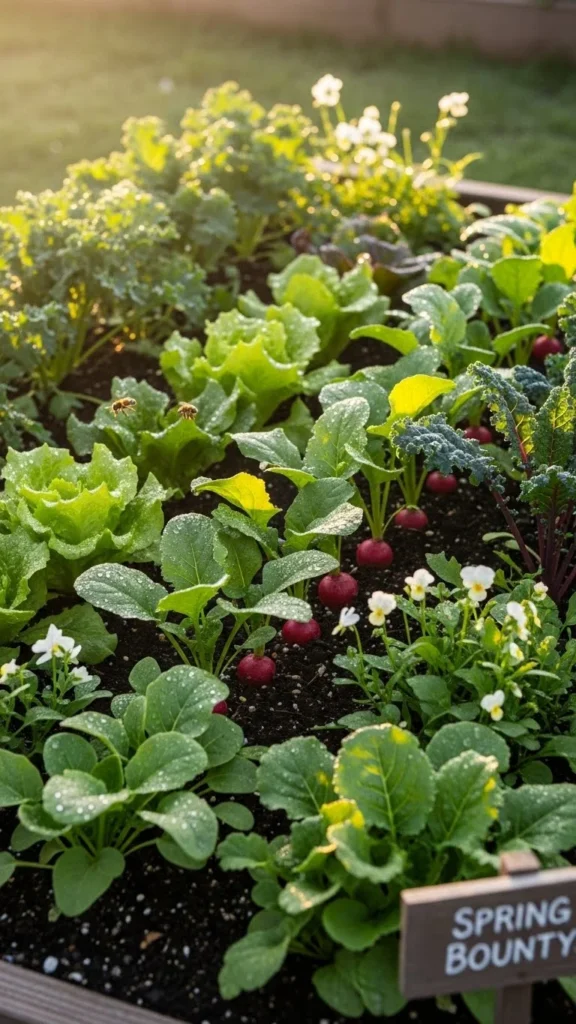
Some crops stay naturally small. Look for compact or bush types. These fit tighter spaces without crowding.
Smaller plants allow closer spacing and cleaner layouts.
15. Rotate Crops Within the Same Bed
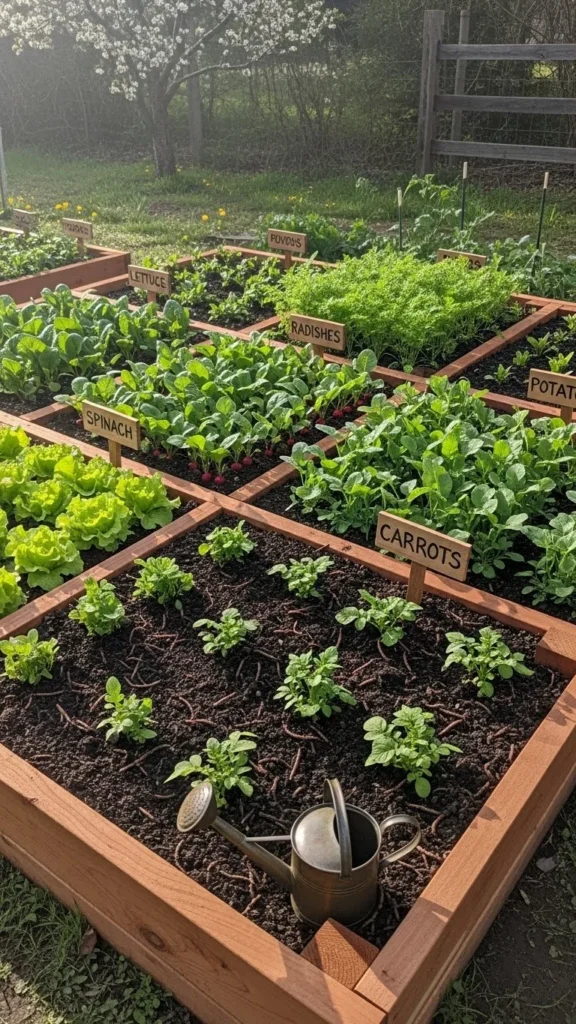
Rotating within beds allows constant use of space. As one crop finishes, another takes its place.
This keeps beds productive without expanding the garden.
16. Use Square Foot Spacing
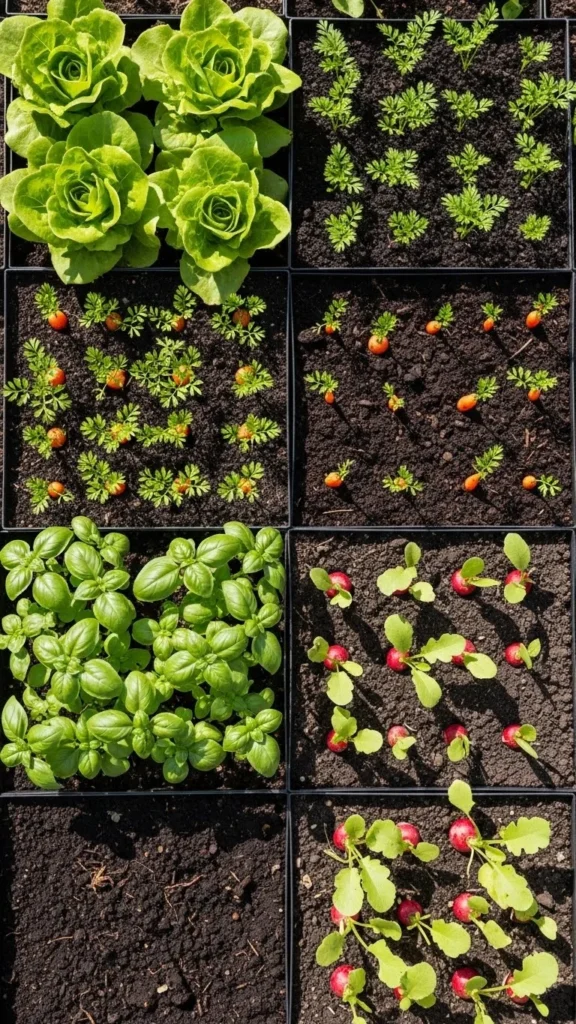
Square foot spacing keeps layouts organized. Each square holds a set number of plants. This reduces guessing.
It works well for small gardens and raised beds.
17. Add Portable Planters
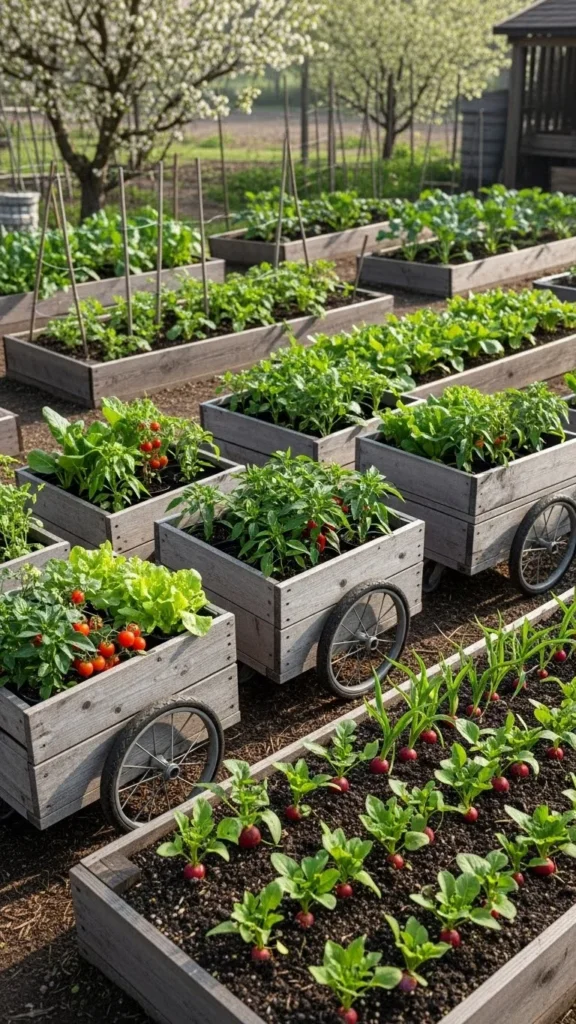
Portable planters move as needed. Shift them to sunny spots or out of the way.
Mobility adds flexibility without changing layouts.
18. Line Walkways With Pots
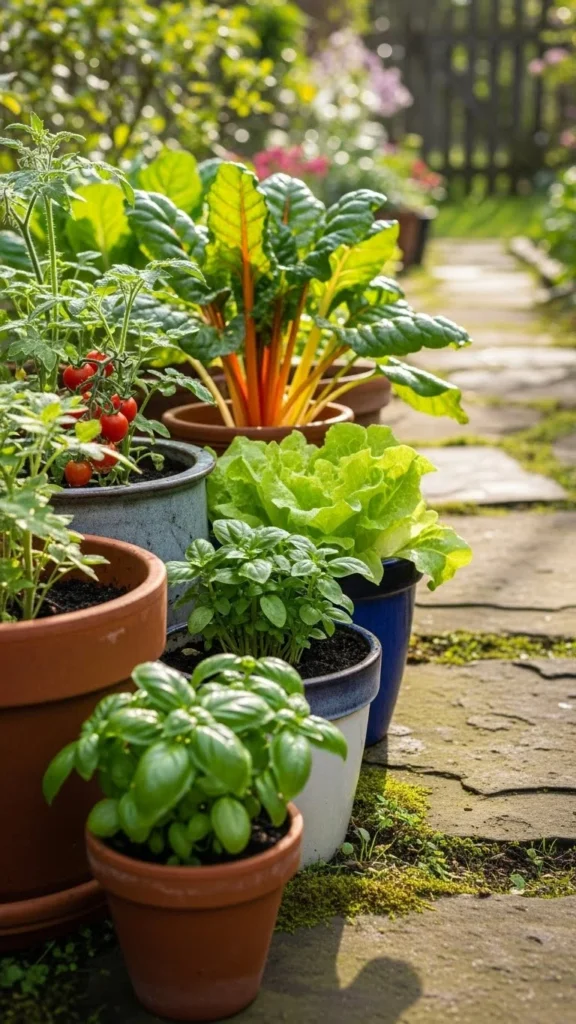
Pots along paths use narrow spaces. Keep walkways clear while growing extra crops.
This layout adds harvest space without blocking movement.
19. Share Beds With Fast Crops
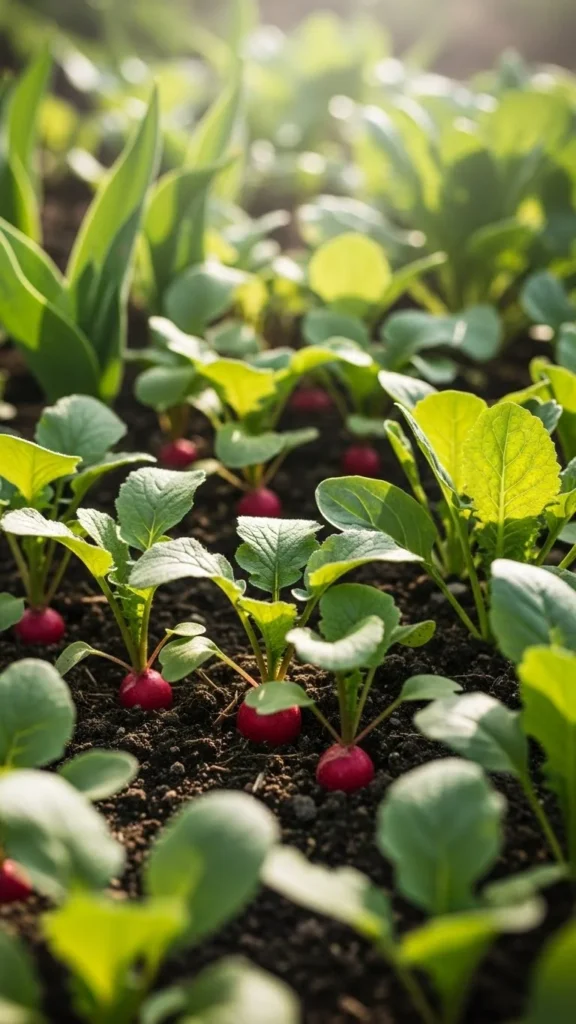
Fast-growing crops fill gaps while slower plants mature. Radishes and greens fit well between larger crops.
Once harvested, space opens naturally.
20. Use L-Shaped Bed Layouts
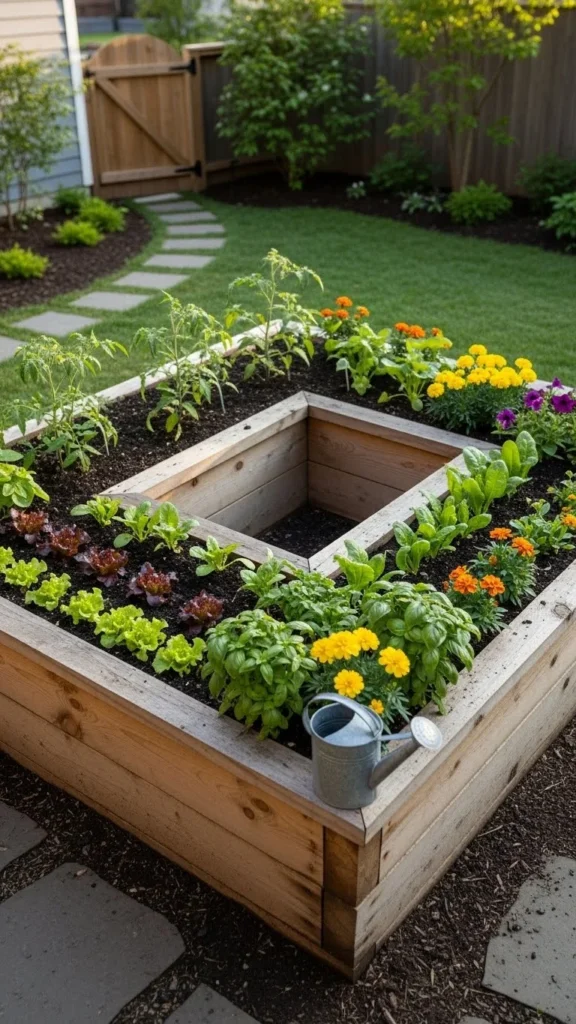
L-shaped beds wrap around corners and fences. This layout uses space efficiently and improves access.
Custom shapes fit unique yards better than straight beds.
21. Grow Herbs Near the House
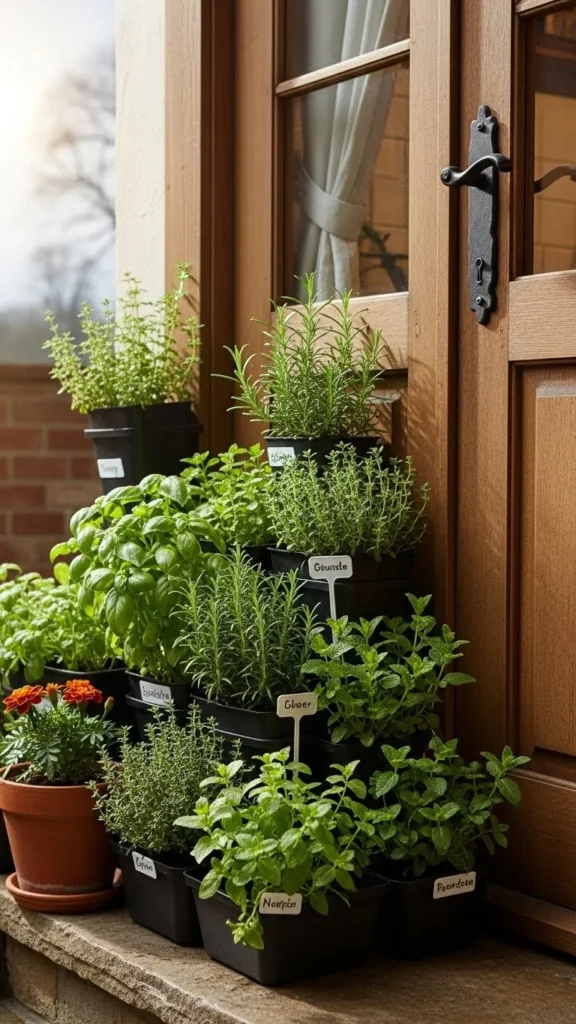
Placing herbs close saves space in main beds. Use containers near doors or windows.
This keeps gardens compact and practical.
22. Keep Bed Widths Consistent
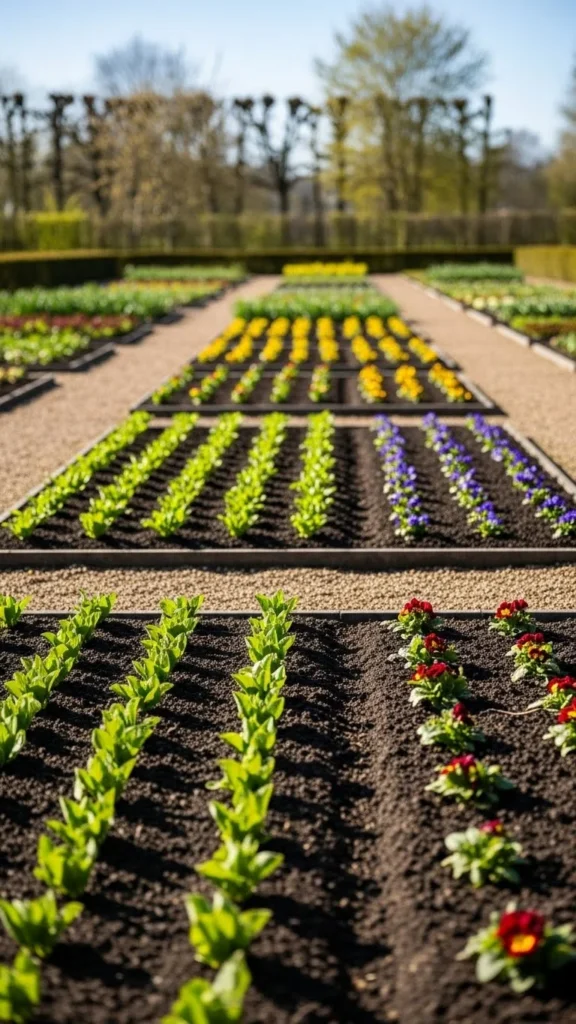
Consistent bed widths simplify spacing. Uniform layouts reduce wasted soil and improve access.
Planning sizes ahead keeps layouts balanced.
23. Use Multi-Level Beds
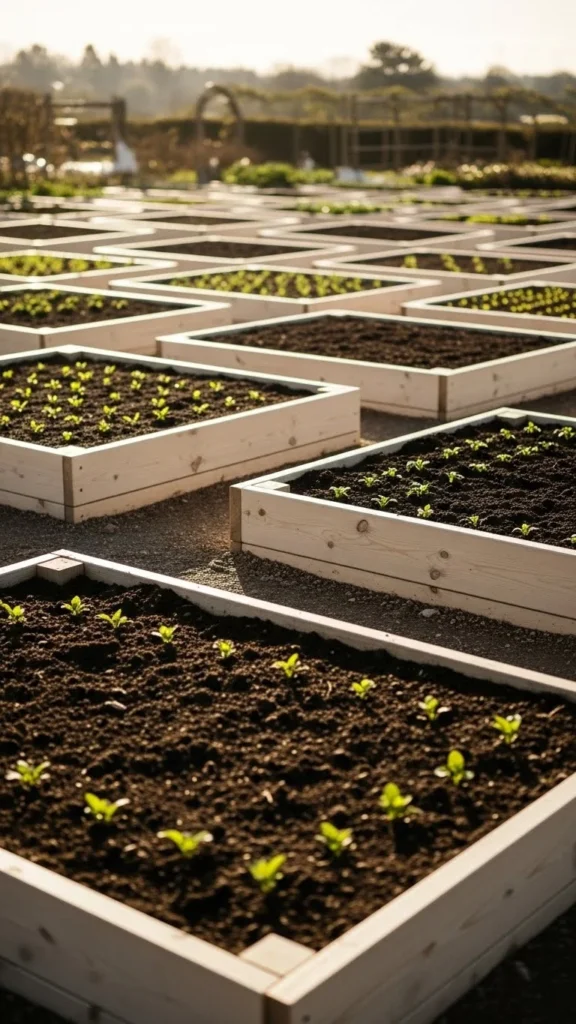
Tiered beds stack growing areas vertically. Upper levels suit herbs, lower levels fit larger plants.
This adds layers without expanding outward.
24. Place High-Use Crops Front and Center
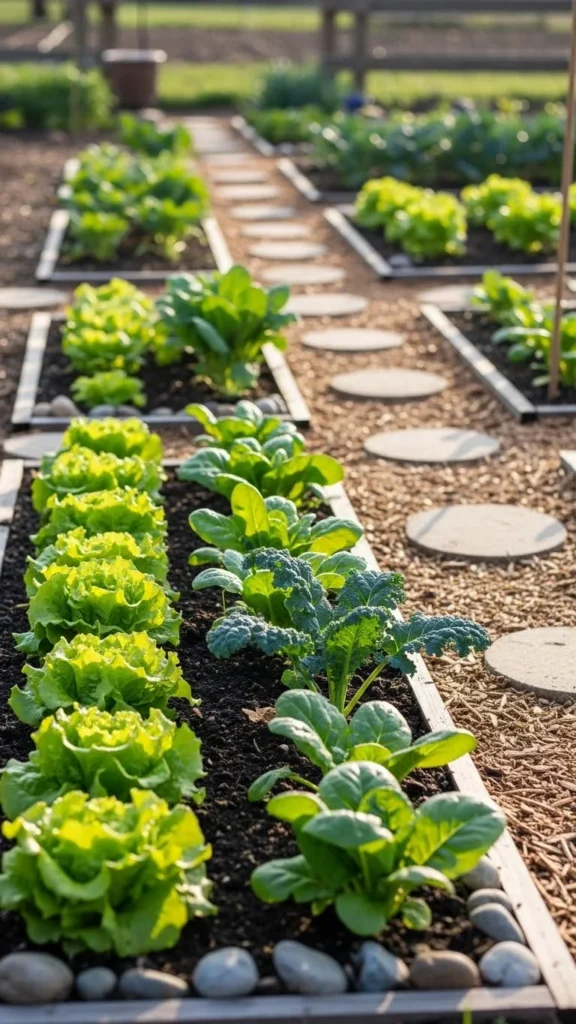
Plant frequently harvested crops where they are easiest to reach. This avoids stepping into beds.
Convenient placement improves space use and routines.
25. Leave No Bare Soil Unused
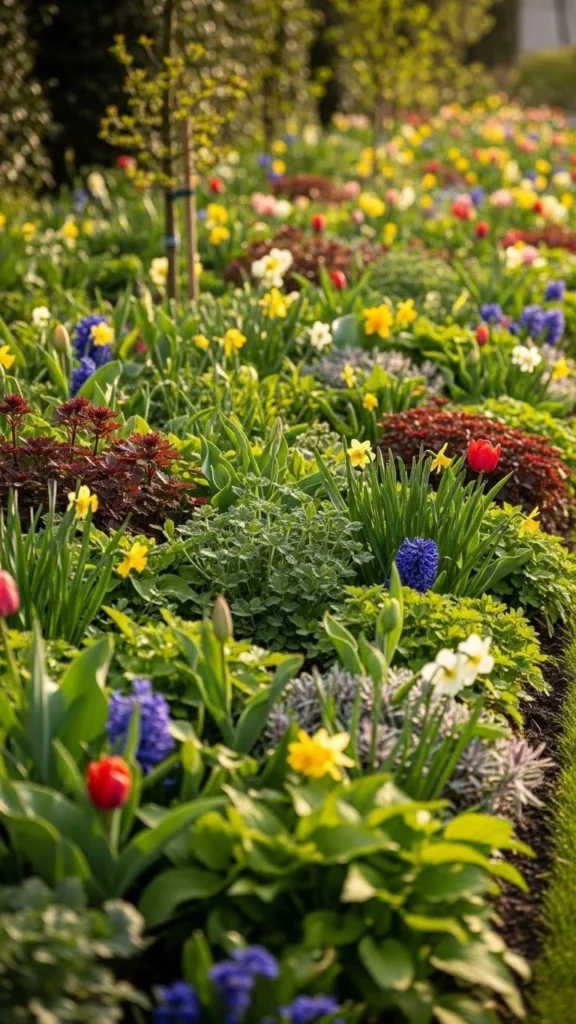
Bare soil wastes space. Fill gaps with greens or herbs. Even temporary crops add value.
Full beds produce more without expanding size.
Conclusion
A smart garden layout turns limited space into steady harvests. Vertical growing, defined beds, and thoughtful placement allow more plants without crowding. Choose a few layout ideas that fit your space, apply them early, and let every square foot work harder throughout the season.

Leave a Reply