

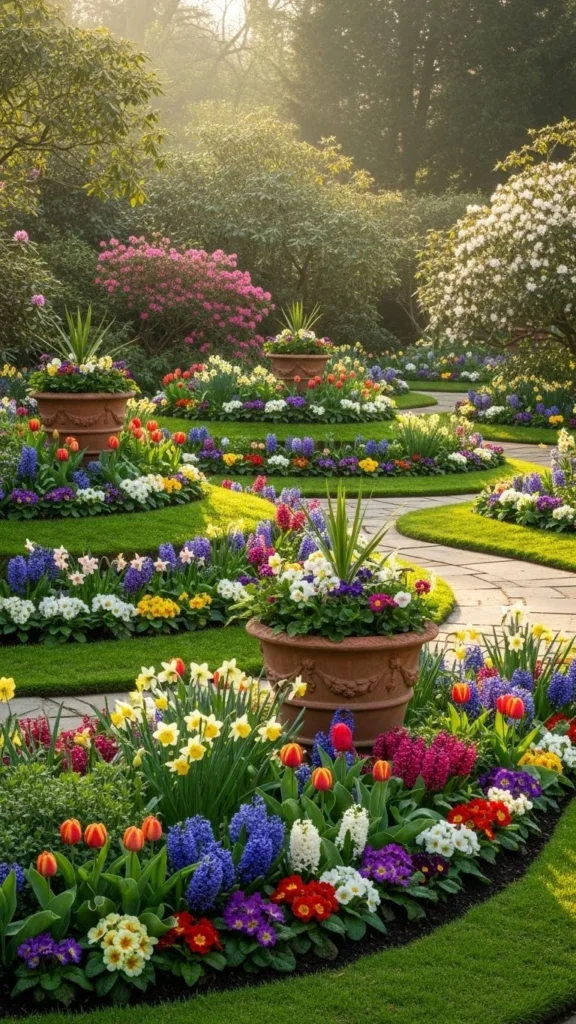
Spring garden design shapes how a space feels long before plants reach full size. Thoughtful layouts, repeated materials, and simple focal points turn ordinary yards into inviting outdoor spaces. Good design does not depend on expensive materials or professional plans. It comes from clear structure, intentional placement, and small details that work together. The ideas below focus on realistic designs that can be recreated using basic tools, reused materials, and gradual changes over time.
1. Layered Flower Beds With Clear Edges
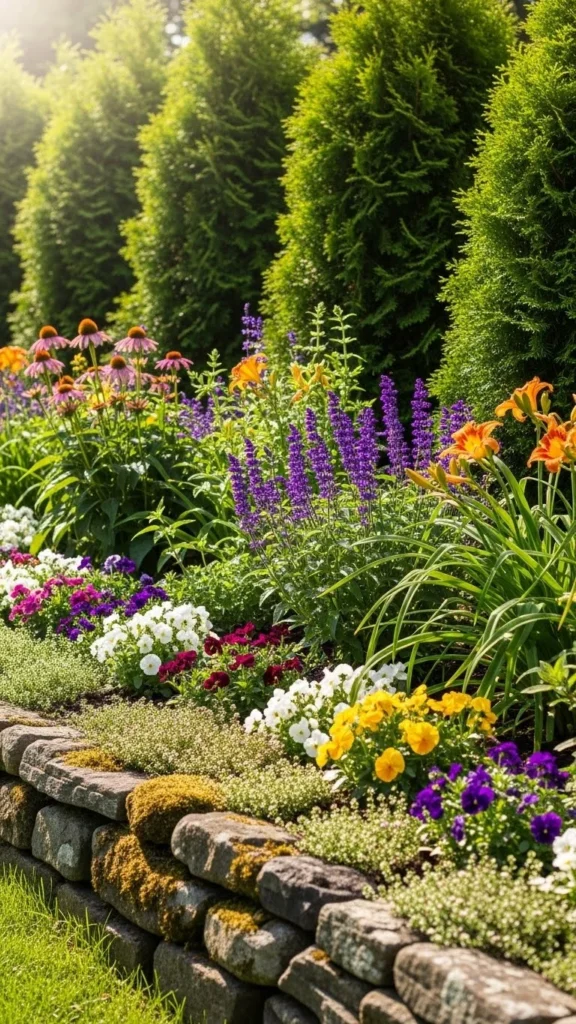
Layered beds give gardens depth and balance. Tall plants sit toward the back or center. Medium plants fill the middle. Low growers line the edge. This structure keeps everything visible and organized. Clear edging using bricks, stones, or metal strips defines the space and prevents grass from creeping in.
Budget-friendly edging can come from reclaimed bricks or broken concrete pieces set neatly in the soil. Even a shallow trench creates a clean border. Layering also simplifies maintenance since each plant has room to grow without crowding. This design works well along fences, walkways, or property lines and gives gardens a polished look early in the season.
2. Curved Pathways Instead of Straight Lines
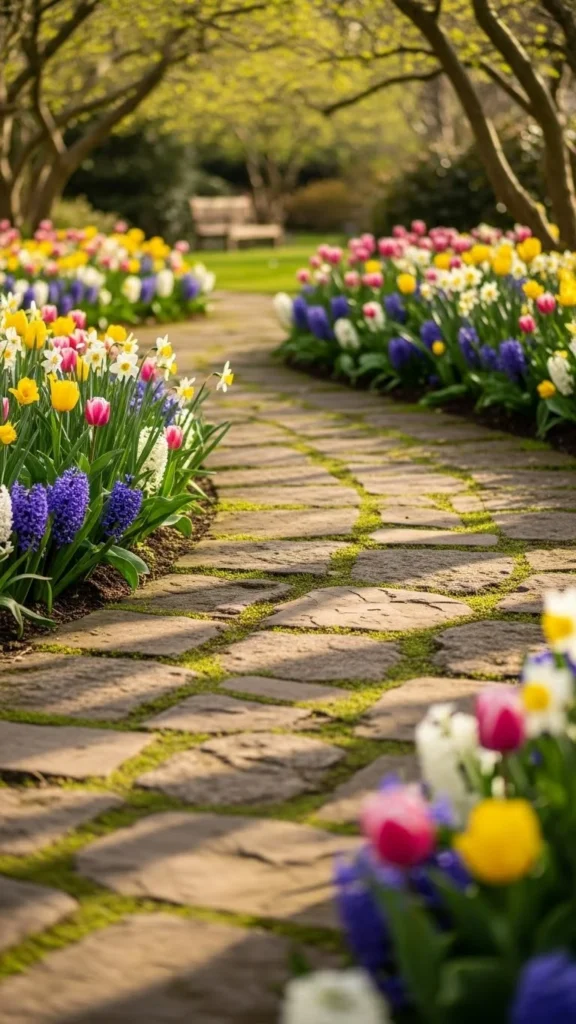
Curved paths guide the eye and soften the overall layout. They make small gardens feel larger by revealing spaces gradually. Straight paths show everything at once, while curves create movement.
Use stepping stones, gravel, or mulch to shape curves. Lay the path first, then build beds around it. This approach costs little and can be adjusted easily. Curved paths also slow foot traffic, making the garden feel calm and intentional.
3. Raised Beds With Matching Materials
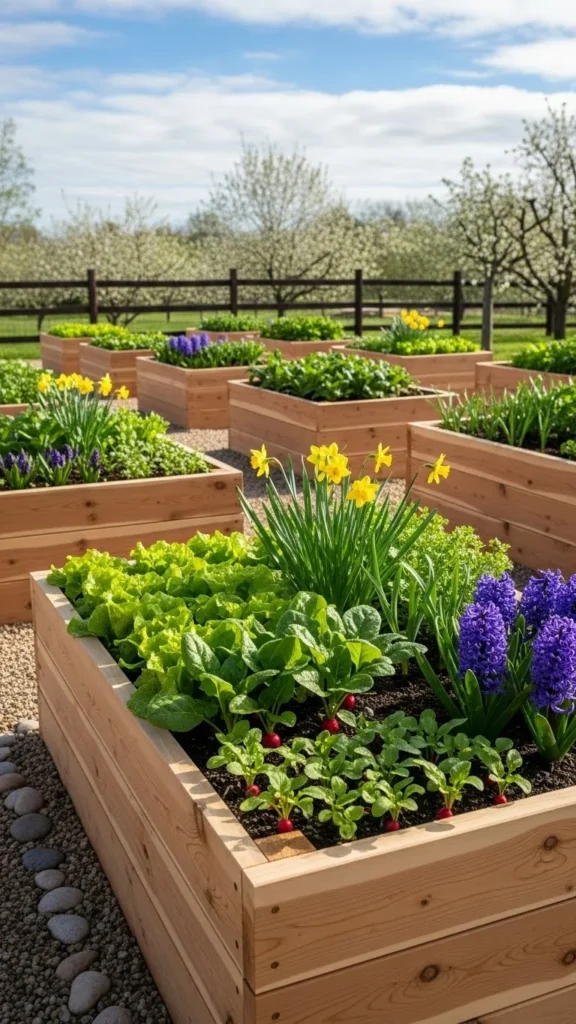
Matching materials create visual order. Raised beds built from the same wood or blocks tie the space together. Consistency matters more than material cost.
Use untreated wood, concrete blocks, or reclaimed lumber. Keep heights uniform. This creates rhythm and makes planning easier. Matching beds also simplify expansion later.
4. Garden Zones With Purpose
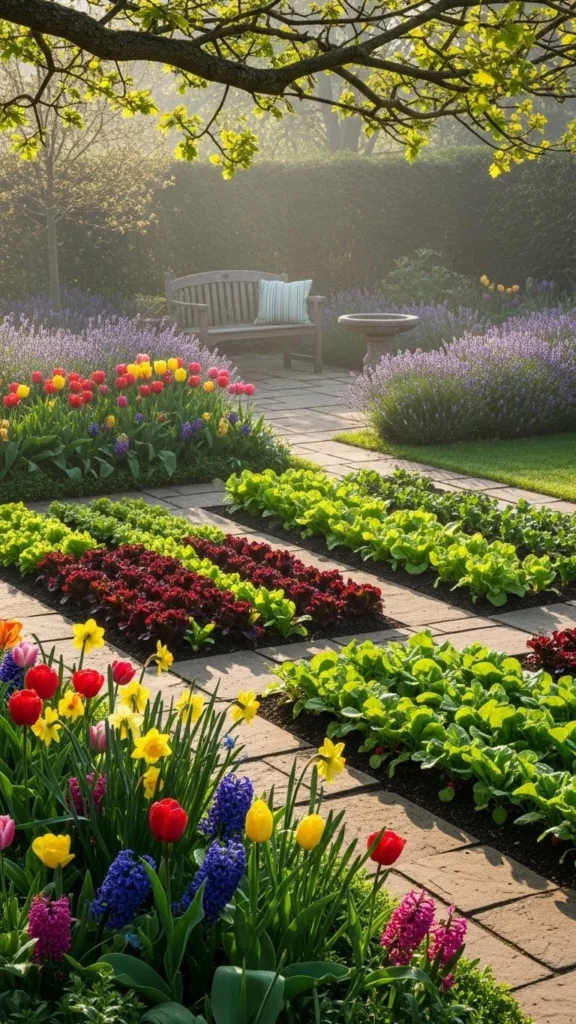
Dividing a garden into zones keeps layouts functional. One area can focus on flowers. Another on vegetables. A small corner can hold seating.
Zones do not require fences. Changes in mulch, bed shape, or plant type define areas. This layout helps gardens feel intentional rather than crowded.
5. Repeating Plant Shapes
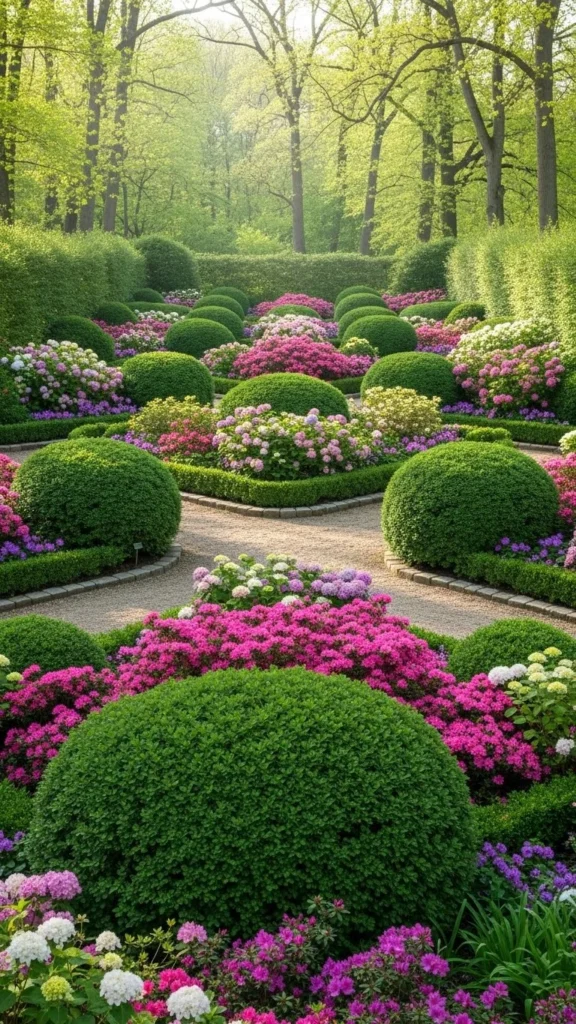
Repeating shapes brings unity. Using the same plant style in multiple areas ties beds together visually.
Choose one or two plant forms and repeat them. This creates flow without adding complexity. Even inexpensive plants look coordinated when repeated.
6. Focal Point Near the Center
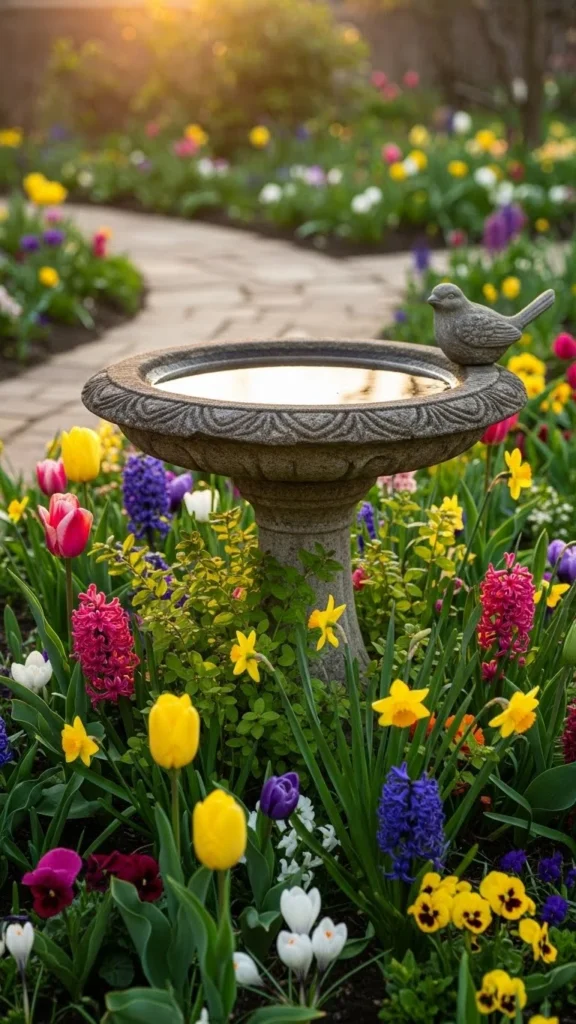
A focal point anchors the design. Birdbaths, pots, or small trees work well. Place it where paths meet or beds curve.
This draws attention and gives the eye a place to rest. Focal points do not have to be large or costly.
7. Mixed Containers and In-Ground Beds
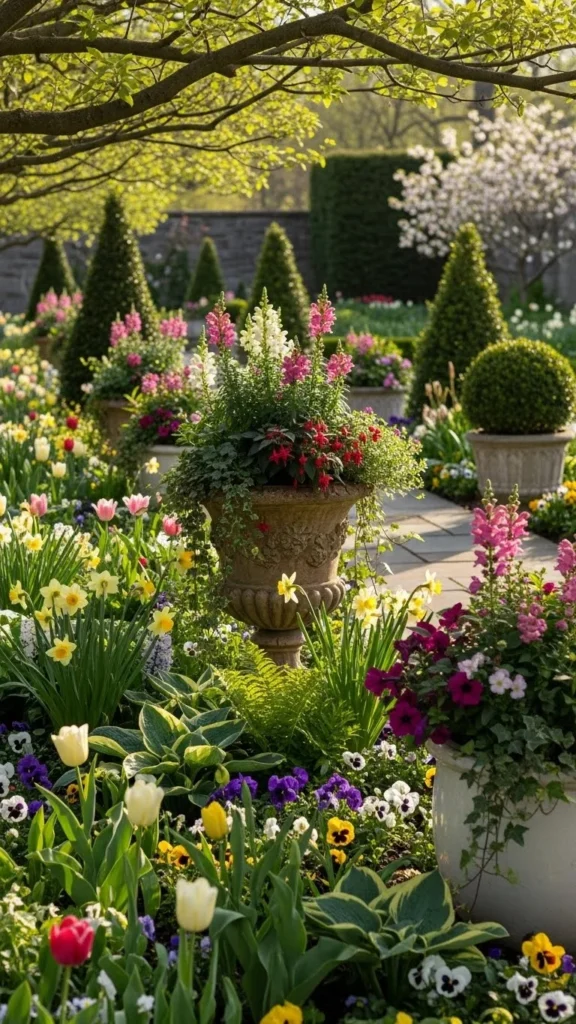
Containers add height and flexibility. Place them near entrances or along paths. They fill gaps where planting is difficult.
Reuse buckets, pots, or crates. Containers allow quick design updates without digging.
8. Stone or Gravel Borders
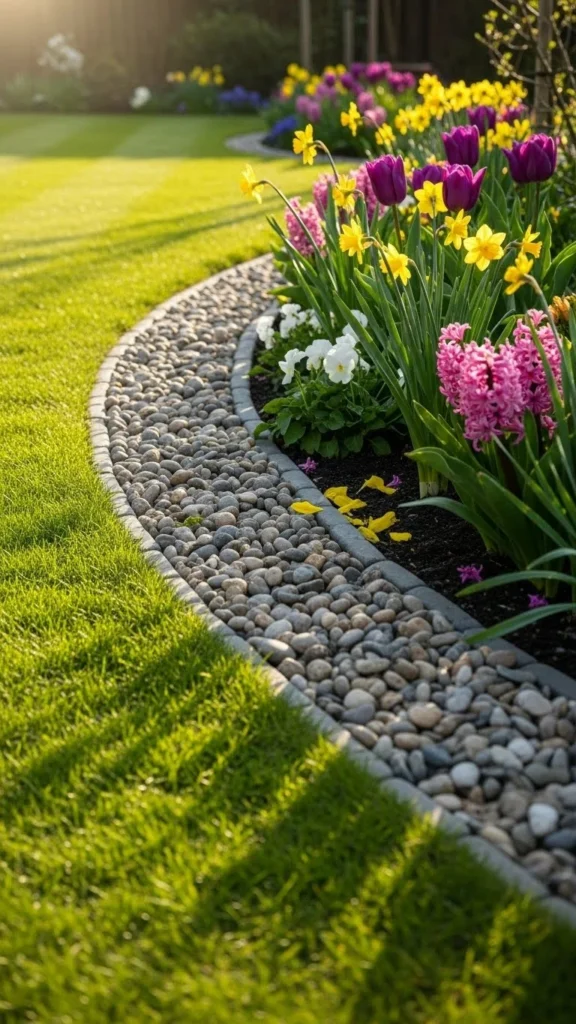
Stone borders separate spaces clearly. Gravel or pebbles define edges and reduce trimming time.
Install landscape fabric underneath to keep stones in place. This simple addition keeps borders tidy all season.
9. Symmetry Near Entrances
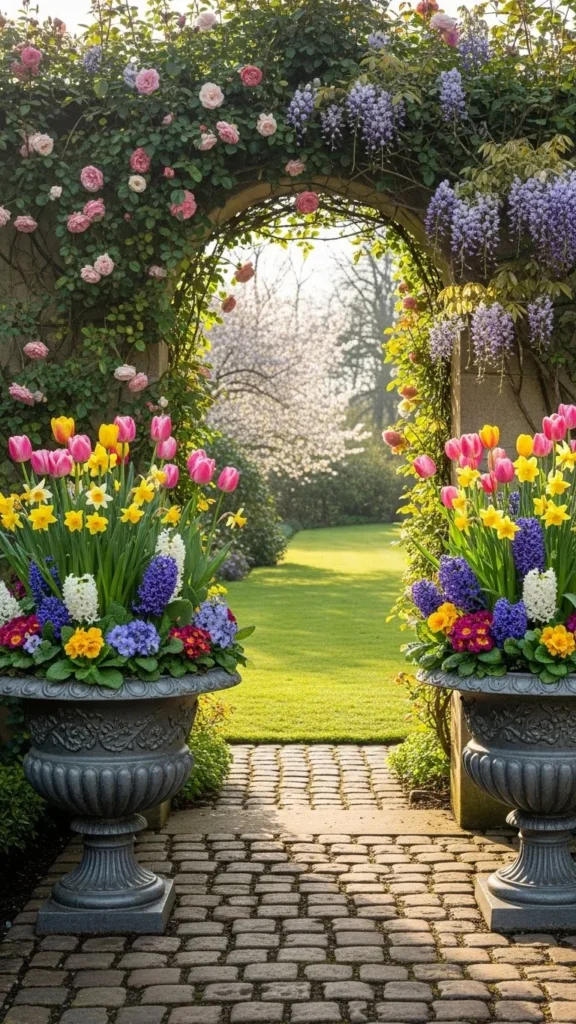
Symmetry creates balance near doors or gates. Matching planters or beds on both sides feel welcoming.
Use identical containers or similar plant heights. This works well in small spaces.
10. Natural Materials Only
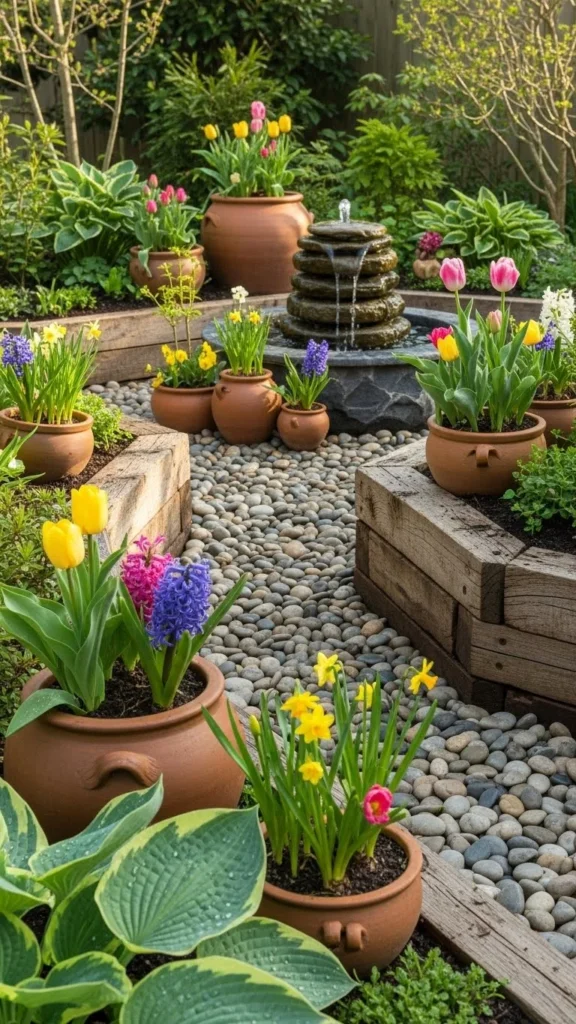
Natural materials blend easily. Wood, stone, and clay age well and mix naturally.
Avoid mixing too many textures. Limiting materials keeps the design calm and cohesive.
11. Low Hedges for Structure
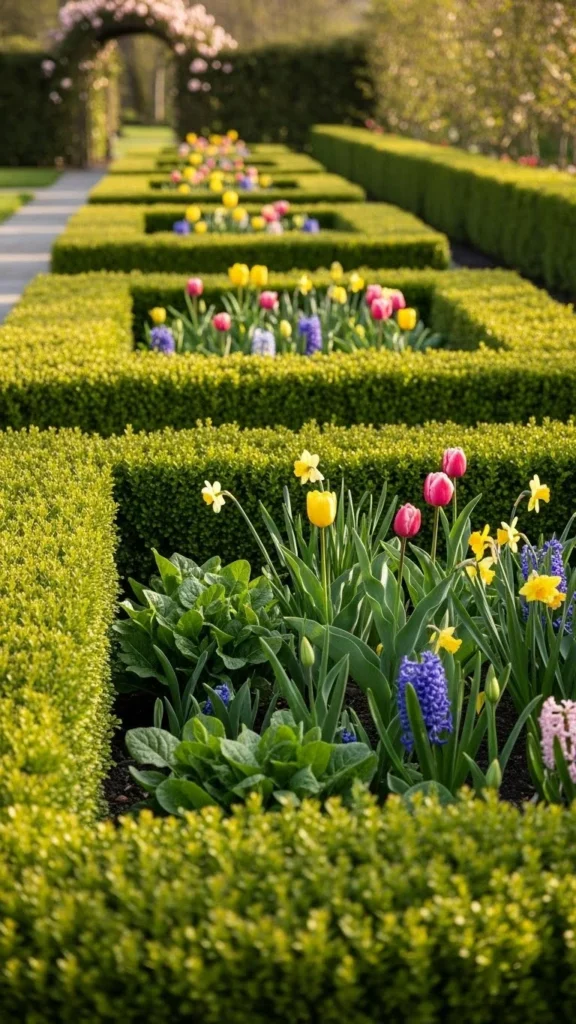
Low hedges frame beds without blocking views. They give structure even before flowers bloom.
Boxwood alternatives or herbs like lavender work well. Trim lightly to maintain shape.
12. Color Grouping Instead of Scattering
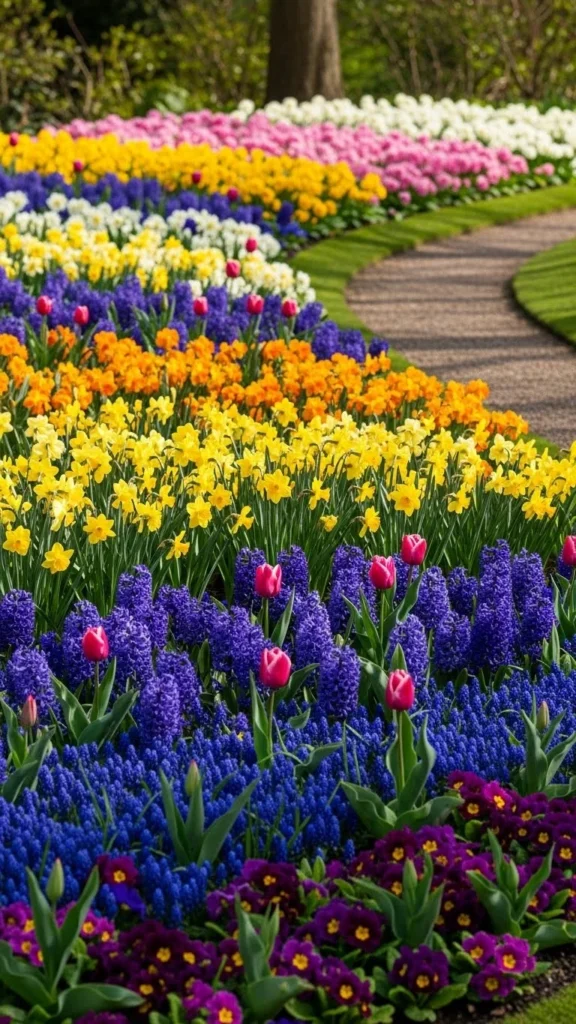
Grouping colors creates impact. Instead of scattering many colors, cluster similar tones.
This approach looks intentional and simplifies plant selection.
13. Vertical Accents With Obelisks
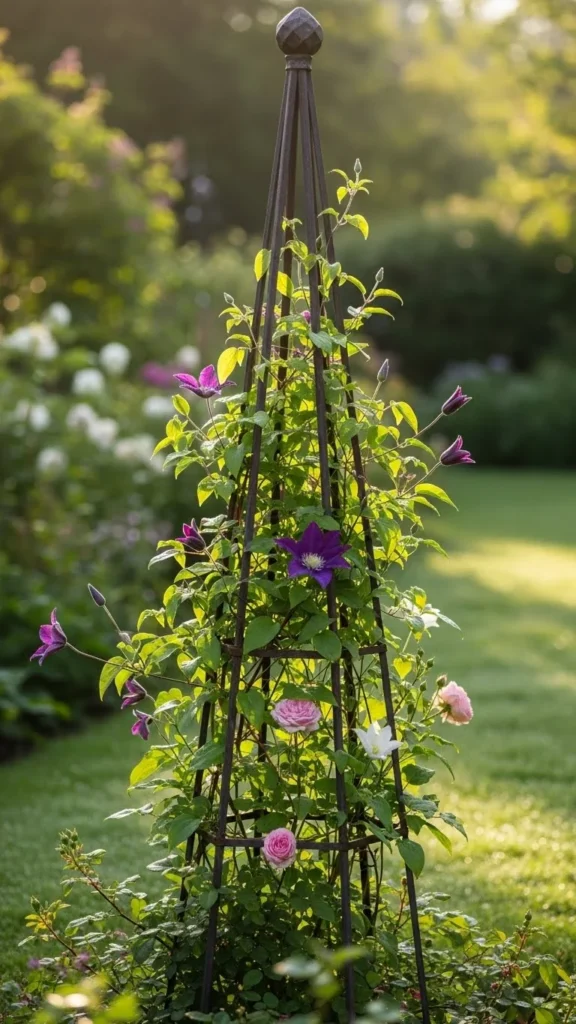
Vertical accents draw the eye upward. Obelisks, arches, or trellises add height.
DIY versions can be made from branches or wire. These features add interest without taking ground space.
14. Defined Lawn Shapes
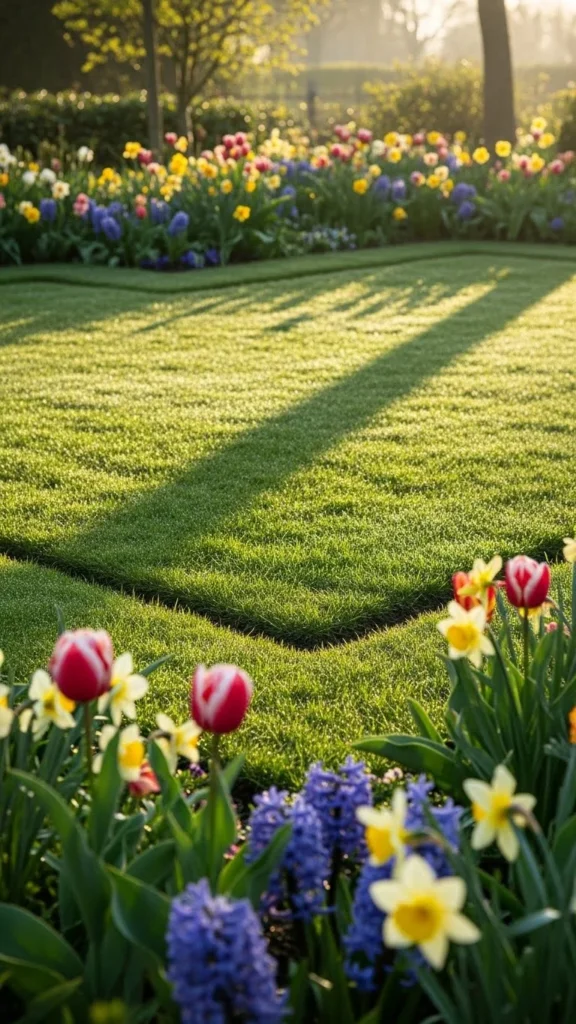
Lawns work best with clear shapes. Curved or rectangular lawns surrounded by beds feel intentional.
Avoid letting grass creep into planting areas. Defined edges simplify upkeep.
15. Seating Integrated Into Design
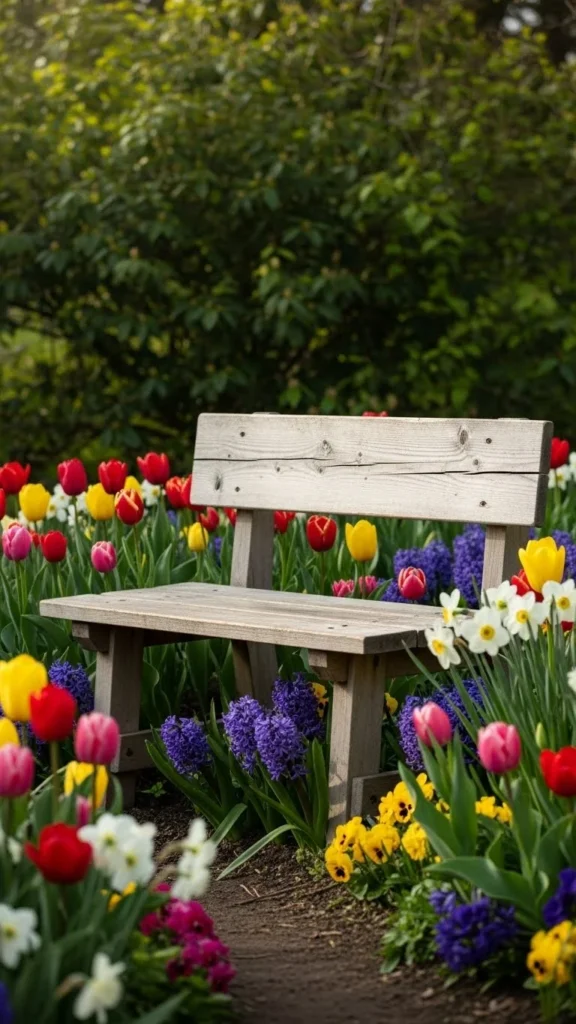
Seating invites use. A bench or chair placed intentionally becomes part of the design.
Use reclaimed wood or simple furniture. Place it where views are strongest.
16. Reused Materials as Features
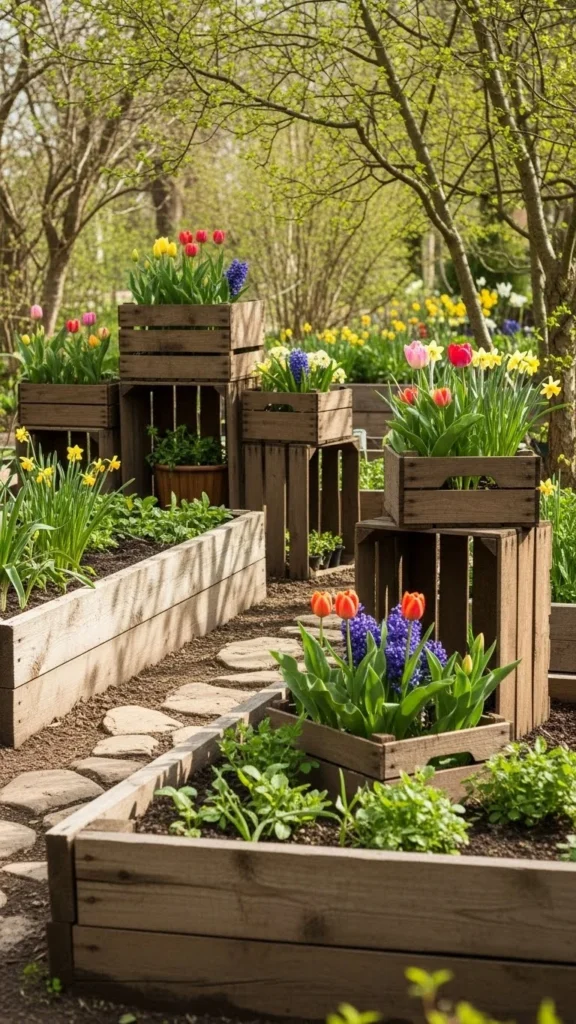
Reused items add character. Crates, barrels, or bricks can become planters or borders.
This keeps costs low and adds personality.
17. Narrow Beds Along Fences
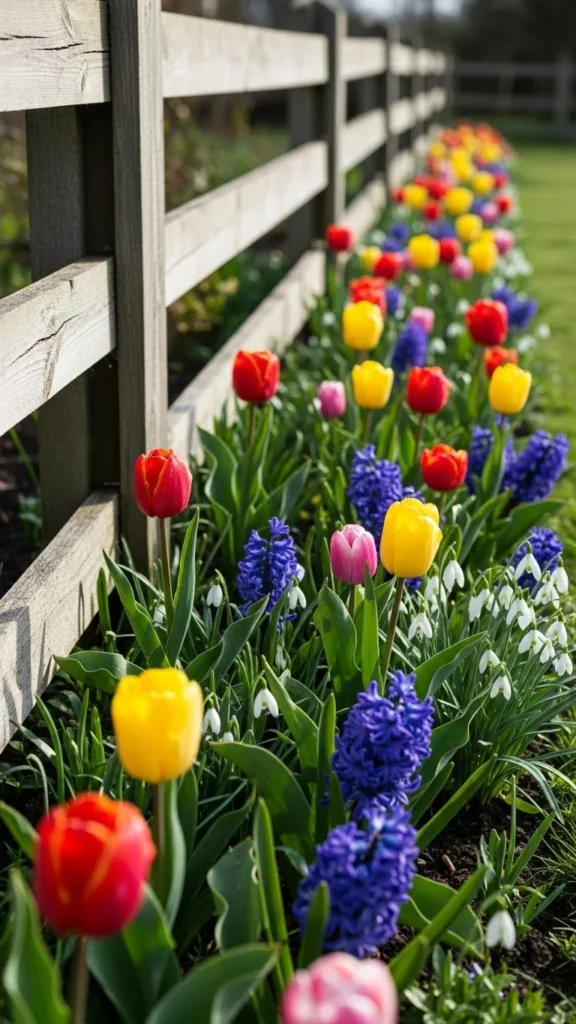
Fence lines often go unused. Narrow beds soften boundaries and add planting space.
Use climbing plants or tall flowers to draw the eye upward.
18. Mulch as a Design Element
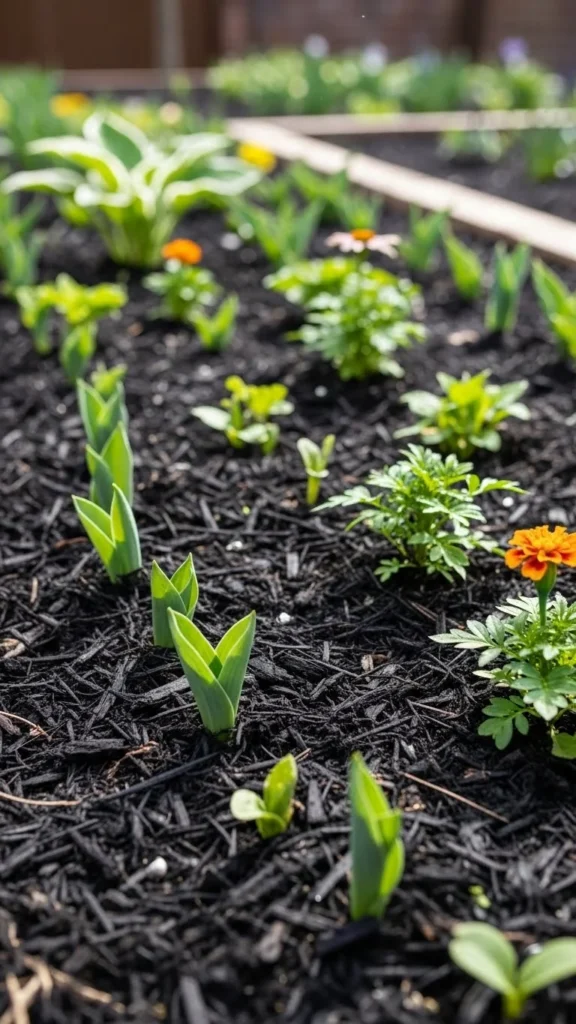
Mulch color affects appearance. Dark mulch highlights plants. Light mulch brightens shaded areas.
Consistent mulch ties beds together visually.
19. Seasonal Containers Near Walkways
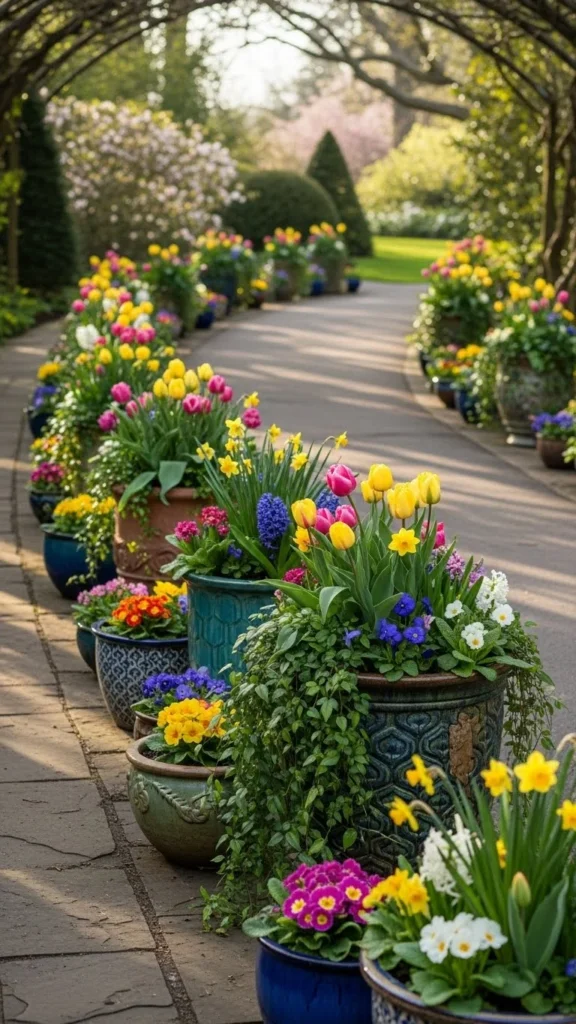
Containers near walkways add charm. They guide movement and frame paths.
Rotate plants seasonally without redesigning beds.
20. Simple Water Feature Accent
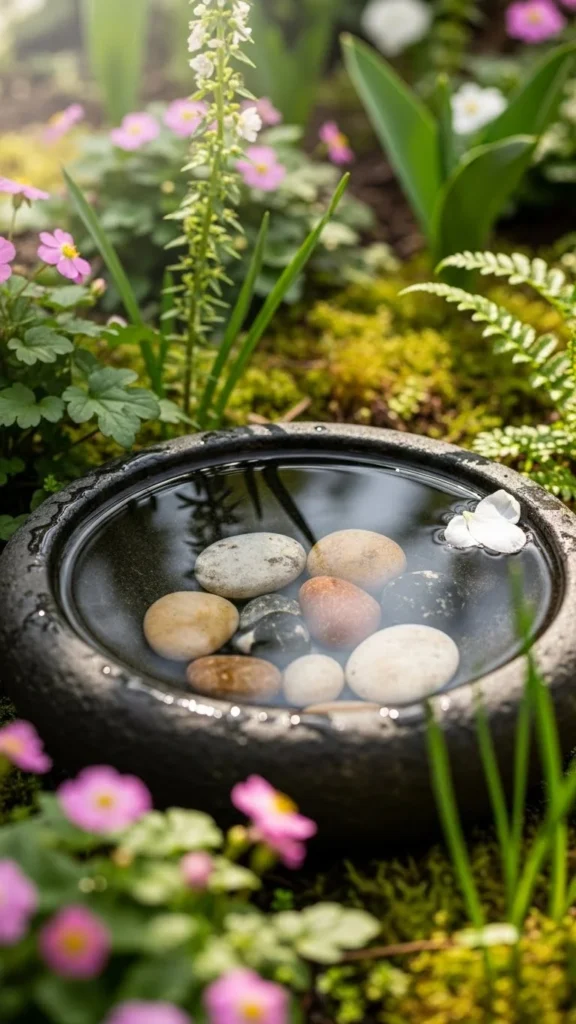
A small water feature adds calm. A shallow bowl or basin works well.
No plumbing required. Change water regularly to keep it clean.
21. Repetition of Path Materials
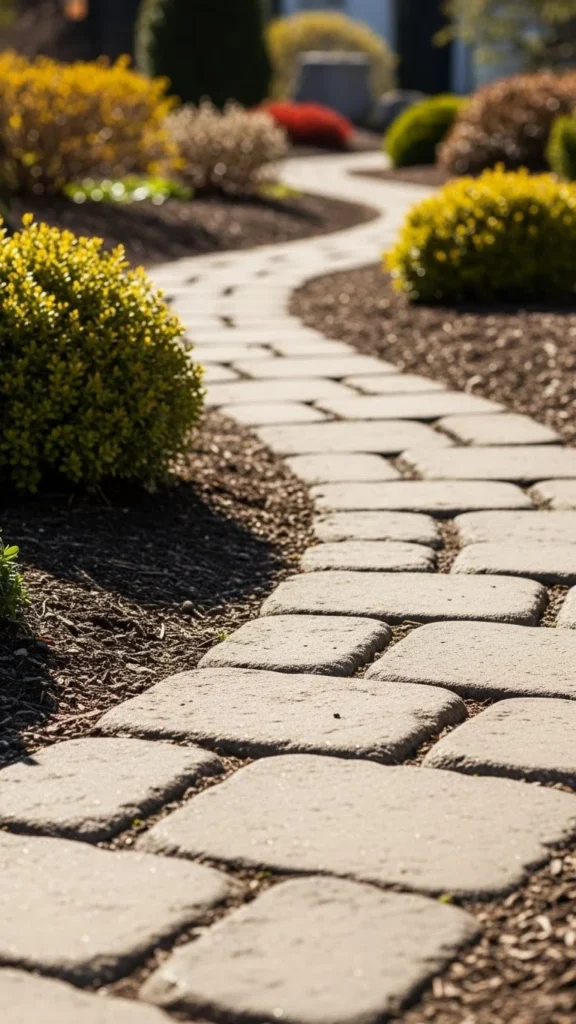
Using the same material for paths creates flow. Switching materials often breaks cohesion.
Consistency makes gardens feel larger and organized.
22. Open Space Left on Purpose
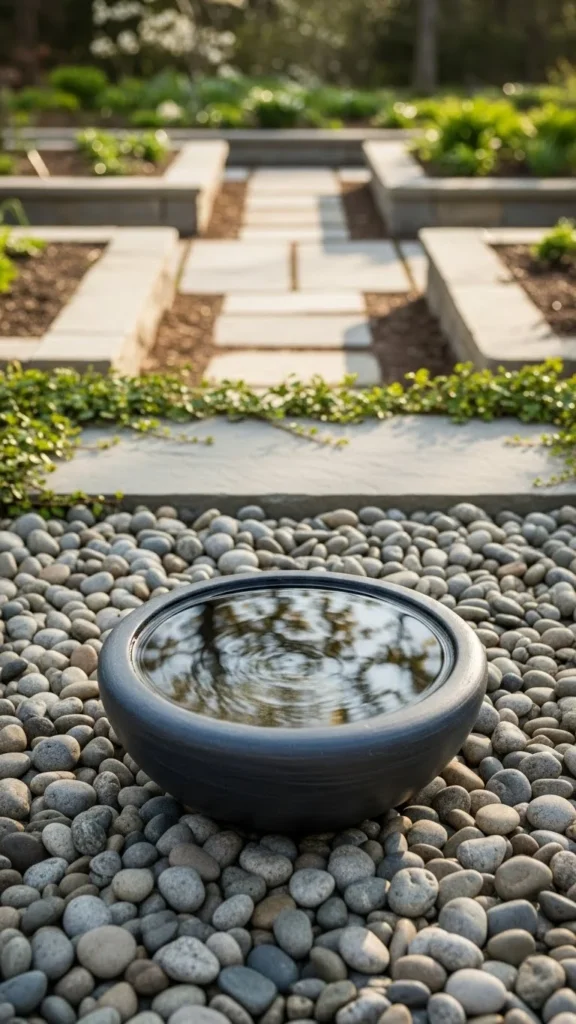
Open space allows the design to breathe. Not every area must be planted.
Leaving room highlights planted areas and keeps layouts from feeling crowded.
Conclusion
Spring garden design works best when structure leads the way. Clear edges, repeated materials, and intentional spacing shape gardens that feel calm and inviting. Start with one idea, apply it thoughtfully, and build gradually. Small design choices made early can transform how a garden looks and feels all season long.
Leave a Reply