

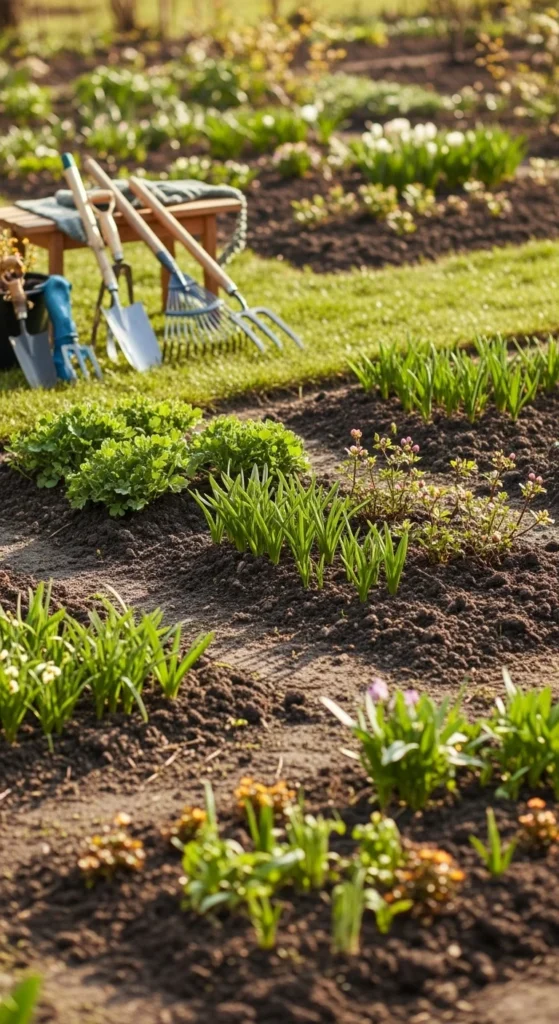
Spring cleanup sets the tone for the entire growing season. After months of cold weather, gardens collect debris, tangled growth, and hidden problem spots that slow progress later. A steady cleanup routine helps plants grow better, keeps spaces easier to manage, and saves time as the season moves on. These spring garden cleanup tasks focus on practical actions you can handle with basic tools and a few focused weekends. Each step helps reset your garden so planting, watering, and maintenance feel simpler instead of rushed.
1. Remove Fallen Leaves and Winter Debris
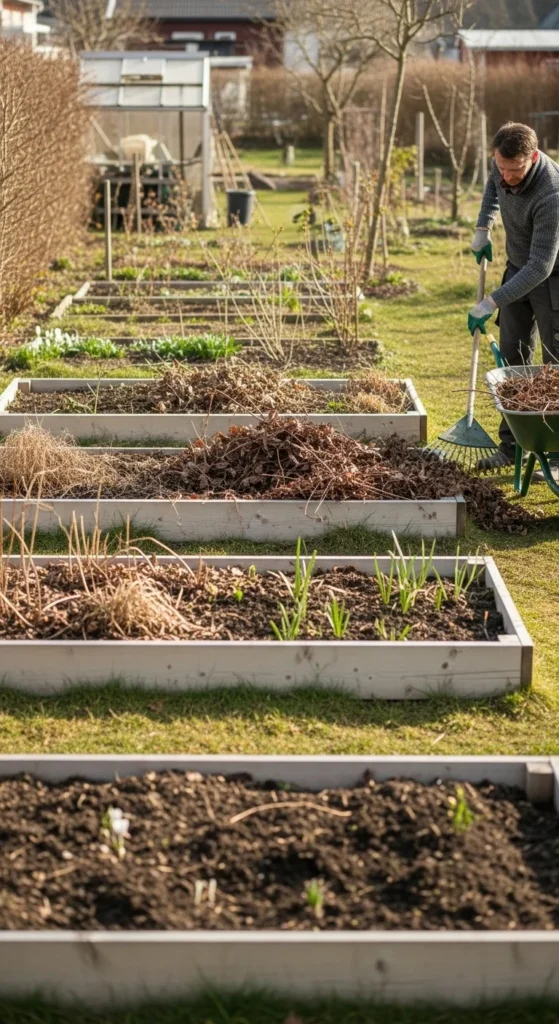
Leaves, sticks, and leftover plant debris collect over winter and block sunlight from reaching the soil. Clearing them early helps beds warm faster and keeps pests from hiding. Start by raking gently so you do not disturb new shoots pushing through the ground.
Pile debris separately. Dry leaves can be shredded and reused as mulch later. Twigs and stems work well in compost bins if chopped into smaller pieces. Avoid throwing everything away if it can be reused.
Focus first on visible areas near walkways and entrances. This creates quick visual improvement and keeps motivation high. For larger yards, work section by section rather than all at once.
Simple hand tools work just fine. You do not need power equipment for this task. A rake, gloves, and a wheelbarrow are enough to get started.
2. Cut Back Dead Perennials
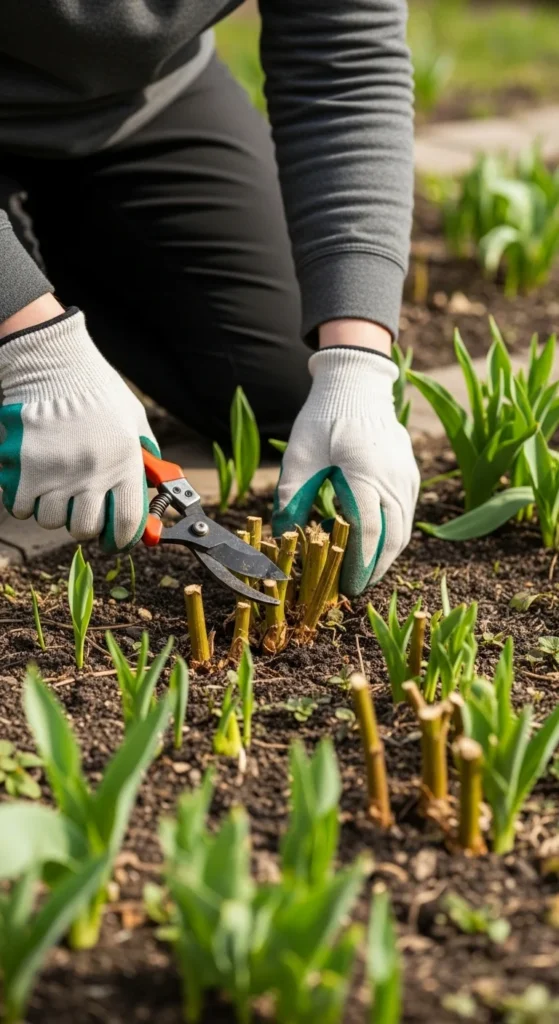
Dead stems left from last year block light and crowd new growth. Cutting them back allows plants to emerge cleanly and evenly. Use sharp pruners and cut close to the soil line.
Check stems before cutting. Some plants may already show green growth at the base. Work slowly and avoid pulling, which can disturb roots.
Save hollow stems for compost or garden borders. They break down naturally and improve soil texture over time. If composting is not an option, bundle and dispose of them neatly.
This task also helps you spot plants that did not survive winter. Make notes so you can plan replacements later without rushing.
3. Pull Early Weeds While Soil Is Soft
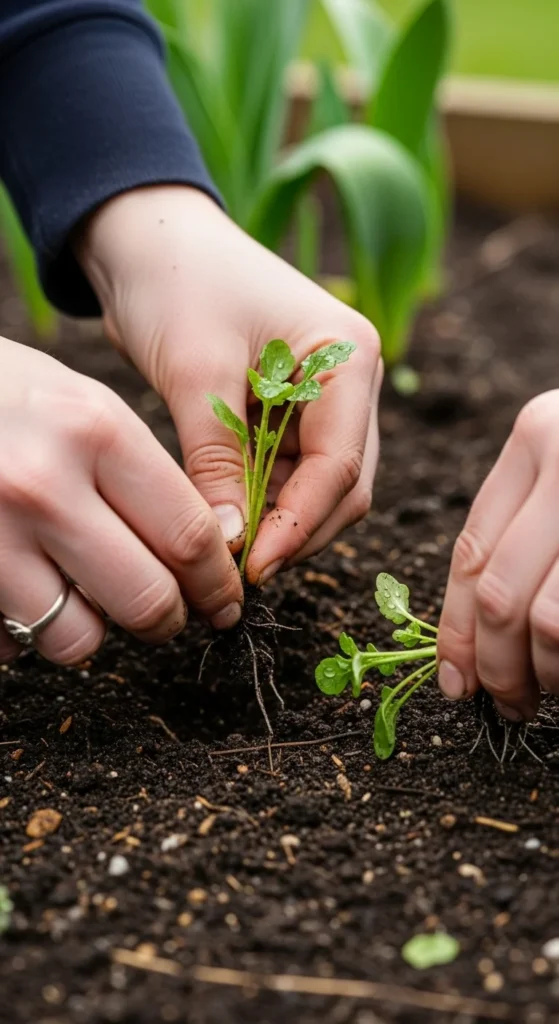
Spring weeds appear early and spread fast if ignored. Removing them while soil is damp makes the job easier and faster. Roots slide out cleanly with less effort.
Focus on young weeds before they flower or spread seeds. A small hand weeder works well and keeps disruption minimal. Work slowly around emerging plants.
Do not worry about clearing everything in one day. Ten minutes per bed adds up quickly. This habit reduces workload later when weeds are tougher.
Collected weeds can be composted if they have not gone to seed. This turns a problem into a resource for the garden.
4. Clean Garden Bed Edges
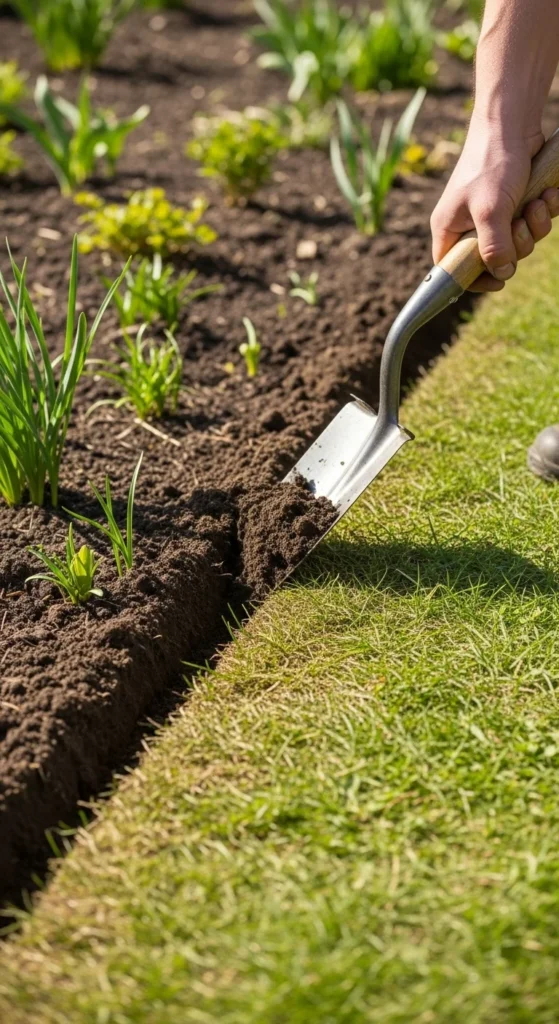
Edges blur over winter as grass creeps into beds. Cleaning them restores shape and makes beds stand out. Use a flat spade to cut a clear line.
Follow the existing curve rather than redesigning. Keep lines smooth for a natural look. Remove excess soil and grass clumps.
This task improves mowing and trimming later. Grass stays where it belongs, and beds look tidy even before planting begins.
Hand-cut edges cost nothing and last longer than plastic edging. A quick refresh mid-season keeps everything sharp.
5. Rake and Level Soil Surfaces
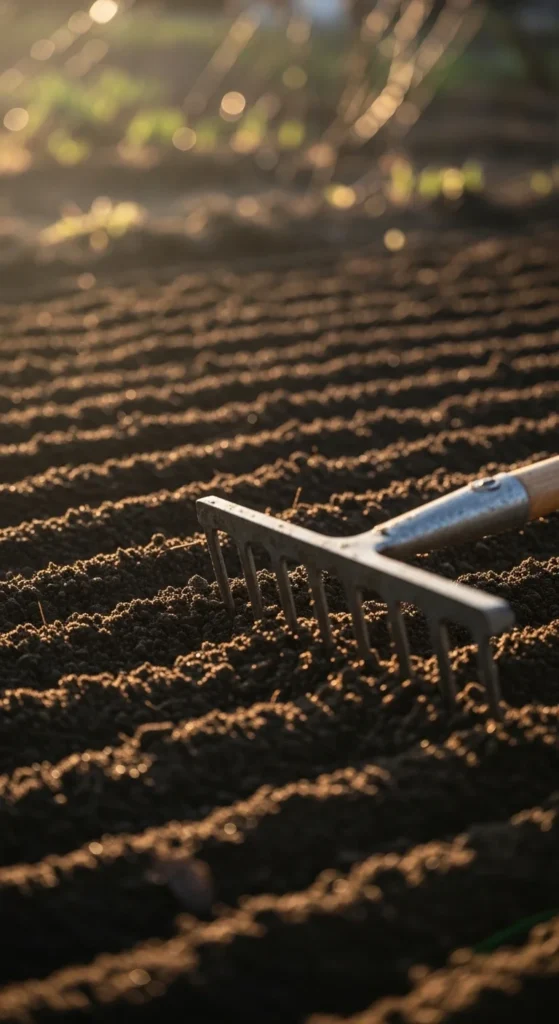
Winter weather shifts soil and leaves uneven surfaces. Raking levels beds and prepares them for planting. It also brings hidden debris to the surface.
Use a metal rake for compacted soil and a leaf rake for lighter areas. Break up crusted spots gently to allow air and water through.
Level soil helps seeds plant evenly and prevents water pooling. It also makes beds easier to walk around without tripping.
This task reveals bare patches that may need compost or soil later. Seeing the surface clearly helps with planning.
6. Check Soil Compaction
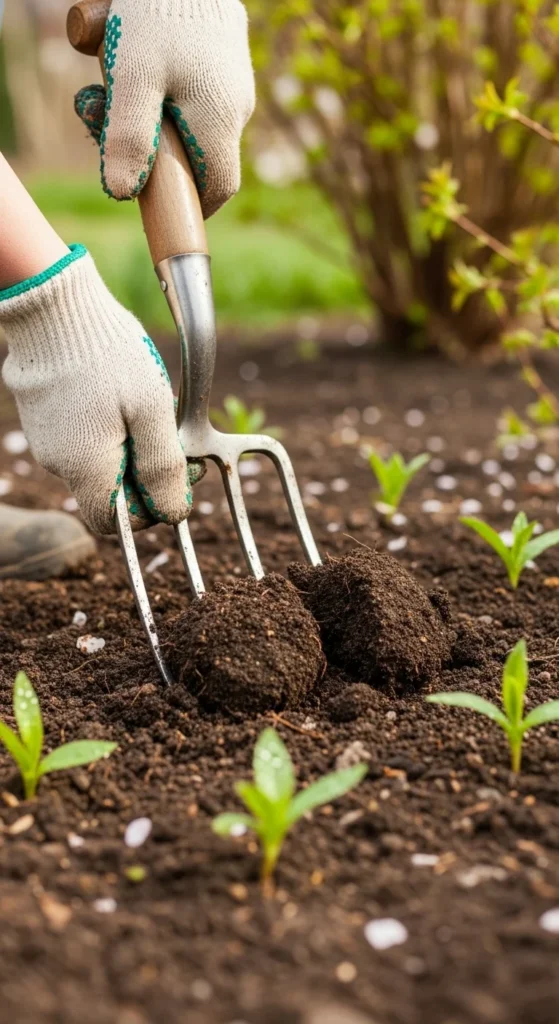
Compacted soil restricts root growth and drainage. Check by pressing a hand fork into the ground. If it resists, loosening helps.
Work shallowly to avoid damaging roots. Gently lift and wiggle the fork to create air pockets. Focus on areas walked on during winter.
This simple action improves water movement and supports stronger growth. It also helps soil warm more evenly.
No heavy tools required. A hand fork or small cultivator works well and keeps effort manageable.
7. Refresh Compost Piles
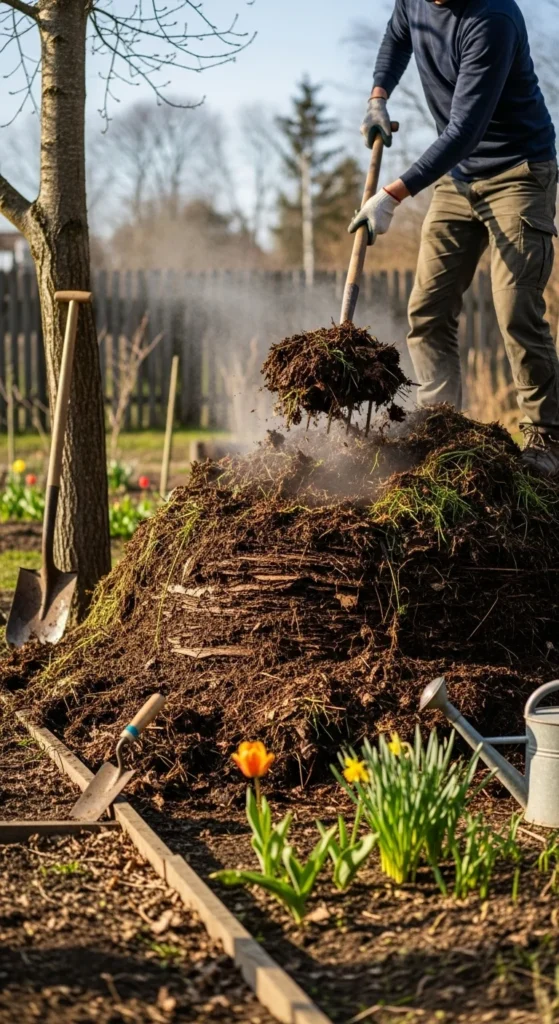
Compost piles slow down during cold months. Spring turning restarts breakdown. Mix dry and damp materials evenly.
Add kitchen scraps gradually and cover them with leaves or soil. This reduces odors and pests. Keep the pile slightly moist.
Finished compost can be screened and saved for later use. Even partially broken-down material improves soil structure.
Regular turning now saves time later when planting picks up speed.
8. Clean and Sharpen Garden Tools
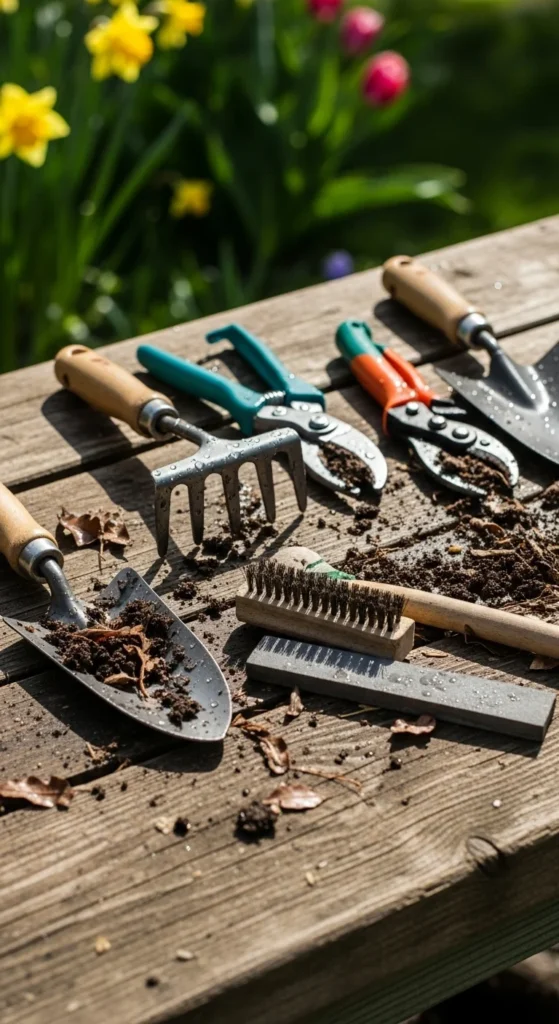
Dirty tools spread disease and make work harder. Cleaning them early improves performance. Use warm water and a stiff brush.
Dry tools completely to prevent rust. A light coat of oil protects metal surfaces. Sharpen blades with a basic file.
Well-maintained tools reduce strain and help cuts heal faster on plants. This also extends tool life.
You can handle this task indoors on a rainy day, making it easy to fit into the schedule.
9. Inspect Garden Beds for Pests

Pests often hide under debris and mulch. Inspecting early helps prevent problems later. Look for holes, tunnels, or chewed stems.
Remove visible pests by hand. Encourage birds by keeping feeders nearby. Avoid chemical treatments unless problems persist.
Healthy soil and clean beds reduce pest pressure naturally. Regular checks catch issues before they spread.
This task pairs well with weeding and debris removal.
10. Repair Raised Bed Structures
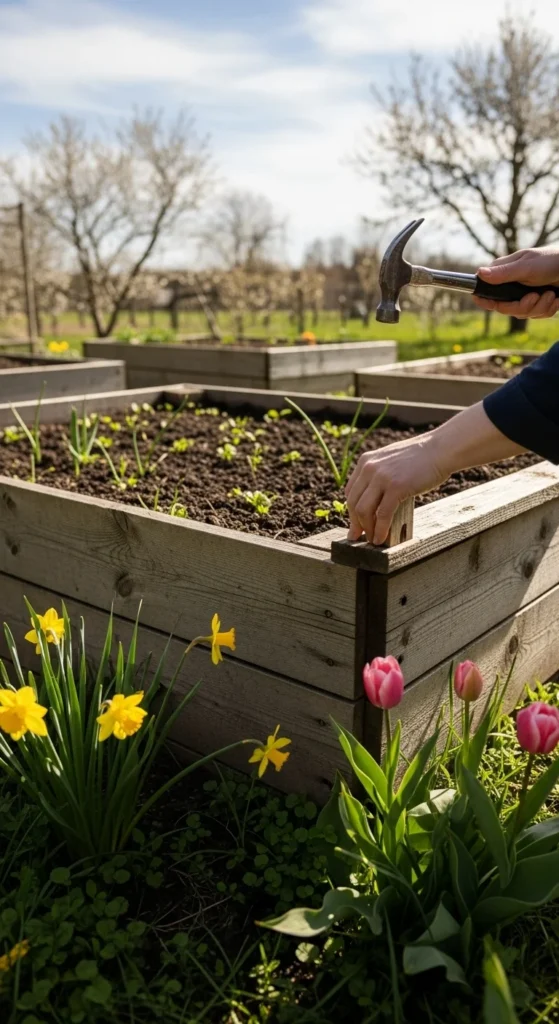
Raised beds shift over winter. Check corners, boards, and fasteners. Tighten screws and replace damaged pieces.
Use reclaimed wood for low-cost repairs. Keep edges smooth to prevent injuries.
Stable beds hold soil better and look cleaner. Small fixes now prevent larger repairs later.
This step improves safety and appearance at the same time.
11. Clear Drainage Paths
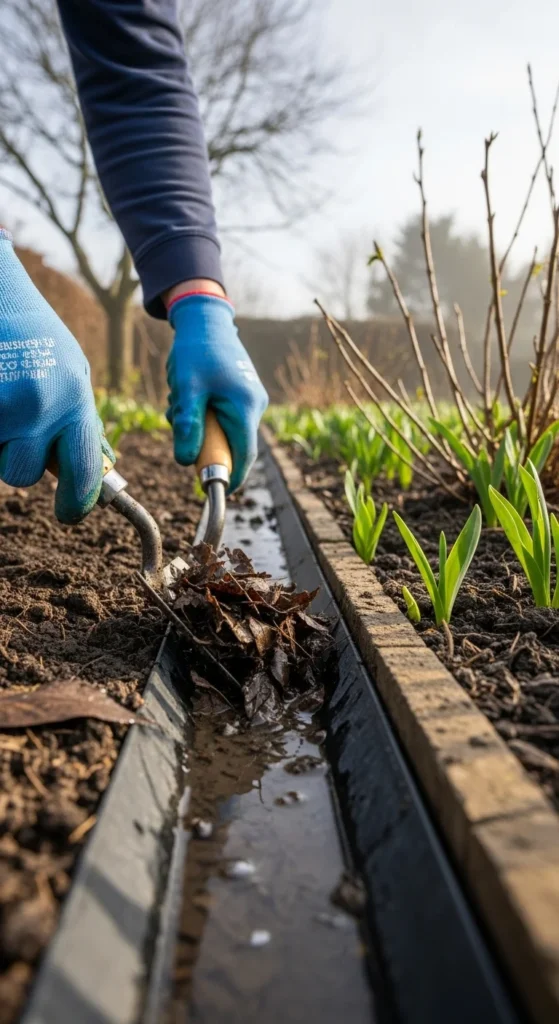
Blocked drainage causes water pooling. Clear channels, ditches, and low spots of debris.
Use a shovel or hand trowel. Redirect water away from beds if possible.
Proper flow protects roots and prevents soil erosion. It also keeps paths usable after rain.
Check drainage again after heavy rainfall to confirm improvements.
12. Wash Pots and Containers
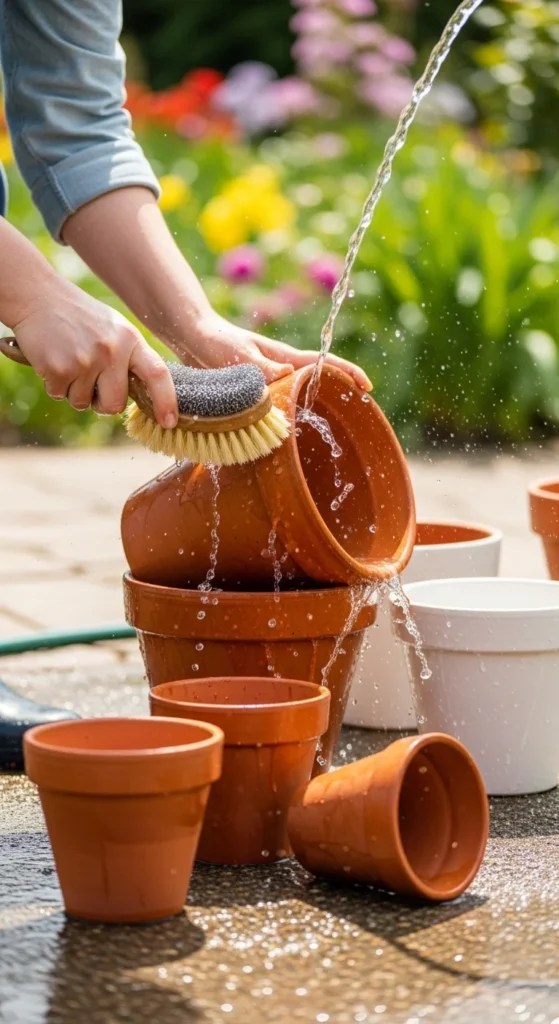
Old pots carry residue and disease. Washing them creates a clean start. Use warm water and a mild soap if needed.
Rinse thoroughly and allow them to dry. Stack neatly for easy access later.
Clean containers help plants establish better and look more appealing.
This task is quick and works well on sunny afternoons.
13. Remove Broken Stakes and Supports
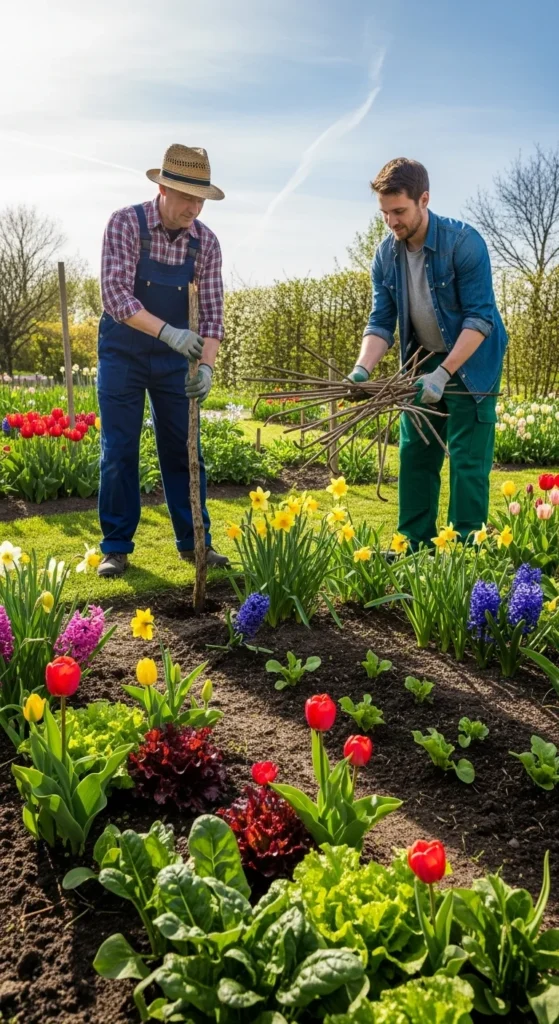
Old stakes clutter beds and snag new growth. Pull them out and store usable ones.
Discard broken supports responsibly. Replace only when plants need them later.
Clear beds feel more open and ready for planting.
This task improves safety and reduces visual clutter.
14. Check Fencing and Garden Borders
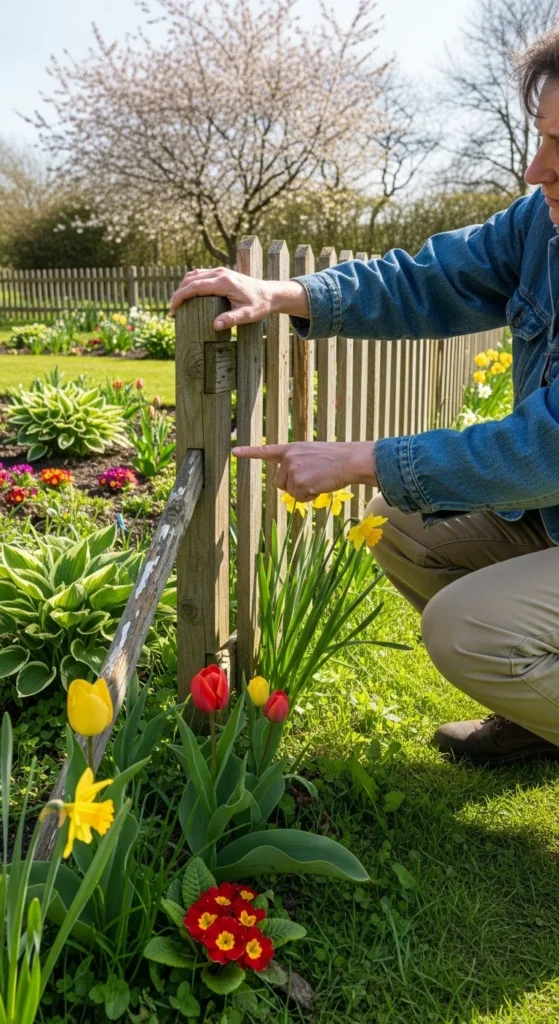
Borders and fencing shift during winter. Walk the perimeter and note loose sections.
Secure panels and straighten leaning posts. Small fixes now save time later.
Defined boundaries protect beds from foot traffic and pets.
This also keeps the garden looking organized from the start.
15. Thin Overcrowded Plants
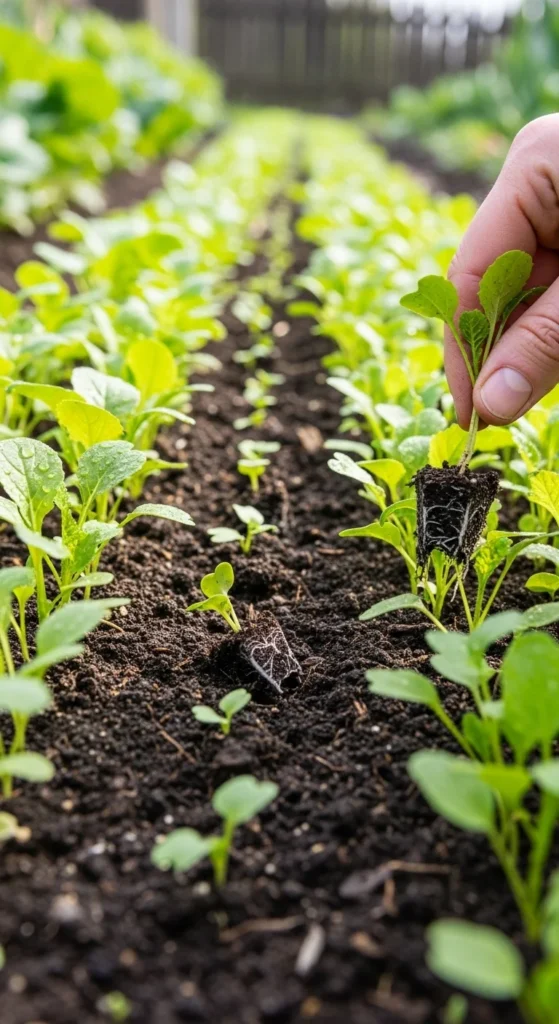
Some plants spread more than expected. Thinning improves airflow and spacing.
Use scissors or pruners for clean cuts. Compost removed material if healthy.
This task helps remaining plants grow stronger without competition.
Spacing adjustments now prevent disease later.
16. Clear Pathways and Walkways
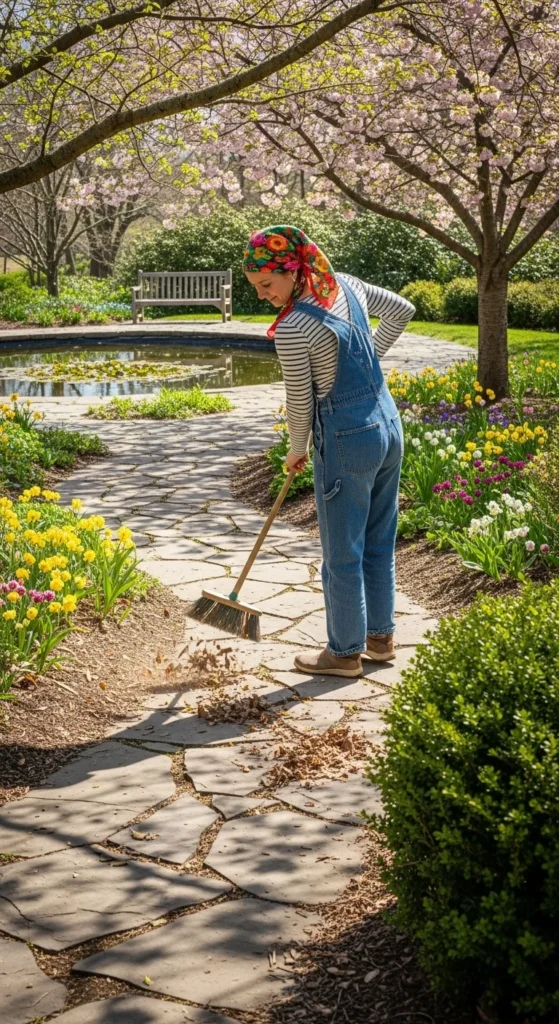
Paths collect debris and moss over winter. Sweeping restores traction and appearance.
Use a stiff broom or rake. For stone paths, rinse with water if needed.
Clean paths guide movement and make the garden easier to use.
This also highlights bed edges and layout clearly.
17. Refresh Mulch Where Needed
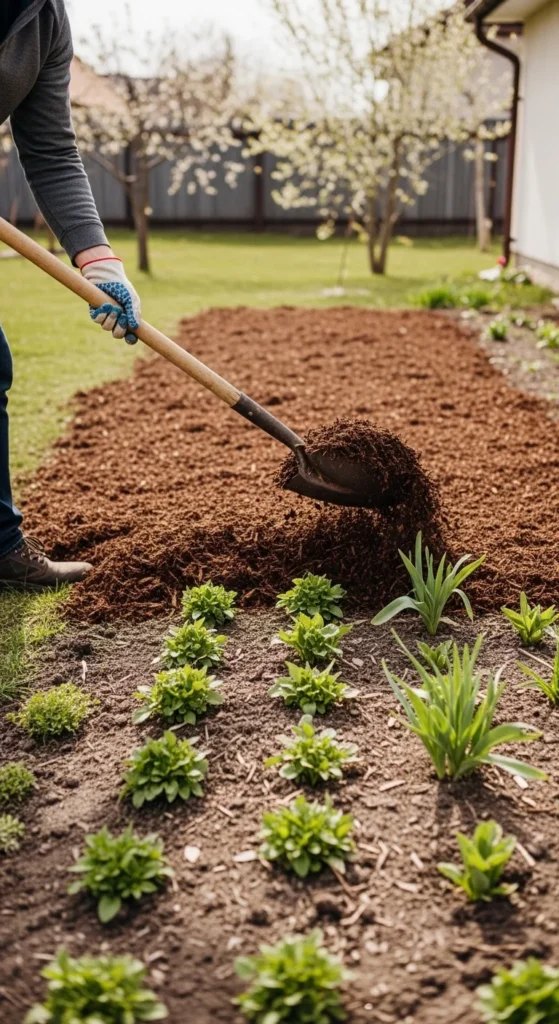
Mulch breaks down over time. Topping it up helps control weeds and moisture.
Apply a thin layer. Keep mulch away from stems.
Focus on visible beds first if supplies are limited.
This step ties the whole garden together visually.
18. Check Irrigation Systems
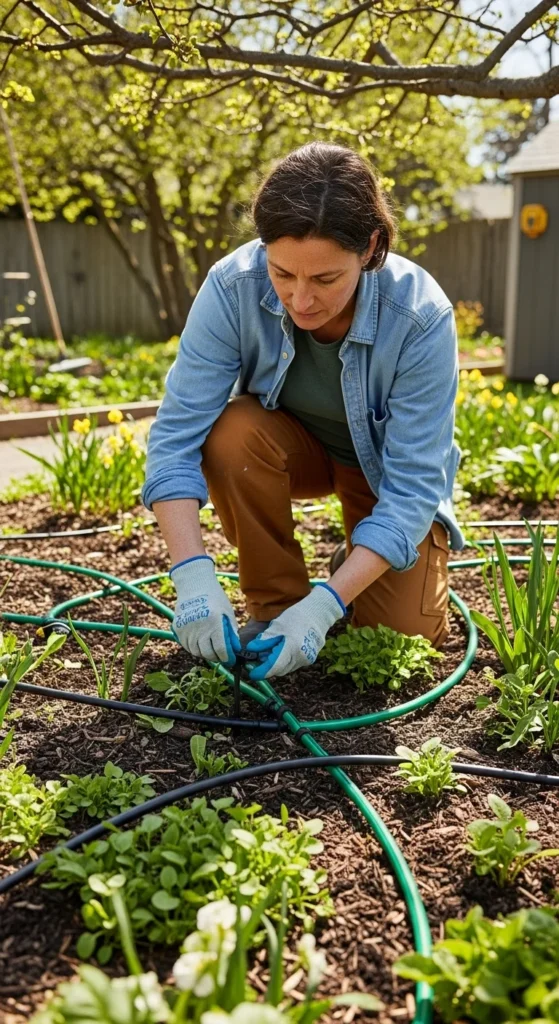
Hoses and drip lines crack during winter. Test them early to find leaks.
Replace damaged sections or patch small holes. Flush lines before regular use.
Functional watering systems save time later.
This check prevents surprises when plants begin active growth.
19. Organize Garden Storage Areas
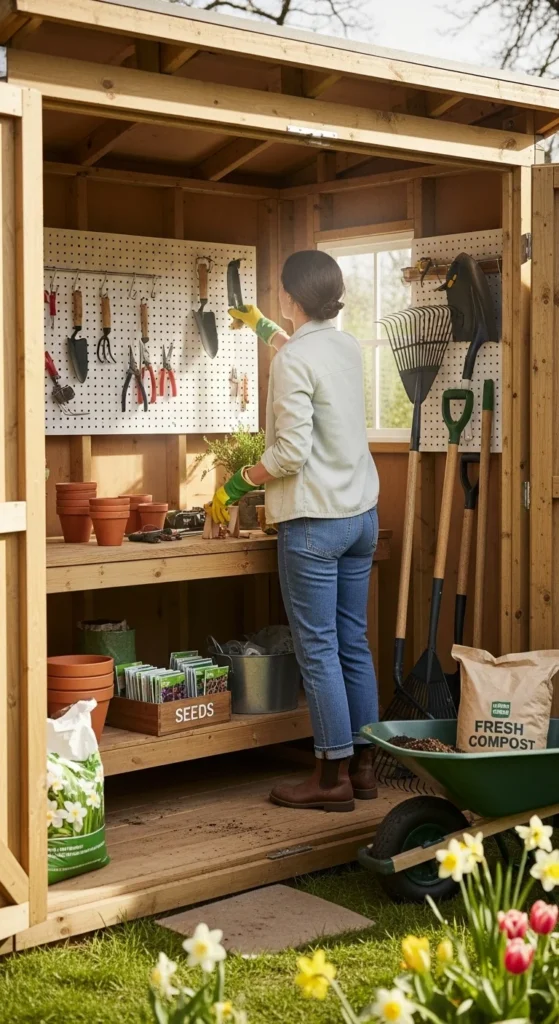
Sheds and storage areas collect clutter. Sorting now saves time all season.
Group tools by use. Store small items in labeled containers.
Clear floors and shelves reduce accidents and lost tools.
This task improves efficiency during busy planting weeks.
20. Inspect Trees and Shrubs for Damage
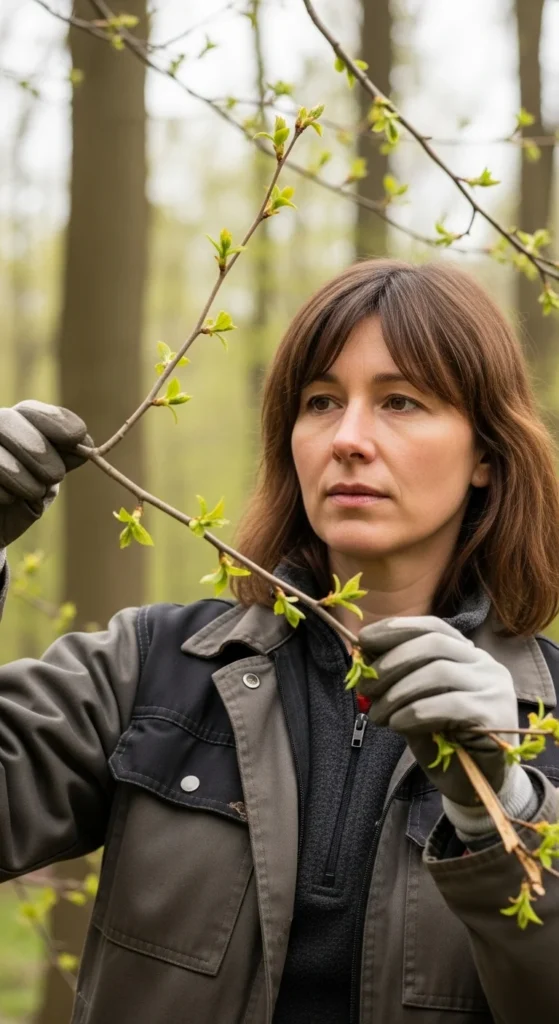
Winter storms break branches. Inspect trees and shrubs closely.
Remove damaged limbs with clean cuts. Avoid heavy pruning early.
This improves structure and reduces risk during storms.
Healthy woody plants support the whole garden layout.
21. Remove Old Plant Labels
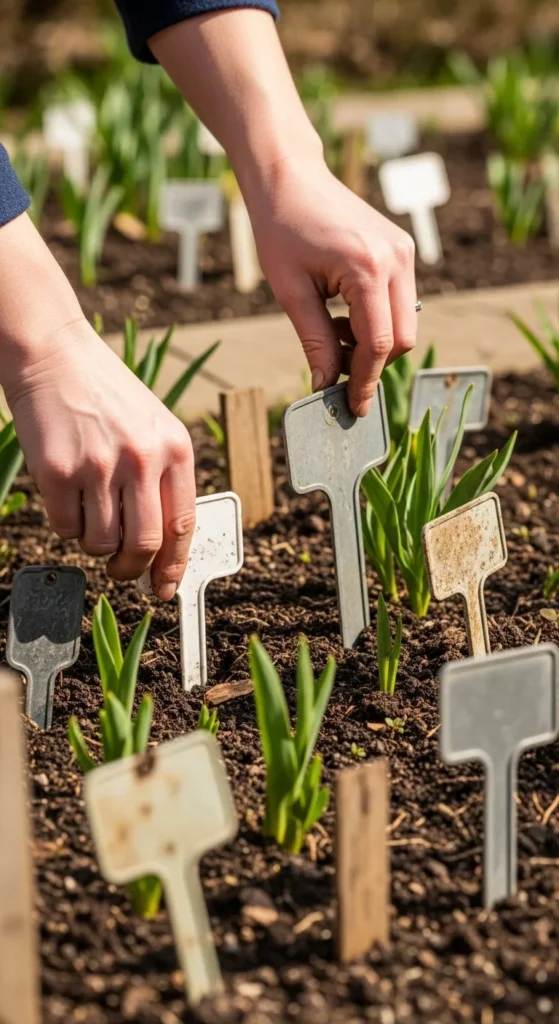
Old labels clutter beds and fade. Remove or replace them.
Create new labels only where needed. Keep information simple.
Clean beds look more intentional and organized.
This also reduces confusion during planting.
22. Test Soil for Basic Balance
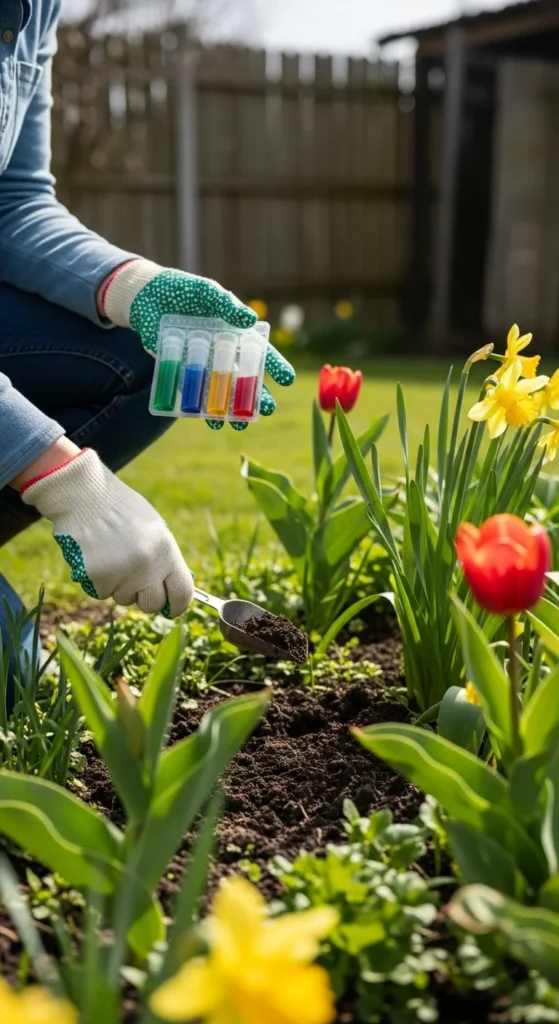
Soil tests reveal basic conditions. Simple kits work well for home gardens.
Test a few areas rather than the entire yard. Adjust gradually if needed.
Knowing soil condition helps plan plant placement later.
This avoids guesswork without complex testing.
23. Plan Empty Spaces Before Planting

Once cleanup finishes, pause before planting. Notice empty areas and light patterns.
Sketch ideas on paper. Use placeholders like pots if unsure.
Planning prevents overcrowding and rushed choices.
A clear view of the garden supports better decisions throughout the season.
Conclusion
Spring garden cleanup creates a strong foundation for the months ahead. Each task, handled at a steady pace, clears obstacles that slow growth and complicate care later. By focusing on simple actions with basic tools, the garden becomes easier to manage and more enjoyable to use. Start with the most visible areas, build momentum, and let these early efforts support healthier plants and smoother routines all season long.

Leave a Reply