

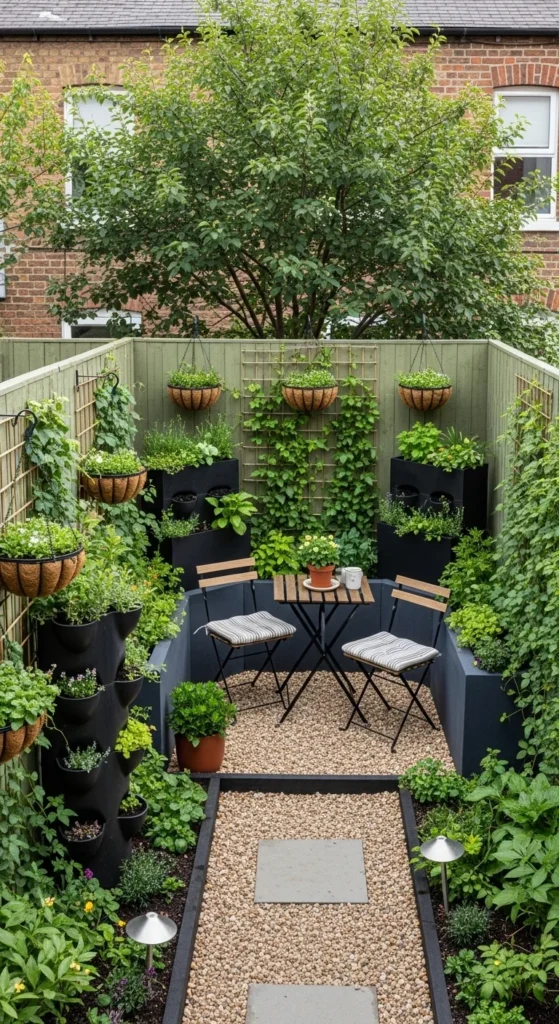
Small gardens work best when every inch has a purpose. Limited space does not mean limited options. Vertical layouts, smart zoning, and multi-level planting allow even the smallest yard, patio, or balcony to feel full and usable. The ideas below focus on simple structure, low upkeep, and realistic budgets. Each one helps you do more with less space while keeping maintenance manageable. You can mix ideas or start with one corner and build over time.
1. Vertical Wall Planters
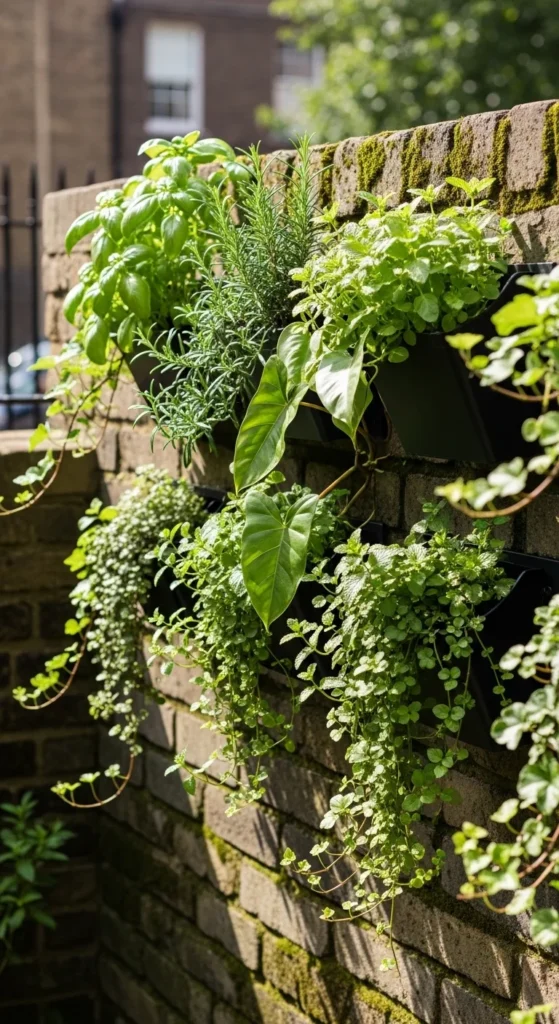
Vertical wall planters turn unused walls into planting areas. They work well in courtyards, balconies, and side yards. Fabric pockets and plastic modules cost little and install with basic screws. Herbs, salad greens, and trailing flowers suit these setups.
Water flows downward, helping lower plants stay moist. Leave space between pockets so air moves freely. This helps plants stay healthy. For budget builds, reuse plastic bottles or wooden crates lined with fabric. Mount them in straight rows to keep things tidy.
Vertical planting frees floor space for seating or paths. It also cuts bending and kneeling. A quick trim every few weeks keeps growth balanced and stops shading.
2. Raised Beds for Poor Soil
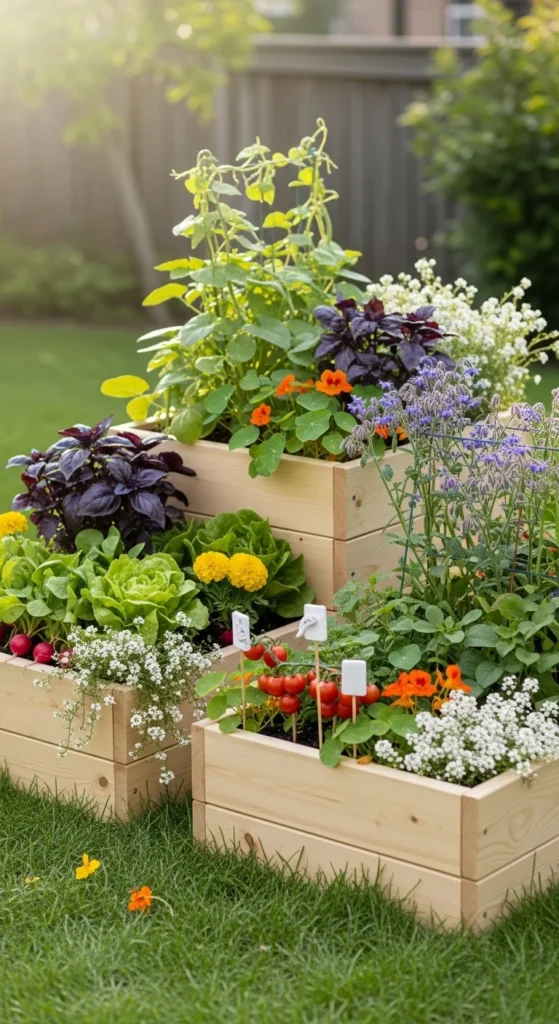
Raised beds solve soil problems fast. They lift plants above compacted ground and help water drain better. This reduces weeds and saves time. Simple wooden frames cost less than kits and last for years.
Fill beds with bagged soil mixed with compost. This avoids digging. Keep beds narrow so you can reach the center easily. Use them for vegetables, flowers, or both together.
Line the bottom with cardboard to block grass. Replace it each season if needed. Raised beds warm up earlier in spring and stay easier to manage year-round.
3. Hanging Baskets Overhead
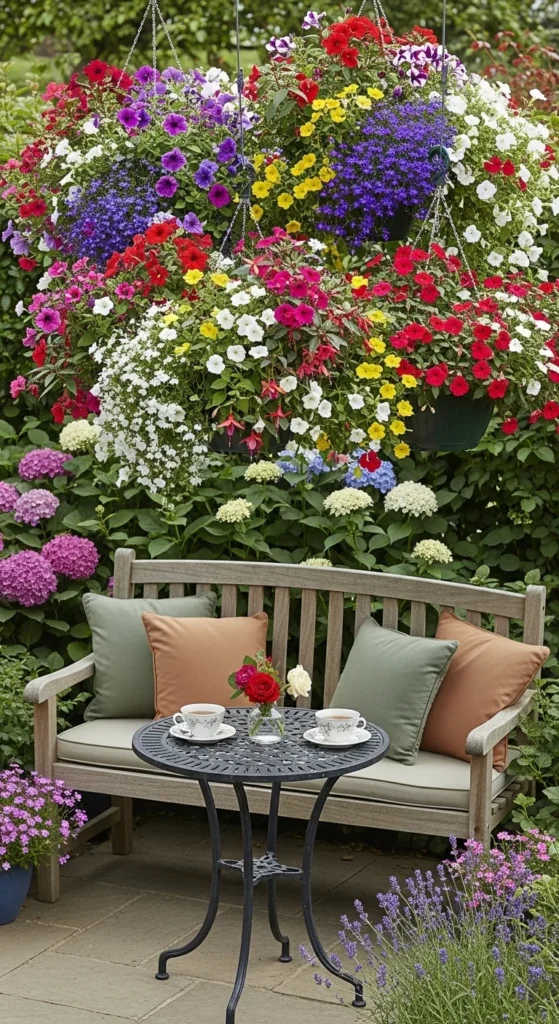
Hanging baskets add color without using ground space. They suit fences, pergolas, and balcony rails. Lightweight baskets reduce strain on hooks.
Choose plants that trail or mound gently. Water often, as baskets dry faster. To save money, group fewer baskets and rotate plants by season.
Overhead planting draws the eye upward. This makes small gardens feel taller and more open.
4. Climbers That Cover Fences
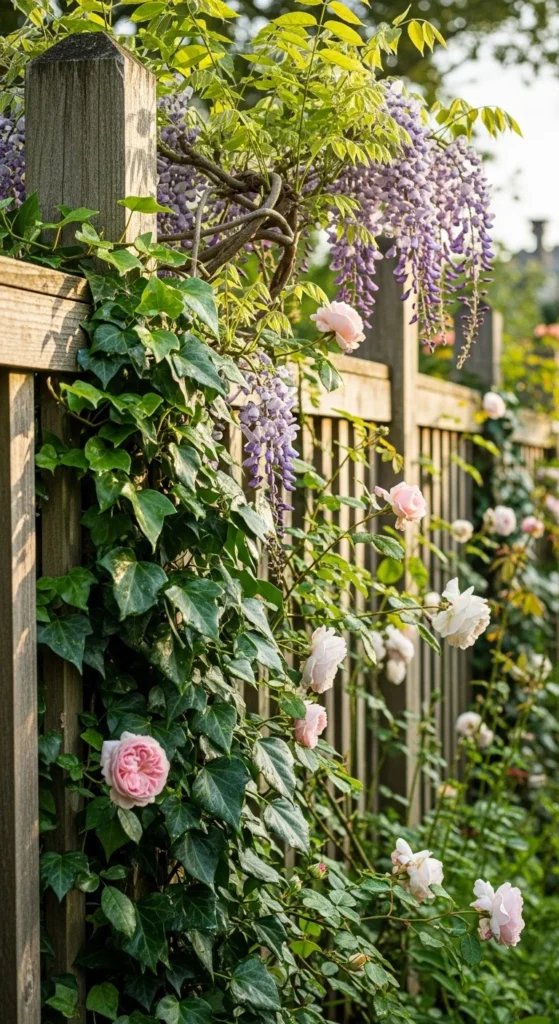
Climbers soften hard boundaries. They cover fences and walls without taking floor space. Use trellis panels or wire grids for support.
Fast-growing climbers fill gaps quickly. Train them early so growth stays tidy. This adds privacy and shade.
Climbers also hide worn fences, saving replacement costs.
5. Stepping Stone Pathways
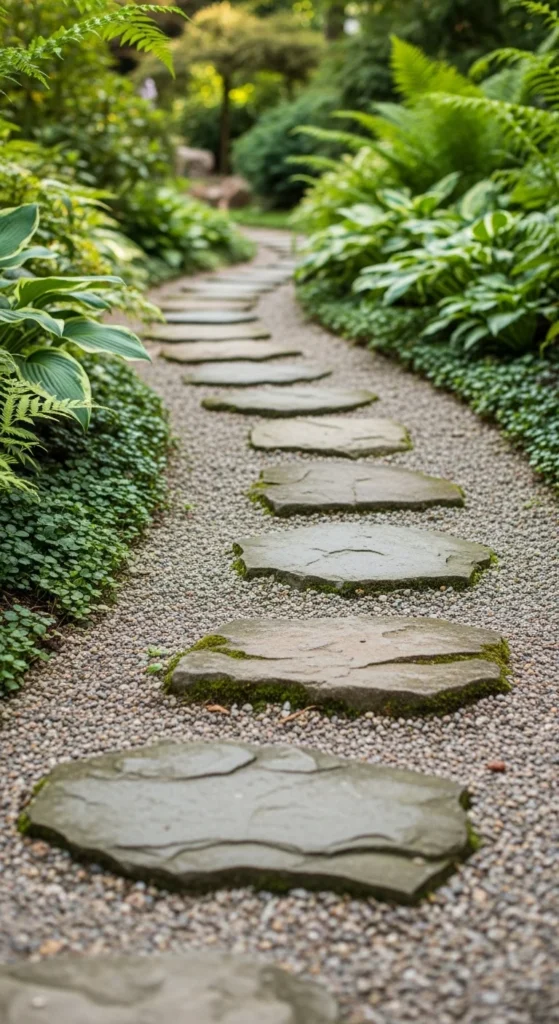
Stepping stones guide movement through small gardens. They keep feet clean and protect plants. Set stones into gravel or mulch for easy installation.
Curved paths make spaces feel longer. Use leftover tiles or concrete slabs to save money.
Paths also divide zones without fences or walls.
6. Botanical Bento Zoning
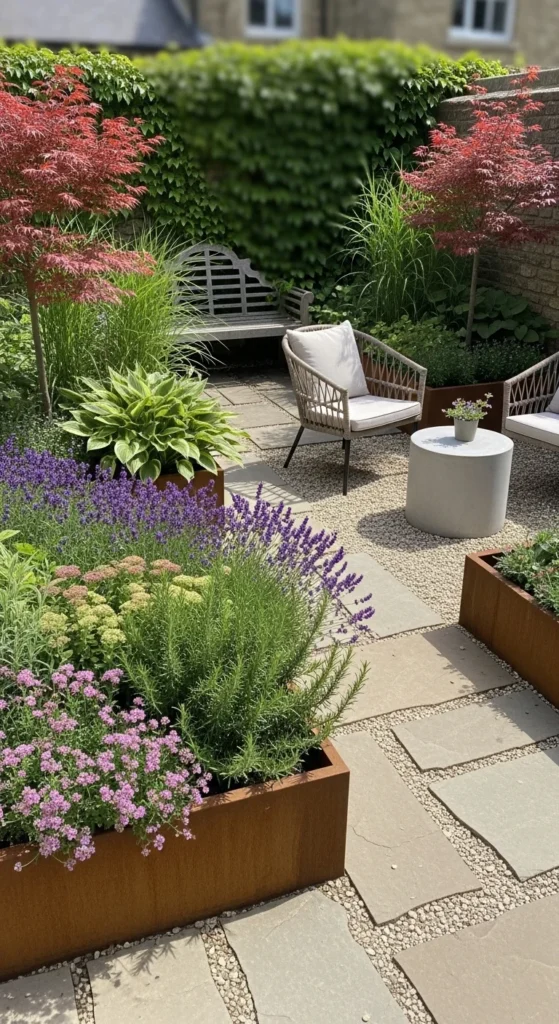
Zoning breaks small gardens into mini areas. One zone for seating. One for planting. One for storage. Use planters or changes in ground cover to mark each area.
This layout keeps spaces organized. It also helps avoid clutter. Each zone feels intentional.
Zoning works well in square or narrow yards.
7. Potted Dwarf Fruit Trees
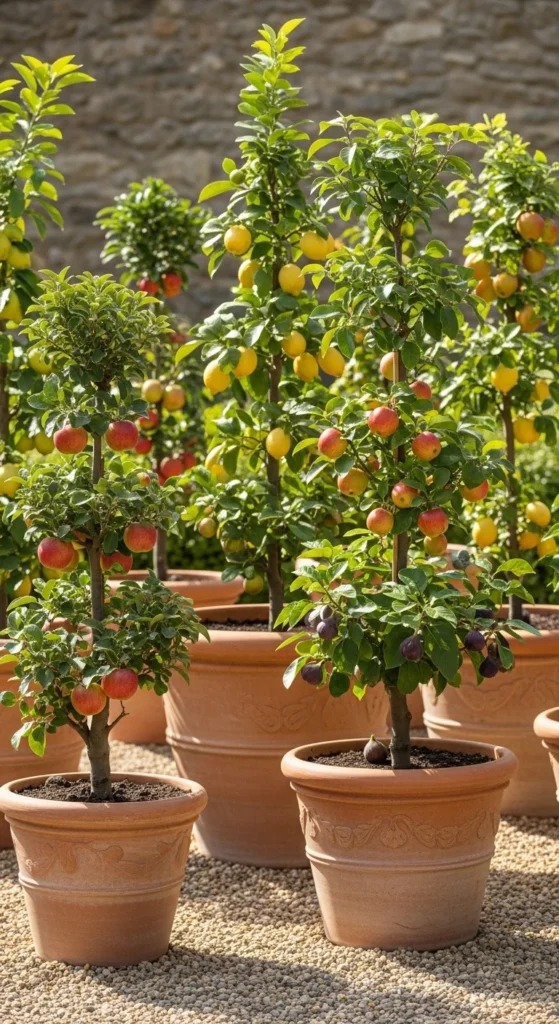
Dwarf fruit trees grow well in containers. They suit patios and small yards. Large pots hold moisture longer and reduce watering.
Set pots on gravel for drainage. Choose varieties made for containers. Prune lightly to control size.
Potted trees bring harvests without planting in ground.
8. Rock Gardens for Slopes
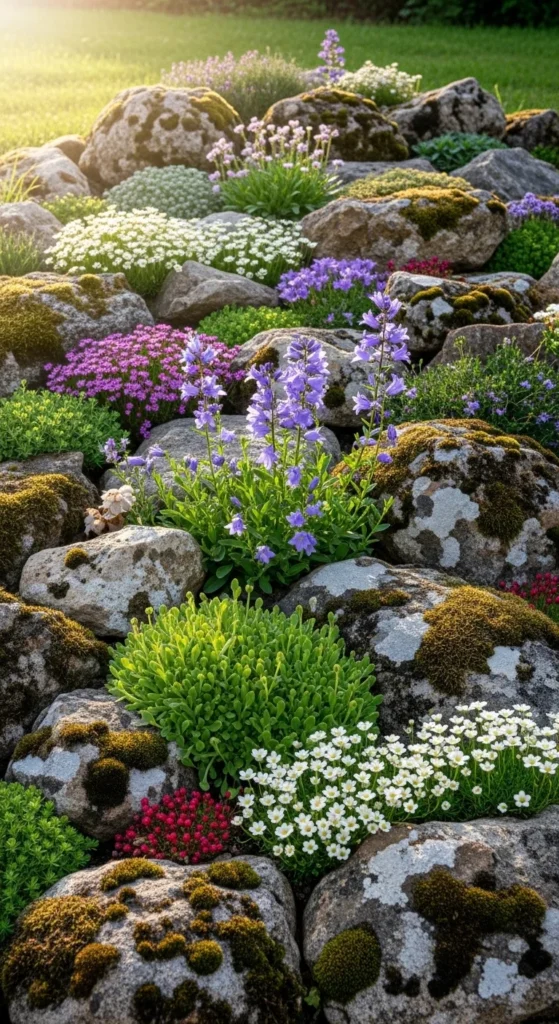
Rock gardens handle uneven ground. Stones hold soil and reduce erosion. Alpine plants and succulents handle dry conditions.
Once placed, care stays light. Rock gardens also add texture and structure to problem spots.
They work well where grass struggles.
9. Potager-Style Mixed Beds
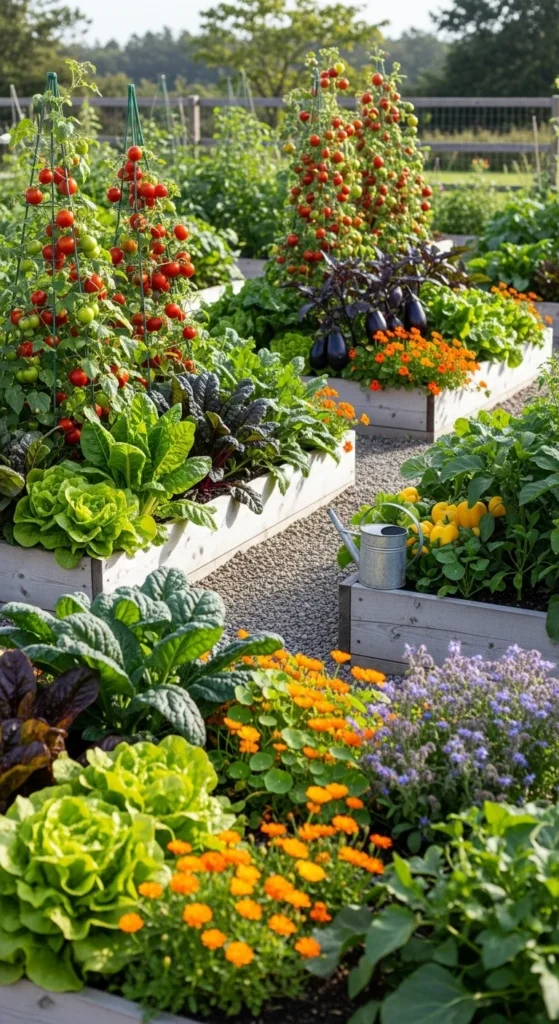
Potager beds mix food and flowers. This keeps gardens useful and attractive. Flowers help attract insects that support growth.
Plant taller items at the back. Short ones at the front. Harvest often to keep beds neat.
Potagers suit sunny corners and raised beds.
10. Ladder Plant Stands
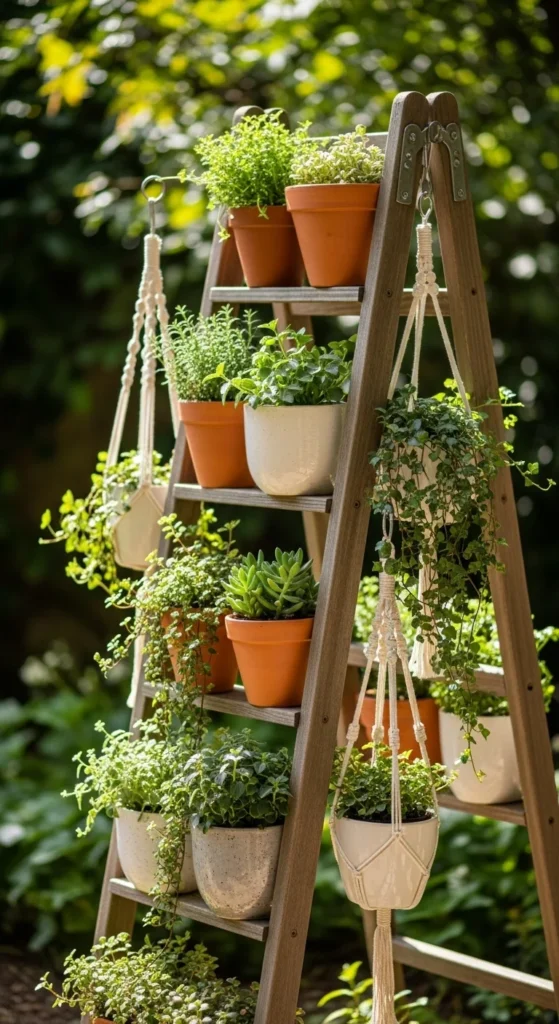
Ladder stands stack pots upward. They work well on patios and balconies. Wooden ladders cost little and fold away when not in use.
Place heavier pots on lower steps. Lighter ones up top. This keeps stands stable.
Vertical pot stacking saves floor space and adds height.
11. Wheelbarrow Planters
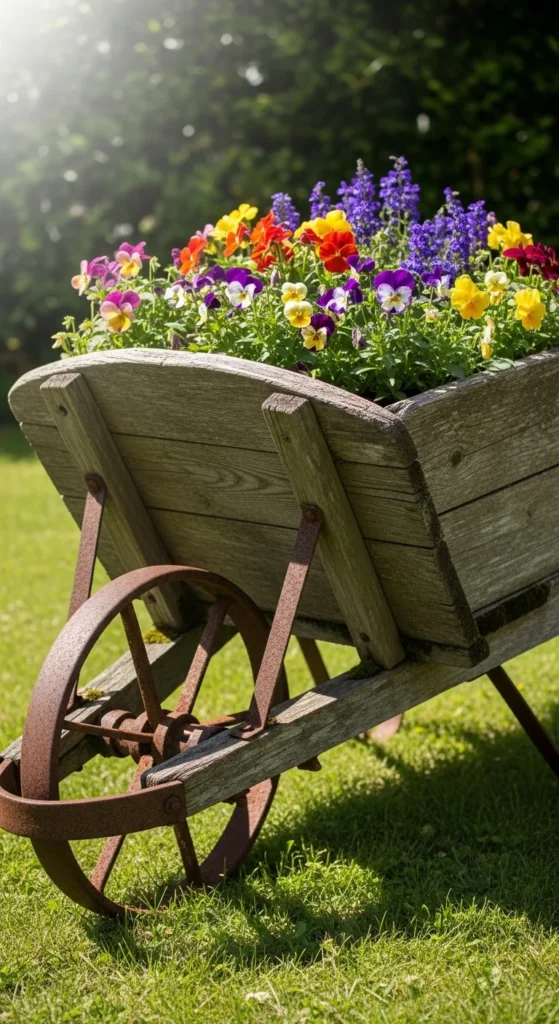
Old wheelbarrows make mobile planters. Drill drainage holes and line with fabric. Fill with soil and plants.
They move easily with the seasons. Use them to fill empty corners or add color near entrances.
This reuse saves money and adds character.
12. Arched Trellises as Entrances
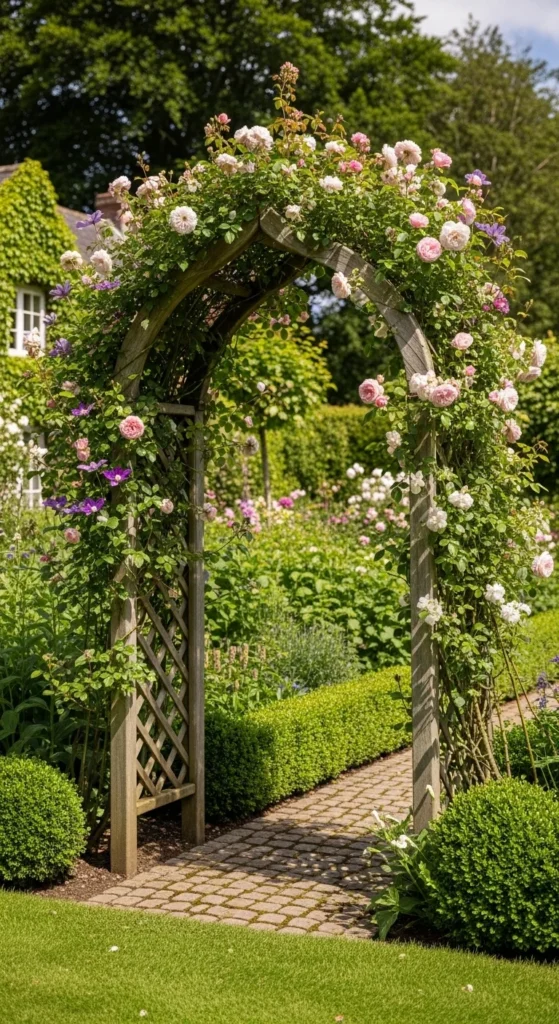
Arched trellises mark transitions between spaces. They add height and structure without crowding.
Use metal or wood arches. Grow climbers over them for shade and interest.
Arches guide movement and make gardens feel planned.
13. Pallet Herb Walls
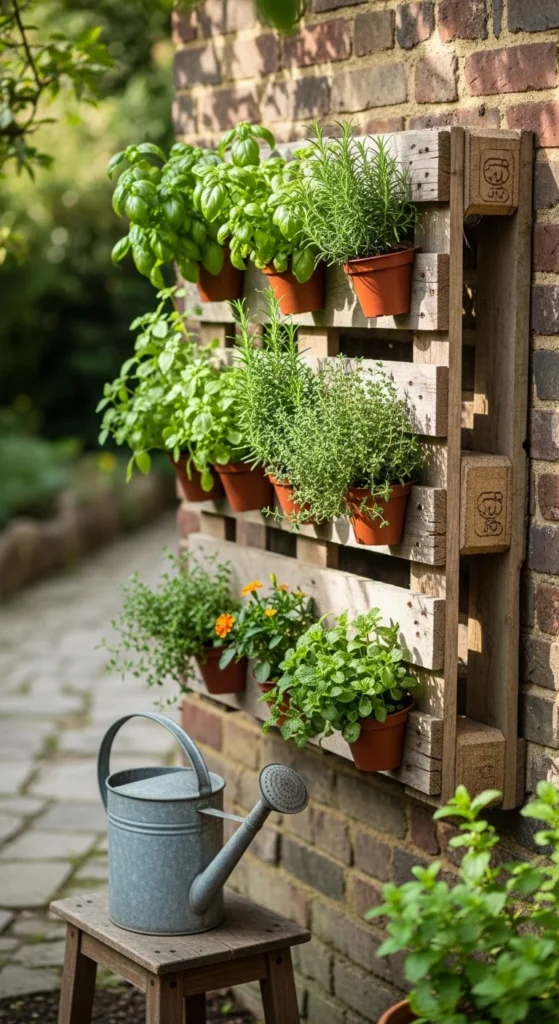
Wood pallets work as vertical herb gardens. Line the back with fabric. Fill gaps with soil and herbs.
Mount securely against walls or fences. Water from the top and let moisture travel downward.
This setup keeps herbs close and organized.
14. Curved Garden Paths
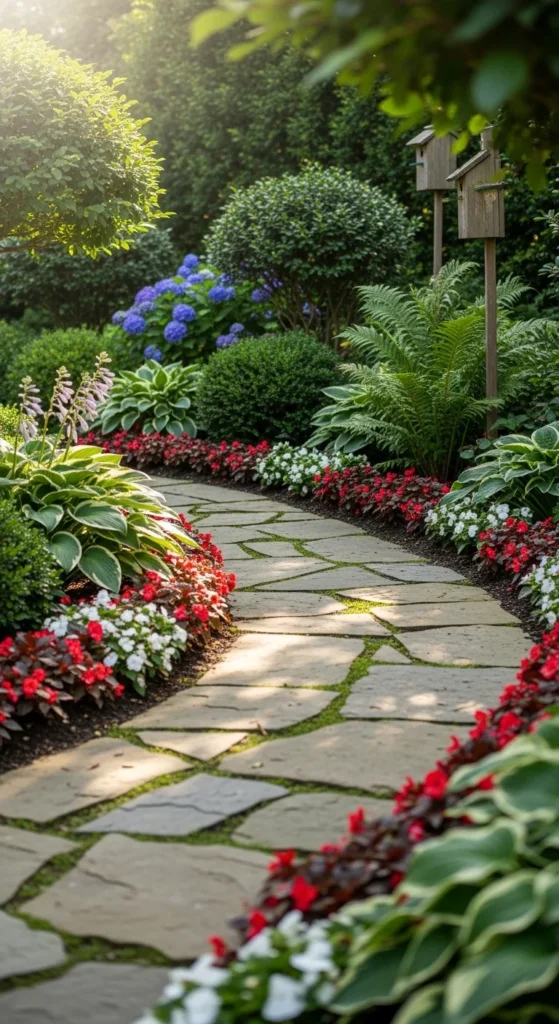
Curves slow the eye. They hide the full space at once, making gardens feel larger.
Use gravel or stepping stones to form curves. Avoid straight lines in tight spaces.
Curved paths add interest without extra cost.
15. Grouped Plantings in Threes
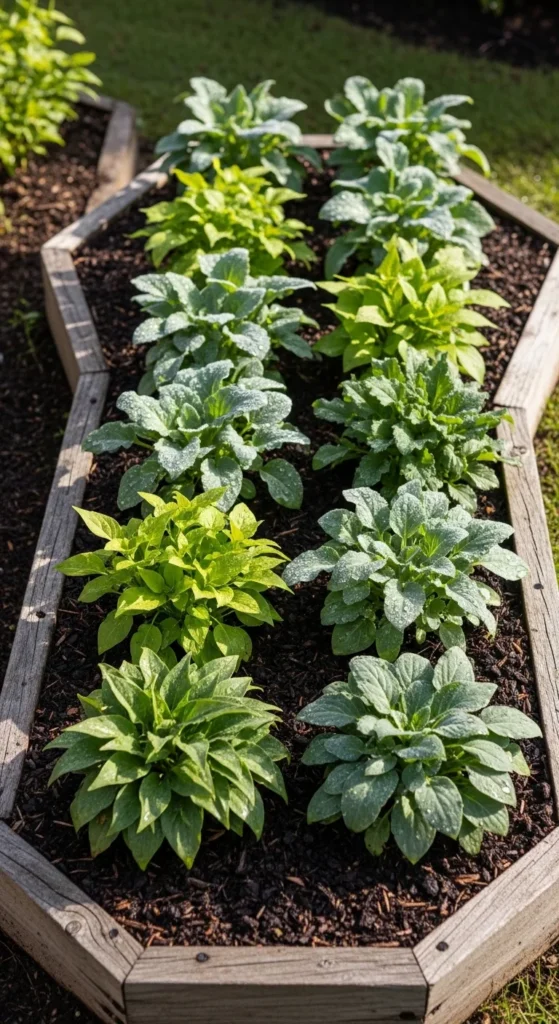
Grouping plants reduces visual clutter. Clusters look calmer than scattered singles.
Use three of the same plant together. This helps small gardens feel organized.
Grouping also simplifies care.
16. Evergreen Structure Plants
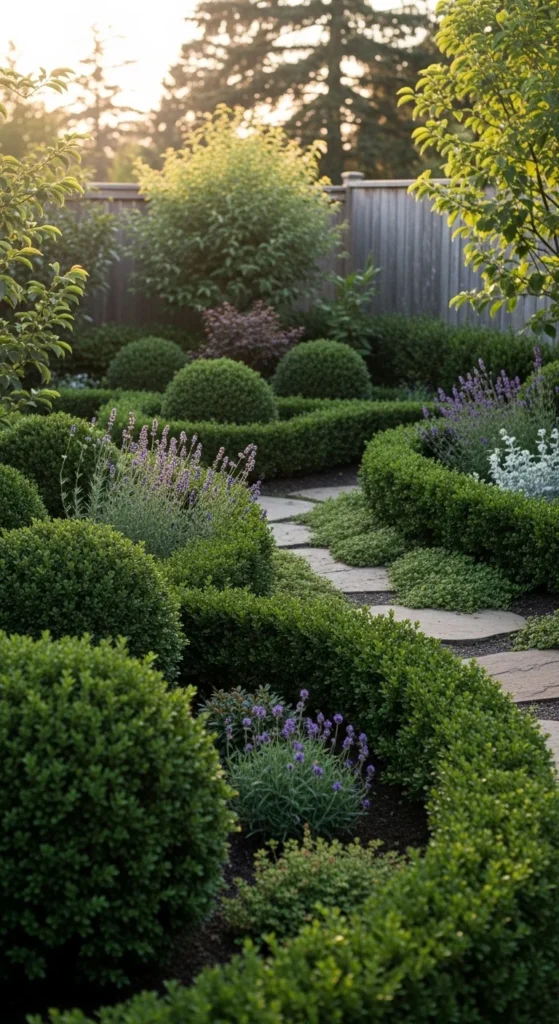
Evergreens keep gardens looking full year-round. Use them as anchors in beds or containers.
Choose narrow varieties to save space. Prune lightly to keep shape.
Evergreens reduce seasonal gaps.
17. Outdoor Rugs for Seating Zones
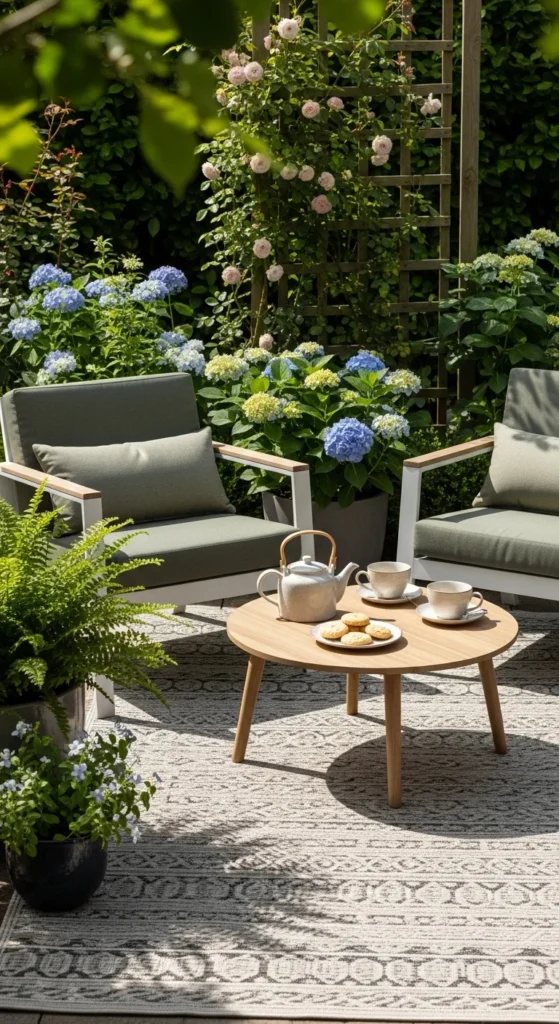
Outdoor rugs define seating zones. They add comfort without building walls.
Choose weather-ready materials. Shake out dirt regularly.
Rugs help patios feel like rooms.
18. Lightweight Foldable Furniture
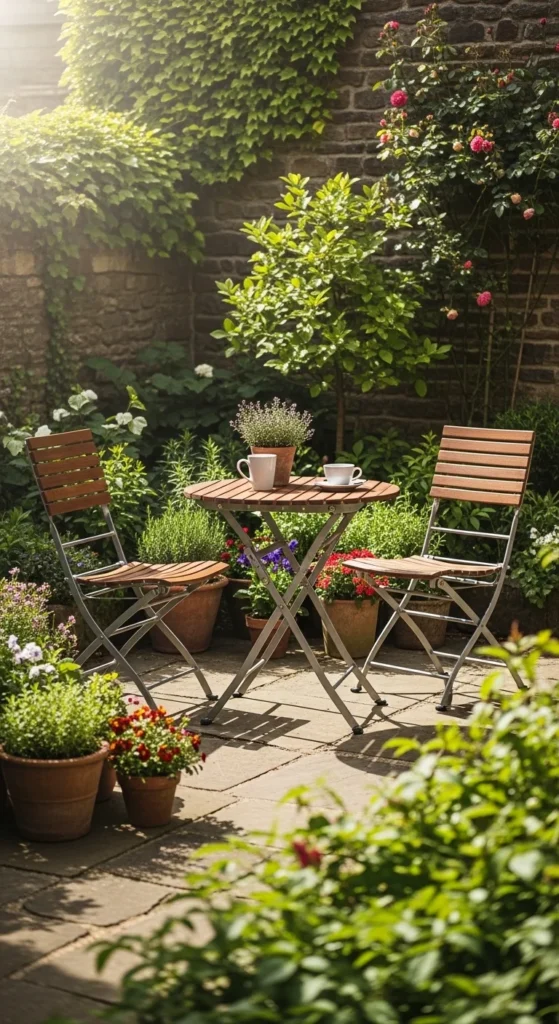
Light furniture moves easily. This allows layout changes for guests or sun.
Fold pieces away when not in use. This keeps space open.
Compact furniture suits tiny gardens.
19. Sun Catchers and Simple Decor
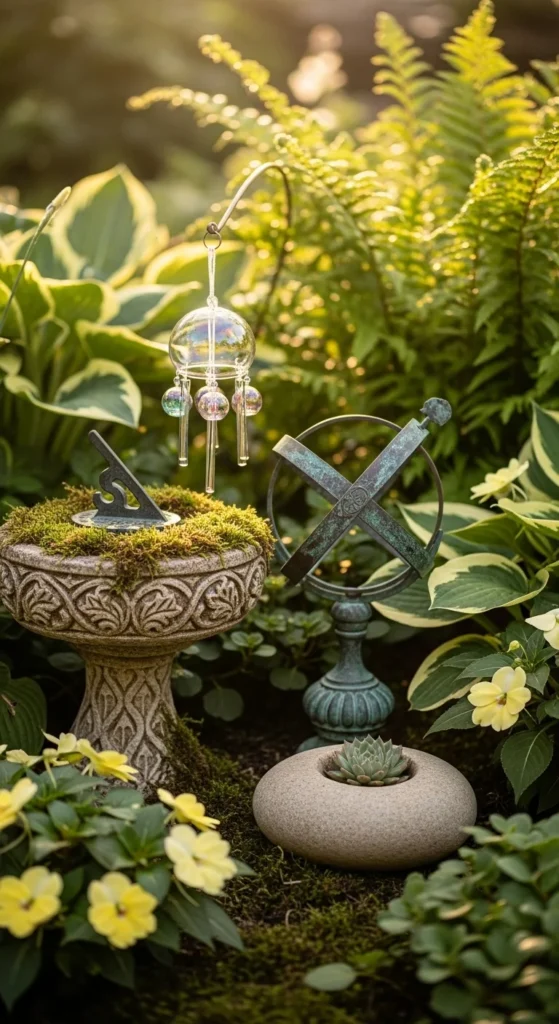
Small decor adds personality. Sun catchers reflect light and add movement.
Limit items to avoid clutter. One or two pieces work best.
Decor should support plants, not overwhelm them.
20. Hidden Garden Nooks
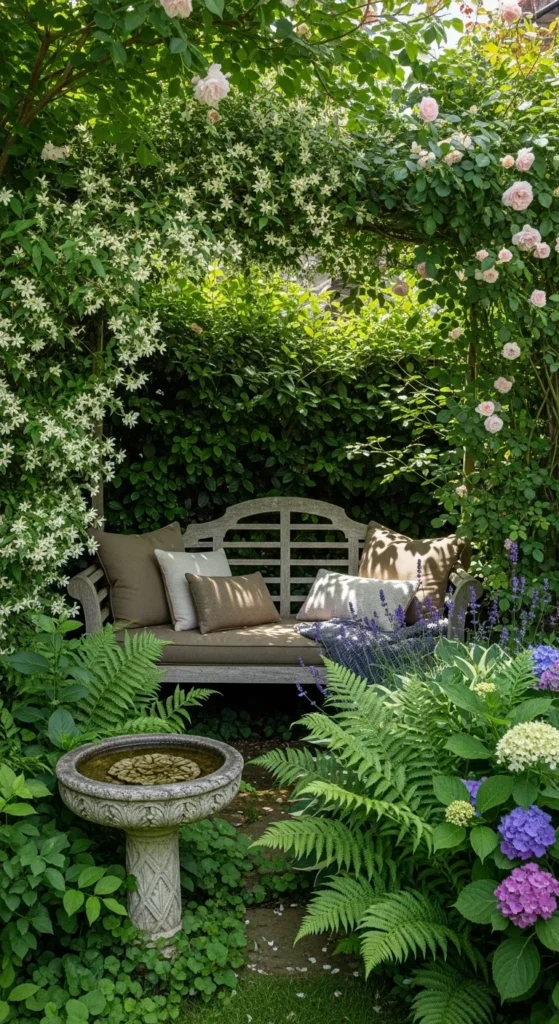
Hidden nooks add privacy. Use tall plants or trellises as screens.
A small chair and table fit well. This creates a quiet corner.
Nooks make small gardens feel personal.
21. Gravel Ground Covers
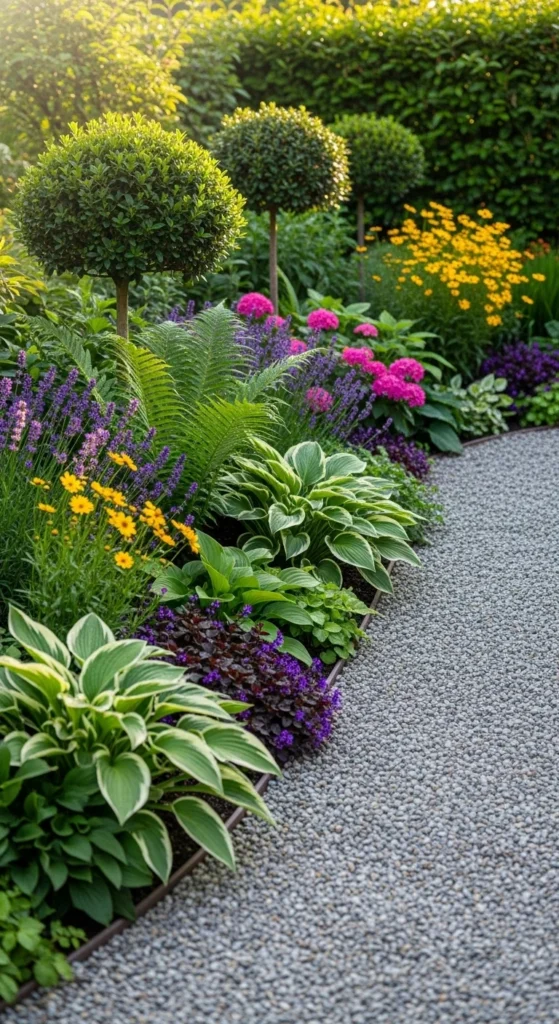
Gravel cuts mowing and watering. It works well under pots and trees.
Use landscape fabric beneath to stop weeds. Rake occasionally.
Gravel suits low-care gardens.
22. Narrow Side Yard Makeovers
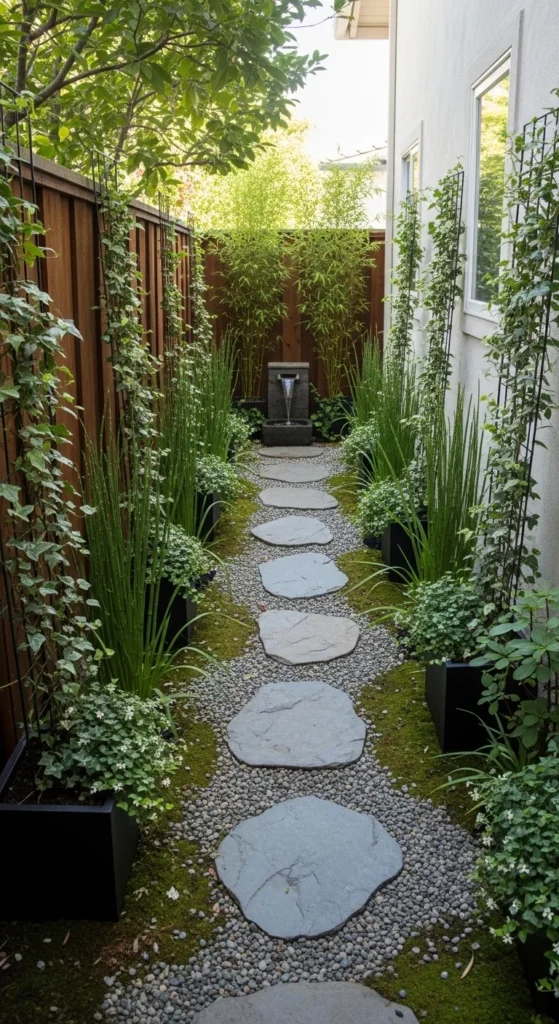
Side yards often sit unused. Add stepping stones and vertical planters.
This turns dead space into a usable path or planting zone.
Simple changes make big differences.
23. Shade-Friendly Plant Corners
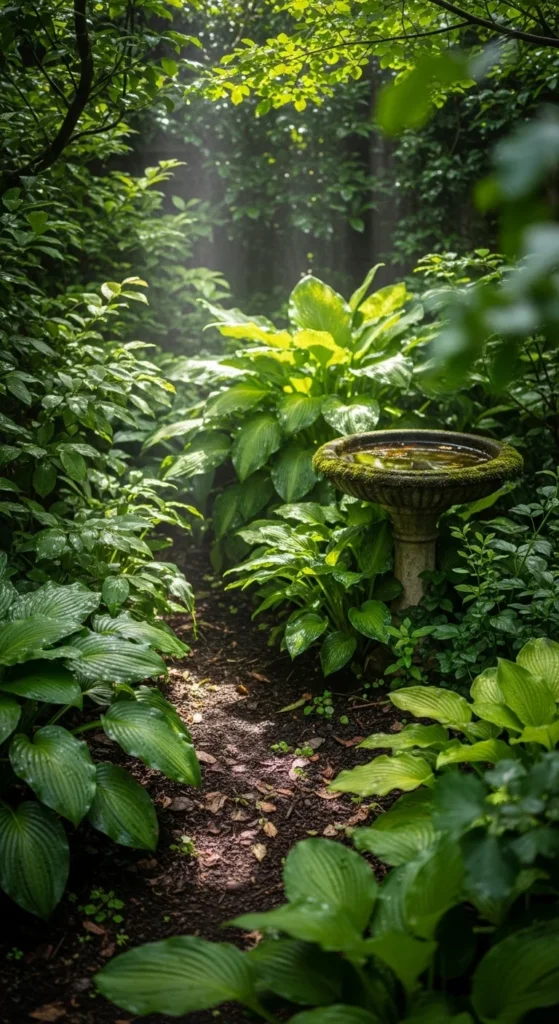
Shade areas still grow plants. Use leafy types that enjoy less sun.
Group pots to hold moisture. Shade gardens feel calm and cool.
These corners often stay low effort.
24. Balcony Rail Planters
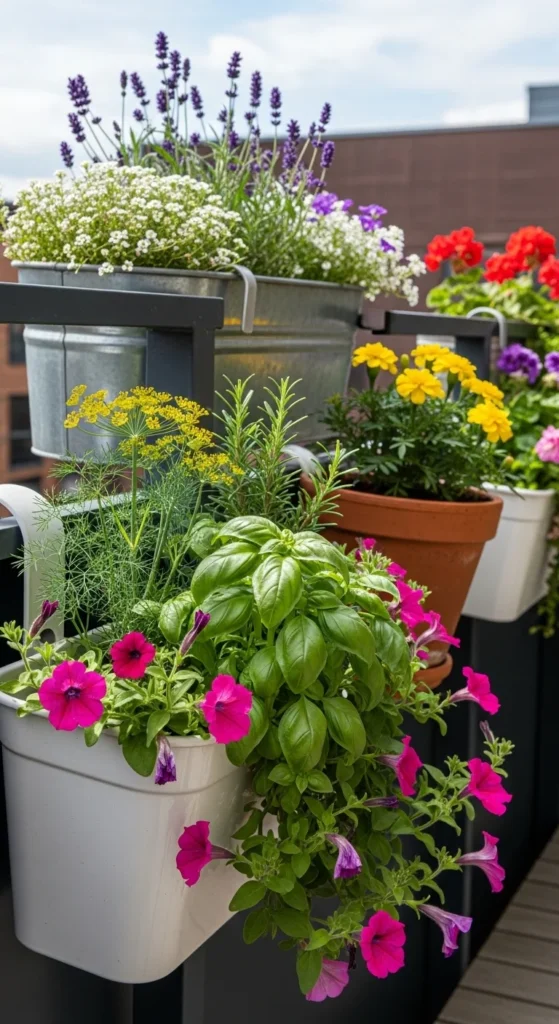
Rail planters save floor space. They install without drilling in many cases.
Choose lightweight soil mixes. Secure hooks well.
Rail planters suit apartments.
25. Seasonal Plant Rotation
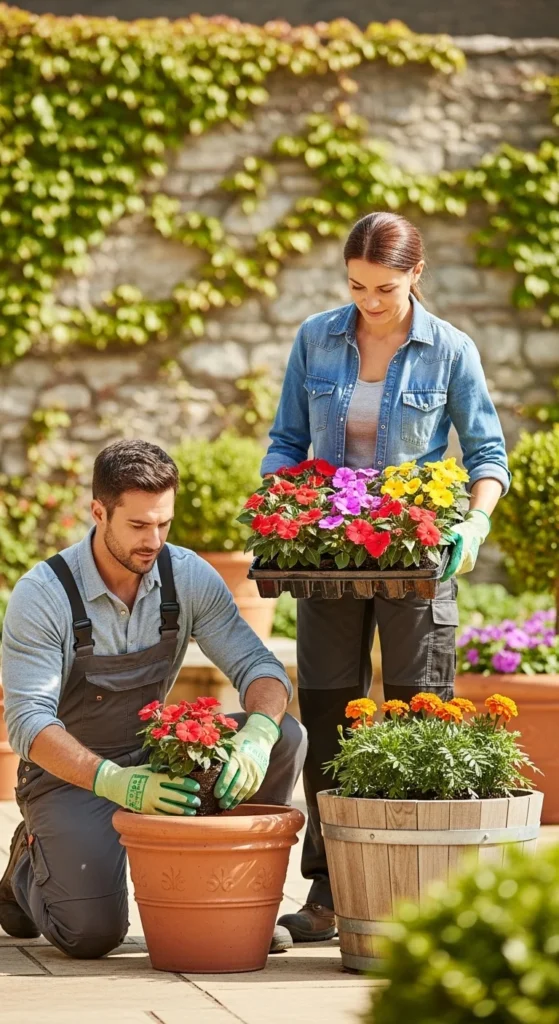
Rotating plants keeps gardens changing. Swap plants as seasons shift.
Reuse containers and soil where possible. This controls costs.
Seasonal change keeps interest high.
Conclusion
Small gardens thrive with smart layouts and simple choices. Vertical planting, zoning, and multi-level designs allow tiny spaces to work harder without extra effort. Each idea here focuses on low upkeep and real budgets. Start small. Adjust as you go. Even the smallest garden can feel useful, calm, and inviting with the right approach.
Leave a Reply