

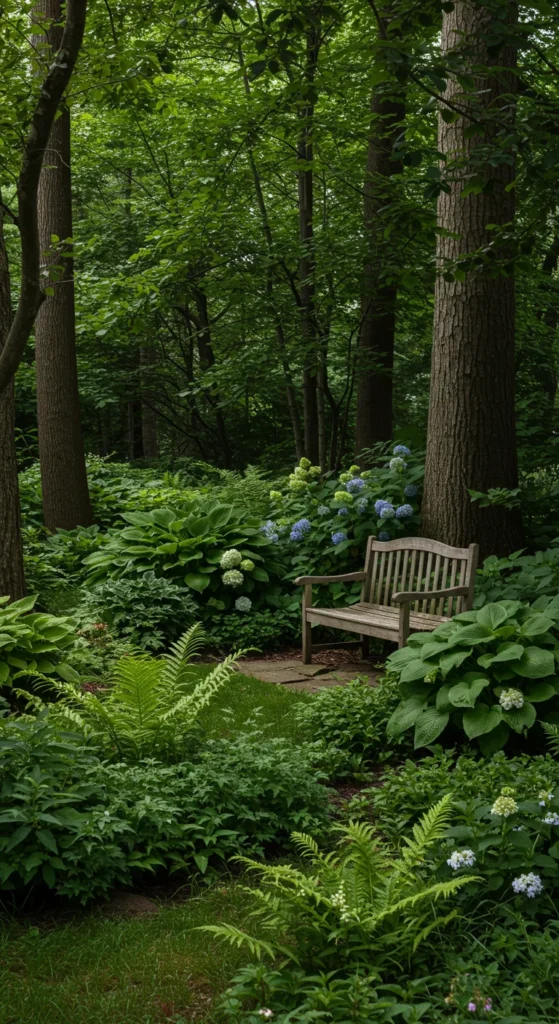
Shade doesn’t have to mean dull. With the right plants and layout, shady spots can turn into cool, peaceful retreats that invite relaxation. From lush groundcovers to flowering plants that thrive without direct sun, you can create a space that feels both green and welcoming. Here are 22 shade-loving gardening ideas to bring life and charm to darker corners of your yard.
1. Plant Hostas for Bold Leaves
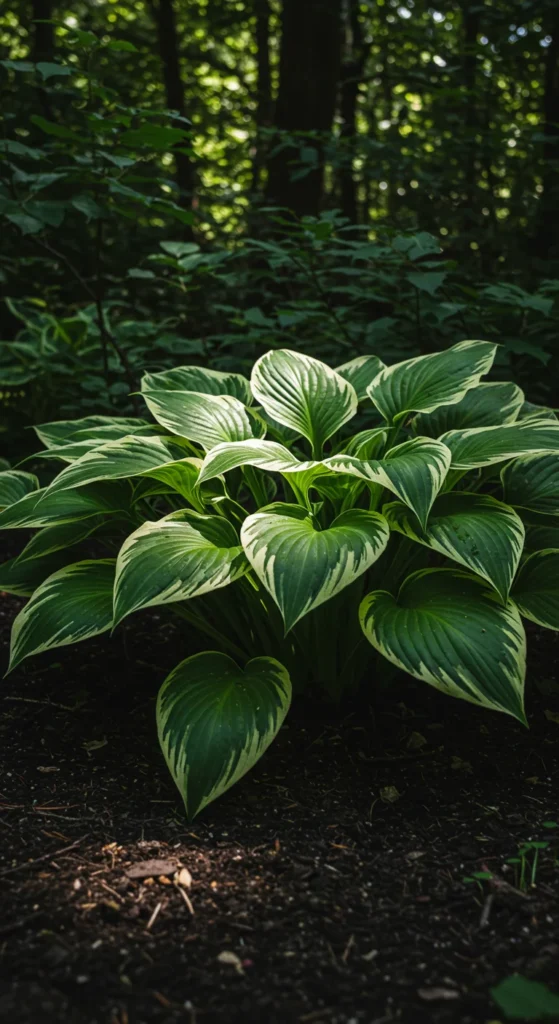
Hostas are classic shade plants known for their bold leaves. They come in a wide range of colors, from deep green to blue-gray, with some featuring striking white edges. They thrive in moist soil and add structure to shady beds. For budget-friendly planting, divide mature clumps every few years to spread around your yard. Pair them with ferns or astilbes for added texture.
2. Add Ferns for Soft Texture
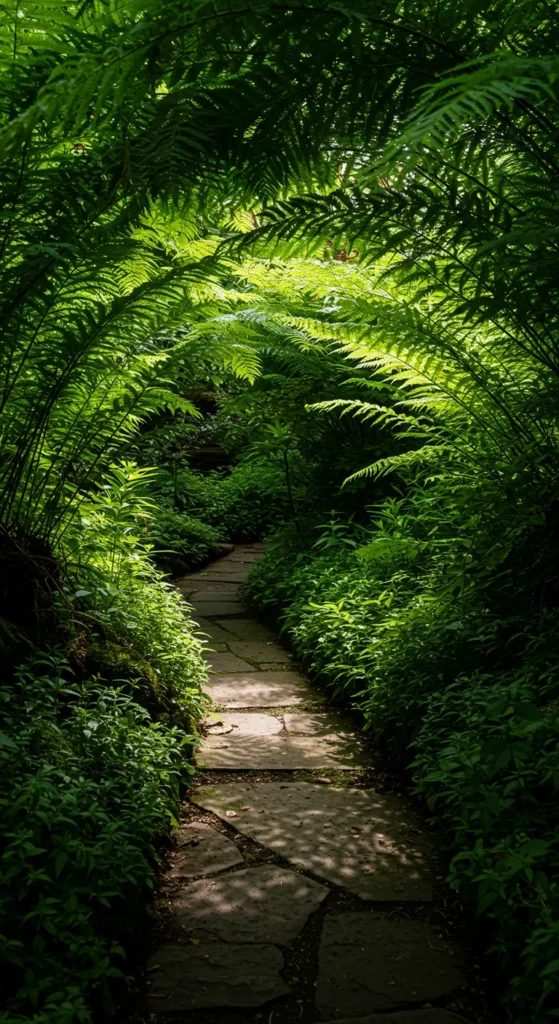
Ferns create a woodland feel in shaded areas. Their feathery fronds add movement and softness. They do well in damp soil, making them perfect for under trees or beside water features. Try varieties like ostrich fern or lady fern. These plants multiply over time, so one small start can cover large areas with little effort.
3. Grow Hydrangeas in Dappled Light
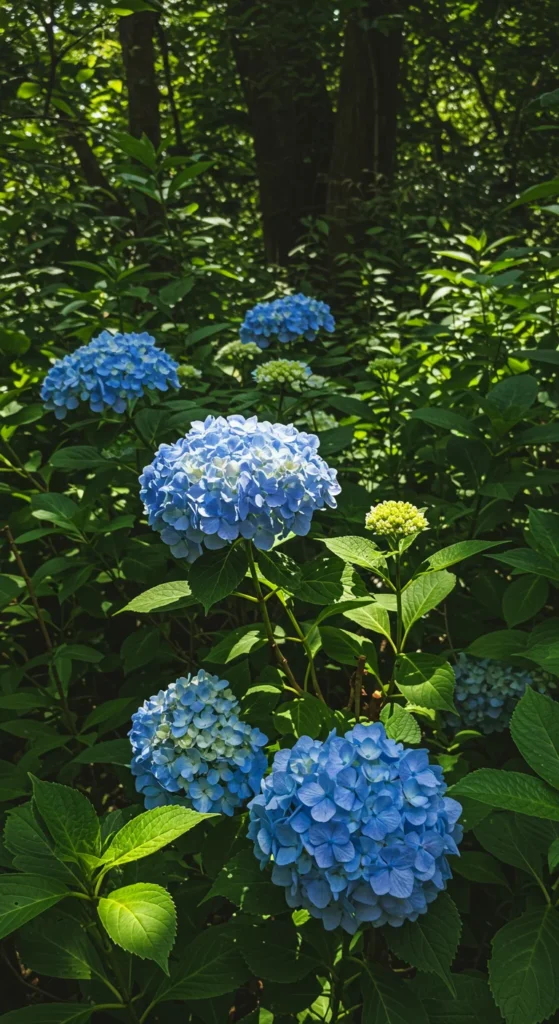
Hydrangeas bring bold flower clusters to semi-shaded spots. They thrive in dappled light and add bursts of pink, blue, or white. Adjust soil pH to change bloom colors, a fun DIY experiment. Plant near patios or entryways to enjoy their long-lasting flowers. Regular watering keeps them happy.
4. Use Impatiens for Bright Pops of Color
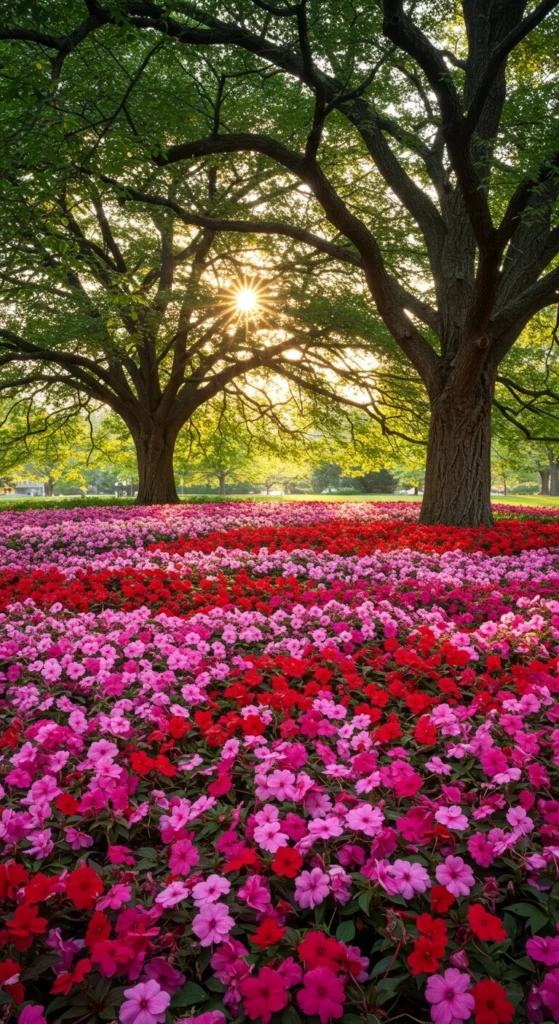
Impatiens are a go-to annual for shady gardens. Their nonstop blooms light up dark corners with color. Plant them in borders, hanging baskets, or containers. They’re affordable, widely available, and come in every shade except blue. Keep soil moist and feed lightly for best results.
5. Create a Moss Carpet
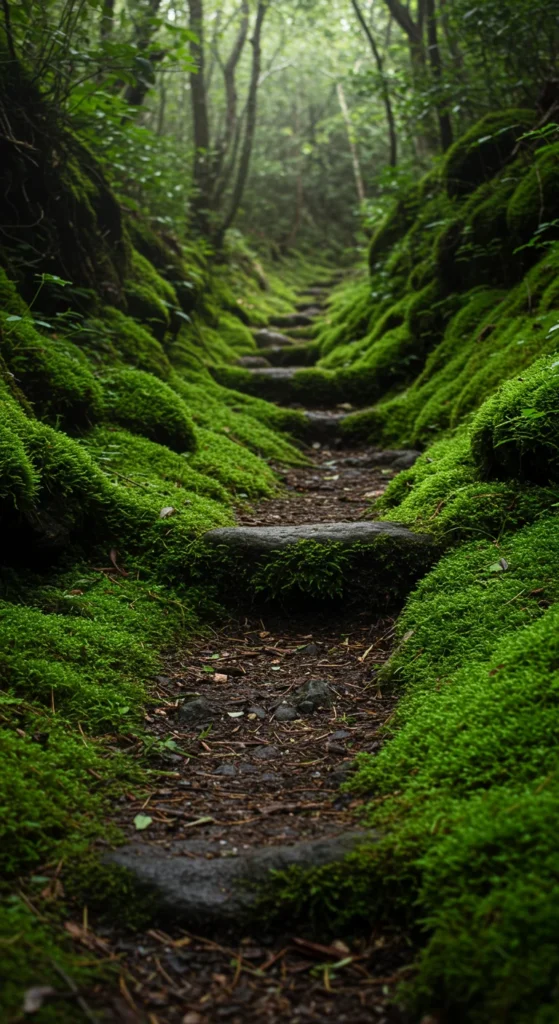
Moss thrives where grass won’t. Shady, damp areas are perfect for this low-maintenance groundcover. It forms a soft green carpet that adds a natural woodland touch. You can encourage moss by transplanting small clumps and misting regularly until it spreads. Moss costs little and requires no mowing or fertilizer.
6. Add Astilbes for Feather-Like Blooms
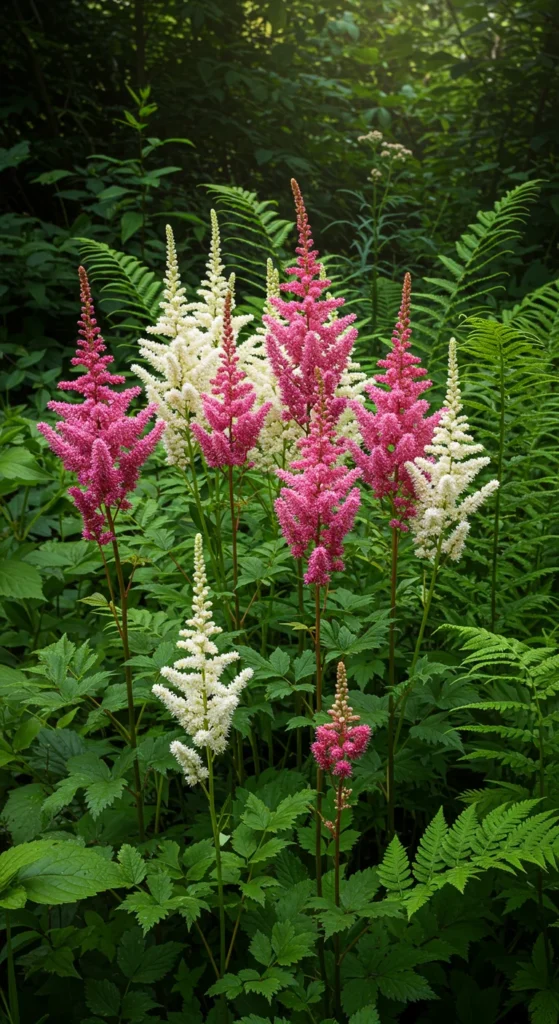
Astilbes thrive in partial to full shade and provide feathery plumes of flowers in summer. They prefer damp soil, making them ideal for pond edges or shaded borders. The blooms range from white to pink and red, offering seasonal variety. Plant in groups for a fuller effect.
7. Grow Coral Bells (Heuchera)
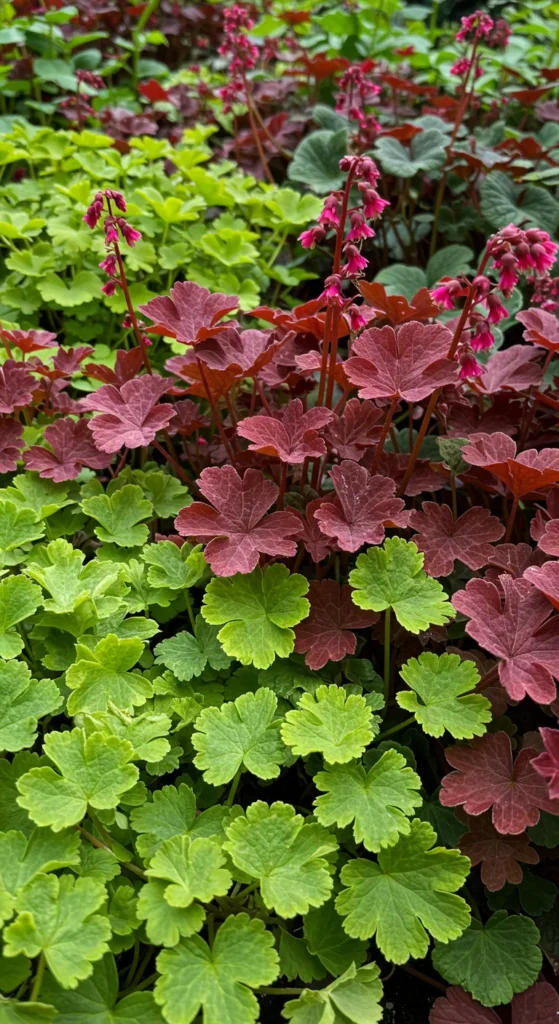
Coral bells are prized for their colorful leaves, which can be purple, bronze, lime, or silver. They’re compact and thrive in shady beds or containers. In spring, they send up delicate flower stalks that attract pollinators. Mix multiple varieties for a tapestry-like effect.
8. Create Shade with a Pergola
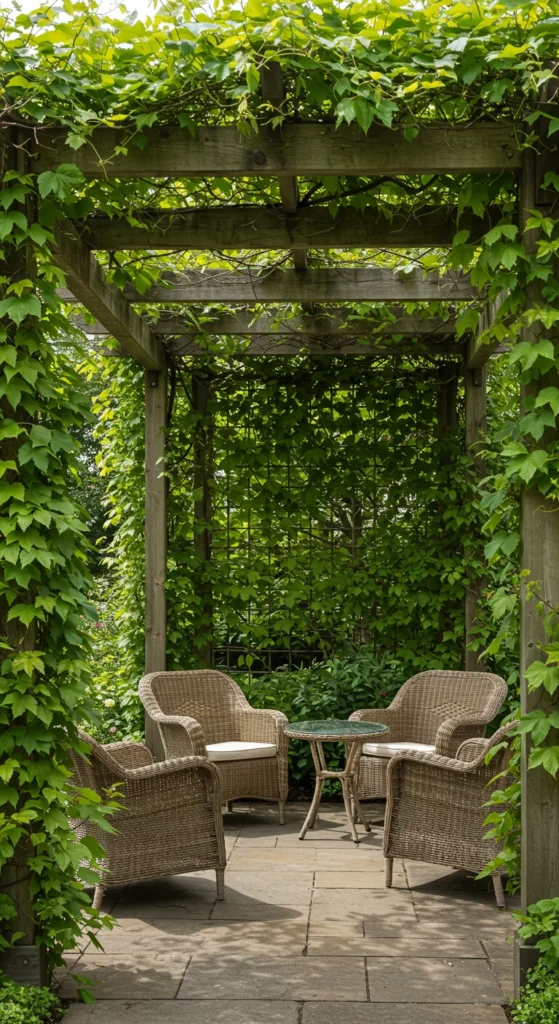
Pergolas not only provide shade but also support climbing plants. Train vines like clematis or wisteria to grow overhead, creating natural shade. Place seating or dining areas underneath for a comfortable retreat. Building a pergola can be a budget-friendly DIY weekend project with basic lumber.
9. Use Coleus for Striking Leaves
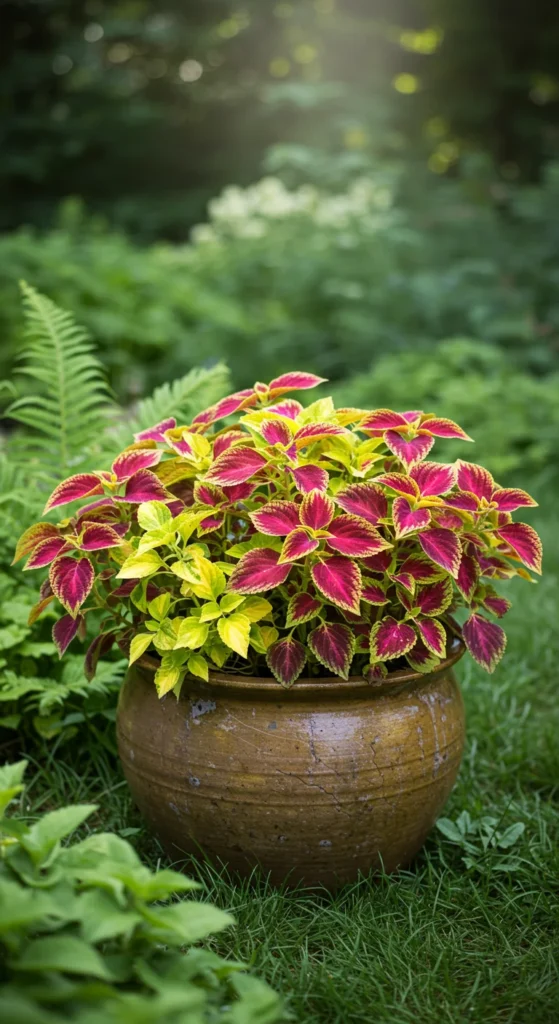
Coleus plants are loved for their patterned foliage. They come in bold colors that brighten shady spots without needing flowers. Grow them in containers or mixed beds. Pinch back tips to encourage bushier growth. They’re inexpensive and easy to propagate from cuttings.
10. Grow Begonias in Containers
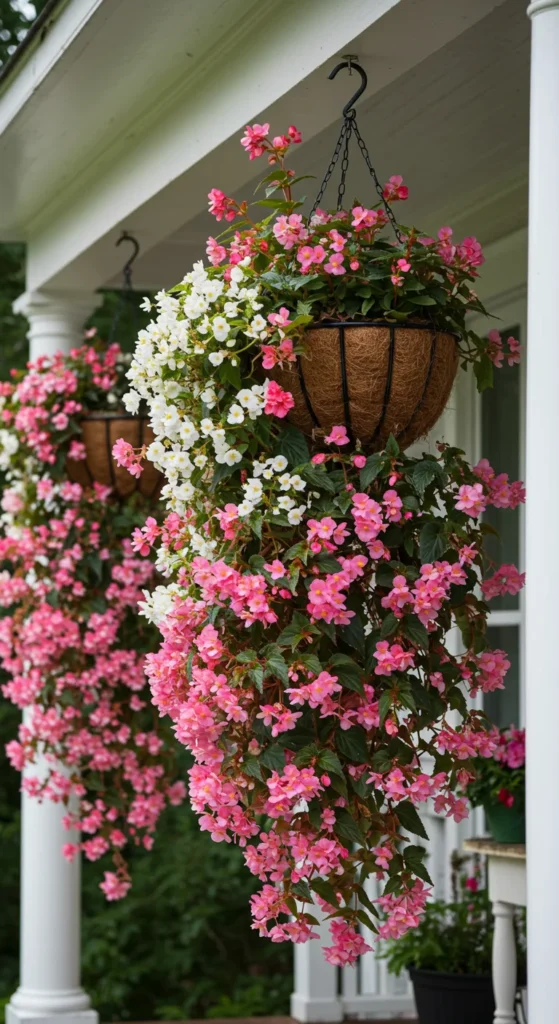
Begonias thrive in shaded containers and hanging baskets. They bloom heavily and add lush foliage. Try tuberous begonias for showy flowers or wax begonias for reliable bedding plants. Keep them well-watered but not soggy. Their versatility makes them ideal for patios and porches.
11. Add Shade-Loving Groundcovers
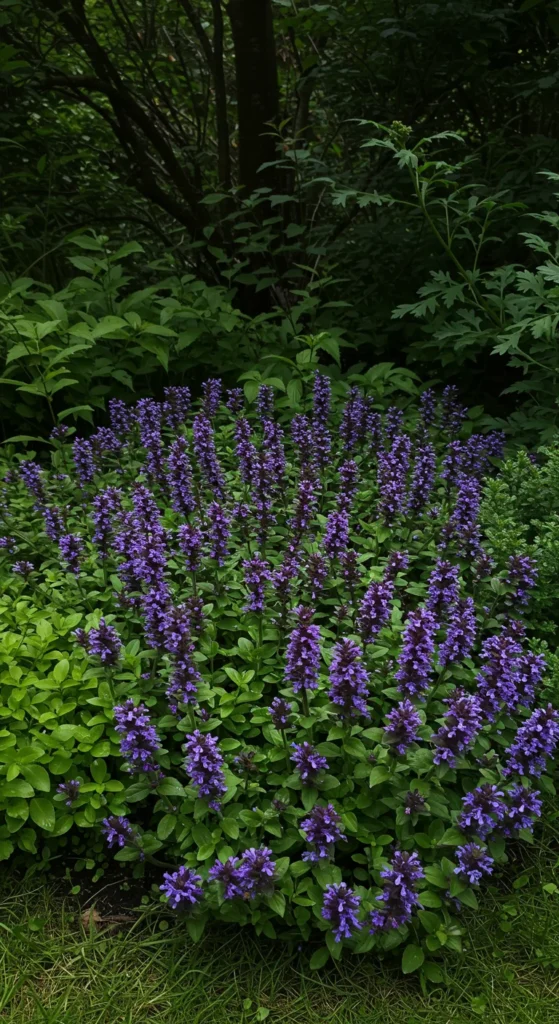
Groundcovers like ajuga, pachysandra, or sweet woodruff spread easily in shaded beds. They prevent weeds while adding greenery and seasonal blooms. Plant plugs or small starter plants for a cost-effective approach. Over time, they’ll fill in and reduce maintenance.
12. Grow Japanese Forest Grass
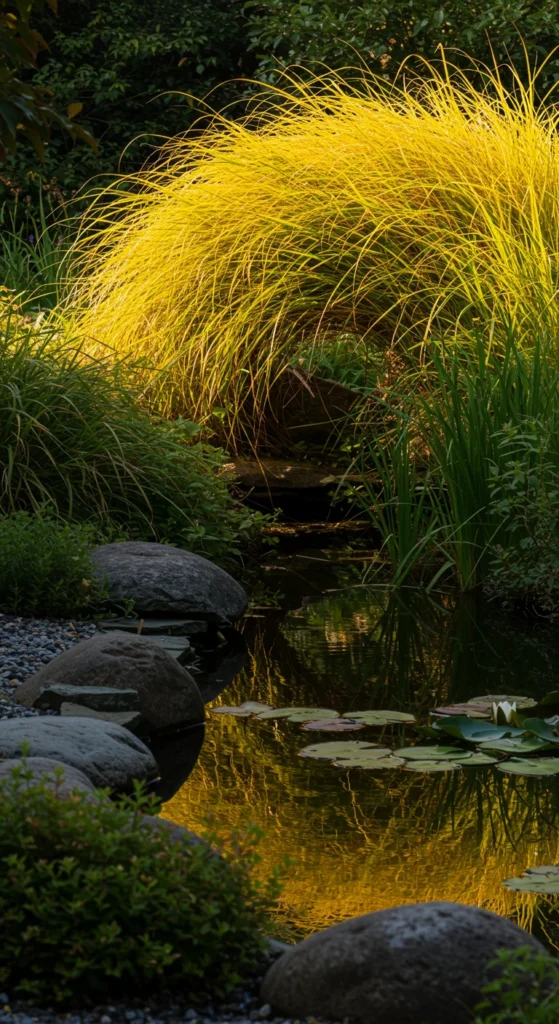
Japanese forest grass adds movement and color with its flowing blades. Its golden or lime-green tones brighten darker corners. Plant it along pathways or in mixed borders. It pairs beautifully with hostas and ferns for a layered effect.
13. Incorporate Shade Trees
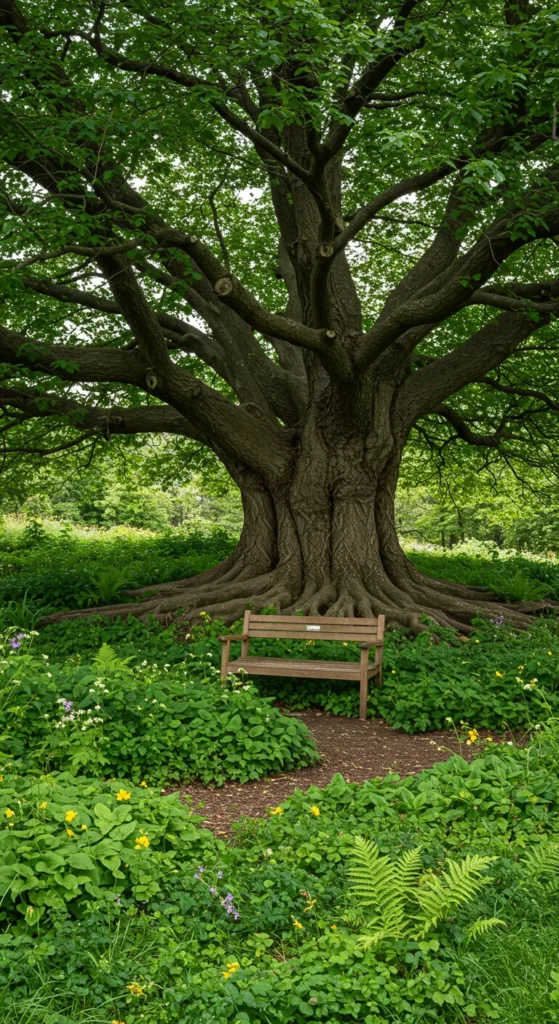
Planting shade trees creates long-term cool retreats. Maples, oaks, or redbuds provide dappled light for underplanting. Beneath them, layer ferns, groundcovers, and hostas. Add a bench or hammock for relaxation. Plant saplings now for future comfort and beauty.
14. Try Shade-Tolerant Vegetables
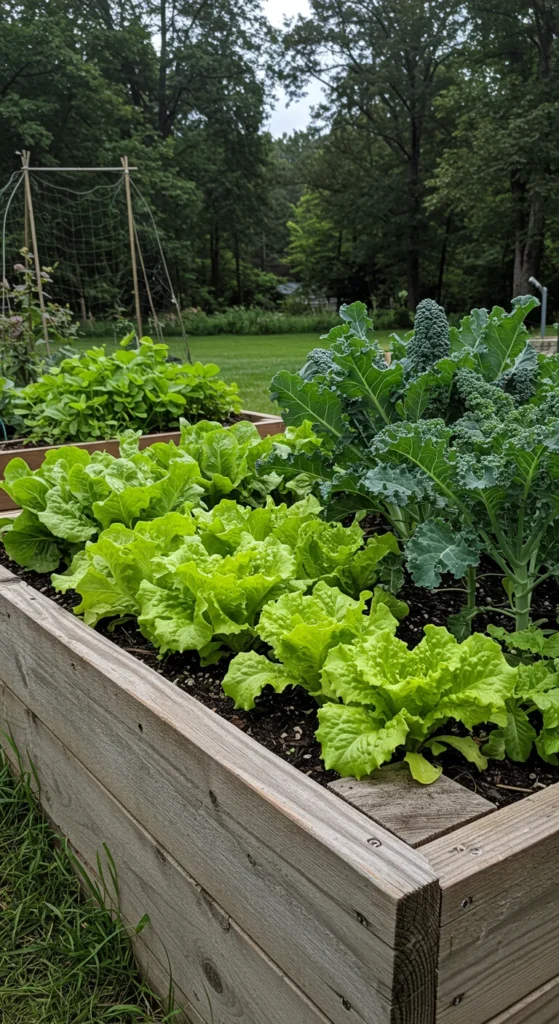
Some vegetables thrive in shade. Leafy greens like spinach, kale, and lettuce don’t require full sun. Grow them in raised beds or containers near shaded patios. They’re quick to harvest, making them a practical option for edible gardens in less sunny areas.
15. Grow Woodland Flowers
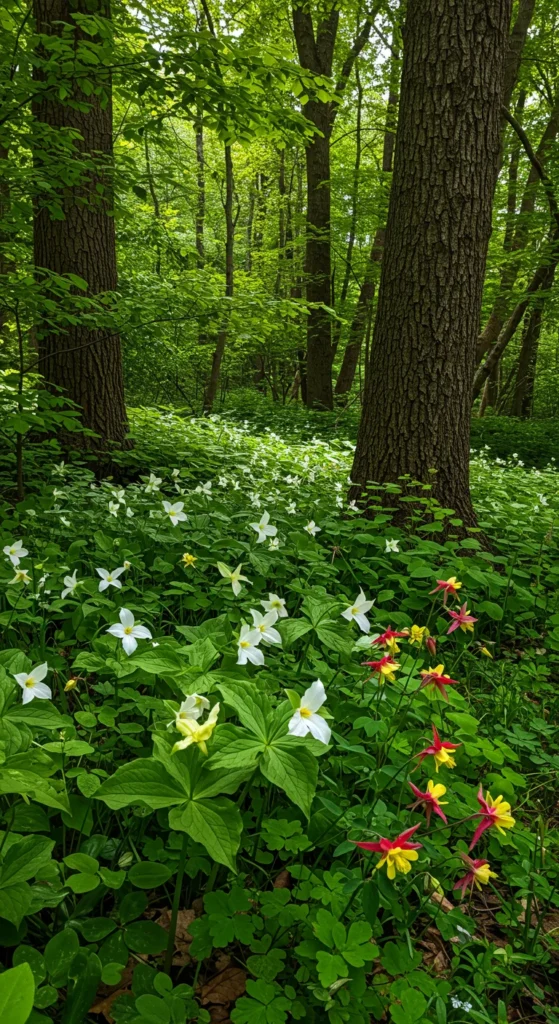
Woodland flowers like trillium, columbine, and bleeding hearts thrive in shaded gardens. They bloom in spring before trees fully leaf out. Plant them in clusters for a natural woodland effect. Many woodland species reseed and spread, creating effortless displays over time.
16. Add a Shade-Loving Shrub
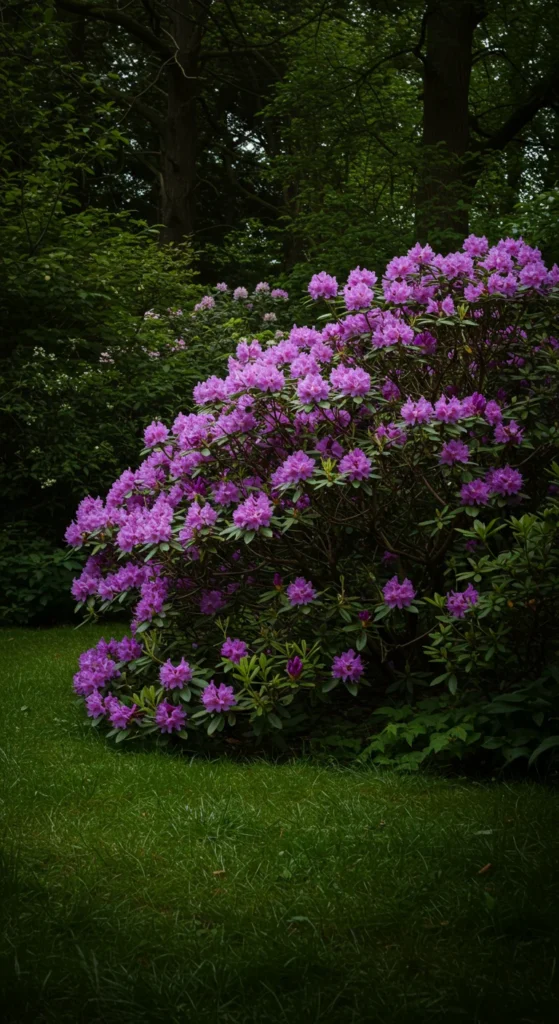
Shrubs like rhododendrons, azaleas, or camellias provide structure and seasonal color in shade. They prefer acidic soils and consistent moisture. Place them along borders or as focal points in shaded corners. Mulch around the base to retain moisture.
17. Incorporate Water Features
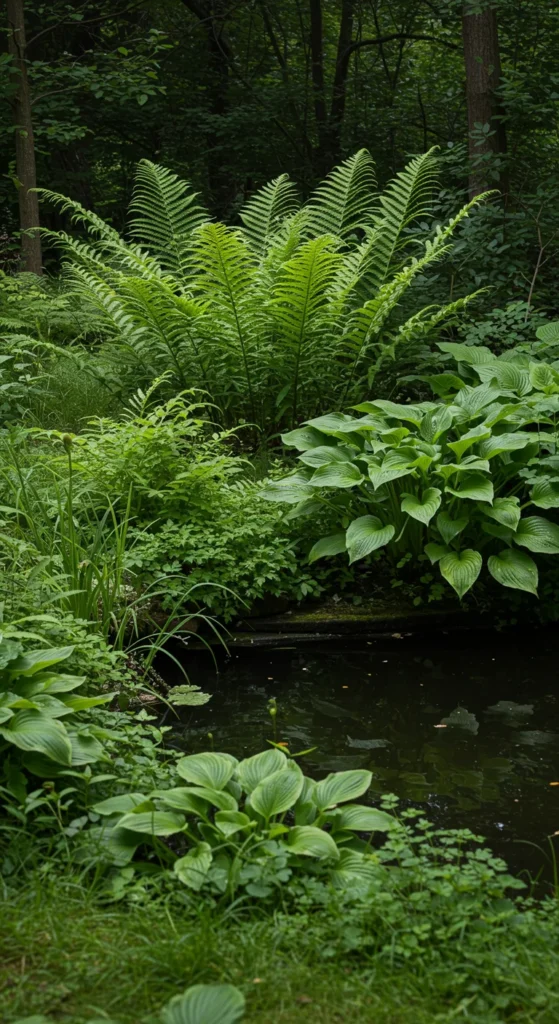
Water features in shade create cool, tranquil retreats. A small pond, fountain, or birdbath surrounded by ferns and moss adds calm. DIY kits make installation affordable. The moving water also attracts birds and wildlife.
18. Plant Toad Lilies
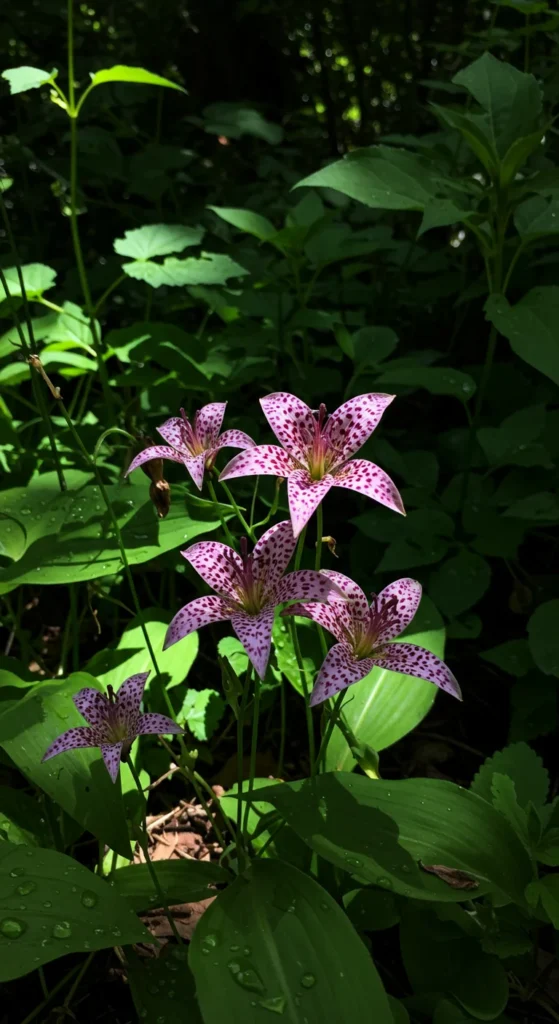
Toad lilies bloom in late summer and fall, when many plants are fading. Their unique speckled flowers brighten shaded areas. They thrive in moist soil and pair well with hostas or ferns. Plant them along paths for close-up enjoyment.
19. Use Evergreen Plants for Year-Round Color
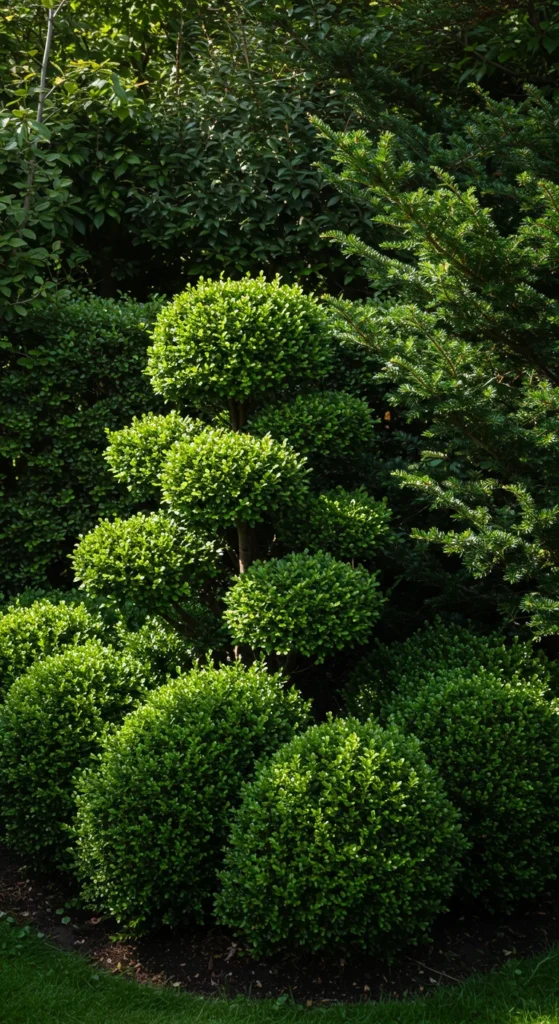
Evergreens keep shaded gardens green through winter. Boxwood, yew, or holly work well in low-light conditions. Use them as hedges or background plants. They provide year-round structure and reduce the bare look of winter gardens.
20. Grow Bleeding Hearts
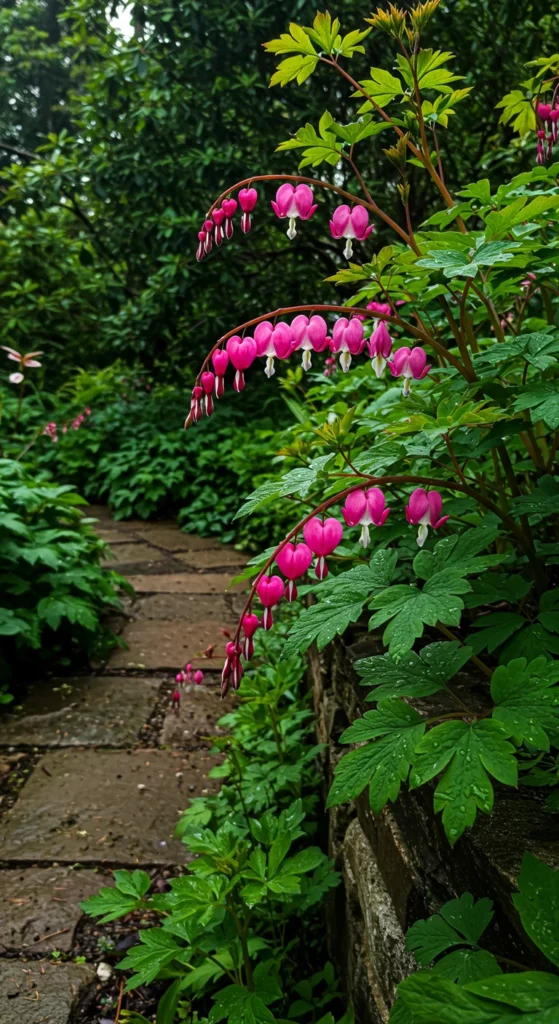
Bleeding hearts bring charm with their heart-shaped blooms. They thrive in cool, shady beds during spring. After blooming, the foliage dies back, so plant them with ferns or hostas to fill the gap. Divide clumps in fall to expand plantings.
21. Add Rustic Seating Areas
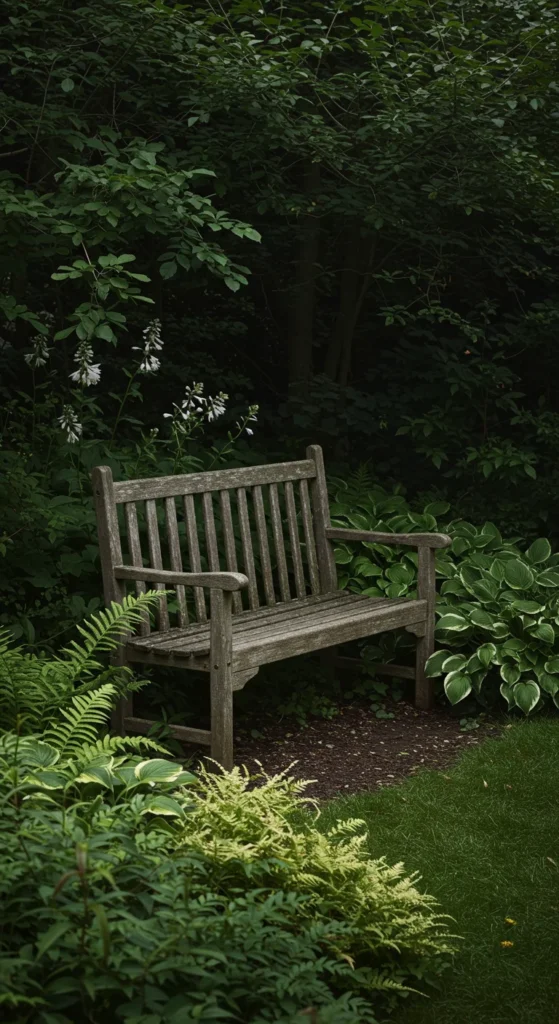
Shade gardens invite relaxation. Add a wooden bench, hammock, or simple stone seat in a shaded corner. Surround it with low-maintenance plants like ferns and groundcovers. This turns an unused space into a personal retreat.
22. Plant Lamium for Shady Color
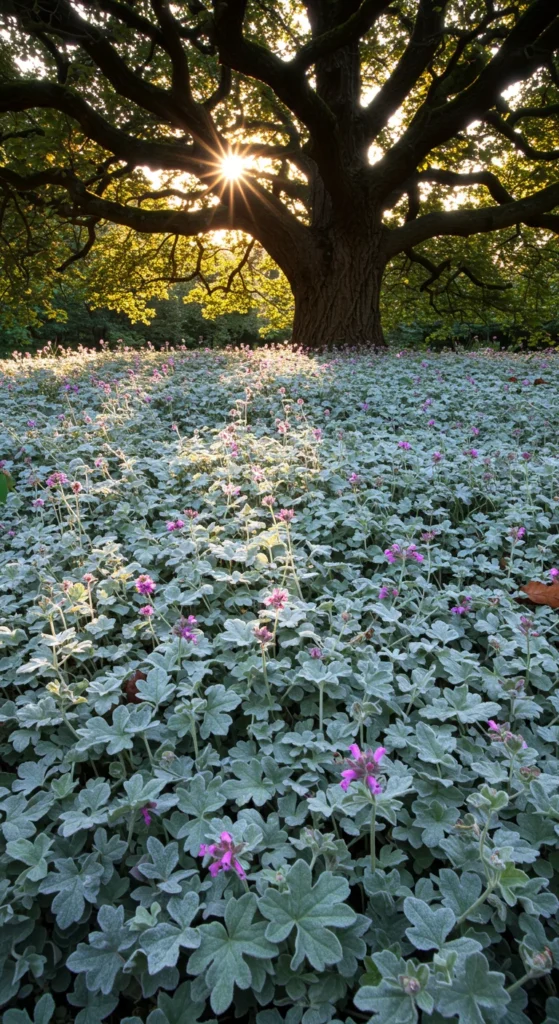
Lamium thrives in shaded areas where other plants struggle. Its silver foliage brightens dark corners, and it produces small purple or pink blooms. It spreads quickly, covering ground efficiently. Use it under trees or along pathways for a glowing effect.
Conclusion
Shady spaces offer endless gardening potential. From hostas and hydrangeas to groundcovers and seating areas, these ideas create gardens that feel like natural retreats. By mixing textures, foliage colors, and blooms, you can transform low-light spots into lush, inviting corners that stay cool all season long. Start with one idea and grow from there—your shaded retreat is waiting. 🌿🌸
Leave a Reply