

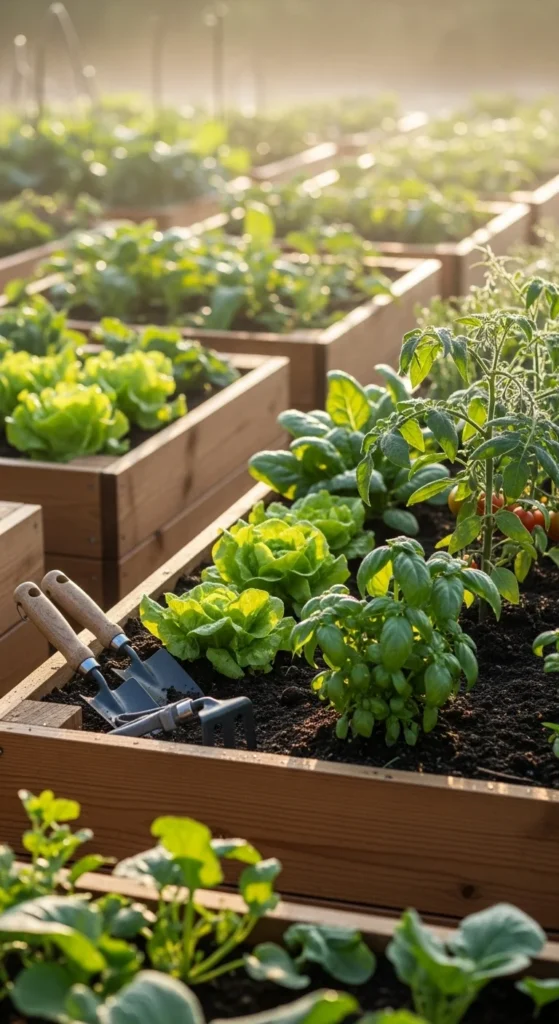
Raised bed gardening gives you more control over soil, drainage, and growing conditions year-round. It’s ideal for gardeners who want consistent results through changing seasons. Whether you’re planting spring greens, summer tomatoes, or prepping for fall, raised beds make it easier to manage crops efficiently. These 25 seasonal raised bed gardening tips will help you grow smarter, adapt with weather shifts, and enjoy strong harvests every month of the year.
1. Start with Quality Soil Mix
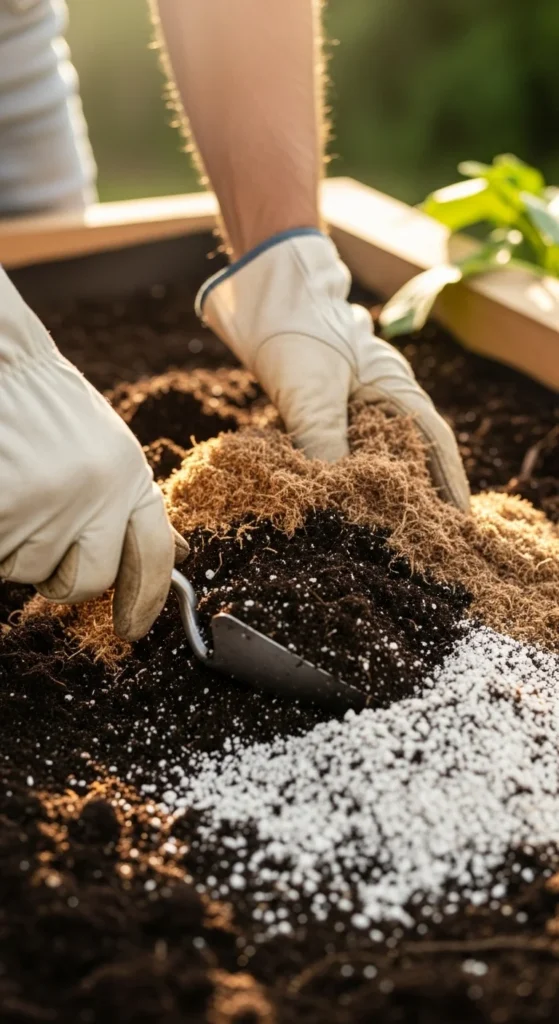
The foundation of any productive raised bed is rich, well-draining soil. Combine compost, peat moss (or coco coir), and perlite in equal parts. This blend balances moisture and aeration. Refresh it each season by adding fresh compost or aged manure. Good soil keeps plants healthy even in extreme weather.
2. Rotate Crops Each Season
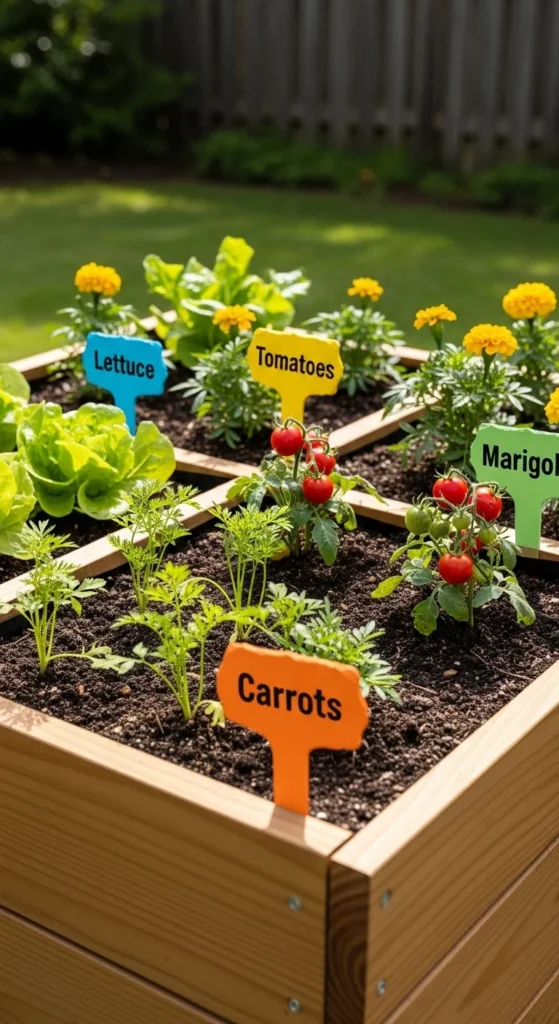
Avoid planting the same crops in the same bed year after year. Crop rotation prevents soil depletion and pest buildup. Follow a simple pattern — leafy greens, root vegetables, then legumes. It helps keep nutrients balanced naturally and reduces the need for fertilizers.
3. Add Seasonal Compost Layers
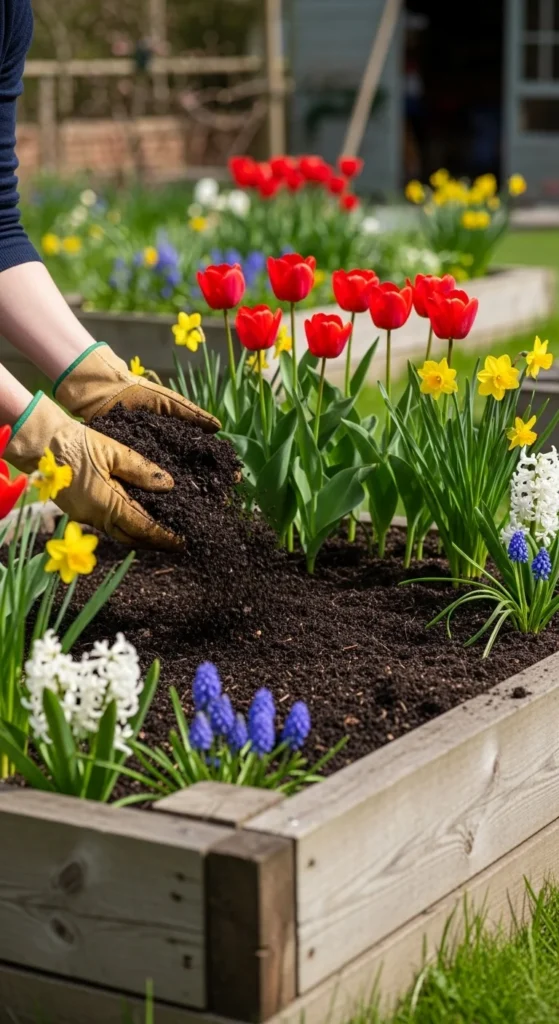
Top off soil with compost every season. A 1–2 inch layer restores nutrients and improves structure. It also protects soil from drying out or compacting. Composting kitchen scraps and fall leaves gives you free, organic fertilizer that works for every planting cycle.
4. Use Mulch for Temperature Control
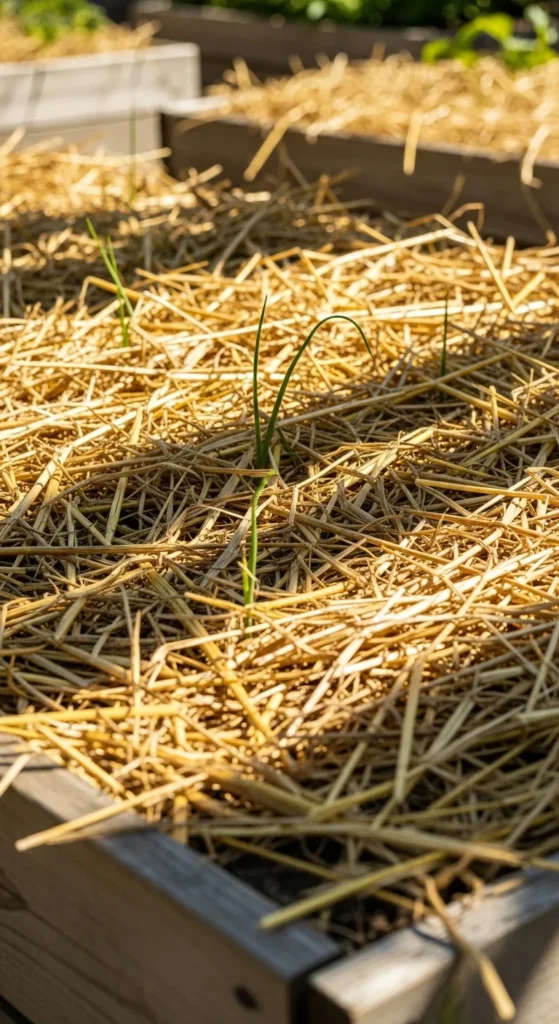
Mulch acts like insulation for your beds. In summer, it keeps soil cool and moist. In winter, it shields roots from frost. Use organic materials like straw, shredded leaves, or grass clippings. Mulching also discourages weeds, saving time on maintenance.
5. Plan Seasonal Planting Layouts
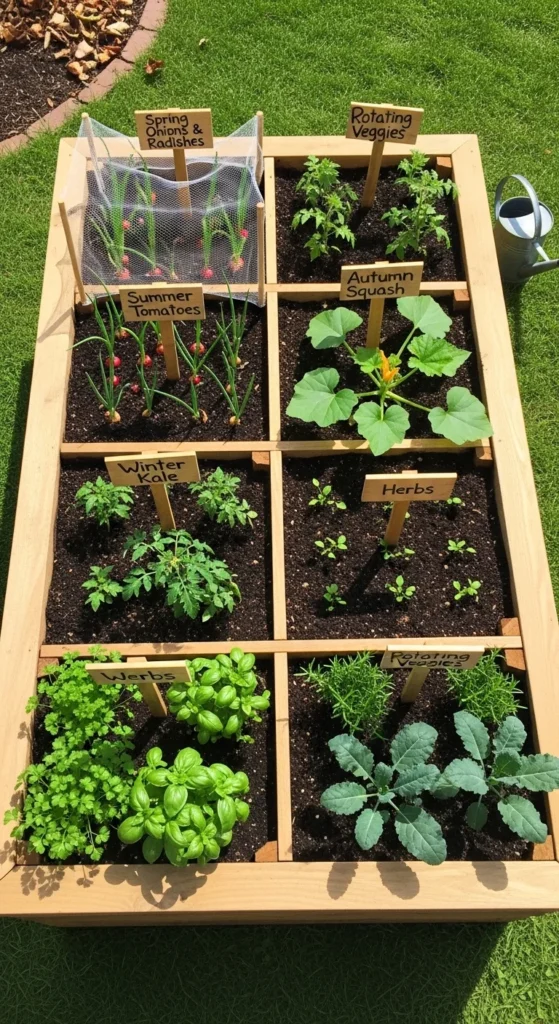
Design your layout around growing cycles. For example, spring lettuce gives way to summer peppers. Map out successions before planting to keep your bed productive year-round. Rotate sections and use tall plants as shade for smaller, tender crops in heat.
6. Install a Cold Frame for Early Starts
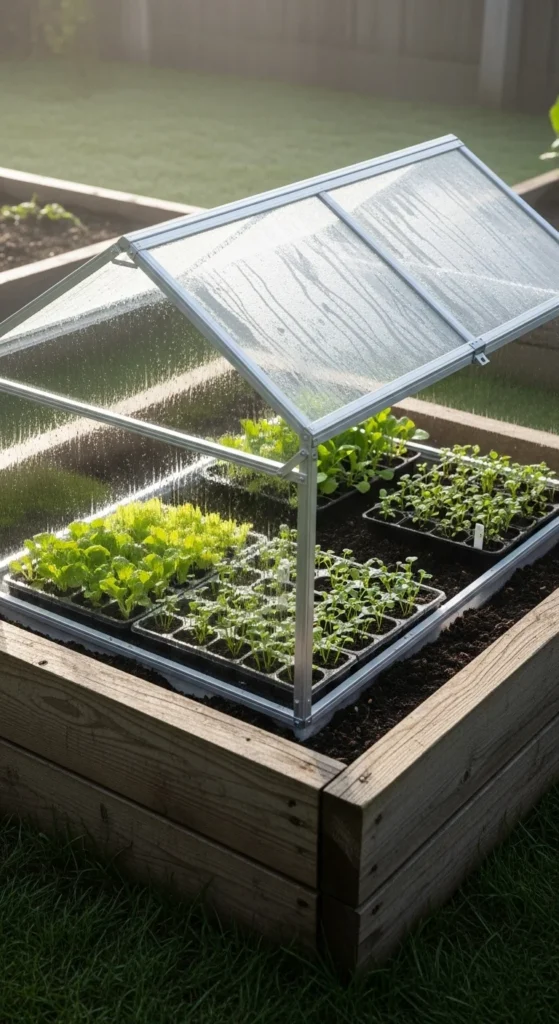
Extend your growing season by adding a cold frame over your bed. It traps warmth and protects seedlings from frost. Recycled windows or clear plastic panels work great. It’s perfect for early greens or herbs that thrive in cooler months.
7. Add a Simple Irrigation System
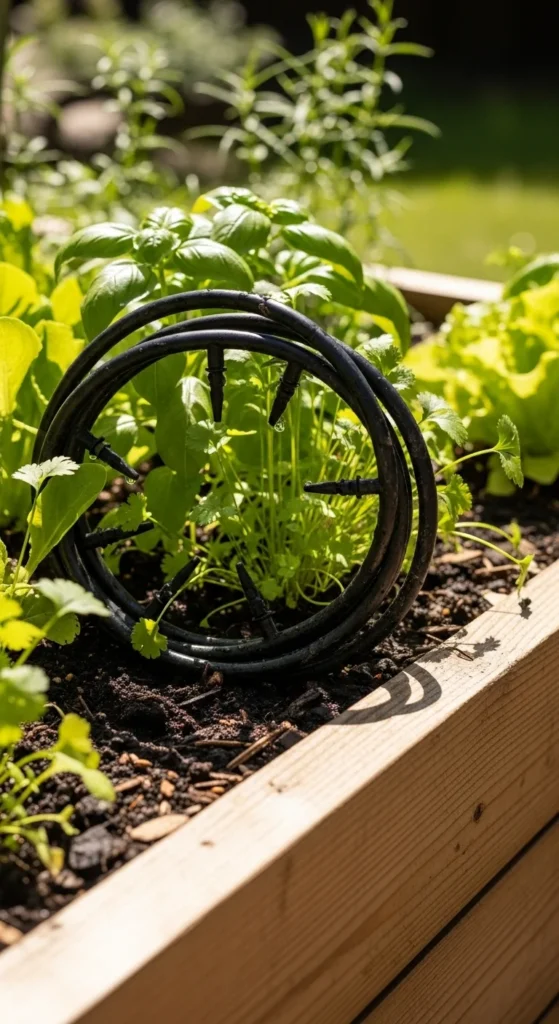
Install drip lines or soaker hoses to water consistently. These systems reduce waste and keep leaves dry, preventing disease. Schedule watering early in the morning during summer and less often during cooler seasons. Consistent moisture helps roots grow strong.
8. Grow Cover Crops in Off-Season
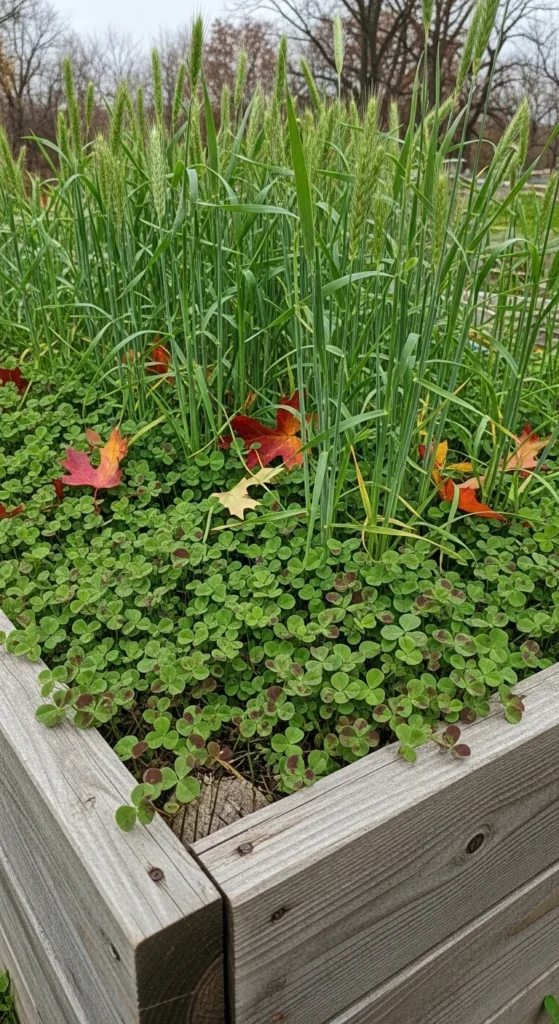
Plant cover crops like clover or rye when your bed is resting. They enrich soil, prevent erosion, and suppress weeds. In early spring, cut them down and mix them into the soil for added nutrients. It’s a natural way to prepare for the next planting cycle.
9. Adjust Plant Depth for Weather
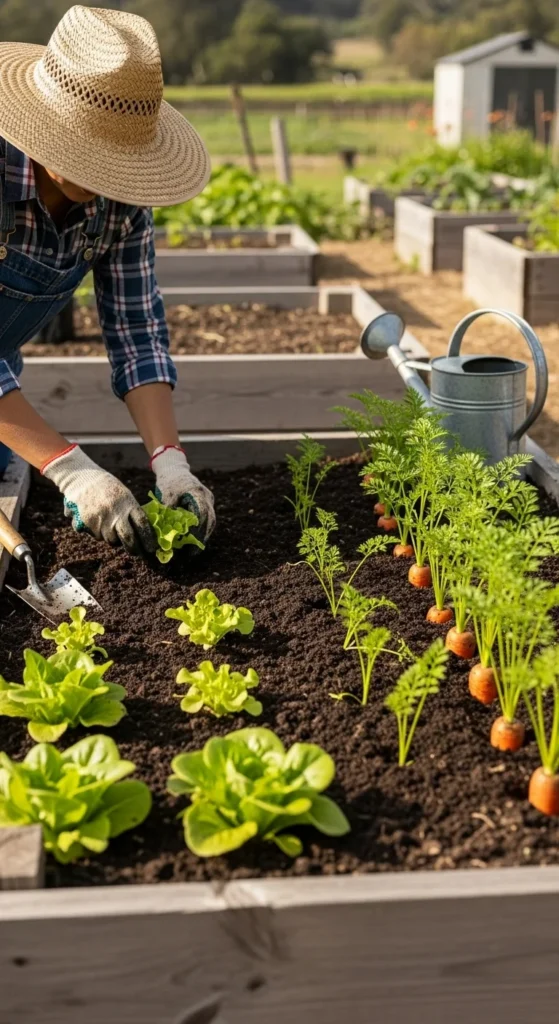
Different seasons demand different planting depths. Deep-rooted plants fare better in heat, while shallow crops thrive in cooler conditions. Adjust soil height slightly by adding or removing top layers to match your plants’ growth patterns throughout the year.
10. Use Shade Cloth in Hot Months
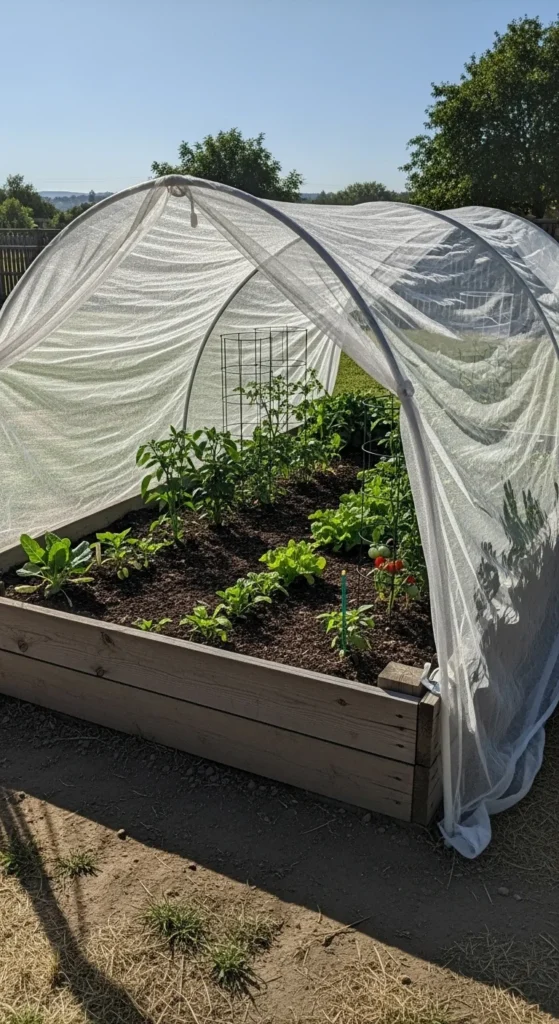
Excess heat can stress plants. Use a breathable shade cloth to block direct sunlight. It reduces evaporation and prevents leaf scorch. Move it aside during cooler hours. It’s especially useful for lettuces, herbs, and other tender greens.
11. Try Interplanting for Space Efficiency
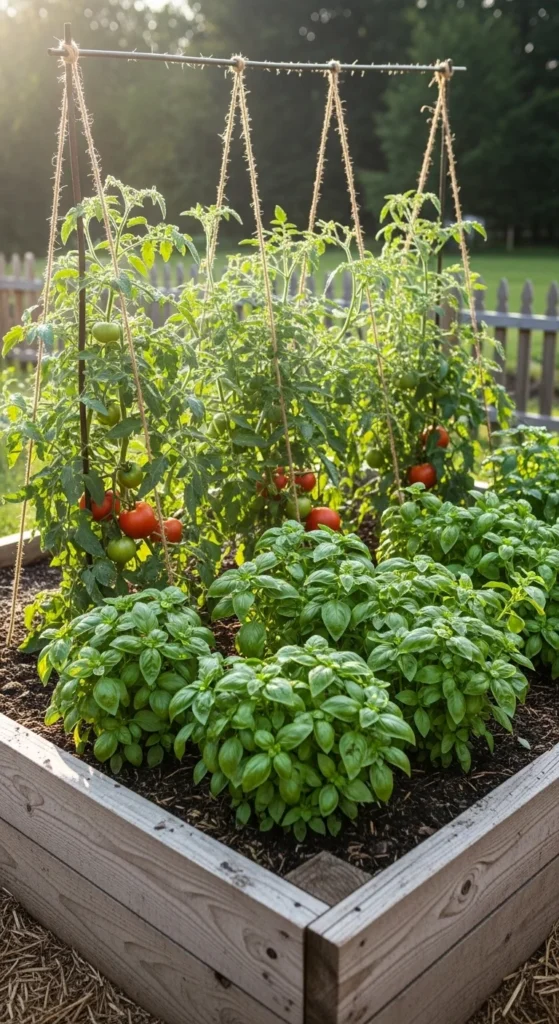
Combine fast-growing and slow-growing crops in one bed. For example, radishes between carrots or lettuce beneath tomatoes. This maximizes yield and shades soil, keeping it cool. The mix also confuses pests and keeps your garden visually interesting.
12. Build a Removable Hoop Tunnel
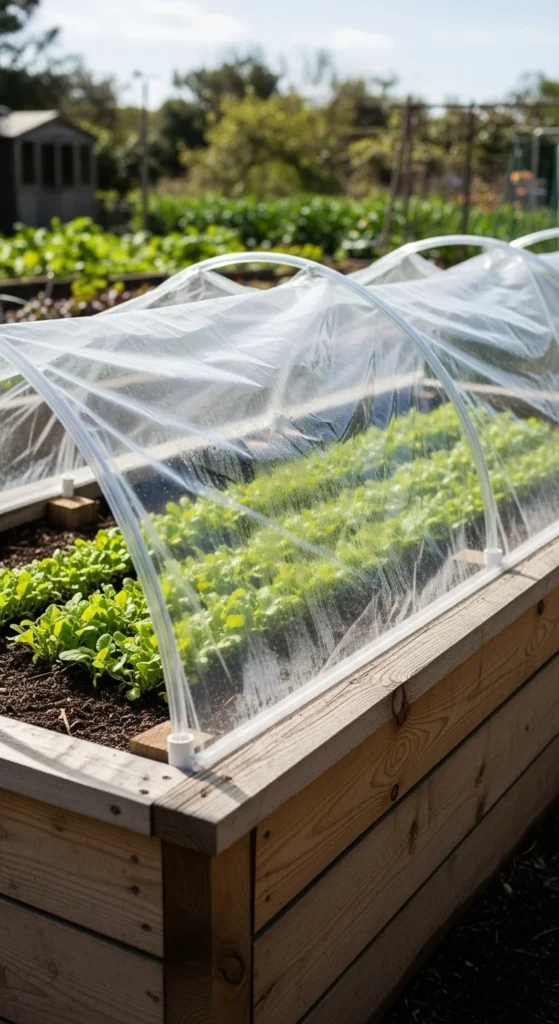
A hoop tunnel helps you garden through frost and rain. Use PVC pipes and clear plastic or mesh covers. It’s flexible — remove it in summer and reattach in fall. This simple setup protects tender crops from unpredictable weather.
13. Add Vertical Supports
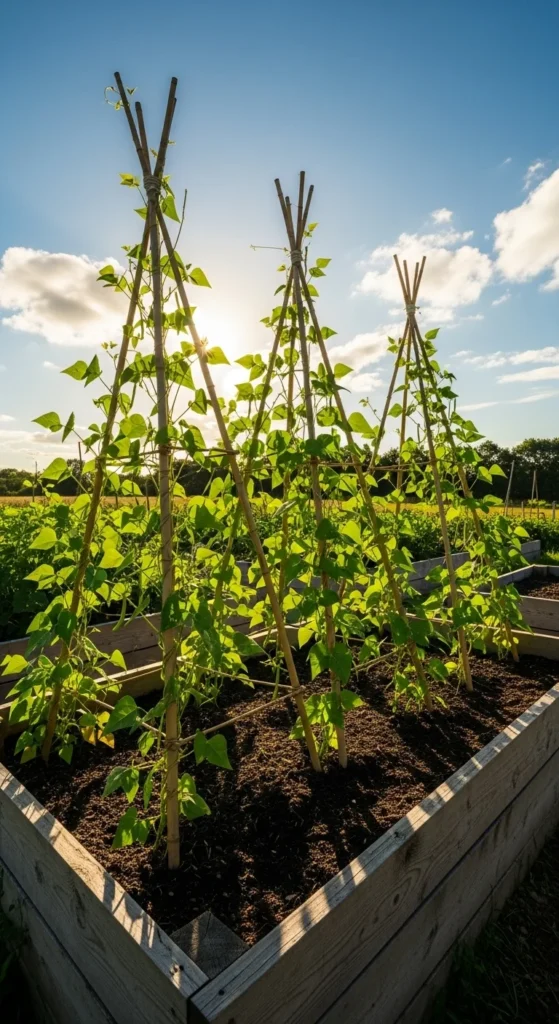
Save space and improve airflow by growing vertically. Add trellises for beans, peas, or cucumbers. Vertical growth also shades soil and prevents rot by keeping fruit off the ground. Bamboo stakes or wire mesh make inexpensive supports.
14. Harvest Frequently to Encourage Growth
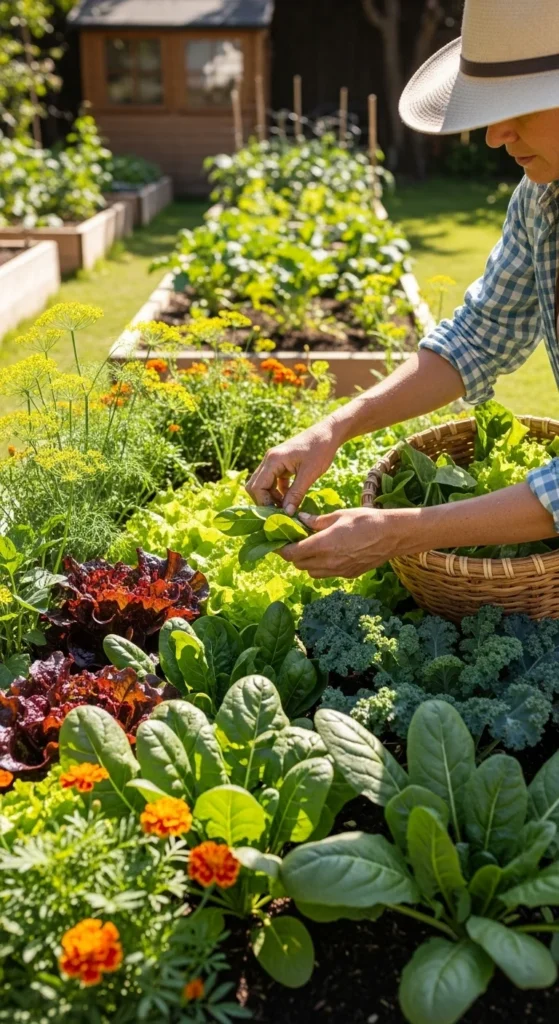
Frequent harvesting stimulates more production, especially in raised beds where nutrients are concentrated. Pick lettuce leaves, herbs, or beans regularly. Removing mature crops also opens space for the next planting round. Keep your beds active all season long.
15. Add Wind Protection for Cooler Seasons
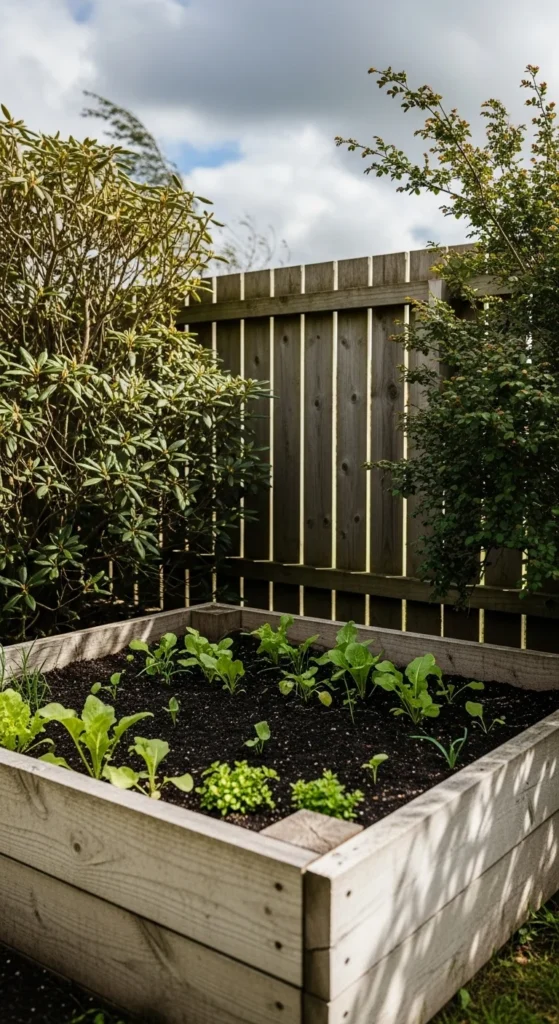
Cold wind can dry and damage plants. Place windbreaks around your raised beds using fences, shrubs, or even straw bales. This helps maintain consistent soil moisture and temperature during cooler months without expensive equipment.
16. Reuse Old Soil Smartly
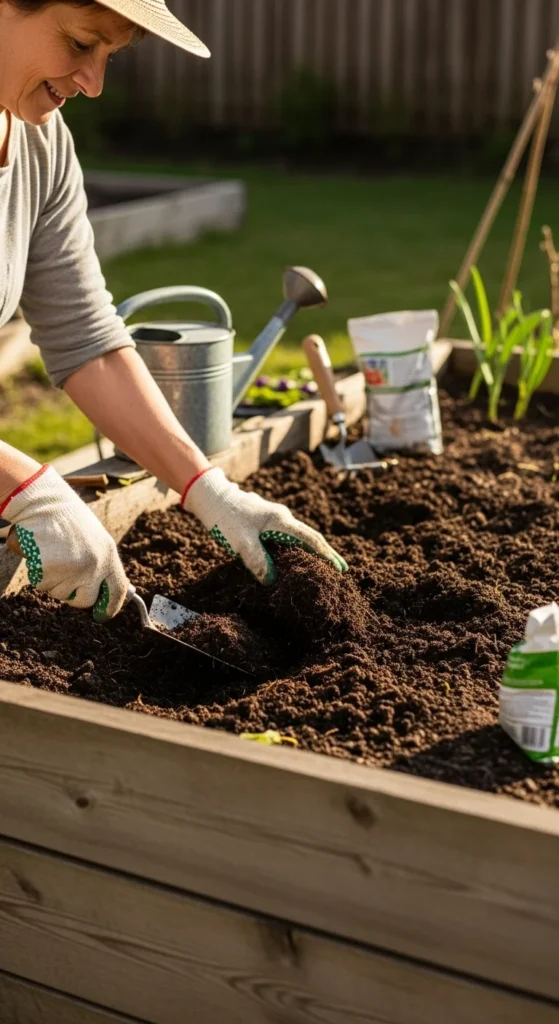
Don’t discard old soil. Instead, rejuvenate it. Remove roots and debris, then mix in compost or worm castings. Rotate with legumes to restore nitrogen naturally. Refreshing soil saves money and keeps your beds fertile for years.
17. Create Separate Beds for Seasons
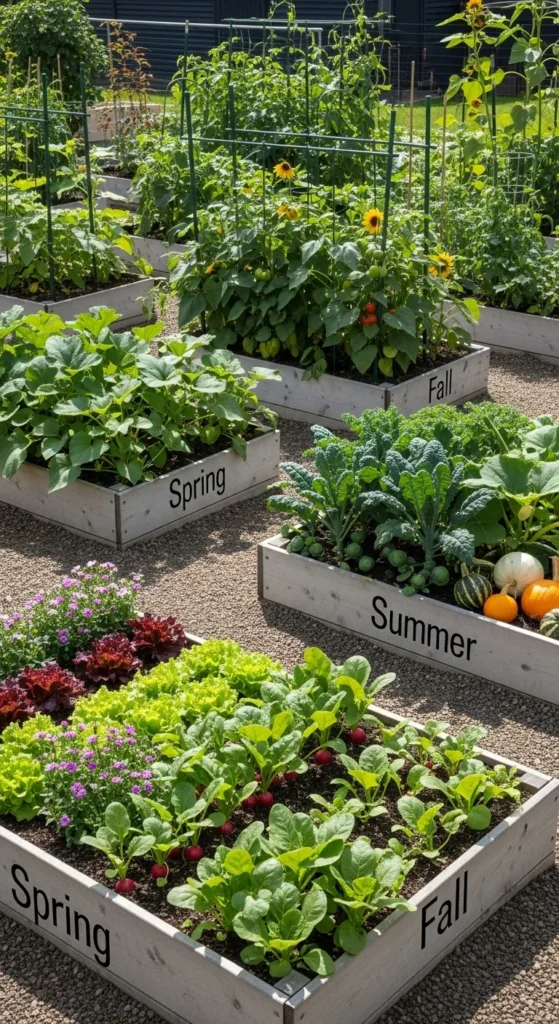
If space allows, dedicate different beds to different seasons. One for early greens, one for summer produce, and one for overwintering crops. This makes management easier and reduces crop competition. It also keeps rotation patterns clear and organized.
18. Control Weeds with Fabric Liners
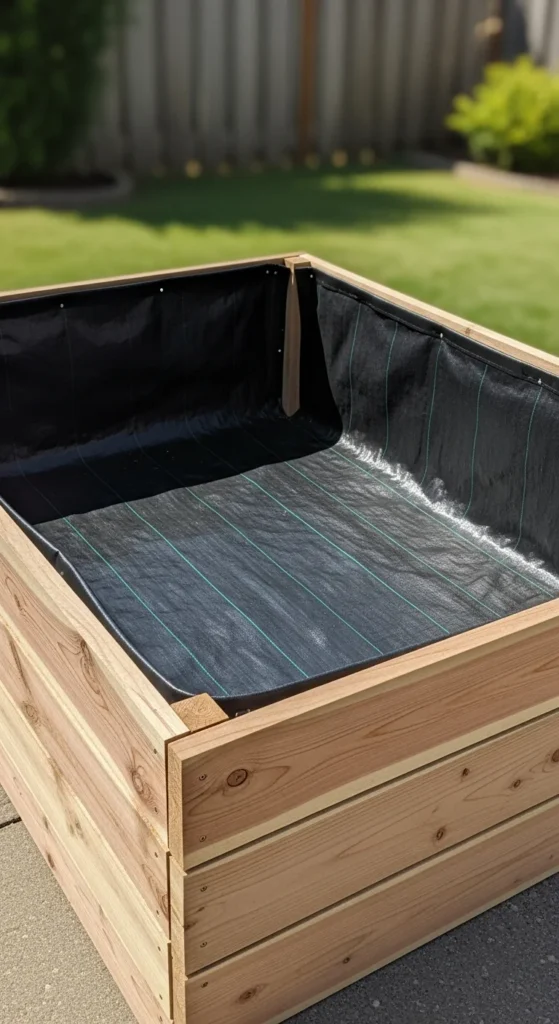
Weed control starts before planting. Use landscape fabric under your soil to block deep-rooted invaders. For seasonal adjustment, cut small holes for specific plants. It keeps maintenance low and gives crops more room to thrive.
19. Add Reflective Mulch in Winter
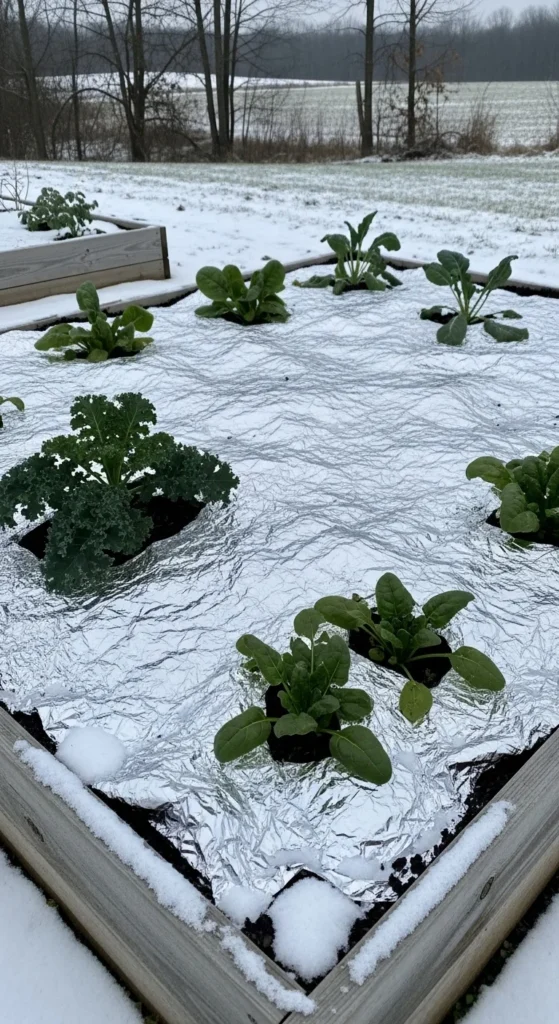
Reflective mulch helps absorb and radiate sunlight in cold months. It keeps soil slightly warmer and boosts light for slow-growing plants. Try aluminum-coated mulch or even old reflective film. It’s an affordable hack for winter gardens.
20. Compost Directly in the Bed
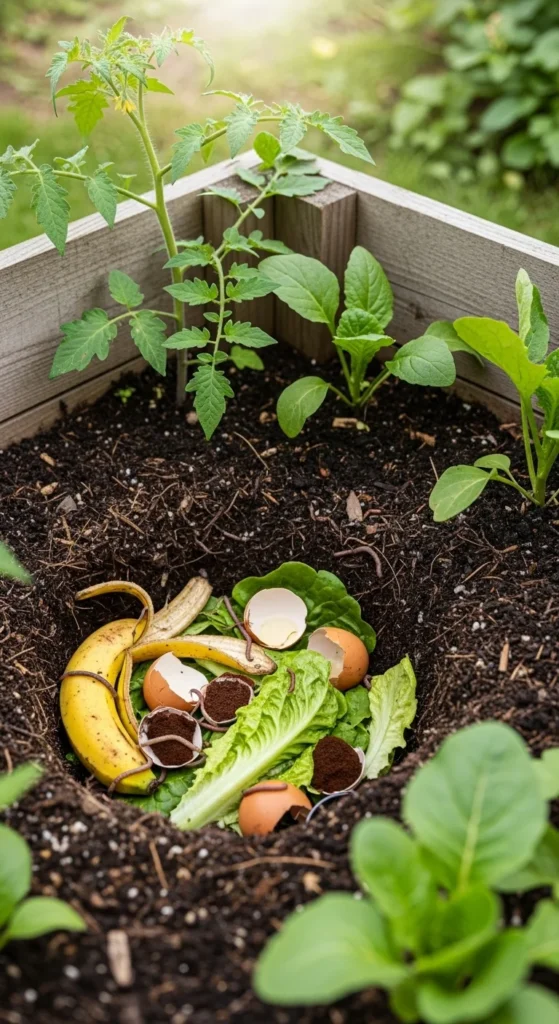
Create a compost zone right inside your bed. Dig a small pit and add kitchen scraps. Cover with soil after each addition. Over time, it enriches your garden without needing a separate compost bin. Rotate the compost spot every season.
21. Add Perennials Along the Edges
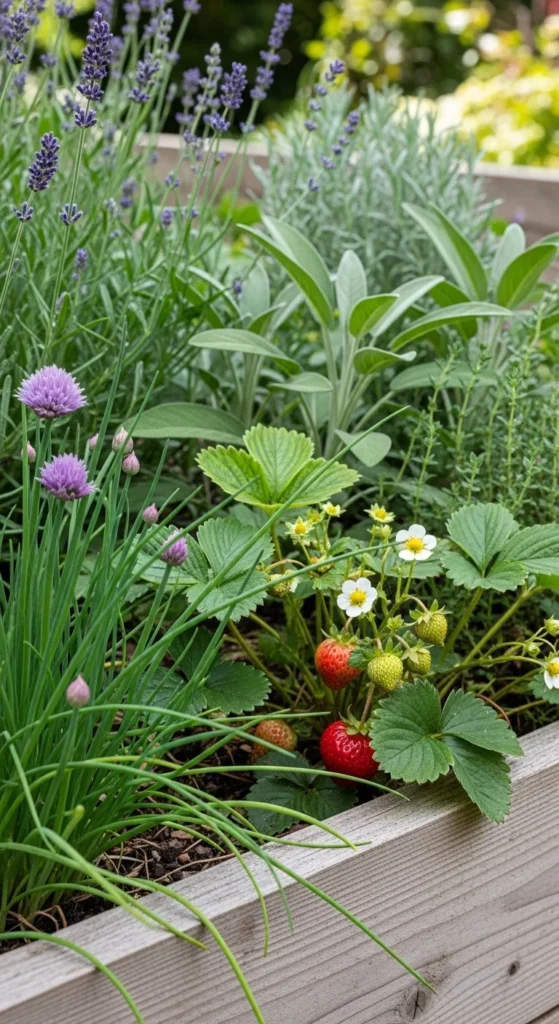
Plant perennials like chives or strawberries along your bed’s borders. They return each year with little effort and help define the bed. Mixing perennials with seasonal crops adds stability and attracts beneficial pollinators.
22. Test Soil Seasonally
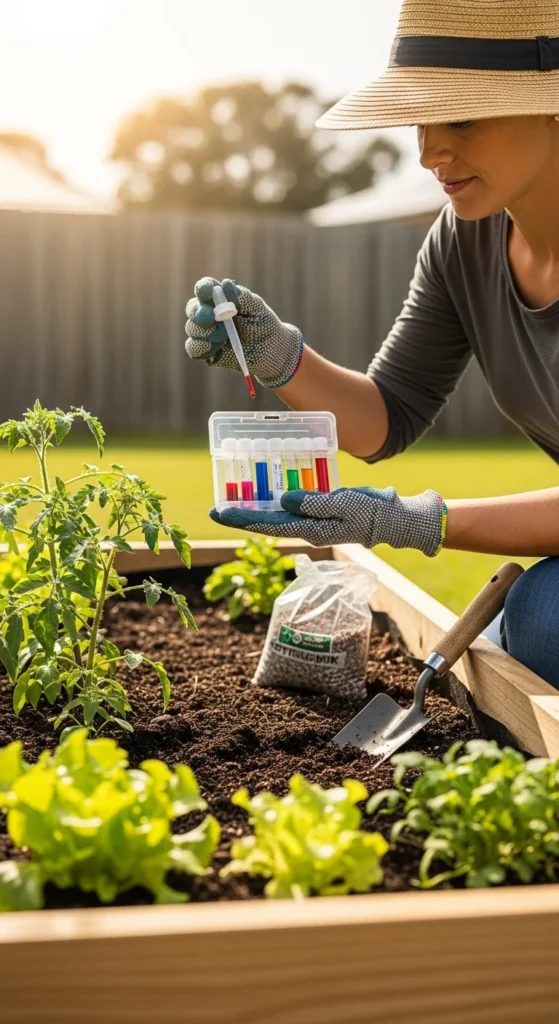
Soil health changes over time. Use a simple test kit each season to check pH and nutrients. Adjust with lime, compost, or organic fertilizer. Healthy soil equals consistent yields across changing weather cycles.
23. Keep Wildlife Out Gently
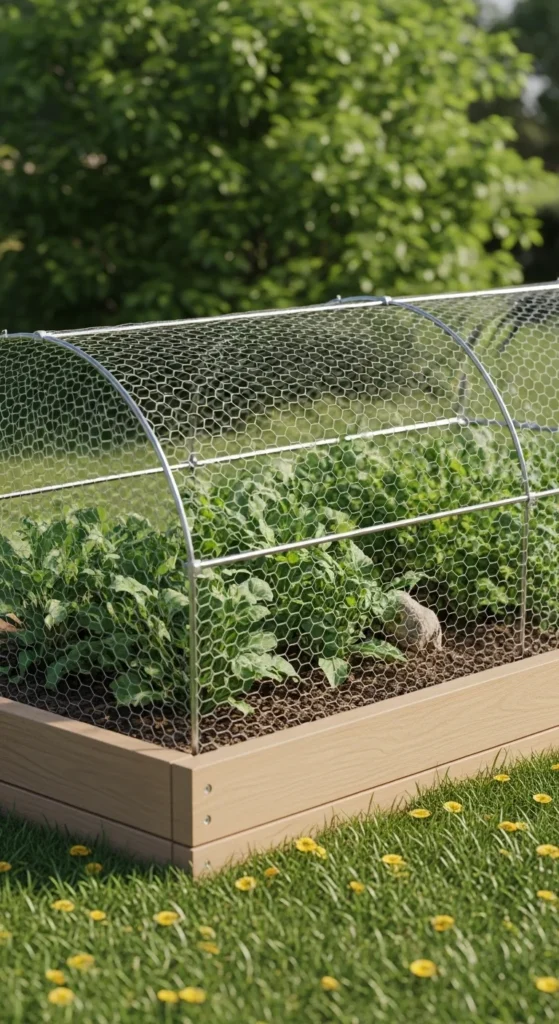
Protect crops from birds and small animals using mesh covers or simple fencing. Choose lightweight materials that allow air and light through. It’s a humane way to share your garden without losing your harvest.
24. Plant Quick-Grow Crops Between Seasons
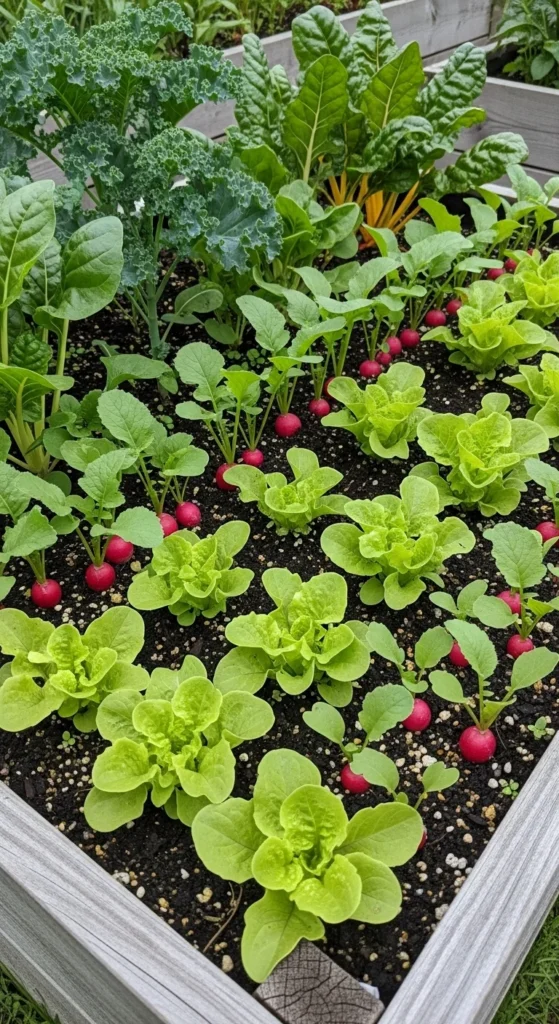
Fill gaps between seasons with quick crops like radishes, arugula, or spinach. They grow fast and keep the soil active. This approach prevents weeds and gives you extra produce while waiting for main crops to mature.
25. Refresh Bed Frames Annually
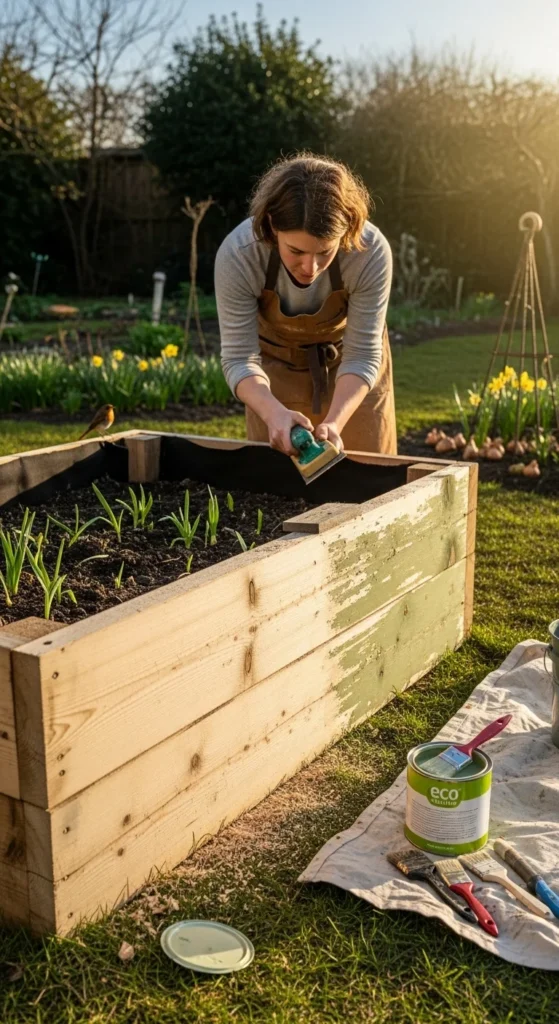
Wood frames can weaken over time. Inspect them each season for cracks or rot. Repaint or seal the wood to extend life. If using metal or stone, clean off debris and moss. Keeping frames sturdy ensures years of reliable gardening.
Conclusion
Seasonal raised bed gardening is all about adapting with the year. By rotating crops, maintaining soil, and planning smartly, you can enjoy harvests from spring through winter. Start with small improvements — better soil, mulching, or a hoop tunnel — and expand as you go. With consistent care, your raised beds will stay productive and resilient, rewarding you season after season.

Leave a Reply