

Every gardener knows the frustration: you’ve nurtured your plants with care, only to find holes in your lettuce, chewed tomato stems, or aphids clinging to your roses. The good news? You don’t need harsh chemicals to protect your garden. With simple, natural strategies, you can keep pests away while keeping your space safe for kids, pets, and pollinators.
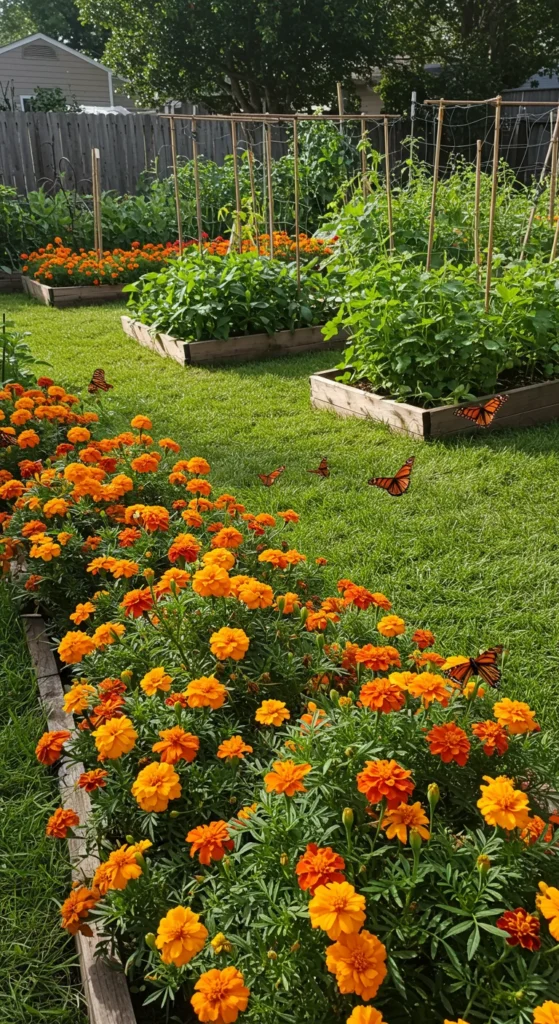
Attract the Good Bugs
Not all insects are enemies! Some are your garden’s biggest allies.
- Ladybugs eat aphids, mites, and scale insects.
- Lacewings feed on caterpillars and whiteflies.
- Bees and hoverflies pollinate your plants while controlling smaller pests.
How to invite them:
- Plant flowers like dill, fennel, and cosmos to provide nectar.
- Avoid chemical sprays that kill both pests and helpers.
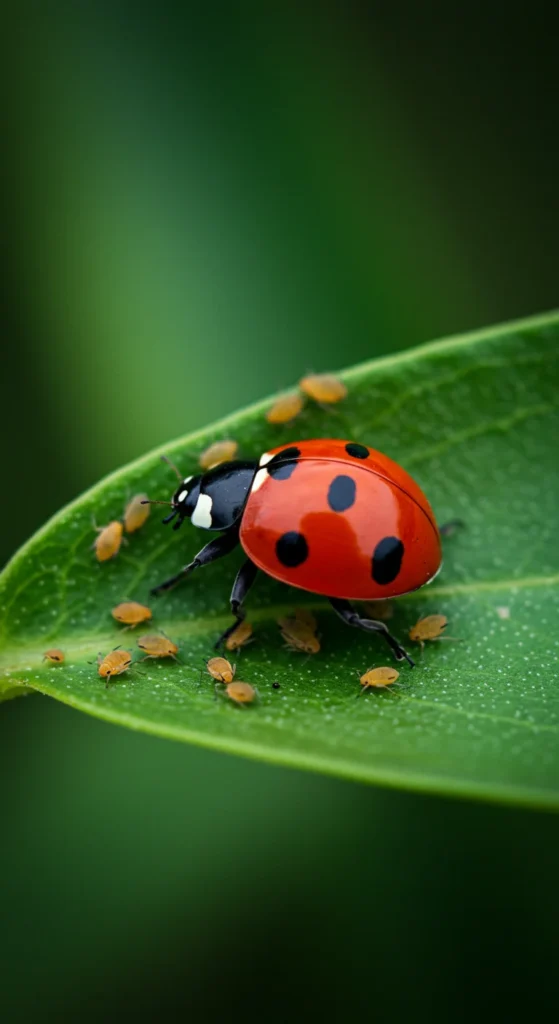
Use Companion Planting
Some plants naturally repel pests just by growing nearby. This trick, called companion planting, is both beautiful and effective.
- Marigolds: Deter nematodes and aphids.
- Basil: Repels flies and mosquitoes while improving tomato flavor.
- Garlic and onions: Keep away beetles and caterpillars.
- Mint: Drives off ants and cabbage moths (but plant in a container to prevent spreading).
Mixing these plants throughout your garden creates a natural shield against invaders.
Homemade Natural Sprays
Instead of reaching for chemical pesticides, whip up a natural spray at home.
- Soap spray: Mix a teaspoon of mild liquid soap with a quart of water. Spray on leaves to kill soft-bodied insects like aphids.
- Neem oil spray: Acts as both a pest repellent and a fungicide.
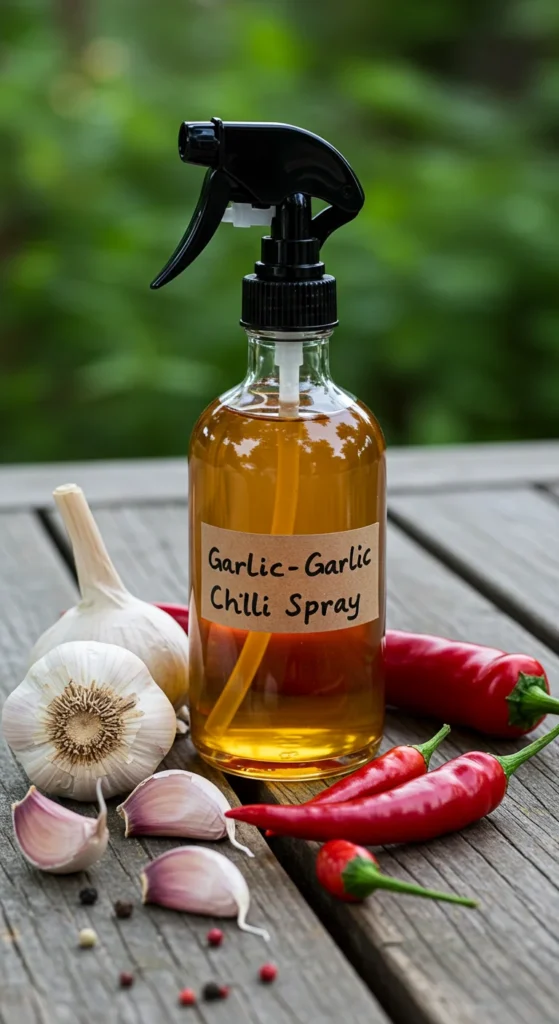
- Garlic-chili spray: Blend garlic and hot peppers with water, strain, and spray around plants to repel chewing insects.
Always test sprays on a small section of the plant first to avoid leaf damage.
Create Barriers and Traps
Sometimes, the best solution is simply blocking pests out.
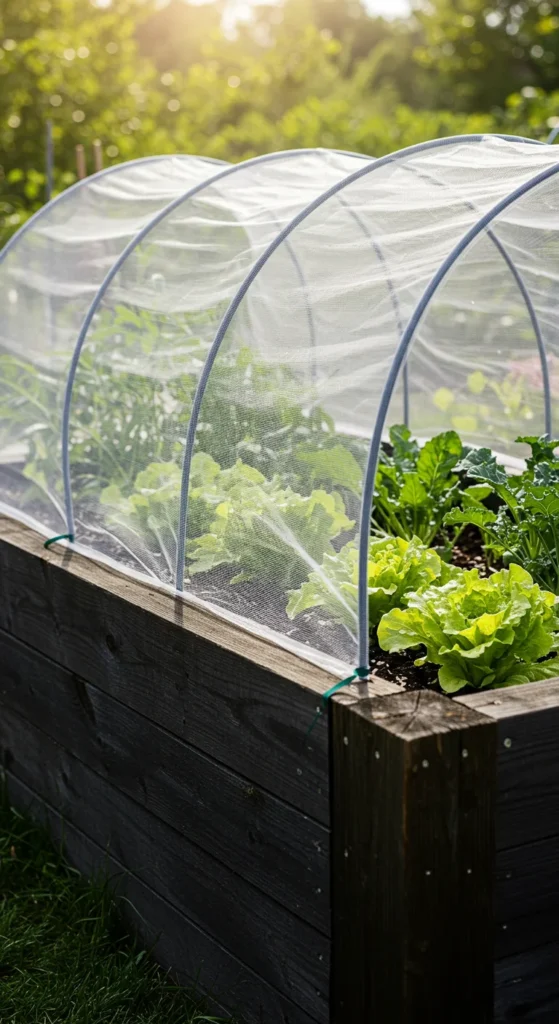
- Row covers: Lightweight fabric that lets sun and water in but keeps bugs out.
- Copper tape: Great for deterring slugs and snails around raised beds.
- Beer traps: A shallow dish of beer lures slugs and snails, preventing them from munching on tender greens.
DIY Tip: Cut the bottom off a plastic bottle and use it as a mini-cloche over seedlings to protect them from insects and birds.
Keep Your Garden Clean
A tidy garden is less attractive to pests.
- Remove weeds that shelter insects.
- Clear out fallen fruit and decaying leaves where pests breed.
- Rotate crops each season so pests don’t build up in one spot.
Pro Tip: Mulch with straw or wood chips—not only does it keep soil moist, but it also creates a barrier that pests find harder to cross.
Encourage Birds and Frogs
Nature has its own pest patrol, and you can invite them into your garden.
- Hang birdhouses or bird feeders to attract insect-eating birds.
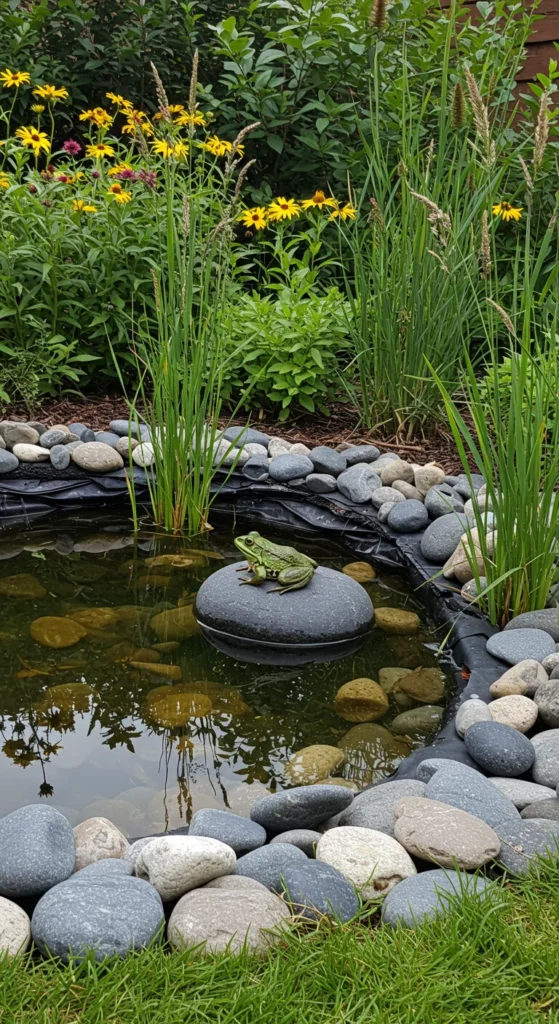
- Add a shallow water dish or pond to welcome frogs and toads.
- Plant shrubs or hedges to provide natural shelter.
These garden friends can dramatically reduce insect populations without any effort from you.
Final Takeaway
You don’t need chemicals to fight off pests. By attracting beneficial insects, planting natural repellents, using homemade sprays, and keeping your garden tidy, you’ll create a healthy ecosystem where your plants can thrive.
Leave a Reply