

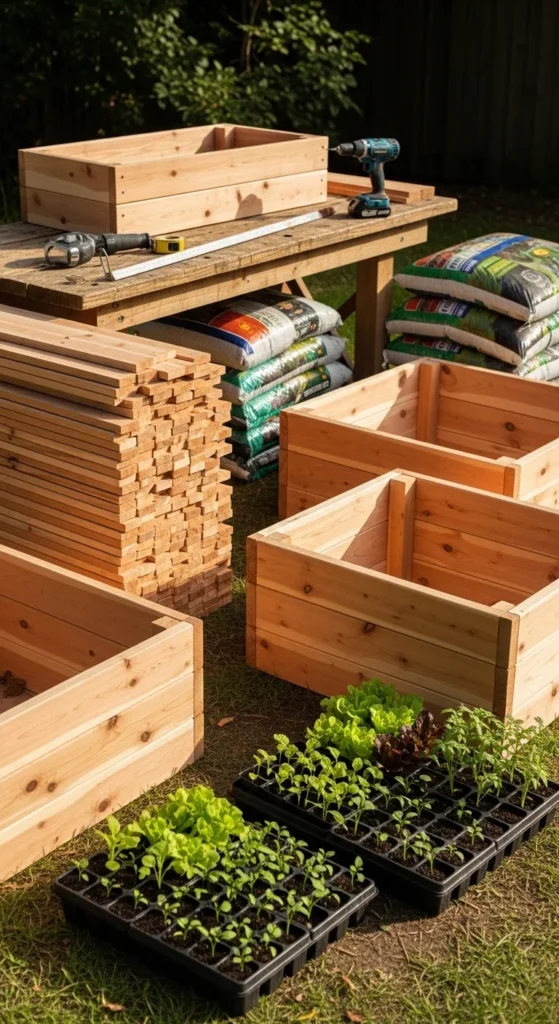
Free raised garden bed plans make backyard growing much easier. Instead of guessing sizes or wasting lumber, you can follow proven layouts that beginners finish in a single weekend. Many gardeners in 2026 prefer cedar builds, waist-friendly heights, and simple watering upgrades that save time later. The ideas below focus on budget builds, beginner steps, and realistic materials so you can start quickly and grow confidently.
1. Classic 4×8 Crop-Max Blueprint
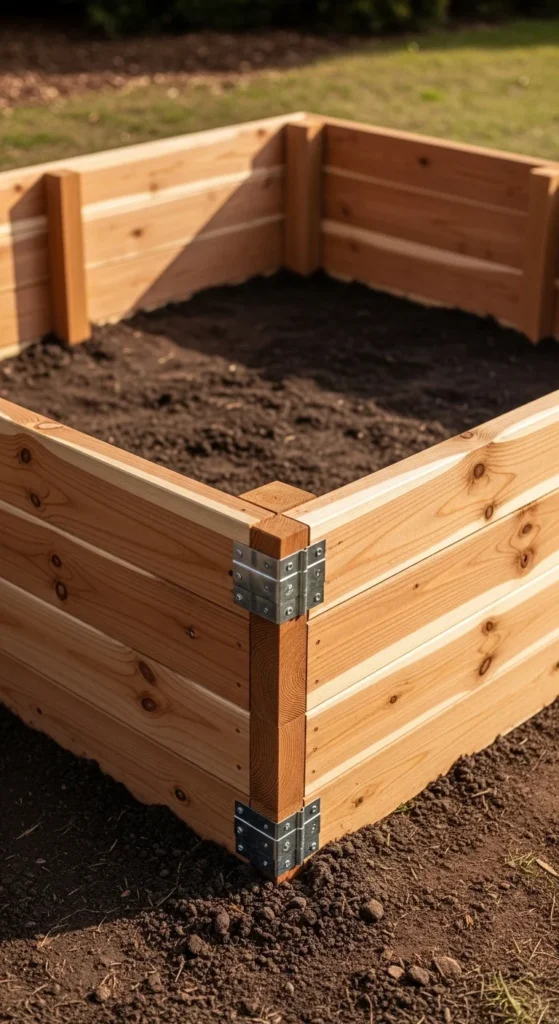
The 4×8 bed remains the most popular starting plan. It matches common lumber lengths and gives plenty of growing space without crowding the yard. Most beginners can complete this frame in a few hours.
- Size: 4×8 feet
- Boards: 2×12 cedar or stacked 2×6
- Corners: exterior deck screws work well
Start by leveling the ground carefully. Even small slopes can twist the frame. Place cardboard underneath before filling to reduce weeds.
Budget tip:
- Ask your lumber yard to cut boards to length for free.
Practical idea:
- Add a 1×4 cap board for a smoother top edge.
This layout works well for tomatoes, peppers, and mixed vegetables. It also fits standard drip irrigation kits if you want watering to stay simple later.
2. 4×4 Beginner Starter Plan
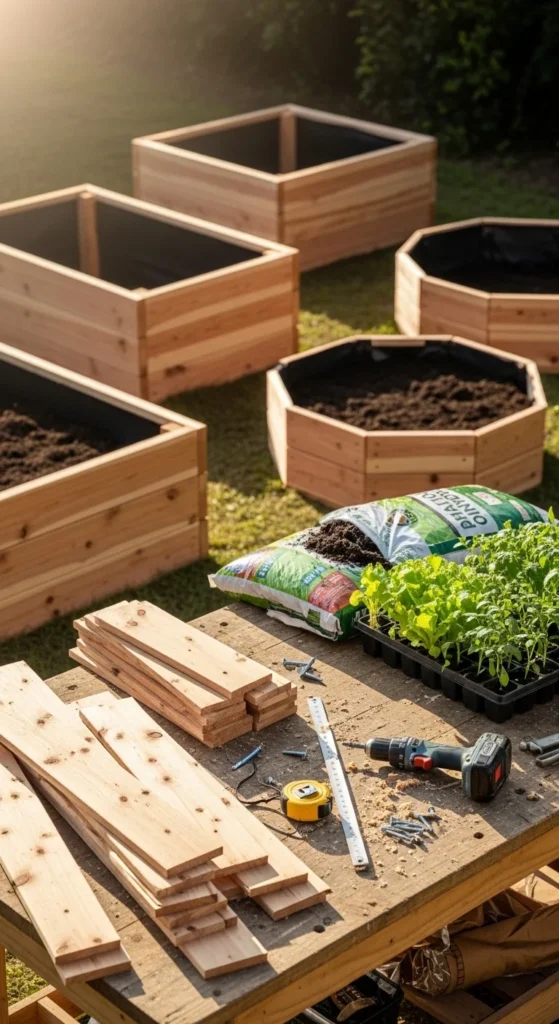
A 4×4 bed is perfect for new gardeners and small spaces. It uses less soil and fewer materials, which keeps the first build affordable.
- Quick assembly with minimal cuts
- Easy reach from every side
- Lower soil cost than large beds
Use 2×6 boards for a simple start. You can always stack another layer later.
Budget tip:
- Build two small beds instead of one large bed for better crop rotation.
Planting idea:
- Divide into square sections for herbs and greens.
Place the bed where it receives full sun. This small format is also easy to relocate if you change your garden layout next season.
3. Shallow Salad Bed Plan
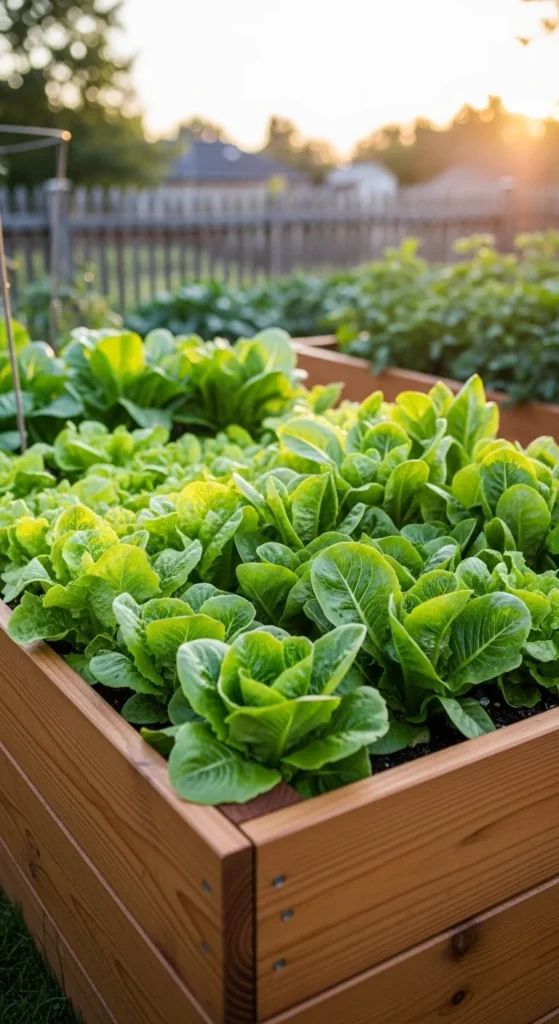
This plan saves money by using less soil depth. It works best for leafy crops with short roots.
- Depth: 6–8 inches
- Best crops: lettuce, spinach, arugula
- Frame: single 2×6 layer
Budget tip:
- Spend more on compost quality instead of extra soil volume.
Helpful step:
- Mulch lightly with straw to slow moisture loss
- Water more frequently during hot weeks
This bed warms quickly in spring and produces fast harvests. It is also easy to empty and move if you garden in a rental home.
4. Double-Stack Root Crop Plan
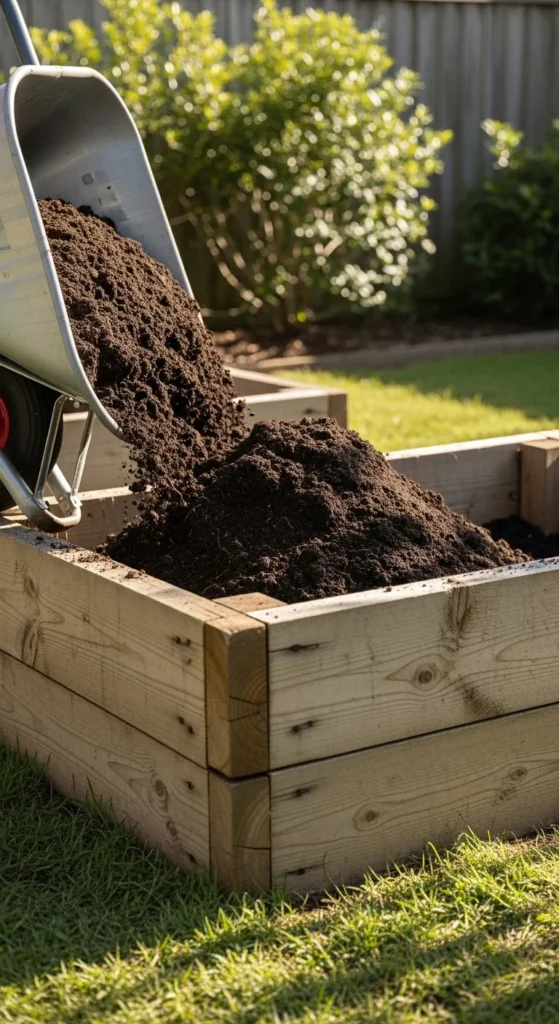
Root vegetables grow better with deeper soil. This plan stacks two frames to create extra depth.
- Target depth: 12–18 inches
- Frame: two stacked rectangles
- Soil: loose mix with compost
Budget tip:
- Fill the bottom with sticks or leaves to reduce soil cost.
Practical use:
- Carrots in the center
- Onions along edges
- Radishes as quick fillers
Water slowly after filling so the soil settles evenly. This design produces straighter root vegetables and improves yields in compact yards.
5. 18–24 Inch Leg Plan for Easy Access
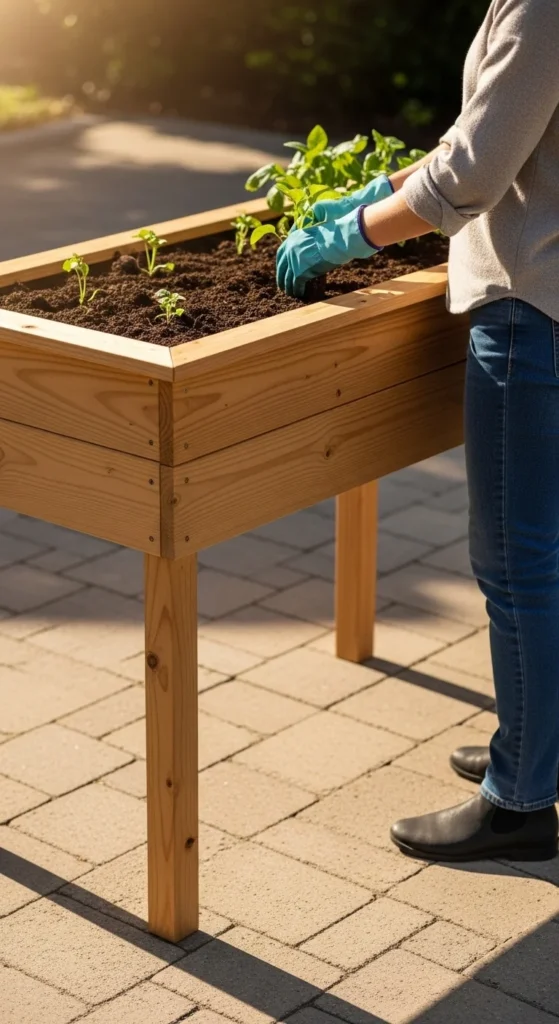
Mid-height leg beds reduce bending and work well on patios. They are popular for herb gardens and small vegetable setups.
- Leg height: 18–24 inches
- Material: 4×4 posts or doubled 2x4s
- Support: cross brace under the bed
Budget tip:
- Keep the bed compact to reduce lumber cost.
Important step:
- Line the inside with landscape fabric
- Add mulch on top to retain moisture
Because raised leg beds dry faster, check soil moisture often during hot weather. This design fits well on decks and paved areas.
6. Waist-High Herb Haven Plan
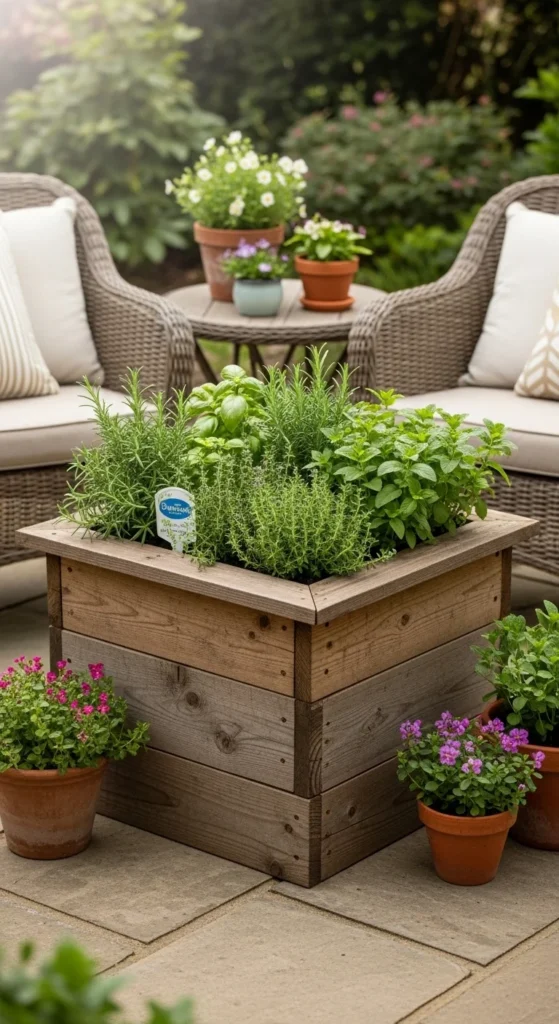
This height feels similar to working at a kitchen counter. It is ideal for daily herb harvesting.
- Height: 30–36 inches
- Top cap: wide board for comfort
- Best crops: basil, parsley, thyme
Budget tip:
- Build one tall bed instead of several low beds if comfort is your priority.
Helpful addition:
- Mount small hooks on the side for garden tools.
Place it near the kitchen for quick access. Gardeners tend to harvest more when herbs are close and easy to reach.
7. Rollable Patio Bed Plan
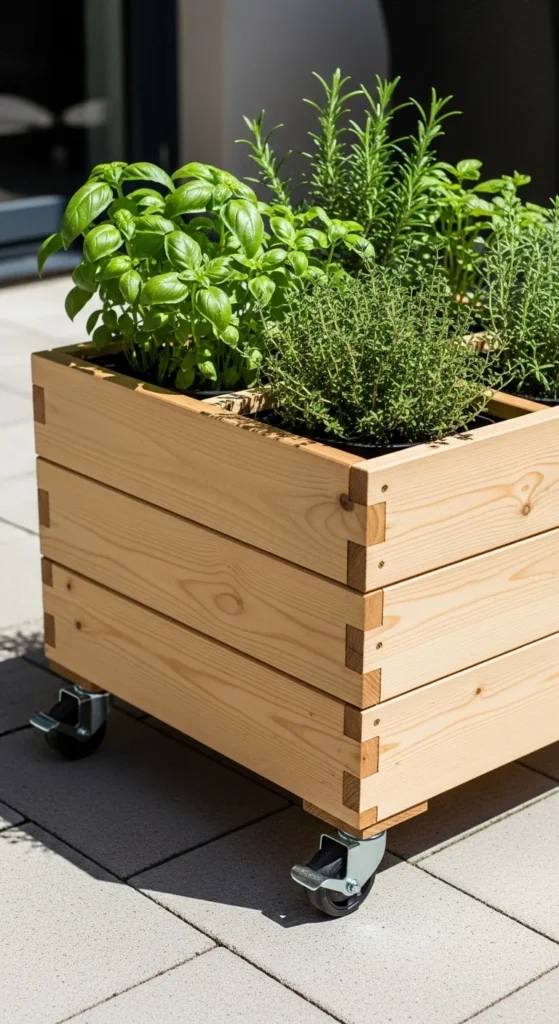
Wheeled beds add flexibility for small spaces. You can move plants to follow sunlight.
- Wheels: heavy-duty locking casters
- Base: reinforced bottom frame
- Best for: patios and balconies
Budget tip:
- Use lightweight soil mix to reduce strain on wheels.
Safety step:
- Always lock wheels before working
- Keep bed size moderate
This plan works well for renters who want a movable garden setup.
8. Simple Self-Watering Reservoir Plan
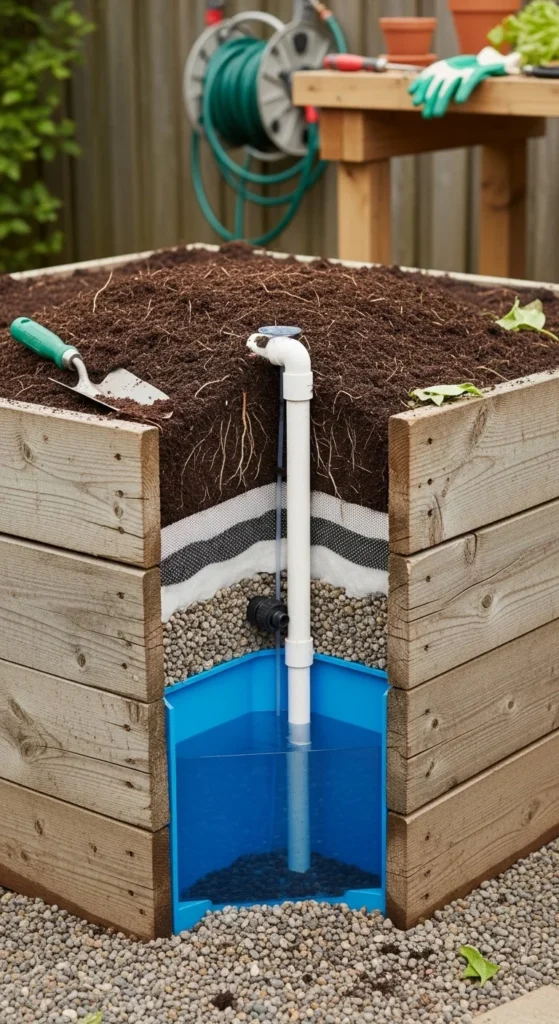
Self-watering beds reduce daily watering work by storing water below the soil.
- Reservoir: gravel or crates
- Fill pipe: vertical PVC tube
- Overflow hole: prevents soggy soil
Budget tip:
- Reuse plastic containers to form the water chamber.
This setup is helpful in hot climates and during busy weeks. Check the fill tube every few days in peak summer.
9. Cinder Block Quick Plan
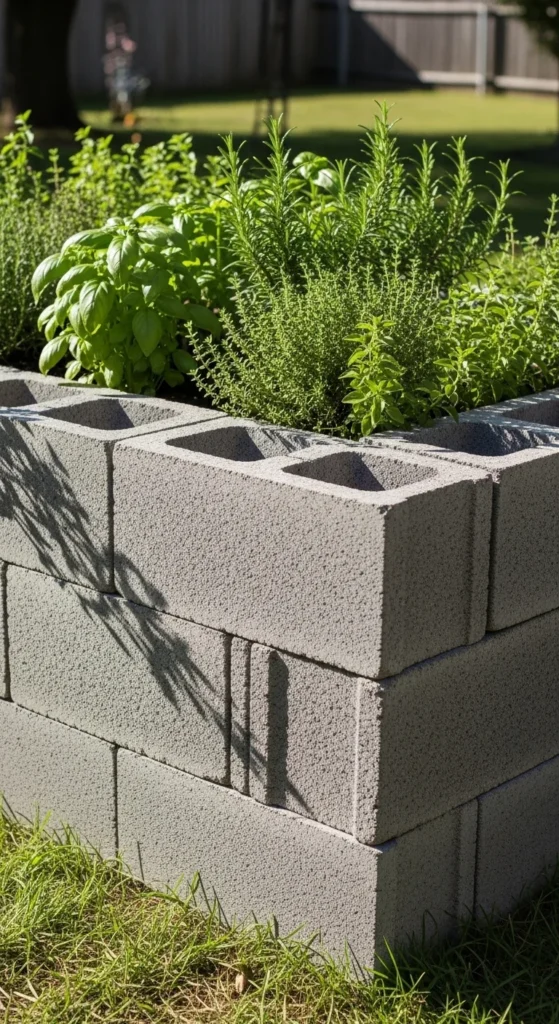
This no-cut plan is fast and beginner friendly.
- Stack blocks on leveled ground
- Fill hollow holes with soil for herbs
- Add cardboard underneath
Budget tip:
- Source blocks locally to reduce cost.
It is removable and works well for temporary gardens.
10. Narrow Side-Yard Plan
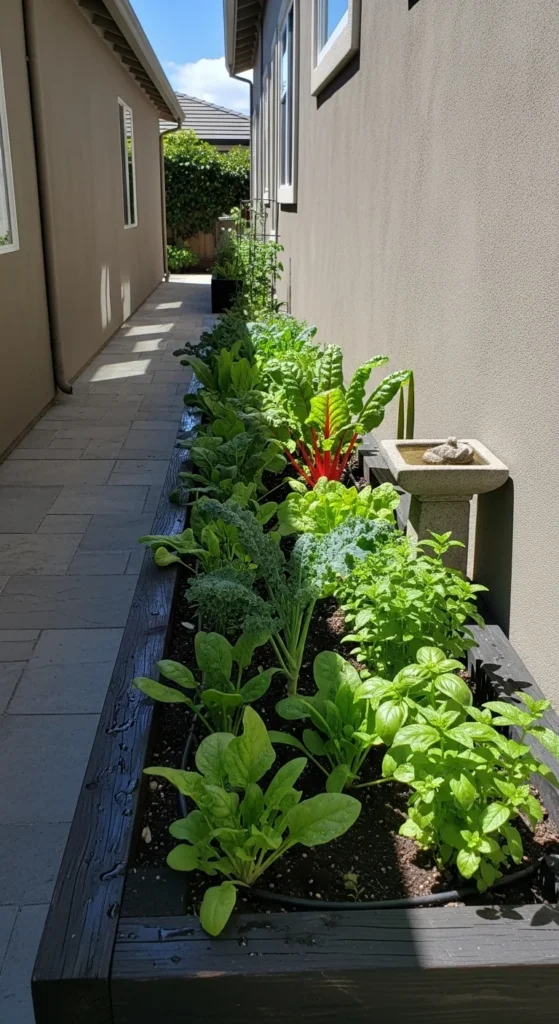
Side yards often receive good sunlight. A slim bed fits perfectly.
- Width: 18–24 inches
- Great for: greens and herbs
- Easy reach from one side
Budget tip:
- Use leftover lumber pieces for long narrow builds.
This layout turns unused space into productive garden area.
11. L-Shaped Corner Plan
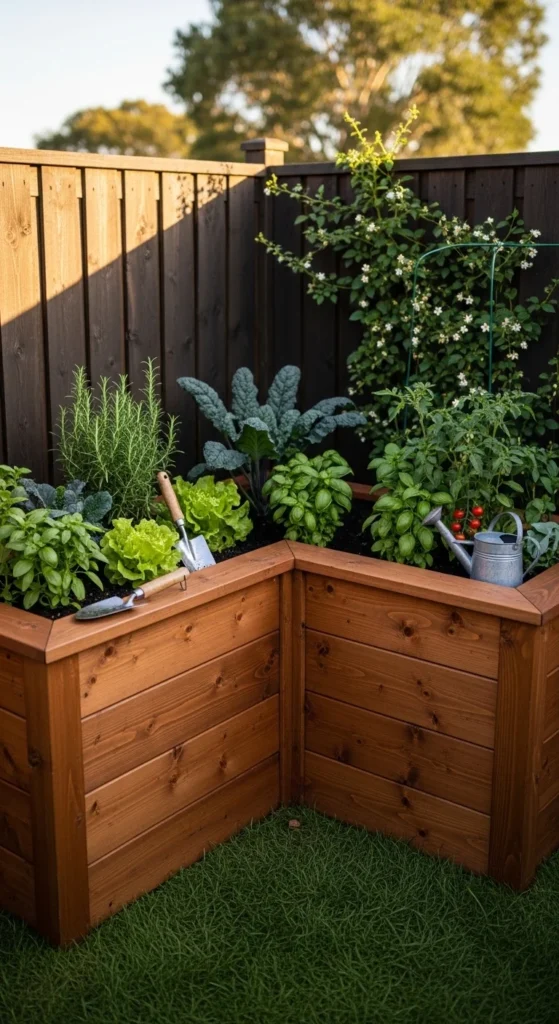
- Perfect for fence lines
- Maximizes awkward corners
- Easy weekend build
Use two connected rectangles. Level carefully before filling.
12. U-Shaped Walk-In Plan
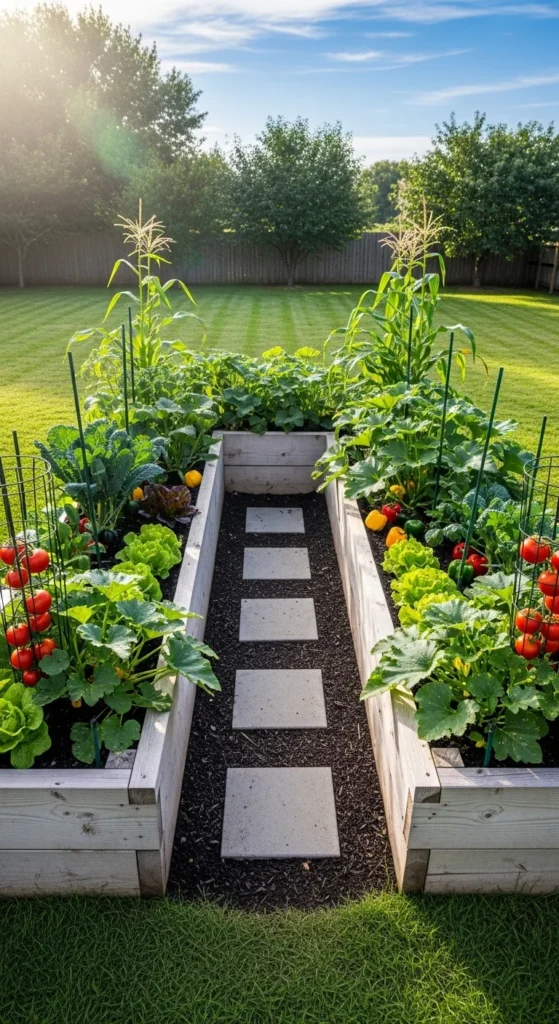
- Stand in the middle
- Reach all plants easily
- Great for intensive gardens
Keep the center path about 2 feet wide.
13. Fence Picket Budget Plan
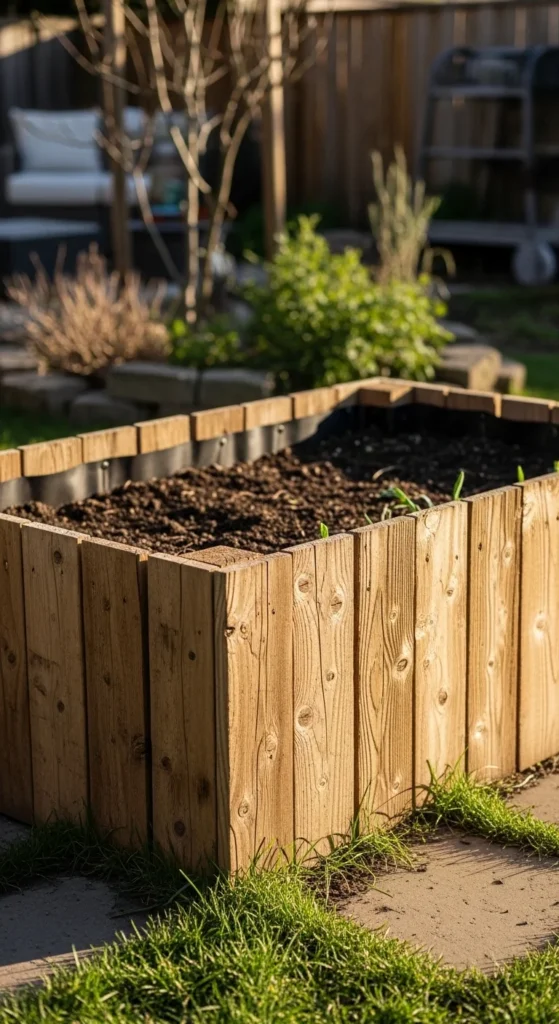
- Cheaper than full boards
- Lightweight walls
- Good for shallow beds
Double-layer pickets for extra strength.
14. Hardware Cloth Pest-Proof Plan
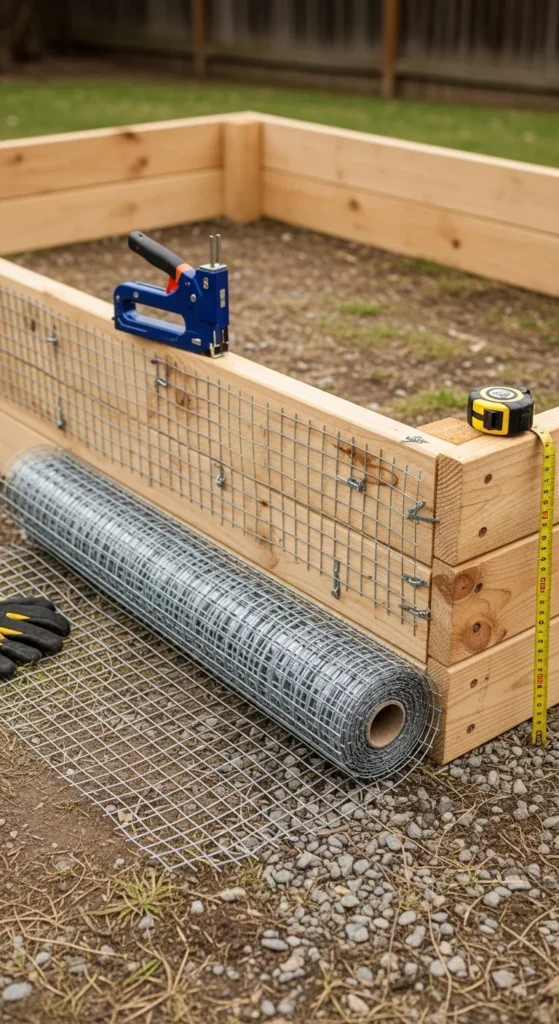
- Blocks burrowing pests
- Allows drainage
- Easy to install early
Use gloves when handling mesh.
15. Tiered Stair-Step Plan
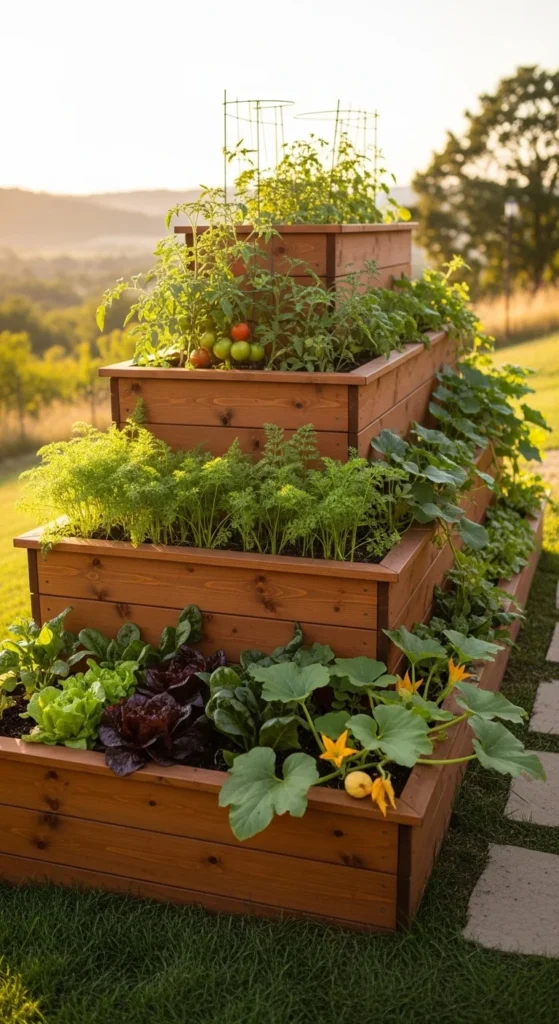
- Works on slopes
- Improves drainage
- Adds visual interest
Build from bottom level upward.
16. Trellis-Back Bed Plan
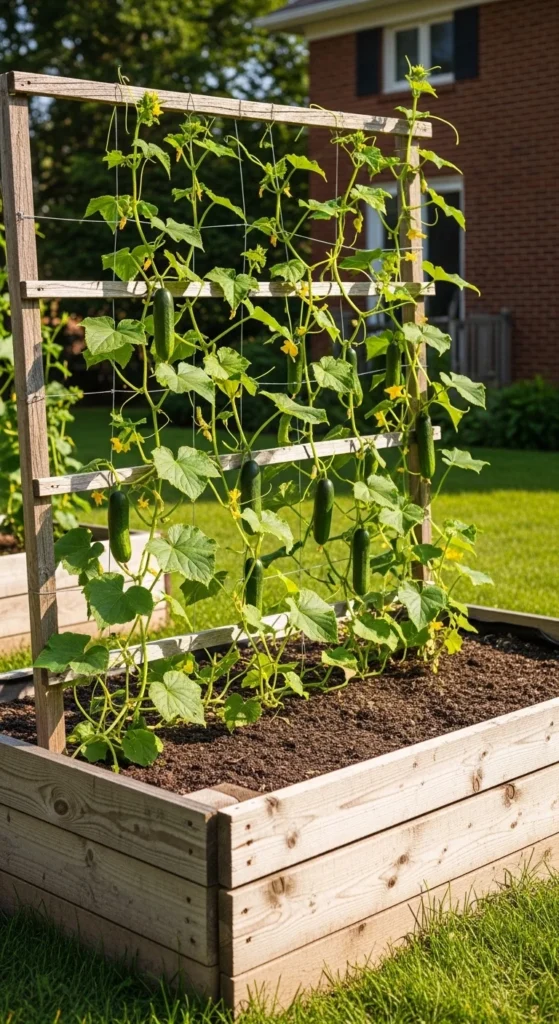
- Supports vertical crops
- Saves ground space
- Improves airflow
Attach trellis firmly to corner posts.
17. Brick Border Plan
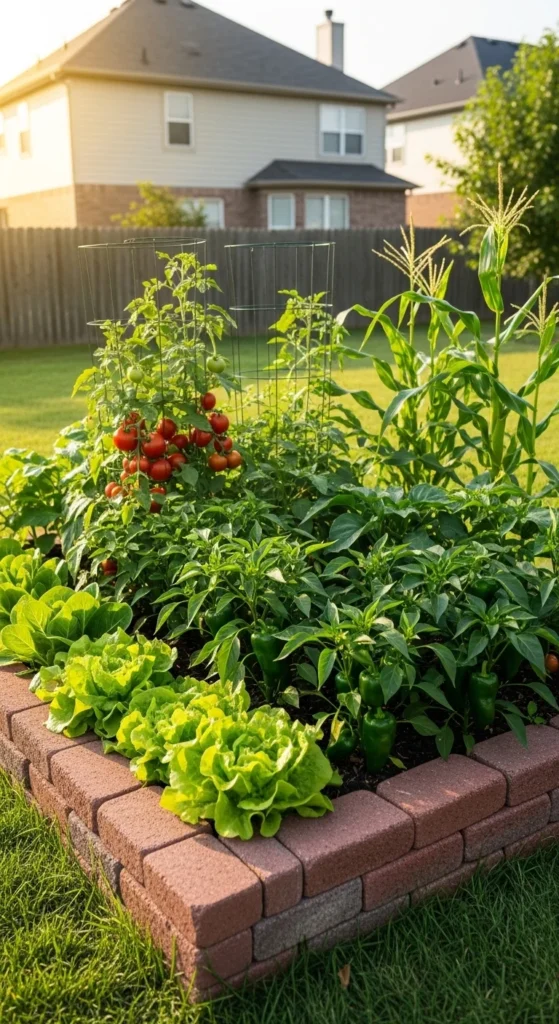
- Long-lasting material
- Low maintenance
- Clean appearance
Lay bricks on compacted soil.
18. Hoop House Bed Plan
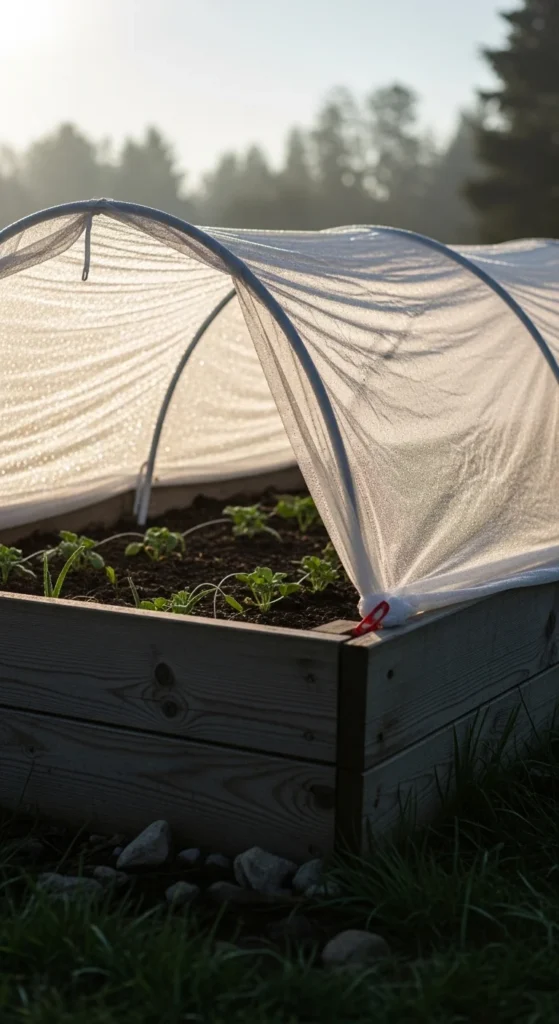
- Extends growing season
- Protects from pests
- Easy DIY hoops
Use PVC or metal hoops.
19. Keyhole Compost Plan
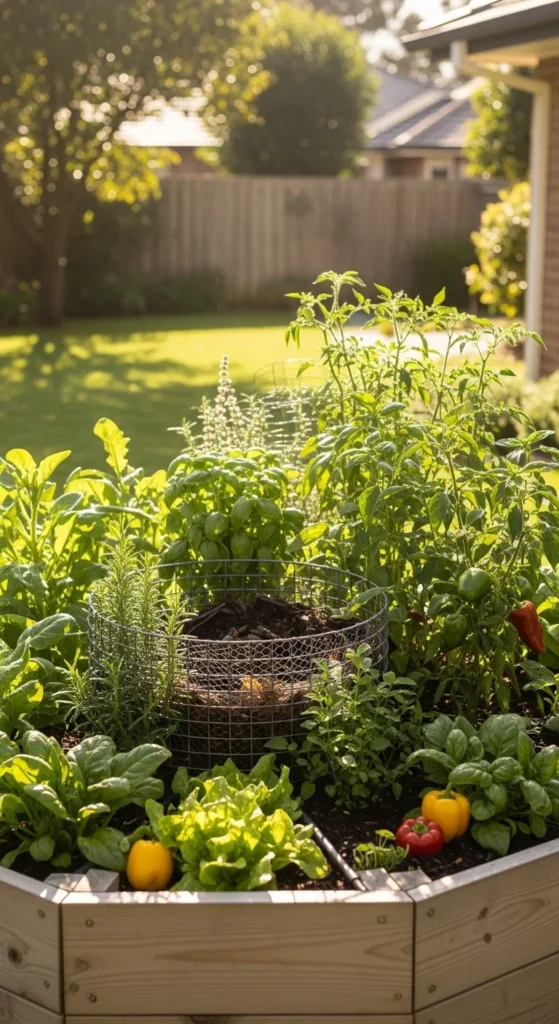
- Compost feeds plants
- Efficient watering
- Unique layout
Water through the center basket.
20. Seating-Edge Comfort Plan
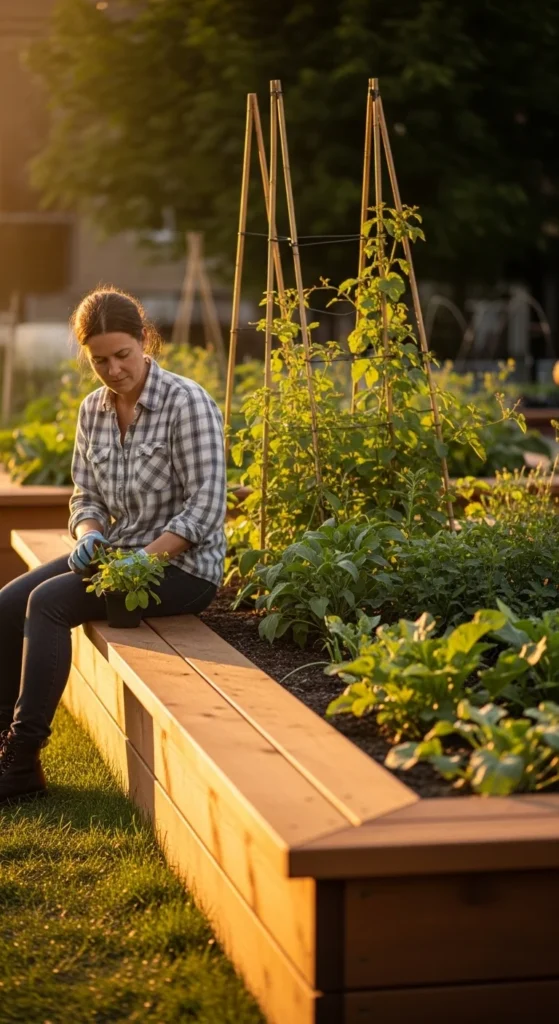
- Wide top board
- Comfortable harvesting
- Clean finished look
Use 2×8 cap boards.
21. Mini Patio Herb Plan
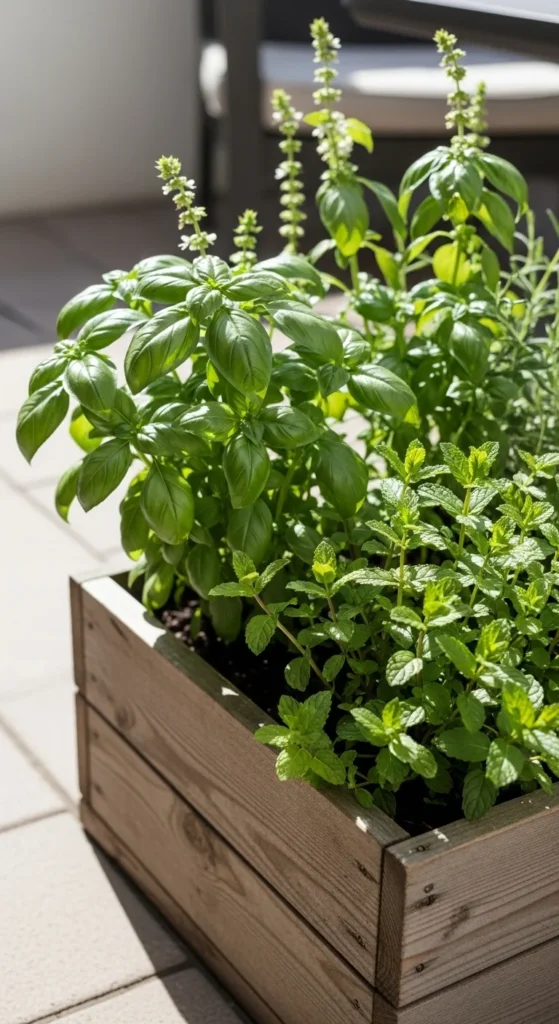
- Fits tight spaces
- Quick weekend build
- Perfect near kitchen
Size around 2×3 feet.
22. Wind-Braced Leg Plan
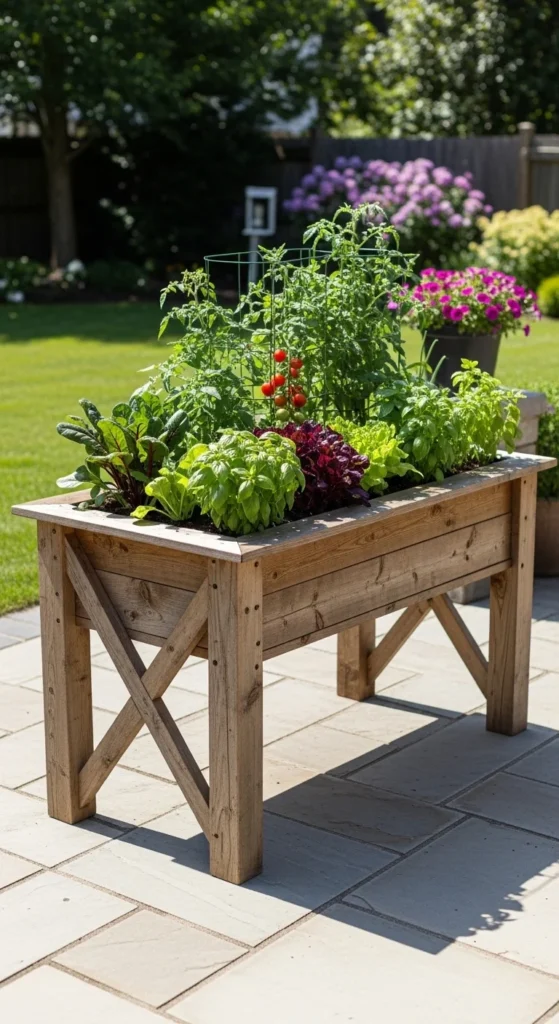
- Adds stability
- Good for windy areas
- Stronger frame
Install diagonal braces on each side.
23. Decorative Trim Garden Plan
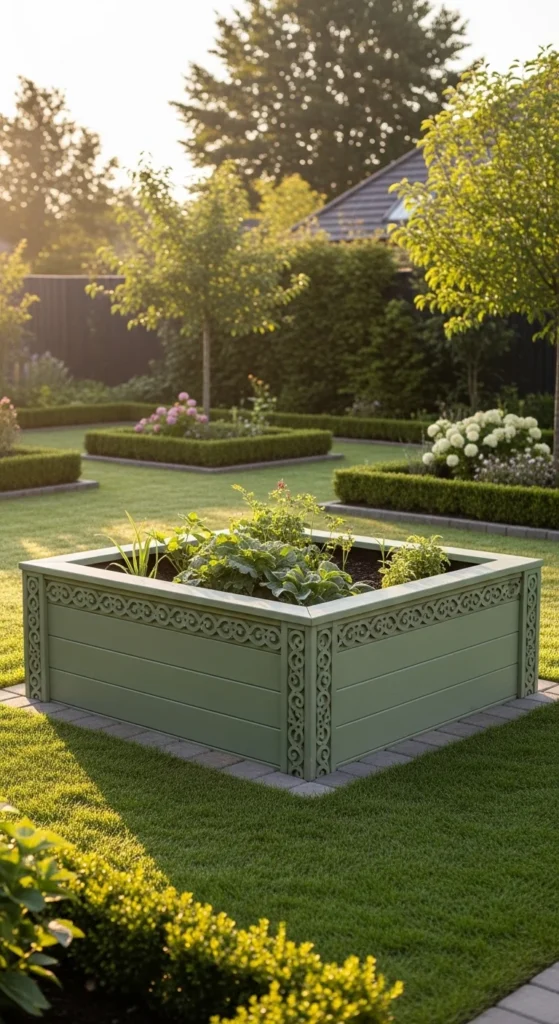
- Adds curb appeal
- Simple upgrade
- Budget friendly
Keep interior wood untreated.
24. Family-Size 6-Foot Plan
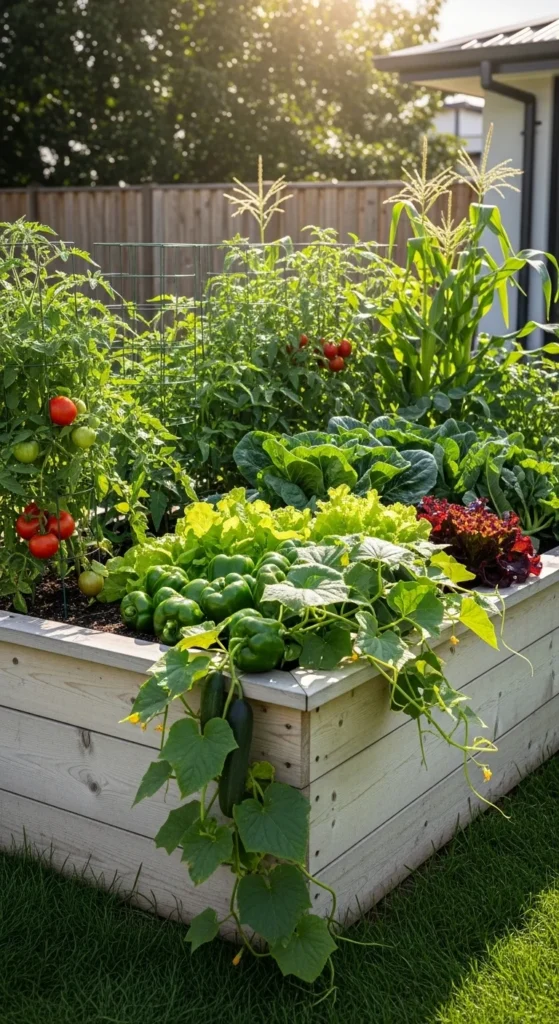
- Larger harvest area
- Works for big families
- Standard lumber friendly
Add a center brace to prevent bowing.
Conclusion
Raised garden bed plans make backyard growing faster and more predictable. Start with a simple size that fits your space and budget, then add upgrades like legs, trellises, or self-watering features over time. Even one well-built bed can produce a steady supply of herbs and vegetables. Pick a plan above, gather your materials this weekend, and start building your first productive garden space.
Leave a Reply