

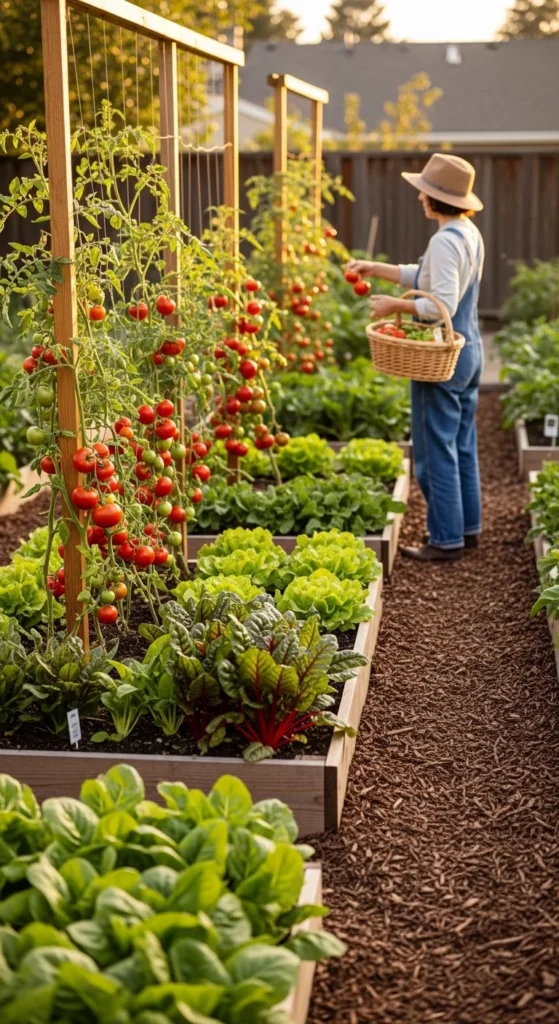
Raised bed vegetable gardens make it easier to grow a lot of food in a small space. You get better drainage, warmer soil early in the season, and full control over what your plants grow in. If your goal is bigger harvests with less weeding and less bending, these raised bed ideas focus on spacing, soil, and smart layouts that fit real budgets and real backyards.
1. Build a 4×8 Family Bed for Easy Planning
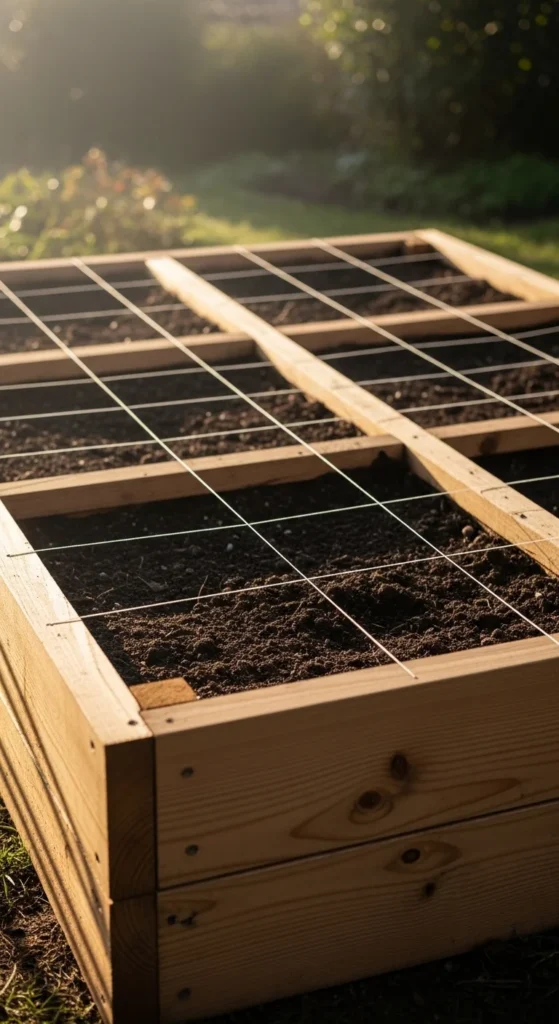
A 4×8 raised bed is a sweet spot. It’s big enough to grow a lot, and small enough to reach from both sides without stepping on the soil.
Mark your bed into squares. Use string or thin wooden slats. This makes planning simple.
Plant in blocks, not long rows. You can fit more plants while keeping airflow.
Budget tip: Use untreated pine if you’re testing the idea. If you love it, upgrade later.
Place the bed where it gets 6–8 hours of sun. That single choice often decides your harvest.
Keep pathways wide enough for a wheelbarrow. Even a simple mulch path saves time later.
If you want one bed that feeds a family with salads, herbs, and summer veggies, 4×8 is a strong starting point.
2. Choose Safe, Untreated Materials for the Frame
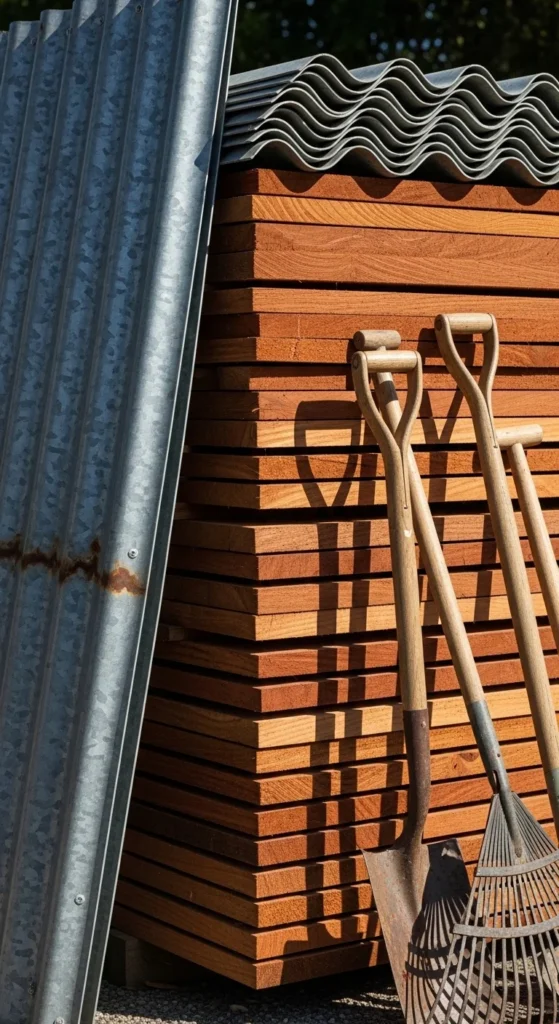
Your raised bed frame touches soil for years, so choose materials you feel good about.
Skip treated wood meant for outdoor decks. Many gardeners avoid it for food beds.
Cedar lasts longer and resists rot. Metal beds can last a long time too.
Budget tip: If cedar is pricey, use untreated boards and line the inside with thick cardboard as a temporary barrier.
Avoid old railroad ties and mystery lumber.
If you paint the outside, use paint on the outside only and let it cure fully.
A safe frame lets you focus on growing food, not worrying about what’s in your soil.
3. Fill with a Simple 40/40/20 Soil Recipe
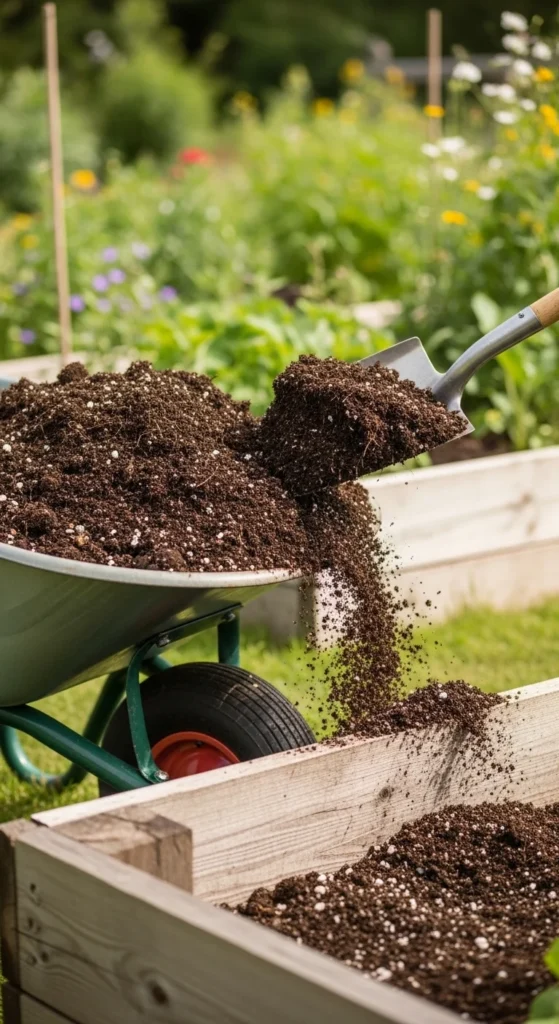
Raised beds grow best when the soil drains well but still holds moisture.
A simple mix is 40% topsoil, 40% compost, and 20% coarse material like sand or a similar gritty mix.
If your compost is very rich, you can use a little less of it.
Budget tip: Buy topsoil in bulk from a local supplier. It’s often much cheaper than bagged soil.
Avoid filling a whole bed with potting mix. It can drain too fast and shrink over time.
Mix in the bed as you fill. Stir with a shovel so layers don’t form.
Good soil is the “engine” of a high-yield bed. Nail the mix once, then keep it healthy with yearly compost on top.
4. Use Cardboard Under the Bed for a Weed-Free Start
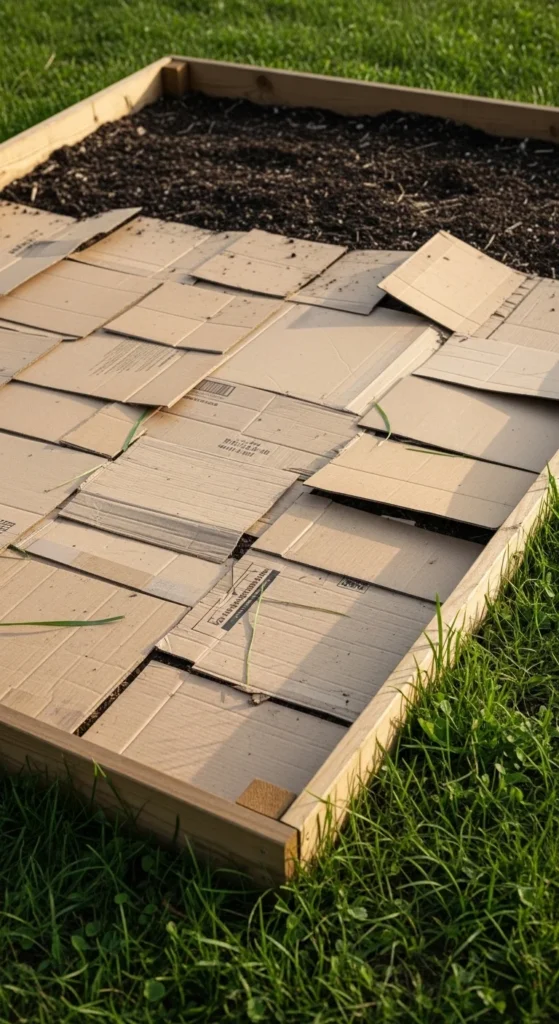
Weeds steal space, water, and patience.
Before filling the bed, lay down plain cardboard. Overlap the edges like shingles.
Wet it so it stays flat. Then add your soil mix on top.
This blocks grass and most weeds without chemicals.
Budget tip: Save shipping boxes. Remove tape and glossy labels.
If you already have weeds inside an empty bed, add a second layer of cardboard and a few inches of compost.
The cardboard breaks down over time and feeds soil life.
Starting clean means your first season is about harvesting, not pulling weeds every weekend.
5. Add Trellises on the North Side to Save Sun
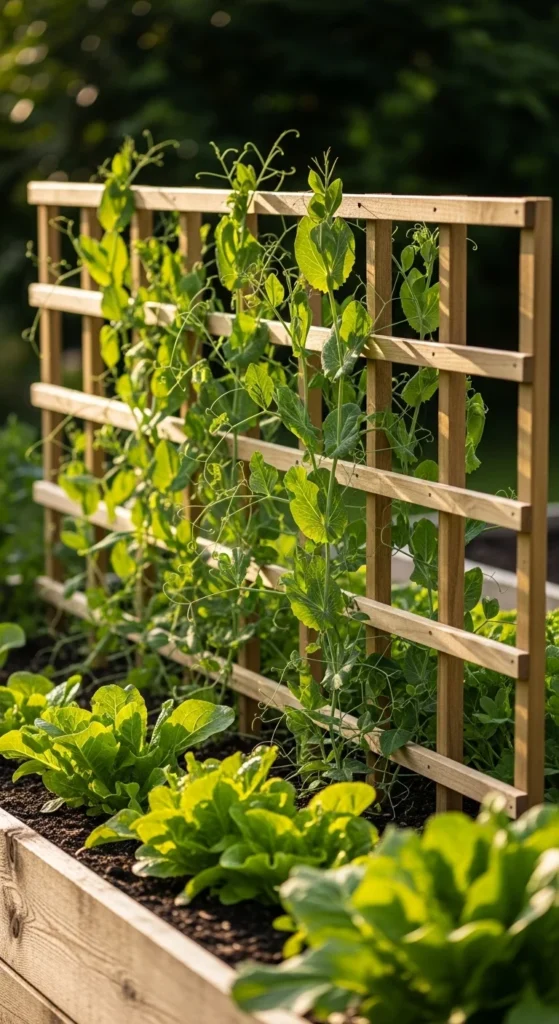
Vertical growing is a yield hack that fits small spaces.
Put tall trellises on the north side (or the back side from your main sun direction). That helps prevent shading smaller crops.
Grow peas, pole beans, cucumbers, and indeterminate tomatoes vertically.
Budget tip: Use cattle panels, bamboo, or a simple string trellis tied to a frame.
Train plants early. Add soft ties as they grow.
Vertical crops free up soil space for greens and herbs below.
You’ll harvest more per square foot without crowding everything into a jungle.
6. Try Block Planting Instead of Row Planting
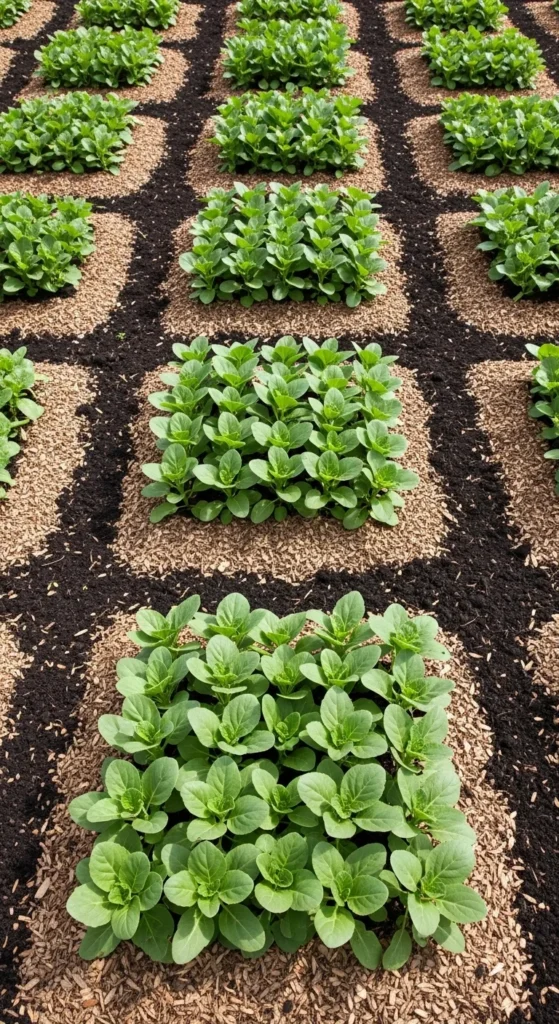
Rows waste space in raised beds.
Block planting packs plants into squares with proper spacing, like a grid.
It works well for lettuce, beets, onions, and bush beans.
Use the seed packet spacing as your guide. Keep airflow in mind.
Budget tip: Use a ruler stick or a piece of string marked with knots to space plants fast.
Blocks also make watering easier. You water a section, not a long row.
This layout is tidy and productive. It also makes it easier to rotate crops each year because you can swap blocks around.
7. Plant Quick Salad Greens Every 7–10 Days
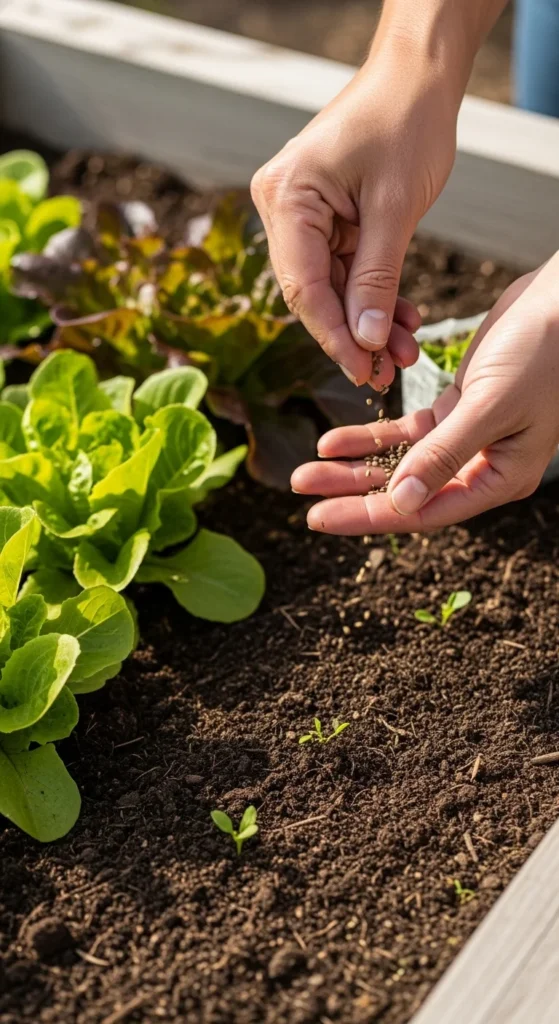
If you plant lettuce once, you get one harvest and then a gap.
Instead, sow a small patch every 7–10 days during cool weather.
Use loose-leaf varieties for fast picking.
Budget tip: Buy one mixed lettuce seed pack and plant a pinch at a time.
Keep seeds moist until they sprout. A light shade cloth helps in warm climates.
Succession planting turns one bed into a steady salad supply.
Even a single 4×8 bed can keep your kitchen stocked if you keep the planting rhythm going.
8. Grow Tomatoes with Strong Support From Day One
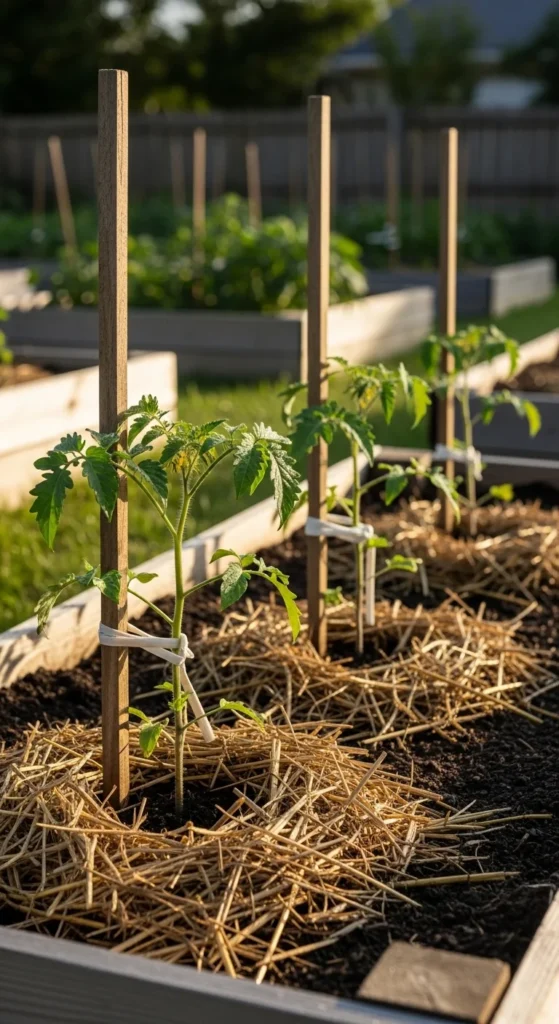
Tomatoes love raised beds because the soil warms early.
But they only produce well when supported. Use stakes, cages, or a trellis system before plants get big.
Tie stems loosely with soft cloth strips.
Budget tip: Use a concrete mesh panel or reclaimed bamboo poles.
Prune lightly for airflow. Remove lower leaves touching soil.
Water at the base. Wet leaves invite problems.
Plant basil nearby for a classic pairing and a full bed look.
A supported tomato plant takes less space, stays healthier, and gives longer harvests through the season.
9. Plant Peppers in Tight Clusters With Mulch
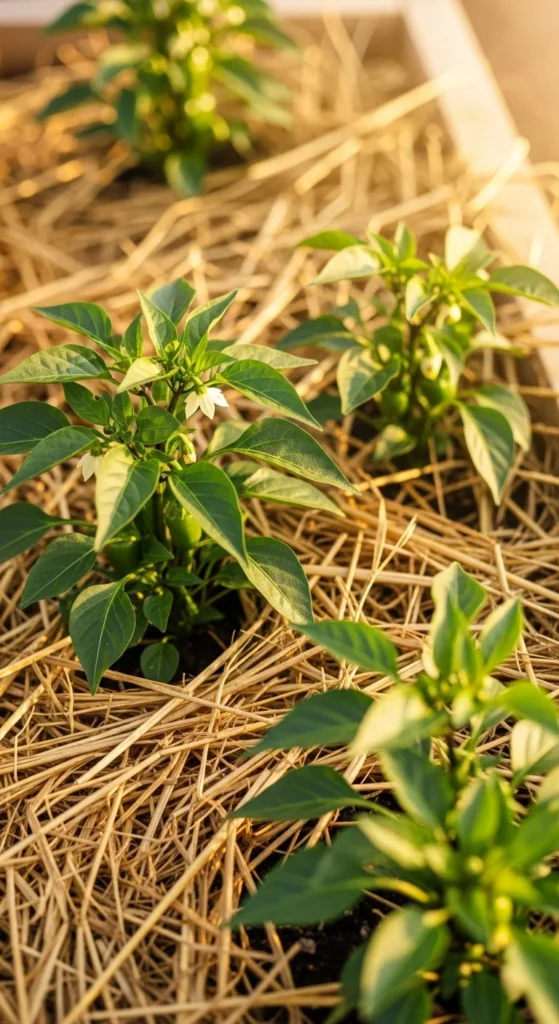
Peppers are great raised bed crops. They like warm soil and steady moisture.
Plant them with proper spacing, then mulch thickly.
Mulch holds moisture and keeps weeds down.
Budget tip: Use dried leaves, straw, or chopped grass clippings that have dried a bit first.
If nights are cool, peppers slow down. A simple low tunnel made with hoops and plastic can help early in the season.
Feed with compost mid-season.
With mulch and steady watering, peppers often produce for months.
10. Add a Bed-Edge Herb Strip for Extra Harvests
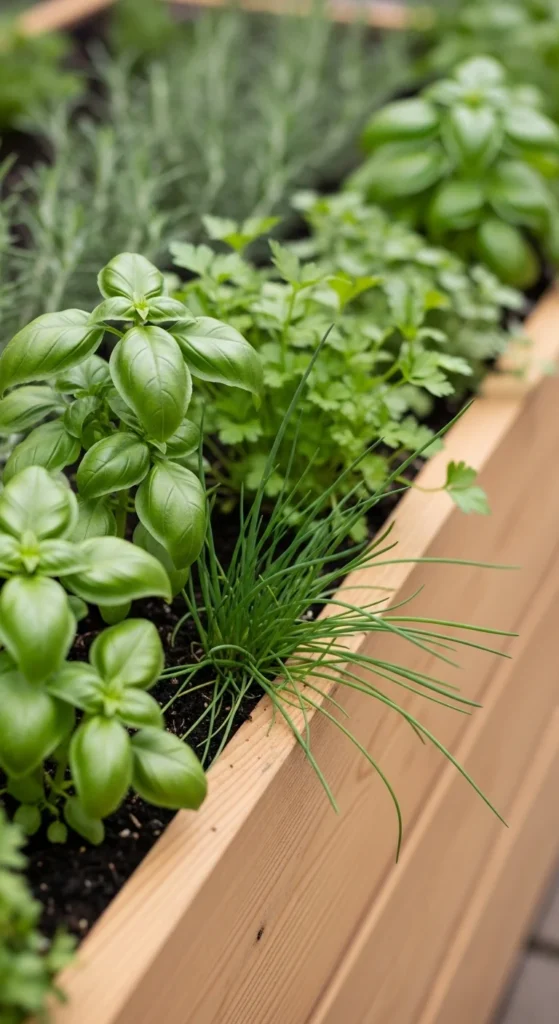
Edges are valuable space.
Plant compact herbs along the bed border. Chives, parsley, basil, thyme, and cilantro work well.
You harvest often, and the bed still looks neat.
Budget tip: Start herbs from seed. It’s far cheaper than buying many starter plants.
Keep aggressive herbs like mint in pots, not in the bed.
Herbs also help you cook what you grow. A garden feels more useful when you can grab flavor the same day.
11. Use a Simple Drip Line or Soaker Hose
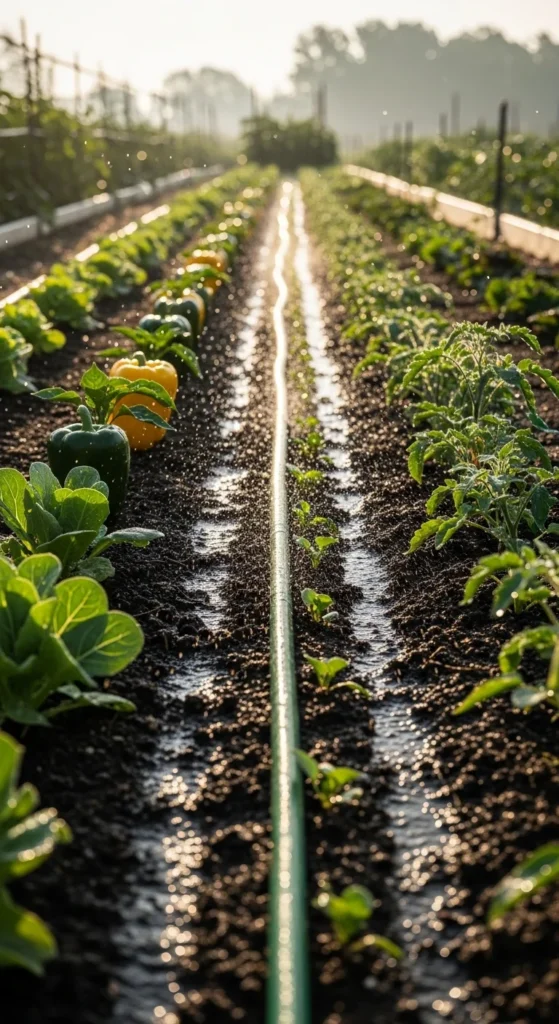
Watering by hand is fine, but it’s easy to miss days.
A soaker hose or simple drip line keeps watering steady, which helps yields.
Lay it before plants get big.
Budget tip: Buy one hose and split it between two beds with a cheap Y-connector.
Water early in the morning. Less water is lost to heat.
Aim water at soil, not leaves.
Consistent moisture reduces cracking in tomatoes and keeps greens tender.
12. Mulch Paths and Bed Tops to Cut Weeds Fast
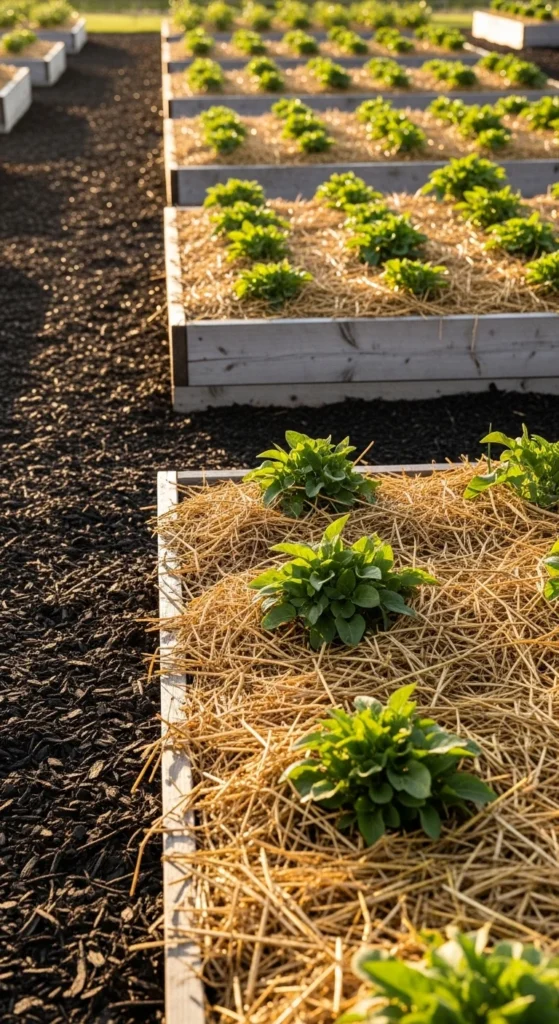
Weeds waste time and crowd crops.
Cover pathways with wood chips or shredded leaves.
Inside beds, add straw, chopped leaves, or dry grass clippings.
Budget tip: Many places offer free wood chips from tree crews. Ask locally.
Mulch also helps hold water and keeps soil from splashing onto leaves.
Less weeding means more time harvesting and replanting.
13. Keep a No-Dig Soil Routine Each Season
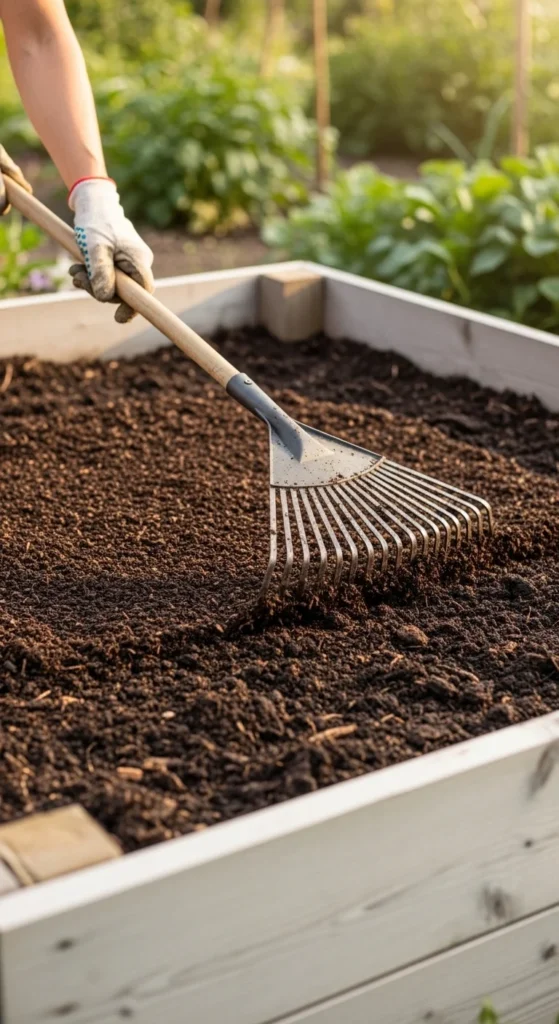
Digging every season can disturb soil structure.
Try a no-dig routine.
After harvesting, add a 1–2 inch layer of compost on top.
Let worms and water pull it down over time.
Budget tip: Make compost at home or source local compost in bulk.
Top-dressing feeds plants and keeps soil fluffy without hard work.
It’s one of the easiest ways to keep raised beds productive year after year.
14. Refresh Compost Every Spring Like a Habit
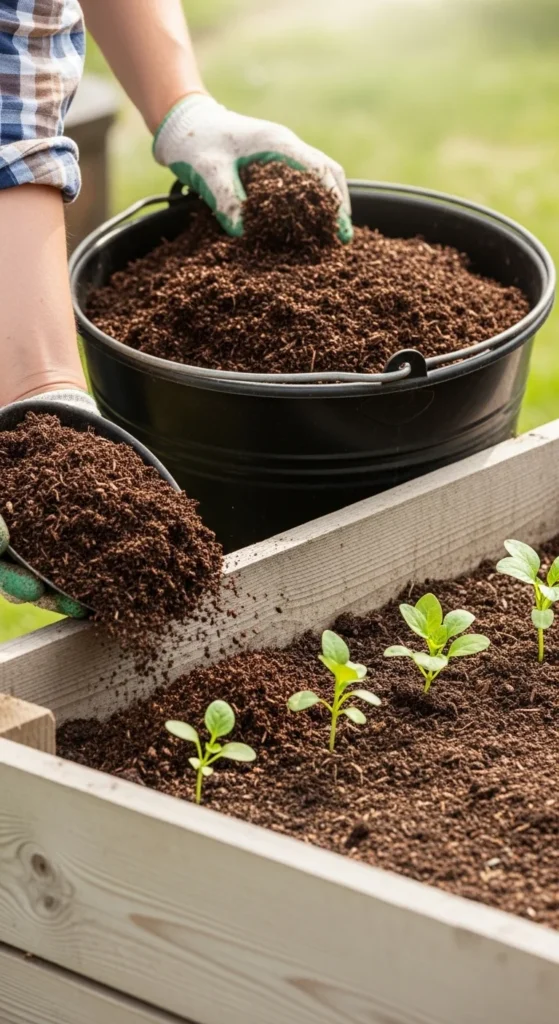
Raised beds produce a lot, so nutrients get used up.
Each spring, add compost before planting.
Even one inch helps.
Budget tip: If compost is limited, add it only to heavy feeders like tomatoes, peppers, and squash spots.
Light feeders like herbs and onions can handle less.
A yearly compost refresh keeps growth steady and prevents beds from “running out of gas” mid-season.
15. Use Crop Rotation With Simple Bed Maps
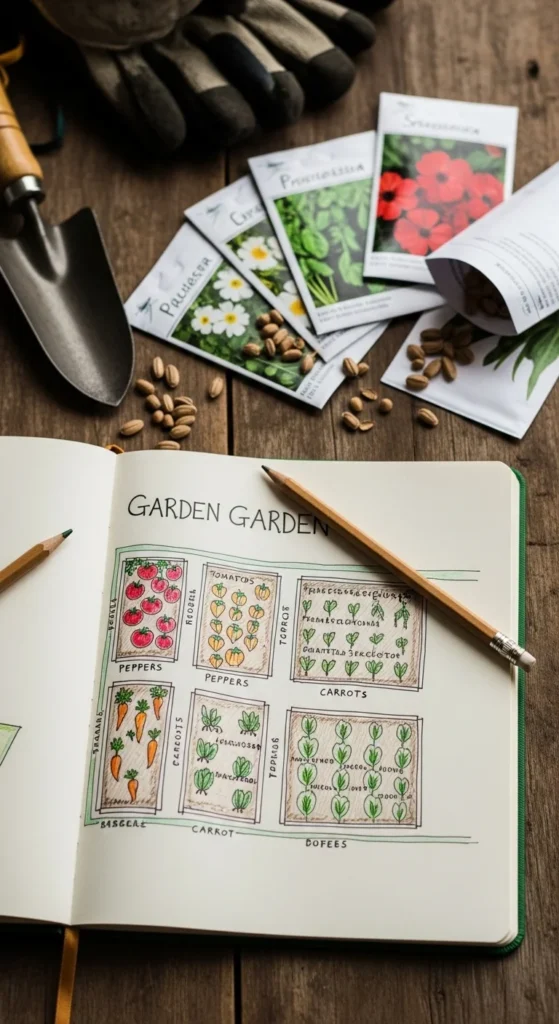
Crop rotation helps avoid repeat problems.
Don’t plant the same family in the same spot every year.
Rotate tomatoes and peppers away from last year’s tomato area. Rotate beans and peas too.
Budget tip: Draw a simple map on paper. Label sections by crop family.
Keep the maps in a folder so you can check them next season.
Rotation also helps balance soil use. Some crops are heavy feeders. Others are lighter.
A simple map saves guesswork and keeps beds healthier over time.
16. Match Bed Depth to the Crops You Love
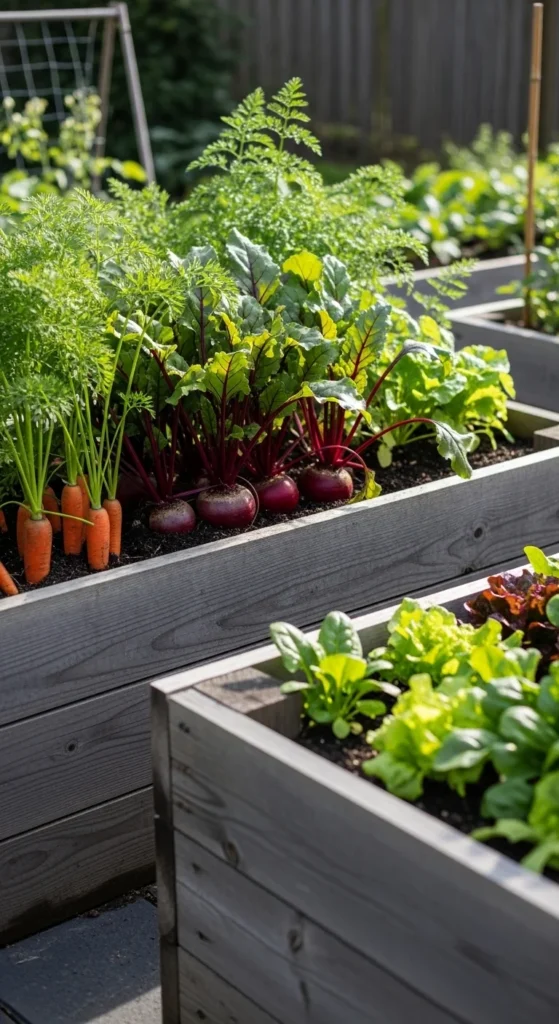
Bed depth changes what you can grow.
For greens and herbs, 8–10 inches can work.
For carrots, potatoes, and other roots, aim for 12–24 inches if possible.
Budget tip: If your bed is shallow, grow short carrots, radishes, and beets instead of long carrot varieties.
Deeper soil allows better root development and more stable moisture.
Pick depth based on your favorite crops, not trends.
17. Plant High-Yield “Workhorse” Crops
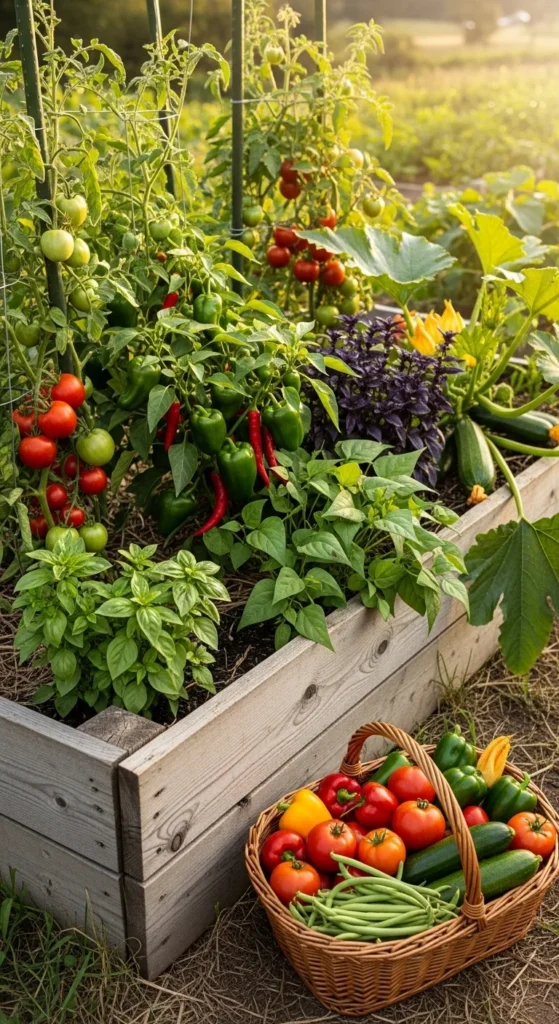
Some vegetables give more food per plant.
Tomatoes, peppers, bush beans, cucumbers, and zucchini often produce heavily.
Leafy greens are also high-yield because you harvest many times.
Budget tip: Grow what your household actually eats weekly.
One zucchini plant can take over a bed. Give it space or train it up a trellis.
High-yield crops make raised beds feel worth it fast.
18. Avoid Overcrowding With Simple Spacing Sticks
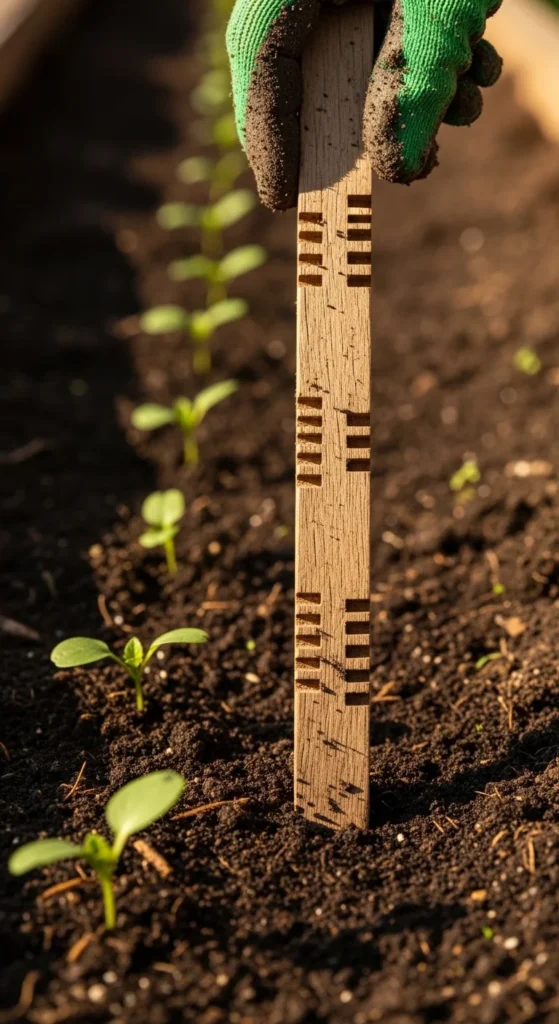
Crowding causes weak growth and more disease.
Make spacing easy with a “spacing stick.” Use a scrap piece of wood and mark common distances like 4″, 6″, and 12″.
Use it every time you plant.
Budget tip: Free scrap wood works. Even a ruler works.
Airflow matters in dense beds.
If you’re not sure, plant fewer seedlings and leave room to add later.
Good spacing often produces bigger plants and more harvest than stuffing every inch on day one.
19. Add a Low Tunnel for Early and Late Harvests
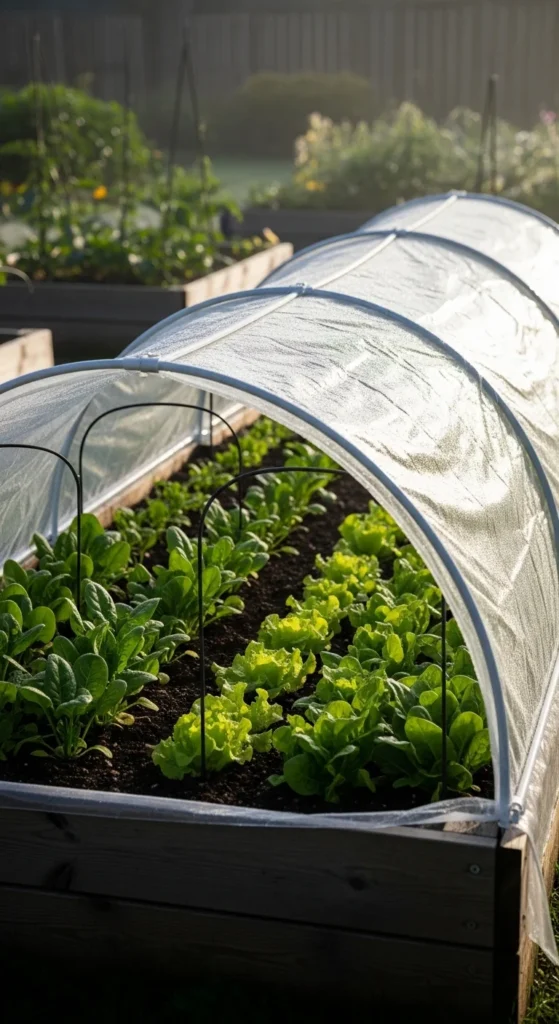
Raised beds warm earlier, and you can push the season further with a simple low tunnel.
Use hoops made from PVC or flexible tubing.
Cover with plastic in cold weather or fabric row cover for insect control.
Budget tip: Use inexpensive hoops and clip-on clamps.
Vent on warm days so plants don’t overheat.
This is great for early lettuce, spinach, and spring carrots.
It also helps protect late-season crops as temperatures drop.
20. Try Legged Beds for Back-Friendly Gardening
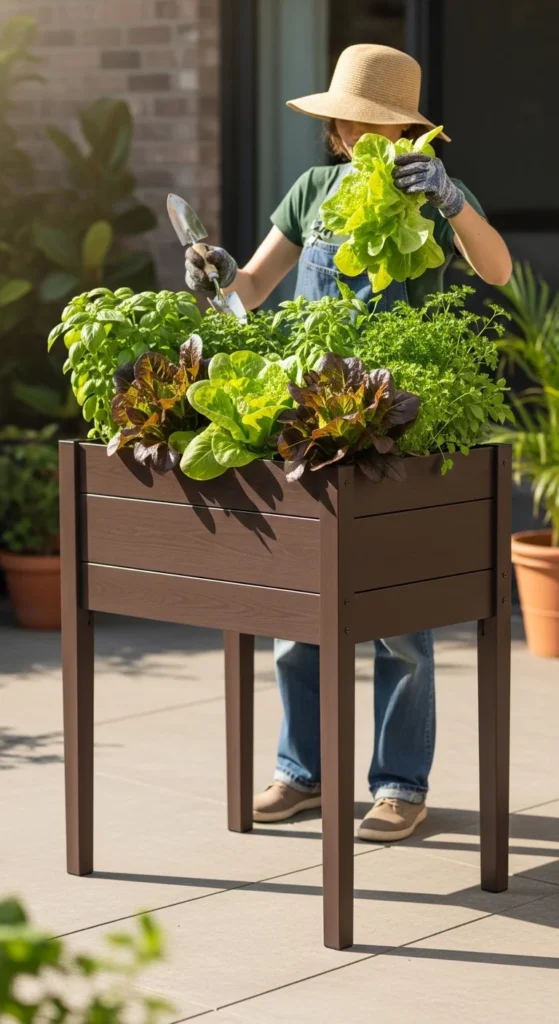
If bending hurts, a taller bed changes everything.
Legged beds are often 26–32 inches tall, making harvesting easier.
They also help with drainage and can fit patios.
Budget tip: If a legged bed is expensive, raise a regular bed on a simple base of bricks or concrete blocks.
Plant shallow-root crops like lettuce, herbs, and radishes.
Comfort matters. When a garden feels easy to work, you stick with it longer.
21. Use Companion Pairings to Fill Gaps
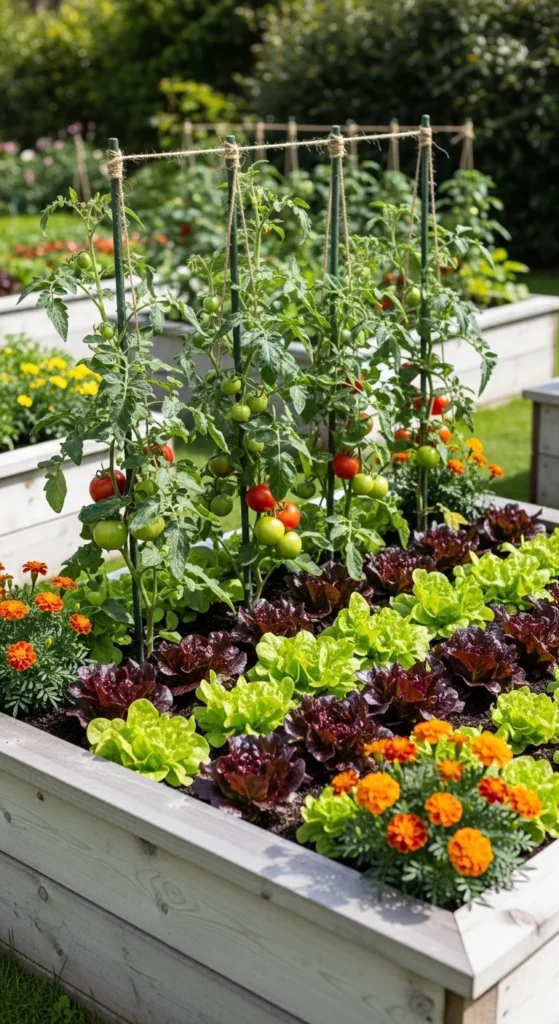
Companion planting helps you use space.
Plant lettuce under tomatoes early in the season. The lettuce finishes as tomatoes grow larger.
Grow carrots near onions to mix root zones.
Add marigolds at corners for color and to attract helpful insects.
Budget tip: Use seed packs and tuck small companion plants into empty spots.
The goal is simple: keep soil covered and keep harvesting.
Companion pairings make a raised bed look full while still giving each crop enough room.
Conclusion
Raised beds let you control soil, water, spacing, and timing, which adds up to bigger harvests in less space. Start with a practical bed size, use a simple soil mix, plant vertically, and keep a steady routine with compost top-ups and succession planting. Pick a few ideas from this list, set up one productive bed, and you’ll be surprised how much food you can grow from a small, well-planned space.
Leave a Reply