

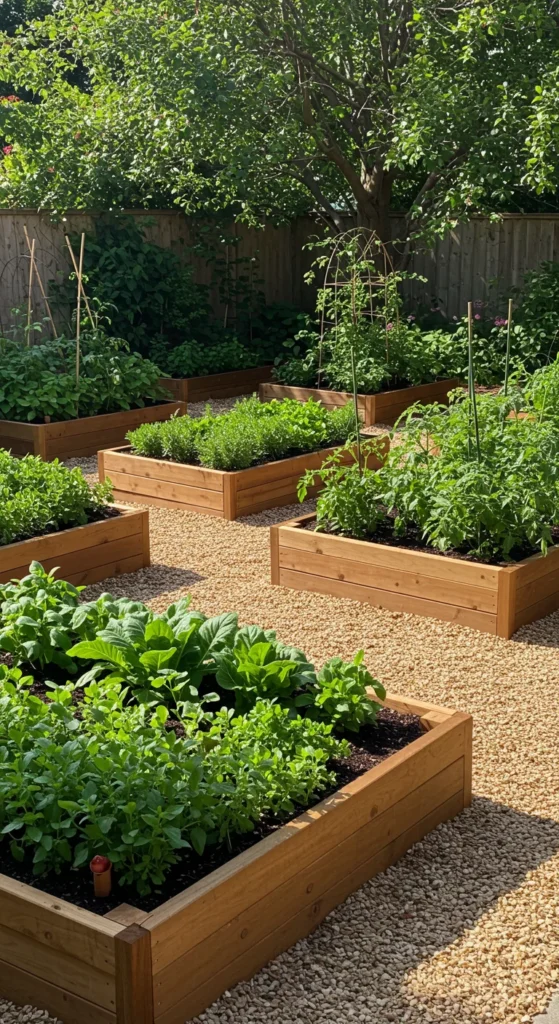
Raised bed gardening is one of the easiest ways to grow food, especially for beginners. It allows better soil control, fewer weeds, and less bending over while working. Even small yards or patios can be transformed into productive growing spaces with the right setup. These 25 brilliant raised bed gardening hacks will help you save time, grow healthier plants, and make the most of your space.
1. Start Small with One Bed
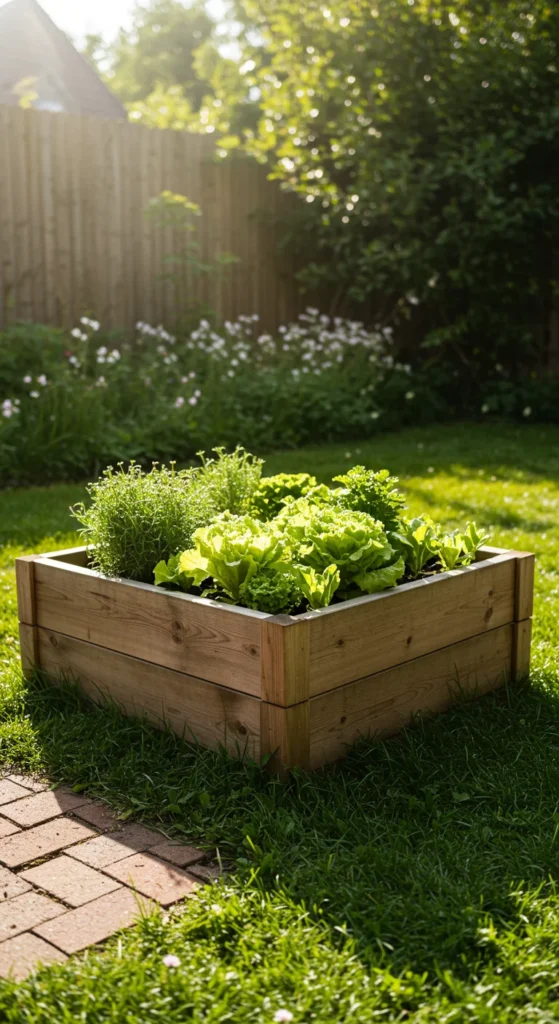
Begin with just one raised bed rather than building many at once. A smaller setup is easier to manage and less expensive. You’ll learn how to maintain soil, water correctly, and plan crops without feeling overwhelmed. Once you gain confidence, you can expand to multiple beds.
2. Use Untreated Wood
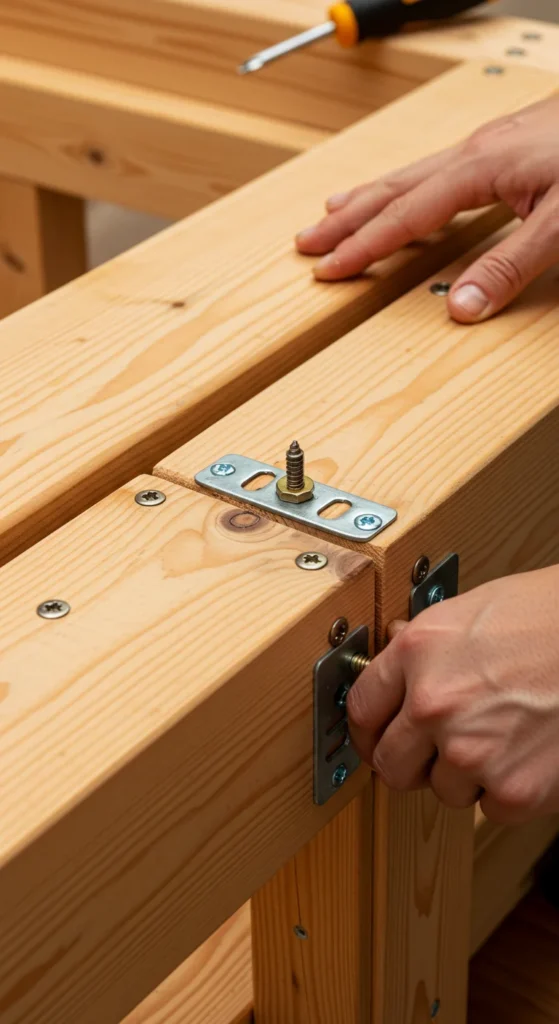
Avoid wood that’s been chemically treated, as it can leach into soil. Pine, cedar, or redwood are excellent choices. Seal the wood naturally with linseed oil to extend its life. Simple, untreated lumber is safe, affordable, and works perfectly for edible gardens.
3. Line the Bottom with Cardboard
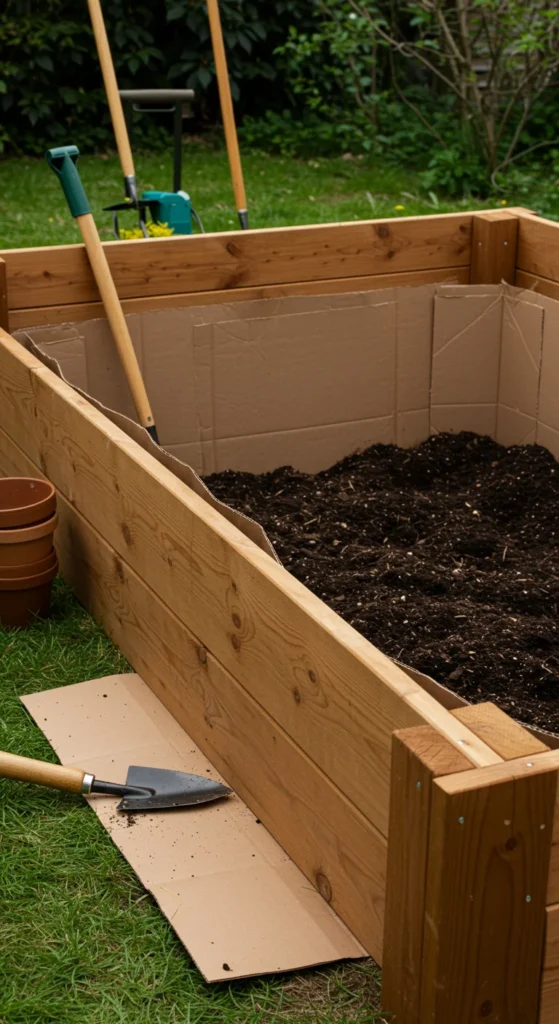
Place cardboard or newspaper at the bottom before adding soil. This layer smothers grass and weeds while slowly decomposing into organic matter. It’s a cheap, eco-friendly way to keep weeds from taking over your raised beds.
4. Fill Beds with Layered Soil
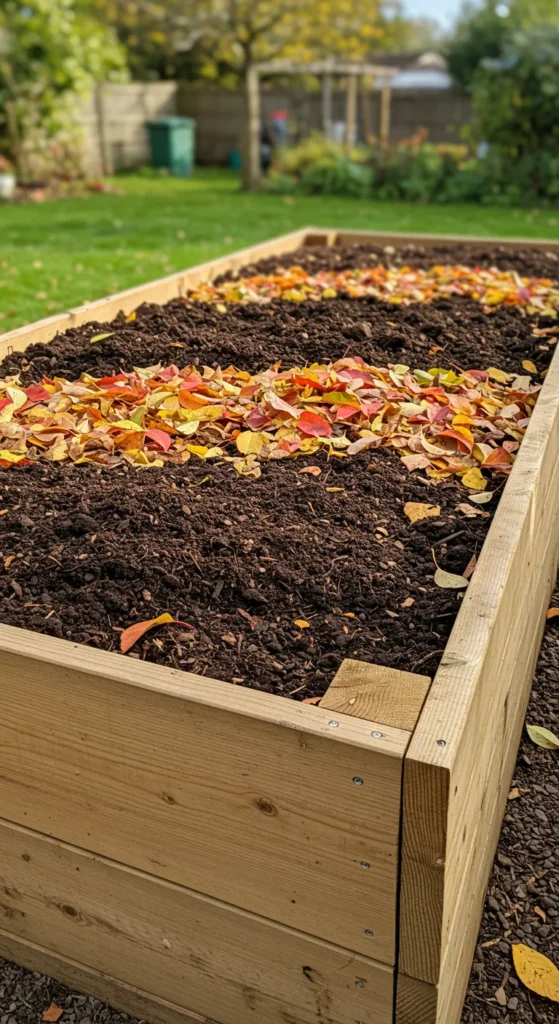
Instead of using only store-bought soil, layer compost, garden soil, and organic matter. This “lasagna style” method creates rich, well-drained growing conditions. It’s affordable and encourages strong root development.
5. Add Mulch on Top
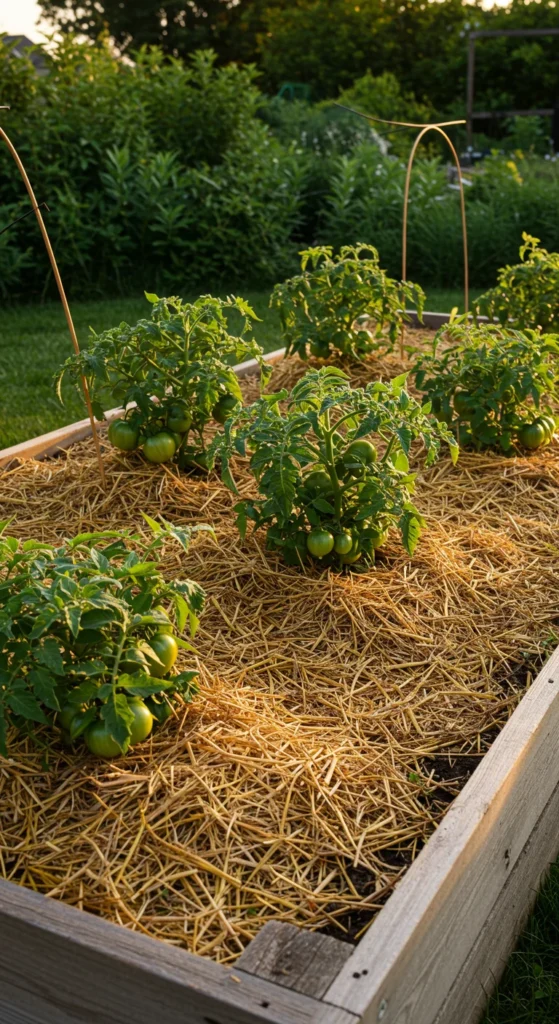
A layer of straw, shredded leaves, or wood chips on top of the soil reduces water loss and keeps weeds down. Mulch also regulates soil temperature, protecting roots during hot or cool spells.
6. Install Soaker Hoses
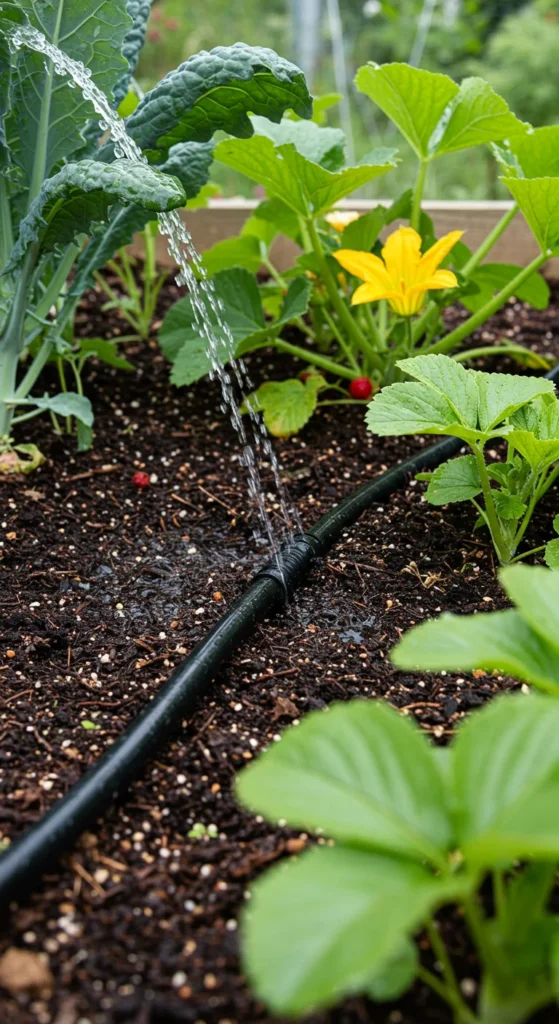
Soaker hoses deliver water directly to plant roots. This method prevents splashing on leaves, which can spread disease. Connect hoses to a timer for easy, consistent watering.
7. Use Vertical Supports
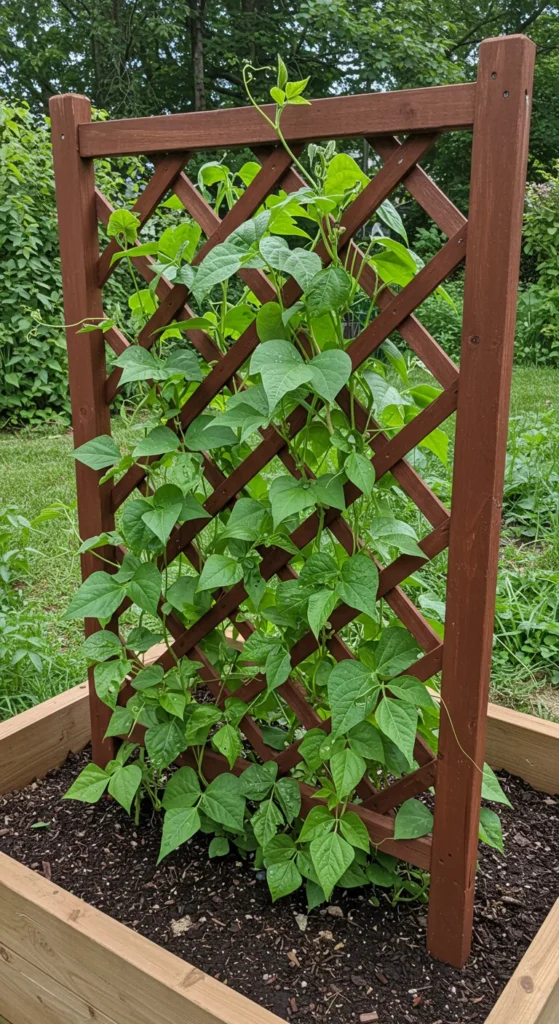
Attach trellises, cages, or poles directly to your raised bed. Crops like beans, cucumbers, and tomatoes thrive when given vertical support. It saves space and makes harvesting easier.
8. Build Narrow Beds for Easy Reach
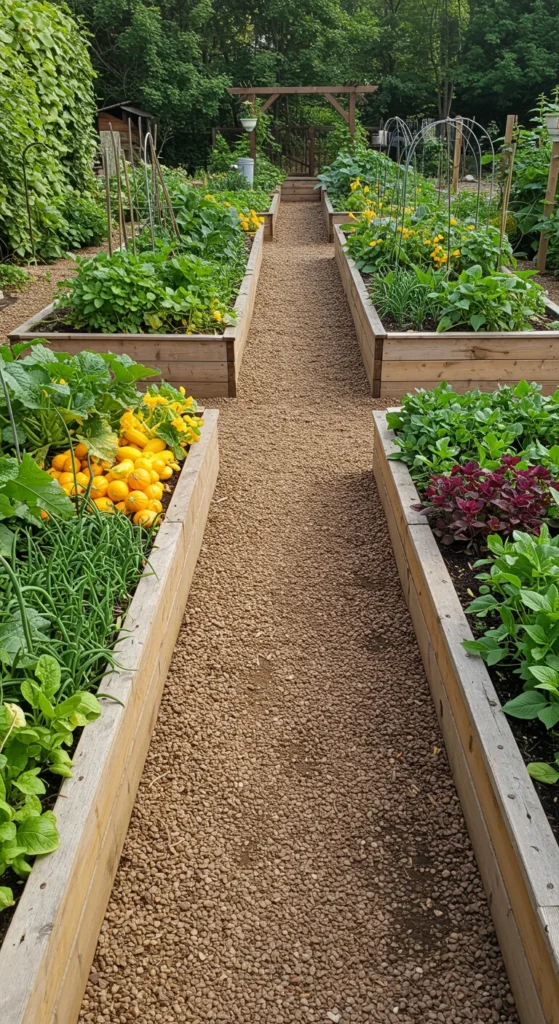
Keep beds no wider than four feet. This way, you can reach the middle from either side without stepping into the soil. It keeps the soil loose and prevents compaction.
9. Add Worms for Better Soil
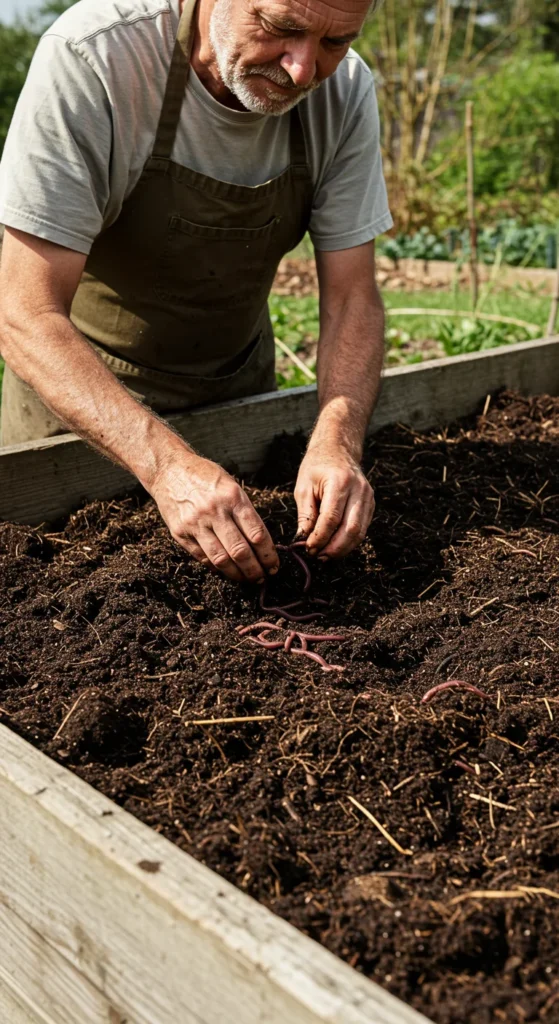
Introduce earthworms to your raised beds. They aerate soil naturally and enrich it with nutrient-rich castings. Worms create healthier soil structure, which helps plants thrive.
10. Mix in Kitchen Scraps
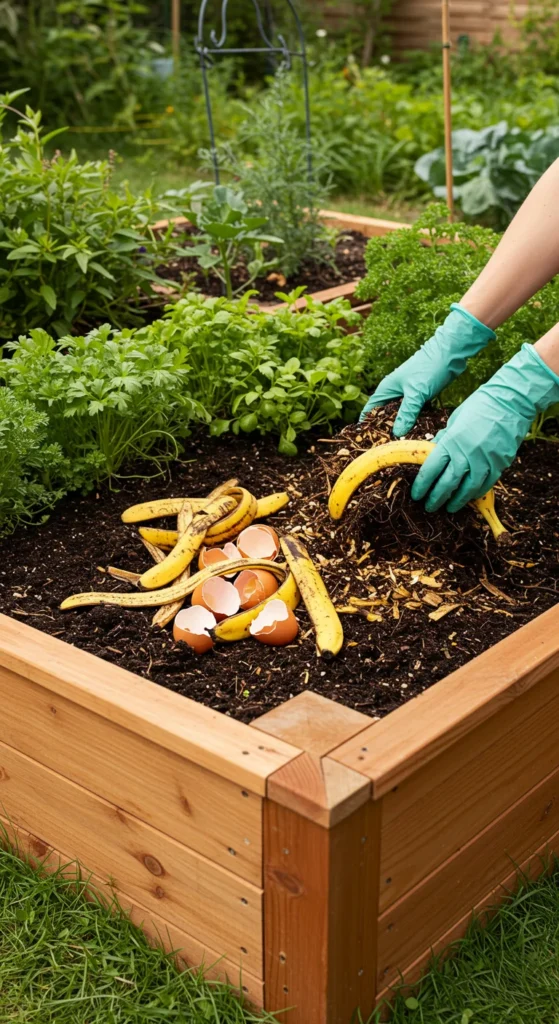
Instead of throwing scraps away, bury small amounts directly in your bed. They decompose into nutrients that plants can use. It’s like having a mini compost system right in your garden.
11. Try Square Foot Gardening
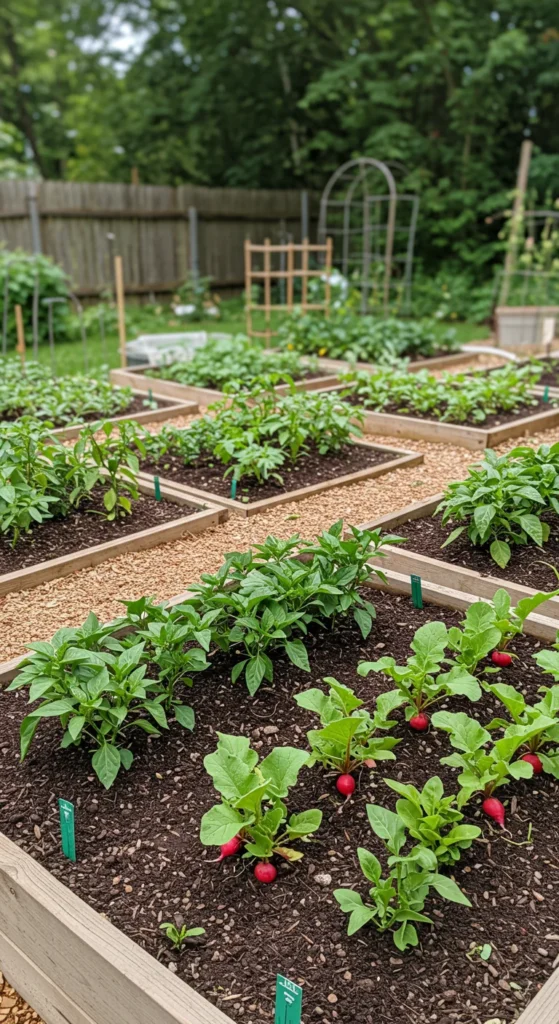
Divide your raised bed into square-foot grids using string or wood strips. Plant a different crop in each square. This method maximizes space and makes planning easy, especially for beginners.
12. Use Companion Planting
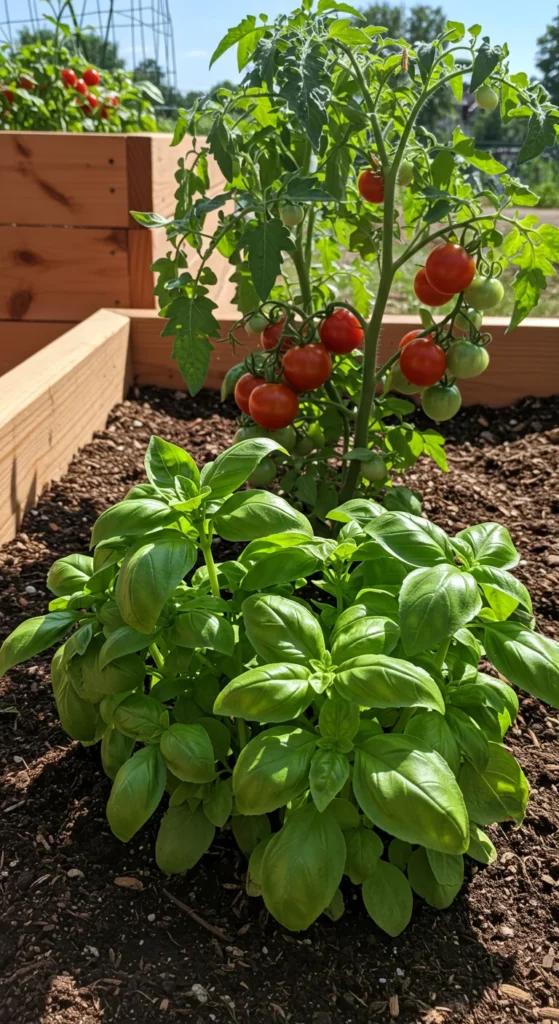
Pair crops that benefit each other. Basil helps tomatoes, while beans add nitrogen for corn. Companion planting improves growth and reduces pests naturally.
13. Install Protective Covers
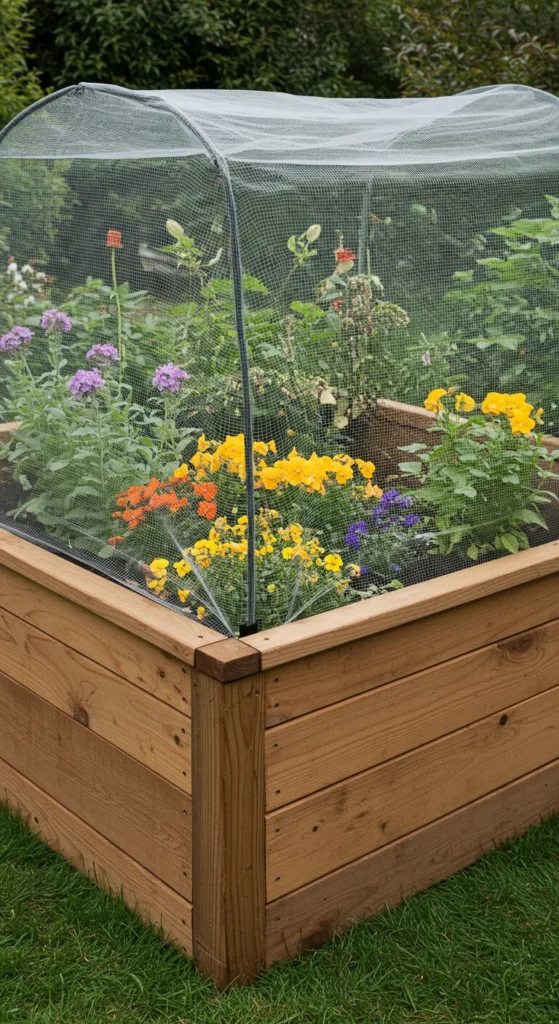
Use mesh or row covers to shield plants from pests. Covers also protect young seedlings from harsh weather. Simple hoops with fabric stretched over them work well.
14. Rotate Crops Each Year
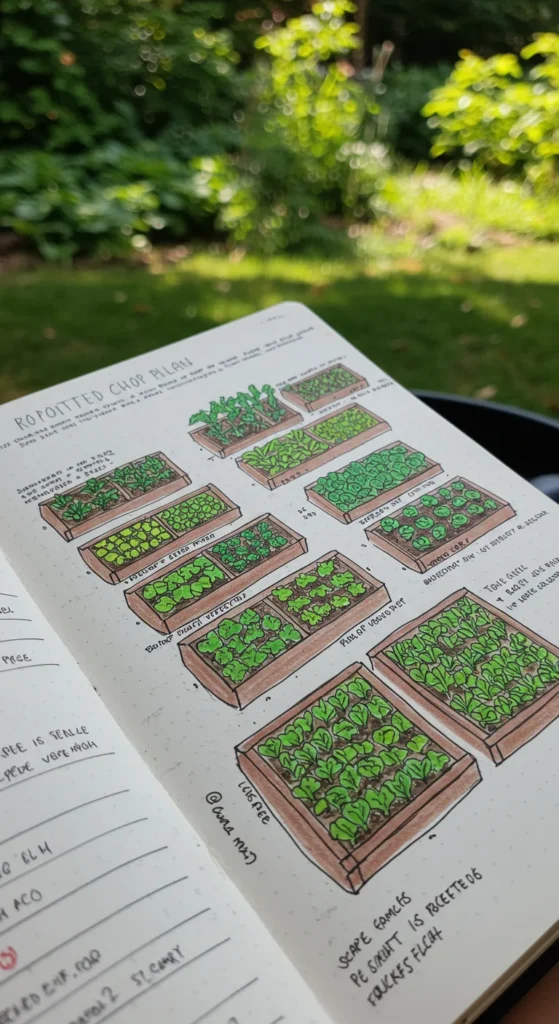
Planting the same crop in the same bed drains nutrients. Rotate families of plants each season. This keeps soil balanced and reduces pest issues.
15. Build with Recycled Materials
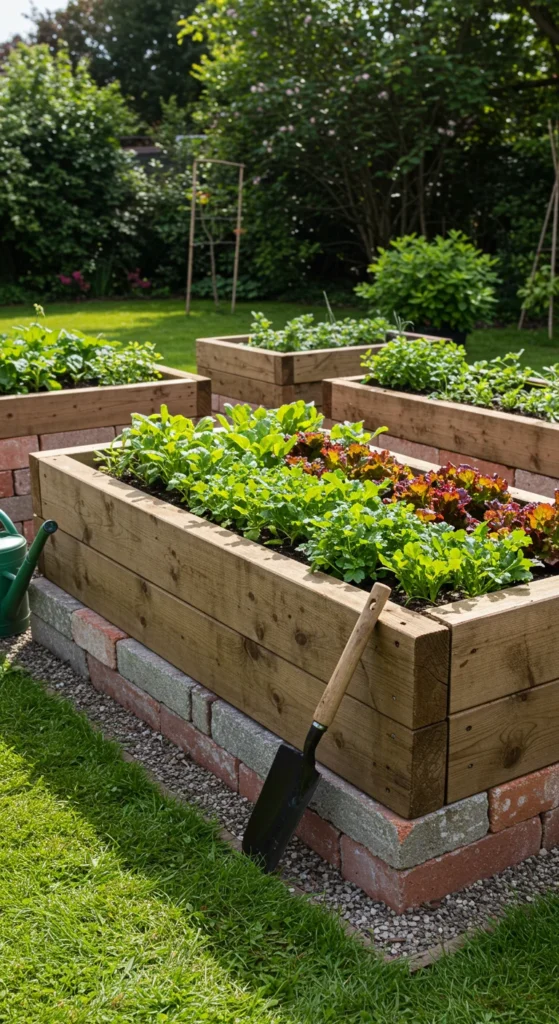
You don’t need to buy new lumber. Old bricks, concrete blocks, or reclaimed wood can be reused to build sturdy beds. This keeps costs down and reduces waste.
16. Add a Drip Irrigation System
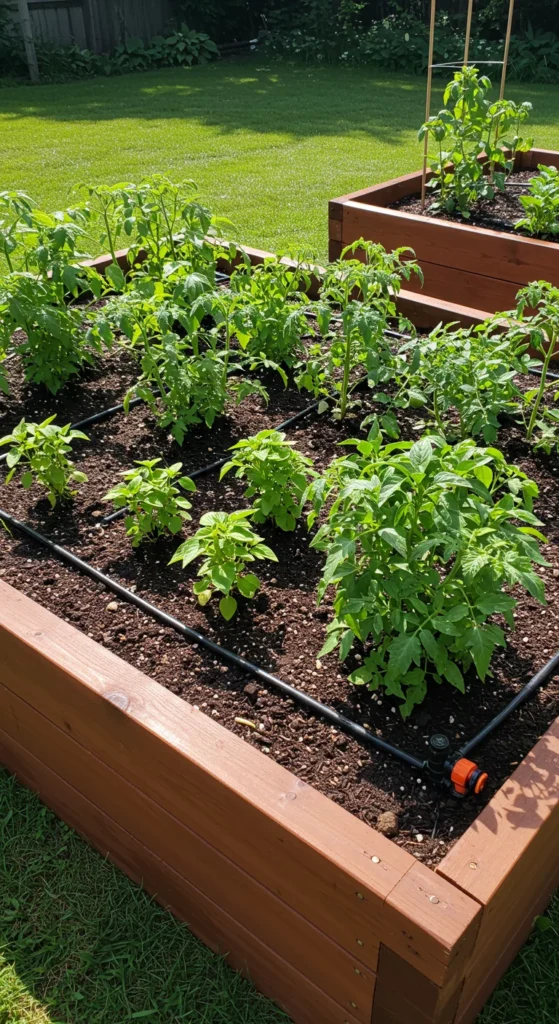
Drip irrigation saves water and keeps soil moist. Kits are affordable and easy to install. They’re especially useful in hot climates where soil dries quickly.
17. Grow Pollinator-Friendly Flowers
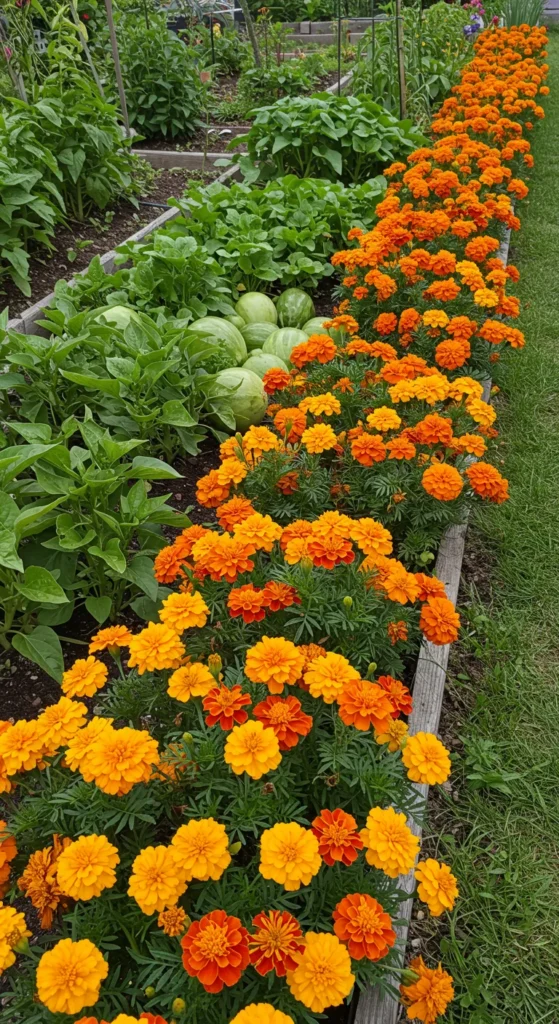
Plant flowers like marigolds, zinnias, or lavender along the edges. They attract bees and butterflies, which help pollinate your crops. Pollinator-friendly beds are more productive and colorful.
18. Use Deep Beds for Root Vegetables
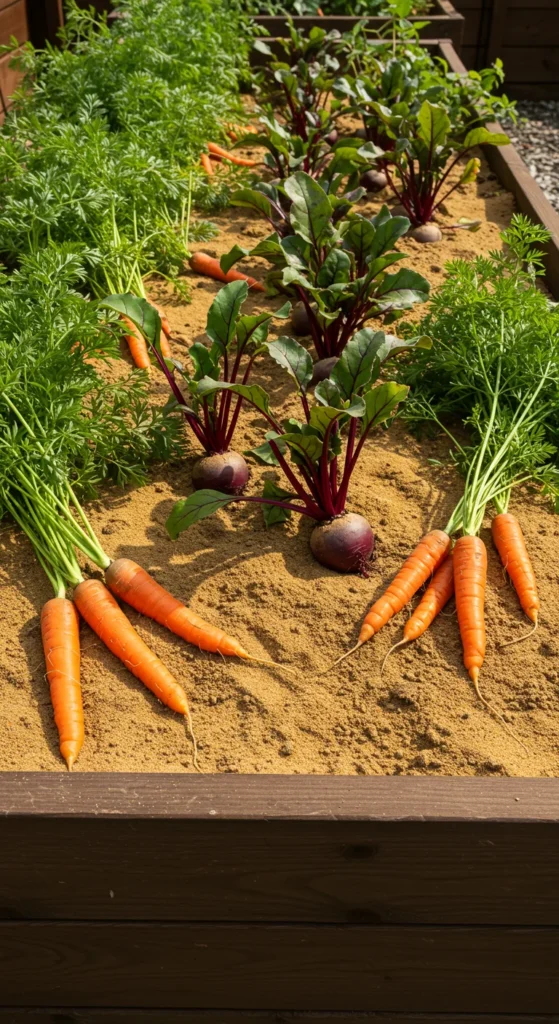
Carrots, parsnips, and beets prefer deep, loose soil. Build raised beds at least 12 inches high for root crops. This gives them space to grow straight and strong.
19. Keep Paths Weed-Free
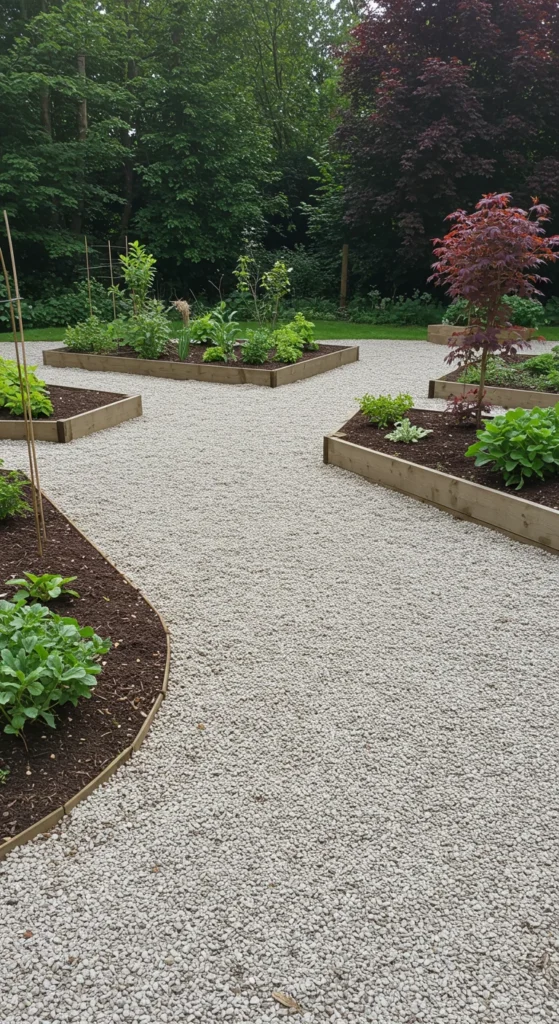
Cover the ground between beds with gravel, mulch, or stepping stones. This keeps weeds down and makes walking around easier, even after rain.
20. Add Treated Compost Tea
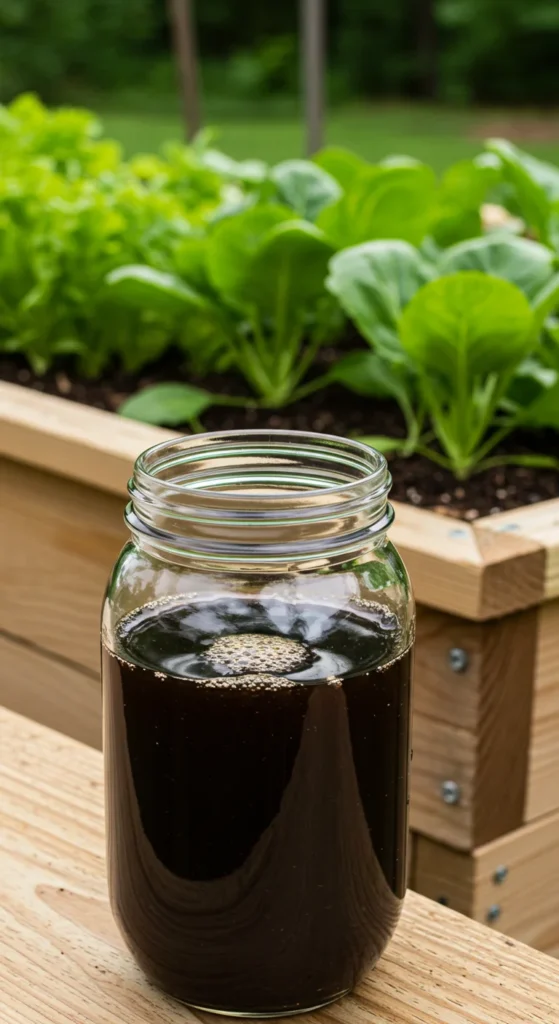
Brew compost tea by steeping compost in water. Use it to water plants for a nutrient-rich boost. This feeds soil microbes and supports healthy growth.
21. Try Straw Bale Fillers
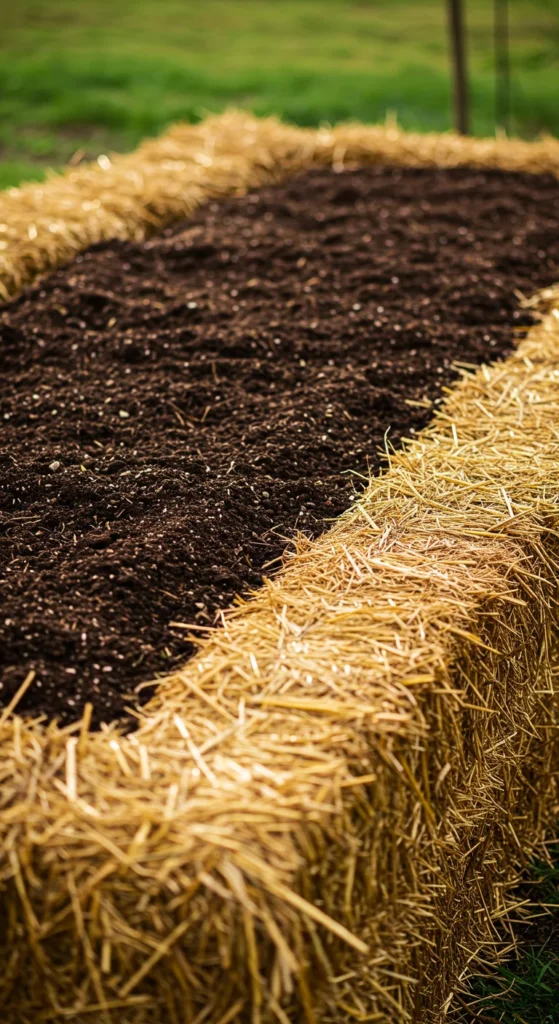
If soil is expensive, fill the bottom half of your bed with straw bales. Top with compost and soil. Over time, straw breaks down, adding organic matter to your bed.
22. Install Cold Frames for Winter Growing
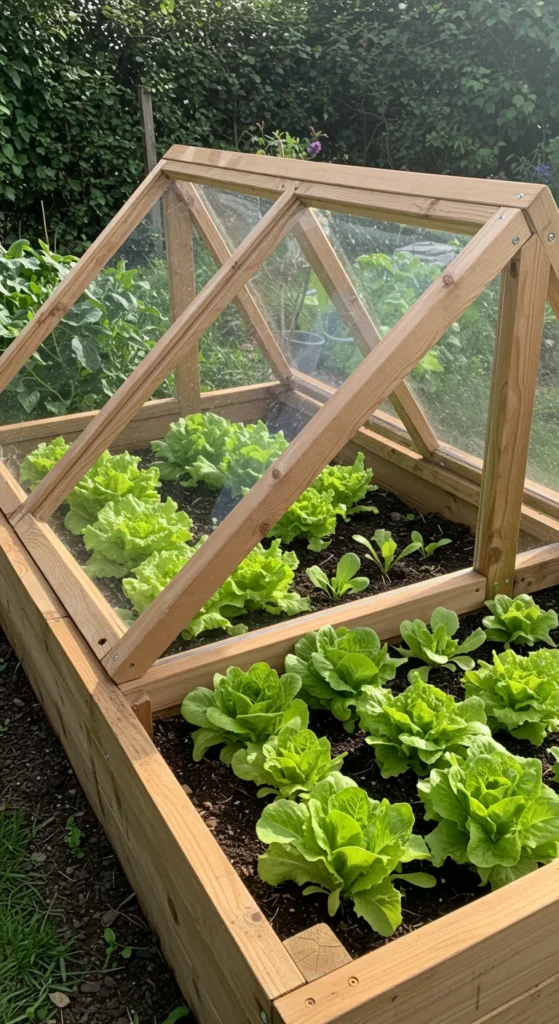
Cold frames extend your growing season. Place one over your raised bed to trap warmth during cooler months. Great for greens and herbs year-round.
23. Add Biochar for Soil Health
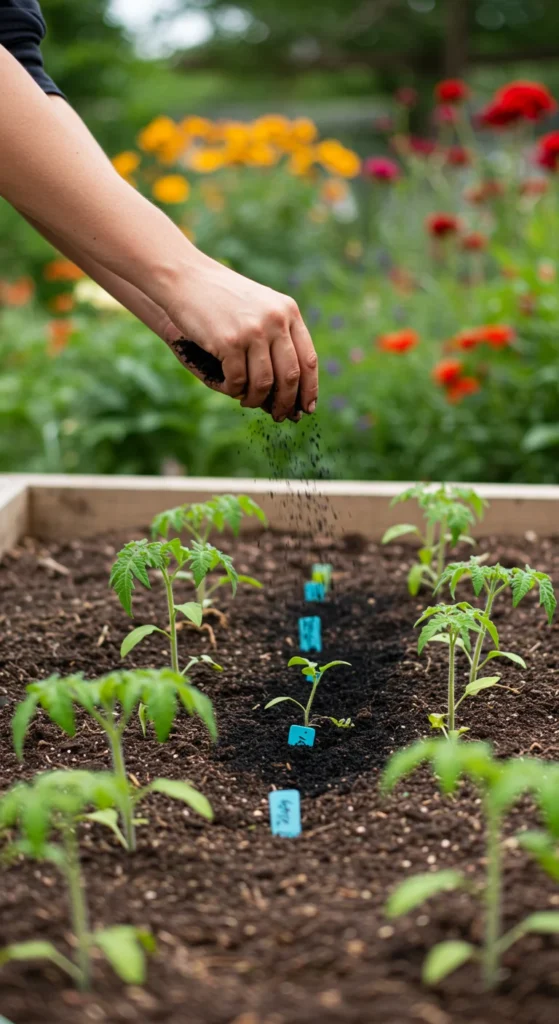
Biochar improves soil structure and water retention. Add a small amount when filling or refreshing your bed. It supports soil microbes and lasts for years.
24. Grow Perennials in Dedicated Beds
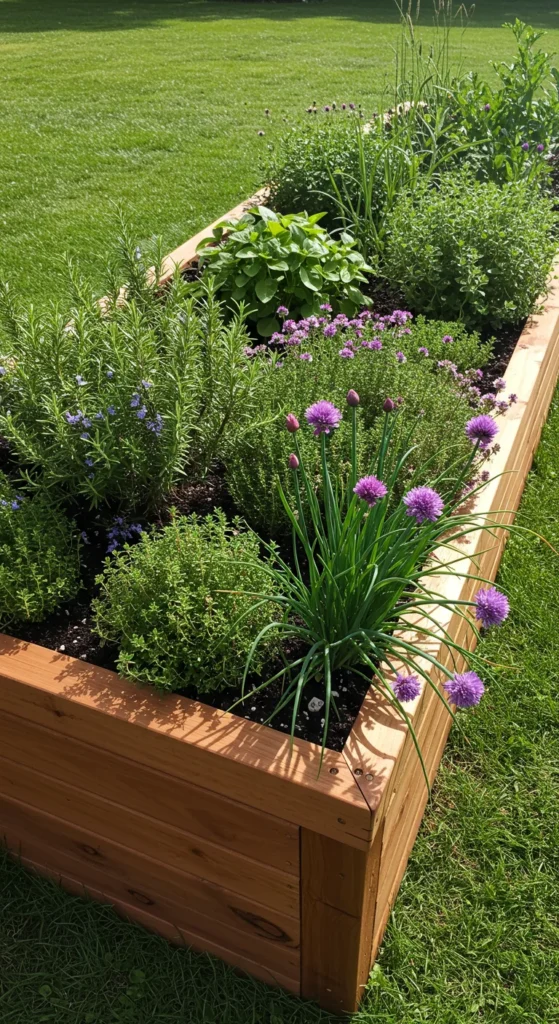
Some plants, like asparagus and perennial herbs, return every year. Dedicate a raised bed just for them so they can establish without being disturbed.
25. Refresh Soil Every Season
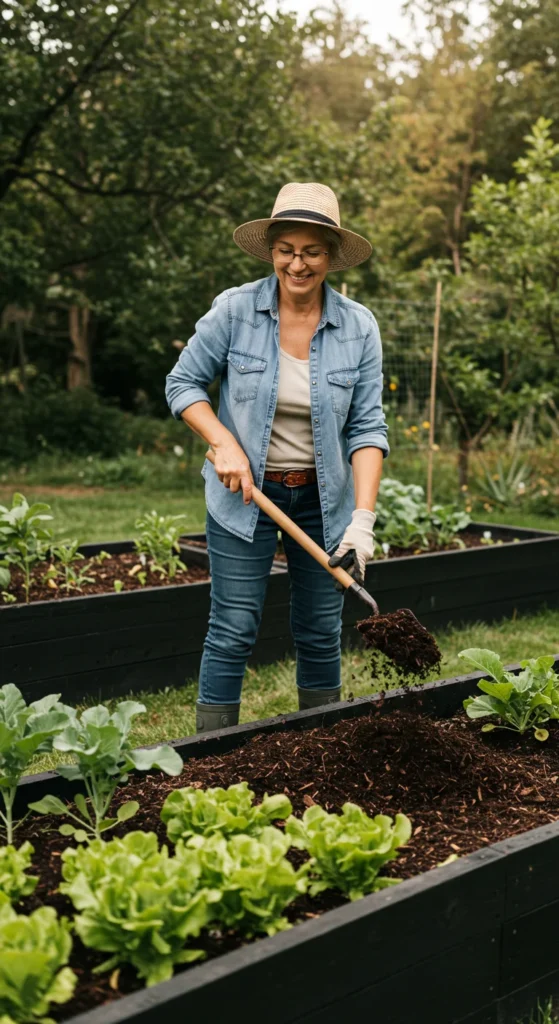
Each season, add compost and organic matter to replenish nutrients. Raised beds can lose fertility over time, so refreshing keeps soil alive and productive.
Conclusion
Raised bed gardening is practical, beginner-friendly, and rewarding. These 25 hacks make it even easier to set up and maintain productive beds. From filling with layers to adding trellises and mulch, every trick helps your plants thrive. Start with one or two ideas today, and soon you’ll be harvesting baskets of homegrown food with confidence. 🌱

Leave a Reply