

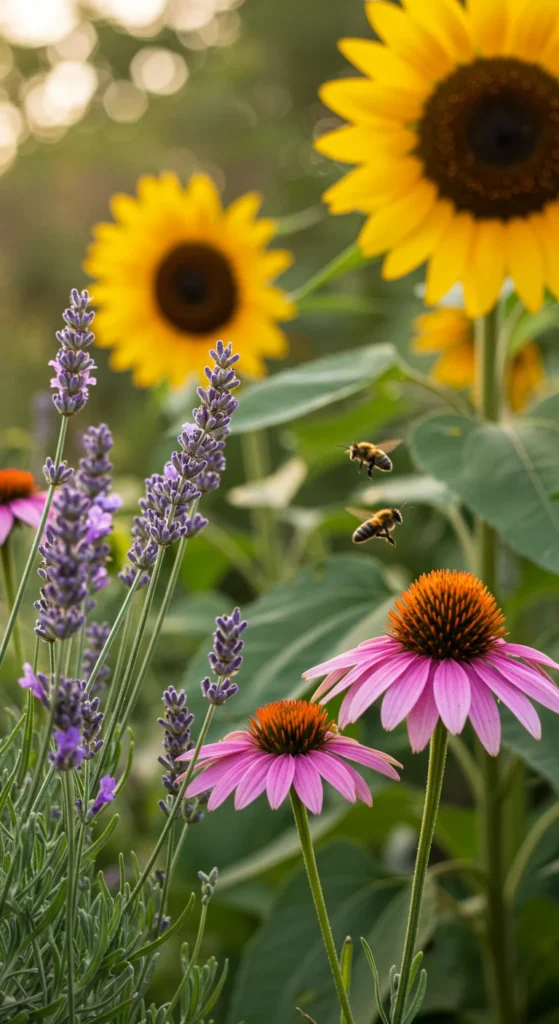
Pollinator gardens are more than just beautiful—they create a habitat for bees and other beneficial insects. By choosing the right plants, adding variety, and making small adjustments to your outdoor space, you can invite pollinators year-round. The best part? You don’t need a huge yard to make an impact. From container gardens to flowering hedges, these 23 pollinator-friendly ideas will keep your garden buzzing with life.
1. Plant Lavender Borders
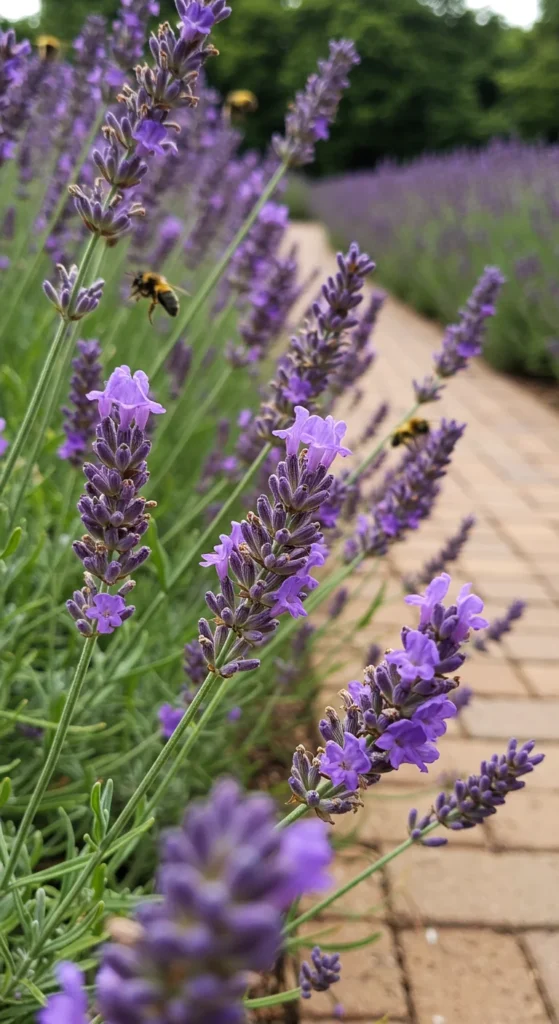
Lavender is one of the easiest plants for attracting bees. Its fragrant purple blooms are irresistible, and it grows well in borders or pots. For budget-friendly planting, buy small starter plants instead of mature shrubs. Lavender thrives in sunny spots with well-drained soil. Once established, it requires little water, making it ideal for low-maintenance gardens.
2. Create a Wildflower Meadow
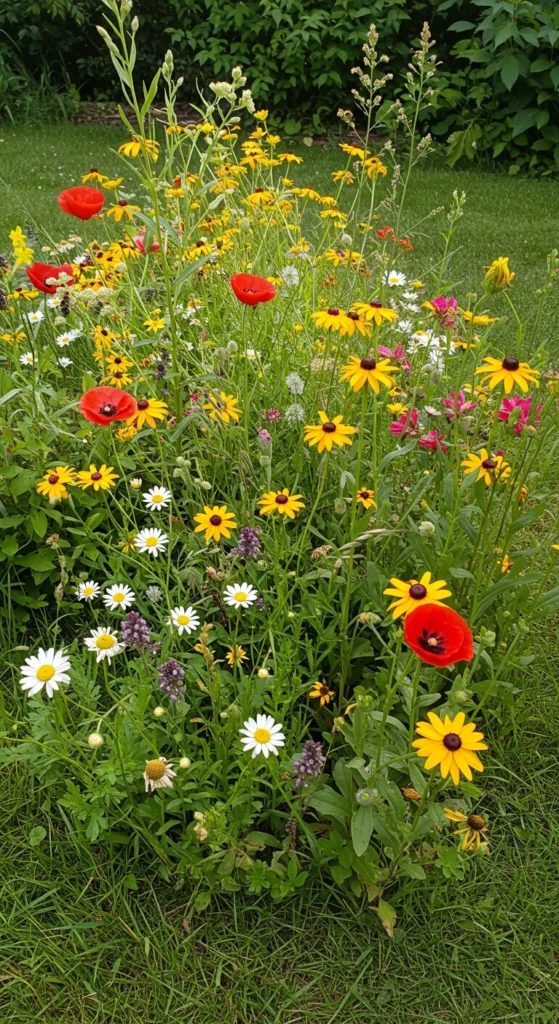
Wildflowers add variety and constant blooms. Scatter a wildflower seed mix across a patch of soil, and you’ll have a low-cost bee haven by summer. Choose blends that include native flowers, since bees are naturally drawn to them. Even a small corner of your yard can be turned into a buzzing meadow.
3. Add Coneflowers (Echinacea)
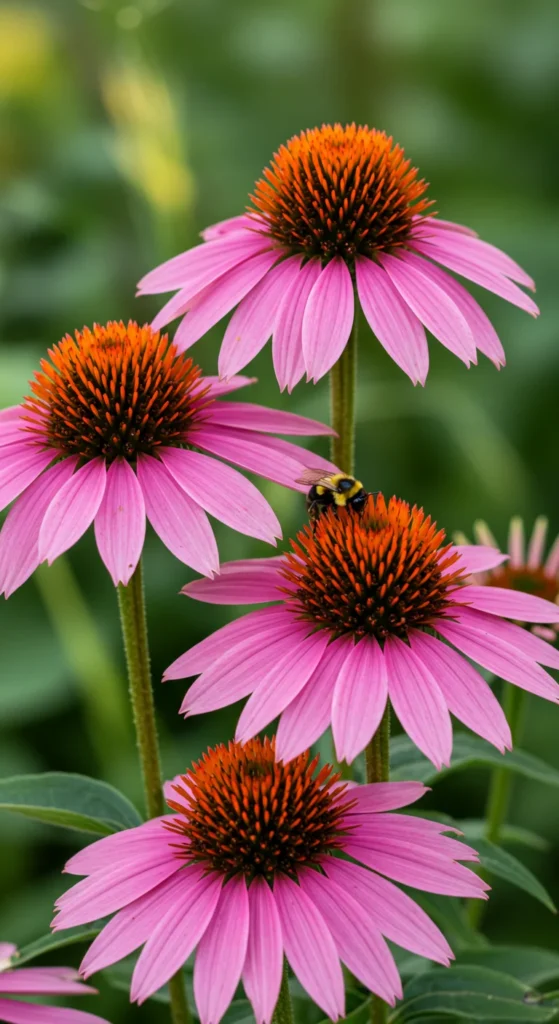
Coneflowers produce vibrant blooms that last all season. Their large centers make it easy for bees to land and gather pollen. These plants tolerate heat and drought, making them a practical choice. To save money, divide mature plants every few years and replant in other spots.
4. Plant Sunflowers for Height
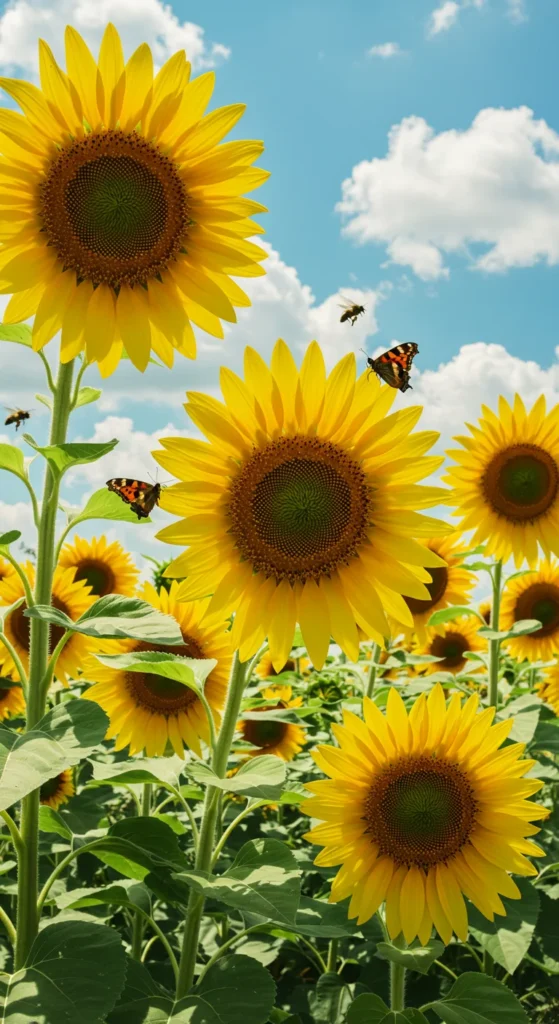
Sunflowers bring both drama and food for pollinators. Bees love their pollen-filled centers, and the seeds feed birds later in the season. Sunflowers grow quickly and can be planted from seeds directly in the soil. Stagger plantings every couple of weeks for continuous blooms.
5. Grow Bee Balm
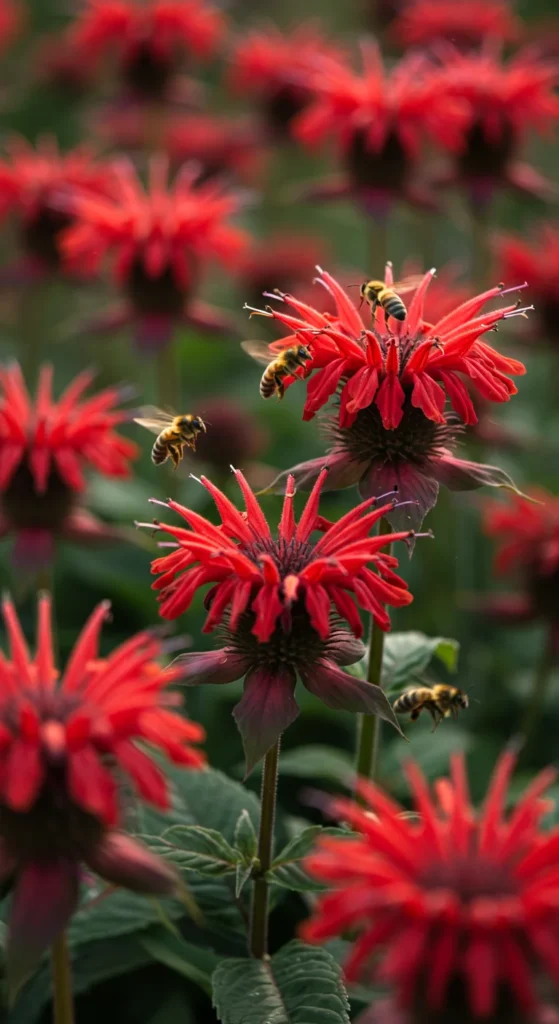
Bee balm lives up to its name. Its showy red, pink, or purple blooms draw bees instantly. This plant also attracts butterflies and hummingbirds. Bee balm spreads quickly, so one or two plants can fill a bed in a couple of seasons. To keep it affordable, divide clumps and share extras with friends.
6. Mix in Herbs Like Thyme and Oregano
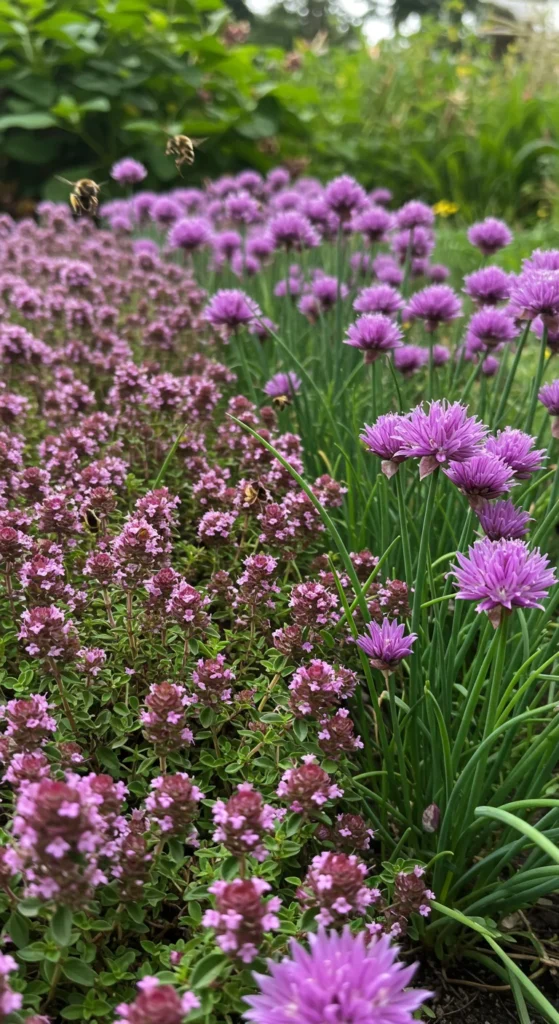
Herbs aren’t just for cooking—they’re great pollinator plants. When thyme, oregano, or chives flower, they provide nectar for bees. Plant them near kitchen doors or in containers. Snip leaves for meals and let a few stems flower to support pollinators.
7. Add Clover Patches
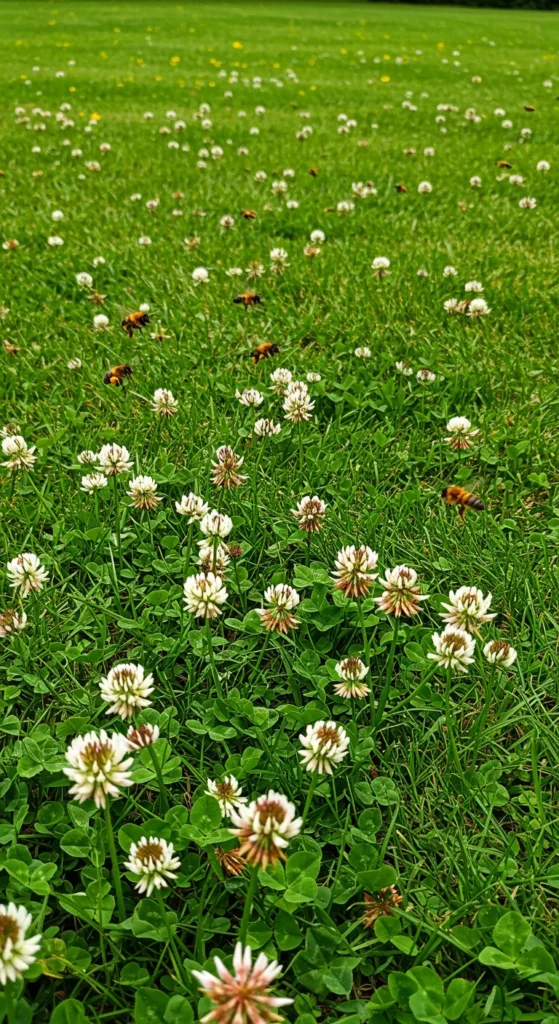
Clover is inexpensive and doubles as ground cover. Bees flock to its white or pink flowers. Instead of a full grass lawn, consider adding clover to create a bee-friendly yard. Clover also improves soil health, making it a smart long-term choice.
8. Incorporate Zinnias
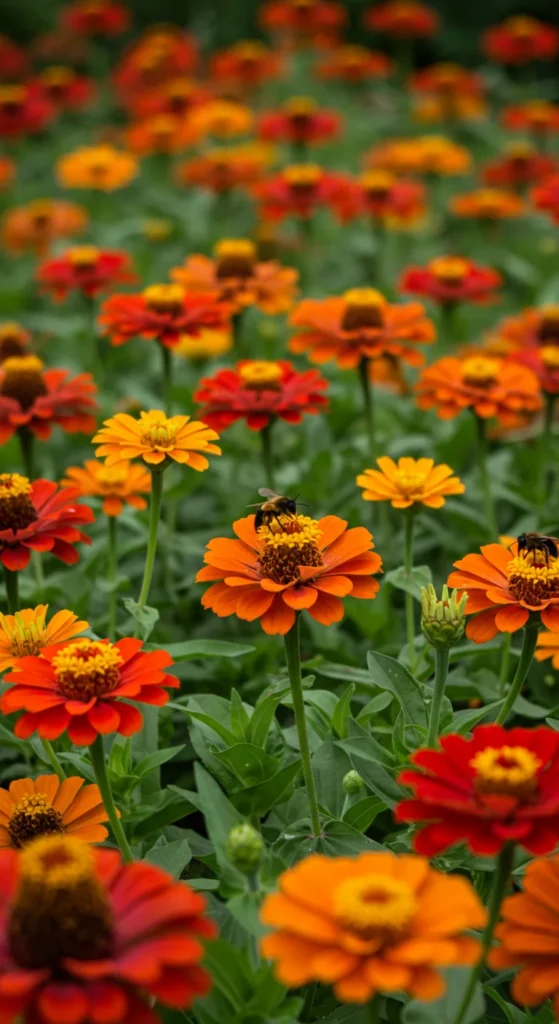
Zinnias provide long-lasting blooms and are easy to grow from seed. They thrive in containers or garden beds. Bees love their open centers, and cutting spent flowers encourages new growth. Save seeds each fall to replant the following year for free.
9. Plant Native Milkweed
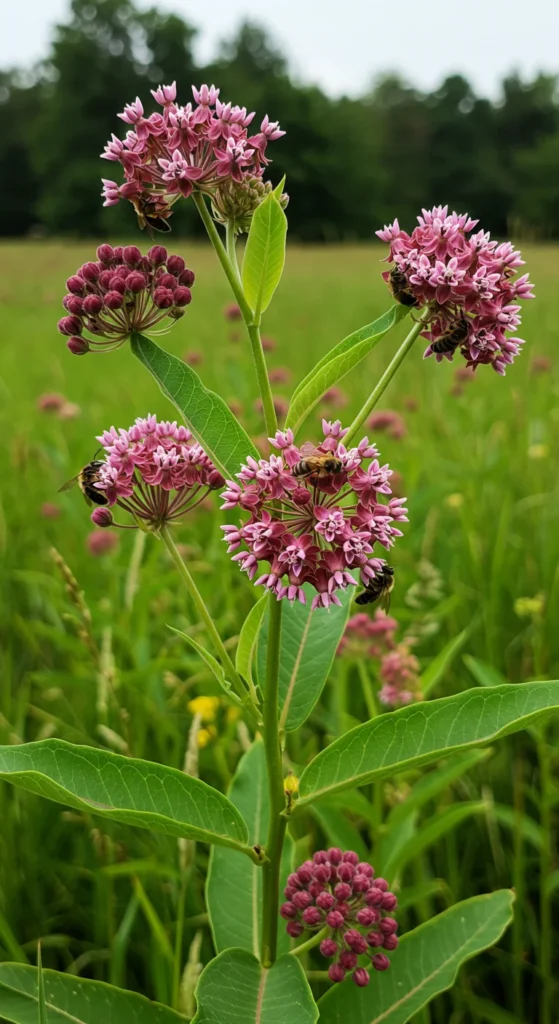
While milkweed is famous for monarch butterflies, bees also enjoy its nectar. Plant native varieties that adapt well to your region. Milkweed grows easily from seed and doesn’t require special care once established. A small patch can make a big difference.
10. Choose Early Spring Bloomers
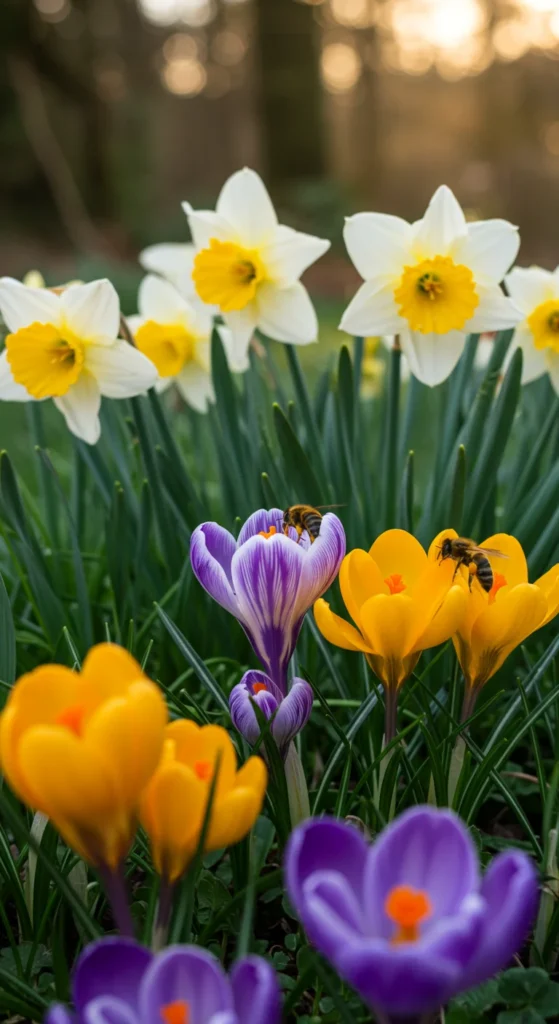
Bees come out as early as the first warm days. Having spring bulbs like crocus, snowdrops, and daffodils ensures food is ready for them. Plant bulbs in fall for a budget-friendly approach that pays off every spring.
11. Add Shrubs Like Butterfly Bush
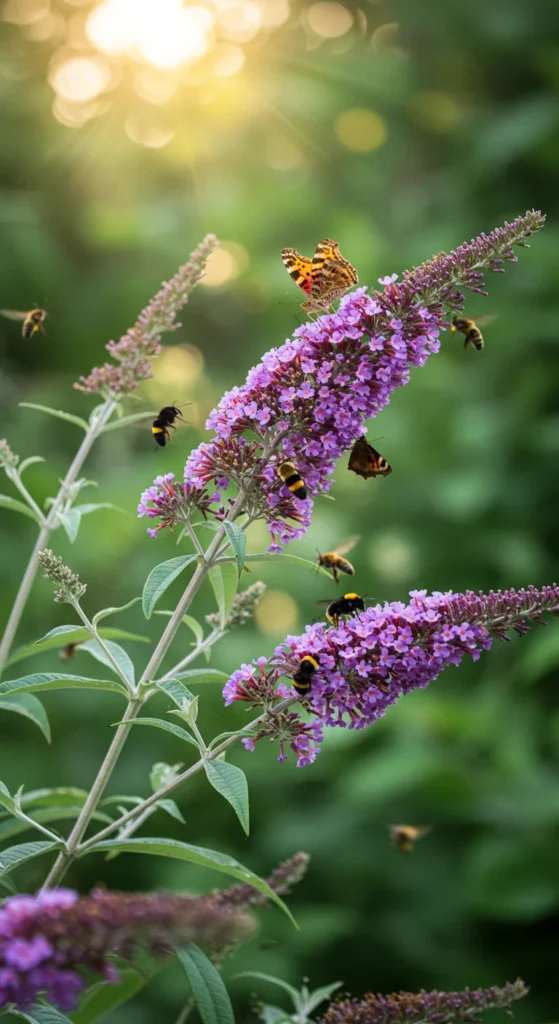
Shrubs provide structure and continuous blooms. Butterfly bush is a favorite for bees and can anchor garden beds. For smaller yards, try dwarf varieties in pots. Trim plants back in winter to encourage strong growth the following year.
12. Grow Fruit Trees
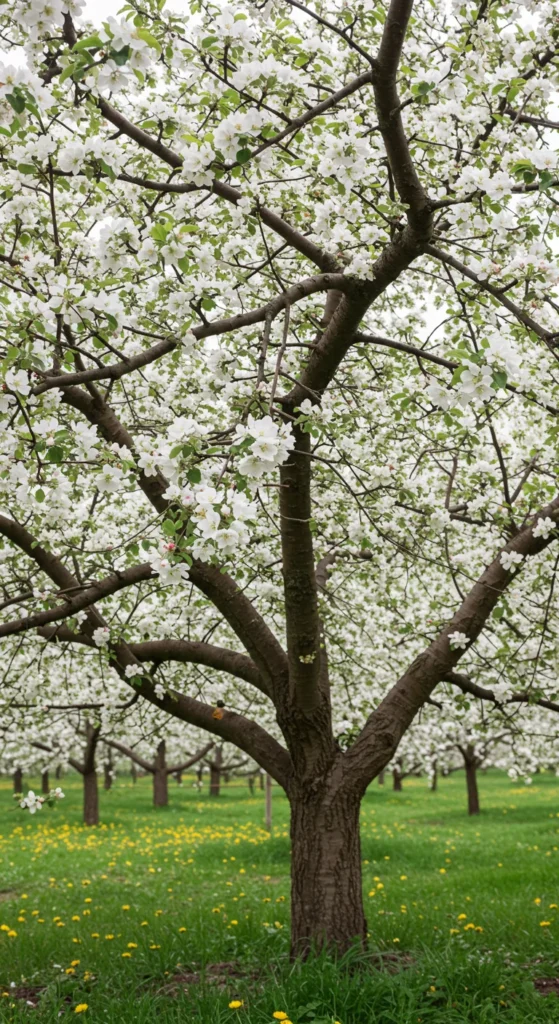
Fruit trees like apple, pear, and cherry provide spring blossoms that pollinators love. Even dwarf varieties grow well in small yards or containers. The bonus? You’ll enjoy the harvest later in the season. Plant young trees in early spring for quicker establishment.
13. Create Vertical Gardens with Vines
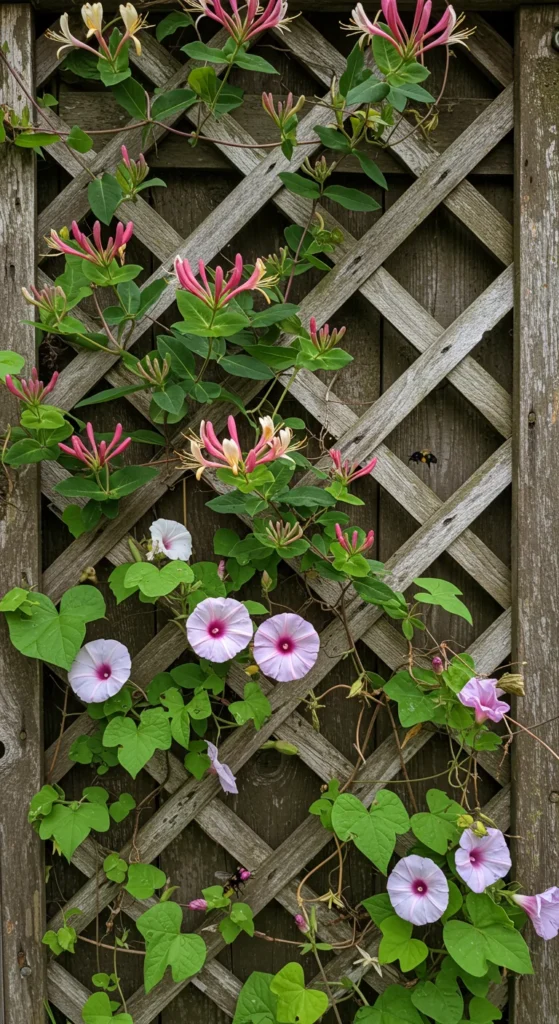
Vining plants add vertical color while providing nectar. Honeysuckle and morning glory are especially popular with bees. Install a simple trellis against a fence or wall, and let vines climb naturally. Seeds are inexpensive, making this an easy DIY idea.
14. Add Native Goldenrod
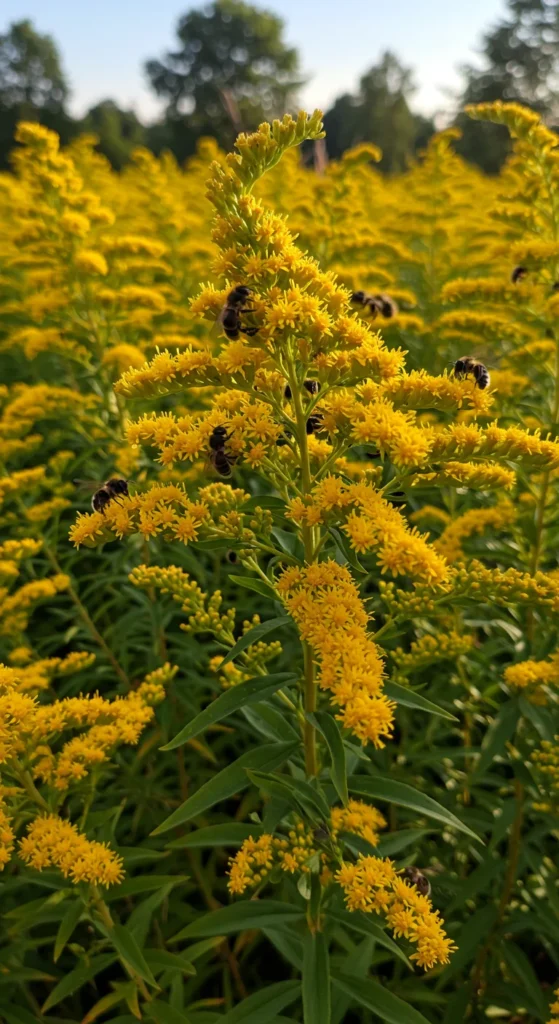
Goldenrod blooms in late summer when many flowers fade, giving bees an important food source. Plant clumps along fences or in meadow-style beds. Goldenrod grows easily from seed and doesn’t require heavy watering.
15. Mix in Marigolds
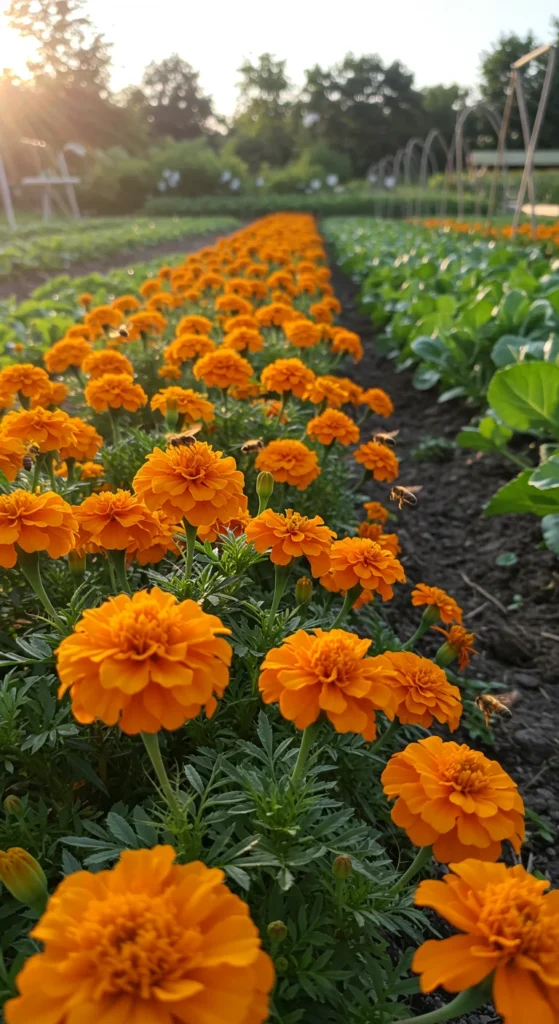
Marigolds are not just decorative—they attract pollinators and repel pests. They’re perfect around vegetable gardens, adding color and function. Start marigolds from seed indoors or buy inexpensive bedding packs. Deadhead flowers regularly to extend blooming.
16. Grow Salvia
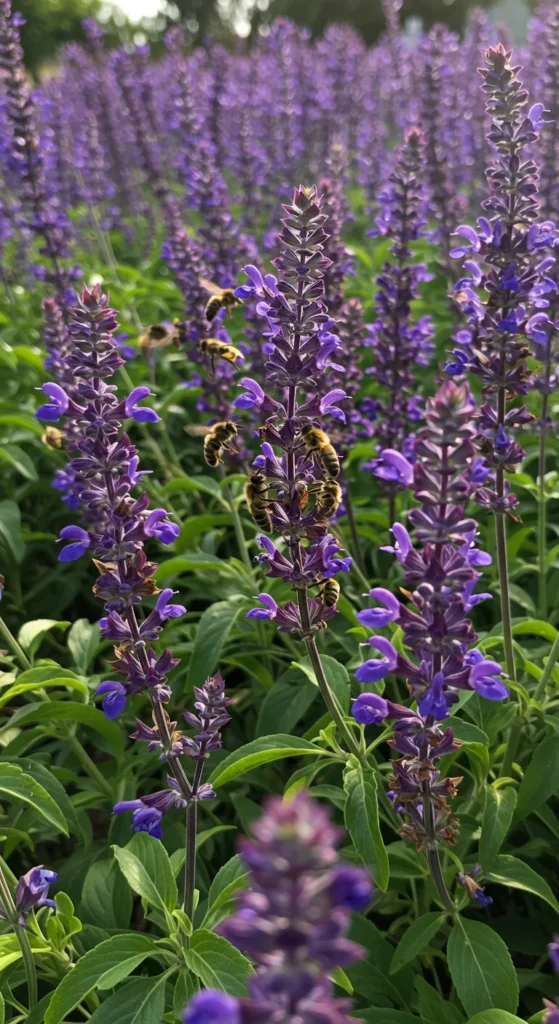
Salvia flowers are long-lasting and rich in nectar. Bees love their tubular blossoms, which bloom from spring into fall. Salvias thrive in full sun and require minimal upkeep. Buy one plant, and you can propagate cuttings for more at no cost.
17. Use Potted Pollinator Plants
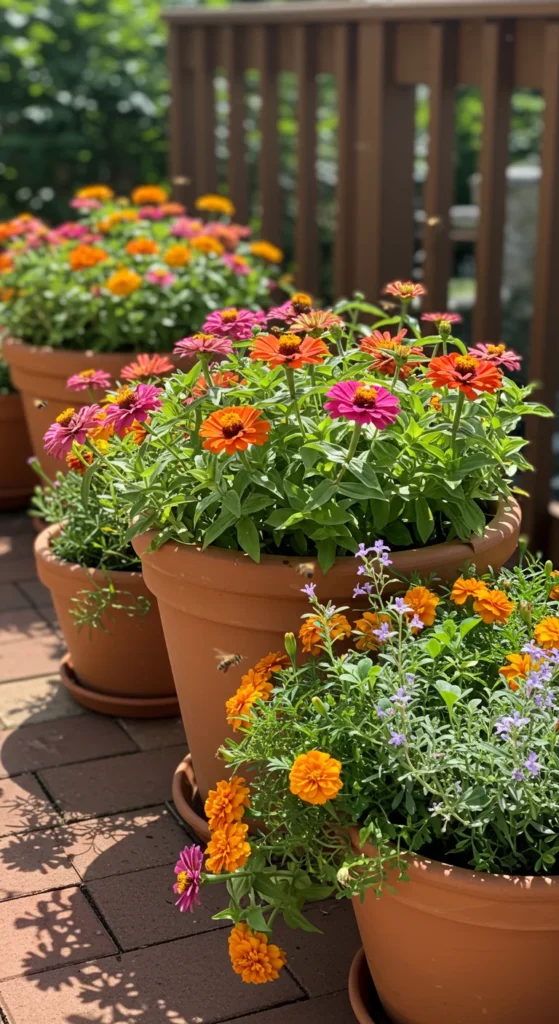
Even small patios can become pollinator havens with pots. Group together flowering herbs, annuals, and perennials in colorful containers. Rotate them through blooming seasons so there’s always something in flower. This is one of the easiest budget-friendly approaches.
18. Grow Basil and Let It Flower
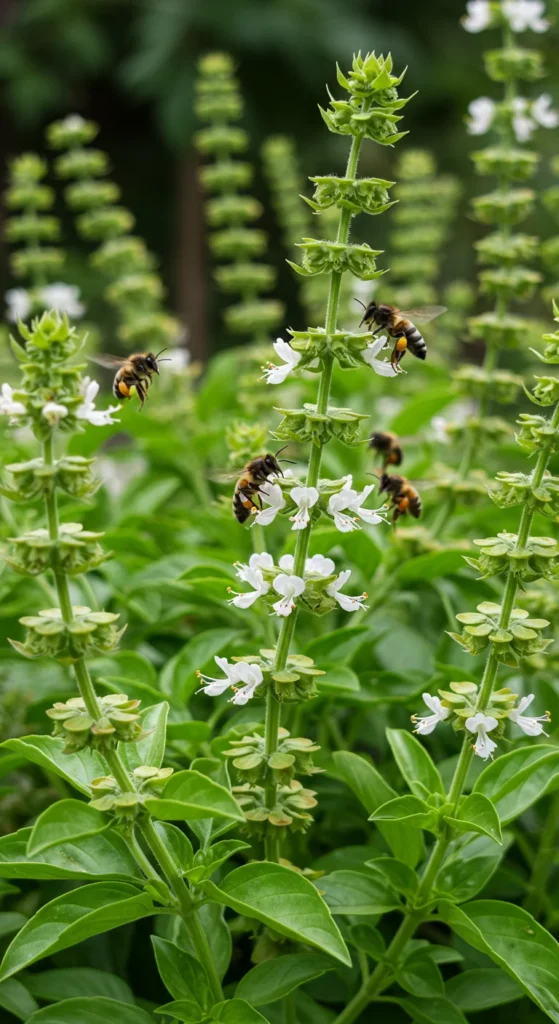
Most people harvest basil before it flowers, but letting it bloom attracts bees. The tiny flowers are full of nectar. Grow basil in pots near kitchens or patios. Keep one or two plants specifically for flowering while using others for cooking.
19. Add Lantana
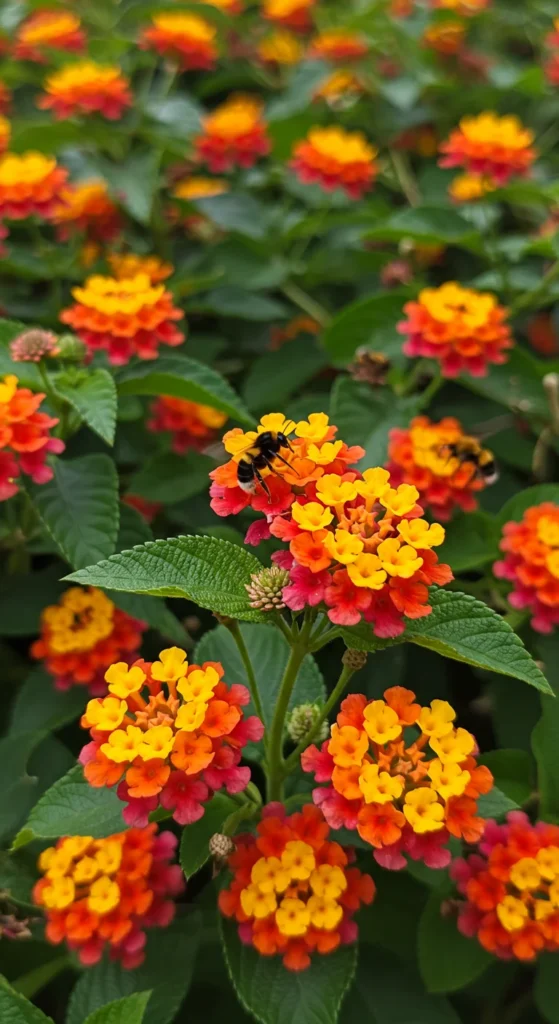
Lantana produces continuous blooms in pink, yellow, and orange. Bees flock to its clustered flowers. It’s drought-tolerant and thrives in containers or ground beds. In cooler climates, grow lantana as an annual or bring pots indoors for winter.
20. Plant Hollyhocks
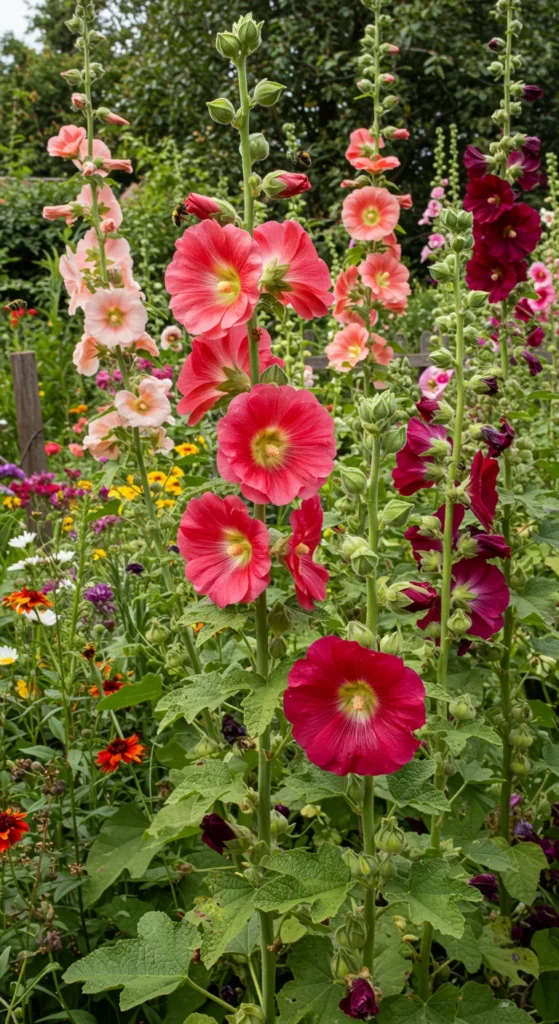
Hollyhocks add height and charm. Their open flowers are perfect landing pads for bees. They reseed themselves easily, so one planting can provide flowers year after year. Plant them along fences or garden edges for a budget-friendly impact.
21. Add Calendula
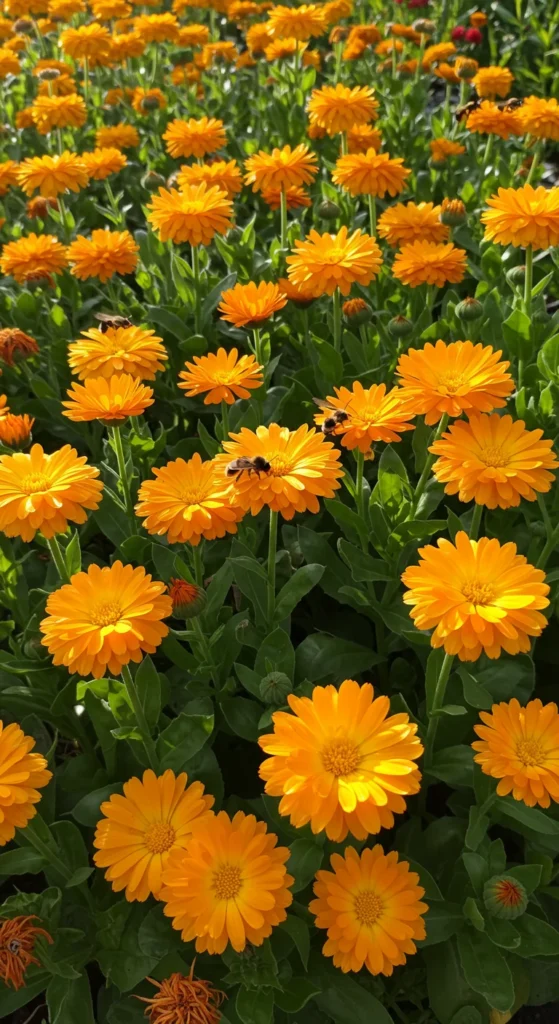
Calendula provides cheerful yellow and orange blooms that bees love. It grows quickly from seed and is often used as a companion plant in vegetable beds. Deadhead flowers for continuous color. Save seeds at the end of the season to replant.
22. Create a Mix of Bloom Times
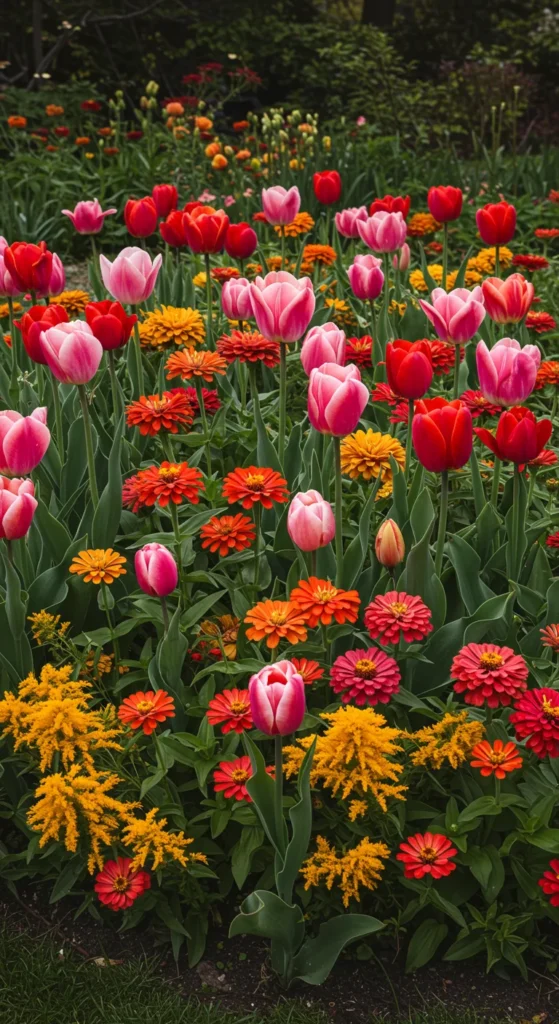
Bees thrive when flowers bloom throughout the year. Planting a mix of spring, summer, and fall bloomers guarantees constant nectar. Layer plants in beds for a colorful effect and year-round food supply.
Conclusion
Pollinator gardens don’t just add color—they help sustain bee populations and keep ecosystems thriving. From wildflowers and herbs to shrubs and flowering trees, each idea offers a practical way to welcome pollinators. By mixing blooms across seasons and keeping water available, your garden can stay alive with buzzing bees year-round. Start small, experiment with a few plants, and watch your space transform into a vibrant haven. 🌸🐝
Leave a Reply