

There’s something magical about a garden alive with fluttering butterflies, buzzing bees, and hovering hummingbirds. The secret to drawing these beautiful visitors isn’t fancy landscaping—it’s wildflowers. These colorful, low-maintenance blooms are nature’s invitation for pollinators to thrive.
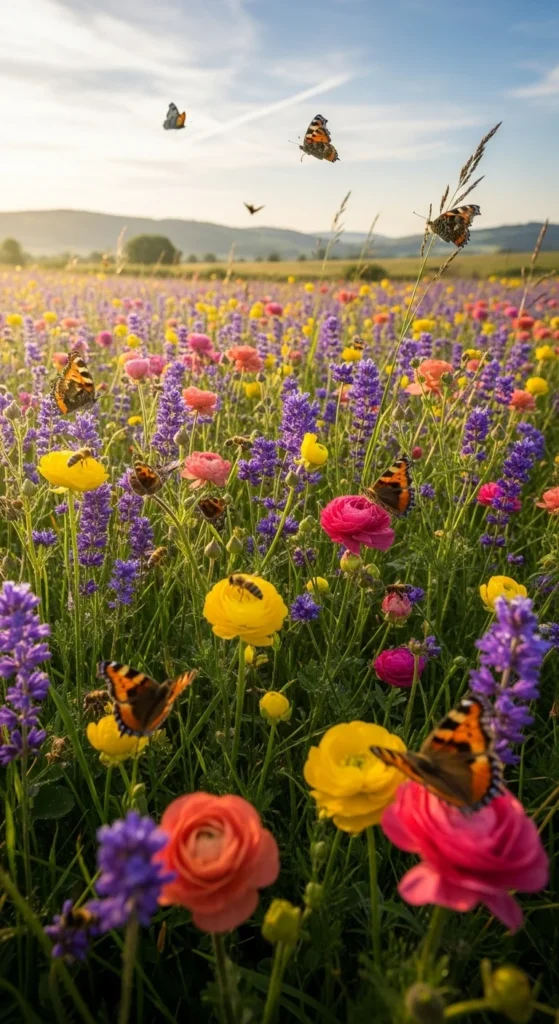
By planting wildflowers, you’re not just adding charm to your yard—you’re creating a small ecosystem that supports pollinators, improves soil health, and enhances biodiversity. Whether you have a sprawling garden or a small balcony, growing wildflowers is easier than you think.
Step 1: Choose the Right Wildflower Mix
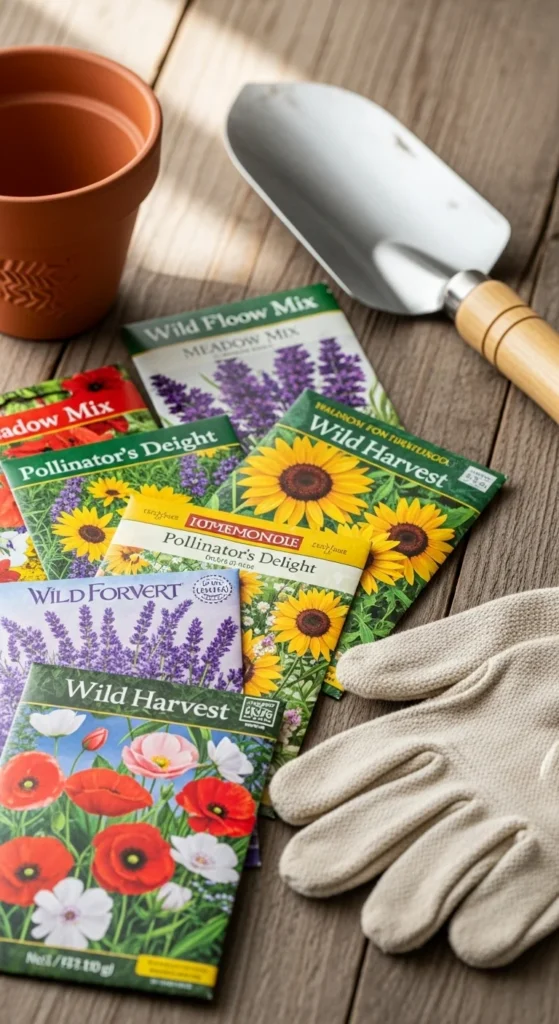
The first step is selecting a mix that suits your climate, sunlight, and soil. Wildflowers thrive best when matched to local conditions.
Tips for choosing:
- Look for native wildflower mixes—they’re adapted to your region and loved by local pollinators.
- Mix annuals (like cosmos and poppies) for quick color with perennials (like coneflowers and black-eyed Susans) for long-term growth.
- Choose a blend that includes nectar-rich blooms in various shapes and colors to attract different species of pollinators.
Some excellent pollinator favorites include:
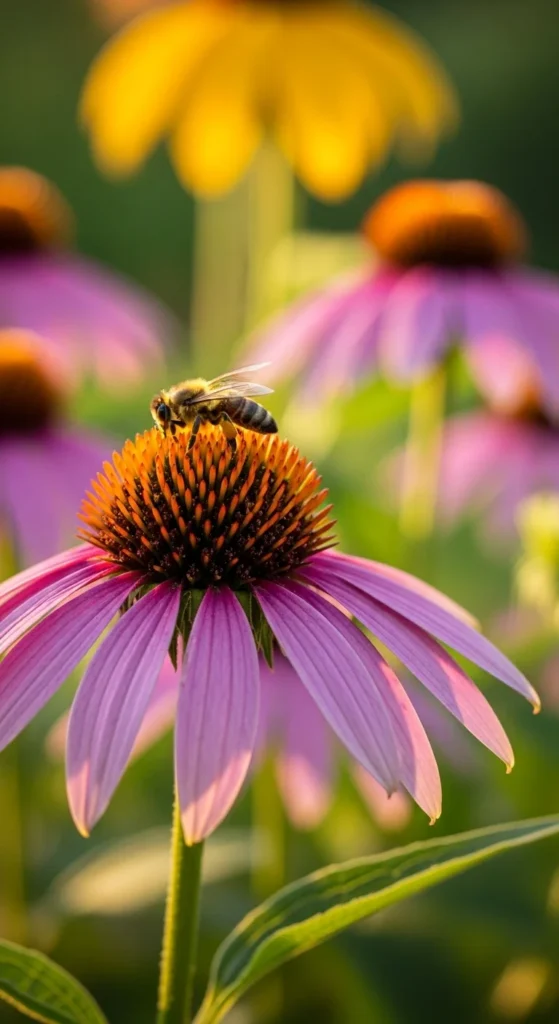
- Purple coneflower (Echinacea)
- Milkweed (essential for monarch butterflies)
- Coreopsis
- Bee balm
- Black-eyed Susan
- Lavender
Step 2: Prepare the Soil
You don’t need perfect soil for wildflowers—just a little preparation. Most wildflowers prefer well-drained soil and full sun.
How to prepare:
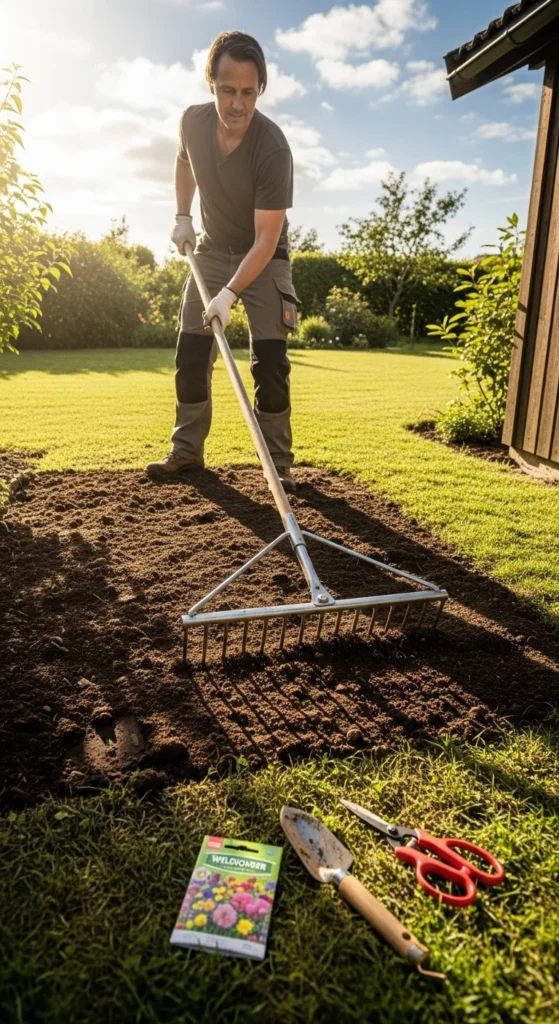
- Clear the area: Remove grass, weeds, and debris so seeds can reach the soil.
- Loosen the top layer: Rake or till about 2 inches deep to create a fine texture.
- Avoid fertilizing: Wildflowers actually thrive in low-nutrient soil—fertilizer encourages weeds to grow instead.
If you’re working with compacted soil, add a bit of compost to improve drainage, but don’t overdo it.
Step 3: Scatter and Sow the Seeds
Now comes the fun part—planting your wildflowers!
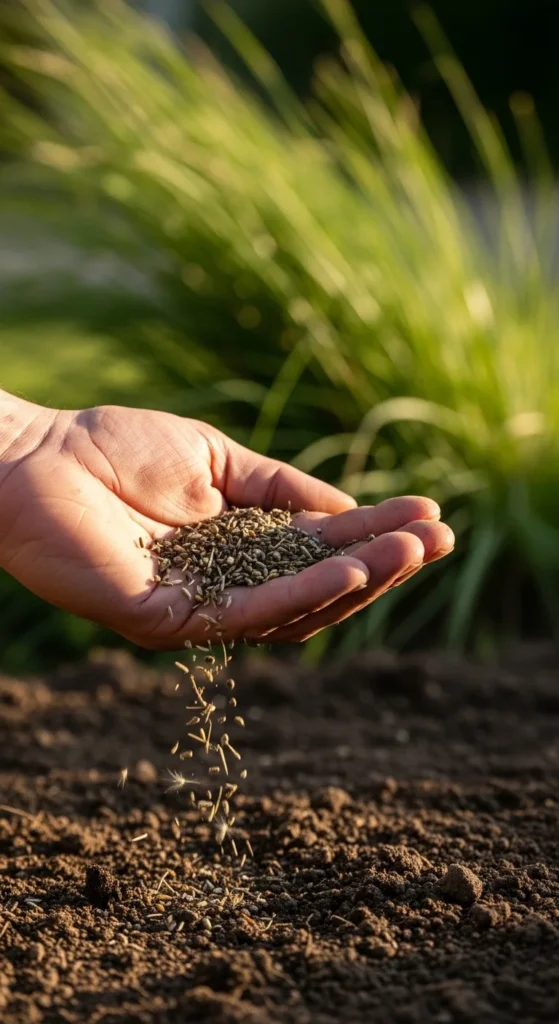
Mix your wildflower seeds with sand or fine soil to help spread them evenly. Then scatter them over the prepared area by hand or using a spreader.
Pro tips:
- Sow in early spring or fall, depending on your climate.
- Gently press the seeds into the soil using your hands, a rake, or by walking over them.
- Avoid covering them with too much soil—wildflower seeds need sunlight to germinate.
After sowing, water gently but thoroughly. The key is to keep the soil consistently moist for the first few weeks until seedlings are established.
Step 4: Water and Watch Them Grow
Wildflowers don’t need much pampering—but they do need care during their early stages.
Watering guide:
- Water daily until sprouts appear.
- Once established, cut back to 1–2 times a week depending on rainfall.
- Avoid overwatering—wildflowers prefer slightly dry soil once mature.
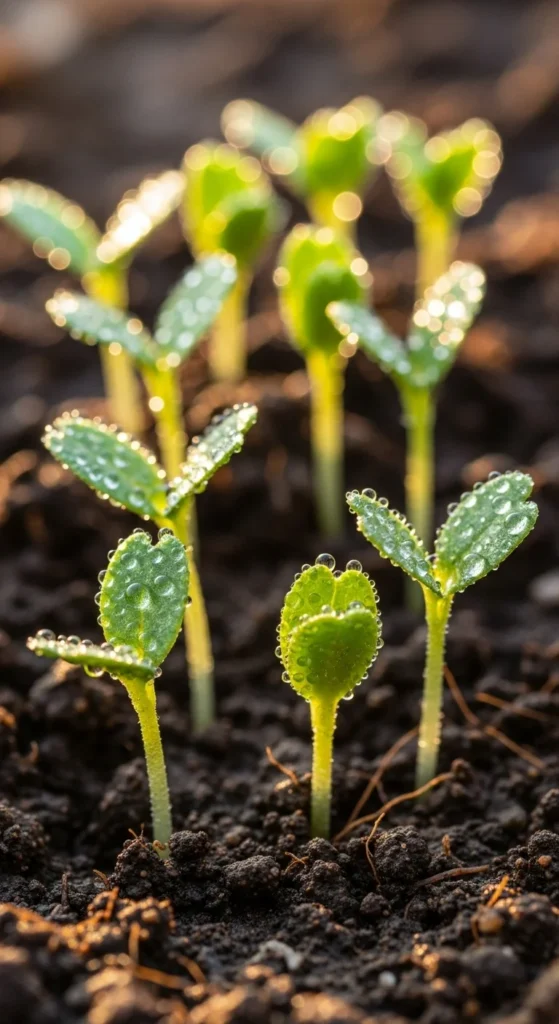
You’ll start to see small sprouts in 7–21 days, depending on the species. Keep an eye out for weeds, and pull them out gently to avoid disturbing the seedlings.
Step 5: Attract and Support Pollinators
Your wildflower patch will naturally attract bees, butterflies, and hummingbirds, but a few extra touches can make it irresistible.
Pollinator-friendly additions:
- Add a shallow water dish with pebbles for bees to drink safely.
- Plant in clusters—large patches of the same flower are easier for pollinators to find.
- Avoid pesticides—even “safe” sprays can harm helpful insects.
- Leave some bare soil patches for ground-nesting bees.
For continuous color and nectar, aim for staggered blooming—combine early spring, summer, and fall flowers so there’s always something in bloom.
Step 6: Maintain and Reseed Each Season
Wildflower gardens are wonderfully low-maintenance, but they still benefit from a bit of seasonal care.
- Trim spent blooms (deadhead) to encourage more flowers and prevent self-seeding chaos.
- Mow or cut back the area once plants have finished flowering, usually in late fall.
- Reseed bare spots each year to keep your patch full and vibrant.
Leave some dried flower heads for birds—they’ll snack on the seeds while helping scatter new ones for next season’s growth.
Final Takeaway
Planting wildflowers is one of the easiest ways to bring life and color to your garden—and it’s a gift to the environment. With just a little effort, you can create a beautiful space buzzing with pollinators that supports nature year after year.
Leave a Reply