

If you’ve ever struggled to make a shady corner of your yard come to life, you’re not alone. Many gardeners think “shade” means dull, empty spaces where nothing will grow — but that couldn’t be further from the truth. With the right plants, soil, and design, a shade garden can become one of the most peaceful and beautiful parts of your landscape. Think lush textures, deep greens, and pops of color that glow even without direct sunlight.
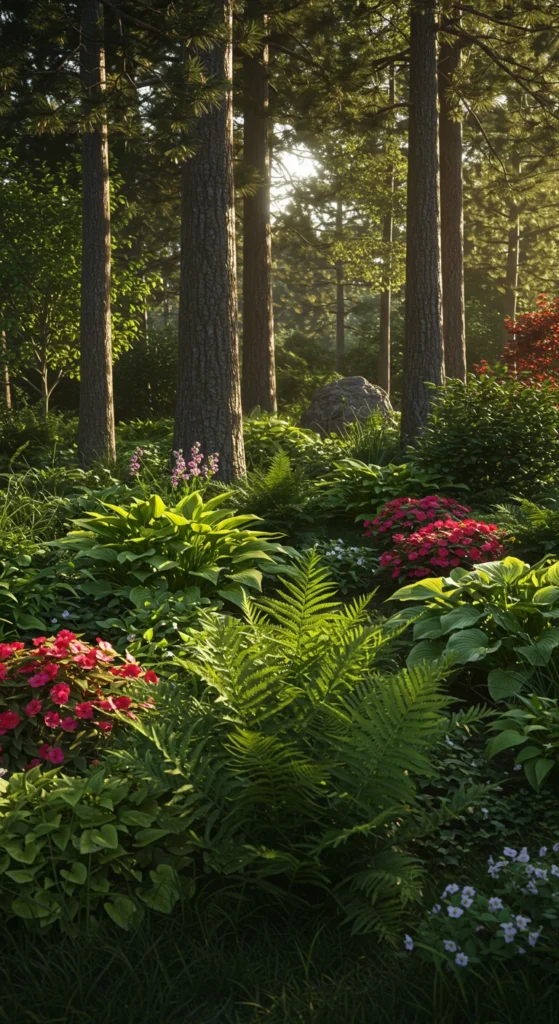
Step 1: Understand Your Shade
Before planting, it’s important to know what kind of shade you’re working with. Not all shade is the same!
- Full shade: No direct sunlight, but still bright enough for growth — great for ferns and hostas.
- Partial shade: 3–4 hours of sunlight daily, often morning or late afternoon.
- Dappled shade: Gentle, shifting light filtered through tree leaves — perfect for woodland plants.
💡 Pro Tip: Observe your space throughout the day to see how light moves. What looks like “deep shade” at noon might get soft light in the morning — that detail can make or break your plant choices.
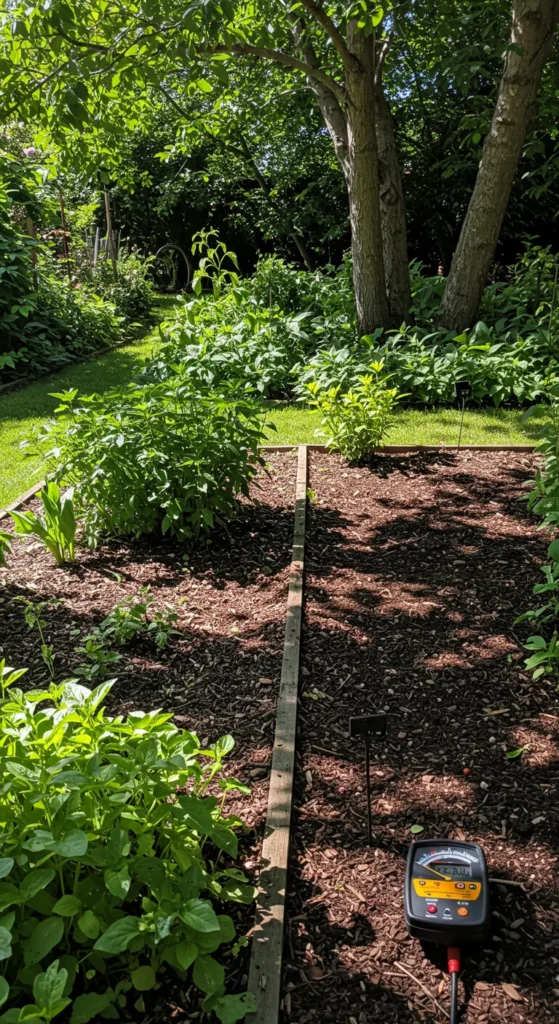
Step 2: Improve the Soil
Shade areas often mean competition — tree roots, dry spots, or poor drainage. To help your plants thrive, give them the best soil possible.
Here’s how to prep it:
- Loosen compacted soil about 8–10 inches deep.
- Mix in organic matter like compost, leaf mold, or aged manure. This boosts moisture retention while improving drainage.
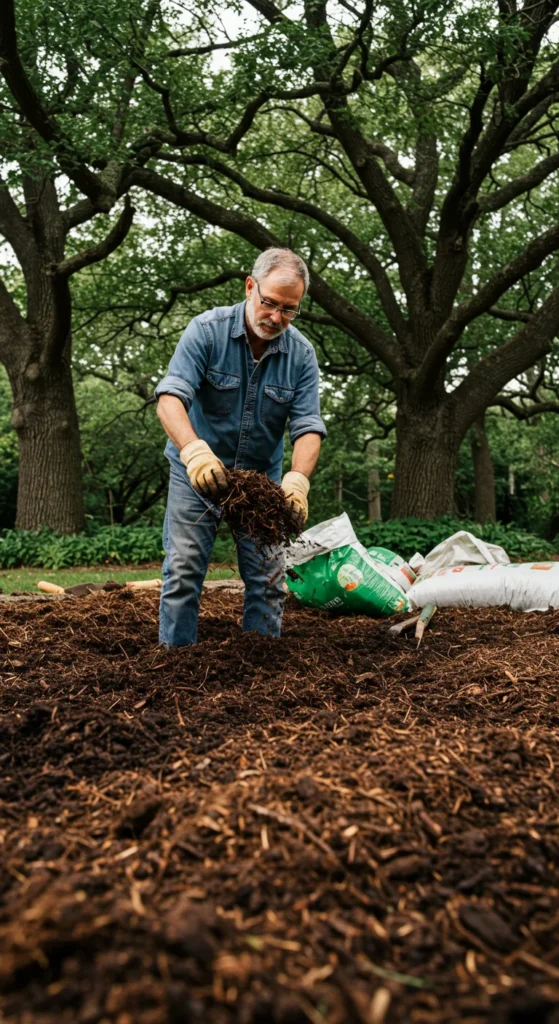
- Add a layer of mulch to keep the soil cool and prevent weeds.
💧 Tip: Avoid piling mulch directly against tree trunks — leave a few inches of space for air circulation.
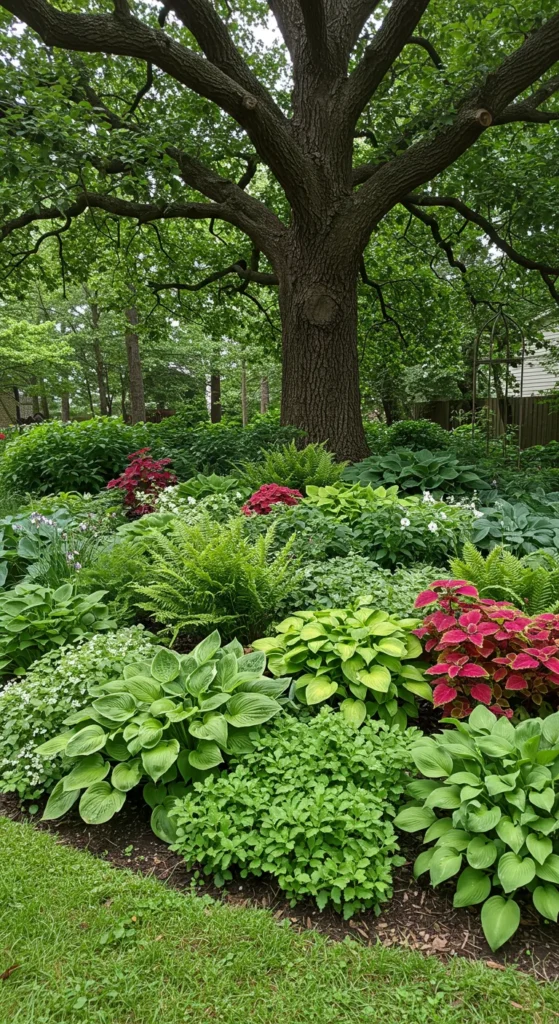
Step 3: Pick the Right Shade-Loving Plants
Here’s where the fun begins — choosing plants that love low light. The secret to a thriving shade garden is variety: mix textures, heights, and leaf colors for visual interest.
Best Plants for Shade Gardens
For texture and foliage:
- Hostas (variegated, giant, or mini types)
- Ferns (lady fern, Japanese painted fern)
- Heuchera (coral bells)
- Pulmonaria (lungwort)
For color and blooms:
- Impatiens or begonias for reliable flowers
- Astilbe for soft, feathery plumes
- Hellebores for early-spring blooms
- Coleus for bold leaf patterns
💡 Design Tip: Combine different leaf shapes — broad hosta leaves next to delicate ferns create natural contrast without needing bright flowers.
Step 4: Water and Feed Thoughtfully
Shade gardens might look cool and moist, but they can dry out fast due to nearby trees soaking up water. Keep an eye on soil moisture, especially during warm months.
- Water deeply once or twice a week rather than light, frequent watering.
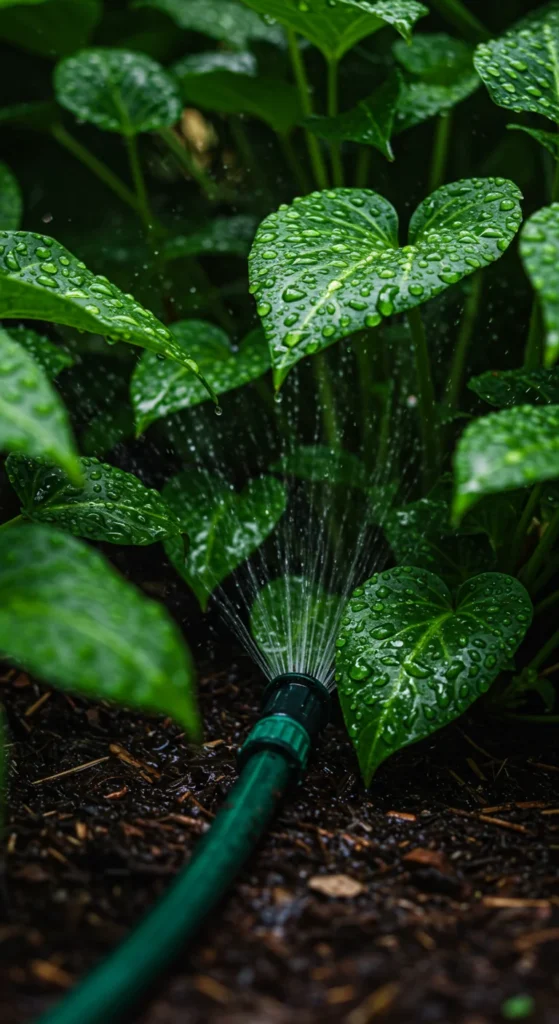
- Use soaker hoses to reach roots without wasting water on leaves.
- Feed twice a year with compost or a slow-release fertilizer for balanced nutrition.
If your garden is near dense trees, consider adding drip irrigation to ensure your plants don’t compete for every drop.
Step 5: Design for Layers and Flow
A great shade garden feels natural and effortless — like a woodland oasis. Use layering to create depth and softness:
- Tall plants (ferns, hydrangeas, hostas) go in the back or center.
- Medium plants (heuchera, astilbe, coleus) fill in the middle.
- Low-growing plants (sweet woodruff, ajuga, mosses) cover the front edges.
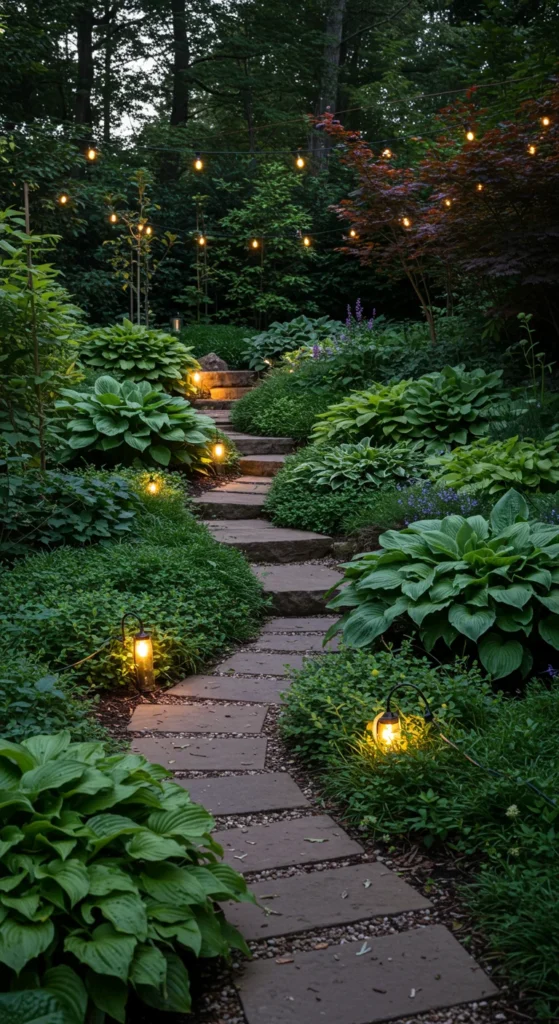
Add stepping stones, logs, or small benches to create structure and invite exploration. Shade gardens are all about calm and flow — keep shapes rounded and natural rather than rigid or geometric.
🌿 Bonus Idea: Add soft lighting — solar lanterns or string lights — to bring your shade garden to life in the evening.
Step 6: Maintain and Refresh
Shade gardens are low-maintenance but not no-maintenance. To keep them lush:
- Trim dead leaves and spent blooms regularly.
- Add fresh compost each spring.
- Watch for slugs — they love moist, shaded areas. (Sprinkle crushed eggshells or diatomaceous earth as a natural deterrent.)
- Replace mulch yearly to keep weeds down and soil healthy.
Over time, your plants will fill in beautifully — turning that once-forgotten corner into a dreamy, evergreen retreat.
Final Takeaway
A thriving shade garden isn’t about fighting darkness — it’s about embracing it. With the right soil, smart plant choices, and a touch of creativity, you can turn shady spots into your garden’s most enchanting feature. 🌿
Leave a Reply